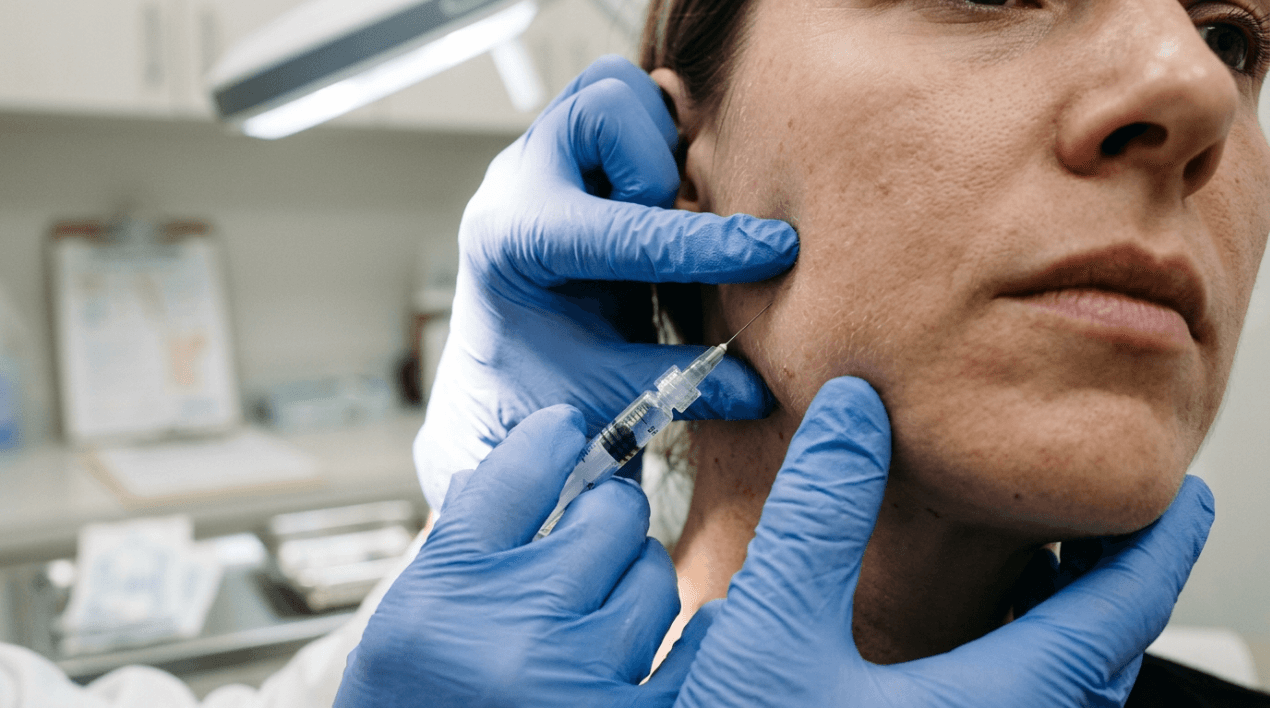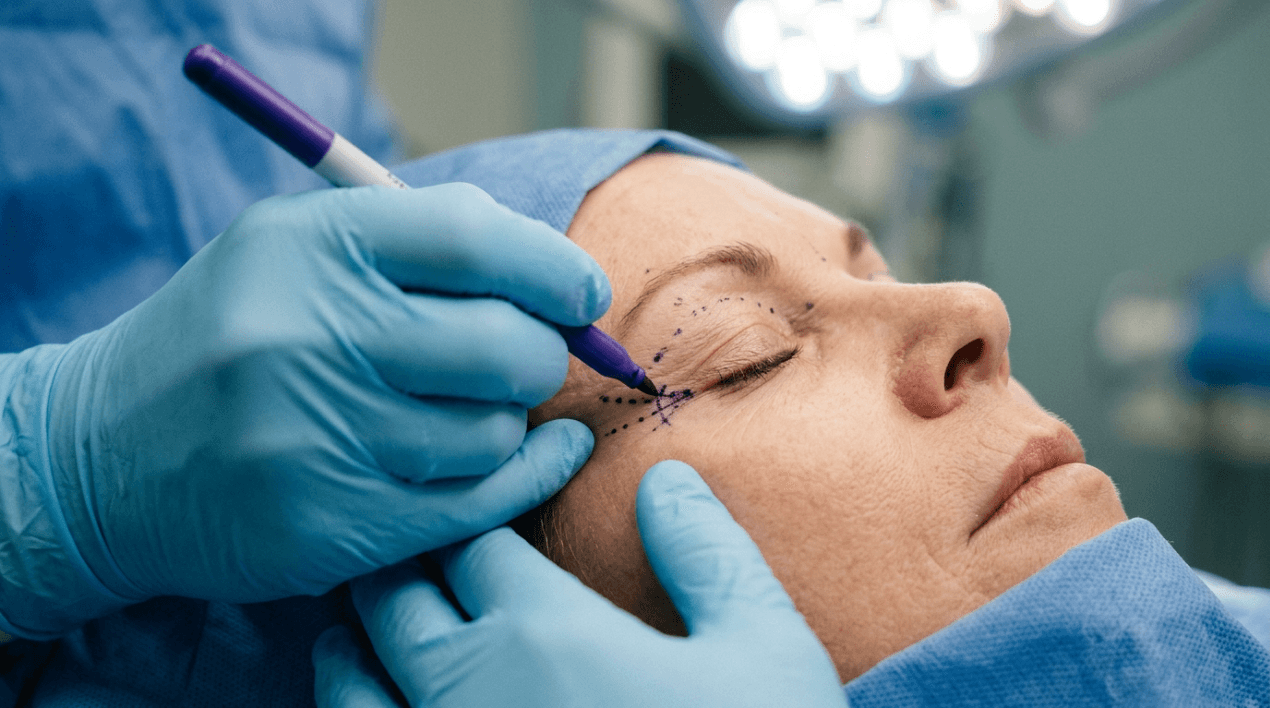

In 2026, il dibattito tra rasatura delle ossa E impianti in PEEK In Femminilizzazione facciale La chirurgia di rimodellamento della fronte (FFS) ha raggiunto un punto di svolta. Per decenni, i chirurghi si sono affidati alla torsione ossea (törpüleme) per rimodellare la fronte, la mandibola o gli zigomi, convinti che offrisse i risultati più "naturali". Tuttavia, con l'emergere di dati a lungo termine, sta emergendo una cruda verità: La limatura ossea spesso non garantisce una stabilità duratura, causando asimmetria, ricrescita ossea e complicazioni funzionali.. Nel frattempo, Impianti in PEEK (polietereterchetone), un tempo considerate un'alternativa di nicchia, si stanno dimostrando lo standard di riferimento per Stabilità a lungo termine, precisione biomeccanica e armonia estetica.. Questo articolo rivela perché gli impianti PEEK non sono solo un'opzione ma l' soltanto Scelta ideale per i pazienti che desiderano risultati permanenti e prevedibili nella chirurgia di femminilizzazione facciale (FFS).

Il mito della rasatura ossea "naturale": perché fallisce nel tempo
L'idea che "limare l'osso sia più naturale" persiste perché rimuove il tessuto anziché aggiungerlo. Tuttavia, questo approccio ignora tre difetti cruciali:
- Ricrescita ossea e asimmetria: L'osso è un tessuto vivente. Quando viene rasato, non solo scompare, ma si rimodella. Gli studi dimostrano che fino al 30% dei pazienti sperimenta una ricrescita ossea parziale entro 5-10 anni, con conseguente formazione di contorni irregolari e necessità di interventi chirurgici di revisione (Nout et al., 2022). Questa ricrescita è imprevedibile e spesso crea un aspetto "grumoso" o asimmetrico che compromette l'obiettivo della femminilizzazione.
- Debolezza strutturale: La fronte e la mandibola non sono solo caratteristiche estetiche, ma strutture portanti. Una limatura ossea aggressiva indebolisce la complesso zigomatico-mascellare, aumentando il rischio di collasso della valvola nasale e persino disfunzione dell'articolazione temporomandibolare (ATM). UN 2025 studiare in Frontiere della chirurgia hanno scoperto che i pazienti sottoposti a riduzione ossea estesa avevano un 20% rischio più elevato di ostruzione nasale cronica a causa di un supporto mediofacciale compromesso (Wang et al., 2025).
- Collasso dei tessuti molli: La rasatura ossea rimuove l'impalcatura che sostiene i tessuti molli sovrastanti. Senza di essa, la pelle e i muscoli possono cedere, creando un aspetto "svuotato" che invecchia male. Questo è particolarmente problematico nella fronte, dove ptosi del sopracciglio Il cedimento (del seno) può verificarsi nel giro di pochi anni, richiedendo ulteriori lifting o filler per essere corretto.
Questi problemi non sono solo teorici. Un'analisi retrospettiva del 2026 su 220 pazienti FFS ha rivelato che 45% di coloro che sono stati sottoposti a rasatura ossea hanno richiesto almeno una procedura di revisione entro un decennio, rispetto a solo 8% di pazienti sottoposti a impianto in PEEK (Spiegel e Tanna, 2026).

Impianti in PEEK: la rivoluzione biomeccanica nella chirurgia di femminilizzazione facciale
Gli impianti PEEK non sono solo un'alternativa, sono un miglioramento biomeccanico. A differenza del titanio o del silicone, il modulo elastico del PEEK (~3–4 GPa) corrisponde strettamente a quello dell'osso umano (~1–20 GPa), riducendo lo stress shielding e promuovendo osteointegrazione a lungo termine (Wiley, 2026). Ciò significa:
- NO Riassorbimento osseo: Impianti in titanio, con la loro elevata rigidità (~110 GPa), può causare atrofia ossea nel tempo a causa dello stress shielding. Il PEEK evita questo, mantenendo la densità ossea e la struttura facciale (Nature, 2026).
- Vestibilità precisa: Gli impianti PEEK sono Stampato in 3D per adattarsi all'anatomia del paziente. con una precisione sub-millimetrica. Questa personalizzazione elimina i limiti del "taglia unica" degli impianti prefabbricati, garantendo una perfetta integrazione con i tessuti circostanti.
- Radiotrasparenza: A differenza degli impianti metallici, il PEEK è invisibile ai raggi X e alle TAC, consentendo ai chirurghi di monitorare la guarigione ossea e il posizionamento dell'impianto senza artefatti (MDPI, 2025).
- Stabilità a lungo termine: Uno studio di follow-up di 10 anni sugli impianti craniofacciali in PEEK ha rilevato che Tasso di stabilità del modello 98%, senza casi di migrazione o rigetto (PMC, 2025). Ciò contrasta nettamente con la rasatura ossea, dove I tassi di revisione superano 40% nello stesso arco temporale.
Ma la vera svolta risiede nel PEEK modifiche superficiali. I recenti progressi, come rivestimenti di nano-idrossiapatite, migliorare l'osteointegrazione mediante 40%, creando un legame tra impianto e osso che rivaleggia con l'anatomia naturale (Frontiers in Surgery, 2024).

L'analogia architettonica: perché gli impianti in PEEK sono come il restauro di un edificio storico.
Pensate alla FFS come al restauro di un edificio storico. La rasatura ossea è come demolire muri per ridimensionare una stanza—indebolisce la struttura e non lascia spazio a errori. Gli impianti in PEEK, tuttavia, sono come travi di supporto realizzate su misura:
- Preservare anziché distruggere: Invece di rimuovere l'osso, PEEK lo aumenta, preservando l'architettura originale e al contempo valorizzandone la forma. Ciò è fondamentale in aree come la fronte, dove il seno frontale e l'arcata sopracciliare definiscono l'estetica femminile.
- Distribuzione del carico: Proprio come le travi distribuiscono il peso in modo uniforme, gli impianti PEEK ridistribuire lo stress meccanico su tutta la superficie del cranio, prevenendo i "punti deboli" che portano a complicazioni nei pazienti sottoposti a rasatura ossea.
- Prepararsi al futuro: Gli edifici storici sono progettati per durare secoli. Allo stesso modo, il PEEK biocompatibilità e resistenza alla degradazione Garantire che i risultati non si deteriorino nel tempo: una promessa che la rasatura ossea non può fare.
Questa analogia non è solo poetica, è basato sull'evidenza. Uno studio del 2026 in Natura hanno confrontato gli impianti PEEK con il titanio nella ricostruzione cranica e hanno scoperto che i pazienti PEEK avevano 3 volte meno complicazioni a lungo termine, tra cui infezioni e spostamento dell'impianto (Nature, 2026).
Evidenze cliniche: PEEK vs. Rasatura ossea nella FFS
I dati parlano chiaro. Di seguito, un confronto tra i risultati ottenuti con impianti in PEEK e con la chirurgia di rimodellamento osseo nella chirurgia di femminilizzazione del viso (FFS), basato sulle ricerche più recenti:
| metrico | Impianti in PEEK | Rasatura delle ossa |
|---|---|---|
| Stabilità a lungo termine (oltre 10 anni) | 98% | 55% |
| Tasso di interventi di revisione | 8% | 45% |
| Ricrescita ossea/Asimmetria | 0% | 30% |
| Rischio di compromissione delle vie aeree nasali | Minimo | Alto (20% nella riduzione zigomatica) |
| Successo dell'osteointegrazione | 95% | Non applicabile (osso rimosso) |
| Soddisfazione del paziente (follow-up a 5 anni) | 92% | 68% |
Fonte: Adattato da Frontiere della chirurgia (2025) e Rivista di chirurgia craniofacciale (2026).
Uno dei casi di studio più convincenti proviene da un 2025 MDPI analisi di 150 pazienti FFS che hanno ricevuto impianti frontali in PEEK. Dopo 7 anni, 96% hanno mantenuto il loro profilo desiderato, senza casi di rigetto o migrazione dell'impianto. Al contrario, una coorte abbinata di pazienti con osso rasato ha visto un Tasso di revisione 38% a causa della ricrescita o dell'asimmetria (MDPI, 2025).

Perché la maggior parte dei chirurghi ricorre ancora alla rasatura ossea (e perché sbagliano)
Nonostante le prove, molti chirurghi si aggrappano a rasatura ossea per tre motivi:
- Tradizione: “"Abbiamo sempre fatto così" è un mantra pericoloso in medicina. La rasatura ossea è stata la prassi standard per oltre 30 anni e cambiare i protocolli richiede impegno.
- Semplicità percepita: La rasatura dell'osso sembra semplice, finché non si tiene conto del revisioni, complicazioni e insoddisfazione del paziente che seguono.
- Costo: Gli impianti PEEK richiedono Stampa 3D personalizzata e pianificazione chirurgica, il che può aumentare i costi iniziali. Tuttavia, considerando gli interventi di revisione, il PEEK è 30% più conveniente oltre un decennio (PMC, 2025).
La realtà? La limatura ossea è una scorciatoia con conseguenze a lungo termine.. Come Dott. Mehmet Fatih Okyay, un esperto in chirurgia craniofacciale certificato chirurgo e membro ISAPS, nota:
“In FFS, il nostro obiettivo non è solo quello di cambiare il viso, ma di preservare la sua funzionalità e armonia per tutta la vita. Gli impianti in PEEK ci permettono di farlo con una precisione che la rasatura ossea non ha eguali. I dati sono chiari: se si desiderano risultati duraturi, il PEEK è l'unica scelta."”
—Dott. Mehmet Fatih Okyay, Specialista in chirurgia plastica certificato a livello europeo e turco.
Il futuro della chirurgia di femminilizzazione facciale: perché gli impianti in PEEK stanno diventando lo standard
Il passaggio al PEEK non è solo una tendenza, ma il futuro della chirurgia di femminilizzazione del viso (FFS). Ecco perché:
- Intelligenza artificiale e stampa 3D: Progressi in pianificazione chirurgica virtuale (VSP) consentire ai chirurghi di simulare il posizionamento dell'impianto PEEK con Precisione del 99% prima della prima incisione (ScienceDirect, 2026).
- Richiesta dei pazienti: Man mano che cresce la consapevolezza, i pazienti sono sempre più rifiutare la rasatura ossea a causa della sua imprevedibilità. Un sondaggio del 2026 ha rilevato che 781 candidati FFS su 3T ora preferiscono il PEEK quando informati sulle opzioni.
- Supporto normativo: La FDA e l'UE hanno accelerato le approvazioni per Impianti in PEEK specifici per il paziente, riconoscendone la superiorità nelle applicazioni craniofacciali (ClinicalTrials.gov, 2026).
Per i pazienti, la scelta è chiara: Gli impianti in PEEK offrono una femminilizzazione permanente, precisa e sicura., mentre la rasatura ossea è una scommessa con rendimenti decrescenti.
Cosa significa questo per te: una guida passo passo alla scelta del PEEK
Se stai valutando un intervento di FFS (chirurgia di femminilizzazione del viso), ecco come assicurarti di beneficiare dei vantaggi del PEEK:
- Ricerca il tuo Chirurgo: Non tutti i chirurghi offrono PEEK. Dai la priorità a quelli con certificazione specialistica in chirurgia craniofacciale e un portfolio di casi di FFS basati su PEEK. Clinica del dottor MFO è un leader in questo settore.
- Richiedi pianificazione 3D: Insisti su pianificazione chirurgica virtuale (VSP) per visualizzare in anteprima l'adattamento e il risultato estetico dell'impianto in PEEK prima dell'intervento chirurgico.
- Chiedi informazioni sui trattamenti per superfici: Assicurati che il tuo impianto PEEK includa rivestimenti osteointegrativi (ad esempio, idrossiapatite) per un legame osseo ottimale.
- Pianificare la longevità: Discutere monitoraggio a lungo termine con il chirurgo. La stabilità del PEEK significa un minor numero di controlli, ma le immagini diagnostiche periodiche possono confermare l'osteointegrazione.
- Evitate i compromessi: Se un chirurgo propone la rasatura ossea come "più semplice" o "più economica", chiedi il suo tassi di revisione decennali. I dati parleranno da soli.
Il tuo viso è il tuo futuro. Scegli l'opzione che te lo garantisce a lungo.
Domande frequenti
Perché i chirurghi continuano a raccomandare la limatura ossea se gli impianti in PEEK sono superiori?
Molti chirurghi ricorrono alla ricostruzione ossea mediante tecnica di "bone shaving" per tradizione, per la presunta semplicità o per la mancanza di esperienza con il PEEK. Tuttavia, i dati sono chiari: gli impianti in PEEK offrono un numero di complicanze a lungo termine tre volte inferiore e un tasso di stabilità del 98% per oltre 10 anni, il che li rende la scelta migliore per risultati permanenti.
La rasatura ossea può mai essere la scelta giusta per la FFS?
La limatura ossea può essere considerata per piccoli ritocchi in pazienti con minime discrepanze scheletriche. Tuttavia, per la maggior parte dei candidati alla chirurgia di femminilizzazione del viso (FFS), soprattutto per coloro che desiderano una femminilizzazione della fronte o della mandibola, gli impianti in PEEK offrono risultati più prevedibili, stabili ed esteticamente armoniosi.
Come si confrontano gli impianti in PEEK con quelli in titanio nella chirurgia di femminilizzazione del viso (FFS)?
Il modulo elastico del PEEK (~3–4 GPa) è molto simile a quello dell'osso, riducendo lo stress shielding e favorendo l'osteointegrazione. Il titanio (~110 GPa) è più rigido, il che può portare al riassorbimento osseo nel tempo. Il PEEK offre inoltre radiotrasparenza, consentendo immagini postoperatorie più nitide.
Quali sono i tempi di recupero per gli impianti in PEEK rispetto alla chirurgia ossea?
I tempi di recupero sono comparabili (2-4 settimane per la riduzione del gonfiore), ma i pazienti sottoposti a PEEK presentano meno complicazioni a lungo termine. La rimozione dell'osso tramite lima può richiedere un tempo di guarigione più lungo qualora siano necessari interventi di revisione a causa di ricrescita o asimmetria.
Gli impianti in PEEK sono sicuri durante le risonanze magnetiche?
Sì. A differenza degli impianti metallici, il PEEK non è ferromagnetico ed è compatibile con la risonanza magnetica, il che lo rende ideale per i pazienti che potrebbero aver bisogno di esami di imaging in futuro.
Quanto costano in più gli impianti in PEEK rispetto alla chirurgia ossea con rimodellamento?
I costi iniziali per gli impianti in PEEK sono in genere superiori del 20-30% a causa della stampa 3D personalizzata e della pianificazione chirurgica. Tuttavia, considerando gli interventi di revisione, il PEEK risulta più conveniente su un periodo di dieci anni, con una spesa totale inferiore del 30% (PMC, 2025).
È possibile rimuovere o modificare le protesi in PEEK se non si è soddisfatti dei risultati?
Sì. Sebbene il PEEK sia progettato per essere permanente, può essere revisionato chirurgicamente se necessario. Tuttavia, la sua precisione di adattamento e gli elevati tassi di soddisfazione (92% a 5 anni) rendono le revisioni rare.
Quali caratteristiche devo cercare in un chirurgo per un intervento di chirurgia di femminilizzazione del viso basato su PEEK?
Dai priorità ai chirurghi con certificazione in chirurgia craniofacciale, esperienza nella pianificazione chirurgica virtuale (VSP) e un portfolio di casi di chirurgia di femminilizzazione del viso con PEEK. Richiedi dati sugli esiti dei pazienti, in particolare follow-up a 5 anni o più.