
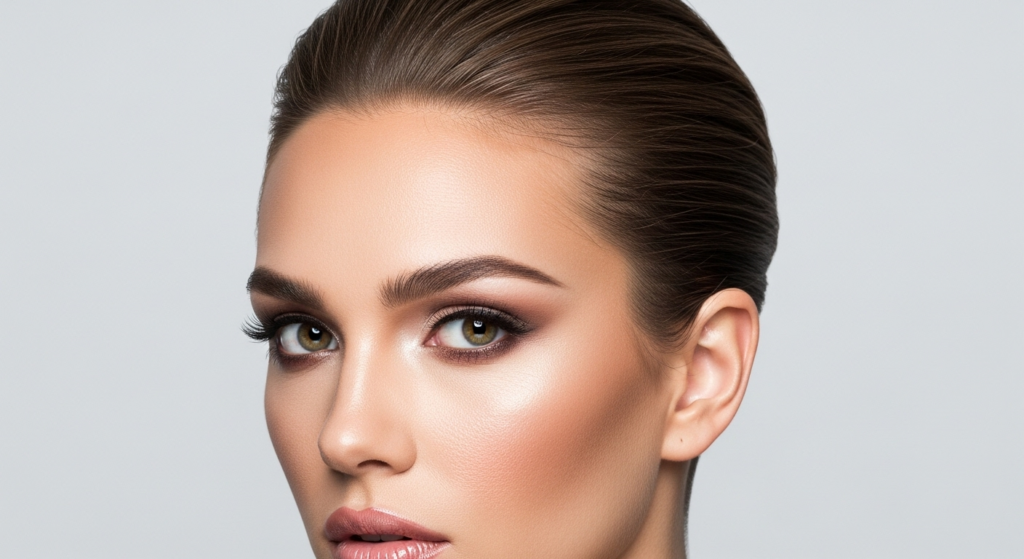
Unter Berücksichtigung von Gesichtsfeminisierung Bei der Gesichtsfeminisierung (FFS) sind Stirn und Haaransatz oft die wichtigsten Punkte, um ein feminines Gesichtsprofil zu erzielen. Der Haaransatz spielt eine zentrale Rolle bei der Definition des oberen Gesichtsdrittels und beeinflusst die Wahrnehmung von Geschlecht, Alter und die allgemeine Gesichtsharmonie. Transgender-Frauen Für nicht-binäre Personen, die sich ein feminineres Aussehen wünschen, kann ein hoher oder zurückweichender Haaransatz eine erhebliche Belastung darstellen. Glücklicherweise bietet die moderne ästhetische Medizin zwei Hauptlösungen: die operative Haaransatzkorrektur (Stirnverkleinerung) und die Haartransplantation. Beide Verfahren zielen darauf ab, den Haaransatz abzusenken, unterscheiden sich jedoch deutlich in ihren Wirkungsweisen, der Genesungszeit und den idealen Kandidaten. Diese Unterschiede zu verstehen ist entscheidend für alle, die eine Gesichtsfeminisierung (FFS) in Erwägung ziehen, da die Wahl des falschen Verfahrens zu suboptimalen Ergebnissen führen kann, die nicht mit der individuellen Knochenstruktur und Haardichte harmonieren.
Die Verwirrung rührt oft daher, dass beide Eingriffe dasselbe anatomische Problem behandeln: eine hohe Stirn. Chirurgisch gesehen ist die Haaransatzkorrektur jedoch ein struktureller Eingriff, bei dem die behaarte Kopfhaut physisch nach unten verlagert wird, während eine Haaransatzkorrektur… Haartransplantation Die Stirnverkleinerung ist ein Verfahren zur Umverteilung von Haarfollikeln in Bereiche mit Haarausfall. Dieser Leitfaden beleuchtet die klinischen Gegebenheiten beider Verfahren und vergleicht die chirurgische Stirnverkleinerung mit der follikulären Umverteilung durch Haartransplantationen, insbesondere im Kontext der Stirnverkleinerung.
Der Hauptunterschied zwischen Operation zur Senkung des Haaransatzes Bei beiden Behandlungen handelt es sich um eine manuelle Haartransplantation. Eine Haarlinienkorrektur dient dazu, die Position des Haaransatzes zu verändern, insbesondere bei Menschen mit einer von Natur aus hohen Stirn. Im Gegensatz dazu wird eine Haartransplantation eingesetzt, um verlorenes oder dünner werdendes Haar wiederherzustellen, indem gesunde Haarfollikel in die betroffenen Bereiche verpflanzt werden.
— Trendiges Journal
Inhaltsverzeichnis
Verfahrensdefinition: Strukturelle vs. distributive Ansätze
Um zu verstehen, welches Verfahren bei einer Gesichtsfeminisierung (FFS) besser geeignet ist, müssen wir zunächst die Anatomie des Haaransatzes und der Stirn definieren. Der Haaransatz markiert die Grenze zwischen der behaarten Kopfhaut und der Stirnhaut. Bei einem maskulinen Muster liegt dieser Ansatz oft höher und kann an den Schläfen zurückweichen, wodurch eine M-Form entsteht. Bei einem femininen Muster ist der Haaransatz typischerweise tiefer, runder und liegt etwa 5,5 bis 6,5 cm über dem Supraorbitalbogen (dem Brauenbein). Ziel der FFS ist es, diese Struktur zu feminisieren, entweder durch Absenken des Haaransatzes oder durch Auffüllen von zurückweichenden Bereichen, um eine weichere, rundere Kontur zu erzielen.
Die chirurgische Haarlinienverlagerung, auch Stirnverkleinerung oder Kopfhautvorverlagerung genannt, ist ein struktureller Eingriff. Dabei wird entlang der bestehenden Haarlinie ein Schnitt gesetzt, die Kopfhaut von der darunterliegenden Faszie gelöst und die behaarte Kopfhaut nach unten verlagert. Durch die Entfernung eines Hautstreifens an der Stirn wird die Haarlinie direkt abgesenkt. Es handelt sich um eine direkte anatomische Veränderung, die die Position der Haarlinie relativ zum Brauenbogen korrigiert.
Die Haartransplantation hingegen ist ein Verfahren zur Verteilung des Haaransatzes. Sie verändert nicht die Position des bestehenden Haaransatzes. Stattdessen werden Haarfollikel aus einem Spenderbereich (typischerweise dem Hinterkopf) entnommen und in die Stirnhaut implantiert, um den Eindruck eines tieferen Haaransatzes zu erzeugen. Dadurch wird die hohe Stirn im Wesentlichen durch neues Haarwachstum kaschiert. Sie eignet sich ideal, um in lichten Bereichen für mehr Haardichte zu sorgen oder die Form des Haaransatzes zu verfeinern, erfordert jedoch ausreichend Spenderhaar.
Die Rolle des Supraorbitalwulstes
Der Supraorbitalwulst ist der knöcherne Vorsprung über den Augen. Bei vielen männlichen Gesichtszügen ist dieser Wulst ausgeprägt und oft von einer nach vorne ragenden Stirnhöhle begleitet. Bei der Feminisierungschirurgie (FFS) ist die Korrektur des Brauenknochens häufig Voraussetzung für die Haaransatzkorrektur. Ist der Brauenknochen prominent, kann eine alleinige Absenkung des Haaransatzes ohne Reduzierung des Brauenknochens (frontale Kranioplastik) zu einem “schweren” oder “vorstehenden” Stirnbild führen, was der Feminisierung entgegenwirkt.
Der Unterschied zwischen einer erfolgreichen und einer misslungenen Haaransatzkorrektur liegt oft in der Behandlung des Brauenknochens. Eine Haaransatzkorrektur ist am effektivsten, wenn sie mit einer Brauenknochenreduktion kombiniert wird. Dabei wird die Kopfhaut nach unten verlagert und der darunterliegende Knochen so geformt, dass ein sanfter, ebener Übergang von der Stirn zur Nase entsteht. Ohne diese skelettale Anpassung kann der Haaransatz zwar tiefer liegen, das Profil bleibt jedoch maskulin.

Chirurgische Verfahren: Haaransatzkorrektur und Augenbrauenknochenreduktion
Die chirurgische Haarlinienabsenkung bietet die unmittelbarste und dauerhafteste Reduzierung der Stirnhöhe. Das primäre Verfahren hierfür ist die Kombination eines koronalen oder Haarlinienschnitts mit einer Kopfhautverschiebung. Oberlidstraffung (Augenlidoperation) wird oft gleichzeitig durchgeführt, um überschüssige Haut an den Oberlidern zu entfernen, was nach einer größeren Kopfhautverlagerung häufig vorkommt.
Haaransatzkorrektur und Haartransplantation sind zwei beliebte Lösungen für Menschen, die ihr Haarbild verbessern möchten, sei es aus genetischen Gründen, aufgrund des Alters oder wegen Haarausfalls. Beide Verfahren zielen darauf ab, ein jugendlicheres und harmonischeres Gesichtsbild zu erzielen, unterscheiden sich jedoch deutlich in Vorgehensweise, Ergebnissen, Heilungsdauer und Eignung.
— Tsilosani-Klinik
Der Goldstandard für die dauerhafte Absenkung des Haaransatzes bei der Gesichtsfeminisierung (FFS) ist das endoskopische Stirnlifting mit Haaransatzverlagerung. Dabei werden kleine Schnitte hinter dem Haaransatz vorgenommen. der Chirurg Dabei wird ein Endoskop verwendet, um die darunterliegenden Strukturen sichtbar zu machen. Die Kopfhaut wird vom Schädel gelöst und nach unten verschoben. Anschließend wird der Haaransatz in seiner neuen, tieferen Position fixiert. Dieser Eingriff ist invasiv und erfordert eine Vollnarkose, die Ergebnisse sind jedoch dauerhaft und behandeln die darunterliegende Skelettstruktur.
| Verfahren | Zielanatomie | Ort der Inzision | Anästhesie | Erholung |
| Kopfhautförderung | Stirnmuskel, Kopfhaut, Stirnhaut | Entlang des Haaransatzes oder der Krone | Allgemein | 2-3 Wochen (Schwellungen/Blutergüsse) |
| Reduzierung des Brauenknochens | Stirnhöhle, Supraorbitalwulst | Koronal oder endoskopisch | Allgemein | 3-4 Wochen (verstopfte Nase) |
| Haartransplantation (FUE) | Follikuläre Einheiten (Spenderbereich) | Mikrostanzen (Spender & Empfänger) | Lokal | 7-10 Tage (Krustenablösung) |
| Kombinierter Ansatz | Knochen, Haut, Haarfollikel | Mehrere Einschnitte | Allgemein | 4-6 Wochen (Stufenweise Genesung) |
Die anatomischen Grenzen der Chirurgie
Nicht jedes Gesicht eignet sich für eine aggressive Haaransatzkorrektur. Patienten mit einer sehr straffen Kopfhaut oder eingeschränkter Kopfhautbeweglichkeit erreichen möglicherweise keine signifikante Vorverlagerung (in der Regel begrenzt auf 2–3 cm). Darüber hinaus besteht bei Patienten mit einem bereits niedrigen Haaransatz das Risiko eines Spannungshaaransatzes, der zu Narbenbildung oder Haarausfall an der Schnittstelle führen kann.
Umgekehrt kann es bei Patientinnen mit ausgeprägtem Geheimratsecken-Haaransatz (Witwenspitzen) vorkommen, dass eine alleinige Haaransatzkorrektur die M-förmige Haarlinie nicht ausreichend korrigiert. In diesen Fällen wird häufig eine Kombination aus Kopfhautverlagerung und Haartransplantation im Schläfenbereich empfohlen. Der Eingriff gleicht die Stirnmitte aus, während die Transplantate die zurückweichenden Schläfen auffüllen und so eine abgerundete, feminine Kontur schaffen.
Haartransplantation: Der distributive Ansatz
Die Haartransplantation ist ein hochspezialisiertes Gebiet, das sich mit der Einführung der Follikulären Einheitsextraktion (FUE) deutlich weiterentwickelt hat. Bei der FUE werden einzelne Haarfollikel aus dem Spenderbereich entnommen und in den Empfängerbereich (die Stirn) implantiert. Diese Methode hinterlässt nur minimale Narben und ermöglicht eine präzise Kontrolle über Wuchsrichtung und Dichte der Haare.
‘'Bei Dr.MFO, Wir sind uns bewusst, dass die Wahl zwischen Haaransatzkorrektur und Haartransplantation im Wesentlichen eine Wahl zwischen struktureller Veränderung und Haarfollikelumverteilung darstellt. Bei der Haaransatzkorrektur wird die behaarte Kopfhaut physisch verlagert, während eine Haartransplantation eine Umverteilung bewirkt, die lichte Stellen verdichtet. Die Entscheidung hängt von der Beweglichkeit Ihrer Kopfhaut, Ihrer Haardichte und dem gewünschten Ergebnis ab.’
— Dr. MFO Klinische Perspektive
FUE vs. FUT: Die richtige Technik wählen
Die Follikuläre Einheitenextraktion (FUE) ist die bevorzugte Methode für FFS-Haartransplantationen. Dabei werden mit einem Mikrostanzinstrument einzelne Haarfollikel aus dem Spenderbereich entnommen. Dies führt zu winzigen, punktförmigen Narben, die von den umliegenden Haaren kaum sichtbar sind. FUE ermöglicht die Entnahme von Haaren aus dem Bart oder vom Körper, falls das Kopfhaar nicht ausreicht. Dies ist häufig bei Transfrauen der Fall, die unter starkem männlichem Haarausfall leiden.
Die Follikuläre Einheitstransplantation (FUT), auch Streifenmethode genannt, beinhaltet die Entnahme eines Hautstreifens aus dem Spenderbereich und dessen mikroskopische Präparation. Obwohl die FUT in einer Sitzung eine höhere Anzahl an Transplantaten ermöglicht, hinterlässt sie eine lineare Narbe am Hinterkopf. Bei der Gesichtsfeminisierung (FFS), bei der Patientinnen und Patienten ihre Haare in verschiedenen Frisuren tragen, ist die Sichtbarkeit einer linearen Narbe ein wichtiges Anliegen, weshalb die Follikuläre Unbehandelte Haartransplantation (FUE) als Standardverfahren gilt.
Die Grenzen von Haartransplantationen zur Senkung des Haaransatzes
Haartransplantationen eignen sich zwar hervorragend, um die Haardichte zu erhöhen und die Haarform zu verfeinern, stoßen aber hinsichtlich des Ausmaßes der Absenkung an ihre Grenzen. Eine Haartransplantation kann den Haaransatz nicht mehr als um wenige Millimeter absenken, ohne unnatürlich zu wirken. Werden die Transplantate zu tief auf der Stirn platziert, entsteht ein künstliches, “stummeliges” Aussehen, und die natürlichen Grenzen des Haaransatzes werden verletzt.
Darüber hinaus ist nach einer Haartransplantation eine Wartezeit von 12 bis 18 Monaten erforderlich, um das endgültige Ergebnis zu sehen. Die transplantierten Haare fallen nach 2 bis 4 Wochen aus und beginnen nach etwa 3 bis 4 Monaten wieder zu wachsen. Diese verzögerte Wirkung kann für Patienten, die sich sofortige Ergebnisse nach einer Gesichtsfeminisierung wünschen, eine Herausforderung darstellen. Ist der darunterliegende Stirnknochen zudem prominent, kann eine Transplantation allein das Profil nicht korrigieren, sodass selbst bei einem tieferen Haaransatz eine “gewölbte” Stirn zurückbleiben kann.
Vergleichende Analyse: Lebensdauer, Risiken und Kosten
Bei der Entscheidung zwischen einer Haarlinienkorrektur und einer Haartransplantation im Rahmen einer Gesichtsfeminisierung (FFS) sollten Dauerhaftigkeit und Invasivität gegeneinander abgewogen werden. Eine Haarlinienkorrektur ist eine einmalige strukturelle Veränderung, während für eine Haartransplantation mehrere Sitzungen erforderlich sein können, um die gewünschte Dichte zu erreichen. Nicht-chirurgische Methoden wie Minoxidil oder Finasterid erfordern einen hohen Pflegeaufwand und sind durch die Elastizität der Haut und die darunterliegende Knochenstruktur begrenzt.
‘Um die ideale feminine Haarlinie zu erreichen, gibt es drei verschiedene klinische Wege: die chirurgische Haarlinienkorrektur (dauerhafte strukturelle Veränderung), die Haartransplantation (dauerhafte Umverteilung der Haarfollikel) oder eine Kombination beider Verfahren (strukturelle Veränderung plus Verdichtung). Dieser Leitfaden vergleicht die Haltbarkeit, die Risiken und die Kosten jeder Methode, um Ihnen bei der Entscheidung zu helfen, welche Methode am besten zu Ihrer Anatomie passt.’
— Dr. MFO Klinische Perspektive
| Verfahren | Langlebigkeit | Wiederherstellungszeit | Wichtigste Risiken | Geschätzter Kostenbereich |
| Operation zur Haarliniensenkung | Dauerhaft | 2-3 Wochen (Sichtbare Schwellung) | Narbenbildung, Haarausfall an der Operationswunde, Taubheitsgefühl | $4.000 – $8.000 |
| Haartransplantation (FUE) | Dauerhaft (Transplantate) | 7-10 Tage (Krusten) | Schockverlust, Infektion, ungleichmäßiges Wachstum | $3.000 – $10.000 (pro Sitzung) |
| Kombinierter Ansatz | Dauerhaft | 4-6 Wochen | Komplexe Heilung, höhere Kosten | $7.000 – $15.000 |
| Reduzierung des Brauenknochens | Dauerhaft | 3-4 Wochen | Nasenprobleme, Nebenhöhlenkomplikationen | $5.000 – $12.000 |
Die Kosten-Nutzen-Analyse
Haartransplantationen erscheinen zwar zunächst günstiger für kleinere Korrekturen, doch die Gesamtkosten für eine deutliche Absenkung des Haaransatzes übersteigen oft die einmaligen Operationskosten. Ein Patient, der 2.000 Grafts benötigt, um den Haaransatz um 1 cm abzusenken, muss mit Kosten zwischen 6.000 und 8.000 Baht rechnen, während eine operative Haaransatzkorrektur in einem einzigen Eingriff für einen ähnlichen Preis eine Absenkung von 2–3 cm ermöglicht. Darüber hinaus ist die Genesung nach einer Operation mit einer einmaligen Ausfallzeit verbunden, während eine Haartransplantation zwar nur eine minimale Ausfallzeit mit sich bringt, jedoch mehrere Sitzungen erfordert und keine Auszeit erlaubt.
Auch die Risikoprofile unterscheiden sich deutlich. Chirurgische Komplikationen stehen in der Regel im Zusammenhang mit der Wundheilung und der Anästhesie, sind aber einmalig zu behandeln. Nicht-chirurgische Komplikationen oder Komplikationen nach einer Transplantation können sich kumulativ anhäufen; beispielsweise können wiederholte Transplantationen die Haarreserven des Spenders erschöpfen und zukünftige Eingriffe erschweren. “Schockhaarausfall” (vorübergehender Haarausfall) ist ein Risiko bei Transplantationen, während chirurgische Risiken in der Regel auf das Operationsgebiet beschränkt sind.
Gesichtsform-Eignung: Welches Verfahren passt zu Ihrer Anatomie?
Die Entscheidung zwischen einer Haarlinienkorrektur und einer Haartransplantation hängt stark von Ihrer individuellen Gesichtsstruktur und der Beweglichkeit Ihrer Kopfhaut ab. Ein Eingriff, der bei einem herzförmigen Gesicht harmonisch wirkt, kann bei einem eckigen oder runden Gesicht unharmonisch erscheinen. Ziel jeder Haarlinienkorrektur im Rahmen der Gesichtsfeminisierung (FFS) ist es, die Gesichtsdrittel und -fünftel auszugleichen und nicht nur die Haarlinie isoliert abzusenken.
Hohe Kopfhautmobilität
Patienten mit hoher Kopfhautbeweglichkeit (der Fähigkeit, die Kopfhaut deutlich über den Schädel zu bewegen) sind ideale Kandidaten für eine Haaransatzkorrektur. Dies wird häufig im Rahmen einer körperlichen Untersuchung festgestellt. Lässt sich der Haaransatz leicht und ohne großen Zug nach unten ziehen, ist eine Absenkung um 2–3 cm wahrscheinlich. Diese Patienten profitieren am meisten von der strukturellen Methode, da die Ergebnisse sofort sichtbar und dauerhaft sind.
Straffe Kopfhaut oder eingeschränkte Beweglichkeit
Patienten mit straffer Kopfhaut oder eingeschränkter Beweglichkeit eignen sich möglicherweise nicht für eine aggressive Haaransatzkorrektur. In diesen Fällen ist eine Haartransplantation die Methode der Wahl. Zwar lässt sich der Haaransatz damit nicht drastisch absenken, aber die Form kann verfeinert, zurückliegende Schläfen aufgefüllt und die Haardichte im Stirnbereich erhöht werden. Oft wird dies mit einer Reduktion des Brauenknochens kombiniert, um die Feminisierung des oberen Gesichts zu maximieren.
Zurückweichende Schläfen (M-förmiger Haaransatz)
Bei Personen mit einem ausgeprägten M-förmigen Haaransatz oder starkem Geheimratsecken reicht eine alleinige Haaransatzkorrektur möglicherweise nicht aus. Die Stirnpartie kann zwar abgesenkt werden, die Schläfen bleiben jedoch hoch, wodurch eine unnatürliche Kontur entsteht. Die ideale Lösung ist oft eine Kombination: eine Haaransatzkorrektur der Stirnpartie und eine Haartransplantation an den Schläfen. So entsteht ein harmonischer, abgerundeter Haaransatz, der typisch für eine feminine Haarlinie ist.
Markante Augenbrauenknochen vs. flache Stirn
Bei ausgeprägten Augenbrauenknochen ist vor oder während einer Haarlinienkorrektur eine Skelettreduktion erforderlich. Bei Patienten mit ausgeprägten Augenbrauen, aber geringer Kopfhautbeweglichkeit, wird häufig eine Kombination aus Augenbrauenknochenreduktion und Haartransplantation angewendet. Durch die Reduktion des Knochens entsteht ein flacheres Profil, und die Transplantation dient dazu, die Haarlinie abzusenken, um das Operationsgebiet zu kaschieren und für mehr Haardichte zu sorgen. Patienten mit flacher Stirn und guter Kopfhautbeweglichkeit eignen sich hingegen hervorragend für eine alleinige Haarlinienabsenkung.
Postoperative Pflege- und Genesungsprotokolle
Unabhängig vom gewählten Verfahren ist die Nachsorge entscheidend für das ästhetische Endergebnis. Bei einer Haaransatzvertiefung ist strenge Hygiene unerlässlich, um Infektionen im Operationsgebiet vorzubeugen. Patienten sollten vermeiden, am Haaransatz zu ziehen und mit erhöhtem Kopf schlafen, um Schwellungen zu reduzieren.
Umgang mit Schwellungen und Narbenbildung
In den ersten zwei Wochen nach der Operation ist es unbedingt erforderlich, mit erhöhtem Kopf zu schlafen, um Schwellungen der Kopfhaut zu reduzieren. Kalte Kompressen sind hilfreich, dürfen aber die Haut nicht direkt berühren, um Erfrierungen zu vermeiden. Nach einer operativen Haarlinienkorrektur werden zur Narbenbehandlung in der Regel Silikongelpflaster auf die Schnittlinie aufgelegt, sobald die Fäden entfernt sind. Sonnenschutz ist unerlässlich, da UV-Strahlung die Narbe verdunkeln und dadurch sichtbar machen kann.
Bei Haartransplantationen liegt der Fokus der Heilungsphase auf dem Schutz der Transplantate. Patienten sollten die transplantierte Stelle in den ersten Tagen nicht berühren. Die kleinen Krusten über den Transplantaten fallen etwa am 7. bis 10. Tag von selbst ab. Um Schwellungen an Stirn und Augen zu reduzieren, wird empfohlen, mit erhöhtem Kopf zu schlafen.
Langzeitwartung
Chirurgische Ergebnisse sind dauerhaft, der Alterungsprozess schreitet jedoch fort. Eine Absenkung des Haaransatzes verhindert nicht den zukünftigen Haarausfall in nicht transplantierten Bereichen. Patienten benötigen unter Umständen weiterhin eine medikamentöse Behandlung (z. B. mit Minoxidil oder Finasterid), um das eigene Haar hinter dem abgesenkten Haaransatz zu erhalten. Transplantiertes Haar hingegen ist dauerhaft und wächst weiter, sodass regelmäßiges Schneiden erforderlich ist. Allerdings verhindern Haartransplantationen nicht den natürlichen Haarausfall, weshalb ein umfassender Behandlungsplan notwendig ist.
Häufig gestellte Fragen
Bibliographie
- Trendy Journal. (2025). Haarlinienkorrektur oder Haartransplantation: Was ist besser?. Abgerufen von https://trendyjournal.com/hairline-lowering-surgery-vs-hair-transplant-whats-better/
- Tsilosani-Klinik. (2026). Haarlinienkorrektur vs. Haartransplantation: Was ist das Beste für Sie?. Abgerufen von https://tsilosaniclinic.com/hairtransplant/hairline-lowering-vs-hair-transplant-which-is-the-best-for-you/
- Dr. MFO. (nd). Stirnverkleinerung & Haaransatzverlagerung. Abgerufen von https://dr-mfo.com/forehead-reduction-hairline-advancement
- Dr. MFO. (nd). Meine Güte: Gesichtsfeminisierungschirurgie. Abgerufen von https://dr-mfo.com/ffs-facial-feminization-surgery
- Amerikanische Gesellschaft für Plastische Chirurgen. (nd). Stirnlifting. Abgerufen von https://www.plasticsurgery.org/cosmetic-procedures/forehead-lift
- ISAPS. (2023). Haarwiederherstellung bei der Gesichtsverweiblichung. Aesthetic Plastic Surgery Journal, 47(2), 112-125. DOI: 10.1007/s00266-022-03214-5