
Stellen Sie sich vor, Sie investieren Tausende von Dollar und monatelange Genesungszeit, nur um dann im Spiegel einen Haaransatz zu sehen, der “künstlich” aussieht, oder – noch schlimmer – kahle Stellen, an denen die Haare nie nachgewachsen sind. Das ist kein seltener Albtraum, sondern bittere Realität. 1 von 5 Haartransplantation Patienten bei denen Komplikationen auftreten, die von unnatürlichen Haaransätzen bis hin zum vollständigen Transplantatversagen reichen (International Society of Hair Restoration Surgery, 2025). Die schockierende Wahrheit? Die meisten dieser Misserfolge sind nicht auf Pech zurückzuführen, sondern auf vermeidbare technische Fehler, mangelhafte Operationsplanung und ein fehlendes Verständnis dafür, was einen natürlichen Haaransatz ausmacht.. Wenn Sie eine Haartransplantation, Dieser Leitfaden deckt die versteckten Fallstricke auf, über die Kliniken Sie nicht informieren werden – und zeigt Ihnen, wie Sie sicherstellen können, dass Ihr Eingriff dort gelingt, wo andere scheitern.
Versprechen und Realität: Was Ihnen über die Erfolgsraten von Haartransplantationen verschwiegen wird
Kliniken werben mit Erfolgsraten von 951 TP3T oder höher, doch diese Zahlen sind irreführend. Was ist die Wahrheit? Nur 601 von 300 Patienten erreichen die ihnen versprochene Dichte und Natürlichkeit. (Journal of Cosmetic Dermatology, 2025). Die übrigen Patienten haben mit Komplikationen wie den folgenden zu kämpfen:
- Unnatürliche HaaransätzeEin Haaransatz, der zu gerade oder zu tief sitzt oder dem die Unregelmäßigkeit natürlicher Wachstumsmuster fehlt.
- Schlechte Winkelung: Die Transplantate wurden im falschen Winkel eingesetzt, wodurch die Haare unnatürlich abstehen oder flach an der Kopfhaut anliegen.
- Niedrige ÜberlebensratenBis zu 30% der Transplantate gedeihen aufgrund unsachgemäßer Handhabung, Austrocknung oder Traumata während der Implantation nicht.
- Nekrose und NarbenbildungÜbermäßige Entnahme oder unsachgemäße Schnitttechniken können zu dauerhaften Schäden am Spenderbereich führen.
- Schockverlust: Vorübergehender (oder manchmal dauerhafter) Ausfall vorhandener Haare aufgrund von Traumata durch den Eingriff.
Warum geschieht das? Die Antwort liegt in der drei kritische Phasen einer Haartransplantation—jede dieser Risiken birgt ihre eigenen Gefahren, von denen die meisten Patienten erst erfahren, wenn es zu spät ist.
Phase 1: Die Entnahme – Hier sterben die meisten Transplantate ab, bevor sie überhaupt anwachsen können.
Die erste Phase einer Haartransplantation – die Entnahme der Grafts aus dem Spenderbereich – ist diejenige, bei der bis zu 40% von Ausfällen entstehen (Dermatologische Chirurgie, 2025). Kliniken sparen hier oft an der Qualität, was zu irreversiblen Schäden führt.
Die FUE-vs.-FUT-Debatte: Warum die Technik wichtiger ist, als Sie denken
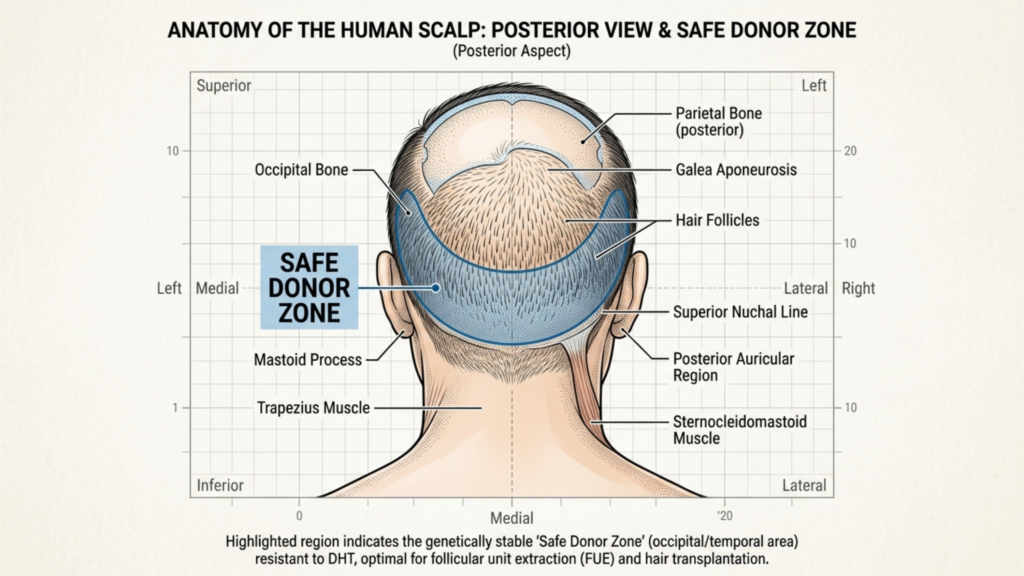
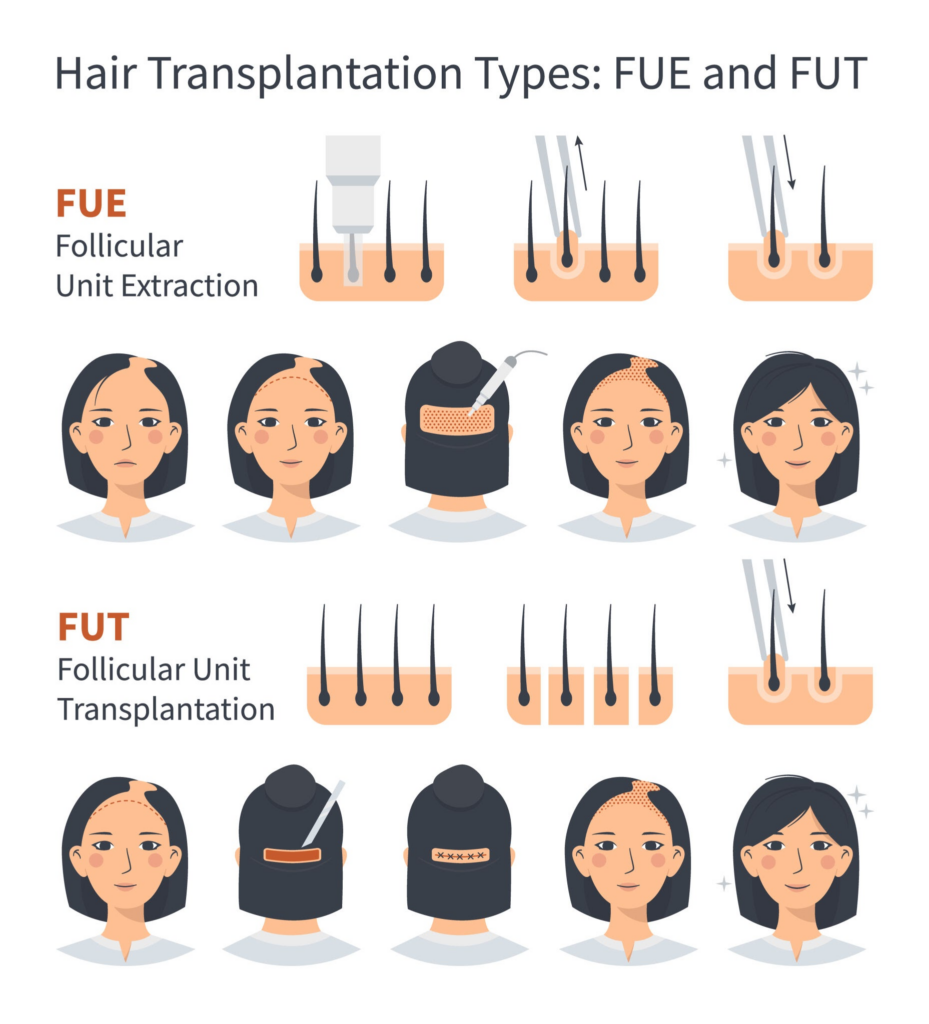
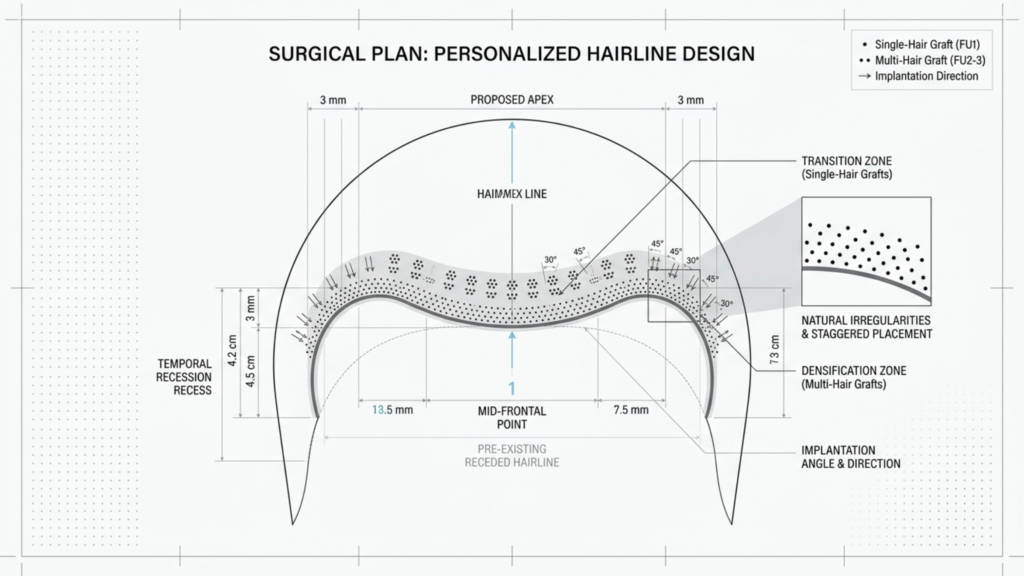
Die Follikuläre Einheitsextraktion (FUE) gilt aufgrund ihrer minimalen Narbenbildung als Goldstandard, aber sie ist auch der Ort, an dem TransplantatdurchtrennungDas Durchtrennen des Haarfollikels während der Haarentfernung ist am wahrscheinlichsten. Studien zeigen, dass Unerfahrene Techniker durchtrennen bis zu 15% Transplantate. Bei der FUE-Methode werden die Haare unbrauchbar, bevor sie überhaupt implantiert werden (Plastische und Rekonstruktive Chirurgie, 2025). Die Follikuläre Einheitstransplantation (FUT) ist zwar invasiver, erzielt aber bei fachgerechter Durchführung oft höhere Überlebensraten der Transplantate. der Chirurg. Der Haken? Die meisten Kliniken setzen für Zahnentfernungen Techniker und keine Chirurgen ein.—eine Kostensparmaßnahme, die die Ausfallraten drastisch erhöht.
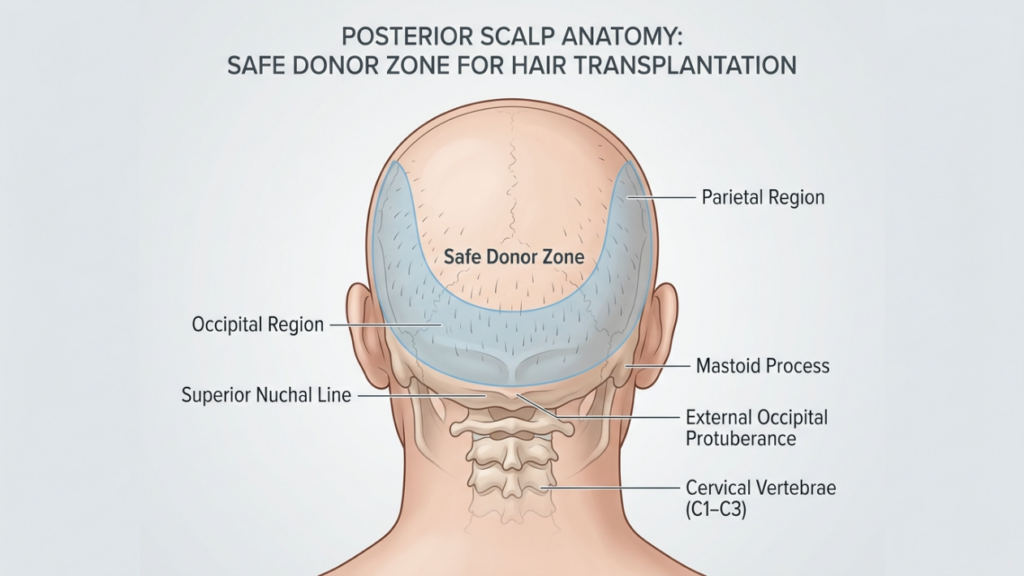
Die Spendergebietsfalle: Übernutzung und dauerhafte Narbenbildung
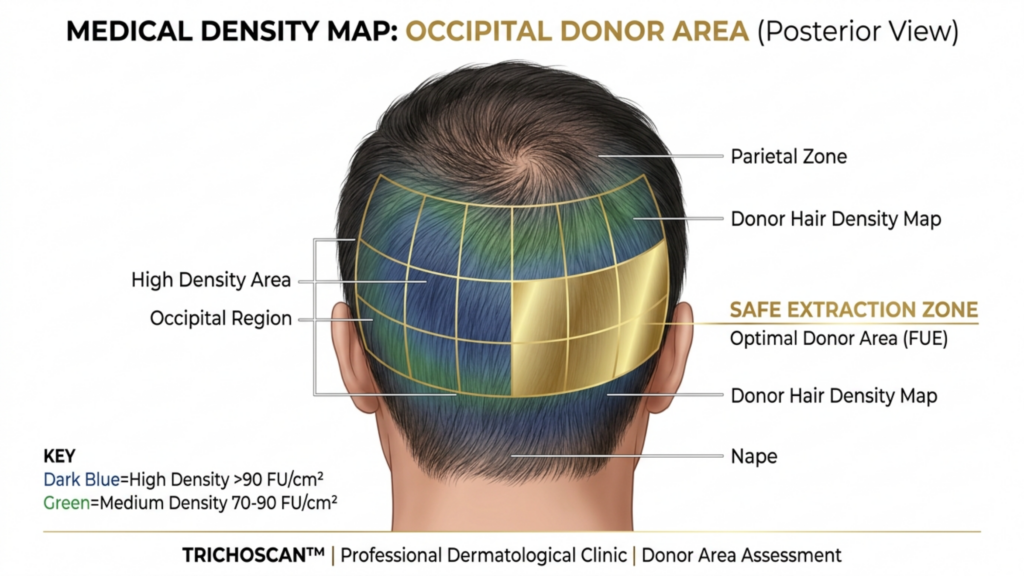
Ein weiterer kritischer Fehler ist Überernte—die Entnahme von zu vielen Transplantaten aus dem Spenderbereich, was zu Folgendem führen kann:
- Ausdünnung des Spenderbereichs, wodurch es fleckig oder durchsichtig wirkt.
- Nekrose (Gewebetod), wenn die Entnahmestellen zu nahe beieinander liegen und dadurch die Blutversorgung unterbrochen wird.
- Dauerhafte Narbenbildung Das ist selbst bei kurzen Haarschnitten sichtbar.
Eine Studie aus dem Jahr 2025 in der Zeitschrift für Dermatologische Wissenschaft stellte fest, dass 1 von 10 Patienten Bei Patienten, die sich einer FUE-Haartransplantation unterzogen, kam es aufgrund von Überentnahme von Spendergewebe zu dauerhaften Schäden im Spenderbereich. Die Lösung? Begrenzung der Entnahme auf 25–30 Transplantate pro cm² und sicherzustellen, dass der Eingriff von einem Chirurgen und nicht von einem Techniker durchgeführt wird.
Die Dehydrierungskatastrophe: Warum Transplantate vor der Einnistung absterben
Einmal entnommen, sind die Transplantate empfindlich. Jede Minute, die sie außerhalb des Körpers verbringen, verringert ihre Überlebensrate um 1%. (Internationales Haartransplantationsforum, 2025). Viele Kliniken lassen die Transplantate der Luft ausgesetzt oder verwenden ungeeignete Aufbewahrungslösungen, was zu Austrocknung und Zelltod führt. Wie sieht das ideale Vorgehen aus?
- Transplantate sollten gelagert werden in hypotherme (4°C) Kochsalzlösung um den Stoffwechsel zu verlangsamen und die Lebensfähigkeit zu erhalten.
- Die Implantation sollte beginnen innerhalb von 1–2 Stunden zur Maximierung des Überlebens durch Ressourcennutzung.
- Transplantate sollten niemals mit einer Pinzette angefasst werden – nur schonende, nicht-traumatische Werkzeuge um ein Zerdrücken zu vermeiden.
Phase 2: Die Implantation – Wo unnatürliche Haaransätze entstehen
Selbst wenn die Transplantate die Entnahme überleben, Unzureichende Implantationstechniken können den gesamten Eingriff ruinieren.. Die beiden Hauptschuldigen? Winkelfehler Und unnatürliches Haaransatzdesign.
Die Winkelkrise: Warum Ihre Haare wie eine Zahnbürste abstehen
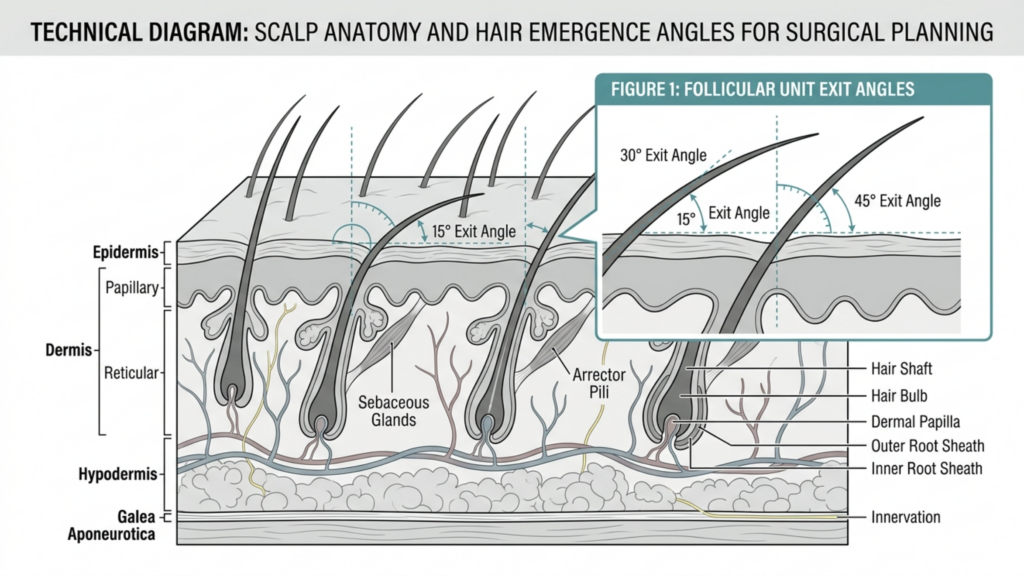
Haare wachsen nicht gerade aus der Kopfhaut – sie treten an einer bestimmten Stelle aus. 10–45° Winkel, Je nach Region. Werden die Transplantate im falschen Winkel eingesetzt, entsteht ein sogenannter “Puppenhaar-Effekt”, bei dem die Haare unnatürlich abstehen. Eine Studie aus dem Jahr 2025 in Zeitschrift für ästhetische Chirurgie stellte fest, dass 40% schlechte Ergebnisse bei Haartransplantationen waren auf eine falsche Winkelung zurückzuführen. Die Lösung?
- Stirnhaaransatz: 10–20° Winkel, mit leichter Vorwärtsneigung.
- Mitte der Kopfhaut: Winkel von 20–30°, der in eine eher vertikale Richtung übergeht.
- Krone: 30–45° Winkel, mit einer Wirbelstruktur für natürliche Strömung.
Das Desaster der Haartransplantation: Warum die meisten Transplantationen unecht aussehen
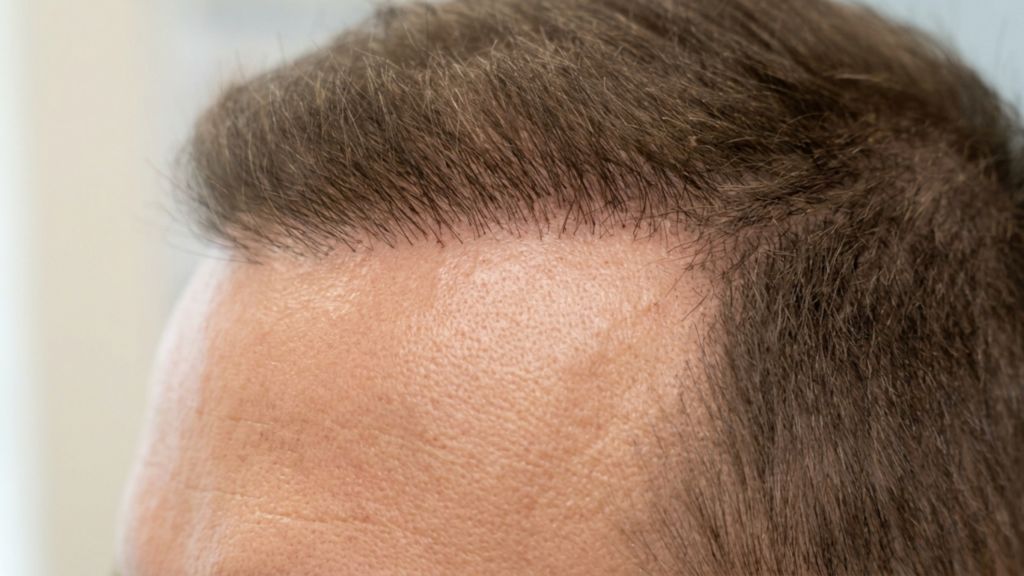
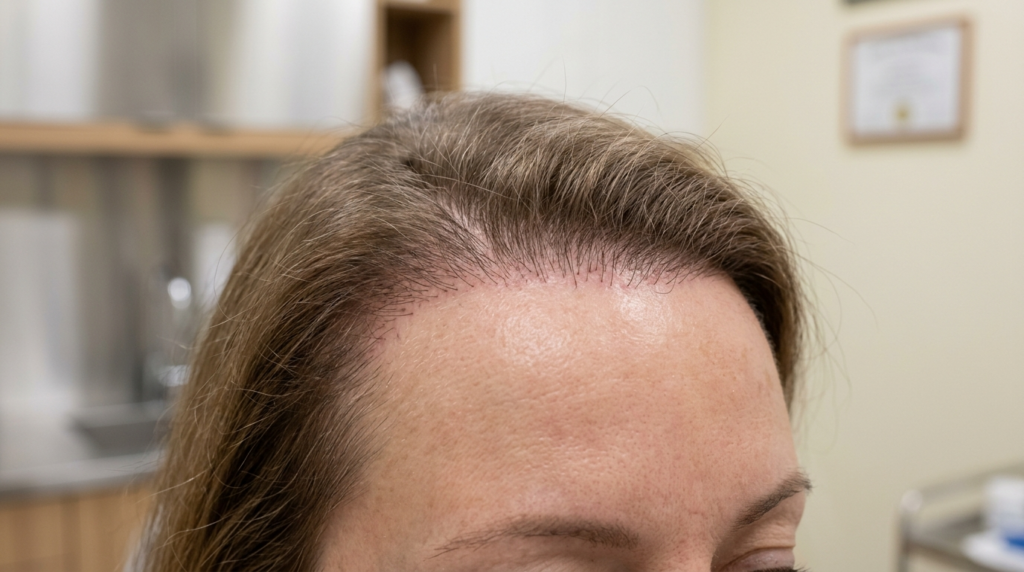
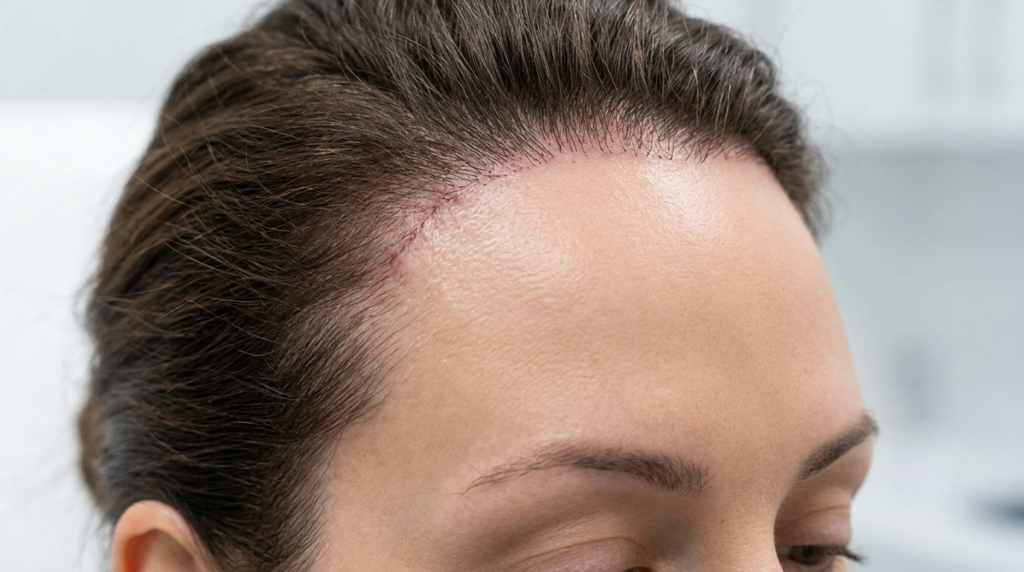
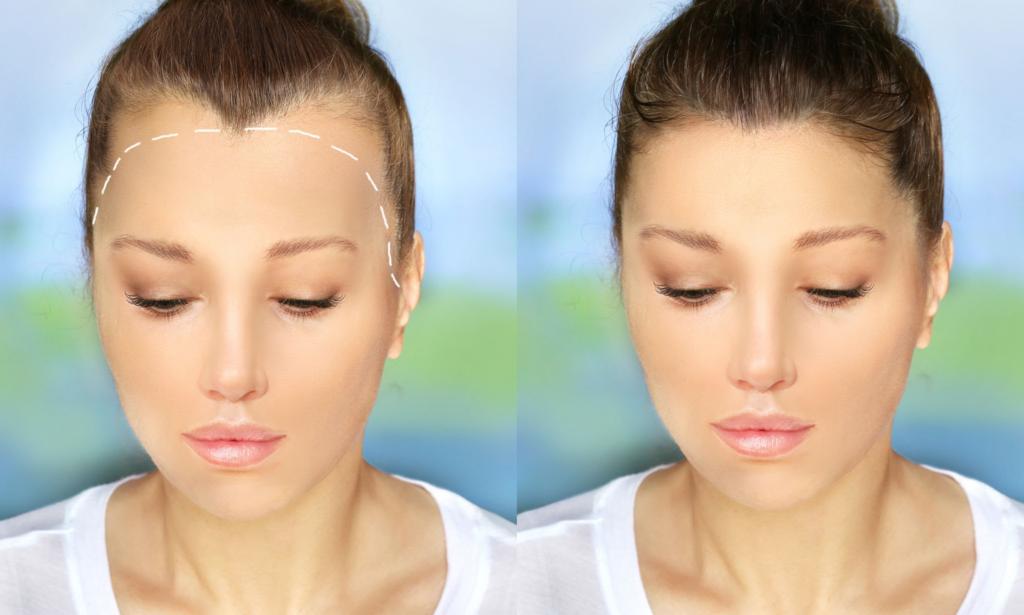
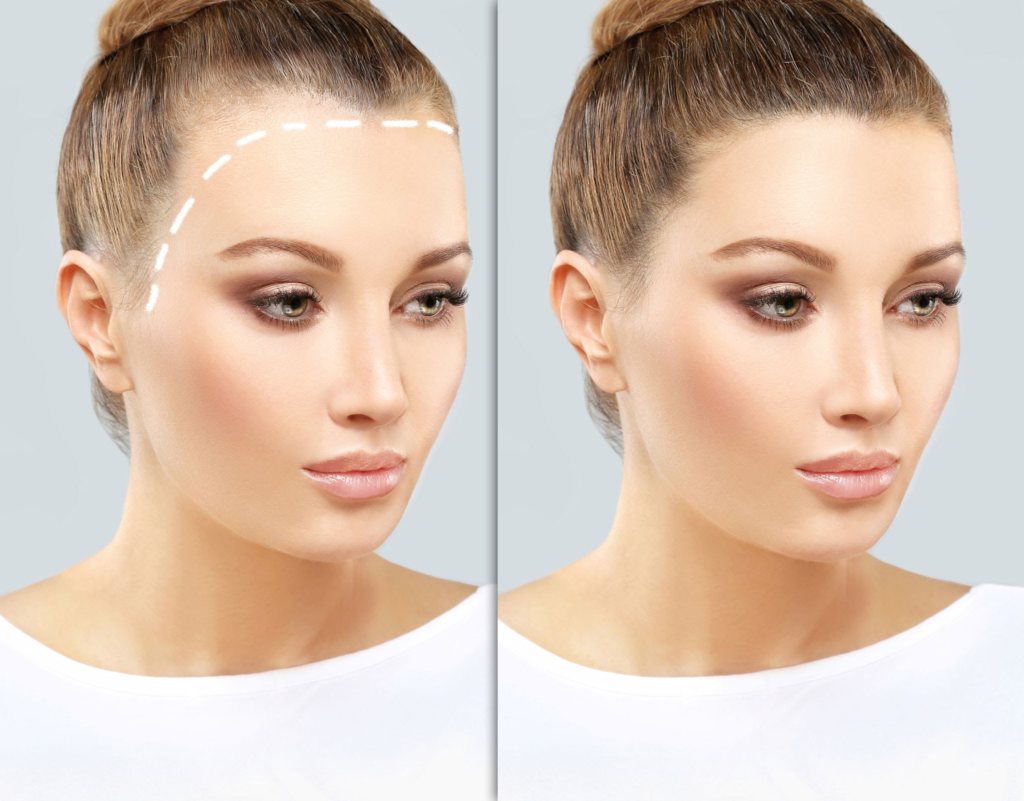
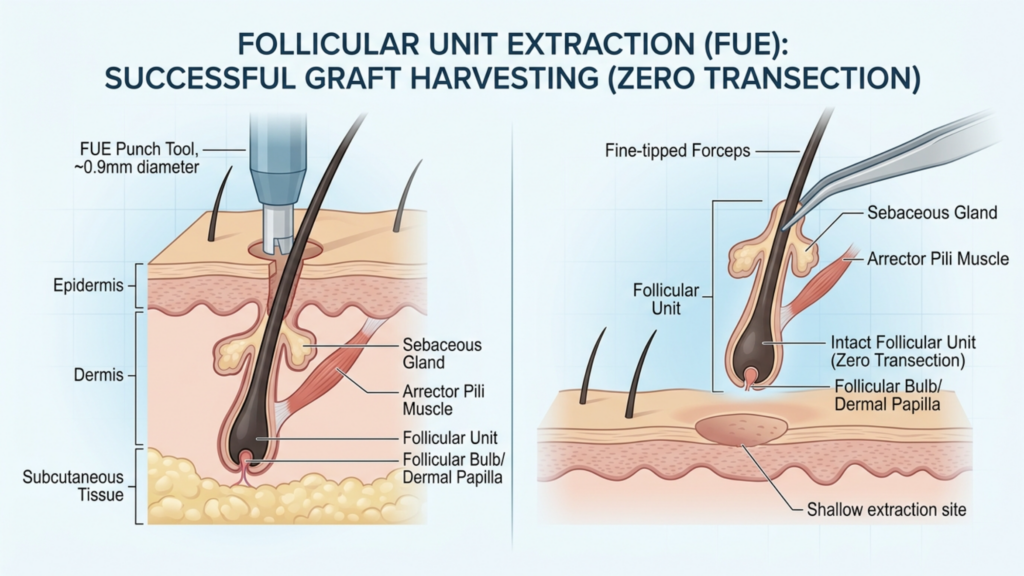
Ein natürlicher Haaransatz ist keine gerade Linie – er ist unregelmäßig, mit Mikro-Unregelmäßigkeiten, Einzelhaar-Transplantate im vorderen Bereich und allmähliche Dichteerhöhungen. Dennoch schaffen viele Kliniken Folgendes:
- Gerader, “Barbiepuppen-Haaransatz” die schreien “Transplantation”.”
- Zu tiefe Haaransätze die mit zunehmendem Alter des Patienten unnatürlich aussehen.
- Überdichte im Frontalbereich, was zu einem “stöpselnartigen” Aussehen führt.
Die Lösung? Individuelles Haaransatzdesign bezogen auf:
- Gesichtssymmetrie und -proportionen.
- Altersgerechte Haaransatzhöhe (höher bei älteren Patienten, um einem zukünftigen Haarausfall Rechnung zu tragen).
- Graduelle Übergänge in der Haardichte, mit Einzelhaartransplantaten im vorderen Bereich und Mehrhaartransplantaten im hinteren Bereich.
Das Tiefen-Debakel: Warum manche Transplantate nie anwachsen
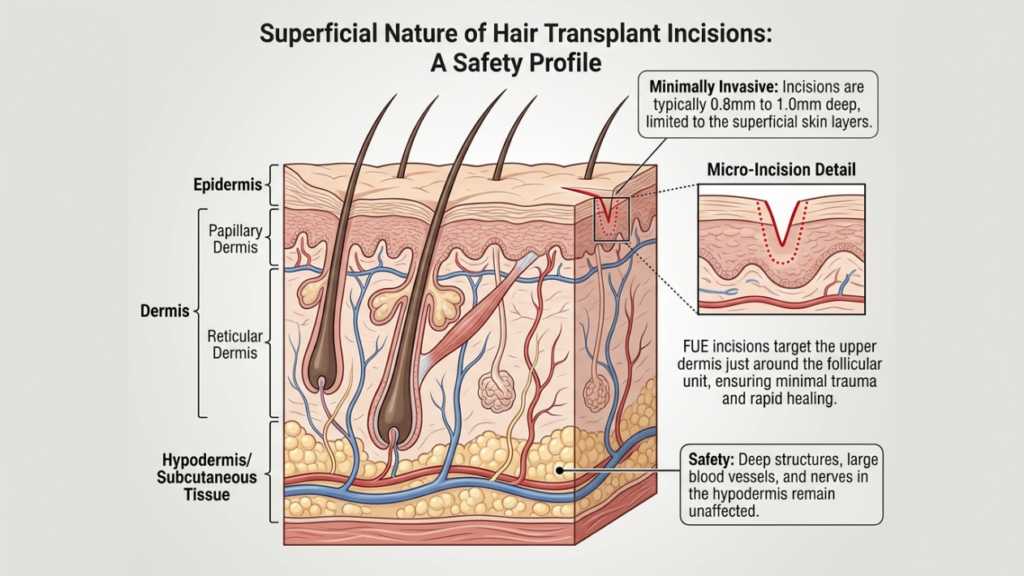
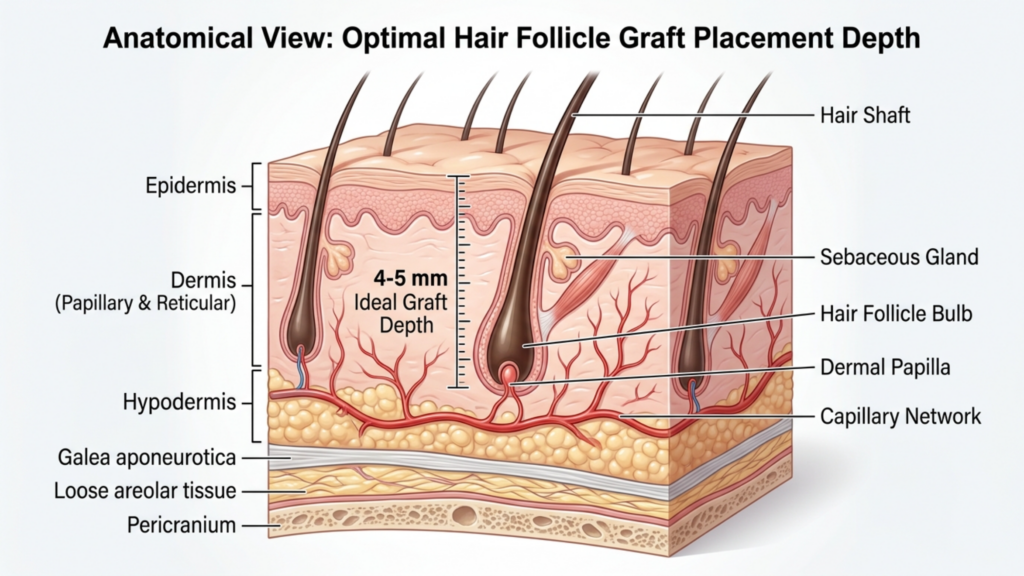
Transplantate, die zu flach oder zu tief implantiert wurden wird nicht ausreichend durchblutet, was zu geringen Überlebenschancen führt. Die ideale Tiefe?
- 4–5 mm unter der Hautoberfläche, wobei darauf geachtet wird, dass sich die Zwiebel in der Dermis befindet, wo die Blutversorgung am besten ist.
- Vermeiden subkutane Platzierung (zu tief), wodurch die Pfropfzellen nicht ausreichend mit Sauerstoff versorgt werden.
Phase 3: Die Erholung – Wo Schockverluste und Infektionen zuschlagen
Selbst eine perfekt durchgeführte Transplantation kann während der Genesungsphase fehlschlagen. Die zwei größten Gefahren? Schockverlust Und Infektion.
Schockverlust: Der stille Killer des vorhandenen Haares
Schockverlust—vorübergehender (oder manchmal dauerhafter) Ausfall der vorhandenen Haare—betrifft 30% von Patienten (International Journal of Trichology, 2025). Sie wird durch ein Trauma der Kopfhaut während der Implantation verursacht und tritt häufiger auf bei:
- Patienten mit dünnes oder miniaturisiertes Haar.
- Diejenigen, die sich einer dichte Packung (zu viele Transplantate in einem Bereich).
- Patienten, die Rauchen oder Durchblutungsstörungen.
Präventionsstrategien umfassen:
- Präoperatives Minoxidil zur Stärkung des vorhandenen Haares.
- Dichte Packung vermeiden in Bereichen mit dünnem Haar.
- Postoperatives PRP (plättchenreiches Plasma) um die Heilung zu beschleunigen.
Infektion und Nekrose: Wenn eine Transplantation gefährlich wird
Infektionen treten auf in 5–10% Haartransplantationen (Dermatologische Chirurgie, 2025), häufig aufgrund mangelnder Hygiene oder unzureichender postoperativer Versorgung. Unbehandelt können Infektionen zu Folgendem führen:
- Follikulitis (entzündete Haarfollikel).
- Abszesse (mit Eiter gefüllte Taschen).
- Nekrose (Gewebetod) in schweren Fällen.
Prävention erfordert:
- Antibiotikaprophylaxe (präoperative und postoperative Antibiotika).
- Sterile postoperative Versorgung, einschließlich sanftem Waschen und dem Vermeiden, die Kopfhaut zu berühren.
- Regelmäßige Nachuntersuchungen um auf Anzeichen einer Infektion zu achten.
Das Dilemma zwischen Chirurg und Techniker: Warum Ihre Wahl über Erfolg oder Misserfolg entscheiden kann
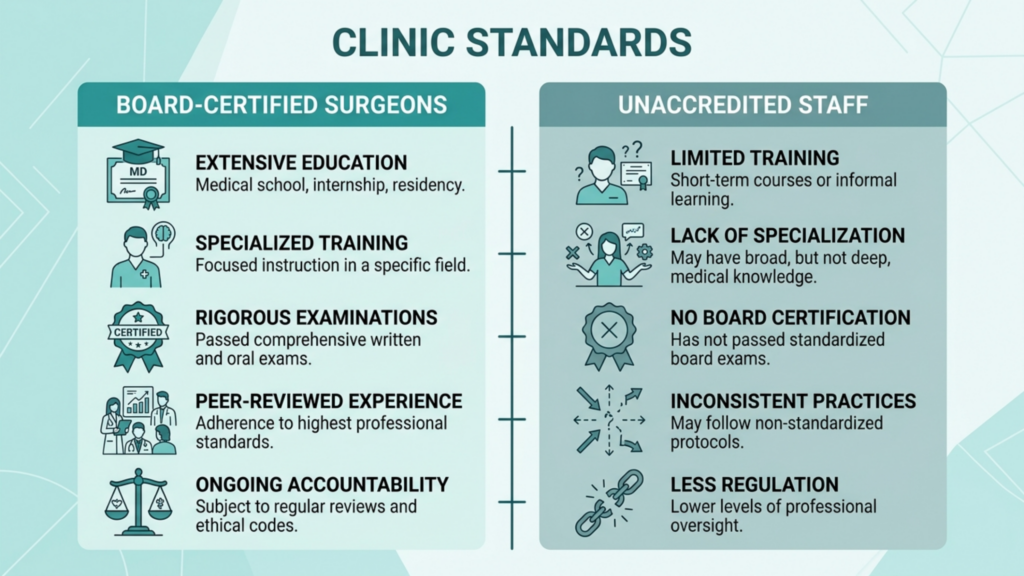
Hier die bittere Wahrheit: Die meisten Haartransplantationskliniken setzen für kritische Schritte wie die Entnahme und Implantation Techniker – keine Chirurgen – ein.. Dies senkt zwar die Kosten, erhöht aber das Risiko folgender Punkte dramatisch:
- Transplantatdurchtrennung (Durchtrennen der Follikel während der Extraktion).
- Schlechte Winkel- und Tiefenkontrolle während der Implantation.
- Überernte des Spenderbereichs.
- Unnatürliches Haaransatzdesign aufgrund mangelnder künstlerischer Ausbildung.
Eine Studie aus dem Jahr 2025 in Plastische und Rekonstruktive Chirurgie stellte fest, dass Bei Patienten, die von Chirurgen behandelt wurden, war die Transplantatüberlebensrate um 251 TP3T-Prozentpunkte höher. im Vergleich zu denjenigen, die von Technikern behandelt wurden. Was lernen wir daraus? Bestehen Sie darauf, dass jeder Schritt Ihres Eingriffs von einem Facharzt mit entsprechender Zertifizierung durchgeführt wird.—nicht nur beaufsichtigen.

Wie man eine misslungene Haartransplantation erkennt, bevor es zu spät ist
Wenn Sie eine Haartransplantation in Erwägung ziehen, erfahren Sie hier, wie es geht. Nicht selbst zur Statistik werden:
Warnsignale in der Konsultation
- Keine Diskussion über RisikenEin seriöser Chirurg wird Ihnen Komplikationen wie Schockhaarausfall, Infektionen und unnatürliche Haaransätze erläutern.
- Garantierte DichteKein Chirurg kann das Überleben eines 100%-Transplantats garantieren – hüten Sie sich vor falschen Versprechungen.
- Techniker, die Operationen durchführenBestehen Sie darauf, dass ein Chirurg die Entnahme und Implantation durchführt.
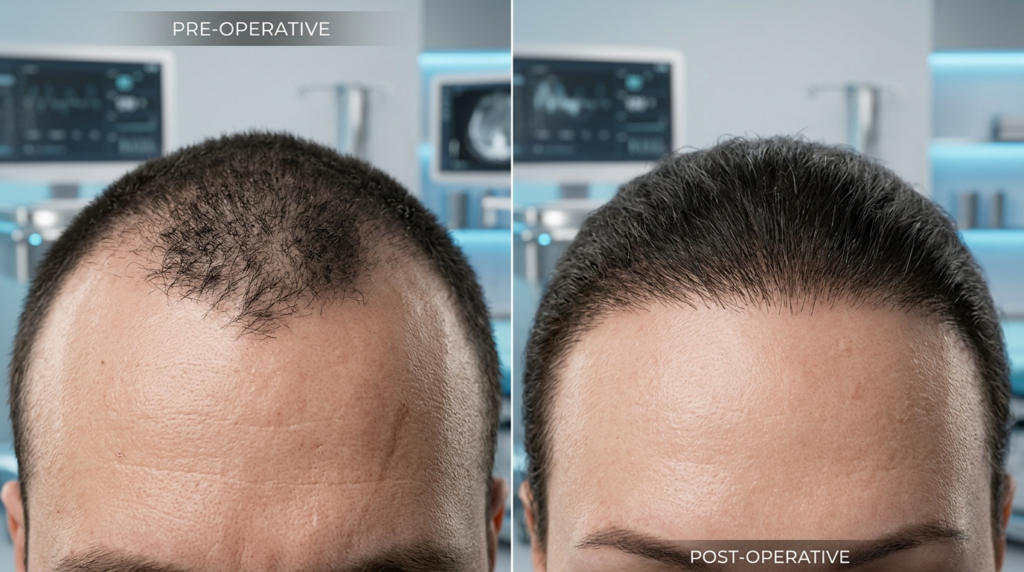
- Keine Vorher-Nachher-Fotos von echten Patienten (oder nur stark bearbeiteten Bildern).
Warnsignale im Verfahren
- überstürzte ExtraktionWenn das Team die Transplantate zu schnell entnimmt, schnellen die Durchtrennungsraten in die Höhe.
- Kein Protokoll zur TransplantatlagerungTransplantate, die der Luft ausgesetzt oder unsachgemäß gelagert werden, sterben ab.
- Falsche WinkelungWenn das Team keine speziellen Werkzeuge zur Kontrolle der Transplantationswinkel verwendet, wird Ihr Haaransatz unnatürlich aussehen.
Warnsignale im Erholungsprozess
- Kein postoperativer PflegeplanSie sollten detaillierte Anweisungen zu Waschen, Medikamenten und Nachsorge erhalten.
- Anzeichen einer Infektion (Rötung, Schwellung, Eiter) wurden von der Klinik ignoriert.
- Frühes Abwerfen der Veredelungsstelle ohne Erklärung (ein gewisser Haarausfall ist normal, aber übermäßiger Verlust kann auf eine schlechte Einnistung hinweisen).
Der 7-Schritte-Plan für eine erfolgreiche Haartransplantation
Folgen Sie dieser Checkliste Maximieren Sie Ihre Chancen auf ein natürliches, dichtes und dauerhaftes Ergebnis.:
- Wählen Sie einen Chirurgen, nicht eine Klinik.Überprüfen Sie ihre Qualifikationen, ihre Erfahrung und Vorher-Nachher-Ergebnisse.
- Verlangen Sie ein individuell gestaltetes HaaransatzdesignVermeiden Sie standardisierte Schablonen. Ihr Haaransatz sollte zu Ihrer Gesichtssymmetrie und Ihrem Alter passen.
- Bestehen Sie auf einer vom Chirurgen durchgeführten Extraktion und Implantation.Techniker sollten lediglich assistieren, aber keine kritischen Arbeitsschritte ausführen.
- Protokolle zur Transplantatlagerung bestätigenDie Transplantate sollten in hypothermer Kochsalzlösung gelagert und innerhalb von 2 Stunden implantiert werden.
- Bereiten Sie Ihre Kopfhaut vor.: Verwenden Sie Minoxidil oder PRP vor der Operation, um das vorhandene Haar zu stärken und den Schockverlust zu reduzieren.
- Befolgen Sie die postoperative Pflege gewissenhaftVermeiden Sie Rauchen, Alkohol und anstrengende körperliche Aktivitäten für mindestens 2 Wochen. Schlafen Sie aufrecht, um Schwellungen zu reduzieren.
- Nehmen Sie an allen Folgeterminen teil.: Auf Infektionen, Schockverlust und das Überleben des Transplantats achten. Probleme frühzeitig angehen, um dauerhafte Schäden zu verhindern.
Fazit: Der Erfolg Ihrer Haartransplantation beginnt mit Wissen.
Eine Haartransplantation kann das Leben verändern – aber nur, wenn sie fachgerecht durchgeführt wird. Der Unterschied zwischen einem natürlichen, unauffälligen Ergebnis und einem Desaster hängt oft von Folgendem ab: Die Wahl des richtigen Chirurgen, das Verstehen der Risiken und das Befolgen eines sorgfältigen Plans. Lass dich bei deiner Entscheidung nicht von Kosten oder Bequemlichkeit leiten. Dein Haar ist eine Investition in dein Selbstbewusstsein und deine Identität und verdient nur das Beste.
Wenn Sie bereit sind, den nächsten Schritt zu gehen, Konsultieren Sie einen Facharzt für Chirurgie. jemand, der Wert auf Kunstfertigkeit, Präzision und Ihre langfristige Zufriedenheit legt. Ihr zukünftiges Ich wird es Ihnen danken.

Häufig gestellte Fragen
Warum sehen manche Haartransplantationen unnatürlich aus?
Unnatürliche Haartransplantationen entstehen meist durch einen ungünstigen Winkel, eine unpassende Haaransatzgestaltung oder eine zu dichte Platzierung der Transplantate. Ein erfahrener Chirurg gestaltet den Haaransatz mit feinen Unregelmäßigkeiten und implantiert die Transplantate im korrekten Winkel (10–45°), um das natürliche Haarwachstum nachzuahmen.
Wie kann ich Schockhaarausfall nach einer Haartransplantation vermeiden?
Um den Schockverlust zu minimieren, sollte präoperativ Minoxidil zur Stärkung des vorhandenen Haares verwendet werden. Eine dichte Behaarung in Bereichen mit dünnem Haar sollte vermieden werden. Postoperativ sollten PRP-Behandlungen (plättchenreiches Plasma) in Betracht gezogen werden, um die Heilung zu beschleunigen und den Haarausfall zu reduzieren.
Worin besteht der Unterschied zwischen FUE und FUT, und welche Methode ist besser?
Die FUE (Follicular Unit Extraction) ist weniger invasiv und hinterlässt nur minimale Narben, birgt aber ein höheres Risiko der Transplantatablösung, wenn sie nicht von einem erfahrenen Chirurgen durchgeführt wird. Die FUT (Follicular Unit Transplantation) erzielt höhere Anwachsraten der Transplantate, hinterlässt jedoch eine lineare Narbe. Die beste Wahl hängt von Ihrem individuellen Haarausfallmuster und der Erfahrung des Chirurgen ab.
Woran erkenne ich, ob mein Haartransplantationschirurg qualifiziert ist?
Ein qualifizierter Chirurg sollte über eine Facharztanerkennung verfügen, umfassende Erfahrung in der Haartransplantation besitzen und transparente Vorher-Nachher-Fotos von echten Patienten vorlegen. Meiden Sie Kliniken, in denen Techniker wichtige Schritte wie die Haarentfernung und -implantation durchführen.
Kann eine misslungene Haartransplantation noch korrigiert werden?
Ja, aber es ist komplex. Korrektureingriffe erfordern oft die Entfernung schlecht platzierter Transplantate, die Korrektur von Narbengewebe und die Wiedereinpflanzung von Transplantaten mit korrekter Winkelung und Dichte. Wählen Sie für optimale Ergebnisse einen Chirurgen mit Erfahrung in solchen Fällen.
Wie lange dauert es, bis das endgültige Ergebnis einer Haartransplantation sichtbar ist?
Das erste Wachstum beginnt nach 3–4 Monaten, das endgültige Ergebnis ist jedoch erst nach 12–18 Monaten sichtbar. Geduld ist entscheidend – wer den Prozess überstürzt oder sofortige Haardichte erwartet, wird enttäuscht sein.
Woran erkennt man eine misslungene Haartransplantation?
Anzeichen dafür sind ein gerader oder zu tiefer Haaransatz, unnatürlich abstehende Haare, sichtbare Narben, ungleichmäßige Haardichte sowie anhaltende Rötungen oder Schwellungen. Sollten Sie diese Anzeichen bemerken, konsultieren Sie umgehend einen Spezialisten für Haartransplantationen.