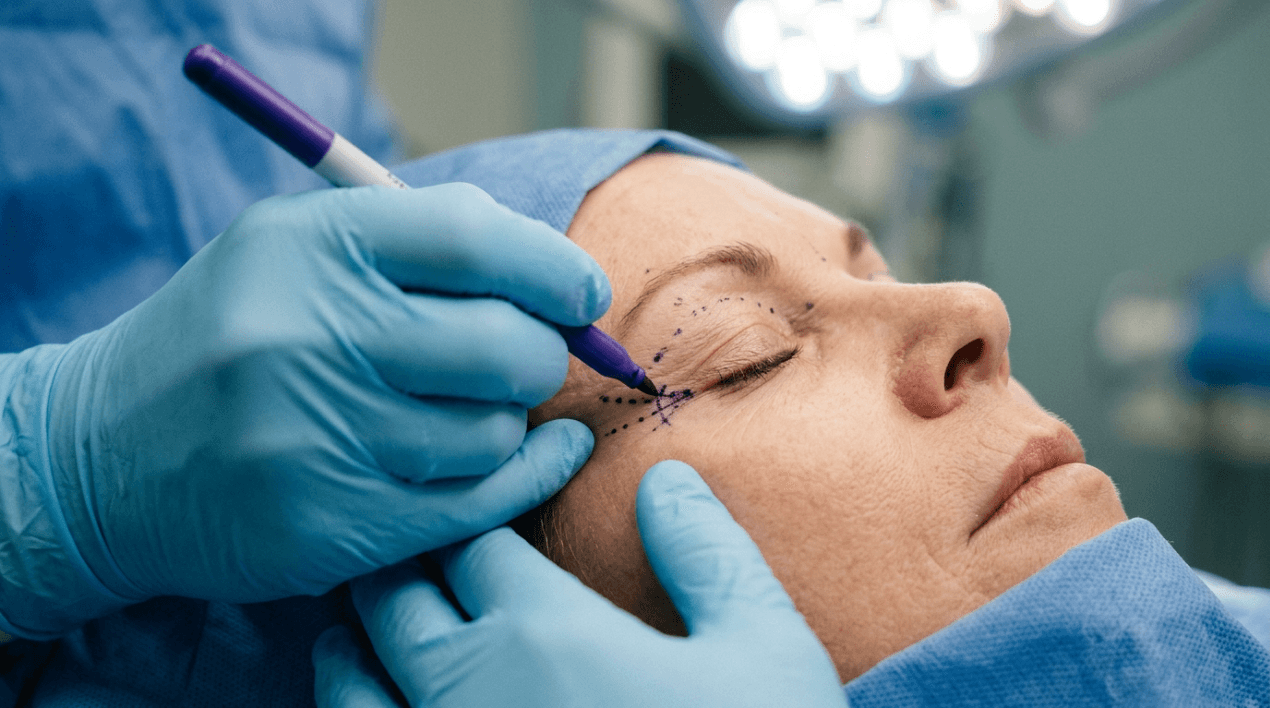

La feminización de la línea del cabello representa uno de los procedimientos más transformadores en la atención de afirmación de género. para mujeres transgénero. La línea del cabello es un elemento arquitectónico fundamental de feminización facial, que sirve como marco que define el tercio superior del rostro. Para las mujeres trans que experimentan calvicie de patrón masculino, la línea capilar angulosa y en retroceso, característica de la pérdida de cabello inducida por la testosterona, crea una barrera significativa para la autoaceptación y la aceptación. Crear una línea capilar suave, redondeada y femenina no es solo una mejora estética, sino un paso crucial para armonizar la apariencia externa con la identidad interna. Esta guía completa explora los complejos procedimientos quirúrgicos y no quirúrgicos para lograr una línea capilar natural y femenina, abordando las consideraciones anatómicas únicas y los objetivos estéticos de las mujeres trans.
El camino hacia una línea capilar femenina comienza con la comprensión de las marcadas diferencias biológicas entre los patrones capilares masculinos y femeninos. Biológicamente, las personas con ascendencia masculina al nacer (AMAB) suelen desarrollar una línea capilar más alta y retraída, con recesiones temporales distintivas y una forma más recta y angular. En cambio, las personas con ascendencia femenina al nacer (AFAB) poseen una línea capilar más baja y redondeada, con una curva suave y continua, y una recesión temporal mínima. Esta distinción no es meramente estética; está profundamente arraigada en las influencias hormonales, específicamente en los efectos de los andrógenos en los folículos pilosos. Para las mujeres trans, especialmente aquellas que comenzaron la transición más tarde en la vida o han experimentado una pérdida de cabello significativa, una Transplante de pelo A menudo es esencial lograr una apariencia facial armoniosa que se alinee con su identidad de género.
El cabello es una parte importante de cualquier transición de género. Biológicamente, las personas asignadas como mujeres al nacer (AFAB) desarrollan líneas de cabello diferentes a las asignadas como hombres al nacer (AMAB). Por lo tanto, si ya estás experimentando los signos de la calvicie de patrón masculino como mujer trans (MtF), Transplante de pelo puede ser importante para tu transición.
— Clínica Wimpole
El impacto psicológico de la pérdida de cabello en las mujeres trans es innegable. El cabello es un poderoso símbolo de feminidad y belleza en la mayoría de las culturas, y su pérdida puede exacerbar la disforia de género, provocando ansiedad social y aislamiento. Por el contrario, una feminización exitosa de la línea del cabello puede mejorar drásticamente la autoestima, la confianza social y la calidad de vida en general. El procedimiento a menudo se realiza junto con otros tratamientos. feminización facial cirugías (FFS) como contorno de la frente, reducción de cejas y rinoplastia Para crear una estructura facial cohesiva y femenina. Sin embargo, un trasplante de línea capilar también puede ser un procedimiento independiente para quienes no requieren cambios esqueléticos extensos, pero sí ajustes de tejidos blandos para lograr la estética deseada.

Tabla de contenido
Comprender las diferencias anatómicas: líneas capilares masculinas y femeninas
Para crear una línea capilar verdaderamente femenina, primero es necesario comprender las diferencias anatómicas precisas entre los patrones capilares masculinos y femeninos. La línea capilar masculina se caracteriza por su altura, que suele situarse entre 6 y 8 centímetros por encima del arco supraorbitario (hueso de la ceja), y su forma angular, con distintivos "picos temporales" o recesiones en las sienes. La línea capilar suele tener una línea recta o una forma de "M" poco profunda, con la porción central menos retraída que los laterales. Este patrón se debe a la sensibilidad de los folículos pilosos de las regiones frontal y temporal a la dihidrotestosterona (DHT), un potente andrógeno derivado de la testosterona.
En cambio, la línea de implantación capilar femenina se ubica más abajo, típicamente entre 5 y 6 centímetros por encima del reborde supraorbitario, lo que crea una proporción facial más equilibrada. La forma es una curva suave y continua, sin ángulos pronunciados ni picos temporales definidos. La transición desde la frente hasta las sienes es gradual, formando un arco sutil que enmarca el rostro con suavidad. Además, la línea de implantación capilar femenina suele presentar una mayor densidad de vello (cabello fino) a lo largo de la línea frontal, lo que contribuye a un borde más suave y menos definido. Comprender estos matices es fundamental para los cirujanos, ya que la simple implantación de cabello con un patrón masculino dará como resultado una apariencia masculina y poco natural que no alivia la disforia de género.
Una línea capilar MTF influye significativamente en la percepción facial del género. La forma, la altura y la densidad de la línea capilar son determinantes clave en cómo el cerebro categoriza un rostro como masculino o femenino, lo que convierte su feminización en una prioridad en la cirugía de afirmación de género.
— Soluciones afirmativas para el cabello
El papel de las hormonas en la configuración de la línea del cabello
La terapia hormonal desempeña un papel fundamental tanto en la preservación del cabello como en el potencial de recrecimiento. La supresión de testosterona y la terapia con estrógenos pueden detener la caída del cabello e incluso estimular la recuperación de algunos folículos miniaturizados, especialmente en las primeras etapas de la transición. Sin embargo, para las mujeres trans con recesión o calvicie significativa, las hormonas por sí solas son insuficientes para recrear la línea capilar perdida. Los folículos en las zonas con recesión suelen sufrir daños permanentes y no pueden reactivarse. Aquí es donde se hace necesaria la intervención quirúrgica. Un trasplante capilar para mujeres trans debe tener en cuenta el entorno hormonal actual; los injertos tomados de la zona donante (normalmente la parte posterior y los laterales del cuero cabelludo) suelen ser resistentes a la DHT, lo que garantiza la viabilidad a largo plazo incluso en presencia de testosterona (aunque la mayoría de las mujeres trans suprimen la testosterona).
El momento oportuno para la cirugía en relación con la terapia hormonal es un tema que debe considerarse cuidadosamente. Muchos cirujanos recomiendan esperar al menos 12 meses con terapia hormonal estable antes de proceder con un trasplante capilar. Esto permite que la pérdida de cabello de la paciente se estabilice y proporciona una visión más clara del cabello nativo restante. También garantiza que la salud general de la paciente esté optimizada para la cirugía. Sin embargo, para las mujeres trans que han estado en tratamiento hormonal durante años y presentan una pérdida de cabello estable, el procedimiento puede realizarse en cualquier momento. La clave está en diseñar una línea capilar que complemente la estructura facial actual de la paciente y sus futuros objetivos de feminización, que pueden incluir procedimientos adicionales de FFS.

Vías quirúrgicas: Extracción de unidades foliculares (FUE) vs. Trasplante de unidades foliculares (FUT)
Los dos métodos quirúrgicos principales para el trasplante capilar son la extracción de unidades foliculares (FUE) y el trasplante de unidades foliculares (FUT), también conocido como método de tira. Ambas técnicas pueden utilizarse para la feminización de la línea capilar, pero difieren significativamente en su enfoque, recuperación e idoneidad para mujeres trans. La FUE consiste en extraer folículos pilosos individuales (injertos) directamente de la zona donante mediante un micropunch. Este método deja pequeñas cicatrices puntiformes, prácticamente imperceptibles cuando el cabello se lleva a una longitud razonable. La FUE es la opción preferida por la mayoría de las mujeres trans, ya que permite máxima flexibilidad en el peinado y es menos invasiva, lo que resulta en una recuperación más rápida.
Por otro lado, la FUT implica extraer una tira de cuero cabelludo de la zona donante y diseccionarla bajo un microscopio para obtener los injertos. Este método deja una cicatriz lineal en la parte posterior de la cabeza, lo que puede ser una preocupación para las mujeres trans que prefieren llevar el cabello con estilos que dejen el cuero cabelludo al descubierto. Sin embargo, la FUT puede proporcionar un mayor número de injertos en una sola sesión y puede ser más adecuada para pacientes con una zona donante muy limitada o que requieren una reconstrucción extensa. Para la feminización de la línea del cabello, que normalmente requiere de 1500 a 3,000 En lugar de injertos, la técnica FUE suele ser suficiente y ofrece la ventaja de una cicatrización mínima y una recuperación más rápida.
| Técnica | Recolección de donantes | Cicatrización | Tiempo de recuperación | Rendimiento del injerto |
| FUE (Extracción de Unidades Foliculares) | Extracción de folículos individuales mediante micropunch | Cicatrices mínimas en forma de puntos | 3-5 días (las costras se caen) | 1.500-3.000 injertos/sesión |
| FUT (Trasplante de Unidades Foliculares) | Escisión de tira del área donante | Cicatriz lineal (oculta por el cabello) | 10-14 días (retirada de suturas) | 2.000-4.000 injertos/sesión |
| DHI (Implantación directa de cabello) | Basado en FUE, utilizando lápiz implantador | Cicatrices mínimas en forma de puntos | 3-5 días | Colocación de precisión, rendimiento similar al FUE |
| FUE robótica | Extracción automatizada con sistema ARTAS | Cicatrices mínimas en forma de puntos | 3-5 días | Alta precisión, calidad de injerto constante |
Diseño lo femenino Línea del cabello: Arte y precisión
El diseño de la línea capilar es posiblemente el aspecto más crítico del procedimiento. Una feminización exitosa requiere un enfoque colaborativo entre... cirujano y el paciente, a menudo con imágenes digitales para visualizar el resultado final. La línea de implantación capilar ideal para una mujer se ubica más abajo que la línea de implantación capilar actual de la paciente, típicamente entre 5,5 y 6,5 cm por encima del reborde supraorbitario, dependiendo de las proporciones faciales. La forma debe ser una curva suave y continua, a menudo descrita como un arco "parabólico" o en forma de "U". Las recesiones temporales deben suavizarse o eliminarse, creando una transición redondeada desde la frente hasta las sienes.
El arte juega un papel importante en la creación de una línea de cabello de aspecto natural. cirujano Se debe considerar la edad, la estructura facial y las características del cabello de la paciente. Para mujeres trans jóvenes, una línea de cabello más baja y densa puede ser apropiada. Para pacientes mayores, una línea de cabello ligeramente más alta y menos densa puede resultar más natural. La línea de cabello no debe ser perfectamente recta; debe tener un patrón sutil e irregular con ligeras variaciones de altura y densidad para imitar la naturaleza. El uso de injertos de un solo cabello (unidades foliculares que contienen un solo cabello) en la parte frontal de la línea de cabello es esencial para crear un borde suave y natural. Los injertos de múltiples cabellos se colocan detrás de esta línea de un solo cabello para proporcionar densidad y enmarcar el rostro.

Opciones no quirúrgicas: terapia médica y camuflaje
Para las mujeres trans que aún no están listas para la cirugía o que tienen una pérdida de cabello mínima, las opciones no quirúrgicas pueden ser efectivas para frenar la caída del cabello y mejorar la apariencia. La piedra angular de la terapia médica es la finasterida o la dutasterida, que inhiben la conversión de testosterona en DHT. Sin embargo, estos medicamentos suelen estar contraindicados. en mujeres trans Las mujeres trans suelen recurrir a la terapia hormonal feminizante, ya que puede interferir con los efectos deseados del estrógeno. En cambio, las mujeres trans suelen usar estrógeno y antiandrógenos (como la espironolactona o el acetato de ciproterona) para suprimir la testosterona, lo que indirectamente ayuda a conservar el cabello.
Los tratamientos tópicos como el Minoxidil pueden utilizarse para estimular el crecimiento del cabello y mejorar la densidad en zonas con pérdida de densidad. Si bien el Minoxidil no bloquea la DHT, prolonga la fase anágena (de crecimiento) del ciclo capilar y puede aumentar el flujo sanguíneo a los folículos. Para las mujeres trans, el Minoxidil puede ser un complemento útil a la terapia hormonal, especialmente en las primeras etapas de la transición. Sin embargo, requiere su uso de por vida y cualquier beneficio se pierde si se interrumpe el tratamiento. Otra opción no quirúrgica es la terapia con plasma rico en plaquetas (PRP), en la que se inyectan las propias plaquetas del paciente en el cuero cabelludo para estimular la actividad folicular. Si bien los resultados son variables, el PRP puede ser beneficioso para mantener el cabello existente y mejorar la calidad de los injertos trasplantados después de la cirugía.
‘'En Dr. OFM, Reconocemos que la feminización de la línea capilar no se trata solo de añadir cabello, sino de remodelar todo el tercio superior del rostro para que se ajuste a la identidad de género del paciente. La elección entre enfoques quirúrgicos y no quirúrgicos depende del grado de pérdida de cabello, el tiempo del paciente y sus objetivos generales de transición.’
— Perspectiva clínica del Dr. MFO
Técnicas de camuflaje: Micropigmentación del cuero cabelludo y fibras capilares
La Micropigmentación Capilar (MPC) es una técnica de tatuaje no quirúrgica que crea la ilusión de folículos pilosos en el cuero cabelludo. Para mujeres trans con adelgazamiento difuso o entradas, la MPC puede añadir densidad y definir la línea capilar sin cirugía. El pigmento se adapta al color natural del cabello de la paciente y se aplica en pequeños puntos para imitar la apariencia de un cabello corto. La MPC es especialmente útil para mujeres trans que llevan el cabello corto o tienen poca cantidad de cabello donante para trasplante. Sin embargo, no añade volumen capilar real y puede requerir retoques cada pocos años a medida que el pigmento se desvanece.
Las fibras capilares, como los polvos o aerosoles a base de queratina, ofrecen una solución inmediata y temporal para disimular las zonas de pérdida de cabello. Estas fibras se adhieren al cabello existente mediante electricidad estática, creando la apariencia de un cabello más grueso y abundante. Si bien son efectivas para el uso diario, las fibras capilares no son una solución a largo plazo y se eliminan fácilmente con el lavado. Se recomiendan como medida temporal mientras se espera una cirugía o como complemento del tratamiento médico. Para las mujeres trans, las fibras capilares pueden ser una herramienta valiosa para aumentar la confianza durante las primeras etapas de la transición, pero no abordan el problema subyacente de la caída del cabello.
Combinación de la feminización de la línea capilar con la cirugía de feminización facial (FFS)
Para muchas mujeres trans, la feminización de la línea del cabello es solo un componente de un plan más amplio de Cirugía de Feminización Facial (CFF). La CFF abarca una gama de procedimientos diseñados para suavizar los rasgos faciales masculinos, incluyendo: contorno de la frente, reducción de cejas, rinoplastia, reducción de mandíbula, y remodelación del mentón. Cuando se realizan junto con un trasplante de cabello, estos procedimientos pueden crear una estructura facial profundamente femenina. Por ejemplo, un reducción de la frente La cirugía de avance de la línea del cabello permite bajar físicamente la línea del cabello mediante la extirpación de una tira de piel de la frente y el avance del cuero cabelludo. Este procedimiento suele combinarse con un trasplante capilar para aumentar la densidad en la nueva línea del cabello y corregir cualquier retroceso restante.
La sinergia entre el avance de la línea del cabello y el trasplante capilar es particularmente poderosa. Reducción de frente La reducción de la frente proporciona una disminución inmediata y significativa de la línea del cabello, mientras que el trasplante capilar permite ajustar con precisión la forma y la densidad. No todas las mujeres trans son candidatas a la reducción de la frente; requiere un cuero cabelludo flexible y suficiente cabello donante. Sin embargo, para quienes sí lo son, la combinación puede ofrecer resultados superiores a los de cualquiera de los procedimientos por separado. Es fundamental trabajar con un cirujano con experiencia tanto en la reducción de la frente como en el trasplante capilar para garantizar un plan de tratamiento integral que aborde todos los aspectos de la feminización facial.
| Procedimiento | Objetivo principal | Beneficio combinado | Sinergia de recuperación |
| Trasplante de línea de cabello | Añade densidad, remodela la línea del cabello | Mejora los resultados de la reducción de la frente. | Se puede realizar de forma simultánea o por etapas. |
| Reducción de la frente | Línea del cabello físicamente más baja | Proporciona una reducción inmediata, el trasplante agrega densidad. | Periodo de recuperación compartido (2-3 semanas) |
| Reducción de cejas | Reducir la protuberancia de las cejas | Crea una transición más suave hacia la línea del cabello. | A menudo se realiza con reducción de la frente. |
| rinoplastia | Feminizar la forma de la nariz | Mejora la armonía facial general. | Se puede combinar con procedimientos FFS |
El papel del contorno de la frente en la feminización de la línea del cabello
El contorno de la frente, o reducción del hueso de la ceja, suele ser un requisito previo para una línea capilar verdaderamente femenina. Un arco supraorbitario prominente (hueso de la ceja) crea una sombra sobre los ojos y contribuye a una apariencia masculina. Incluso con una línea capilar perfectamente definida, un hueso de la ceja prominente puede socavar el efecto de feminización. La reducción del hueso de la ceja consiste en rebajar la prominencia ósea mediante una incisión oculta en la línea capilar o en el interior del párpado superior. Este procedimiento aplana la frente, permitiendo que la línea capilar se asiente de forma más natural y creando una transición más suave entre la frente y las cejas. Para las mujeres trans con cejas prominentes, combinar la reducción de cejas con la feminización de la línea capilar es esencial para obtener resultados óptimos.
El momento oportuno para estos procedimientos es crucial. Si se realiza un trasplante capilar antes de la reducción de cejas, el cabello recién trasplantado puede estar en riesgo durante el acceso quirúrgico para la reducción de cejas. Por otro lado, realizar primero la reducción de cejas permite al cirujano diseñar la línea del cabello en relación con la nueva frente, más plana. Muchos cirujanos prefieren realizar estos procedimientos por etapas, realizando primero el trabajo esquelético (reducción de cejas, contorno de la frente), seguido del trasplante capilar una vez que el cuero cabelludo haya cicatrizado completamente (normalmente entre 6 y 12 meses después). Este enfoque minimiza el riesgo y garantiza el mejor resultado estético. Sin embargo, algunos cirujanos ofrecen procedimientos combinados para pacientes que son candidatos adecuados, lo que reduce el tiempo total de recuperación.
Protocolos de atención y recuperación postoperatoria
La recuperación de un trasplante de feminización capilar es relativamente sencilla, pero requiere un estricto cumplimiento de las instrucciones de cuidados postoperatorios para garantizar la supervivencia del injerto y una cicatrización óptima. Los primeros 10 a 14 días son cruciales, ya que los injertos trasplantados están estableciendo un riego sanguíneo. Los pacientes deben evitar tocar, frotar o lavar la zona trasplantada durante las primeras 48 a 72 horas. Después de este período, se permite un lavado suave con un champú prescrito, pero el cuero cabelludo debe manipularse con sumo cuidado. Dormir con la cabeza elevada sobre varias almohadas es esencial para minimizar la hinchazón y reducir el riesgo de que los injertos se desprendan durante la primera semana.
La actividad física debe restringirse durante al menos dos semanas. El ejercicio intenso, levantar objetos pesados y cualquier actividad que eleve la presión arterial o la frecuencia cardíaca pueden causar sangrado y comprometer la supervivencia del injerto. Los pacientes también deben evitar la exposición solar directa del cuero cabelludo durante al menos un mes, ya que la radiación UV puede dañar la piel en proceso de cicatrización y afectar la pigmentación. La mayoría de los cirujanos recomiendan usar un sombrero holgado al salir al aire libre. Los cabellos trasplantados se desprenderán entre 2 y 4 semanas después de la cirugía, una parte normal del proceso conocido como "pérdida de choque". El nuevo crecimiento comienza alrededor de los 3 o 4 meses, y los resultados completos son visibles después de 12 a 18 meses.
Manejo de la hinchazón y las cicatrices
La hinchazón es común después de la cirugía de línea capilar, especialmente si se combina con el contorno de la frente. Suele alcanzar su punto máximo alrededor del tercer o cuarto día y desaparece en una semana. Las compresas frías aplicadas en la frente (no directamente sobre la zona trasplantada) pueden ayudar a reducir la hinchazón. En pacientes sometidos a FUE, la zona donante también puede estar inflamada o sensible. Mantener la zona donante limpia y seca es esencial para prevenir infecciones. Las cicatrices de la FUE son mínimas, presentándose como pequeños puntos blancos que se disimulan fácilmente con el cabello circundante. En pacientes con FUT, la cicatriz lineal requiere un cuidado minucioso para evitar que se ensanche. Se pueden usar láminas de gel de silicona o cremas cicatrizantes después de retirar los puntos para promover una cicatrización óptima.
El manejo de las cicatrices a largo plazo es especialmente importante para las mujeres trans que desean llevar peinados que dejen al descubierto el cuero cabelludo. Si bien las cicatrices FUE son prácticamente indetectables, las FUT pueden ser visibles si el cabello se rapa muy corto. En estos casos, se pueden emplear técnicas de camuflaje de cicatrices como la microscopía de mesoterapia (SMP) o la reparación de cicatrices FUE (trasplante de cabello en la cicatriz). Las pacientes deben hablar sobre sus preferencias de peinado a largo plazo con su cirujano durante la consulta para elegir el método de extracción más adecuado. Es necesario realizar citas de seguimiento periódicas para supervisar la cicatrización y abordar cualquier inquietud que pueda surgir durante el proceso de recuperación.
Mantenimiento a largo plazo y conservación del cabello
Si bien el cabello trasplantado generalmente es permanente, el cabello nativo que rodea la zona trasplantada puede seguir adelgazándose con el tiempo debido a las influencias hormonales. Para las mujeres trans, mantener niveles hormonales estables es clave para preservar tanto el cabello nativo como el trasplantado. El uso regular de terapias médicas como Minoxidil o PRP puede ayudar a mantener la densidad. Algunas mujeres trans pueden requerir trasplantes de retoque años después para corregir una recesión posterior o para aumentar la densidad en la zona trasplantada original. Es importante tener expectativas realistas; un solo trasplante puede no lograr la densidad deseada, especialmente si el punto de partida es una calvicie significativa. Los trasplantes por etapas, con un intervalo de 12 a 18 meses, pueden aumentar la densidad gradualmente para obtener un resultado más natural.
El estilo de vida también influye en la salud capilar a largo plazo. Una dieta equilibrada rica en vitaminas y minerales (en particular, hierro, zinc y vitaminas del complejo B) favorece el crecimiento capilar. El manejo del estrés es crucial, ya que el estrés crónico puede provocar la caída del cabello. Se recomienda encarecidamente evitar fumar, ya que altera el flujo sanguíneo al cuero cabelludo y puede afectar negativamente la supervivencia del injerto. Para las mujeres trans, los beneficios psicológicos de una línea capilar femenina suelen ir mucho más allá de los resultados físicos, contribuyendo a una sensación de plenitud y armonía. Las consultas periódicas con un profesional de la salud mental pueden ayudar a procesar la transición emocional y a celebrar los cambios positivos que aporta la cirugía.
Preguntas frecuentes
¿En qué se diferencia la línea del cabello femenina de la masculina?
La línea capilar femenina suele ser más baja (5-6 cm por encima de las cejas), redondeada, con una curva suave y continua, y carece de las recesiones temporales distintivas o la forma de "M" comunes en la línea capilar masculina. También suele tener un borde más suave con pelos más finos.
¿Pueden las hormonas por sí solas restaurar una línea de cabello retrocedida?
La terapia hormonal (estrógenos y antiandrógenos) puede detener la caída del cabello y mejorar la densidad en zonas con pérdida de cabello, pero no puede regenerar el cabello en zonas donde los folículos se han perdido permanentemente. Se requiere un trasplante quirúrgico para recrear la línea de implantación del cabello en zonas calvas o con retrocesos severos.
¿Es mejor la técnica FUE o FUT para las mujeres trans?
La técnica FUE generalmente se prefiere para mujeres trans debido a su mínima cicatrización, recuperación más rápida y flexibilidad en el peinado. La FUT puede considerarse si se necesita una gran cantidad de injertos en una sola sesión o si la disponibilidad de donantes es limitada, pero la cicatriz lineal puede ser un problema para los peinados cortos.
¿Cuántos injertos se necesitan para la feminización de la línea del cabello?
La cantidad varía según el grado de recesión y la densidad deseada. Normalmente, entre 1500 y 3000 injertos son suficientes para una reconstrucción completa de la línea capilar. Los pacientes con calvicie extensa pueden requerir injertos adicionales en las zonas frontal y media del cuero cabelludo.
¿Puedo combinar la cirugía de la línea del cabello con otros procedimientos FFS?
Sí, la feminización de la línea capilar suele combinarse con la reducción de la frente, la reducción del arco superciliar y la rinoplastia para lograr una feminización facial integral. Es habitual realizar los procedimientos por etapas (primero el trabajo esquelético y luego el trasplante capilar) para garantizar la seguridad y obtener resultados óptimos.
¿Cuál es el tiempo de recuperación de un trasplante de línea capilar?
La cicatrización inicial tarda de 10 a 14 días, durante los cuales desaparecen la hinchazón y las costras. La mayoría de los pacientes pueden reincorporarse al trabajo en una semana. El crecimiento completo del cabello comienza a los 3-4 meses, y los resultados finales son visibles después de 12-18 meses.
¿Existen alternativas no quirúrgicas para la feminización de la línea del cabello?
Las opciones no quirúrgicas incluyen terapia médica (minoxidil, optimización hormonal), micropigmentación capilar (SMP) para densidad capilar y fibras capilares para camuflaje temporal. Estas opciones pueden conservar el cabello existente o mejorar la apariencia, pero no pueden recrear la línea capilar perdida.
¿Cómo elijo un cirujano para la feminización de la línea del cabello?
Busque un cirujano con amplia experiencia tanto en trasplante capilar como en cirugía de feminización facial. Revise fotos de antes y después de mujeres trans, verifique sus credenciales y asegúrese de que comprenda los objetivos estéticos únicos de la atención de afirmación de género. Las consultas deben incluir un análisis exhaustivo de su anatomía facial y su patrón de pérdida de cabello.
Bibliografía
- Soluciones afirmativas para el cabello. (nd). Línea capilar MTF: Creando una línea capilar femenina para mujeres trans. Recuperado de https://affirmativehairsolutions.com/mtf-hairline/
- Clínica Wimpole. (sin fecha). Trasplante capilar MTF: una guía para mujeres trans. Recuperado de https://wimpoleclinic.com/blog/mtf-hair-transplant/
- Dr. OFM. (sin fecha). Cirugía de Feminización Facial (FFS). Recuperado de https://dr-mfo.com/ffs-facial-feminization-surgery
- Dr. MFO. (sf). Contorno de la frente y avance de la línea del cabello. Recuperado de https://dr-mfo.com/forehead-contouring
- Dr. MFO. (sf). Reducción de la frente y avance de la línea del cabello. Recuperado de https://dr-mfo.com/forehead-reduction-hairline-advancement
- Sociedad Internacional de Cirugía de Restauración del Cabello (ISHRS). (2023). Guía de práctica: Trasplante capilar en la atención de afirmación de género. Foro de la ISHRS, 33(2), 45-58.
- Capitán, L., & Simón, D. (2021). Cirugía de feminización facial: una guía completa para Reducción de la línea del cabello y contorno de la frente. Revista de Cirugía Estética, 41 (Suplemento_1), S12-S22. DOI: 10.1093/asj/sjab012
- Rassman, WR y Bernstein, RM (2019). Trasplante de cabello: principios y técnicas. Springer Naturaleza.