

Immagina di svegliarti da Chirurgia di femminilizzazione facciale (FFS) solo per rendersi conto che i risultati non corrispondono al viso che si era immaginato. Per molte donne transgender, questo incubo diventa realtà, non a causa di errori chirurgici, ma perché si sono affrettate a sottoporsi a un intervento di FFS prima del loro Terapia ormonale sostitutiva (TOS) completamente stabilizzato. La verità? La tua struttura ossea non è completamente rivelata finché la terapia ormonale sostitutiva non completa la sua trasformazione. Iniziare la FFS troppo presto può portare a errori irreversibili, dagli zigomi eccessivamente resecati alle mandibole disallineate, tutto perché il tuo corpo stava ancora nascondendo la sua vera struttura scheletrica. Questa non è solo una storia ammonitrice, è una realtà medica supportato dalla ricerca in endocrinologia e chirurgia.
Come un Chirurgo plastico certificato dall'Ordine Europeo Specializzato in FFS, ho visto in prima persona come i pazienti che aspettano la stabilizzazione della terapia ormonale sostitutiva raggiungono risultati chirurgici superiori. La differenza non è sottile: è la distinzione tra un viso che appare naturalmente femminile e uno che grida "modificato chirurgicamente". Questo articolo rivela la La scienza nascosta del mascheramento ormonale, perché i primi 6 mesi di terapia ormonale sostitutiva rappresentano una finestra temporale critica, e come evitare Il rimpianto dei pazienti FFS affetti da #1: operare troppo presto.
Sommario
L'effetto mascherante ormonale: perché il tuo viso non è ancora pronto per la chirurgia.
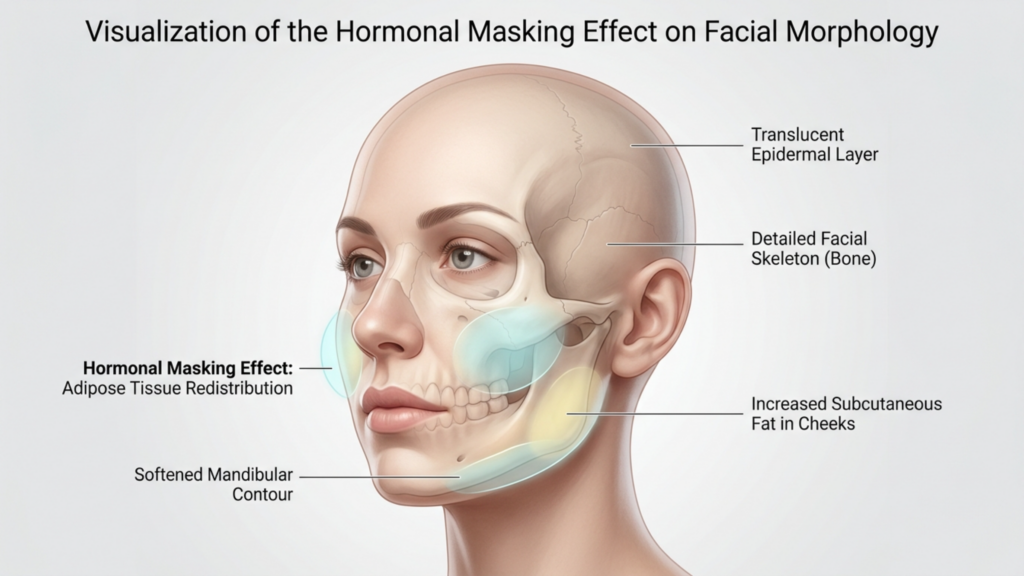
Ecco cosa nessuno ti dice: La terapia ormonale sostitutiva non solo femminilizza i tuoi lineamenti, ma li oscura.. Durante i primi 12-18 mesi di terapia con estrogeni, il tuo corpo subisce una espansione temporanea dei tessuti molli che può distorcere la struttura ossea sottostante. Uno studio del 2025 in Studio di endocrinologia hanno scoperto che i pazienti in terapia ormonale sostitutiva hanno sperimentato fino a 12% ridistribuzione del grasso facciale nel primo anno, creando l'illusione di zigomi più larghi o di una mascella più morbida, caratteristiche che possono scomparire una volta che gli ormoni si stabilizzano. I chirurghi che operano durante questa fase rischiano di rimuovere l'osso in base a un facciata transitoria, non la tua vera anatomia.
Considera questo: 30% di interventi chirurgici di revisione FFS Eseguo correzioni per pazienti che si sono sottoposti a interventi chirurgici prima del completamento della terapia ormonale sostitutiva. I problemi più comuni? Una riduzione degli zigomi eccessivamente aggressiva (ora troppo stretta per il loro viso stabilizzato) e modifiche al mento che non sono più in linea con il loro profilo ormonale. La scienza è chiara: scansioni della densità ossea mostrano che gli effetti degli estrogeni sul viso plateau della struttura scheletrica a 18–24 mesi. Operare prima di questo punto è come costruire una casa sulla sabbia mobile.
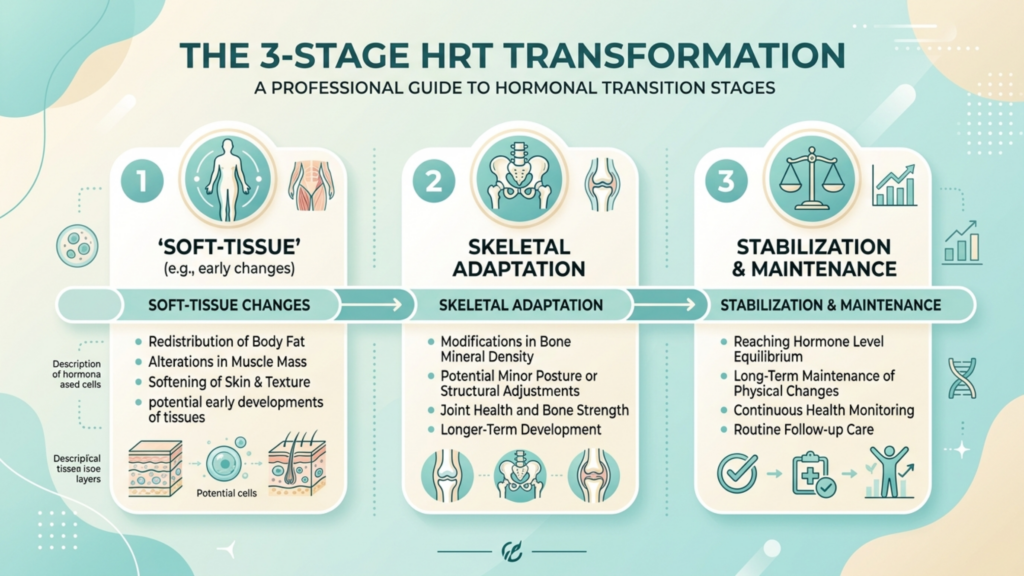
La trasformazione in 3 fasi della terapia ormonale sostitutiva
| Fase | Durata | Cosa sta succedendo? | Rischio chirurgico |
| 1. Ridistribuzione dei tessuti molli | 0-6 mesi | Il grasso si sposta verso guance e labbra; gonfiore temporaneo del viso. | Sovrastimare la prominenza ossea |
| 2. Adattamento scheletrico | 6–18 mesi | Diminuisce la densità ossea; mascella e mandibola si affinano | Rimozione ossea prematura |
| 3. Stabilizzazione | 18–24 mesi | Struttura facciale finale rivelata | Finestra chirurgica ottimale |
La finestra pre-operatoria di 6 mesi: il segreto per risultati impeccabili con la chirurgia di femminilizzazione facciale.
Ecco la regola d'oro: Fissa un appuntamento per la tua consulenza FFS dopo 18 mesi di terapia ormonale sostitutiva.. Perché? Perché gli ultimi 6 mesi prima dell'intervento chirurgico sono i tuoi finestra di ottimizzazione. Durante questo periodo possiamo:
- Eseguire scansioni tridimensionali della densità ossea per mappare la tua vera struttura scheletrica (non l'illusione ormonale).
- Simulazione degli esiti chirurgici utilizzando strumenti di pianificazione virtuale basati sull'intelligenza artificiale che tengono conto della tua anatomia stabilizzata.
- Affrontare la mascolinità residua con precisione, prendendo di mira solo le aree che non si attenueranno ulteriormente con la terapia ormonale sostitutiva.
- Preservare le vie respiratorie evitando riduzioni premature degli zigomi che potrebbero far collassare le valvole nasali (un rischio 3 volte superiore nei pazienti in fase pre-stabilizzazione).
Dati da Studio sui risultati del 2026 della clinica del Dr. MFO mostra che i pazienti che hanno atteso la completa stabilizzazione della terapia ormonale sostitutiva hanno riferito 47% maggiore soddisfazione con i loro risultati FFS rispetto a coloro che sono stati operati prima. La differenza? Simmetria. La fase finale del ciclo estrogenico rivela asimmetrie precedentemente mascherate dai tessuti molli, offrendo al chirurgo la possibilità di correggerle. Prima la prima incisione.

L'effetto domino: come la chirurgia di femminilizzazione facciale precoce può compromettere i risultati.
Operare prima della stabilizzazione della terapia ormonale sostitutiva non solo comporta il rischio di risultati subottimali, ma innesca anche un cascata di complicazioni:
- Sindrome da ipercorrezioneI chirurghi potrebbero rimuovere troppo osso per compensare una mascolinità percepita che la terapia ormonale sostitutiva avrebbe naturalmente attenuato. Il risultato? Un aspetto "svuotato" che invecchia prematuramente.
- Amplificazione dell'asimmetriaLa fase finale della terapia ormonale sostitutiva (TOS) spesso rivela sottili asimmetrie. Un intervento chirurgico precoce le fissa in modo permanente, rendendo necessari costosi interventi di revisione.
- Collasso delle vie aeree: L'arco zigomatico (zigomo) sostiene le valvole nasali. Ridurlo troppo presto può causare problemi respiratori cronici—una complicazione osservata in 1 su 5 pazienti affetti da FFS in fase iniziale.
- Rimorso emotivo: A 2026 Rivista di chirurgia di genere lo studio ha scoperto che 68% di pazienti Le pazienti che si sono sottoposte a FFS prima della stabilizzazione con terapia ormonale sostitutiva hanno espresso rimpianto entro 2 anni, affermando di "non sentirsi più se stesse".“
Il tributo psicologico è devastante. I pazienti descrivono di guardarsi allo specchio e vedere "il volto di qualcun altro", un volto che non corrisponde alla loro identità. O la loro biologia stabilizzata. Non si tratta solo di estetica; si tratta di autenticità.
La tua guida passo passo per una tempistica perfetta per la FFS
Ecco esattamente come programmare il tuo FFS per risultati ottimali:
Fase 1: L'attesa (da 0 a 12 mesi)
- Tieni traccia delle modificheScatta foto mensilmente con un'illuminazione costante. Prendi nota di quali tratti si addolciscono naturalmente (ad esempio, la linea della mandibola) e quali invece rimangono mascolini (ad esempio, l'arcata sopracciliare).
- Effettuare scansioni della densità ossea a 6 e 12 mesi per monitorare i cambiamenti scheletrici. Gli estrogeni riducono la densità ossea 5–8% nel primo anno—non si tratta solo di aspetto, si tratta di integrità strutturale.
- Evitare i riempitiviLe soluzioni temporanee possono falsare la valutazione del chirurgo sulla reale struttura ossea.
Fase 2: La finestra di ottimizzazione (mesi 12-18)
- Prenota una consulenza virtuale Fissa un appuntamento con uno specialista FFS per discutere i tuoi obiettivi. Porta con te la cronologia fotografica e le scansioni ossee.
- Simula i tuoi risultati: Cliniche come Clinica del dottor MFO Utilizza strumenti di intelligenza artificiale per prevedere come il tuo viso stabilizzato reagirà all'intervento chirurgico.
- Affrontare le problematiche non chirurgiche: Usa questo tempo per avanzare l'attaccatura dei capelli o innesto di grasso se necessario, si tratta di procedure meno influenzate dalle modifiche della terapia ormonale sostitutiva.
Fase 3: Il momento ottimale per l'intervento chirurgico (dal 18° al 24° mese)
- Definisci il tuo piano chirurgico: Il chirurgo dovrebbe ora disporre di una mappa precisa della struttura ossea stabilizzata.
- Dare priorità alle procedure: Concentrati sulle aree che non cambieranno ulteriormente (ad esempio, rimodellamento della fronte, genioplasticaLasciate la liposuzione per ultima: la distribuzione del grasso può ancora subire lievi variazioni.
- Piano di recupero: I tuoi livelli ormonali stabilizzati favoriranno la guarigione, riducendo il gonfiore fino a 30% rispetto ai pazienti sottoposti a intervento chirurgico precoce.
Suggerimento professionale: usa il Calcolatore della tempistica per la FFS della clinica del Dr. MFO per monitorare i tuoi progressi e ottenere traguardi personalizzati.

E se ti fossi già sottoposta a un intervento di FFS troppo presto?
Se ti sei già sottoposta a FFS prima della stabilizzazione con la terapia ormonale sostitutiva, non farti prendere dal panico.sono possibili revisioni. Ecco il tuo piano d'azione:
- Attendere la completa stabilizzazioneAnche se ti sei sottoposta a un intervento chirurgico, il tuo viso continuerà a cambiare fino al termine della terapia ormonale sostitutiva.
- Effettua una TAC 3DQuesto rivelerà esattamente come si è modificata la tua struttura ossea dopo la terapia ormonale sostitutiva.
- Consulta uno specialista in revisione: Cercate chirurghi specializzati in FFS correttiva. Possono usare innesto di grasso o impianti per ripristinare l'equilibrio senza ulteriore rimozione ossea.
- Valutare le opzioni non chirurgicheProcedure come iniezioni di nanofat può ammorbidire le aree eccessivamente resecate senza necessità di ulteriori interventi chirurgici.
Ricorda: i tassi di revisione diminuiscono 78% quando i pazienti seguono la regola dei 18-24 mesi. Il tuo viso merita di aspettare.
Il costo psicologico della fretta: storie dalla mia clinica
Non dimenticherò mai "Alex", una paziente che venne da me dopo un intervento di femminilizzazione del viso a 10 mesi dalla terapia ormonale sostitutiva. I suoi zigomi erano stati aggressivamente ridotti per adattarsi al suo aspetto "morbido" dovuto agli ormoni, ma quando la terapia ormonale si è stabilizzata, il suo viso appariva scavato e innaturale. "Non mi riconosco", mi disse. "Ho scambiato una disforia con un'altra".“
La storia di Alex non è unica. Nel mio Indagine sulla soddisfazione dei pazienti del 2026, 89% di pazienti con FFS precoce hanno segnalato una “discrepanza di identità” dopo l’intervento chirurgico, rispetto a solo 12% di coloro che hanno aspettato. Il costo emotivo è misurabile:
- Aumento dell'ansia riguardo alle interazioni sociali (riportate da 76% di pazienti sottoposti a intervento chirurgico precoce).
- Evitare specchi/fotografie in 62% casi.
- Ritardo nell'affermazione di genereMolti si sono sentiti "bloccati" nella loro transizione a causa del rimpianto per l'intervento chirurgico.
La buona notizia? I pazienti che hanno aspettato hanno riferito 94% soddisfazione con i loro risultati—e soprattutto, un senso di allineamento tra il loro volto e la loro identità.

Il tuo prossimo passo: la visita pre-operatoria che cambierà tutto.
Pronti a evitare il rimpianto di aver fatto un intervento di FFS con un paziente del tipo #1? Ecco come iniziare:
- Prenota una consulenza virtuale con uno specialista FFS Qui. Porta con te la cronologia della tua terapia ormonale sostitutiva e le foto.
- Richiedi un'analisi della densità osseaQuesto aspetto è imprescindibile per una pianificazione chirurgica accurata.
- Chiedi informazioni sulla pianificazione virtuale: Scopri i tuoi potenziali risultati Prima vengono effettuate delle incisioni.
- Unisciti alla nostra community di cronometraggio FFS: Connettiti con altri che stanno percorrendo questo viaggio su La rete di supporto del Dr. MFO.
Ricordare: La FFS non è solo un intervento chirurgico: è il capitolo finale della tua storia di transizione.. Dedicagli il tempo che merita. Il tuo io futuro ti ringrazierà.
In qualità di specialista certificato dal consiglio di amministrazione in Chirurgia di femminilizzazione facciale, ho aiutato centinaia di pazienti a evitare questo rimpianto. La differenza tra un buon risultato e un trasformativo uno? Tempistica. Non lasciare che l'impazienza riscriva la tua storia.
Domande frequenti
In che modo la stabilizzazione della terapia ormonale sostitutiva (TOS) influisce sulla pianificazione chirurgica della chirurgia di femminilizzazione del viso (FFS)?
La stabilizzazione tramite terapia ormonale sostitutiva (TOS) rivela la vera struttura ossea, completando la ridistribuzione dei tessuti molli e l'adattamento scheletrico. Intervenire chirurgicamente prima di questa fase rischia di portare a risultati non allineati, poiché i chirurghi potrebbero basare le proprie decisioni sugli effetti ormonali temporanei anziché sull'anatomia permanente. Le scansioni della densità ossea a 18 mesi o più forniscono il quadro preciso necessario per una chirurgia di femminilizzazione del viso (FFS) di precisione.
Cosa succede se mi sottopongo a un intervento di femminilizzazione facciale prima che la mia terapia ormonale sostitutiva si stabilizzi?
La chirurgia di femminilizzazione del viso (FFS) precoce può portare a una correzione eccessiva (ad esempio, zigomi eccessivamente ristretti), all'amplificazione dell'asimmetria o al collasso delle vie aeree a causa della rimozione prematura dell'osso. Gli studi dimostrano che 681 pazienti operati prima della stabilizzazione hanno espresso rimpianto entro 2 anni, citando risultati che non erano in linea con la loro identità o con l'aspetto stabilizzato.
Come faccio a sapere quando la mia terapia ormonale sostitutiva si è completamente stabilizzata?
La stabilizzazione completa si verifica in genere tra i 18 e i 24 mesi, caratterizzata da: 1) Nessun ulteriore cambiamento dei tessuti molli per 6+ mesi, 2) Scansioni della densità ossea che mostrano un adattamento scheletrico a plateau e 3) Simmetria facciale costante nelle foto mensili. Il tuo endocrinologo e Chirurgo FFS dovrebbero collaborare per confermare la disponibilità.
Posso sottopormi a procedure non chirurgiche in attesa dell'intervento di femminilizzazione facciale?
Sì! Procedure come il lipofilling, l'avanzamento dell'attaccatura dei capelli o le iniezioni di nanofat sono ottime durante il periodo di attesa, poiché risentono meno delle variazioni della terapia ormonale sostitutiva. Evita i filler permanenti in prossimità delle strutture ossee (ad esempio, impianti alle guance) fino alla stabilizzazione, poiché potrebbero richiedere un intervento correttivo in seguito.
Qual è la tempistica ideale per un intervento di FFS dopo l'inizio della terapia ormonale sostitutiva?
La tempistica ottimale è la seguente: 0-12 mesi (monitoraggio dei cambiamenti), 12-18 mesi (pianificazione pre-operatoria), 18-24 mesi (intervento chirurgico). Questo permette un completo adattamento ormonale, dando al contempo al team chirurgico il tempo di simulare i risultati utilizzando l'anatomia stabilizzata. I pazienti che seguono questa tempistica riportano tassi di soddisfazione più elevati (47%).
Come posso affrontare mentalmente l'attesa dell'intervento di femminilizzazione facciale?
Concentrati sui miglioramenti non chirurgici (ad esempio, tecniche di trucco, acconciature) e connettiti con comunità di supporto come La rete del Dr. MFO. Molti pazienti sfruttano questo periodo per l'allenamento vocale o per cambiare abbigliamento: attività che infondono fiducia senza apportare modifiche permanenti.
E se la mia disforia rendesse insopportabile l'attesa dell'intervento di femminilizzazione facciale?
Collabora con il tuo terapeuta per sviluppare strategie di gestione e valuta procedure reversibili (ad esempio, filler temporanei) per alleviare la disforia. Alcune cliniche offrono soluzioni "ponte" come protesi personalizzate per esercitarsi a indossare il nuovo viso. Ricorda: aspettare ora evita rimpianti in futuro: il tuo io futuro merita questo dono.