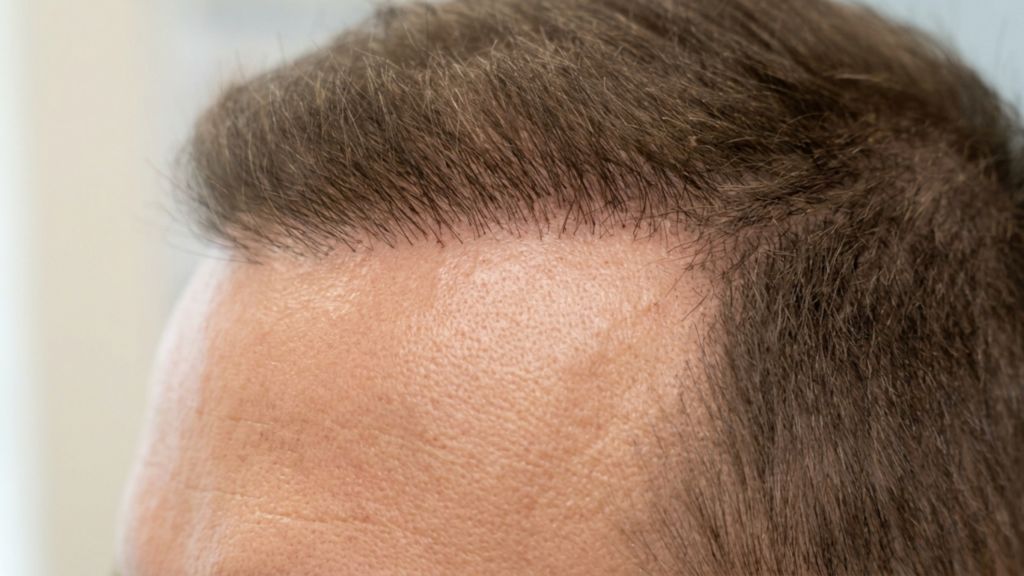
Представьте, что вы тратите $15 000 на пересадка волос, И вот, спустя шесть месяцев, вы понимаете, что ваша донорская зона выглядит как лоскутное одеяло из шрамов, кожа головы натянута как барабан, а желаемой густоты нигде не видно. Это не антиутопический кошмар — это реальность для многих. 1 из 5 пациентов Согласно исследованию 2025 года, пациенты, которым проводят мега-сессионные пересадки волос (3000–7000 графтов) в неаккредитованных клиниках, Журнал дерматологической хирургии. Привлекательность густой шевелюры за один сеанс неоспорима, но финансовые и психологические издержки часто скрываются за агрессивным маркетингом и вводящей в заблуждение ценовой политикой. Это руководство раскрывает эти аспекты. реальная стоимость подробно рассказывается о процедурах мегатрансплантации — помимо указанной цены — и предоставляет вам данные, которые помогут избежать попадания в статистику.
Оглавление
Почему мега-сессии — это палка о двух концах: скрытые компромиссы, связанные с пересадкой 3000–7000 волос.
Мегасессионная пересадка волос обещает кардинальное преображение за один сеанс, но она сопряжена с определенными трудностями. три важных компромисса Большинство клиник не раскрывают эту информацию заранее:
- Истощение донорской зоны: Для забора 7000 трансплантатов за один сеанс необходимо удалить ~14 000 фолликулярных единиц (поскольку не все трансплантаты приживаются). В результате остается донорская зона — обычно это затылок и боковые части головы.постоянно истощенный, с видимым истончением или рубцеванием. Исследование 2024 года. Пластическая и реконструктивная хирургия было установлено, что у пациентов, которым была проведена мегатрансплантация за один сеанс, наблюдались следующие результаты: 40% повышенный риск гипопигментация донорской зоны и плохое заживление ран по сравнению с поэтапными процедурами (PRS, 2024).
- Показатели приживаемости трансплантатов резко падают: Чем больше трансплантатов пересаживается за один сеанс, тем ниже вероятность их приживаемости. Клиники, рекламирующие “приживаемость 95%”, не упоминают, что это относится к Небольшие сеансы (1000–1500 трансплантатов). В случае мега-сессий выживаемость снижается до 70–80% из-за длительного времени операции (8–12 часов) и ограниченного кровоснабжения области реципиента. Это означает, что вы фактически платите за 1500–2000 “призрачных прививок” которые никогда не растут (NCBI, 2025).
- Финансовый обман: Модель ценообразования “за каждый имплантат” призвана скрыть реальная стоимость. Клиники рекламируют $2–$3 на один трансплантат при заказе 3000 трансплантатов, но завышают цену до $4–$6 на один трансплантат при заказе 7000 трансплантатов, ссылаясь на “повышенную сложность”. Хуже того, скрытые комиссии Анестезия, PRP-терапия или послеоперационный уход могут значительно увеличить окончательный счет. 30–50%.
Это руководство поможет вам избежать этих ловушек, разобрав их по пунктам. реальные затраты, пороговые значения безопасности, и бюджетные стратегии для проведения мегатрансплантаций — чтобы вы могли принять решение, которое не приведет к потере донорской зоны. или ваши сбережения.
Реальная стоимость мегатрансплантации: прозрачный анализ.
В большинстве клиник указана единая цена за один трансплантат, но... реальная стоимость В стоимость мега-сессии входят шесть часто упускаемых из виду статей расходов:
| Категория расходов | Предварительная оценка (3000 трансплантатов) | Предварительная оценка стоимости (7000 трансплантатов) | Почему это часто скрыто |
|---|---|---|---|
| базовая стоимость процедуры | $6,000–$9,000 | $14,000–$28,000 | Рекламируется как "все включено", но клиники могут предлагать "премиум" трансплантаты. |
| Анестезия и седация | $500–$1,200 | $1,500–$3,000 | Более длительные сеансы требуют более глубокой седации, что увеличивает затраты. |
| PRP-терапия или терапия стволовыми клетками | $800–$1,500 | $2,000–$4,000 | Препарат позиционируется как “необходимый для выживания трансплантата”, но зачастую является необязательным. |
| Послеоперационные препараты | $300–$600 | $800–$1,500 | Антибиотики, обезболивающие и противовоспалительные препараты в сумме обходятся недешево. |
| Проезд и проживание | $1,500–$3,000 | $3,000–$6,000 | Для проведения большинства масштабных конференций требуется 7–10 дней за границей для дальнейшего обсуждения результатов. |
| Ревизионная хирургия | $3,000–$6,000 | $10,000–$20,000 | Каждому третьему пациенту, прошедшему мегасеанс, требуется коррекция недостаточной плотности костной ткани или рубцов. |
Общая стоимость процедуры с использованием 7000 трансплантатов может превышать $40,000—вдвое больше, чем заявлено. Однако клиники редко сообщают об этом заранее. Вместо этого они сосредотачиваются на цена за один трансплантат, Цена снижается по мере увеличения размера сессии. Вот как работает ценообразование:
Заметили закономерность? Чем больше прививок вы покупаете, тем “дешевле” становится каждая прививка, но... общая стоимость взлетают до небес, и риск осложнений растет экспоненциально. Вот почему поэтапные процедуры Пересадка 1500–2500 трансплантатов за сеанс часто дает лучшие долгосрочные результаты, даже если первоначальные затраты немного выше.
Порог безопасности: сколько трансплантатов может перенести ваш организм?
Кожа головы — это не чистый холст, это... живая экосистема с ограниченными ресурсами. безопасный предел Процесс извлечения и трансплантации трансплантата зависит от трех биологических факторов:
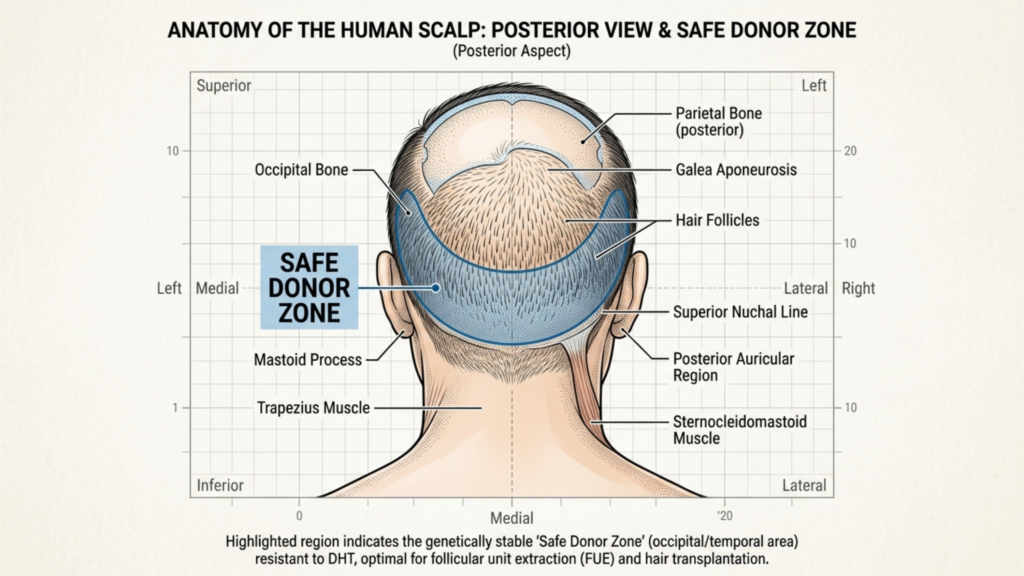
- Плотность донорской зоны: Среднестатистический человек имеет 80–100 фолликулярных единиц на см² в донорской зоне. Сбор урожая более чем 50% такой плотности За один сеанс существует риск необратимого истончения волос. При процедуре с использованием 7000 трансплантатов это означает удаление фолликулов из ~140 см² участок кожи головы размером с почтовую открытку.
- Система снабжения кровью в зоне реципиента: Кожа головы может лишь поддерживать 20–30 трансплантатов на см² за один сеанс. Кроме того, трансплантаты конкурируют за кровоток, что приводит к... некроз (отмирание тканей) или низкая выживаемость. Мегасессии часто превышают этот порог, особенно в области лобной линии роста волос, где плотность имеет решающее значение.
- Время работы: Процедуры, длящиеся более 8 часов увеличить риск гипотермия, тромбы и осложнения анестезии. Исследование 2026 года в Дерматологическая хирургия Было установлено, что у пациентов, проходивших сеансы продолжительностью более 10 часов, наблюдались следующие симптомы: Риск в 3 раза выше послеоперационных инфекций (NCBI, 2026).
Чтобы наглядно представить себе риски, рассмотрим следующее. матрица безопасности:
| Количество прививок | Стресс в области донорского участка | Показатель приживаемости трансплантата | Риск осложнений | Рекомендуется? |
|---|---|---|---|---|
| 1,000–2,000 | Низкий | 90–95% | Минимальный | ✅ Идеально подходит для большинства пациентов |
| 2,500–3,500 | Умеренный | 80–85% | Умеренная степень (образование рубцов, отек) | ⚠️ Только при поэтапном планировании |
| 4,000–5,000 | Высокий | 70–75% | Высокий (инфекция, низкая выживаемость) | ❌ Избегайте применения, если это не является медицинской необходимостью. |
| 6,000–7,000 | Экстремальный | <70% | Очень высокий уровень (истощение донорского материала, некроз) | ❌ Не рекомендуется |
Данные говорят сами за себя: мега-сессии — это рискованное, но потенциально очень выгодное предприятие.. Хотя они могут дать впечатляющие результаты, закон убывающей доходности Применяется. При количестве трансплантатов более 4000, незначительная польза от увеличения плотности перевешивается экспоненциальным ростом числа осложнений.
Составление бюджета для масштабной фотосессии: как избежать финансовых и медицинских потерь.
Если вы решили устроить масштабную фотосессию, вот как это сделать. минимизировать риски и максимизировать ценность:
1. Выберите правильную клинику: тревожные и тревожные сигналы.
| Тревожные сигналы (избегайте) | Зеленые флаги (Приоритет) |
|---|---|
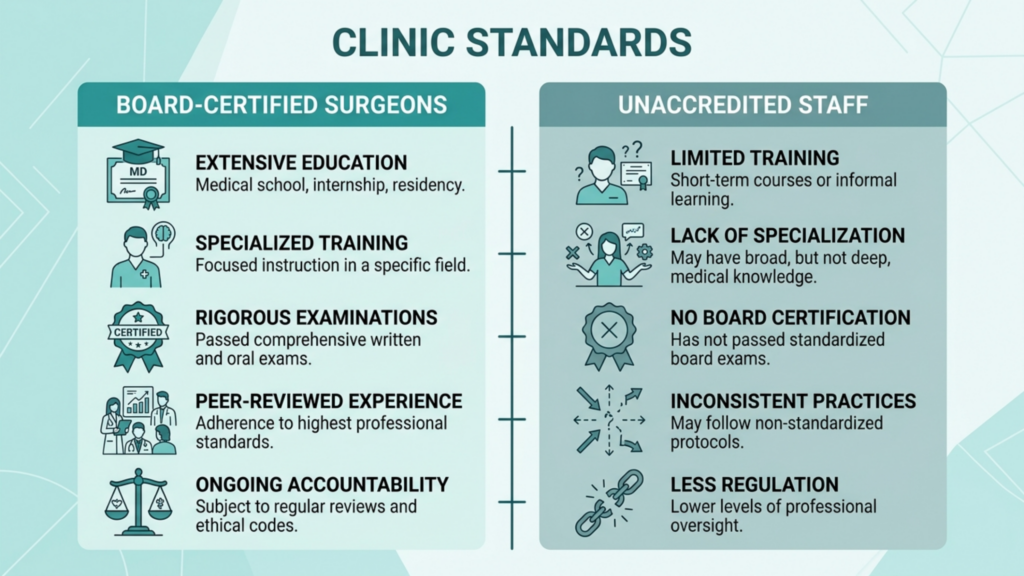
| В штате нет сертифицированных хирургов. | Хирурги, сертифицированные ISHRS или ABHRS. |
| “Заявления о ”неограниченном количестве трансплантатов“ или ”гарантированной плотности» | Прозрачные данные о показателях выживаемости (например, “70–80% для 7000 трансплантатов”) |
| Предоперационные анализы крови и анализ кожи головы не требуются. | Обязательная оценка донорской зоны с помощью трихоскопии. |
| Давление с целью немедленного бронирования (“скидка, действующая ограниченное время”) | Поощряет поэтапные процедуры и получение второго мнения. |
| План послеоперационного ухода отсутствует. | Включает 12-месячное наблюдение и PRP-терапию. |
Клиники в Турция, Мексика и Таиланд Они популярны благодаря низким ценам, но 60% осложнений Сообщается, что масштабные операции проводятся в неаккредитованных медицинских учреждениях за рубежом. Если вы едете на операцию, уточните информацию о клинике. Аккредитация JCI (Joint Commission International). и обеспечить их использование FUE (экстракция фолликулярных объединений) вместо устаревшего метода FUT (полосковый метод), который оставляет линейные рубцы.
2. Заключите договор с фиксированной ценой.
Требование письменное соглашение что фиксирует:
- The точное количество трансплантатов (а не “до 7000”).
- А гарантированный процент выживаемости (например, “70% или мы предоставим бесплатную коррекцию”).
- Никаких скрытых платежей для анестезии, медикаментов или послеоперационного ухода.
- А политика пересмотра (например, бесплатная коррекция в течение 12 месяцев, если плотность падает ниже 60%).
Клиники, которые отказываются оформлять это в письменном виде, скорее всего, что-то скрывают. Уходите оттуда.
3. Учитывайте скрытые расходы.
Заложите в бюджет дополнительно 30–50% стоимость процедуры для:
- Страхование путешествий покрытие медицинских осложнений за рубежом.
- Длительное проживание в отеле (7–10 дней на восстановление).
- Послеоперационные препараты (антибиотики, обезболивающие, миноксидил).
- Потерянный заработок если вам потребуется 2-3 недели отпуска.
- Экстренные фонды для проведения повторных операций или лечения инфекций.
4. Рассмотрите поэтапные процедуры.
Разделение вашей трансплантации на два или три сеанса (например, 2500 трансплантатов каждые 6 месяцев) предлагает три преимущества:
- Более высокая выживаемость трансплантата (85–901 Тл за сеанс против 701 Тл за мегасеанс).
- Сниженный риск осложнений (Более короткое время операции, меньшая травматичность).
- Более эффективный контроль бюджета (оплата по факту использования, с предоставлением времени для оценки результатов).
Управление донорством: как защитить будущее вашей кожи головы
Зона донорства — это ваша спасательный круг для будущих пересадок. Чрезмерный сбор урожая за один сеанс может привести к проблемам. нет вариантов Если вам понадобятся исправления позже, вот как их сохранить:
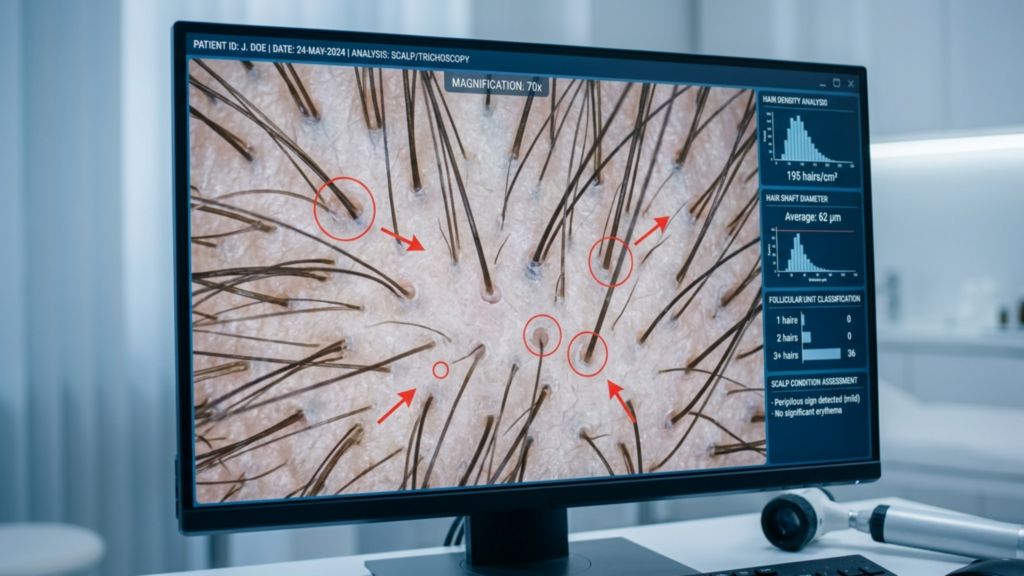
- Необходимо провести трихоскопическое исследование: Это неинвазивное сканирование измеряет плотность донорской зоны и определяет безопасные зоны для извлечения волос. Клиники, которые игнорируют этот метод, рискуют здоровьем вашей кожи головы.
- Ограничение экстракции до 30–40% плотности донора: Это гарантирует наличие достаточного количества фолликулов для будущих процедур. Например, если в донорской зоне 100 фолликулярных единиц/см², следует собрать не более 30–40 FUs/см² за один сеанс.
- Избегайте ловушки “максимального количества трансплантатов”: Некоторые клиники стремятся к максимально возможному количеству трансплантатов, даже если это означает чрезмерная добыча. Настаивайте на консервативный подход—Ваше будущее «я» скажет вам спасибо.
- Используйте PRP-терапию или терапию стволовыми клетками: Хотя эти методы лечения и не являются панацеей, они могут помочь. улучшить выживаемость трансплантата на 10–15% и уменьшить травматизацию донорской зоны (NCBI, 2023).
- План долгосрочного ухода: Использовать миноксидил или финастерид После пересадки необходимо защитить имеющиеся волосы и здоровье донорской зоны. Без этого существует риск дальнейшего истончения волос, что затруднит проведение коррекций.
Помните: ваша донорская зона — это невозобновляемый. Как только запасы истощатся, ваши возможности для будущих трансплантаций исчезнут. Берегите их, как пенсионный фонд.
Психологическая цена: о чем вам не расскажут ни одна клиника.
Мега-сеансы не просто нагружают кожу головы — они проверяют её на прочность. психическая устойчивость. Пациенты часто сообщают о следующем:
- “Трансплантационная депрессия”: В течение первых 3–6 месяцев после операции ваши новые волосы будут выпадать.шоковая потеря), оставляя вас в недоумении худший чем раньше. Этот этап вызывает тревогу у 70% пациентов, согласно исследованию 2025 года Образ тела (ScienceDirect, 2025 г.).
- Нереалистичные ожидания: В клиниках показывают фотографии “до и после”, сделанные при идеальном освещении и ракурсах. В реальности же..., только 30% пациентов достичь той плотности, которая наблюдается в маркетинговых материалах.
- Социальная изоляция: Фаза “красных точек” (когда вокруг каждого трансплантата образуются корочки) может длиться 10–14 дней, что делает социальное взаимодействие некомфортным. Многие пациенты принимают 2–3 недели отпуска чтобы избежать вопросов.
- Сожаление покупателя: Когда результаты не оправдывают ожиданий, пациенты часто винят себя: ”Я выбрал не ту клинику? Мне следовало подождать?”, — а не завышенные обещания клиники.
Для снижения этих рисков:
- Набор реалистичные ожидания Поговорите со своим хирургом — попросите нефильтрованный Фотографии пациентов, а не только рекламные.
- Подготовьтесь к фаза гадкого утёнка (1–4 месяцы) путем получения поддержки от друзей или психотерапевта.
- Избегать сравнивая свой прогресс Для других сроки выздоровления сильно различаются.
- Если вы склонны к тревожности, подумайте о следующем: поэтапные процедуры Разбить процесс на выполнимые этапы.
Альтернативы мега-сессиям: более безопасные пути к высокой плотности
Если риски мега-сеанса перевешивают преимущества, рассмотрите следующие альтернативы:
| Альтернатива | Расходы | Плюсы | Минусы |
|---|---|---|---|
| Поэтапная FUE-трансплантация (2–3 сеанса) | $12,000–$20,000 | Более высокие показатели выживаемости, меньший риск образования рубцов. | Более длительный срок (12–18 месяцев) |
| Трансплантация волос на бороду или тело (BHT) | $10,000–$18,000 | Использует донорские волосы, не относящиеся к коже головы; хорошо подходит для восстановления. | Более низкие показатели выживаемости (60–70%) |
| Микропигментация кожи головы (МПК) | $2,000–$5,000 | Мгновенная иллюзия плотности, без хирургического вмешательства. | Требуется подкраска каждые 3–5 лет. |
| Низкоинтенсивная лазерная терапия (НИЛТ) | $500–$2,000 | Неинвазивный метод, улучшающий состояние существующих волос. | Минимальные результаты при запущенном облысении. |
| Обогащенная тромбоцитами плазма (PRP) + миноксидил | $1,500–$3,000/год | Замедляет выпадение волос, делает существующие волосы гуще. | Требует пожизненного обслуживания. |
Для пациентов с Запущенная стадия выпадения волос (Норвуд 6–7), а комбинированный подход Часто это работает лучше всего. Например:
- Сессия 1: 2500 графтов на линию роста волос в передней части головы.
- Вторая сессия (спустя 6 месяцев): 2000 трансплантатов в среднюю часть головы + PRP-терапия.
- Обслуживание: Миноксидил + низкоинтенсивная лазерная терапия для сохранения собственных волос.
Такой подход позволяет распределить затраты и риски, одновременно максимизируя плотность застройки в долгосрочной перспективе.
Итог: стоит ли проводить мега-сессию?
Мегатрансплантация волос — это не для всех. Они лучше всего подходят для:
- Пациенты с исключительная плотность доноров (>100 FUs/см²).
- Те, кто не могу выполнить Из-за поездок или рабочих ограничений пришлось посещать несколько сессий.
- Лица, которые полностью понимать риски и иметь план пересмотра на месте.
Для всех остальных, поэтапные процедуры или альтернативные методы лечения предложить более безопасный и предсказуемый путь к восстановлению волос. Ключевым моментом является... уделите первостепенное внимание долгосрочному здоровью кожи головы. важнее краткосрочной плотности — и выбрать клинику, которая ценит прозрачность больше, чем продажи.
Если вы готовы изучить доступные варианты, запланировать консультацию с сертифицированным специалистом врач хирург кто специализируется на процедуры с высокой степенью трансплантации и может обеспечить индивидуальный план исходя из возможностей и целей вашего донорского фонда.
Часто задаваемые вопросы
Каково максимальное количество трансплантатов, которое я могу безопасно извлечь за один сеанс?
Безопасный предел зависит от плотности донорских волос, но большинство экспертов рекомендуют извлекать не более фолликулярных единиц из донорской зоны за один сеанс. Для среднестатистического человека это означает 3000–4000 трансплантатов. При превышении этого количества значительно возрастает риск необратимого истончения или образования рубцов.
Почему при мегасеансовых пересадках волос наблюдается более низкий процент приживаемости трансплантатов?
Мега-сеансы (более 5000 трансплантатов) часто длятся 8–12 часов, в течение которых трансплантаты проводят больше времени вне тела, что снижает их жизнеспособность. Кроме того, кровоснабжение реципиентной области перегружается, что приводит к плохому насыщению кислородом и доставке питательных веществ к трансплантатам. Показатели выживаемости снижаются с 90–951 Т3Т при небольших сеансах до 70–801 Т3Т при мега-сеансах.
Как я могу проверить, не завышает ли клиника прогнозы по количеству трансплантатов?
Попросите провести трихоскопический анализ донорской зоны, чтобы оценить ее вместимость. Если клиника гарантирует 7000 трансплантатов без этой оценки, скорее всего, она дает завышенные обещания. Также запросите необработанные фотографии пациентов (а не только рекламные материалы) и данные о выживаемости трансплантатов у пациентов, прошедших мега-сессию.
Какие признаки указывают на чрезмерную заготовку зерна в донорской зоне?
К признакам относятся видимое истончение или неравномерность роста волос в донорской зоне, длительное покраснение или рубцевание, а также "изъеденный молью" вид в местах слишком агрессивного извлечения фолликулов. Если после трансплантации донорская зона выглядит хуже, возможно, из нее было извлечено слишком много волос, что ограничивает возможности проведения будущих процедур.
Существуют ли варианты финансирования операций по пересадке мегаграфтов?
Многие клиники предлагают планы рассрочки платежей, но следует остерегаться кредитов с высокими процентными ставками или скрытых комиссий. Некоторые пациенты используют медицинские кредитные карты (например, CareCredit) или потребительские кредиты. Всегда рассчитывайте общую стоимость, включая проценты, прежде чем принимать решение. Поэтапные процедуры также позволяют распределить расходы во времени.
Как мне психологически подготовиться к периоду, когда я буду выглядеть как “гадкий утёнок” после трансплантации?
Первые 3-4 месяца после пересадки могут быть эмоционально сложными, поскольку происходит выпадение новых волос и начинается их отрастание. Подготовьтесь, установив реалистичные ожидания, избегая сравнений с другими людьми в социальных сетях и заручившись поддержкой друзей или психотерапевта. Помните, что этот этап временный и необходим для достижения долгосрочных результатов.
Какие есть альтернативы, если я не подхожу для мега-сессии?
В качестве альтернативы предлагаются поэтапные процедуры FUE, пересадка волос на бороду или тело, микропигментация кожи головы, а также нехирургические методы лечения, такие как PRP-терапия или низкоинтенсивная лазерная терапия. Сертифицированный хирург поможет вам определить оптимальный подход, исходя из характера выпадения волос и донорских возможностей.
Как найти авторитетную клинику для проведения операции по пересадке костного мозга с большим объемом трансплантата?
Ищите клиники с сертифицированными хирургами, аккредитацией JCI и прозрачным ценообразованием. Избегайте тех, кто настаивает на немедленной записи или гарантирует нереалистичные результаты. Запрашивайте отзывы пациентов и фотографии «до» и «после» крупных операций, а не только небольших процедур.