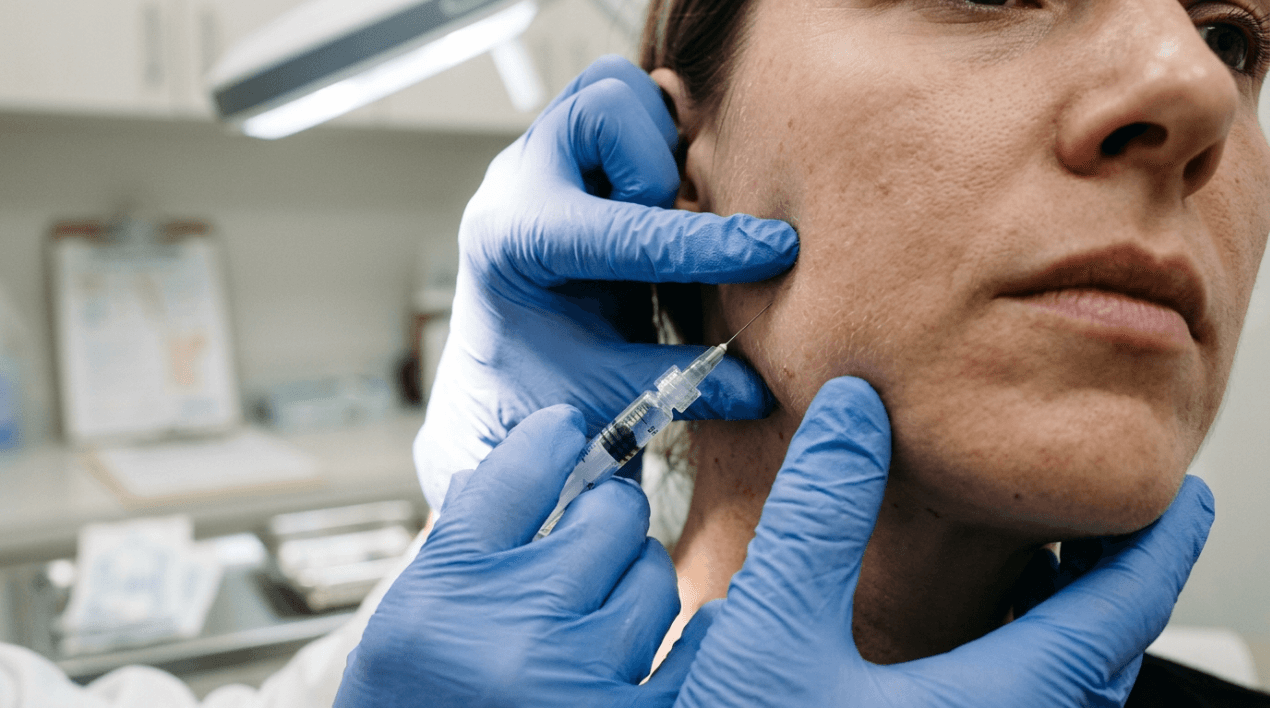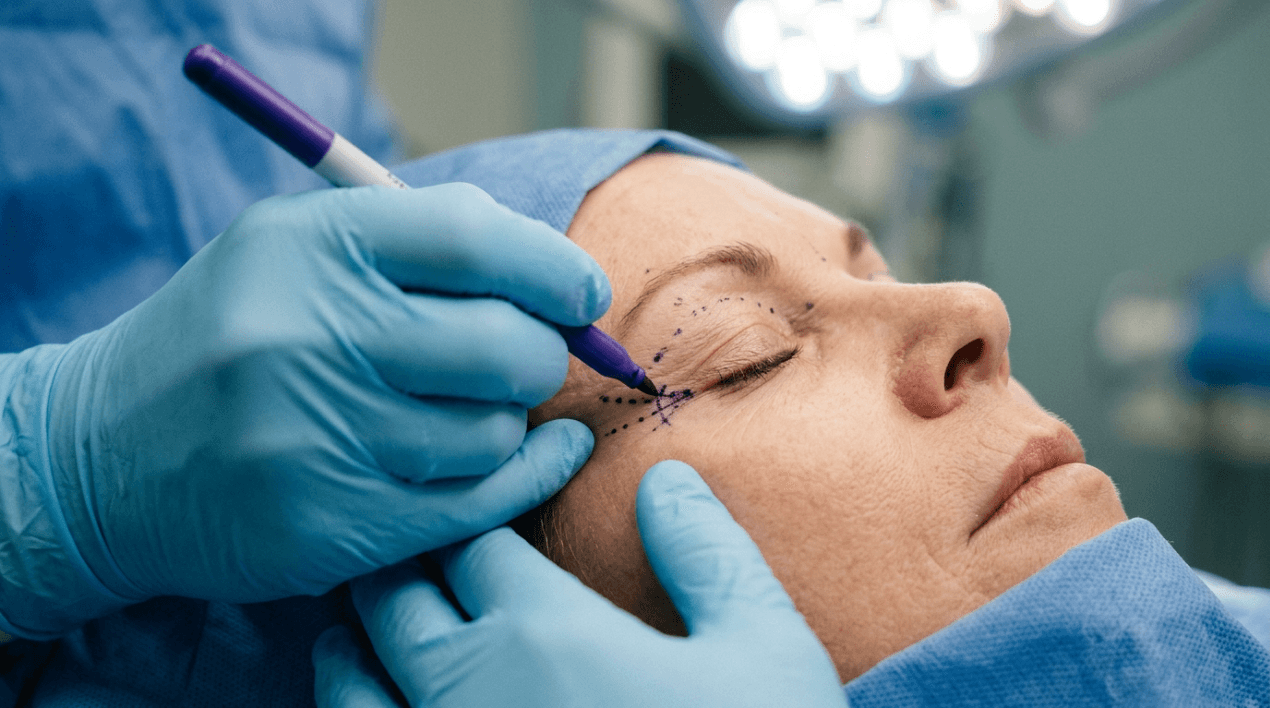

Para las personas que se embarcan en el viaje transformador de la feminización, aumento de senos Se erige como un procedimiento fundamental, con un profundo impacto en el contorno corporal general y la identidad personal. Esta mejora quirúrgica va más allá de la mera preferencia estética; es un paso vital para armonizar la apariencia física con una identidad femenina afirmada, fomentando un inmenso bienestar psicológico y confianza. Sin embargo, abordar las innumerables opciones que implica el aumento de senos, desde el tipo de implante y el lugar de la incisión hasta la técnica precisa de colocación, puede ser una tarea compleja. Cada decisión es profundamente personal y está influenciada críticamente por las características anatómicas individuales, los resultados deseados y el estilo de vida.
El campo de aumento de senos El campo del aumento de senos ha experimentado avances notables, con la transición hacia enfoques altamente personalizados que priorizan resultados de aspecto natural, una seguridad óptima y una recuperación ágil. Las pacientes modernas buscan cada vez más mejoras que no solo aumenten su autoestima, sino que también se integren a la perfección con su vida activa, garantizando que los resultados se sientan y se muevan con autenticidad. Este cambio subraya el deseo colectivo de sutileza y armonía, donde el resultado complementa las proporciones naturales del cuerpo en lugar de alterarlas drásticamente. Las innovaciones abarcan materiales avanzados para implantes que imitan el tejido mamario natural, técnicas quirúrgicas refinadas que preservan el movimiento natural y tecnologías de planificación de vanguardia que permiten una precisión sin precedentes.
Esta guía completa profundiza en los complejos aspectos quirúrgicos de la elección de implantes para la feminización, ofreciendo un análisis profundo de los factores críticos que determinan un resultado exitoso. Examinaremos minuciosamente las características distintivas de los implantes de solución salina y silicona, explorando su composición, sensación, perfiles de seguridad e implicaciones para los resultados a largo plazo. Más allá de los implantes tradicionales, se abordará el creciente papel de la transferencia de grasa como método de aumento complementario o independiente, destacando sus beneficios para un contorno sutil y una mejora natural. Comprender los distintos sitios de incisión (inframamaria, periareolar y transaxilar) es crucial, ya que cada uno presenta ventajas y consideraciones únicas en cuanto a la visibilidad de la cicatriz y el acceso quirúrgico. De igual manera, la elección de la colocación del implante, ya sea subglandular (sobre el músculo) o submuscular (debajo del músculo pectoral), incluyendo la sofisticada técnica de doble plano, impacta significativamente el resultado estético, la sensación táctil y la recuperación.
Además, el artículo ilustrará el impacto transformador de la planificación preoperatoria avanzada, específicamente el uso de tecnología de imágenes tridimensionales (3D). Estas sofisticadas herramientas permiten a los cirujanos visualizar resultados potenciales con una precisión notable y adaptar la estrategia quirúrgica a la anatomía única de cada paciente, fomentando expectativas realistas y mejorando la comunicación. También abordaremos las consideraciones intraoperatorias críticas, enfatizando cómo una técnica quirúrgica meticulosa, combinada con un profundo conocimiento de los matices anatómicos, minimiza los riesgos y optimiza la seguridad. El proceso no concluye con la cirugía; por lo tanto, se proporcionará una descripción detallada de los protocolos de recuperación postoperatoria, incluyendo los principios de la Recuperación Mejorada Después de la Cirugía (ERAS) y las técnicas avanzadas de manejo del dolor. Finalmente, destacaremos la importancia fundamental de seleccionar un cirujano plástico altamente calificado y con experiencia. cirujano, cuya experiencia abarca tanto el arte de la feminización estética como la ciencia de la precisión reconstructiva. Al explorar estas consideraciones quirúrgicas multifacéticas, esta guía busca empoderar a las personas con el conocimiento necesario para tomar decisiones informadas, lo que en última instancia conduce a una identidad armoniosa, segura y auténticamente feminizada.

Tabla de contenido
Comprensión implantes mamarioss: Solución salina versus silicona para la feminización
La elección fundamental entre implantes de solución salina y de silicona suele ser la primera decisión importante que enfrenta una paciente en un aumento de senos para feminización. Ambos tipos ofrecen distintas ventajas y consideraciones que influyen directamente en el resultado estético, la sensación táctil y la experiencia a largo plazo (Clinique-K, 2025). Para tomar una decisión informada, es necesario comprender a fondo la composición, las características y las implicaciones de cada implante.
Implantes mamarios de solución salina: volumen ajustable y seguridad transparente
Implantes de solución salina Consisten en una cubierta de silicona rellena de solución salina estéril, esencialmente agua salada. Una característica clave de los implantes salinos es su adaptabilidad durante la cirugía. Por lo general, se insertan vacíos y el implante se rellena. cirujano Luego, una vez colocadas, se llenan hasta alcanzar el volumen deseado (Clinique-K, 2025). Esto permite realizar ajustes precisos para lograr una simetría y un tamaño óptimos durante el procedimiento. En caso de rotura, el cuerpo absorbe la solución salina de forma natural, lo que minimiza los riesgos para la salud.
Sin embargo, los implantes de solución salina a veces pueden sentirse más firmes y menos naturales al tacto que los de silicona. También pueden ser más propensos a ondulaciones visibles, especialmente en pacientes con muy poco tejido mamario natural o piel fina, ya que el líquido en su interior puede desplazarse. A pesar de estas consideraciones, su perfil de seguridad percibido en cuanto a la rotura y la posibilidad de ajuste intraoperatorio los convierten en una opción adecuada para muchas personas que buscan la feminización mamaria.
Implantes mamarios de silicona: tacto natural y gel cohesivo avanzado
Los implantes mamarios de silicona están precargados con un gel de silicona cohesivo, diseñado específicamente para imitar la textura y la sensación naturales del tejido mamario (Clinique-K, 2025). Esta característica los convierte en una opción muy popular entre las pacientes que priorizan una apariencia y tacto realistas. Los avances modernos han dado lugar al desarrollo de implantes altamente cohesivos, con forma de osito de goma, que mantienen su forma incluso si la cubierta del implante se ve comprometida (Dr. Adrian Lo, 2025). Esta innovadora tecnología de gel evita que la silicona se extienda en caso de rotura, lo que soluciona problemas de seguridad previos.
La sensación natural y la menor incidencia de ondulaciones visibles suelen aumentar la satisfacción de las pacientes con los implantes de silicona. Sin embargo, detectar una rotura con implantes de silicona puede ser más difícil, y en ocasiones requiere imágenes como una resonancia magnética para su diagnóstico (Clinique-K, 2025). A pesar de ello, las rigurosas pruebas de seguridad y la mejora de los materiales de la cubierta han mejorado significativamente la fiabilidad e integridad a largo plazo de los implantes de silicona modernos, convirtiéndolos en una opción segura y eficaz para la feminización mamaria (Dr. Adrian Lo, 2025).
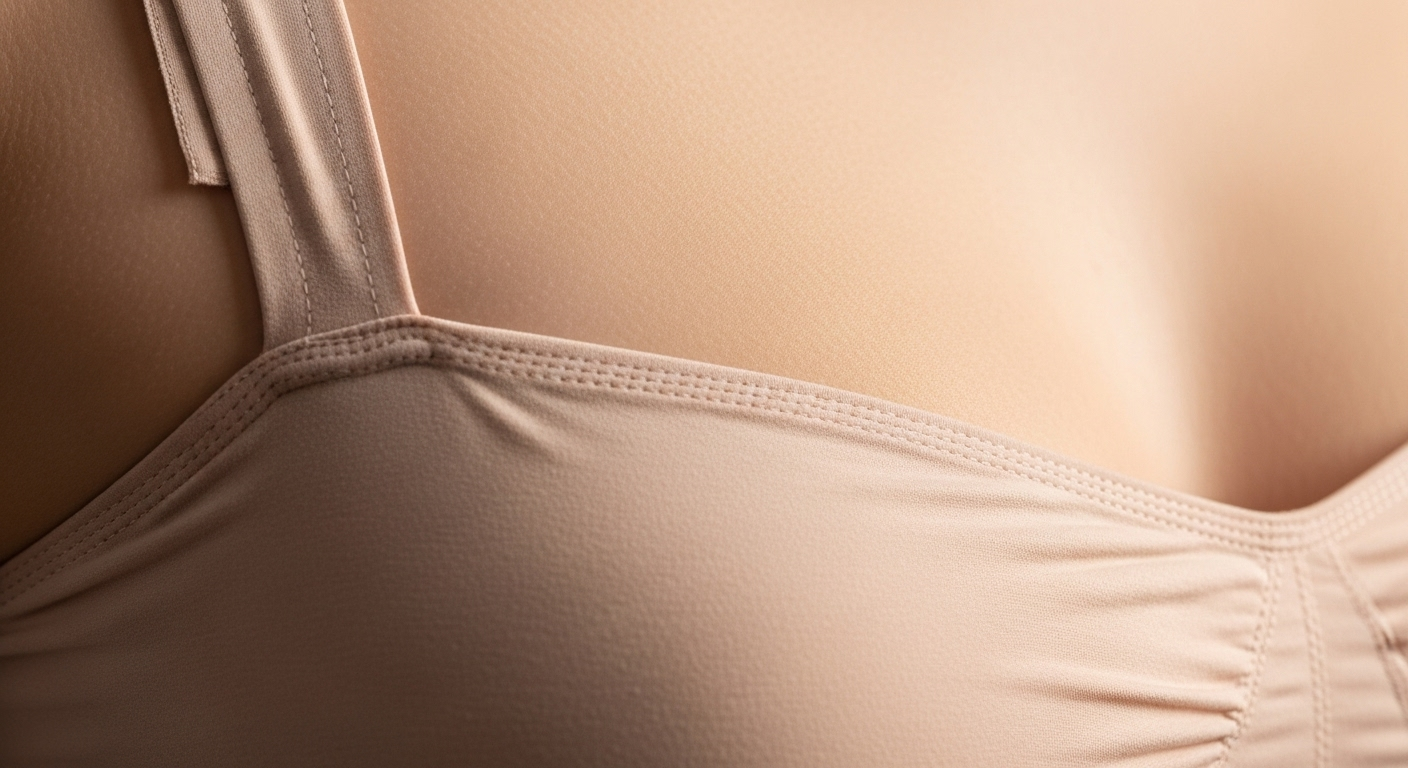
Más allá de los implantes: transferencia de grasa para un aumento y contorno natural
Si bien los implantes de solución salina y silicona siguen siendo los métodos principales para el aumento de senos, la transferencia de grasa se ha convertido en una valiosa alternativa o técnica complementaria, especialmente para quienes buscan un realce más sutil y natural (Clinique-K, 2025). Este método aprovecha los propios tejidos del cuerpo, ofreciendo beneficios únicos para contornear y suavizar la estética mamaria.
El proceso de injerto de grasa autóloga
El aumento de senos mediante transferencia de grasa implica un proceso de tres pasos: extracción, purificación e inyección. Primero, se extrae con cuidado el exceso de grasa de las zonas donantes del propio cuerpo de la paciente, como el abdomen, los flancos o los muslos, utilizando... liposucción (Clinique-K, 2025). Este paso ofrece el beneficio adicional de remodelar el contorno corporal en las zonas donantes. La grasa extraída se procesa y purifica cuidadosamente para aislar las células grasas sanas de los aceites, fluidos y células dañadas.
Finalmente, la grasa purificada se inyecta meticulosamente en zonas específicas de los senos mediante pequeñas cánulas. El cirujano coloca la grasa estratégicamente para aumentar el volumen, mejorar la forma y crear transiciones suaves y naturales (Dr. Adrian Lo, 2025). Al utilizar el propio tejido vivo de la paciente, los resultados pueden ser extraordinariamente suaves y naturales.
Beneficios y procedimientos combinados
Una de las principales ventajas de la transferencia de grasa es su capacidad para crear resultados de aspecto muy natural, ya que utiliza el propio tejido del paciente (Clinique-K, 2025). Es especialmente adecuada para mujeres que desean un aumento moderado del tamaño de los senos, un escote más definido o la corrección de pequeñas asimetrías. Injerto de grasa También se puede utilizar en combinación con implantes para suavizar los bordes de los implantes, camuflar cualquier ondulación o mejorar el contorno general del seno, creando transiciones perfectas y una apariencia más integrada (Dr. Adrian Lo, 2025).
Sin embargo, la transferencia de grasa suele proporcionar un aumento de volumen más modesto en comparación con los implantes. Pueden ser necesarias varias sesiones para lograr un aumento de tamaño significativo, ya que un porcentaje de las células grasas transferidas puede no sobrevivir (Clinique-K, 2025). A pesar de esto, para las pacientes que priorizan una sensación natural y una mejora discreta, o que buscan refinar los contornos alrededor de los implantes, la transferencia de grasa es una herramienta cada vez más sofisticada y valiosa en el tratamiento de la mama. cirugía de feminización.

Sitios de incisión: Navegando por las vías quirúrgicas para la feminización mamaria
La elección del lugar de incisión para el aumento de senos es una decisión crucial, ya que influye en el acceso quirúrgico, la posible cicatrización y la recuperación. Las técnicas modernas buscan realizar incisiones en lugares discretos para minimizar la visibilidad y permitir al cirujano un acceso óptimo para crear el espacio para el implante. Los lugares de incisión más comunes incluyen el pliegue inframamario, la región periareolar y la zona transaxilar (Clinique-K, 2025).
La incisión del pliegue inframamario
La incisión del pliegue inframamario (IMF) se realiza en el pliegue natural debajo de la mama. Este es uno de los abordajes más utilizados debido a varias ventajas clave. Ofrece al cirujano una visualización directa y excelente de la anatomía subyacente, lo que facilita la creación de un espacio preciso para el implante y garantiza su correcta colocación. La cicatriz, que suele tener entre 3 y 5 cm de longitud, suele quedar bien disimulada dentro del pliegue natural de la mama y se vuelve cada vez más discreta con el tiempo (Clinique-K, 2025).
Además, esta incisión evita el complejo areola-pezón y el tejido mamario, lo que puede reducir el riesgo de cambios en la sensibilidad del pezón e interferencias con la lactancia materna en el futuro, aunque esto puede no ser una preocupación principal para todas las pacientes de feminización. La principal desventaja es la posibilidad de una cicatriz visible si el pliegue no está bien definido o si la incisión está mal ubicada. Sin embargo, con una técnica quirúrgica experta, la cicatriz suele integrarse perfectamente con las líneas naturales del cuerpo.
La incisión periareolar
La incisión periareolar se realiza a lo largo del borde de la areola, generalmente en la unión entre la piel pigmentada y la piel más clara de la mama. Este enfoque es muy popular por su potencial para crear una cicatriz muy discreta, ya que la transición de color natural de la areola ayuda a camuflar la línea de incisión (Clinique-K, 2025). Esto puede ser especialmente atractivo para pacientes que priorizan una cicatriz mínimamente visible en la propia mama.
Si bien es estéticamente atractivo, el abordaje periareolar puede implicar cortar el tejido mamario y potencialmente afectar los conductos galactóforos o nervios, lo que teóricamente podría afectar la sensibilidad del pezón (Dr. Adrian Lo, 2025). Sin embargo, los cirujanos expertos emplean técnicas cuidadosas para minimizar estos riesgos. Esta incisión ofrece una buena visualización para la colocación de implantes, especialmente para implantes pequeños y medianos, y a menudo se elige cuando se combina con un levantamiento de senos.
La incisión transaxilar (axila)
El abordaje transaxilar consiste en realizar una pequeña incisión en la axila. Posteriormente, el cirujano utiliza un equipo endoscópico avanzado con cámaras e instrumentos especializados para crear el espacio para el implante e insertarlo (Dr. Adrian Lo, 2025). La principal ventaja de esta técnica es la ausencia total de cicatrices en la mama, ya que la incisión queda oculta en los pliegues naturales de la axila. Esto se conoce como colocación de implantes mamarios sin cicatrices.
Si bien ofrece una cicatriz muy discreta, el abordaje transaxilar puede ser más exigente técnicamente para el cirujano y ofrecer una visualización menos directa en comparación con el abordaje inframamario. Generalmente requiere una amplia capacitación y equipo especializado (Dr. Adrian Lo, 2025). Generalmente es adecuado para implantes de tamaño pequeño a moderado y para pacientes sin una caída mamaria significativa. La elección entre estos sitios de incisión es una decisión conjunta entre la paciente y el cirujano, que evalúa el resultado estético deseado, las consideraciones anatómicas y las preferencias individuales en cuanto a la ubicación y la visibilidad de la cicatriz.
Colocación de implantes: técnicas subglandulares, submusculares y de doble plano
La posición del implante mamario con respecto al músculo pectoral es una consideración quirúrgica crucial que influye significativamente en la estética final, la sensación táctil y los resultados a largo plazo de la feminización mamaria. Las principales opciones son la subglandular (sobre el músculo), la submuscular (debajo del músculo) y la técnica de doble plano, cada vez más popular, que combina aspectos de ambas (Dr. Adrian Lo, 2025).
Colocación subglandular (sobre el músculo)
En la colocación subglandular, el implante se coloca directamente debajo del tejido glandular mamario y por encima del músculo pectoral. Esta técnica suele asociarse con menos dolor posoperatorio y una recuperación potencialmente más rápida, ya que no se altera el músculo (Dr. Adrian Lo, 2025). El implante se asienta más cerca de la superficie, lo que permite un polo superior más voluminoso de la mama, ideal para ciertos objetivos estéticos.
Sin embargo, esta colocación ofrece una menor cobertura de tejido natural sobre el implante. En pacientes con tejido mamario mínimo o piel más delgada, los bordes del implante podrían ser más palpables o visibles, lo que resulta en una sensación o apariencia menos natural. También puede aumentar el riesgo de contractura capsular y ondulación del implante (Dr. Adrian Lo, 2025).
Colocación submuscular (debajo del músculo)
La colocación submuscular implica colocar el implante parcial o totalmente debajo del músculo pectoral. Este enfoque proporciona una mayor cobertura de tejido sobre el implante, lo que puede resultar en una sensación y apariencia más suave y natural, especialmente en la parte superior del seno (Dr. Adrian Lo, 2025). La cobertura muscular también puede reducir la visibilidad de los bordes del implante y el riesgo de contractura capsular y ondulación.
Una desventaja de la colocación submuscular puede ser el aumento del dolor posoperatorio y un período de recuperación más largo debido a la distensión muscular. Además, durante la contracción muscular (p. ej., al hacer ejercicio), los implantes pueden parecer moverse o distorsionarse, un fenómeno a veces denominado "deformidad de animación".“
Técnica de doble plano: Combinando beneficios
La técnica de doble plano es un enfoque sofisticado que combina las ventajas de la colocación subglandular y submuscular. En este método, la porción superior del implante se coloca debajo del músculo pectoral, mientras que la porción inferior se asienta bajo el tejido glandular mamario (Dr. Adrian Lo, 2025). Esta colocación estratégica permite que el músculo cubra la parte superior del implante, proporcionando una transición suave y reduciendo la visibilidad, mientras que la parte inferior del implante se asienta libremente, permitiendo una colocación y proyección naturales.
La técnica de doble plano es muy valorada por crear resultados que se adaptan de forma más natural al cuerpo y, a menudo, producen una forma ideal de "lágrima" sin necesidad de implantes anatómicos (Dr. Adrian Lo, 2025). Su objetivo es minimizar las desventajas de los abordajes subglandulares y submusculares, ofreciendo excelentes resultados estéticos, menor riesgo de bordes palpables y una sensación natural. La elección de la técnica de colocación es altamente individualizada, basándose en la anatomía mamaria de la paciente, la elasticidad de la piel, el volumen deseado y la recomendación del cirujano para lograr el resultado de feminización más armonioso.
Planificación y tecnología avanzadas: Precisión en la feminización mamaria
El camino hacia una feminización mamaria exitosa se ve significativamente mejorado gracias a la planificación y tecnología preoperatorias de vanguardia. Estas innovaciones van más allá de los métodos de consulta tradicionales, ofreciendo un nivel de precisión y participación del paciente sin precedentes. El objetivo es eliminar las conjeturas y crear una visión clara y compartida entre el paciente y el cirujano, garantizando que el resultado final se ajuste perfectamente a las expectativas y las realidades anatómicas (Dr. Adrian Lo, 2025).
Tecnología de imágenes tridimensionales (3D)
La tecnología de imágenes tridimensionales, como el sistema Vectra-Canfield, ha revolucionado la planificación del aumento de senos. Las pacientes pueden visualizar sus posibles resultados quirúrgicos incluso antes de comenzar el procedimiento mediante un sofisticado modelado computacional (Dr. Adrian Lo, 2025). Este proceso generalmente implica tomar múltiples fotografías de la paciente desde diferentes ángulos. Un software especializado procesa estas imágenes para crear un modelo digital 3D preciso del cuerpo de la paciente.
En este entorno virtual, los cirujanos pueden demostrar cómo se verán los diferentes tamaños, formas y técnicas de colocación de implantes en la anatomía única del paciente. Esto permite a los pacientes tomar decisiones informadas al ver vistas previas realistas de sus posibles resultados, lo que les permite establecer expectativas precisas y garantizar la alineación con sus objetivos estéticos. La tecnología ayuda a identificar las características óptimas de los implantes para cada tipo de cuerpo, lo que hace que el proceso de planificación sea altamente personalizado y preciso (Dr. Adrian Lo, 2025).
Enfoques personalizados basados en el análisis de la estructura corporal
La cirugía de aumento de senos moderna prioriza la proporcionalidad sobre el simple aumento de tamaño. La planificación avanzada incluye un análisis exhaustivo de la estructura corporal, donde los cirujanos plásticos consideran el ancho del tórax, las medidas de los hombros y la complexión general de la paciente para recomendar el tamaño y la forma adecuados de los implantes (Dr. Adrian Lo, 2025). Este enfoque analítico garantiza que los senos aumentados luzcan proporcionados de forma natural y en armonía con el resto del cuerpo, evitando un aspecto exagerado o artificial.
Se tienen en cuenta factores como el ancho de las caderas, el tamaño de la cintura y la densidad del tejido mamario existente. Esta evaluación integral garantiza resultados que complementan el físico único y los deseos estéticos de cada paciente. Por ejemplo, en casos de asimetría mamaria, diferentes tamaños o formas de implantes, a veces complementados por injerto de grasa, Puede utilizarse para crear resultados equilibrados y armoniosos. Este nivel de personalización, impulsado por tecnología avanzada y análisis detallados, es fundamental para lograr resultados de feminización mamaria de aspecto verdaderamente natural (Dr. Adrian Lo, 2025).
Consideraciones quirúrgicas y minimización de riesgos en la feminización mamaria
Si bien el aumento de senos es generalmente un procedimiento seguro, como cualquier cirugía, conlleva riesgos y complicaciones potenciales. Comprenderlos y saber cómo mitigarlos es esencial tanto para la paciente como para el cirujano (Clinique-K, 2025). Un enfoque meticuloso en la planificación y ejecución quirúrgica, junto con una educación integral de la paciente, son clave para minimizar los resultados adversos y garantizar un camino sin contratiempos hacia la feminización.
Complicaciones comunes y cómo abordarlas
Las posibles complicaciones asociadas con el aumento de senos incluyen infección, sangrado (hematoma), cicatrices adversas y cambios en la sensibilidad del pezón. Si bien son poco frecuentes, pueden surgir problemas más específicos relacionados con los implantes, como contractura capsular, rotura del implante y enfermedad del implante mamario (BII) (Clinique-K, 2025).
**Infección:** Aunque es poco común, pueden ocurrir infecciones. Los cirujanos toman estrictas precauciones de esterilización y los pacientes suelen recibir antibióticos profilácticos. Cualquier signo de infección posoperatoria, como enrojecimiento persistente, calor, aumento del dolor o fiebre, debe notificarse de inmediato.
**Sangrado/Hematoma:** El sangrado posoperatorio que produce una acumulación de sangre (hematoma) puede causar hinchazón y molestias. Una técnica quirúrgica cuidadosa y la monitorización posoperatoria ayudan a prevenirlo. En algunos casos, puede ser necesario un drenaje.
**Cicatrices:** Si bien los cirujanos se esfuerzan por realizar las incisiones con discreción, es inevitable que queden algunas cicatrices. Estas varían según las características individuales de la cicatrización y el lugar de la incisión. Las técnicas avanzadas de cierre de heridas y el manejo posoperatorio de las cicatrices (p. ej., láminas de silicona, masajes) ayudan a optimizar su apariencia.
**Cambios en la sensibilidad del pezón:** Las vías nerviosas pueden verse afectadas durante la cirugía, lo que puede provocar cambios temporales o, en casos raros, permanentes en la sensibilidad del pezón, que van desde una mayor sensibilidad hasta entumecimiento (Dr. Adrian Lo, 2025).
Contractura capsular: Esta se produce cuando la cápsula de tejido cicatricial que se forma naturalmente alrededor del implante se tensa y endurece, lo que provoca que la mama se sienta firme, se vea distorsionada y, en ocasiones, dolorosa. Es una de las complicaciones a largo plazo más comunes y puede requerir cirugía adicional (Clinique-K, 2025). Si bien no se conoce completamente la causa exacta, las técnicas quirúrgicas que buscan minimizar el trauma, la colocación adecuada del implante y ciertos masajes postoperatorios pueden reducir su incidencia.
**Rotura del implante:** Tanto los implantes de solución salina como los de silicona pueden romperse. En el caso de los implantes de solución salina, la rotura provoca una deflación inmediata a medida que el cuerpo absorbe el agua salada. En el caso de los implantes de silicona, especialmente los de gel cohesivo, la rotura puede ser silenciosa (sin síntomas evidentes) y su detección suele requerir imágenes (Clinique-K, 2025). Los implantes de silicona modernos están diseñados para mantener su integridad incluso si la cubierta está dañada, lo que impide la migración del gel (Dr. Adrian Lo, 2025).
**Enfermedad por Implantes Mamarios (EIM):** Algunas pacientes reportan diversos síntomas sistémicos, como fatiga, dolor articular y problemas cognitivos, que atribuyen a sus implantes mamarios. La EIM aún no se comprende completamente ni se reconoce médicamente como una enfermedad específica, pero la preocupación ha generado mayor concienciación e investigación. Las pacientes que estén considerando implantes mamarios deben hablar detalladamente sobre la EIM con su cirujano.
Minimizar riesgos: el papel de la experiencia y la adherencia del paciente
El paso más crucial para minimizar los riesgos de la cirugía estética es elegir una clínica de prestigio y un cirujano plástico certificado con amplia experiencia en aumento de senos (Clinique-K, 2025). Un cirujano experimentado comprende la anatomía compleja, emplea técnicas quirúrgicas meticulosas y puede anticipar y manejar posibles complicaciones. Su experiencia abarca el uso de herramientas de planificación avanzadas y el cumplimiento de estrictos protocolos de seguridad.
Igualmente importante es el papel activo de la paciente en el seguimiento cuidadoso de todas las instrucciones preoperatorias y postoperatorias. Esto incluye prepararse adecuadamente para la cirugía, cumplir con los horarios de medicación, mantener un cuidado adecuado de la herida y asistir a todas las citas de seguimiento. Al elegir un especialista cualificado y comprometerse con una atención integral, las pacientes pueden mejorar significativamente su seguridad y optimizar su camino hacia un resultado exitoso y satisfactorio de la feminización mamaria.
Recuperación postoperatoria y manejo a largo plazo: fomentando la transformación
El postoperatorio de la cirugía de feminización mamaria es una fase crucial que exige paciencia, cuidados meticulosos y un plan de tratamiento estructurado. El proceso se extiende más allá del quirófano, con tiempos de recuperación y experiencias que varían según la complejidad del procedimiento, la capacidad de curación individual y el cumplimiento de las instrucciones postoperatorias. Comprender qué esperar durante este período es vital para un resultado satisfactorio y sin contratiempos (Clinique-K, 2025).
Expectativas y cronología del postoperatorio inmediato
Inmediatamente después de la cirugía, los pacientes pueden anticipar una importante hinchazón facial, hematomas y molestias. La hinchazón es una respuesta fisiológica natural al trauma quirúrgico y suele ser más pronunciada durante la primera semana, disminuyendo gradualmente a lo largo de varias semanas o meses. Si bien los hematomas iniciales suelen resolverse en un plazo de 2 a 4 semanas, la hinchazón residual, especialmente en zonas con manipulación extensa de tejidos blandos, puede tardar hasta un año en desaparecer por completo, revelando los contornos definitivos (Clinique-K, 2025).
El manejo del dolor es fundamental durante la recuperación inicial. Los cirujanos suelen recetar una combinación de analgésicos y antiinflamatorios. La aplicación constante de compresas frías puede ayudar a minimizar la inflamación y aliviar las molestias. Generalmente no se requiere hospitalización para el aumento de senos de rutina, pero es habitual una monitorización estrecha durante las primeras 24 a 48 horas, lo que permite la detección temprana y el manejo de posibles complicaciones (Dr. Adrian Lo, 2025).
Protocolos de recuperación mejorada después de la cirugía (ERAS)
El aumento de senos moderno suele incorporar protocolos de Recuperación Mejorada Posquirúrgica (ERAS), que son enfoques basados en la evidencia y diseñados para optimizar la preparación de la paciente, las técnicas quirúrgicas y los cuidados postoperatorios (Dr. Adrian Lo, 2025). Estos protocolos buscan acelerar los tiempos de recuperación, minimizar las molestias y mejorar la experiencia general de la paciente. El ERAS comienza con una educación exhaustiva de la paciente antes de la cirugía, que abarca orientación nutricional, estrategias de hidratación y modificaciones de la actividad.
Durante y después de la cirugía, ERAS enfatiza el manejo multimodal del dolor, a menudo combinando diferentes tipos de medicamentos, incluyendo anestésicos locales de acción prolongada, para lograr un control superior del dolor y minimizar la dependencia de opioides (Dr. Adrian Lo, 2025). Este enfoque ayuda a reducir los efectos secundarios y permite una mayor claridad mental durante la recuperación. La movilización temprana y la orientación para aumentar gradualmente los niveles de actividad también son componentes integrales, lo que facilita una reincorporación más rápida a la rutina diaria, manteniendo las normas de seguridad.
Cuidados postoperatorios específicos y manejo a largo plazo
Las instrucciones específicas para el cuidado posoperatorio se adaptan a cada paciente y a los procedimientos realizados. Es fundamental usar un sostén quirúrgico de soporte durante varias semanas para reducir la inflamación, proporcionar estabilidad y sujetar los tejidos mamarios en proceso de cicatrización (Clinique-K, 2025). Generalmente, se recomienda a las pacientes evitar actividades extenuantes, levantar objetos pesados y cualquier actividad que eleve significativamente la presión arterial durante un período de 4 a 6 semanas para prevenir la tensión en las incisiones en proceso de cicatrización y los bolsillos de los implantes.
A menudo se recomienda la elevación de la cabeza, incluso durante el sueño, para optimizar el drenaje linfático y reducir aún más la inflamación. Las citas de seguimiento periódicas con el equipo quirúrgico son esenciales para supervisar el progreso de la cicatrización, abordar cualquier inquietud y garantizar la integridad a largo plazo del aumento. Estas revisiones suelen incluir evaluaciones para detectar posibles complicaciones, como contractura capsular o rotura del implante. En algunos casos, se puede utilizar la monitorización remota mediante aplicaciones para teléfonos inteligentes o dispositivos portátiles para monitorear los signos vitales y el progreso de la cicatrización, lo que ofrece una supervisión conveniente (Dr. Adrian Lo, 2025).
El tratamiento a largo plazo también implica expectativas realistas sobre la durabilidad de los resultados. Si bien los implantes están diseñados para durar mucho tiempo, no son dispositivos para toda la vida y podrían requerir reemplazo o cirugía de revisión debido al envejecimiento, cambios de peso o complicaciones. La autoexploración regular y el cumplimiento de los programas de detección recomendados (p. ej., mamografías para la detección del cáncer de mama) también son importantes. Impulsar la transformación implica comprometerse con el cuidado continuo y mantener un estilo de vida saludable, asegurando que la mayor confianza y la estética feminizada perduren por muchos años.
Conclusión: El imperativo estratégico de la feminización mamaria personalizada
La decisión de someterse a un aumento de pecho para feminizarlo supone un compromiso significativo y profundamente personal, y constituye un paso crucial para lograr una profunda congruencia entre la identidad interior y la imagen exterior. Como se detalla meticulosamente en esta guía completa, el proceso no es una decisión simplista; es un imperativo estratégico que exige una cuidadosa consideración de numerosos factores interdependientes. El éxito final de la feminización de pecho depende de un enfoque altamente personalizado, que reconozca y respete la estructura anatómica única de cada persona, superando los ideales genéricos para esculpir resultados auténticamente femeninos y armoniosamente integrados con el cuerpo. Hemos explorado las diferencias fundamentales entre los implantes de solución salina y de silicona, apreciando cómo sus características únicas —desde la sensación táctil y los perfiles de seguridad hasta las implicaciones a largo plazo— guían las decisiones de pacientes y cirujanos. Además, se ha destacado el papel de la transferencia de grasa autóloga como una herramienta sofisticada para un contorno matizado y una mejora sutil, enfatizando su potencial para crear resultados excepcionalmente naturales y personalizados, ya sea como procedimiento independiente o en combinación con implantes.
La estrategia quirúrgica para la feminización mamaria se define aún más por la selección de los sitios de incisión y las técnicas de colocación de implantes. Cada abordaje —ya sea la discreta incisión inframamaria, la periareolar camuflada o la innovadora incisión transaxilar sin cicatrices— ofrece distintas ventajas y consideraciones que deben sopesarse según las preferencias individuales y las realidades anatómicas. De igual manera, la elección entre la colocación subglandular, submuscular o la sutil colocación en doble plano impacta profundamente la cobertura estética, el movimiento natural y la sensación palpable de las mamas aumentadas. Estas decisiones técnicas no son aisladas, sino que están intrínsecamente entrelazadas en una visión estratégica más amplia, donde cada elemento contribuye a una silueta feminizada cohesiva y duradera. Los avances en la planificación preoperatoria, en particular la integración de la tecnología de imágenes 3D de alta resolución y los sofisticados sistemas de planificación quirúrgica virtual, han revolucionado este proceso estratégico. Estas herramientas permiten tanto a pacientes como a cirujanos visualizar los resultados potenciales con una precisión sin precedentes, fomentando expectativas realistas y permitiendo la calibración precisa de las maniobras quirúrgicas. Esta destreza tecnológica, combinada con un profundo conocimiento de las variaciones anatómicas, es fundamental para minimizar los riesgos y optimizar la previsibilidad de los resultados.
Superar los desafíos intraoperatorios exige no solo una habilidad quirúrgica excepcional, sino también un compromiso inquebrantable con la seguridad del paciente, en particular en lo que respecta a la preservación meticulosa de las estructuras neurovasculares y el manejo experto de posibles complicaciones, como la contractura capsular o la rotura del implante. La recuperación postoperatoria, a menudo una fase intensiva y prolongada, requiere un plan de manejo integral y centrado en el paciente, que priorice los protocolos de Recuperación Mejorada Después de la Cirugía (ERAS), el manejo avanzado del dolor y el cumplimiento riguroso de las instrucciones de cuidados posteriores. Este compromiso con la transformación se extiende al manejo a largo plazo, con seguimientos regulares que garantizan la integridad sostenida y el atractivo estético de los resultados. En definitiva, la cirugía de feminización mamaria trasciende la mera alteración física; es una experiencia profundamente reconfortante que mejora significativamente el bienestar psicológico, fomenta una mayor autoestima y facilita una interacción más segura y auténtica con el mundo. La cuidadosa selección de un cirujano plástico altamente especializado y experimentado, que encarne tanto la visión artística como la maestría técnica, es, por lo tanto, el factor más crucial para lograr resultados seguros, funcionales y profundamente transformadores. Esta dedicación continua a la precisión, la atención personalizada y los resultados integrales seguirá definiendo la evolución de este campo vital y empoderador, ofreciendo esperanza y satisfacción tangible para innumerables personas que buscan realizar su verdadero yo.
Bibliografía
- Clínica-K. (2025, 16 de enero). La guía definitiva para el aumento de senos en 2025. https://www.clinique-k.com/guia-de-aumento-de-senos-2025/
- Dr. Adrián Lo. (2025, 25 de agosto). Tendencias de aumento de senos en 2025. https://www.dradrianlo.com/blog/tendencias-de-aumento-de-senos-2025/