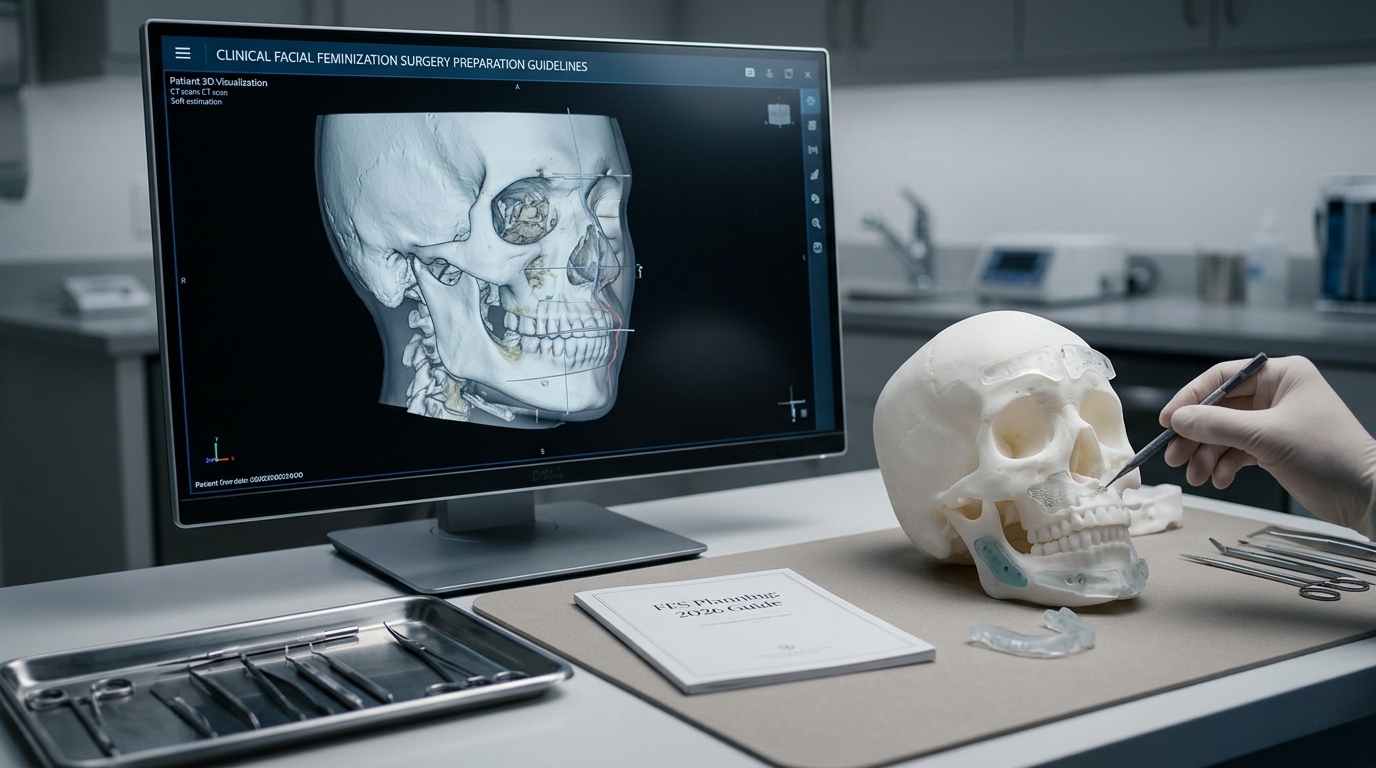

Femminilizzazione facciale La chirurgia di femminilizzazione del viso (FFS) non riguarda solo l'estetica, ma anche l'allineamento del tuo aspetto esteriore con la tua vera identità. Per le donne transgender e le persone non binarie, una mandibola maschile può essere una fonte persistente di disforia di genere. La mandibola, con i suoi contorni angolari e i muscoli masseteri prominenti, rappresenta spesso uno degli ostacoli più ostinati al raggiungimento di una struttura facciale più morbida e tradizionalmente femminile. Ma cosa succederebbe se fosse possibile rimodellarla con precisione, sicurezza e risultati duraturi?
In questa guida esploreremo le tecniche chirurgiche più avanzate per la femminilizzazione della mandibola, da riduzione dell'angolo mandibolare E osteotomia del mento A riduzione del muscolo massetere—supportato da studi clinici e pareri di esperti. Scoprirai come funzionano queste procedure, i rischi che comportano e cosa aspettarti durante la convalescenza. Alla fine, avrai una chiara tabella di marcia per ottenere una mandibola che rispecchi la tua vera personalità.
Sommario
La scienza alla base della femminilizzazione della mandibola: perché è importante
La mascella è una caratteristica determinante della percezione del genere facciale. Gli studi dimostrano che un mandibola squadrata o larga è spesso associato alla mascolinità, mentre un mascella più morbida e affusolata viene percepito come femminile (Albert & Choe, 2025). Questa differenza non è solo superficiale, ma affonda le sue radici nella struttura ossea, nella massa muscolare e persino nell'angolazione della mandibola. Per molte donne transgender, la femminilizzazione della mandibola è un passo fondamentale per raggiungere l'armonia del viso e ridurre la disforia di genere.
Ma ecco il trucco: Non tutte le tecniche di femminilizzazione della mandibola sono uguali.. Alcuni metodi, come la riduzione ossea aggressiva, possono portare a complicazioni come danni ai nervi o un aspetto innaturale. Altri, come la riduzione non chirurgica del massetere, offrono risultati più discreti ma richiedono una manutenzione continua. La chiave è scegliere l'approccio giusto in base alla propria anatomia, ai propri obiettivi e al proprio stile di vita.
Tecniche chirurgiche per la femminilizzazione della mandibola: una spiegazione passo passo.
1. Riduzione dell'angolo mandibolare: rimodellamento della linea mandibolare
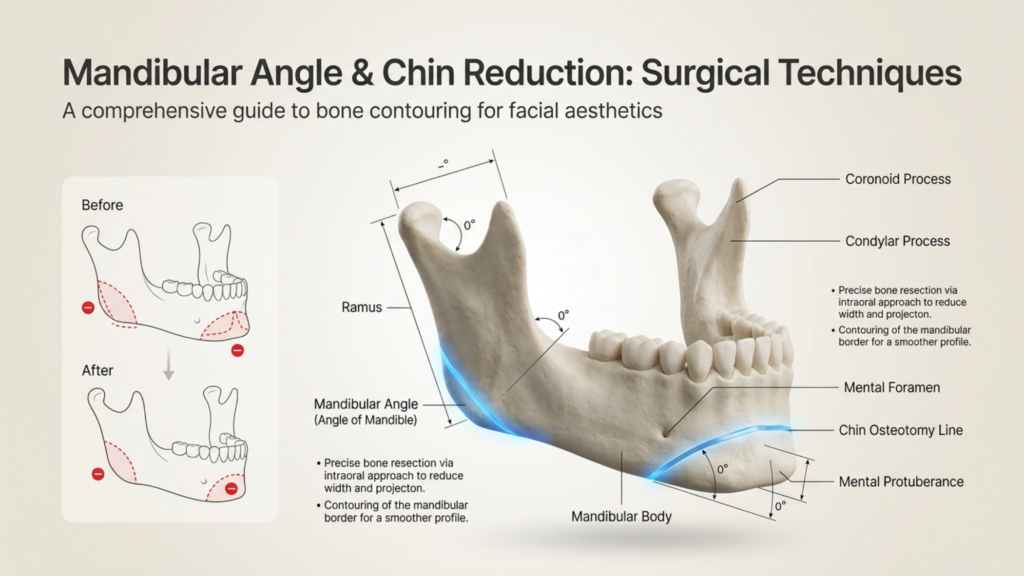
La riduzione dell'angolo mandibolare è una delle procedure più efficaci per femminilizzare la mascella. Essa comporta modellamento chirurgico dei bordi angolari della mandibola per creare un aspetto più armonioso e affusolato. Questa tecnica è particolarmente efficace per le persone con una mandibola prominente o squadrata.
Come funziona:
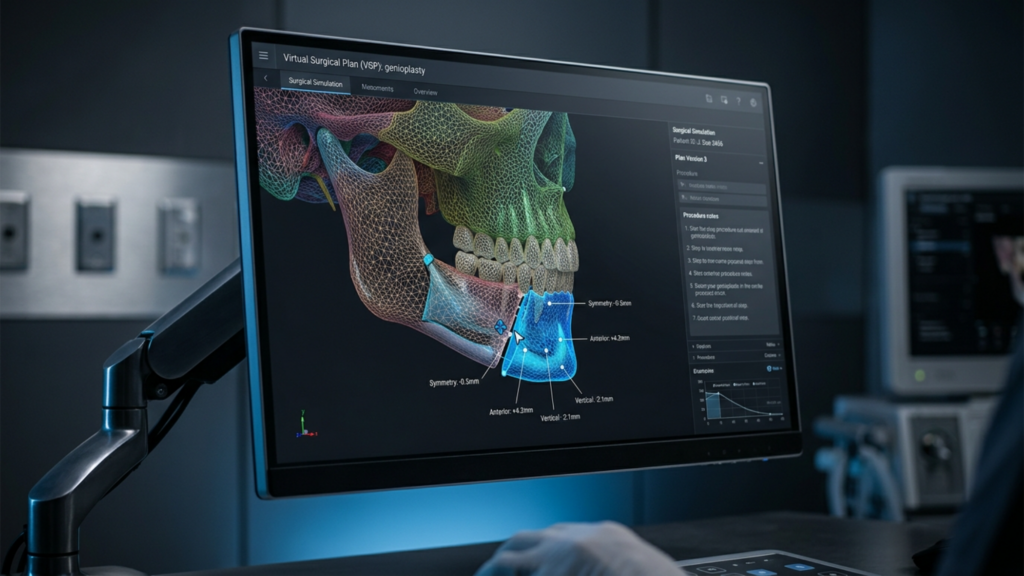
- Pianificazione preoperatoria: La tomografia computerizzata 3D viene utilizzata per mappare l'anatomia della mandibola e pianificare precise riduzioni ossee. La pianificazione chirurgica virtuale (VSP) garantisce accuratezza e minimizza i rischi (Hiossen, 2025).
- Approccio chirurgico: IL chirurgo Si pratica un'incisione all'interno della bocca (intraorale) per accedere all'angolo mandibolare. Utilizzando strumenti specializzati, si leviga o si reseca con cura l'osso per ammorbidire il profilo della mandibola.
- Preservazione dei nervi: IL nervo mentale, La zona che fornisce sensibilità al labbro inferiore viene meticolosamente protetta per evitare intorpidimento o formicolio dopo l'intervento chirurgico.
- Chiusura: L'incisione viene chiusa con suture riassorbibili e viene applicata una benda compressiva per ridurre il gonfiore.
Recupero e risultati: La maggior parte dei pazienti sperimenta gonfiore e lividi per 1-2 settimane, con risultati completi visibili entro 3-6 mesi. L'esito è un linea della mascella più morbida e femminile che si fonde perfettamente con il resto del viso.
Approfondimento clinico: Uno studio del 2025 pubblicato in Frontiere della chirurgia hanno scoperto che i pazienti sottoposti a riduzione dell'angolo mandibolare hanno riportato un Tasso di soddisfazione 92% con i loro risultati, citando un miglioramento dell'armonia facciale e una riduzione della disforia di genere (Frontiers in Surgery, 2025).
2. Osteotomia del mento: rimodellamento del terzo inferiore del viso
Il mento gioca un ruolo fondamentale nell'equilibrio del viso. mento quadrato o sporgente può mascolinizzare la parte inferiore del viso, mentre un mento più piccolo e affusolato esalta la femminilità. Osteotomia del mento, o genioplastica, è una procedura chirurgica che rimodella il mento per ottenere un aspetto più morbido e armonioso.
Come funziona:
- Valutazione preoperatoria: Viene condotta un'analisi cefalometrica per determinare la posizione e la forma ideali del mento. Gli strumenti di pianificazione virtuale aiutano a simulare il risultato.
- Tecnica chirurgica: IL chirurgo Si pratica un'incisione all'interno della bocca e si taglia con cura l'osso del mento. L'osso viene quindi riposizionato o rimodellato per creare un contorno più femminile.
- Fissazione: Per fissare l'osso nella sua nuova posizione, si utilizzano placche e viti in titanio, garantendo stabilità durante il processo di guarigione.
- Recupero: Il gonfiore si attenua entro 2-3 settimane e i pazienti possono aspettarsi di vedere i risultati finali in 3-6 mesi.
Approfondimento clinico: Ricerca da Rivista di chirurgia craniofacciale evidenzia che l'osteotomia del mento, se combinata con la riduzione dell'angolo mandibolare, raggiunge un parte inferiore del viso più equilibrata e femminile (SagePub, 2023).
3. Riduzione del muscolo massetere: ammorbidimento della mandibola
Il muscolo massetere, responsabile della masticazione, può contribuire a un mandibola larga o squadrata, soprattutto nelle persone che stringono o digrignano i denti. Ridurre questo muscolo, chirurgicamente o con neurotossine come il Botox, può creare un aspetto più snello e femminile.
Riduzione chirurgica:
- Approccio: Il muscolo massetere viene raggiunto tramite un'incisione intraorale e una porzione del muscolo viene rimossa o ridotta di dimensioni.
- Benefici: Questo metodo fornisce risultati permanenti ed è ideale per le persone con ipertrofia muscolare significativa.
- Recupero: I pazienti potrebbero avvertire un lieve gonfiore e fastidio per 1-2 settimane, con risultati completi visibili in 2-3 mesi.
Riduzione non chirurgica (Botox):
- Procedura: Il Botox viene iniettato nel muscolo massetere, provocandone il rilassamento e la progressiva riduzione di volume nel tempo.
- Risultati: UN 30% riduzione dello spessore muscolare I risultati si ottengono in genere entro 3 mesi, con effetti che durano dai 6 ai 12 mesi (La Belle Vie Med Spa, 2025).
- Manutenzione: Per mantenere l'effetto dimagrante sono necessari trattamenti regolari.
Approfondimento clinico: Uno studio del 2025 nel Rivista di dermatologia cosmetica hanno scoperto che 95% di donne transgender hanno riferito di essere soddisfatti della riduzione del muscolo massetere con Botox, citando un miglioramento della femminilità del viso e una riduzione del serramento della mandibola (Wiley, 2026).
Rischi e complicazioni: cosa devi sapere
Sebbene gli interventi di femminilizzazione mandibolare siano generalmente sicuri, non sono esenti da rischi. Comprendere queste potenziali complicazioni può aiutarti a prendere una decisione consapevole.
Rischi comuni:
- Lesione nervosa: IL nervo mentale E nervo marginale mandibolare sono a rischio durante la riduzione dell'angolo mandibolare. Le lesioni possono causare intorpidimento o debolezza temporanei o permanenti del labbro inferiore o del mento (Europe PMC, 2025).
- Infezione: Come per qualsiasi intervento chirurgico, esiste un rischio di infezione, che di solito può essere gestito con antibiotici.
- Asimmetria: Una riduzione ossea irregolare o l'atrofia muscolare possono causare asimmetria facciale, rendendo necessario un intervento chirurgico correttivo.
- Resezione eccessiva: Una limatura ossea aggressiva può portare a un aspetto innaturale o "eccessivamente femminilizzato", che potrebbe non essere in linea con gli obiettivi della paziente.
- Gonfiore e lividi: Si tratta di effetti collaterali comuni ma temporanei, che in genere si risolvono entro 2-3 settimane.
Approfondimento clinico: Una revisione del 2025 in Europe PMC è stato osservato che il rischio di lesioni nervose durante la riduzione dell'angolo mandibolare varia da Da 0,5% a 5%, con la maggior parte dei pazienti che raggiungono la completa guarigione entro sei mesi (Europe PMC, 2025).
Recupero e cure successive: cosa aspettarsi
Il periodo di recupero dopo un intervento di femminilizzazione mandibolare varia a seconda della procedura, ma generalmente segue una tempistica simile. Ecco cosa puoi aspettarti:
Prime 48 ore:
- Applicare impacchi di ghiaccio per ridurre il gonfiore.
- Assumere i farmaci antidolorifici prescritti secondo necessità.
- Evitate attività faticose e seguite una dieta a base di cibi morbidi.
Prime 2 settimane:
- Il gonfiore e i lividi raggiungeranno il picco intorno al terzo-quinto giorno per poi diminuire gradualmente.
- Durante il sonno, tieni la testa sollevata per ridurre al minimo il gonfiore.
- Evitare fumo e alcol, poiché possono compromettere la guarigione.
3-6 settimane:
- La maggior parte del gonfiore si sarà risolta e potrai riprendere le normali attività.
- Le visite di controllo serviranno a valutare la guarigione e a rispondere a eventuali dubbi.
3–6 mesi:
- I risultati finali diventano visibili quando le ossa e i tessuti si assestano completamente.
- Qualsiasi intorpidimento residuo o asimmetria deve essere valutata dal chirurgo.
Suggerimento professionale: La pianificazione chirurgica virtuale (VSP) e le guide chirurgiche stampate in 3D possono ridurre i tempi di recupero e migliorare la precisione, portando a risultati più prevedibili (Springer, 2025).

Alternative non chirurgiche: sono adatte a te?
Non tutti sono pronti per un intervento chirurgico, e va bene così. Le opzioni non chirurgiche possono fornire miglioramenti significativi con tempi di recupero minimi.
1. Botox per la riduzione del muscolo massetere:
- Come funziona: Il Botox viene iniettato nel muscolo massetere, provocandone il rilassamento e la progressiva riduzione di volume nel tempo.
- Risultati: Dimagrimento visibile entro 2-3 mesi, con effetti che durano dai 6 ai 12 mesi.
- Ideale per: Individui con allargamento mandibolare da lieve a moderato dovuto a ipertrofia muscolare.
2. Filler dermici per il rimodellamento della mandibola:
- Come funziona: I filler vengono iniettati strategicamente lungo il contorno della mandibola per creare un aspetto più morbido e affusolato.
- Risultati: Effetto immediato ma temporaneo (durata 12-18 mesi).
- Ideale per: Per chi desidera un miglioramento estetico discreto senza ricorrere alla chirurgia.
3. Terapia a radiofrequenza (RF):
- Come funziona: L'energia a radiofrequenza viene utilizzata per rassodare la pelle e ridurre il grasso lungo il contorno della mandibola.
- Risultati: Miglioramento graduale nell'arco di 2-3 mesi, con tempi di inattività minimi.
- Ideale per: Persone con lievi inestetismi della linea mandibolare o che desiderano integrare i risultati di un intervento chirurgico.
Approfondimento clinico: Uno studio del 2025 in ScienceDirect hanno scoperto che 90% delle donne transgender Chi ha optato per la riduzione del muscolo massetere con Botox ha riportato un miglioramento della femminilità del viso e una riduzione del serramento della mandibola, rendendola una scelta non chirurgica molto diffusa (ScienceDirect, 2025).
Scegliere il chirurgo giusto: cosa valutare
La scelta di un chirurgo qualificato è il passo più critico per la tua mascella femminilizzazione viaggio. Ecco cosa dare priorità:
- Certificazione del Consiglio: Assicurati che il tuo chirurgo sia certificato da un consiglio riconosciuto, come il Consiglio europeo di chirurgia plastica, ricostruttiva ed estetica o il Consiglio americano di chirurgia plastica e ricostruttiva del viso.
- Esperienza in FFS: Cerca un chirurgo specializzato in femminilizzazione facciale chirurgia e possiede un portfolio di foto del prima e dopo.
- Pianificazione chirurgica virtuale: Un chirurgo che utilizza Immagini 3D e VSP può offrire risultati più precisi e prevedibili.
- Testimonianze dei pazienti: Leggi le recensioni e, se possibile, parla con ex pazienti per conoscere le loro esperienze.
- Pratiche inclusive per le persone transgender: Scegli una clinica che abbia familiarità con le cure di affermazione di genere e che rispetti la tua identità.
Suggerimento professionale: Chiedi al tuo chirurgo informazioni sul loro tassi di complicanze e come gestiscono gli interventi di revisione. Un chirurgo trasparente fornirà risposte oneste e stabilirà aspettative realistiche.
Storie vere di pazienti: prima e dopo
Ascoltare le esperienze di altre persone che si sono sottoposte a un intervento di femminilizzazione mandibolare può fornire spunti preziosi. Ecco alcune testimonianze reali:
Caso 1: Riduzione dell'angolo mandibolare + osteotomia del mento
“Ho sempre pensato che la mia mascella fosse la parte più maschile del mio viso. Dopo l'intervento chirurgico con Dott. MFO, Finalmente vedo allo specchio una versione di me più dolce e femminile. La prima settimana di recupero è stata dura, ma ne è valsa la pena.” — Jamie, 32

Caso 2: Botox sul muscolo massetere + filler dermici
“Non ero pronta per un intervento chirurgico, quindi ho iniziato con il Botox nei muscoli masseteri. I risultati sono stati sottili ma visibili: finalmente ho una mascella definita che rispecchia come mi sento dentro.” — Alex, 28

Domande frequenti
Qual è la differenza tra riduzione dell'angolo mandibolare e osteotomia del mento?
La riduzione dell'angolo mandibolare si concentra sul rimodellamento dei bordi angolari della mandibola per creare un aspetto più morbido e affusolato. L'osteotomia del mento, d'altro canto, rimodella il mento stesso, riducendone le dimensioni o modificandone la proiezione, per ottenere un aspetto più femminile. Entrambe le procedure possono essere combinate per risultati ottimali.
Quanto tempo ci vuole per riprendersi dall'intervento di femminilizzazione della mascella asiatica?
I tempi di recupero variano a seconda della procedura, ma generalmente seguono questa tempistica: 1-2 settimane per la scomparsa del gonfiore e dei lividi iniziali, 3-6 settimane per riprendere le normali attività e 3-6 mesi per la visibilità dei risultati finali. La maggior parte dei pazienti torna al lavoro entro 2 settimane.
La riduzione del muscolo massetere è permanente?
La riduzione chirurgica del massetere offre risultati permanenti, poiché il tessuto muscolare viene fisicamente rimosso. Le opzioni non chirurgiche, come il Botox, richiedono invece trattamenti di mantenimento ogni 6-12 mesi per preservare l'effetto snellente.
Quali sono i rischi di danni ai nervi durante un intervento di femminilizzazione mandibolare?
Il nervo mentoniero e il nervo marginale mandibolare sono a rischio durante la riduzione dell'angolo mandibolare. La lesione nervosa può causare intorpidimento o debolezza temporanei o permanenti del labbro inferiore o del mento. Tuttavia, gli studi dimostrano che la maggior parte dei pazienti recupera completamente entro sei mesi (Europe PMC, 2025).
Posso combinare la femminilizzazione della mandibola con altri interventi di femminilizzazione facciale?
Sì! La femminilizzazione della mandibola è spesso combinata con procedure come rimodellamento della fronte, rinoplastica, O aumento della guancia per ottenere un aspetto del viso armonioso e femminile. La pianificazione chirurgica virtuale (VSP) garantisce il coordinamento di tutte le procedure per risultati ottimali.
Come posso scegliere tra femminilizzazione mandibolare chirurgica e non chirurgica?
Le opzioni chirurgiche offrono risultati permanenti e di grande impatto, ma richiedono tempi di recupero e comportano dei rischi. Le opzioni non chirurgiche, come il Botox o i filler, offrono miglioramenti più discreti con tempi di recupero minimi. Il chirurgo potrà aiutarvi a scegliere l'opzione più adatta in base alla vostra anatomia, ai vostri obiettivi e al vostro stile di vita.
Cosa devo aspettarmi durante una visita di consultazione per la femminilizzazione della mandibola?
Durante la visita, il chirurgo valuterà la struttura del vostro viso, discuterà i vostri obiettivi e vi consiglierà le procedure più adatte al vostro caso. Potrebbe utilizzare la modellazione 3D per simulare i possibili risultati e spiegarvi in dettaglio i rischi, i tempi di recupero e gli esiti attesi.
I risultati della chirurgia di femminilizzazione mandibolare hanno un aspetto naturale?
Se eseguita da un chirurgo esperto, la femminilizzazione mandibolare si traduce in un aspetto naturale e armonioso. L'obiettivo è quello di ammorbidire i tratti maschili mantenendo l'equilibrio del viso ed evitando un aspetto eccessivo.