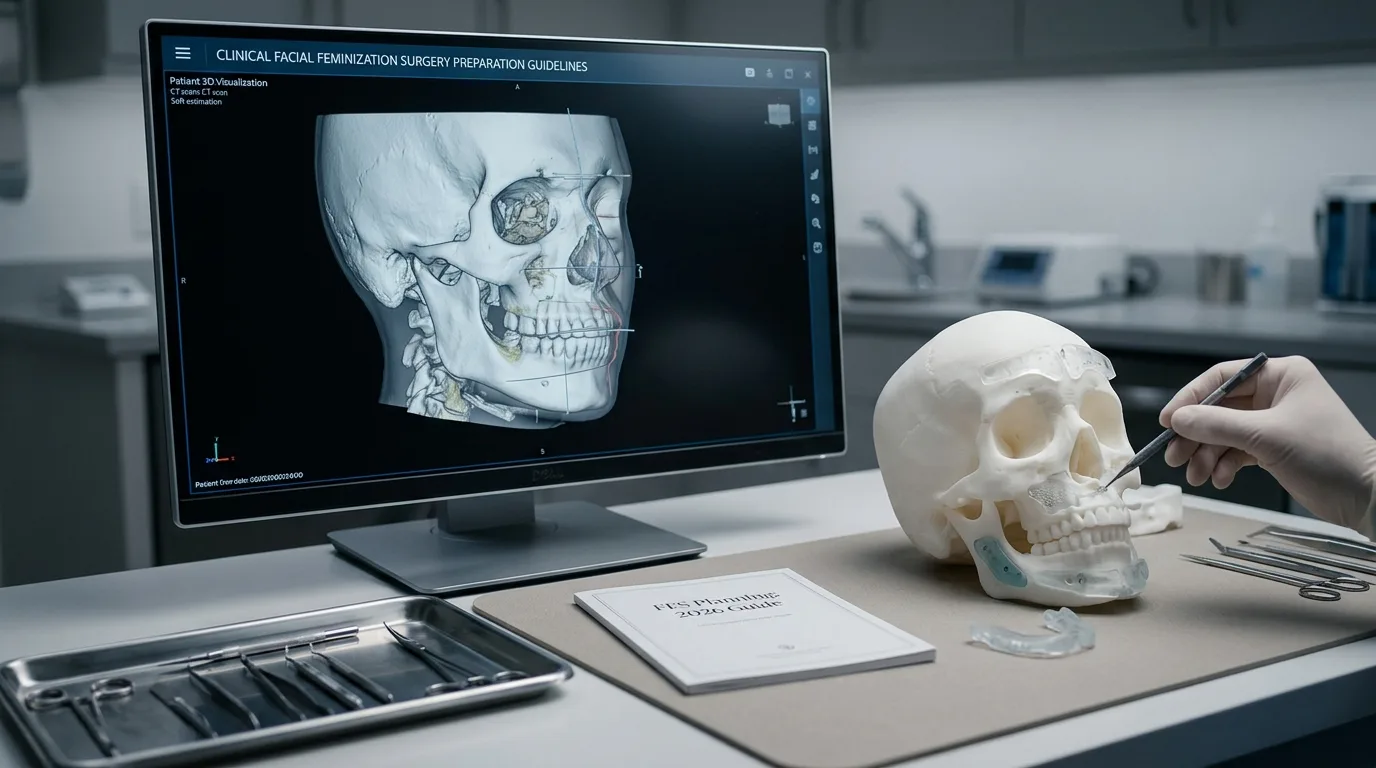

Facial feminization surgery (FFS) is not just about aesthetics—it’s about aligning your outward appearance with your true identity. For transgender women and non-binary individuals, a masculine jawline can be a persistent source of gender dysphoria. The jaw, with its angular contours and prominent masseter muscles, often stands as one of the most stubborn barriers to achieving a softer, traditionally feminine facial structure. But what if you could reshape it with precision, safety, and lasting results?
In this guide, we’ll explore the most advanced surgical techniques for jaw feminization—from mandibular angle reduction and chin osteotomy to masseter muscle reduction—backed by clinical studies and expert insights. You’ll discover how these procedures work, their risks, and what to expect during recovery. By the end, you’ll have a clear roadmap to achieving a jawline that reflects your authentic self.
Table of Contents
The Science Behind Jaw Feminization: Why It Matters
The jaw is a defining feature of facial gender perception. Studies show that a square or wide jawline is often associated with masculinity, while a softer, tapered jaw is perceived as feminine (Albert & Choe, 2025). This difference isn’t just skin-deep—it’s rooted in bone structure, muscle mass, and even the angle of the mandible. For many transgender women, feminizing the jaw is a critical step in achieving facial harmony and reducing gender dysphoria.
But here’s the catch: not all jaw feminization techniques are created equal. Some methods, like aggressive bone shaving, can lead to complications such as nerve damage or an unnatural appearance. Others, like non-surgical masseter reduction, offer subtler results but require ongoing maintenance. The key is choosing the right approach based on your anatomy, goals, and lifestyle.
Surgical Techniques for Jaw Feminization: A Step-by-Step Breakdown
1. Mandibular Angle Reduction: Reshaping the Jawline
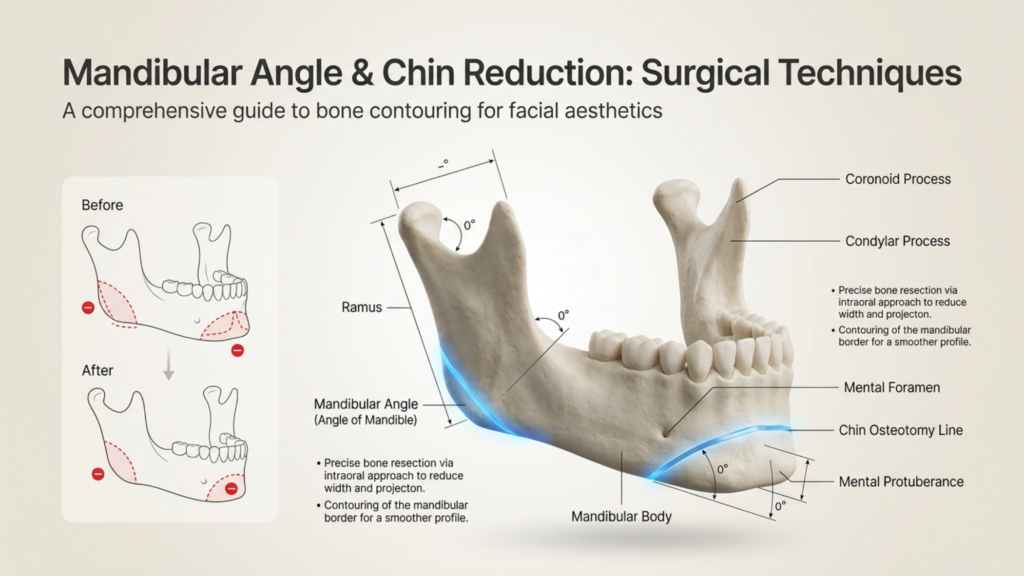
Mandibular angle reduction is one of the most impactful procedures for feminizing the jaw. It involves surgically contouring the angular edges of the lower jaw to create a smoother, more tapered appearance. This technique is particularly effective for individuals with a prominent or square jawline.
How It Works:
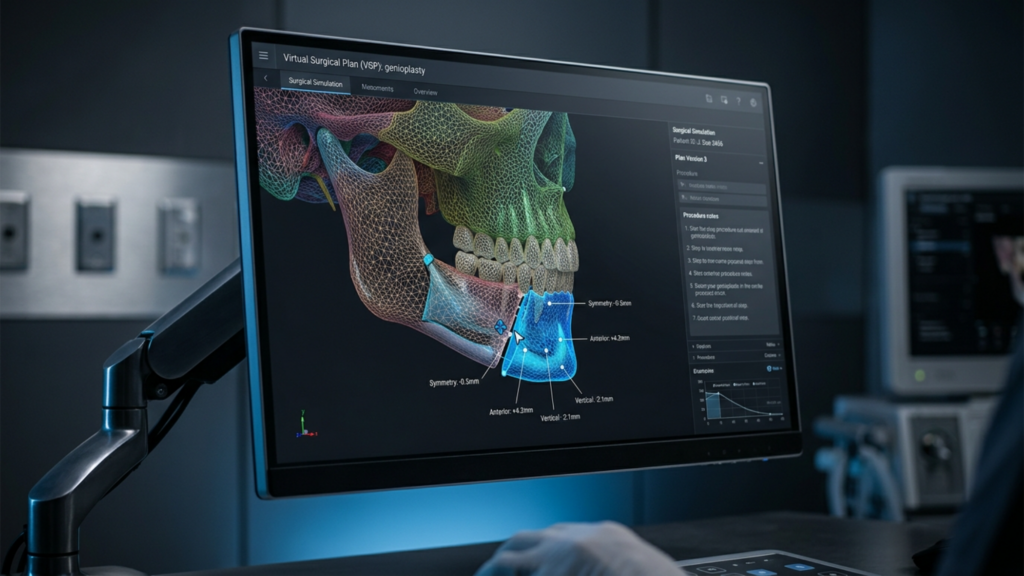
- Preoperative Planning: A 3D CT scan is used to map the jaw’s anatomy and plan precise bone reductions. Virtual surgical planning (VSP) ensures accuracy and minimizes risks (Hiossen, 2025).
- Surgical Approach: The surgeon makes an incision inside the mouth (intraoral) to access the mandibular angle. Using specialized tools, they carefully shave or resect the bone to soften the jawline.
- Nerve Preservation: The mental nerve, which provides sensation to the lower lip, is meticulously protected to avoid numbness or tingling post-surgery.
- Closure: The incision is closed with dissolvable sutures, and a compression bandage is applied to reduce swelling.
Recovery and Results: Most patients experience swelling and bruising for 1–2 weeks, with full results visible within 3–6 months. The outcome is a softer, more feminine jawline that blends seamlessly with the rest of the face.
Clinical Insight: A 2025 study published in Frontiers in Surgery found that patients undergoing mandibular angle reduction reported a 92% satisfaction rate with their results, citing improved facial harmony and reduced gender dysphoria (Frontiers in Surgery, 2025).
2. Chin Osteotomy: Refining the Lower Face
The chin plays a pivotal role in facial balance. A square or protruding chin can masculinize the lower face, while a smaller, more tapered chin enhances femininity. Chin osteotomy, or genioplasty, is a surgical procedure that reshapes the chin to achieve a softer, more harmonious appearance.
How It Works:
- Preoperative Assessment: A cephalometric analysis is conducted to determine the ideal chin position and shape. Virtual planning tools help simulate the outcome.
- Surgical Technique: The surgeon makes an incision inside the mouth and carefully cuts the chin bone. The bone is then repositioned or reshaped to create a more feminine contour.
- Fixation: Titanium plates and screws are used to secure the bone in its new position. This ensures stability during healing.
- Recovery: Swelling subsides within 2–3 weeks, and patients can expect to see the final results in 3–6 months.
Clinical Insight: Research from the Journal of Craniofacial Surgery highlights that chin osteotomy, when combined with mandibular angle reduction, achieves a more balanced and feminine lower face (SagePub, 2023).
3. Masseter Muscle Reduction: Softening the Jaw
The masseter muscle, responsible for chewing, can contribute to a wide or square jawline, especially in individuals who clench or grind their teeth. Reducing this muscle—either surgically or with neurotoxins like Botox—can create a slimmer, more feminine appearance.
Surgical Reduction:
- Approach: The masseter muscle is accessed through an intraoral incision, and a portion of the muscle is removed or reduced in size.
- Benefits: This method provides permanent results and is ideal for individuals with significant muscle hypertrophy.
- Recovery: Patients may experience mild swelling and discomfort for 1–2 weeks, with full results visible in 2–3 months.
Non-Surgical Reduction (Botox):
- Procedure: Botox is injected into the masseter muscle, causing it to relax and shrink over time.
- Results: A 30% reduction in muscle thickness is typically achieved within 3 months, with effects lasting 6–12 months (La Belle Vie Med Spa, 2025).
- Maintenance: Regular treatments are required to sustain the slimming effect.
Clinical Insight: A 2025 study in the Journal of Cosmetic Dermatology found that 95% of transgender women reported satisfaction with Botox masseter reduction, citing improved facial femininity and reduced jaw clenching (Wiley, 2026).
Risks and Complications: What You Need to Know
While jaw feminization procedures are generally safe, they are not without risks. Understanding these potential complications can help you make an informed decision.
Common Risks:
- Nerve Injury: The mental nerve and marginal mandibular nerve are at risk during mandibular angle reduction. Injury can lead to temporary or permanent numbness or weakness in the lower lip or chin (Europe PMC, 2025).
- Infection: As with any surgery, there’s a risk of infection, which can usually be managed with antibiotics.
- Asymmetry: Uneven bone reduction or muscle atrophy can result in facial asymmetry, requiring revision surgery.
- Over-Resection: Aggressive bone shaving can lead to an unnatural or “over-feminized” appearance, which may not align with the patient’s goals.
- Swelling and Bruising: These are common but temporary side effects, typically resolving within 2–3 weeks.
Clinical Insight: A 2025 review in Europe PMC noted that the risk of nerve injury during mandibular angle reduction ranges from 0.5% to 5%, with most patients achieving full recovery within six months (Europe PMC, 2025).
Recovery and Aftercare: What to Expect
Recovery from jaw feminization surgery varies depending on the procedure but generally follows a similar timeline. Here’s what you can expect:
First 48 Hours:
- Apply ice packs to reduce swelling.
- Take prescribed pain medication as needed.
- Avoid strenuous activities and stick to a soft-food diet.
First 2 Weeks:
- Swelling and bruising will peak around day 3–5 and gradually subside.
- Keep your head elevated while sleeping to minimize swelling.
- Avoid smoking and alcohol, as they can impair healing.
3–6 Weeks:
- Most swelling will have resolved, and you can resume normal activities.
- Follow-up appointments will assess healing and address any concerns.
3–6 Months:
- Final results become visible as the bones and tissues fully settle.
- Any residual numbness or asymmetry should be evaluated by your surgeon.
Pro Tip: Virtual surgical planning (VSP) and 3D-printed surgical guides can reduce recovery time and improve precision, leading to more predictable outcomes (Springer, 2025).

Non-Surgical Alternatives: Are They Right for You?
Not everyone is ready for surgery, and that’s okay. Non-surgical options can provide meaningful improvements with minimal downtime.
1. Botox for Masseter Reduction:
- How It Works: Botox is injected into the masseter muscle, causing it to relax and shrink over time.
- Results: Visible slimming within 2–3 months, with effects lasting 6–12 months.
- Best For: Individuals with mild to moderate jaw widening due to muscle hypertrophy.
2. Dermal Fillers for Jaw Contouring:
- How It Works: Fillers are strategically placed along the jawline to create a softer, more tapered appearance.
- Results: Immediate but temporary (lasts 12–18 months).
- Best For: Those seeking subtle enhancements without surgery.
3. Radiofrequency (RF) Therapy:
- How It Works: RF energy is used to tighten skin and reduce fat along the jawline.
- Results: Gradual improvement over 2–3 months, with minimal downtime.
- Best For: Individuals with mild jawline concerns or those looking to complement surgical results.
Clinical Insight: A 2025 study in ScienceDirect found that 90% of transgender women who opted for Botox masseter reduction reported improved facial femininity and reduced jaw clenching, making it a popular non-surgical choice (ScienceDirect, 2025).
Choosing the Right Surgeon: What to Look For
Selecting a qualified surgeon is the most critical step in your jaw feminization journey. Here’s what to prioritize:
- Board Certification: Ensure your surgeon is certified by a recognized board, such as the European Board of Plastic, Reconstructive & Aesthetic Surgery or the American Board of Facial Plastic and Reconstructive Surgery.
- Experience in FFS: Look for a surgeon who specializes in facial feminization surgery and has a portfolio of before-and-after photos.
- Virtual Surgical Planning: A surgeon who uses 3D imaging and VSP can offer more precise and predictable results.
- Patient Testimonials: Read reviews and, if possible, speak to former patients about their experiences.
- Transgender-Inclusive Practice: Choose a clinic that is knowledgeable about gender-affirming care and respects your identity.
Pro Tip: Ask your surgeon about their complication rates and how they handle revisions. A transparent surgeon will provide honest answers and set realistic expectations.
Real Patient Stories: Before and After
Hearing from others who’ve undergone jaw feminization can provide valuable insights. Here are a few real-life experiences:
Case 1: Mandibular Angle Reduction + Chin Osteotomy
“I always felt like my jaw was the most masculine part of my face. After my surgery with Dr. MFO, I finally see the softer, more feminine version of myself in the mirror. The recovery was tough for the first week, but it was worth every moment.” — Jamie, 32

Case 2: Masseter Botox + Dermal Fillers
“I wasn’t ready for surgery, so I started with Botox in my masseter muscles. The results were subtle but noticeable—I finally have a jawline that matches how I feel inside.” — Alex, 28

Frequently Asked Questions
What is the difference between mandibular angle reduction and chin osteotomy?
Mandibular angle reduction focuses on contouring the angular edges of the lower jaw to create a softer, tapered look. Chin osteotomy, on the other hand, reshapes the chin itself—either reducing its size or altering its projection—to achieve a more feminine appearance. Both procedures can be combined for optimal results.
How long does it take to recover from jaw feminization surgery?
Recovery varies by procedure but generally follows this timeline: 1–2 weeks for initial swelling and bruising to subside, 3–6 weeks to resume normal activities, and 3–6 months for final results to become visible. Most patients return to work within 2 weeks.
Is masseter muscle reduction permanent?
Surgical masseter reduction provides permanent results, as the muscle tissue is physically removed. Non-surgical options like Botox require maintenance every 6–12 months to sustain the slimming effect.
What are the risks of nerve damage during jaw feminization surgery?
The mental nerve and marginal mandibular nerve are at risk during mandibular angle reduction. Nerve injury can cause temporary or permanent numbness or weakness in the lower lip or chin. However, studies show that most patients achieve full recovery within six months (Europe PMC, 2025).
Can I combine jaw feminization with other FFS procedures?
Yes! Jaw feminization is often combined with procedures like forehead contouring, rhinoplasty, or cheek augmentation to achieve a harmonious, feminine facial appearance. Virtual surgical planning (VSP) ensures all procedures are coordinated for optimal results.
How do I choose between surgical and non-surgical jaw feminization?
Surgical options provide permanent, dramatic results but require downtime and carry risks. Non-surgical options like Botox or fillers offer subtle improvements with minimal recovery. Your surgeon can help you decide based on your anatomy, goals, and lifestyle.
What should I expect during a consultation for jaw feminization?
During your consultation, your surgeon will assess your facial structure, discuss your goals, and recommend the best procedures for you. They may use 3D imaging to simulate potential outcomes and explain the risks, recovery, and expected results in detail.
Are the results of jaw feminization surgery natural-looking?
When performed by an experienced surgeon, jaw feminization results in a natural, harmonious appearance. The goal is to soften masculine features while maintaining facial balance and avoiding an overdone look.