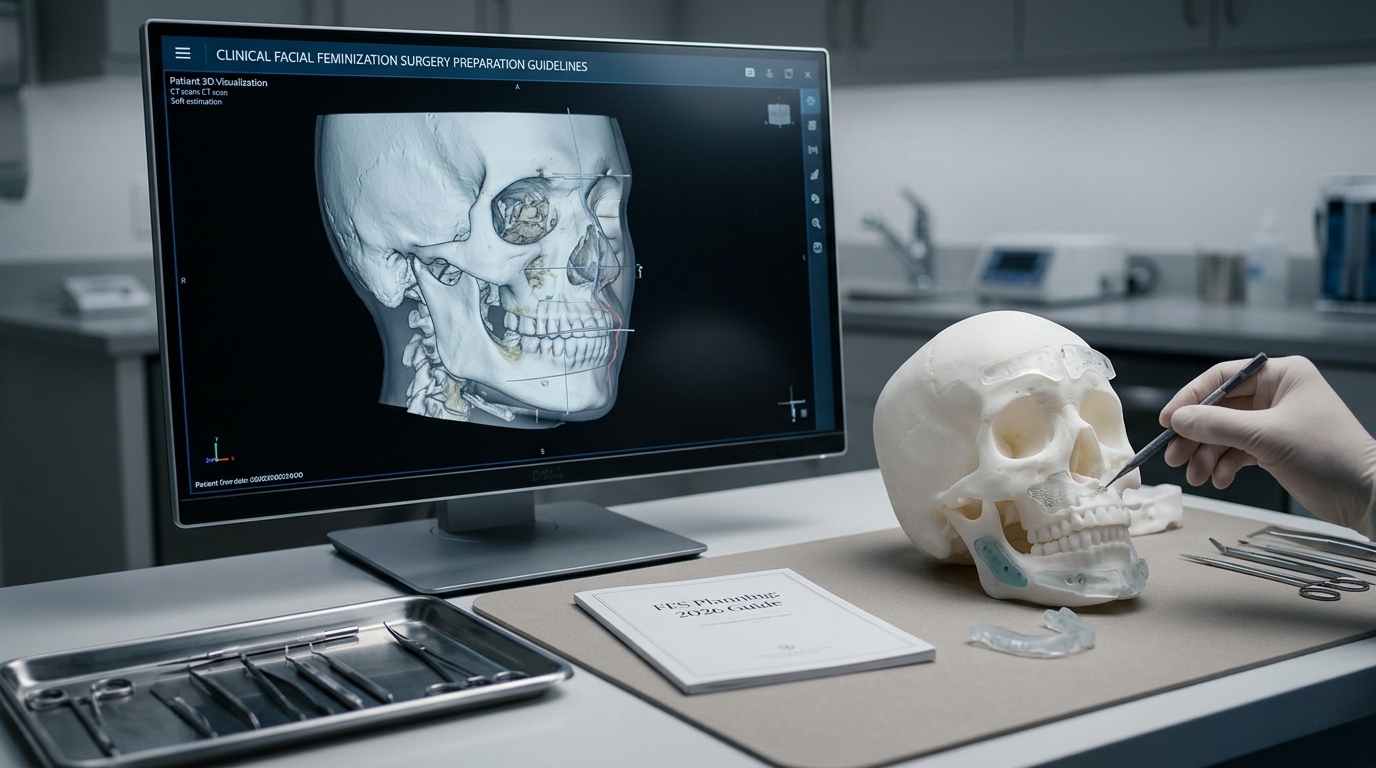

E se il segreto di un viso scolpito a forma di V non fosse solo la genetica o il contouring, ma un Procedura chirurgica di 15 minuti che rimuove permanentemente i cuscinetti di grasso facendo apparire le guance più piene? Benvenuti nel mondo di bichectomia, la guancia chirurgia dimagrante che sta ridefinendo l'armonia facciale in 2026. Ma ecco il problema: sebbene questa procedura prometta una mandibola più definita e zigomi più scolpiti, non è adatta a tutti e il candidato sbagliato potrebbe ritrovarsi con un aspetto emaciato e prematuramente invecchiato. Quindi, come fai a sapere se sei il candidato ideale? E cosa esattamente succede quando un chirurgo La bichectomia rimuove i cuscinetti adiposi buccali? Questa guida approfondisce l'anatomia, i rischi e il potenziale trasformativo della bichectomia, supportata da approfondimenti clinici e risultati concreti.
Sommario
Anatomia nascosta: cosa sono i cuscinetti adiposi buccali e perché sono importanti?
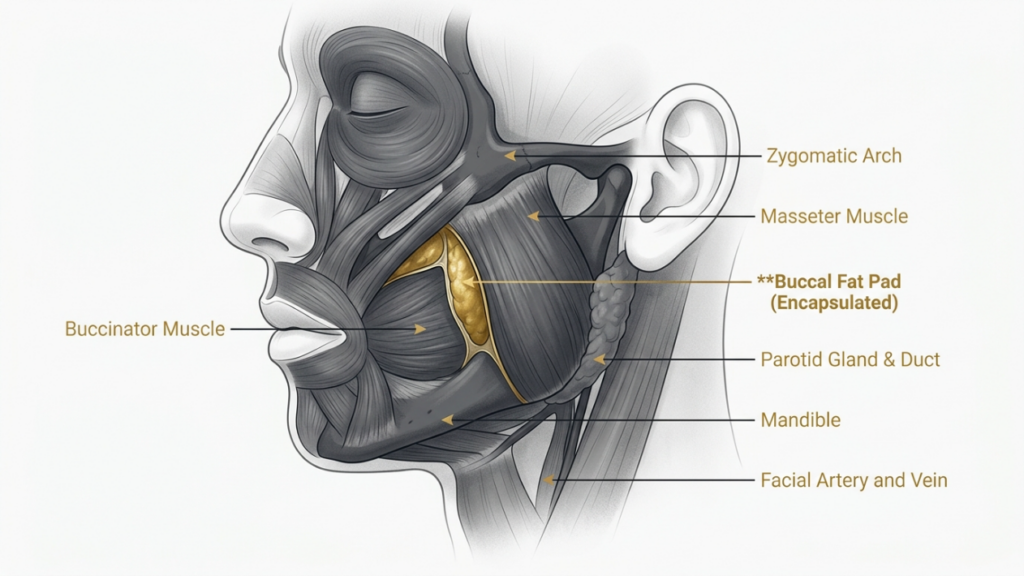
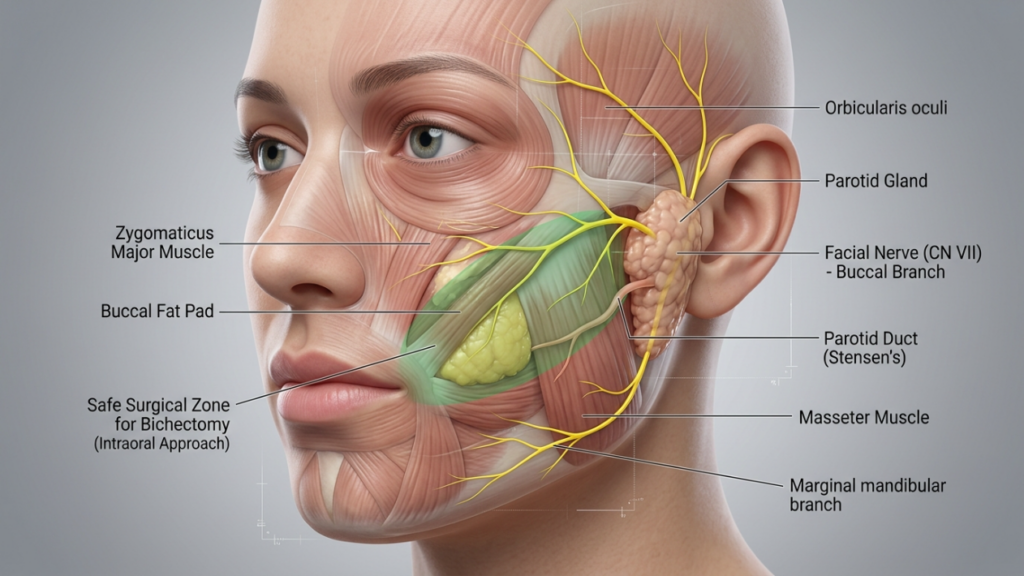
Il cuscinetto adiposo buccale non è solo un ammasso casuale di grasso, ma un struttura altamente vascolarizzata e incapsulata annidato tra i muscoli delle guance e la mandibola. A differenza del grasso sottocutaneo (quello che si può pizzicare), il grasso buccale è profondo, svolgendo un ruolo cruciale nel volume e nel movimento del viso. Ecco il punto cruciale: le sue dimensioni variano notevolmente da individuo a individuo. Alcune persone hanno naturalmente cuscinetti adiposi buccali più grandi, che conferiscono al loro viso una rotondità perennemente "da bambino", mentre altre ne hanno pochissimi, contribuendo a un aspetto più spigoloso.
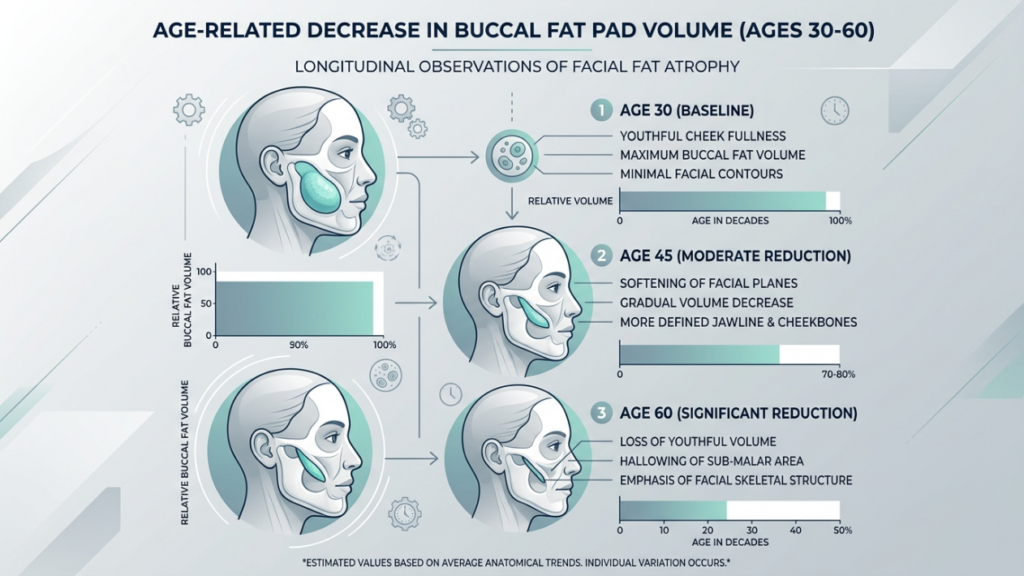
Ma ecco dove la cosa si fa interessante: i cuscinetti adiposi buccali restringersi con l'età. Studi da Rivista di chirurgia craniofacciale (2025) rivelano che il volume del grasso buccale diminuisce di circa 15–20% tra i 30 e i 60 anni, contribuendo all'aspetto "scavato" associato all'invecchiamento. Quindi, quando si opta per una bichectomia, si è essenzialmente accelerando questo processo naturale, in modo permanente. La questione non è solo se si desiderano guance più snelle, ma se il viso può sopportare la perdita di questo supporto strutturale. (PubMed, 2025).
Il doppio ruolo del cuscinetto adiposo buccale: cuscinetto e colpevole
I cuscinetti adiposi buccali svolgono due funzioni principali:
- Protezione per il viso: Agiscono come cuscinetto protettivo per i nervi e i muscoli facciali, assorbendo l'impatto durante la masticazione e le espressioni facciali. Ecco perché la rimozione aggressiva del grasso buccale può talvolta portare a sensibilità nervosa temporanea o permanente.
- Influenza estetica: Il loro volume influisce direttamente sulla larghezza della parte centrale del viso. Un eccesso di tessuto adiposo buccale può creare un effetto "scoiattolo", mentre una quantità minima di grasso buccale esalta la definizione degli zigomi. Tuttavia, rimuoverne troppo può dare un aspetto "scheletrico", in cui le guance appaiono incavate e prematuramente invecchiate.
Questa dualità è il motivo per cui la bichectomia è sia rivoluzionario e rischioso. Non si tratta solo di rimuovere il grasso; si tratta di riequilibrio la tua architettura facciale.
Chi è il candidato ideale per una bichectomia? (E chi dovrebbe starne alla larga)
Non tutti sono candidati alla bichectomia, e questa è una buona cosa. Il paziente ideale in genere soddisfa i seguenti criteri:
- Età 25-40 anni: I pazienti più giovani potrebbero non aver ancora sviluppato completamente la distribuzione del grasso facciale, mentre i pazienti più anziani rischiano di aggravare la perdita di volume legata all'età.
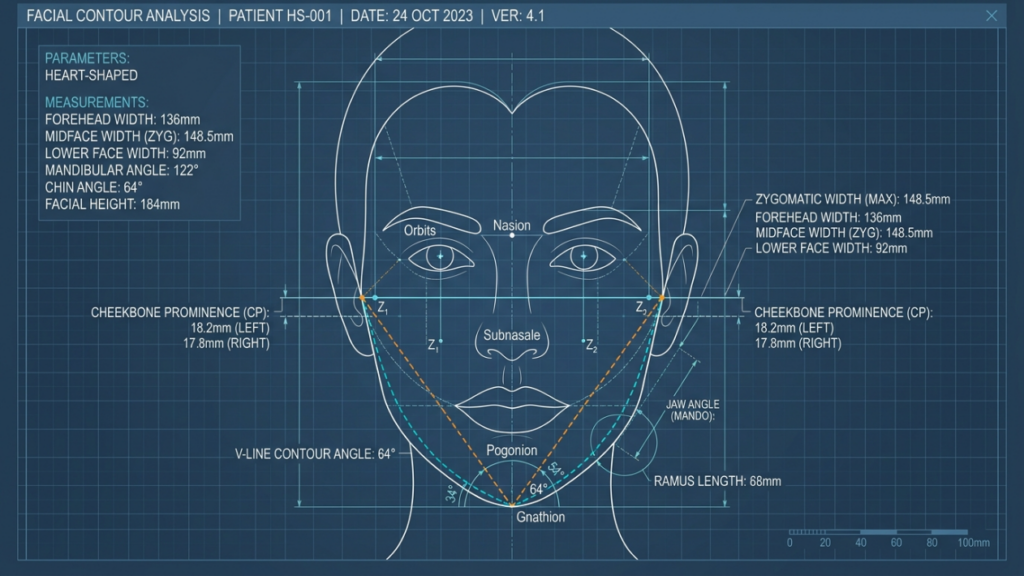
- Rotondo o quadrato Forma del viso: Coloro che hanno naturalmente guance più piene traggono maggior beneficio da questa procedura, poiché essa crea un viso più ovale o a forma di cuore.
- Buona elasticità della pelle: I pazienti con pelle soda ed elastica si adattano meglio al rimodellamento post-operatorio. Una scarsa elasticità può causare cedimenti.
- Aspettative realistiche: La bichectomia snellisce le guance ma non altera drasticamente la linea della mascella o il mento. Si tratta di circa raffinatezza, non trasformazione.
Al contrario, segnali d'allarme includere:
- Volti magri o scarni (rischio di resezione eccessiva).
- Precedenti di disturbi alimentari (potenziale perdita di volume esagerata).
- Fumatori (guarigione compromessa e maggior rischio di infezioni).
- Obiettivi irrealistici (ad esempio, aspettarsi un viso "da modella" dopo un solo intervento).
Uno studio del 2026 in Chirurgia plastica e ricostruttiva globale aperta hanno scoperto che 1 paziente su 5 sottoposto a bichectomia si è pentito della procedura a causa di aspettative non soddisfatte o complicazioni estetiche. Ciò sottolinea la necessità di un consultazione approfondita con un consiglio di amministrazione certificato chirurgo che è specializzato in anatomia facciale (NCBI, 2026).
La procedura: cosa succede durante una bichectomia?
La bichectomia viene in genere eseguita sotto anestesia locale con sedazione, sebbene l'anestesia generale possa essere utilizzata per procedure combinate. L'intervento chirurgico in sé richiede 15–30 minuti e segue questi passaggi:
- Incisione: Viene praticata una piccola incisione (1–2 cm). dentro la bocca, lungo la parte interna della guancia. Questo non lascia cicatrici visibili.
- Esposizione del cuscinetto adiposo: Il cuscinetto adiposo buccale viene accuratamente isolato dai tessuti circostanti. Il suo caratteristico colore giallastro lo rende facilmente identificabile.
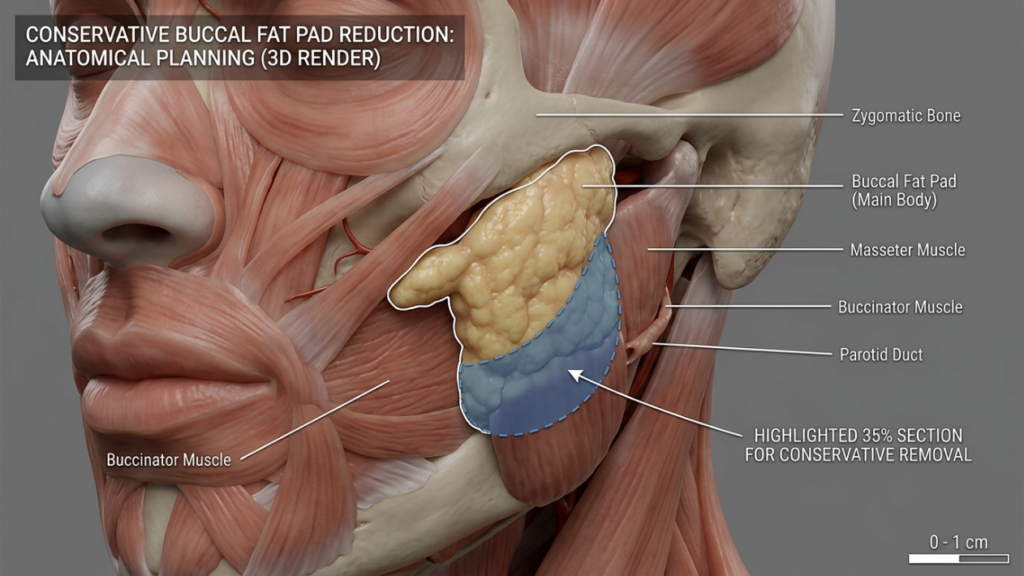
- Rimozione parziale: Soltanto 30–50% Il cuscinetto adiposo viene rimosso per evitare un'eccessiva resezione. L'obiettivo è snellire, non svuotare.
- Chiusura: L'incisione viene chiusa con suture riassorbibili. Non sono necessarie bende esterne.
La guarigione è sorprendentemente rapida. La maggior parte dei pazienti torna al lavoro entro 3–5 giorni, sebbene gonfiore e lividi possano persistere per 2-3 settimane. Il risultato finale? A permanente Riduzione del volume della zona medio-facciale, con risultati completi visibili dopo 3 mesi.
Tuttavia, ecco cosa la maggior parte dei chirurghi non ti dirà: il cuscinetto adiposo buccale è collegato al nervo facciale. Sebbene le complicazioni siano rare, la rimozione aggressiva può portare a intorpidimento temporaneo o, in casi estremi, danni permanenti ai nervi. Ecco perché scegliere un chirurgo con vasta esperienza in anatomia facciale non è negoziabile.
I rischi di cui nessuno parla (e come evitarli)
La bichectomia viene spesso presentata come una procedura "semplice", ma come ogni intervento chirurgico, comporta dei rischi. Ecco cosa è importante sapere:
| Il rischio | Causa | Prevenzione |
| Resezione eccessiva (aspetto emaciato) | Eliminare troppo grasso | Scegli un chirurgo conservativo; punta alla rimozione massima di 30–40% |
| Danni ai nervi (intorpidimento/debolezza) | Dissezione aggressiva in prossimità del nervo facciale | Scegli un chirurgo che utilizzi il monitoraggio dei nervi. |
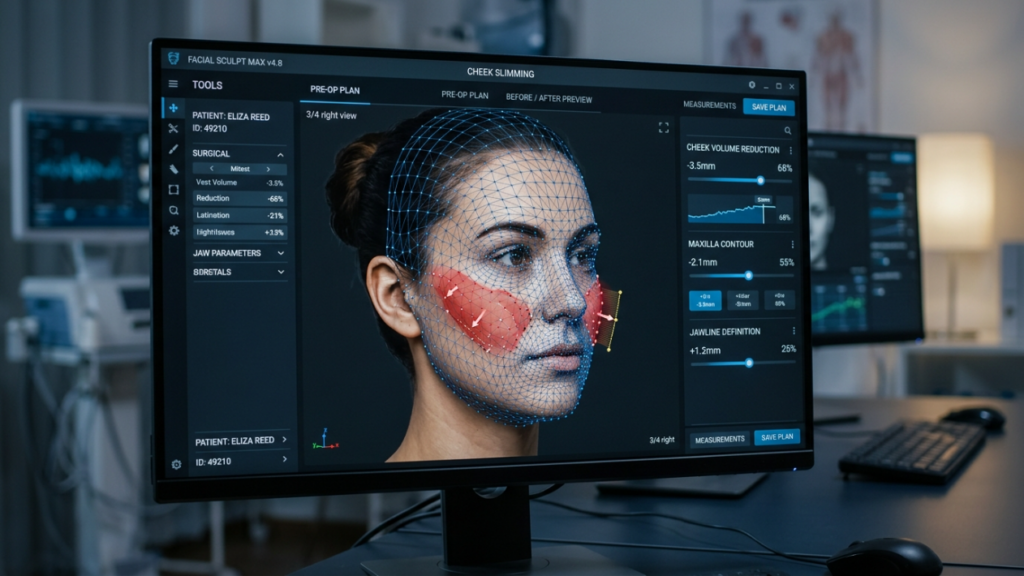
| Asimmetria | Rimozione del grasso non uniforme | Imaging 3D preoperatorio per pianificare incisioni simmetriche |
| Infezione | Scarsa igiene orale post-operatoria | Collutorio antibiotico + rigorosa igiene orale |
| Cicatrici (interne) | Tecnica di sutura impropria | Punti di sutura riassorbibili + controlli di follow-up |
La complicazione più comune? Resezione eccessiva. Uno studio del 2025 in Rivista di chirurgia estetica hanno scoperto che 12% di pazienti sottoposti a bichectomia hanno subito un eccessivo svuotamento, che ha portato a un aspetto "scheletrizzato" che li ha invecchiati prematuramente. La soluzione? Innesto di grasso per ripristinare il volume, ma ciò comporta costi e complessità aggiuntivi. (ASJ, 2025).
Un altro tema poco discusso: I cuscinetti adiposi buccali non ricrescono. A differenza del grasso sottocutaneo, che può variare in base al peso, la rimozione del grasso buccale è permanente. Ciò significa che, se in seguito si aumenta di peso, le guance potrebbero non riempirsi in modo proporzionato, creando un contrasto innaturale tra la parte centrale del viso più snella e quella inferiore più piena.
Bichectomia vs. Alternative: Quale metodo per snellire le guance è quello giusto per te?
La bichectomia non è l'unico modo per snellire le guance. Ecco un confronto con altri metodi:
| Metodo | Professionisti | Contro | Ideale per |
| Bichectomia | Permanenti, dall'aspetto naturale, senza cicatrici esterne. | Rischi chirurgici, irreversibilità, tempi di recupero | Coloro che hanno le guance piene e desiderano un dimagrimento permanente |
| grasso buccale Liposuzione | Meno invasivo, tempi di recupero più brevi. | Meno preciso, potrebbe richiedere ritocchi | Lieve pienezza delle guance con buona elasticità cutanea |
| Filler per guance (a dissoluzione) | Non chirurgico, reversibile, senza tempi di recupero. | Temporaneo (6-12 mesi), costoso nel tempo | Coloro che non sono sicuri dei cambiamenti permanenti |
| Rassodamento cutaneo a radiofrequenza | Non invasivo, stimola il collagene | Risultati graduali, sono necessarie più sedute. | Lieve rilassamento cutaneo con minimo eccesso di grasso |
| Dieta/Esercizio fisico | Benefici naturali e gratuiti per la salute generale. | Impatto limitato sul grasso buccale, risultati lenti | Perdita di peso generale (non mirata al dimagrimento delle guance) |
Per la maggior parte dei pazienti, la scelta si riduce a permanenza vs. reversibilità. Se sei intenzionata a un cambiamento a lungo termine e hai la struttura del viso adatta, la bichectomia offre una precisione impareggiabile. Ma se sei titubante, le opzioni non chirurgiche come i filler o la radiofrequenza possono rappresentare un punto di partenza a minor rischio.
Assistenza post-operatoria: come garantire una ripresa senza complicazioni e risultati ottimali.
Il tuo recupero gioca un ruolo Ruolo 50% nei risultati finali. Segui questi passaggi per ridurre al minimo le complicazioni:
- Prime 24 ore: Applicare impacchi di ghiaccio (20 minuti sì, 20 minuti no) per ridurre il gonfiore. Dormire con la testa sollevata di 30-45 gradi.
- Giorni 2-7: Sciacqua la bocca con un collutorio antibiotico 3 volte al giorno. Segui una dieta a base di cibi morbidi (zuppe, yogurt, purè di patate).
- Settimane 2-4: Evitate esercizi fisici intensi, fumo e alcol. Massaggiate delicatamente le guance per prevenire la rigidità.
- A lungo termine: Proteggi la tua pelle con una protezione solare SPF 50+ per prevenire alterazioni della pigmentazione. Mantieni la pelle idratata per favorire la guarigione.
Segnali d'allarme a cui prestare attenzione: Dolore intenso, presenza di pus o asimmetria che persistono per più di una settimana. In questi casi è necessario contattare immediatamente il chirurgo.
Il costo della bichectomia: cosa aspettarsi nel 2026
Nel 2026, il costo della bichectomia varia ampiamente in base alla località, all'esperienza del chirurgo e al fatto che venga eseguita da sola o con altre procedure (ad esempio, aumento del mento o rinoplasticaEcco una spiegazione dettagliata:
| Posizione | Costo medio (USD) | Appunti |
| stati Uniti | $3.500–$7.000 | Più alto in città come New York/Los Angeles; include l'anestesia |
| Tacchino (Antalya/Istanbul) | $1,200–$2,500 | Meta popolare per il turismo medico; verificare le credenziali della clinica. |
| Corea del Sud | $2.800–$5.000 | Elevata richiesta di rimodellamento del viso; cliniche di alto livello |
| Messico | $1.500–$3.000 | Chirurghi ricercatori: convenienti ma di qualità variabile. |
| Regno Unito | $4,000–$6,500 | Regolamentato da BAAPS; include l'assistenza post-operatoria. |
Suggerimento professionale: Attenzione alle cliniche che offrono bichectomia a meno di $1.000. Ciò spesso indica chirurghi inesperti o condizioni non sicure. Dare sempre la priorità certificazione del consiglio E portfolio prima/dopo prezzo eccessivo.
Come scegliere il chirurgo giusto per la tua bichectomia
L'abilità del chirurgo determina 90% del tuo risultato. Ecco come verificarli:
- Certificazione del Consiglio: Assicurati che siano certificati da un organismo riconosciuto (ad esempio, ISAPS, ASPS o EBOPRAS).
- Specializzazione: Cercate chirurghi specializzati in rimodellamento del viso, non solo chirurgia plastica generale.
- Galleria Prima/Dopo: Esamina almeno 20 casi di bichectomia. I risultati appaiono naturali? Sono presenti segni di resezione eccessiva?
- Recensioni dei pazienti: Controlla piattaforme come RealSelf o Google per feedback imparziali. Presta attenzione ai commenti su recupero E simmetria.
- Processo di consultazione: Un buon chirurgo valuterà il tuo anatomia facciale, Non solo i tuoi desideri. Dovrebbero discutere dei rischi, come danni ai nervi e resezione eccessiva.
- Tecnologia: Utilizzano la diagnostica per immagini 3D per la pianificazione preoperatoria? Questo riduce i rischi di asimmetria.
A Clinica del dottor MFO, uniamo Pianificazione virtuale 3D con rimozione conservativa del grasso per garantire risultati dall'aspetto naturale. I nostri pazienti ottengono un 25–35% riduzione del gonfiore del terzo medio del viso senza l'effetto "eccessivo".

Domande frequenti
La bichectomia è un intervento permanente o il grasso può ricrescere?
La bichectomia è permanente perché il cuscinetto adiposo buccale non si rigenera. Tuttavia, se si aumenta di peso in modo significativo, le cellule adipose rimanenti nelle guance potrebbero espandersi, alterando leggermente i risultati. Per questo motivo si raccomanda di mantenere un peso stabile dopo l'intervento.
Qual è la differenza tra bichectomia e liposuzione del grasso buccale?
La bichectomia prevede la rimozione chirurgica di una porzione del cuscinetto adiposo buccale attraverso un'incisione intraorale, mentre il grasso buccale liposuzione La biochimica utilizza una cannula per aspirare il grasso. La biochimica offre risultati più precisi e permanenti, mentre la liposuzione è meno invasiva ma potrebbe richiedere ritocchi.
La bichectomia può essere utile per eliminare il doppio mento o definire la linea della mandibola?
La bichectomia snellisce principalmente le guance e migliora la definizione degli zigomi. Per un doppio mento o un affinamento della linea della mandibola, procedure come la liposuzione, l'aumento del mento o riduzione della mandibola sono più efficaci. Alcuni pazienti combinano la bichectomia con questi trattamenti per un rimodellamento completo del viso.u003c/pu003e
Quanto è doloroso il periodo di recupero dopo una bichectomia?
La maggior parte dei pazienti riferisce un fastidio da lieve a moderato per 3-5 giorni, gestibile con i farmaci antidolorifici prescritti. Gonfiore ed ematomi raggiungono il picco dopo 48 ore e si attenuano entro 2 settimane. La procedura viene eseguita in anestesia locale con sedazione, quindi non si avvertirà dolore durante l'intervento.
Esistono alternative non chirurgiche alla bichectomia?
Sì! Le opzioni non chirurgiche includono filler riassorbibili per le guance (per un dimagrimento temporaneo), rassodamento cutaneo a radiofrequenza e perdita di peso mirata. Tuttavia, questi metodi sono meno precisi e richiedono manutenzione. La bichectomia è l'unica soluzione permanente per la riduzione del grasso buccale.
Quali sono i segni di una bichectomia eseguita in modo inadeguato?
I segni di una bichectomia mal riuscita includono asimmetria, eccessivo svuotamento (aspetto 'scheletrizzato'), danni ai nervi (intorpidimento o debolezza) e cicatrici visibili. Questi rischi sono ridotti al minimo scegliendo un chirurgo certificato con una vasta esperienza in anatomia facciale.
Quanto tempo ci vorrà per vedere i risultati definitivi della mia bichectomia?
Sebbene noterai cambiamenti immediati, i risultati finali saranno visibili dopo 3 mesi, una volta che il gonfiore si sarà completamente attenuato. Le guance continueranno a definirsi man mano che la pelle si tenderà attorno al nuovo contorno. La pazienza è fondamentale: evita di giudicare i risultati troppo presto!