
What if the secret to a sculpted, V-shaped face isn’t just genetics or contouring—but a 15-minute surgical procedure that permanently removes the fat pads making your cheeks appear fuller? Welcome to the world of bichectomy, the cheek slimming surgery that’s redefining facial harmony in 2026. But here’s the catch: while this procedure promises a sharper jawline and more defined cheekbones, it’s not for everyone—and the wrong candidate can end up with a gaunt, prematurely aged look. So, how do you know if you’re an ideal fit? And what exactly happens when a surgeon removes your buccal fat pads? This guide dives deep into the anatomy, risks, and transformative potential of bichectomy, backed by clinical insights and real-world results.
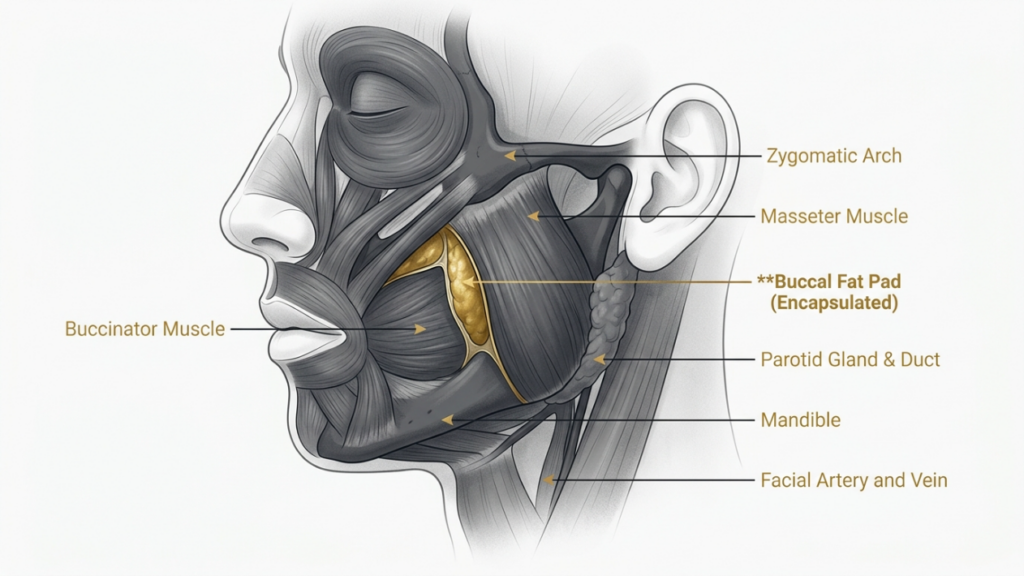
Table of Contents
The Hidden Anatomy: What Are Buccal Fat Pads and Why Do They Matter?
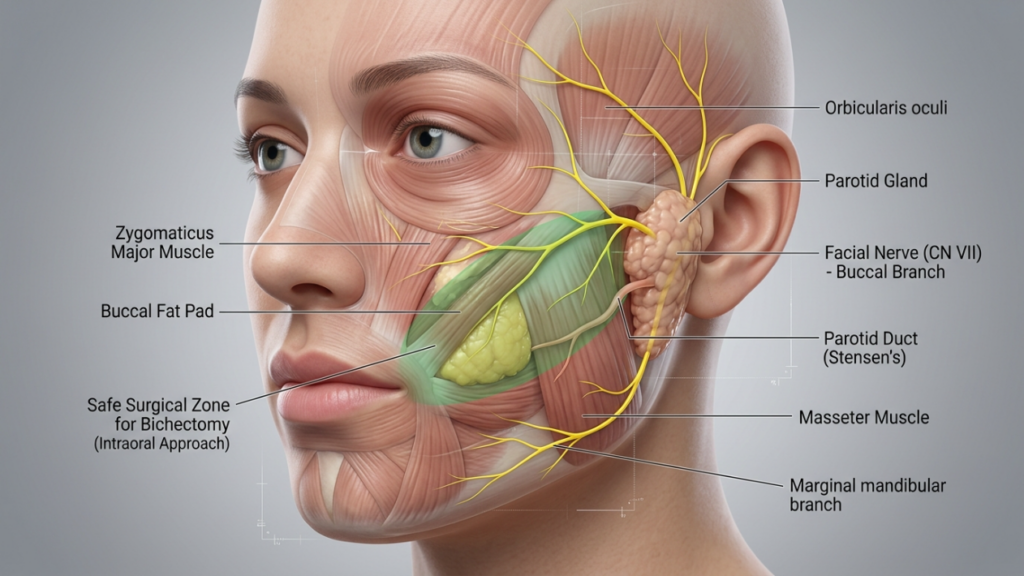
The buccal fat pad isn’t just a random cluster of fat—it’s a highly vascularized, encapsulated structure nestled between your cheek muscles and jawbone. Unlike subcutaneous fat (the kind you can pinch), buccal fat is deep, playing a crucial role in facial volume and movement. Here’s the kicker: its size varies dramatically among individuals. Some people naturally have larger buccal fat pads, giving their face a perpetually “baby-faced” roundness, while others have minimal buccal fat, contributing to a more angular appearance.
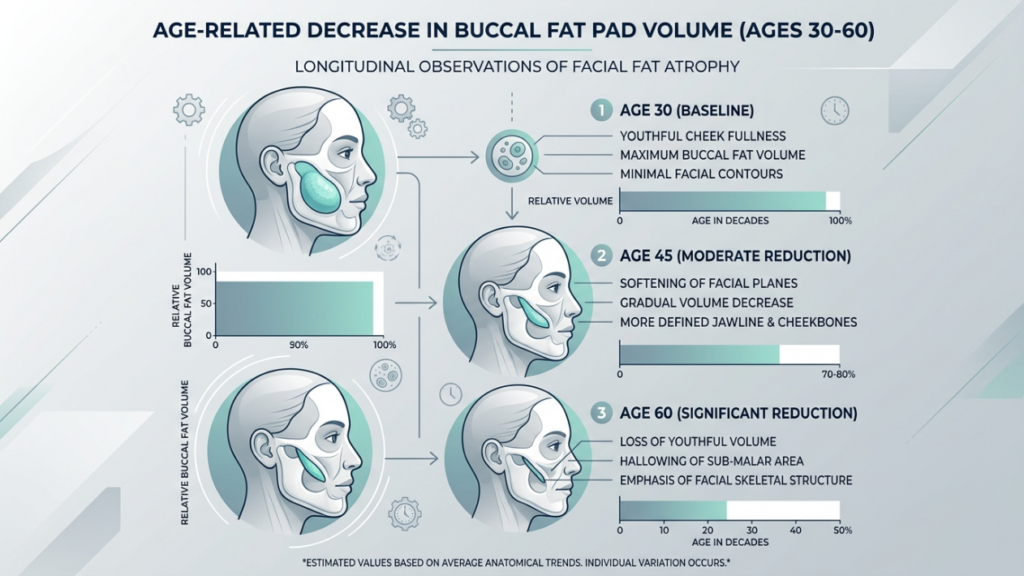
But here’s where it gets fascinating: buccal fat pads shrink with age. Studies from the Journal of Craniofacial Surgery (2025) reveal that buccal fat volume decreases by approximately 15–20% between ages 30 and 60, contributing to the “hollowed” look associated with aging. So, when you opt for a bichectomy, you’re essentially accelerating this natural process—permanently. The question isn’t just whether you want slimmer cheeks, but whether your face can handle the loss of this structural support (PubMed, 2025).
The Buccal Fat Pad’s Dual Role: Cushion and Culprit
Buccal fat pads serve two primary functions:
- Facial Cushioning: They act as a protective buffer for the facial nerves and muscles, absorbing impact during chewing and facial expressions. This is why aggressive buccal fat removal can sometimes lead to temporary or permanent nerve sensitivity.
- Aesthetic Influence: Their volume directly affects the width of your midface. Overdeveloped buccal fat pads can create a “chipmunk” effect, while minimal buccal fat enhances cheekbone definition. However, remove too much, and you risk a “skeletonized” look—where the cheeks appear sunken and prematurely aged.
This duality is why bichectomy is both revolutionary and risky. It’s not just about removing fat; it’s about rebalancing your facial architecture.
Who’s the Ideal Candidate for Bichectomy? (And Who Should Run the Other Way)
Not everyone is a candidate for bichectomy—and that’s a good thing. The ideal patient typically meets these criteria:
- Age 25–40: Younger patients may not have fully developed facial fat distribution, while older patients risk exacerbating age-related volume loss.
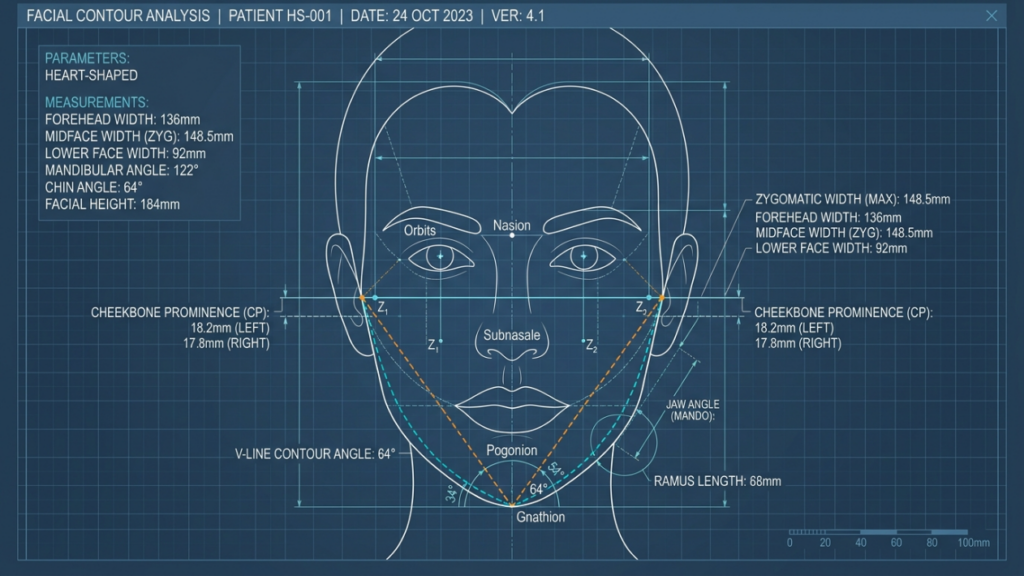
- Round or Square Face Shape: Those with naturally fuller cheeks benefit most from the procedure, as it creates a more oval or heart-shaped face.
- Good Skin Elasticity: Patients with firm, elastic skin adapt better to the post-surgical contouring. Poor elasticity can lead to sagging.
- Realistic Expectations: Bichectomy slims the cheeks but won’t dramatically alter your jawline or chin. It’s about refinement, not transformation.
Conversely, red flags include:
- Thin or gaunt faces (risk of over-resection).
- History of eating disorders (potential for exaggerated volume loss).
- Smokers (impaired healing and higher infection risk).
- Unrealistic goals (e.g., expecting a “model-like” face from one procedure).
A 2026 study in Plastic and Reconstructive Surgery Global Open found that 1 in 5 bichectomy patients regretted the procedure due to unmet expectations or aesthetic complications. This underscores the need for a thorough consultation with a board-certified surgeon who specializes in facial anatomy (NCBI, 2026).
The Procedure: What Happens During a Bichectomy?
Bichectomy is typically performed under local anesthesia with sedation, though general anesthesia may be used for combined procedures. The surgery itself takes 15–30 minutes and follows these steps:
- Incision: A small (1–2 cm) incision is made inside the mouth, along the inner cheek. This leaves no visible scars.
- Fat Pad Exposure: The buccal fat pad is carefully isolated from surrounding tissues. Its distinctive yellowish color makes it easily identifiable.
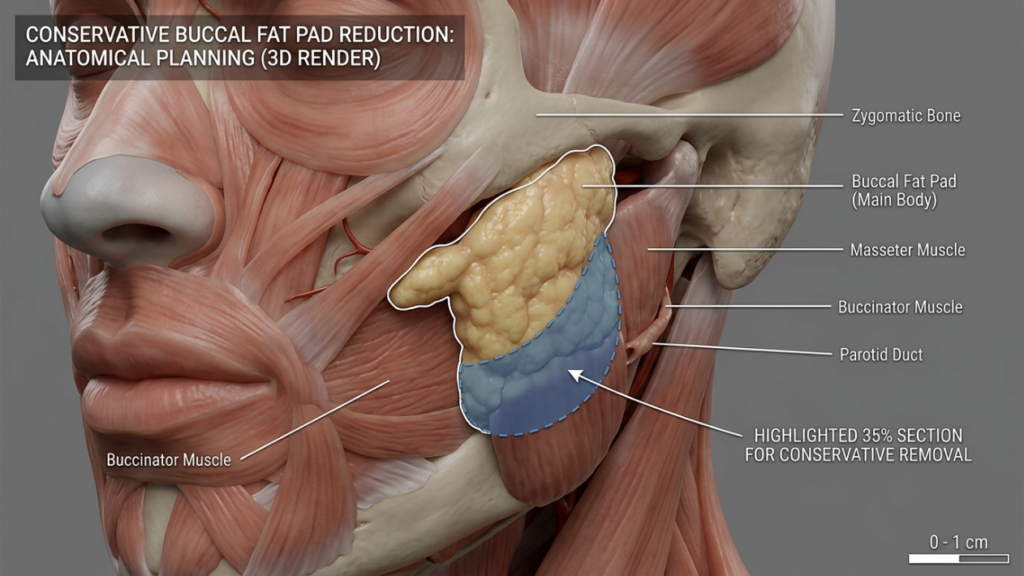
- Partial Removal: Only 30–50% of the fat pad is removed to avoid over-resection. The goal is slimming, not hollowing.
- Closure: The incision is closed with dissolvable sutures. No external bandages are needed.
Recovery is surprisingly quick. Most patients return to work within 3–5 days, though swelling and bruising may persist for 2–3 weeks. The final result? A permanent slimming of the midface, with full effects visible after 3 months.
However, here’s what most surgeons won’t tell you: the buccal fat pad is connected to the facial nerve. While complications are rare, aggressive removal can lead to temporary numbness or, in extreme cases, permanent nerve damage. This is why choosing a surgeon with extensive experience in facial anatomy is non-negotiable.
The Risks No One Talks About (And How to Avoid Them)
Bichectomy is often marketed as a “simple” procedure—but like any surgery, it carries risks. Here’s what you need to know:
| Risk | Cause | Prevention |
| Over-resection (gaunt appearance) | Removing too much fat | Choose a conservative surgeon; aim for 30–40% removal max |
| Nerve damage (numbness/weakness) | Aggressive dissection near facial nerve | Opt for a surgeon who uses nerve monitoring |
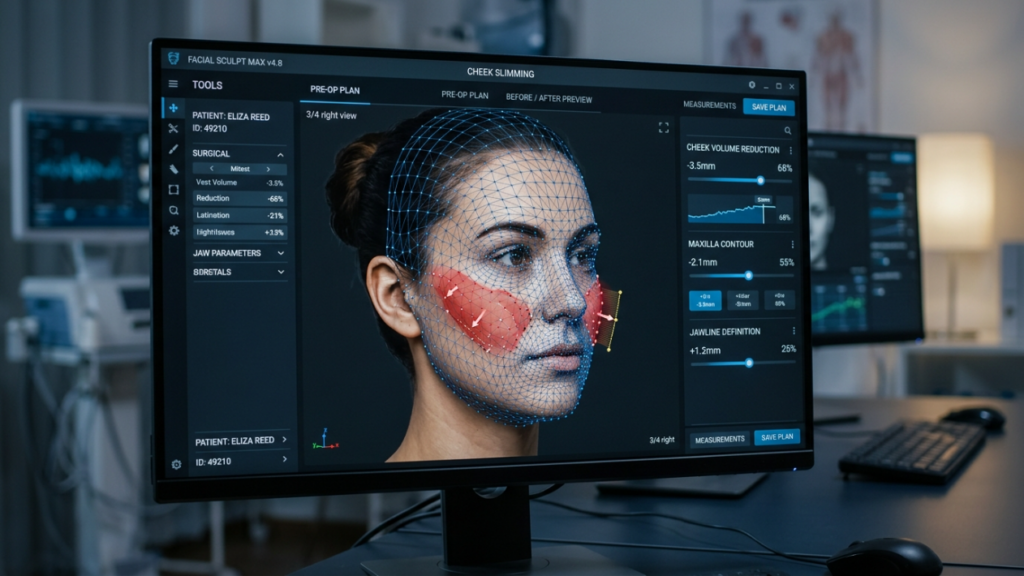
| Asymmetry | Uneven fat removal | Preoperative 3D imaging to plan symmetrical incisions |
| Infection | Poor oral hygiene post-op | Antibiotic mouthwash + strict oral care |
| Scarring (internal) | Improper suture technique | Dissolvable sutures + follow-up checks |
The most common complication? Over-resection. A 2025 study in Aesthetic Surgery Journal found that 12% of bichectomy patients experienced excessive hollowing, leading to a “skeletonized” look that aged them prematurely. The fix? Fat grafting to restore volume—but this adds cost and complexity (ASJ, 2025).
Another underdiscussed issue: buccal fat pads don’t regrow. Unlike subcutaneous fat, which can fluctuate with weight changes, buccal fat removal is permanent. This means if you gain weight later, your cheeks may not fill out proportionally, leading to an unnatural contrast between a slim midface and fuller lower face.
Bichectomy vs. Alternatives: Which Cheek Slimming Method Is Right for You?
Bichectomy isn’t the only way to slim your cheeks. Here’s how it compares to other methods:
| Method | Pros | Cons | Best For |
| Bichectomy | Permanent, natural-looking, no external scars | Surgical risks, irreversible, downtime | Those with full cheeks seeking permanent slimming |
| Buccal Fat Liposuction | Less invasive, shorter recovery | Less precise, may require touch-ups | Mild cheek fullness with good skin elasticity |
| Cheek Fillers (Dissolving) | Non-surgical, reversible, no downtime | Temporary (6–12 months), costly over time | Those unsure about permanent changes |
| Radiofrequency Skin Tightening | Non-invasive, stimulates collagen | Gradual results, multiple sessions needed | Mild sagging with minimal fat excess |
| Diet/Exercise | Natural, no cost, overall health benefits | Limited impact on buccal fat, slow results | General weight loss (not targeted cheek slimming) |
For most patients, the choice boils down to permanence vs. reversibility. If you’re committed to a long-term change and have the right facial structure, bichectomy offers unmatched precision. But if you’re hesitant, non-surgical options like fillers or radiofrequency can be a lower-risk starting point.
Post-Op Care: How to Ensure Smooth Recovery and Optimal Results
Your recovery plays a 50% role in your final results. Follow these steps to minimize complications:
- First 24 Hours: Apply ice packs (20 mins on, 20 mins off) to reduce swelling. Sleep with your head elevated at 30–45 degrees.
- Days 2–7: Rinse your mouth with antibiotic mouthwash 3x/day. Stick to a soft-food diet (soups, yogurt, mashed potatoes).
- Weeks 2–4: Avoid strenuous exercise, smoking, and alcohol. Gently massage your cheeks to prevent stiffness.
- Long-Term: Protect your skin with SPF 50+ to prevent pigmentation changes. Stay hydrated to support healing.
Red flags to watch for: Severe pain, pus, or asymmetry beyond 1 week. These warrant an immediate call to your surgeon.
The Cost of Bichectomy: What to Expect in 2026
In 2026, the cost of bichectomy varies widely based on location, surgeon expertise, and whether it’s performed alone or with other procedures (e.g., chin augmentation or rhinoplasty). Here’s a breakdown:
| Location | Average Cost (USD) | Notes |
| United States | $3,500–$7,000 | Higher in cities like NYC/LA; includes anesthesia |
| Turkey (Antalya/Istanbul) | $1,200–$2,500 | Popular for medical tourism; verify clinic credentials |
| South Korea | $2,800–$5,000 | High demand for facial contouring; premium clinics |
| Mexico | $1,500–$3,000 | Affordable but variable quality; research surgeons |
| United Kingdom | $4,000–$6,500 | Regulated by BAAPS; includes follow-up care |
Pro Tip: Beware of clinics offering bichectomy for under $1,000. This often indicates inexperienced surgeons or unsafe conditions. Always prioritize board certification and before/after portfolios over price.
How to Choose the Right Surgeon for Your Bichectomy
Your surgeon’s skill determines 90% of your result. Here’s how to vet them:
- Board Certification: Ensure they’re certified by a recognized body (e.g., ISAPS, ASPS, or EBOPRAS).
- Specialization: Look for surgeons who focus on facial contouring, not just general plastic surgery.
- Before/After Gallery: Review at least 20+ bichectomy cases. Do the results look natural? Are there signs of over-resection?
- Patient Reviews: Check platforms like RealSelf or Google for unbiased feedback. Pay attention to comments about recovery and symmetry.
- Consultation Process: A good surgeon will assess your facial anatomy, not just your desires. They should discuss risks like nerve damage and over-resection.
- Technology: Do they use 3D imaging for preoperative planning? This reduces asymmetry risks.
At Dr. MFO Clinic, we combine 3D virtual planning with conservative fat removal to ensure natural-looking results. Our patients achieve a 25–35% reduction in midface fullness without the “overdone” look.

Frequently Asked Questions
Is bichectomy permanent, or can the fat grow back?
u003cpu003eBichectomy is permanent because the buccal fat pad does not regenerate. However, if you gain significant weight, the remaining fat cells in your cheeks may expand, slightly altering your results. This is why maintaining a stable weight post-surgery is recommended.u003c/pu003e
What’s the difference between bichectomy and buccal fat liposuction?
u003cpu003eBichectomy involves surgically removing a portion of the buccal fat pad through an intraoral incision, while buccal fat liposuction uses a cannula to suction out fat. Bichectomy offers more precise and permanent results, whereas liposuction is less invasive but may require touch-ups.u003c/pu003e
Can bichectomy help with a double chin or jawline definition?
u003cpu003eBichectomy primarily slims the cheeks and enhances cheekbone definition. For a double chin or jawline refinement, procedures like liposuction, chin augmentation, or jaw reduction are more effective. Some patients combine bichectomy with these treatments for comprehensive facial contouring.u003c/pu003e
How painful is bichectomy recovery?
u003cpu003eMost patients report mild to moderate discomfort for 3–5 days, manageable with prescribed pain medication. Swelling and bruising peak at 48 hours and subside within 2 weeks. The procedure is performed under local anesthesia with sedation, so you won’t feel pain during the surgery itself.u003c/pu003e
Are there non-surgical alternatives to bichectomy?
u003cpu003eYes! Non-surgical options include dissolvable cheek fillers (for temporary slimming), radiofrequency skin tightening, and targeted weight loss. However, these methods are less precise and require maintenance. Bichectomy is the only permanent solution for buccal fat reduction.u003c/pu003e
What are the signs of a poorly performed bichectomy?
u003cpu003eSigns of a botched bichectomy include asymmetry, excessive hollowing (u0022skeletonizedu0022 look), nerve damage (numbness or weakness), and visible scarring. These risks are minimized by choosing a board-certified surgeon with extensive experience in facial anatomy.u003c/pu003e
How soon can I see the final results of my bichectomy?
u003cpu003eWhile you’ll notice immediate changes, final results emerge after 3 months, once swelling fully subsides. The cheeks will continue to refine as the skin tightens around the new contour. Patience is key—avoid judging your results too early!u003c/pu003e