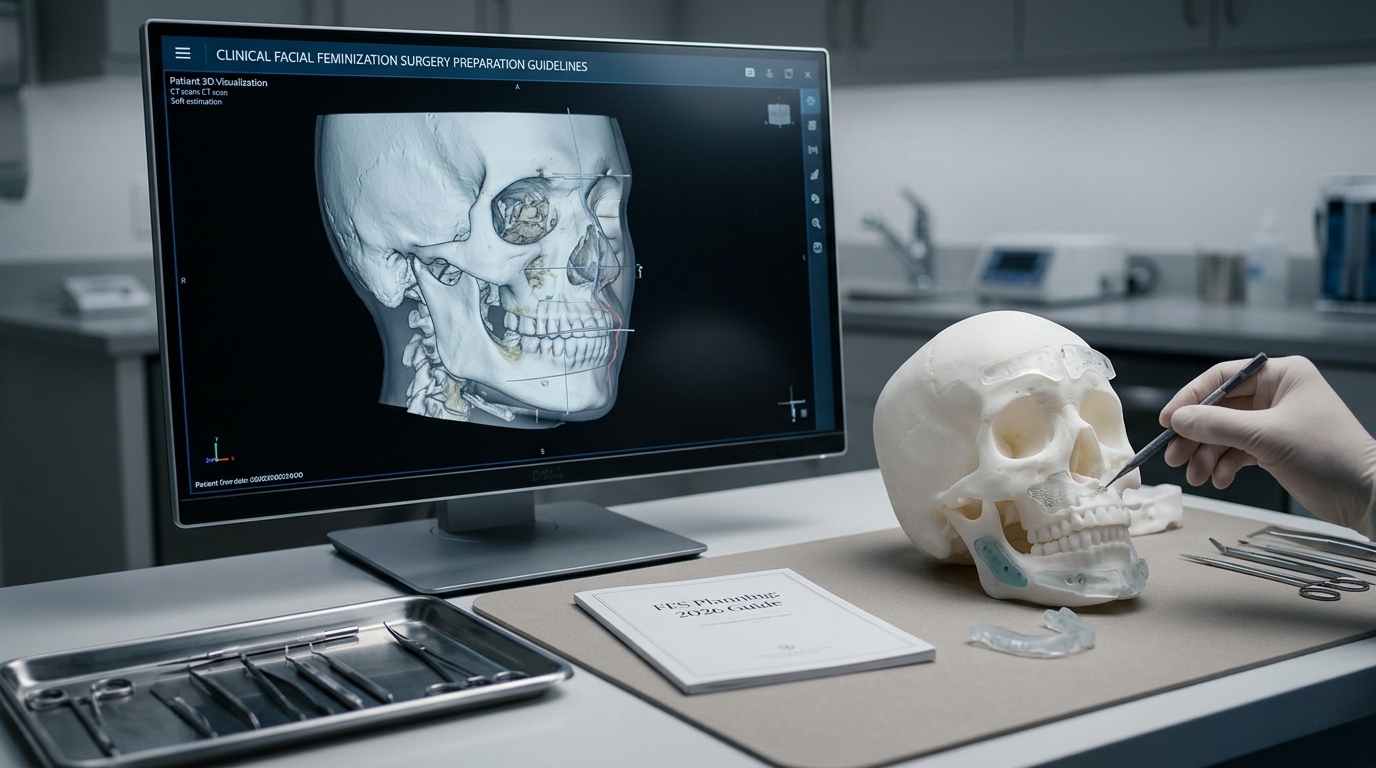

Was wäre, wenn das Geheimnis eines wohlgeformten, V-förmigen Gesichts nicht nur in der Genetik oder im Contouring liegt – sondern in … 15-minütiger chirurgischer Eingriff Das entfernt dauerhaft die Fettpolster und lässt Ihre Wangen voller wirken? Willkommen in der Welt von Bichektomie, die Wange Schlankheitsoperation Das definiert Gesichtsharmonie neu. 2026. Doch es gibt einen Haken: Obwohl diese Behandlung eine markantere Kinnlinie und definiertere Wangenknochen verspricht, ist sie nicht für jeden geeignet – und der falsche Kandidat kann am Ende hager und vorzeitig gealtert aussehen. Wie findet man also heraus, ob man dafür geeignet ist? Und was genau geschieht, wenn ein der Chirurg Sie möchten Ihre Wangenfettpolster entfernen lassen? Dieser Leitfaden beleuchtet eingehend die Anatomie, die Risiken und das transformative Potenzial der Bichektomie, untermauert durch klinische Erkenntnisse und Ergebnisse aus der Praxis.
Inhaltsverzeichnis
Die verborgene Anatomie: Was sind Wangenfettpolster und warum sind sie wichtig?
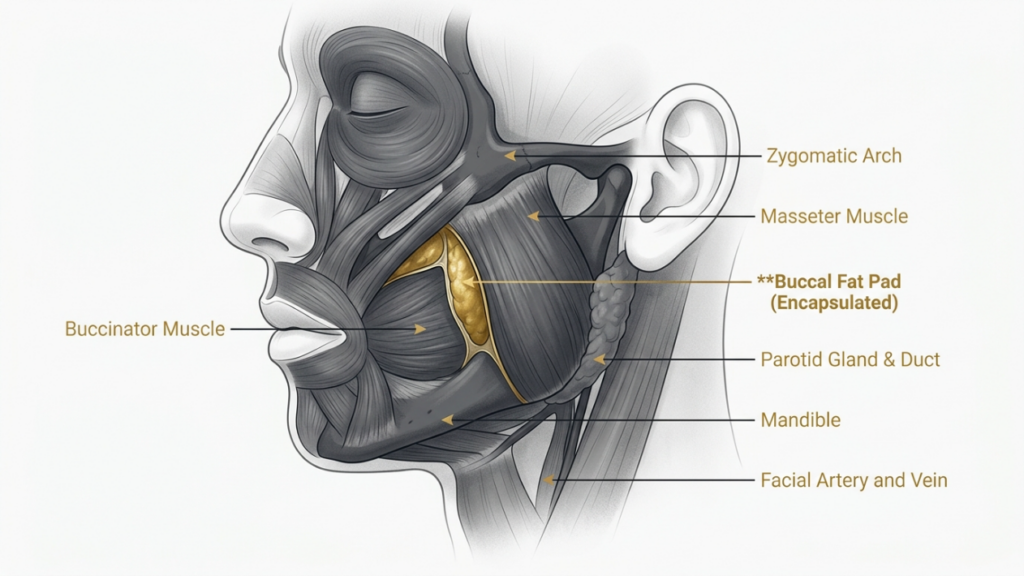
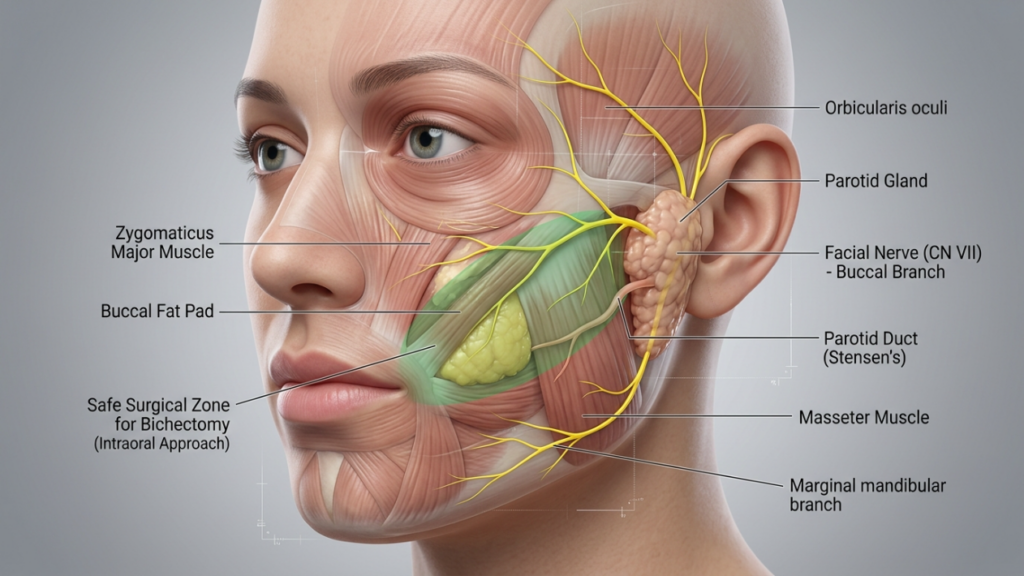
Das Wangenfettpolster ist nicht einfach nur eine zufällige Fettansammlung – es ist ein stark vaskularisierte, gekapselte Struktur Es liegt eingebettet zwischen den Wangenmuskeln und dem Kieferknochen. Im Gegensatz zum Unterhautfettgewebe (das man kneifen kann) ist das Wangenfett … tief, Das Wangenfett spielt eine entscheidende Rolle für das Gesichtsvolumen und die Mimik. Der Clou dabei: Seine Größe variiert stark von Mensch zu Mensch. Manche Menschen haben von Natur aus größere Wangenfettpolster, was ihrem Gesicht ein stets rundes, jugendliches Aussehen verleiht, während andere nur wenig Wangenfett besitzen, was zu einem kantigeren Erscheinungsbild beiträgt.
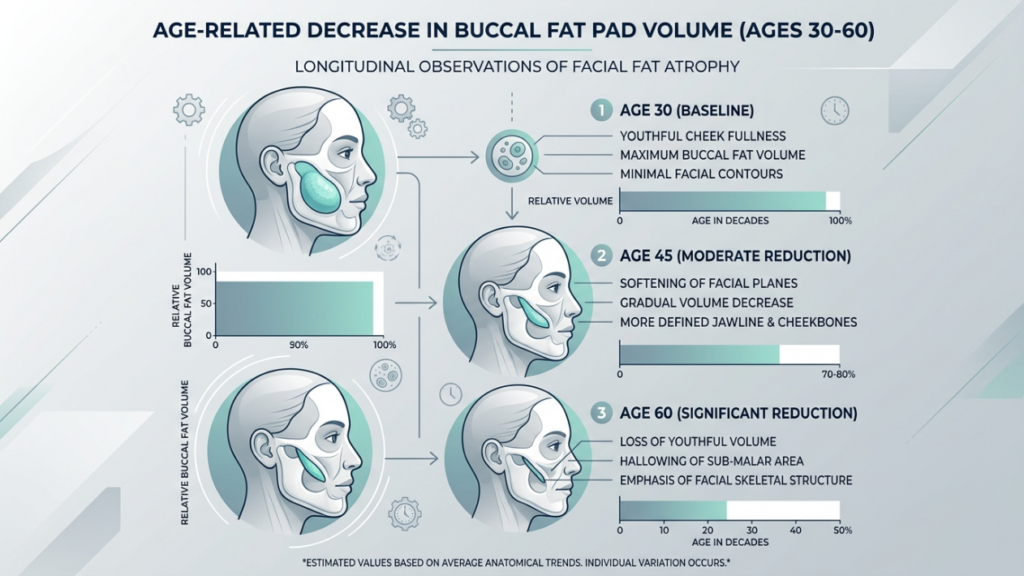
Doch hier wird es erst richtig faszinierend: die Wangenfettpolster schrumpfen mit dem Alter. Studien aus der Zeitschrift für kraniofaziale Chirurgie (2025) zeigen, dass das Volumen des Wangenfetts um etwa 15–20% Zwischen dem 30. und 60. Lebensjahr kommt es häufig zu einer Vergrößerung der Oberlippe, was zu dem mit dem Altern verbundenen eingefallenen Aussehen beiträgt. Wenn Sie sich also für eine Bichektomie entscheiden, … Beschleunigung Dieser natürliche Prozess – dauerhaft. Die Frage ist nicht nur, ob man schmalere Wangen möchte, sondern ob das Gesicht den Verlust dieser Stützstruktur verkraften kann. (PubMed, 2025).
Die Doppelrolle des Wangenfettpolsters: Polster und Übeltäter
Die Wangenfettpolster erfüllen zwei Hauptfunktionen:
- Gesichtspolsterung: Sie dienen als Schutzpuffer für die Gesichtsnerven und -muskeln und dämpfen Stöße beim Kauen und bei Gesichtsausdrücken. Deshalb kann eine aggressive Entfernung des Wangenfetts manchmal zu … führen. vorübergehende oder dauerhafte Nervenempfindlichkeit.
- Ästhetischer Einfluss: Ihr Volumen beeinflusst direkt die Breite Ihres Mittelgesichts. Überentwickelte Wangenfettpolster können einen “Hörnchen”-Effekt erzeugen, während wenig Wangenfett die Wangenknochenkontur betont. Wird jedoch zu viel entfernt, riskieren Sie ein “skelettartiges” Aussehen – die Wangen wirken eingefallen und vorzeitig gealtert.
Diese Dualität ist der Grund, warum die Bichektomie beides ist revolutionär und riskant. Es geht nicht nur darum, Fett zu entfernen; es geht um Neuausrichtung Ihre Gesichtsstruktur.
Wer ist der ideale Kandidat für eine Bichektomie? (Und wer sollte lieber die Finger davon lassen)
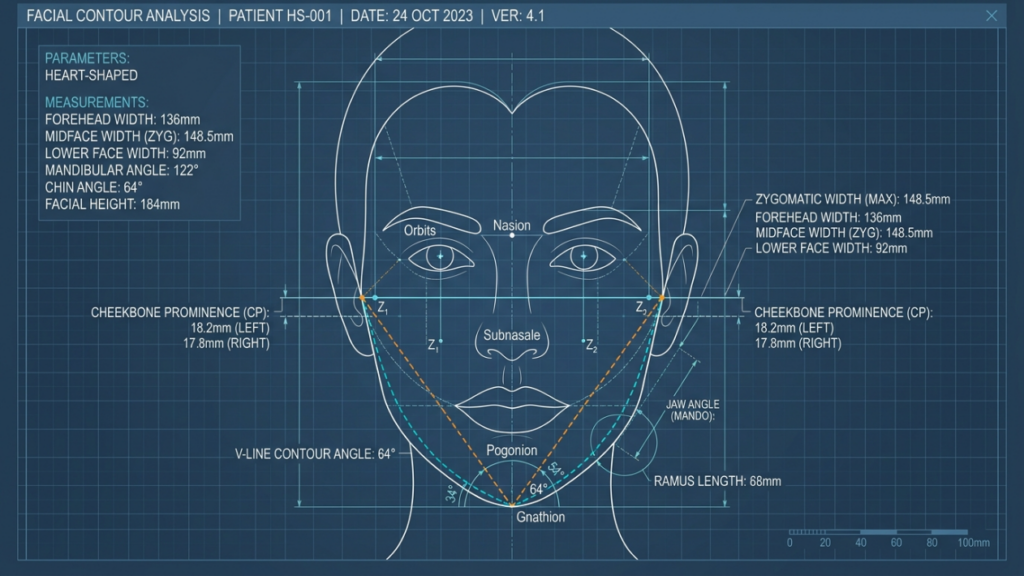
Nicht jeder Patient ist für eine Bichektomie geeignet – und das ist gut so. Der ideale Patient erfüllt typischerweise folgende Kriterien:
- Alter 25–40: Bei jüngeren Patienten ist die Fettverteilung im Gesicht möglicherweise noch nicht vollständig ausgebildet, während bei älteren Patienten das Risiko besteht, dass sich der altersbedingte Volumenverlust verschlimmert.
- Rund oder quadratisch Gesichtsform: Am meisten profitieren Menschen mit von Natur aus volleren Wangen von dem Eingriff, da er ein eher ovales oder herzförmiges Gesicht erzeugt.
- Gute Hautelastizität: Patienten mit straffer, elastischer Haut gewöhnen sich besser an die postoperative Konturierung. Eine geringe Elastizität kann zu Erschlaffung führen.
- Realistische Erwartungen: Eine Bichektomie verschmälert die Wangen, verändert aber weder Kieferpartie noch Kinn dramatisch. Verfeinerung, nicht Transformation.
Umgekehrt, Warnsignale enthalten:
- Dünne oder hagere Gesichter (Gefahr einer Überresektion).
- Vorgeschichte von Essstörungen (Potenzial für übermäßigen Volumenverlust).
- Raucher (beeinträchtigte Wundheilung und höheres Infektionsrisiko).
- Unrealistische Ziele (z. B. die Erwartung, nach nur einem Eingriff ein “modellhaftes” Gesicht zu erhalten).
Eine Studie aus dem Jahr 2026 Plastische und Rekonstruktive Chirurgie Global Open stellte fest, dass 1 von 5 Patienten mit Bichektomie bereuten den Eingriff aufgrund unerfüllter Erwartungen oder ästhetischer Komplikationen. Dies unterstreicht die Notwendigkeit einer gründliche Beratung mit einem staatlich geprüften der Chirurg der sich auf Gesichtsanatomie spezialisiert hat (NCBI, 2026).
Der Eingriff: Was geschieht bei einer Bichektomie?
Die Bichektomie wird typischerweise durchgeführt unter Lokalanästhesie mit Sedierung, Obwohl bei kombinierten Eingriffen eine Vollnarkose eingesetzt werden kann. Die Operation selbst dauert 15–30 Minuten und folgt dabei diesen Schritten:
- Einschnitt: Es wird ein kleiner (1–2 cm) Schnitt durchgeführt im Mund, entlang der Wangeninnenseite. Dadurch bleiben keine sichtbaren Narben zurück.
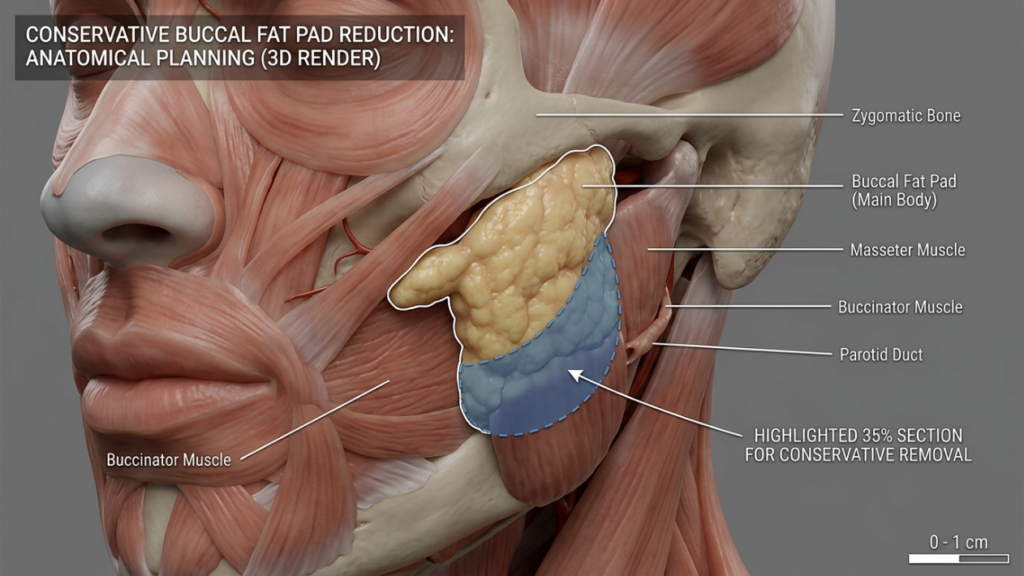
- Freilegung des Fettpolsters: Das Wangenfettpolster wird sorgfältig vom umliegenden Gewebe isoliert. Seine charakteristische gelbliche Farbe ermöglicht eine einfache Identifizierung.
- Teilentfernung: Nur 30–50% Um eine übermäßige Gewebeentfernung zu vermeiden, wird das Fettgewebe entfernt. Ziel ist eine Verschmälerung, keine Einziehung.
- Schließung: Der Schnitt wird mit selbstauflösenden Fäden verschlossen. Äußere Verbände sind nicht erforderlich.
Die Genesung verläuft überraschend schnell. Die meisten Patienten kehren innerhalb weniger Tage wieder an ihren Arbeitsplatz zurück. 3–5 Tage, Schwellungen und Blutergüsse können jedoch noch 2–3 Wochen anhalten. Das Endergebnis? A dauerhaft Verschmälerung des Mittelgesichts, die volle Wirkung ist nach 3 Monaten sichtbar.
Was Ihnen die meisten Chirurgen jedoch verschweigen: Das Wangenfettpolster ist mit dem Gesichtsnerv verbunden. Komplikationen sind zwar selten, aber eine aggressive Entfernung kann zu vorübergehender Taubheit oder, in extremen Fällen, zu … führen., dauerhafte Nervenschädigung. Deshalb ist die Wahl eines Chirurgen mit umfangreiche Erfahrung in der Gesichtsanatomie ist nicht verhandelbar.
Die Risiken, über die niemand spricht (und wie man sie vermeidet)
Die Bichektomie wird oft als “einfacher” Eingriff beworben – doch wie jede Operation birgt sie Risiken. Hier erfahren Sie, was Sie wissen müssen:
| Risiko | Ursache | Verhütung |
| Überresektion (ausgemergeltes Aussehen) | zu viel Fett entfernen | Wählen Sie einen konservativen Chirurgen; streben Sie eine maximale Entfernung von 30–401 TP3T an. |
| Nervenschädigung (Taubheit/Schwäche) | Aggressive Dissektion in der Nähe des Gesichtsnervs | Wählen Sie einen Chirurgen, der Nervenmonitoring anwendet. |
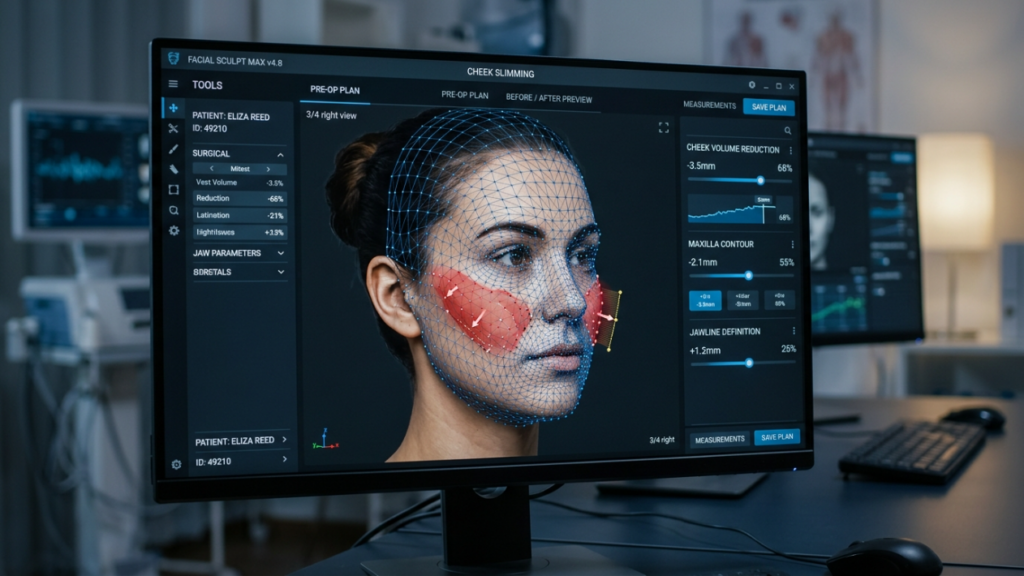
| Asymmetrie | Ungleichmäßige Fettentfernung | Präoperative 3D-Bildgebung zur Planung symmetrischer Schnitte |
| Infektion | Mangelhafte Mundhygiene nach der Operation | Antibiotische Mundspülung + sorgfältige Mundhygiene |
| Narbenbildung (innerlich) | Unsachgemäße Nahttechnik | Selbstauflösende Fäden + Nachkontrollen |
Die häufigste Komplikation? Überresektion. Eine Studie aus dem Jahr 2025 Zeitschrift für ästhetische Chirurgie stellte fest, dass 12% von Patienten mit Bichiektomie Sie litten unter übermäßiger Aushöhlung, was zu einem “skelettierten” Aussehen führte und sie vorzeitig altern ließ. Die Lösung? Fetttransplantation um das Volumen wiederherzustellen – dies verursacht jedoch zusätzliche Kosten und Komplexität (ASJ, 2025).
Ein weiteres wenig beachtetes Thema: Die Wangenfettpolster wachsen nicht nach.. Im Gegensatz zum Unterhautfettgewebe, dessen Menge mit Gewichtsschwankungen variieren kann, ist die Entfernung von Wangenfett dauerhaft. Das bedeutet, dass sich Ihre Wangen bei einer späteren Gewichtszunahme möglicherweise nicht proportional auffüllen, was zu einem unnatürlichen Kontrast zwischen einem schmalen Mittelgesicht und einem volleren Untergesicht führen kann.
Bichiektomie vs.. Alternativen: Welche Methode zur Wangenverschmälerung ist die richtige für Sie?
Eine Bichektomie ist nicht die einzige Möglichkeit, die Wangen zu verschmälern. Hier ein Vergleich mit anderen Methoden:
| Verfahren | Vorteile | Nachteile | Am besten für |
| Bichektomie | Dauerhaft, natürlich aussehend, keine äußeren Narben | Chirurgische Risiken, irreversibel, Ausfallzeit | Personen mit vollen Wangen, die eine dauerhafte Verschmälerung wünschen |
| Wangenfett Fettabsaugung | Weniger invasiv, kürzere Genesungszeit | Weniger präzise, Nachbearbeitungen erforderlich | Leichte Wangenfülle bei guter Hautelastizität |
| Wangenfüller (auflösend) | Nicht-chirurgisch, reversibel, keine Ausfallzeit | Vorübergehend (6–12 Monate), auf Dauer kostspielig | Diejenigen, die sich bezüglich dauerhafter Veränderungen unsicher sind |
| Radiofrequenz-Hautstraffung | Nicht-invasiv, stimuliert die Kollagenbildung | Allmähliche Ergebnisse, mehrere Sitzungen erforderlich | Leichte Erschlaffung mit minimalem Fettüberschuss |
| Ernährung/Bewegung | Natürliche, kostenlose und umfassende gesundheitliche Vorteile | Begrenzte Wirkung auf das Wangenfett, langsame Ergebnisse | Allgemeiner Gewichtsverlust (keine gezielte Wangenverschmälerung) |
Für die meisten Patienten reduziert sich die Wahl auf Folgendes: Dauerhaftigkeit vs. Reversibilität. Wenn Sie eine langfristige Veränderung anstreben und die passenden Gesichtszüge haben, bietet die Bichektomie unübertroffene Präzision. Sollten Sie jedoch zögern, können nicht-operative Verfahren wie Filler oder Radiofrequenztherapie einen risikoärmeren Einstieg darstellen.
Nachsorge nach der Operation: So gewährleisten Sie eine reibungslose Genesung und optimale Ergebnisse
Ihre Genesung spielt eine wichtige Rolle 50%-Rolle in Ihren Endergebnissen. Befolgen Sie diese Schritte, um Komplikationen zu minimieren:
- Die ersten 24 Stunden: Legen Sie Eisbeutel auf (20 Minuten auflegen, 20 Minuten abnehmen), um die Schwellung zu reduzieren. Schlafen Sie mit erhöhtem Kopf (30–45 Grad).
- Tage 2–7: Spülen Sie Ihren Mund 3x täglich mit einer antibiotischen Mundspülung. Halten Sie sich an eine weiche Kost (Suppen, Joghurt, Kartoffelpüree).
- Wochen 2–4: Vermeiden Sie anstrengende körperliche Betätigung, Rauchen und Alkohol. Massieren Sie Ihre Wangen sanft, um Steifheit vorzubeugen.
- Langfristig: Schützen Sie Ihre Haut mit einem Lichtschutzfaktor von mindestens 50, um Pigmentveränderungen vorzubeugen. Achten Sie auf ausreichende Flüssigkeitszufuhr, um die Heilung zu unterstützen.
Warnsignale, auf die Sie achten sollten: Starke Schmerzen, Eiterbildung oder Asymmetrie, die länger als eine Woche anhalten, erfordern eine sofortige Kontaktaufnahme mit Ihrem Chirurgen.
Die Kosten einer Bichektomie: Was ist im Jahr 2026 zu erwarten?
Im Jahr 2026 werden die Kosten einer Bichektomie je nach Standort, Erfahrung des Chirurgen und danach, ob der Eingriff allein oder in Kombination mit anderen Verfahren (z. B. Kinnvergrößerung oder -korrektur) durchgeführt wird, stark variieren. NasenkorrekturHier eine Aufschlüsselung:
| Standort | Durchschnittliche Kosten (USD) | Anmerkungen |
| Vereinigte Staaten | $3,500–$7,000 | Höher in Städten wie New York/Los Angeles; beinhaltet Anästhesie |
| Truthahn (Antalya/Istanbul) | $1,200–$2,500 | Beliebt bei Medizintourismus; überprüfen Sie die Qualifikationen der Klinik. |
| Südkorea | $2,800–$5,000 | Hohe Nachfrage nach Gesichtsmodellierung; Premium-Kliniken |
| Mexiko | $1.500–$3.000 | Preiswert, aber von schwankender Qualität; Forschungschirurgen |
| Großbritannien | $4.000–$6.500 | Reguliert durch BAAPS; beinhaltet Nachsorge |
Profi-Tipp: Vorsicht vor Kliniken, die eine Bichektomie für unter 1.000 Rupien anbieten. Dies deutet oft auf unerfahrene Chirurgen oder unsichere Behandlungsbedingungen hin. Priorisieren Sie immer Facharztzertifizierung Und Portfolios vor/nachher überteuert.

Wie Sie den richtigen Chirurgen für Ihre Bichektomie auswählen
Die Fähigkeiten Ihres Chirurgen bestimmen 90% Ihres Ergebnisses. So können Sie sie überprüfen:
- Zertifizierung durch das Board: Stellen Sie sicher, dass sie von einer anerkannten Stelle zertifiziert sind (z. B., ISAPS, ASPS oder EBOPRAS).
- Spezialisierung: Suchen Sie nach Chirurgen, die sich auf Folgendes spezialisieren Gesichtskonturierung, nicht nur allgemeine plastische Chirurgie.
- Vorher/Nachher-Galerie: Prüfen Sie mindestens 20 Fälle von Bichektomie. Wirken die Ergebnisse natürlich? Gibt es Anzeichen für eine Überresektion?
- Patientenbewertungen: Nutzen Sie Plattformen wie RealSelf oder Google, um unvoreingenommenes Feedback zu erhalten. Achten Sie auf Kommentare zu folgenden Themen: Wiederherstellung Und Symmetrie.
- Konsultationsprozess: Ein guter Chirurg wird Ihre Gesichtsanatomie, nicht nur Ihre Wünsche. Sie sollten auch Risiken wie Nervenschäden und übermäßige Resektion besprechen.
- Technologie: Wird für die präoperative Planung eine 3D-Bildgebung verwendet? Dadurch werden Asymmetrierisiken reduziert.
Bei Dr. MFO-Klinik, Wir kombinieren Virtuelle 3D-Planung mit konservative Fettentfernung um natürlich aussehende Ergebnisse zu gewährleisten. Unsere Patienten erzielen ein 25–35% Reduzierung der Fülle im Mittelgesicht ohne den “übertriebenen” Look.

Häufig gestellte Fragen
Ist eine Bichektomie endgültig oder kann das Fettgewebe nachwachsen?
Die Bichektomie ist dauerhaft, da sich das Wangenfettpolster nicht regeneriert. Bei einer deutlichen Gewichtszunahme können sich die verbleibenden Fettzellen in den Wangen jedoch ausdehnen und das Ergebnis leicht verändern. Daher wird empfohlen, nach der Operation ein stabiles Gewicht zu halten.
Worin besteht der Unterschied zwischen einer Bichektomie und einer Wangenfettabsaugung?
Bei einer Bichektomie wird ein Teil des Wangenfettkörpers chirurgisch über einen intraoralen Schnitt entfernt. Fettabsaugung Bei der Fettabsaugung wird eine Kanüle verwendet, um Fett abzusaugen. Die Bichektomie bietet präzisere und dauerhaftere Ergebnisse, während die Fettabsaugung weniger invasiv ist, aber Nachbehandlungen erfordern kann.
Kann eine Bichektomie bei Doppelkinn oder einer ungleichmäßigen Definition der Kieferlinie helfen?
Eine Bichektomie verschmälert in erster Linie die Wangen und betont die Wangenknochen. Zur Korrektur eines Doppelkinns oder zur Verfeinerung der Kieferlinie kommen Verfahren wie Fettabsaugung, Kinnvergrößerung oder … infrage. Kieferverkleinerung sind effektiver. Einige Patienten kombinieren eine Bichektomie mit diesen Behandlungen für eine umfassende Gesichtsmodellierung.u003c/pu003e
Wie schmerzhaft ist die Genesung nach einer Bichektomie?
Die meisten Patienten berichten von leichten bis mäßigen Beschwerden, die 3–5 Tage anhalten und mit verschriebenen Schmerzmitteln gut zu behandeln sind. Schwellungen und Blutergüsse erreichen nach 48 Stunden ihren Höhepunkt und klingen innerhalb von 2 Wochen ab. Der Eingriff wird unter örtlicher Betäubung mit Sedierung durchgeführt, sodass Sie während der Operation selbst keine Schmerzen verspüren.
Gibt es nicht-operative Alternativen zur Bichektomie?
Ja! Nicht-operative Optionen umfassen auflösbare Wangenfüller (zur vorübergehenden Verschmälerung), Radiofrequenz-Hautstraffung und gezielte Gewichtsabnahme. Diese Methoden sind jedoch weniger präzise und erfordern Nachbehandlungen. Die Bichektomie ist die einzige dauerhafte Lösung zur Reduzierung des Wangenfetts.
Woran erkennt man eine schlecht durchgeführte Bichektomie?
Anzeichen einer misslungenen Bichektomie sind Asymmetrie, übermäßige Einziehung (skelettiertes Aussehen), Nervenschädigung (Taubheitsgefühl oder Schwäche) und sichtbare Narbenbildung. Diese Risiken lassen sich minimieren, indem man einen Facharzt für Gesichtschirurgie mit umfassender Erfahrung in der Gesichtsanatomie wählt.
Wie schnell kann ich mit dem endgültigen Ergebnis meiner Bichektomie rechnen?
Sie werden zwar sofort Veränderungen bemerken, das endgültige Ergebnis ist jedoch erst nach 3 Monaten sichtbar, wenn die Schwellung vollständig abgeklungen ist. Die Wangenpartie wird sich weiter verfeinern, da sich die Haut um die neue Kontur strafft. Geduld ist wichtig – beurteilen Sie das Ergebnis nicht zu früh!