
Imagínese gastar miles de dólares y meses de recuperación, solo para mirarse al espejo y ver una línea de cabello que grita "artificial" o peor aún, zonas de cabello que nunca volvieron a crecer. Esta no es una pesadilla rara; es la realidad para muchos. 1 de cada 5 Transplante de pelo pacientes quienes experimentan complicaciones que van desde líneas de cabello poco naturales hasta el fracaso total del injerto (Sociedad Internacional de Cirugía de Restauración Capilar, 2025). ¿La impactante verdad? La mayoría de estos fracasos no se deben a la mala suerte, sino que son el resultado de errores técnicos evitables, una mala planificación quirúrgica y la falta de comprensión de lo que hace que una línea de cabello luzca natural.. Si estás considerando un Transplante de pelo, Esta guía revelará los escollos ocultos que las clínicas no le contarán, y cómo garantizar que su procedimiento tenga éxito donde otros fracasan.
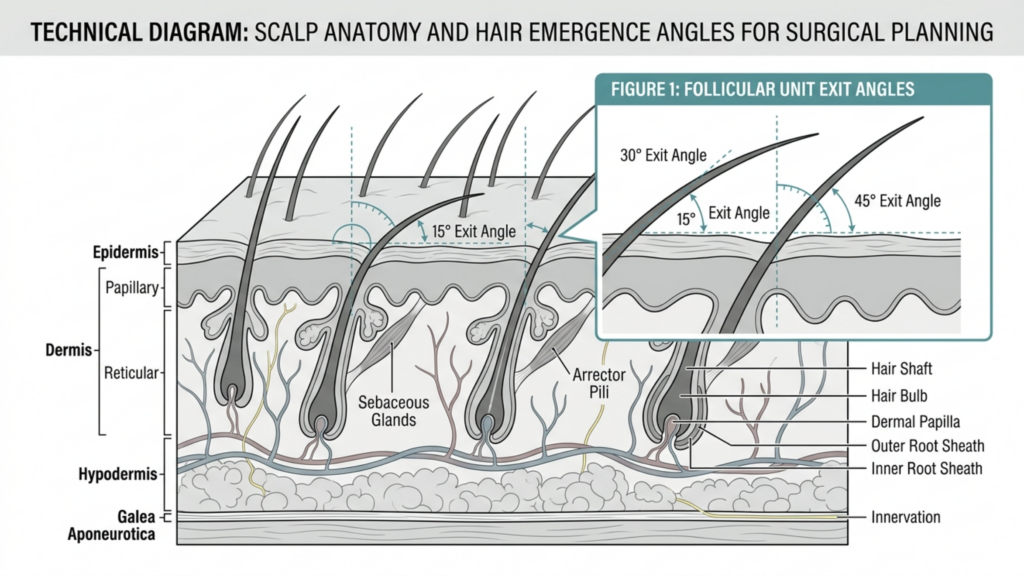
Tabla de contenido
La promesa frente a la realidad: lo que no te cuentan sobre las tasas de éxito de los trasplantes capilares.
Las clínicas presumen de tasas de éxito del 951% o superiores, pero estas cifras son engañosas. ¿La verdad? Solo el 601% de los pacientes logran la densidad y la naturalidad que se les prometió. (Revista de Dermatología Cosmética, 2025). El resto enfrenta complicaciones como:
- Líneas de cabello poco naturales: Una línea del cabello demasiado recta, demasiado baja o que carece de la irregularidad de los patrones de crecimiento naturales.
- Angulación deficiente: Injertos implantados en el ángulo incorrecto, lo que provoca que el cabello sobresalga de forma antinatural o quede plano contra el cuero cabelludo.
- Bajas tasas de supervivenciaHasta un 30% de los injertos no prosperan debido a una manipulación inadecuada, deshidratación o traumatismos durante la implantación.
- Necrosis y cicatrizaciónLa extracción excesiva de folículos o las técnicas de incisión inadecuadas pueden provocar daños permanentes en la zona donante.
- pérdida por shock: Pérdida temporal (o a veces permanente) del cabello existente debido al trauma causado por el procedimiento.
¿Por qué sucede esto? La respuesta radica en el tres fases críticas de un Transplante de pelo—cada una con su propio conjunto de riesgos de los que la mayoría de los pacientes nunca se enteran hasta que es demasiado tarde.
Fase 1: La extracción: donde la mayoría de los injertos mueren incluso antes de comenzar.
La primera etapa de un trasplante de cabello —la extracción de injertos de la zona donante— es donde hasta 40% de fallas originadas (Cirugía Dermatológica, 2025). Las clínicas suelen escatimar en este aspecto, lo que provoca daños irreversibles.
El debate FUE vs. FUT: por qué la técnica importa más de lo que crees.
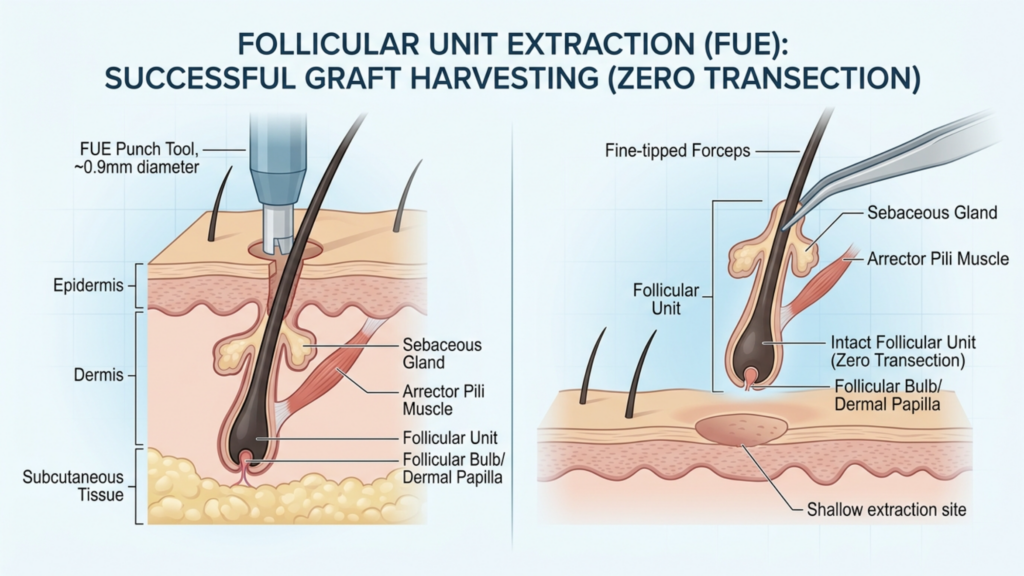
La extracción de unidades foliculares (FUE) es el estándar de oro por su mínima cicatrización, pero también es donde transección del injerto—cortar el folículo piloso durante la extracción— es lo más probable que ocurra. Los estudios demuestran que Técnicos sin experiencia seccionan hasta 15% de injertos Durante la FUE, los inutilizan incluso antes de ser implantados (Cirugía Plástica y Reconstructiva, 2025). El trasplante de unidades foliculares (FUT), aunque más invasivo, suele ofrecer mayores tasas de supervivencia del injerto cuando lo realiza un cirujano experto. cirujano. ¿El truco? La mayoría de las clínicas utilizan técnicos, no cirujanos, para las extracciones.—una medida de ahorro de costes que aumenta drásticamente las tasas de fallos.
La trampa de la zona donante: sobreexplotación y cicatrices permanentes
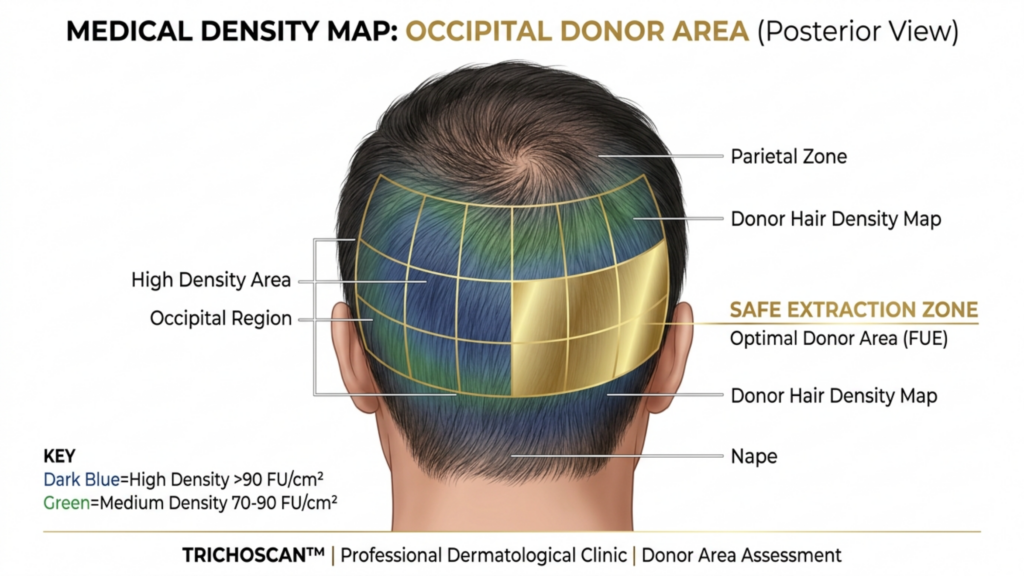
Otro error crítico es sobreexplotación—tomar demasiados injertos de la zona donante, lo que puede provocar:
- Adelgazamiento de la zona donante, lo que hace que parezca irregular o transparente.
- Necrosis (muerte del tejido) si los sitios de extracción están demasiado cerca entre sí, interrumpiendo el suministro de sangre.
- Cicatrices permanentes Eso se nota incluso con el pelo corto.
Un estudio de 2025 en el Revista de Ciencias Dermatológicas descubrió que 1 de cada 10 pacientes Quienes se sometieron a FUE sufrieron daños permanentes en la zona donante debido a la sobreexplotación. ¿La solución? Limitar la extracción a 25-30 injertos por cm². y asegurando que el procedimiento sea realizado por un cirujano, no soy técnico.
El desastre de la deshidratación: ¿Por qué mueren los injertos antes de la implantación?
Una vez extraídos, los injertos son frágiles. Cada minuto que pasan fuera del cuerpo reduce su tasa de supervivencia en 1%. (Foro Internacional de Trasplante Capilar, 2025). Muchas clínicas dejan los injertos expuestos al aire o en soluciones de almacenamiento subóptimas, lo que provoca deshidratación y muerte celular. ¿Cuál es el protocolo ideal?
- Los injertos deben almacenarse en solución salina hipotérmica (4 °C) para ralentizar el metabolismo y preservar la viabilidad.
- La implantación debería comenzar en 1-2 horas de extracción para maximizar la supervivencia.
- Los injertos nunca deben manipularse con fórceps, solo herramientas suaves y no traumáticas para evitar aplastamientos.
Fase 2: La implantación: donde nacen las líneas de cabello artificiales.
Incluso si los injertos sobreviven a la extracción, Las malas técnicas de implantación pueden arruinar todo el procedimiento.. ¿Los dos principales culpables? Errores de angulación y diseño de línea de cabello antinatural.
La crisis de angulación: ¿Por qué tu cabello sobresale como un cepillo de dientes?
El cabello no crece directamente del cuero cabelludo, sino que sale por un lado. Ángulo de 10–45°, dependiendo de la región. Cuando los injertos se implantan en el ángulo incorrecto, el resultado es un efecto de "cabello de muñeca", donde el cabello sobresale de forma antinatural. Un estudio de 2025 en Revista de Cirugía Estética descubrió que 40% de malos resultados en trasplantes capilares se debían a una angulación incorrecta. ¿La solución?
- Línea frontal del cabello: Ángulo de 10–20°, con una ligera inclinación hacia adelante.
- Parte media del cuero cabelludo: Ángulo de 20–30°, con transición hacia una dirección más vertical.
- Corona: Ángulo de 30–45°, con un patrón en espiral para un flujo natural.
El desastre del diseño de la línea del cabello: por qué la mayoría de los trasplantes parecen falsos.
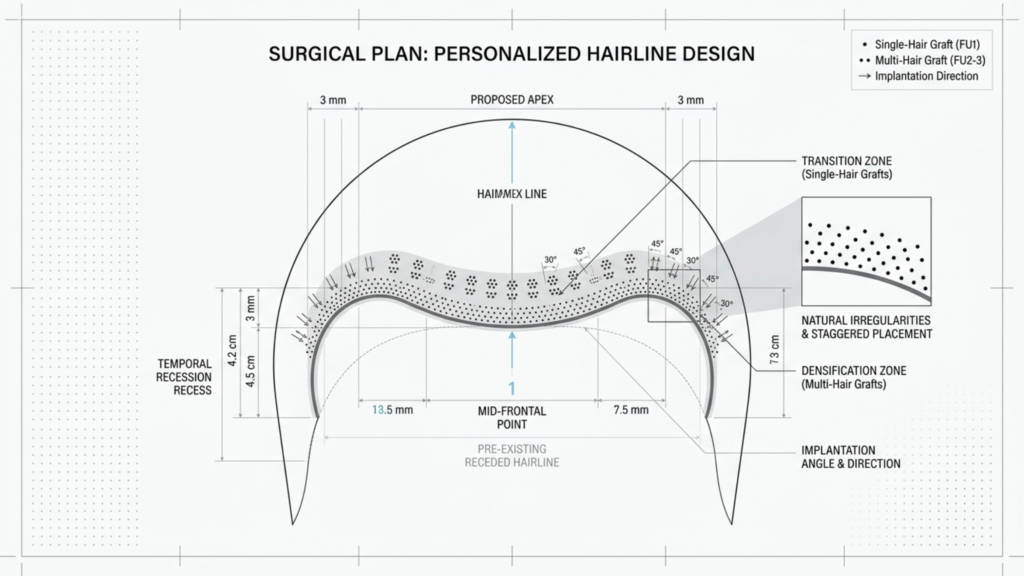
Una línea de cabello natural no es una línea recta, es irregular, con microirregularidades, injertos de un solo cabello en la parte frontal y aumentos graduales de la densidad.. Sin embargo, muchas clínicas crean:
- Líneas de cabello rectas, como de muñeca Barbie. que gritan “trasplante”.”
- Líneas de cabello demasiado bajas que se ven poco naturales a medida que el paciente envejece.
- Densidad excesivamente compactada en la zona frontal, lo que da lugar a una apariencia "taponada".
¿La solución? Diseño de línea de cabello personalizado Residencia en:
- Simetría y proporciones faciales.
- Altura de la línea del cabello acorde a la edad (más alta para pacientes mayores para tener en cuenta la posible recesión futura).
- Transiciones graduales de densidad, con injertos de un solo cabello en la parte frontal e injertos de varios cabellos en la parte posterior.
El fiasco de la profundidad: por qué algunos injertos nunca crecen.
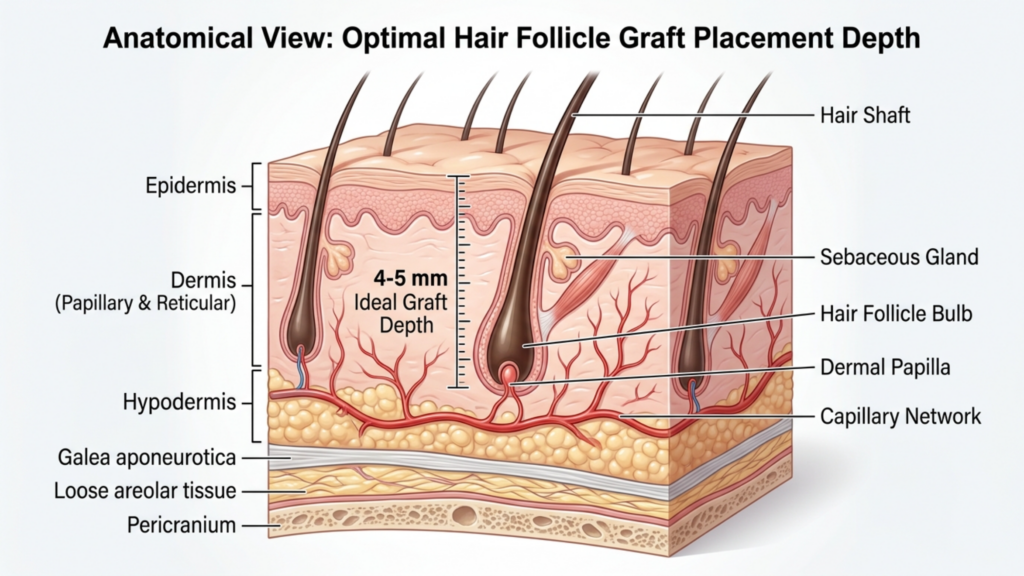
Injertos implantados demasiado superficialmente o demasiado profundamente no recibirá un flujo sanguíneo adecuado, lo que conlleva una baja tasa de supervivencia. ¿Cuál es la profundidad ideal?
- 4–5 mm debajo de la superficie de la piel, asegurando que el bulbo se sitúe en la capa de la dermis, donde el suministro de sangre es más abundante.
- Evitar colocación subcutánea (demasiado profundo), lo que priva a los injertos de oxígeno.
Fase 3: La recuperación: donde la pérdida por shock y la infección hacen estragos.
Incluso un trasplante perfectamente ejecutado puede fallar durante la recuperación. ¿Cuáles son las dos mayores amenazas? pérdida por shock y infección.
Pérdida repentina: El asesino silencioso del cabello existente
pérdida por shock—la caída temporal (o a veces permanente) del cabello existente— afecta 30% de pacientes (Revista Internacional de Tricología, 2025). Es causada por un traumatismo en el cuero cabelludo durante la implantación y es más común en:
- Pacientes con cabello fino o miniaturizado.
- Aquellos que se someten a empaquetamiento denso (demasiados injertos en una misma zona).
- Pacientes que fumar o tener mala circulación.
Las estrategias de prevención incluyen:
- minoxidil preoperatorio para fortalecer el cabello existente.
- Evitar la alta densidad de población en zonas con cabello fino.
- Plasma rico en plaquetas (PRP) postoperatorio para acelerar la curación.
Infección y necrosis: Cuando un trasplante se vuelve peligroso
Las infecciones ocurren en 5–10% de trasplantes capilares (Cirugía Dermatológica, 2025), a menudo debido a una higiene deficiente o a cuidados postoperatorios inadecuados. Si no se tratan, las infecciones pueden provocar:
- Foliculitis (folículos pilosos inflamados).
- Abscesos (bolsas llenas de pus).
- Necrosis (muerte del tejido) en casos graves.
La prevención requiere:
- profilaxis antibiótica (antibióticos preoperatorios y postoperatorios).
- Cuidados postoperatorios estériles, incluyendo un lavado suave y evitando tocar el cuero cabelludo.
- Seguimientos periódicos vigilar la aparición de signos de infección.
El dilema entre cirujano y técnico: por qué su elección podría determinar el éxito o el fracaso de sus resultados.
Esta es la cruda verdad: La mayoría de las clínicas de trasplante capilar utilizan técnicos, no cirujanos, para pasos críticos como la extracción y la implantación.. Si bien esto reduce los costos, aumenta drásticamente el riesgo de:
- transección del injerto (corte de folículos durante la extracción).
- Control deficiente de la angulación y la profundidad durante la implantación.
- sobreexplotación del área donante.
- Diseño de línea de cabello antinatural debido a la falta de formación artística.
Un estudio de 2025 en Cirugía Plástica y Reconstructiva descubrió que Los pacientes tratados por cirujanos tuvieron una tasa de supervivencia del injerto 25% mayor. en comparación con aquellos tratados por técnicos. ¿La conclusión? Insista en que un cirujano certificado realice cada paso de su procedimiento.—no solo supervisar.

Cómo detectar un trasplante de cabello fallido antes de que sea demasiado tarde.
Si estás considerando un trasplante de cabello, aquí te explicamos cómo hacerlo. evitar convertirse en una estadística más:
Señales de alerta en la consulta
- No se discuten los riesgos.Un cirujano de renombre le explicará las complicaciones como la caída del cabello por shock, las infecciones y las líneas de cabello poco naturales.
- Densidad garantizadaNingún cirujano puede garantizar la supervivencia del injerto 100%; tenga cuidado con las falsas promesas.
- Técnicos realizando cirugía: Insista en que un cirujano se encargue de la extracción y la implantación.
- No hay fotos del antes y el después. de pacientes reales (o solo imágenes muy editadas).
Señales de alerta en el procedimiento
- Extracción apresuradaSi el equipo extrae los injertos demasiado rápido, las tasas de transección se dispararán.
- Protocolo sin almacenamiento de injertosLos injertos que se dejen expuestos al aire o se almacenen incorrectamente morirán.
- Angulación incorrectaSi el equipo no utiliza herramientas especializadas para controlar los ángulos de los injertos, la línea del cabello tendrá un aspecto poco natural.
Señales de alerta en la recuperación
- No existe un plan de cuidados postoperatorios.Debería recibir instrucciones detalladas sobre el lavado, los medicamentos y el seguimiento.
- Signos de infección (enrojecimiento, hinchazón, pus) ignorados por la clínica.
- Desprendimiento temprano del injerto sin explicación (cierta caída de pelo es normal, pero una pérdida excesiva puede indicar una mala implantación).
El plan de 7 pasos para garantizar el éxito de tu trasplante capilar
Siga esta lista de verificación para Maximiza tus posibilidades de obtener un resultado natural, denso y permanente.:
- Elija un cirujano, no una clínica.: Verificar sus credenciales, experiencia y resultados antes y después.
- Solicita un diseño de línea capilar personalizado.Evita las plantillas genéricas. La línea del cabello debe coincidir con la simetría de tu rostro y tu edad.
- Insista en que la extracción y la implantación sean realizadas por un cirujano.Los técnicos solo deben prestar asistencia, no realizar pasos críticos.
- Confirmar los protocolos de almacenamiento de injertosLos injertos deben conservarse en solución salina hipotérmica e implantarse en un plazo de 2 horas.
- Prepara tu cuero cabelludo: Utilice minoxidil o PRP antes de la cirugía para fortalecer el cabello existente y reducir la caída por choque.
- Siga los cuidados postoperatorios al pie de la letra.Evite fumar, consumir alcohol y realizar actividades extenuantes durante al menos 2 semanas. Duerma en posición vertical para reducir la hinchazón.
- Asista a todas las citas de seguimiento.: Vigilar la presencia de infección, pérdida por shock y supervivencia del injerto. Abordar los problemas a tiempo para prevenir daños permanentes.
Conclusión: El éxito de tu trasplante capilar comienza con el conocimiento.
Un trasplante de cabello es un procedimiento que cambia la vida, pero solo si se realiza correctamente. La diferencia entre un resultado natural e indetectable y un desastre a menudo se reduce a... elegir al cirujano adecuado, comprender los riesgos y seguir un plan meticuloso. No dejes que el precio o la comodidad dicten tu decisión. Tu cabello es una inversión en tu confianza e identidad, y merece lo mejor.
Si estás listo para dar el siguiente paso, Consulte con un cirujano certificado. Quien prioriza el arte, la precisión y tu satisfacción a largo plazo. Tu yo del futuro te lo agradecerá.

Preguntas frecuentes
¿Por qué algunos trasplantes de cabello se ven poco naturales?
Los trasplantes capilares poco naturales suelen ser consecuencia de una angulación incorrecta, un diseño inadecuado de la línea del cabello o una densidad excesiva de injertos. Un cirujano experto creará una línea del cabello con microirregularidades e implantará los injertos en el ángulo correcto (10–45°) para imitar los patrones de crecimiento natural.
¿Cómo puedo evitar la caída del cabello por shock después de un trasplante capilar?
Para minimizar la caída del cabello por choque, utilice minoxidil preoperatorio para fortalecer el cabello existente, evite la aplicación densa en áreas con cabello fino y considere los tratamientos postoperatorios con PRP (Plasma Rico en Plaquetas) para acelerar la cicatrización y reducir la caída.
¿Cuál es la diferencia entre FUE y FUT, y cuál es mejor?
La FUE (Extracción de Unidades Foliculares) es menos invasiva y deja cicatrices mínimas, pero conlleva un mayor riesgo de sección del injerto si no la realiza un cirujano experto. El FUT (Trasplante de Unidades Foliculares) ofrece mayores tasas de supervivencia del injerto, pero deja una cicatriz lineal. La mejor opción depende de su patrón de pérdida de cabello y de la experiencia del cirujano.
¿Cómo puedo saber si mi cirujano de trasplante capilar está cualificado?
Un cirujano cualificado debe estar certificado, tener amplia experiencia en restauración capilar y proporcionar fotos transparentes del antes y el después de pacientes reales. Evite las clínicas donde los técnicos realizan pasos cruciales como la extracción y la implantación.
¿Se puede solucionar un trasplante de cabello fallido?
Sí, pero es complejo. Los procedimientos de reparación suelen requerir la extracción de injertos mal colocados, la corrección del tejido cicatricial y el reimplante de injertos con la angulación y densidad adecuadas. Para obtener los mejores resultados, elija un cirujano con experiencia en casos de reparación.
¿Cuánto tiempo se tarda en ver los resultados finales de un trasplante de cabello?
El crecimiento inicial comienza a los 3-4 meses, pero los resultados completos se obtienen entre 12 y 18 meses. La paciencia es fundamental: apresurar el proceso o esperar una densidad inmediata puede generar decepción.
¿Cuáles son los síntomas de un trasplante capilar fallido?
Algunos signos incluyen una línea de cabello recta o demasiado baja, cabello que sobresale en ángulos poco naturales, cicatrices visibles, densidad irregular y enrojecimiento o hinchazón persistentes. Si observa alguno de estos síntomas, consulte a un especialista en reparación capilar de inmediato.