
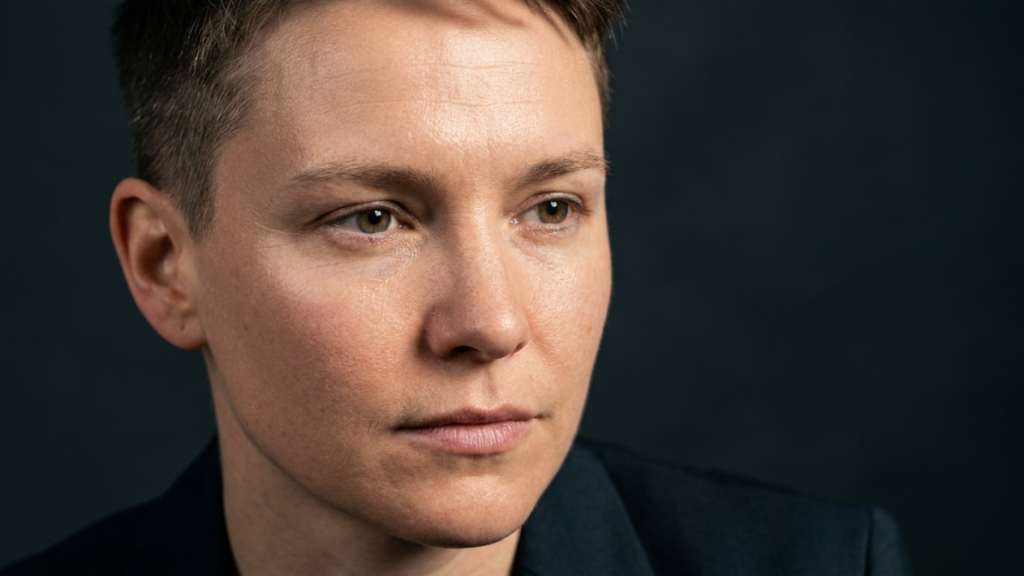
In 2026, Gezichtsfeminisering Chirurgie (FFS) continues to evolve as a cornerstone of gender-affirming care, particularly for non-binary individuals seeking androgynous facial features. Unlike traditional FFS, which often aims for a fully feminine appearance, non-binary FFS is highly customizable, focusing on softening or refining specific facial characteristics to achieve a balanced, gender-neutral, or subtly androgynous look. This guide explores the latest surgical techniques, expert insights, costs, recovery, and the unique considerations for non-binary patients pursuing FFS.
Inhoudsopgave
Why Non-Binary FFS?
For many non-binary individuals, the face is a primary source of gender dysphoria. Traditional binary gender norms often associate specific facial features with masculinity or femininity, making it challenging for non-binary people to feel comfortable in their own skin. Non-binary FFS offers a way to align facial features with a more authentic, gender-neutral, or androgynous identity, reducing dysphoria and improving quality of life.

Customizing FFS for Androgynous Results
Non-binary FFS is not a one-size-fits-all procedure. Instead, it is a highly individualized process that considers each patient’s unique facial structure, personal goals, and desired level of androgyny. Here’s how surgeons approach customization in 2026:
1. Surgical Techniques for Androgynous Features
Non-binary FFS often involves a combination of procedures, tailored to soften or refine specific features without fully feminizing the face. Common techniques include:
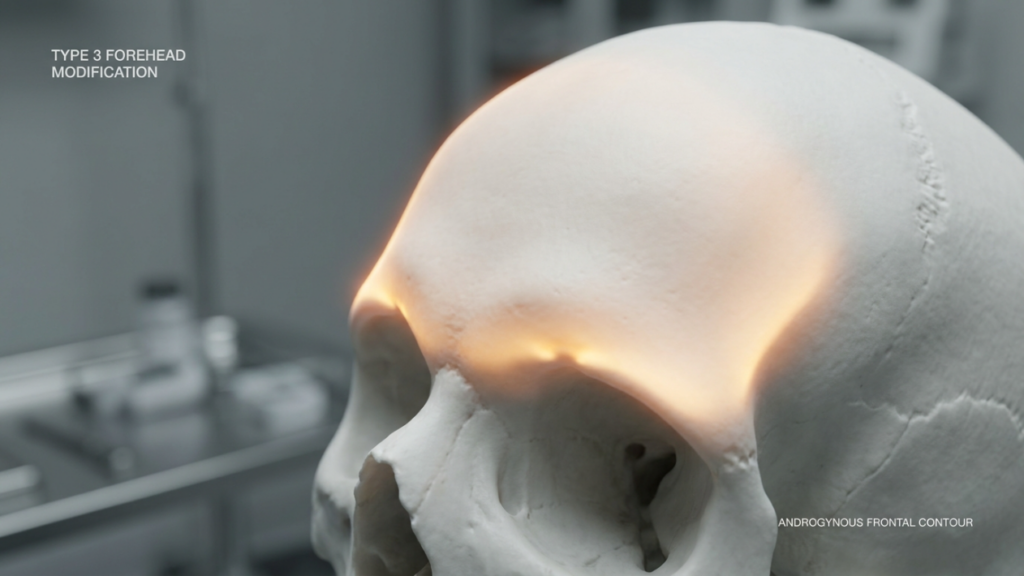
- Voorhoofd contouren: Reducing the prominence of the brow ridge and reshaping the forehead to create a smoother, more neutral contour. This can be achieved through Type 3 forehead reconstruction, which avoids over-feminization while still softening masculine features.
- Kaak- en kincorrectie: Softening a square or angular jawline and refining the chin to achieve a more balanced, less masculine appearance. This may involve genioplastiek (chin surgery) or kaakverkleining, often using minimally invasive techniques to preserve natural facial harmony.
- Neuscorrectie: Reshaping the nose to create a more neutral or slightly feminine profile, avoiding overly delicate or exaggerated features. The goal is to achieve a nose that complements the rest of the face without conforming to binary gender norms.
- Wangvergroting: Enhancing cheekbones to add subtle fullness and contour, which can create a more balanced and harmonious facial structure. This is often done using vet enten or implants, depending on the patient’s anatomy and preferences.
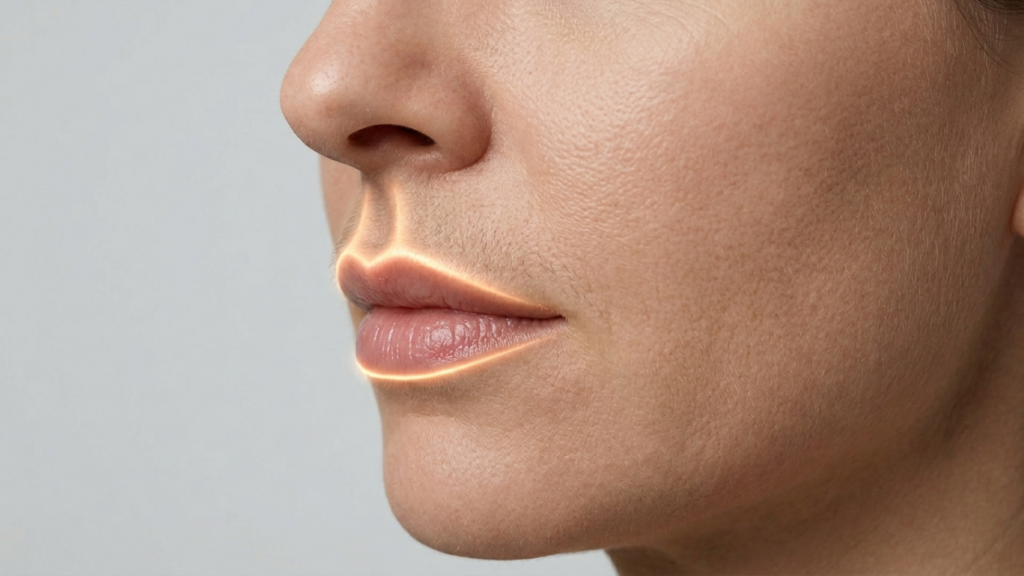
- Lipcorrectie of -vergroting: Creating a more defined or slightly fuller lip shape, which can add softness to the face without appearing overtly feminine.
- Tracheale scheerbeurt: Reducing the prominence of the Adam’s apple to create a smoother neck profile, which can help achieve a more gender-neutral appearance.
These procedures are often combined in a way that respects the patient’s desire for androgyny, rather than adhering to traditional binary standards. For example, a non-binary patient might opt for voorhoofd contouren and jaw reshaping without pursuing rhinoplasty or cheek augmentation, depending on their specific goals.

2. Virtual Surgical Planning and 3D Imaging
In 2026, virtual surgical planning (VSP) and 3D imaging have become standard tools in non-binary FFS. These technologies allow surgeons and patients to simulate potential outcomes before surgery, ensuring that the final result aligns with the patient’s vision for their androgynous features. VSP enables precise, personalized surgical plans, reducing the risk of over-correction or under-correction and helping patients feel more confident in their decisions.
For non-binary patients, VSP is particularly valuable because it allows for subtle adjustments that may not be possible with traditional surgical planning. Surgeons can experiment with different levels of feature refinement, ensuring the final result is neither too masculine nor too feminine, but perfectly androgynous.
3. Expert Insights: The Role of the Surgeon
Choosing the right surgeon is critical for non-binary FFS. In 2026, leading surgeons specializing in gender-affirming care emphasize the importance of experience, cultural competency, and a patient-centered approach. Here’s what experts recommend:
- Experience with Non-Binary Patients: Surgeons with a track record of working with non-binary individuals understand the nuances of creating androgynous results. They are skilled in avoiding binary assumptions and tailoring procedures to each patient’s unique identity.
- Culturele competentie: Non-binary patients often face unique challenges in healthcare settings. Surgeons who are knowledgeable about non-binary identities and the spectrum of gender expression can provide more empathetic and effective care.
- Collaborative Approach: The best surgeons work closely with patients to understand their goals, preferences, and concerns. They encourage open communication and provide realistic expectations about what can be achieved through surgery.
- Artistiek oog: Non-binary FFS requires a keen artistic sensibility. Surgeons must balance technical precision with an understanding of facial harmony, ensuring that the final result is both aesthetically pleasing and true to the patient’s identity.
Dokter Mehmet Fatih Okyay, a leading expert in gender-affirming surgery, notes: “Non-binary FFS is about more than just altering facial features—it’s about creating a face that reflects the patient’s inner sense of self. The key is to listen, understand, and collaborate with the patient to achieve a result that feels authentic and empowering.”
Costs of Non-Binary FFS in 2026
The cost of non-binary FFS varies widely depending on the procedures selected, the surgeon’s expertise, and the geographic location of the clinic. In 2026, here’s what patients can expect:
- Verenigde Staten: $20,000–$60,000 for a comprehensive set of procedures. Surgeons with specialized expertise in non-binary FFS may charge higher fees, but many offer financing options or payment plans.
- Kalkoen: $10,000–$25,000. Turkey has become a popular destination for FFS due to its combination of high-quality care and affordability. Clinics in Istanbul and Antalya, such as Dr. MFO Clinic, are renowned for their expertise in gender-affirming procedures.
- Thailand: $12,000–$30,000. Thailand is another leading destination for FFS, with clinics in Bangkok offering advanced techniques and competitive pricing.
- Europa: $15,000–$40,000. Countries like Spain and Germany are home to some of the world’s top FFS surgeons, with Facialteam in Marbella being a notable example.
Non-binary FFS is often less expensive than traditional FFS because it may involve fewer or less extensive procedures. However, patients should budget for additional costs, such as travel, accommodation, and aftercare, especially if pursuing surgery abroad.
Verzekeringsdekking
Insurance coverage for non-binary FFS varies by country and provider. In 2026, many insurance plans in the U.S. and Europe cover gender-affirming procedures, including FFS, under transgender healthcare policies. However, non-binary patients may face additional hurdles in securing coverage, as some insurers still operate under binary assumptions about gender-affirming care.
Patients are encouraged to work with their surgeon’s office to navigate insurance claims, as many clinics have dedicated staff to assist with pre-authorization and appeals. For those without insurance coverage, financing options and medical loans are widely available.
Herstel en nazorg
Recovery from non-binary FFS depends on the specific procedures performed, but most patients can expect the following timeline:
- First 2 Weeks: Swelling and bruising are common, and patients may experience discomfort. Most surgeons recommend taking at least 1–2 weeks off work or school to rest and recover.
- Weeks 3–6: Swelling begins to subside, and patients can gradually resume normal activities. However, strenuous exercise and heavy lifting should be avoided for at least 4–6 weeks.
- 3–6 Months: Final results begin to emerge as swelling continues to resolve. Some procedures, such as rhinoplasty or fat grafting, may take up to a year to fully settle.
- Lange termijn: Patients are advised to follow up with their surgeon regularly to monitor healing and address any concerns. Skincare, sun protection, and a healthy lifestyle are essential for maintaining results.
Non-binary patients often report high levels of satisfaction with their FFS results, citing improved self-confidence, reduced gender dysphoria, and a greater sense of alignment with their identity. Many describe the experience as life-changing, allowing them to present more authentically in both personal and professional settings.
Patient Testimonials and Expert Perspectives
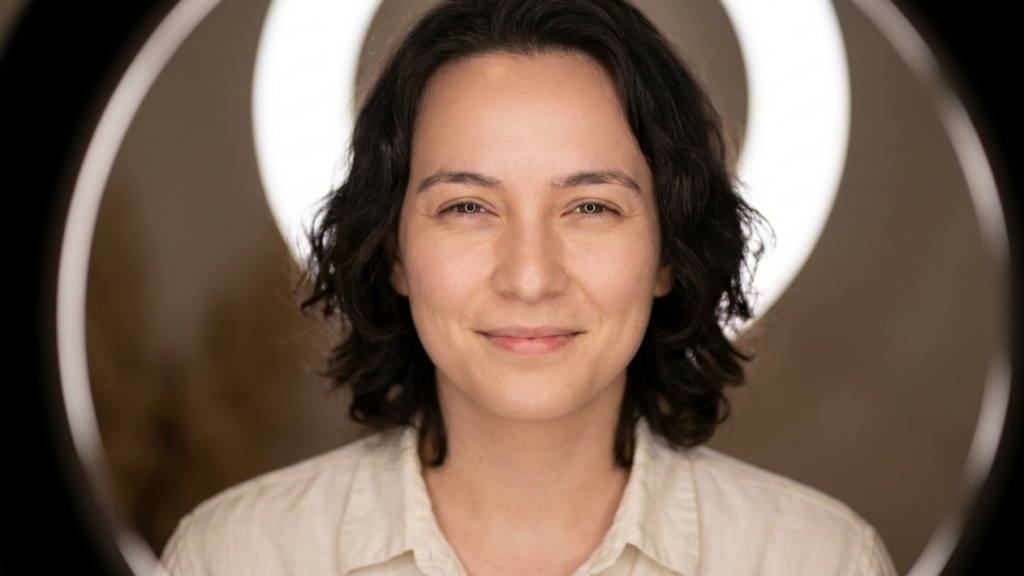
Patient testimonials highlight the transformative impact of non-binary FFS. Many individuals describe feeling more comfortable and confident in their appearance, with some noting that their results have helped them avoid misgendering and feel more seen in their daily lives.
“Before my FFS, I struggled with being misgendered constantly. I didn’t want to look fully feminine, but I wanted to soften my features enough to feel more like myself. My surgeon listened to my goals and created a plan that gave me a more androgynous look. Now, I feel like my face finally matches who I am inside.” — Alex, Non-Binary FFS Patient
Experts in the field emphasize the importance of individualized care for non-binary patients. Dr. Jens Berli, a leading FFS-chirurg, states: “Non-binary FFS is about breaking free from binary constraints. It’s not about conforming to a specific gender standard, but about helping patients achieve a face that feels true to their identity, whether that’s androgynous, gender-neutral, or something entirely unique.”
In 2026, the field of non-binary FFS continues to advance, with new techniques and technologies making it more accessible and effective than ever. For non-binary individuals considering FFS, the key is to find a surgeon who understands their goals, respects their identity, and has the expertise to deliver results that feel authentic and empowering.
Veelgestelde vragen
What is non-binary FFS, and how does it differ from traditional FFS?
Non-binary FFS is a customized approach to facial feminization surgery that focuses on achieving androgynous or gender-neutral results, rather than a fully feminine appearance. Unlike traditional FFS, which often aims to feminize all facial features, non-binary FFS allows patients to select specific procedures to soften or refine certain characteristics, creating a balanced and authentic look that aligns with their identity.
Which procedures are most commonly chosen for non-binary FFS?
Common procedures for non-binary FFS include forehead contouring, jaw and chin reshaping, rhinoplasty, cheek augmentation, lip lift or augmentation, and tracheal shave. The specific combination of procedures depends on the patient’s facial structure and personal goals, with an emphasis on achieving a natural, androgynous appearance.
How do surgeons customize FFS for non-binary patients?
Surgeons customize non-binary FFS through a collaborative process that involves detailed consultations, 3D imaging, and virtual surgical planning. Patients work closely with their surgeon to identify which features they want to refine or soften, ensuring the final result is neither too masculine nor too feminine, but perfectly androgynous.
What is the recovery process like for non-binary FFS?
Recovery from non-binary FFS varies depending on the procedures performed, but most patients can expect swelling and bruising for the first 2 weeks. Full recovery typically takes 3–6 months, with final results becoming visible as swelling subsides. Patients are advised to follow their surgeon’s aftercare instructions and attend follow-up appointments to monitor healing.
How much does non-binary FFS cost in 2026?
The cost of non-binary FFS in 2026 ranges from $10,000 to $60,000, depending on the procedures selected, the surgeon’s expertise, and the geographic location. Turkey and Thailand are popular destinations for affordable, high-quality FFS, while the U.S. and Europe offer advanced expertise at a higher cost.
Is non-binary FFS covered by insurance?
Insurance coverage for non-binary FFS varies by country and provider. In the U.S. and Europe, many insurance plans cover gender-affirming procedures, including FFS, but non-binary patients may need to advocate for coverage. Working with a surgeon’s office that has experience navigating insurance claims can help streamline the process.
Hoe kies ik de juiste chirurg voor een gezichtsveranderende operatie voor non-binaire personen?
Choosing the right surgeon for non-binary FFS involves researching their experience, cultural competency, and patient reviews. Look for surgeons who specialize in gender-affirming care, have a track record of working with non-binary patients, and prioritize a collaborative, patient-centered approach. Consultations are a great opportunity to discuss your goals and assess whether the surgeon is the right fit for you.