
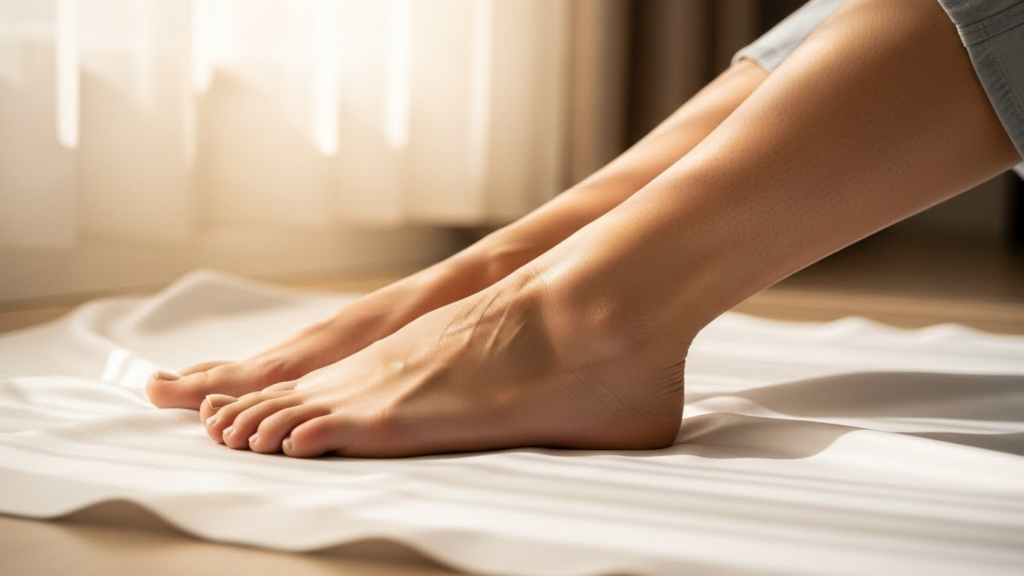
Voor veel mensen is de weg naar een uiterlijk dat in overeenstemming is met hun genderidentiteit een zeer persoonlijke en ingrijpende transformatie. Onder de verschillende genderbevestigende procedures, Voet feminisatie chirurgie (FFS) is een gespecialiseerde ingreep die is ontworpen om de voeten te hervormen en te verfijnen, waardoor een meer traditioneel vrouwelijke esthetiek wordt gecreëerd. Deze operatie gaat niet alleen over het veranderen van de fysieke vorm; het gaat erom een gevoel van congruentie en comfort in de eigen huid te bevorderen, een cruciale stap voor mensen die genderdysforie willen verlichten die verband houdt met hun voetstructuur.
De beslissing om een feminiseringsoperatie aan de voeten te ondergaan is een belangrijke, vaak gepaard gaande met een mix van verwachting en vragen over het vervolgtraject. Een van de meest cruciale aspecten is het herstelproces. Hoe lang duurt het? Wat zijn de beperkingen qua mobiliteit? Wat kan men verwachten qua pijn en genezing? Dit zijn niet alleen praktische vragen; ze zijn essentieel voor een goede fysieke en emotionele voorbereiding op een succesvol resultaat. Een duidelijk beeld van het herstelverloop en de verwachte mobiliteit is cruciaal voor het managen van verwachtingen, het plannen van het dagelijks leven en het garanderen van een optimaal herstel.
Voetvervrouwelijking omvat een reeks ingrepen, die elk zijn afgestemd op de unieke anatomie en esthetische wensen van de individuele patiënt. Deze ingrepen kunnen bestaan uit het verkorten of verlengen van de tenen, het corrigeren van hallux valgus (bunion), het versmallen van de voet en aanpassingen aan zacht weefsel en uitstekende botten. De complexiteit en omvang van deze ingrepen hebben direct invloed op de herstelperiode, waardoor het een zeer individuele ervaring is. Hoewel de wens naar een vrouwelijker voetuiterlijk de drijvende kracht is, vereist het herstelproces geduld, nauwgezette naleving van de postoperatieve instructies en een goed ondersteuningsnetwerk.
Deze uitgebreide gids is bedoeld om het herstelproces na een feminiseringsoperatie aan de voeten te verduidelijken. We gaan dieper in op de directe postoperatieve fase en beschrijven wat u kunt verwachten in de cruciale eerste weken, inclusief pijnbestrijding, zwelling en aanvankelijke beperkingen in de mobiliteit. Vervolgens bespreken we de mijlpalen van het vroege herstel, zoals de geleidelijke terugkeer naar lichte activiteiten en de start van fysiotherapie. Verdere hoofdstukken behandelen het revalidatietraject op de lange termijn, met aandacht voor de uiteindelijke terugkeer naar volledige activiteit en het belang van voortdurende zorg. Daarnaast bespreken we mogelijke complicaties, de emotionele aspecten van het herstel en geven we praktische tips voor een soepeler herstel. Door gedetailleerde inzichten te bieden en gebruik te maken van informatie van experts, wil dit artikel mensen die een feminiseringsoperatie overwegen, de kennis geven die nodig is om hun herstel met vertrouwen en duidelijkheid te doorlopen en uiteindelijk de gewenste esthetische en functionele resultaten te bereiken die bijdragen aan hun algehele welzijn.
Inhoudsopgave
Inzicht in voetvervrouwelijkingschirurgie: doelen en procedures
Voetfeminisatiechirurgie (FFS) is een reeks gespecialiseerde ingrepen die zijn ontworpen om een meer verfijnde en esthetisch aantrekkelijke voetstructuur te creëren, waardoor de voeten een traditioneel vrouwelijk uiterlijk krijgen. Deze operatie is een belangrijke stap voor veel mensen die hun fysieke verschijning in overeenstemming willen brengen met hun genderidentiteit.Dokter MFO, (z.d.). Het primaire doel is zowel esthetisch als, in sommige gevallen, functioneel, en richt zich op zaken als voetmaat, teenvorm en prominente botstructuren.
De specifieke procedures die bij FFS worden gebruikt, zijn zeer individueel en afgestemd op de unieke behoeften en gewenste resultaten van elke patiënt. Volgens dr. Vladimir Zeetser is een prominente voet en enkel een belangrijk aandachtspunt. chirurg, FFS kan een verscheidenheid aan ingrepen omvatten. Deze omvatten vaak esthetische verkorting of verlenging van de tenen, wat het algehele silhouet van de voet drastisch kan veranderen. Zo kunnen langere tenen worden verkort om een compactere en fijnere look te creëren, terwijl in sommige zeldzame gevallen verlenging kan worden overwogen om de verhoudingen in balans te brengen (Dr. Zeetser, nd).
Een ander veelvoorkomend onderdeel van FFS is de correctie van hallux valgus (bunion). Hallux valgus, een botuitgroei die ontstaat op het gewricht aan de basis van de grote teen, kan bijdragen aan een bredere, minder vrouwelijke voet. Geavanceerde technieken, zoals het FastForward Bunion Correction System, zijn erop gericht deze misvormingen te corrigeren, de voet smaller te maken en de vorm te verbeteren (Dr. Zeetser, nd). Ook worden vaak voetversmallende ingrepen uitgevoerd om de algehele breedte van de voet te verminderen, waardoor een slanker profiel ontstaat dat beter past in damesschoenen.
Naast het hervormen van de botten kan FFS ook aanpassingen aan het zachte weefsel omvatten. Vetkussenaugmentatie kan worden gebruikt om de demping te verbeteren en de esthetiek van de voetzool te verfraaien, met name in gebieden die er botachtig of dun uitzien. Correctie van andere voetdeformiteiten, verwijdering van likdoorns en eelt, en zelfs behandelingen voor nagelschimmel of ingegroeide nagels kunnen in het chirurgische plan worden opgenomen om een algehele feminisering van de voet te bereiken (Dr. Zeetser, nd). Deze procedures zijn er gezamenlijk op gericht een voet te creëren die niet alleen visueel vrouwelijk is, maar ook comfortabel en functioneel.
Goede kandidaten voor een feminiseringsoperatie aan de voeten zijn doorgaans personen met een goede algehele gezondheid die realistische verwachtingen hebben over de mogelijke resultaten en de bijbehorende risico's en voordelen begrijpen. Het zijn vaak mensen die genderdysforie ervaren met betrekking tot het uiterlijk van hun voeten en dit aspect van hun lichaam in overeenstemming willen brengen met hun genderidentiteit (Dr. MFO, nd). Een grondig consult met een gespecialiseerde chirurg is cruciaal om de doelen te bespreken, de voetstructuur te beoordelen en de meest geschikte combinatie van ingrepen te bepalen.
De directe postoperatieve fase: week 1-2
De eerste twee weken na een voetvervrouwelijkingsoperatie zijn de meest intensieve herstelperiode. Patiënten kunnen in deze tijd aanzienlijk ongemak en beperkte mobiliteit verwachten. Hoewel sommige FFS-procedures poliklinisch kunnen worden uitgevoerd, vereisen meer uitgebreide ingrepen mogelijk een kort verblijf in het ziekenhuis voor initiële controle en pijnbestrijding (TransVitae, 2025). De primaire focus in deze eerste dagen ligt op pijnbestrijding, het beheersen van zwelling en het beschermen van de operatieplekken.
Pijnbestrijding is een topprioriteit. Chirurgen schrijven doorgaans pijnstillers voor om het comfort te garanderen, en het is cruciaal om het voorgeschreven schema strikt na te leven. Het gebruik van een telefoonalarm of geschreven notities kan helpen om gemiste doses te voorkomen (TransVitae, 2025). Naast medicatie zijn niet-medicamenteuze methoden zoals het omhooghouden van de geopereerde voet en het aanbrengen van ijspakken essentieel. Het omhooghouden van de geopereerde voet boven hartniveau helpt zwelling en ontsteking te verminderen, terwijl het aanbrengen van ijspakken zoals aanbevolen door het medisch team verder bijdraagt aan het minimaliseren van ongemak en het bevorderen van genezing (FeetHealth.org, 2023).
De mobiliteit zal ernstig beperkt zijn. Afhankelijk van de omvang van de operatie zullen patiënten waarschijnlijk niet op de geopereerde voet mogen steunen en krukken, een rollator of een kniescooter nodig hebben. Deze beperking is cruciaal om de genezende botten en weke delen niet te belasten. Hulp bij dagelijkse taken, zoals douchen, aankleden en maaltijden bereiden, zal nodig zijn. Het is raadzaam om een vertrouwde vriend of familielid te vragen om ondersteuning te bieden gedurende deze cruciale periode (TransVitae, 2025).
Wondverzorging is een ander essentieel aspect van het directe herstel na een operatie. De operatieplekken worden afgedekt met verbanden, die volgens de instructies van de chirurg moeten worden vervangen. Nauwgezette wondverzorging helpt infecties te voorkomen en bevordert een optimale genezing. Patiënten moeten het operatiegebied controleren op tekenen van complicaties, zoals overmatige roodheid, warmte, pus of toenemende pijn, en deze onmiddellijk melden aan hun medisch team (FeetHealth.org, 2023).
Zwelling en blauwe plekken zijn normaal en te verwachten gedurende de eerste twee weken, vaak met een piek binnen 48-72 uur na de operatie. Hoewel het omhoog houden van het getroffen gebied en het gebruik van ijs helpen, duurt het even voordat de zwelling volledig is verdwenen. Geduld is essentieel, aangezien het uiteindelijke esthetische resultaat pas zichtbaar is wanneer de meeste zwelling is afgenomen. Rust is van het grootste belang; het lichaam heeft voldoende tijd en energie nodig om te herstellen. Het vermijden van inspannende activiteiten, langdurig staan en zwaar tillen is absoluut noodzakelijk gedurende deze eerste herstelperiode (La Belle Vie Cosmetic, 2025).
Vroege herstelmijlpalen: Week 3-6
Naarmate de eerste acute fase afneemt, markeren de weken 3 tot 6 een belangrijke overgang in het herstelproces na een voetvervrouwelijkingsoperatie. Gedurende deze periode ervaren patiënten doorgaans een geleidelijke verbetering van het comfort en een voorzichtige toename van hun zelfstandigheid. De intense pijn en zwelling van de eerste twee weken beginnen af te nemen, waardoor het ongemak draaglijker wordt.
Een belangrijke mijlpaal in deze fase is de mogelijke overgang van strikte niet-belasting naar gedeeltelijke belasting, afhankelijk van de specifieke uitgevoerde ingrepen en de beoordeling van de chirurg. Dit houdt vaak het gebruik in van speciaal schoeisel, zoals een looplaars of postoperatieve schoen, die steun en bescherming biedt en tegelijkertijd een gecontroleerde gewichtsverdeling mogelijk maakt. Krukken of een rollator kunnen nog steeds nodig zijn om het evenwicht te bewaren en de belasting op de genezende voet te verminderen (FeetHealth.org, 2023).
Lichte activiteiten kunnen geleidelijk aan weer worden opgepakt. Voor velen betekent dit dat ze weer aan een bureau of ander zittend werk kunnen beginnen, mits ze hun voet omhoog kunnen houden en langdurig staan of lopen vermijden. Het is echter cruciaal om naar het lichaam te luisteren en niet te snel te veel te forceren. Overmatige inspanning kan leiden tot meer zwelling, pijn en mogelijk het genezingsproces belemmeren (La Belle Vie Cosmetic, 2025).
Fysiotherapie begint vaak in deze fase. Een fysiotherapeut begeleidt patiënten door middel van lichte oefeningen die gericht zijn op het verbeteren van de kracht, flexibiliteit en bewegingsvrijheid in de voet en enkel. Deze oefeningen zijn essentieel om stijfheid te voorkomen, de spierfunctie te herstellen en de voet voor te bereiden op activiteiten waarbij het gewicht meer op de voet rust. Het consequent volgen van het fysiotherapieprogramma is cruciaal voor een sneller herstel en het behalen van optimale resultaten op de lange termijn (FeetHealth.org, 2023).
Het beheersen van aanhoudende zwelling en ongemak blijft belangrijk. Hoewel de aanvankelijke acute zwelling afneemt, kan er nog enkele weken of zelfs maanden sprake zijn van enige zwelling. Het omhooghouden van het getroffen gebied, koelen en compressie (indien aanbevolen door de chirurg) kunnen hierbij helpen. Regelmatige controleafspraken met het chirurgisch team zijn essentieel om de voortgang van de genezing te controleren, eventuele problemen aan te pakken en het herstelplan indien nodig aan te passen. Deze controles zorgen ervoor dat de botten goed vergroeien en dat de weke delen zonder complicaties genezen.
Progressieve mobiliteit en revalidatie: weken 7-12
De periode tussen week 7 en 12 markeert een belangrijke fase van progressieve mobiliteit en intensievere revalidatie na een feminiseringsoperatie aan de voet. Gedurende deze fase ervaren patiënten doorgaans een aanzienlijke verbetering in hun vermogen om gewicht te dragen en zich vrijer te bewegen, waardoor ze geleidelijk minder afhankelijk worden van hulpmiddelen. De focus verschuift van het beschermen van de operatieplek naar het actief herstellen van de volledige functie en kracht in de voet.
Naarmate het botgenezingsproces vordert, zullen patiënten geleidelijk overgaan van gedeeltelijke naar volledige belasting van het been, vaak onder begeleiding van hun fysiotherapeut. De loopgips of speciale schoen kan geleidelijk worden afgebouwd, waardoor weer normaal, ondersteunend schoeisel kan worden gedragen. Deze overgang wordt zorgvuldig begeleid om ervoor te zorgen dat de voet de toegenomen belasting veilig aankan zonder het operatieresultaat in gevaar te brengen. Het is cruciaal om dit proces niet te overhaasten, aangezien het voortijdig verwijderen van de ondersteuning kan leiden tot terugval of complicaties.
De fysiotherapie wordt in deze weken intensiever. Oefeningen zijn erop gericht de bewegingsvrijheid verder te verbeteren, de spieren rond de voet en enkel te versterken en het evenwicht en de proprioceptie te verbeteren. Dit kan oefeningen omvatten die gericht zijn op specifieke teenbewegingen, enkelrotaties en gewichtdragende activiteiten die dagelijkse bewegingen nabootsen. Het doel is om de structurele integriteit van de voet te herstellen en deze voor te bereiden op een breder scala aan activiteiten (FeetHealth.org, 2023).
Patiënten kunnen doorgaans de meeste lichte dagelijkse activiteiten en bureauwerk zonder noemenswaardige beperkingen hervatten, mits ze eventuele resterende zwelling of pijn blijven behandelen. Autorijden kan ook worden hervat zodra de patiënt geen pijnstillers meer gebruikt en veilig een voertuig kan besturen, met name als de rechtervoet is geopereerd (La Belle Vie Cosmetic, 2025). Activiteiten met een hoge impact, draaiende bewegingen of langdurig staan moeten echter nog steeds met de nodige voorzichtigheid worden benaderd en alleen in overleg met de chirurg.
Littekenbeheer is ook een belangrijk aandachtspunt in deze fase. Zodra de incisies volledig gesloten en droog zijn, kunnen patiënten siliconenpleisters, gels of massagetechnieken gaan gebruiken om littekenvorming te minimaliseren en de huidstructuur te verbeteren. Regelmatige communicatie met het chirurgisch team en de fysiotherapeut is essentieel om ervoor te zorgen dat de revalidatie naar verwachting verloopt en om eventuele aanhoudende pijn, stijfheid of problemen met de mobiliteit aan te pakken. Deze periode draait om het opbouwen van veerkracht en het voorbereiden van de voet op de eisen van het dagelijks leven.
Langdurig herstel en volledige activiteit: maanden 3-6 en verder
Het herstelproces na een feminiseringsoperatie aan de voet duurt veel langer dan de eerste weken. De periode van 3 tot 6 maanden en langer is de fase waarin patiënten geleidelijk hun normale activiteiten hervatten en het uiteindelijke resultaat van de ingreep ervaren. Deze lange periode kenmerkt zich door voortdurende genezing, verbetering van de mobiliteit en de integratie van de gefeminiseerde voet in het dagelijks leven.
Na drie maanden worden de meeste chirurgische beperkingen doorgaans opgeheven, waardoor een meer geleidelijke terugkeer naar normale activiteiten mogelijk is. Dit omvat het hervatten van intensieve lichaamsbeweging, sport en andere activiteiten met een hoge impact die eerder beperkt waren. Het tempo van de terugkeer moet echter altijd worden afgestemd op het individuele herstel en het advies van het chirurgisch team en de fysiotherapeut. Het is belangrijk om deze activiteiten geleidelijk weer op te pakken om overbelasting van de nieuw genezen structuren te voorkomen (La Belle Vie Cosmetic, 2025).
Fysiotherapie kan in deze fase worden voortgezet, met de nadruk op geavanceerde kracht-, behendigheids- en uithoudingsoefeningen. Het doel is ervoor te zorgen dat de voet zijn volledige functionele capaciteit terugkrijgt, zodat comfortabel en vol vertrouwen aan alle gewenste activiteiten kan worden deelgenomen. Dit kan sportspecifieke training inhouden of oefeningen die zijn afgestemd op individuele hobby's en levensstijl. Consistente deelname aan de revalidatie is cruciaal voor het optimaliseren van de resultaten op lange termijn (FeetHealth.org, 2023).
De uiteindelijke esthetische resultaten van een voetvervrouwelijkingsoperatie worden steeds duidelijker naarmate de resterende zwelling volledig verdwijnt. Hoewel aanzienlijke zwelling binnen de eerste paar maanden afneemt, kan subtiele zwelling tot een jaar of zelfs langer aanhouden, vooral na uitgebreide botreconstructie. Geduld is essentieel gedurende deze periode, aangezien de ware contouren en vorm van de voet zich in de loop der tijd verder zullen verfijnen. De resultaten van een voetvervrouwelijkingsoperatie zijn over het algemeen permanent, hoewel natuurlijke veranderingen als gevolg van veroudering of andere factoren in de loop der jaren kunnen optreden (Dr. MFO, nd).
Langdurige voetverzorging is essentieel voor het behoud van de resultaten en de algehele voetgezondheid. Dit omvat het dragen van geschikte, ondersteunende schoenen die zich aanpassen aan de nieuwe voetvorm en onnodige drukpunten vermijden. Regelmatige zelfcontrole op ongemak of veranderingen in het gevoel in de voeten is ook belangrijk. Voor velen leidt het succesvolle resultaat van FFS tot een betere mentale gezondheid, verbeterd sociaal functioneren en een grotere algehele levensvoldoening, omdat hun fysieke verschijning beter aansluit bij hun genderidentiteit (La Belle Vie Cosmetic, 2025).
Mogelijke complicaties en hoe deze aan te pakken
Hoewel een feminiseringsoperatie aan de voeten over het algemeen positieve resultaten oplevert, is het essentieel om op de hoogte te zijn van mogelijke complicaties die tijdens het herstelproces kunnen optreden. Inzicht in deze risico's en weten hoe u ze tijdig kunt aanpakken, is cruciaal voor een veilig en succesvol herstel. Zoals bij elke chirurgische ingreep, brengt een feminiseringsoperatie aan de voeten bepaalde inherente risico's met zich mee, en open communicatie met uw chirurgisch team is van het grootste belang.
Een van de meest voorkomende mogelijke complicaties is een infectie op de operatieplek. Tekenen van een infectie zijn onder andere toegenomen pijn, roodheid, warmte, zwelling of de aanwezigheid van pus. Als een van deze symptomen zich voordoet, is het cruciaal om onmiddellijk contact op te nemen met uw medisch team. Tijdig ingrijpen met antibiotica of andere behandelingen kan voorkomen dat de infectie verergert en de impact ervan op het herstel minimaliseren (FeetHealth.org, 2023).
Een slechte wondgenezing is een andere factor die het herstel kan vertragen. Factoren zoals onderliggende gezondheidsproblemen, voedingstekorten of onvoldoende wondverzorging kunnen bijdragen aan een trage of onvolledige genezing. Uw chirurg zal u gedetailleerde instructies geven over de wondverzorging, en het is van essentieel belang om deze richtlijnen nauwgezet op te volgen. Elke ongebruikelijke afscheiding, aanhoudende wondopening of vertraagde wondsluiting dient u te melden aan uw arts (FeetHealth.org, 2023).
Zenuwschade is, hoewel zeldzaam, een potentieel risico. Dit kan zich uiten als gevoelloosheid, tintelingen of een veranderd gevoel in delen van de voet. Hoewel tijdelijke veranderingen in het gevoel normaal zijn na een operatie, moeten aanhoudende of ernstige zenuwklachten door uw chirurg worden onderzocht. In sommige gevallen kan de zenuwfunctie geleidelijk verbeteren, maar het is belangrijk om de situatie in de gaten te houden en eventuele problemen te melden.
Ontevredenheid over het esthetische of functionele resultaat is ook mogelijk. Ondanks zorgvuldige planning en uitvoering kunnen individuele genezingspatronen en subjectieve percepties leiden tot resultaten die niet volledig aan de verwachtingen voldoen (Dr. MFO, nd). Dit onderstreept het belang van realistische verwachtingen vanaf het begin en van een grondig gesprek met uw chirurg tijdens het consult. Als er zorgen ontstaan over het resultaat, kan een vervolgconsult met uw chirurg helpen om mogelijke oplossingen of correcties te onderzoeken.
Andere, minder vaak voorkomende complicaties kunnen bloedstolsels, overmatige littekenvorming of problemen met botgenezing zijn. Uw chirurgisch team zal deze risico's vóór de ingreep met u bespreken en u adviseren over hoe u deze kunt minimaliseren. Het is cruciaal om alle pre- en postoperatieve instructies op te volgen, inclusief beperkingen in activiteiten en medicatievoorschriften, om de kans op complicaties te verkleinen. Door ongebruikelijke symptomen of zorgen direct aan uw medisch team te melden, kunnen eventuele problemen effectief worden aangepakt, waardoor uw herstel op gang komt en uw voetgezondheid op lange termijn wordt gewaarborgd.
Emotionele en psychologische aspecten van herstel
Het herstelproces na een voetvervrouwelijkingsoperatie gaat veel verder dan alleen fysieke genezing; het omvat een diepgaand emotioneel en psychologisch proces. Hoewel de verwachting van een vrouwelijker voetvorm opwindend kan zijn, brengt de postoperatieve periode vaak een complex scala aan gevoelens met zich mee. Inzicht in deze veelvoorkomende emotionele reacties en de voorbereiding daarop kunnen het algehele herstelproces aanzienlijk verbeteren.
Veel patiënten ervaren tijdens hun herstel wat vaak wordt omschreven als een "emotionele achtbaan". Ondanks een positief resultaat van de operatie kunnen gevoelens van postoperatieve depressie, angst of zelfs een gevoel van vervreemding ontstaan. Deze emoties kunnen voortkomen uit verschillende factoren, waaronder de stress van de operatie, de effecten van pijnstillers, tijdelijke beperkingen in activiteiten en de psychologische aanpassing aan ingrijpende fysieke veranderingen (La Belle Vie Cosmetic, 2025). Het is belangrijk te erkennen dat deze gevoelens normaal zijn en deel uitmaken van het genezingsproces.
Geduld en zelfcompassie zijn onschatbare deugden in deze periode. De aanvankelijke zwelling en blauwe plekken kunnen het uiteindelijke resultaat verbergen, waardoor het lastig kan zijn om de gewenste veranderingen direct te zien. Dit kan leiden tot frustratie of teleurstelling. Jezelf eraan herinneren dat genezing tijd kost en dat het ware esthetische resultaat geleidelijk aan zichtbaar wordt, kan helpen om deze gevoelens te beheersen. Jezelf toestaan om emoties zonder oordeel te verwerken, of het nu euforie, opluchting, kwetsbaarheid of verdriet is, is cruciaal voor mentaal welzijn (TransVitae, 2025).
Het belang van een sterk ondersteuningssysteem kan niet genoeg benadrukt worden. Vertrouwde vrienden, familieleden of partners kunnen niet alleen praktische hulp bieden bij dagelijkse taken, maar ook essentiële emotionele steun. Regelmatige gesprekken met professionals in de geestelijke gezondheidszorg die bekend zijn met genderovergang kunnen enorm nuttig zijn bij het omgaan met complexe emoties en het ontwikkelen van gezonde copingstrategieën. Deelname aan steungroepen, zowel online als offline, kan ook een gevoel van gemeenschap en erkenning geven en mensen eraan herinneren dat ze niet alleen staan in hun ervaringen (TransVitae, 2025).
Het is essentieel om realistische verwachtingen te hebben over zowel de fysieke als de emotionele aspecten van het herstel. Hoewel FFS (Facial Feminization Surgery) een leven kan veranderen, is het geen magische oplossing voor alle uitdagingen. Er zullen goede en moeilijke dagen zijn, en de vooruitgang zal niet altijd lineair verlopen. Door deze reis te omarmen met een houding van zelfzorg en begrip, creëer je een veerkrachtiger en uiteindelijk meer bevredigend herstel. De psychologische impact van het bereiken van fysieke overeenstemming met je genderidentiteit is enorm, wat leidt tot meer zelfvertrouwen en een groter gevoel van authenticiteit. Dit zijn de ultieme voordelen van een succesvolle transitie.

Conclusie: Jouw weg naar vrouwelijke voetcongruentie
De stap naar een feminiserende voetoperatie is een zeer persoonlijke en moedige beslissing, die een belangrijke stap vormt naar fysieke overeenstemming met iemands genderidentiteit. Deze uitgebreide gids geeft inzicht in het complexe herstelproces en de verwachtingen ten aanzien van mobiliteit, en biedt een routekaart voor mensen die deze transformatieve ingreep overwegen of ondergaan. Van de directe nazorg tot de terugkeer naar volledige activiteit op de lange termijn: inzicht in elke fase is essentieel voor een succesvol en bevredigend resultaat.
We hebben onderzocht hoe voetvervrouwelijkingschirurgie een reeks gespecialiseerde ingrepen omvat, waaronder het verkorten van de tenen, het corrigeren van hallux valgus (bunion) en het versmallen van de voet, allemaal gericht op het creëren van een meer delicate en esthetisch vrouwelijke voetstructuur. De eerste weken na de operatie vereisen nauwgezette aandacht voor pijnbestrijding, het verminderen van zwelling door het omhoog leggen en koelen van de voet, en strikte naleving van het protocol voor het niet belasten van de voet. Deze fundamentele periode is cruciaal voor het delicate herstel van botten en zacht weefsel, en vormt de basis voor verdere vooruitgang.
Naarmate het herstel vordert, verschuift de focus geleidelijk naar het herwinnen van mobiliteit. De overgang van niet-belasten naar gedeeltelijk en vervolgens volledig belasten wordt zorgvuldig begeleid, vaak met behulp van speciaal schoeisel en de cruciale begeleiding van een fysiotherapeut. Deze vroege en progressieve revalidatiefasen zijn essentieel voor het herstellen van kracht, flexibiliteit en bewegingsbereik, waardoor een geleidelijke terugkeer naar lichte dagelijkse activiteiten en uiteindelijk naar meer inspannende bezigheden mogelijk wordt. Het langdurige herstel, dat maanden na de operatie duurt, zorgt voor het volledig verdwijnen van de zwelling en het bereiken van het uiteindelijke esthetische resultaat, waardoor een volledige terugkeer naar alle gewenste activiteiten en een hernieuwd gevoel van zelfvertrouwen mogelijk is.
Het is even belangrijk om de mogelijke uitdagingen en emotionele complexiteit die tijdens het herstel kunnen ontstaan te erkennen en je daarop voor te bereiden. Hoewel complicaties zoals infecties of vertraagde genezing zeldzaam zijn, is het essentieel om te weten hoe je ze snel kunt herkennen en aanpakken. Bovendien benadrukt het emotionele traject, gekenmerkt door een spectrum aan gevoelens van euforie tot angst, de noodzaak van geduld, zelfcompassie en een sterk ondersteuningsnetwerk. De psychologische voordelen van een succesvolle FFS, waaronder een groter zelfvertrouwen en een diep gevoel van authenticiteit, worden vaak omschreven als levensveranderend.
Uiteindelijk is uw weg naar vrouwelijke voetcongruentie een bewijs van uw veerkracht en toewijding. Grondige voorbereiding, nauwgezette naleving van de postoperatieve instructies en open communicatie met uw chirurgisch team en fysiotherapeut vormen de basis voor een soepel herstel. Doe onderzoek, raadpleeg ervaren specialisten in genderbevestigende voetverzorging en omarm het proces met realistische verwachtingen. De mogelijkheid om te lopen, staan en bewegen met voeten die uw innerlijke zelf weerspiegelen, is een onbetaalbare bevestiging die aanzienlijk bijdraagt aan uw algehele welzijn en levenskwaliteit. Deze reis is aan u, en met weloverwogen keuzes en toegewijde zorg kunt u de mooie en functionele resultaten bereiken die u voor ogen hebt.
Veelgestelde vragen
Wat is voetfeminisatiechirurgie?
Voetvervrouwelijkingchirurgie (FFS) is een reeks gespecialiseerde ingrepen die zijn ontworpen om de vorm en grootte van de voeten te veranderen om een meer traditioneel vrouwelijk uiterlijk te bereiken. Dit kan onder andere het verkorten van de tenen, het corrigeren van hallux valgus (bunion) en het versmallen van de voet omvatten.
Hoe lang duurt het gemiddelde herstel na een FFS-behandeling?
De herstelperiode na een FFS-ingreep varieert afhankelijk van de omvang van de ingreep. Over het algemeen duurt de directe postoperatieve fase 1-2 weken met aanzienlijke beperkingen in de mobiliteit. De eerste herstelstappen worden binnen 3-6 weken gezet en het kan 3-6 maanden of langer duren voordat de patiënt weer volledig actief is.
Wanneer kan ik na de gezichtsverjongingsbehandeling weer beginnen met lopen?
Na een FFS-operatie is het lopen meestal pas weer mogelijk na een periode waarin u het been niet mag belasten. Vaak heeft u hiervoor krukken of een rollator nodig gedurende 1-2 weken. Gedeeltelijke belasting, meestal met een loopgips, kan na 3-6 weken worden hervat. De volledige belasting en het dragen van normale schoenen worden geleidelijk opgebouwd over een periode van enkele maanden, zoals geadviseerd door uw chirurg.
Is fysiotherapie nodig na een FFS-behandeling?
Ja, fysiotherapie wordt ten zeerste aanbevolen en is vaak essentieel na een FFS-ingreep. Het helpt de kracht, flexibiliteit en bewegingsvrijheid in de voet en enkel te verbeteren, waardoor het herstel wordt versneld en optimale functionele en esthetische resultaten op lange termijn worden gegarandeerd.
Wat zijn de gebruikelijke risico's van FFS?
Veelvoorkomende risico's van FFS zijn infectie, slechte wondgenezing, zenuwschade (leidend tot gevoelloosheid of veranderde sensatie) en mogelijke ontevredenheid over het esthetische of functionele resultaat. Bespreek alle risico's met uw chirurg vóór de ingreep.
Zijn de resultaten van FFS blijvend?
De resultaten van een voetvervrouwelijkingsoperatie zijn over het algemeen permanent. Er kunnen echter na verloop van tijd subtiele veranderingen optreden als gevolg van natuurlijke verouderingsprocessen of andere factoren. Langdurige voetverzorging en geschikt schoeisel zijn belangrijk voor het behoud van de resultaten.
Bibliografie
- Dr. MFO. (z.d.). Voetfeminisatiechirurgie: 10 essentiële vragen beantwoord. Opgehaald van https://www.dr-mfo.com/about-foot-feminization-surgery/
- Dr. Zeetser, V. (z.d.). Voetfeminisatiechirurgie door Dr. Vladimir Zeetser. Geraadpleegd via https://www.drzeetser.com/FootFem.htm
- FeetHealth.org. (2023, 7 november). Hoe lang duurt het herstel na een voetoperatie? Een uitgebreide gids.. Geraadpleegd via https://feethealth.org/how-long-is-recovery-for-foot-surgery/
- La Belle Vie-cosmetica. (2025, 14 december). Geslachtsbevestigende operatie van man naar vrouw: volledig herstelproces en wat u in 2025 kunt verwachten.. Geraadpleegd via https://labelleviecosmetic.com/male-to-female-gender-affirmation-surgery-complete-recovery-timeline-and-what-to-expect-in-2025/
- TransVitae. (2025, 5 juni). Een complete gids voor herstel na een geslachtsbevestigende operatie. Geraadpleegd via https://www.transvitae.com/a-complete-guide-to-recovery-after-gender-affirming-surgery/