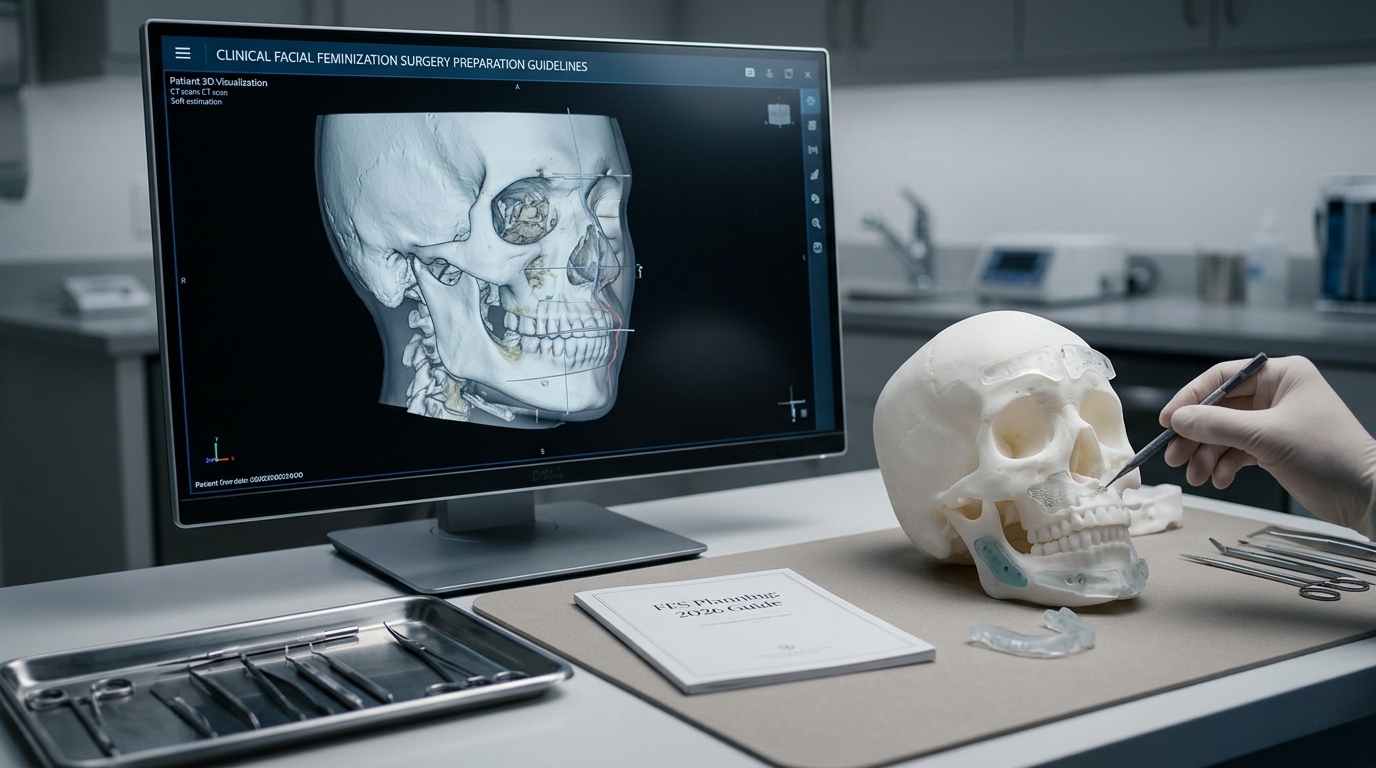

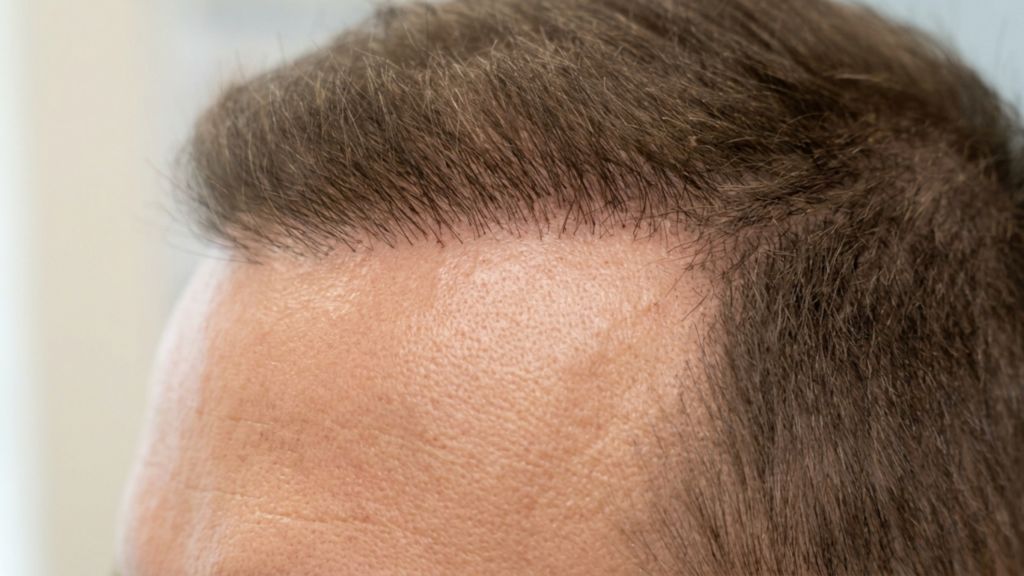
Stellen Sie sich vor, Sie geben $15.000 für ein Haartransplantation, Und dann, sechs Monate später festzustellen, dass der Spenderbereich wie ein Flickenteppich aus Narben aussieht, die Kopfhaut sich spannt wie eine Trommel und die Haardichte, für die man bezahlt hat, ist nirgends zu sehen. Das ist kein dystopischer Albtraum – es ist die Realität für 1 von 5 Patienten die sich in nicht akkreditierten Kliniken einer Mega-Haartransplantation (3.000–7.000 Grafts) unterziehen, laut einer 2025 Studie im Zeitschrift für dermatologische Chirurgie. Der Reiz einer vollen Haarpracht in nur einer Sitzung ist unbestreitbar, doch die finanziellen und psychischen Kosten werden oft hinter aggressivem Marketing und irreführenden Preisstrukturen verschleiert. Dieser Ratgeber deckt die wahren Kosten auf. wahre Kosten von Mega-Transplantationen – jenseits des reinen Preises – und stattet Sie mit den Daten aus, um nicht selbst zu einer weiteren Statistik zu werden.
Inhaltsverzeichnis
Warum Mega-Sitzungen ein zweischneidiges Schwert sind: Die versteckten Kompromisse von 3.000–7.000 Transplantaten
Mega-Session-Haartransplantationen versprechen eine dramatische Veränderung in nur einer Sitzung, aber sie bringen auch Risiken mit sich drei entscheidende Abwägungen Die meisten Kliniken geben dies nicht von vornherein bekannt:
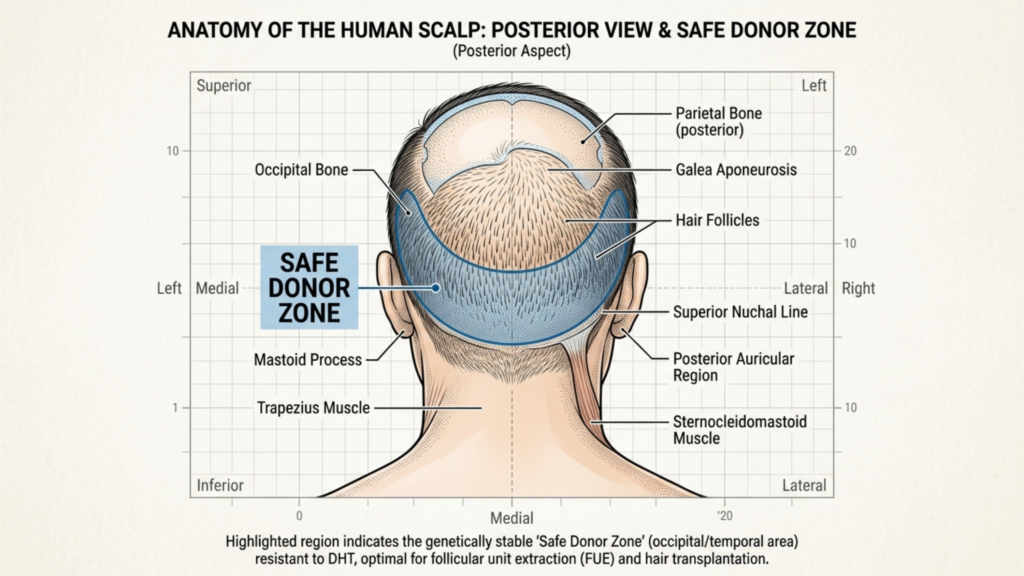
- Erschöpfung des Spenderbereichs: Ernte von 7.000 Transplantate in Für eine Sitzung ist das Entfernen erforderlich. ~14.000 Follikeleinheiten (Da nicht alle Transplantate anwachsen). Dadurch bleibt der Spenderbereich – typischerweise der Hinterkopf und die Seiten der Kopfhaut – übrig.dauerhaft erschöpft, mit sichtbarer Ausdünnung oder Narbenbildung. A 2024 Studie in Plastische und Rekonstruktive Chirurgie Es wurde festgestellt, dass Patienten, die sich einer Mega-Transplantation in einer einzigen Sitzung unterzogen hatten, 40% höheres Risiko im Vergleich zu gestaffelten Verfahren zu Hypopigmentierung im Spenderbereich und schlechter Wundheilung führen (PRS, 2024).
- Transplantatüberlebensraten sinken drastisch: Je mehr Transplantate in einer Sitzung transplantiert werden, desto geringer ist die Überlebensrate. Kliniken, die mit “95%-Überlebensraten” werben, verschweigen, dass dies für folgende Fälle gilt: kleine Sitzungen (1.000–1.500 Transplantate). Bei Mega-Sessions sinkt der Überlebensvorteil auf 70–80% aufgrund der verlängerten Operationszeiten (8–12 Stunden) und der eingeschränkten Blutversorgung des Empfängerbereichs. Das bedeutet, dass Sie im Grunde für Folgendes bezahlen: 1.500–2.000 “Geistertransplantate” die niemals wachsen (NCBI, 2025).
- Finanzielle Lockvogelmasche: Das Preismodell “pro Transplantat” ist darauf ausgelegt, die reale Kosten. Kliniken werben mit $2–$3 pro Transplantat für 3.000 Transplantate, erhöhen den Preis aber auf $4–$6 pro Transplantat für 7.000 Transplantate und begründen dies mit “erhöhter Komplexität”. Schlimmer noch:, versteckte Gebühren Kosten für Anästhesie, PRP-Therapie oder postoperative Versorgung können die Endrechnung um folgende Beträge erhöhen: 30–50%.
Dieser Leitfaden wird Ihnen helfen, diese Fallstricke zu umgehen, indem Aufschlüsselung reale Kosten, Sicherheitsschwellenwerte, Und Budgetstrategien für Mega-Transplantationen – damit Sie eine Entscheidung treffen können, die Sie nicht Ihren Spenderbereich kostet. oder Ihre Ersparnisse.
Die wahren Kosten von Mega-Gefäßtransplantationen: Eine transparente Aufschlüsselung
Die meisten Kliniken bieten einen Festpreis pro Transplantat an, aber die reale Kosten Zu den Kosten einer Mega-Veranstaltung gehören sechs oft übersehene Ausgaben:
| Ausgabenkategorie | Niedrigste Schätzung (3.000 Transplantate) | Kostenschätzung im oberen Bereich (7.000 Transplantate) | Warum es oft verborgen bleibt |
|---|---|---|---|
| Grundprozedurkosten | $6,000–$9,000 | $14.000–$28.000 | Die Angebote werden als “All-inclusive” beworben, aber die Kliniken verkaufen möglicherweise zusätzlich “Premium”-Transplantate. |
| Anästhesie und Sedierung | $500–$1,200 | $1.500–$3.000 | Längere Sitzungen erfordern eine tiefere Sedierung, was die Kosten erhöht. |
| PRP- oder Stammzellentherapie | $800–$1,500 | $2,000–$4,000 | Wird als “unerlässlich für das Überleben des Transplantats” vermarktet, ist aber oft optional. |
| Postoperative Medikamente | $300–$600 | $800–$1,500 | Antibiotika, Schmerzmittel und entzündungshemmende Medikamente summieren sich. |
| Anreise & Unterkunft | $1.500–$3.000 | $3.000–$6.000 | Die meisten Mega-Sitzungen erfordern einen 7- bis 10-tägigen Auslandsaufenthalt zur Nachbereitung. |
| Revisionschirurgie | $3.000–$6.000 | $10.000–$20.000 | Bei jedem dritten Patienten, der eine Mega-Sitzung erhält, sind Korrekturen aufgrund mangelnder Dichte oder Narbenbildung erforderlich. |
Die Gesamtkosten für einen Eingriff mit 7.000 Transplantaten kann dies übersteigen $40,000– doppelt so viel wie beworben. Kliniken geben dies jedoch selten offen an. Stattdessen konzentrieren sie sich auf die Preis pro Transplantat, Der Preis sinkt mit zunehmender Sitzungsgröße. So funktioniert die Preisgestaltung:

Fällt Ihnen das Muster auf? Je mehr Transplantate Sie kaufen, desto “billiger” wird jedes einzelne Transplantat – aber die Gesamtkosten schießen in die Höhe, und die Risiko von Komplikationen steigt exponentiell an. Deshalb gestaffelte Verfahren (1.500–2.500 Transplantate pro Sitzung) erzielen oft bessere Langzeitergebnisse, auch wenn die anfänglichen Kosten etwas höher sind.
Die Sicherheitsgrenze: Wie viele Transplantate verträgt Ihr Körper?
Deine Kopfhaut ist keine leere Leinwand – sie ist eine lebendes Ökosystem mit begrenzten Ressourcen. sichere Grenze Die Entnahme und Transplantation von Transplantaten hängt von drei biologischen Faktoren ab:
- Spenderdichte: Der Durchschnittsmensch hat 80–100 Follikeleinheiten pro cm² im Spendergebiet. Ernte von mehr als 50% dieser Dichte Eine Transplantation in nur einer Sitzung birgt das Risiko einer dauerhaften Ausdünnung. Bei einer Behandlung mit 7.000 Transplantaten bedeutet dies, dass Follikel aus einer bestimmten Anzahl von Haaren entfernt werden. ~140 cm² der Kopfhaut – eine Fläche von der Größe einer Postkarte.
- Blutversorgung des Empfängerbereichs: Die Kopfhaut kann nur stützen 20–30 Transplantate pro cm² in einer einzigen Sitzung. Darüber hinaus konkurrieren die Transplantate um die Blutversorgung, was dazu führt, dass Nekrose (Gewebetod) oder schlechtes Überleben. Megasitzungen überschreiten diesen Schwellenwert oft, insbesondere im Bereich des vorderen Haaransatzes, wo die Haardichte entscheidend ist.
- Betriebszeit: Verfahren, die dauern über 8 Stunden das Risiko erhöhen Unterkühlung, Blutgerinnsel und Narkosekomplikationen. A 2026 Studie in Dermatologische Chirurgie stellte fest, dass Patienten in Sitzungen, die länger als 10 Stunden dauerten, eine 3-fach höheres Risiko postoperativen Infektionen (NCBI, 2026).
Um die Risiken zu veranschaulichen, betrachten Sie Folgendes: Sicherheitsmatrix:
| Anzahl der Transplantate | Belastung im Spenderbereich | Transplantatüberlebensrate | Komplikationsrisiko | Empfohlen? |
|---|---|---|---|---|
| 1,000–2,000 | Niedrig | 90–95% | Minimal | ✅ Ideal für die meisten Patienten |
| 2,500–3,500 | Mäßig | 80–85% | Mäßig (Narbenbildung, Schwellung) | ⚠️ Nur mit gestaffelter Planung |
| 4,000–5,000 | Hoch | 70–75% | Hoch (Infektion, geringe Überlebensrate) | ❌ Nur bei medizinischer Notwendigkeit vermeiden |
| 6,000–7,000 | Extrem | <70% | Sehr hoch (Spendererschöpfung, Nekrose) | ❌ Nicht empfohlen |
Die Datenlage ist eindeutig: Mega-Sessions sind ein riskantes Spiel mit hohem Gewinnpotenzial.. Obwohl sie dramatische Ergebnisse liefern können, Gesetz des abnehmenden Grenznutzens Dies gilt. Ab 4.000 Transplantaten wird der zusätzliche Nutzen der erhöhten Dichte durch den exponentiellen Anstieg der Komplikationen nicht mehr aufgewogen.
Budgetplanung für eine Mega-Session: Wie man es vermeidet Finanzieller und medizinischer Ruin
Wenn Sie eine Mega-Session planen, dann hier entlang!’So geht's Risiken minimieren Und Wert maximieren:
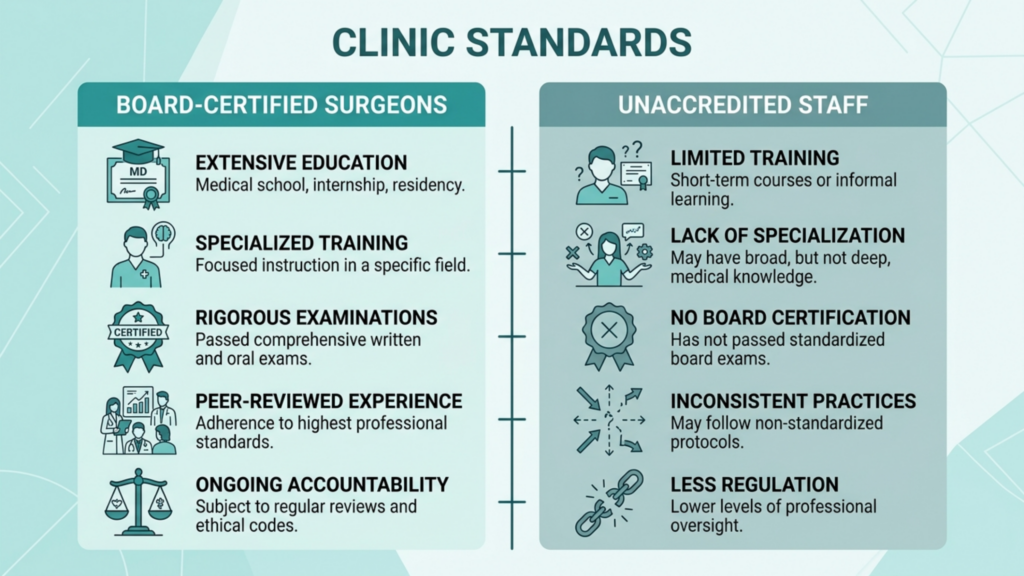
1. Die richtige Klinik auswählen: Warnsignale vs. positive Warnsignale
| Warnsignale (Vermeiden) | Grüne Flaggen (Priorisierung) |
|---|---|
| Keine Fachärzte für Chirurgie im Team | Von ISHRS oder ABHRS zertifizierte Chirurgen |
| “Aussagen zu ”unbegrenzten Transplantaten“ oder ”garantierter Dichte“ | Transparente Überlebensratendaten (z. B. “70–80% für 7.000 Transplantate”) |
| Keine präoperativen Bluttests oder Kopfhautanalyse | Obligatorische Beurteilung des Spenderbereichs mittels Trichoskopie |
| Druck, sofort zu buchen (“zeitlich begrenzter Rabatt”) | Befürwortet gestaffelte Verfahren und Zweitmeinungen |
| Kein postoperativer Pflegeplan | Beinhaltet eine 12-monatige Nachbeobachtung und PRP-Therapie. |
Kliniken in Truthahn, Mexiko und Thailand sind aufgrund ihrer niedrigen Preise beliebt, aber 60% Komplikationen Berichten zufolge finden Großoperationen in nicht akkreditierten Einrichtungen im Ausland statt. Wenn Sie für eine Operation ins Ausland reisen, überprüfen Sie die Klinik. JCI-Akkreditierung (Joint Commission International) und sicherstellen, dass sie verwenden FUE (Follicular Unit Extraction) im Gegensatz zur veralteten FUT-Methode (Streifenmethode), die lineare Narben hinterlässt.
2. Einen Festpreisvertrag aushandeln.
Fordern Sie eine schriftliche Vereinbarung das sichert:
- Der genaue Anzahl der Transplantate (nicht “bis zu 7.000”).
- A garantierte Überlebensrate (z. B. “70% oder wir bieten eine kostenlose Nachbesserung an”).
- Keine versteckten Gebühren für Anästhesie, Medikamente oder postoperative Versorgung.
- A Revisionsrichtlinie (z. B. kostenlose Korrekturen innerhalb von 12 Monaten, wenn die Dichte unter 60% fällt).
Kliniken, die sich weigern, dies schriftlich festzuhalten, verbergen wahrscheinlich etwas. Gehen Sie woanders hin.
3. Planen Sie die versteckten Kosten ein
Budgetieren Sie zusätzlich 30–50% der Verfahrenskosten für:
- Reiseversicherung Deckung medizinischer Komplikationen im Ausland.
- Längere Hotelaufenthalte (7–10 Tage zur Genesung).
- Postoperative Medikamente (Antibiotika, Schmerzmittel, Minoxidil).
- Lohnausfall Wenn Du brauchst 2–3 Wochen Urlaub.
- Notfallfonds bei Revisionen oder Infektionen.
4. Erwägen Sie gestaffelte Verfahren
Teilen Sie Ihr Transplantat auf in zwei oder drei Sitzungen (z. B. 2.500 Transplantate alle 6 Monate) bietet drei Vorteile:
- Höheres Transplantatüberleben (85–90% pro Sitzung vs. 70% für Megasitzungen).
- Geringeres Komplikationsrisiko (kürzere Operationszeiten, weniger Trauma).
- Bessere Budgetkontrolle (Sie zahlen nach Verbrauch und haben Zeit, die Ergebnisse zu beurteilen).
Spenderverwaltung: So schützen Sie die Zukunft Ihrer Kopfhaut
Der Spenderbereich ist Ihr Lebenslinie für zukünftige Transplantationen. Eine Überernte in einer einzigen Sitzung kann dazu führen, dass Sie Keine Optionen Falls Sie später Korrekturen benötigen, können Sie die Datei so speichern:
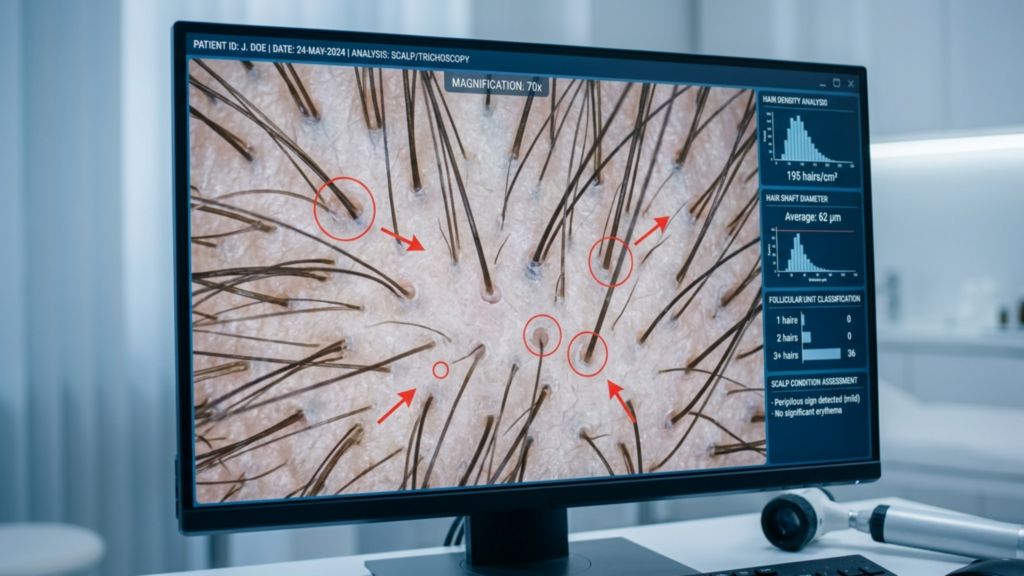
- Fordern Sie eine trichoskopische Analyse an: Diese nicht-invasive Untersuchung misst die Dichte Ihres Spenderbereichs und kartiert sichere Entnahmezonen. Kliniken, die darauf verzichten, riskieren Ihre Kopfhaut.
- Begrenzung der Extraktion auf 30–40% Donordichte: Dadurch wird sichergestellt, dass Sie genügend Follikel für zukünftige Eingriffe haben. Wenn Ihr Spenderbereich beispielsweise 100 FUs/cm² aufweist, sollten Sie nicht mehr als 30–40 FU/cm² in einer einzigen Sitzung.
- Vermeiden Sie die Falle “Maximale Transplantatanzahl”: Manche Kliniken drängen auf die höchstmögliche Anzahl an Transplantaten, selbst wenn das bedeutet Überernte. Bestehen Sie auf einem konservativer Ansatz—Dein zukünftiges Ich wird es dir danken.
- Nutzen Sie PRP- oder Stammzellentherapie: Diese Behandlungen sind zwar kein Wundermittel, können aber helfen. Verbesserung des Transplantatüberlebens durch 10–15% und das Trauma im Spenderbereich reduzieren (NCBI, 2023).
- Planen Sie Ihre Langzeitpflege: Verwenden Minoxidil oder Finasterid Nach der Transplantation müssen die vorhandenen Haare und die Gesundheit des Spenderbereichs geschützt werden. Andernfalls besteht die Gefahr einer weiteren Ausdünnung, was Nachkorrekturen erschwert.
Denken Sie daran: Ihr Spenderbereich ist nicht erneuerbar. Sobald es aufgebraucht ist, verschwinden Ihre Möglichkeiten für zukünftige Transplantationen. Schützen Sie es wie eine Altersvorsorge.
Die psychologischen Kosten: Was Ihnen keine Klinik sagen wird
Mega-Sessions belasten nicht nur Ihre Kopfhaut – sie stellen Ihre... mentale Widerstandsfähigkeit. Patienten berichten häufig:
- “Transplantationsdepression”: In den ersten 3–6 Monaten nach der Operation fallen Ihre neuen Haare aus (Schockverlust), sodass Sie suchen schlechter als zuvor. Diese Phase löst Angstzustände aus bei 70% von Patienten, Laut einer Studie aus dem Jahr 2025 Körperbild (ScienceDirect, 2025).
- Unrealistische Erwartungen: Kliniken zeigen Vorher-Nachher-Fotos, die unter idealen Lichtverhältnissen und Winkeln aufgenommen wurden. In Wirklichkeit…, nur 30% von Patienten die in Marketingmaterialien dargestellte Dichte erreichen.
- Soziale Isolation: Die sogenannte “rote Punktphase” (in der sich um jedes Transplantat herum Schorf bildet) kann 10–14 Tage dauern und soziale Kontakte unangenehm machen. Viele Patienten nehmen 2–3 Wochen Urlaub um Fragen zu vermeiden.
- Käuferreue: Wenn die Ergebnisse nicht den Erwartungen entsprechen, geben sich die Patienten oft selbst die Schuld – ”Habe ich die falsche Klinik gewählt? Hätte ich warten sollen?” – anstatt den überzogenen Versprechungen der Klinik auf die Schliche zu kommen.
Um diese Risiken zu mindern:
- Satz realistische Erwartungen mit Ihrem Chirurgen – fragen Sie nach ungefiltert Patientenfotos, nicht nur Marketingfotos.
- Bereiten Sie sich darauf vor hässliches Entlein Phase (Monate 1–4) durch die Suche nach Unterstützung durch Freunde oder einen Therapeuten.
- Vermeiden Vergleiche deinen Fortschritt Bei anderen Menschen variieren die Heilungszeiten stark.
- Wenn Sie zu Angstzuständen neigen, sollten Sie Folgendes bedenken: gestaffelte Verfahren den Prozess in überschaubare Schritte unterteilen.
Alternativen zu Mega-Sessions: Sicherere Wege zu höherer Dichte
Wenn die Risiken einer Mega-Session überwiegen die Vorteile, Ziehen Sie folgende Alternativen in Betracht:
| Alternative | Kosten | Vorteile | Nachteile |
|---|---|---|---|
| Stufenweise FUE (2–3 Sitzungen) | $12.000–$20.000 | Höhere Überlebensraten, geringeres Narbenrisiko | Längerer Zeitrahmen (12–18 Monate) |
| Bart oder Körper Haartransplantation (BHT) | $10.000–$18.000 | Verwendet Spenderhaar, das nicht von der Kopfhaut stammt; gut für Reparaturen geeignet | Niedrigere Überlebensraten (60–70%) |
| Kopfhaut-Mikropigmentierung (SMP) | $2.000–$5.000 | Sofortige Dichteillusion, keine Operation | Erfordert alle 3–5 Jahre eine Nachbesserung. |
| Niedrigenergetische Lasertherapie (LLLT) | $500–$2000 | Nicht-invasiv, verbessert vorhandenes Haar | Minimale Ergebnisse bei fortgeschrittenem Haarausfall |
| Plättchenreiches Plasma (PRP) + Minoxidil | $1.500–$3.000/Jahr | Verlangsamt den Haarausfall, verdickt das vorhandene Haar | Erfordert lebenslange Wartung |
Für Patienten mit fortgeschrittener Haarausfall (Norwood 6–7), A Kombinationsansatz Das funktioniert oft am besten. Zum Beispiel:
- Sitzung 1: 2.500 Transplantate im vorderen Haaransatzbereich.
- Sitzung 2 (6 Monate später): 2.000 Transplantate in die mittlere Kopfhautregion + PRP-Therapie.
- Wartung: Minoxidil + LLLT zur Erhaltung des natürlichen Haares.
Dieser Ansatz verteilt die Kosten und Risiken und maximiert gleichzeitig die langfristige Dichte.
Fazit: Lohnt sich eine Mega-Session?
Mega-Graft-Haartransplantationen sind nicht für jeden geeignet. Sie eignen sich am besten für:
- Patienten mit außergewöhnliche Spenderdichte (>100 FU/cm²).
- Diejenigen, die kann sich nicht festlegen aufgrund von Reise- oder Arbeitsbeschränkungen auf mehrere Sitzungen beschränkt.
- Personen, die die Risiken vollständig verstehen und haben Revisionsplan vor Ort.
Für alle anderen, gestaffelte Verfahren oder alternative Behandlungen bieten einen sichereren und besser planbaren Weg zur Haarwiederherstellung. Der Schlüssel dazu ist Priorisieren Sie die langfristige Gesundheit der Kopfhaut. über die kurzfristige Patientendichte hinaus – und um eine Klinik zu wählen, die Transparenz über Umsatz stellt.
Wenn Sie bereit sind, Ihre Möglichkeiten zu erkunden, Beratungstermin vereinbaren mit einem staatlich geprüften der Chirurg der sich darauf spezialisiert hat Hochtransplantatverfahren und kann eine individueller Plan basierend auf Ihren Spendenkapazitäten und -zielen.
Häufig gestellte Fragen
Wie viele Transplantate kann ich maximal in einer Sitzung sicher entnehmen?
Die sichere Grenze hängt von Ihrer Haardichte im Spenderbereich ab, aber die meisten Experten empfehlen, nicht mehr Haarfollikeleinheiten pro Sitzung zu entnehmen. Im Durchschnitt entspricht dies 3.000–4.000 Transplantaten. Darüber hinaus steigt das Risiko einer dauerhaften Haarverdünnung oder Narbenbildung deutlich an.
Warum weisen Haartransplantationen in Mega-Sitzungen niedrigere Überlebensraten der Transplantate auf?
Megasitzungen (über 5.000 Transplantate) dauern oft 8–12 Stunden. Während dieser Zeit verbringen die Transplantate mehr Zeit außerhalb des Körpers, was ihre Überlebensfähigkeit verringert. Zusätzlich wird die Blutversorgung des Empfängerbereichs überlastet, was zu einer unzureichenden Sauerstoff- und Nährstoffversorgung der Transplantate führt. Die Überlebensraten sinken von 90–95/TP3T bei kleineren Sitzungen auf 70–80/TP3T bei Megasitzungen.
Wie kann ich überprüfen, ob eine Klinik zu hohe Versprechungen hinsichtlich der Anzahl der Transplantate macht?
Lassen Sie eine trichoskopische Analyse Ihres Spenderbereichs durchführen, um dessen Kapazität zu beurteilen. Garantiert eine Klinik 7.000 Transplantate ohne diese Untersuchung, sind die Versprechungen wahrscheinlich zu hoch. Fordern Sie außerdem unbearbeitete Patientenfotos (nicht nur Werbematerial) und Daten zur Überlebensrate von Patienten mit Mehrfachtransplantationen an.
Woran erkennt man eine Übernutzung des Geberlandes?
Anzeichen hierfür sind sichtbare Ausdünnung oder fleckenartiges Haarwachstum im Spenderbereich, anhaltende Rötung oder Narbenbildung sowie ein „mottenfraßartiges“ Aussehen an Stellen, an denen Haarfollikel zu stark entnommen wurden. Sollte sich der Spenderbereich nach der Transplantation verschlechtert haben, wurde möglicherweise zu viel Haar entnommen, was zukünftige Eingriffe erschwert.
Gibt es Finanzierungsmöglichkeiten für Mega-Transplantationen?
Viele Kliniken bieten Ratenzahlungen an, doch Vorsicht vor Krediten mit hohen Zinsen oder versteckten Gebühren. Manche Patienten nutzen medizinische Kreditkarten (wie CareCredit) oder Privatkredite. Berechnen Sie immer die Gesamtkosten inklusive Zinsen, bevor Sie sich festlegen. Durch gestaffelte Behandlungen lassen sich die Kosten über einen längeren Zeitraum verteilen.
Wie kann ich mich mental auf die Phase des „hässlichen Entleins“ nach einer Transplantation vorbereiten?
Die ersten drei bis vier Monate nach der Transplantation können emotional belastend sein, da neue Haare ausfallen und nachwachsen. Bereiten Sie sich vor, indem Sie realistische Erwartungen haben, Vergleiche in sozialen Medien vermeiden und sich Unterstützung von Freunden oder einem Therapeuten suchen. Denken Sie daran: Diese Phase ist vorübergehend und notwendig für ein langfristiges Ergebnis.
Welche Alternativen gibt es, wenn ich nicht für eine Mega-Session in Frage komme?
Alternativen umfassen mehrstufige FUE-Verfahren, Bart- oder Körperhaartransplantationen, Kopfhaut-Mikropigmentierung und nicht-chirurgische Behandlungen wie PRP oder Low-Level-Lasertherapie. Ein zertifizierter der Chirurg kann Ihnen dabei helfen, die beste Vorgehensweise auf der Grundlage Ihres Haarausfallmusters und Ihres Spendervolumens zu bestimmen.
Wie finde ich eine seriöse Klinik für eine Haartransplantation mit hohem Transplantatvolumen?
Suchen Sie nach Kliniken mit Fachärzten, JCI-Akkreditierung und transparenter Preisgestaltung. Meiden Sie Kliniken, die Sie zu einer sofortigen Buchung drängen oder unrealistische Ergebnisse versprechen. Fragen Sie nach Patientenreferenzen und Vorher-Nachher-Bildern von umfangreichen Eingriffen, nicht nur von kleineren.