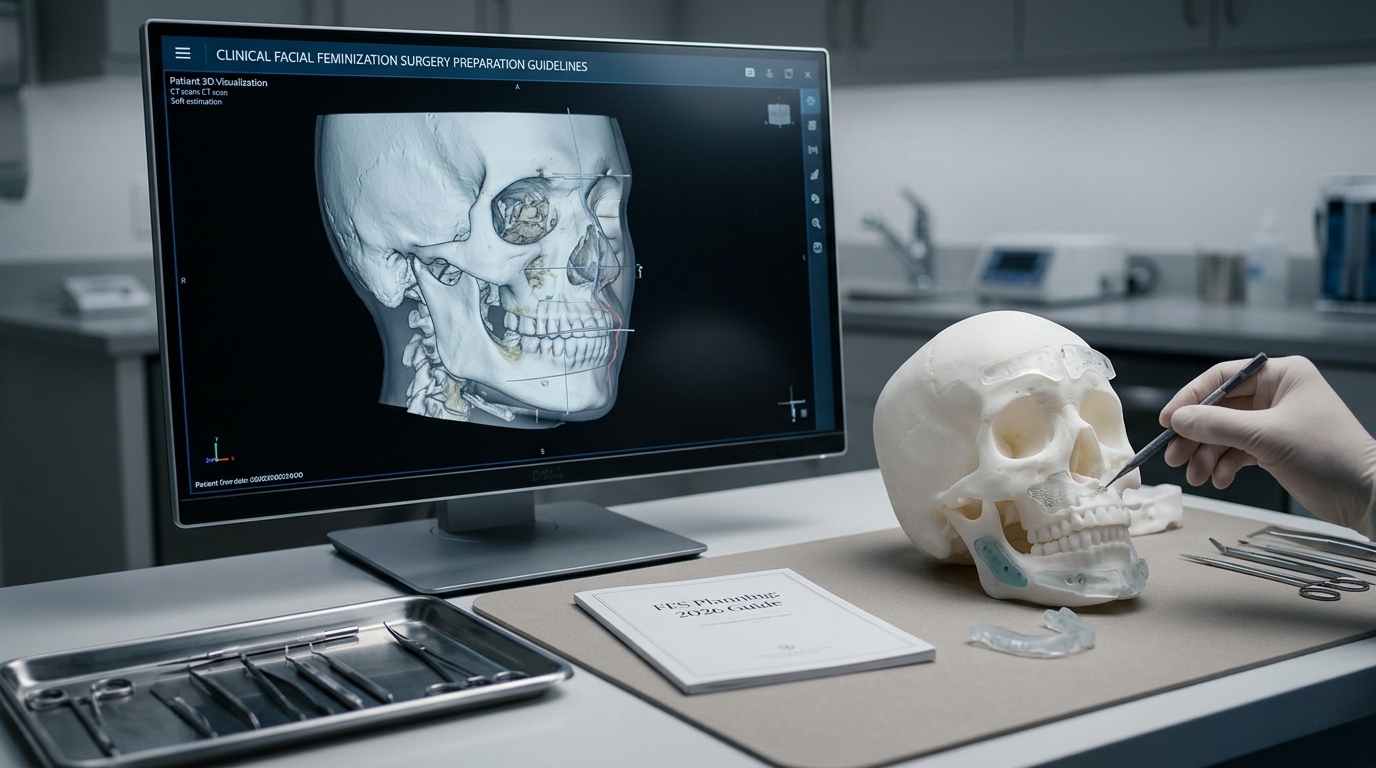

Imagina gastar $15,000 en un Transplante de pelo, solo para darse cuenta seis meses después de que su área donante parece un mosaico de cicatrices, su cuero cabelludo se siente más tenso que un tambor y la densidad por la que pagó no se ve por ningún lado. Esto no es una pesadilla distópica, es la realidad para 1 de cada 5 pacientes quienes se someten a trasplantes de cabello de megasesión (3.000–7.000 injertos) en clínicas no acreditadas, según un informe. 2025 estudiar en el Revista de Cirugía Dermatológica. El atractivo de una cabellera completa en una sola sesión es innegable, pero los costos financieros y fisiológicos a menudo se ocultan detrás de un marketing agresivo y estructuras de precios engañosas. Esta guía expone los costo real de procedimientos de megainjertos, más allá del precio de venta, y te proporciona los datos necesarios para evitar convertirte en una estadística más.
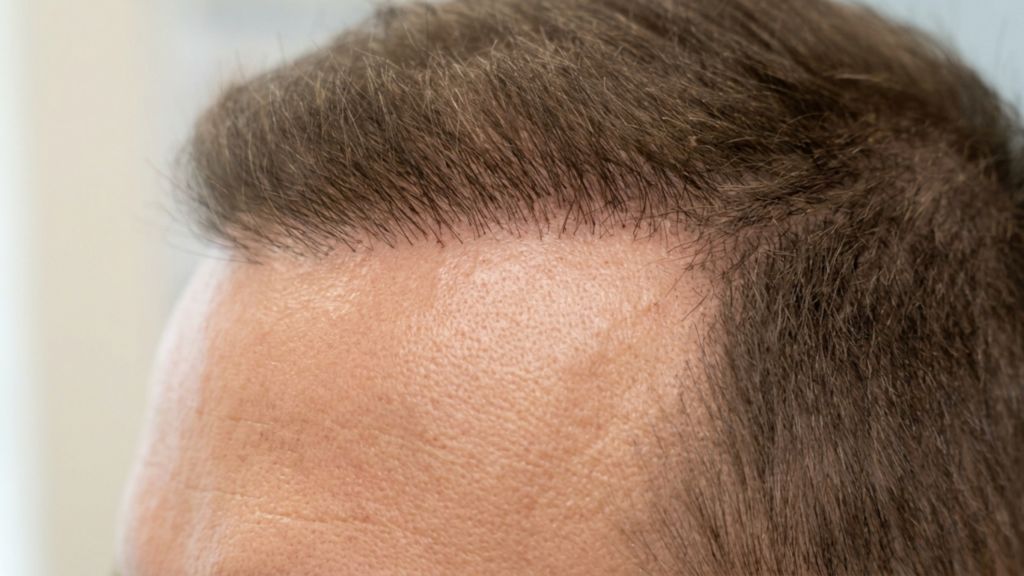
Tabla de contenido
Por qué las megasesiones son un arma de doble filo: las desventajas ocultas de los 3000 a 7000 injertos.
Los trasplantes capilares de megasesión prometen una transformación espectacular en una sola sesión, pero conllevan tres compromisos críticos La mayoría de las clínicas no lo revelarán de antemano:
- Agotamiento de la zona donante: Cosechando 7.000 injertos en una sesión requiere eliminar ~14.000 unidades foliculares (ya que no todos los injertos sobreviven). Esto deja la zona donante —normalmente la parte posterior y los lados del cuero cabelludo—permanentemente agotado, con adelgazamiento o cicatrices visibles. A 2024 estudio en Cirugía Plástica y Reconstructiva Se descubrió que los pacientes que se sometieron a megainjertos en una sola sesión tuvieron una 40% mayor riesgo de hipopigmentación del área donante y mala cicatrización de la herida en comparación con los procedimientos por etapas. (PRS, 2024).
- Las tasas de supervivencia de los injertos se desploman: Cuantos más injertos se trasplanten en una sola sesión, menor será la tasa de supervivencia. Las clínicas que anuncian “supervivencia 95%” no mencionan que esto se aplica a sesiones pequeñas (1.000–1.500 injertos). Para megasesiones, la supervivencia baja a 70–80% debido a los tiempos de operación prolongados (8-12 horas) y al suministro limitado de sangre a la zona receptora. Esto significa que, en efecto, está pagando por Entre 1.500 y 2.000 “injertos fantasma” que nunca crecen (NCBI, 2025).
- Engaño financiero: El modelo de precios "por injerto" está diseñado para ocultar la costo real. Las clínicas anuncian $2–$3 por injerto para 3000 injertos, pero aumentan el precio a $4–$6 por injerto para 7000 injertos, alegando una “mayor complejidad”. Peor aún, tarifas ocultas Los tratamientos con anestesia, PRP o cuidados postoperatorios pueden aumentar la factura final en 30–50%.
Esta guía te ayudará a sortear estos obstáculos mediante: desglosando el costos reales, umbrales de seguridad, y estrategias presupuestarias para procedimientos de megainjerto, para que pueda tomar una decisión que no le cueste su área donante. o tus ahorros.
El verdadero coste de los megatrasplantes: un análisis transparente.
La mayoría de las clínicas ofrecen un precio único "por injerto", pero la costo real Una megasesión incluye seis gastos que a menudo se pasan por alto:
| Categoría de gastos | Estimación mínima (3000 injertos) | Estimación máxima (7.000 injertos) | Por qué suele estar oculto |
|---|---|---|---|
| Costo del procedimiento base | $6.000–$9.000 | $14.000–$28.000 | Aunque se anuncian como "todo incluido", las clínicas pueden ofrecer injertos "premium" como servicio adicional. |
| Anestesia y sedación | $500–$1,200 | $1.500–$3.000 | Las sesiones más largas requieren una sedación más profunda, lo que aumenta los costes. |
| Terapia con plasma rico en plaquetas o células madre | $800–$1,500 | $2.000–$4.000 | Se comercializa como "esencial para la supervivencia del injerto", pero a menudo es opcional. |
| Medicamentos postoperatorios | $300–$600 | $800–$1,500 | Los antibióticos, los analgésicos y los antiinflamatorios se acumulan. |
| Viajes y alojamiento | $1.500–$3.000 | $3.000–$6.000 | La mayoría de las megasesiones requieren entre 7 y 10 días en el extranjero para el seguimiento. |
| Cirugía de revisión | $3.000–$6.000 | $10.000–$20.000 | Uno de cada tres pacientes sometidos a megasesiones necesita correcciones por baja densidad dental o cicatrices. |
El costo total para un procedimiento de 7.000 injertos puede exceder $40,000—el doble de lo anunciado. Sin embargo, las clínicas rara vez lo revelan por adelantado. En cambio, se centran en el precio por injerto, que disminuye a medida que aumenta el tamaño de la sesión. Así es como funciona el sistema de precios:

¿Notas el patrón? Cuantos más injertos compres, más “barato” se vuelve cada injerto, pero el costo total se dispara y el riesgo de complicaciones aumenta exponencialmente. Por eso procedimientos por etapas Las sesiones de trasplante (de 1.500 a 2.500 injertos) suelen ofrecer mejores resultados a largo plazo, aunque su coste inicial sea ligeramente superior.
El umbral de seguridad: ¿Cuántos injertos puede soportar su cuerpo?
Tu cuero cabelludo no es un lienzo en blanco, es un ecosistema vivo con recursos finitos. El límite seguro La extracción y el trasplante de injertos dependen de tres factores biológicos:
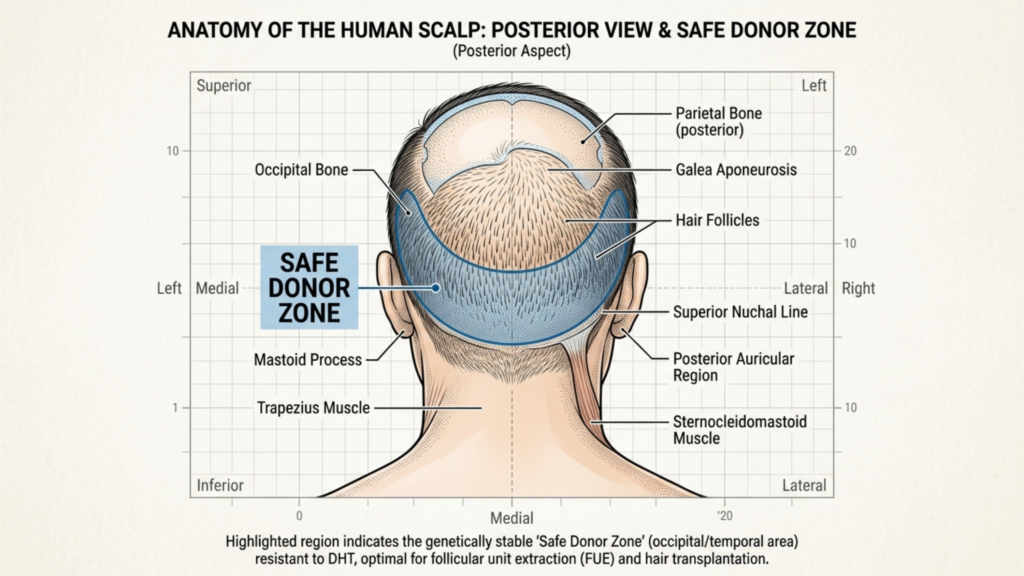
- Densidad del área donante: La persona promedio tiene 80–100 unidades foliculares por cm² en la zona donante. Cosechando más de 50% de esta densidad en una sola sesión se corre el riesgo de un adelgazamiento permanente. Para un procedimiento de 7000 injertos, esto significa extraer folículos de ~140 cm² del cuero cabelludo: un área del tamaño de una postal.
- Suministro de sangre en la zona receptora: El cuero cabelludo solo puede soportar 20–30 injertos por cm² en una sola sesión. Además, los injertos compiten por el flujo sanguíneo, lo que lleva a necrosis (muerte del tejido) o una baja tasa de supervivencia. Las megasesiones suelen superar este umbral, especialmente en la línea frontal del cabello, donde la densidad es fundamental.
- Horario de funcionamiento: Procedimientos de duración más de 8 horas aumentar el riesgo de hipotermia, coágulos sanguíneos y complicaciones de la anestesia. A 2026 estudio en Cirugía dermatológica Se descubrió que los pacientes en sesiones de más de 10 horas tenían una 3 veces mayor riesgo infecciones postoperatorias (NCBI, 2026).
Para visualizar los riesgos, considere lo siguiente: matriz de seguridad:
| Número de injertos | Estrés en la zona donante | Tasa de supervivencia del injerto | Riesgo de complicaciones | ¿Recomendado? |
|---|---|---|---|---|
| 1,000–2,000 | Bajo | 90–95% | Mínimo | ✅ Ideal para la mayoría de los pacientes |
| 2,500–3,500 | Moderado | 80–85% | Moderado (cicatrices, hinchazón) | ⚠️ Solo con planificación por etapas |
| 4,000–5,000 | Alto | 70–75% | Alto riesgo (infección, baja supervivencia) | ❌ Evitar a menos que sea médicamente necesario |
| 6,000–7,000 | Extremo | <70% | Muy alto (agotamiento del donante, necrosis) | ❌ No recomendado |
Los datos son claros: Las megasesiones son una apuesta de alto riesgo y alta recompensa.. Si bien pueden ofrecer resultados espectaculares, Ley de rendimientos decrecientes Se aplica. Más allá de 4000 injertos, el beneficio marginal de la mayor densidad se ve contrarrestado por el aumento exponencial de las complicaciones.
Presupuesto para una megasesión: Cómo evitarlo Ruina financiera y médica
Si estás decidido a tener una megasesión, aquí tienes.’cómo minimizar riesgos y maximizar valor:
1. Elija la clínica adecuada: señales de alerta frente a señales de seguridad
| Señales de alerta (Evítalas) | Banderas verdes (Priorizar) |
|---|---|
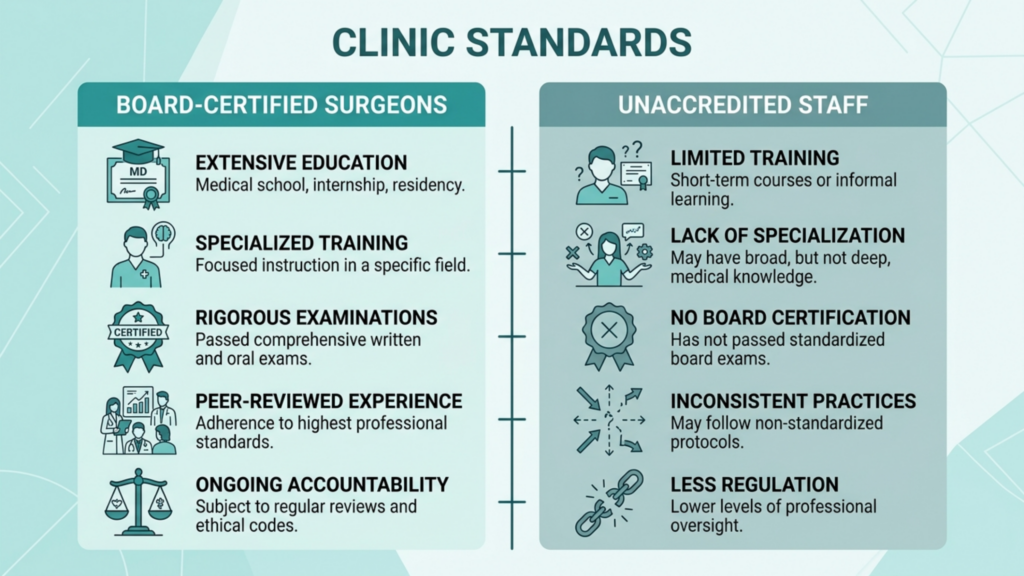
| No hay cirujanos certificados en plantilla. | Cirujanos certificados por ISHRS o ABHRS. |
| “Afirmaciones sobre ”injertos ilimitados“ o ”densidad garantizada”. | Datos transparentes sobre la tasa de supervivencia (por ejemplo, “70–80% para 7.000 injertos”). |
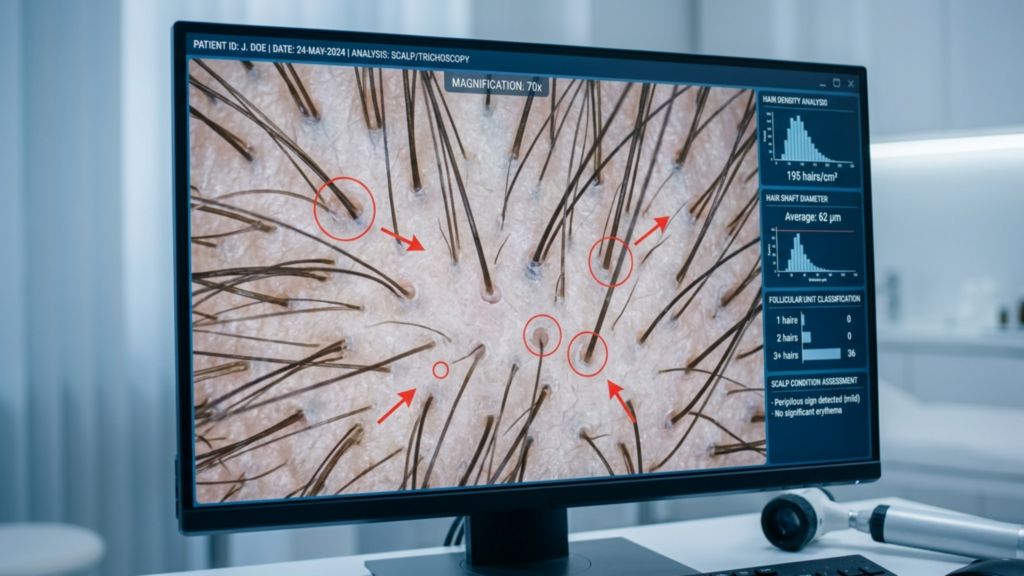
| No se realizan análisis de sangre preoperatorios ni análisis del cuero cabelludo. | Evaluación obligatoria de la zona donante mediante tricoscopia. |
| Presión para reservar de inmediato (“descuento por tiempo limitado”) | Fomenta los procedimientos por etapas y las segundas opiniones. |
| No existe un plan de cuidados postoperatorios. | Incluye seguimiento a los 12 meses y terapia con plasma rico en plaquetas (PRP). |
Clínicas en Pavo, México y Tailandia son populares por sus bajos precios, pero 60% de complicaciones Se informa que las megasesiones ocurren en instalaciones no acreditadas en el extranjero. Si viaja para someterse a una cirugía, verifique la clínica. Acreditación JCI (Joint Commission International) y asegúrese de que utilicen FUE (Extracción de Unidades Foliculares) en lugar del obsoleto método FUT (método de tira), que deja cicatrices lineales.
2. Negociar un contrato de precio fijo.
Exija un acuerdo por escrito que se bloquea:
- El número exacto de injertos (no “hasta 7.000”).
- A tasa de supervivencia garantizada (p. ej., “70% o le ofrecemos un retoque gratuito”).
- Sin cargos ocultos para anestesia, medicamentos o cuidados postoperatorios.
- A política de revisión (p. ej., correcciones gratuitas en un plazo de 12 meses si la densidad cae por debajo de 60%).
Las clínicas que se niegan a poner esto por escrito probablemente ocultan algo. Aléjese.
3. Planifica para los costos ocultos
Presupuestar un adicional 30–50% del costo del procedimiento para:
- Seguro de viaje cobertura de complicaciones médicas en el extranjero.
- Estancias prolongadas en hoteles (7-10 días para la recuperación).
- Medicamentos postoperatorios (antibióticos, analgésicos, minoxidil).
- Salarios perdidos si necesitas De dos a tres semanas de baja laboral.
- fondos de emergencia para revisiones o infecciones.
4. Considere los procedimientos por etapas.
Dividir su trasplante en dos o tres sesiones (por ejemplo, 2.500 injertos cada 6 meses) ofrece tres ventajas:
- Mayor supervivencia del injerto (85–90% por sesión frente a 70% para megasesiones).
- Menor riesgo de complicaciones (tiempos quirúrgicos más cortos, menos traumatismos).
- Mejor control del presupuesto (Pago por uso, con tiempo para evaluar los resultados).
Gestión de donantes: Cómo proteger el futuro de tu cuero cabelludo
El área de donantes es tu línea de vida para futuros trasplantes. Cosecharlo en exceso en una sola sesión puede dejarte con no hay opciones Si necesitas hacer correcciones más adelante, aquí te explicamos cómo conservarlas:
- Solicitar un análisis tricoscópico: Este escaneo no invasivo mide la densidad de la zona donante y delimita las zonas de extracción seguras. Las clínicas que no lo realizan se arriesgan con la salud de tu cuero cabelludo.
- Limitar la extracción a 30–40% de densidad del donante: Esto garantiza que tenga suficientes folículos para futuros procedimientos. Por ejemplo, si su área donante tiene 100 FU/cm², no extraiga más de 30–40 FU/cm² en una sola sesión.
- Evite la trampa de “Maximizar los injertos”: Algunas clínicas presionan para obtener el mayor número de injertos posible, incluso si eso significa sobreexplotación. Insista en un enfoque conservador—Tu yo del futuro te lo agradecerá.
- Utilice plasma rico en plaquetas (PRP) o terapia con células madre: Si bien no son una cura milagrosa, estos tratamientos pueden mejorar la supervivencia del injerto en 10–15% y reducir el trauma en la zona donante (NCBI, 2023).
- Plan de cuidados a largo plazo: Usar minoxidil o finasterida Después del trasplante, es fundamental proteger el cabello existente y la salud de la zona donante. Sin estos cuidados, se corre el riesgo de que el cabello se adelgace aún más, lo que dificultaría las revisiones.
Recuerda: Tu área de donación es no renovable. Una vez agotado, tus opciones para futuros trasplantes desaparecen. Protégelo como si fuera un fondo de jubilación.
El costo psicológico: lo que ninguna clínica te dirá.
Las megasesiones no solo tensan tu cuero cabelludo, sino que también ponen a prueba tu... resiliencia mental. Los pacientes suelen reportar:
- “Depresión tras trasplante”: Durante los primeros 3 a 6 meses posteriores a la operación, su nuevo cabello se caerá (pérdida por shock), dejándote mirando peor que antes. Esta fase desencadena ansiedad en 70% de pacientes, según un estudio de 2025 en Imagen corporal (Ciencia Directa, 2025).
- Expectativas irrealistas: Las clínicas muestran fotos de “antes y después” tomadas con iluminación y ángulos ideales. En realidad, solo 30% de pacientes lograr la densidad que se observa en los materiales de marketing.
- Aislamiento social: La fase del “punto rojo” (donde se forman costras alrededor de cada injerto) puede durar de 10 a 14 días, lo que hace que las interacciones sociales sean incómodas. Muchos pacientes toman 2-3 semanas de baja laboral para evitar preguntas.
- Arrepentimiento del comprador: Cuando los resultados no son los esperados, los pacientes a menudo se culpan a sí mismos —”¿Elegí la clínica equivocada? ¿Debería haber esperado?”— en lugar de culpar a la clínica por haber prometido demasiado.
Para mitigar estos riesgos:
- Colocar expectativas realistas con su cirujano: pregunte sin filtrar Fotos de pacientes, no solo fotos de marketing.
- Prepárate para el fase del patito feo (meses 1-4) buscando el apoyo de amigos o de un terapeuta.
- Evitar comparando tu progreso Para otras personas, los plazos de recuperación varían mucho.
- Si eres propenso a la ansiedad, considera procedimientos por etapas dividir el proceso en pasos manejables.
Alternativas a las megasesiones: caminos más seguros hacia la densidad
Si los riesgos de una megasesión superan los beneficios, Considere estas alternativas:
| Alternativa | Costo | Ventajas | Contras |
|---|---|---|---|
| FUE por etapas (2-3 sesiones) | $12.000–$20.000 | Mayores tasas de supervivencia, menor riesgo de cicatrices. | Plazo más prolongado (12-18 meses) |
| Barba o cuerpo Transplante de pelo (BHT) | $10.000–$18.000 | Utiliza cabello donado que no proviene del cuero cabelludo; ideal para reparaciones. | Menores tasas de supervivencia (60–70%) |
| Micropigmentación capilar (SMP) | $2.000–$5.000 | Ilusión de densidad instantánea, sin cirugía. | Requiere retoques cada 3-5 años. |
| Terapia láser de baja intensidad (LLLT) | $500–$2000 | No invasivo, mejora el cabello existente. | Resultados mínimos para la calvicie avanzada. |
| Plasma rico en plaquetas (PRP) + Minoxidil | $1.500–$3.000/año | Retrasa la caída del cabello, engrosa el cabello existente. | Requiere mantenimiento de por vida |
Para pacientes con pérdida de cabello avanzada (Norwood 6-7), a enfoque combinado A menudo funciona mejor. Por ejemplo:
- Sesión 1: 2.500 injertos en la línea frontal del cabello.
- Sesión 2 (6 meses después): 2.000 injertos en la zona media del cuero cabelludo + terapia con plasma rico en plaquetas (PRP).
- Mantenimiento: Minoxidil + LLLT para preservar el cabello natural.
Este enfoque distribuye el coste y el riesgo al tiempo que maximiza la densidad a largo plazo.
En resumen: ¿Merece la pena una megasesión?
Los trasplantes de cabello de megainjertos son No es para todos.. Son más adecuados para:
- Pacientes con densidad de donantes excepcional (>100 FU/cm²).
- Aquellos que no puede comprometerse a varias sesiones debido a viajes o limitaciones laborales.
- Personas que comprender plenamente los riesgos y tener un plan de revisión en su lugar.
Para todos los demás, procedimientos por etapas o tratamientos alternativos Ofrecer un camino más seguro y predecible hacia la restauración capilar. La clave es... priorizar la salud del cuero cabelludo a largo plazo priorizar la densidad a corto plazo y elegir una clínica que valore la transparencia por encima de las ventas.
Si estás listo para explorar tus opciones, programar una consulta con una certificación de la junta cirujano quien se especializa en procedimientos de injerto alto y puede proporcionar una plan personalizado en función de su capacidad de donación y sus objetivos.
Preguntas frecuentes
¿Cuál es el número máximo de injertos que puedo extraer de forma segura en una sola sesión?
El límite seguro depende de la densidad de la zona donante, pero la mayoría de los expertos recomiendan no extraer más unidades foliculares de la zona donante en una sola sesión. Para una persona promedio, esto equivale a entre 3000 y 4000 injertos. Superar esta cantidad aumenta significativamente el riesgo de adelgazamiento capilar permanente o cicatrices.
¿Por qué los trasplantes capilares de megasesiones tienen tasas de supervivencia de injertos más bajas?
Las megasesiones (más de 5000 injertos) suelen durar entre 8 y 12 horas, durante las cuales los injertos permanecen más tiempo fuera del cuerpo, lo que reduce su viabilidad. Además, el riego sanguíneo de la zona receptora se ve sobrecargado, lo que provoca una oxigenación deficiente y una menor llegada de nutrientes a los injertos. Las tasas de supervivencia disminuyen del 90-951% en sesiones más pequeñas al 70-801% en megasesiones.
¿Cómo puedo verificar si una clínica está haciendo promesas exageradas sobre el número de injertos?
Solicita un análisis tricoscópico de tu zona donante para evaluar su capacidad. Si una clínica garantiza 7000 injertos sin esta evaluación, probablemente esté exagerando. Además, solicita fotos de pacientes sin editar (no solo material publicitario) y datos sobre la tasa de supervivencia de sus pacientes sometidos a megasesiones.
¿Cuáles son los indicios de sobreexplotación de la zona donante?
Los signos incluyen adelgazamiento o irregularidades visibles en la zona donante, enrojecimiento o cicatrices prolongadas y una apariencia descuidada donde los folículos se extrajeron de forma demasiado agresiva. Si la zona donante empeora después del trasplante, es posible que se haya extraído una cantidad excesiva de folículos, lo que limita futuros procedimientos.
¿Existen opciones de financiación para los procedimientos de megainjerto?
Muchas clínicas ofrecen planes de pago, pero tenga cuidado con los préstamos con intereses altos o los cargos ocultos. Algunos pacientes utilizan tarjetas de crédito médicas (como CareCredit) o préstamos personales. Calcule siempre el costo total, incluidos los intereses, antes de comprometerse. Los procedimientos por etapas también permiten distribuir los costos a lo largo del tiempo.
¿Cómo me preparo mentalmente para la fase del "patito feo" después de un trasplante?
Los primeros 3 o 4 meses después del trasplante pueden ser emocionalmente difíciles, ya que el cabello nuevo se cae y comienza a crecer. Prepárate estableciendo expectativas realistas, evitando las comparaciones en redes sociales y buscando el apoyo de amigos o un terapeuta. Recuerda que esta fase es temporal y necesaria para obtener resultados a largo plazo.
¿Qué alternativas existen si no soy candidato para una megasesión?
Las alternativas incluyen procedimientos FUE por etapas, trasplantes de barba o vello corporal, micropigmentación del cuero cabelludo y tratamientos no quirúrgicos como PRP o terapia láser de baja intensidad. Un médico certificado cirujano puede ayudarte a determinar el mejor enfoque en función de tu patrón de caída del cabello y la capacidad de tus donantes.
¿Cómo puedo encontrar una clínica de buena reputación para un procedimiento de injerto de gran tamaño?
Busque clínicas con cirujanos certificados, acreditación JCI y precios transparentes. Evite aquellas que lo presionen para reservar de inmediato o que le garanticen resultados poco realistas. Solicite referencias de pacientes y fotos de antes y después de casos de cirugías extensas, no solo de procedimientos menores.