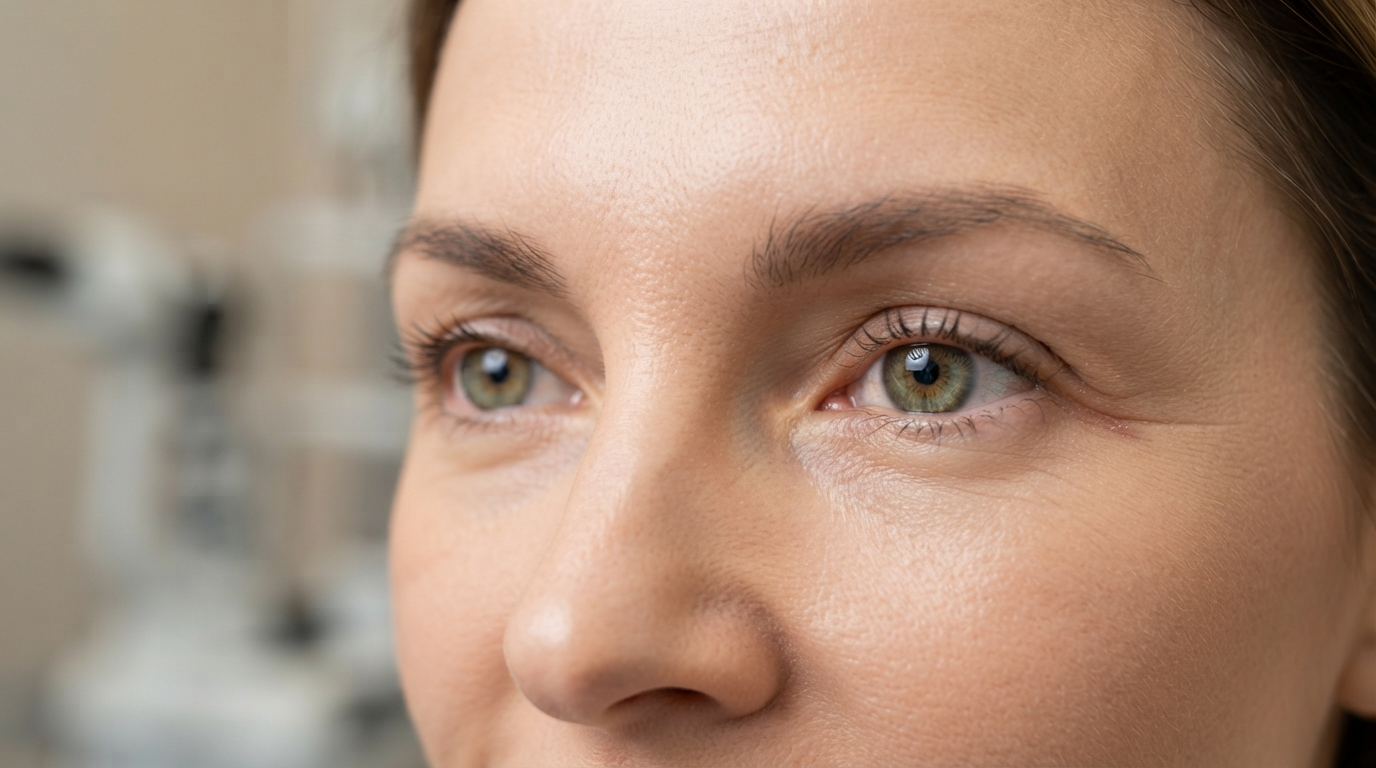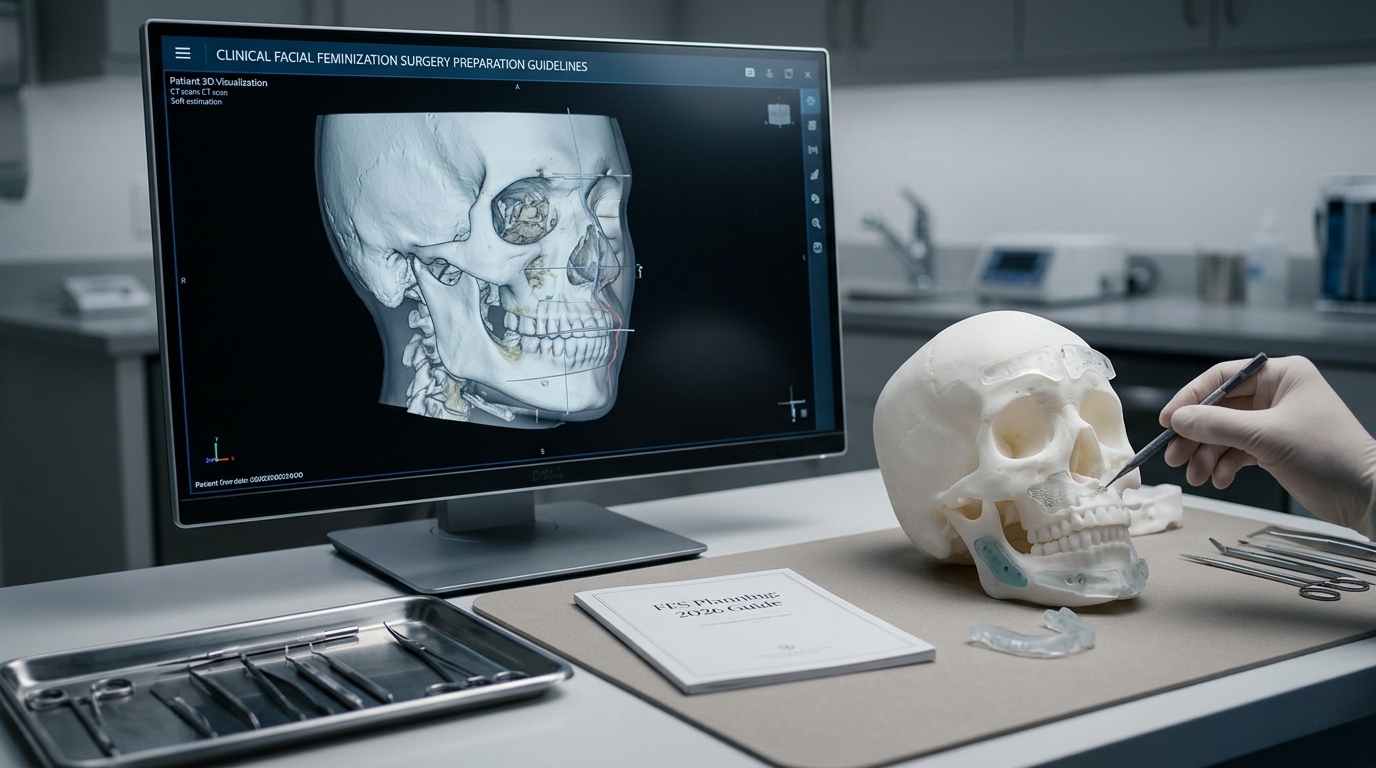

Voor veel transgender vrouwen en transfeminine personen is de weg naar een fysieke uitstraling die in overeenstemming is met hun innerlijke zelfbeeld een zeer persoonlijke en belangrijke onderneming. Centraal in deze reis staat vaak... Gezichtsfeminisering Chirurgie (FFS). Maar FFS is geen eenmalige ingreep; het is een geavanceerde, veelzijdige kunstvorm, afgestemd op elk individu. Om de kracht ervan echt te begrijpen, moet je onder de oppervlakte kijken en de verschillende lagen ervan waarderen.
Het meest cruciale onderscheid om te begrijpen is de Het verschil tussen botbehandeling en behandeling van zacht weefsel. Stel je je gezicht voor als een huis. De botten vormen het architectonische raamwerk: de fundering, de muren, de daklijn. Ze bepalen de fundamentele grootte en vorm van de structuur. Het zachte weefsel – huid, vet, spieren en kraakbeen – is de afwerking. Het is de gevelbekleding, de beplanting, de gordijnen voor de ramen en de subtiele contouren die van het huis een thuis maken.
Een meesterlijke chirurg werkt niet slechts aan het een of het ander. Hij of zij begrijpt dat het creëren van een natuurlijk vrouwelijk en harmonieus resultaat volledig afhangt van de complexe synergie tussen deze twee lagen. Deze gids leidt u door de architectonische basis van botwerk en de delicate verfijningen van zachtweefselwerk, zodat u een geïnformeerde en zelfverzekerde partner wordt in uw FFS-traject. Het begrijpen van deze verschillende, maar onderling verbonden benaderingen is niet louter theoretisch; het is essentieel voor het bereiken van een werkelijk transformerend en authentiek resultaat.
Gezichtsfeminisering Gezichtschirurgie is een uitgebreide reeks ingrepen die zijn ontworpen om mannelijke gelaatstrekken te verzachten en die te versterken die als meer vrouwelijk worden ervaren. Voor velen is gezichtschirurgie een cruciale stap om hun uiterlijk in overeenstemming te brengen met hun innerlijke identiteit, wat hun levenskwaliteit aanzienlijk verbetert en genderdysforie verlicht. Het menselijk gezicht is een complex geheel van botten, spieren, vet en huid, die elk bijdragen aan de algehele vorm en expressie. Mannelijke en vrouwelijke gezichten vertonen subtiele maar duidelijke verschillen in skeletverhoudingen en de verdeling van zacht weefsel. Zo zijn mannelijke voorhoofden vaak prominenter met een zwaarder wenkbrauwbot, terwijl vrouwelijke voorhoofden doorgaans gladder en ronder zijn. De kaaklijn bij mannen is vaak vierkanter en hoekiger, in tegenstelling tot de zachtere, meer taps toelopende kaaklijn die vaak bij vrouwen wordt gezien.
Ook verschillen in neusvorm, lipvolheid en de positie van de haargrens dragen bij aan de waargenomen genderidentiteit. FFS (Facial Feminization Surgery) pakt deze discrepanties aan door deze kenmerken chirurgisch te veranderen om een meer vrouwelijke uitstraling te bereiken. Dit artikel gaat dieper in op de specifieke kenmerken van zowel bot- als weke-delen-FFS-procedures, en legt uit wat elke procedure inhoudt, het feminiserende effect ervan en hoe ze vaak samenwerken. om een alomvattend resultaat te bereiken en harmonieuze resultaten. Het onderscheid tussen bot- en weke-delenprocedures is niet louter academisch; het heeft aanzienlijke gevolgen voor de chirurgische planning, het herstel en het uiteindelijke resultaat.
Botmodificaties zijn van nature invasiever en gaan doorgaans gepaard met langere herstelperiodes vanwege de mate van weefselmanipulatie en genezing die nodig is. Ze bieden echter wel de fundamentele veranderingen die de algehele gezichtsstructuur aanzienlijk veranderen. Weefselbehandelingen, hoewel vaak minder invasief, verfijnen de details, voegen volume toe, verfijnen de contouren en passen de gezichtsuitdrukking aan, waarmee het feminiseringsproces wordt voltooid. Beide zijn onmisbare instrumenten in het arsenaal van de FFS-chirurg, strategisch ingezet om een gezicht te creëren dat vrouwelijkheid belichaamt, terwijl de natuurlijke uitstraling en het individuele karakter behouden blijven. Het kiezen van de juiste combinatie vereist deskundige begeleiding, realistische verwachtingen en een duidelijk begrip van wat elk type procedure kan bereiken. Deze diepgaande analyse is bedoeld om u de kennis te geven die nodig is om deze complexe beslissingen met vertrouwen te nemen, zodat uw traject leidt tot de meest authentieke weerspiegeling van uzelf.
Inhoudsopgave
De architectonische fundering: Botreductieprocedures
De botstructuur vormt de basis van het gezicht en bepaalt de algehele vorm, contouren en verhoudingen. Bij FFS (Facial Feminization Surgery) is het aanpassen van deze onderliggende skeletelementen vaak de eerste en meest impactvolle stap om een significante feminisering te bereiken. Deze procedures pakken fundamentele verschillen aan tussen het typische mannelijke en vrouwelijke gezicht. vrouwelijk gezichtsskeletwaardoor een zachtere, rondere en minder hoekige uitstraling ontstaat. Het doel is niet alleen om mannelijke kenmerken te verminderen, maar ook om nieuwe, harmonieuze vrouwelijke contouren te creëren die de persoonlijkheid van het individu aanvullen. unieke gezichtsanatomie.
Voorhoofdscontouring en wenkbrauwbotverkleining
Het voorhoofd en de wenkbrauwen behoren tot de meest veelzeggende kenmerken van het geslacht. Bij mannen is het wenkbrauwbot, of de supraorbitale richel, vaak meer uitgesproken. Dit zorgt voor een opvallende richel boven de ogen en een naar achteren hellend voorhoofd. Vrouwelijke voorhoofden daarentegen zijn doorgaans gladder, ronder en meer verticaal georiënteerd. Voorhoofd contouren En wenkbrauwbotreductie zijn belangrijke FFS-procedures die ontworpen zijn om deze verschillen aan te pakken.
Bij de meeste mensen die een wenkbrauwverkleining overwegen, is het wenkbrauwbot zelf te dun om volledig te worden afgeschoren, omdat het zich voor een sinusholte bevindt. In dergelijke gevallen kan de voorwand van de voorhoofdsholte worden verwijderd, gevormd en vervolgens met behulp van titanium of resorbeerbare platen en schroeven worden teruggeplaatst om het voorhoofd af te vlakken. Dit wordt medisch een 'terugplaatsing' genoemd, verwijzend naar de naam van de procedure: 'frontale sinusterugplaatsing' (Gender Confirmation Center, nd).
Bij een klein percentage van de bevolking, ongeveer 4-5%, is de voorwand van de frontale sinus dik genoeg om te worden gevormd zonder deze te verwijderen. Dit wordt frontale botcontouring genoemd. Vaak wordt een wenkbrauwbotreductie gecombineerd met het hervormen van de supraorbitale richel, de botten van de oogkas. Dit helpt de oogvorm te feminiseren, waardoor de ogen opener en ronder lijken, wat typisch is voor een oestrogeendominante puberteit (Gender Confirmation Center, nd).
Het feminiserende effect van voorhoofd contouren is een ingrijpende behandeling. Het elimineert de zware wenkbrauwen, waardoor de ogen minder in de schaduw liggen en meer opvallen. Een gladder voorhoofd zorgt bovendien voor een jeugdiger en vrouwelijker profiel, en corrigeert de vaak zichtbare "voorhoofdhelling" die kenmerkend is voor veel mannengezichten. Deze procedure vormt de hoeksteen van de feminisering van het bovenste deel van het gezicht en legt de basis voor andere procedures om algehele gezichtsharmonie te bereiken.Dokter MFO, 2025a).
Kaak en Kincorrectie
Het onderste deel van het gezicht, met name de kaaklijn en kin, speelt ook een cruciale rol in de genderperceptie. De kaaklijn van mannen is doorgaans breder, vierkanter en hoekiger, vaak met prominente kaakhoeken. De kaaklijn van vrouwen is doorgaans smaller, meer V-vormig of ovaal, en vertoont zachtere hoeken. Kaak- en kincorrecties zijn erop gericht deze kenmerken te transformeren tot een vrouwelijkere vorm.
Kaakhoekverkleining, Bij kaakhoekverkleining wordt de prominentie van de kaakhoeken aan de achterkant van de onderkaak verminderd. Bij mannen kunnen deze hoeken vrij scherp en breed zijn, wat bijdraagt aan een vierkant uiterlijk. De chirurg schaaft of verwijdert zorgvuldig een deel van het bot bij de kaakhoeken, waardoor een vloeiendere, minder hoekige overgang van het oor naar de kin ontstaat. Het doel is om een smaller, meer taps toelopend gezicht te creëren, een kenmerk van vrouwelijke schoonheid. Deze ingreep verzacht de algehele contouren van het onderste deel van het gezicht aanzienlijk, waardoor het minder hard en eleganter oogt.Dokter MFO, 2025a).
Kincorrectie, of genioplastiek, Het gaat hierbij om de grootte, de uitstulping en de vorm van de kin, die een grote invloed hebben op de gezichtsbalans en de waargenomen gender. Mannenkinnen kunnen breder, vierkanter of prominenter zijn. Genioplastiek Bij FFS is het doel de breedte van de kin te verminderen, indien nodig de verticale hoogte ervan te verkorten en/of deze te hervormen tot een meer puntige of ronde vorm, afhankelijk van het gewenste resultaat en de bestaande anatomie van de patiënt.
Een glijdende genioplastiek is een veelgebruikte techniek waarbij een incisie in de mond wordt gemaakt. Het kinbot wordt doorgesneden en verplaatst. Het botsegment kan naar voren, naar achteren, omhoog, omlaag of smaller worden gemaakt om de gewenste vrouwelijke vorm te bereiken. Het wordt vervolgens vastgezet met kleine plaatjes en schroeven. Voor minder ingrijpende veranderingen kan het kinbot worden afgeschaafd om de grootte of de hoekigheid ervan te verminderen (Dr. MFO, 2025a).
Het gecombineerde effect van kaak- en kincorrectie is een sierlijker en harmonieuzer ondergezicht. Een smallere, zachtere kaaklijn en een verfijnde kin dragen aanzienlijk bij aan de algehele vrouwelijke esthetiek en brengen de kenmerken die door aanpassingen aan het bovengezicht zijn ontstaan in evenwicht. Deze ingrepen herdefiniëren het silhouet van het ondergezicht, van een sterke, mannelijke hoekigheid naar een delicate, vrouwelijke ovale of hartvorm.
Tracheascheerbeurt (adamsappelverkleining)
De adamsappel, of strottenhoofdprominentie, is een secundair geslachtskenmerk dat tijdens de mannelijke puberteit prominenter wordt door de vergroting van het schildkraakbeen. De aanwezigheid ervan is een belangrijke bron van genderdysforie voor veel transgender vrouwen. Een tracheale shave, ook wel chondrolaryngoplastiek genoemd, is een eenvoudige maar zeer effectieve FFS-procedure die is ontworpen om de grootte en prominentie van de adamsappel te verminderen.
De ingreep bestaat uit een kleine incisie, meestal in een natuurlijke huidplooi in de nek, om zichtbare littekens te minimaliseren. De chirurg scheert vervolgens voorzichtig het meest prominente deel van het schildkraakbeen weg, waardoor de uitstulping ervan wordt verminderd en een gladdere contour van de nek ontstaat. Er wordt uiterste zorg besteed aan het voorkomen van beschadiging van de stembanden, die zich net achter het kraakbeen bevinden, zodat de stemfunctie behouden blijft. Hoewel het in eerste instantie een bot- (of liever gezegd kraakbeen-) modificatie betreft, heeft het een aanzienlijke impact op het algehele uiterlijk van de nek en het profiel, wat bijdraagt aan een vrouwelijker silhouet. Het resultaat is een gladdere halslijn, wat helpt om het profiel verder te vervrouwelijken en een zeer zichtbaar mannelijk kenmerk te verminderen.

De artistieke verfijningen: procedures voor zacht weefsel
Hoewel botmodificaties de basis vormen voor FFS, zijn zachte weefselbehandelingen essentieel voor het verfijnen van details, het toevoegen van volume en het aanpakken van specifieke kenmerken die bijdragen aan een zachtere, vrouwelijkere uitstraling. Deze behandelingen werken met de huid, vet, spieren en andere weefsels om contouren te verbeteren, symmetrie te verbeteren en een gepolijst, natuurlijk ogend resultaat te creëren. Ze vormen vaak een aanvulling op botbehandelingen en zorgen voor een harmonieuze en complete gezichtsesthetiek.
Rhinoplastie (Neuscorrectie)
De neus is een centraal gelaatselement en de vorm ervan verschilt vaak per geslacht. Mannenneuzen zijn doorgaans groter, breder en hebben een prominentere brug en punt, vaak met een naar beneden gerichte uitstulping. Vrouwenneuzen zijn doorgaans kleiner, smaller, met een zachtere brug en vaak een licht naar boven gekantelde punt. Neuscorrectie Bij FFS ligt de nadruk op het vervrouwelijken van de neus om deze kenmerken te bereiken, waardoor deze delicater en beter in verhouding wordt tot het nieuwe vervrouwelijkte gezicht.
Technieken die worden gebruikt bij FFS neuscorrectie Bij FFS-neuscorrecties worden onder andere de volgende ingrepen gebruikt: het verkleinen van de neusrugbult, waarbij de benige of kraakbeenachtige bult op de neusbrug wordt afgeschaafd om een gladder, rechter profiel te creëren. Door de neusbeenderen smaller te maken, komen ze dichter bij elkaar, waardoor de breedte van de neusbrug afneemt en de neus van voren slanker lijkt. Bij het verfijnen van de neuspunt wordt het kraakbeen aan de neuspunt hervormd, waardoor deze kleiner, verfijnder en vaak iets naar boven gedraaid wordt, wat een meer vrouwelijke hoek met de bovenlip creëert. Het verkleinen van de neusvleugelbasis vermindert de breedte van de neusgaten als deze te breed zijn, wat een veelvoorkomend mannelijk kenmerk kan zijn (Dr. MFO, 2025a).
Een neuscorrectie heeft een aanzienlijke invloed op de balans en harmonie van het gezicht. Een vrouwelijke neus past naadloos bij de andere gelaatstrekken en verbetert de algehele esthetiek zonder onnodig de aandacht op zichzelf te vestigen. Het doel is een natuurlijk ogende neus die bij het gezicht hoort, en niet een neus die eruitziet alsof hij 'geopereerd' is (Dr. MFO, 2025a).
Liplift en lipvergroting
Vrouwelijke lippen zijn vaak voller, met een duidelijker gedefinieerde cupidoboog en een kortere afstand tussen de basis van de neus en de bovenlip. Mannelijke bovenlippen kunnen langer en dunner lijken. Lipfeminisatieprocedures zijn gericht op het verbeteren van de grootte, vorm en positie van de lippen voor een jeugdiger en vrouwelijker uiterlijk.
, Bij een subnasale lipcorrectie wordt een klein strookje huid net onder de neusgaten verwijderd. Hierdoor wordt het philtrum, de afstand tussen de neus en de bovenlip, verkort. Ook wordt de bovenlip naar buiten gekeerd, waardoor meer van de boventanden zichtbaar worden en een jeugdigere en vrouwelijkere lipstand ontstaat. Dit heeft als prettig bijeffect dat de boventanden beter zichtbaar zijn tijdens het spreken of lachen, wat een jeugdige, vrouwelijke eigenschap is (Dr. MFO, 2025a).
Lipvergroting houdt in dat er volume aan de lippen wordt toegevoegd om ze voller en aantrekkelijker te maken. Veelgebruikte methoden zijn onder andere: vet enten, waarbij autoloog vet (vet uit het eigen lichaam van de patiënt) naar de lippen wordt overgebracht. Dit biedt een natuurlijke, langdurige oplossing en vermijdt synthetische materialen. Het vet wordt doorgaans geoogst uit gebieden zoals de buik of dijen, bewerkt en vervolgens in de lippen geïnjecteerd. Dermal fillers, zoals injecteerbaar hyaluronzuur, kunnen tijdelijke lipvergroting bieden en vormen een niet-chirurgische optie om het lipvolume te vergroten (Dr. MFO, 2025a).
Deze ingrepen brengen de aandacht naar het midden van het gezicht, waardoor de expressiviteit en zachtheid worden versterkt. De combinatie van een lipcorrectie en -vergroting kan het mondgebied aanzienlijk vrouwelijker maken, wat resulteert in een aantrekkelijkere en jeugdigere glimlach. Deze ingrepen kunnen een "lange bovenlip" corrigeren, die vaak voorkomt bij mannengezichten, en bijdragen aan een evenwichtiger en harmonieuzer ondergezicht (Dr. MFO, 2025a).
Haarlijn verlagen en wenkbrauwlift
De haarlijn en wenkbrauwen zijn cruciaal voor het omlijsten van het bovenste deel van het gezicht en beïnvloeden de perceptie van het geslacht. De haarlijn bij mannen is vaak hoger en terugwijkend, soms in een 'M'-vorm, terwijl de haarlijn bij vrouwen doorgaans lager en ronder of ovaler is. Wenkbrauwen bij mannen zijn meestal lager en vlakker, terwijl wenkbrauwen bij vrouwen over het algemeen hoger, meer gebogen en boven de oogkasrand zijn geplaatst. Haarlijnverlaging en wenkbrauwlifting pakken deze verschillen aan.
Bij een haarlijnverlaging, of voorhoofdverplaatsing, wordt de hoofdhuid naar voren gebracht om de haarlijn te verlagen. Er wordt een incisie gemaakt op of net achter de natuurlijke haarlijn, waarna de hoofdhuid voorzichtig wordt opgetild en naar voren getrokken naar de nieuwe, lagere positie. De overtollige huid wordt verwijderd en de incisie wordt zorgvuldig gesloten bij de nieuwe haarlijn. Dit creëert een smaller voorhoofd, een meer vrouwelijke haarlijn (vaak rond) en kan ook helpen om een terugtrekkende haarlijn te camoufleren. Het wordt vaak gecombineerd met voorhoofdcontouren om een algehele feminisering van het bovenste deel van het gezicht te bereiken (Dr. MFO, 2025a).
Een wenkbrauwlift tilt de wenkbrauwen op, waardoor de ogen meer open lijken en een vrouwelijkere boog ontstaat. Er bestaan verschillende technieken, waaronder de coronale wenkbrauwlift, waarbij een incisie achter de haarlijn wordt gemaakt, waardoor de chirurg het gehele voorhoofd en de wenkbrauwen kan liften. Een endoscopische wenkbrauwlift is minder invasief en omvat kleine incisies in de haarlijn, waardoor een endoscoop en gespecialiseerde instrumenten worden gebruikt om de wenkbrauw te liften. Een wenkbrauwlift langs de haarlijn wordt direct bij de haarlijn uitgevoerd, vaak in combinatie met een verlaging van de haarlijn (Dr. MFO, 2025a).
Een wenkbrauwlift is een aanvulling op de contouring van het voorhoofd door ervoor te zorgen dat de wenkbrauwen optimaal gepositioneerd zijn voor een vrouwelijke esthetiek. Het creëert een frissere, opener en jeugdiger uitstraling rond de ogen, die vaak worden beschouwd als de vensters naar de ziel.
Wangvergroting
Het middengezicht, met name de wangen, speelt een belangrijke rol. bij gezichtsvervrouwing. Vrouwen hebben doorgaans vollere, meer uitgesproken jukbeenderen die bijdragen aan een zachtere, jeugdigere en hartvormige gelaatscontour. De jukbeenderen van mannen kunnen platter of minder gedefinieerd zijn. Wangvergroting Het doel is om de contouren van het middengezicht te accentueren, volume en projectie toe te voegen en zo een meer vrouwelijke uitstraling te creëren.
Gewoon wangvergroting methoden omvatten wang implantatenSynthetische implantaten, meestal gemaakt van siliconen, worden op maat geselecteerd of ontworpen en op de jukbeenderen geplaatst voor permanent volume en definitie. Implantaten zijn er in verschillende vormen en maten om verschillende esthetische doelen te bereiken, van subtiele verbetering tot meer dramatische contouring. Ze worden meestal ingebracht via incisies in de mond of discreet nabij de haarlijn.
Vettransplantatie, Bij autologe vettransplantatie wordt vet geoogst van een ander deel van het lichaam van de patiënt (bijvoorbeeld de buik of de dijen) via een infuus. liposuctie. Het wordt vervolgens bewerkt en strategisch in kleine druppeltjes geïnjecteerd in gebieden zoals de wangen om vollere, rondere wangen te creëren, of de slapen om ingevallen wangen tegen te gaan. Vettransplantatie Het biedt een natuurlijke oplossing, omdat het gebruikmaakt van het eigen weefsel van het lichaam, waardoor het risico op allergische reacties wordt verminderd. Het zorgt voor een zachtere, natuurlijker ogende augmentatie dan implantaten en kan ook de huidkwaliteit in het behandelde gebied verbeteren (Dr. MFO, 2025a).
Wangvergroting draagt aanzienlijk bij aan de vervrouwelijking van het middengezicht door een jeugdiger en gesculpteerder uiterlijk te creëren. Vollere wangen kunnen de algehele gezichtscontour verzachten, waardoor het gezicht minder hoekig en meer ovaal of hartvormig lijkt, wat traditioneel vrouwelijke vormen zijn. Deze ingreep helpt bij het creëren van de "ogee curve" – een dubbele S-vormige contour van de slaap tot de wang, kenmerkend voor jeugdige, vrouwelijke wangen – wat de harmonie van het gezicht aanzienlijk verbetert.
De synergie tussen bot en zacht weefsel: het bereiken van harmonie.
Hoewel het afzonderlijk bespreken van FFS-procedures voor bot- en weke delen helpt om hun individuele bijdragen te begrijpen, is het cruciaal om te erkennen dat echte, alomvattende gezichtsvervrouwelijking vaak een synergetische combinatie van beide vereist. Het gezicht is een eenheidsstructuur en het veranderen van één component heeft onvermijdelijk gevolgen voor andere. Chirurgen die gespecialiseerd zijn in FFS begrijpen deze complexe relatie en ontwikkelen gepersonaliseerde behandelplannen die verschillende procedures integreren om een evenwichtig, natuurlijk en harmonieus vrouwelijk resultaat te bereiken.
Gezichtsharmonie bereiken door gecombineerde procedures
Stel je voor dat je een gezicht probeert te vervrouwelijken door alleen de zachte weefsels aan te passen, zoals lipfillers en een wenkbrauwlift, terwijl er een prominent wenkbrauwbot en een vierkante kaaklijn overblijven. De resultaten zouden waarschijnlijk onevenwichtig en onnatuurlijk zijn. Evenzo kan het aanpakken van alleen de botstructuur zonder de zachtere contouren van de neus, lippen of haarlijn te verfijnen, ertoe leiden dat het gezicht er "gebeeldhouwd" uitziet, maar de delicate nuances van vrouwelijkheid mist. Daarom zijn gecombineerde ingrepen van het grootste belang.
Botverkleining legt de basis voor feminisering. Zo zorgt het verkleinen van de wenkbrauwbotuitsteeksels voor een gladder voorhoofd, waardoor de ogen opener lijken en de wenkbrauwen (vaak gelift met een zachte weefselverkleining) in een vrouwelijkere positie komen te staan. Evenzo zorgt het hervormen van een vierkante kaaklijn door middel van botverkleining voor een smallere onderkant van het gezicht, wat vervolgens prachtig past bij vollere lippen en vollere wangen. De zachte weefsels vallen over de nieuw gevormde botstructuur en accentueren de verfijnde contouren.
Een rhinoplastiek, een ingreep aan de weke delen waarbij het kraakbeen en bot van de neus worden hervormd, zorgt ervoor dat dit centrale kenmerk perfect in verhouding staat tot het gefeminiseerde voorhoofd en de kaaklijn. Het verlagen van de haarlijn (weke delen) werkt samen met het contouren van het voorhoofd (bot) om de waargenomen hoogte van het voorhoofd te verminderen. Wanneer procedures doordacht worden gecombineerd, creëren ze een trapsgewijs feminiserend effect. Het doel is niet alleen om individuele gelaatstrekken te veranderen, maar om een samenhangende gezichtsidentiteit te creëren die onmiskenbaar vrouwelijk en tegelijkertijd uniek is (Dr. MFO, 2025a).
Deze geïntegreerde aanpak zorgt ervoor dat de nieuwe kenmerken naadloos in elkaar overvloeien, wat resulteert in een gezicht dat er vanuit alle hoeken natuurlijk vrouwelijk en evenwichtig uitziet. De kunst van FFS schuilt in deze orkestratie, waarbij de chirurg optreedt als zowel kunstenaar als zeer bekwame anatoom, en een gezicht vormgeeft waarin elk onderdeel bijdraagt aan de algehele harmonieuze esthetiek (Dr. MFO, 2025a).
Het belang van een persoonlijk behandelplan
Gezien de complexiteit en individualiteit van de gezichtsanatomie werkt een standaardaanpak voor gezichtsverjonging simpelweg niet. De cruciale rol van een op maat gemaakt behandelplan, ontwikkeld in overleg met een zeer ervaren en gespecialiseerde specialist, is essentieel. FFS-chirurg, Het belang hiervan kan niet genoeg benadrukt worden. Ieder individu heeft een uniek uitgangspunt – hun botstructuur, de verdeling van het zachte weefsel, de elasticiteit van de huid en hun esthetische doelen variëren aanzienlijk. Daarom moet het chirurgische plan zorgvuldig worden ontworpen om aan deze individuele behoeften en aspiraties tegemoet te komen (Dr. MFO, 2025a).
Tijdens het consult voert de chirurg doorgaans een gedetailleerde gezichtsanalyse uit, vaak met behulp van 3D-beeldvorming om de afmetingen van het bot en het zachte weefsel te beoordelen. Hij of zij bespreekt de specifieke zorgen, gewenste resultaten en realistische verwachtingen van de patiënt. Op basis van deze uitgebreide beoordeling zal de chirurg een combinatie van bot- en/of zachte weefselprocedures aanbevelen die het meest geschikt zijn om optimale vervrouwelijking te bereiken met behoud van een natuurlijke uitstraling.
Deze gepersonaliseerde aanpak garandeert dat chirurgische ingrepen nauwkeurig en gericht zijn, waardoor de feminiserende impact wordt gemaximaliseerd en onnodige ingrepen tot een minimum worden beperkt. Het maakt ook een gefaseerde aanpak mogelijk, indien nodig, waarbij bepaalde ingrepen worden geprioriteerd op basis van impact, hersteloverwegingen en financiële planning. Een echt gepersonaliseerd plan is de hoeksteen van succesvolle FFS en leidt tot resultaten die zowel transformerend als zeer bevredigend zijn voor het individu.
Herstel en postoperatieve zorg
Inzicht in het herstelproces na FFS is cruciaal voor een goede planning en het managen van verwachtingen. De herstelervaring kan aanzienlijk variëren, afhankelijk van de omvang en combinatie van de uitgevoerde ingrepen, maar bepaalde aspecten komen bij de meeste FFS-operaties voor, met name die waarbij botmodificatie plaatsvindt.
Direct na een operatie kunnen patiënten zwelling, blauwe plekken en ongemak verwachten. Zwelling is een universele reactie op chirurgisch trauma en is doorgaans het meest uitgesproken in de eerste paar dagen tot een week na de operatie, waarna het geleidelijk afneemt in de loop van enkele weken tot maanden. Het kan tot een jaar of zelfs langer duren voordat de zwelling volledig verdwenen is, vooral bij ingrepen aan het bot. Blauwe plekken verdwijnen doorgaans binnen 2-4 weken. Pijn is meestal goed te beheersen met voorgeschreven medicatie (Dr. MFO, 2025a).
Belangrijke aspecten van de nazorg na een operatie zijn voldoende rust, het hoofd omhoog houden om zwelling te verminderen en het aanbrengen van koude kompressen om zwelling en blauwe plekken in de eerste dagen te minimaliseren. Een zacht dieet kan worden aanbevolen, vooral na kaak- en kinoperaties, om de genezende botten en incisies niet te belasten. Nauwgezette mondhygiëne is essentieel als er incisies in de mond zijn gemaakt. Regelmatige controleafspraken met het chirurgische team zijn cruciaal om de genezing te controleren, hechtingen of nietjes te verwijderen en eventuele problemen te bespreken (Dr. MFO, 2025a).
Wellicht het belangrijkste aspect van herstel is geduld. De uiteindelijke resultaten van FFS worden geleidelijk zichtbaar naarmate de zwelling afneemt en het weefsel zich stabiliseert. Het is een traject dat tijd en zelfzorg vereist. Het algehele genezingsproces na FFS is uitgebreid. Hoewel het eerste herstel (het hervatten van lichte activiteiten) 2-4 weken kan duren, kan het volledig verdwijnen van de zwelling en de hermodellering van het zachte weefsel vele maanden tot een jaar of langer duren. Botgenezing duurt zelfs nog langer, vaak 6-12 maanden voor volledige consolidatie, hoewel de meeste ongemakken veel eerder verdwijnen. Inzicht in deze tijdlijnen is essentieel voor een soepel en succesvol herstel, waardoor mensen zich adequaat kunnen voorbereiden en hun verwachtingen kunnen bijstellen (Dr. MFO, 2025a).
Navigeren door uw FFS-traject: belangrijke overwegingen bij de selectie van procedures
Het starten van een FFS-traject is een zeer persoonlijke en belangrijke beslissing. Het proces van het selecteren van de juiste ingrepen is veelzijdig en vereist een zorgvuldige afweging van persoonlijke esthetische doelen, de expertise van de chirurg en een grondig begrip van de mogelijke resultaten, risico's en voordelen van elke aanpak. Deze fase is cruciaal om ervoor te zorgen dat het chirurgische plan perfect aansluit bij de visie van het individu op zijn of haar vrouwelijke zelf.
Procedures afstemmen op persoonlijke esthetische doelen
De eerste en meest cruciale stap bij het kiezen van een behandeling is het duidelijk formuleren van uw persoonlijke esthetische doelen. Wat betekent 'vrouwelijk' voor u? Welke specifieke kenmerken bezorgen u de meeste dysforie? Droomt u van een subtiele verfijning of een meer dramatische transformatie? Hoewel er algemene principes zijn voor de anatomie van het vrouwelijke gezicht, is schoonheid subjectief en zijn uw unieke voorkeuren doorslaggevend. Sommige mensen wensen een zeer zachte, delicate look, terwijl anderen de voorkeur geven aan een iets sterkere, maar toch vrouwelijke contour.
Het is belangrijk om voorbeelden (foto's van gewenste gelaatstrekken, of zelfs foto's van uzelf vóór de transitie die u mooi vindt) mee te nemen naar uw consult, omdat dit de chirurg kan helpen uw visie te begrijpen. Het is echter net zo belangrijk om realistische verwachtingen te hebben en te begrijpen dat het de rol van een chirurg is om uw natuurlijke gelaatstrekken te versterken om een harmonieus en evenwichtig vrouwelijk resultaat te bereiken, niet om u volledig te transformeren tot iemand anders. Het doel is om uw bestaande gelaatsstructuur te vervrouwelijken op een manier die authentiek en natuurlijk aanvoelt. Deze open dialoog met uw chirurg is essentieel om uw wensen te vertalen naar een haalbaar en effectief chirurgisch plan.
De rol van de expertise en specialisatie van chirurgen
Het kiezen van een zeer ervaren en gespecialiseerde professional FFS-chirurg is wellicht de meest cruciale beslissing in uw FFS-traject. FFS is een zeer complex en genuanceerd vakgebied dat een unieke combinatie vereist van artistieke visie, diepgaande anatomische kennis en gespecialiseerde chirurgische vaardigheden. Het gaat verder dan algemene plastische chirurgie; het vereist inzicht in genderbevestigende zorg en de specifieke nuances van gezichtsverschillen tussen mannen en vrouwen (Dr. MFO, 2025a).
Een FFS-specialist heeft uitgebreide ervaring met zowel bot- als weke-delenmodificaties en begrijpt hoe deze op elkaar inwerken om optimale feminisering te bereiken. Ze zijn bedreven in technieken die littekenvorming minimaliseren, de zenuwfunctie behouden en een natuurlijk ogend resultaat garanderen. Zoek naar chirurgen met een sterk portfolio van FFS-voor-en-na-foto's, die consistente, hoogwaardige resultaten laten zien bij verschillende gezichtstypen. Ze moeten gecertificeerd zijn in relevante chirurgische specialismen, zoals plastische chirurgie, kaakchirurgie of KNO, met aanvullende fellowship-training of uitgebreide ervaring specifiek in FFS (Dr. MFO, 2025a).
De chirurg zal een goede reputatie hebben binnen de transgendergemeenschap en positieve patiëntgetuigenissen kunnen overleggen. Hij of zij zal prioriteit geven aan patiëntenvoorlichting en communicatie, zodat u zich tijdens het hele proces comfortabel en volledig geïnformeerd voelt. De expertise van de chirurg heeft een directe invloed op de veiligheid, effectiviteit en het esthetische resultaat van uw FFS. Tijd investeren in het vinden van de juiste specialist is een investering in uw welzijn en tevredenheid met het resultaat (Dr. MFO, 2025a).
Inzicht in de risico's en voordelen van elke aanpak
Zoals bij alle chirurgische ingrepen zijn er ook bij FFS inherente risico's verbonden. Het is daarom essentieel dat patiënten deze risico's duidelijk en volledig begrijpen voordat ze de ingreep ondergaan. De risico's kunnen enigszins verschillen tussen ingrepen aan bot en aan zacht weefsel, hoewel veel risico's bij alle operaties voorkomen.
Algemene chirurgische risico's die van toepassing zijn op zowel bot- als weke-delenprocedures omvatten infectie, bloeding, een bijwerking van de anesthesie, gevoelloosheid of veranderde sensatie (vaak tijdelijk, maar kan permanent zijn), littekenvorming (hoewel chirurgen ernaar streven dit te minimaliseren), asymmetrie, zwelling en blauwe plekken. Specifieke risico's voor bot-FFS-procedures omvatten zenuwschade, met name relevant voor procedures aan de kaak, kin en het voorhoofd, wat kan leiden tot tijdelijke of permanente gevoelloosheid in specifieke delen van het gezicht of de lippen. Niet-genezing of verkeerde genezing van bot, hoewel zeldzaam, betekent dat het bot mogelijk niet goed geneest na osteotomieën (botdoorsnijdingen). Tandheelkundige problemen, zoals tijdelijke of zelden permanente veranderingen in de beet of tandgevoeligheid, kunnen optreden bij kaak- en kinprocedures. Ademhalingsproblemen zijn uiterst zeldzaam bij tracheale shave, maar schade aan de luchtwegen of stembanden is een theoretisch risico als de ingreep niet door een expert wordt uitgevoerd (Dr. MFO, 2025a).
Specifieke risico's bij FFS-procedures met zacht weefsel zijn onder andere tijdelijk of permanent haarverlies langs de incisielijn met een verlaagde haargrens, hoewel dit ongebruikelijk is. Lichte verschillen in het resultaat tussen de twee zijden van het gezicht kunnen leiden tot asymmetrie. Bij complicaties met fillers of vettransplantaten kunnen bultjes, oneffenheden of resorptie van vet optreden. Specifieke risico's bij een neuscorrectie zijn onder andere ademhalingsproblemen, perforatie van het neusschot (zelden) en een veranderd reukvermogen (zelden) (Dr. MFO, 2025a).
De voordelen van FFS zijn aanzienlijk. Ze omvatten onder andere een substantiële vermindering van Genderdysforie, verbeterd zelfvertrouwen en eigenwaarde, betere sociale interacties (gezien worden als het bevestigde gender), een harmonieuzer en esthetisch aantrekkelijker gezicht, en een betere afstemming tussen innerlijke identiteit en uiterlijke presentatie. Een gerenommeerde chirurg zal alle potentiële risico's en voordelen grondig met u bespreken, zodat u een weloverwogen beslissing kunt nemen. Hij of zij zal ook de mogelijkheden met u bespreken. strategieën voor Het beperken van deze risico's en het beheersen van eventuele complicaties die zich voordoen. Inzicht in deze aspecten stelt u in staat om uw FFS-traject met vertrouwen en realistische verwachtingen aan te gaan (Dr. MFO, 2025a).
Conclusie
vertegenwoordigt een diepgaande en levensbevestigende reis voor veel transgenders en biedt een pad om hun uiterlijk in lijn te brengen met hun authentieke genderidentiteit. Zoals we hebben onderzocht, omvat FFS een breed scala aan chirurgische ingrepen die grofweg kunnen worden onderverdeeld in ingrepen die zich richten op de onderliggende botstructuren van het gezicht en ingrepen die zich richten op de meer oppervlakkige zachte weefsels. Beide categorieën zijn essentieel en werken vaak samen om een alomvattende en harmonieuze feminisering te bereiken.
Botaanpassingen, zoals het contouren van het voorhoofd, het hervormen van de kaak en kin, en het verwijderen van de luchtpijp, vormen de basis voor de veranderingen die het skelet herdefiniëren om mannelijke hoekigheid te verminderen en zachtere, rondere contouren te creëren. Deze ingrepen leggen de essentiële basis voor verdere feminisering. Ze pakken de fundamentele architectonische verschillen aan die vaak het meest bijdragen aan genderdysforie, waardoor een fundamentele verschuiving in de gezichtsperceptie ontstaat. Zonder deze fundamentele veranderingen bereiken verfijningen van het zachte weefsel alleen mogelijk niet het gewenste niveau van gendercongruentie, waardoor een onderliggende mannelijke structuur overblijft die nog steeds een bron van ongemak kan zijn.
Naast deze fundamentele veranderingen zijn er ook ingrepen aan het zachte weefsel, zoals neuscorrecties, lipcorrecties en -vergrotingen, het verlagen van de haarlijn, wenkbrauwliften en wangvergrotingen. Deze ingrepen verfijnen de subtiele details, voegen volume toe en verbeteren de expressie, waardoor de transformatie een artistieke afwerking krijgt. Ze vormen de cruciale elementen die zorgen voor de subtiele rondingen, volheid en jeugdige vitaliteit die vaak geassocieerd worden met vrouwelijke esthetiek. Ingrepen aan het zachte weefsel zorgen ervoor dat de nieuw gevormde botstructuur prachtig valt en wordt versterkt, waardoor een natuurlijke en samenhangende uitstraling ontstaat in plaats van een harde, chirurgisch veranderde look.
De ware kracht van FFS schuilt in de synergetische toepassing van zowel bot- als weke-delentechnieken. Een ervaren FFS-chirurg stelt nauwgezet een persoonlijk behandelplan op, waarbij deze benaderingen worden gecombineerd om ervoor te zorgen dat elk kenmerk bijdraagt aan een harmonieuze, evenwichtige en natuurlijk vrouwelijke uitstraling. Deze individuele aanpak, geleid door de expertise van de chirurg en afgestemd op de unieke esthetische doelen van de patiënt, is van cruciaal belang voor het bereiken van zeer bevredigende en levensveranderende resultaten. Het erkent dat elk gezicht uniek is en een strategie op maat vereist om het vrouwelijke potentieel te ontsluiten. Herstel is een proces dat geduld en zorgvuldige nazorg vereist, waarbij de volledige resultaten geleidelijk aan zichtbaar worden. Dit onderstreept het belang van een langetermijnvisie.
Uiteindelijk is het doel van FFS niet om eruit te zien als een model of een beroemdheid. Het gaat niet om het najagen van een kunstmatige schoonheidsstandaard. De definitie van succes bij FFS is zeer persoonlijk en heeft twee facetten: innerlijk succes en uiterlijk succes. Innerlijk succes betekent in de spiegel kijken en jezelf zien, een gevoel van vrede en juistheid ervaren in je eigen lichaam. Het is de opluchting die voortkomt uit het feit dat de stille, constante onrust over je gezichtsdysforie eindelijk verdwijnt. Uiterlijk succes betekent je met gemak door de wereld bewegen, moeiteloos correct worden herkend op basis van je gender en het voorrecht hebben van 'onopvallendheid' – niet omdat je je verbergt, maar omdat je gezicht zo duidelijk en authentiek je identiteit weerspiegelt dat het geen bron van verwarring of conflict meer is voor anderen.
Succes is wanneer de structuur van je botten en de vormgeving van je weefsels perfect op elkaar aansluiten en de vrouw weerspiegelen die je altijd al bent geweest. Het is wanneer het huis eindelijk, echt jouw thuis is. Door deze fundamentele lagen te begrijpen, bereid je je niet alleen voor op een operatie; je zet de eerste, meest cruciale stap naar het bouwen van dat thuis voor jezelf. Doe je onderzoek, raadpleeg ervaren specialisten en omarm de reis met weloverwogen vertrouwen. Je authentieke zelf wacht op je.
Veelgestelde vragen
Wat is het voornaamste verschil tussen FFS-botreductie en procedures aan de weke delen?
Bij FFS-botreductieprocedures wordt voornamelijk de onderliggende skeletstructuur van het gezicht (bijv. voorhoofd, kaak, kin) hervormd om mannelijke hoekigheid te verminderen. Procedures voor zacht weefsel daarentegen verfijnen oppervlakkige kenmerken zoals de neus, lippen, haarlijn en wangen door huid, vet en spieren aan te passen om vrouwelijke contouren en volume te accentueren.
Is het altijd nodig om zowel bot- als wekedelen-FFS-procedures te ondergaan?
Nee, het is niet altijd nodig. De ideale aanpak hangt af van de unieke gezichtsanatomie en de feminiseringsdoelen van een individu. Hoewel een combinatie vaak het meest harmonieuze resultaat oplevert, kunnen sommige mensen meer baat hebben bij de ene procedure dan bij de andere. Een persoonlijk consult met een FFS-chirurg zal het beste plan bepalen.
Hoe lang duurt het herstel na een FFS-botreductieprocedure in vergelijking met een procedure aan de weke delen?
Het herstel na botreductieprocedures duurt over het algemeen langer vanwege het uitgebreide genezingsproces. De aanzienlijke zwelling neemt over meerdere maanden af en de volledige botconsolidatie duurt 6 tot 12 maanden. Bij procedures aan zacht weefsel is het initiële herstel doorgaans sneller, met minder uitgesproken zwelling die sneller verdwijnt, hoewel de algehele genezing nog steeds geduld vereist.
Kunnen FFS-procedures in fases worden uitgevoerd?
Ja, FFS-procedures kunnen in fases worden uitgevoerd. Deze aanpak is gebruikelijk vanwege financiële overwegingen, de omvangrijke aard van sommige chirurgische plannen of de voorkeur van de patiënt voor een kortere, meer gerichte herstelperiode. Uw chirurg zal de voor- en nadelen van een operatie in één fase versus een operatie in fases met u bespreken, afhankelijk van uw individuele situatie.
Wat zijn de belangrijkste voordelen van een FFS-behandeling?
De belangrijkste voordelen van FFS zijn onder andere een aanzienlijke vermindering van genderdysforie, een verbeterd zelfvertrouwen en eigenwaarde, betere sociale interacties doordat men wordt gezien als het bevestigde gender, een harmonieuzer en esthetisch aantrekkelijker gezicht en een betere afstemming tussen innerlijke identiteit en uiterlijke presentatie.
Bibliografie
- Dr. MFO. (2025a, 16 juni). Bot- versus zachtweefselwerk: de verschillende lagen van FFS begrijpen. Opgehaald van https://www.dr-mfo.com/transgender-ffs-bone-vs-soft-tissue/
- Dr. MFO. (2025b, 10 juli). FFS-procedures: Bot- versus weke-delenmodificatie voor gezichtsvervrouwing. Opgehaald van https://www.dr-mfo.com/ffs-procedures-bone-vs-soft-tissue-modification/
- Centrum voor geslachtsbevestiging. (nd). Gezichtschirurgie voor het verkleinen van het wenkbrauwbot: alles wat u moet weten. Geraadpleegd via https://www.genderconfirmation.com/ffs-forehead-reduction/