
The pursuit of a feminine physique is a deeply personal and transformative journey for many individuals, extending beyond mere weight loss to encompass the nuanced art of body sculpting. In contemporary aesthetic medicine, body liposculpture has emerged as a pivotal technique, offering a sophisticated approach to reshape the body by strategically removing unwanted fat and enhancing desirable curves. This advanced methodology moves beyond traditional liposuction, which primarily focuses on volume reduction, to embrace a comprehensive vision that meticulously redefines the silhouette, creating harmonious and natural-looking proportions. It is a testament to the evolving understanding of gender-affirming care and the intricate interplay between fat distribution, muscle definition, and perceived femininity.
For individuals seeking to align their external appearance with their affirmed feminine identity, the distribution of adipose tissue plays a critical role. Masculine body contours often feature a more uniform fat distribution, or accumulation in areas like the abdomen and flanks, leading to a straighter, more columnar torso. In contrast, a feminine physique is typically characterized by a narrower waist, fuller hips, a more defined bust, and softer transitions across the body. Body liposculpture, particularly high-definition (HD) liposculpture, is specifically designed to address these inherent differences. It involves not only the removal of fat from areas that contribute to a masculine appearance, such as the waist, back, and arms, but also the strategic re-injection of this purified fat into regions where increased volume enhances feminine curves, such as the hips, buttocks, and breasts (Emer, 2020; IM GENDER, n.d.). This dual approach allows for a truly customized transformation, sculpting a body that is both aesthetically pleasing and authentically aligned with the individual’s gender expression.
This comprehensive guide will delve into the multifaceted role of body liposculpture in creating a feminine physique, exploring the core principles, advanced techniques, and critical considerations involved. We will examine how expert surgeons utilize cutting-edge technologies and an artistic eye to achieve subtle yet impactful changes, ensuring that the results are natural, proportional, and enduring. The discussion will cover the specific anatomical areas targeted for fat removal and augmentation, highlighting how each intervention contributes to the overall feminization of the body. Furthermore, we will explore the importance of preoperative planning, including advanced imaging and personalized treatment strategies, to cater to the unique anatomical variations and aesthetic goals of each patient. Understanding the nuances of skin elasticity, hormonal influences, and body type variations is paramount to achieving optimal outcomes, preventing an overly aggressive or artificial appearance (Lipo360.com, 2025).
Beyond the technical aspects, this article will also address the crucial elements of post-operative care, emphasizing the role of compression garments, managing swelling and bruising, and a gradual return to activity. We will also shed light on potential risks and how realistic expectations, coupled with diligent adherence to recovery protocols, contribute to long-term success. The psychological benefits of body feminization, including enhanced self-esteem and a profound reduction in gender dysphoria, are integral to the overall transformative experience. Finally, the importance of selecting a highly qualified and experienced surgeon, one who possesses both technical mastery and a deep understanding of feminine aesthetics, will be underscored as the most critical factor in embarking on this life-changing journey. This detailed exploration aims to provide a definitive resource for anyone considering body liposculpture for feminization, offering insights into how this sophisticated procedure can sculpt a body that truly reflects one’s inner self.

Table of Contents
Understanding the Core Principles of Feminine Body Contouring
Achieving a feminine physique through liposculpture is rooted in a deep understanding of sexually dimorphic fat distribution and body proportions. The fundamental goal is to create a silhouette characterized by a narrower waist, a smoother back, more slender arms, and enhanced curves in areas like the hips and buttocks. This involves a strategic approach that goes beyond simple fat removal, focusing on sculpting and reshaping the body to reflect a more traditionally feminine form (IM GENDER, n.d.).
Masculine bodies typically store fat more uniformly across the torso, leading to a straighter waist-to-hip ratio. They may also exhibit more prominent fat deposits in the upper back, flanks, and abdomen. In contrast, feminine bodies tend to accumulate fat in the hips, thighs, and buttocks, creating a more hourglass or pear shape. The waist is often more cinched, and the back has a smoother, less bulky appearance. Body liposculpture aims to selectively reduce fat from masculine-patterned areas and, crucially, redistribute it to feminine-patterned areas through fat grafting (Feminization Center, 2025).
The concept of “360 HD Lipo” or “High-Definition Liposculpture” is central to this approach. It emphasizes comprehensive treatment of the entire torso and surrounding areas to create a proportional body. This technique uses advanced tools like VASER technology to emulsify fat, allowing for precise removal closer to the skin’s surface. This precision enables the surgeon to sculpt subtle muscle striations and create sleek contours without resulting in an overly masculine or chiseled appearance (Emer, 2020; Lipo360.com, 2025).
The artistry of the surgeon is paramount in this process. It requires a delicate touch and an aesthetic eye to ensure that transitions between treated and untreated areas are subtle and natural. The goal is not to create a “fake” muscle definition but to enhance existing contours and create a harmonious flow that is inherently feminine. This often means preserving a certain amount of fat to maintain softness and natural curves, rather than aiming for extreme leanness (Lipo360.com, 2025).
Furthermore, understanding individual body type variations is critical. A “one-size-fits-all” approach is ineffective because each person has a unique pattern of fat deposition and skeletal structure. Surgeons must consider the entire physique to maintain balance and proportion, tailoring the plan to fit the natural frame and desired aesthetic goals (Lipo360.com, 2025).

Strategic Fat Removal: Sculpting the Torso and Arms
Waist and Abdomen: Creating a Feminine Cinch
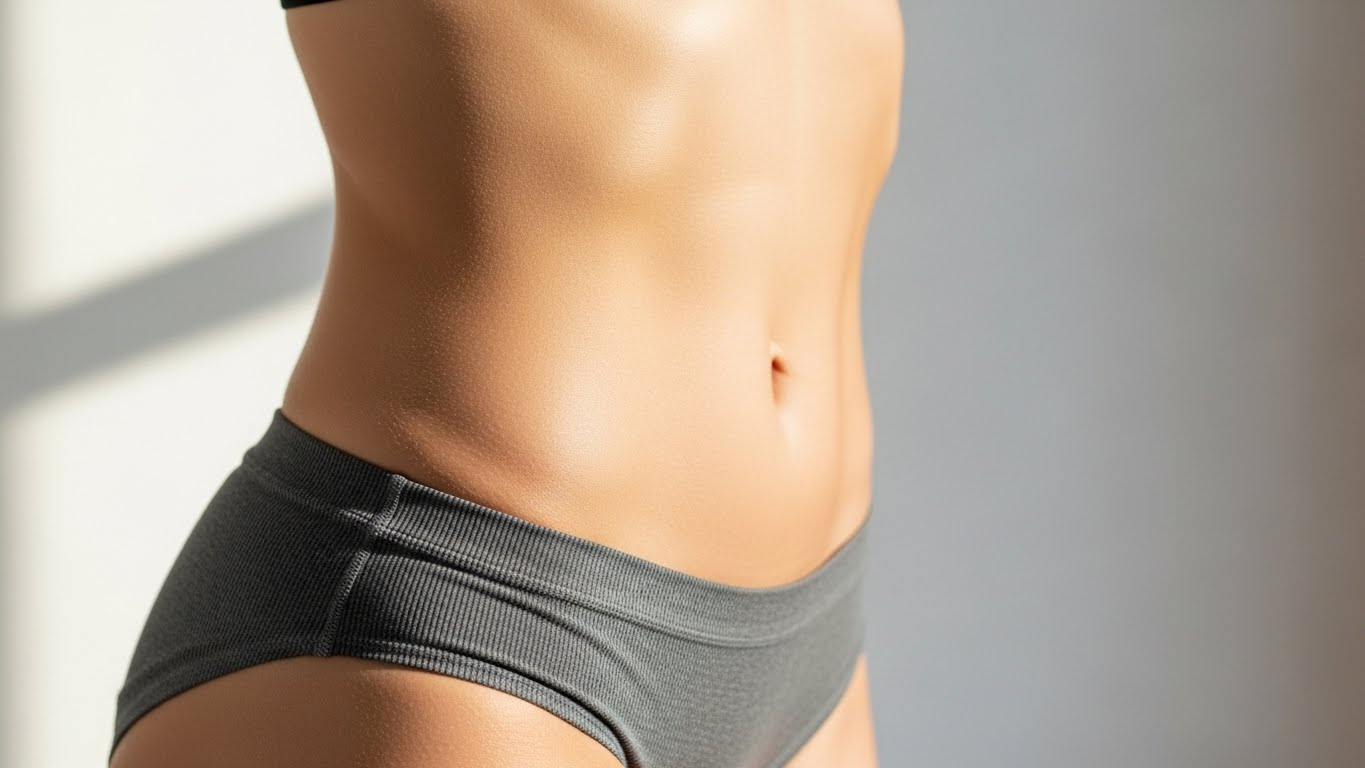
The waist and abdomen are primary areas for strategic fat removal in feminine body contouring. A masculine torso often presents with a straighter, more cylindrical shape due to fat deposits around the midsection and flanks. To achieve a feminine physique, the goal is to create a narrower, more defined waistline and a flatter abdominal area, contributing to an hourglass or V-shape silhouette (Emer, 2020; Feminization Center, 2025).
Liposuction in these regions focuses on meticulously removing excess fat from the upper and lower abdomen, as well as the love handles or flanks. High-definition liposculpture techniques are particularly effective here, allowing surgeons to sculpt the remaining fat to define the abdominal muscles subtly, creating a toned yet soft appearance. This avoids the overly chiseled “six-pack” look often associated with male body sculpting, instead aiming for a more diffused “four-pack” or a smooth, gently contoured midsection (Lipo360.com, 2025).
The use of advanced technologies like VASER liposuction is crucial for this precision. VASER uses ultrasonic energy to emulsify fat cells, making them easier to remove while minimizing trauma to surrounding tissues. This allows for finer control and the ability to remove fat layers closer to the skin, enhancing natural lines and curves (Lipo360.com, 2025). The surgeon’s skill in interpreting the patient’s unique anatomy and utilizing these technologies ensures that the waist tapers gracefully, creating a distinct feminine cinch.
Back Contouring: Eliminating Masculine Bulk
The back is another significant area where fat distribution can contribute to a masculine appearance. Excess fat in the upper back, bra roll area, and lower back can create a bulky, less refined silhouette. Feminizing back contouring aims to smooth these areas, creating a more elegant and tapered upper body (Emer, 2020).
Liposuction techniques are employed to remove fat deposits from the entire back, including the areas around the shoulder blades and along the bra line. This reduction in volume helps to create a smoother transition from the shoulders to the waist, enhancing the perception of a smaller waistline. For some individuals, particularly those with significant fat accumulation, a comprehensive 360-degree approach that addresses the back in conjunction with the abdomen and flanks is essential for achieving a truly harmonious result (Emer, 2020).
The goal is to eliminate any squareness or heaviness in the back, allowing for a more graceful curvature. This can also involve addressing any “buffalo hump” or localized fat deposits in the upper back, which can be a source of dysphoria for transgender women. By carefully sculpting the back, the surgeon contributes to an overall more delicate and feminine upper body contour, complementing the changes made to the front of the torso.
Arm Liposculpture: Refining Upper Body Femininity
The arms, particularly the upper arm area and shoulders, can also benefit from liposculpture to achieve a more feminine appearance. Masculine arms often present with more muscle bulk and a less refined contour, sometimes accompanied by stubborn fat deposits that resist diet and exercise. Feminizing arm liposculpture aims to create slimmer, more toned arms with a softer, more delicate silhouette (Emer, 2020; Feminization Center, 2025).
The procedure involves carefully removing excess fat from the circumference of the upper arms, focusing on areas that contribute to a heavier or less defined look. High-definition techniques can be used to subtly enhance the natural muscle lines, creating an athletic yet feminine appearance without adding bulk. This is particularly important for women who desire a toned look but wish to avoid an overly muscular or “chiseled” aesthetic (Lipo360.com, 2025).
In cases where there is significant skin laxity in addition to fat, an arm lift (brachioplasty) might be considered in conjunction with liposuction to remove excess skin and achieve a tighter, smoother contour. However, for many individuals, liposculpture alone can provide significant improvement, resulting in arms that are more proportionate to a feminized body and contribute to an overall more graceful upper body aesthetic. The careful balance between fat removal and preserving softness is key to achieving natural-looking and satisfying results in arm feminization.
Enhancing Feminine Curves: Fat Grafting for Volume and Shape
While strategic fat removal is crucial for eliminating masculine contours, the other half of body liposculpture for feminization involves the art of fat grafting. This technique, also known as lipofilling or fat transfer, repurposes the patient’s own purified fat to augment and sculpt areas that enhance feminine curves, creating a more voluptuous and harmonious silhouette (IM GENDER, n.d.; Feminization Center, 2025).
Fat grafting is a natural and effective method for adding volume, as it uses autologous tissue (the patient’s own fat), minimizing the risk of allergic reactions or rejection. The fat is typically harvested from areas with excess deposits, such as the abdomen, flanks, or thighs, through a gentle liposuction process. This extracted fat is then processed to purify it, removing blood, tumescent fluid, and damaged cells, leaving behind healthy, viable fat cells that can be reinjected (Emer, 2020).
Hip Augmentation: Sculpting the Hourglass
One of the most sought-after outcomes in feminine body contouring is the creation of fuller, more rounded hips. Masculine body shapes often lack this lateral projection, contributing to a straighter silhouette. Hip augmentation through fat grafting is designed to address this by strategically injecting purified fat into the hip area, enhancing the natural curvature and creating a more pronounced hourglass figure (IM GENDER, n.d.; Feminization Center, 2025).
The surgeon meticulously layers small amounts of fat in multiple planes to ensure a smooth, natural contour and maximize graft survival. This technique not only adds volume but also helps to smooth out any “hip dips” or indentations, creating a continuous, graceful curve from the waist to the thighs. The amount of fat transferred is carefully determined based on the patient’s existing anatomy, desired aesthetic, and the availability of donor fat, ensuring a balanced and proportional result that complements the newly sculpted waistline.
Buttock Augmentation: Enhancing Feminine Projection
Buttock augmentation, often referred to as a Brazilian Butt Lift (BBL), is another cornerstone of feminine body contouring. This procedure involves transferring a significant volume of fat to the buttocks to increase their size, improve projection, and enhance their overall shape. A well-defined and rounded buttock contributes significantly to a feminine silhouette, balancing the upper body and creating a more curvaceous profile (Emer, 2020; Feminization Center, 2025).
Similar to hip augmentation, the fat is harvested via liposuction from other areas of the body and then meticulously injected into various layers of the buttock tissue. The surgeon’s expertise is crucial in sculpting the buttocks to achieve a natural-looking lift and projection, avoiding an artificial or disproportionate appearance. The goal is to create a soft, rounded contour that harmonizes with the patient’s overall body shape. In some cases, fat grafting can be combined with buttock implants for individuals seeking a more dramatic increase in size or for those with insufficient donor fat (Feminization Center, 2025).
Breast Augmentation with Fat Transfer: Natural Enhancement
For many individuals, breast augmentation is a vital component of creating a feminine physique. While breast implants are a common option, fat transfer to the breasts offers a natural alternative, particularly for those seeking a more subtle increase in size or improved contour. This technique involves injecting purified fat cells into the breast tissue to enhance volume and create a fuller, more rounded breast shape (Emer, 2020; Feminization Center, 2025).
Fat grafting to the breasts can be used to achieve a natural-looking augmentation, correct minor asymmetries, or improve the décolletage. It is often favored by patients who prefer to avoid synthetic implants and desire a softer, more natural feel. The procedure can also be combined with breast implants to achieve a more significant increase in size while still benefiting from the natural contouring provided by fat (Feminization Center, 2025). The viability of the transferred fat cells is a key consideration, and surgeons employ techniques to maximize graft survival, ensuring long-lasting and aesthetically pleasing results.
Advanced Techniques and Technologies for Precision Sculpting
The evolution of body liposculpture for feminization has been significantly driven by advancements in surgical techniques and the integration of cutting-edge technologies. These innovations allow surgeons to achieve an unprecedented level of precision, enhancing both the safety and aesthetic outcomes of the procedures. Moving beyond traditional liposuction, modern approaches focus on meticulous sculpting and tissue management to create natural and harmonious feminine contours.
High-Definition Liposculpture (HD Lipo)
High-Definition Liposculpture (HD Lipo) is a cornerstone of advanced feminine body contouring. Unlike conventional liposuction, which primarily removes bulk fat, HD Lipo focuses on sculpting the remaining fat layers to reveal and enhance the appearance of underlying muscle striations and create sleek, feminine contours. This technique requires exceptional surgical skill and an artistic eye to achieve subtle definition without creating an overly masculine or chiseled look (Lipo360.com, 2025).
HD Lipo often utilizes specialized tools such as VASER (Vibration Amplification of Sound Energy at Resonance) technology. VASER employs ultrasonic energy to gently emulsify fat cells, making them easier to remove while preserving surrounding tissues like nerves, blood vessels, and connective tissue. This selective fat removal allows for finer control and the ability to sculpt intricate details, such as the gentle curves of the waist, the subtle definition of the abdominal muscles, and the refined contours of the arms (Emer, 2020; Lipo360.com, 2025).
Skin Tightening Technologies: Complementing Fat Removal
Effective body contouring often requires addressing skin laxity, especially after significant fat removal. Advanced skin tightening technologies work synergistically with liposuction to ensure that the skin redrapes smoothly over the newly sculpted contours, preventing sagging and enhancing the overall aesthetic result. These technologies typically use energy-based devices to stimulate collagen production and contract existing collagen fibers.
Radiofrequency (RF) assisted devices, such as BodyTite and Renuvion (J-Plasma), are commonly employed. These devices deliver controlled thermal energy to the subdermal tissues through a small cannula, causing immediate tissue contraction and stimulating long-term collagen remodeling. This results in tighter, firmer skin that better conforms to the new body shape. The combination of HD Lipo with internal heating and tightening technologies is particularly effective for achieving comprehensive body transformation, especially in areas like the abdomen, flanks, and arms (Emer, 2020).
The choice of skin tightening technology depends on the degree of skin laxity and the specific areas being treated. For mild to moderate laxity, RF-assisted devices can provide excellent results, often avoiding the need for more invasive skin excision procedures. This integrated approach ensures that the final outcome is not only defined but also smooth and youthful.
Fat Processing and Enrichment for Grafting
The success of fat grafting hinges on the viability and quality of the transferred fat cells. Advanced fat processing and enrichment techniques are crucial for maximizing graft survival and ensuring predictable, long-lasting results. After liposuction, the harvested fat is not immediately reinjected; instead, it undergoes a purification process.
Systems like Puregraft microfiltration are used to cleanse the fat, removing unwanted components such as blood, tumescent fluid, and free lipids. This purification step concentrates the healthy fat cells, making them more viable for transfer. Furthermore, the purified fat can be enriched with regenerative elements like stem cells or platelet-rich plasma (PRP), derived from the patient’s own blood. These growth factors are believed to enhance graft survival, improve tissue quality, and promote better integration of the transferred fat (Emer, 2020).
The enriched fat is then meticulously injected into the recipient areas (hips, buttocks, breasts) using fine cannulas, layered in small aliquots to ensure optimal blood supply and integration. This careful technique minimizes the risk of fat necrosis and uneven contours, contributing to smooth, natural-looking augmentation and long-term stability of the results.
Preoperative Planning and Patient-Centered Approach
The foundation of successful body liposculpture for feminization lies in meticulous preoperative planning and a deeply patient-centered approach. Each individual presents with unique anatomical characteristics, aesthetic goals, and psychological needs, all of which must be thoroughly understood and addressed to achieve optimal and satisfying outcomes.
Comprehensive Consultation and Goal Setting
The journey begins with an extensive consultation where the patient openly discusses their body goals, concerns, and medical history with the surgeon. This initial dialogue is critical for establishing clear, informed communication and ensuring that both the patient and surgeon are aligned on the desired aesthetic. The surgeon will conduct a thorough physical examination, assessing existing fat distribution, skin elasticity, and overall body proportions (Lipo360.com, 2025; Feminization Center, 2025).
During this phase, it is crucial to set realistic expectations. Body liposculpture is a powerful tool for reshaping the body, but it is not a weight-loss solution, nor can it drastically alter bone structure. The surgeon will explain what is realistically achievable based on the patient’s unique anatomy and the capabilities of the procedures. For instance, while a patient may desire a significantly smaller waist, the surgeon will ensure that the plan maintains harmony with the hips and other body parts, creating a natural and balanced feminine figure (Lipo360.com, 2025).
Advanced Imaging and Virtual Surgical Planning
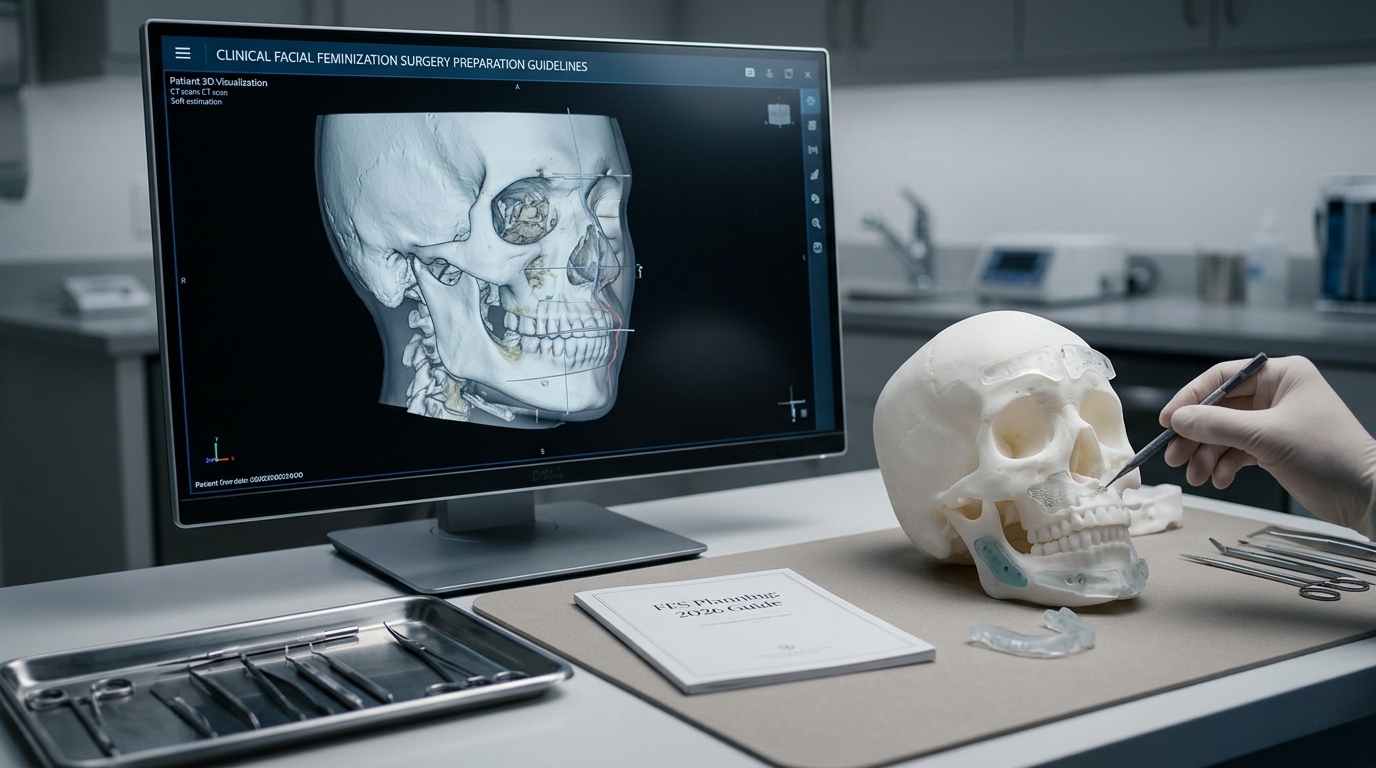
Modern preoperative planning heavily relies on advanced imaging techniques to provide a detailed blueprint of the patient’s body. High-resolution 3D scans and ultrasound imaging are invaluable tools that allow the surgeon to visualize precisely where fat deposits lie in relation to underlying muscles and vital structures. This detailed mapping is essential for creating a precise surgical strategy (Lipo360.com, 2025).
Virtual surgical planning (VSP) systems further enhance this precision. By importing 3D imaging data into specialized software, surgeons can create a digital model of the patient’s body. Within this virtual environment, they can meticulously plan every aspect of the liposculpture, including the exact areas for fat removal, the volume of fat to be extracted, and the precise placement of fat grafts. This allows for the simulation of various surgical scenarios, enabling the surgeon to visualize potential outcomes and refine the plan before any incisions are made. This technology minimizes guesswork, enhances surgical accuracy, and improves the predictability of results (Lipo360.com, 2025).
Considering Individual Anatomical and Hormonal Factors
A truly personalized approach to feminine body contouring necessitates a deep consideration of individual anatomical variations, skin elasticity, and hormonal influences. Women naturally store fat differently than men, with adipose tissue typically accumulating in the hips, thighs, buttocks, and lower abdomen. The underlying muscle layers also differ, generally featuring a thinner bulk compared to males. Surgeons must be intimately aware of these nuances to avoid creating masculine lines or an artificial appearance (Lipo360.com, 2025).
Skin elasticity is a critical factor influencing the final outcome. Good skin elasticity allows the skin to retract and conform smoothly to the new contours after fat removal. If skin laxity is present, additional skin tightening procedures, such as those using radiofrequency technology, may be recommended in conjunction with liposculpture to prevent sagging and ensure a smooth result (Lipo360.com, 2025; Feminization Center, 2025). Hormonal fluctuations, whether due to birth control, menopause, or gender-affirming hormone therapy, can also impact fat storage and tissue quality. An experienced surgeon will inquire about these factors and, if necessary, collaborate with other physicians to optimize hormonal balance before surgery, ensuring more stable and predictable results (Lipo360.com, 2025).
The Surgical Process: From Anesthesia to Sculpting
The surgical process of body liposculpture for feminization is a carefully orchestrated sequence of steps, designed to ensure patient safety, precision, and optimal aesthetic outcomes. From the initial anesthesia to the meticulous sculpting, each phase is critical to achieving the desired feminine physique.
Anesthesia and Safety Protocols
Body liposculpture is typically performed under general anesthesia, ensuring the patient’s comfort and immobility throughout the procedure. For more minor interventions, local anesthesia combined with sedatives may be an option. Regardless of the type, a dedicated surgical team continuously monitors the patient’s vital signs, including heart rate, blood pressure, and oxygen saturation, to ensure safety (IM GENDER, n.d.; Lipo360.com, 2025).
Rigorous safety protocols are in place to minimize risks such as blood loss and potential complications. This includes careful patient selection based on a thorough health assessment, adherence to sterile techniques, and the availability of emergency equipment. The duration of the surgery can range from 1 to 4 hours, depending on the extent of the areas being treated and the complexity of the sculpting required (IM GENDER, n.d.).
Detailed Markings and Tumescent Fluid Application
Before any incisions are made, the surgeon meticulously marks the patient’s body. These markings serve as a precise visual roadmap, outlining the areas for fat removal, the contours to be sculpted, and the sites for fat grafting. This detailed mapping is often performed with the patient standing, allowing the surgeon to assess how gravity affects fat distribution and to plan for optimal results (Emer, 2020; Lipo360.com, 2025).
Following the markings, a tumescent fluid is infiltrated into the target areas. This fluid, a diluted solution of saline, lidocaine (a local anesthetic), and epinephrine (a vasoconstrictor), serves several crucial purposes. It hydrates the fat, making fat cells easier to detach and remove. It also numbs the area, reducing pain during and after the procedure, and constricts blood vessels, minimizing bleeding and bruising. The tumescent fluid also helps to create a firm working surface, facilitating more precise sculpting (Emer, 2020).
Fat Emulsification and Extraction
Once the tumescent fluid has taken effect, the fat emulsification and extraction process begins. This is where advanced technologies like VASER liposuction play a significant role. VASER uses ultrasonic waves delivered through a small probe to gently break down fat cells without damaging surrounding tissues. This emulsified fat is then more easily suctioned out (Emer, 2020; Lipo360.com, 2025).
Power-assisted liposuction (PAL) devices, which use a vibrating cannula, may also be employed to further facilitate fat removal. The surgeon uses custom cannulas—thin, hollow tubes—inserted through small, discreet incisions (typically a few millimeters in length) to extract the fat. The skill of the surgeon lies in their ability to make small, deliberate strokes, sculpting the body with precision and adhering to the muscle’s natural contours while avoiding harsh lines (Lipo360.com, 2025).
Fat Purification and Grafting
The extracted fat, often referred to as autologous fat, is then prepared for grafting. It is transferred to a specialized microfiltration system, such as Puregraft, where it is cleansed and purified. This process removes blood, tumescent fluid, and damaged fat cells, leaving behind a concentrated sample of healthy, viable fat. This purified fat can also be enriched with stem cells or platelet-rich plasma (PRP) to enhance its viability and improve the quality of the recipient tissue (Emer, 2020).
Once prepared, the enriched fat is meticulously reinjected into the predetermined areas for augmentation, such as the hips, buttocks, and breasts. The surgeon uses fine cannulas to layer small amounts of fat in multiple planes, ensuring even distribution and maximizing the chances of graft survival. This careful technique is essential for creating smooth, natural-looking curves and avoiding irregularities. The goal is to achieve a harmonious balance between fat removal and augmentation, resulting in a beautifully sculpted and feminized physique.
Post-Operative Recovery and Long-Term Maintenance
The journey to a feminized physique does not end with the surgical procedure; the post-operative recovery phase is equally critical for achieving optimal results and ensuring their long-term stability. Patients must be prepared for a period of healing and adhere diligently to post-operative instructions to facilitate a smooth recovery and maintain their newly sculpted contours.
Immediate Post-Operative Care and Managing Discomfort
Immediately after body liposculpture, patients can expect to experience swelling, bruising, and some discomfort in the treated areas. Pain medication will be prescribed to manage this discomfort effectively. It is common to require assistance with daily activities for the first few days post-surgery. Most patients are able to return home the same day, with detailed aftercare instructions provided by the surgical team (Lipo360.com, 2025).
Monitoring for signs of infection, such as excessive redness, warmth, or discharge from incisions, is paramount. Patients should also pay attention to changes in pain levels. Applying cold compresses to the treated areas during the first 48 hours can help reduce swelling and bruising. Elevating the treated body parts, especially during sleep, also aids in minimizing swelling by promoting lymphatic drainage (Lipo360.com, 2025).
The Critical Role of Compression Garments
One of the most vital components of post-operative care is the consistent wearing of compression garments. These garments are specifically designed to apply even pressure to the treated areas, serving multiple crucial functions. They help to reduce swelling and bruising, promote skin retraction, and assist the skin in adapting to its new contours. Compression garments also play a significant role in shaping the body and ensuring smooth, even results (IM GENDER, n.d.; Lipo360.com, 2025).
Patients are typically advised to wear compression garments continuously for 3 to 4 weeks, only removing them for showering. Adherence to this instruction is critical; failing to wear the garment or wearing it incorrectly can hinder healing and potentially compromise the final aesthetic outcome. While they may feel tight or somewhat uncomfortable initially, their importance in achieving optimal results cannot be overstated (IM GENDER, n.d.; Lipo360.com, 2025).
Gradual Return to Activity and Long-Term Results
Recovery is a gradual process, and patients should listen to their bodies and avoid rushing back into strenuous activities. Most individuals can resume light activities, such as walking, within a week of surgery. However, complete workouts and heavy lifting should be postponed for at least 2 to 4 weeks, or until cleared by the surgeon (IM GENDER, n.d.; Lipo360.com, 2025).
The final results of liposculpture are not immediately apparent due to swelling, which can take several weeks to months to fully subside. While significant improvements are often visible within 6 to 12 weeks, residual swelling can persist for up to six months or even longer, with the final contours emerging gradually (IM GENDER, n.d.; Lipo360.com, 2025). To maintain these long-lasting results, a stable weight, healthy lifestyle habits, and regular exercise are essential. The fat cells removed during liposuction are permanently gone, but significant weight gain can cause remaining fat cells in untreated areas to enlarge, potentially altering the newly sculpted contours. A nutritious diet, adequate hydration, and consistent physical activity are key to preserving the feminized physique (Lipo360.com, 2025).
Potential Risks, Complications, and Realistic Expectations
While body liposculpture for feminization offers transformative results, it is essential for patients to be fully informed about potential risks, complications, and the importance of maintaining realistic expectations. As with any surgical procedure, there are inherent considerations that must be carefully weighed before proceeding.
General Surgical Risks
Standard surgical risks apply to body liposculpture, including bleeding, infection, and adverse reactions to anesthesia. Although rare, these complications can occur. Choosing a qualified, board-certified surgeon and adhering to all pre- and post-operative instructions significantly minimizes these risks (Feminization Center, 2025).
Scarring is another consideration. While liposuction incisions are typically small (a few millimeters) and strategically placed in discreet areas, some scarring is inevitable. Over time, these scars usually fade and become virtually invisible, but individual healing varies (IM GENDER, n.d.).
Specific Complications of Liposculpture and Fat Grafting
Beyond general surgical risks, specific complications can arise from liposculpture and fat grafting. One potential issue is fat necrosis, where some of the transplanted fat cells may not survive and can die, leading to visible lumps or irregularities. While surgeons employ techniques to maximize graft survival, a certain percentage of fat resorption is expected (Feminization Center, 2025).
Seroma formation, the accumulation of fluid beneath the skin, is another possibility that may require additional procedures for drainage. Changes in sensation, such as temporary numbness or tingling in the treated areas, are common and typically resolve over time as nerves heal. In rare instances, chronic swelling or unusual muscle shapes can develop if too much tissue is removed or if the sculpting is not performed with adequate precision. Surface dents or bumps have been reported in approximately 8.2% of cases, highlighting the importance of surgeon skill and meticulous technique (Lipo360.com, 2025).
The Importance of Realistic Expectations
Managing expectations realistically is paramount for patient satisfaction. Body liposculpture is a powerful body contouring tool, but it is not a miracle worker. It cannot achieve drastic weight loss or fundamentally alter bone structure. The results are influenced by individual body type, skin quality, and natural healing capabilities (Lipo360.com, 2025; Feminization Center, 2025).
Patients should understand that the goal is to enhance their natural features and create a more feminine appearance that is harmonious with their overall physique, rather than replicating an idealized or celebrity look. Open and honest communication with the surgeon about desired outcomes and potential limitations is crucial. A qualified surgeon will provide a clear understanding of what is feasible, ensuring that expectations are grounded in surgical realism and preventing potential disappointment (Lipo360.com, 2025).
Selecting the Right Specialist for Your Feminization Journey
The decision to undergo body liposculpture for feminization is a significant one, and the choice of surgeon is arguably the most critical factor in ensuring a safe, successful, and satisfying outcome. This specialized procedure demands a surgeon with a unique blend of technical expertise, artistic vision, and a deep understanding of feminine aesthetics.
Expertise in High-Definition Liposculpture and Fat Grafting
For complex body feminization, it is paramount to select a board-certified plastic surgeon with extensive experience specifically in high-definition liposculpture and fat grafting techniques. This goes beyond general liposuction experience, as HD Lipo requires a meticulous approach to sculpt fat layers close to the skin and enhance muscle definition without creating an overly masculine appearance (Lipo360.com, 2025).
An expert in this field will demonstrate a profound understanding of sexually dimorphic fat distribution and how to strategically remove and redistribute fat to create natural-looking feminine curves. They should be proficient in using advanced technologies such as VASER liposuction and various skin tightening devices, as these tools are integral to achieving refined contours and smooth skin redraping (Emer, 2020; Lipo360.com, 2025).
Artistic Vision and Patient-Centered Care
Beyond technical skill, an ideal surgeon for feminine body contouring possesses a strong artistic sense. Body sculpting is an art form that requires a delicate touch and an aesthetic eye to chisel each body according to the individual’s natural build and desired end goals. The surgeon should be able to visualize the final outcome and plan interventions that maintain harmony and proportion across the entire physique (Lipo360.com, 2025).
A patient-centered approach is equally vital. The surgeon should engage in thorough and empathetic consultations, actively listening to the patient’s unique vision, concerns, and psychological needs. They must be able to clearly explain the procedure, potential outcomes, and recovery process, fostering an environment of trust and open communication. This ensures that the treatment plan is not only surgically sound but also deeply aligned with the patient’s personal journey and gender affirmation goals (Lipo360.com, 2025; Feminization Center, 2025).
Verifying Credentials and Reviewing Portfolios
Prospective patients should diligently research and verify the surgeon’s credentials. This includes confirming board certification in plastic surgery or a relevant surgical specialty. It is also highly recommended to examine the surgeon’s portfolio of previous work, paying close attention to before-and-after images of patients with similar body types and aesthetic goals. This visual evidence provides insight into the surgeon’s skill, consistency of results, and artistic style (Lipo360.com, 2025).
Patient reviews and testimonials can also offer valuable insights into the surgeon’s bedside manner, the quality of care provided by their team, and overall patient satisfaction. A surgeon who is transparent about risks, provides comprehensive pre- and post-operative guidance, and emphasizes realistic expectations is a strong indicator of a reputable and ethical practice. Ultimately, selecting a specialist who combines advanced technical skill with a compassionate, individualized approach is paramount for achieving safe, aesthetically pleasing, and emotionally fulfilling results in feminine body liposculpture.

Conclusion: The Art and Science of Feminine Body Transformation
The journey to creating a feminine physique through body liposculpture is a profound testament to the synergy of advanced surgical science and artistic vision. This comprehensive exploration has illuminated how strategic fat removal, coupled with meticulous fat grafting, can redefine body contours, transforming a masculine silhouette into one that is distinctly feminine and harmonious. We have delved into the core principles that guide this transformation, emphasizing the critical understanding of gender-specific fat distribution and the importance of a personalized approach that respects each individual’s unique anatomy and aesthetic aspirations.
The detailed examination of strategic fat removal from areas such as the waist, back, and arms has highlighted how these interventions are crucial for eliminating masculine bulk and creating a more tapered, graceful upper body. Concurrently, the discussion on fat grafting has underscored its pivotal role in enhancing desirable feminine curves, particularly in the hips, buttocks, and breasts. This dual strategy ensures that the body is not merely reduced in size but thoughtfully sculpted to achieve a balanced and proportional figure. The integration of cutting-edge technologies, including High-Definition Liposculpture (HD Lipo) with VASER technology and various skin tightening devices, further elevates the precision and efficacy of these procedures. These advancements allow surgeons to achieve intricate detailing, subtle muscle definition, and smooth skin redraping, contributing to results that are both natural-looking and enduring.
The importance of a patient-centered approach, beginning with comprehensive consultations and realistic goal setting, cannot be overstated. Advanced imaging and virtual surgical planning systems have revolutionized preoperative preparation, enabling surgeons to create highly detailed blueprints and simulate outcomes with remarkable accuracy. This meticulous planning, combined with a deep consideration of individual anatomical variations, skin elasticity, and hormonal factors, ensures that each treatment plan is uniquely tailored to the patient. The surgical process itself, from anesthesia and detailed markings to fat emulsification, extraction, purification, and grafting, is a testament to the precision and care involved in these transformative procedures.
Post-operative recovery, though a gradual process, is a critical phase that demands diligent adherence to care instructions, particularly the consistent use of compression garments. Understanding potential risks and maintaining realistic expectations are also vital components of a successful journey, ensuring that patients are well-informed and emotionally prepared for the evolving results. Ultimately, the selection of a highly specialized surgeon, one who combines profound technical expertise in HD Lipo and fat grafting with an artistic vision and a compassionate, patient-centered approach, is the single most crucial decision. Such a specialist is equipped to navigate the complexities of body feminization, delivering results that are not only aesthetically profound but also deeply affirming for the individual.
Body liposculpture for feminization represents more than just a cosmetic enhancement; it is a powerful tool for gender affirmation, fostering improved self-esteem, reduced dysphoria, and a greater sense of authenticity. As the field continues to advance, the commitment to precision, personalized care, and comprehensive outcomes will remain at its core, offering life-changing possibilities for individuals seeking to harmonize their inner identity with their outer form. This intricate dance between art and science continues to empower individuals to embrace their true selves, sculpting not just bodies, but futures filled with confidence and self-acceptance.
Frequently Asked Questions
What is body liposculpture for feminization?
Body liposculpture for feminization is an advanced aesthetic procedure that combines strategic fat removal (liposuction) from masculine-patterned areas (e.g., waist, back, arms) with fat grafting (fat transfer) to enhance feminine curves (e.g., hips, buttocks, breasts). The goal is to create a more harmonious and feminine body silhouette.
How does High-Definition Liposculpture (HD Lipo) differ from traditional liposuction?
HD Lipo goes beyond simple fat removal by meticulously sculpting the remaining fat layers to reveal subtle muscle definition and create sleek contours. It uses specialized tools like VASER technology for precision, aiming for an athletic yet soft feminine appearance, unlike traditional liposuction which primarily focuses on reducing overall fat volume.
Which body areas are typically targeted for fat removal and fat grafting in feminine body contouring?
Fat is typically removed from areas like the waist, abdomen, flanks, back, and arms to reduce masculine bulk. The removed and purified fat is then grafted to enhance feminine curves in areas such as the hips, buttocks, and breasts.
What role do skin tightening technologies play in body feminization?
Skin tightening technologies, such as radiofrequency-assisted devices (e.g., BodyTite, Renuvion), are used to stimulate collagen production and contract skin, ensuring it redrapes smoothly over the newly sculpted contours. This prevents sagging and enhances the overall aesthetic result after fat removal.
What should I expect during the recovery period after body liposculpture?
Patients can expect swelling, bruising, and discomfort, managed with medication and cold compresses. Compression garments are crucial for 3-4 weeks to reduce swelling and shape the body. Light activities can resume within a week, but strenuous exercise should be avoided for several weeks. Final results emerge gradually over months.
How can I maintain the results of my feminine body liposculpture long-term?
Maintaining a stable weight, adopting healthy lifestyle habits (nutritious diet, adequate hydration, regular exercise), and diligently following all post-operative care instructions are essential for preserving the long-term results of feminine body liposculpture.
What qualifications should I look for in a surgeon for feminine body liposculpture?
Look for a board-certified plastic surgeon with extensive experience in high-definition liposculpture and fat grafting. They should possess an artistic eye, a deep understanding of feminine aesthetics, and a patient-centered approach. Verifying credentials and reviewing their portfolio are crucial steps.
Bibliography
- Emer, J. (2020). FEMale 360 HD Liposculpture. Dr. Jason Emer. https://www.jasonemermd.com/body-contouring/360-hd-lipo-female/
- Feminization Center. (2025). Body Contouring for Feminization: Techniques and Benefits. https://feminizationcenter.com/body-contouring-for-feminization-techniques-and-benefits/
- IM GENDER. (n.d.). MTF Body Contouring | Transgender Liposuction | IM GENDER. Retrieved November 25, 2025, from https://imgender.com/en/body-feminization-surgery/mtf-liposuction/
- Lipo360.com. (2025). High-Definition Liposuction for Women: Achieving a Defined Physique Without Masculinity. https://www.lipo360.com/blog/high-definition-liposuction-for-women-achieving-a-defined-physique-without-masculinity/