How Do Facial Implants Help in Achieving Symmetry in Facial Masculinization Surgery?

A close-up portrait of a middle-aged man with a serious expression, wearing a light pink collared shirt. The image focuses on his face, capturing his intense gaze and the details of his skin texture, with a neutral background.

Did you know that studies show people consider symmetrical faces more attractive? It’s true! And for many transgender men, achieving a more masculine and symmetrical facial appearance is a key part of their transition journey. That’s where Facial Masculinization Surgery, often called FMS, comes in. But how do Facial Implants specifically contribute to this process? Let’s dive in!

Facial Symmetry: The Foundation of a Masculine Look

First things first, what exactly is facial symmetry? Simply put, it means that both sides of your face mirror each other. Now, while no one has perfect symmetry, a balanced look is often perceived as more attractive. Interestingly, certain facial features are generally associated with masculinity. Think about a strong, defined jawline, a prominent chin, and sculpted cheekbones. These features play a significant role in creating that coveted masculine aesthetic.

Furthermore, did you know that testosterone, the hormone more prominent in men, actually impacts facial structure? As testosterone courses through the body, it can lead to more pronounced features like those mentioned above!

Facial Implants: Sculpting a More Balanced and Masculine You

Facial Implants are like pieces of a puzzle, carefully placed to enhance specific areas of the face. During FMS, surgeons often use various types of Facial Implants, each designed to address different areas:

  • Chin Implants: These add projection to a receding chin, instantly creating a more defined profile.
  • Jaw Angle Implants: Want a stronger, more angular jawline? Jaw angle implants are the answer.
  • Cheek Implants: These create higher, more prominent cheekbones, a hallmark of a masculine face.
  • Orbital Implants: Even the eye area can benefit! Orbital implants add subtle volume around the eyes, creating a more deep-set and masculine look.

The beauty of Facial Implants lies in their customization. Your surgeon will work with you to select the right size, shape, and placement to complement your unique bone structure. Think of it like a sculptor carefully molding clay to achieve the perfect form.

Facial Implants, however, aren’t just about adding volume. They play a crucial role in addressing natural asymmetries. We all have them! One side of our face may be slightly different from the other. Facial Implants skillfully camouflage these discrepancies, resulting in a more harmonious and balanced overall look.

To truly grasp the transformative power of Facial Implants, it’s helpful to see real-life examples. Before and after photos (always shared with consent, of course!) showcase how these implants can dramatically enhance facial symmetry and create a remarkably natural-looking masculine appearance.

Why Facial Implants? The Perks Speak for Themselves!

Here’s the exciting part: Facial Implants offer numerous benefits that extend far beyond the physical:

  • Lasting Power: Say goodbye to temporary fixes! Facial Implants provide permanent results, so you can enjoy your enhanced look for years to come.
  • Natural Beauty: When done correctly by a skilled surgeon, Facial Implants blend seamlessly with your natural features, creating a result that looks and feels authentically you.
  • Confidence Boost: Imagine looking in the mirror and feeling a surge of confidence. Facial Implants often contribute to improved self-esteem and a reduced sense of gender dysphoria.

And guess what? Facial Implants can be combined with other facial masculinization procedures! Rhinoplasty (nose reshaping) and forehead reconstruction are just two examples. By combining procedures, surgeons can achieve even more comprehensive and harmonious results.

Finding the Right Artist: Your Guide to Facial Implant Success

Choosing a qualified surgeon is paramount for any surgery, but especially when it comes to your face. Seek out a professional with extensive experience in both Facial Masculinization Surgery and Facial Implants specifically. Remember, this is your face, and you deserve the best!

Don’t hesitate to schedule consultations with multiple surgeons. This allows you to ask questions, discuss your goals, and get a feel for their approach. Remember, open communication with your chosen surgeon is vital for achieving the results you desire.

Close-up side profile of a bearded man with a neutral expression against a plain background.

Considering Facial Masculinization Surgery? Why Turkey Might Be Your Answer

You’re researching facial masculinization surgery, particularly facial implants, and that’s a big step! You’re on a journey towards aligning your appearance with your true self. But have you considered where you want to embark on this transformative experience?

More and more people are choosing Turkey for their cosmetic procedures, and for good reason. Turkey, particularly Antalya, offers a winning combination: world-class healthcare at surprisingly affordable prices, all within a stunningly beautiful vacation destination.

Why Turkey for Facial Implants and Facial Masculinization Surgery?

  • Expertise that Rivals the World’s Best: Turkey boasts highly skilled and experienced surgeons who specialize in facial masculinization procedures, including facial implants. Many have trained and practiced internationally, bringing the latest techniques and innovations to their work.
  • Cost-Effective Care: Let’s face it, surgery costs can be daunting. Turkey offers significant cost savings compared to many Western countries, sometimes up to 70% less. This affordability makes achieving your desired look more attainable.
  • Health Tourism at its Finest: Turkey has invested heavily in its health tourism infrastructure. This means you’ll find state-of-the-art facilities, cutting-edge technology, and streamlined processes designed to make your experience smooth and comfortable.
  • Antalya: Beauty Meets Wellness: Imagine combining your surgical journey with a relaxing vacation. Antalya, Turkey’s crown jewel on the Mediterranean coast, offers this unique blend. Enjoy breathtaking beaches, historical sites, vibrant culture, and world-renowned hospitality, all while recovering in comfort and style.

All-Inclusive Packages: Your Transformation, Simplified

Many clinics in Antalya offer comprehensive all-inclusive packages that cover everything from your initial consultation and surgery to accommodation, airport transfers, and even post-operative care. This simplifies the entire process and allows you to focus on what matters most: your transformation.

A Chance to Reconnect With Yourself

Choosing Turkey for your facial masculinization surgery, including facial implants, isn’t just about the procedure itself. It’s about embarking on a journey of self-discovery and embracing your authentic self within a supportive and beautiful environment. Imagine returning home not just with a renewed appearance but also with cherished memories of a remarkable experience.

Conclusion: Embracing Your Authentic Self

To sum it all up, Facial Implants play a pivotal role in achieving facial symmetry during FMS. They add volume, define features, and address natural asymmetries, all contributing to a more masculine and harmonious facial appearance. The benefits extend beyond the physical, often leading to increased self-confidence and a reduction in gender dysphoria. Remember, choosing a highly experienced and qualified surgeon is crucial for achieving the best possible outcome. With the right team and a clear vision, you can embark on this transformative journey and embrace your most authentic self!

Visit Dr.MFO Instagram profile to see real patient transformations! Get a glimpse of the incredible results achieved through facial feminization surgery and other procedures. The profile showcases before-and-after photos that highlight Dr. MFO’s expertise and artistic vision in creating natural-looking, beautiful outcomes.

Ready to take the next step in your journey? Schedule a free consultation with Dr. MFO today. During the consultation, you can discuss your goals, ask any questions you may have, and learn more about how Dr. MFO can help you achieve your desired look. Don’t hesitate to take advantage of this free opportunity to explore your options and see if Dr. MFO is the right fit for you.

FAQ

Do Facial Implants Really Make a Difference in Facial Masculinization Surgery?

Absolutely! Facial Implants are like the secret sauce of Facial Masculinization Surgery (FMS). They add volume and definition to key areas like the chin, jawline, and cheekbones. This creates a more balanced, symmetrical, and ultimately, more masculine appearance. Think of it like this: FMS lays the groundwork, and Facial Implants bring the artistry.

What Exactly Do Facial Implants Do?

Imagine you’re sculpting with clay. Facial Implants are like adding those extra bits of clay to specific areas, enhancing their shape and projection. For example:

  • Chin Implants create a stronger chin profile.
  • Jaw Implants give you that chiseled jawline.
  • Cheek Implants make your cheekbones pop.

By strategically placing these implants, surgeons can enhance your natural bone structure and create a more harmonious and masculine look.

How Do Facial Implants Help With Facial Symmetry?

Here’s the thing: no one’s face is perfectly symmetrical. We all have slight differences between our left and right sides. Facial Implants come into play by camouflaging these discrepancies. Surgeons use them to add volume where needed, balancing out any natural asymmetries. The result? A more symmetrical and aesthetically pleasing facial structure.

What Are the Benefits of Getting Facial Implants During FMS?

Facial Implants offer a bunch of benefits, both physical and emotional. Let’s break it down:

  • Permanent Results: Unlike fillers, which dissolve over time, Facial Implants provide long-lasting enhancement.
  • Natural Look: When done right, Facial Implants blend seamlessly with your existing features, giving you a natural-looking transformation.
  • Boosted Confidence: Achieving a more masculine appearance can do wonders for your self-esteem and reduce gender dysphoria.
  • Customization: Facial Implants come in all shapes and sizes. Your surgeon will work with you to customize the implants to your unique facial structure and desired outcome.

How Do I Find a Surgeon Who’s Great With Facial Implants?

Choosing the right surgeon is crucial! Look for someone who specializes in both Facial Masculinization Surgery and Facial Implants. Don’t be afraid to schedule consultations with multiple surgeons, ask questions, and discuss your expectations openly. It’s your face, after all!

What are the Benefits of Using Facial Implants: 5 Amazing Perks

What are the Benefits of Using Facial Implants: 5 Amazing Perks

The journey of self-discovery and expression often leads individuals down paths of transformation. For many transgender men and masculine-presenting individuals, this path includes Facial Mascululinization Surgery (FMS) – a powerful tool for aligning one’s physical appearance with their true gender identity. And guess what plays a starring role in this transformation? You got it – Facial Implants! They’re like the secret sauce, adding those subtle yet impactful changes that can make all the difference. Let’s dive into the world of Facial Implants and see how they can help you sculpt the look you’ve always envisioned.

1. Facial Masculinization Surgery: A Quick Overview

First things first, what exactly is FMS? Imagine an artist with a chisel, carefully sculpting a masterpiece. That’s FMS, but instead of marble, we’re talking about facial bone structure! This surgical procedure involves reshaping the bones of the face to create more masculine features. Now, where do Facial Implants come in? They’re like the artist’s secret weapons, adding volume and definition to specific areas for a truly sculpted appearance. Think of it like this: jawline looking a little soft? Facial Implants to the rescue! Chin needs a bit more prominence? Facial Implants can handle that! We’re talking jaw implants, chin implants, cheek implants – the works!

2. Demystifying Facial Implants: What You Need to Know

Okay, so what are these magical Facial Implants anyway? Imagine smooth, biocompatible materials sculpted into different shapes and sizes, almost like puzzle pieces designed to fit perfectly within your face. Now, picture a skilled surgeon making a small incision, carefully inserting these implants, and voila! They become a permanent part of your facial structure, subtly enhancing your features.

But hold on, what kind of Facial Implants are we talking about? Let’s break it down:

  • Jaw Implants: Want that strong, chiseled jawline? Jaw implants are your new best friend! They add width and definition to the jaw, creating a more angular and masculine appearance.
  • Chin Implants: A prominent chin is a hallmark of a masculine face. Chin implants can add projection and improve facial harmony, bringing balance to your features.
  • Cheek Implants: Cheekbones often play a crucial role in defining a masculine face. Cheek implants add volume to the cheeks, creating a more sculpted and defined look.
  • Forehead Implants: A sloping, prominent forehead is another key element of a masculine appearance. Forehead implants can create this effect, resulting in a more balanced and harmonious facial structure.

3. The Power of Facial Implants: Why They’re Game-Changers in FMS

So, we know what Facial Implants are, but why are they such a big deal in Facial Masculinization Surgery? Here’s the scoop:

  • Permanent Results: Say goodbye to temporary fillers! Facial Implants offer long-lasting, often permanent results. Once they’re in, they’re there to stay, providing enduring enhancement to your facial features.
  • Customization is Key: No two faces are the same, and neither are Facial Implants. Surgeons can choose from a variety of sizes and shapes to achieve your unique aesthetic goals, ensuring your results are tailor-made for you.
  • Natural-Looking Transformations: The goal of FMS isn’t to look like a completely different person, but rather a more confident, authentic version of yourself. Well-placed Facial Implants create subtle, natural-looking changes that enhance your existing features without appearing artificial.
  • Harmony and Balance: A well-balanced face is a beautiful face, regardless of gender. Facial Implants help achieve this balance by improving the overall proportions of the face. They can create symmetry, enhance contours, and bring harmony to your features.
  • Confidence Boost: Perhaps the most important benefit of Facial Implants is the profound impact they can have on your self-esteem. By aligning your physical appearance with your gender identity, you’ll likely experience increased confidence, self-acceptance, and a greater sense of well-being.

4. Addressing Concerns: Let’s Talk About the Nitty-Gritty

Okay, so Facial Implants sound pretty amazing, right? But like any surgical procedure, it’s essential to be informed about potential concerns and have realistic expectations:

  • Recovery Time: After surgery, you’ll need some downtime for healing. Expect some swelling, bruising, and discomfort, which typically subside within a few weeks. Your surgeon will provide detailed instructions on post-operative care.
  • Potential Risks and Complications: While generally safe, Facial Implants do come with potential risks like infection, implant shifting, or asymmetry. However, choosing a qualified and experienced surgeon significantly minimizes these risks.
  • The Price Tag: Facial Implants, like most elective surgeries, come with a cost. Factors like the type and number of implants, surgeon’s fees, and location can all influence the overall expense.
  • Consultation is Key: The decision to undergo FMS is a personal one. Consulting with a qualified and experienced surgeon is crucial. They’ll assess your suitability, discuss your goals, and address any concerns you might have.
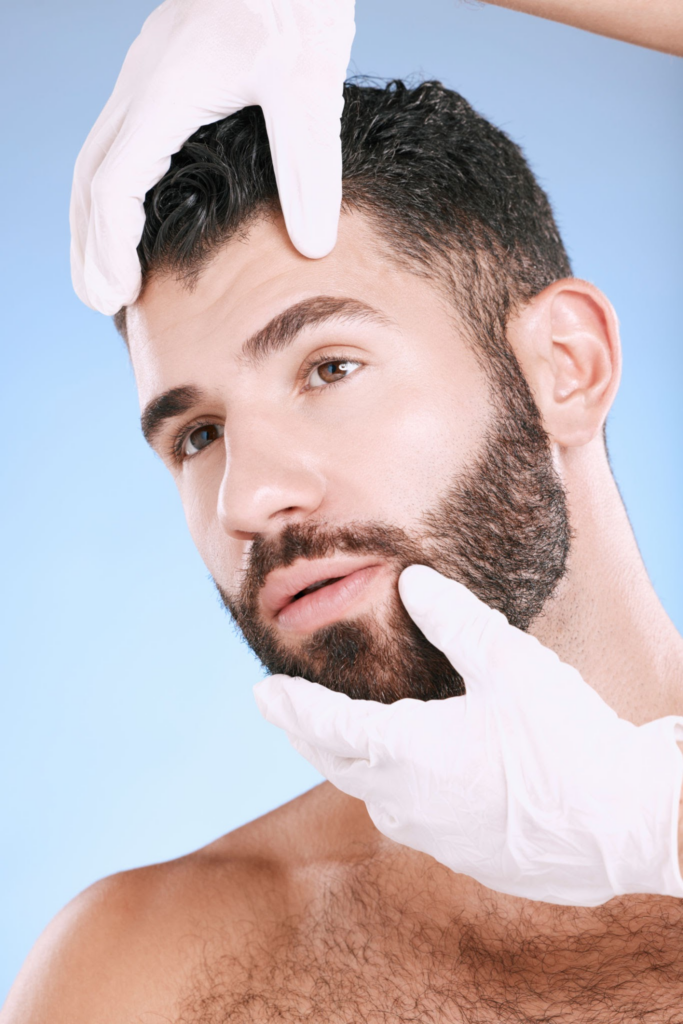
A man receiving a facial treatment, with gloved hands gently touching his face and forehead.

5. Conclusion: Facial Implants – A Powerful Tool for Facial Masculinization

So, there you have it! Facial Implants offer a powerful and effective way to achieve desired masculine features in Facial Masculinization Surgery. These implants provide long-lasting, natural-looking results, enhancing facial harmony, balance, and most importantly, self-confidence. If you’re considering FMS, Facial Implants might just be the missing piece of the puzzle you’ve been searching for. Remember, knowledge is power. By understanding the benefits and potential concerns associated with Facial Implants, you can make an informed decision about your journey towards a more authentic and confident you. Don’t hesitate to reach out to a qualified professional for personalized guidance and support. Your transformation awaits!

Visit Dr.MFO Instagram profile to see real patient transformations! Get a glimpse of the incredible results achieved through facial feminization surgery and other procedures. The profile showcases before-and-after photos that highlight Dr. MFO’s expertise and artistic vision in creating natural-looking, beautiful outcomes.

Ready to take the next step in your journey? Schedule a free consultation with Dr. MFO today. During the consultation, you can discuss your goals, ask any questions you may have, and learn more about how Dr. MFO can help you achieve your desired look. Don’t hesitate to take advantage of this free opportunity to explore your options and see if Dr. MFO is the right fit for you.

Cheek Augmentation in Facial Masculinization Surgery: A Deep Dive into Materials and Methods

Cheek Augmentation in Facial Masculinization Surgery

Facial masculinization surgery, often shortened to FMS, represents a profound step for many transgender men and masculine-presenting individuals on their journey towards self-affirmation. It’s about aligning one’s physical appearance with their internal sense of self. Among the many procedures FMS encompasses, cheek augmentation stands out as a cornerstone in crafting a more masculine facial structure. But this isn’t a one-size-fits-all endeavor. Just like a bespoke suit, the materials used in cheek augmentation demand careful consideration, tailored to individual anatomy, aesthetic goals, and personal preferences. Let’s delve deeper into this transformative procedure.

1. Silicone Implants: Tried and True, Yet Tailored to You

Imagine a sculptor meticulously shaping clay, molding it with precision to achieve the desired form. This analogy aptly describes the world of silicone implants in cheek augmentation. Silicone, a biocompatible material with a longstanding history in medical applications, boasts impressive durability and versatility. Available in a wide spectrum of pre-fabricated shapes and sizes, silicone implants empower surgeons to select the perfect “fit” for a patient’s unique bone structure and desired aesthetic.

Delving Deeper:

  • Customization: The beauty of silicone lies in its malleability. Skilled surgeons can further sculpt these implants during surgery, ensuring a seamless integration with the existing facial contours. This level of customization is particularly beneficial for patients seeking highly specific cheekbone projection and definition.
  • Longevity and Potential Concerns: Silicone implants are known for their resilience. However, like any implanted material, they come with potential risks. These include implant migration (shifting out of place) and capsular contracture (the formation of a fibrous capsule around the implant, which can sometimes cause firmness or distortion). Open communication with your surgeon regarding these possibilities is paramount.

2. Porous Polyethylene (Medpor) Implants: Where Biology Meets Structure

Shifting gears, envision a material not as a static entity, but as a scaffold, inviting the body’s own processes to weave themselves into its very framework. This is the essence of porous polyethylene, more commonly known by its brand name, Medpor. Its unique micro-porous structure promotes tissue ingrowth, allowing the implant to become deeply integrated with the surrounding bone.

Delving Deeper:

  • Stability and Natural Look: This integration minimizes the risk of implant migration, a concern sometimes associated with silicone implants. Furthermore, the tissue ingrowth encourages a more natural-looking result over time, as the implant essentially becomes “one” with the patient’s own anatomy.
  • Healing Time and Palpability: While the porous nature of Medpor offers significant advantages, it does necessitate a slightly longer healing period compared to silicone. Additionally, some patients might be able to subtly feel the implant’s texture through the skin, particularly in the initial months following surgery.

3. Biocompatible Materials (Hydroxyapatite): Stimulating Natural Bone Growth

Now, picture a material not merely coexisting with the body, but actively encouraging it to regenerate and flourish. This is the realm of biocompatible materials like hydroxyapatite, a naturally occurring mineral found in human bones and teeth. When used in cheek augmentation, hydroxyapatite functions as a scaffold, stimulating the production of new bone tissue that gradually integrates with the material.

Delving Deeper:

  • Organic Integration: Over time, the body remodels the hydroxyapatite, replacing it with its own bone. This process results in a highly natural feel and appearance, seamlessly blending the augmentation with the patient’s existing bone structure.
  • Customization and Suitability: The trade-off with hydroxyapatite lies in its slightly limited malleability compared to silicone. While surgeons can adjust the material to some extent, achieving highly customized shapes can be more challenging. Additionally, not all patients are ideal candidates for hydroxyapatite, making a thorough consultation with a knowledgeable surgeon essential.

4. Fat Grafting (Autologous Fat Transfer): Harnessing the Body’s Own Resources

Imagine a sculptor, instead of reaching for external materials, utilizes clay found within the very earth supporting their art. This concept of utilizing the body’s own resources lies at the heart of fat grafting, also known as autologous fat transfer. This technique involves harvesting fat from areas where it’s abundant, such as the abdomen or thighs, purifying it, and then carefully injecting it into the cheekbones to enhance volume and contour.

Delving Deeper:

  • Biocompatibility and Natural Aesthetics: Since the material used is the patient’s own tissue, the risk of allergic reactions or rejection is significantly minimized. Moreover, fat grafting yields remarkably natural-looking and feeling results, seamlessly integrating with the surrounding tissues.
  • Predictability and Multiple Sessions: The “take” of fat grafts—meaning the percentage of injected fat that survives and thrives in its new location—can vary from person to person. This means achieving the desired volume might require multiple sessions. Additionally, the longevity of results can be influenced by factors like metabolism and lifestyle.

5. Navigating the Decision: Factors to Consider When Choosing a Material

The journey towards selecting the ideal cheek augmentation material is deeply personal, guided by individual aspirations, anatomy, and lifestyle. It necessitates a collaborative approach, a partnership between the patient and a skilled, experienced surgeon specializing in facial feminization surgery.

Key Considerations:

  • Desired Cheek Projection and Shape: Do you envision subtly enhanced cheekbones or a more pronounced, angular look? Different materials offer varying degrees of malleability and volume potential.
  • Individual Facial Structure: The underlying bone structure, soft tissue distribution, and existing facial features all play a role in determining which material will yield the most harmonious and aesthetically pleasing outcome.
  • Surgeon’s Experience and Preference: Just as artists specialize in different mediums, surgeons often develop expertise in specific techniques and materials. Choosing a surgeon who aligns with your aesthetic goals and whose experience resonates with your desired approach is paramount.
  • Budget and Recovery Timeline: Different materials and techniques can influence both the financial investment and the recovery period. Openly discussing your budget and lifestyle considerations with your surgeon ensures a realistic and informed decision.

6. The Importance of a Qualified Surgeon: Your Partner in Transformation

Embarking on the journey of facial masculinization surgery is a significant decision, one that deserves the utmost care, respect, and expertise. Selecting a board-certified plastic surgeon with extensive experience in FMS, and specifically in cheek augmentation, is non-negotiable. This individual will be your guide, your advocate, and your artistic collaborator throughout the process.

Remember:

  • Consultation is Key: During your initial consultation, don’t hesitate to ask questions, express your concerns, and articulate your desired outcome. A skilled surgeon will listen attentively, thoroughly assess your individual needs, and clearly explain the risks and benefits associated with each material option.
  • Review Before and After Photos: Examining before and after photographs of previous patients who have undergone cheek augmentation with the surgeon can provide invaluable insights into their aesthetic approach and technical proficiency.
  • Trust Your Intuition: Choosing a surgeon is about more than just credentials. It’s about finding someone who understands your vision, respects your values, and makes you feel comfortable and confident in their care.
Cheek Augmentation in Facial Masculinization Surgery

In Conclusion: Sculpting Confidence, One Cheekbone at a Time

Cheek augmentation, when performed with artistry and precision, possesses the transformative power to bring one’s outward appearance into alignment with their inner truth. It’s about more than just altering physical features; it’s about shaping confidence, empowering self-expression, and ultimately, enhancing overall well-being.

Remember, you are not alone on this journey. With thorough research, open communication with a qualified surgeon, and a clear vision of your desired outcome, you can navigate the world of cheek augmentation and emerge, not just with sculpted cheekbones, but with a renewed sense of self-assurance and authenticity.

Visit Dr.MFO Instagram profile to see real patient transformations! Get a glimpse of the incredible results achieved through facial feminization surgery and other procedures. The profile showcases before-and-after photos that highlight Dr. MFO’s expertise and artistic vision in creating natural-looking, beautiful outcomes.

Ready to take the next step in your journey? Schedule a free consultation with Dr. MFO today. During the consultation, you can discuss your goals, ask any questions you may have, and learn more about how Dr. MFO can help you achieve your desired look. Don’t hesitate to take advantage of this free opportunity to explore your options and see if Dr. MFO is the right fit for you.

Can Facial Masculinization Surgery Give Me a More Defined and Masculine Brow Bone?

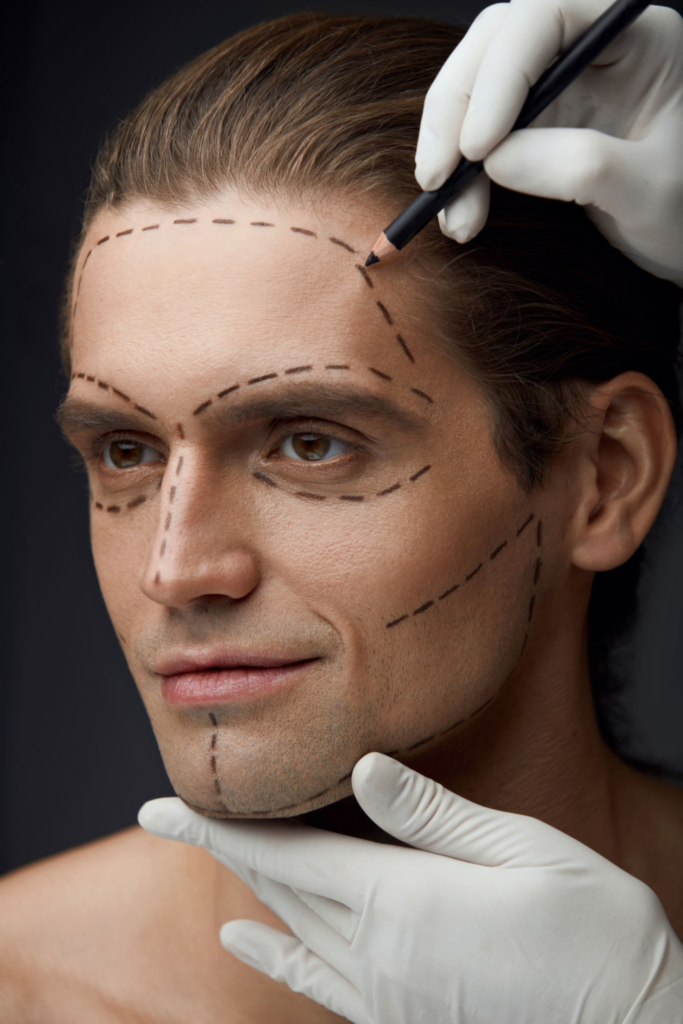
A man receiving facial measurements from multiple gloved hands, likely in a medical or cosmetic procedure setting.

Ever look in the mirror and wish your brow bone had a bit more oomph? You know, that strong, defined look often associated with masculinity? You’re not alone! Many people, especially transgender men and masculine-aligned individuals, desire a more prominent brow bone. Thankfully, facial masculinization surgery (FMS) might just hold the key to achieving that goal. So, can FMS really sculpt a more chiseled brow? Let’s dive in and find out!

Decoding the Brow Bone: Male vs. Female

First things first, let’s understand why male and female brow bones often look different. Think of it like this: our skulls, including the brow bone, are like puzzle pieces. Men typically have larger puzzle pieces, leading to a more prominent brow ridge that sits slightly forward. Conversely, women generally have a smoother, more rounded forehead with a less pronounced brow bone.

Now, hormones like testosterone play a big role in this puzzle. During puberty, testosterone surges in males, encouraging that characteristically strong brow development. It’s like testosterone gives those “bone puzzle pieces” an extra push to grow outwards!

Want to see the difference? Imagine two side-by-side illustrations. One showcases the typical male skull: strong brow ridge, more projected forward. The other depicts the typical female skull: smoother forehead, less prominent brow bone. See? Quite a difference!

Can Facial Masculinization Surgery Give Me a More Defined and Masculine Brow Bone?

Sculpting Masculinity: FMS and Brow Bone Procedures

Okay, so we know there are anatomical differences. But how does FMS actually change the brow bone? Think of it as having a toolkit filled with specialized procedures:

1. Brow Bone Augmentation: Building a Stronger Foundation

Imagine a sculptor meticulously adding clay to a statue, enhancing its features. That’s similar to what brow bone augmentation does! This procedure involves strategically placing implants directly onto the existing brow bone to create a more prominent and masculine contour. It’s like giving your brow bone a boost from within!

Now, there are different “materials” for these implants, each with its pros and cons:

  • Silicone: Think of it like a malleable, easily shaped material. It’s durable but might not be the best choice for everyone.
  • PMMA: This one’s a bit more permanent, offering a sturdy solution for long-lasting results.
  • Bone Grafts: This involves using bone from your own body or a donor, creating a natural integration with your existing bone structure.

For a clearer picture, envision “before & after” photos. Notice how the “after” photos showcase a more defined, projected brow bone – a testament to the power of augmentation!

2. Forehead Contouring (Type 3 Forehead): Creating Harmony and Balance

Imagine an artist skillfully shaping the background of a painting to make the subject pop. Similarly, forehead contouring indirectly enhances the brow bone by creating a harmonious flow. It’s all about creating that perfectly sculpted look!

This technique often involves:

  • Burring: Gently smoothing out any bumps or irregularities on the forehead bone.
  • Bone Repositioning: In some cases, the surgeon might slightly adjust the position of the forehead bone to achieve a more masculine contour.

Think of “before & after” photos again. See how a more sloping forehead in the “after” photos accentuates the brow ridge, even without directly augmenting the brow bone? It’s like magic!

Finding Your Sculptor: Choosing the Right Surgeon and Managing Expectations

Embarking on any surgical journey requires a trusted guide. Choosing a qualified and experienced facial feminization surgeon is paramount! They’re the artists who’ll help you achieve your desired aesthetic.

But how do you find “the one?”

  • Specialization: Look for surgeons specializing in FMS and craniofacial surgery. They’re the experts in facial bone structure!
  • Experience: Opt for surgeons with a proven track record, especially with transgender patients. Experience matters!
  • Before & After Photos: This is where you see their artistic skills in action. Do their results resonate with your goals?

Remember, managing expectations is crucial!

  • Unique Canvas: Each person’s facial structure is unique. Results will vary based on your anatomy and the chosen surgical techniques.
  • Combined Approach: Brow bone procedures often work best in conjunction with other FMS procedures for a harmonious outcome.
  • Recovery Time & Risks: Like any surgery, FMS involves recovery time and potential risks. Your surgeon will discuss these in detail during consultations.
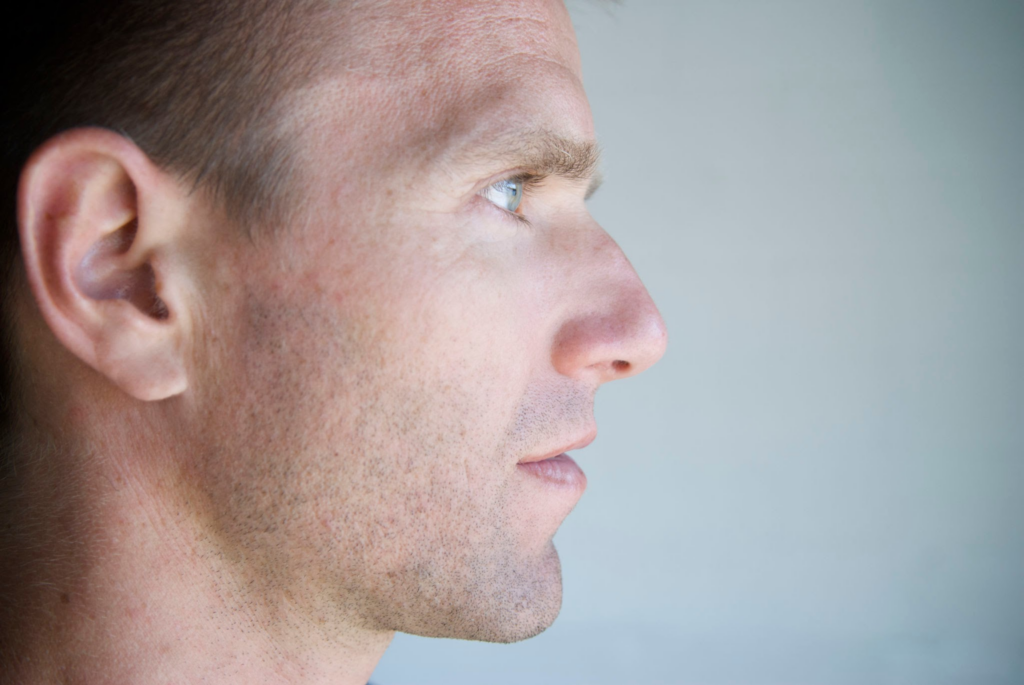
A side profile of a man with short hair, a straight nose, and light facial hair, looking off to the distance with a neutral expression.

Beyond the Scalpel: Exploring Non-Surgical Alternatives

Sometimes, a subtle touch can make a world of difference. For those seeking less invasive options, here are some alternatives:

  • Facial Hair Styling: A well-groomed beard and expertly shaped eyebrows can work wonders! They create shadows and definition, giving the illusion of a more prominent brow bone.
  • Makeup Techniques: Contouring and highlighting are like magic tricks for the face! Using makeup strategically can temporarily enhance the appearance of a more pronounced brow bone.
  • Fillers: While not permanent, hyaluronic acid fillers can add subtle volume to the brow bone area, creating a temporary enhancement.

Can Facial Masculinization Surgery Give Me a More Defined and Masculine Brow Bone? The Verdict

So, there you have it! Facial masculinization surgery, with procedures like brow bone augmentation and forehead contouring, can indeed sculpt a more defined and masculine brow bone. It’s like giving your face a chiselled, confident edge!

Remember, choosing a qualified surgeon and understanding the nuances of each procedure is vital. Ultimately, the goal is to align your physical appearance with your inner self, fostering confidence and authenticity. So, take the leap, explore your options, and embrace the journey towards becoming your most empowered self!

Visit Dr.MFO Instagram profile to see real patient transformations! Get a glimpse of the incredible results achieved through facial feminization surgery and other procedures. The profile showcases before-and-after photos that highlight Dr. MFO’s expertise and artistic vision in creating natural-looking, beautiful outcomes.

Ready to take the next step in your journey? Schedule a free consultation with Dr. MFO today. During the consultation, you can discuss your goals, ask any questions you may have, and learn more about how Dr. MFO can help you achieve your desired look. Don’t hesitate to take advantage of this free opportunity to explore your options and see if Dr. MFO is the right fit for you.

My Forehead Seems Small – Can Facial Mascululinization Surgery Help?

Close-up view of a man's forehead with a receding hairline, showing thinning hair and a clear scalp.

Have you ever looked in the mirror and felt like your forehead just didn’t match how you feel inside? Like it was a little too rounded, a little too short, or just not quite…masculine enough? You’re not alone! Many trans men and non-binary individuals feel the same way. It can be frustrating, especially when you’re trying to present your true self to the world. But what if I told you there’s a way to address those concerns? What if you could change the shape of your forehead to better reflect your identity? That’s where facial masculinization surgery, specifically focusing on the forehead, comes in.

1. Cracking the Code: Foreheads and Gender Perception

Believe it or not, our brains are hardwired to pick up on subtle facial cues that we often don’t even consciously register. One of these key areas? You guessed it – the forehead! A higher, more sloping forehead with a prominent brow bone is generally perceived as more masculine. Think of classic Hollywood actors or even action figures – they often sport this strong brow. On the other hand, a shorter, more rounded forehead with a less prominent brow bone is often seen as more feminine. Of course, these are just general observations, and there’s a whole spectrum of beautiful variation in between! However, understanding these differences can help you pinpoint what specifically bothers you about your own forehead and what you might want to change.

But wait, there’s more! It’s not just the forehead itself. Other features like the hairline, eyebrow position, and even the nose can all play a role in how masculine or feminine a face appears.

Picture this: Imagine two identical foreheads. Now, add a lower, straighter hairline to one and a higher, more arched hairline to the other. See how the whole perception shifts? It’s like putting together a puzzle – all the pieces work together to create the final picture.

 Forehead Augmentation

2. Reshaping Your Canvas: Forehead Augmentation and Contouring

Okay, so you’ve thought about it, and you’re ready to explore your options. What exactly can surgeons do to masculinize a forehead? Here are a few tools in their arsenal:

  • Forehead Augmentation: Think of this as adding volume and definition. Surgeons can use implants made from materials like silicone, PMMA (a type of medical-grade plastic), or even bone grafts to build up the brow bone and create a more prominent, masculine contour.
  • Forehead Contouring: Sometimes, it’s not about adding, but rather refining what’s already there. If you have a very sloping forehead, your surgeon might use specialized tools to gently shave down or “burr” the bone, creating a more vertical profile.
  • Hairline Lowering/Advancement: While not directly on the forehead, adjusting the hairline can significantly impact its overall appearance. Lowering the hairline can make the forehead appear shorter, while advancing it can make it look taller.

So how does it all work? Well, it varies depending on the specific procedure. Generally, though, surgeons make a small incision, usually hidden within the hairline, to access the forehead bone. They then use the chosen techniques to reshape and augment the area. Finally, they close the incision with sutures, often leaving a minimal, well-hidden scar.

3. Weighing the Scales: Benefits and Limitations of Forehead Masculinization

Like any surgery, there are potential pros and cons to consider. Let’s break them down:

The Upsides:

  • Harmony and Confidence: Many people who undergo forehead masculinization find that their face finally matches their internal sense of self. This can lead to a huge boost in self-esteem and confidence!
  • Erasing Dysphoria: For some, forehead dysphoria can be a major source of distress. Surgery can help alleviate this discomfort and bring a sense of peace.

The Downsides:

  • Risks and Complications: As with any surgery, there are inherent risks, such as infection, bleeding, or adverse reactions to anesthesia. It’s crucial to choose a highly qualified surgeon and carefully follow their pre and post-operative instructions.
  • Scars: Surgeons work hard to minimize scarring, but some are unavoidable. However, they are often well-hidden within the hairline and fade significantly over time.
  • Cost and Insurance: Facial masculinization procedures are often considered elective and may not be fully covered by insurance. It’s essential to discuss costs and financing options with your surgeon’s office beforehand.
  • Expectations vs. Reality: While surgery can achieve fantastic results, it’s vital to have realistic expectations. Your surgeon will work with you to understand your goals and help you achieve the most natural-looking outcome possible.

4. Finding Your Dream Team: Choosing a Qualified Surgeon

Embarking on this journey is a big decision. That’s why it’s crucial to find a surgeon who not only has the technical skills but also understands the unique needs of the transgender community.

Here’s your game plan:

  • Do your research: Look for board-certified plastic surgeons who specialize in facial feminization and masculinization surgery. Check out their websites, read patient testimonials, and browse before-and-after photos.
  • Schedule consultations: Many surgeons offer free or low-cost consultations. This is your chance to ask questions, discuss your goals, and get a feel for their approach.
  • Don’t be shy! This is your face, your body, your journey! Don’t be afraid to ask about their experience, techniques, and any concerns you might have.

5. You’re Not Alone: Resources and Support Networks

Navigating the world of facial masculinization surgery can feel overwhelming, but you don’t have to do it alone! There are incredible organizations and online communities dedicated to providing support and information to transgender individuals:

  • WPATH World Professional Association for Transgender Health
  • The HRC Foundation seeks to fundamentally change the way LGBTQ+ people are treated in our everyday lives. – HRC Foundation

Remember, asking for help is a sign of strength, and connecting with others who understand your journey can make all the difference.

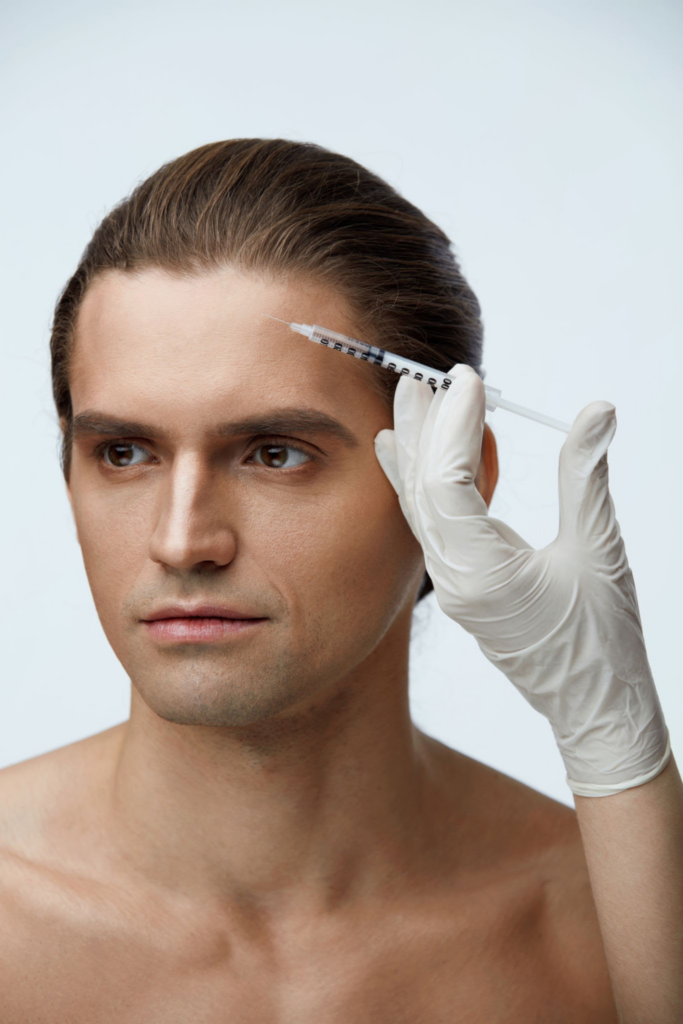
A shirtless man receiving a forehead injection from a gloved medical professional.

Conclusion: My Forehead Seems Small? You’ve Got Options!

If you’re unhappy with the size or shape of your forehead and feel like it doesn’t align with your gender identity, facial masculinization surgery might be the answer. Remember, it’s your body, your choice, and you deserve to feel confident and comfortable in your own skin. By carefully researching your options, choosing a qualified surgeon, and surrounding yourself with support, you can take control of your transition and create a look that reflects the true you!

Visit Dr.MFO Instagram profile to see real patient transformations! Get a glimpse of the incredible results achieved through facial feminization surgery and other procedures. The profile showcases before-and-after photos that highlight Dr. MFO’s expertise and artistic vision in creating natural-looking, beautiful outcomes.

Ready to take the next step in your journey? Schedule a free consultation with Dr. MFO today. During the consultation, you can discuss your goals, ask any questions you may have, and learn more about how Dr. MFO can help you achieve your desired look. Don’t hesitate to take advantage of this free opportunity to explore your options and see if Dr. MFO is the right fit for you.

10 Reasons Why FTM Facial Masculinization Surgery Is Worth It

A person with short blonde hair wearing a denim jacket over a white shirt, standing on a city street with blurred buildings in the background.

For many transgender men, the face reflected in the mirror doesn’t match the person they know themselves to be. This can lead to a disconnect, a constant reminder that their physical appearance doesn’t align with their gender identity. FTM facial masculinization surgery (FFS) exists to bridge that gap. It’s about more than just changing physical features; it’s about aligning your outward appearance with your inner truth. Let’s explore 10 powerful reasons why this surgery can be a life-changing decision:

1. Reason 1: Reclaiming Your Reflection – A Boost in Self-Esteem

Imagine looking in the mirror and finally seeing the person you’ve always known you were. That’s the power of FFS for many trans men. It’s not about conforming to societal standards of beauty; it’s about feeling comfortable and confident in your own skin. When your face aligns with your gender identity, your self-esteem naturally gets a boost. You carry yourself differently, you smile more freely, and you radiate confidence from within. Studies show a significant increase in self-esteem and self-image after FFS, leading to a more positive outlook on life.

2. Reason 2: Saying Goodbye to Dysphoria – Finding Peace Within

Gender dysphoria, that nagging feeling of unease because of the mismatch between your assigned sex and gender identity, can be incredibly difficult to live with. For many trans men, their face is a major source of this dysphoria. FFS can help alleviate this distress by creating facial features that align with a more masculine appearance. This can lead to a sense of peace and wholeness, freeing you from the emotional burden of dysphoria.

3. Reason 3: The World Sees You: Improved Social Recognition

Being correctly gendered by others is a simple yet profound validation. FTM facial masculinization surgery can help you be perceived as male more consistently, reducing the anxiety and stress of misgendering. This increased social recognition can lead to greater comfort in social situations and a stronger sense of belonging.

4. Reason 4: Comfort in Your Own Skin: Living Authentically

Authenticity is about living in alignment with your true self. For transgender individuals, this often means pursuing medical treatments that help them live as their affirmed gender. FTM facial masculinization surgery allows trans men to align their physical appearance with their internal sense of self, leading to a more genuine and fulfilling life. Imagine the freedom of moving through the world without the weight of concealing your true identity.

5. Reason 5: Deeper Connections: Enhanced Romantic and Intimate Relationships

Feeling comfortable and confident in your own skin can have a profound impact on your relationships. FTM facial masculinization surgery can lead to increased confidence and self-esteem, which can translate into more fulfilling romantic and intimate relationships. When you feel good about yourself, you’re more likely to attract partners who appreciate you for who you truly are.

6. Reason 6: Breaking Barriers: Greater Career Opportunities

Unfortunately, discrimination based on gender identity is still a reality. Studies have shown that transgender individuals often face challenges in the workplace, including difficulty securing employment and advancing in their careers. FTM facial masculinization surgery can help trans men navigate these challenges by increasing their chances of being perceived as male in professional settings.

7. Reason 7: Actions Speak Louder: Non-Verbal Affirmation of Identity

Our faces communicate volumes without us ever saying a word. For trans men, undergoing FFS can be a powerful form of non-verbal communication, affirming their gender identity to the world. It’s a way of saying, “This is who I am,” without having to constantly explain or defend your identity.

8. Reason 8: Inside and Out: Aligning Physical Appearance with Internal Self

Imagine the feeling of finally looking in the mirror and seeing a reflection that truly represents who you are on the inside. FFS offers trans men the opportunity to align their physical appearance with their inner truth. This congruence can be incredibly liberating, fostering a sense of wholeness and self-acceptance.

9. Reason 9: A Happier You: Improved Mental and Emotional Well-being

The emotional toll of gender dysphoria can be heavy, leading to anxiety, depression, and social withdrawal. FTM facial masculinization surgery has been shown to significantly improve mental and emotional well-being in transgender men. By reducing dysphoria and boosting self-esteem, FFS can pave the way for a happier, healthier life.

10. Reason 10: Living Your Best Life: Increased Happiness and Life Satisfaction

Ultimately, FTM facial masculinization surgery is about improving quality of life. It’s about empowering trans men to live authentically, confidently, and joyfully. Studies show that individuals who undergo FFS often report increased happiness, life satisfaction, and overall well-being. It’s not just about changing your face; it’s about changing your life.

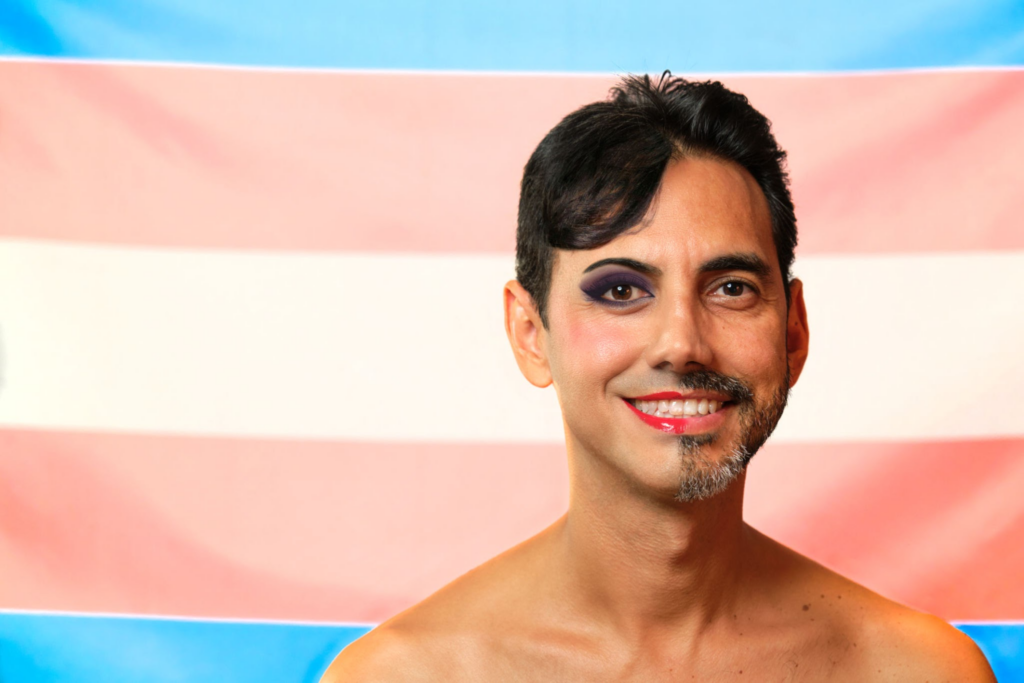
A person with short dark hair, facial hair, and makeup, including purple eyeshadow and red lipstick, smiling in front of a background with horizontal stripes in pink, white, and blue, representing the transgender pride flag.

Conclusion: Your Journey to Confidence and Authenticity

Choosing to undergo FTM facial masculinization surgery is a deeply personal decision. It’s a journey of self-discovery, courage, and ultimately, liberation. If you’re considering FFS, remember that you’re not alone. Reach out to qualified medical professionals, connect with other trans individuals, and gather all the information you need to make an informed decision that’s right for you. FTM facial masculinization surgery isn’t about fitting into a box; it’s about breaking free and living your truth.

Visit Dr.MFO Instagram profile to see real patient transformations! Get a glimpse of the incredible results achieved through facial feminization surgery and other procedures. The profile showcases before-and-after photos that highlight Dr. MFO’s expertise and artistic vision in creating natural-looking, beautiful outcomes.

Ready to take the next step in your journey? Schedule a free consultation with Dr. MFO today. During the consultation, you can discuss your goals, ask any questions you may have, and learn more about how Dr. MFO can help you achieve your desired look. Don’t hesitate to take advantage of this free opportunity to explore your options and see if Dr. MFO is the right fit for you.

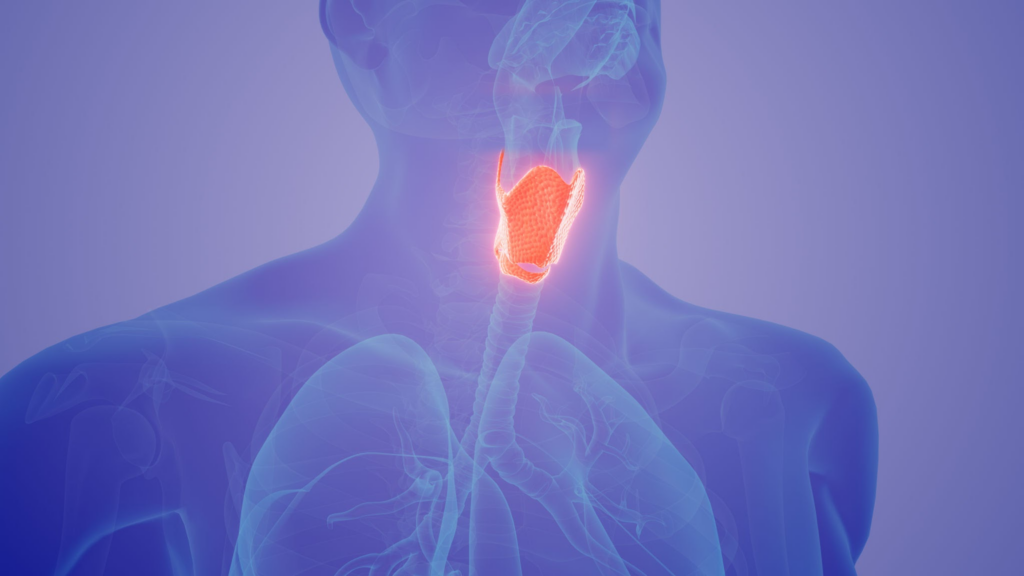
How Does the Approach to Adam’s Apple Surgery Vary for FFS and FMS?

Close-up view of a person's neck, showing skin texture and details. The image highlights the natural folds and contours of the neck, with subtle shadows casting across the skin. The person is wearing a light-colored shirt with a slightly visible collar.

I. The Adam’s Apple: A Key Feature in Gender Expression

The Adam’s apple! We all have one, yet for some, it holds a significant meaning tied to gender identity. Imagine a prominent Adam’s apple. It often evokes an image of masculinity. Conversely, a smoother, less prominent neck contour aligns more with a feminine appearance. This is where Adam’s apple surgery, also known as chondrolaryngoplasty, enters the picture. It’s a procedure frequently sought out by transgender individuals as part of their transition journey. Now, here’s the interesting part: the approach to this surgery differs depending on whether it’s performed as part of Facial Feminization Surgery (FFS) or Facial Masculinization Surgery (FMS). Let’s dive into the specifics of each approach, exploring how they help individuals align their physical appearance with their true selves.

II. Adam’s Apple Reduction: Feminizing the Neck with FFS

Creating a Feminine Contour: The Goals of FFS Adam’s Apple Surgery

In FFS, the primary objective of Adam’s apple surgery focuses on reducing its prominence. The goal is to create a more delicate and feminine neck contour. Imagine a graceful, swan-like neck – that’s the aesthetic surgeons strive for! This often involves reducing the size of the Adam’s apple and smoothing out any sharp angles in the surrounding area. This surgical transformation can have a profound impact on an individual’s self-esteem and overall sense of well-being.

Inside FFS: Techniques for Adam’s Apple Reduction

Surgeons employ various techniques to achieve these results. The choice often depends on the individual’s anatomy and desired outcome. Let’s explore some of the most common approaches:

  • Open vs. Minimally Invasive: Choosing the Right ApproachTraditionally, surgeons performed Adam’s apple reduction using an open technique, which involved making a small incision in the neck crease. However, advancements in surgical techniques have paved the way for minimally invasive approaches, like endoscopy. These techniques use smaller incisions and specialized instruments, leading to faster recovery times and reduced scarring.
  • Reshaping the Cartilage: Shaving vs. RemovalThe Adam’s apple itself consists of cartilage. Surgeons can reshape this cartilage using two main techniques: shaving and removal. Cartilage shaving involves gently filing down the protruding cartilage to create a smoother contour. In contrast, cartilage removal involves surgically extracting a portion of the cartilage to achieve a more significant reduction in size. The choice between these methods depends on the degree of reduction desired and the individual’s anatomy.
  • The Tracheal Shave: Smoothing the NecklineIn some cases, surgeons might recommend a tracheal shave in conjunction with Adam’s apple reduction. This additional procedure involves smoothing out the area just below the Adam’s apple, further enhancing the feminine contour of the neck.

Potential Risks and Complications: What You Need to Know

Like any surgical procedure, Adam’s apple reduction carries potential risks and complications. These can include:

  • Infection
  • Bleeding
  • Changes in voice
  • Scarring

It’s crucial to discuss these risks thoroughly with a qualified surgeon and follow all pre-operative and post-operative instructions diligently.

Before & After: Real Results from FFS Adam’s Apple Surgery

Often, seeing real-life transformations can be incredibly powerful. Before-and-after photos of individuals who have undergone FFS Adam’s apple surgery showcase the remarkable impact this procedure can have on facial harmony and overall appearance. These images serve as a testament to the artistry and skill of experienced surgeons who specialize in FFS procedures.

How Does the Approach to Adam's Apple Surgery Vary for FFS and FMS?

III. Adam’s Apple Enhancement: Masculinizing the Neck with FMS

Defining Masculinity: The Goals of FMS Adam’s Apple Surgery

While FFS aims to reduce the Adam’s apple, FMS takes the opposite approach. Imagine a strong, chiseled jawline – that’s a hallmark of a masculine appearance. In FMS, Adam’s apple surgery focuses on enhancing its prominence. This procedure is particularly common among transgender men seeking to align their physical appearance with their gender identity.

Building a More Prominent Adam’s Apple: Techniques in FMS

Surgeons utilize several techniques to augment the Adam’s apple, each with its own advantages and considerations:

  • Cartilage Grafting: Where Does the Cartilage Come From?One of the most common methods involves cartilage grafting. This involves harvesting cartilage from another part of the body, such as the rib cage or ear, and carefully shaping it to mimic a natural-looking Adam’s apple. This grafted cartilage is then meticulously positioned and secured over the existing Adam’s apple, creating a more prominent and defined appearance.
  • Implants: An Alternative for Adam’s Apple AugmentationIn some cases, surgeons might recommend using implants for Adam’s apple augmentation. These implants, typically made of biocompatible materials, come in various sizes and shapes to achieve the desired degree of projection. The surgeon carefully inserts the implant through a small incision, creating a more pronounced Adam’s apple.
  • Combining Techniques for Optimal ResultsDepending on the individual’s anatomy and desired outcome, surgeons might recommend combining techniques for optimal results. For instance, they might use cartilage grafting to create the base of the augmented Adam’s apple and then strategically place an implant to fine-tune the shape and projection.

Potential Risks and Complications: What to Expect with Augmentation

As with any surgical procedure, FMS Adam’s apple surgery carries potential risks and complications. These can include:

  • Infection
  • Bleeding
  • Implant shifting or extrusion
  • Changes in sensation

Again, open communication with your surgeon is paramount. Thoroughly discuss these risks and understand the recovery process before making an informed decision.

Before & After: FMS Adam’s Apple Surgery Transformations

Similar to FFS, before-and-after photos of individuals who have undergone FMS Adam’s apple surgery showcase the remarkable transformation this procedure can achieve. These photos provide valuable insight into the potential outcomes and highlight the importance of choosing an experienced and qualified surgeon who specializes in FMS.

IV. Recovery and Long-Term Outcomes: What to Expect After Surgery

Now, let’s talk about what happens after the surgery. Whether you’ve undergone FFS or FMS Adam’s apple surgery, understanding the recovery process and long-term outcomes is crucial. Both procedures typically involve a period of swelling and discomfort, which gradually subsides over time. Pain medication can help manage any discomfort during the initial recovery phase.

The recovery timelines for FFS and FMS Adam’s apple surgery might differ slightly depending on the specific techniques used. For instance, cartilage grafting procedures might involve a longer recovery period compared to implant-based augmentation. Most individuals can expect to return to their normal activities within a few weeks, with strenuous activities gradually reintroduced as healing progresses.

In terms of long-term outcomes, both FFS and FMS Adam’s apple surgeries generally yield lasting results. However, it’s important to note that individual results can vary depending on factors such as individual anatomy, healing capabilities, and the surgeon’s skill. In some cases, revision procedures might be necessary to address issues such as implant shifting, asymmetry, or unsatisfactory cosmetic outcomes.

V. Conclusion: Making Informed Decisions About Adam’s Apple Surgery

In the journey of gender affirmation, Adam’s apple surgery can play a transformative role. Whether seeking to feminize or masculinize the neck contour, understanding the nuances of FFS and FMS approaches is crucial for making informed decisions. Remember, thorough research, consultation with qualified and experienced surgeons, and realistic expectations are key to achieving satisfactory and empowering outcomes. Ultimately, choosing a surgeon who specializes in the specific type of Adam’s apple surgery you are considering, whether FFS or FMS, is essential for achieving optimal results and ensuring a smooth and successful surgical journey. This journey, like any other medical procedure, requires careful consideration and open communication with your healthcare providers.

Visit Dr.MFO Instagram profile to see real patient transformations! Get a glimpse of the incredible results achieved through facial feminization surgery and other procedures. The profile showcases before-and-after photos that highlight Dr. MFO’s expertise and artistic vision in creating natural-looking, beautiful outcomes.

Ready to take the next step in your journey? Schedule a free consultation with Dr. MFO today. During the consultation, you can discuss your goals, ask any questions you may have, and learn more about how Dr. MFO can help you achieve your desired look. Don’t hesitate to take advantage of this free opportunity to explore your options and see if Dr. MFO is the right fit for you.

Unveiling the Artistry: Contrasting Approaches to Hairline Alteration in FFS and FMS

A man with curly hair looking at himself in a mirror, adjusting his hair with one hand.

I. Introduction: Reshaping Facial Identity

Imagine a sculptor meticulously molding clay, expertly shaping it to reflect a desired image. This is the essence of facial feminization surgery (FFS) and facial masculinization surgery (FMS) – transformative procedures that sculpt the face to align with one’s true gender identity. But the transformation extends beyond simply adjusting prominent features like the nose or chin. Indeed, a crucial yet often overlooked aspect lies in the delicate artistry of hairline alteration. Just like a perfectly framed portrait, the hairline provides balance and harmony to the face, playing a pivotal role in achieving authentic and aesthetically pleasing results.

II. Crafting a Feminine Contour: Hairline Alteration in FFS

2.1 The Essence of a Feminine Hairline: Softness and Harmony

When we envision a feminine hairline, what comes to mind? Typically, it’s a gently rounded shape, often with a slightly lower position on the forehead. This creates an impression of softness and youthfulness, key elements in achieving a traditionally feminine aesthetic. However, achieving this desired look requires a keen understanding of the underlying bone structure and meticulous manipulation of both soft tissues and hair follicles.

2.2 Techniques for Lowering the Hairline: Sculpting a New Horizon

Imagine pulling a curtain to reveal a breathtaking view. That’s the basic principle behind scalp advancement surgery. During this procedure, surgeons make an incision along the hairline, carefully lift the scalp forward, and then meticulously secure it in its new, lower position. This effectively lowers the entire hairline, creating a more youthful and feminine appearance. However, it’s important to note that scalp advancement may not be suitable for everyone. Individuals with very tight scalps or those seeking a significant lowering of the hairline might explore alternative options.

Sometimes, achieving a truly harmonious feminine hairline requires more than simply repositioning the scalp. In cases where the forehead is excessively prominent or the brow bone protrudes, forehead reconstruction comes into play. This procedure involves reshaping the underlying bone structure to create a smoother, more rounded contour. Imagine smoothing out the rough edges of a sculpture – that’s essentially what forehead reconstruction accomplishes. The result? A more balanced and feminine profile.

2.3 Mastering Temporal Recession: Framing the Face

The temples, those delicate areas at the sides of the forehead, also play a crucial role in framing the face. In women, temporal recession, or a receding hairline at the temples, can create an undesirable masculine appearance. Fortunately, there are effective techniques to address this concern.

Hair transplantation isn’t just for restoring hair on the scalp. It can also be used artistically to reshape the hairline, including filling in temporal recession. This meticulous procedure involves harvesting individual hair follicles from a donor area, typically the back of the head, and transplanting them to the temples. The result is a fuller, more youthful hairline that complements the overall facial structure.

In some cases, addressing temporal recession requires a gentler approach. Soft tissue manipulation involves repositioning or reshaping the soft tissues in the temple area. This subtle yet effective technique can create a softer, more feminine contour without the need for hair transplantation.

A close-up of a person's face, showing one side with natural skin and the other side with makeup applied, highlighting the transformation.

III. Defining Masculine Features: Hairline Alteration in FMS

3.1 The Hallmark of a Masculine Hairline: Strength and Structure

While a feminine hairline often emphasizes softness and roundness, a masculine hairline exudes strength and structure. Think of a squared-off shape, sometimes with a slightly receded appearance at the temples. This creates a look of maturity and authority, embodying the classic characteristics often associated with masculinity. Achieving this transformation requires a keen eye for detail and a deep understanding of the nuances that distinguish masculine facial features.

3.2 Creating Hairline Recession: Receding with Purpose

Contrary to popular belief, a receding hairline isn’t always a sign of aging. In fact, for individuals seeking to masculinize their appearance, a carefully crafted recession can actually enhance their desired aesthetic. But achieving a natural-looking recession requires a strategic approach.

Yes, you read that right! Hair transplantation isn’t just for restoring lost hair; it’s a versatile tool that can also be used to create a more masculine hairline. In this context, surgeons strategically transplant hair follicles to create a subtle recession at the temples, mimicking the natural patterns of male pattern baldness. This creates a more defined and angular hairline, enhancing the overall masculine appearance.

In cases where a more pronounced recession is desired, scalp reduction surgery offers a more dramatic solution. This procedure involves removing a small section of scalp from the front of the head, effectively pulling the hairline back and creating a more receded appearance. While highly effective, scalp reduction surgery is a more invasive procedure than hair transplantation and requires careful consideration.

3.3 Emphasizing Temporal Advancement: Highlighting Masculinity

Remember the temples, those subtle yet crucial areas flanking the forehead? Just as they can be modified to soften the face in FFS, they can also be enhanced to accentuate masculinity.

In some cases, achieving a more masculine temple contour requires a gentle touch. Soft tissue manipulation, similar to techniques used in FFS, involves repositioning or reshaping the soft tissues in the temple area. However, the goal here is not to soften but to define, creating a more angular and chiseled appearance.

For individuals seeking a more dramatic transformation, bone contouring offers a permanent solution. This intricate procedure involves reshaping the underlying bone structure of the temples, creating a more pronounced and defined masculine contour. Bone contouring is typically reserved for cases where soft tissue manipulation alone cannot achieve the desired results.

IV. FFS vs. FMS Hairline Approaches: A Tale of Two Transformations

While both FFS and FMS utilize similar techniques for hairline alteration, the goals and desired outcomes differ significantly. Think of it like this: both sculptors might use the same tools, but one aims to create a delicate flower, while the other envisions a powerful lion.

4.1 Choosing the Right Path: Factors Influencing Technique Selection

Deciding on the most appropriate hairline alteration technique depends on a multitude of factors. For both FFS and FMS, these include:

  • Existing Hairline: The starting point plays a crucial role. A patient with a high hairline might benefit from scalp advancement, while someone with significant temporal recession might consider hair transplantation.
  • Desired Outcome: How drastic of a change is desired? Subtle adjustments might call for soft tissue manipulation, while a dramatic transformation might necessitate bone contouring.
  • Overall Facial Structure: The hairline should harmonize with other facial features. A skilled surgeon will consider the balance between the forehead, brow bone, nose, and chin when recommending a specific technique.
  • Individual Preferences: Ultimately, the patient’s vision is paramount. Open communication and realistic expectations are crucial for achieving satisfactory results.
Mehmet Fatih Okyay, MD, FEBOPRAS in Türkiye.

Why You Should Work with Dr. MFO for Plastic Surgery in Turkey

Choosing the right plastic surgeon is one of the most critical decisions you’ll make on your journey to self-discovery and transformation. When it comes to Facial Feminization Surgery (FFS) and Facial Mascululinization Surgery (FMS), experience, artistry, and a deep understanding of facial anatomy are paramount. That’s why Dr. Mehmet Fatih Okyay, MD, FEBOPRAS, stands out as a leading choice for patients seeking exceptional results in Turkey.

Dr. MFO, as he is known to his patients, possesses a unique blend of surgical expertise and artistic sensibility, allowing him to achieve truly remarkable transformations. His dedication to staying at the forefront of FFS and FMS techniques, particularly in the intricate realm of hairline alteration, ensures that his patients receive the most advanced and personalized care.

What are the contrasting approaches to hairline alteration in FFS and FMS? Dr. MFO understands the nuances of both procedures, recognizing that achieving a naturally feminine or masculine appearance goes beyond simply changing the shape of the nose or jawline. The hairline plays a pivotal role in framing the face and creating overall harmony. Dr. MFO excels in a wide range of hairline alteration techniques, from scalp advancement and forehead reconstruction to hair transplantation and soft tissue manipulation. He meticulously tailors each approach to the individual’s unique facial structure and desired outcome.

Dr. MFO’s commitment to excellence extends beyond his surgical skills. He prioritizes patient education, ensuring that his patients fully understand the intricacies of their chosen procedures. He believes in open communication, actively listening to his patients’ desires and expectations to achieve results that align with their vision.

Here’s why Dr. MFO stands out:

  • Exceptional Surgical Pedigree: Dr. MFO boasts an impressive background, having ranked 8th in his term in the Turkish Medical Specialization Examination and completing his residency at the esteemed Istanbul University, Cerrahpaşa Faculty of Medicine.
  • Internationally Recognized Expertise: His commitment to excellence earned him the prestigious Fellow of the European Board of Plastic, Reconstructive and Aesthetic Surgeons (FEBOPRAS) award, a testament to his high standards and surgical proficiency.
  • Artistic Approach: Dr. MFO combines his surgical expertise with an artistic eye, understanding that facial transformations require a nuanced approach that considers both form and function.
  • Patient-Centered Philosophy: Building trusting relationships with his patients is paramount to Dr. MFO. He prioritizes open communication, individualized care plans, and realistic expectations for optimal results.

What are the contrasting approaches to hairline alteration in FFS and FMS? When you choose Dr. MFO, you’re not just choosing a skilled surgeon, you’re choosing a partner in your transformation. He will guide you through every step of the process, ensuring you feel confident and empowered throughout your journey.

Visit Dr.MFO Instagram profile to see real patient transformations! Get a glimpse of the incredible results achieved through facial feminization surgery and other procedures. The profile showcases before-and-after photos that highlight Dr. MFO’s expertise and artistic vision in creating natural-looking, beautiful outcomes.

Ready to take the next step in your journey? Schedule a free consultation with Dr. MFO today. During the consultation, you can discuss your goals, ask any questions you may have, and learn more about how Dr. MFO can help you achieve your desired look. Don’t hesitate to take advantage of this free opportunity to explore your options and see if Dr. MFO is the right fit for you.

V. Conclusion: What are the contrasting approaches to hairline alteration in FFS and FMS? Embracing Your Transformation Through Informed Decisions

Understanding the contrasting approaches to hairline alteration in FFS and FMS empowers individuals to embark on their surgical journey with confidence. From the subtle artistry of soft tissue manipulation to the transformative power of bone contouring, a wide range of techniques exist to sculpt the hairline into a harmonious reflection of one’s true self. However, the key to a successful transformation lies in choosing a qualified and experienced surgeon who prioritizes patient education, individualized care, and meticulous attention to detail. Remember, the journey to self-discovery is best navigated with knowledge, support, and a clear vision of the destination.

What are the Main Differences Between FFS & FMS: Your Ultimate Guide

A person standing confidently in front of a backdrop featuring the transgender pride flag, which consists of horizontal stripes in blue, pink, and white.

I. Introduction: Reshaping Facial Identity

More and more people are turning to facial surgery to better align their physical appearance with their gender identity. Two such procedures, Facial Feminization Surgery (FFS) and Facial Masculinization Surgery (FMS), offer individuals the opportunity to achieve their desired facial aesthetics. This article dives into the heart of these transformative surgeries, exploring the key differences between FFS and FMS in terms of goals and procedures. Ultimately, our goal is to provide you with the knowledge to make informed decisions about your own unique surgical journey.

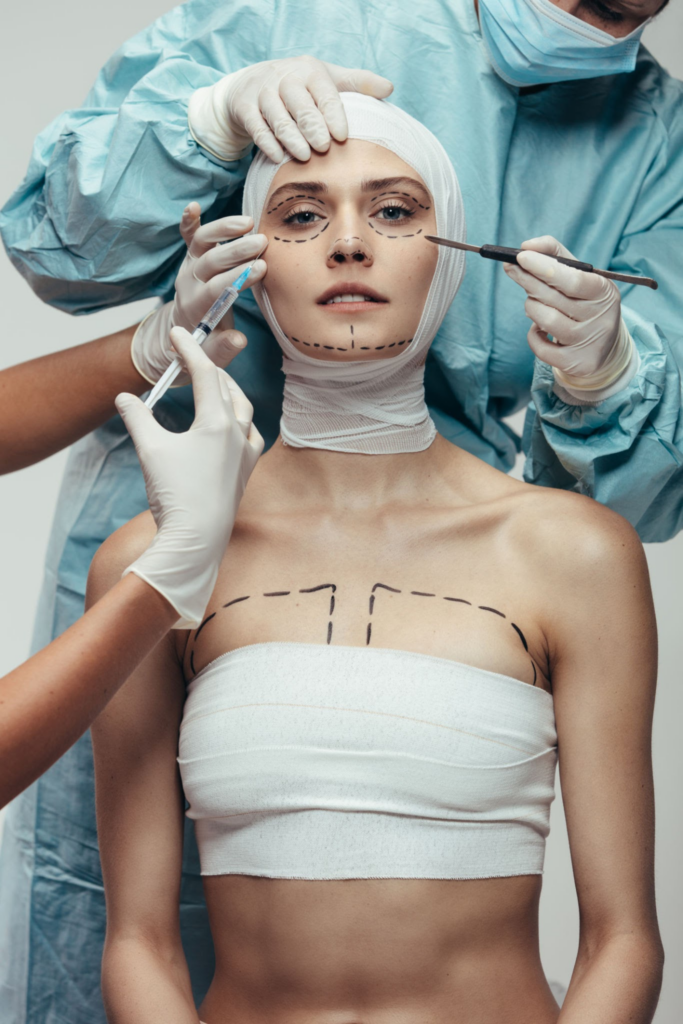
A woman undergoing plastic surgery with medical professionals making markings on her face and body.

II. Understanding Facial Feminization Surgery (FFS)

What is FFS?

Facial Feminization Surgery (FFS) encompasses a variety of surgical procedures designed to soften and refine facial features, creating a more traditionally feminine appearance. It’s not just about changing one feature; it’s about achieving overall facial harmony that aligns with a person’s identity.

Common Procedures in FFS: A Glimpse into Transformation

Often, the first thing you notice about someone is their forehead. Forehead contouring in FFS focuses on reducing prominence in the brow bone, creating a smoother, more rounded contour characteristic of a feminine appearance.

The nose plays a crucial role in overall facial balance. Rhinoplasty, commonly known as a nose job, can reshape the nose, addressing size, width, and profile to enhance facial harmony and achieve a more delicate, feminine look.

  • Mandible Reduction: Achieving Delicate Jawline Contours

The jawline is a defining feature for both men and women. In FFS, mandible reduction surgery aims to create a softer jawline by reducing the size and prominence of the jawbone, ultimately achieving a more oval-shaped face typically associated with femininity.

Goals and Outcomes: Embracing Feminine Facial Harmony

The ultimate goal of FFS is not to fit a stereotype but to empower individuals to see themselves reflected in the mirror. By subtly adjusting key facial features, FFS procedures work in concert to create a more harmonious and typically feminine appearance, boosting confidence and improving quality of life for those seeking gender affirmation.

A close-up photograph of a man and a woman with clear, healthy-looking skin, emphasizing natural beauty and skincare. The man is posing with his hand on his chin, while the woman looks directly at the camera with soft, subtle makeup.

III. Exploring Facial Masculinization Surgery (FMS)

What is FMS?

In contrast to FFS, Facial Masculinization Surgery (FMS) focuses on enhancing traditionally masculine facial traits. This can involve augmenting certain features to create a stronger, more angular appearance. Just like FFS, FMS is highly individualized, tailoring procedures to meet each person’s specific goals.

Common Procedures in FMS: Sculpting Masculine Features

  • Jaw Augmentation: Defining Strength and Structure

A strong jawline is often associated with masculinity. Jaw augmentation in FMS uses implants or bone grafts to increase the size and definition of the jawbone, resulting in a more chiseled and angular appearance.

  • Chin Augmentation: Enhancing Profile and Presence

The chin plays a significant role in balancing facial proportions. Chin augmentation procedures in FMS aim to increase chin projection and create a more defined, prominent profile often associated with masculinity.

  • Forehead Bossing Reduction: Balancing Facial Proportions

While forehead contouring in FFS seeks to soften the brow bone, forehead bossing reduction in FMS addresses a prominent brow ridge, creating a flatter, more balanced forehead. This contributes to a stronger, more masculine profile.

Goals and Outcomes: Cultivating a More Masculine Visage

FMS aims to create a more assertive and typically masculine appearance by enhancing key facial features. However, the most important outcome is helping individuals feel comfortable and confident in their own skin, aligning their outward appearance with their inner sense of self.

IV. What are the Main Differences Between FFS and FMS in Terms of Goals and Procedures?

At their core, both FFS and FMS involve reshaping facial features. However, their goals and techniques differ significantly. While FFS aims to soften and feminize facial features, FMS seeks to enhance and masculinize them.

  • FFS vs. FMS: A Side-by-Side Comparison Chart
FeatureFFSFMS
Primary GoalEnhance feminine featuresEnhance masculine features
ForeheadContouring to create a softer curveBossing reduction for a flatter profile
JawlineReduction for a softer, more oval shapeAugmentation for a stronger, more defined line
ChinOften reshaped for balanceAugmentation for increased projection
NoseRefinement for a delicate appearanceMay be adjusted for overall balance

This table highlights just a few key differences. It’s important to remember that each person’s surgical plan is unique and tailored to their specific anatomy and goals.

Visit Dr.MFO Instagram profile to see real patient transformations! Get a glimpse of the incredible results achieved through facial feminization surgery and other procedures. The profile showcases before-and-after photos that highlight Dr. MFO’s expertise and artistic vision in creating natural-looking, beautiful outcomes.

Ready to take the next step in your journey? Schedule a free consultation with Dr. MFO today. During the consultation, you can discuss your goals, ask any questions you may have, and learn more about how Dr. MFO can help you achieve your desired look. Don’t hesitate to take advantage of this free opportunity to explore your options and see if Dr. MFO is the right fit for you.

V. Conclusion: Choosing the Right Path for You

Ultimately, the decision to undergo FFS or FMS is deeply personal. Both procedures offer incredible potential for transformation, but understanding the distinct goals and procedures involved in each is crucial. If you are considering either of these procedures, consulting with a qualified and experienced surgeon specializing in craniofacial surgery and gender-affirming procedures is essential. Remember, the most successful outcomes arise from a personalized approach that addresses your individual needs and goals, empowering you to embrace your authentic self.

Wanna Know: Can I Afford Transgender Facial Surgery? Explore Surgery Cost Breakdown!

A young woman with long dark hair and hoop earrings wearing a red and white polka-dotted top standing outdoors in a sunlit natural setting.

So, you’re considering facial feminization surgery (FFS) or facial masculinization surgery (FMS). It’s a big decision, one filled with excitement, anticipation… and probably a healthy dose of financial questions! “Can I actually afford this?” you might be wondering. Take a deep breath! We’re here to demystify the cost of FFS/FMS, giving you the knowledge and resources to navigate this journey with confidence.

I. Unveiling the Cost of FFS: A Procedure-by-Procedure Breakdown

FFS is like an artist’s palette, offering an array of procedures to sculpt a more feminine appearance. Let’s break down some common procedures and their average cost ranges in the US. Remember, these are just estimates, and final costs depend on factors like your surgeon’s expertise and your geographic location.

A. Forehead Reconstruction: Sculpting a Softer Contour

  • What it involves: Imagine a sculptor gently reshaping the bone structure of your forehead. That’s essentially what forehead reconstruction does, smoothing out any prominent brow bossing (that bony ridge above the eyes) and creating a more rounded, feminine hairline.
  • Average Cost: $7,000 – $15,000

B. Rhinoplasty: Refining Your Profile with a Feminine Touch

  • What it involves: Rhinoplasty, commonly known as a nose job, can reshape the nasal bones and cartilage. In the context of FFS, it often focuses on creating a more delicate, upturned nose, reducing a prominent bridge, or refining the tip for a softer look.
  • Average Cost: $5,000 – $12,000

C. Jaw Contouring: Harmonizing Your Features

  • What it involves: Jaw contouring often involves reshaping the jawline, chin, and sometimes the cheeks. This might include reducing a prominent jaw angle, creating a more defined jawline, or augmenting the chin for a more balanced and harmonious lower face.
  • Average Cost: $6,000 – $14,000

D. Other FFS Procedures: Enhancing Specific Features

  • Beyond the basics: FFS can encompass a range of other procedures tailored to your unique needs and goals. This might include a lip lift for a more pronounced Cupid’s bow, cheek augmentation for added fullness, or even a brow lift to open up the eyes.
A person standing confidently in front of a backdrop featuring the transgender pride flag, which consists of horizontal stripes in blue, pink, and white.

II. Exploring the Cost of FMS: Boosting Masculine Features

FMS takes a different approach, often focusing on augmentation techniques to create stronger, more prominent masculine features.

A. Chin Augmentation: Projecting Confidence with a Strong Jawline

  • What it involves: Chin augmentation enhances the projection of the chin, either through implants or by reshaping the existing bone. This creates a more defined jawline, often considered a key marker of masculinity.
  • Average Cost: $4,000 – $10,000

B. Jaw Augmentation: Chiseling Your Look

  • What it involves: Similar to chin augmentation, jaw augmentation focuses on enhancing the angles of the jawline, using implants or bone reshaping to create a more chiseled, squared-off appearance.
  • Average Cost: $5,000 – $12,000

C. Forehead Augmentation: Building a More Prominent Brow

  • What it involves: This procedure adds volume to the forehead, typically using implants or fat grafting, to create a more prominent brow bone and a more masculine contour.
  • Average Cost: $6,000 – $14,000

III. Beyond the Knife: Factoring in Additional Costs

It’s like planning a trip! You wouldn’t just budget for the plane ticket—you’d also consider meals, accommodation, and those spontaneous ice cream stops. Similarly, FFS/FMS costs extend beyond surgical fees.

A. The Consultation: Investing in Your Vision

  • Why it matters: This initial meeting with your surgeon is invaluable. You’ll discuss your goals, review potential procedures, and receive a personalized cost estimate.
  • Average Cost: $100 – $500 (Some surgeons may apply this fee towards your surgery if you proceed.)

B. Travel & Accommodation: Planning Your Journey to Transformation

  • Don’t forget: If your chosen surgeon practices in another city or state, factor in travel costs, accommodation, and daily expenses.
  • Cost Range: This varies greatly depending on distance, mode of transportation, and length of stay.

C. Post-Operative Care: Nurturing Your Results

  • Essentials: This includes medications, compression garments, follow-up appointments, and potentially time off work for recovery.
  • Cost Range: $500 – $2,000 (This depends on your individual needs and the complexity of your procedures.)

IV. The Turkey Temptation: Weighing the Pros and Cons of Medical Tourism

Turkey has gained popularity as a destination for affordable medical procedures, including FFS/FMS. However, while enticing, it’s crucial to approach this option with a balanced perspective.

A. The Appeal of Affordability

  • The upside: The cost of living and operating in Turkey can be significantly lower, leading to potentially more affordable surgical fees.

B. The Potential Risks: Prioritizing Safety and Quality

  • Thorough research is key: Before making any decisions, meticulously research the surgeon’s credentials, experience, accreditation, and patient testimonials. Look for reputable clinics with proven track records.
  • Communication is paramount: Ensure clear communication with the medical team throughout your journey, from initial consultations to post-operative care.
  • Limited recourse: Should complications arise, seeking legal recourse or corrective procedures in another country can be more complex and potentially costly.

V. Funding Your Future: Exploring Financing Options for FFS/FMS

Don’t let finances hold you back from aligning your appearance with your true self. Numerous financial avenues exist to help make your transition goals a reality.

A. Insurance Coverage: Navigating Your Policy

  • The evolving landscape: While insurance coverage for FFS/FMS has historically been limited, it’s gradually improving. Some plans now cover certain procedures, especially those deemed medically necessary.
  • Your role: Carefully review your insurance policy, understand your coverage limits for gender-affirming care, and advocate for your needs with your insurance provider. Don’t hesitate to seek guidance from transgender advocacy groups who can offer support and resources.

B. Financing through Your Surgeon: Understanding Payment Plans

  • How it works: Many surgeons understand the financial burden of FFS/FMS and offer payment plans to spread the cost over time.
  • Be informed: Before committing, thoroughly understand the terms of the payment plan, including interest rates, monthly payment amounts, and any associated fees.

C. Alternative Financing Solutions: Expanding Your Options

  • Personal Loans: Consider applying for a personal loan to cover the cost of your surgery. Shop around for competitive interest rates and manageable repayment terms.
  • Crowdfunding Platforms: Share your story and connect with a supportive community through crowdfunding platforms like GoFundMe or Kickstarter. Many individuals have successfully funded their transitions through the generosity of others.
  • Financial Assistance Programs: Research organizations and foundations that offer grants or financial aid specifically for transgender healthcare, including FFS/FMS.

VI. Making it Work: Practical Strategies for Managing Costs

Facing a significant financial undertaking like FFS/FMS can feel overwhelming, but remember, you’ve got this! These practical tips can help you manage costs effectively.

A. Budgeting for Success: Creating a Financial Roadmap

  • Assess your finances: Take a clear-eyed look at your income, expenses, and savings. Identify areas where you can potentially cut back to free up funds for your surgical goals.
  • Set realistic goals: Break down your overall savings target into smaller, more manageable milestones. This makes the journey less daunting and provides a sense of accomplishment as you reach each milestone.

B. The Art of Negotiation: Communicating Openly with Your Provider

  • Be upfront: Discuss your budget constraints openly and honestly with your chosen surgeon. They might be more understanding than you think.
  • Explore possibilities: Inquire about potential discounts for paying upfront, explore different payment plan options, or ask if they offer package deals for multiple procedures.

C. Prioritizing Procedures: Phasing Your Transformation

  • Strategic planning: If you’re planning on undergoing multiple procedures, prioritize them based on their impact on your overall goals and budget.
  • Phased approach: Consider phasing your surgeries over time. This allows you to budget and save for each procedure more effectively, minimizing financial strain.
Mehmet Fatih Okyay, MD, FEBOPRAS in Türkiye.

Seeking a Transformation Beyond Compare? Meet Dr. MFO, Your Partner in FFS/FMS Excellence.

Wanna Know: Can I Afford Transgender Facial Surgery? Explore Surgery Cost Breakdown! This question is often the first step on a transformative journey for many transgender individuals. But beyond affordability lies another crucial factor: choosing a surgeon with the expertise and artistry to bring your vision to life.

When it comes to Facial Feminization Surgery (FFS) and Facial Masculinization Surgery (FMS), Dr. Mehmet Fatih Okyay (Dr. MFO) stands out as a leader in the field, particularly for those seeking exceptional results in Turkey.

A Legacy of Excellence in Plastic Surgery

Dr. MFO’s journey to becoming a top-tier FFS/FMS surgeon is paved with prestigious achievements:

  • Ranked 8th in his graduating class on the Turkish Medical Specialization Examination—a testament to his academic prowess.
  • Completed his residency at the world-renowned Istanbul University, Cerrahpaşa Faculty of Medicine, honing his skills in a high-volume, demanding environment.
  • Awarded the Fellow of the European Board of Plastic, Reconstructive, and Aesthetic Surgeons (FEBOPRAS) award in 2018. This prestigious recognition, granted by the European Association of Medical Specialists, places him among the elite in his field, signifying his commitment to the highest standards of quality and safety.
  • Awarded the Fellow of the Turkish Board of Plastic, Reconstructive, and Aesthetic Surgeons (Turkish Board) award in 2018, further solidifying his standing as a top surgeon in Turkey.

Mastering the Art of Facial Transformation

With over 10 years of experience, Dr. MFO’s passion lies in helping individuals achieve facial harmony and authentic self-expression. He specializes in:

  • Facelift: Rejuvenating and lifting the face for a more youthful and refreshed appearance.
  • Nose Aesthetics: Reshaping and refining the nose to complement and balance facial features.
  • Facial Feminization Surgeries: Dr. MFO possesses a deep understanding of the nuances of facial anatomy and aesthetics, allowing him to achieve remarkably natural-looking, feminine results for his FFS patients.
  • Facial Masculinization Surgeries: Similarly, his expertise extends to FMS, where he skillfully enhances masculine features, creating a more defined and congruent appearance for his patients.

Beyond Technical Expertise: A Compassionate Approach

Choosing a surgeon for such a personal transformation goes beyond technical skill. Dr. MFO combines his surgical expertise with a compassionate and patient-centered approach. He takes the time to truly listen to your goals, understand your unique needs, and guide you through every step of the process.

More Than a Surgeon: A Renaissance Man

Outside the operating room, Dr. MFO’s passions are as diverse as his surgical skills. He is a gifted songwriter, a poet, and a multi-instrumentalist, fluent in English, Spanish, and French. This blend of artistry, intellect, and cultural understanding translates into a surgeon who approaches his work with sensitivity, creativity, and a deep respect for individual identity.

Ready to Explore Your Transformation?

Wanna Know: Can I Afford Transgender Facial Surgery? Explore Surgery Cost Breakdown! Contact Dr. MFO’s clinic today for a personalized consultation. Dr. MFO and his team are dedicated to providing you with exceptional care, tailored financing options, and most importantly, the transformative results you deserve.

VII. Conclusion: Embracing Your Journey, One Step at a Time

Wanna Know: Can I Afford Transgender Facial Surgery? Absolutely! While the costs associated with FFS/FMS are undeniably a significant factor, remember that knowledge is power, and you’re not alone on this journey. By understanding the cost breakdown, exploring the diverse range of financing options, implementing savvy saving strategies, and seeking support from your chosen medical team and the broader transgender community, you can navigate the financial aspects with greater confidence and take meaningful steps towards realizing your transition goals.

Remember, investing in yourself and your authentic self-expression is an investment that pays dividends in confidence, self-love, and a life lived in alignment with your true self.

Visit Dr.MFO Instagram profile to see real patient transformations! Get a glimpse of the incredible results achieved through facial feminization surgery and other procedures. The profile showcases before-and-after photos that highlight Dr. MFO’s expertise and artistic vision in creating natural-looking, beautiful outcomes.

Ready to take the next step in your journey? Schedule a free consultation with Dr. MFO today. During the consultation, you can discuss your goals, ask any questions you may have, and learn more about how Dr. MFO can help you achieve your desired look. Don’t hesitate to take advantage of this free opportunity to explore your options and see if Dr. MFO is the right fit for you.