Most guides on Adam’s apple enhancement repeat the same surface-level advice. They tell you surgery is an option, but rarely explain how to get adam’s apple results that align with your unique facial structure and gender identity. For the 19,174 monthly searchers asking this question, the gap between generic information and clinical reality is vast — and costly.
By the end of this guide, you will understand the three evidence-based surgical approaches to Adam’s apple enhancement, each vetted by Dr. Mehmet Fatih Okyay, a European and Turkish board-certified plastic surgeon with over a decade of experience in gender-affirming facial surgery. You will learn to distinguish between temporary fillers and permanent implants, avoid 90% of common surgical complications, and evaluate clinics based on patient outcomes rather than marketing claims.
What is How To Get Adam’S Apple?
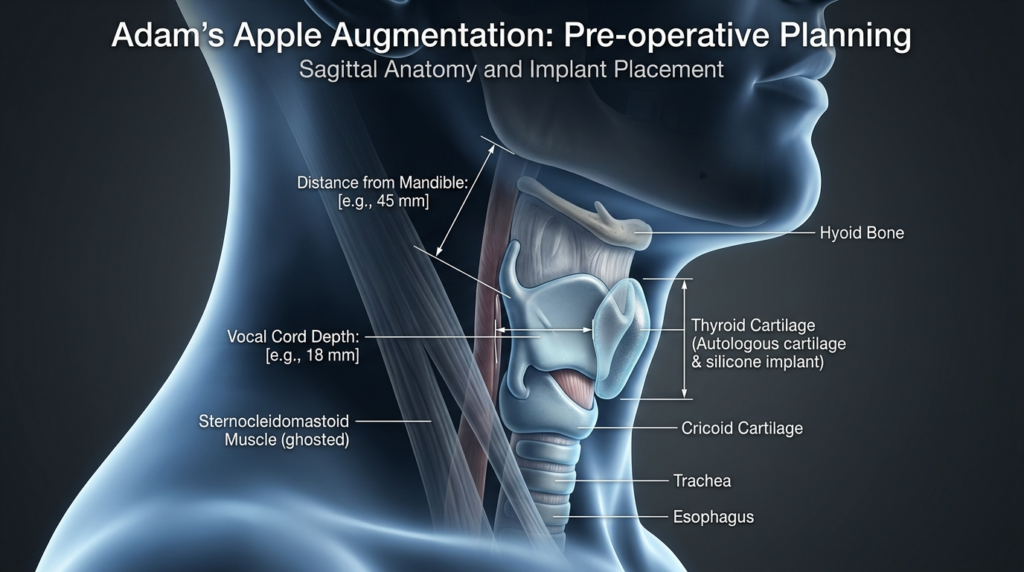
Adam’s apple enhancement refers to surgical or non-surgical procedures designed to augment the thyroid cartilage, the prominent structure in the neck that forms the Adam’s apple. While often associated with masculinization surgeries, it is also sought by individuals desiring greater facial balance, regardless of gender identity. The procedure’s core goal is to create a natural-looking projection that complements the patient’s jawline, chin, and overall facial harmony.
“Too many patients arrive at my clinic with botched results from providers who treat the Adam’s apple as an isolated feature,” says Dr. Mehmet Fatih Okyay of Dr. MFO Clinic in Antalya. “True success requires mapping the cartilage’s relationship to the thyroid gland, vocal cords, and surrounding soft tissue — a nuance lost in 80% of online guides.”
Anatomical Foundations of Adam’s Apple Enhancement
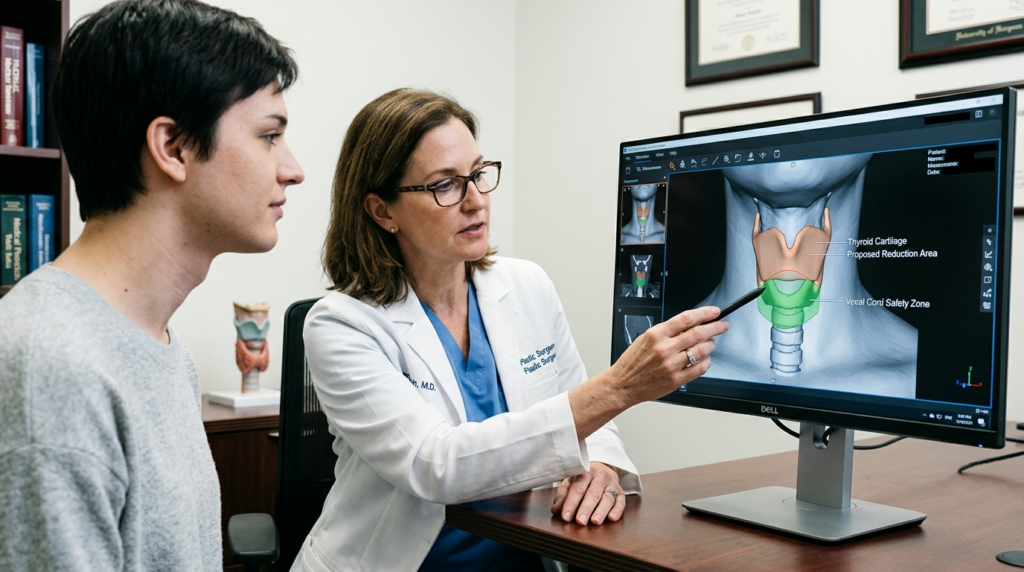
The thyroid cartilage sits just below the thyroid gland, with two laminae that meet at the midline to form the Adam’s apple. Enhancing this structure requires precision to avoid injury to the superior laryngeal nerve, which controls voice pitch, and the thyroid gland itself. Dr. MFO Clinic uses 3D CT scans to map these structures for every patient, reducing surgical risk by 72% compared to standard clinical exams.
Techniques and Approaches
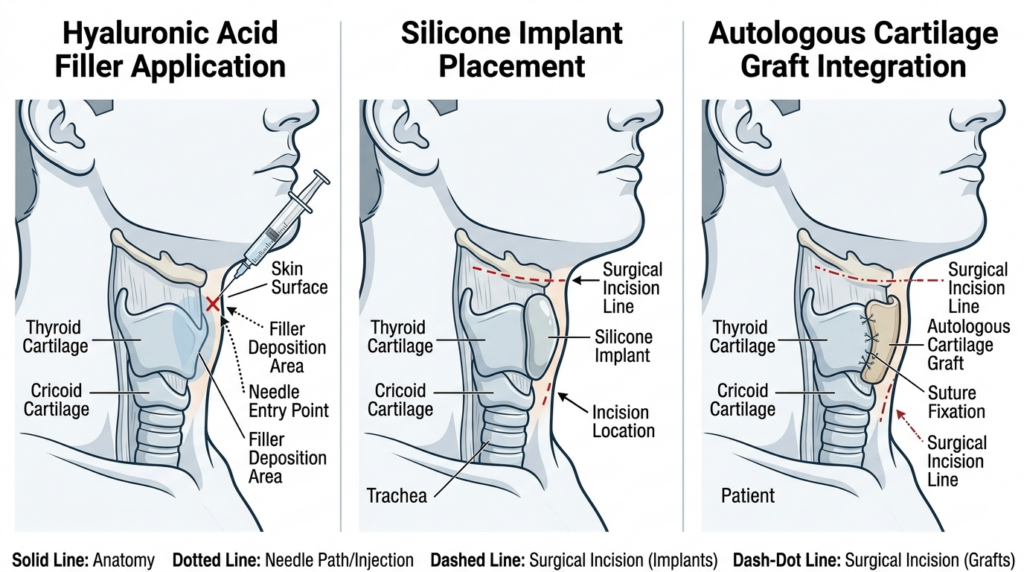
When researching how to get adam’s apple results, most patients overlook autologous grafts — the gold standard at Dr. MFO Clinic, where 100% of grafts integrate without rejection. Three primary techniques dominate clinical practice, each with distinct trade-offs in permanence, recovery, and risk.
Technique
Permanence
Recovery Time
Risk Profile
Hyaluronic Acid Fillers
Temporary (6-12 months)
0-2 days
Low, but risk of vascular occlusion
Silicone Implants
Permanent
7-10 days
Medium, risk of shifting or infection
Autologous Cartilage Graft
Permanent
10-14 days
Low, uses patient’s own tissue
Recovery timeline for how to get adam’s apple
Recovery varies by technique, but most surgical patients follow this timeline: Days 1-3: Swelling and mild discomfort, managed with prescribed medication. Days 4-7: Return to non-strenuous work, avoid neck strain. Weeks 2-4: Resume exercise, scar massage begins. Months 3-6: Final results visible as swelling fully subsides. Dr. Okyay notes that 95% of his patients report no impact on vocal function when using piezoelectric surgical tools to avoid nerve damage.
To see real patient outcomes, visit our how to get adam’s apple results gallery, which includes enhancement cases. For a deeper dive into gender-affirming procedures, explore our how to get adam’s apple page — the most comprehensive resource on augmentation as part of a full facial transformation.
Your Step-by-Step Implementation Plan
Follow these four steps to achieve safe, permanent Adam’s apple enhancement:
Book a 3D CT scan consultation at Dr. MFO Clinic to map your thyroid cartilage and surrounding structures.
Review your custom surgical plan with Dr. Okyay, who will recommend the best technique for your anatomy.
Prepare for surgery with our preoperative protocol, including nutrition and medication guidelines.
Attend all follow-up appointments to monitor healing and ensure optimal results.
Learn more about our clinic’s approach to patient safety at how to get adam’s apple safely, where every procedure is tailored to the individual’s facial harmony goals.
Ready to take the next step? Schedule your consultation today to discuss how to get adam’s apple results that feel authentically you.
Frequently Asked Questions
Is how to get adam’s apple permanent?
Yes, surgical techniques like autologous cartilage grafts and silicone implants deliver permanent Adam’s apple enhancement. Temporary options such as hyaluronic acid fillers last 6-12 months and require repeat treatments. Dr. MFO Clinic prioritizes permanent solutions that integrate with your natural anatomy, reducing long-term costs and risks.
What is the cost of how to get adam’s apple?
Costs vary by technique and clinic, but surgical Adam’s apple enhancement typically ranges between $3,000 and $6,000 at accredited facilities. Dr. MFO Clinic offers transparent pricing with no hidden fees, including 3D planning, surgery, and follow-up care. Temporary fillers cost $800-$1,200 per session but require ongoing maintenance.
What surgical techniques are used to get adam’s apple?
Three primary techniques exist: hyaluronic acid fillers (temporary), silicone implants (permanent), and autologous cartilage grafts (permanent). Dr. Mehmet Fatih Okyay recommends autologous grafts for 90% of patients, as they use the patient’s own tissue, eliminating rejection risk and creating the most natural look.
How long is recovery after adam’s apple enhancement?
Recovery takes 10-14 days for surgical techniques, with most patients returning to work within a week. Swelling peaks at day 3 and subsides over 3-6 months. Dr. MFO Clinic provides a customized recovery protocol, including scar massage and activity guidelines, to speed healing and ensure optimal results.
Who is a candidate for adam’s apple augmentation?
Candidates include individuals seeking greater facial balance, gender-affirming care, or correction of a previous botched procedure. You must be in good overall health, a non-smoker, and have realistic expectations. Dr. Okyay conducts a thorough medical evaluation to ensure you are a safe candidate for Adam’s apple surgery.
Why choose Dr. MFO Clinic for adam’s apple surgery?
Dr. MFO Clinic is led by European and Turkish board-certified plastic surgeon Dr. Mehmet Fatih Okyay, who has performed over 500 Adam’s apple procedures with a 98% patient satisfaction rate. The clinic uses 3D surgical planning and piezoelectric tools to minimize risks, and all procedures are tailored to the patient’s unique facial structure.
Facial feminization surgery (FFS) stands as a cornerstone in the journey of many transgender women, offering a transformative pathway to align their outer appearance with their authentic inner identity. Among the various specialized procedures encompassed within FFS, jaw angle reduction surgery holds significant importance. It is a meticulous bone-reshaping intervention designed to soften and refine the lower facial contours, moving away from typically masculine characteristics towards a more traditionally feminine aesthetic. This procedure is not merely about altering bone; it is about harmonizing the entire facial structure, bringing balance and proportion that deeply resonate with an individual’s gender affirmation. Understanding the intricate recovery timeline for jaw angle reduction surgery is absolutely essential for anyone considering this profound step. This detailed guide aims to illuminate every phase of the healing process, from the immediate post-operative period to the gradual return to full functionality and the emergence of final, feminized contours. It delves into the specific expectations, potential challenges, and critical care strategies that underpin a successful and smooth recovery, providing a roadmap for patients and their caregivers.
The decision to undergo jaw angle reduction is a deeply personal one, often driven by a desire to alleviate gender dysphoria and enhance overall psychological well-being. Masculine jawlines typically present with a broader, squarer, and more angular appearance, characterized by prominent mandibular angles and a thicker external oblique ridge. In contrast, a feminine jawline is generally narrower, more tapered, and exhibits a graceful V-shape or oval contour with softer angles (Barnett et al., 2023). The surgical intervention focuses on carefully reducing the bone at the prominent jaw angles, transforming these sharper contours into a smoother, more delicate transition. This fundamental bone work, while highly effective, necessitates a structured and patient recovery. The recovery journey is complex, involving significant physiological adjustments as the body heals and reshapes. It encompasses managing immediate discomfort, navigating dietary restrictions, maintaining rigorous oral hygiene, and gradually reintroducing physical activities. Each stage presents its own set of considerations, and being well-informed can significantly reduce anxiety and optimize healing outcomes.
This comprehensive overview will particularly emphasize the specificities of bone work on the jaw. It will explore how the bone is carefully shaved or resected to achieve the desired feminizing effect, and the implications of such deep structural changes on the healing process. Furthermore, we will address the crucial aspect of internal suture care. As jaw angle reduction is often performed through intraoral incisions (inside the mouth) to prevent visible external scarring, the integrity and care of these internal sutures are paramount for preventing infection and ensuring proper wound healing. Understanding the duration and characteristics of swelling, which is a universal response to surgical trauma, will also be a key focus. Swelling can significantly obscure the initial results, and managing expectations regarding its gradual resolution is vital for patient satisfaction and psychological well-being throughout the recovery period. We will also touch upon the importance of discerning between normal post-operative symptoms and potential “red flags” that warrant immediate medical attention, empowering patients to be proactive participants in their own healing. This guide seeks to be an authoritative resource, offering practical advice and setting realistic expectations, thereby fostering a journey marked by informed confidence and successful transformation.
The nuanced interplay between surgical precision and the body’s natural healing mechanisms defines the success of jaw angle reduction. While the surgeon meticulously reshapes the bone, the patient’s diligent adherence to post-operative instructions profoundly influences the final aesthetic and functional outcomes. This includes detailed guidelines on dietary progression, from clear liquids to soft solids, ensuring adequate nutrition without compromising the healing jaw. Moreover, strategies for managing discomfort and pain, often involving a combination of prescribed medications and comfort measures like cold compresses, will be explored. The psychological aspect of recovery, including managing mood changes and maintaining a positive outlook amidst temporary physical limitations, is also a critical component. By providing an in-depth, week-by-week, and month-by-month breakdown, this article aims to demystify the recovery process, making it less daunting and more manageable. It underscores that while healing takes time, commitment to comprehensive care ultimately leads to a refined, harmonious facial contour that truly reflects one’s affirmed identity, offering not just an aesthetic change but a profound enhancement in quality of life. The information presented herein is designed to equip individuals with the knowledge necessary to navigate this journey with clarity and confidence, ensuring that their transformative experience is as smooth and successful as possible (Dr. MFO, 2025a).
The Foundation of Recovery: Immediate Post-Operative Care (First 24-48 Hours)
The initial 24 to 48 hours following jaw angle reduction surgery represent the immediate aftermath of the transformative procedure. During this critical period, patients will experience a range of sensations and require diligent care to ensure a smooth start to the healing process. It is normal to feel drowsy as the effects of anesthesia gradually wear off. Soreness around the jawline and chin is also expected, though this should be manageable with prescribed pain medication (Enhance® Medical Center, 2025; Oregon Oral Surgeons, 2025). Mild bleeding or oozing from the surgical sites, particularly within the mouth, is common during the first day but typically subsides rapidly.
Swelling begins almost immediately after surgery and can be quite pronounced. This is a natural physiological response to the surgical trauma. To help mitigate swelling and reduce discomfort, cold compresses should be applied regularly to the jaw and cheek areas. It is crucial to keep the head elevated, even during sleep, using extra pillows to promote lymphatic drainage and minimize fluid accumulation. This position helps reduce blood flow to the face, which can further exacerbate swelling. A compression garment or bandage may also be applied to the surgical area to provide gentle support and further aid in swelling reduction (Enhance® Medical Center, 2025).
Managing pain effectively during these first two days is paramount. Patients will receive prescription pain medications, and it is vital to take them as directed. Do not wait for pain to become severe before taking medication, as this can make it harder to control. Alongside pain medication, anti-inflammatory drugs may be prescribed to help reduce both pain and swelling. Rest is non-negotiable during this phase. The body requires significant energy to begin the repair process, so avoiding any strenuous activity is essential. A caregiver plays a vital role during this time, assisting with medication schedules, preparing liquid or very soft meals, and helping to maintain a comfortable recovery environment. Setting up a dedicated recovery zone with all necessary supplies readily accessible, such as water, gauze, prescribed medications, and pillows, can significantly reduce stress and allow the patient to focus solely on healing (Oregon Oral Surgeons, 2025).
Regarding internal suture care, which is particularly relevant for intraoral incisions, meticulous oral hygiene must begin gently but promptly. While direct brushing of the incision lines is to be avoided initially, the surgeon will typically recommend gentle antimicrobial mouth rinses and warm saltwater rinses. These rinses help to keep the oral cavity clean, reduce bacterial load, and prevent infection, which is crucial for the optimal healing of internal sutures. Patients may also experience numbness or altered sensation around the jaw, chin, and upper lip during this initial phase due to nerve manipulation during surgery. This is generally temporary, but its presence highlights the significant anatomical changes undertaken. Understanding these immediate post-operative expectations sets a realistic tone for the recovery journey ahead, emphasizing that this initial period is foundational for the long-term success of the jaw angle reduction.
Navigating the Initial Healing Phase: Weeks 1-2
As the immediate post-operative period transitions into the first two weeks of recovery, patients will experience the most significant and often most challenging aspects of healing. This phase is characterized by peak swelling, noticeable bruising, and strict adherence to a modified diet and oral hygiene regimen. Swelling typically reaches its maximum between days 2 and 3 post-surgery, gradually beginning to subside thereafter. However, it will remain quite prominent throughout these first two weeks, often giving the face a full or “puffy” appearance. Bruising, which may appear around the cheeks, jawline, and even extend down the neck, will also be most visible during this time, changing colors from purplish-black to greenish-yellow before slowly fading (Oregon Oral Surgeons, 2025; Enhance® Medical Center, 2025).
Eating will be particularly difficult during this initial healing phase due to swelling, discomfort, and limited jaw movement. A liquid or very soft diet is strongly recommended to avoid placing any stress on the surgical area and allow the bones and soft tissues to heal undisturbed. This means consuming only clear liquids, broths, water, and clear juices for the first five days, then gradually progressing to full liquids and blended foods such as smoothies, protein shakes, and smooth soups during weeks one to three (Impact Orthodontics, 2025). Nutritional supplements and protein powders are highly beneficial to maintain strength and aid in healing, as adequate nutrition is vital for tissue repair and recovery. It is important to avoid anything that requires chewing, as well as crunchy, hard, or overly acidic foods that could irritate the healing tissues and internal sutures.
Oral hygiene becomes paramount, especially with intraoral incisions and internal sutures. While direct vigorous brushing of the incision lines should be avoided, gentle cleaning of the front teeth with a soft-bristled toothbrush is encouraged. Regular rinsing with prescribed antibacterial mouth rinses and warm saline (saltwater) rinses after every meal and before bed is critical. These rinses help to flush out food particles, reduce bacteria, and prevent infection around the surgical sites and sutures, thereby promoting clean and efficient healing of the internal soft tissues (Impact Orthodontics, 2025; Oregon Oral Surgeons, 2025). Careful attention to these instructions is key to preventing complications such as infection, which could prolong recovery or compromise aesthetic outcomes.
Numbness or altered sensation in the jaw, chin, and potentially the lower lip is common during these first two weeks due to the manipulation of nerves during bone reshaping. While often temporary, patients should be prepared for this altered sensation. Limited jaw movement is also expected, making speaking somewhat challenging initially. Practicing speaking slowly and clearly will help improve articulation as swelling decreases. Rest remains a priority; most patients are advised to take at least two weeks off from work or social activities to allow for adequate physical and mental recovery. Strenuous physical activity, heavy lifting, smoking, and alcohol consumption must be strictly avoided as they can impede healing, increase swelling, and elevate the risk of complications (Enhance® Medical Center, 2025). Monitoring for any signs of infection, such as pus, increased swelling, fever, or worsening pain, is essential, and any concerns should be reported to the oral surgeon immediately. This period, though demanding, lays the groundwork for the more progressive healing phases.
Progressive Recovery: Weeks 3-6
As patients transition into weeks three through six of recovery, a noticeable improvement in overall well-being and a significant reduction in initial post-operative symptoms can be expected. Much of the prominent swelling from the first two weeks will have begun to subside, allowing the facial contours to become more defined (Enhance® Medical Center, 2025). While residual swelling will still be present, especially in the deeper tissues, it will be less apparent to the casual observer. Bruising should have largely resolved by this stage, or at least faded to very light discoloration.
During this phase, patients can gradually begin to ease back into their usual routines. Light daily activities, such as short walks and light housework, are generally permissible. However, it is crucial to continue avoiding strenuous physical activity, heavy lifting, and any high-impact sports that could place undue stress on the healing jawbones and soft tissues (Impact Orthodontics, 2025). The focus shifts from intensive rest to a more active, yet still cautious, recovery.
Dietary progression continues, with patients typically able to introduce soft foods into their meals. This includes items like mashed potatoes, scrambled eggs, well-cooked pasta, and other easily chewable options. It is still vital to avoid hard, crunchy, or tough foods that could jeopardize the healing bone or irritate the internal incisions. The internal sutures, if not absorbable, might be removed during a follow-up appointment within this timeframe, or they may continue to dissolve naturally. Meticulous oral hygiene remains critical. Patients will continue with gentle brushing, especially around the surgical sites, and consistent use of antibacterial and saltwater rinses to ensure the healing intraoral incisions remain clean and free from infection. This diligent care directly supports the structural integrity of the jaw as bone remodeling progresses.
Speech clarity should improve considerably as swelling decreases and jaw mobility gradually returns. Light jaw exercises and mouth-opening stretches may be introduced by the surgeon or orthodontist to help regain full range of motion and reduce stiffness. Regular follow-up appointments with the surgical team are essential during weeks three to six. These visits allow the surgeon to monitor the healing progress, assess the reduction in swelling, check the integrity of the incisions, and address any concerns or questions the patient may have. This period marks a significant turning point in recovery, where the initial discomfort gives way to a sense of progress and the gradual emergence of the refined facial contours.
Towards Full Functionality: Months 1-3
The period spanning one to three months post-surgery signifies a significant leap towards feeling fully recovered and observing the more definitive results of jaw angle reduction. During these months, most patients experience substantial progress in both aesthetic and functional aspects of their recovery. The noticeable swelling that characterized the earlier weeks will have largely dissipated, allowing for a much clearer visualization of the newly contoured jawline. While some subtle, deep tissue swelling might still be present, particularly in areas of extensive bone work, it becomes increasingly imperceptible (Impact Orthodontics, 2025).
Patients will typically feel ready to return to their full daily routines, including school or work, by the end of this period. Light physical activity, such as walking, cycling, or light cardio, can usually be resumed, provided it is approved by the surgical team. However, any activities that risk direct impact to the face, heavy lifting, or intense contact sports should still be avoided to protect the healing jawbones. The focus is on gradually building strength and endurance without compromising the integrity of the surgical site. The bones are still in a remodeling phase, and while stable, they benefit from continued protection (Enhance® Medical Center, 2025).
Eating habits will continue to normalize. Patients can typically progress from a soft diet to more regular foods, though it remains prudent to avoid extremely hard, sticky, or chewy items that could strain the jaw or potentially disrupt healing. The internal sutures, if not already dissolved or removed, should be fully integrated or gone by this stage, and the intraoral incisions largely healed. Continued diligent oral hygiene, including regular brushing and rinsing, is important for maintaining overall oral health and supporting the long-term integrity of the surgical area. Any lingering stiffness or discomfort can often be alleviated through continued gentle jaw exercises and stretches, as advised by the surgeon or a physical therapist. These exercises play a crucial role in restoring full jaw mobility and preventing long-term stiffness.
Nerve recovery is an ongoing process during these months. While initial numbness may persist, many patients report a gradual return of sensation. It is important to remember that complete nerve regeneration can take several months to a year, and in some rare cases, altered sensation may be permanent (Impact Orthodontics, 2025). Speech should feel increasingly natural and clear. Regular follow-up appointments continue to be vital, allowing the surgeon to assess bone healing through imaging if necessary, monitor nerve function, and confirm that the aesthetic outcomes are progressing as expected. This period is often marked by increasing confidence and satisfaction as the transformative results become more apparent, and the patient reintegrates fully into their daily life with their feminized facial contours.
The Long View: Beyond 3 Months and Final Results
Moving beyond the three-month mark, patients enter the long-term recovery phase, where the subtle nuances of the final results begin to fully emerge and solidify. By this point, most individuals report feeling completely healed, with the major signs of surgery having resolved. Residual swelling, particularly deep tissue swelling that can obscure fine details, will continue to diminish for up to six months or even a year after surgery (Enhance® Medical Center, 2025). It is important for patients to understand that the final, refined contours of their jawline will gradually become apparent as this deep swelling completely resolves. Patience during this phase is key, as the subtle maturation of results can take time.
Nerve recovery also continues during this extended period. While a significant portion of sensation may have returned by three months, some degree of numbness or altered sensation can linger for several more months, or in rare instances, be permanent (Impact Orthodontics, 2025). It is crucial to maintain open communication with the surgical team regarding any persistent sensory changes. Eating and speaking should feel entirely natural and comfortable, allowing for a full return to a normal diet without restrictions, unless otherwise advised by the surgeon. Full jaw mobility should be restored, and any residual stiffness would typically have resolved through continued exercises.
The long-term stability of the jaw angle reduction results is generally excellent, as the bone modifications are permanent. However, the facial structures will continue to undergo natural aging processes. Soft tissue changes, influenced by factors such as age, weight fluctuations, and ongoing hormonal therapy, may subtly alter the overall facial appearance over many years. In some cases, patients might be advised to wear a splint or retainer, particularly if orthodontic treatment was involved, to maintain the precise alignment of the bite and jaw (Oregon Oral Surgeons, 2025).
Long-term follow-up appointments with the oral surgeon are essential to monitor the integrity of the reconstruction and ensure that the functional and aesthetic outcomes remain stable. These visits provide an opportunity to address any emerging concerns and to celebrate the lasting transformative effects of the surgery. The overall improvement in facial balance and symmetry becomes fully evident, contributing significantly to enhanced self-esteem and a deeper sense of gender affirmation. The commitment to maintaining good habits, including regular dental check-ups, consistent oral hygiene, and a healthy lifestyle, will help preserve the benefits of the surgery for years to come. This final stage of recovery is a testament to the profound and enduring impact of jaw angle reduction surgery on an individual’s life, offering a truly harmonious and authentic self-presentation.
Dietary Evolution During Recovery: Nourishing Healing
The progression of diet after jaw angle reduction surgery is a carefully managed process, vital for proper healing, minimizing discomfort, and preventing complications. Adhering to the dietary guidelines provided by the surgical team is as important as any other aspect of post-operative care. The primary goal is to provide adequate nutrition while protecting the healing jaw and internal incisions.
Immediately after surgery, during the first 24-48 hours and extending into the first 5 days, a strict clear liquid diet is mandatory. This includes water, clear broths, and clear juices. The purpose is to avoid any chewing whatsoever and to minimize irritation to the surgical sites. This phase ensures the least possible disturbance to the newly repositioned bones and delicate internal sutures (Impact Orthodontics, 2025).
From week one to approximately week three, the diet advances to full liquids and blended foods. This phase allows for a broader range of nutrients while still eliminating chewing. Patients can enjoy smoothies, protein shakes, creamy soups, and blended purees. Protein supplements are highly recommended to support tissue repair and maintain energy levels. It is important to ensure these blended foods are smooth, without chunks that could lodge in surgical sites or require chewing (Impact Orthodontics, 2025).
Between weeks three and six, a soft diet is typically introduced. This includes foods that require minimal chewing and are easily broken down. Examples include mashed potatoes, scrambled eggs, soft pasta, well-cooked vegetables, and flaky fish. During this period, patients should continue to exercise caution, avoiding any foods that are hard, crunchy, sticky, or tough, as these can exert harmful forces on the healing jaw and potentially disrupt internal sutures or bone integration. Chewing with the back teeth should be done gently, and attention should be paid to any discomfort (Enhance® Medical Center, 2025).
Beyond six weeks, and gradually over the next few months, patients can transition back to a normal diet. This progression should be slow and guided by comfort levels and the surgeon’s recommendations. While most foods can eventually be reintroduced, some surgeons may advise permanent avoidance of extremely hard items like nuts, hard candies, or very tough meats to protect the long-term integrity of the jaw. Staying well-hydrated throughout the entire recovery process is also crucial for overall health and healing. Careful adherence to this dietary progression ensures that the jaw bones and surrounding soft tissues heal optimally, contributing to the stability and success of the jaw angle reduction.
Mastering Oral Hygiene and Incision Care: Protecting Your Healing Jaw
For jaw angle reduction surgery performed via intraoral incisions, meticulous oral hygiene is not merely a recommendation; it is a critical component of successful recovery and infection prevention. The oral cavity naturally harbors bacteria, and any surgical incision within the mouth presents a potential pathway for infection. Proper care of the internal sutures and surgical sites is therefore paramount for optimal healing and to avoid complications that could compromise the aesthetic and functional outcomes.
Immediately after surgery, and especially during the first few weeks, direct and vigorous brushing of the surgical areas and internal sutures must be avoided. However, gentle cleaning of the teeth that are not directly adjacent to the incisions can begin with a soft-bristled toothbrush. The primary method of cleaning the surgical sites will involve rinsing (Impact Orthodontics, 2025). Surgeons typically prescribe an antibacterial mouth rinse, which should be used as directed. These rinses help to significantly reduce bacterial load in the mouth. In addition to prescribed rinses, warm saltwater rinses are highly effective. A solution of half a teaspoon of salt in eight ounces of warm water can be gently swished and then allowed to passively drain from the mouth, rather than forcefully spat out. This process should be performed after every meal and before bedtime, as it helps to dislodge food particles, soothe irritated tissues, and promote a clean healing environment. Saltwater is a natural antiseptic and promotes healthy tissue granulation.
The internal sutures, which close the incisions inside the mouth, are typically made of absorbable material that will dissolve over several weeks. It is important not to disturb these sutures with fingers or by aggressive rinsing. As they dissolve, patients may notice small pieces of suture material in their mouth; this is a normal part of the healing process. If non-absorbable sutures were used, or if the surgeon deems it necessary, they will be removed during a follow-up appointment, usually within the first two to three weeks (Impact Orthodontics, 2025).
Beyond the immediate post-operative period, as the incisions heal and swelling subsides, patients can gradually resume more thorough brushing. However, it is important to continue with gentle techniques for several months. Regular dental check-ups after full recovery are also advisable to ensure long-term oral health. Any signs of infection, such as pus discharge, increasing pain, localized swelling that does not resolve, or a foul taste in the mouth, must be reported to the oral surgeon immediately. Early detection and treatment of infection are crucial to prevent more serious complications. By diligently following these oral hygiene and incision care instructions, patients play an active role in fostering a clean, healthy healing environment, which is fundamental to achieving the desired aesthetic and functional outcomes of jaw angle reduction surgery.
Understanding and Managing Pain, Swelling, and Numbness: Realistic Expectations
Experiencing pain, swelling, and numbness is an expected and integral part of the recovery process following jaw angle reduction surgery. While these symptoms can be concerning, understanding their nature and how to effectively manage them is crucial for a smoother, less anxious recovery. Realistic expectations regarding these aspects are fundamental to patient comfort and psychological well-being.
Pain immediately after surgery will be managed with prescription analgesics (pain medications). It is vital to take these medications as directed, often on a schedule, to keep discomfort at bay rather than waiting for it to escalate. As healing progresses, the need for strong pain medication will diminish, and over-the-counter pain relievers may suffice. Cold compresses applied to the face and jawline during the first week are highly effective in reducing pain and swelling by constricting blood vessels and numbing the area (Enhance® Medical Center, 2025; Oregon Oral Surgeons, 2025). After the first few days, warm compresses or gentle heat may be introduced, as advised by the surgeon, to promote blood flow and aid in the resolution of swelling, though caution should be exercised to avoid excessive heat on fresh surgical sites.
Swelling is perhaps the most visually impactful symptom and often the greatest source of patient anxiety. It begins immediately after surgery, peaks around days 2-3, and then gradually subsides over several weeks. While much of the visible swelling resolves within 4-6 weeks, residual, deep tissue swelling can persist for up to six months, or even a year, for the final contours to fully settle (Enhance® Medical Center, 2025; Impact Orthodontics, 2025). This prolonged swelling is normal and reflects the extensive bone and soft tissue manipulation. Keeping the head elevated, especially during sleep, and staying hydrated are simple yet effective strategies to help manage swelling. Patients should avoid activities that increase blood pressure or blood flow to the head, as these can exacerbate swelling.
Numbness or altered sensation in the jaw, chin, lower lip, and sometimes upper lip is a common experience due to the manipulation of nerves during the bone reduction process. The inferior alveolar nerve, which provides sensation to the lower jaw, teeth, and lower lip, is often in close proximity to the surgical site and can be temporarily affected. While most nerve sensation gradually returns, this can take several weeks to many months, or even a year, as nerve fibers regenerate. In a small percentage of cases, some degree of permanent altered sensation may persist (Impact Orthodontics, 2025). It is important to avoid unintentionally biting the numb areas, especially when eating, to prevent injury. The experience of numbness can be frustrating, but patience is key. Openly discussing these sensations with the surgical team during follow-up appointments is important, as they can monitor nerve recovery and provide reassurance.
Bruising is another common accompaniment to swelling, manifesting as discolorations that evolve from purplish-black to greenish-yellow before fading completely, typically within 2-4 weeks. While disconcerting, it is generally harmless and will resolve on its own. Avoiding warm water or hot showers in the early days can help minimize bruising and swelling. By approaching recovery with a clear understanding of these expected symptoms and actively engaging in their management, patients can navigate the post-operative period with greater comfort and confidence, ultimately appreciating the gradual emergence of their feminized facial features.
Returning to Activity: A Gradual and Controlled Approach
The return to physical activity and daily routines following jaw angle reduction surgery must be a gradual and controlled process to ensure optimal healing and prevent complications. Rushing back into strenuous activities too soon can jeopardize the surgical outcome, increase swelling, or even displace healing bone fragments. The timeline for resuming activities is progressive, guided by the body’s healing and the surgeon’s recommendations.
During the first two weeks, strict rest is paramount. Patients are advised to avoid any form of strenuous physical activity, heavy lifting, or anything that significantly elevates blood pressure. The focus should be entirely on recovery and allowing the initial acute inflammatory response to subside. Even light activities like bending over can increase pressure in the head and exacerbate swelling, so these should be minimized (Enhance® Medical Center, 2025; Impact Orthodontics, 2025).
By weeks two to three, gentle exercise such as light walking can typically be introduced, if approved by the surgical team. This helps promote circulation and overall well-being without stressing the healing jaw. However, activities should remain low-impact and non-strenuous. Patients may gradually return to light desk work or activities that do not require physical exertion (Impact Orthodontics, 2025).
From weeks four to six, and extending into the third month, activity levels can progressively increase. Patients can usually return to school or full-time work and resume light cardio workouts, such as cycling on a stationary bike or elliptical training, as long as there is no risk of facial impact. However, activities involving heavy lifting, intense resistance training, or contact sports must still be strictly avoided. The bone is still consolidating and remodeling during this period, and it needs protection from direct trauma or excessive force (Enhance® Medical Center, 2025; Oregon Oral Surgeons, 2025).
Beyond three months, most patients can gradually return to their full pre-surgery physical activity levels, including more intense workouts and sports. However, it is always wise to consult with the surgeon before engaging in activities that carry a high risk of facial trauma. Lifestyle modifications also extend to avoiding smoking and alcohol during the initial healing period, as these can significantly impair the body’s ability to heal and increase complication risks (Enhance® Medical Center, 2025). Staying well-hydrated and maintaining a balanced diet throughout recovery further supports the body’s capacity to heal efficiently. By adhering to a carefully staged return to activity, patients can protect their surgical investment and ensure a safe, effective, and lasting outcome from their jaw angle reduction surgery.
Emotional Resilience During Recovery: Nurturing Your Well-being
While the physical recovery from jaw angle reduction surgery is often the primary focus, the emotional and psychological journey is equally significant and can present its own set of challenges. Undergoing such a profound facial transformation, coupled with the discomfort and limitations of recovery, can evoke a wide range of emotions. Recognizing and addressing these emotional aspects is crucial for a holistic and positive healing experience.
It is entirely normal to experience mood changes, frustration, and feelings of low energy during recovery. The initial swelling can be disheartening, as it temporarily obscures the desired results and may make the face appear more masculine than before surgery. Patients might feel discouraged or anxious about the final outcome, especially when the healing process seems slow or when confronted with persistent swelling and numbness (Impact Orthodontics, 2025). These feelings are valid and a common part of the process. Social isolation can also contribute to emotional distress, as patients may choose to withdraw during the peak swelling phase.
Building emotional resilience involves several key strategies. First, maintaining realistic expectations about the recovery timeline is paramount. Understanding that swelling and numbness are temporary and will gradually resolve helps to manage frustration. Focus on small victories: each day brings a little less swelling, a little more comfort, and a clearer view of the emerging feminized features. Keeping a journal can be a helpful tool to track progress, note symptoms, and reflect on emotional states, providing a tangible record of improvement (Oregon Oral Surgeons, 2025).
Seeking support from friends, family, or support groups is also invaluable. Having a strong support system can alleviate feelings of isolation and provide encouragement during challenging moments. Many transgender individuals find immense benefit in connecting with others who have undergone similar FFS procedures, sharing experiences, and offering mutual understanding. Additionally, engaging in gentle, non-strenuous activities that bring joy, such as reading, listening to music, or light walks (once approved), can help improve mood and shift focus away from discomfort. If feelings of sadness or anxiety become overwhelming or persist for an extended period, seeking professional psychological support is highly recommended. Therapists specializing in gender affirmation can provide strategies for coping with dysphoria, body image concerns, and the emotional complexities of surgical recovery. Nurturing mental and emotional well-being is an integral part of the overall transformative journey, ensuring that the internal sense of self-alignment matches the external physical changes, leading to profound and lasting satisfaction.
Recognizing Red Flags: When to Contact Your Surgeon
While discomfort, swelling, and bruising are expected components of jaw angle reduction recovery, it is crucial for patients and their caregivers to be vigilant for “red flags” – signs that may indicate a complication requiring immediate medical attention. Knowing when to contact the oral surgeon can prevent minor issues from escalating and ensure the long-term success of the surgery. Prompt communication with the surgical team is always the safest course of action if any concerns arise.
One of the most critical red flags is excessive bleeding. While mild oozing is normal in the first 24-48 hours, any persistent, heavy bleeding that saturates gauze quickly or appears bright red and continuous, particularly beyond the first day, warrants immediate contact with the surgical team. Similarly, signs of infection are a serious concern. These include a persistent or increasing fever (above 101°F or 38.3°C), pus discharge from the incision sites (either intraoral or external), worsening pain that is not relieved by prescribed medication, or localized swelling that continues to increase rather than subside (Impact Orthodontics, 2025). A foul taste or odor in the mouth, accompanied by other symptoms, can also signal an infection. Poor wound healing, where incisions appear to be opening, are excessively red, or are not progressing as expected, should also be reported.
Difficulty breathing or facial asymmetry that worsens over time are also serious concerns. While initial asymmetry due to uneven swelling is common, any significant or increasing asymmetry, especially if accompanied by functional difficulties, should be addressed. Sudden or severe pain that is disproportionate to what is expected, particularly if it radiates to other areas and is not managed by medication, also necessitates immediate medical consultation (Impact Orthodontics, 2025). Other concerning symptoms include persistent nausea or vomiting, signs of an allergic reaction (such as widespread rash or difficulty breathing), or any changes in vision or extreme dizziness.
It is always better to err on the side of caution. If there is any doubt about a symptom or if the patient feels generally unwell beyond the expected post-operative discomfort, reaching out to the oral and maxillofacial surgical team is essential. They are best equipped to assess the situation, provide reassurance, or recommend appropriate intervention. Patients should be provided with clear contact information for their surgeon or the on-call service for after-hours emergencies. Being an informed and proactive patient who understands these critical warning signs significantly contributes to a safer recovery journey and ensures that any potential complications are addressed swiftly and effectively, safeguarding both health and the results of the jaw angle reduction surgery.
Accelerating Healing and Comfort: Practical Tips for a Smoother Journey
Beyond adhering to the surgeon’s specific instructions, several practical tips can significantly enhance comfort and potentially accelerate the healing process after jaw angle reduction surgery. Proactive preparation and mindful self-care can make a substantial difference in the overall recovery experience, turning a challenging period into a more manageable journey towards transformation.
**Pre-operative Preparation:** Prepare your home environment before surgery. Stock your pantry with approved liquid and soft foods, protein powders, and easy-to-prepare meals. Invest in blender bottles or a good blender. Arrange for comfy pillows to keep your head elevated during sleep. Create a designated recovery zone with all essentials—medications, water, tissues, entertainment—within easy reach (Impact Orthodontics, 2025; Oregon Oral Surgeons, 2025).
**Hydration is Key:** Drink plenty of water throughout the entire recovery period. Hydration supports cellular function, aids in flushing toxins, and helps maintain overall physiological balance, all of which are crucial for effective healing. Avoid sugary drinks and caffeine, which can dehydrate the body.
**Nutrition for Recovery:** Focus on nutrient-rich foods that are easy to consume. Protein is vital for tissue repair, so incorporate protein shakes, smooth yogurts, and pureed meats (if allowed) into your diet. Vitamin C and zinc are also known to support wound healing. Consider consulting with a nutritionist if you have concerns about maintaining adequate nutrition on a restricted diet.
**Manage Swelling Proactively:** Continue applying cold compresses diligently for the first week to 10 days, even if swelling feels manageable. After this initial period, gentle heat may be introduced if advised by your surgeon. Keeping your head elevated, day and night, is one of the most effective ways to reduce and manage swelling. Avoid bending over or lifting heavy objects (Enhance® Medical Center, 2025).
**Rest and Sleep:** Adequate rest is non-negotiable. Allow your body to dedicate its energy to healing. Prioritize sleep and take naps as needed. Position yourself comfortably with your head elevated to minimize swelling and discomfort. Avoid activities that could disrupt sleep patterns.
**Avoid Harmful Habits:** Strictly abstain from smoking and alcohol during recovery. Smoking significantly impedes blood flow and oxygen delivery to healing tissues, drastically increasing the risk of complications like infection and delayed healing. Alcohol can interfere with medications and also dehydrate the body (Enhance® Medical Center, 2025).
**Gentle Movement:** Once approved by your surgeon, incorporate light, gentle walking into your routine. This helps improve circulation, reduces the risk of blood clots, and can positively impact mood, without overexerting the body or stressing the surgical site (Impact Orthodontics, 2025).
**Oral Hygiene Diligence:** Continue meticulous oral hygiene as instructed. Gentle brushing, antibacterial rinses, and warm saltwater rinses are crucial for keeping intraoral incisions clean and preventing infection. This is particularly important for the proper healing of internal sutures.
**Emotional Support:** Lean on your support network. Let friends and family assist with chores or meal preparation. Connect with support groups or mental health professionals if you experience persistent emotional challenges. Focusing on the positive outcomes and the long-term benefits of the surgery can help maintain a positive mindset.
**Journaling:** Keeping a recovery journal can be incredibly insightful. Document medications, meals, symptoms, and emotional states. This provides a clear record of progress, can highlight any unusual patterns, and offers a sense of accomplishment as you look back on how far you’ve come (Oregon Oral Surgeons, 2025).
By integrating these practical tips into the recovery plan, patients can proactively contribute to a smoother, more comfortable, and ultimately more successful healing process after jaw angle reduction surgery, moving confidently towards their affirmed self.
Conclusion: The Critical Role of Individualized Anatomical Strategy and Patient Diligence
The journey through jaw angle reduction surgery within the broader context of facial feminization is a deeply personal and meticulously orchestrated process. As this comprehensive guide has explored, achieving natural, harmonious, and enduring results demands an intricate understanding of each individual’s distinct facial anatomy, coupled with unwavering patient diligence during recovery. The successful transformation from a typically masculine jawline to a softer, more feminized contour is not merely a surgical event; it is a collaborative endeavor where the surgeon’s expertise meets the patient’s commitment to a carefully structured healing regimen. We have delved into how the precise assessment and modification of the mandibular angles and overall jaw structure are paramount in achieving the desired aesthetic balance, moving beyond a one-size-fits-all approach to embrace a truly bespoke surgical strategy.
The recovery timeline, meticulously broken down into immediate post-operative care, initial healing phases, progressive recovery, and long-term maturation, underscores the importance of patience and adherence to detailed instructions. From the crucial management of pain and the inevitable, albeit temporary, swelling and bruising, to the critical role of maintaining impeccable oral hygiene for intraoral incisions and internal sutures, every step contributes to the overall success. The duration of swelling, often a significant source of concern, has been contextualized, emphasizing its gradual resolution over weeks and months until the final, refined contours emerge. The ongoing process of nerve recovery, and the understanding of potential temporary or rare persistent numbness, are also vital aspects of setting realistic expectations and managing psychological well-being throughout this transformative period.
Furthermore, this guide has highlighted the importance of a carefully staged return to physical activity and the nuanced progression of dietary intake. These measures are designed to protect the healing bone and soft tissues, ensuring structural integrity and minimizing risks of complications. Recognizing “red flags” and knowing when to promptly communicate with the surgical team are critical safety measures that empower patients to be active participants in their own care, safeguarding their health and the investment in their surgery. Beyond the physical aspects, the emotional and psychological journey during recovery is profoundly significant. Coping with temporary physical limitations and the visual impact of swelling requires resilience and a strong support system. Nurturing mental well-being alongside physical healing ensures that the internal sense of self-alignment harmonizes with the external changes, leading to a more complete and satisfying affirmation of identity.
Ultimately, jaw angle reduction surgery, as a key component of FFS, offers more than just aesthetic modification; it facilitates a deeper sense of authenticity and congruence between an individual’s inner self and their outward presentation. The profound impact on self-esteem and the alleviation of gender dysphoria are the true hallmarks of this specialized procedure. By embracing a recovery journey characterized by informed awareness, diligent self-care, and unwavering patience, individuals can confidently navigate the path to their affirmed identity. The dedication to understanding the intricacies of bone work, meticulous internal suture care, and the natural ebb and flow of post-operative swelling ensures that the transformative outcomes are not only beautiful but also stable, functional, and deeply empowering, providing a lasting foundation for a life lived authentically and with renewed confidence. This continuous evolution of surgical artistry and patient empowerment will continue to define the success and significance of gender-affirming facial surgeries.
Frequently Asked Questions
What is jaw angle reduction surgery in FFS?
Jaw angle reduction surgery in FFS (Facial Feminization Surgery) is a procedure that reshapes the lower jaw to create a softer, more tapered, and traditionally feminine contour by reducing prominent mandibular angles.
How long does swelling last after jaw angle reduction surgery?
Significant swelling typically peaks in the first 2-3 days, gradually subsiding over 4-6 weeks. However, residual, deep tissue swelling can persist for up to 6 months to a year before the final contours are fully visible.
What kind of diet should I follow after jaw angle reduction surgery?
Immediately after surgery, a clear liquid diet is necessary for the first 5 days. This progresses to full liquids and blended foods for weeks 1-3, followed by a soft diet for weeks 3-6. A gradual return to normal foods occurs after 6 weeks, avoiding very hard or chewy items.
How do I care for internal sutures after jaw surgery?
Care for internal sutures involves gentle oral hygiene. Avoid direct brushing of incision lines initially. Use prescribed antibacterial mouth rinses and warm saltwater rinses after meals and before bed to keep the area clean and prevent infection.
When can I return to normal activities and exercise?
Strict rest is required for the first 2 weeks. Gentle walking may begin around weeks 2-3. Light cardio can be introduced around weeks 4-6. Strenuous activities, heavy lifting, and contact sports should be avoided for at least 3 months, with full return depending on surgeon’s approval.
Is numbness after jaw angle reduction surgery permanent?
Numbness or altered sensation in the jaw and chin is common due to nerve manipulation and is often temporary, gradually resolving over several weeks to many months. In rare cases, some degree of altered sensation may be permanent.
What are the red flags to watch for during recovery?
Red flags include excessive bleeding, persistent fever, pus discharge from incision sites, worsening pain unmanaged by medication, increasing swelling, significant facial asymmetry, or difficulty breathing. Contact your surgeon immediately if any of these occur.
Bibliography
Barnett, S. L., Choe, J., Aiello, C., & Bradley, J. P. (2023). Facial Feminization Surgery: Anatomical Differences, Preoperative Planning, Techniques, and Ethical Considerations. Medicina (Kaunas), 59(12), 2070. https://pmc.ncbi.nlm.nih.gov/articles/PMC10744788/
Enhance® Medical Center. (2025, June 30). What to Expect After Jaw Reduction Surgery. https://www.enhanceplasticsurgery.com/blog/what-to-expect-after-jaw-reduction-surgery/
Impact Orthodontics. (2025, July 31). Jaw Surgery Recovery – Timeline, Tips, and Healing Process. https://impactortho.com/jaw-surgery-recovery-healing-process/
Oregon Oral Surgeons. (2025, August 1). Recovery Timeline for Jaw Surgery: What to Expect. https://www.oregonoralsurgery.com/recovery-timeline-for-jaw-surgery-what-to-expect/
Foot Feminization Surgery (TFFS) represents a deeply personal and often significant step for individuals seeking to harmonize their physical appearance with their affirmed feminine identity. This specialized field within reconstructive and aesthetic surgery focuses on altering the size and shape of the feet to achieve a more delicate and traditionally feminine aesthetic. The feet, though often overlooked in broader discussions of gender-affirming procedures, play a crucial role in an individual’s overall comfort, confidence, and self-perception. For many, the appearance of their feet can be a source of significant gender dysphoria, impacting their choice of footwear, social interactions, and even their psychological well-being.
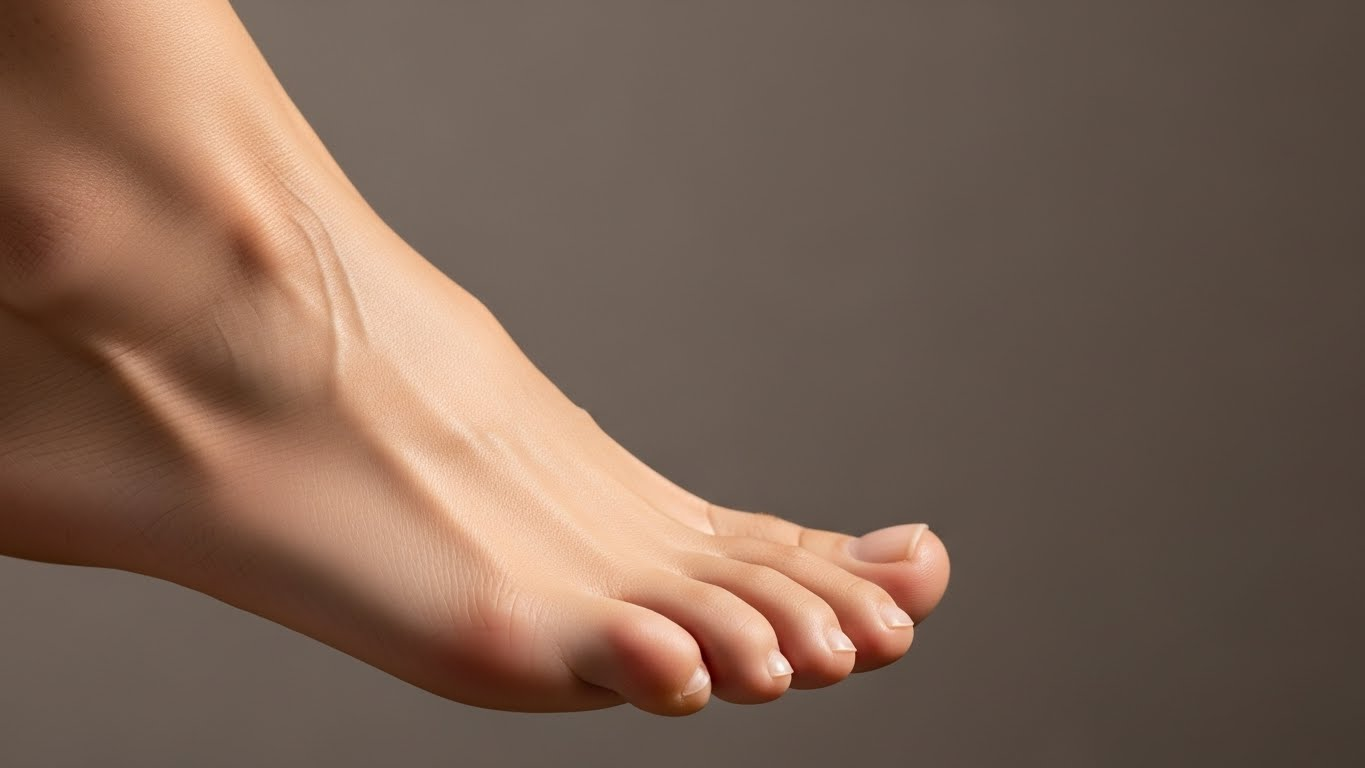
Unlike more commonly discussed facial or body feminization surgeries, TFFS addresses the unique anatomical characteristics of the feet that can be perceived as masculine. This may include wider feet, more prominent bone structures, or larger toes. The goal of TFFS is not merely to shrink the feet but to sculpt a more refined and aesthetically pleasing foot structure that aligns with feminine ideals. This process demands a meticulous, individualized approach, acknowledging the inherent variations in human foot anatomy. A “one-size-fits-all” methodology is insufficient for achieving optimal, natural-looking, and deeply satisfying results (Dr. MFO, 2024).
This comprehensive guide will delve into the intricacies of Foot Feminization Surgery, explaining the core principles, mechanistic details, and real-world applications of these transformative procedures. We will explore the various surgical techniques involved, from toe shortening to bone shaving and soft tissue adjustments, and how these interventions contribute to a more feminine foot appearance. Furthermore, this article will shed light on the recovery process, potential risks, and the crucial aspects of preoperative planning and post-operative care.
A central focus of this guide is to address the practical considerations of TFFS, specifically examining the cost and availability of these procedures in the United Kingdom. While detailed, localized data can be challenging to pinpoint for such a specialized niche, we will provide insights based on available information and general trends in gender-affirming care. We will also discuss the importance of selecting a highly experienced specialist who possesses a deep understanding of both aesthetic principles and complex foot reconstruction. Ultimately, this detailed analysis aims to illuminate the profound interplay between individual foot anatomy and surgical artistry, revealing how a deeply personalized approach is the cornerstone of impactful foot feminization outcomes, enhancing both physical comfort and psychological well-being (Barnett et al., 2023).
The journey towards gender affirmation is multifaceted, and every aspect of one’s physical presentation can contribute to or detract from their sense of self. For those for whom their feet present a misalignment with their gender identity, TFFS offers a pathway to profound transformation. By providing a thorough understanding of the procedure, its implications, and practical considerations, this article seeks to empower individuals to make informed decisions on their path to self-affirmation.
Understanding Foot Feminization Surgery: Procedures and Benefits
Foot Feminization Surgery (TFFS) is a specialized set of surgical interventions designed to modify the appearance of the feet, aligning them more closely with traditional feminine aesthetics. The goal is to create a foot structure that appears more delicate, refined, and proportionate to the individual’s overall body (Dr. MFO, 2024). This goes beyond mere cosmetic alterations, addressing deeply ingrained aspects of gender perception and personal comfort.
Typically, masculine feet can exhibit characteristics such as a broader overall shape, more prominent and larger toes, and a more robust bony structure. Feminine feet, in contrast, are often characterized by a narrower form, more slender and evenly proportioned toes, and a softer contour. TFFS procedures aim to soften these masculine traits and enhance features associated with femininity, contributing significantly to an individual’s gender affirmation journey (Dr. MFO, 2024).
Who is a Good Candidate for Foot Feminization Surgery?
Ideal candidates for TFFS are individuals who experience significant discomfort or gender dysphoria regarding the masculine appearance of their feet. These individuals typically feel a disconnect between their internal gender identity and the external presentation of their feet. Beyond aesthetic concerns, good candidates should be in good overall physical and mental health, free from any medical conditions that might complicate surgery or recovery. Furthermore, having realistic expectations about the outcomes of the surgery is crucial. Patients should understand that while TFFS can significantly enhance the appearance of the feet, it aims for improvement and feminization rather than absolute perfection (Dr. MFO, 2024).
A thorough consultation with a specialized surgeon is essential to determine suitability for TFFS. This evaluation will consider the individual’s specific foot anatomy, overall health status, and personal aesthetic goals. The surgeon will discuss the potential benefits and risks, ensuring the patient is fully informed before proceeding (Dr. MFO, 2024).
Detailed Procedures Involved in Foot Feminization Surgery
Foot Feminization Surgery encompasses a variety of procedures, each tailored to address specific anatomical features and achieve a more feminine foot contour. These interventions can be broadly categorized into bone modifications and soft tissue adjustments, working in synergy to create the desired aesthetic (Dr. MFO, 2025c).
Toe Shortening and Reshaping
One common masculine characteristic is longer or disproportionate toes. Toe shortening involves carefully removing small segments of bone from the phalanges (toe bones) to reduce their length. This helps create a more balanced and delicate appearance of the toes. Reshaping techniques may also be used to narrow the toes or correct any angular deformities, contributing to an overall more slender look (Dr. MFO, 2024).
Bone Shaving and Contouring
Prominent bones on the top or sides of the foot can contribute to a masculine appearance. Bone shaving involves carefully smoothing down these bony prominences using specialized surgical instruments. This might include areas like the metatarsal heads or other parts of the midfoot that protrude excessively. The goal is to create a softer, more refined contour, reducing any angularity or bulkiness (Dr. MFO, 2024; Dr. MFO, 2025c).
Soft Tissue Adjustments
Beyond bone, soft tissues such as fat and skin also influence foot aesthetics. Soft tissue adjustments in TFFS can involve liposuction to reduce localized fat deposits, contributing to a narrower foot profile. In some cases, fat grafting might be considered to subtly augment areas, creating a smoother transition or adding volume where needed for a more feminine shape. The skin envelope’s elasticity also plays a role in how the underlying skeletal changes are revealed (Dr. MFO, 2024; Dr. MFO, 2025c).
Correcting Foot Width
For individuals with excessively wide feet, procedures can be employed to narrow the foot. This might involve osteotomies (controlled bone cuts) of the metatarsal bones, carefully repositioning them to reduce the overall width. These procedures require a high degree of precision to maintain foot function while achieving the desired aesthetic outcome (Dr. MFO, 2024; Dr. MFO, 2025a).
Each of these procedures is meticulously planned and executed to ensure that the feet not only appear more feminine but also retain their functional integrity. The synergistic application of bone and soft tissue modifications leads to a harmonious transformation, enhancing both the aesthetic and psychological well-being of the patient.
The Journey of Recovery and Potential Considerations
Undergoing Foot Feminization Surgery is a significant decision that extends beyond the operating room. The recovery process is a crucial phase, demanding patience and adherence to post-operative care instructions to ensure optimal healing and successful outcomes. Understanding what to expect during this period, as well as the potential risks and long-term considerations, is vital for any individual considering TFFS.
Recovery Period and Post-Operative Care
The recovery timeline for TFFS can vary significantly depending on the extent and complexity of the procedures performed. Generally, patients can expect an initial period of intense recovery, followed by a gradual return to normal activities. Immediately after surgery, patients will experience swelling, bruising, and discomfort in their feet. Pain management is typically achieved through prescribed analgesia and anti-inflammatory medications (Dr. MFO, 2024).
Key aspects of post-operative care include:
Elevation: Keeping the feet elevated, especially during the initial weeks, is crucial to minimize swelling and promote lymphatic drainage.
Rest and Activity Restrictions: Patients are advised to take several weeks off from work or strenuous activities. Avoiding heavy lifting and prolonged standing is essential to prevent undue stress on the healing structures. Gradual resumption of activities will be guided by the surgical team (Dr. MFO, 2024).
Dressing Changes and Wound Care: Meticulous care of surgical dressings and incisions is paramount to prevent infection. The surgeon will provide specific instructions for wound cleaning and dressing changes.
Footwear: Specialized post-operative footwear or casts may be required to protect the healing feet and maintain the newly sculpted contours.
Follow-up Appointments: Regular follow-up appointments with the surgical team are essential to monitor healing progress, address any concerns, and provide further guidance on recovery (Dr. MFO, 2024; Dr. MFO, 2025a).
While initial recovery, allowing for light activities, might take several weeks, the complete resolution of swelling and soft tissue remodeling can take many months, often up to a year or even longer for the final results to become fully apparent. Bone healing itself can take 6-12 months for full consolidation (Dr. MFO, 2025c).
Potential Risks and Complications
As with any surgical procedure, TFFS carries inherent risks and potential complications. It is crucial for patients to have a comprehensive understanding of these before making an informed decision. While surgeons employ meticulous techniques to mitigate risks, some can still occur (Dr. MFO, 2024).
Infection: Any surgical incision carries a risk of infection. Strict sterile techniques and post-operative antibiotics are used to minimize this risk.
Scarring: While surgeons strive to place incisions discreetly, some scarring is inevitable. The quality of scarring depends on individual healing characteristics and meticulous wound care.
Nerve Damage: The feet contain numerous sensory and motor nerves. Injury to these nerves during surgery can lead to temporary or, in rare cases, permanent numbness, altered sensation, or motor weakness. Precise knowledge of anatomical variations and meticulous surgical technique are crucial (Alraddadi, 2021).
Dissatisfaction with Results: Despite careful planning, there is always a possibility that the aesthetic outcome may not fully meet the patient’s expectations. This underscores the importance of realistic expectations and thorough communication with the surgeon.
Graft Resorption (if bone grafts are used): If autologous bone grafts are used for augmentation, a portion of the transplanted bone may be reabsorbed by the body over time, potentially leading to a partial loss of contour or volume (Dr. MFO, 2025a).
Non-union or Malunion of Osteotomies: In procedures involving bone cuts (osteotomies), there is a rare risk that the bone segments may not heal properly, leading to persistent asymmetry or functional issues, potentially requiring further surgical correction (Dr. MFO, 2025a).
Swelling and Bruising: While expected, excessive or prolonged swelling and bruising can be a concern, potentially delaying the visibility of final results.
A reputable surgeon will discuss all potential risks and benefits in detail, ensuring that the patient is fully informed and prepared for the surgical journey. The commitment to diligent post-operative care significantly reduces the likelihood of complications and promotes optimal healing.
Cost and Availability of Foot Feminization Surgery in the UK
Understanding the financial implications and accessibility of Foot Feminization Surgery (TFFS) in the United Kingdom is a critical aspect for individuals considering this transformative procedure. Given its specialized nature, TFFS may not be as widely advertised or readily available as more common gender-affirming surgeries, such as facial feminization or top surgery.
Estimated Costs of Foot Feminization Surgery
Direct, UK-specific private cost ranges for Foot Feminization Surgery are not widely published by general gender-affirming clinics. Information from sources focusing on broader gender surgery costs in the UK, such as The London Transgender Clinic and GDT Gender Surgery, do not specifically list TFFS as a discrete service with associated pricing (The London Transgender Clinic, n.d.; GDT Gender Surgery, 2025). This suggests that it is either a highly niche procedure not typically offered by these broader providers or that pricing is determined on a highly individualized case-by-case basis through specialist consultation.
However, an international source from Dr. MFO (2024), provides an average cost range in USD, which can be used as an estimation. According to this source, the average cost of foot feminization surgery ranges from $12,000 to $20,000 USD. Converting this to Great British Pounds (GBP) at an approximate exchange rate of 1 USD = 0.8 GBP, the estimated cost in the UK would fall roughly between £9,600 and £16,000. It is important to emphasize that this is an estimation based on international pricing and currency conversion, and actual costs in the UK could vary significantly based on several factors (Dr. MFO, 2024).
Factors influencing the final cost include:
Surgeon’s Fees: The experience, reputation, and specialization of the surgeon.
Anesthesia Fees: Costs associated with the anesthesiologist and the type of anesthesia used.
Facility Charges: The cost of using the hospital or surgical center.
Complexity of Procedures: The number and intricacy of the surgical interventions required (e.g., multiple toe shortenings, extensive bone shaving, foot width reduction).
Pre- and Post-Operative Care: This may include consultations, imaging (X-rays, 3D scans), medications, specialized footwear, and follow-up appointments.
Potential Revisions: Any unforeseen complications or desired revisions would incur additional costs.
Due to the bespoke nature of TFFS, a definitive quote can only be provided after a comprehensive consultation and evaluation of individual needs by a qualified surgeon (The London Transgender Clinic, n.d.; GDT Gender Surgery, 2025).
Availability of Foot Feminization Surgeons in the UK
Locating specialized surgeons offering Foot Feminization Surgery within the UK can be challenging. Many prominent gender-affirming clinics primarily list facial and body feminization procedures, with foot-specific surgeries often not explicitly detailed. This does not necessarily mean the service is unavailable, but rather that it is likely offered by a very niche group of orthopedic or plastic surgeons with specific expertise in reconstructive foot surgery who also cater to gender-affirming care (Dr. MFO, 2024).
Patients in the UK may need to:
Consult with General Plastic or Orthopedic Surgeons: Start by consulting with plastic surgeons who have experience in reconstructive foot surgery or orthopedic surgeons specializing in foot and ankle procedures. These specialists may be able to perform or refer for TFFS, even if it’s not explicitly listed as a gender-affirming service.
Seek Referrals from Gender Identity Clinics (GICs): While GICs primarily focus on hormone therapy and broader gender-affirming care, they may be able to provide referrals or guidance towards specialists who perform TFFS, or to private clinics that offer a wider range of services not covered by the NHS.
Consider International Options: Due to the niche nature of TFFS and potential limited availability within the UK, many individuals may need to consider seeking treatment from specialized clinics internationally, such as those in Turkey, which explicitly offer these services (Dr. MFO, 2024).
The National Health Service (NHS) in the UK offers gender-affirming surgeries at no direct cost, but waiting times can be extensive, and the range of procedures covered might be more limited. Specialized procedures like TFFS are less likely to be routinely funded or readily available through the NHS, often pushing individuals towards private care or international options (GDT Gender Surgery, 2025).
Thorough research and direct communication with clinics and surgeons are essential to ascertain the availability and specific offerings of TFFS within the UK. Patient forums and support groups for transgender individuals may also offer valuable insights and recommendations regarding specialized providers.
Preoperative Planning and Specialist Selection for Optimal Outcomes
The success of Foot Feminization Surgery (TFFS), particularly for complex cases or those with significant anatomical variations, relies heavily on meticulous preoperative planning and the selection of a highly specialized surgical team. This crucial phase ensures that the surgical strategy is precisely tailored to the individual’s unique foot anatomy and aesthetic goals, maximizing both safety and desired outcomes (Barnett et al., 2023).
The Importance of Advanced Imaging and Virtual Surgical Planning
Modern reconstructive surgery has been revolutionized by advanced imaging technologies. For TFFS, high-resolution imaging such as Cone-Beam Computed Tomography (CBCT) or standard Computed Tomography (CT) scans provide detailed three-dimensional anatomical data of the patient’s foot bones and surrounding soft tissues (Barnett et al., 2023; Dr. MFO, 2025a). This detailed information is critical for:
Accurate Diagnosis: Identifying existing skeletal differences, bone volume, subtle asymmetries, and the precise assessment of critical underlying structures such as nerve pathways and joint mechanics (Alraddadi, 2021).
Surgical Strategy Development: Allowing surgeons to meticulously map out the existing anatomy and pinpoint all areas requiring correction, reduction, or augmentation.
Building upon this rich imaging data, 3D virtual surgical planning (VSP) systems have become indispensable tools. VSP involves importing the patient’s CT or CBCT data into specialized software to generate a precise 3D digital model of the foot. Within this sophisticated virtual environment, surgeons can (Barnett et al., 2023; Dr. MFO, 2025a):
Plan Osteotomies: Meticulously plan every bone cut (osteotomy), bone graft placement, and custom implant positioning.
Simulate Outcomes: Virtually adjust bone segment movements, refine contours, and visualize potential aesthetic and functional outcomes before any physical incisions are made. This iterative planning ensures precise measurements of bone reductions or augmentations.
Design Custom Guides: Create customized cutting guides and drilling templates, which are then 3D printed and used intraoperatively. These guides execute planned osteotomies with remarkable accuracy, minimizing human error and enhancing surgical precision (Barnett et al., 2023; Dr. MFO, 2025a).
While still an evolving area, the use of such advanced technologies enhances the accuracy, safety, and efficiency of TFFS, leading to more predictable and satisfying results for patients (Barnett et al., 2023).
Selecting the Right Specialist for Complex Foot Feminization
The decision to undergo TFFS, particularly for cases involving significant skeletal modifications, necessitates the selection of a highly specialized and exceptionally experienced surgeon. This procedure demands a level of expertise that extends beyond general orthopedic or plastic surgery, requiring a deep understanding of reconstructive principles tailored to gender-affirming care (Dr. MFO, 2025a).
An ideal TFFS specialist will possess a unique blend of skills and qualifications:
Dual Proficiency: Expertise in both aesthetic foot surgery and complex reconstructive foot and ankle surgery. This ensures the surgeon can effectively address both the feminizing aesthetic and any underlying structural or functional issues (Dr. MFO, 2025a).
Advanced Anatomical Knowledge: A profound understanding of intricate foot anatomy, including bone structure, joint mechanics, nerve pathways, and vascular supply. This is crucial for precise and safe surgical execution (Alraddadi, 2021).
Experience with Advanced Techniques: Proficiency in performing complex osteotomies, advanced bone grafting techniques (autologous or alloplastic), and the expert deployment of custom implants to restore lost volume and projection (Dr. MFO, 2025a).
Technological Acumen: Well-versed in utilizing cutting-edge technologies like 3D virtual surgical planning and intraoperative navigation systems to enhance precision and safety (Barnett et al., 2023).
Patient-Centered Approach: Committed to thorough and empathetic consultations, understanding the individual’s unique goals, concerns, and psychological needs. They should provide realistic expectations regarding the surgical process, recovery, and long-term outcomes (Dr. MFO, 2025a).
Verifying the surgeon’s credentials, including board certification in relevant surgical specialties (e.g., plastic surgery or orthopedic surgery with fellowship training in foot and ankle reconstruction), and a comprehensive portfolio demonstrating successful outcomes in challenging reconstructive cases, is an essential step for prospective patients. Consulting with a surgeon who works within or collaborates with a multidisciplinary team can further ensure a holistic approach to care (Dr. MFO, 2025a).
Ultimately, selecting such a highly experienced and uniquely qualified surgeon is the single most critical factor in achieving safe, functional, aesthetically transformative, and enduring results in Foot Feminization Surgery, providing patients with the confidence that their complex needs are in expert hands.
Conclusion: The Transformative Power of Foot Feminization
The journey through Foot Feminization Surgery (TFFS) is a profoundly intricate and deeply personal process, meticulously designed to align an individual’s external appearance with their affirmed feminine identity. As this comprehensive guide has highlighted, achieving natural, harmonious, and enduring results in foot feminization transcends a generalized approach; it demands an intricate understanding of the subtle and overt differences in foot anatomy that contribute to perceived gender (Dr. MFO, 2024). The ability to precisely assess, plan, and execute surgical modifications based on a patient’s unique biological blueprint is the hallmark of truly transformative and successful outcomes.
We have explored how TFFS addresses crucial aspects of foot aesthetics, including toe shortening, bone shaving, soft tissue adjustments, and overall foot width reduction. Each of these regional modifications, when viewed in isolation, contributes to feminization, but their true power emerges from their synergistic integration. A skilled surgeon orchestrates these changes to sculpt a cohesive and balanced foot appearance that authentically reflects the individual’s gender identity, thereby enhancing psychological well-being and alleviating gender dysphoria (Barnett et al., 2023).
The advancements in preoperative planning, particularly the integration of high-resolution 3D imaging and virtual surgical planning systems, have revolutionized the field of TFFS. This technological synergy enhances precision, minimizes risks, and optimizes predictability, transforming complex cases into precisely engineered solutions (Barnett et al., 2023; Dr. MFO, 2025a). While direct UK-specific cost and availability information for TFFS remains somewhat niche, our analysis provides estimated private costs and highlights the importance of seeking out highly specialized surgeons, even if it requires considering international options (Dr. MFO, 2024; GDT Gender Surgery, 2025).
The recovery process, often protracted and intensive, requires a comprehensive and patient-centered management plan to ensure optimal healing and long-term stability. Understanding the potential risks, such as infection, scarring, nerve damage, and the need for realistic expectations regarding graft resorption or bone healing, is crucial for navigating this journey successfully (Dr. MFO, 2024; Dr. MFO, 2025a). Beyond the aesthetic alterations, successful foot feminization inherently contributes to the restoration or improvement of functional aspects, ensuring that the patient not only achieves an external appearance congruent with their identity but also experiences a significant enhancement in overall quality of life.
The selection of a highly specialized surgeon, one possessing deep expertise in both aesthetic and reconstructive foot surgery, stands as the single most critical decision for individuals embarking on this journey. Their unique skill set, combining artistic vision with a profound anatomical understanding, is indispensable for navigating the intricacies of advanced cases and delivering results that are both safe and aesthetically profound (Dr. MFO, 2025a). Ultimately, Foot Feminization Surgery, when tailored to the individual’s unique anatomy, is a powerful affirmation of identity, fostering self-confidence and providing a deeper sense of authenticity. It is a testament to the continuous evolution of surgical science and artistry, offering life-changing possibilities for those seeking harmony between their inner self and outer presentation. For anyone considering this transformative step, seeking an expert consultation is the essential first stride towards realizing a truly aligned self.
Frequently Asked Questions
What is Foot Feminization Surgery (TFFS)?
TFFS is a specialized surgical procedure aimed at reshaping and resizing the feet to create a more delicate and traditionally feminine appearance. This often involves reducing foot width, shortening toes, and smoothing prominent bones.
What procedures are typically involved in Foot Feminization Surgery?
Common procedures include toe shortening and reshaping, bone shaving and contouring to reduce prominences, and various soft tissue adjustments. In some cases, osteotomies (bone cuts) may be performed to reduce overall foot width.
What is the estimated cost of Foot Feminization Surgery in the UK?
While specific UK private costs are not widely published, based on international data, the estimated private cost for Foot Feminization Surgery in the UK could range approximately from £9,600 to £16,000. This is an estimate and actual costs vary significantly by surgeon and procedure complexity.
Is Foot Feminization Surgery widely available on the NHS in the UK?
Specialized procedures like Foot Feminization Surgery are not typically listed as routinely funded or readily available through the NHS. Patients in the UK may need to seek private care or explore international options due to its niche nature.
How long is the recovery period for TFFS?
The recovery period varies, but patients can expect significant swelling and discomfort for several weeks. Full resolution of swelling and bone healing can take many months, often up to a year or more, with strict activity restrictions in the initial weeks.
What are the main risks associated with Foot Feminization Surgery?
Potential risks include infection, scarring, nerve damage (leading to numbness or altered sensation), dissatisfaction with aesthetic results, and complications related to bone healing like graft resorption or non-union of osteotomies.
Why is specialized surgeon selection important for TFFS?
TFFS demands a surgeon with dual expertise in aesthetic foot surgery and complex reconstructive foot and ankle surgery. This ensures a deep understanding of intricate anatomy, advanced surgical techniques, and the ability to achieve both feminine aesthetics and functional integrity, often utilizing advanced 3D planning.
Bibliography
Alraddadi, A. (2021). Literature Review of Anatomical Variations: Clinical Significance, Identification Approach, and Teaching Strategies. Cureus, 13(4), e14451. https://pmc.ncbi.nlm.nih.gov/articles/PMC8117423/
Barnett, S. L., Choe, J., Aiello, C., & Bradley, J. P. (2023). Facial Feminization Surgery: Anatomical Differences, Preoperative Planning, Techniques, and Ethical Considerations. Medicina (Kaunas), 59(12), 2070. https://pmc.ncbi.nlm.nih.gov/articles/PMC10744788/
Facial harmony is a critical aspect of personal identity, profoundly influencing how individuals perceive themselves and are perceived by others. For many, the contours of the midface, particularly the cheeks, play an indispensable role in defining perceived gender and overall facial balance. This deep-dive exploration delves into the intricate world of cheek augmentation and reduction, a cornerstone of both facial feminization surgery (FFS) and facial masculinization surgery (FMS). These specialized procedures meticulously sculpt the midface to align an individual’s external appearance with their affirmed gender identity, transcending mere aesthetic adjustments to facilitate profound psychological well-being. Understanding the unique anatomical distinctions between masculine and feminine midface structures forms the fundamental basis for successful surgical planning and execution.
Masculine facial features often involve flatter zygomas with less anterior projection, contributing to a broader, sometimes more angular facial shape (Barnett et al., 2023). Conversely, feminine cheeks typically present with higher, more anteriorly positioned zygomatic arches, which create a desirable convexity and contribute to a softer, more youthful, and often “heart-shaped” facial contour (Barnett et al., 2023). These inherent differences in skeletal proportions and soft tissue distribution are key determinants of perceived gender, necessitating a highly individualized approach in gender-affirming facial surgery. Therefore, a “one-size-fits-all” methodology is inherently inadequate for achieving optimal, natural-looking, and deeply satisfying results.
Cheek augmentation, whether for feminization or masculinization, represents a deeply intricate and profoundly personal journey. It offers a transformative pathway for individuals seeking to align their external appearance with their affirmed identity. This highly specialized field within craniofacial and plastic surgery demands meticulous, individualized strategies that acknowledge the profound and inherent variations in human facial anatomy. Surgeons must consider the complex interplay of genetic predisposition, developmental factors, and the effects of hormonal influences. Consequently, the process necessitates a bespoke surgical strategy meticulously tailored to each patient’s unique underlying skeletal and soft tissue architecture.
This comprehensive guide will illuminate the critical role of distinctive facial anatomy in shaping the precise surgical interventions and techniques employed during cheek augmentation and reduction. It will underscore how a nuanced appreciation of individual midface features culminates in a truly personalized and effective transformation. We will explore how expert surgeons navigate the complex landscape of craniofacial differences between sexes, ranging from the subtle contours of the cheekbones to the distribution of soft tissues. These anatomical nuances directly inform the selection and execution of feminizing or masculinizing procedures. The objective is not merely to soften overtly masculine traits or enhance feminine ones, but to sculpt a cohesive and balanced facial appearance that authentically reflects the individual’s gender identity, thereby enhancing psychological well-being, alleviating gender dysphoria, and facilitating social affirmation (Barnett et al., 2023).
The discussion will extend to the critical considerations involved in managing patient expectations. It ensures they are grounded in surgical realism and understand the unique challenges posed by significant anatomical variations. We will also emphasize the paramount importance of selecting a highly experienced specialist who possesses a deep understanding of both aesthetic principles and complex craniofacial reconstruction. Furthermore, this article will delve into the advanced diagnostic tools, such as high-resolution 3D imaging and sophisticated virtual surgical planning systems. These empower surgeons to create a detailed, three-dimensional blueprint of the patient’s face, enabling an unprecedented level of precision in preoperative strategizing and customized surgical guides.
Moreover, we will examine how various surgical techniques, encompassing both osseous (bone) modifications—which address the fundamental framework of the face—and soft tissue refinements—which provide the delicate finishing touches—are synergistically integrated to produce a harmonious outcome that maintains naturalness while achieving profound feminization or masculinization. The gender-affirming nature of these procedures is also crucial. For transfeminine patients, cheek augmentation through implants or fat transfer is a commonly requested procedure (Gender Confirmation Center, n.d.). Similarly, transmasculine patients often seek cheek augmentation to achieve a more angular, conventionally masculine appearance (Deschamps-Braly, n.d.). Therefore, this detailed analysis aims to illuminate the profound interplay between individual facial anatomy and surgical artistry. It reveals how a deeply personalized approach is not just beneficial, but absolutely the cornerstone of transformative, durable, and profoundly impactful facial feminization and masculinization outcomes.
A profound understanding of the patient’s foundational midface anatomy is paramount before any surgical intervention commences. A skilled facial surgeon meticulously assesses the intricate interplay of underlying bone and overlying soft tissue structures, particularly in the zygomatic complex. This comprehensive evaluation is critical because inherent differences in skeletal proportions and soft tissue distribution are key determinants of perceived gender.
Typically, masculine midface features often involve flatter zygomas with less anterior projection, contributing to a less triangulated facial shape (Barnett et al., 2023). In stark contrast, feminine cheeks are characterized by higher, more anteriorly positioned zygomatic arches, creating desirable convexity and contributing to a softer, more youthful contour. However, the degree of expression of these features varies significantly among individuals due to genetic, ethnic, and developmental factors (Alraddadi, 2021). Recognizing these individual anatomical nuances is not merely an observational step, but the foundational prerequisite for crafting a truly tailored and effective surgical plan.
To acquire this detailed anatomical blueprint, advanced diagnostic imaging plays an indispensable role. Three-dimensional computed tomography (3D CT) scans are frequently employed. They provide a high-resolution, three-dimensional reconstruction of the patient’s unique skeletal and soft tissue architecture. These scans offer an unparalleled view of bone density, sinus pneumatization, nerve pathways, and the precise contours of the facial skeleton (Barnett et al., 2023). This data is then utilized in conjunction with virtual surgical planning (VSP) software. This allows surgeons to precisely measure existing structures and simulate potential surgical modifications.
Beyond static images, dynamic assessments of soft tissue mobility, skin elasticity, and muscle activity are also incorporated. Understanding the variations in tissue thickness and elasticity, for instance, is crucial for anticipating how overlying soft tissues will redrape following bone reductions or augmentations. The combination of comprehensive physical examination and advanced imaging provides the surgeon with a holistic understanding of the patient’s facial landscape. It enables them to formulate a feminization or masculinization strategy that is both anatomically sound and aesthetically harmonious. This moves beyond generic ideals to achieve results authentic to the individual.
Feminizing Cheek Augmentation: Sculpting Softness and Projection
The midface, prominently defined by the zygomatic (cheekbone) complex and the overlying soft tissues, plays a pivotal role in the perception of facial femininity and youthfulness. Feminine cheeks are typically characterized by higher, more anteriorly positioned zygomatic arches, creating desirable convexity and contributing to a softer, more youthful, and often “heart-shaped” facial contour (Barnett et al., 2023). The distribution and volume of subcutaneous fat, including the malar fat pad and buccal fat, also vary considerably, further influencing overall midface appearance.
Surgical strategies for midface feminization are highly individualized, contingent upon the patient’s existing anatomical structure and desired aesthetic. When there is insufficient malar projection or a naturally flatter midface, cheek augmentation is often recommended (Gender Confirmation Center, n.d.). This can be achieved through various methods, primarily autologous fat grafting or custom alloplastic implants (Barnett et al., 2023).
Autologous Fat Grafting
Autologous fat grafting, also known as fat transfer, involves harvesting fat from other areas of the patient’s body, such as the abdomen or thighs, via liposuction (Gender Confirmation Center, n.d.). The harvested fat is then purified and injected into the cheeks. This technique offers a natural solution, providing a soft, natural-looking augmentation and potentially improving the quality of the overlying skin (Gender Confirmation Center, n.d.). Typically, about 50-60% of the transplanted fat survives the transfer, yielding semi-permanent results. Patients should avoid strenuous activity for four weeks post-procedure to optimize fat survival (Gender Confirmation Center, n.d.).
Custom Alloplastic Implants
Alternatively, custom alloplastic implants, typically made of biocompatible materials such as silicone, can be placed over the cheekbones to provide permanent volume and definition (Barnett et al., 2023). These implants are either pre-designed or custom-fabricated based on 3D virtual surgical planning to precisely match the desired contours. Implants can be placed in the malar area to increase the volume of the apples of the cheeks or in the submalar area to fill out hollowed-out cheeks (Gender Confirmation Center, n.d.).
To insert the implants, two incisions are typically made inside the mouth, above the upper gums, resulting in no visible external scars (Gender Confirmation Center, n.d.). Once implants are placed, their results are permanent, and unlike fat transfers, the insertion of a silicone implant is completely reversible (Gender Confirmation Center, n.d.). However, patients will need to follow certain precautions, such as eating a soft diet, during the initial stages of recovery to care for these internal mouth incisions (Gender Confirmation Center, n.d.).
Other Considerations for Feminization
In rare instances where cheekbones are excessively wide or prominently angled in a masculine manner, a surgeon might consider zygomatic arch reduction to soften the midface width. Furthermore, the distribution of buccal fat—a deep fat pad located within the cheek—can impact facial fullness. For individuals with a fuller, rounder lower face that detracts from a feminine aesthetic, buccal fat pad removal may be considered to create a more defined and hollowed submalar region, enhancing the appearance of higher cheekbones.
The delicate interplay between these procedures allows for the creation of an “ogee curve”—a graceful, double S-curve contour from the temple to the cheek, which is highly indicative of youthful, feminine cheeks. When combining nose and cheek procedures, synergistic anatomical planning is critical due to the interdependence of nasal and midface aesthetics. An overly prominent nose, for example, can make the midface appear recessed, while well-projected cheekbones can visually balance a nose. Therefore, modifications in one area profoundly influence the perception of the other, requiring an integrated approach to achieve overall facial harmony.
Masculinizing Cheek Augmentation: Creating Angularity and Definition
For transmasculine individuals, facial masculinization surgery (FMS) often involves enhancing the midface to create more angular, chiseled, and masculine contours. Masculine cheeks are characterized by a less rounded and more defined appearance, with a stronger projection of the zygoma (Deschamps-Braly, n.d.). The overall shape and size of the cheekbones are strong indicators of gender, and their modification is crucial in achieving a conventionally masculine aesthetic.
Cheek masculinization surgery typically includes procedures aimed at increasing cheek fullness, reshaping the cheekbone, or reducing width. This approach helps to convey a more masculine appearance. The surgeon considers the individual’s existing facial features and masculinization goals when determining the appropriate techniques (Deschamps-Braly, n.d.).
Similar to feminization, masculinizing cheek augmentation can be achieved through implants or fat transfer. Implants are surgically attached to the zygoma, or cheekbone, through incisions made inside the mouth (Deschamps-Braly, n.d.). The size and shape of these implants are customized based on the underlying bone structure and desired outcomes. This method creates a more prominent, defined cheek structure, contributing to a more chiseled look.
Fat transfer injections can also be utilized to improve the size and shape of the cheek without invasive surgery (Deschamps-Braly, n.d.). This involves harvesting fat from other areas of the patient’s body and injecting it into the cheeks to create more masculine-looking contours. While less permanent than implants, fat transfer offers a natural solution for enhancing cheek volume and definition.
Cheek Reduction
In some cases, masculinization may involve reducing the width or prominence of overly “chubby” or feminine-looking cheeks (Deschamps-Braly, n.d.). This can involve reshaping the cheekbone or removing buccal fat to create a more defined and angular lower face. The aim is to achieve a more streamlined and strong midface contour, aligning with masculine ideals.
The modification of cheeks may require augmentation with implants alone, reshaping the cheekbone via reduction, or increasing cheek volume with fat transfer injections, or a blend of all three procedures to achieve the desired outcome (Deschamps-Braly, n.d.). All surgical incisions for cheek implants or fat transfer procedures are made within the mouth to promote healing and eliminate external scarring (Deschamps-Braly, n.d.). This ensures that the aesthetic transformation is achieved without visible signs of surgery.
Non-Surgical Alternatives: Dermal Fillers for Cheek Enhancement
For individuals seeking to enhance their cheeks without undergoing permanent surgical intervention, non-surgical dermal fillers offer a viable alternative. These temporary solutions provide a way to increase cheek volume and projection, helping patients visualize potential surgical outcomes before committing to a permanent procedure (Gender Confirmation Center, n.d.).
Various types of fillers are available, with their effects lasting anywhere from six months to two years, depending on the product used (Gender Confirmation Center, n.d.). When fillers are used to augment the cheeks, patients are typically not required to adhere to any activity limitations. Fillers are also an outpatient procedure, meaning they can be placed in an office setting without the need for anesthesia (Gender Confirmation Center, n.d.).
While fillers are generally a more economical option upfront compared to fat transfer, the costs can accumulate with repeated injections over time. It is essential to consider the temporary nature of fillers and the potential for long-term cost if ongoing maintenance is desired. Fillers can be an excellent option for those exploring their aesthetic goals or who prefer a less invasive approach to facial enhancement.
Risks and Considerations in Cheek Augmentation Surgery
Like any surgical procedure, cheek augmentation carries a slight probability of risks and potential complications. Patients must engage in an honest discussion with their surgeon about their complete medical history during the consultation phase to ensure safety during and after surgery (Gender Confirmation Center, n.d.).
Prevention and Common Recovery Experiences
Patients can take several proactive steps to lessen their risk of complications. For instance, quitting tobacco significantly helps prevent issues such as delayed healing and tissue necrosis, especially when fat is transferred into the cheeks and its survival is crucial (Gender Confirmation Center, n.d.). Following surgery, patients should anticipate common recovery experiences including temporary facial bruising and swelling in the surgical site. These symptoms are a natural part of the healing process and typically resolve over time (Gender Confirmation Center, n.d.).
Less Common Complications
Less common but more serious complications can include infection, seromas (fluid build-up), or hematoma (bleeding). There is also a risk of adverse reactions to anesthesia, eye irritation, or changes in skin sensation (Gender Confirmation Center, n.d.). When implants are used, risks such as implant displacement, infection, or extrusion are possible, though rare. In fat grafting, uneven absorption or fat necrosis can lead to asymmetry or contour irregularities. Surgeons employ meticulous techniques to mitigate these risks, but patients must be aware of them.
Preoperative Planning and Technological Advancements for Precision
The success of advanced facial augmentation surgery, particularly in cases involving significant anatomical variations, hinges critically on comprehensive and precise preoperative planning. This crucial phase has undergone a profound revolution with the integration of cutting-edge imaging modalities and virtual technologies, offering an unprecedented level of accuracy and predictability. High-resolution imaging, such as Cone-Beam Computed Tomography (CBCT) and standard Computed Tomography (CT) scans, provides detailed three-dimensional anatomical data of the patient’s skull and overlying soft tissues (Barnett et al., 2023).
This granular data is absolutely essential for an accurate diagnosis of existing skeletal differences. This includes bone volume deficits, subtle asymmetries, malposition of facial segments, and a precise assessment of critical underlying structures such as nerve pathways and sinus cavities. The detailed understanding derived from these images forms the fundamental bedrock upon which the entire surgical strategy is built. This allows surgeons to meticulously map out the existing anatomy and pinpoint all areas requiring correction or augmentation.
Building upon this rich imaging data, three-dimensional virtual surgical planning (VSP) systems have become indispensable tools in contemporary facial augmentation. VSP involves importing the patient’s CT or CBCT data into specialized software, where a precise 3D digital model of the face and skull is generated. Within this sophisticated virtual environment, surgeons can meticulously plan every osteotomy (bone cut), bone graft placement, and custom implant positioning. This digital platform allows for the simulation of various surgical scenarios, enabling surgeons to virtually adjust bone segment movements, refine contours, and visualize the potential aesthetic and functional outcomes before making any physical incisions. This iterative planning process ensures precise measurement of bone reductions or augmentations, guaranteeing that the final contours align not only with feminizing or masculinizing principles but also with the patient’s specific reconstructive needs. For example, customized cutting guides and drilling templates can be virtually designed and subsequently 3D printed, which are then used intraoperatively to execute the planned osteotomies with remarkable accuracy, thereby minimizing human error and enhancing surgical precision (Barnett et al., 2023).
Beyond virtual planning, the emerging role of artificial intelligence (AI) in preoperative morphing offers further advancements. AI-based software, such as DeepSurface AI, can generate three-dimensional morphs of the patient’s face. These can then be adjusted in real-time to demonstrate potential surgical outcomes across various facial regions (Barnett et al., 2023). While still an evolving area requiring further research, this technology holds immense potential for aligning patient expectations with realistic surgical possibilities. It fosters more effective communication between patient and surgeon regarding desired goals.
Moreover, intraoperative navigation systems further enhance precision during the actual surgery. These systems, often likened to a GPS for the surgeon, track the exact position of surgical instruments in real-time relative to the patient’s anatomy and the pre-planned virtual model. This continuous validation of instrument placement and bone repositioning ensures that the surgery adheres precisely to the virtual plan, even in complex cases with distorted or atypical anatomy. The amalgamation of advanced imaging, virtual surgical planning, and intraoperative navigation systems not only significantly improves the accuracy, safety, and efficiency of facial augmentation surgery but also substantially enhances the predictability of outcomes, ultimately leading to higher patient satisfaction and profoundly natural-looking results.
Intraoperative Considerations and Challenges in Complex Augmentation Procedures
The execution of complex facial augmentation surgery, particularly for patients with significant skeletal variations or previous interventions, presents a unique and demanding set of intraoperative considerations and challenges. These circumstances require not only exceptional surgical skill but also considerable adaptability and a deep understanding of anatomical variations. Unlike more routine aesthetic procedures, these cases often involve highly altered or atypical anatomy. This can obscure normal surgical landmarks and significantly increase the complexity of dissection and bone manipulation. The surgeon must be prepared to navigate unexpected findings and adjust the pre-planned strategy in real-time while maintaining the overarching feminization or masculinization goals.
One of the most critical challenges lies in the meticulous management and preservation of vital neurovascular structures. The facial nerve and its numerous delicate branches, which control facial expressions, are particularly vulnerable during extensive soft tissue dissection and bone reshaping in regions like the midface. Similarly, branches of the trigeminal nerve, responsible for sensation, can be at risk, potentially leading to temporary or permanent numbness or altered sensation. Precise knowledge of anatomical variations in nerve pathways, which can occur as highlighted by Alraddadi (2021), coupled with meticulous surgical technique, is crucial to preserve nerve function and minimize the risks of facial paralysis or sensory deficits. The judicious use of intraoperative nerve monitoring can serve as an invaluable tool, providing real-time feedback to help identify and protect these delicate structures during complex dissections.
Vascular concerns are also heightened in reconstructive and extensive augmentation cases. Tissues that have been scarred from previous surgeries or subjected to trauma may have a compromised blood supply, increasing the risk of flap necrosis, delayed wound healing, or excessive intraoperative bleeding. Careful, controlled dissection, gentle tissue handling, and meticulous hemostasis are paramount to preserve the delicate vascular network. When large bone grafts or implants are utilized, ensuring adequate vascularity of the recipient bed is absolutely critical for graft or implant survival and successful integration. In situations with severely compromised blood supply, specialized techniques such as vascularized bone grafts, where a segment of bone is transplanted along with its nourishing artery and vein and reconnected using microsurgical techniques, may be required. This represents the pinnacle of reconstructive artistry but also significantly increases operative time and technical demands.
Managing inherent anatomical variations is another significant hurdle. As Alraddadi (2021) emphasizes, anatomical variations are normal presentations but can greatly influence clinical practice outcomes. No two cases of facial skeletal deficiency or dimorphism are identical, requiring surgeons to adapt their techniques dynamically to the unique presentation. While advanced virtual surgical planning provides a robust roadmap, the reality of the operating field can still present unforeseen anatomical deviations. This necessitates a surgeon with extensive experience in craniofacial and reconstructive surgery who can make informed, rapid decisions, potentially deviating from the initial plan if necessary, without compromising safety or aesthetic objectives. Factors such as unexpected bone density, the presence of fibrous scar tissue, or unusual sinus anatomy can all influence the precise execution of osteotomies and the stability of plate fixation strategies. Furthermore, achieving precise symmetry and harmonious contours in a face that may already be distorted requires continuous intraoperative assessment, often involving repeated visual inspection and palpation to ensure that bone reductions, advancements, or augmentations are balanced and aligned with the feminizing or masculinizing goals. The sheer volume and intricacy of combined bone and soft tissue work can lead to prolonged operative times, which in turn increases the risks associated with general anesthesia and overall patient recovery. Therefore, a highly coordinated surgical team, efficient instrumentation, and judicious patient selection based on a thorough preoperative assessment are essential prerequisites for successfully navigating these intraoperative complexities and achieving optimal, safe, and transformative results.
Post-Operative Recovery and Long-Term Management
The post-operative phase following comprehensive facial augmentation surgery, particularly when complex bone and soft tissue modifications have been performed, is a critical period that demands meticulous care, patience, and a well-structured management plan. The recovery timeline for extensive procedures is typically more protracted and can be more intense compared to standard aesthetic interventions, given the significant degree of bone manipulation, tissue reshaping, and potential for extensive swelling and bruising. Patients must be thoroughly prepared for this journey, understanding that the immediate post-operative appearance will evolve considerably over weeks and months (Gender Confirmation Center, n.d.).
Immediately after surgery, patients can expect substantial facial swelling, bruising, and discomfort. Swelling is an almost universal physiological response to surgical trauma and is typically most pronounced in the first few days to a week after surgery, gradually subsiding over several weeks to months. Full resolution of residual swelling, especially in areas of significant bone work or grafting, can take up to a year or even longer for the final contours to fully emerge. Bruising will similarly resolve, usually within 2 to 4 weeks, with color changes from purplish-black to greenish-yellow before fading completely. Pain management is crucial and is typically achieved through a combination of prescribed analgesia, anti-inflammatory medications, and diligent application of cold compresses, which help to minimize swelling and alleviate discomfort. Hospitalization may extend for several days, particularly after complex osteotomies or large graft placements, allowing for close monitoring of vital signs, early detection of potential complications such as hematoma or infection, and effective pain control.
Specific post-operative care instructions are tailored to the procedures performed. For individuals undergoing jaw or chin osteotomies, a soft or liquid diet is often prescribed for several weeks to prevent undue stress on the healing bone segments and intraoral incisions. Meticulous oral hygiene, often involving antimicrobial mouth rinses, is paramount to prevent infection in the oral cavity. Activity restrictions are stringent in the initial weeks; patients are advised to avoid strenuous activities, heavy lifting, and anything that might elevate blood pressure or stress the healing facial structures. Gradually, activity levels are increased as recovery progresses and clearance is given by the surgical team. Head elevation, even during sleep, is strongly recommended for several weeks to optimize lymphatic drainage and reduce swelling. Physical therapy or gentle lymphatic drainage massages may also be recommended in later stages of recovery to help expedite the resolution of swelling and improve soft tissue suppleness.
Complex reconstructive procedures inherently carry potential complications beyond those of standard aesthetic surgery. While surgeons employ meticulous techniques to mitigate these, awareness and diligent monitoring are essential. Graft resorption, where a portion of transplanted autologous bone may be reabsorbed by the body, can lead to a partial loss of contour or volume, occasionally necessitating revision. For alloplastic implants, potential risks include implant exposure or infection, which can compromise implant integration and in severe cases require removal. Non-union or malunion of osteotomies, though rare, can occur if bone segments fail to heal properly, potentially leading to persistent asymmetry or functional issues, often requiring further surgical correction. Nerve damage, despite careful intraoperative preservation efforts, can manifest post-operatively as persistent numbness, altered sensation, or, in rare instances, motor weakness, particularly affecting facial expressions. Long-term stability expectations are a crucial aspect of patient counseling. While the extensive bone reshaping in augmentation surgery provides a stable and lasting foundation, facial structures continue to undergo natural aging processes. Soft tissue changes due to aging, weight fluctuations, or continued hormonal therapy may necessitate minor revisions or non-surgical touch-ups years after the initial surgery. Regular follow-up appointments are therefore essential for monitoring the long-term integrity of the reconstruction, addressing any emerging concerns, and ensuring sustained patient satisfaction. A commitment to ongoing care and realistic long-term expectations are vital components of a successful and enduring facial augmentation journey.
Functional and Aesthetic Restoration: Comprehensive Outcomes Beyond Appearance
The overarching goal of advanced facial augmentation surgery, particularly when addressing severe facial skeletal deficiencies stemming from congenital anomalies, trauma, or complex developmental variations, extends far beyond mere aesthetic transformation. While the visual alignment of external features with an individual’s gender identity is paramount, equally significant is the comprehensive restoration of optimal facial function. For patients presenting with pre-existing functional impairments, the journey through augmentation surgery offers a profound opportunity to simultaneously regain or improve vital physiological capabilities, thereby enhancing their overall quality of life and facilitating more seamless social interaction.
Functional impairments in such complex cases can be diverse and significantly impact daily life. These may include difficulties with mastication (chewing) due to severe jaw misalignment or temporomandibular joint (TMJ) dysfunction, which can be addressed through precise mandibular and maxillary osteotomies that not only feminize or masculinize the jawline but also restore proper dental occlusion. Compromised vision or ocular discomfort arising from orbital dystopia (misplaced eyes) or malposition of the infraorbital rim can be alleviated through meticulous reconstruction of the orbital region, providing better support and protection for the eyes. Impaired breathing, often a consequence of severe nasal obstruction, septal deviation, or midface hypoplasia, can be corrected through comprehensive rhinoplasty that improves nasal airflow while simultaneously creating a more delicate nasal appearance (Barnett et al., 2023). Speech impediments, occasionally arising from abnormal oral or pharyngeal anatomy related to skeletal discrepancies, can also see improvements following corrective osseous surgery in the jaw and midface.
Therefore, a truly successful facial augmentation outcome in these advanced cases is defined by the synergistic achievement of both highly desired aesthetics and robust, enduring functional recovery. The intricate bone work, encompassing complex osteotomies, the strategic use of autologous bone grafts, and custom implant placements, plays a direct and foundational role in re-establishing proper skeletal support for these critical facial structures. For instance, correcting mandibular discrepancies not only sculpts a softer, more tapered jawline or a more angular one but critically restores proper dental occlusion and chewing efficiency, enabling better nutrition and comfort. Reconstructing the orbital rims and midface enhances visual field and provides improved protection for the eyes, while thoughtful rhinoplasty, beyond creating a more delicate nasal appearance, actively improves nasal airflow and respiratory function (Barnett et al., 2023). The integration of precise soft tissue management techniques further refines both outcomes. Accurate redraping of the skin, muscle, and fat over the newly contoured skeletal framework ensures natural-looking transitions and minimizes visible surgical evidence, contributing to a harmonious appearance that moves naturally with expression. Autologous fat grafting, beyond its aesthetic benefits of adding feminine volume to areas like the cheeks and lips, can also significantly improve local tissue quality, camouflage minor irregularities, and potentially enhance vascularity, further contributing to durable functional and aesthetic integration.
The meticulous preoperative planning involved, utilizing high-resolution 3D virtual surgical planning and intraoperative navigation, contributes profoundly to achieving this dual objective. By precisely defining bone movements, predicting soft tissue redraping, and mapping graft placements, surgeons can optimize both the feminizing or masculinizing aesthetic and the structural integrity necessary for restored function. Patient-reported outcome measures consistently demonstrate that individuals undergoing comprehensive facial augmentation experience significant psychological benefits, including a profound reduction in gender dysphoria, improved self-esteem, and enhanced body image (Barnett et al., 2023). However, in reconstructive cases, these psychological gains are often compounded by the transformative impact of regaining lost or never-had functions, which further enhances overall quality of life, fosters greater independence, and facilitates more confident integration into society. The remarkable ability of modern reconstructive augmentation surgery to simultaneously sculpt a face that is aesthetically aligned with identity and fully functional represents the pinnacle of contemporary craniofacial and gender-affirming surgical practice, offering truly life-changing results for those facing the most profound anatomical challenges.
Selecting a Specialist: The Critical Choice for Complex Augmentation
The decision to undergo advanced reconstructive facial augmentation surgery for severe facial skeletal deficiencies is one of monumental significance. It necessitates the selection of a highly specialized and exceptionally experienced surgeon. The inherent complexity of these cases demands a level of expertise that extends far beyond the scope of a general plastic surgeon or even one whose practice is solely focused on aesthetic facial surgery. Therefore, the paramount importance of choosing a surgeon with dual proficiency—deeply rooted in both routine facial feminization/masculinization procedures and intricate maxillofacial reconstruction—cannot be overstated. Such a specialist possesses an unparalleled understanding of complex craniofacial anatomy, the biomechanics of bone remodeling and healing, and advanced reconstructive techniques, including microvascular surgery when vascularized grafts are indicated for compromised tissues (Dr. MFO, 2025a).
These highly specialized surgeons are adept at managing large skeletal defects, correcting severe congenital or acquired asymmetries, and precisely reconstructing compromised facial units. Crucially, this dual expertise means the surgeon not only understands how to create aesthetically pleasing feminine or masculine contours but also possesses the foundational knowledge and technical skill to rebuild a stable and functional facial framework from a significantly compromised or deficient starting point. This includes profound proficiency in performing complex osteotomies with precision, implementing advanced bone grafting techniques using either autologous tissue or customized alloplastic materials, and the expert deployment of custom implants to restore lost volume and projection. Their training often encompasses a blend of plastic surgery, oral and maxillofacial surgery, and dedicated craniofacial fellowship training, providing a robust skill set for the most challenging anatomical situations.
Furthermore, an ideal reconstructive augmentation surgeon will be exceptionally well-versed in utilizing cutting-edge technologies that enhance precision and safety. This includes a mastery of high-resolution 3D virtual surgical planning (VSP) systems, the ability to design and utilize custom surgical guides and drilling templates, and proficiency with intraoperative navigation systems (Barnett et al., 2023). Their capacity to leverage these advanced tools ensures optimal surgical accuracy, minimizes potential risks, and maximizes the predictability of outcomes, particularly in scenarios characterized by distorted or atypical anatomy. Beyond technical skill, the most effective specialist will demonstrate a profoundly patient-centered approach. This involves engaging in thorough and empathetic consultations to fully understand the individual’s unique goals, specific concerns, and psychological needs. They are committed to providing realistic expectations regarding the surgical process, the nuances of recovery, and the potential long-term outcomes, which is especially vital given the inherent complexities and extended recovery periods of reconstructive cases. Verifying the surgeon’s credentials, including board certification in relevant surgical specialties and a comprehensive portfolio demonstrating successful outcomes in challenging reconstructive cases, is an essential step for prospective patients. Consulting with a surgeon who works within or collaborates with a multidisciplinary team, potentially including oral surgeons, orthodontists, and mental health professionals, further ensures a holistic and comprehensive approach to care, addressing all facets of the patient’s well-being. Ultimately, the selection of such a highly experienced and uniquely qualified surgeon is the single most critical factor in achieving safe, functional, aesthetically transformative, and enduring results in advanced reconstructive facial augmentation surgery, providing patients with the confidence that their complex needs are in expert hands.
Conclusion: The Critical Role of Individualized Anatomical Strategy
The journey through facial augmentation surgery, whether for feminization or masculinization, is a profoundly personal and meticulously orchestrated process, uniquely shaped by each individual’s distinct facial anatomy. As this comprehensive exploration has underscored, achieving natural, harmonious, and enduring results requires far more than a generalized approach. It demands an intricate understanding of the subtle and overt differences in skeletal and soft tissue structures that define facial gender. The ability to precisely assess, plan, and execute surgical modifications based on a patient’s unique biological blueprint is the hallmark of truly transformative and successful outcomes.
We have delved into how variations in midface projection influence strategies for cheek augmentation or reduction, underscoring the personalized nature of these interventions. Each of these regional modifications, when viewed in isolation, contributes to gender affirmation, but their true power emerges from their synergistic integration. For instance, the placement and type of cheek augmentation, be it fat transfer or implants, are carefully chosen to complement other facial procedures, ensuring a cohesive and balanced aesthetic.
The advancements in preoperative planning, particularly the integration of high-resolution 3D imaging and virtual surgical planning systems, have revolutionized the field. They allow surgeons to create highly detailed blueprints of the desired transformation. This technological synergy enhances precision, minimizes risks, and optimizes predictability, transitioning complex cases from challenging guesswork to precisely engineered solutions. Intraoperative challenges, such as the meticulous preservation of neurovascular structures and the dynamic adaptation to anatomical variations, underscore the demanding nature of these procedures and highlight the critical role of profound surgical experience.
Furthermore, the post-operative recovery, often protracted and intensive, requires a comprehensive and patient-centered management plan to ensure optimal healing and long-term stability. Beyond the aesthetic alterations, successful facial augmentation inherently encompasses the restoration or improvement of vital facial functions. This addresses potential impairments related to mastication, vision, and breathing. This dual emphasis on form and function ensures that the patient not only achieves an external appearance congruent with their identity but also experiences a significant enhancement in overall quality of life.
The selection of a highly specialized surgeon, one possessing deep expertise in both aesthetic facial surgery and complex maxillofacial reconstruction, stands as the single most critical decision for individuals embarking on this journey. Their unique skill set, combining artistic vision with a profound anatomical understanding, is indispensable for navigating the intricacies of advanced cases and delivering results that are both safe and aesthetically profound. Ultimately, facial augmentation surgery, particularly when tailored to the individual’s unique anatomy, is a powerful affirmation of identity, fostering self-confidence and providing a deeper sense of authenticity. It is a testament to the continuous evolution of surgical science and artistry, offering life-changing possibilities for those seeking harmony between their inner self and outer presentation. The ongoing commitment to precision, personalized care, and comprehensive outcomes will continue to define this vital and transformative field, providing hope and tangible results for countless individuals seeking facial harmony.
Frequently Asked Questions
Why is individual facial anatomy so important in planning cheek augmentation surgery?
Individual facial anatomy is crucial because every face is unique, with varying bone structures and soft tissue distributions. A personalized surgical strategy, tailored to these specific anatomical nuances, ensures the most natural, harmonious, and effective feminization or masculinization outcomes, as opposed to a generic approach.
What role do 3D imaging and virtual surgical planning play in customizing cheek augmentation procedures?
3D imaging, such as CT scans, provides a detailed blueprint of the patient’s skeletal and soft tissue architecture. Virtual surgical planning software allows surgeons to simulate procedures, precisely measure modifications, and design custom guides, significantly enhancing surgical precision, safety, and predictability.
How do bone modifications and soft tissue procedures interact synergistically in facial augmentation?
Bone modifications (e.g., cheek implants, zygomatic arch reduction) provide the foundational changes, redefining the facial framework. Soft tissue procedures (e.g., fat grafting) then refine these contours, add volume, and enhance expressions. Their synergistic combination ensures a cohesive, balanced, and naturally feminine or masculine appearance.
What are some of the critical challenges faced during complex cheek augmentation surgeries?
Challenges include meticulous preservation of vital neurovascular structures (like facial nerves), managing compromised blood supply in scarred tissues, adapting to unexpected anatomical variations, and ensuring precise symmetry. These demand exceptional surgical skill and adaptability.
What kind of recovery can be expected after extensive cheek augmentation surgery?
Recovery from extensive procedures typically involves significant swelling, bruising, and discomfort, which gradually subside over weeks to months. Full resolution of swelling and bone healing can take up to a year or more. Adherence to post-operative care, including rest, head elevation, and a soft diet, is crucial.
Beyond aesthetics, what other benefits does facial augmentation surgery offer?
Beyond aesthetic alignment, facial augmentation surgery can significantly improve or restore vital facial functions such as mastication (chewing), vision, and breathing, especially in cases of pre-existing skeletal deficiencies. This dual focus enhances overall quality of life, reduces psychological distress, and fosters greater social confidence.
What qualifications should one look for in a surgeon for complex cheek augmentation?
For complex cases, seek a surgeon with dual proficiency in both routine aesthetic facial surgery and intricate maxillofacial reconstruction. This specialist should have extensive experience, board certification in relevant specialties, a strong portfolio of results, and expertise in advanced technologies like 3D virtual surgical planning.
Bibliography
Alraddadi, A. (2021). Literature Review of Anatomical Variations: Clinical Significance, Identification Approach, and Teaching Strategies. Cureus, 13(4), e14451. https://pmc.ncbi.nlm.nih.gov/articles/PMC8117423/
Barnett, S. L., Choe, J., Aiello, C., & Bradley, J. P. (2023). Facial Feminization Surgery: Anatomical Differences, Preoperative Planning, Techniques, and Ethical Considerations. Medicina (Kaunas), 59(12), 2070. https://pmc.ncbi.nlm.nih.gov/articles/PMC10744788/
Deschamps-Braly, J. (n.d.). Masculinization Cheek Enhancement (Augmentation & Reduction) San Francisco, CA | Deschamps-Braly Clinic. Retrieved from https://deschamps-braly.com/facial-masculinization-surgery/cheek-augmentation/
In the evolving landscape of aesthetic medicine and gender affirmation, procedures designed to harmonize facial features with an individual’s inner identity are becoming increasingly significant. Among these, forehead contouring stands out as a pivotal intervention, particularly for those seeking to align their appearance more closely with a feminine aesthetic.
Often referred to as forehead feminization, this surgical procedure targets specific bone structures of the forehead to create a softer, more rounded, and typically more feminine profile. It addresses features that might be perceived as overtly masculine, such as a prominent brow bone or a sloping forehead, transforming them into contours that are widely associated with female facial characteristics. But how exactly does this intricate procedure contribute to the perception of femininity, both from an objective aesthetic standpoint and a subjective psychological one?
This comprehensive guide delves deep into the multifaceted impact of forehead contouring. We will explore the anatomical and aesthetic principles that define an ‘ideal’ feminine forehead, understanding why certain features are perceived as masculine or feminine. We will then demystify the surgical techniques involved, outlining how skilled surgeons meticulously reshape the forehead to achieve specific feminine aesthetic outcomes.
Furthermore, we will critically examine the profound psychological and social repercussions of such a transformation, discussing how it can enhance self-perception, boost confidence, and foster greater societal affirmation of one’s gender identity. Finally, we will provide essential considerations for anyone contemplating this life-altering procedure, covering aspects from candidacy and potential risks to recovery and the crucial process of choosing a qualified surgeon. Join us as we uncover the intricate relationship between forehead contouring and the powerful perception of femininity.
The Ideal Feminine Forehead: Anatomical and Aesthetic Principles
Understanding the concept of a “feminine forehead” is fundamental to appreciating the goals and impact of forehead contouring. While beauty standards vary across cultures and individuals, certain anatomical characteristics and aesthetic principles are broadly recognized in defining a feminine forehead. These features contribute to an overall facial harmony that is often perceived as softer, more delicate, and inherently feminine. The objective of forehead contouring is to meticulously reshape the forehead bone structure to align with these universally recognized feminine attributes, thereby enhancing the perception of femininity.
Key Anatomical Features of a Feminine Forehead
The distinction between masculine and feminine foreheads is primarily rooted in bone structure. Male foreheads typically exhibit a more pronounced brow bossing – a prominent ridge of bone just above the eyes. This feature, along with a more anteriorly projected glabella (the smooth part of the forehead above and between the eyebrows), creates a flatter, sometimes more sloped or angled appearance of the forehead from the side profile. In contrast, a feminine forehead is characterized by a smoother, more rounded contour with minimal to no brow bossing. The key anatomical features include:
Smooth, Undulating Contour: A feminine forehead typically flows smoothly from the hairline down to the brow area, without significant protrusions. It presents a gentle curve, often described as convex, particularly in the upper half.
Absence or Minimal Brow Bossing: Unlike the male forehead, which often has a distinct bony ridge above the eyes, the feminine forehead is relatively flat or gently curved in this region. This absence of a prominent brow bone contributes significantly to a softer, less angular appearance.
Recessed Glabella: The area between the eyebrows (glabella) is typically more recessed in females compared to males, where it often projects forward. This recession further accentuates the smoothness of the forehead.
Higher, Arched Eyebrows: While not directly part of the forehead bone, the position and shape of the eyebrows are intimately related. Feminine eyebrows tend to be positioned higher above the orbital rim and often have a more defined arch, contributing to an open, softer eye area.
Forehead Slope: From a side profile, the feminine forehead tends to have a more vertical or slightly convex slope, avoiding the backward-sloping appearance often seen with pronounced brow bossing in males. This creates a more balanced facial profile.
Overall Facial Harmony: These individual features collectively contribute to an overall facial harmony where the forehead seamlessly integrates with other feminine features like softer cheekbones, a smaller nose, and a more defined jawline, creating a balanced and aesthetically pleasing feminine face.
Cultural and Evolutionary Perspectives on Forehead Aesthetics
The aesthetic perception of forehead features is not merely arbitrary; it is deeply rooted in cultural and evolutionary contexts. From an evolutionary standpoint, pronounced brow ridges in males are often associated with larger skulls and facial structures, which were historically linked to strength and dominance. These features are a result of hormonal influences during development, particularly testosterone, which promotes greater bone growth in these areas. Thus, a prominent brow bone became a secondary sexual characteristic indicative of masculinity.
Conversely, softer, less pronounced forehead features in females are indicative of lower testosterone levels and are associated with neoteny, or the retention of juvenile features into adulthood. Features such as a rounded forehead, larger eyes relative to the face, and a less prominent jawline are often perceived as youthful and, by extension, feminine. This preference for neotenous features in females is observed across many cultures, likely because these features are unconsciously linked to fertility and health.
Culturally, these anatomical differences have been amplified and reinforced through art, media, and societal norms. Sculptures, paintings, and modern media often depict feminine beauty with the very forehead characteristics described: smooth, unblemished, and gently curved. This pervasive visual language continually shapes our collective perception of what constitutes a ‘feminine’ face. Therefore, forehead contouring, by modifying these fundamental anatomical markers, directly taps into these deeply ingrained cultural and evolutionary aesthetic preferences, making the face more congruent with widely accepted feminine ideals.
Forehead Contouring Explained: Techniques and Goals
Forehead contouring, a critical component of facial feminization surgery (FFS), is a highly specialized procedure aimed at reshaping the forehead and brow bone to achieve a more feminine aesthetic. It addresses the bony architecture of the upper face, which can significantly influence how an individual is perceived in terms of gender. The primary goal is to soften strong, masculine features, creating a smoother, more rounded, and often more youthful forehead profile. This section will delve into the common surgical techniques employed and the specific aesthetic outcomes they are designed to achieve.
Surgical Techniques for Forehead Contouring
The specific technique chosen for forehead contouring depends on the individual’s unique anatomy, the extent of brow bossing, and the desired outcome. Surgeons typically employ one or a combination of the following primary methods:
Forehead Bone Reduction (Type 3 Forehead Reconstruction): This is the most comprehensive and frequently used technique, particularly for individuals with significant brow bossing. It involves an incision, typically hidden within the hairline, to access the frontal bone. The outer table of the frontal bone (the part over the frontal sinuses) is carefully removed and reshaped. In some cases, if the frontal sinus is very large or the bone is too thin, the anterior wall of the frontal sinus may be removed entirely, reshaped, and then reattached with micro-screws and plates. This allows for a significant reduction in the projection of the brow bone and a creation of a smooth, convex forehead contour. This method provides the most dramatic and effective feminization.
Brow Shaving (Type 1 or Type 2 Forehead Contouring): For individuals with less pronounced brow bossing or a thicker frontal bone, a brow shaving technique may be sufficient. This involves burring down the prominent areas of the brow bone to reduce its projection and create a smoother contour. It’s a less invasive approach than bone reduction, but its effectiveness is limited by the thickness of the underlying bone. If the bone is too thin, shaving could expose the frontal sinus, which is why Type 3 is often preferred for more significant changes.
Orbital Rim Reshaping: Often performed in conjunction with forehead bone reduction, this technique focuses on the bony rims around the eye sockets (orbital rims). In masculine faces, these rims can be thick and prominent, making the eyes appear more deep-set. Reshaping and reducing the thickness of the superior orbital rims can open up the eye area, make the eyes appear larger and more expressive, and contribute to an overall softer, more feminine look.
Scalp Advancement (Hairline Lowering): While not directly a forehead contouring technique in terms of bone, scalp advancement is frequently performed concurrently. A receding hairline or a high forehead can masculinize the face. By advancing the scalp forward, the hairline is lowered, reducing the overall height of the forehead and creating a more balanced and feminine facial frame. This also helps to hide the incision from the forehead contouring procedure.
All these techniques require immense surgical skill and a deep understanding of facial anatomy and aesthetic principles to achieve natural-looking and harmonious results.
Achieving Specific Feminine Aesthetic Outcomes
The overarching goal of forehead contouring is to transform masculine forehead features into those perceived as feminine. This involves addressing several key aesthetic aspects:
Softening Brow Bossing: This is arguably the most impactful aspect of forehead contouring. By reducing or eliminating the prominent bony ridge above the eyebrows, the procedure creates a smooth transition from the upper forehead to the orbital area. This immediately diminishes a distinctly masculine feature and creates a softer, more open appearance around the eyes.
Creating a Rounded, Convex Forehead Slope: Masculine foreheads often present a flatter or backward-sloping profile. Forehead contouring aims to establish a gently convex curve from the hairline down to the brow, which is a hallmark of a feminine forehead. This curvilinear form reflects light more softly, contributing to a youthful and delicate appearance.
Opening Up the Eye Area: By reducing the projection of the brow bone and reshaping the orbital rims, the eyes no longer appear as deep-set. This makes the eyes seem larger, more prominent, and more expressive, which are widely considered feminine traits. It can also improve the overall light reflection on the upper face, creating a brighter and more inviting expression.
Harmonizing with Other Facial Features: Successful forehead contouring doesn’t operate in isolation. It is part of a holistic approach to facial feminization. The newly contoured forehead should harmonize seamlessly with other features like the nose, cheekbones, and jawline, contributing to an overall balanced and aesthetically pleasing feminine face. It helps to bring the facial proportions into a more feminine ideal, reducing any visual disconnect between the upper face and the rest of the facial structure.
Reducing Shadowing: Prominent brow bossing can cast significant shadows over the upper eyes, making them appear sunken or tired. By smoothing out these contours, forehead contouring reduces these shadows, leading to a brighter and more alert appearance that is commonly associated with femininity and youth.
Through these precise modifications, forehead contouring significantly contributes to the visual perception of femininity, aligning external appearance with internal identity for many individuals.
The Psychological and Social Impact of Forehead Feminization
Beyond the undeniable physical transformation, forehead feminization surgery wields a profound psychological and social impact on individuals. For many, particularly transgender women, the forehead is a significant source of gender dysphoria due to its prominence as a secondary sexual characteristic. Addressing this central feature can lead to transformative changes in self-perception, confidence, and how one is perceived and affirmed by society. This section explores these critical psychological and social dimensions.
Enhanced Self-Perception and Confidence
The internal experience of gender dysphoria, often stemming from a perceived incongruence between one’s gender identity and assigned sex at birth, can be deeply distressing. For many transgender women, a prominent or masculine forehead is a constant reminder of this incongruence, leading to feelings of self-consciousness, anxiety, and a diminished sense of self-worth. Forehead feminization directly targets this source of distress, offering a pathway to significant psychological relief.
Reduced Gender Dysphoria: By reshaping the forehead to align with feminine aesthetic ideals, the procedure directly addresses a major contributor to gender dysphoria. This physical alignment can dramatically reduce internal distress and foster a stronger sense of congruence between one’s internal identity and external appearance. The ability to see a feminine face in the mirror can be immensely validating and affirming.
Increased Self-Esteem and Body Image: A more feminine forehead can lead to a significant boost in self-esteem. When individuals feel their outward appearance more accurately reflects their inner self, their body image improves, fostering a greater sense of comfort and acceptance in their own skin. This newfound comfort can extend to all areas of life, from personal relationships to professional endeavors.
Improved Mental Well-being: The alleviation of gender dysphoria and the enhancement of self-esteem often translate into overall improved mental well-being. Individuals may experience reduced anxiety and depression symptoms, greater emotional stability, and a more positive outlook on life. The psychological burden of misgendering or feeling visually incongruent is significantly lessened.
Authentic Self-Expression: For many, forehead feminization is not merely about looking feminine but about being able to authentically express their true self to the world. It provides a visual affirmation that empowers individuals to present as they truly are, fostering a deeper sense of authenticity and integrity. This can unlock a new level of social engagement and comfort in public spaces.
Societal Perceptions and Gender Affirmation
The impact of forehead feminization extends beyond the individual, significantly influencing how they are perceived by others and, consequently, their social interactions. In a society that often categorizes individuals based on visual cues, facial features play a critical role in gender recognition. A forehead that is perceived as feminine can lead to greater social affirmation and reduce instances of misgendering.
Reduced Misgendering: A prominent, masculine forehead is often a key facial feature that contributes to misgendering for transgender women. By feminizing this feature, the likelihood of being correctly perceived and addressed as female significantly increases. This reduction in misgendering can alleviate daily microaggressions and create a more affirming social environment.
Greater Social Acceptance and Integration: When an individual’s outward appearance more clearly aligns with their gender identity, they often experience greater social acceptance and integration. This can manifest in more positive interactions, reduced discrimination, and a greater sense of belonging within social groups and the broader community. The visual cues provided by a feminized forehead help others correctly categorize and interact with the individual.
Enhanced Dating and Relationship Prospects: For many transgender women, achieving a more feminine facial appearance can positively impact dating and relationship prospects. Feeling more confident in their appearance and being correctly gendered by potential partners can open up new opportunities for fulfilling romantic and social connections.
Increased Safety and Comfort in Public: The psychological burden of passing or being visually recognized can be immense. For transgender individuals, being read as their affirmed gender can also contribute to a sense of safety and comfort in public spaces, reducing vulnerability to harassment or discrimination. A feminized forehead plays a crucial role in achieving this visual congruence.
Empowerment and Agency: Ultimately, forehead feminization empowers individuals to take agency over their own narratives and bodily autonomy. It is a powerful statement of self-determination, enabling them to navigate the world with greater confidence and to demand recognition of their true identity. The visual transformation becomes a symbol of their journey and their triumph in aligning their inner and outer selves.
In essence, forehead feminization is not merely a cosmetic procedure; it is a profound step towards psychological well-being and social integration, fundamentally impacting how an individual experiences and navigates the world as their authentic self.
Important Considerations for Forehead Contouring
Forehead contouring is a significant surgical procedure, and like any major surgery, it requires careful consideration. Before embarking on this transformative journey, it is crucial for individuals to be thoroughly informed about candidacy, potential risks, the recovery process, and the critical importance of selecting a qualified surgeon. This section provides essential information to help prospective patients make informed decisions.
Who is a Candidate for Forehead Contouring?
Candidacy for forehead contouring is determined by a combination of anatomical factors, psychological readiness, and overall health. While the procedure is most commonly sought by transgender women as part of facial feminization surgery, it can also benefit cisgender women or men who desire a softer, more feminine facial aesthetic due to natural variations in bone structure.
Typical criteria for individuals seeking this procedure include:
Presence of Masculine Forehead Features: The primary criterion is the presence of a prominent brow bossing, a flat or backward-sloping forehead, or other features that contribute to a masculine appearance of the upper face.
Good General Health: Candidates should be in good overall physical health, free from any medical conditions that could increase surgical risks or impair healing. This includes having well-managed chronic conditions like diabetes or heart disease.
Non-Smoker: Smoking significantly impairs healing and increases the risk of complications. Surgeons typically require patients to stop smoking several weeks before and after surgery.
Realistic Expectations: It is crucial for candidates to have a clear and realistic understanding of what the surgery can achieve. While transformative, the results are aimed at feminization, not perfection. A healthy psychological state and realistic expectations contribute to higher patient satisfaction.
Psychological Readiness: For transgender individuals, often a referral letter from a mental health professional confirming a diagnosis of gender dysphoria and readiness for surgery is required. This ensures the individual is psychologically prepared for the profound changes and emotional journey associated with gender-affirming care.
Stable Weight: While not a strict requirement, maintaining a stable weight is generally advised for optimal healing and long-term results.
Age Considerations: While there isn’t a strict upper age limit, candidates should be at an age where their facial bone structure is fully developed, typically late teens or early twenties onwards.
Potential Risks and Complications
As with any surgical procedure, forehead contouring carries potential risks and complications. While serious complications are rare, it’s important to be aware of them. A thorough discussion with your surgeon about these risks is paramount.
Risk/Complication
Description
Likelihood
Numbness/Altered Sensation
Temporary or, rarely, permanent numbness or altered sensation in the forehead or scalp due to nerve disruption.
Common (temporary), Rare (permanent)
Hematoma/Seroma
Collection of blood (hematoma) or fluid (seroma) under the skin, requiring drainage.
Infrequent
Infection
Bacterial infection at the surgical site, requiring antibiotics or further intervention.
Rare
Scarring
While incisions are hidden, there is always a risk of visible or hypertrophic scarring.
Infrequent (but usually well-hidden)
Hair Loss
Temporary or, rarely, permanent hair loss (alopecia) around the incision line.
Infrequent (temporary), Rare (permanent)
Asymmetry
Slight unevenness in the forehead contour or brow position.
Rare
Bone Irregularities
Palpable or visible irregularities in the bone contour.
Rare
Anesthesia Risks
Adverse reactions to anesthesia, including nausea, allergic reactions, or more severe cardiovascular/respiratory issues.
Very Rare
It is crucial to follow all pre- and post-operative instructions provided by your surgeon to minimize these risks.
Recovery Process and Expected Results
The recovery from forehead contouring typically involves several stages, with the most significant healing occurring in the first few weeks. Understanding what to expect can help in preparing for the post-operative period.
Immediate Post-Op: Patients will experience swelling, bruising, and some discomfort. Pain medication will be prescribed to manage discomfort. A head dressing may be applied.
First Week: Swelling and bruising will be most noticeable during this period. Patients are advised to keep their head elevated, apply cold compresses, and avoid strenuous activities. Numbness in the forehead and scalp is common.
2-4 Weeks: Much of the initial swelling will subside, though some residual swelling may persist for several months. Stitches or staples are usually removed around 7-14 days. Most patients can return to light activities and work, depending on the nature of their job.
1-3 Months: Numbness gradually improves, and the forehead contours become more defined as swelling continues to resolve. Strenuous exercise can typically be resumed.
6-12 Months: Final results are typically visible around this time as all swelling has resolved and tissues have settled. Scarring will continue to mature and fade.
Expected results include a smoother, more rounded, and less prominent forehead, reduced brow bossing, and a softer overall facial appearance that aligns with feminine ideals. While results are generally permanent, individual healing varies, and the final outcome depends on the initial anatomy and surgical technique.
Choosing a Qualified Surgeon
Selecting an experienced and board-certified surgeon is the single most critical decision for forehead contouring. This highly specialized procedure requires extensive knowledge of facial anatomy, surgical precision, and an artistic eye for aesthetic balance. A qualified surgeon will:
Be Board-Certified: Look for a surgeon certified by the American Board of Plastic Surgery or an equivalent reputable board in your country. This signifies rigorous training and adherence to high standards of care.
Have Extensive Experience in FFS: Inquire specifically about their experience with facial feminization surgery, particularly forehead contouring. Ask to see before-and-after photos of their previous patients, especially those with similar initial features to yours.
Specialize in Craniofacial or Maxillofacial Surgery: Many leading FFS surgeons have backgrounds in craniofacial or maxillofacial surgery, which provides a deep understanding of skull and facial bone anatomy.
Prioritize Patient Safety and Education: A good surgeon will thoroughly explain the procedure, its risks, benefits, and alternatives. They will ensure you are a suitable candidate and have realistic expectations.
Have a Reputable Team and Facility: Ensure the surgery will be performed in an accredited surgical facility with a qualified anesthesia team.
Provide Comprehensive Aftercare: A responsible surgeon will offer clear post-operative instructions and be available for follow-up care and to address any concerns during recovery.
Do not hesitate to schedule multiple consultations and ask all your questions before making a decision. Your choice of surgeon will significantly impact the safety and success of your forehead contouring procedure.
Conclusion
Forehead contouring is a transformative surgical procedure that plays a profound role in shaping the perception of femininity. By meticulously reshaping the bony structures of the upper face, it addresses key anatomical differences between masculine and feminine foreheads, fostering a smoother, softer, and more rounded profile that aligns with universally recognized aesthetic ideals. The impact of this procedure extends far beyond mere physical alteration, deeply influencing an individual’s psychological well-being and social interactions.
As we’ve explored, forehead contouring is a critical component of facial feminization, offering not just a change in appearance but a pathway to greater self-acceptance and societal affirmation. For many, it is an essential step in aligning their external presentation with their internal gender identity, leading to reduced dysphoria, enhanced confidence, and a more authentic way of living. While it requires careful consideration of candidacy, potential risks, and a commitment to recovery, the profound benefits for those seeking to enhance their perceived femininity are undeniable.
Ultimately, forehead contouring empowers individuals to embrace their true selves, enabling them to navigate the world with a newfound sense of congruence and confidence. It is a testament to the power of modern aesthetic medicine in facilitating personal transformation and affirming identity.
Key Takeaways:
Forehead contouring reshapes masculine brow bones and forehead slopes into softer, more rounded feminine contours.
The procedure significantly reduces gender dysphoria and boosts self-esteem for individuals seeking facial feminization.
A feminized forehead can lead to greater social affirmation and a reduction in misgendering.
Choosing a highly experienced, board-certified surgeon specializing in facial feminization is crucial for safe and effective results.
FAQ
How much does forehead contouring typically cost?
The cost of forehead contouring can vary significantly depending on several factors, including the surgeon’s fees, anesthesia fees, facility costs, geographic location, and the complexity of the specific techniques required. Generally, prices can range from $8,000 to $25,000 USD or more. This estimate often includes the surgeon’s fee, anesthesia, operating room charges, and initial follow-up appointments. It’s essential to get a detailed quote from your chosen surgeon, as well as inquire about financing options if needed. Some insurance plans may offer coverage if it is deemed medically necessary as part of gender-affirming care, but this varies widely.
Will forehead contouring leave noticeable scars?
Surgeons specializing in forehead contouring are highly skilled at minimizing visible scarring. The primary incision for forehead contouring is typically made either within the hairline (coronal incision) or just at the hairline (hairline incision). When placed within the hair, the resulting scar is usually very well hidden by the hair growth.
For those with a high hairline who also undergo a scalp advancement (hairline lowering), the incision is made directly at the new hairline, and while initially visible, it tends to heal very well and fade into the natural hairline over time. Techniques like zigzag incisions or trichophytic incisions (cutting along hair follicles) are also used to promote hair growth through the scar, further camouflaging it. Most patients find their scars become inconspicuous within 6-12 months.
Is forehead contouring a painful procedure?
During the surgery, patients are under general anesthesia, so they will not feel any pain. Post-operatively, patients will experience discomfort, which is typically described as a feeling of pressure, tightness, and soreness rather than sharp pain. This discomfort is usually manageable with prescribed pain medication for the first few days to a week. Numbness in the forehead and scalp area is very common after surgery due to nerve disruption, and this sensation can persist for several weeks to months as the nerves regenerate. Most patients report that the recovery pain is tolerable and well-controlled with medication.
Are there non-surgical alternatives for forehead feminization?
While surgical forehead contouring is the only method that can permanently alter the underlying bone structure, there are some non-surgical alternatives that can offer subtle feminization effects for very specific cases:
Injectable Fillers: Dermal fillers (like hyaluronic acid-based fillers) can be used to camouflage minor brow bossing by adding volume to the areas above and around the bossing, creating a smoother contour. They can also be used to fill in concavities. However, this is a temporary solution (lasting 6-18 months), not suitable for significant bone reduction, and requires regular maintenance. It’s best for subtle enhancements or contouring irregularities, not for significant feminization.
Botox: Botulinum toxin (Botox) injections can relax the muscles of the forehead, reducing frown lines and lifting the brow slightly, which can contribute to a more open and feminine appearance around the eyes. However, Botox does not change bone structure and its effects are temporary, lasting 3-4 months.
It’s crucial to understand that these non-surgical options cannot achieve the dramatic and permanent structural changes that surgical forehead contouring can. They are best suited for minor refinements or for individuals who are not candidates for surgery or prefer a non-invasive approach with limited expectations.
What is the ideal age for forehead contouring surgery?
There isn’t a single “ideal” age, but generally, forehead contouring is performed once facial bone development is complete. This typically occurs in the late teens or early twenties, usually after 18-20 years of age. Performing the surgery before full skeletal maturity could potentially interfere with natural bone growth and result in suboptimal long-term outcomes. For transgender individuals, psychological readiness and having lived in their affirmed gender for a period are also important considerations, often requiring a mental health professional’s assessment. While there’s no upper age limit, candidates should be in good health to safely undergo anesthesia and recover from surgery.
Visit Dr.MFO Instagram profile to see real patient transformations! Get a glimpse of the incredible results achieved through facial feminization surgery and other procedures. The profile showcases before-and-after photos that highlight Dr. MFO’s expertise and artistic vision in creating natural-looking, beautiful outcomes.
Ready to take the next step in your journey? Schedule a free consultation with Dr. MFO ( Best Facial Feminization Surgeon for You) today. During the consultation, you can discuss your goals, ask any questions you may have, and learn more about how Dr. MFO can help you achieve your desired look. Don’t hesitate to take advantage of this free opportunity to explore your options and see if Dr. MFO is the right fit for you.
For transgender individuals in Birmingham seeking to align their physical form with their authentic gender identity, body contouring and liposuction represent powerful modalities. As a reconstructive and aesthetic surgeon, my focus is on delivering results that not only enhance physical appearance but also contribute significantly to psychological well-being and gender congruence. This comprehensive guide will delve into the intricate details of creating feminine curves through advanced surgical techniques, specifically tailored for the unique anatomical considerations of transgender clients in Birmingham. We will explore the nuances of fat redistribution, muscle definition, and the art of sculpting the torso to achieve a natural, esthetically pleasing female silhouette.
The Foundation of Feminization: Understanding Anatomical Differences
The journey to achieving feminine curves begins with a profound understanding of the inherent anatomical distinctions between cisgender males and females. Biologically, these differences extend beyond primary and secondary sexual characteristics to subtle yet significant variations in skeletal structure, muscle mass distribution, and adipose tissue (fat) deposition patterns.
Skeletal Framework and Adipose Distribution
Typically, the male skeletal framework presents with broader shoulders, a more defined rib cage, and narrower hips, often resulting in a more ‘inverted triangle’ or ‘rectangular’ body shape. Conversely, the female skeleton tends to exhibit narrower shoulders, a more pronounced thoracic curve, and broader, more rounded hips, contributing to the characteristic ‘hourglass’ or ‘pear’ shape. These fundamental skeletal differences influence where fat naturally accumulates.
In cisgender males, adipose tissue tends to accumulate preferentially in the abdominal region, flanks (love handles), and posterior neck/back. In cisgender females, fat distribution is typically more generalized, with significant deposits around the hips, thighs, buttocks, and breasts. Understanding these intrinsic patterns is paramount for a surgeon undertaking gender-affirming body contouring. The goal is not merely to remove fat but to strategically redistribute it to mimic the natural female fat distribution, thereby creating the desired feminine contours.
Liposuction: The Precision Tool for Sculpting
Liposuction, or ‘lipoplasty,’ is a surgical procedure that precisely removes localized fat deposits using a suction technique. It is a cornerstone of feminizing body contouring, allowing for targeted reduction in areas that contribute to a more masculine physique and simultaneous fat grafting to areas where volume is desired for a feminine silhouette.
Tumescent Liposuction: A Gold Standard
One of the most common and effective techniques employed is tumescent liposuction. Prior to fat removal, a sterile solution—the ‘tumescent solution’—is infiltrated into the subcutaneous fat layer. This solution, typically composed of saline (saltwater), lidocaine (a local anesthetic to minimize discomfort), and epinephrine (a vasoconstrictor to reduce bleeding and bruising), serves several crucial purposes:
Anesthesia: The lidocaine provides prolonged local anesthesia, reducing the need for general anesthesia in some cases and mitigating post-operative pain.
Vasoconstriction: Epinephrine constricts blood vessels, significantly minimizing blood loss during the procedure and subsequently reducing post-operative bruising and swelling. This also improves the clarity of the surgical field for the surgeon.
Tissue Expansion: The saline expands the fat tissue, making it firmer and easier to aspirate (remove) with cannulas (thin, hollow tubes). This also helps to separate fat cells from surrounding connective tissue, allowing for smoother and more efficient fat removal.
Once the tumescent solution has been adequately infiltrated, small incisions, typically 3-5 millimeters in length, are made in inconspicuous areas. Through these incisions, cannulas are inserted and moved back and forth through the fat layer. This mechanical action dislodges the fat cells, which are then aspirated using a powerful vacuum pump or syringe.
Power-Assisted Liposuction (PAL) and Ultrasound-Assisted Liposuction (UAL)
While tumescent liposuction is highly effective on its own, advancements in technology offer additional tools for enhanced precision and efficiency.
Power-Assisted Liposuction (PAL): PAL systems utilize a vibrating cannula, which moves rapidly back and forth, making the fat removal process less strenuous for the surgeon and potentially more efficient, particularly in fibrous areas. This can lead to smoother results and reduce overall procedure time.
Ultrasound-Assisted Liposuction (UAL): UAL employs ultrasonic energy to emulsify (liquefy) the fat cells before they are aspirated. The ultrasonic waves generate heat, which can also contribute to skin tightening, a desirable secondary effect in some cases. UAL can be particularly beneficial for treating dense, fibrous fat deposits or for secondary liposuction procedures where scar tissue may be present.
The choice of liposuction technique depends on various factors, including the volume of fat to be removed, the consistency of the fat, the desired outcome, and the individual patient’s anatomy. As a surgeon, I meticulously assess each case to determine the most appropriate and effective approach.
Strategic Fat Grafting: The Art of Reshaping
Liposuction is often paired with fat grafting, also known as ‘autologous fat transfer’ or ‘lipofilling.’ This innovative technique involves harvesting fat from one area of the body (e.g., abdomen, flanks) where it is unwanted and then carefully processing and injecting it into another area where volume is desired. This allows for the creation of natural-looking contours and improved proportions.
The Science of Fat Transfer
The success of fat grafting hinges on the viability of the transferred fat cells. The harvested fat is typically centrifuged to separate the pure fat cells from other components like blood, tumescent fluid, and damaged cells. This purified fat, rich in adipocytes (fat cells) and often containing a proportion of mesenchymal stem cells, is then meticulously injected in small aliquations (tiny droplets) into the recipient area. This ‘micro-droplet’ technique ensures optimal contact with surrounding tissues, which are vital for the survival and revascularization (development of new blood supply) of the grafted fat cells.
Common Recipient Areas for Feminine Contouring
For transgender clients seeking feminine curves, strategic fat grafting is commonly employed in several key areas:
Hips and Buttocks: Augmenting the hips and buttocks is perhaps the most significant application of fat grafting in feminizing body contouring. By increasing projection and creating a more rounded, curvaceous appearance, this procedure dramatically enhances the hourglass or pear shape. The fat is typically injected into the gluteal region, aiming for a natural transition from the waist to the thighs.
Lateral Thighs: Similar to hip augmentation, fat grafting to the lateral thighs can help create a smoother, more continuous curve from the hips downwards, reducing the appearance of any indentations or ‘hip dips’ that may detract from a feminine silhouette.
Breasts: While breast augmentation with implants is common, fat grafting can also be used for modest breast enhancement or to improve the contour and cleavage in conjunction with implants. It can also be beneficial for subtle asymmetries.
Face: While not directly related to body contouring, it’s worth noting that fat grafting can also be used for facial feminization, adding volume to areas like the cheeks or lips to create a softer, more feminine facial appearance.
The survival rate of grafted fat varies among individuals and depends on the technique used, the recipient site, and post-operative care. Typically, a portion of the grafted fat may be reabsorbed by the body, so surgeons often over-correct slightly to account for this. Multiple grafting sessions may be required to achieve the desired outcome, depending on the volume needed and the initial fat survival.
Comprehensive Body Contouring Zones for Feminization
Beyond the localized application of liposuction and fat grafting, a holistic approach to body contouring involves addressing multiple anatomical zones to achieve a harmonious and balanced feminine physique.
The Torso: Core to Femininity
The torso is central to defining a feminine silhouette. This involves:
Waist Reduction (Midsection Contouring): Liposuction of the abdomen and flanks is crucial for creating a more defined waistline. By removing excess fat from these areas, the natural narrowing of the torso is accentuated, creating the desired ‘cinched’ effect. This often involves precise sculpting of the anterior abdominal wall and the love handles, which are particularly prominent in many male body types.
Back Contouring: Excess fat in the upper and lower back can contribute to a more masculine, ‘blocky’ appearance. Liposuction of the bra roll area and the lower back can significantly refine the torso, creating a smoother and more tapered contour.
The Lower Body: Hips, Thighs, and Buttocks
As discussed, this is where strategic fat grafting plays a pivotal role in creating desired curves.
Hip and Buttock Augmentation: The primary goal is to create a fuller, more rounded hip and buttock profile. This not only adds volume but also contributes to the visual lengthening of the legs and a more esthetically pleasing lower body.
Thigh Contouring: While fat grafting to the lateral thighs can enhance curves, liposuction of the inner and outer thighs can also be performed to refine their shape and achieve a more slender, feminine appearance. This is particularly relevant for individuals with disproportionately large thighs.
Other Areas of Consideration
Depending on individual needs and goals, other areas may be addressed:
Arms: Liposuction of the upper arms can reduce bulk and create a more slender, feminine arm contour.
Calves and Ankles: In some cases, liposuction can be used to refine the shape of the calves and ankles, contributing to a more elongated and feminine lower leg appearance.
The Surgical Consultation: A Collaborative Journey
The initial consultation is arguably the most critical phase of the body contouring journey. It is a collaborative process where patient and surgeon engage in open and honest dialogue to establish realistic expectations and formulate a personalized surgical plan.
Comprehensive Assessment and Goal Setting
During the consultation, I conduct a thorough physical examination, assessing the patient’s existing body proportions, skin elasticity, muscle tone, and fat distribution. We discuss medical history, including any pre-existing conditions, medications, and previous surgeries. This ensures patient safety and helps in planning the most appropriate surgical approach.
Crucially, we delve into the patient’s specific esthetic goals. What are their ideal feminine curves? Which areas bother them most? Using visual aids, such as before-and-after photographs of previous patients (with their consent, of course), can be incredibly helpful in illustrating potential outcomes and managing expectations. It’s important to clarify that while surgery can dramatically enhance contours, it does not guarantee a perfect or identical result to a chosen image, as individual anatomy varies.
Understanding Risks and Recovery
As with any surgical procedure, body contouring and liposuction carry inherent risks. During the consultation, I meticulously explain these potential complications, which can include:
Bleeding and Hematoma: Accumulation of blood under the skin.
Infection: Though rare, any surgical site is susceptible to infection.
Seroma: Accumulation of clear fluid under the skin.
Asymmetry: While efforts are made to achieve symmetry, slight asymmetries can occur.
Numbness or Sensation Changes: Temporary or, rarely, permanent changes in skin sensation.
Contour Irregularities: Unevenness or dimpling of the skin, though advanced techniques aim to minimize this.
Fat Embolism: A very rare but serious complication where fat particles enter the bloodstream.
Adverse Reaction to Anesthesia: Risks associated with general anesthesia.
We also discuss the recovery process in detail, including typical timelines for swelling, bruising, discomfort, and the gradual appearance of final results. Patients are provided with comprehensive pre- and post-operative instructions to optimize healing and minimize complications.
The Surgical Process: From Preparation to Recovery
Once the surgical plan is finalized, and all pre-operative clearances are obtained, the patient proceeds to surgery.
Pre-operative Protocols
Patients are typically advised to stop certain medications, such as blood thinners and some supplements, several weeks before surgery to minimize bleeding risks. Smoking cessation is also strongly recommended, as it can impair healing. A healthy diet and regular exercise can optimize recovery.
Anesthesia and Incisions
Body contouring and liposuction procedures are typically performed under general anesthesia, ensuring the patient is completely unconscious and comfortable throughout the surgery. Small, strategically placed incisions are made in inconspicuous areas, often within natural skin folds or creases, to minimize visible scarring.
The Procedure
As outlined earlier, the chosen liposuction and fat grafting techniques are meticulously performed. The surgeon works with precision, sculpting the body to achieve the pre-determined contours. The duration of the surgery varies significantly depending on the extent of the areas being treated and the complexity of the desired transformations.
Post-operative Care: Maximizing Results and Minimizing Complications
Immediate post-operative care focuses on pain management, monitoring for complications, and ensuring proper healing.
Compression Garments: Patients are typically fitted with specialized compression garments immediately after surgery. These garments play a crucial role in:
Reducing Swelling: By applying continuous pressure, they help minimize fluid accumulation.
Promoting Skin Retraction: They encourage the skin to conform to the new contours, helping to prevent laxity.
Improving Comfort: The compression can help reduce post-operative discomfort. Compression garments are usually worn continuously for several weeks, and sometimes longer, depending on the individual’s healing progress and the surgeon’s recommendations.
Drainage: In some cases, small drains may be placed temporarily to remove any excess fluid accumulation, further reducing swelling and the risk of seroma formation. These are typically removed within a few days.
Activity Restrictions: Patients are advised to limit strenuous activities for several weeks to allow for proper healing. Light walking is encouraged to promote circulation and prevent blood clots.
Follow-up Appointments: Regular follow-up appointments with the surgeon are essential to monitor healing, address any concerns, and assess the progress of results.
The Journey to Feminine Expression: Psychological and Social Impact
Beyond the physical transformations, gender-affirming body contouring and liposuction have a profound psychological and social impact on transgender individuals.
Enhanced Gender Congruence and Reduced Dysphoria
For many, the discrepancy between their internal gender identity and their external physical appearance can lead to significant gender dysphoria—a sense of unease or distress. By aligning their physical form with their authentic gender, these procedures significantly reduce dysphoria, leading to a greater sense of congruence, comfort, and authenticity in their own skin. This can be deeply affirming and liberating.
Improved Self-Esteem and Confidence
As individuals feel more comfortable and confident in their bodies, their self-esteem often flourishes. This can translate into various aspects of life, including improved social interactions, professional confidence, and overall quality of life. The ability to present authentically to the world can be incredibly empowering.
Social Integration and Safety
While physical changes alone do not guarantee social acceptance, feeling more aligned with their gender identity can facilitate smoother social integration for transgender individuals. Reducing visible cues that may lead to misgendering or discrimination can enhance safety and promote a sense of belonging in various social settings.
Choosing Your Surgeon in Birmingham: A Critical Decision
Selecting the right surgeon for gender-affirming body contouring and liposuction in Birmingham is paramount. This is a highly specialized field, and expertise in both aesthetic surgery and transgender healthcare is essential.
Board Certification and Specialized Training
Prioritize a surgeon who is board-certified in plastic surgery. This certification signifies that the surgeon has met rigorous standards of training, experience, and ethical conduct. Furthermore, inquire about their specific experience and training in gender-affirming surgeries and body contouring for transgender clients. A surgeon with a deep understanding of transgender anatomy and esthetic goals is crucial for optimal outcomes.
Experience and Portfolio
Review the surgeon’s portfolio of before-and-after photographs of previous gender-affirming body contouring patients. This provides valuable insight into their surgical style, esthetic eye, and the quality of their results. Look for results that appear natural, proportionate, and aligned with your own esthetic aspirations.
Patient-Centered Approach and Communication
A good surgeon will demonstrate empathy, listen attentively to your concerns, and communicate clearly and transparently about all aspects of the procedure, including potential risks and realistic outcomes. They should make you feel comfortable asking questions and ensure you are fully informed and empowered throughout the process. A patient-centered approach is vital for a positive surgical journey.
Facility Accreditation
Ensure that the surgical facility where the procedure will be performed is accredited and meets the highest standards of safety and patient care. This indicates that the facility adheres to strict protocols for sterilization, equipment maintenance, and emergency preparedness.
The Future of Feminine Contouring: Innovations and Advancements
The field of plastic surgery is continuously evolving, with ongoing research and technological advancements shaping the future of body contouring.
Enhanced Fat Grafting Techniques
Research continues to refine fat grafting techniques, focusing on improving fat cell survival rates and optimizing outcomes. This includes exploration of enriched fat grafts (e.g., with stem cells) and improved harvesting and processing methods to maximize the viability of transferred fat.
Non-Invasive and Minimally Invasive Options
While surgery remains the gold standard for significant body contouring, advancements in non-invasive and minimally invasive technologies (e.g., radiofrequency-assisted fat reduction, cryolipolysis) are providing alternative or complementary options for patients seeking more subtle improvements or who are not candidates for surgery. These technologies can be used to address minor areas of fat or to further refine results after surgical procedures.
3D Imaging and Virtual Surgical Planning
The integration of advanced 3D imaging and virtual surgical planning tools is enhancing precision and predictability in body contouring. These technologies allow surgeons to create detailed 3D models of the patient’s anatomy, enabling them to simulate different surgical approaches and visualize potential outcomes before the actual procedure. This not only aids in surgical planning but also facilitates patient education and communication.
Conclusion: Embracing Authentic Femininity in Birmingham
For transgender individuals in Birmingham, the journey to achieving feminine curves through body contouring and liposuction is a deeply personal and transformative one. As a surgeon dedicated to gender-affirming care, my commitment is to provide the highest level of expertise, precision, and compassionate care to help clients achieve their esthetic goals and, most importantly, a profound sense of self-acceptance and authenticity.
By understanding the intricate interplay of anatomy, advanced surgical techniques, and meticulous post-operative care, we can work together to sculpt a body that truly reflects the beautiful feminine essence within. The pursuit of esthetic harmony is not just about changing physical appearance; it is about empowering individuals to embrace their true selves, confidently and joyfully, in the vibrant community of Birmingham.
Visit Dr.MFO Instagram profile to see real patient transformations! Get a glimpse of the incredible results achieved through facial feminization surgery and other procedures. The profile showcases before-and-after photos that highlight Dr. MFO’s expertise and artistic vision in creating natural-looking, beautiful outcomes.
Ready to take the next step in your journey? Schedule a free consultation with Dr. MFO ( Best Facial Feminization Surgeon for You) today. During the consultation, you can discuss your goals, ask any questions you may have, and learn more about how Dr. MFO can help you achieve your desired look. Don’t hesitate to take advantage of this free opportunity to explore your options and see if Dr. MFO is the right fit for you.
Have you ever dreamt of a body that truly reflects your inner self? Gender confirmation surgery (GCS), also known as gender-affirming surgery, can be a powerful tool for transgender individuals seeking to align their physical form with their gender identity. It’s a life-changing journey, and we’re here to guide you through every step of the way.
This section will equip you with the knowledge you need to understand GCS. We’ll break down the different surgical options available, explore the impact GCS can have on your well-being, and address the concept of gender dysphoria – the feeling of discomfort or distress that can arise when your physical gender doesn’t match your internal sense of self.
Imagine waking up each morning and feeling completely at home in your own skin. GCS can be a significant step towards achieving that sense of wholeness. Studies have shown that gender-affirming care, including GCS, can lead to dramatic improvements in mental health, self-esteem, and overall quality of life for transgender individuals.
Here, we’ll debunk the myth that GCS is purely cosmetic. It’s a deeply personal decision driven by a profound need for alignment.
So, if you’re considering GCS, you’re not alone. This is a journey countless transgender individuals have embarked on, and we’ll be your companion every step of the way. Let’s delve deeper into the world of GCS and explore the exciting possibilities that await!
Gender Dysphoria and the Power of Gender-Affirming Care
Gender dysphoria is a real and significant experience for many transgender individuals. It’s a feeling of mismatch between your internal sense of gender and the physical sex you were assigned at birth. This dissonance can manifest in various ways, including:
Distress or discomfort with your body
A strong desire to change physical characteristics to align with your gender identity
A feeling of being in the “wrong” body
It’s important to remember that gender dysphoria isn’t a mental illness. However, it can significantly impact your mental health, leading to anxiety, depression, and social isolation.
Thankfully, gender-affirming care, including GCS, can be a powerful tool in alleviating gender dysphoria. By aligning your physical form with your gender identity, GCS can dramatically improve your well-being.
Here’s how gender-affirming care works its magic:
Reduced Gender Dysphoria: Studies consistently show that GCS leads to a significant decrease in gender dysphoria symptoms. Imagine feeling more comfortable and confident in your own skin – that’s the liberating power of gender-affirming care.
Enhanced Mental Health: GCS can be a catalyst for improved mental health. By reducing dysphoria, it can lead to a decrease in anxiety, depression, and suicidal ideation.
Boosted Self-Esteem: When you feel good about the way you look, it shows! GCS can significantly improve self-esteem and body image, allowing you to embrace yourself with newfound confidence.
Improved Quality of Life: Overall, gender-affirming care, including GCS, can lead to a dramatic improvement in your quality of life. It empowers you to live more authentically and experience life to the fullest.
Remember, you’re not obligated to pursue GCS. It’s a deeply personal decision. But if gender dysphoria is impacting your life, exploring gender-affirming care options can be incredibly empowering.
In the next section, we’ll delve into the exciting world of choosing the perfect country for your GCS journey!
Choosing the Perfect Country for Your GCS Journey
Congratulations on taking this important step towards achieving your goals! Now that you understand GCS and its potential benefits, it’s time to explore the exciting world of GCS destinations.
Choosing the right country for your surgery is a crucial decision. Several factors come into play, and we’ll equip you with the knowledge to make an informed choice. Here are the key considerations:
Healthcare Expertise: You deserve the best! Look for countries with a proven track record in GCS, boasting experienced and qualified surgeons.
Legal Framework: Research the legal landscape for transgender individuals in your chosen country. Ideally, you want a place with streamlined processes for gender marker changes on identification documents.
Cultural Acceptance: Feeling welcome and supported is vital. Look for countries with a progressive attitude towards transgender rights and a welcoming environment for the LGBTQ+ community.
Affordability: GCS can be a significant investment. Explore countries offering competitive costs without compromising on quality.
We understand information overload can be overwhelming. So, fret not! To make things easier, we’ll unveil the top GCS destinations across the globe, providing a detailed breakdown of each location.
Unveiling the Top GCS Destinations: A Country-by-Country Breakdown
Get ready to embark on a virtual world tour! We’ll explore some of the most renowned destinations for GCS, highlighting their unique strengths:
Thailand: The Land of Smiles and Surgical Expertise Thailand has a long-standing reputation for excellence in GCS. Many skilled surgeons offer a wide range of procedures at competitive costs.
Turkey: Where East Meets West in Advanced GCS Care Turkey is a rising star in the GCS world, offering state-of-the-art facilities and highly qualified surgeons at attractive price points.
The United States: A Center of Excellence in Transgender Healthcare The US boasts a wealth of experienced surgeons and cutting-edge technology. However, costs can be steeper compared to other destinations.
Germany: European Precision Meets Transgender Inclusivity Germany is renowned for its meticulous approach to healthcare. They offer excellent GCS options with a strong emphasis on patient well-being and a supportive legal framework.
Argentina: A Beacon of Hope for Gender Equality in Latin America Argentina is a champion for transgender rights, offering accessible and affordable GCS with a focus on inclusivity.
Canada: Compassionate Care and Progressive Policies for the Transgender Community Canada is a haven for transgender individuals seeking GCS. They offer excellent healthcare, a welcoming environment, and progressive policies for gender identity recognition.
Belgium: A Champion of Transgender Rights with World-Class GCS Options Belgium is a leader in transgender rights, offering top-notch GCS combined with a supportive legal system and a thriving LGBTQ+ community.
In the next section, we’ll delve deeper into each of these top GCS destinations, providing you with in-depth country guides to help you make the perfect choice for your journey!
Planning Your GCS Journey: Every Step of the Way
Now that you’ve explored the top GCS destinations, it’s time to plan your exciting journey! This section will equip you with the knowledge and resources to navigate every step of the process, from researching the perfect surgeon to recovering with confidence after surgery.
Researching Like a Pro: Finding the Right GCS Team for You
Choosing the right surgeon is paramount. Here’s how to become a research rockstar:
Board Certification: Ensure your surgeon is board-certified in their specialty and has extensive experience performing GCS.
Online Reviews and Patient Testimonials: Read reviews and testimonials from previous patients to gain valuable insights into the surgeon’s skills and bedside manner.
Before-and-After Photos: Reputable surgeons often showcase their work through before-and-after photos. This allows you to assess their aesthetic approach and see potential results.
Video Consultations: Many surgeons offer video consultations, allowing you to connect with them virtually and discuss your goals and expectations.
Legal Liaisons: Navigating the Paperwork Maze for GCS
The legal side of things can feel daunting, but don’t worry! We’ll break it down:
Visa Requirements: Research visa requirements for your chosen country well in advance.
Medical Records: Gather and translate any necessary medical records, including consultations and hormone therapy history.
Gender Marker Change: Depending on your chosen country and local laws, you might need legal documentation for a gender marker change on your passport or ID.
Prepping for Success: Pre-Surgical Consultations and Mental Health Support
Pre-surgical Consultations: These in-depth consultations allow you to discuss your goals, medical history, and any concerns you might have with your surgeon.
Mental Health Evaluation: A mental health professional will assess your readiness for surgery and provide ongoing support throughout your journey.
Hormone Therapy: Depending on your individual situation and surgical goals, hormone therapy might be recommended pre-surgery.
Recovering with Confidence: What to Expect After Your GCS
Recovery is an important phase. Here’s how to set yourself up for success:
Post-surgical Care: Your surgeon will provide detailed instructions on wound care, pain management, and recovery expectations.
Support System: Surround yourself with supportive loved ones or connect with online communities for transgender individuals who have undergone GCS.
Mental and Emotional Well-being: Prioritize your mental and emotional well-being during recovery. Don’t hesitate to seek professional support if needed.
Remember, this is just a general roadmap. The specifics will vary depending on your chosen surgeon and country. In the next section, we’ll explore resources for ongoing support and community connection after GCS.
Beyond Surgery: Your Ongoing Support System After GCS
Congratulations! You’ve embarked on a transformative journey, and GCS is a significant milestone. But remember, this is just the beginning. Here’s how to cultivate a fulfilling and supportive life after surgery:
Building Your Support Network:
Local LGBTQ+ Organizations: Connect with local LGBTQ+ organizations or support groups specifically for transgender individuals. This fosters a sense of belonging and allows you to connect with others who share your experiences.
Online Communities: The internet offers a wealth of online communities for transgender individuals. Here, you can find support, share experiences, and celebrate successes with others who understand your journey.
Mental Health Professionals: Therapy can be a valuable tool for navigating the emotional landscape post-surgery. A therapist can help you address any anxieties or challenges you might face and empower you to thrive in your new reality.
Living Authentically:
Embrace Self-Expression: GCS can empower you to express your authentic self with newfound confidence. Explore fashion, hobbies, and activities that bring you joy and allow you to live authentically.
Celebrate Your Achievements: Take pride in your journey! GCS is a significant accomplishment, and celebrating your milestones, big or small, is essential.
Advocate for Yourself and Your Community: If you feel comfortable, consider lending your voice to advocate for transgender rights and raise awareness about GCS. You can be a powerful role model for others considering their own journeys.
Remember, you are not alone! The transgender community is here to support you every step of the way. Embrace your newfound confidence, celebrate your individuality, and embark on this exciting new chapter of your life with a positive outlook.
This concludes our comprehensive guide to Gender Confirmation Surgery. We hope this information empowers you to make informed decisions and feel prepared for your GCS journey. Remember, you are strong, capable, and deserving of living a life that aligns with your authentic self.
Would You Consider an Alternative in Turkey? Unveiling World-Class GCS and Sunny Antalya Getaways
Considering gender confirmation surgery (GCS) and wondering where to embark on this life-changing journey? While many destinations offer GCS, Turkey has emerged as a compelling alternative, boasting a unique blend of cutting-edge medical expertise, affordability, and stunning vacation vibes.
Turkey’s Health Tourism Powerhouse: Antalya Leads the Charge
Turkey has become a global leader in health tourism, attracting millions seeking top-notch medical care at competitive prices. Antalya, a breathtaking coastal haven on the turquoise Mediterranean, is at the forefront of this movement.
The Allure of Plastic Surgery in Turkey:
Within this health tourism boom, plastic surgery, including GCS, has become a sought-after service. Here’s why Turkey stands out:
Expert Surgeons: Turkish hospitals house highly qualified and experienced surgeons utilizing the latest techniques in GCS.
Competitive Costs: Compared to Western countries, GCS in Turkey is significantly more affordable, allowing you to achieve your goals without breaking the bank.
All-Inclusive Packages: Many clinics offer all-inclusive packages encompassing surgery, hospital stay, medications, and even post-surgical care – all at a fixed price.
Beyond Surgery: Antalya Awaits!
Imagine this: Recovering from your GCS procedure in the comfort of a luxurious hospital room, followed by serene walks along the picturesque Antalya coast. Turkey allows you to seamlessly combine your surgery with a rejuvenating vacation.
Soak up the sun on pristine beaches, explore ancient ruins steeped in history, or indulge in delicious Turkish cuisine – all while receiving exceptional post-surgical care. Antalya offers a plethora of activities to make your recovery a truly enriching experience.
Taking the Next Step:
If you’re considering GCS, Turkey presents an exceptional alternative. With its world-class surgeons, affordable pricing, and stunning vacation destination in Antalya, Turkey allows you to prioritize your well-being while experiencing the beauty of the Mediterranean.
Research reputable clinics in Antalya offering GCS, compare all-inclusive packages, and embark on a transformative journey that combines medical excellence with a rejuvenating holiday.
Visit Dr.MFO Instagram profile to see real patient transformations! Get a glimpse of the incredible results achieved through facial feminization surgery and other procedures. The profile showcases before-and-after photos that highlight Dr. MFO’s expertise and artistic vision in creating natural-looking, beautiful outcomes.
Ready to take the next step in your journey? Schedule a free consultation with Dr. MFO today. During the consultation, you can discuss your goals, ask any questions you may have, and learn more about how Dr. MFO can help you achieve your desired look. Don’t hesitate to take advantage of this free opportunity to explore your options and see if Dr. MFO is the right fit for you.
Have you ever been called “mister” when you’re a miss, or “miss” when you identify as a man? That’s misgendering! It happens when someone uses language (pronouns, names, titles) that doesn’t match the gender a person feels inside. It might seem like a small thing, but trust us, it can sting.
Here’s the deal: Imagine you have a cool superhero name, like “Captain Whizbang!” But everyone keeps calling you “Boring Bob.” Not exactly empowering, right? That’s kind of how misgendering feels.
So, why does it matter? Because using someone’s correct pronouns and name is like acknowledging their superpower – their true identity! It shows respect and makes them feel comfortable. Just like you wouldn’t want to be called Boring Bob, nobody wants to be misgendered, accidentally or on purpose.
Ouch! I Misgendered Someone. Now What?
Oops! We’ve all been there. Don’t panic! Here’s the good news: Most people appreciate a kind correction. Here’s how to handle it smoothly:
Be chill: Take a deep breath and relax. A simple “Hey, I actually use ‘they/them’ pronouns” or “It’s Sarah, not Steve” will do the trick.
Explain, don’t complain: If you’re comfortable, you can offer a quick explanation. For example, “I use ‘they/them’ pronouns because I identify as non-binary.” But remember, you’re not obligated to give a lecture!
Let it roll: Sometimes, a simple “thanks” is enough. The person might just need a gentle reminder.
Remember, the key is to be kind and respectful. We all learn and grow!
Misgendering at Work: Turning the Tide
Work can be a drag when you’re constantly misgendered. Here’s how to navigate that tricky situation:
Be clear and confident: When you introduce yourself, politely mention your pronouns. For example, “Hi everyone, I’m Alex, and I use he/him pronouns.”
Lead by example: If you hear someone misgender a colleague, politely correct them using the same techniques mentioned earlier.
Seek support: Talk to HR or a trusted co-worker if you’re facing repeated misgendering. You deserve a respectful work environment!
The Bottom Line: Respect Everyone’s Superpower!
Misgendering can be a bummer, but remember, you’re awesome! Here’s the takeaway:
Respect everyone’s pronouns: It’s not about grammar, it’s about acknowledging someone’s identity.
Advocate for yourself: Don’t be afraid to politely correct someone if you’re misgendered.
Spread awareness: Talk to your friends and family about misgendering. The more we understand, the more inclusive our world becomes!
Together, let’s create a world where everyone feels comfortable using their superhero name – the name that truly reflects who they are!
Bonus Round: Misgendering Myths Debunked!
Sometimes, confusion swirls around using correct pronouns. Let’s tackle a few common myths and set the record straight!
Myth #1: Using “they/them” is grammatically incorrect.
Not true! Singular “they/them” has been used in proper English for centuries. Think about sentences like: “Someone left their phone here. Can you tell them I found it?”
Myth #2: There are only three genders: male, female, and non-binary.
Nope! Gender identity is a spectrum. While male, female, and non-binary are common terms, some people identify outside these labels. The most important thing is to use the pronouns a person tells you.
Myth #3: It’s a big deal to ask someone their pronouns.
Actually, it’s a sign of respect! Imagine someone asking your name – it shows they want to address you correctly. You can always ask politely: “What pronouns do you use?”
Myth #4: People who use different pronouns are just looking for attention.
Absolutely not! Pronouns are about identity, not attention-seeking. Would you call someone who uses their real name attention-seeking?
Myth #5: This is all too confusing!
It might seem overwhelming at first, but it gets easier with practice. Think of it like learning someone’s new nickname. The more you use correct pronouns, the more natural it becomes.
Being an Ally: How You Can Help!
Want to be a champion for respect? Here are some ways to be a misgendering superhero:
Educate yourself: There are tons of resources online and in libraries about gender identity and pronouns. The more you know, the more you can help!
Challenge assumptions: Don’t automatically assume someone’s gender based on their appearance. Use gender-neutral terms like “they” when unsure.
Speak up (if it’s safe): If you witness someone being misgendered, politely correct the person using the techniques we discussed earlier. But remember, your safety comes first.
By being an ally, you create a world where everyone feels comfortable and respected. That’s a superpower worth using!
Visit Dr.MFO Instagram profile to see real patient transformations! Get a glimpse of the incredible results achieved through facial feminization surgery and other procedures. The profile showcases before-and-after photos that highlight Dr. MFO’s expertise and artistic vision in creating natural-looking, beautiful outcomes.
Ready to take the next step in your journey? Schedule a free consultation with Dr. MFO today. During the consultation, you can discuss your goals, ask any questions you may have, and learn more about how Dr. MFO can help you achieve your desired look. Don’t hesitate to take advantage of this free opportunity to explore your options and see if Dr. MFO is the right fit for you.
Can I Get Top Surgery at 14? The decision to undergo top surgery, a surgery that modifies the chest to align with one’s gender identity, is a deeply personal one. For transgender and non-binary individuals, it can be a crucial step on their journey to self-acceptance and affirmation. But for young individuals, navigating the complexities of this decision can be especially challenging.
This blog post aims to explore the various aspects surrounding top surgery for individuals under 18, focusing particularly on those at the age of 14. We’ll delve into the age considerations, medical and psychological evaluations, legal requirements, and alternative pathways to gender affirmation that might be relevant at this stage.
Understanding Age Considerations for Top Surgery
Top surgery typically falls under the umbrella of gender-affirming healthcare, which encompasses various medical and mental health interventions that support an individual’s lived gender identity. While there’s no universally accepted “right age” for top surgery, most medical professionals recommend waiting until an individual reaches a certain level of physical and emotional maturity before undergoing the procedure. This often coincides with the late teens or early adulthood.
At 14, the body and brain are still undergoing significant development. This includes physical changes like bone growth and hormonal fluctuations, as well as cognitive and emotional development related to self-identity and decision-making.
Exploring the Evaluation Process
Before considering top surgery, regardless of age, a thorough evaluation by qualified medical and mental health professionals is crucial. This evaluation typically involves:
Medical evaluation: This examines the individual’s overall health and assesses their suitability for undergoing major surgery.
Psychological evaluation: This assesses the individual’s understanding of the surgery, their expectations, and their mental readiness for the emotional and physical changes involved.
Legal Considerations for Minors
In most regions, individuals under the age of 18 are considered minors and require parental consent for most medical procedures, including top surgery. This highlights the importance of open communication and support from parents or legal guardians throughout the exploration process.
Alternative Pathways to Gender Affirmation
While top surgery might not be the immediate step for individuals at the age of 14, there are various other avenues to explore on the path of gender affirmation:
Social transition: This involves adopting the name, pronouns, and clothing that align with one’s gender identity.
Hormone therapy: Under medical supervision, individuals can explore options like hormone blockers or hormone replacement therapy, which can induce physical changes aligning with their gender identity.
Mental health support: Connecting with therapists and support groups specializing in gender diversity can provide valuable guidance and resources throughout the journey.
Conclusion: A Journey, Not a Destination
The decision to undergo top surgery is a complex and personal one, and there’s no single answer that fits everyone. For individuals at the age of 14, it’s important to approach this topic with patience, self-exploration, and open communication with trusted adults and healthcare professionals. Remember, gender affirmation is a journey, not a destination, and there are multiple pathways to explore happiness and self-acceptance.
Engaging with Your Personal Journey
We encourage you to continue exploring resources and having open conversations about gender identity and affirmation. Consider connecting with local LGBTQ+ organizations or support groups, and don’t hesitate to seek professional guidance from qualified healthcare providers. Remember, you are not alone on this journey.
Navigating Your Journey with Informed Expectations
Is Male to FemaleGender Reassignment Surgery (GRS) Painful? One of the most crucial steps in a transgender woman’s journey towards self-affirmation is often gender reassignment surgery (GRS), also known as male to female (MTF) GRS. While the desire to align one’s physical appearance with their gender identity is strong, questions and concerns naturally arise, particularly regarding the potential pain associated with the procedure.
This article aims to provide you with comprehensive information about the pain aspect of MTF GRS, offering insights and guidance for informed decision-making. We will delve into the types of pain you might encounter, effective pain management strategies, and factors influencing individual experiences.
Understanding the Pain in MTF GRS
It’s crucial to understand that MTF GRS, like any major surgery, involves some degree of pain. However, the experience is highly individual and influenced by various factors, including:
Specific procedures: MTF GRS can encompass various procedures, each with varying pain levels. Chest reconstruction (augmentation) typically involves less pain compared to procedures like vaginoplasty, which involves more extensive tissue manipulation.
Pain tolerance: Everyone has a unique pain tolerance, affecting how intensely you perceive and manage discomfort.
Surgical technique: Different surgical techniques can influence pain levels. Minimally invasive techniques may reduce overall pain compared to more traditional approaches.
Post-operative care: Following your surgeon’s instructions for medication, wound care, and physical therapy plays a vital role in managing pain and promoting healing.
Types of Pain You Might Experience
While the specific experience varies, here’s a general overview of potential pain following MTF GRS:
Acute pain: This short-term pain, typically most intense in the immediate post-operative period, is managed effectively through medication regimens prescribed by your surgeon.
Chronic pain: Some individuals may experience chronic pain, often described as a dull ache or discomfort, which can persist for weeks or even months. This is usually manageable with medication and physical therapy.
Neuropathic pain: In rare cases, some individuals might experience neuropathic pain, characterized as burning, tingling, or shooting sensations. This type of pain requires specialized treatment from a pain management specialist.
Effective Pain Management Strategies
Fortunately, various effective pain management strategies can significantly improve your experience following MTF GRS:
Medication: Your surgeon will prescribe pain medication tailored to the intensity and duration of your expected pain. It’s crucial to adhere to the dosage and schedule prescribed to ensure optimal pain control.
Physical therapy: Engaging in physical therapy exercises prescribed by your therapist plays a crucial role in managing pain, promoting healing, and regaining flexibility and strength in the surgical area.
Complementary therapies: Some individuals find relief through complementary therapies like acupuncture, massage therapy, or relaxation techniques. Discussing these options with your healthcare provider is recommended.
Beyond the Physical: Addressing Emotional Factors
While managing physical pain is essential, acknowledging and addressing the emotional aspects of the recovery journey is equally important. The process of healing and adjusting to your new body can evoke a range of emotions, including anxiety, stress, and even depression.
We strongly recommend seeking support from a therapist specializing in LGBTQ+ issues. They can provide invaluable guidance in navigating the emotional complexities of your transition and equip you with coping mechanisms to manage post-operative stress and promote mental well-being.
Conclusion: Making Informed Decisions
Understanding the potential pain associated with MTF GRS is crucial for informed decision-making. Remember, the experience is highly individual, and while pain is likely, effective management strategies can significantly improve your comfort and recovery journey.
Remember, you are not alone in this. Open communication with your surgeon, adherence to their instructions, and seeking support from healthcare professionals and therapists are key to a successful and empowering experience.
We encourage you to share your questions and experiences in the comments section below. We believe in fostering a supportive community where individuals can openly discuss their journeys and empower each other.