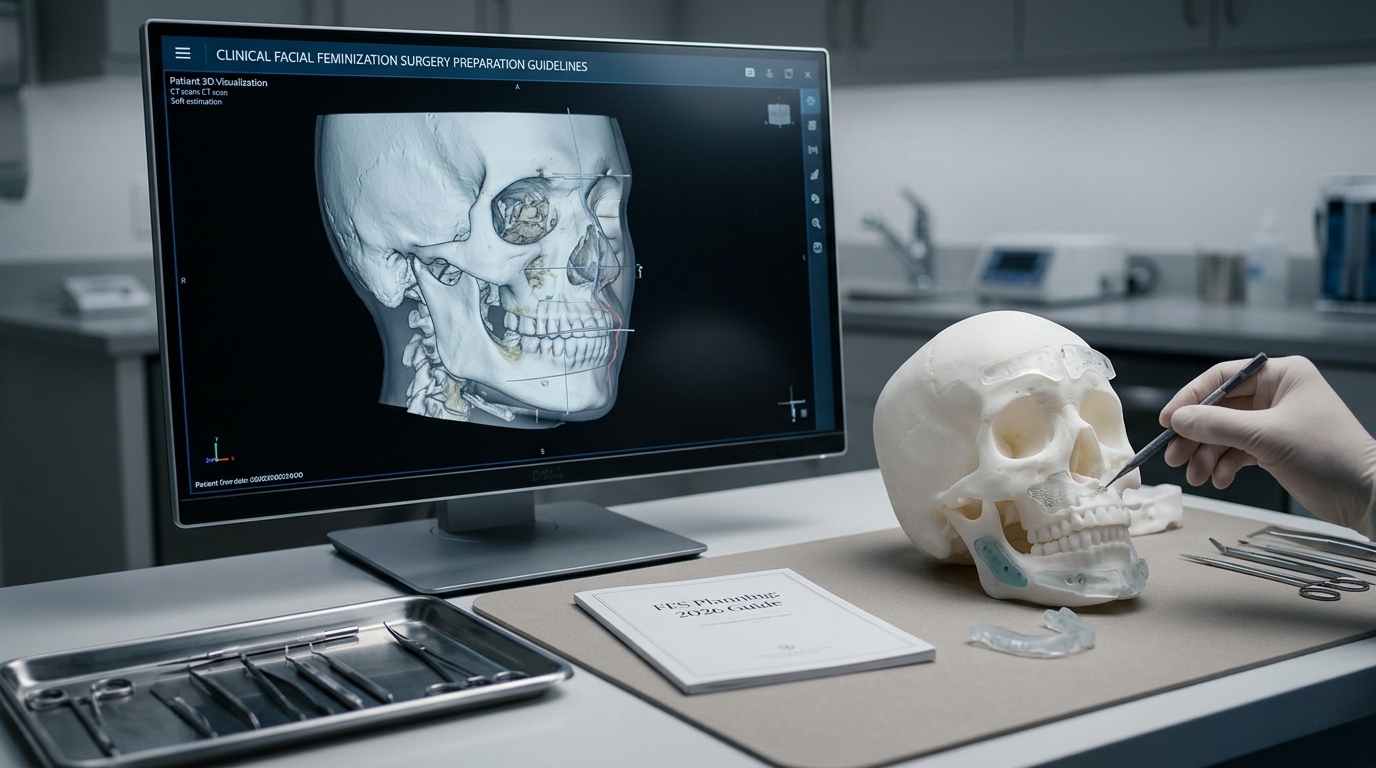
Stel je voor dat je voor de spiegel staat, twee vingers tegen je voorhoofd drukt en je afvraagt: Is dit normaal? Al decennialang is de "twee vingers"- of "vier vingers"-regel een culturele maatstaf voor de grootte van het voorhoofd, die schoonheidsidealen en zelfbeeld beïnvloedt. Maar dit is de waarheid: Deze regel is een mythe.. Het mist klinische validatie en negeert de genuanceerde wetenschap van gezichtsproporties. In 2026, als gezichtsfeminisering Naarmate de chirurgische (FFS) en reconstructieve technieken zich ontwikkelen, is het tijd om achterhaalde mythes te vervangen door objectieve, antropometrische metingen. Dit artikel ontleedt de culturele obsessie met de grootte van het voorhoofd en zet deze af tegen klinische meetwaarden zoals de verhouding tussen haarlijn en glabella, En het stelt je in staat om je voorhoofd te beoordelen vanuit het perspectief van een chirurg – en niet vanuit een TikTok-trend.
De culturele obsessie: waarom de 'tweevingerregel' blijft bestaan
De 'tweevingerregel' – waarbij je twee vingers horizontaal over je voorhoofd plaatst om de grootte ervan te bepalen – is wijdverspreid geraakt via sociale media, schoonheidsforums en zelfs sommige niet-chirurgische behandelaars. Maar waar komt deze regel vandaan? In tegenstelling tot klinische metingen heeft deze regel geen wortels in de geneeskunde. peer-reviewed studies of antropometrisch onderzoek. In plaats daarvan is het een bijproduct van culturele schoonheidsidealen die symmetrie en verhoudingen voorrang geven zonder wetenschappelijke onderbouwing.
In een studie uit 2025, gepubliceerd in de Tijdschrift voor Craniofaciale Chirurgie, Onderzoekers analyseerden 500 gezichtsscans en ontdekten dat de grootte van het voorhoofd aanzienlijk varieert op basis van etniciteit, geslacht en leeftijd. De 'tweevingerregel' houdt geen rekening met deze variabelen, wat vaak leidt tot onnodige angst of verkeerde chirurgische beslissingen. Zo kan een voorhoofd dat volgens deze regel 'groot' lijkt, in werkelijkheid proportioneel zijn wanneer het wordt gemeten naar de rest van het gezicht. verhouding tussen haarlijn en glabella, een klinische standaard die door chirurgen wordt gebruikt om de terugtrekking van het voorhoofd te beoordelen.

De klinische waarheid: de verhouding tussen haargrens en fronsrimpels en de proporties van het voorhoofd.
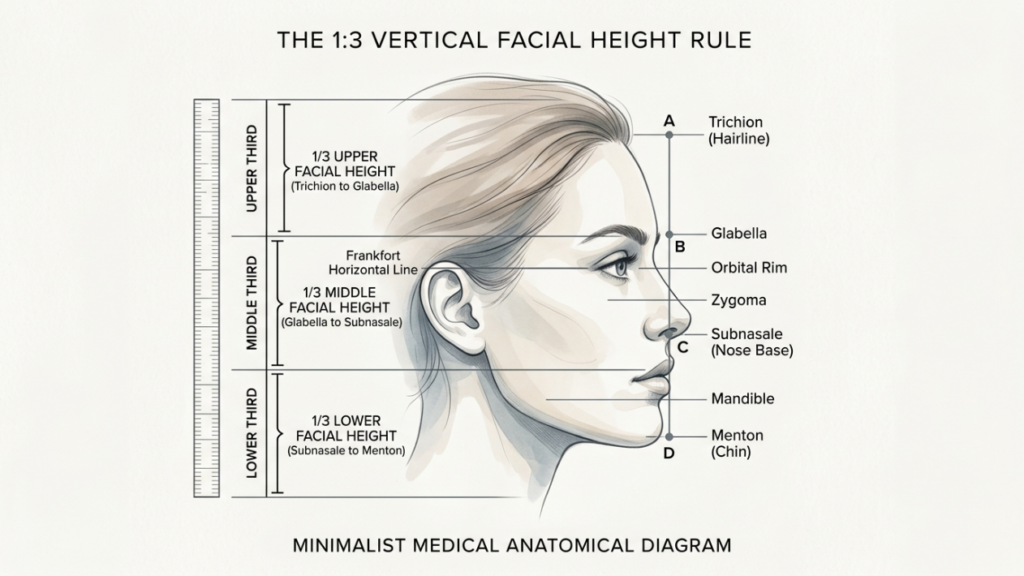
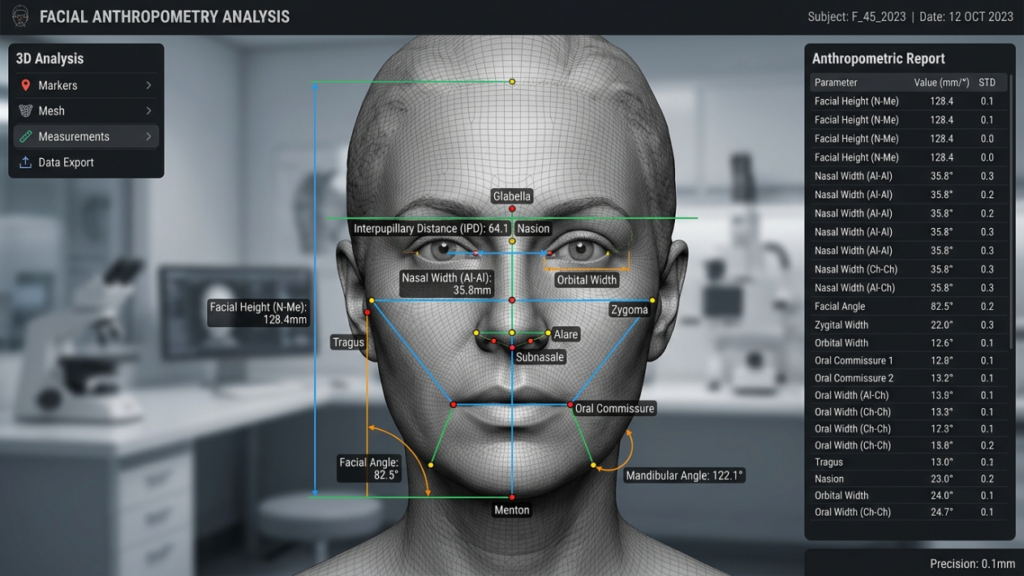
Chirurgen gebruiken geen vingers om voorhoofden op te meten, maar gebruiken... antropometrische verhoudingen. De belangrijkste meetwaarde is de verhouding tussen haarlijn en glabella, waarbij de verticale afstand van de haarlijn tot de glabella (het gebied tussen de wenkbrauwen) wordt vergeleken met de totale gezichtshoogte. Volgens een onderzoek uit 2024 in Plastische en reconstructieve chirurgie, De ideale verhouding voor gezichtsharmonie is ongeveer 1:3. Dit betekent dat de afstand van de haarlijn tot de glabella ongeveer een derde van de totale gezichtshoogte moet bedragen.
Waarom is deze verhouding belangrijk? Omdat het direct van invloed is op de waargenomen gezichtsbalans. Een voorhoofd dat deze verhouding overschrijdt, kan disproportioneel lijken, maar niet per se “te groot”. Een hoge haarlijn kan bijvoorbeeld de illusie van een groter voorhoofd wekken, zelfs als de botstructuur gemiddeld is. Daarom raden chirurgen vaak procedures aan zoals... haarlijn verlagen of voorhoofd contouren Om de harmonie te herstellen, niet om te voldoen aan willekeurige, op vingerwijzen gebaseerde regels.

De psychologische impact: hoe de grootte van het voorhoofd de zelfperceptie beïnvloedt.
De culturele obsessie met de grootte van het voorhoofd gaat niet alleen over esthetiek, maar is diep verbonden met... zelfrespect en identiteit. Een onderzoek uit 2026 in Lichaamsbeeld Uit onderzoek bleek dat mensen met een als 'te groot' ervaren voorhoofd meer sociale angst ervaren en minder zelfvertrouwen hebben. Deze psychische belasting wordt vaak verergerd door filters op sociale media en schoonheidsidealen die een 'klein voorhoofd' als kenmerk van vrouwelijkheid of aantrekkelijkheid beschouwen.
Uit het onderzoek bleek echter ook dat voorlichting over gezichtsproporties De angstniveaus daalden aanzienlijk. Toen deelnemers meer leerden over de verhouding tussen de haarlijn en de fronsrimpel en andere klinische meetwaarden, beschouwden ze hun voorhoofd minder vaak als 'abnormaal'. Dit onderstreept het belang van het vervangen van mythes door de juiste informatie. op bewijs gebaseerde kennis—een kernprincipe in de moderne gezichtsfeminisering en reconstructieve chirurgie.
Voorhoofdverkleiningsoperatie: wanneer is deze medisch gerechtvaardigd?
Voorhoofdverkleining chirurgie, inclusief procedures zoals haarlijn vooruitgang of voorhoofd contouren, Het gaat er niet om trends na te jagen, maar om de harmonie in het gezicht te herstellen. Chirurgen raden deze ingrepen doorgaans aan wanneer:
- De verhouding tussen de haargrens en de fronsrimpels is groter dan 1:3., waardoor er een visueel onevenwicht in de gezichtsproporties ontstaat.
- Het voorhoofdsbeen is overdreven prominent., wat de algehele gezichtscontouren beïnvloedt (vaak voorkomend bij patiënten die gezichtsvervrouwing wensen).
- Er is sprake van aanzienlijke terugtrekking van de haargrens., waardoor het voorhoofd groter lijkt dan het in werkelijkheid is.
- De patiënt ervaart psychische nood. vanwege de waargenomen grootte van het voorhoofd, wat hun levenskwaliteit beïnvloedt.
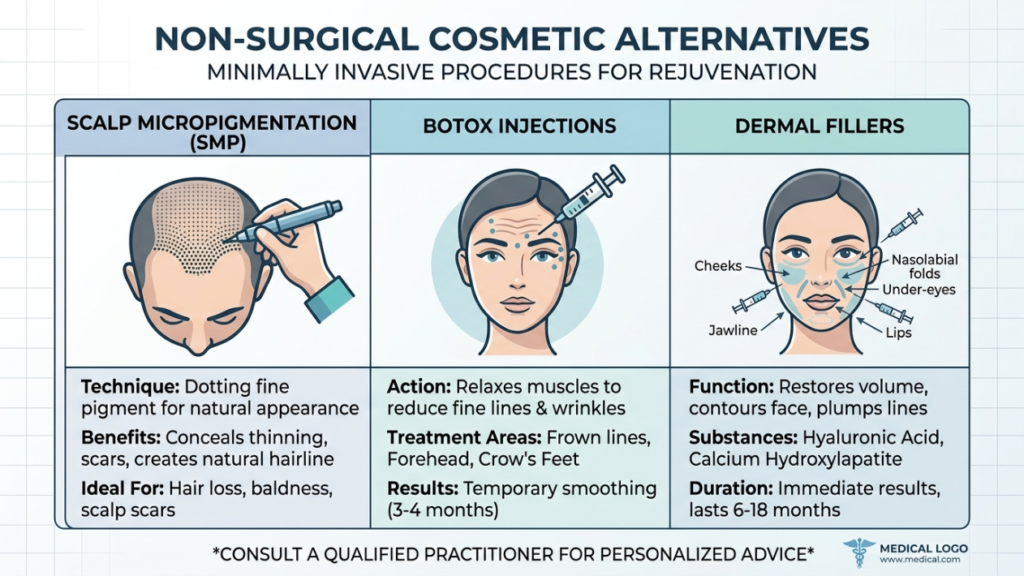
Het is cruciaal om te benadrukken dat een operatie niet de enige oplossing is. Niet-chirurgische opties zoals tatoeages langs de haarlijn of botoxinjecties Door de voorhoofdspieren te ontspannen, kan ook de illusie van een smaller voorhoofd worden gewekt zonder ingrijpende procedures.
De gulden snede en harmonie van het voorhoofd: wat je moet weten
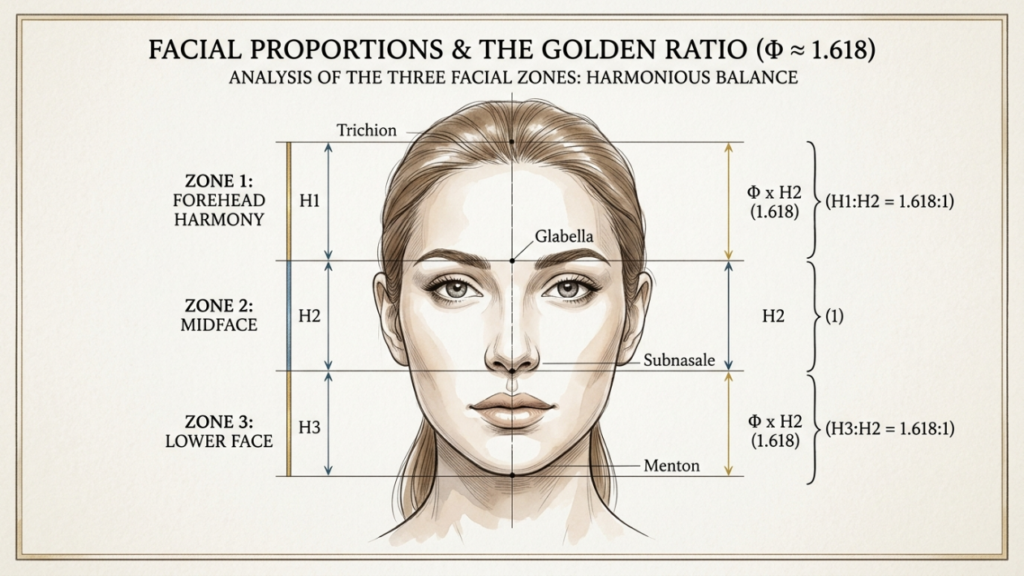
De gulden verhouding (1:1,618) De gulden snede wordt vaak aangehaald in discussies over gezichtsschoonheid, maar de toepassing ervan op de grootte van het voorhoofd wordt vaak verkeerd begrepen. Hoewel de gulden snede een leidraad kan zijn voor de algehele gezichtsproporties, is het geen strikte regel voor de beoordeling van het voorhoofd. Chirurgen richten zich in plaats daarvan op de harmonie tussen het voorhoofd, het middengezicht en het onderste deel van het gezicht.
Een patiënt met een hoge haargrens kan bijvoorbeeld nog steeds evenwichtige gezichtsverhoudingen hebben als het middengezicht en de kaak in verhouding groter zijn. Omgekeerd kan een patiënt met een 'normaal' voorhoofd volgens de 'tweevingerregel' er onevenwichtig uitzien als het middengezicht onderontwikkeld is. Dit is waarom gepersonaliseerde beoordelingen zijn cruciaal bij gezichtsvervrouwelijking en reconstructieve chirurgie.
Niet-chirurgische alternatieven: kunt u een groot voorhoofd "corrigeren" zonder operatie?
Niet iedereen heeft een operatie nodig om een harmonieus gezicht te krijgen. Niet-chirurgische opties kunnen zeer effectief zijn, vooral voor patiënten met milde klachten of voor degenen die geen ingrijpende procedures willen ondergaan. Deze opties omvatten:
- Haarlijntatoeages (hoofdhuidmicropigmentatie): Creëert de illusie van een lagere haargrens door middel van tatoeëren van kleine puntjes die haarzakjes nabootsen.
- Botox-injecties: Ontspant de spieren in het voorhoofd, waardoor een 'uitpuilend' voorhoofd minder opvalt.
- VulstoffenStrategische plaatsing van fillers in de slapen of het middengezicht kan de verhoudingen van het voorhoofd in balans brengen.
- HaarstylingEen pony of een gelaagde snit kan de prominentie van het voorhoofd optisch verminderen.
Deze alternatieven zijn met name aantrekkelijk voor patiënten die hersteltijd of chirurgische risico's willen vermijden. Het zijn echter geen permanente oplossingen en ze vereisen mogelijk na verloop van tijd onderhoud.

De rol van genderbevestiging in de perceptie van het voorhoofd.
Bij transgender personen speelt de grootte van het voorhoofd vaak een belangrijke rol. geslachtsbevestiging. Een prominent of 'mannelijk' voorhoofd kan een bron van genderdysforie zijn, waardoor velen een gezichtsvervrouwelijkingsoperatie (FFS) overwegen. De beslissing om een operatie te ondergaan moet echter gebaseerd zijn op... klinische meetwaarden—geen culturele mythen.
Bij FFS richten chirurgen zich op het verzachten van hoekige kenmerken en het herstellen van verhoudingen die overeenkomen met de genderidentiteit van de patiënt. Dit kan inhouden: voorhoofd contouren, Denk bijvoorbeeld aan het naar voren brengen van de haarlijn of zelfs een wenkbrauwlift. Het doel is niet om te voldoen aan de "twee vingers"-regel, maar om een gezicht te creëren dat authentiek aanvoelt. Jij.
Hoe beoordeel je je voorhoofd: een stapsgewijze handleiding?
Ben je klaar om verder te gaan dan de "tweevingerregel"? Zo beoordeel je je voorhoofd als een chirurg:
- Meet de afstand van de haarlijn tot de fronsrimpel.Gebruik een liniaal om de verticale afstand van je haarlijn tot de fronsrimpel te meten. Vergelijk deze afstand met je totale gezichtshoogte (van haarlijn tot kin). De ideale verhouding is 1:3.
- Beoordeel je gezichtsproporties.Maak een foto van je gezicht in profiel en van voren. Gebruik fotobewerkingssoftware om lijnen te tekenen en verhoudingen te vergelijken.
- Raadpleeg een specialist.Maak een afspraak voor een consult met een gecertificeerd plastisch chirurg gespecialiseerd in gezichtsoperaties. chirurg of een FFS-specialist. Zij kunnen een 3D-analyse van uw gezichtsstructuur uitvoeren.
- Denk na over je doelen.Overweegt u een operatie om esthetische redenen, voor genderbevestiging of voor psychische verlichting? Wees eerlijk over uw motivaties.
- Verken niet-chirurgische opties.Als een operatie niet de juiste optie voor u is, bespreek dan alternatieven zoals fillers, botox of een nieuwe haarstyling met uw specialist.
De toekomst van voorhoofdsesthetiek: wat kunnen we verwachten in 2026?
Naarmate we 2026 naderen, ontwikkelt het vakgebied van gezichtsesthetiek zich snel. Vooruitgang in 3D-beeldvorming En AI-gestuurde chirurgische planning maken het gemakkelijker om uitkomsten te voorspellen en procedures aan te passen. Daarnaast wordt er steeds meer nadruk gelegd op psychologische ondersteuning Voor patiënten die een gezichtsverandering ondergaan, is het belangrijk dat beslissingen worden genomen vanuit een gevoel van zelfvertrouwen en niet van onzekerheid.
Een veelbelovende ontwikkeling is het gebruik van biocompatibele implantaten voor voorhoofd contouren, die natuurlijkere resultaten opleveren met minder hersteltijd. Daarnaast zijn er niet-chirurgische opties zoals draadlift En laserbehandeling voor het verlagen van de haargrens worden steeds populairder bij mensen die op zoek zijn naar subtiele verbeteringen.
Veelgestelde vragen
Waarom wordt de 'tweevingerregel' als een mythe beschouwd?
De 'tweevingerregel' mist klinische validatie en houdt geen rekening met individuele variaties in gezichtsanatomie, etniciteit of geslacht. Chirurgen vertrouwen op objectieve meetwaarden zoals de verhouding tussen de haarlijn en de fronsrimpel, die een nauwkeurigere inschatting van de voorhoofdsproporties mogelijk maakt.
Wat is de verhouding tussen de haargrens en de fronsrimpels, en waarom is die belangrijk?
De verhouding tussen de haarlijn en de glabella (tussen de wenkbrauwen) vergelijkt de verticale afstand van de haarlijn tot de glabella met de totale gezichtshoogte. Een ideale verhouding van 1:3 wordt als harmonieus beschouwd, terwijl afwijkingen kunnen wijzen op de noodzaak van een chirurgische of niet-chirurgische ingreep.
Kan een groot voorhoofd zonder operatie worden gecorrigeerd?
Ja, niet-chirurgische opties zoals tatoeages langs de haarlijn, botoxinjecties, fillers en strategische haarstyling kunnen de prominentie van het voorhoofd optisch verminderen. Deze methoden zijn ideaal voor patiënten die minimale hersteltijd of niet-invasieve oplossingen wensen.
Welke invloed heeft de grootte van het voorhoofd op genderbevestiging?
Voor transgender personen kan de grootte van het voorhoofd een belangrijke factor zijn bij genderdysforie. Gezichtsvervrouwelijkingschirurgie (FFS) omvat vaak het contouren van het voorhoofd of het naar voren brengen van de haarlijn om meer vrouwelijke proporties te creëren die aansluiten bij de genderidentiteit van de patiënt.
Wat zijn de risico's van een voorhoofdsverkleiningsoperatie?
Zoals bij elke operatie zijn er risico's, waaronder infectie, littekenvorming en zenuwschade. Door te kiezen voor een gecertificeerde chirurg en de preoperatieve richtlijnen te volgen, kunnen deze risico's echter tot een minimum worden beperkt. Het is essentieel om mogelijke complicaties tijdens uw consult te bespreken.
Hoe weet ik of mijn voorhoofd in verhouding is?
Bepaal de verhouding tussen uw haargrens en fronsrimpel en vergelijk deze met uw totale gezichtshoogte. Een verhouding van 1:3 is ideaal, maar er kunnen individuele verschillen bestaan. Een 3D-analyse door een plastisch chirurg kan een definitief antwoord geven.
Welke ontwikkelingen op het gebied van voorhoofdsesthetiek kunnen we tegen 2026 verwachten?
In 2026 zorgen ontwikkelingen zoals AI-gestuurde chirurgische planning, biocompatibele implantaten en niet-chirurgische draadlifttechnieken voor een revolutie in de esthetische behandeling van het voorhoofd. Deze innovaties bieden preciezere, natuurlijkere resultaten met een kortere hersteltijd en een hogere patiënttevredenheid.
Wordt een voorhoofdsverkleiningsoperatie vergoed door de verzekering?
De dekking verschilt per aanbieder en land. In sommige gevallen, voorhoofdverkleining Het kan medisch noodzakelijk worden geacht voor genderbevestiging of psychisch welzijn, waardoor de kans op vergoeding door de verzekering toeneemt. Neem altijd contact op met uw zorgverlener voor meer informatie.