
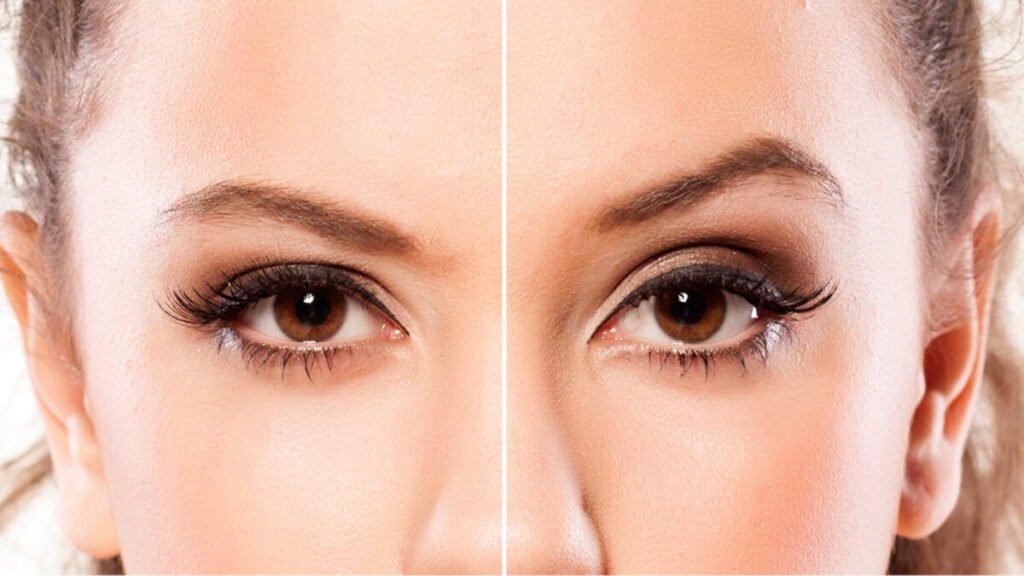
Your eyes are one of the most expressive features of your face. They can convey your emotions, personality, and mood. However, as you age, your eyelids may start to sag, droop, or puff up, making you look tired, sad, or older than you feel. Eyelid surgery, also known as blepharoplasty, is a cosmetic procedure that can help you restore a youthful and refreshed appearance to your eyes.
For permanent masculine jawline and brow restructuring, explore our specialized facial masculinization surgery protocols in Istanbul.
In this article, we will explain what eyelid surgery is, how it is performed, what are the benefits and risks, and how to prepare and recover from it. We will also introduce you to one of the best plastic surgeons in Antalya, Turkey, who can help you achieve your aesthetic goals with eyelid surgery.
Table of Contents
eyelid surgery?
Eyelid surgery is a surgical procedure that removes excess skin, fat, and muscle from the upper and/or lower eyelids. It can also correct drooping eyelids (ptosis) and create or refine the eyelid crease. Eyelid surgery can be performed for cosmetic or functional reasons. Some people seek eyelid surgery to improve their appearance and self-confidence, while others need it to improve their vision or eye health.
Eyelid surgery can be performed on the upper eyelids, lower eyelids, or both. Depending on your needs and preferences, your surgeon will recommend the best technique and approach for you. Eyelid surgery can be done under local or general anesthesia, depending on the extent of the procedure and your comfort level. The surgery usually takes one to two hours and is done as an outpatient procedure.
How is eyelid surgery performed?
There are different techniques and methods for performing eyelid surgery. The most common ones are:
- Upper eyelid surgery: This involves making an incision along the natural crease of the upper eyelid. Through this incision, the surgeon removes excess skin and fat, tightens the muscles, and repositions the tissues. The incision is then closed with fine sutures that leave minimal scarring.
- Lower eyelid surgery: This involves making an incision either just below the lash line or inside the lower eyelid (transconjunctival). Through this incision, the surgeon removes or redistributes excess fat, removes excess skin if needed, and tightens the muscles and tissues. The incision is then closed with fine sutures or self-dissolving stitches.
- Double eyelid surgery: This is a specialized technique that creates or enhances the upper eyelid crease. It is commonly requested by people of Asian descent who have monolids or single eyelids. There are different methods for performing double eyelid surgery, such as incisional, non-incisional, partial-incisional, or suture methods. The choice of method depends on various factors, such as the amount of skin and fat in the eyelids, the desired shape and height of the crease, and the patient’s preference.
What are the benefits of eyelid surgery?
Eyelid surgery can offer many benefits for your appearance and well-being. Some of them are:
- It can make you look younger, more alert, and more refreshed.
- It can enhance your facial harmony and balance.
- It can improve your self-esteem and confidence.
- It can correct drooping or sagging eyelids that interfere with your vision or eye health.
- It can reduce eye bags, dark circles, wrinkles, and puffiness around your eyes.
- It can create or refine your upper eyelid crease.
What are the risks of eyelid surgery?
As with any surgery, eyelid surgery carries some risks and potential complications. These include:
- Bleeding
- Infection
- Scarring
- Dry eyes
- Irritation
- Sensitivity to light
- Difficulty closing or opening your eyes
- Changes in skin sensation or numbness
- Asymmetry or unevenness
- Skin discoloration
- Injury to eye muscles or nerves
- Temporary or permanent vision changes
- Need for revision surgery
These risks are rare and can be minimized by choosing a qualified and experienced surgeon, following their instructions before and after the surgery, and reporting any problems or concerns promptly.
How to prepare for eyelid surgery?
Before undergoing eyelid surgery, you will need to have a consultation with your surgeon. During this consultation, you will discuss your medical history, current medications, allergies, expectations, goals, and preferences. Your surgeon will examine your eyes and eyelids, take measurements and photos, perform tests if needed (such as visual field testing), and explain the procedure in detail. They will also advise you on how to prepare for the surgery.
Some of the general preparation tips are:
- Stop smoking at least two weeks before the surgery.
- Avoid taking blood-thinning medications or supplements, such as aspirin, ibuprofen, vitamin E, or fish oil, for at least a week before the surgery.
- Arrange for someone to drive you home and stay with you for the first night after the surgery.
- Fill your prescriptions and stock up on supplies, such as ice packs, gauze, eye drops, and sunglasses.
- Follow your surgeon’s instructions regarding eating, drinking, and medications on the day of the surgery.
How to recover from eyelid surgery?
Recovery from eyelid surgery varies from person to person, depending on the type and extent of the surgery, your healing ability, and your adherence to your surgeon’s instructions. In general, you can expect the following recovery timeline:
- Day 1: You will be discharged from the hospital or clinic after a few hours of observation. You will have bandages or tapes on your eyelids and may experience some swelling, bruising, discomfort, or blurred vision. You will need to rest with your head elevated and apply cold compresses to your eyes. You will also need to use eye drops or ointment as prescribed by your surgeon. You will be able to eat and drink normally but avoid alcohol and spicy foods.
- Day 2-7: You will need to keep your eyes clean and moist and avoid rubbing or touching them. You will also need to avoid strenuous activities, heavy lifting, bending, or straining. You will be able to shower and wash your hair gently but avoid getting water or soap in your eyes. You will be able to resume some light activities, such as reading or watching TV, but avoid screen time as much as possible. You will have a follow-up visit with your surgeon, who will remove your stitches and check your healing progress.
- Week 2-4: You will notice a significant improvement in your swelling, bruising, and pain. You will be able to resume most of your normal activities, such as work, exercise, and socializing. However, you will still need to protect your eyes from sun exposure, dust, wind, and smoke. You will also need to avoid wearing makeup, contact lenses, or eyeglasses until your surgeon advises you otherwise. You will have another follow-up visit with your surgeon, who will monitor your healing and results.
- Month 2-6: You will see the final results of your eyelid surgery. Your scars will fade and become less noticeable. Your eyes will look brighter, more open, and more youthful. You will enjoy the benefits of your eyelid surgery for years to come.
Conclusion
Eyelid surgery is a safe and effective way to improve the appearance and function of your eyes. It can help you look younger, more alert, and more refreshed. It can also correct drooping or sagging eyelids that interfere with your vision or eye health. Eyelid surgery can be performed on the upper eyelids, lower eyelids, or both. It can also create or refine the upper eyelid crease.
If you are interested in eyelid surgery in Antalya, Turkey, you should consider choosing Dr. Mehmet Fatih Okyay as your surgeon. Dr. Okyay is a board-certified plastic surgeon who specializes in eyelid surgery and other facial aesthetic procedures. He has extensive training and experience in performing eyelid surgery using the latest techniques and technologies. He is also a member of the European Board of Plastic Reconstructive and Aesthetic Surgery (EBOPRAS) and the Turkish Society of Plastic Reconstructive and Aesthetic Surgery (TPRECD).
Dr. Okyay offers personalized and professional care for his patients in his private clinic in Antalya. He listens to his patients’ needs and expectations and provides them with honest and realistic advice. He performs eyelid surgery with artistry and precision, aiming to achieve natural-looking and harmonious results that enhance his patients’ facial expression.
If you want to brighten your eyes and enhance your facial expression with eyelid surgery in Antalya, contact Dr. Okyay today and schedule a consultation.
Visit the Dr.MFO Instagram profile for examples of successful Surgeries.
Frequently Asked Questions
What should patients expect during Eyelid Surgery in Antalya recovery?
Recovery from Eyelid Surgery in Antalya involves initial swelling and rest, followed by progressive healing under careful medical supervision and following post-operative protocols.
How should one prepare for Eyelid Surgery in Antalya?
Preparation for Eyelid Surgery in Antalya requires a comprehensive clinical evaluation, personalized surgical planning, and adherence to specific pre-operative instructions.
Are results from Eyelid Surgery in Antalya permanent?
Most patients achieve stable, long-lasting aesthetic enhancements from Eyelid Surgery in Antalya, provided post-surgical care and healthy recovery guidelines are followed.