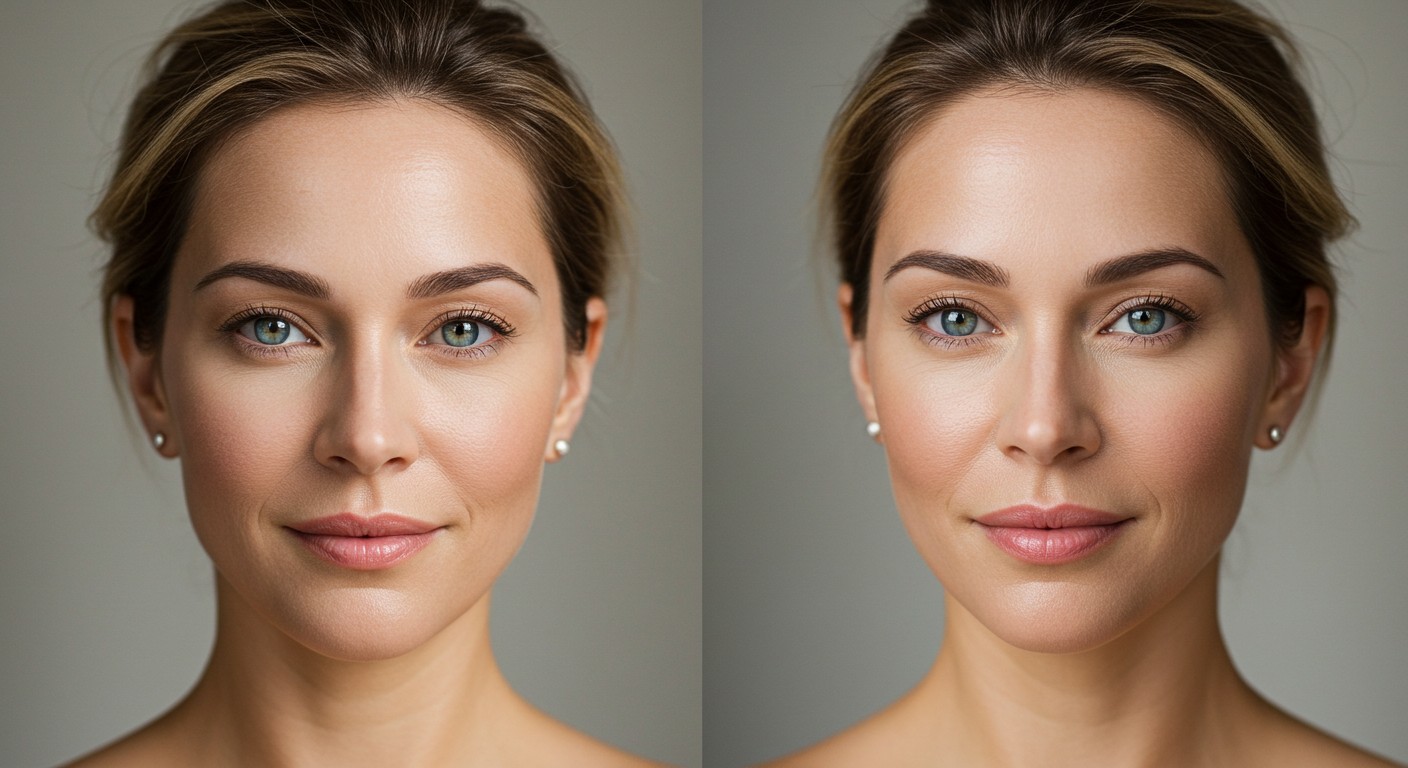
Canthoplasty, a surgical procedure to enhance or reshape the outer corners of the eyes, can be a transformative experience. Understanding the recovery timeline is crucial for managing expectations and ensuring optimal healing. This comprehensive guide will walk you through the day-by-day recovery process, focusing on common concerns like chemosis (eye swelling), and provide clear timelines for when swelling subsides and when it’s safe to resume activities like makeup application.
The journey from surgery to final results involves several distinct phases, each with its own set of symptoms and care requirements. While the initial healing period may seem daunting, knowing what to expect can significantly reduce anxiety and help you navigate the recovery process with confidence. This guide is designed to provide detailed, medically accurate information to support your decision-making and post-operative care.
Undergoing canthoplasty, a surgical procedure to enhance or reshape the outer corners of the eyes, can be a transformative experience.
— Ruli
Understanding Chemosis and Post-Operative Swelling
Chemosis is a common and expected part of the canthoplasty recovery process. It refers to the swelling of the conjunctiva, the clear membrane covering the white part of the eye (sclera). This swelling can cause the eye to appear watery, puffy, and sometimes even bulge slightly. It is a natural inflammatory response to the surgical trauma and typically peaks within the first 48-72 hours post-surgery.
The severity of chemosis can vary based on individual healing factors, the extent of the surgery, and adherence to post-operative care instructions. While it can be alarming to see, especially in the mirror, it is a temporary condition that resolves as the body’s healing mechanisms take over. Understanding the difference between normal chemosis and signs of potential complications is vital for a smooth recovery.
The Science Behind Swelling
Surgical intervention, even when minimally invasive, triggers an inflammatory cascade. Blood vessels dilate to bring immune cells and nutrients to the surgical site. This increased blood flow and fluid leakage into the surrounding tissues result in swelling (edema). In the delicate periorbital region, this swelling is particularly noticeable due to the loose connective tissue that surrounds the eyes.
Chemosis specifically involves the conjunctiva, which is highly vascular and prone to fluid accumulation. The surgical manipulation of the lateral canthal tendon and surrounding tissues can disrupt lymphatic drainage, further contributing to fluid retention. This is why elevation of the head and cold compresses are emphasized in the immediate post-operative period—they help counteract these physiological responses.
Day-by-Day Canthoplasty Recovery Timeline
The recovery timeline for canthoplasty is typically divided into distinct phases. While individual experiences may vary, this general timeline provides a reliable framework for what to expect. Adhering to your surgeon’s specific instructions is paramount for achieving the best possible outcome.
Days 1-3: The Acute Phase
Days 1-2: This is the peak period for swelling and bruising. Chemosis is most pronounced, and your eyes may feel tight, watery, and sensitive to light. Vision might be blurry due to ointment and swelling. It is crucial to rest with your head elevated on 2-3 pillows, even while sleeping. Apply cold compresses (wrapped in a clean cloth) for 15-20 minutes every hour while awake to reduce swelling. Avoid any strenuous activity, bending over, or lifting heavy objects. Your surgeon will likely prescribe antibiotic ointment and possibly oral pain medication.
Day 3: Swelling and bruising may start to plateau or slightly decrease. The chemosis might still be significant, but the intense tightness often begins to ease. Continue with head elevation and cold compresses. You may be advised to start gentle eyelid hygiene, such as cleaning the lashes with sterile saline solution. Pain is usually manageable and often transitions to a feeling of pressure or tightness.
Days 4-7: The Subacute Phase
Days 4-5: A noticeable reduction in swelling and bruising typically occurs. The yellowing of bruises (as they begin to break down) may become visible. Chemosis starts to resolve, and the conjunctiva appears less puffy. Vision clarity improves. You might be cleared to resume light, non-strenuous activities, but continue to avoid eye strain (e.g., prolonged screen time). Your surgeon may schedule a follow-up visit to check the incision sites and remove any non-dissolvable sutures.
Days 6-7: By the end of the first week, significant improvement is usually evident. Swelling is reduced by approximately 50-60% compared to peak levels. Bruising can often be concealed with makeup. The lateral canthus (outer corner) may still appear slightly elevated or tight, which is normal. Most patients feel comfortable enough for light social activities, though the eyes may still look tired or puffy.
Weeks 2-4: Early Healing Phase
Week 2: Swelling continues to subside steadily. By the end of week two, most visible swelling and bruising have resolved. The incision lines at the lateral canthus are healing, and any sutures are typically fully dissolved or removed. The eye shape begins to settle into its new position. You can usually resume most normal activities, including work (if not physically demanding), but should still avoid contact lenses, swimming, and heavy exercise.
Weeks 3-4: The eyes look significantly more natural. Residual swelling is minimal and often only noticeable to you. The lateral canthal angle should be well-defined, and the eye shape will appear more elongated and lifted. At this stage, the majority of patients feel confident in their appearance. However, subtle internal healing continues beneath the surface.
When Can You Apply Makeup After Canthoplasty?
One of the most frequently asked questions regarding canthoplasty recovery is when it is safe to resume makeup application. The delicate nature of the surgical site and the risk of infection dictate a cautious approach. Applying makeup too soon can introduce bacteria into the healing incisions, potentially leading to complications such as infection, delayed healing, or even scarring.
General Guidelines for Makeup Resumption
Eye Makeup (Mascara, Eyeliner, Eyeshadow): It is generally recommended to wait at least 4 to 6 weeks after canthoplasty before applying any eye makeup. This allows the incision lines to fully heal and the risk of infection to decrease significantly. The skin at the lateral canthus is thin and sensitive; makeup particles can easily irritate the healing tissue. Always use new, sterile makeup products to minimize bacterial exposure.
Face Makeup (Foundation, Concealer): You can typically resume using face makeup around 1 to 2 weeks post-surgery, once the incisions are closed and any sutures have been removed. However, avoid applying product directly over the incision lines until they are fully healed. Use a clean brush or sponge and be gentle when blending around the eye area.
Eye Creams and Serums: Avoid applying any creams, serums, or oils directly to the eyelids and lateral canthal area for at least 3-4 weeks. Your surgeon will advise when it is safe to resume your regular skincare routine. Initially, only prescribed ointments should be used near the eyes.
Long-Term Recovery and Final Results
While the initial recovery phase is relatively short, the final results of canthoplasty can take several months to fully manifest. The subtle residual swelling that persists for 3-6 months can slightly alter the appearance of the eye shape. It is important to be patient and allow your body the time it needs to complete the healing process.
Months 2-6: Maturation Phase
During this period, the internal tissues continue to remodel and strengthen. The lateral canthal tendon settles into its new position, and the scar tissue at the incision site softens and fades. Any minor asymmetries that were apparent in the early weeks often resolve as the swelling fully dissipates. By month 6, the final shape and position of the eyes are typically stable and representative of the long-term result.
It is not uncommon for patients to experience intermittent tightness or sensitivity around the eyes during this phase, especially with changes in weather or fatigue. These sensations are normal and gradually diminish over time. Regular follow-up appointments with your surgeon allow for monitoring of the healing progress and addressing any concerns that may arise.
Managing Potential Complications
While canthoplasty is generally safe when performed by a qualified surgeon, being aware of potential complications is essential for early detection and treatment. Most complications are rare but require prompt attention if they occur.
Signs of Infection
Signs of infection include increasing redness, warmth, swelling, or pain at the surgical site, as well as pus or unusual discharge. Fever may also accompany these symptoms. If you notice any of these signs, contact your surgeon immediately. Early treatment with antibiotics can prevent more serious issues.
Persistent or Severe Chemosis
While mild to moderate chemosis is normal, severe or persistent chemosis that does not improve after the first week should be evaluated. In rare cases, excessive swelling can impair eyelid function or lead to corneal irritation. Your surgeon may prescribe specific eye drops or ointments to manage this condition.
Asymmetry and Scarring
Minor asymmetry is common in the early stages of healing due to uneven swelling. However, if significant asymmetry persists after several months, it may require revision. Scarring at the lateral canthus is typically minimal and hidden in the natural crease, but some individuals may develop hypertrophic or keloid scars. Silicone gel sheets and sun protection can help improve scar appearance.
Post-Operative Care Protocols for Optimal Healing
Adhering to a strict post-operative care regimen is the single most important factor in ensuring a smooth recovery and achieving the desired aesthetic outcome. Your surgeon will provide detailed instructions tailored to your specific procedure, but the following guidelines are generally applicable.
Hygiene and Wound Care
Keeping the surgical area clean is paramount to preventing infection. Gently clean the eyelid margins with sterile saline solution and cotton swabs as directed by your surgeon. Avoid rubbing or pulling at the incision sites. Apply prescribed antibiotic ointment to the incision lines as instructed, usually 2-3 times daily for the first week.
Activity Restrictions
Avoid strenuous activities, heavy lifting, and bending over for at least 2-3 weeks post-surgery. These actions can increase blood pressure and exacerbate swelling. Swimming, hot tubs, and saunas should be avoided for 4-6 weeks due to the risk of infection. Contact sports should be avoided for at least 6-8 weeks to protect the healing tissues from trauma.
Protecting Your Eyes
Protect your eyes from sun, wind, and dust by wearing sunglasses when outdoors. This not only reduces sensitivity but also protects the healing skin from UV damage, which can darken scars. Avoid wearing contact lenses for at least 4-6 weeks, as they can irritate the eyes and interfere with healing. Use lubricating eye drops if your eyes feel dry, but ensure they are preservative-free and approved by your surgeon.
Frequently Asked Questions
How long does chemosis last after canthoplasty?
Chemosis, or eye swelling, typically peaks within the first 48-72 hours after canthoplasty and begins to subside by day 4-5. Most significant chemosis resolves within the first 1-2 weeks, though minor residual swelling can persist for several months as the tissues fully heal.
When is it safe to wear contact lenses after canthoplasty?
It is generally recommended to avoid wearing contact lenses for at least 4-6 weeks after canthoplasty. The healing incision sites and residual swelling can make the eyes sensitive, and contact lenses may cause irritation or interfere with the healing process. Always consult your surgeon before resuming use.
Can I exercise after canthoplasty surgery?
Light walking is encouraged after the first few days to promote circulation, but strenuous exercise should be avoided for at least 3-4 weeks. Activities that increase blood pressure or risk of injury (e.g., running, weightlifting, yoga) can exacerbate swelling and should be postponed until cleared by your surgeon, typically around 4-6 weeks post-op.
What should I do if I experience severe pain or vision changes?
While some discomfort is normal, severe or worsening pain, sudden vision changes, or loss of vision are not typical and require immediate medical attention. Contact your surgeon or seek emergency care if you experience these symptoms, as they could indicate complications such as infection or increased intraocular pressure.
How can I reduce swelling faster?
To reduce swelling, keep your head elevated (even while sleeping) for the first 1-2 weeks, apply cold compresses as directed, and avoid salty foods that can cause fluid retention. Follow your surgeon’s instructions regarding medications and supplements. Patience is key, as swelling naturally decreases over time.
Are the results of canthoplasty permanent?
Yes, the structural changes made during canthoplasty are permanent. The lateral canthal tendon is repositioned and secured, providing a lasting alteration to the eye shape. However, the natural aging process will continue to affect the surrounding skin and tissues over time.
When will I see the final results?
While initial results are visible once the majority of swelling subsides (around 4-6 weeks), the final, refined results of canthoplasty are typically seen 3-6 months post-surgery. This allows time for all residual swelling to resolve and the tissues to fully settle into their new position.
Can I wear makeup to cover bruising?
You can typically use face makeup (foundation, concealer) to cover bruising around 1-2 weeks after surgery, once the incisions are closed. However, avoid applying eye makeup (mascara, eyeliner, eyeshadow) directly on or near the healing eyelids for at least 4-6 weeks to prevent infection and irritation.
Bibliography
Ruli. (2024, December 20). Navigating Canthoplasty Recovery: What to Expect, Dos and Don’ts. Retrieved from https://au.ruli.com/article/navigating-canthoplasty-recovery-what-to-expect-dos-and-donts
American Society of Plastic Surgeons. (n.d.). Blepharoplasty. Retrieved from https://www.plasticsurgery.org/cosmetic-procedures/blepharoplasty
Plastic Surgery Practice. (2023). Managing Post-Operative Swelling in Facial Surgery. Retrieved from https://www.plasticsurgerypractice.com
Journal of Aesthetic Surgery. (2022). Complications in Canthoplasty: A Review of 500 Cases. Journal of Aesthetic Surgery, 42(3), 289-301. DOI: 10.1093/asj/sjab123
The aesthetic world is constantly evolving, introducing new terminology that often blurs the lines between surgical and non-surgical interventions. Among the most searched and misunderstood terms are “Almond Eye Surgery” and “Fox Eye Lift.” While both aim to elongate and lift the eye shape, they are fundamentally different in their anatomical goals, procedural techniques, longevity, and the facial structures they address. Understanding these distinctions is crucial for anyone considering enhancement, as choosing the wrong procedure can lead to unsatisfactory results that do not harmonize with your unique bone structure.
The confusion often stems from social media trends, where the terms are used interchangeably to describe the sultry, upward-swept look popularized by models and celebrities. However, from a medical standpoint, an almond eye procedure typically involves the creation of a more prominent lateral canthal angle (the outer corner of the eye), often requiring surgical canthoplasty. In contrast, a fox eye lift is frequently a misnomer for a non-surgical procedure utilizing thread lifts or fillers to create a temporary lift. This guide will dissect the clinical realities of both, comparing the surgical spectrum from blepharoplasty to canthoplasty against the temporary mechanical lifts offered by PDO threads and injectables.
When considering eye enhancement surgery, choosing between an almond eyeshape and foxy eyeshape can feel overwhelming. Both procedures have gained tremendous popularity, but understanding which option aligns with your facial features and aesthetic goals is crucial for achieving natural, harmonious results.
— AB Plastic Surgery Korea
Defining the Aesthetics: Almond vs. Fox Eye Anatomy
To understand the procedures, we must first define the anatomy of the eye shape. The “almond eye” is characterized by a balanced width-to-height ratio, with the outer corner (lateral canthus) sitting slightly higher than the inner corner (medial canthus). This creates a softly elongated shape resembling an almond. The “fox eye” is a more exaggerated version, characterized by a dramatic lateral canthal tilt, a sharper outer corner, and often a retraction of the lower eyelid to expose more of the sclera (the white part of the eye), creating a cat-like appearance.
The structural differences dictate the surgical approach. Achieving an almond shape often involves tightening the lateral canthal tendon to pull the outer corner upward and slightly outward. Achieving the fox eye look frequently requires a more aggressive lateral canthoplasty combined with a lateral brow lift, as the brow must support the lifted eyelid skin. Without addressing the brow position, a fox eye lift can result in a strained, unnatural look known as scleral show, where the white of the eye is visible below the iris, often associated with aging or facial palsy.
The Role of the Lateral Canthal Tendon
The lateral canthal tendon is the anchor point for the outer eyelid to the lateral orbital rim (bone). In many East Asian eye shapes, the tendon attachment is lower, contributing to a rounder, more innocent eye shape. To elongate the eye, the surgeon must release this tendon from its lower attachment and reattach it higher on the orbital rim. This is the core mechanical action of a lateral canthoplasty. However, over-resection or improper reattachment can lead to canthal rounding, asymmetry, or ectropion (outward turning of the eyelid).
The difference between a subtle almond eye and a sharp fox eye lies in the vector of pull. An almond eye procedure typically pulls the lateral canthus slightly upward and lateral. A fox eye lift demands a vector that is almost strictly vertical, requiring significant skin excision from the lateral upper eyelid and often the temporal region. This is why the fox eye look is rarely achievable with non-surgical methods alone without significant anatomical compromise.
Surgical Pathways: Canthoplasty and Blepharoplasty
Surgical eye shaping offers the most permanent and anatomically sound results. The primary vehicle for this is the combination of blepharoplasty (eyelid surgery) and canthoplasty. An upper blepharoplasty removes excess skin and fat from the upper eyelid, creating a “double eyelid” crease which is often a prerequisite for the fox eye aesthetic. Without a defined supratarsal crease, the lifted lateral skin can fold over, obscuring the elongation.
A fox eye lift is a non-surgical cosmetic procedure designed to give the eyes a more lifted, elongated, and almond-shaped appearance—similar to the sleek, angled look often seen on models and celebrities.
— Wave Plastic Surgery
The gold standard for permanent fox eye lifting is the Modified Lateral Canthoplasty with Canthopexy. This involves a small incision at the lateral canthus. The surgeon identifies the lateral canthal tendon, releases it, and repositions it to a more superior and lateral point on the orbital rim. Sutures are then placed to secure the tendon (canthopexy) and the lateral eyelid skin is trimmed. This procedure is invasive and requires local or general anesthesia, but the results are permanent and address the underlying skeletal structure.
Procedure
Target Anatomy
Incision Location
Anesthesia
Recovery
Lateral Canthoplasty
Lateral Canthal Tendon, Orbital Rim
Lateral Canthus (Outer Eye Corner)
Local with Sedation
7-10 Days (Swelling/Bruising)
Upper Blepharoplasty
Upper Eyelid Skin, Fat Pads
Natural Crease Line
Local
5-7 Days (Sutures Removal)
Canthopexy
Lateral Canthal Tendon (Reinforcement)
Conjunctival or External
Local
3-5 Days (Minimal)
Temporal Lift (Endoscopic)
Temporoparietal Fascia, Brow
Scalp/Temples
General/Local
10-14 Days (Lifting Sensation)
The Anatomical Constraints of Surgery
Not every face is suitable for a dramatic fox eye lift. Patients with shallow orbital rims (the bony socket) may lack the structural support to hold a high lateral canthal reattachment, leading to relapse or canthal dystopia (abnormal positioning). Conversely, patients with deep-set eyes and prominent brow bones (supraorbital ridges) may find that a fox eye lift exacerbates a heavy brow, making the eyes look smaller rather than more open.
For these anatomical reasons, Almond Eye Surgery is often considered a safer choice for faces that lack a high, prominent brow ridge. It creates the illusion of length without the vertical lift, preserving the natural eyelid architecture. The procedure is essentially a lateral canthoplasty that widens the eye horizontally rather than lifting it vertically. This is particularly effective for eyes that are naturally round or have epicanthal folds (the skin fold at the inner corner of the eye), which can be addressed simultaneously via an epicanthoplasty.
Non-Surgical Fox Eye Lifts: Threads and Injectables
The rise of the “fox eye” trend was largely driven by non-surgical methods, specifically PDO thread lifts and dermal fillers. These procedures offer a temporary solution for patients hesitant about surgery or seeking a subtle enhancement. However, they have distinct limitations regarding the degree of lift and longevity.
‘At Dr. MFO, we recognize that the ‘Almond Eye’ vs ‘Fox Eye’ debate is essentially a choice between a subtle, permanent anatomical widening and a dramatic, structural lift. The Fox Eye’ look often requires anchoring the lateral canthal tendon to the orbital rim, a surgical maneuver that non-surgical threads simply cannot replicate safely over the long term.’
Polydioxanone (PDO) threads are dissolvable sutures inserted under the skin to mechanically pull the lateral eyelid and temple area upward. Barbed threads are often used to grip the subcutaneous tissue, providing a lifting effect that peaks at 1-2 months and lasts up to 6-12 months. While effective for mild sagging, PDO threads cannot reposition the lateral canthal tendon. They simply suspend the skin and superficial fascia. Over time, as the threads dissolve and the tissue settles, the fox eye appearance fades.
Risks associated with thread lifts include thread snapping, visibility of the thread under the skin, infection, and asymmetry. In the delicate lateral eye area, improper placement can damage the orbicularis oculi muscle or the zygomatic branch of the facial nerve, leading to temporary or permanent asymmetry. Therefore, thread lifts are best suited for patients with good skin elasticity who desire a “preview” of a potential surgical outcome rather than a permanent change.
Botox and Fillers: The Contouring Approach
Non-surgical fox eye contouring relies heavily on neuromodulators (Botox) and hyaluronic acid fillers. Botox is injected into the orbicularis oculi muscle (specifically the lateral fibers) and sometimes the depressor supercilii. Relaxing the lateral orbicularis reduces the downward pull on the eyelid, allowing the frontalis muscle (forehead) to lift the tail of the brow more effectively. This creates a subtle lateral lift and the “cat eye” almond shape.
Fillers are used to volumize the temple and tail of the brow. Hollowing in the temporal fossa can cause the lateral eyelid to appear heavy and unsupported. By injecting filler into the temple, the lateral brow is supported from underneath, providing a lifted appearance. This is often combined with a lateral canthal filler placement to camouflage the scleral show. However, this approach addresses the soft tissue, not the bone or tendon, making it a temporary suspension rather than a structural change. Results typically last 4-6 months.
Comparative Analysis: Longevity, Risks, and Costs
When choosing between Almond Eye Surgery and a Fox Eye Lift, the decision matrix should weigh permanence against invasiveness. Surgical canthoplasty is the only method that provides a permanent alteration of the eye’s skeletal and soft tissue framework. Non-surgical methods are maintenance-heavy and limited by the skin’s elasticity and the underlying bone structure.
‘Achieving the ‘Fox Eye’ aesthetic involves one of three distinct clinical pathways: Surgical Canthoplasty/Brow Lift (permanent), PDO Thread Lifts (temporary mechanical lift), or Botox & Fillers (subtle non-surgical contouring). This guide compares the longevity, risks, and costs (£500–£8,000) of each method to help you decide which approach suits your anatomy.’
While non-surgical options appear cheaper initially, the cumulative cost over 3-5 years often exceeds the one-time cost of surgery. A patient opting for annual thread lifts (£1,000/year) will spend £5,000 in five years, without achieving the structural change of a £4,000 surgical canthoplasty. Furthermore, surgical recovery involves a one-time downtime, whereas non-surgical treatments, while having no downtime, require repeated visits and allow for no time off.
Risk profiles also differ significantly. Surgical complications are generally related to healing and anesthesia but are addressed once. Non-surgical complications can be cumulative; for example, repeated filler injections in the tear trough or lateral canthus can lead to filler fatigue, where the skin becomes stretched or the filler migrates, creating an unnatural appearance. Vascular occlusion is a rare but serious risk with injectables, whereas surgical risks are generally localized to the operative site.
Face Shape Suitability: Which Procedure for Your Anatomy?
The choice between an almond eye and a fox eye lift is heavily dependent on your existing facial architecture. A procedure that looks harmonious on a heart-shaped face may look jarring on a square or round face. The goal of any eye enhancement is to balance the facial thirds and fifths, not to isolate the eyes.
Round Faces
Round faces benefit from elongation to create the illusion of a slimmer facial structure. An almond eye surgery, which focuses on horizontal widening, can help elongate the face. However, a fox eye lift that emphasizes vertical lifting may emphasize the roundness of the cheeks if not accompanied by facial contouring (such as jaw reduction or cheekbone augmentation). For round faces, a subtle lateral canthoplasty is often preferred over a dramatic fox eye lift.
Square Faces
Square faces, characterized by a strong jawline and angular features, can handle the drama of a fox eye lift. The sharp angles of the outer eye complement the angularity of the jaw. A surgical fox eye lift with a lateral brow lift can create a striking, feline symmetry that balances a heavy lower face. Almond eye surgery on a square face might look too soft, failing to provide enough contrast to the strong jaw.
Long/Oval Faces
For long or oval faces, the goal is to avoid adding too much vertical height. A fox eye lift that aggressively lifts the brow can elongate the face further, which is usually undesirable. Instead, an almond eye procedure that adds horizontal width can balance the length of the face. Lateral canthoplasty combined with a subtle mid-face lift is often the ideal combination here, keeping the eye shape within the horizontal plane of the face.
Deep-Set Eyes vs. Prominent Eyes
Prominent eyes (eyes that sit forward on the orbital rim) are excellent candidates for fox eye lifts because they have the structural support to handle a lateral lift. However, over-lifting can expose too much sclera. Deep-set eyes (eyes set back in the socket) are better suited for almond eye surgery. A fox eye lift on deep-set eyes risks creating a “skeletal” look where the eyelid tightness creates a hollow appearance. Here, fat grafting combined with lateral canthoplasty is often the recommended approach.
Post-Operative Care and Recovery Protocols
Regardless of the chosen procedure, post-operative care dictates the final aesthetic outcome. Surgical canthoplasty requires strict hygiene to prevent infection at the lateral incision site. Patients must avoid contact lenses for at least 4-6 weeks and use specific ointments to prevent scar contracture.
Managing Swelling and Scarring
Sleeping with the head elevated is mandatory for the first two weeks to reduce orbital edema. Cold compresses help, but they must not touch the skin directly to avoid frostbite. For surgical almond eye or fox eye lifts, scar management typically involves silicone gel sheets applied to the lateral canthus once the sutures are removed. Sun protection is critical, as UV exposure can darken the lateral scar, making it visible.
Non-surgical recovery is faster but requires different precautions. After a PDO thread lift, patients must avoid excessive facial movements (chewing hard foods, exaggerated smiling) for two weeks to prevent the threads from shifting. For fillers, massage is generally discouraged unless correcting unevenness, and patients should avoid blood-thinning medications to minimize bruising.
Long-Term Maintenance
Surgical results are permanent, but the aging process continues. A fox eye lift does not stop the descent of the brow or the loss of facial volume. Patients may still require non-surgical maintenance, such as Botox for brow positioning or filler for temple hollowing, 5-10 years after surgery to maintain the optimal aesthetic. Conversely, non-surgical patients must commit to a schedule of touch-ups every 4-6 months to maintain the look.
Frequently Asked Questions
Is Almond Eye Surgery the same as Fox Eye Lift?
No, they are distinct procedures. Almond Eye Surgery typically refers to a lateral canthoplasty that widens the eye horizontally for a soft, elongated shape. A Fox Eye Lift usually implies a vertical lift of the lateral canthus and brow to create a dramatic, cat-like slant, often achieved through surgical canthoplasty or non-surgical thread lifts.
Can I achieve a Fox Eye look without surgery?
Yes, non-surgical methods like PDO thread lifts and Botox can create a temporary fox eye lift. Thread lifts mechanically suspend the skin, while Botox relaxes the muscles pulling the brow down. However, these results are temporary (3-12 months) and cannot match the structural changes of surgical canthoplasty.
What is the recovery time for surgical eye shaping?
Recovery varies by procedure. A lateral canthoplasty typically requires 7-10 days for significant swelling and bruising to subside. Upper blepharoplasty recovery is usually 5-7 days. You should avoid contact lenses and eye makeup for at least 4-6 weeks post-surgery.
Are the results of Almond Eye Surgery permanent?
Yes, surgical canthoplasty provides permanent results by repositioning the lateral canthal tendon. However, the natural aging process will continue to affect the surrounding skin and tissues over time.
Who is a good candidate for a Fox Eye Lift?
Ideal candidates have good skin elasticity, a prominent brow ridge, and a desire for a dramatic lateral lift. Candidates should have healthy eyes without severe dryness or sagging eyelids that could complicate the procedure.
What are the risks of non-surgical Fox Eye Lifts?
Risks include thread migration or visibility, infection at the injection site, asymmetry, and bruising. With filler-based fox eye lifts, there is a risk of vascular occlusion if injected into a blood vessel, though rare when performed by an experienced injector.
Does insurance cover Almond Eye or Fox Eye surgery?
Generally, no. These are considered cosmetic procedures. However, if a blepharoplasty is performed for medical reasons (e.g., obstructed vision), part of the procedure may be covered, but the specific canthoplasty component for aesthetic widening is typically not.
How do I choose between Almond and Fox Eye shapes?
Consider your natural facial anatomy. Almond shapes suit those seeking subtle elongation and balance. Fox suits those with angular features desiring a dramatic lift. Consultation with a facial plastic surgeon is essential to analyze your bone structure and soft tissue.
Bibliography
Eyes Defined. (n.d.). The Fox Eye Trend: Everything You Need to Know About the Fox Eye Lift. Retrieved from https://www.eyesdefined.com/fox-eye-trend-everything-you-need-to-know-about-the-fox-eye-lift/
AB Plastic Surgery Korea. (n.d.). Almond Eyeshape vs. Foxy Eyeshape: A Selection Guide by AB Plastic Surgery. Retrieved from https://abplasticsurgerykorea.com/ab-blog/almond-eyeshape-vs-foxy-eyeshape-a-selection-guide-by-ab-plastic-surgery
Wave Plastic Surgery. (n.d.). What is a Fox Eye Thread Lift?. Retrieved from https://waveplasticsurgery.com/what-is-a-fox-eye-thread-lift/
The human eye is often called the window to the soul, and its shape plays a profound role in how we perceive beauty, emotion, and youth. Among the many variations, the almond eye stands out as a universally admired aesthetic ideal. Characterized by its elegant oval form, a gentle taper at both the inner and outer corners, and a subtle upward tilt, almond eyes convey a sense of natural grace, alertness, and captivating allure. This distinctive shape ensures that the iris typically touches both the upper and lower eyelids, avoiding any visible white space above or below the colored part of the eye. This creates a soft, engaging gaze that many find inherently attractive and photogenic (Surgyteam, 2025).
However, not everyone is born with this coveted eye shape. Genetic predisposition, the natural aging process, or even previous surgical outcomes can lead to eyes that appear round, downturned, or perpetually tired. For individuals seeking to harmonize their facial features and achieve the expressive qualities of almond eyes, modern oculoplastic surgery offers sophisticated and transformative solutions. These procedures go beyond superficial changes, delving into the intricate anatomical structures to create lasting and natural-looking results.
This comprehensive guide will demystify the world of almond eye surgery, providing a deep dive into the techniques, benefits, and considerations involved. We will explore the core principles that define the perfect almond eye, examining the subtle nuances that contribute to its aesthetic superiority. Our journey will then lead us through the mechanistic intricacies of specialized procedures like canthoplasty and canthopexy, outlining the precise surgical steps involved in sculpting this desired form. We will also highlight real-world applications, showcasing how these techniques can correct various concerns, from inherited downturned eyes to post-surgical refinements, and illustrate the dramatic visual transformations possible through high-quality patient photo galleries (Taban MD, n.d.).
Furthermore, this article will address the crucial aspects of recovery, long-term outcomes, and the evolving landscape of ocular aesthetics, including future advancements in surgical methodologies. Our aim is to serve as a definitive resource, offering actionable insights and foresight for anyone considering this profound aesthetic journey. By understanding the art and science behind almond eye surgery, you can make informed decisions and embark on a path toward eyes that truly reflect your inner radiance and vitality. This is not just about changing an eye shape; it is about unlocking a new level of confidence and self-expression, ensuring your eyes tell the story you want them to tell.
The desire for almond-shaped eyes is more than a passing trend; it is a pursuit of a timeless beauty standard. Celebrities like Bella Hadid, Rihanna, Natalie Portman, Angelina Jolie, Olivia Wilde, and Mila Kunis are often celebrated for their gorgeous almond eyes, which contribute to their youthful and captivating appearance (Longevita, 2025).
This universal appeal underscores why so many individuals seek to achieve this particular contour. Whether it’s to correct a naturally sad or tired expression, enhance facial symmetry, or simply achieve a more defined and elegant gaze, almond eye surgery offers a pathway to align external appearance with internal aspirations. The journey begins with understanding the precise anatomical targets and the nuanced surgical approaches that make these transformations possible.
The Allure of Almond Eyes: Defining the Aesthetic Ideal
The aesthetic appeal of almond-shaped eyes is deeply rooted in specific anatomical characteristics that contribute to a balanced and harmonious facial structure. An almond eye is fundamentally an elongated, oval shape, tapering gracefully at both the inner and outer corners. This creates a distinct, sharp point at each canthus.
A key feature is the relationship between the iris and the eyelids: in an ideal almond eye, the upper and lower eyelids gently touch the iris, ensuring no white space (sclera) is visible above or below the colored part of the eye when looking straight ahead (Surgyteam, 2025). This absence of scleral show creates a soft, natural, and engaging gaze, preventing the wide-eyed or startled look sometimes associated with rounder eye shapes.
Beyond the basic oval, the “perfect” almond eye often features a subtle upward tilt at the outer corner, known as a positive canthal tilt. This upward slant imparts a youthful and lifted quality to the entire ocular region, contributing to a desirable “cat-eye” effect without the need for makeup (Surgyteam, 2025). This natural elevation enhances an overall impression of alertness and vitality. The eyelid crease, when present, is typically well-defined and visible, further accentuating the eye’s natural structure and offering versatility for various makeup styles. The precise balance between the eye’s length and height, combined with the careful angling of the corners, results in a symmetrical and aesthetically pleasing contour that complements a wide array of facial structures.
Variations within the almond eye spectrum further highlight its diverse appeal. Some individuals may have “thin almond eyes,” characterized by a slightly narrower width, which can create a more elongated and slender appearance, often conveying a dramatic or mysterious aura. Conversely, “big almond eyes” feature larger, rounder irises that amplify the captivating and expressive qualities of the almond shape, often making the individual appear more approachable and animated (Surgyteam, 2025).
These subtle differences demonstrate the inherent adaptability of the almond form, allowing for unique expressions of beauty while maintaining its fundamental characteristics of balance and elegance. The consistent presence of almond eyes across various ethnicities, including East Asian, South Asian, and Middle Eastern populations, further underscores its universal appeal and genetic prevalence.
The desire to achieve or enhance this eye shape is often driven by a wish to correct perceived imbalances or to align one’s appearance with a personal ideal of beauty. Whether addressing inherited traits that result in a downturned or rounded eye, or seeking to rejuvenate eyes that have shown signs of aging, understanding the specific components of the almond eye aesthetic is the first step. This detailed appreciation allows for a targeted approach in surgical planning, ensuring that the modifications enhance natural beauty rather than creating an artificial look. The goal is always to achieve a harmonious outcome that integrates seamlessly with the individual’s overall facial features, providing a refreshed and more confident expression.
Canthoplasty & Canthopexy: Surgical Pathways to Almond Eyes
Canthoplasty is a specialized surgical procedure designed to reshape the canthus, which is the corner of the eye where the upper and lower eyelids meet. The primary objective of canthoplasty, particularly lateral canthoplasty, is to alter the angle and position of the outer corner of the eye. This often results in a more lifted, elongated, or almond-shaped appearance (Oculofacial Surgical Arts, n.d.). While it can be performed as a standalone procedure, it is frequently combined with other ocular surgeries, such as blepharoplasty, which addresses excess skin and fat in the eyelids, for a more comprehensive rejuvenation.
Understanding the Canthal Tendons
To fully grasp canthoplasty, it is essential to understand the anatomy of the canthal tendons. The eyelids are supported by two primary fibrous bands: the medial canthal tendon (MCT) and the lateral canthal tendon (LCT). The MCT anchors the inner corner of the eyelids to the nasal bone, while the LCT attaches the outer corner of the eyelids to the orbital rim.
The precise tension and position of these tendons dictate the overall shape and angle of the eye. In canthoplasty, the surgeon meticulously manipulates these tendons, especially the LCT, to achieve the desired aesthetic outcome. For example, a common goal is to elevate the LCT, which in turn lifts the outer corner of the eye, creating the characteristic upward slant of an almond eye (Surgyteam, 2025).
Types of Canthoplasty Procedures
Lateral Canthoplasty: This is the most common type of canthoplasty performed to achieve an almond eye shape. It involves modifying the lateral canthal tendon to lift and tighten the outer corner of the eye. The procedure can involve cutting, repositioning, and securely reattaching the LCT to a higher point on the orbital rim. This creates a more elongated and upturned appearance, effectively reducing any perceived droopiness or a negative canthal tilt (Surgyteam, 2025).
Lateral Canthopexy: Often confused with canthoplasty, canthopexy is a less invasive procedure. It tightens the lateral canthal tendon without fully detaching it from the bone. This technique provides support and subtle elevation to the outer corner, primarily addressing mild laxity or a slightly downturned appearance. While it offers a less dramatic change than a full canthoplasty, it can still contribute to a more refined almond-like contour and is often preferred for minor adjustments or preventative measures (Surgyteam, 2025).
Medial Canthoplasty (Epicanthoplasty): This procedure focuses on the inner corner of the eye. It specifically addresses the epicanthic fold, a skin fold that covers the inner corner of the eye, which is common in many East Asian populations. By carefully removing or reshaping this fold, medial canthoplasty can make the eyes appear wider and more open, revealing more of the inner corner and contributing to a more defined almond shape (Surgyteam, 2025).
Each of these procedures requires a nuanced understanding of facial anatomy and a skilled hand to ensure natural-looking and harmonious results. The choice of procedure depends on the individual’s existing eye shape, desired outcome, and the surgeon’s assessment of the canthal tendons and surrounding tissues. The goal is always to enhance the eye’s natural beauty while maintaining its functional integrity.
The Surgical Journey: Precision in Reshaping Ocular Contours
The execution of almond eye surgery, whether it’s a canthoplasty or canthopexy, demands meticulous surgical skill and a profound understanding of periorbital anatomy. These procedures are typically performed under local anesthesia with sedation, though general anesthesia may be an option depending on the patient’s preference and the complexity of the case. The precise steps involved vary slightly based on the specific type of canthoplasty being performed and the desired aesthetic outcome (Longevita, 2025).
Lateral Canthoplasty: A Step-by-Step Overview
Pre-operative Planning and Incision: Before the procedure, the surgeon carefully marks the incision lines. A small incision, typically 1-2 cm in length, is strategically made in the natural crease of the upper eyelid or just below the lash line at the outer corner of the eye. This placement is crucial for concealing the resulting scar within the natural folds of the skin, ensuring it is minimally visible once healed (Surgyteam, 2025).
Dissection and Tendon Access: The surgeon then carefully dissects through the orbicularis oculi muscle, a circular muscle surrounding the eye, to expose the lateral canthal tendon (LCT). This delicate process requires extreme precision to avoid damaging surrounding tissues, nerves, and blood vessels, which are vital for both aesthetic and functional integrity.
Tendon Release and Repositioning: The lateral canthal tendon is then carefully detached from its original insertion point on the orbital rim. Once released, the tendon is repositioned to a higher and slightly more lateral point on the periosteum, the fibrous membrane covering the bone of the orbital rim. This upward and outward vector is fundamental for creating the desired almond shape and the lifted outer corner that defines this aesthetic (Longevita, 2025).
Fixation: The repositioned tendon is securely reattached to the periosteum using strong, non-absorbable sutures. The tension applied during this fixation is critical; it must be sufficient to create the desired lift and shape without causing excessive tightness, which could lead to an unnatural or pulled appearance. The surgeon meticulously adjusts the tension to ensure a natural and harmonious contour.
Skin Closure: Any excess skin, if present, is carefully trimmed to ensure a smooth and natural contour around the newly shaped eye. The incision is then closed with fine sutures. The ultimate goal is to achieve a natural-looking result with scars that are virtually imperceptible once fully healed, blending seamlessly with the surrounding skin.
Medial Canthoplasty: Addressing the Inner Corner
Medial canthoplasty, also known as epicanthoplasty, involves a distinct set of techniques focused on the inner corner of the eye. Various incision patterns, such as the Z-plasty or W-plasty, are chosen based on the extent of the epicanthic fold and the desired outcome. The surgeon carefully excises or rearranges skin and soft tissue at the inner corner to expose more of the lacrimal caruncle (the small, pink fleshy nodule) and create a sharper, more defined inner canthus. This procedure can significantly enhance the overall length and openness of the eye, contributing to a more pronounced almond shape, particularly in individuals with prominent epicanthic folds (Surgyteam, 2025).
Both lateral and medial canthoplasty procedures require a surgeon with specialized expertise in oculoplastic surgery. The intricate nature of the periorbital region demands a deep understanding of both aesthetic principles and functional anatomy to ensure optimal results and minimize complications. The careful planning and execution of each step are paramount to achieving the desired almond eye shape while preserving the natural expressiveness and health of the eyes.
Real-World Transformations: Who Benefits from Almond Eye Surgery?
Almond eye surgery procedures are sought by a diverse group of individuals, each with unique motivations and anatomical considerations. The primary candidates are those who desire a more elongated, lifted, or almond-shaped eye contour. This often includes individuals with naturally round or downturned eyes who wish to achieve a more aesthetically balanced and youthful appearance. For instance, a patient with a naturally downturned outer canthus might seek lateral canthoplasty to create an upward slant, thereby counteracting the tired or sad expression often associated with downturned eyes (Surgyteam, 2025).
Case Studies and Common Scenarios
Correcting Downturned Eyes: A common application involves patients whose outer eye corners sag, giving a perpetually fatigued or melancholic look. Lateral canthoplasty can effectively lift these corners, creating a more alert and vibrant expression. This is particularly impactful for individuals who feel their natural eye shape does not reflect their inner vitality (Taban MD, n.d.).
Enhancing Eye Symmetry: In some cases, individuals may have asymmetrical eye shapes, where one eye appears rounder or more downturned than the other. Canthoplasty can be precisely tailored to balance these discrepancies, achieving a more harmonious facial symmetry and a more balanced overall appearance (Taban MD, n.d.).
Refining Post-Blepharoplasty Results: Occasionally, after traditional blepharoplasty, some patients may experience a slight rounding of the outer eye corner or a persistent laxity. Canthoplasty can be performed as a revisional procedure to tighten the lower eyelid and refine the outer canthal angle, ensuring a crisp and natural almond contour (Oculofacial Surgical Arts, n.d.).
Addressing Epicanthic Folds: For individuals of East Asian descent, medial canthoplasty (epicanthoplasty) is frequently performed to reduce prominent epicanthic folds. This not only lengthens the eye horizontally but also creates a more defined inner corner, contributing to a more open and almond-like appearance (Surgyteam, 2025).
Correcting Lower Eyelid Retraction: Almond eye surgery is also a solution for lower eyelid retraction, where the lower eyelid sits too low, exposing the white part of the eye below the iris (scleral show). This can be an inherited trait, a result of aging, or a complication from previous eye surgery. By repositioning the lower eyelid to meet the iris border, the surgery creates a more attractive almond shape and eliminates the scleral show (Longevita, 2025).
Treating Ectropion and Ptosis: Beyond purely cosmetic concerns, canthoplasty can address functional issues like ectropion (lower eyelid turning outward) or ptosis (drooping lower eyelids). By tightening and lifting the eyelids, the procedure restores their correct position, preventing irritation, dryness, and improving overall eye function (Estetik International, n.d.).
Pre-operative Consultation and Realistic Expectations
A thorough pre-operative consultation is paramount for anyone considering almond eye surgery. During this crucial stage, the surgeon will meticulously assess the patient’s overall facial anatomy, skin elasticity, existing eye shape, and discuss their desired outcomes in detail. Advanced imaging and AI-powered face analyzers can assist in visualizing potential results and setting realistic expectations (Surgyteam, 2025). It is vital for patients to understand that while canthoplasty can significantly enhance the eye shape, the goal is always natural-looking improvements rather than a complete transformation that might appear artificial. Discussions will cover potential risks, the expected recovery timelines, and the importance of adhering strictly to post-operative care instructions. This collaborative approach ensures that the patient’s vision aligns with what is surgically achievable, leading to high satisfaction with the final results.
Recovery, Long-Term Results, and Future Advancements in Ocular Aesthetics
The recovery period following almond eye surgery is a critical phase that significantly influences the final outcome and the longevity of the results. Immediately after the procedure, patients can expect some degree of swelling, bruising, and mild discomfort around the eyes. Pain medication, prescribed by the surgeon, can effectively manage any discomfort. Cold compresses are often recommended to minimize swelling and reduce bruising. It is common for patients to experience a feeling of tightness at the outer corners of their eyes, which gradually subsides as the healing process progresses (Longevita, 2025).
Post-operative Care and Timeline
First Week: Swelling and bruising are typically most prominent during this initial period. Patients are advised to keep their head elevated, even while sleeping, to help reduce swelling. Strenuous activities should be strictly avoided, and meticulous wound care instructions provided by the surgeon must be followed. Stitches are usually removed within 5-7 days after the surgery (Longevita, 2025).
Weeks 2-4: During this phase, most significant swelling and bruising begin to resolve. Patients can generally return to light, non-strenuous activities. The new eye shape starts to become more apparent, though subtle residual swelling may persist. Makeup can typically be resumed after about a week, but it’s crucial to be gentle around the surgical areas (Longevita, 2025).
Months 1-6: Residual swelling continues to diminish, and the scars mature. Initially, scars may appear reddish, but they gradually fade and become less noticeable over several months to a year. The final almond shape becomes fully established during this period, revealing the long-term aesthetic improvements (Surgyteam, 2025).
The longevity of almond eye surgery results is generally excellent, especially when performed by an experienced oculoplastic surgeon and supported by a stable weight and healthy lifestyle (Surgyteam, 2025). The repositioning and secure fixation of the canthal tendons provide a durable structural change. However, it is important to remember that the natural aging process will continue. Future skin laxity or changes in overall facial structure may subtly alter the appearance over many years. Patients are strongly advised to protect their eyes from excessive sun exposure and maintain good skincare practices to help preserve their results for as long as possible (Estetik International, n.d.).
Future Implications and Innovations in Ocular Aesthetics
The field of oculoplastic surgery is continuously evolving, driven by advancements in technology and a deeper understanding of aesthetic principles. Future implications for almond eye shaping and related procedures include:
Minimally Invasive Techniques: Ongoing research is focused on developing less invasive methods, such as advanced thread lifts or targeted energy devices. These innovations aim to offer similar lifting and shaping effects with reduced downtime and scarring. While non-surgical options like PDO thread lifts already exist for lifting the outer corner, further refinement could make them more predictable and long-lasting (Surgyteam, 2025).
Enhanced Imaging and AI Planning: The integration of artificial intelligence (AI) and sophisticated 3D imaging will become even more advanced. This will allow for hyper-personalized surgical planning, enabling surgeons to simulate outcomes with greater accuracy. Patients will be able to visualize their potential results more clearly and actively participate in the design of their new eye shape, fostering a more collaborative and informed decision-making process (Surgyteam, 2025).
Biocompatible Materials: The development of new, advanced biocompatible materials for tendon reinforcement or tissue scaffolding could further enhance the stability and longevity of surgical results. These materials have the potential to reduce the need for revisional procedures and improve the overall durability of the aesthetic changes.
Combination Therapies: There is an increasing trend towards combination therapies, integrating canthoplasty with other procedures like blepharoplasty, fat grafting, or laser resurfacing. This holistic approach allows for more comprehensive and harmonious periorbital rejuvenation, addressing multiple concerns simultaneously for a more impactful and balanced outcome.
These innovations promise to make the pursuit of the perfect almond eye form safer, more precise, and more accessible. They continually push the boundaries of aesthetic possibility, offering individuals more refined and predictable pathways to achieving their desired ocular aesthetics. The future of eye shaping is bright, with technology and surgical expertise converging to deliver increasingly natural and satisfying transformations.
Conclusion: Embracing the Art and Science of Ocular Aesthetics
The quest for the perfect almond-shaped eye is a journey that beautifully intertwines aesthetic desire with advanced surgical precision. As we have explored, the almond eye is not merely a fleeting trend but a timeless ideal, characterized by its elegant oval form, subtle upward tilt at the outer corners, and the harmonious way the iris meets the eyelids. This natural balance contributes to an expression of vitality, intelligence, and captivating allure that transcends cultural boundaries and is universally admired. Understanding these intrinsic aesthetic dimensions is the foundational step for anyone considering ocular refinement, as it sets the stage for achieving truly transformative and natural-looking results.
Canthoplasty, in its various forms, represents the pinnacle of surgical artistry dedicated to achieving this ideal. Whether through lateral canthoplasty to lift and define the outer corner, medial canthoplasty to refine the inner canthus, or canthopexy for subtle support, these procedures offer tangible pathways to reshape the ocular contour with remarkable precision. The mechanistic details, from meticulous incisions to the careful repositioning and fixation of canthal tendons, underscore the complexity and expertise required to deliver natural-looking and enduring results. These techniques are not about creating an artificial appearance but about enhancing inherent beauty, correcting perceived imbalances, and restoring a youthful, alert gaze that truly reflects an individual’s inner self.
The real-world impact of almond eye surgery extends far beyond physical alteration. For many, achieving an eye shape that aligns with their aesthetic aspirations can profoundly boost self-confidence and improve their overall quality of life. From correcting naturally downturned eyes that convey unintended sadness to refining post-surgical outcomes or addressing functional issues like ectropion and ptosis, the applications are diverse and deeply personal. However, the success of this journey hinges on a comprehensive understanding of the procedure, realistic expectations, and a collaborative relationship with a highly skilled oculoplastic surgeon. The pre-operative consultation, often aided by modern visualization tools, becomes a crucial dialogue where desires meet anatomical realities, ensuring that the envisioned outcome is both achievable and harmonious with the individual’s unique facial features.
Looking ahead, the horizon of oculoplastic surgery promises even greater precision and personalization. Innovations in minimally invasive techniques, coupled with the burgeoning capabilities of AI-powered diagnostic and planning tools, will continue to refine the art of eye shaping. These advancements will not only enhance surgical safety and efficacy but also empower individuals with more informed choices and predictable outcomes. The pursuit of aesthetic perfection in the almond eye form is a testament to humanity’s enduring appreciation for beauty and the remarkable progress of medical science in fulfilling these aspirations. As technology and surgical expertise continue to evolve, the dream of perfectly sculpted, captivating almond eyes moves ever closer to a universally attainable reality, inviting individuals to embrace a future where their eyes truly reflect their inner radiance.
If you are considering almond eye surgery, take the crucial first step: consult with a board-certified oculoplastic surgeon specializing in these delicate procedures. Discuss your aesthetic goals, understand the potential outcomes, and ensure you have a clear, personalized treatment plan. Your eyes deserve the expertise and care that will bring out their most beautiful and expressive potential.
Frequently Asked Questions
What defines the ideal almond eye shape?
The ideal almond eye is characterized by an elongated, oval shape that tapers to subtle points at both the inner and outer corners. The iris typically touches both the upper and lower eyelids without showing any white space, and there is often a slight upward tilt at the outer corner, contributing to a lifted and youthful appearance.
What is canthoplasty surgery?
Canthoplasty is a specialized surgical procedure designed to reshape the outer or inner corners of the eye (the canthus). It involves manipulating the canthal tendons to alter the angle and position of the eye corners, most commonly to achieve a more lifted, elongated, or almond-shaped appearance.
What is the difference between lateral canthoplasty and canthopexy?
Lateral canthoplasty involves detaching and repositioning the lateral canthal tendon to a higher point on the orbital rim for a more significant lift and reshaping of the outer eye corner. Canthopexy, on the other hand, tightens the lateral canthal tendon without detaching it, offering more subtle support and elevation, primarily for mild laxity.
Can almond eye surgery correct downturned eyes?
Yes, lateral canthoplasty is frequently performed to correct downturned outer eye corners. By lifting and tightening the lateral canthal tendon, the procedure can create an upward slant, transforming a tired or melancholic expression into a more alert and vibrant one.
How long is the recovery period for almond eye surgery?
Immediately after surgery, patients can expect swelling and bruising, which are most prominent in the first week. Significant swelling typically resolves within 2-4 weeks, and the new eye shape becomes more apparent. Full resolution of residual swelling and scar maturation can take several months to a year.
Can almond eye surgery be combined with other procedures?
Yes, almond eye surgery can be combined with other cosmetic procedures such as blepharoplasty (eyelid surgery), brow lifts, or facial fat grafting for a more comprehensive rejuvenation. Combining procedures can provide more dramatic results and improve overall facial harmony.
Bibliography
Estetik International. (n.d.). Almond Eye (Canthoplasty). Retrieved from https://www.estetikinternational.com/treatments/face/almond-eye
Longevita. (2025, December 5). Almond Eye Surgery: Procedure, Recovery & Results. Retrieved from https://www.longevita.co.uk/guides/almond-eye-surgery/
The quest for eyes that exude youthfulness, vibrancy, and a captivating allure is a deeply personal journey for many. Among the various cosmetic procedures designed to refine ocular aesthetics, lateral canthoplasty, often referred to as “almond eye surgery,” stands out for its ability to subtly yet significantly reshape the outer corners of the eyes. This procedure can transform a tired, downward-sloping eye appearance into a more lifted, elongated, and aesthetically pleasing almond shape. For individuals in the United Kingdom considering this transformative surgery, understanding the intricacies of the procedure, its benefits, potential risks, and, crucially, the associated costs within the private sector is paramount.
The shape and tilt of our eyes play a profound role in how our faces are perceived. A downward tilt at the outer canthus can inadvertently convey an impression of fatigue, sadness, or age, even when one feels energetic and youthful. Conversely, an upward slant can create a more alert, refreshed, and often more feminine or masculine appearance, depending on the desired outcome. Lateral canthoplasty directly addresses this by meticulously adjusting the lateral canthal tendon, the delicate structure responsible for supporting the outer corner of the eye. This surgical intervention is not merely about cosmetic enhancement; for many, it’s about aligning their external presentation with their internal sense of self, boosting confidence, and alleviating self-consciousness.
Navigating the landscape of cosmetic surgery in the UK private sector requires careful consideration, especially when it comes to financial planning. Unlike procedures covered by the National Health Service (NHS) for medical necessity, lateral canthoplasty is typically an elective cosmetic surgery, meaning individuals will bear the full cost privately. This guide aims to demystify the financial aspects of almond eye surgery in the UK, providing a comprehensive breakdown of average prices, the various factors that influence these costs, and what prospective patients should anticipate throughout their journey. From initial consultation fees to the surgeon’s expertise, the type of anaesthesia, and the possibility of combining procedures, every element contributes to the final expenditure. By offering a transparent overview, this resource empowers individuals to make informed decisions, ensuring their aesthetic goals are met with clarity and confidence.
This article will delve into the core principles of lateral canthoplasty, distinguishing it from similar procedures like canthopexy and medial canthoplasty. We will explore the mechanistic details of how the surgery is performed, outlining the step-by-step process from anaesthesia to incision closure. Furthermore, we will discuss the typical recovery period, common side effects, and the long-term outcomes patients can expect. A critical section will be dedicated to the potential risks and complications, underscoring the importance of selecting a highly skilled and experienced oculoplastic surgeon. Ultimately, this definitive resource will equip you with the knowledge needed to approach lateral canthoplasty in the UK private sector with a clear understanding of both its aesthetic potential and its financial implications, ensuring a well-planned and successful transformation.
Understanding Lateral Canthoplasty: The Almond Eye Transformation
Lateral canthoplasty, widely known as almond eye surgery, is a precise cosmetic procedure focused on reshaping the outer corner of the eye. Its primary objective is to create a more lifted, elongated, and aesthetically pleasing “almond” shape. This surgical technique addresses concerns such as a tired appearance, sagging lower eyelids, or a naturally downward-sloping outer eye corner. The procedure is distinct from other eyelid surgeries, specifically targeting the lateral canthus, which is the junction where the upper and lower eyelids meet at the outer edge of the eye (Centre for Surgery, n.d.).
The lateral canthus plays a crucial role in defining the overall shape and expression of the eyes. Its position can significantly influence whether one’s eyes appear open and alert or fatigued and aged. Surgeons classify the lateral canthus into three primary positions: an upward tilt, a neutral horizontal tilt, or a downward tilt. A downward tilt often contributes to a sleepy or sad appearance, which many individuals seek to correct through canthoplasty (Centre for Surgery, n.d.).
While lateral canthoplasty focuses on the outer eye, it is important to differentiate it from epicanthoplasty, or medial canthoplasty. Epicanthoplasty targets the inner corner of the eye, often performed to remove the epicanthal fold, which is common in individuals of East Asian descent, to make the eyes appear wider horizontally. Lateral canthoplasty, on the other hand, specifically modifies the outer corner to achieve a more upward slant and elongated shape (Flymedi, n.d.).
Who is a Suitable Candidate for Almond Eye Surgery?
Ideal candidates for lateral canthoplasty are individuals who wish to correct the shape of their outer eyes to achieve a more youthful and alert appearance. This includes patients with downward-slanting eye corners, which can make them look perpetually tired. The surgery can adjust this angle to create an upward slant, resulting in the desirable almond shape. Additionally, some patients, particularly those of Far Eastern descent, may have an excessively upward-pointing lateral canthus, which can also be subtly corrected to widen the eyes (Centre for Surgery, n.d.).
The procedure is also beneficial for those experiencing droopy lower eyelids, which can be a natural part of the aging process or a congenital condition. When combined with an eyelid lift (blepharoplasty), canthoplasty can significantly rejuvenate the entire eye area. However, not everyone is suitable for this surgery. Certain medical conditions can contraindicate the procedure, including cardiovascular disease, glaucoma, hypertension, diabetes, detached retina, and an overactive thyroid gland. Patients are also advised to avoid smoking, oral supplements, herbal teas, blood thinners like aspirin, and alcohol for a period before and after surgery due to their potential impact on blood flow and healing (Flymedi, n.d.).
Canthoplasty vs. Canthopexy: Understanding the Nuances
While both canthoplasty and canthopexy aim to adjust the position of the outer corner of the eye, they differ significantly in their surgical invasiveness and the extent of modification. Understanding these distinctions is crucial for patients to choose the most appropriate procedure for their aesthetic goals (Centre for Surgery, n.d.).
Canthoplasty: A More Definitive Reshaping
Canthoplasty is considered the more surgically invasive of the two procedures. It involves the precise division of the lateral canthal ligaments, which are the tendons that support the outer eye corner. Once these ligaments are released, the surgeon can then shorten, lengthen, or reposition them to achieve a more dramatic and lasting change in the eye’s shape. This method is particularly effective for patients seeking a significant improvement in the outer eye contour, aiming for a distinct almond-shaped appearance (Centre for Surgery, n.d.). The procedure allows for a more pronounced lift and elongation, making it suitable for correcting more severe cases of downward-sloping canthi or for those desiring a very specific eye shape.
Canthopexy: Subtle Adjustments for Minor Concerns
In contrast, canthopexy is a less invasive procedure. It does not involve cutting the lateral canthal tendon. Instead, the tendon is simply altered in its position and then secured with sutures to achieve the desired level of slant. This technique is ideal for patients who require only minor adjustments to the outer corner of their eyes or those looking for more subtle results. Canthopexy can help tighten a lax lower eyelid or provide a slight lift, offering a refreshed look without the extensive reshaping associated with canthoplasty (Centre for Surgery, n.d.). It is often chosen when the primary goal is to provide support to the lower eyelid or to make very fine aesthetic enhancements.
The choice between canthoplasty and canthopexy depends on the individual’s existing eye anatomy, the severity of their concerns, and their desired outcome. A thorough consultation with a specialist oculoplastic surgeon is essential to determine which procedure, or combination of procedures, will best achieve the patient’s aesthetic objectives while ensuring natural-looking results and minimizing surgical risks (Centre for Surgery, n.d.).
The Lateral Canthoplasty Procedure: A Step-by-Step Overview
Undergoing lateral canthoplasty involves a carefully orchestrated surgical process designed to achieve the desired almond eye shape. The procedure typically takes approximately one to two hours, depending on the complexity and whether it is combined with other eyelid surgeries. It is often performed as an outpatient procedure, allowing patients to return home on the same day (Centre for Surgery, n.d.).
Anaesthesia Options
Patients have a choice of anaesthesia for lateral canthoplasty. The procedure can be performed under local anaesthesia with sedation, meaning the patient remains awake but comfortable and free from discomfort. Alternatively, general anaesthesia may be recommended, particularly if the canthoplasty is combined with more extensive procedures like upper or lower blepharoplasty. The surgeon will discuss these options during the consultation to determine the most appropriate approach based on the patient’s health and the scope of the surgery (Flymedi, n.d.; Centre for Surgery, n.d.).
Surgical Steps
Once the anaesthesia has taken effect, the surgeon begins by meticulously marking the incision points. These incisions are strategically placed in a natural crease at the outer corner of the eye, ensuring that any resulting scars are well-hidden and minimally visible. A thin plastic shield may be used to protect the eyeball during the procedure (Flymedi, n.d.).
The core of the canthoplasty involves identifying the lateral canthal tendon. Depending on the desired outcome—whether a subtle lift or a more pronounced almond shape—the surgeon will either shorten, lengthen, or reposition this tendon. In a traditional canthoplasty, the tendon is divided, adjusted, and then reattached to the periosteum (the bone lining) of the orbital rim at a higher or more lateral position. This careful manipulation alters the angle and tension of the outer eye corner, creating the desired upward slant and elongated appearance (Centre for Surgery, n.d.).
If the canthoplasty is combined with other procedures, such as blepharoplasty, the incisions may be extended to the upper or lower eyelids to address excess skin or fat. Once the necessary adjustments to the tendon and surrounding tissues are complete, the incisions are meticulously closed using dissolvable stitches. Sterile dressings are then applied to the operated area to prevent infection and support initial healing. The patient’s eyes are typically irrigated with a sterile saline solution before they can open their eyes (Flymedi, n.d.; Centre for Surgery, n.d.).
Recovery and Expected Outcomes After Almond Eye Surgery
The recovery process following lateral canthoplasty is generally straightforward, given its minimally invasive nature. Most patients can anticipate a full recovery within two to three weeks. However, if the procedure is combined with more extensive surgeries like a lower blepharoplasty or a brow lift, the recovery period might extend to up to four weeks (Centre for Surgery, n.d.).
Immediate Post-Operative Period and Common Side Effects
Immediately after surgery, it is common to experience some bruising and swelling around the eyes. Patients might also notice temporary blurred or double vision, increased sensitivity to light, a burning or gritty sensation in the eyes, excessively watery eyes, or mild discomfort. These symptoms are normal and typically subside within seven to ten days, with full resolution usually occurring within four weeks (Flymedi, n.d.; Centre for Surgery, n.d.).
Post-Operative Care and Return to Activities
Effective post-operative care is crucial for optimal healing and results. Patients are advised to apply cold compresses intermittently to help reduce bruising and swelling. Wearing appropriate sunglasses is recommended to protect the healing areas from excessive sunlight and to minimize the visibility of bruising during the initial weeks. Makeup should be avoided for at least a week after the surgery to prevent infection and irritation. If normal stitches are used, they are typically removed around a week after the procedure; soluble sutures, however, do not require removal. Most patients can return to work and resume normal activities within a week, though it’s important to remember that some residual swelling and bruising may still be noticeable (Flymedi, n.d.; Centre for Surgery, n.d.).
Long-Term Results and Success Rate
The results of lateral canthoplasty are often visible immediately after the swelling begins to subside. Patients can enjoy a more youthful, rejuvenated appearance with bigger eyes and the elimination of droopiness or sagginess. These results are generally long-lasting, typically continuing for ten to fifteen years. While the natural aging process will eventually cause some changes, many patients find the benefits enduring. The average success rate for canthoplasty surgery is reported to be over 90%, highlighting its effectiveness in achieving desired aesthetic improvements (Flymedi, n.d.; Centre for Surgery, n.d.). In some cases, patients may opt for revision surgery years later to address the effects of aging or to further refine their results.
Potential Risks and Complications of Lateral Canthoplasty
While lateral canthoplasty is generally considered a safe procedure, especially when performed by a qualified and experienced specialist plastic surgeon, it is essential for prospective patients to be aware of the potential risks and complications. As with any surgical intervention, there are inherent possibilities that need to be carefully considered and discussed with the surgical team (Centre for Surgery, n.d.).
Common and Less Common Complications
Some of the potential complications associated with lateral canthoplasty include:
Eye Asymmetry: Despite meticulous planning, there is a possibility of slight asymmetry between the eyes after surgery.
Excessive Scarring: While incisions are typically hidden, some individuals may develop more noticeable scarring than anticipated.
Surgical Wound Infection: As with any surgery, there is a risk of infection at the incision sites.
Bleeding and Haematoma Formation: Accumulation of blood under the skin (haematoma) can occur, potentially requiring drainage.
Eye Irritation: Patients may experience persistent irritation or discomfort in the eyes.
Difficulty in Closing the Eyes Fully: If the tissues are excessively tightened, it can lead to lagophthalmos, where the eyelids cannot close completely, potentially causing dry eye issues.
Visual Disturbance: In very rare cases, there could be temporary or, in extremely rare instances, permanent visual disturbances (Flymedi, n.d.; Centre for Surgery, n.d.).
Side Effects During Recovery
Beyond the more serious complications, patients should also be prepared for common side effects during the recovery period. These typically include dry eyes, bruising, increased sensitivity to light, teary and itching eyes, temporary eyelash hair loss, pain, discomfort, swelling, and occasionally nausea and vomiting, especially if general anaesthesia is used. Unsatisfactory results, where the aesthetic outcome does not meet the patient’s expectations, or blurred vision are also possibilities (Flymedi, n.d.).
The Importance of Surgeon Selection
Minimizing the risks and achieving optimal results largely depend on the surgeon’s expertise. Choosing a specialist oculoplastic surgeon with extensive experience in lateral canthoplasty and a deep understanding of facial anatomy is paramount. Such surgeons are adept at refining their techniques to produce almond-shaped eyes with minimal surgical risks and complications. They can also provide realistic expectations regarding the outcomes and guide patients through the recovery process effectively (Centre for Surgery, n.d.). A thorough pre-operative assessment and open communication with the surgeon about any concerns or medical history are vital steps in ensuring a safe and successful procedure.
Lateral Canthoplasty Cost in the UK Private Sector: A Detailed Breakdown
For individuals considering lateral canthoplasty in the United Kingdom, understanding the financial investment required is a critical step. As an elective cosmetic procedure, almond eye surgery is not typically funded by the National Health Service (NHS) unless there is a genuine medical reason, such as significant physical or mental discomfort directly attributable to the eye condition. Therefore, patients will need to cover the full cost privately (Health Centre, n.d.).
The cost of lateral canthoplasty in the UK private sector can vary, but an average estimate for the procedure alone is around £2000 (Health Centre, n.d.). This figure typically encompasses the core elements of the surgery, including the anaesthetics, the surgeon’s time, and the surgery itself. However, this is a baseline, and several significant factors can influence the final price:
Extent of Surgical Correction: The complexity of the individual case, including how much reshaping or lifting is required, will directly impact the surgeon’s time and the overall cost. More intricate adjustments naturally incur higher fees.
Type of Anaesthesia: While local anaesthesia with sedation is often used, opting for general anaesthesia, especially for longer or combined procedures, will add to the total cost due to the involvement of an anaesthetist and associated facility fees.
Combination with Other Procedures: Lateral canthoplasty is frequently combined with other facial aesthetic surgeries to achieve a more comprehensive result. If performed alongside an upper or lower blepharoplasty (eyelid surgery), a brow lift, or even a full facelift, the total cost will be considerably higher. Each additional procedure adds to the surgical time, anaesthesia requirements, and facility usage (Health Centre, n.d.; Centre for Surgery, n.d.).
Surgeon’s Fees and Standing: The experience, reputation, and specialist qualifications of the plastic surgeon play a significant role in pricing. Highly sought-after oculoplastic surgeons with extensive experience in delicate eye surgeries may command higher fees.
Facility Fees: The cost of using the surgical facility, including the operating theatre, nursing staff, and equipment, is a substantial component of the overall price. Premium private hospitals in central London, for example, may have higher facility fees compared to clinics in other regions.
Consultation Fees: Initial consultations with the surgeon are typically charged separately and are not usually included in the surgical package price. These fees cover the surgeon’s time for assessment, discussion of goals, and outlining the treatment plan.
Additional Costs to Consider
Beyond the direct surgical fees, prospective patients should budget for several other potential expenses:
Travel and Accommodation: If a patient needs to travel outside their local area to find a suitable specialist surgeon, travel expenses and potentially overnight accommodation costs will need to be factored in. This is particularly relevant for those seeking highly specialized expertise.
Post-Operative Care and Medications: While some clinics include follow-up appointments in their package, it’s wise to confirm this. Costs for prescribed medications, such as pain relievers or eye drops, should also be anticipated.
Revision Surgery: In the rare event of complications or if the patient is dissatisfied with the initial outcome, revision surgery may be necessary. This would incur additional costs, depending on whether the issue was due to surgical fault or simply a desire for further refinement (Health Centre, n.d.).
Financing Options
Many private clinics in the UK understand that cosmetic surgery is a significant investment and offer various finance options to help spread the cost. These can include payment plans or 0% finance for eligible applicants. Patients are encouraged to inquire about these options during their consultation to explore how they might manage the financial aspect of their lateral canthoplasty (Centre for Surgery, n.d.).
In summary, while an estimated average cost for lateral canthoplasty in the UK private sector is around £2000, this figure can fluctuate considerably based on individual needs, the surgeon’s expertise, and the scope of the procedure. A detailed, personalized quotation will be provided after a face-to-face consultation, ensuring all aspects of the cost are transparently outlined.
Combining Procedures for Enhanced Results
Lateral canthoplasty, while effective on its own, is frequently combined with other facial aesthetic procedures to achieve a more comprehensive and harmonious rejuvenation of the eye area and surrounding face. This integrated approach allows for a more striking yet natural-looking transformation, addressing multiple concerns simultaneously (Centre for Surgery, n.d.).
Upper Blepharoplasty (Eyelid Lift)
An upper blepharoplasty, commonly known as an upper eyelid lift, is a popular complementary procedure. It targets drooping or sagging upper eyelids, a common sign of aging where excess skin can make the eyes appear tired or hooded. This surgery involves removing surplus skin and, sometimes, fat from the upper eyelids to create a more open and youthful eye shape. When combined with lateral canthoplasty, the overall shape of the eye is enhanced, providing a more refreshed and alert appearance (Centre for Surgery, n.d.).
Lower Blepharoplasty (Eye Bag Removal)
Lower blepharoplasty, or eye bag removal surgery, addresses puffiness and sagging skin beneath the eyes. Over time, fat can accumulate in this area, contributing to a tired or aged look. This procedure removes or redistributes excess fat and tightens the skin, resulting in a smoother and firmer under-eye area. Combining lower blepharoplasty with lateral canthoplasty refines the entire eye contour, ensuring a natural transition between the lower eyelid and the rest of the face while achieving the desired almond shape (Centre for Surgery, n.d.).
Brow Lift (Forehead Lift)
As part of the aging process, the eyebrows can gradually descend, creating a tired or stern facial expression. A brow lift effectively repositions the brows to restore a more refreshed and open look. When performed in conjunction with canthoplasty, this procedure can enhance the “fox eye” effect, subtly lifting the outer corners of the eyes for a more defined and elegant appearance. This combination is particularly favored by those seeking a striking yet natural transformation that addresses both the upper face and eye shape (Centre for Surgery, n.d.).
Personalised Treatment Plans
The decision to combine procedures is highly individualised. During an in-person consultation, a specialist surgeon will carefully assess the patient’s facial anatomy, discuss their aesthetic goals, and recommend a tailored approach. Factors such as skin elasticity, underlying bone structure, and personal preferences all play a role in determining the ideal combination of treatments. Customising the treatment plan ensures that the results enhance the patient’s natural features and maintain a balanced and harmonious overall appearance (Centre for Surgery, n.d.). This holistic approach often yields the most satisfying and long-lasting outcomes.
Conclusion: Making an Informed Decision for Your Almond Eye Transformation
The journey towards achieving a more youthful, vibrant, and aesthetically pleasing eye shape through lateral canthoplasty is a significant personal decision. This comprehensive guide has aimed to illuminate the various facets of almond eye surgery, from its fundamental principles and procedural details to the critical considerations of recovery, potential risks, and, most importantly, the financial landscape within the UK private sector. We have established that lateral canthoplasty offers a powerful solution for individuals seeking to correct a tired appearance, address sagging eyelids, or simply enhance the natural beauty of their eyes by creating a desirable upward slant at the outer corners.
The distinction between canthoplasty and canthopexy highlights the varying degrees of surgical intervention available, allowing for tailored approaches based on individual needs and desired outcomes. While canthoplasty provides a more definitive reshaping by adjusting the lateral canthal ligaments, canthopexy offers subtle refinements. The procedural overview underscored the meticulous nature of the surgery, emphasizing the importance of anaesthesia choices, precise incision placement, and the careful manipulation of the lateral canthal tendon to achieve optimal results. Understanding these mechanistic details empowers patients to engage more meaningfully with their surgical team and feel more prepared for the process.
Recovery, though generally straightforward, demands adherence to post-operative care instructions to mitigate common side effects such as bruising, swelling, and temporary visual disturbances. The long-lasting nature of the results, often extending for a decade or more with a high success rate, underscores the value of this investment in personal well-being and confidence. However, it is equally crucial to acknowledge and understand the potential risks and complications, ranging from asymmetry and scarring to more severe but rare visual impairments. This awareness reinforces the absolute necessity of selecting a highly skilled and experienced oculoplastic surgeon, whose expertise is the primary safeguard against adverse outcomes.
Financially, lateral canthoplasty in the UK private sector represents a significant investment, with an average cost around £2000 for the standalone procedure. This figure, however, is subject to considerable variation influenced by factors such as the complexity of the surgery, the type of anaesthesia, the surgeon’s reputation, and whether the procedure is combined with other aesthetic enhancements like blepharoplasty or a brow lift. Additional costs for consultations, travel, accommodation, and potential revision surgeries must also be factored into a realistic budget. The absence of NHS funding for purely cosmetic reasons necessitates private financial planning, though many clinics offer flexible payment solutions to make the procedure more accessible.
Ultimately, the decision to undergo lateral canthoplasty should be a well-researched and deeply considered one. It is not merely about the cost or the immediate aesthetic change, but about the profound impact it can have on one’s self-perception and quality of life. By thoroughly researching the procedure, understanding all associated costs and risks, and engaging in open, honest consultations with qualified specialists, individuals can navigate this journey with clarity and confidence. The pursuit of a congruent and confident self is priceless, and an informed decision is the cornerstone of a successful and satisfying almond eye transformation. Choose wisely, plan meticulously, and embrace the potential for a refreshed and revitalized gaze that truly reflects your inner vitality.
Frequently Asked Questions
What is almond eye surgery?
Almond eye surgery, also known as lateral canthoplasty, is a cosmetic procedure that reshapes the outer corners of the eyes. It aims to create a more lifted, elongated, and aesthetically pleasing almond-shaped eye, correcting downward-sloping canthi or a tired appearance.
Does almond eye surgery make the eyes appear bigger?
Yes, by surgically reshaping and lifting the outer corner of the eyes, lateral canthoplasty can increase the visible surface area of the eye when open. This often results in the eyes appearing wider, more open, and refreshed.
What is the difference between blepharoplasty and canthoplasty?
Blepharoplasty is eyelid surgery that removes excess skin and fat from the upper or lower eyelids to rejuvenate them. Canthoplasty, specifically lateral canthoplasty, focuses on surgically altering the angle and position of the outer corner of the eye to create an almond shape, rather than just addressing excess skin or fat.
How long do the results of lateral canthoplasty last?
The results of lateral canthoplasty are generally long-lasting, typically enduring for 10 to 15 years. While the natural aging process will continue, the structural changes made during the surgery provide a sustained improvement in eye shape.
Can lateral canthoplasty be reversed?
While technically possible, reversing canthoplasty can be complex, especially if significant tissue removal or repositioning occurred. It is crucial to have a clear understanding of desired outcomes and choose an experienced surgeon to minimize the need for revision.
What is the average cost of lateral canthoplasty in the UK private sector?
The average cost for a standalone lateral canthoplasty in the UK private sector is approximately £2000. However, this price can vary significantly based on factors such as the surgeon’s fees, the complexity of the procedure, the type of anaesthesia used, and whether it’s combined with other surgeries.
Bibliography
Centre for Surgery. (n.d.). Canthoplasty (Almond Eye Surgery). Retrieved from https://centreforsurgery.com/services/canthoplasty-almond-eye-surgery/
In the dynamic world of aesthetic enhancements, a particular look has captivated attention: the “fox eye.” This sought-after aesthetic, characterized by an uplifted, almond-shaped eye contour, has become a hallmark of modern beauty. It promises a refreshed, more alert, and subtly exotic appearance, moving beyond traditional anti-aging to embrace a refined facial harmony. This guide delves into the definitive aspects of the surgical fox eye lift, medically known as canthoplasty, exploring its intricate techniques, the journey of recovery, and the transformative results it offers.
The allure of the fox eye is not merely a fleeting trend. It represents a significant shift in aesthetic preferences, where individuals seek enhancements that are both impactful and natural-looking. Social media platforms and celebrity endorsements have amplified its popularity, showcasing how a subtle alteration to the eye’s outer corner can profoundly influence overall facial expression. This procedure is about more than just looking younger; it’s about achieving a specific, sculpted elegance that complements one’s natural features.
Understanding the surgical fox eye lift requires a comprehensive look at its underlying principles. Unlike non-surgical alternatives that offer temporary effects, the surgical approach provides a lasting solution by physically modifying the structures around the eye. This involves a meticulous process of lifting and repositioning the lateral canthus, the outer junction where the upper and lower eyelids meet. The goal is to create a distinct upward slant, mimicking the graceful, elongated eyes often associated with a “fox-like” gaze.
The journey to achieving the fox eye look begins with a thorough understanding of the surgical techniques involved. This isn’t a one-size-fits-all procedure; rather, it’s a tailored approach that considers individual facial anatomy, skin elasticity, and desired outcomes. Surgeons employ various methods, often combining different techniques to achieve the most harmonious and long-lasting results. From precise incisions to the careful manipulation of tendons and tissues, each step is crucial in sculpting the desired eye shape.
Beyond the surgical table, the recovery process plays a vital role in the final outcome. Patients must navigate a period of healing, managing swelling, bruising, and discomfort while adhering to specific aftercare instructions. The commitment to post-operative care is as important as the surgery itself, ensuring that the newly sculpted features settle beautifully and maintain their enhanced appearance. This guide will illuminate what to expect during recovery, offering insights into the timeline and essential care tips.
Ultimately, the results of a surgical fox eye lift can be profoundly rewarding. Patients often report a significant boost in confidence, enjoying an appearance that feels more aligned with their aesthetic aspirations. The procedure delivers a more open, almond-shaped eye contour, a lifted outer corner, and a smoother transition from the brow to the temple. By exploring the nuances of this procedure, individuals can make informed decisions, ensuring they choose a path that leads to safe, beautiful, and satisfying results.
Unpacking the Surgical Fox Eye Lift: Canthoplasty Explained
The surgical fox eye lift, often referred to as canthoplasty or lateral canthopexy, is a specialized cosmetic procedure. Its primary objective is to create an uplifted, almond-shaped eye appearance by modifying the outer corners of the eyes (lateral canthi) (Dr. Sofer, n.d.). This technique aims to provide a more elongated and upward-slanted eye shape, contributing to a refreshed and youthful look (Europe Surgery, 2025).
At its core, canthoplasty involves a precise manipulation of the lateral canthal tendon. This tendon is a crucial structure that supports the outer corner of the eyelid. By adjusting its position, surgeons can effectively alter the eye’s contour. The procedure is distinct from non-surgical methods, offering a permanent solution for those seeking a lasting change to their eye shape (Florida Center for Cosmetic Surgery, 2025).
The Core Principles of Canthoplasty
Canthoplasty focuses on the lateral canthus, the point where the upper and lower eyelids meet at the outer edge of the eye. During the procedure, small, discreet incisions are typically made near these outer corners. The surgeon then carefully lifts and secures the lateral canthal tendon to a higher position on the orbital rim, which is the bone surrounding the eye socket (Dr. Sofer, n.d.). This repositioning creates the characteristic upward slant.
In some cases, a small amount of lower eyelid tissue may also be removed to enhance the desired effect and ensure a smooth, natural contour. The precision involved in this step is paramount to avoid an unnatural or overly dramatic appearance. The goal is always to achieve a balanced and harmonious result that complements the patient’s overall facial features (Europe Surgery, 2025).
While often used interchangeably, “fox eye” and “cat eye” surgeries have distinct aesthetic goals. Fox eye surgery aims for a subtle upward tilt at the outer corners, creating a refined almond shape. It primarily focuses on modifying the lateral canthus and is generally considered less invasive (Dr. Sofer, n.d.). The result is a more natural-looking enhancement.
In contrast, cat eye surgery typically involves a more dramatic upward sweep, often including additional modifications to the upper eyelid. This can result in a more distinctly feline appearance, which may be more noticeable as a surgical enhancement. The choice between these two depends on the patient’s desired level of transformation and their comfort with a more pronounced change (Dr. Sofer, n.d.).
Surgical Techniques: Precision and Customization
Achieving the fox eye aesthetic surgically involves a range of techniques, often customized to each patient’s unique facial anatomy and desired outcome. Surgeons prioritize precision and balance to ensure results are both effective and natural-looking. The primary surgical methods include lateral canthopexy, temporal lifts, and sometimes a combination with other periorbital procedures (Florida Center for Cosmetic Surgery, 2025).
Lateral Canthopexy and Temporal Lift
Lateral canthopexy is a key component of the surgical fox eye lift. This procedure involves lifting and anchoring the outer corner of the eye and the surrounding tissues. The surgeon makes discreet incisions, often hidden within the hairline or natural skin creases, to access the lateral canthal tendon. This tendon is then carefully repositioned and secured to a higher point on the orbital rim (Dr. Sofer, n.d.). This action creates the desired upward slant and elongation of the eye.
A temporal lift, also known as a lateral brow lift, often complements canthopexy. This technique subtly raises the outer portion of the eyebrow and the temple area. By lifting these regions, the surgeon can further enhance the open, youthful appearance of the eyes and create a smoother transition from the brow to the temple (Europe Surgery, 2025). This combined approach ensures a comprehensive rejuvenation of the upper face.
Combination Approaches for Comprehensive Rejuvenation
For some patients, a combination of procedures may be recommended to achieve optimal results. This can include integrating the fox eye lift with upper blepharoplasty (eyelid surgery) to remove excess skin and fat from the upper eyelids, reducing puffiness and sagging (Dr. Smiley, 2024). A brow lift can also be performed to address significant brow drooping, further opening up the eye area.
These combined approaches are particularly beneficial for individuals with significant skin laxity, hooded eyes, or other functional issues that may impair vision or contribute to an aged appearance. By addressing multiple concerns simultaneously, surgeons can ensure structural support and long-term quality of the result, leading to a more harmonious and youthful overall facial aesthetic (Europe Surgery, 2025).
Non-Surgical Alternatives: A Brief Overview
For those hesitant about surgical intervention, several non-surgical alternatives can create a similar, albeit temporary and less dramatic, fox eye effect. Thread lifts, for instance, use biodegradable sutures placed under the skin to create a subtle lift around the eyes. These threads dissolve over time, with results typically lasting 6-12 months (Florida Center for Cosmetic Surgery, 2025).
Botox injections can also be strategically placed to create a slight lift at the corners of the eyes, relaxing muscles that pull the brow downwards. While these methods offer less risk and downtime, they require maintenance treatments and provide more subtle outcomes compared to surgical procedures (Dr. Sofer, n.d.). They can be a good option for younger patients with minimal sagging or those wishing to “preview” potential surgical results.
Who is the Ideal Candidate for a Surgical Fox Eye Lift?
Identifying the ideal candidate for a surgical fox eye lift is crucial for ensuring successful outcomes and patient satisfaction. This procedure is not universally suitable, and a thorough evaluation by a qualified surgeon is essential. Generally, good candidates share specific characteristics related to their eye anatomy, overall health, and aesthetic goals (Dr. Sofer, n.d.).
Key Characteristics of Suitable Candidates
Individuals who benefit most from a surgical fox eye lift often present with naturally downturned eyes, giving them a tired or sad appearance. The procedure can effectively lift these outer corners, creating a more alert and symmetrical look. Patients experiencing sagging or heaviness around the outer brow and upper lid are also excellent candidates, as the lift can open up the eye area and reduce hooding (Florida Center for Cosmetic Surgery, 2025).
Furthermore, those with round eyes seeking a more almond-shaped contour can achieve significant improvement. Age-related lateral canthal sagging, which contributes to a droopy eye appearance, can be effectively corrected with this surgery. Candidates should also be in good overall health, without uncontrolled medical conditions that could complicate surgery or recovery (Europe Surgery, 2025).
Importance of Realistic Expectations and Health Considerations
Having realistic expectations is paramount for any cosmetic procedure, especially a fox eye lift. Patients should understand that the goal is to enhance natural structure and create a refined, elevated appearance, not to drastically alter their fundamental facial identity. A skilled surgeon will discuss achievable outcomes during the consultation, often using before-and-after photographs to illustrate potential results (Dr. Sofer, n.d.).
Certain health factors also play a significant role in determining candidacy. Non-smokers or individuals willing to quit before and after surgery are preferred, as smoking can severely impair healing and increase complication risks. Surgeons will also assess conditions such as dry eye, glaucoma, thyroid disease, high blood pressure, or diabetes, as these can influence surgical planning and recovery (Europe Surgery, 2025). A comprehensive medical history review ensures patient safety and optimizes the chances of a successful outcome.
The Surgical Journey: From Consultation to Recovery
Embarking on a surgical fox eye lift journey involves several key stages, each designed to ensure patient safety, optimal results, and a smooth recovery. From the initial consultation to the post-operative care, understanding each step can help alleviate anxiety and set realistic expectations for the entire process (Dr. Sofer, n.d.).
The Pre-Surgical Consultation: Laying the Foundation
The journey begins with a comprehensive consultation with a board-certified plastic surgeon specializing in oculoplastic procedures. During this vital appointment, the surgeon will meticulously evaluate your facial anatomy, paying close attention to your current eye shape, brow height, eyelid structure, and skin elasticity. Your aesthetic goals will be thoroughly discussed, allowing the surgeon to understand your desired outcome (Europe Surgery, 2025).
The surgeon will explain the fox eye lift procedure in detail, outlining the specific techniques that will be used and what you can expect. Photographs will be taken for before-and-after comparisons, and your complete medical history will be reviewed to ensure you are a suitable candidate. It is common for surgeons to advise patients to stop taking certain medications, such as aspirin or non-steroidal anti-inflammatory drugs, several weeks before surgery to minimize bleeding risks (Dr. Sofer, n.d.).
The Surgical Procedure: Precision in Action
On the day of the procedure, the fox eye lift is typically performed under local anesthesia with sedation, ensuring your comfort throughout. Small, precise incisions are made at the outer corners of the eyes, often strategically placed to be discreetly hidden within natural skin creases or the hairline. The lateral canthal tendon is then carefully identified, modified, and secured to a higher position on the orbital rim (Dr. Sofer, n.d.).
If a temporal lift is also being performed, the outer brow and temple area will be subtly raised. The incisions are then meticulously closed with fine sutures. The entire surgical procedure usually takes approximately 1 to 2 hours, depending on the complexity of the case and whether additional procedures are performed concurrently (Dr. Smiley, 2024).
The Recovery Process: Healing and Transformation
Recovery from a surgical fox eye lift varies among individuals, but a general timeline can be expected. In the immediate 24-48 hours post-operation, patients will experience swelling, bruising, and mild discomfort around the eye and brow area. Applying cold compresses and keeping the head elevated are crucial steps to alleviate these symptoms (Dr. Sofer, n.d.).
Within the first week, most of the swelling and bruising will begin to subside, although some tenderness may linger. Sutures are typically removed around 5-7 days after surgery. During this early healing phase, it is essential to avoid strenuous activities that could strain the incisions. By the end of the second week, much of the initial swelling will have resolved, and patients may start to see the initial results of their operation (Dr. Smiley, 2024).
Most patients can return to light activities and work within 7-10 days, though this depends on individual healing rates and the physical demands of their occupation. Full refinement of the results appears over 3-6 months as tissues settle and any residual swelling completely resolves. Adherence to post-operative care guidelines, including using prescribed ointments, refraining from touching or pulling at the eyelids, and avoiding sun exposure, is vital for a smooth recovery and optimal long-term outcomes (Florida Center for Cosmetic Surgery, 2025).
Achieving Lasting Beauty: Results and Long-Term Impact
The ultimate goal of a surgical fox eye lift is to deliver lasting aesthetic improvements that enhance facial harmony and boost self-confidence. The results, while varying slightly based on individual factors and surgical techniques, consistently aim for a more open, youthful, and elegantly contoured eye appearance. Understanding the expected outcomes and long-term considerations is key for patients considering this transformative procedure (Dr. Smiley, 2024).
Expected Aesthetic Outcomes
Patients undergoing a surgical fox eye lift can anticipate several distinct aesthetic improvements. The most prominent result is a more open and almond-shaped eye contour, with the outer corners subtly lifted. This creates a refreshed and alert appearance, often described as a “slept well” look, without appearing overly done or unnatural (Florida Center for Cosmetic Surgery, 2025).
Another significant outcome is a smoother and more refined transition from the brow to the temple. By addressing any sagging or heaviness in these areas, the procedure contributes to an overall sculpted improvement that enhances facial balance. The subtle elevation of the lateral brow and outer eye creates a graceful upward sweep, contributing to a more youthful and harmonious facial aesthetic (Europe Surgery, 2025).
Longevity of Results and Natural Aging
One of the primary advantages of a surgical fox eye lift, particularly techniques like lateral canthopexy and temporal lifts, is the permanence of its results. Unlike temporary non-surgical options, surgical modifications to the underlying structures of the eye area are designed to be long-lasting. This means patients can enjoy their enhanced eye shape for many years (Florida Center for Cosmetic Surgery, 2025).
However, it is important to acknowledge that natural aging processes will continue over time. While the surgical lift provides a significant and enduring correction, the skin and tissues around the eyes will still be subject to the effects of gravity, sun exposure, and collagen loss as years pass. This means that while the core structural changes remain, some softening of the effects may occur over a very long period (Dr. Smiley, 2024).
Potential Risks and Considerations
As with any surgical procedure, the fox eye lift carries potential risks and considerations that prospective patients should be aware of. Common temporary side effects include swelling, bruising, mild discomfort, dry or watery eyes, temporary blurred vision, and sensitivity to light. These typically resolve during the initial recovery period (Dr. Sofer, n.d.).
More serious, though rare, complications can include infection at the incision sites, noticeable scarring, asymmetry between the eyes, changes in eyelid position (either too high or too low), difficulty closing the eyes completely, or temporary/permanent vision changes. Dissatisfaction with the aesthetic results is also a possibility if expectations are not aligned with achievable outcomes (Dr. Sofer, n.d.). Choosing a board-certified plastic surgeon with extensive experience in oculoplastic procedures significantly minimizes these risks and increases the likelihood of a successful and satisfying result.
Conclusion: Embracing the Elegance of the Fox Eye
The surgical fox eye lift stands as a sophisticated and highly effective procedure for those seeking to redefine their eye aesthetic. It offers a permanent solution to achieve the coveted uplifted, almond-shaped eye contour that has become synonymous with modern elegance and a refreshed appearance. This deep dive into canthoplasty techniques, recovery protocols, and expected results underscores its potential to deliver transformative and lasting beauty.
The journey, from the initial consultation to the final unveiling of results, is a testament to the precision and artistry involved in oculoplastic surgery. By carefully manipulating the lateral canthal tendon and often combining this with a temporal lift, skilled surgeons can create a harmonious balance that enhances natural features without appearing artificial. The emphasis on discreet incisions and tailored approaches ensures that each patient’s unique facial structure is respected, leading to outcomes that are both striking and subtly integrated.
While the allure of the fox eye is undeniable, driven by cultural trends and celebrity influence, its true value lies in its ability to address individual concerns such as downturned eyes, sagging eyelids, or a desire for a more alert and youthful gaze. The procedure empowers individuals to align their external presentation with their internal sense of self, fostering a renewed sense of confidence and well-being. It is a testament to how targeted aesthetic interventions can profoundly impact one’s self-perception and interaction with the world.
Prospective patients must approach this decision with thorough research and realistic expectations. The importance of selecting a board-certified plastic surgeon with specialized expertise in fox eye procedures cannot be overstated. Such a professional will not only possess the technical skill required but also the artistic vision to create results that are both safe and aesthetically pleasing. They will guide you through the intricacies of the procedure, discuss potential risks, and ensure a comprehensive understanding of the recovery process.
Ultimately, the surgical fox eye lift is more than just a cosmetic enhancement; it is an investment in self-image and confidence. It offers a pathway to a refined, open-eyed look that can subtly yet significantly rejuvenate the entire face. For those who have carefully considered their options and are prepared for the journey, the elegance and lasting impact of the fox eye await, promising a brighter, more confident reflection in the mirror.
Frequently Asked Questions
What is a surgical fox eye lift?
A surgical fox eye lift, also known as canthoplasty or lateral canthopexy, is a cosmetic procedure designed to create an uplifted, almond-shaped eye appearance by modifying the outer corners of the eyes (lateral canthi).
How is a surgical fox eye lift performed?
The procedure typically involves making small incisions near the outer corners of the eyes. The lateral canthal tendon is then lifted and secured to a higher position on the orbital rim, creating an upward slant. It may also include a temporal lift to raise the outer brow.
What is the recovery time for a surgical fox eye lift?
Initial recovery involves swelling and bruising for 7-10 days, with sutures typically removed around day 5-7. Most patients can return to light activities within 1-2 weeks, and full results develop over 3-6 months as tissues settle.
Are the results of a surgical fox eye lift permanent?
Yes, surgical fox eye lifts are designed to produce permanent results by modifying the underlying structures of the eye area. However, natural aging processes will continue over time, which may lead to some softening of the effects over many years.
What are the potential risks of a surgical fox eye lift?
Potential risks include temporary swelling, bruising, and discomfort. More serious, though rare, complications can involve infection, noticeable scarring, asymmetry, changes in eyelid position, difficulty closing eyes, or dissatisfaction with aesthetic results.
How does a surgical fox eye lift differ from a cat eye lift?
A surgical fox eye lift aims for a subtle upward tilt and almond shape, primarily focusing on the lateral canthus for a natural look. A cat eye lift typically involves a more dramatic upward sweep and may include additional upper eyelid modification, resulting in a more pronounced, feline appearance.
Dr. Sofer. (n.d.). What Is Fox Eye Surgery? (Canthoplasty). Retrieved from https://drsofer.com/what-is-fox-eye-surgery/
Dr. Smiley. (2024, October 30). The Viral Fox Eye Lift Surgery: Procedure, Recovery, & Results. Retrieved from https://dr-smiley.com/what-is-the-viral-fox-eye-lift-surgery-procedure-recovery-results/
Europe Surgery. (2025, October 24). What Is a Fox Eye Lift? Retrieved from https://europesurgery.co.uk/blog/what-is-a-fox-eye-lift/
Florida Center for Cosmetic Surgery. (2025, June 26). Fox-Eye Lift: What It Is and Why It’s on the Rise. Retrieved from https://www.floridacentercosmetic.com/learn/fox-eye-lift-what-it-is-and-why-its-on-the-rise/
Almond eye surgery, medically known as lateral canthoplasty, has emerged as a sought-after cosmetic procedure for individuals desiring a more defined and aesthetically pleasing eye shape. This surgical intervention aims to elevate and extend the outer corners of the eyes, creating a subtle, upward slant reminiscent of an almond. Such a transformation often contributes to a more youthful, alert, and harmonious facial appearance. The appeal of almond-shaped eyes transcends cultural boundaries, driving many to explore this specialized form of oculoplastic surgery. However, like any surgical endeavor, almond eye surgery is a complex procedure that necessitates a thorough understanding of its intricacies, potential benefits, and, most importantly, the associated risks and complications. Informed decision-making is paramount for anyone considering this journey, as it directly impacts both the safety and the aesthetic success of the outcome.
The journey towards achieving an almond eye shape involves delicate manipulation of the periorbital tissues, including the canthal tendons, which support the eyelids. While the primary goal is cosmetic enhancement, a deep appreciation for ocular anatomy and surgical precision is critical. Surgeons must navigate the fine balance between achieving the desired aesthetic and preserving crucial eye function. Without this careful consideration, patients risk not only suboptimal cosmetic results but also functional impairments, such as difficulty closing the eyes or issues with tear drainage. Therefore, selecting a highly skilled and experienced oculoplastic surgeon is not merely a preference but a fundamental requirement for minimizing adverse outcomes.
This comprehensive guide delves into the essential aspects of almond eye surgery, offering a detailed analysis of the procedure itself, the various techniques employed, and the critical factors that contribute to both its success and potential challenges. We will explore the common reasons individuals seek this surgery and outline the characteristics of ideal candidates. A significant portion of this discussion will focus on the potential risks and complications, providing an unvarnished view of what can go wrong and how these issues can impact a patient’s vision, comfort, and overall well-being. Understanding these risks is crucial, empowering prospective patients to engage in meaningful discussions with their surgeons and make choices aligned with their health and aesthetic goals.
Furthermore, this article emphasizes the pivotal role of meticulous preoperative planning, leveraging advanced imaging technologies and virtual surgical simulations to customize each procedure. We will highlight how these technological advancements contribute significantly to risk minimization and predictable, natural-looking results. The importance of comprehensive postoperative care will also be detailed, as proper recovery protocols are instrumental in ensuring healing, mitigating complications, and maximizing the longevity of the surgical outcome. Finally, we will underscore the critical process of selecting an expert surgeon—a decision that forms the bedrock of a safe and successful almond eye transformation. This guide aims to serve as an authoritative resource, equipping readers with the knowledge needed to approach almond eye surgery with confidence and a clear understanding of its profound implications, ultimately leading to a satisfying and complication-free experience.
Almond eye surgery, officially termed lateral canthoplasty, is a specialized cosmetic procedure that reshapes the outer corner of the eye, known as the lateral canthus. The primary objective is to create a more slanted, upward-tilted eye contour, giving the eye an aesthetically desirable almond shape (Dr. Leyla Arvas, 2023). This transformation addresses concerns such as round or downturned eyes, often perceived as making an individual look tired, sad, or older than their actual age. The procedure aims to imbue the eyes with a more dynamic and alluring aspect, aligning with contemporary beauty ideals that favor an upturned, elongated eye appearance (Dr. Leyla Arvas, 2023).
The lateral canthus is a complex anatomical structure where the upper and lower eyelids meet, anchored by the lateral canthal tendon to the orbital bone. In an attractive, youthful eye, the lateral canthus typically sits about 2 mm higher than the medial canthus (the inner corner of the eye) (Abboud, 2023). When this natural angle is lost due to aging, genetics, or even complications from previous eyelid surgeries, the eye can appear rounder and droopy, often presenting with excessive “scleral show,” where the white part of the eye is visible below the iris (Abboud, 2023). Lateral canthoplasty seeks to correct this by adjusting the position and tension of the lateral canthal tendon and surrounding tissues.
Beyond its primary cosmetic function, almond eye surgery can offer functional benefits. For instance, in cases where the lower eyelid droops significantly, leading to lateral canthal dystopia or lower eyelid retraction, the procedure can help restore better closure of the eyes during sleep (Abboud, 2023). This can alleviate symptoms of dry eye and improve overall eye comfort. Furthermore, by addressing lower eyelid laxity, the surgery may contribute to a perceived improvement in peripheral vision, though this is secondary to the aesthetic goals (Eyes Defined, 2023). The procedure can also correct ptosis, or droopy eyelids, which in more severe forms can impact vision (Taban, 2024).
Different techniques exist, but generally, the surgeon makes small incisions near the outer corner of the eye. Through these incisions, the lateral canthal tendon is either tightened, repositioned, or reattached to a higher point on the orbital rim. In some cases, a small portion of the tendon may be resected or a dermal collagen implant may be placed to provide additional support and lift to the lower eyelid (Abboud, 2023). The choice of technique depends heavily on the patient’s existing anatomy, the degree of correction needed, and the desired aesthetic outcome. A skilled surgeon customizes the approach to each individual, ensuring a natural-looking result that harmonizes with other facial features.
While often performed under local anesthesia with sedation, the delicate nature of the periorbital region demands precise surgical skill to avoid damaging vital structures. The procedure typically takes between one to one and a half hours, and patients can usually return home the same day (Dr. Leyla Arvas, 2023). The immediate post-operative period involves some swelling and bruising, which gradually subsides over several weeks. The long-term permanence of almond eye surgery depends on the technique and materials used, with some thread-based methods offering temporary results (3-6 years) and more advanced surgical methods aiming for lasting effects (Dr. Leyla Arvas, 2023; Taban, 2024; Eyes Defined, 2023).
Determining candidacy for almond eye surgery involves a thorough evaluation of an individual’s eye anatomy, aesthetic goals, and overall health. Generally, individuals who are good candidates are those looking to enhance their eye shape to achieve a more lifted, elongated, and youthful appearance. This often includes people with naturally round or downturned eyes, which may contribute to a perpetually tired or sad expression (Dr. Leyla Arvas, 2023). Those experiencing mild to moderate lower eyelid laxity or a slight droop in the outer corners of their eyes can also benefit significantly from the procedure, as it can create a more alert and vibrant look.
Beyond purely aesthetic desires, some individuals seek almond eye surgery for functional reasons. Patients with lateral canthal dystopia or lower eyelid retraction, conditions where the outer corner of the eye droops excessively, exposing more of the sclera (white part of the eye), are often excellent candidates (Abboud, 2023). Correcting these issues not only improves the cosmetic appearance but can also enhance eyelid closure, reduce dry eye symptoms, and protect the ocular surface. Additionally, almond eye surgery can be beneficial for individuals experiencing mild forms of ptosis, or drooping eyelids, where the upper eyelid covers a portion of the iris, impacting both vision and aesthetics (Taban, 2024).
Age is also a consideration; while the procedure is suitable for adults from around 20 years old, it can also address age-related changes such as wrinkles around the eyes, providing a natural lifting effect for middle-aged individuals (Dr. Leyla Arvas, 2023). It can also play a role in gender-affirming surgery, particularly for individuals transitioning from male to female who desire softer, more feminine eye contours (Taban, 2024).
Crucially, good candidates must be in overall good health and have realistic expectations about the surgical outcomes. Certain chronic health conditions, such as heart disease, autoimmune issues, or lung disease, may complicate the surgery or recovery process (Taban, 2024). Therefore, a comprehensive medical history and physical examination by a qualified surgeon are indispensable. The surgeon will assess the patient’s skin elasticity, muscle tone, and specific anatomical features to determine the most appropriate surgical approach and predict achievable results. Open communication with the surgeon about expectations and concerns is vital to ensure that the procedure aligns with the individual’s unique needs and ensures a safe, successful outcome.
The Surgical Process: A Step-by-Step Overview
The journey through almond eye surgery, or lateral canthoplasty, begins with an in-depth consultation and preoperative planning phase. This initial step is critical for the surgeon to thoroughly examine the patient’s eyes, surrounding tissues, and overall facial anatomy. During this consultation, the patient’s medical history, aesthetic goals, and expectations are discussed in detail. Advanced diagnostic tools, such as high-resolution imaging, may be utilized to create a precise blueprint of the eye area, aiding in customized surgical planning (Abboud, 2023).
Once the patient is deemed a suitable candidate, the surgical day begins with meticulous preparation. The area to be operated on is thoroughly cleansed to minimize infection risk. The patient typically receives local anesthesia, often combined with sedation, to ensure comfort throughout the procedure. This approach allows the patient to remain relaxed without experiencing pain or discomfort, avoiding the risks associated with general anesthesia (Dr. Leyla Arvas, 2023; Taban, 2024). The surgeon then marks the precise incision points, which are strategically placed to be discreet and minimize visible scarring.
The core of the procedure involves making small, precise incisions, usually in the outer and upper corners of the eyes. Through these incisions, the surgeon gains access to the lateral canthal tendon. The technique employed varies based on the individual’s needs. For instance, in cases of lower eyelid retraction or lateral canthal dystopia, the surgeon may perform a lateral canthoplasty to elevate the outer corner of the eye and a lower eyelid retraction repair, potentially using a soft collagen implant to lift the lower eyelid (Abboud, 2023). This helps reduce “scleral show” and creates the desired almond shape. The tendon may be tightened, shortened, or reattached to a higher position on the orbital bone to provide increased support and a lifted appearance.
In some techniques, specific manufacturing threads, either self-melting or longer-lasting, are inserted through the incisions and placed within the subcutaneous tissue. These threads are then carefully pulled upward to achieve the desired slanted appearance, and once the intended shape has been attained, they are fastened to a predetermined point (Dr. Leyla Arvas, 2023). The precision of these manipulations is paramount to achieve a natural, symmetrical, and aesthetically pleasing outcome. Throughout the surgery, the surgeon continuously assesses the eye shape and tension to ensure optimal results while safeguarding vital structures.
Upon completion of the reshaping, the small incisions are meticulously closed, often using dissolving sutures that minimize visible marks as they heal (Dr. Leyla Arvas, 2023). The entire procedure typically lasts between one to one and a half hours. After the surgery, no special dressing is usually required. The patient is monitored for a short period before being allowed to return home. Post-operative instructions, including care for the incision sites and management of swelling, are provided to facilitate a smooth and uncomplicated recovery. This meticulous, step-by-step approach ensures that each stage of the almond eye surgery is handled with utmost care and precision, laying the foundation for a successful and satisfying transformation.
Understanding Potential Risks and Complications in Almond Eye Surgery
While almond eye surgery is often presented as a straightforward procedure, it is crucial to recognize that, like all surgical interventions, it carries inherent risks and potential complications. A comprehensive understanding of these possibilities is essential for any patient considering the surgery, enabling them to make an informed decision and prepare for potential challenges during recovery. When performed by experienced specialists in sterile environments, the risks are significantly minimized, but they are never entirely eliminated (Yıldız Acar Ebcim, 2025).
One of the most common immediate post-operative effects is temporary swelling and bruising around the eyes. This is a normal physiological response to surgical trauma and is typically most pronounced in the first few days and gradually subsides over several weeks to months. Bruising usually resolves within 2 to 4 weeks (Taban, 2024; Dr. Leyla Arvas, 2023). Patients may also experience mild stinging, discomfort, or a sensation of tightness in the eye area during the initial recovery period (Yıldız Acar Ebcim, 2025; Taban, 2024).
More significant complications, though rare, can include infection, bleeding, and scarring. While surgeons take meticulous precautions to maintain sterility and control bleeding, these risks persist. Excessive bleeding can lead to hematoma formation, which may require additional intervention. Scars are typically minimized by placing incisions in natural creases or inside the eyelid, but individual healing responses can vary (Dr. Leyla Arvas, 2023; Abboud, 2023). In some cases, hypertrophic or keloid scarring, though rare in the eyelid area, can occur.
A particular concern in almond eye surgery is the risk of eyelid malposition, which encompasses several distinct issues. One such complication is eyelid retraction, where the lower eyelid pulls down, exposing too much of the sclera and giving a “hollowed” or “round eye” appearance (Abboud, 2023). This can be aesthetically displeasing and functionally problematic, leading to chronic dry eye syndrome, irritation, and even corneal exposure. Conversely, overcorrection can lead to an excessively upturned or “cat-eye” look that appears unnatural. Asymmetry is another potential outcome, where the two eyes may not match perfectly in shape or height (Dr. Leyla Arvas, 2023; Yıldız Acar Ebcim, 2025).
Nerve damage, though infrequent, can result in numbness or tingling in the eye area, which can be temporary or, in very rare instances, permanent. Damage to the delicate nerves controlling facial expressions or tear production can have significant long-term consequences. Difficulty closing the eyes, especially during sleep, is another potential complication of aggressive or improperly performed canthoplasty. This condition, known as lagophthalmos, can severely compromise ocular health, leading to chronic dry eye, corneal abrasions, and increased risk of infection (Dr. Leyla Arvas, 2023).
Other potential issues include excessive tearing or dryness of the eyes, which can result from alterations to the tear drainage system or changes in blink dynamics (Dr. Leyla Arvas, 2023). In rare instances, patients might experience changes in vision, although this is extremely uncommon with modern techniques. Graft resorption, if autologous bone or dermal grafts are used, can lead to a partial loss of the achieved contour over time, potentially requiring revision surgery (Abboud, 2023).
It is paramount that patients have an open and honest discussion with their surgeon about these risks. A qualified and ethical surgeon will thoroughly explain all potential complications, assess individual risk factors, and outline strategies to minimize these occurrences. Understanding that even in expert hands, unforeseen circumstances can arise is crucial for setting realistic expectations and ensuring preparedness for the recovery journey and any potential corrective measures.
Minimizing Risks Through Expert Surgeon Selection
The single most critical factor in minimizing the risks and achieving successful outcomes in almond eye surgery is the judicious selection of an experienced and highly qualified surgeon. This procedure, while seemingly minor, involves delicate manipulation of intricate periorbital anatomy. Therefore, the expertise of the operating physician directly correlates with the safety profile and the aesthetic quality of the results. Opting for a board-certified oculofacial surgeon, or one with specialized training in oculoplastic surgery, is paramount (Taban, 2024).
An oculofacial surgeon possesses an in-depth understanding of the complex anatomy of the eyelids and surrounding structures, including the intricate network of nerves, muscles, and vascular supply. This specialized knowledge allows them to navigate the surgical field with precision, minimizing the risk of damage to vital structures such as the facial nerve branches and tear ducts. They are adept at managing the delicate balance required to reshape the eye while preserving essential functional elements like eyelid closure and natural blinking mechanisms (Abboud, 2023).
Expert surgeons are also well-versed in advanced surgical techniques for canthoplasty and lower eyelid retraction repair. They can customize the approach based on individual anatomical variations and specific concerns, rather than applying a generic method. For instance, they know when to employ simple thread-based techniques, which may offer temporary results, versus more permanent surgical reattachment methods, or when to incorporate dermal collagen grafts for additional support (Dr. Leyla Arvas, 2023; Abboud, 2023). Their ability to choose the most appropriate technique for each patient is a key determinant in avoiding complications like overcorrection, asymmetry, or unnatural results.
Beyond technical skill, an experienced surgeon is better equipped to identify and manage potential complications should they arise during or after the surgery. Their extensive training allows for swift and effective intervention to address issues such as excessive bleeding, infection, or early signs of eyelid malposition. Furthermore, a reputable surgeon will have a strong track record of successful outcomes and a clear understanding of what constitutes a realistic and natural aesthetic, ensuring patient satisfaction (Taban, 2024).
When selecting a surgeon, prospective patients should look for several key qualifications:
Ultimately, investing time and effort in choosing the right surgeon is an investment in personal safety and the likelihood of achieving the desired, natural-looking almond eye aesthetic without unnecessary complications. A highly competent specialist not only performs the surgery but also guides the patient through every step, from initial consultation to long-term follow-up, ensuring a positive and confident transformation.
Preoperative Planning and Advanced Technologies for Precision
The foundation of a successful and safe almond eye surgery lies in meticulous preoperative planning, a phase that has been significantly transformed by advanced imaging and virtual technologies. These tools enable surgeons to achieve an unprecedented level of precision, allowing for customized approaches that minimize risks and optimize aesthetic outcomes. Instead of relying solely on visual assessment, modern oculoplastic surgeons integrate sophisticated diagnostics to create a detailed blueprint of each patient’s unique periorbital anatomy.
High-resolution imaging, such as computed tomography (CT) or Cone-Beam CT (CBCT) scans, provides comprehensive three-dimensional data of the orbital bones, soft tissues, and surrounding structures (Abboud, 2023). This detailed information is crucial for accurately assessing the position of the lateral canthal tendon, the bone structure of the orbital rim, and the thickness and elasticity of the eyelid tissues. It also helps identify any subtle asymmetries or pre-existing conditions that might influence the surgical plan. Understanding these nuances allows the surgeon to anticipate potential challenges and formulate strategies to address them proactively, thereby reducing intraoperative surprises and mitigating risks.
Building upon this imaging data, virtual surgical planning (VSP) systems have become indispensable. VSP involves importing the patient’s 3D scan data into specialized software, which generates a precise digital model of the eye area. Within this virtual environment, the surgeon can meticulously plan every aspect of the procedure. This includes precisely determining the optimal vector for lifting the lateral canthus, planning the exact point of reattachment for the canthal tendon, and simulating different degrees of correction (Abboud, 2023). This digital rehearsal allows for iterative adjustments, ensuring that the planned modifications align perfectly with the patient’s desired aesthetic and functional goals.
The benefits of VSP extend to the creation of custom surgical guides and drilling templates, which can be 3D printed based on the virtual plan. These guides are used intraoperatively to execute osteotomies (bone cuts) or drilling precisely, ensuring that the bone modifications or reattachment points are exactly as planned (Abboud, 2023). This significantly reduces the margin for human error and enhances the accuracy of the surgical intervention, particularly in delicate areas near critical neurovascular structures. The use of such guides helps prevent over-resection or under-resection of tissue, which can lead to complications like eyelid retraction or an unsatisfactory aesthetic.
Moreover, some advanced practices utilize artificial intelligence (AI) in preoperative morphing to generate realistic 3D simulations of potential surgical outcomes. While still evolving, this technology further enhances the patient-surgeon communication by visually demonstrating various aesthetic possibilities, helping to align patient expectations with achievable results. This is vital in preventing dissatisfaction, which can often stem from a mismatch between expectations and reality.
Intraoperative navigation systems can further augment precision during the actual surgery. These systems, akin to a GPS for surgical instruments, track the real-time position of tools relative to the patient’s anatomy and the pre-planned virtual model. This continuous feedback loop ensures that the surgeon adheres precisely to the meticulously crafted plan, even in complex cases with subtle anatomical variations. The amalgamation of these advanced technologies—from high-resolution imaging to virtual planning and intraoperative navigation—collectively contributes to a safer, more predictable, and ultimately more satisfying almond eye surgery experience. This technological synergy allows for maximal precision, ensuring that the delicate balance between aesthetic enhancement and functional preservation is consistently maintained.
Postoperative Care and Recovery: Ensuring Optimal Healing and Results
The period following almond eye surgery is just as crucial as the surgical procedure itself for achieving optimal results and minimizing complications. A well-structured postoperative care plan and patient adherence to instructions are fundamental to ensuring proper healing and the longevity of the aesthetic outcome. Patients must prepare for a recovery timeline that involves several distinct phases, each with its own set of expectations and care requirements.
Immediately after surgery, it is entirely normal to experience significant facial swelling, bruising, and some degree of discomfort around the eyes. Swelling typically peaks within the first 24 to 72 hours and then gradually subsides. Bruising may appear purplish or black initially, transitioning to greens and yellows before fading completely, usually within 2 to 4 weeks (Taban, 2024). Mild pain or a stinging sensation is also common but can be effectively managed with prescribed pain relievers and anti-inflammatory medications. Applying cold compresses consistently during the initial days helps to reduce swelling and alleviate discomfort (Dr. Leyla Arvas, 2023).
Patients are usually discharged on the same day, especially if the procedure was performed under local anesthesia (Dr. Leyla Arvas, 2023). However, strict adherence to specific care instructions is vital. Head elevation, including sleeping with the head raised on extra pillows, is strongly recommended for at least the first week to promote lymphatic drainage and reduce swelling. Strenuous activities, heavy lifting, and any actions that might increase blood pressure or strain the delicate eye area should be strictly avoided for several weeks (Taban, 2024). This includes avoiding bending over, rubbing the eyes, and engaging in sports or intense exercise.
Oral hygiene is important, especially if any intraoral incisions were made, though this is less common for pure canthoplasty. For external incisions, keeping the area clean and dry, as instructed by the surgeon, is crucial to prevent infection. Dissolving sutures are often used, eliminating the need for removal appointments (Dr. Leyla Arvas, 2023). Patients should avoid hot environments like saunas, hammams, and spas, as heat can exacerbate swelling (Dr. Leyla Arvas, 2023). Exposure to direct sunlight should also be minimized, and sunglasses should be worn when outdoors to protect the healing tissues and prevent hyperpigmentation of any incision lines.
While most visible bruising and swelling resolve within a few weeks, residual swelling can persist for several months, especially in areas of more significant tissue manipulation. The final results of the surgery may not become fully apparent until all swelling has completely subsided, which can take up to 6 months to a year (Taban, 2024). Patience during this period is essential. Regular follow-up appointments with the surgeon are crucial for monitoring the healing progress, addressing any concerns, and ensuring the long-term stability of the results.
In rare instances, complications such as prolonged numbness, persistent asymmetry, or issues with eyelid function (e.g., difficulty closing the eyes) may become apparent during the recovery phase. Early detection and management of these issues are paramount. A skilled surgeon will provide guidance on how to address these, which may include further non-surgical treatments or, in select cases, revision surgery. Understanding that individual healing varies and that occasional touch-ups or revisions might be necessary over time due to natural aging processes is part of setting realistic long-term expectations (Taban, 2024). Adhering to the surgeon’s instructions and maintaining open communication throughout the recovery journey are the best ways to nurture the transformation and ensure a safe, satisfying, and enduring outcome.
Addressing Complications: Correction and Revision Strategies
Despite meticulous planning and expert surgical execution, complications can sometimes arise after almond eye surgery. When these issues occur, their effective management and correction become paramount to restoring both the aesthetic and functional integrity of the eyes. The approach to addressing complications is highly individualized, depending on the specific nature and severity of the problem. A skilled and experienced oculofacial surgeon is essential for accurately diagnosing the complication and formulating the most appropriate revision strategy.
One of the more common aesthetic concerns following canthoplasty is asymmetry, where the two eyes may appear uneven in shape, height, or slant (Dr. Leyla Arvas, 2023; Yıldız Acar Ebcim, 2025). Minor asymmetries can sometimes improve as swelling completely resolves over several months. However, persistent or significant asymmetry often requires revision surgery. This might involve carefully adjusting the tension of the lateral canthal tendon on one side, repositioning it, or selectively adding support to achieve better balance. The surgeon’s artistic eye and technical precision are critical in correcting these subtle imbalances to create a harmonious result.
Eyelid malposition, particularly lower eyelid retraction or excessive scleral show, is a significant complication that demands expert attention. This can result from over-resection of tissue, improper anchoring of the canthal tendon, or excessive scar tissue formation that pulls the eyelid downwards (Abboud, 2023). Correction often involves a complex surgical procedure, such as a formal lower eyelid retraction repair. Techniques may include releasing scar tissue, grafting additional tissue (e.g., hard palate graft, ear cartilage, or alloplastic materials) to support the lower eyelid, and re-suspending the canthal tendon to a more superior position on the orbital rim. The goal is to restore the natural position of the lower eyelid, improve ocular coverage, and alleviate symptoms like dry eye and irritation (Abboud, 2023).
Conversely, an overly aggressive “cat-eye” appearance can occur if the lateral canthus is lifted too steeply or over-tightened. This unnatural look often requires revision to soften the angle. The corrective procedure would involve careful release of the over-tightened tissues and repositioning the lateral canthus to a more subtle, natural vector. This can be challenging as it may involve reconstructive techniques to re-establish a more horizontal orientation of the outer corner of the eye.
Functional issues, such as difficulty closing the eyes (lagophthalmos), persistent dryness, or altered tear drainage, are also serious complications. Lagophthalmos, if severe, can lead to chronic corneal exposure and potential vision impairment. Correction involves surgical techniques aimed at improving eyelid closure, such as canthoplasty revisions, midface lifting, or, in some cases, the placement of gold weights in the upper eyelid to assist with blinking. Addressing issues with tear drainage may require dacryocystorhinostomy (DCR) if the tear ducts are obstructed or scarred. Nerve damage, though rare, can lead to persistent numbness or motor weakness. While some nerve injuries may improve over time, severe cases might require nerve grafting or other reconstructive efforts.
Scarring, if prominent or hypertrophic, can be managed with non-surgical treatments like silicone sheets, steroid injections, or laser therapy. In resistant cases, surgical scar revision may be considered, often combined with meticulous wound closure techniques to minimize recurrence. It is important to note that revision surgeries are often more complex than the initial procedure, requiring a surgeon with exceptional reconstructive expertise and a nuanced understanding of secondary deformities. Patients considering revision must have realistic expectations and be prepared for a potentially longer recovery period. The key to successful complication management lies in early identification, a strong patient-surgeon relationship, and the willingness to undergo further, carefully planned interventions by a highly skilled specialist.
Long-term Outlook and Maintenance: Sustaining Your Almond Eye Transformation
The decision to undergo almond eye surgery is often motivated by the desire for a lasting aesthetic improvement. Understanding the long-term outlook and the maintenance required to preserve the results is crucial for managing patient expectations and ensuring sustained satisfaction. While lateral canthoplasty is generally considered a permanent procedure in that it alters the underlying anatomical structures, the human face is subject to continuous natural changes due to aging, lifestyle, and environmental factors (Taban, 2024; Eyes Defined, 2023).
The longevity of almond eye surgery results largely depends on the specific technique employed and the individual’s physiological responses. More robust surgical methods that involve significant re-anchoring or shortening of the lateral canthal tendon to the orbital bone tend to offer more enduring effects. In contrast, techniques primarily relying on suspension sutures or temporary threads may have a shorter duration of effect, sometimes lasting 3-6 years, as these materials can eventually degrade or lose tension over time (Dr. Leyla Arvas, 2023). However, even with permanent techniques, subtle changes can occur over many years.
The natural aging process is perhaps the most significant factor influencing the long-term appearance of the eyes. As individuals age, skin elasticity decreases, and gravity takes its toll, potentially leading to a gradual relaxation of the eyelid tissues. This can subtly alter the initial surgical outcome, causing a degree of drooping or a return of some original characteristics. Weight fluctuations, chronic sun exposure, and lifestyle choices such as smoking can also accelerate these aging effects, impacting the durability of the results (Taban, 2024).
Maintaining the results of almond eye surgery often involves a combination of consistent skincare and, occasionally, non-surgical touch-ups or minor revisions. Patients are typically advised to adopt a diligent skincare regimen that includes regular moisturizing, using sunscreen, and avoiding harsh rubbing of the eyes. Protecting the delicate periorbital skin from sun damage is particularly important in preserving tissue integrity and preventing premature aging.
For individuals who notice subtle signs of aging affecting their eye shape years after the initial surgery, non-surgical aesthetic treatments can provide valuable maintenance. Options such as hyaluronic acid fillers can address volume loss in the tear troughs or cheeks, which can indirectly support the lower eyelid contour. Botox injections can help relax muscles around the eyes, reducing the appearance of fine lines and wrinkles that might detract from the almond eye shape. These treatments offer temporary enhancements that can refresh and prolong the rejuvenated appearance without requiring further surgery.
In some cases, years down the line, a minor revision surgery may be considered if a patient desires to refresh or refine the original results due to significant aging changes or subtle shifts in tissue position. These revisions are often less extensive than the initial procedure and focus on targeted adjustments to restore the desired contour. The decision for revision should always be made in consultation with an experienced oculofacial surgeon who can assess the current anatomy, discuss realistic expectations, and determine the most appropriate and safest course of action.
Ultimately, a successful almond eye transformation is a partnership between the patient and their surgeon. While the surgeon provides the initial, precise correction, the patient’s commitment to ongoing care, a healthy lifestyle, and realistic expectations about the natural aging process are vital for sustaining the beautiful and lasting results. Regular follow-up appointments allow the surgeon to monitor the long-term integrity of the surgery and recommend timely, subtle interventions to maintain the desired aesthetic for many years to come.
Conclusion: Navigating Almond Eye Surgery with Vigilance and Expertise
Almond eye surgery, or lateral canthoplasty, represents a sophisticated and highly sought-after cosmetic procedure designed to reshape the eyes into a more aesthetically pleasing, upward-slanted contour. This transformation can significantly enhance facial harmony, bestow a more youthful and alert appearance, and address functional concerns such as lower eyelid laxity or mild ptosis. Our comprehensive exploration has underscored that while the potential for a profound and positive change is considerable, embarking on this surgical journey demands an unyielding commitment to informed decision-making, meticulous planning, and, critically, the selection of an exceptionally qualified surgical specialist. The pursuit of refined eye aesthetics is a delicate undertaking, one that intertwines artistic vision with rigorous medical precision, where even subtle deviations can lead to significant consequences.
We have detailed the fundamental nature of almond eye surgery, illustrating how the precise manipulation of the lateral canthus can correct inherent anatomical predispositions or acquired changes that contribute to a rounded or downturned eye shape. The discussion moved to the paramount importance of recognizing potential risks and complications, a candid acknowledgment of the inherent challenges in any surgical intervention. These include common post-operative sequelae like swelling and bruising, alongside more significant, though rarer, issues such as infection, scarring, nerve damage, and various forms of eyelid malposition. Conditions like persistent scleral show, lagophthalmos (difficulty closing eyes), or aesthetic asymmetry underscore the necessity for patients to fully grasp these possibilities.
The journey towards a successful outcome is fundamentally anchored in the selection of an expert surgeon. An oculofacial specialist, with their deep understanding of periorbital anatomy and extensive experience in both aesthetic and reconstructive eyelid surgery, is indispensable. Their ability to leverage advanced preoperative planning technologies, such as high-resolution 3D imaging and virtual surgical planning, dramatically enhances precision, minimizes risks, and allows for truly customized results that respect the unique contours of each individual’s face. These technologies translate complex anatomical data into actionable surgical blueprints, ensuring that every incision and adjustment is executed with maximal accuracy, thereby reducing the likelihood of complications and enhancing the predictability of the aesthetic outcome.
Furthermore, the significance of diligent postoperative care cannot be overstated. The recovery period, characterized by a gradual resolution of swelling and bruising, demands patience and strict adherence to the surgeon’s instructions. Proper wound care, activity restrictions, and timely follow-up appointments are vital components of nurturing the healing process and ensuring the long-term stability of the surgical results. Should complications arise, the expertise of a well-chosen surgeon is critical in devising effective correction and revision strategies, transforming potential setbacks into opportunities for further refinement and functional restoration.
Ultimately, almond eye surgery, when undertaken with vigilance, comprehensive knowledge, and the guidance of a truly expert hand, offers more than just a physical transformation. It can profoundly impact an individual’s self-perception, confidence, and overall quality of life by aligning their external appearance with their desired aesthetic. This transformative potential, however, is best realized through a collaborative journey, where patients are active participants in understanding every facet of the procedure, its risks, and its long-term care. By prioritizing safety, precision, and a patient-centered approach, the goal of achieving beautifully natural and enduring almond-shaped eyes becomes an attainable and deeply rewarding reality.
Frequently Asked Questions
What is almond eye surgery (lateral canthoplasty) and what does it aim to achieve?
Almond eye surgery, or lateral canthoplasty, is a cosmetic procedure that reshapes the outer corner of the eye (lateral canthus) to create a more slanted, upward-tilted appearance, similar to an almond shape. It aims to make the eyes look more youthful, alert, and aesthetically pleasing.
What are the most common risks and complications associated with almond eye surgery?
Common risks include temporary swelling, bruising, discomfort, infection, and scarring. More serious, though rare, complications can include eyelid malposition (like lower eyelid retraction or an unnatural ‘cat-eye’ look), asymmetry, difficulty closing the eyes (lagophthalmos), nerve damage, and issues with tear production.
How can I minimize the risks of complications during almond eye surgery?
The most crucial step is selecting a highly experienced, board-certified oculofacial or oculoplastic surgeon. Their expertise in delicate periorbital anatomy, precise surgical techniques, and advanced preoperative planning significantly reduces risks. Following all preoperative and postoperative instructions meticulously is also vital.
What role do advanced technologies like 3D imaging play in almond eye surgery?
Advanced technologies such as 3D imaging (CT scans) and virtual surgical planning (VSP) provide a detailed anatomical blueprint of the patient’s eye area. This allows surgeons to precisely plan every aspect of the procedure, customize the approach, and even create custom surgical guides, greatly enhancing precision and safety.
What should I expect during the recovery period after almond eye surgery?
Expect swelling, bruising, and mild discomfort for several weeks, with full resolution taking several months. It’s crucial to follow post-operative instructions, including head elevation, avoiding strenuous activities, and protecting your eyes from sun exposure, to ensure optimal healing and results.
Is almond eye surgery permanent, and what about long-term maintenance?
Almond eye surgery is generally considered permanent as it structurally alters the eye’s shape. However, natural aging processes can subtly change the appearance over many years. Long-term maintenance may involve diligent skincare, sun protection, and occasionally non-surgical touch-ups or minor revisions to preserve the aesthetic.
What happens if complications like eyelid malposition occur after surgery?
If complications like eyelid malposition occur, they can often be addressed through revision surgery performed by a specialist. These corrective procedures aim to restore the natural eyelid position, improve function, and refine the aesthetic outcome. Early identification and expert management are key.
Bibliography
Abboud, J. P. (2023, August 28). Almond Eye Procedure and Lower Eyelid Lift (Lateral Canthoplasty and Lower Retraction Repair). Oculofacial Arts. https://www.oculofacialarts.com/post/almond-eye-surgery-lateral-canthoplasty-lower-retraction-repair
Arvas, L. (2023, February 27). Almond Eye Surgery – Procedure, Risks, and Benefits. Dr. Leyla Arvas. https://www.drleyla.com/en/almond-eye-surgery/
DiseaseFix. (2025, November 5). Almond Eye Surgery: What Is It and What Can You Expect? DiseaseFix. https://www.diseasefix.com/health/almond-eye-surgery-what-is-it-and-what-can-you-expect/
Eyes Defined. (2023, December 12). A Londoner’s Guide to Almond Eye Surgery and Beyond. ACHS.edu Holistic Health Alumni Practitioner Directory. https://directory.achs.edu/articles/a-londoner-s-guide-to-almond-eye-surgery-and-beyond
Taban, M. (2024, February 13). Is Almond Eye Surgery Painful? Taban MD. https://tabanmd.com/is-almond-eye-surgery-painful/
Yıldız Acar Ebcim. (2025, August 31). Is Almond Eye Surgery Risky or Safe? Yıldız Acar Ebcim. https://www.yildizacarebcim.com/en/is-almond-eye-surgery-risky-or-safe/
In the evolving landscape of cosmetic surgery, the quest for refined and expressive eyes has led to a significant increase in interest surrounding lateral canthoplasty. This specialized surgical procedure, often referred to as “almond eye surgery,” offers a transformative solution for individuals seeking to subtly reshape the outer corners of their eyes. Whether addressing congenital characteristics that contribute to a perpetually tired appearance or counteracting the aesthetic changes brought about by the natural aging process, lateral canthoplasty provides a pathway to achieving a more youthful, elongated, and aesthetically pleasing eye contour. It is a procedure that transcends simple cosmetic enhancement, often imparting a renewed sense of self-confidence and an improved alignment between an individual’s inner perception and outer presentation.
The human eye, a focal point of facial expression and identity, is framed by a delicate interplay of bone structure, soft tissues, and muscular attachments. The lateral canthus, the outer junction where the upper and lower eyelids meet, plays a pivotal role in defining the overall shape and perceived openness of the eye. A downward slant of this critical point can contribute to a sleepy or melancholic expression, while an overly rounded appearance may detract from a desired sense of vitality. Lateral canthoplasty meticulously repositions and tightens the delicate tendons and ligaments in this area, sculpting the eye into a more upward-slanting, almond-like form that is widely considered a hallmark of youthful attractiveness (Centre for Surgery, n.d.).
This comprehensive guide delves into the intricacies of lateral canthoplasty within the United Kingdom, offering a detailed exploration for those considering this nuanced procedure. We will navigate the essential aspects of the surgery, from its core principles and mechanistic details to the diverse range of benefits it offers.
Understanding what constitutes a suitable candidate and the meticulous preoperative planning involved is crucial for ensuring optimal outcomes. Furthermore, we will demystify the surgical process itself, including anesthesia options, incision techniques, and the steps involved in reshaping the eye for a harmonious result. The journey does not conclude with the surgery; thus, we will also provide an in-depth overview of the post-operative recovery phase, shedding light on expected timelines, essential aftercare, and potential risks or complications.
A primary focus of this resource is to shed light on the financial considerations associated with lateral canthoplasty in the UK. We will present a clear picture of the average costs involved, meticulously breaking down the various factors that can influence the overall price, such as surgeon expertise, the complexity of the case, geographic location within the UK, and whether the procedure is combined with other complementary treatments. Crucially, we will address the pertinent question of NHS funding, clarifying when and if this elective cosmetic surgery might be covered by public healthcare.
Moreover, we will highlight the importance of selecting a highly qualified specialist, providing insights into identifying reputable clinics and surgeons in major UK cities, with a particular emphasis on London’s leading establishments. While direct surgical intervention remains the definitive method for achieving the structural changes of canthoplasty, we will also briefly differentiate true surgical results from non-surgical options that might address related, but distinct, aesthetic concerns around the eyes.
Our objective is to empower prospective patients with robust, evidence-based information, enabling them to make well-informed decisions as they embark on their path toward facial rejuvenation and enhanced ocular aesthetics. This detailed analysis is crafted to serve as an authoritative resource, guiding individuals through every facet of considering and undergoing lateral canthoplasty in the UK.
Understanding Lateral Canthoplasty: The Quest for Almond Eyes
What is Lateral Canthoplasty?
Lateral canthoplasty is a precise cosmetic surgical procedure specifically designed to modify the outer corners of the eyes. This intervention aims to create a more uplifted, elongated, and aesthetically pleasing “almond eye” shape. The term “lateral canthus” refers to the outermost junction where the upper and lower eyelids meet. The position and orientation of this point significantly influence the overall perceived shape and expression of the eye (Centre for Surgery, n.d.). When this corner sags or is naturally positioned downwards, it can impart a tired, sad, or aged appearance. The surgery meticulously addresses these concerns by adjusting the supporting structures.
The procedure is often confused with or discussed in conjunction with other eyelid surgeries due to their shared goal of eye area rejuvenation. It is important to differentiate lateral canthoplasty from medial canthoplasty (also known as epicanthoplasty) and canthopexy. Medial canthoplasty focuses on the inner corner of the eye, typically to enlarge the eye horizontally by modifying the epicanthal fold, which is common in East Asian eyelids.
In contrast, lateral canthoplasty exclusively targets the outer edge (Flymedi, 2025). Canthopexy, while also adjusting the outer eye corner, is generally a less invasive procedure that involves tightening the lateral canthal tendon with sutures without cutting it, suitable for minor adjustments. Lateral canthoplasty, however, involves the deliberate division, shortening, lengthening, or repositioning of the lateral canthal ligaments to achieve more significant and lasting structural change (Centre for Surgery, n.d.).
The primary aim of lateral canthoplasty is to remove the appearance of fatigue and provide a more youthful, fresh expression by correcting sagging, drooping, or bagginess of the lower eyelids (Flymedi, 2025). This can be due to congenital factors or the natural aging process, which causes skin to lose elasticity and develop small bags under the eyes. By lifting and elongating the outer eye corner, the eyes appear wider and more open, contributing to a refreshed facial aesthetic. It effectively redefines the eye contour, moving away from a rounded or downturned appearance towards a more desirable, subtly upward-slanting almond shape (Centre for Surgery, n.d.).
Benefits of Almond Eye Surgery
Almond eye surgery, through its precise modifications, delivers several significant benefits that extend beyond simple aesthetic improvement. One of the most sought-after outcomes is the increase in the apparent size of the eyes. By lifting and elongating the outer canthus, the visible surface area of the eye becomes larger, effectively eliminating a fatigued or sleepy appearance (Centre for Surgery, n.d.). This transformation can make an individual look more alert, engaged, and generally more energetic.
A key benefit is the creation of an upward, slanting eye shape, characteristic of the aesthetically desirable almond eye. This subtle but impactful change can significantly rejuvenate the entire periorbital area, contributing to a more youthful and harmonious facial balance. For individuals of East Asian descent who may have an excessively upward-pointing lateral canthus, lateral canthoplasty can also be adapted to achieve a more neutral or slightly inward slant, widening the eyes and creating a balanced almond shape (Centre for Surgery, n.d.). This demonstrates the procedure’s versatility in meeting diverse aesthetic goals.
Furthermore, lateral canthoplasty is effective in correcting certain structural problems affecting the lateral canthal tendon. Over time or due to genetic predisposition, this tendon can loosen, leading to lower eyelid laxity or ectropion (an outward turning of the eyelid), which can cause both cosmetic concerns and functional issues like dry eye. By tightening and repositioning the tendon, the surgery can restore proper eyelid support, improving both appearance and ocular health (Flymedi, 2025; Ruli, 2025). The overall result is a refreshed and rejuvenated appearance, often leading to a significant boost in self-confidence and emotional well-being for patients (Centre for Surgery, n.d.).
Are You a Suitable Candidate for Canthoplasty?
Determining suitability for lateral canthoplasty involves a comprehensive evaluation of a patient’s aesthetic goals, physical health, and existing eye anatomy. Ideal candidates are individuals who possess realistic expectations about the outcomes of the surgery. They should understand that while the procedure can offer significant improvements, it aims for refinement and enhancement rather than an entirely different appearance (Ruli, 2025).
The procedure is particularly beneficial for patients with specific anatomical characteristics. These include those with downward-slanting eye corners, which can make them appear fatigued or sleepy. By adjusting the outer eye corner to point upward, an aesthetically desirable almond shape is achieved. Similarly, patients who have an excessively upward-pointing lateral canthus, often seen in individuals of East Asian descent, can benefit from a minor correction to create a more balanced and wider eye appearance (Centre for Surgery, n.d.). Furthermore, many people develop droopy or baggy lower eyelids as a natural part of the aging process. When combined with an eyelid lift (blepharoplasty), canthoplasty can make the eyes appear wider and more youthful (Centre for Surgery, n.d.).
General health is a crucial factor. Good candidates are in overall good health and do not have any existing eye conditions that could complicate the surgery or recovery (Ruli, 2025). There are specific contraindications that would make a patient unsuitable for canthoplasty. These include individuals suffering from cardiovascular disease, glaucoma, hypertension, diabetes, detached retina, or an overactive thyroid gland. Such conditions can increase surgical risks and may compromise healing (Flymedi, 2025).
Furthermore, patients are typically advised to cease smoking at least two weeks before the surgery, as it can negatively impact blood flow to the eyes and impair healing. Similarly, oral supplements, herbal teas, and blood-thinning medications like aspirin should be avoided for at least two weeks prior, and alcohol consumption is prohibited for at least 48 hours before and after the procedure (Flymedi, 2025). A detailed consultation with a qualified plastic surgeon is essential to assess individual suitability and discuss all potential risks and benefits.
The Surgical Journey: What to Expect
Preparation for Canthoplasty
Thorough preparation is fundamental for a safe and successful lateral canthoplasty procedure. During the initial consultation, your plastic surgeon will provide detailed instructions tailored to your specific needs. These guidelines are designed to minimize risks and optimize your recovery. A critical step involves reviewing your current medications. Patients are typically advised to stop taking blood-thinning medications, such as aspirin and ibuprofen, along with certain oral supplements and herbal teas, for at least two weeks before surgery (Flymedi, 2025; Ruli, 2025). This precaution helps to reduce the risk of excessive bleeding during and after the procedure.
Smoking is strictly prohibited for a significant period before and after canthoplasty. Nicotine can impair blood flow, which is crucial for healing, and may lead to complications. Surgeons typically recommend quitting smoking ideally several weeks in advance (Flymedi, 2025). Similarly, alcohol consumption should be avoided for at least 48 hours before the surgery, as it can also affect blood clotting and interact with anesthesia.
Fasting for a specified period, usually several hours before the procedure, is another standard instruction, particularly if general anesthesia is planned (Ruli, 2025). It is also advisable to arrange for transportation to and from the surgical facility, as you will not be able to drive after the anesthesia. Having a trusted friend or family member available for support during the immediate post-operative period is also highly recommended. Openly discussing any concerns, fears, or questions with your surgeon during pre-operative appointments is crucial for feeling prepared and confident on the day of your surgery (Ruli, 2025).
The Procedure in Detail
Lateral canthoplasty is typically performed as an outpatient procedure, meaning patients can return home on the same day once they have recovered from the effects of the anesthesia (Centre for Surgery, n.d.). The choice of anesthesia is a key discussion point between the surgeon and patient. While local anesthesia with sedation is often preferred, allowing the patient to remain awake but comfortable, general anesthesia may be recommended, especially when canthoplasty is combined with other more extensive procedures like upper or lower blepharoplasty (Flymedi, 2025; Centre for Surgery, n.d.). The goal of anesthesia is to ensure complete comfort throughout the operation.
Once the anesthesia is administered, the surgeon meticulously marks the precise incision points. These incisions are strategically placed in a natural bend or crease at the outer corner of the eye to ensure that any resulting scars are as discreet as possible and virtually invisible once healed (Flymedi, 2025).
A thin plastic shield is then carefully placed over the eyeball to protect it throughout the surgical process. The core of the canthoplasty involves accessing the lateral canthal tendon, the fibrous band that supports the outer aspect of the eye. Depending on the desired aesthetic outcome and the patient’s existing anatomy, the surgeon will carefully manipulate this tendon. Techniques may involve cutting, shortening, lengthening, or repositioning the tendon to achieve the desired upward slant and almond shape (Flymedi, 2025; Centre for Surgery, n.d.).
If the procedure is combined with other eyelid surgeries, such as blepharoplasty, the initial incision may be extended to the upper or lower eyelid to facilitate these additional modifications. Once the desired shape and tension of the lateral canthus are achieved, the incisions are carefully closed using fine sutures. If normal stitches are used, they are typically removed about a week after the procedure, whereas soluble sutures dissolve on their own.
After the stitches are placed and the area is cleaned, bandages may be applied to help prevent infection and support the healing tissues (Flymedi, 2025). The entire procedure usually takes approximately one to two hours, though this duration can vary based on the complexity of the case and whether supplementary procedures are performed concurrently (Ruli, 2025).
Combining Procedures for Comprehensive Results
While lateral canthoplasty can be performed as a standalone procedure, it is frequently integrated with other facial surgeries to achieve a more harmonious and comprehensive facial rejuvenation. The synergy created by combining treatments often leads to more balanced and natural-looking outcomes. This integrated approach acknowledges that changes in one facial area can profoundly impact the perception of adjacent features, ensuring that all modifications complement each other rather than appearing isolated (Centre for Surgery, n.d.).
One of the most common procedures combined with canthoplasty is upper blepharoplasty, or an upper eyelid lift. This addresses drooping or sagging upper eyelids, which can make the eyes appear tired or hooded due to excess skin and sometimes fat. By removing this excess tissue, the upper blepharoplasty creates a more open and youthful eye shape.
When paired with lateral canthoplasty, which reshapes the outer corner, the overall eye contour is significantly enhanced, leading to a more defined and refreshed gaze (Centre for Surgery, n.d.). Similarly, lower blepharoplasty, also known as eye bag removal surgery, targets puffiness and sagging skin beneath the eyes. This procedure removes or redistributes excess fat and tightens the skin in the under-eye area. Combining it with lateral canthoplasty refines the entire eye region, ensuring a smooth transition between the lower eyelid and the newly lifted outer canthus, thereby eliminating a perpetually tired appearance (Centre for Surgery, n.d.).
Another complementary procedure is a brow lift, which repositions descended eyebrows that can contribute to a stern or aged look. A brow lift, particularly a temporal or endoscopic brow lift, can subtly elevate the outer portion of the eyebrow. When performed in conjunction with canthoplasty, this combination can create a striking “fox eye” effect, subtly lifting the outer corners of both the eyes and brows for a more elegant and defined appearance (Centre for Surgery, n.d.).
This holistic approach ensures that the entire upper face is rejuvenated in a balanced manner. The decision to combine procedures is always highly personalized, based on a detailed assessment of the patient’s facial anatomy, skin elasticity, underlying bone structure, and individual aesthetic aspirations. Expert surgeons carefully tailor a treatment plan that aligns with the patient’s unique needs, maximizing both aesthetic enhancement and naturalness (Centre for Surgery, n.d.).
Recovery and Long-Term Outlook After Canthoplasty
Immediate Post-Operative Care
The period immediately following lateral canthoplasty is crucial for ensuring optimal healing and achieving the desired results. Patients should anticipate a certain degree of facial swelling, bruising, and discomfort around the eyes. Swelling is a normal physiological response to surgical trauma and is typically most noticeable during the first few days to a week post-surgery. It will gradually subside over several weeks, though full resolution of residual swelling can sometimes take several months (Flymedi, 2025; Centre for Surgery, n.d.). Bruising, similarly, is common and will typically resolve within 2 to 4 weeks, transitioning through various colors before fading completely.
Effective pain management is a key aspect of immediate post-operative care. Your surgeon will prescribe appropriate analgesia and anti-inflammatory medications to manage any discomfort. The diligent application of cold compresses to the eye area is highly recommended, as it significantly helps to minimize swelling and alleviate pain (Flymedi, 2025; Ruli, 2025). Patients are often advised to keep their head elevated, even during sleep, for several weeks. This position aids lymphatic drainage and helps to reduce swelling more efficiently. While most patients can return to work within a few days to a week, it is important to remember that some swelling and bruising may still be visible during this time (Centre for Surgery, n.d.).
Specific post-operative instructions will also include meticulous eye care. This may involve using prescribed eye drops to keep the eyes moist and a special gel to keep the operated area clean, thereby preventing infection (Flymedi, 2025). Makeup should be strictly avoided for at least a week after surgery to prevent irritation and infection of the healing incisions. Activity restrictions are also paramount in the initial weeks; patients must avoid strenuous activities, heavy lifting, and any actions that could elevate blood pressure or strain the delicate healing facial structures. Gradually, activity levels can be increased as recovery progresses and with clearance from the surgical team (Ruli, 2025). Adherence to these instructions is vital for a smooth recovery and to achieve the best possible long-term outcomes.
The recovery timeline for lateral canthoplasty is generally considered relatively quick due to its minimally invasive nature and limited surgical dissection. Most patients experience a full recovery within 2 to 3 weeks following the procedure (Centre for Surgery, n.d.). However, this timeline can be extended if the canthoplasty is combined with other more extensive surgeries, such as a lower blepharoplasty or a brow lift, in which case a recovery period of up to 4 weeks might be necessary (Centre for Surgery, n.d.).
If non-dissolvable stitches are used, they are typically removed around one week after the surgery. For those with soluble sutures, no removal is necessary as they dissolve naturally (Flymedi, 2025). While many individuals can return to their normal daily activities and work within approximately one week, it is important to manage expectations regarding visible signs of surgery. Bruising and swelling may still be noticeable for up to two weeks, and intermittent application of cold packs can help accelerate their resolution (Centre for Surgery, n.d.). Protecting the healing areas from excessive sunlight with appropriate sunglasses is also recommended during the initial weeks.
The long-term effects of lateral canthoplasty are generally considered lasting. The surgery aims to provide permanent structural changes to the outer eye corner, and the results can endure for over ten years (Centre for Surgery, n.d.; Ruli, 2025). However, it is important to acknowledge that the natural aging process will continue. Over time, factors such as gravity, skin laxity, and ongoing collagen loss can subtly alter the appearance of the eyelids and surrounding tissues. Some patients may choose to undergo a revision canthoplasty or other supplementary procedures many years later to address the effects of aging and maintain their desired aesthetic (Flymedi, 2025). Regular follow-up appointments with your surgeon are beneficial to monitor the long-term stability of the results and discuss any emerging concerns, ensuring sustained satisfaction with your transformed eye appearance.
Potential Risks and Complications
Like any surgical procedure, lateral canthoplasty carries inherent risks and potential complications, although these are generally minimal when performed by a highly skilled and experienced specialist plastic surgeon. It is crucial for prospective patients to be fully informed about these possibilities during the consultation process (Centre for Surgery, n.d.; Ruli, 2025).
Common, generally temporary, side effects experienced during the recovery period include bruising and swelling around the eyes, temporary blurred or double vision, increased sensitivity to light, and a burning or gritty sensation in the eyes. Patients might also experience excessively watery or itchy eyes and mild discomfort (Centre for Surgery, n.d.; Flymedi, 2025). While these symptoms typically resolve within 7 to 10 days, understanding their temporary nature is important for managing post-operative expectations. More significant, though rare, complications can include bleeding (hematoma formation), infection at the surgical site, and prominent scarring. Skilled surgeons aim to place incisions discreetly within natural creases to minimize visible scarring, which tends to fade over time (Ruli, 2025).
Specific to canthoplasty, there is a risk of eye asymmetry, where the eyes may not appear perfectly balanced after surgery (Flymedi, 2025; Centre for Surgery, n.d.). This can sometimes necessitate a revision surgery to correct. Another potential concern is difficulty in fully closing the eyes if the tissues are excessively tightened, which can lead to dry eye problems or eye irritation (Flymedi, 2025; Centre for Surgery, n.d.). Damage to deeper structures, while rare, is a possibility, and in very infrequent cases, a potential visual disturbance may occur.
reactions to anesthesia are also a rare but recognized risk (Flymedi, 2025). Choosing a specialist oculoplastic surgeon or a plastic surgeon with extensive experience in oculoplastic procedures significantly reduces the likelihood of these complications, as their expertise ensures meticulous technique and a deep understanding of the delicate periorbital anatomy (Centre for Surgery, n.d.).
Decoding the Cost of Lateral Canthoplasty in the UK
Average Price Range and Influencing Factors
Understanding the financial aspect of lateral canthoplasty is a critical step for anyone considering this cosmetic procedure in the UK. Unlike many other countries, the UK predominantly offers canthoplasty through private clinics, meaning patients are responsible for the full cost of the surgery. The price for lateral canthoplasty in the UK can vary considerably, typically ranging from approximately £2,000 to £5,000 (Health Centre, 2025; Ruli, 2025). This range reflects a multitude of factors, each contributing to the overall expenditure.
One of the most significant determinants of cost is the surgeon’s expertise and reputation. Highly experienced oculoplastic surgeons or plastic surgeons specializing in facial procedures, particularly those with a proven track record in complex eyelid surgeries, may command higher fees. The complexity of the individual case also plays a crucial role. A straightforward lateral canthoplasty for minor adjustments will likely be less expensive than a more intricate procedure involving significant structural reshaping or correction of pre-existing issues (Ruli, 2025). The type of anesthesia used, whether local with sedation or general anesthesia, will also impact the total cost, with general anesthesia generally being more expensive due to the involvement of an anesthesiologist and associated facility fees (Centre for Surgery, n.d.).
Geographic location within the UK is another important variable. Clinics in major metropolitan areas, such as London, often have higher operating costs, which can translate into higher surgical fees compared to clinics in other regions. When lateral canthoplasty is combined with other procedures, such as upper or lower blepharoplasty, or a brow lift, the overall cost will increase significantly (Health Centre, 2025; Centre for Surgery, n.d.).
This is because combined surgeries require more operative time, additional surgical expertise for multiple procedures, and potentially longer recovery support. Each patient’s unique needs and the customized surgical plan will ultimately dictate the final price, which is why a detailed, face-to-face consultation is essential to receive an accurate and personalized quotation (Centre for Surgery, n.d.).
What the Price Includes and NHS Coverage
When considering the cost of lateral canthoplasty in the UK, it is essential to understand what is typically encompassed within the quoted price. A comprehensive quotation from a reputable clinic will generally cover several key components. These include the surgeon’s fee, which accounts for their skill, time, and experience in performing the procedure. The anesthetist’s fee is another significant component, covering the cost of anesthesia administration and monitoring throughout the surgery.
Furthermore, the facility fee covers the use of the operating theatre, necessary equipment, and support staff. Crucially, most reputable clinics, such as Centre for Surgery in London, also include all post-operative aftercare visits in the overall cost (Health Centre, 2025; Centre for Surgery, n.d.). This comprehensive approach ensures that patients receive continuous support and monitoring during their recovery period without incurring additional, unexpected charges.
Beyond the direct surgical costs, prospective patients should also account for indirect expenses. These may include initial consultation fees, which are often separate from the surgical package. Travel expenses can become a factor if a patient needs to travel a significant distance to find a suitable specialist surgeon, potentially requiring accommodation for overnight stays (Health Centre, 2025). It is also prudent to consider the potential for unforeseen costs, such as the expense of a revision procedure, should any complications arise or if the patient is simply unsatisfied with the initial outcome. While rare, the possibility of revision surgery underscores the importance of choosing a highly skilled surgeon and having realistic expectations (Flymedi, 2025).
A frequently asked question concerns the availability of lateral canthoplasty under the National Health Service (NHS). Unfortunately, the NHS generally does not provide funding for cosmetic surgeries like canthoplasty. The NHS typically only covers procedures where there is a genuine medical reason for the intervention, such as significant physical discomfort, functional impairment, or psychological distress directly related to a medical condition.
If the primary motivation for seeking canthoplasty is to improve the aesthetic appearance of the eyes without a demonstrable medical necessity, patients will almost certainly be required to pay privately for the operation (Health Centre, 2025). In rare cases where a severe functional impairment of the eyelid (e.g., significant ectropion causing severe dry eye and vision problems) could be addressed by a procedure similar to canthoplasty, there might be grounds for NHS consideration, but such instances are exceptionally rare for purely cosmetic requests.
Financing Options for Surgical Procedures
Recognizing that the cost of cosmetic surgery can be a significant investment, many private clinics in the UK offer various financing options to make procedures like lateral canthoplasty more accessible. These options are designed to help patients spread the cost of their treatment over a manageable period, alleviating the immediate financial burden. For instance, some clinics partner with specialized medical loan providers, such as Chrysalis Finance in the UK, which is a leading provider of such services (Centre for Surgery, n.d.).
These finance plans can include various terms, with some offering 0% interest for eligible applicants over a specific duration. This allows patients to pay for their surgery in regular, affordable installments without additional interest charges. Other plans may involve interest-bearing options with longer repayment periods, providing greater flexibility depending on individual financial circumstances. It is important for prospective patients to inquire directly with their chosen clinic about the specific finance options available, as terms and eligibility criteria can vary (Centre for Surgery, n.d.).
While exploring financing, patients should carefully review all terms and conditions, including any interest rates, administrative fees, and repayment schedules, to ensure they fully understand their financial commitments. Clinic patient coordinators are typically available to guide individuals through the application process and help them find a payment solution that aligns with their budget and financial planning. The availability of these financing solutions underscores the commitment of private healthcare providers to make transformative cosmetic procedures achievable for a wider range of patients, ensuring that financial considerations do not become an insurmountable barrier to achieving desired aesthetic and personal well-being goals (Centre for Surgery, n.d.).
Specialist Clinics in the UK: London and Beyond
Identifying Expert Surgeons in London
The selection of a highly qualified and experienced surgeon is the single most critical decision for anyone considering lateral canthoplasty. This is particularly true in London, a hub for advanced cosmetic procedures, where numerous clinics offer eyelid surgery. For a procedure as delicate and impactful as canthoplasty, expertise in oculoplastic surgery—a subspecialty focusing on the aesthetics and function of the eyelids and surrounding structures—is paramount. Such specialists possess an intricate understanding of the complex anatomy of the periorbital region, which is essential for achieving natural-looking and long-lasting results while minimizing risks (Centre for Surgery, n.d.).
In London, clinics like the Centre for Surgery at Baker Street exemplify the standard of care to look for. This institution is renowned for its team of expert plastic surgeons who specialize in oculoplastic procedures. Key indicators of a reputable clinic and surgeon include accreditation and regulation by relevant bodies, such as the Care Quality Commission (CQC), which ensures high standards of medical care and adherence to strict clinical protocols. Furthermore, verifying that surgeons are registered with the General Medical Council (GMC) and possess specialist registration in plastic surgery is crucial. A surgeon’s extensive experience specifically in lateral canthoplasty and related eyelid surgeries, often demonstrated through a comprehensive portfolio of before-and-after photos, speaks volumes about their capability (Centre for Surgery, n.d.).
Patient testimonials and reviews can also offer valuable insights into a clinic’s patient care and surgical outcomes. Positive feedback from previous patients who have undergone canthoplasty can help build confidence in a surgeon’s ability and the clinic’s overall service. Facilities that are purpose-built and equipped with state-of-the-art technology, as is the case with Centre for Surgery, further indicate a commitment to excellence and patient safety (Centre for Surgery, n.d.). During an in-person consultation, a specialist surgeon will meticulously assess your facial anatomy, discuss your aesthetic goals in detail, and recommend a personalized treatment plan. This consultative approach is vital for ensuring that the proposed surgical strategy aligns perfectly with your unique needs and desires, providing realistic expectations about the potential outcomes and recovery process (Centre for Surgery, n.d.).
Considerations for Manchester and Other UK Cities
While London often features a high concentration of specialist cosmetic surgery clinics, reputable and highly skilled surgeons offering lateral canthoplasty can also be found in other major UK cities, including Manchester. For individuals residing outside of London, it is essential to apply the same rigorous selection criteria to ensure a safe and successful outcome. The core principles of identifying a specialist remain consistent: look for surgeons with specific expertise in oculoplastic surgery or facial plastic surgery, confirmed by their professional registrations and board certifications.
When searching for a specialist in Manchester or other regions, thoroughly research clinics that demonstrate a strong focus on eyelid and periorbital procedures. Websites of professional organizations, such as the British Association of Plastic, Reconstructive and Aesthetic Surgeons (BAPRAS) or the British Oculoplastic Surgery Society (BOSS), can provide directories of qualified surgeons. Patient reviews on independent platforms and direct consultations are indispensable. These consultations allow you to gauge the surgeon’s understanding of your specific aesthetic goals, their proposed surgical plan, and their approach to patient care and safety (Ruli, 2025).
It is important to remember that the cost of canthoplasty may vary slightly between cities, with potentially lower facility fees outside of London. However, quality and expertise should always be the primary consideration over price. A slightly higher investment in a highly skilled and experienced surgeon is often justified by reduced risks of complications and more satisfactory results. When traveling for surgery, factor in not only the procedure cost but also travel expenses and potentially accommodation, as adequate recovery time and follow-up appointments are essential. Regardless of the city, prioritizing a surgeon who is transparent about their experience, meticulously plans the procedure, and offers comprehensive post-operative care is fundamental to a successful lateral canthoplasty journey (Health Centre, 2025).
Non-Surgical Alternatives: Addressing Related Aesthetic Concerns
While lateral canthoplasty offers a definitive surgical solution for reshaping the outer corners of the eyes and achieving a more lifted, almond-shaped appearance, it is important to distinguish it from non-surgical alternatives that might address related, but distinct, aesthetic concerns around the eyes. True canthoplasty, which involves the physical alteration and repositioning of the lateral canthal tendon, is inherently a surgical procedure (Centre for Surgery, n.d.). Non-surgical methods cannot replicate the structural changes achieved by surgical canthoplasty, but they can offer temporary improvements for issues such as fine lines, mild skin laxity, or volume loss in the periorbital area.
For instance, dermal fillers can be used to add volume to the tear troughs or cheeks, which can indirectly create a more lifted appearance to the midface and reduce the illusion of downward-slanting eyes. However, these fillers do not alter the position of the lateral canthus itself. Similarly, botulinum toxin injections can relax muscles around the eyes, such as those that cause crow’s feet, potentially creating a subtle lift to the tail of the brow or a smoother appearance to the outer eye area. This “Botox brow lift” effect, while popular, is temporary and does not modify the structural attachment of the eyelids in the way canthoplasty does.
Thread lifts, involving the insertion of dissolvable threads under the skin to lift and tighten tissues, have also gained popularity for creating a “fox eye” or “cat eye” aesthetic. These procedures offer a temporary lift and can create a more elongated appearance to the outer eye. However, the results are typically less dramatic and shorter-lived compared to surgical canthoplasty, as they rely on soft tissue suspension rather than tendon repositioning. The longevity of thread lift results varies, usually lasting from 6 to 18 months, depending on the type of threads used and individual factors. Compared to canthoplasty, which provides results lasting 10 to 15 years, non-surgical options are best suited for individuals seeking temporary, less invasive enhancements or those who are not candidates for surgery (Flymedi, 2025; Centre for Surgery, n.d.).
Ultimately, while non-surgical treatments can address certain aspects of periorbital aging or enhancement, they fundamentally differ from lateral canthoplasty in their mechanism and the permanence of their results. For individuals seeking a definitive and lasting change to the shape and position of their outer eye corners, surgical lateral canthoplasty remains the gold standard. A thorough consultation with a specialist surgeon will clarify whether surgical intervention or a combination of non-surgical treatments is best suited to achieve an individual’s specific aesthetic goals.
Conclusion: The Critical Role of Individualized Anatomical Strategy
The journey through lateral canthoplasty is a testament to the intricate balance between surgical precision and artistic vision, profoundly shaped by each individual’s unique facial anatomy. As this comprehensive exploration has detailed, achieving natural, harmonious, and enduring results in eye reshaping requires far more than a standardized approach. It demands a deep, nuanced understanding of the subtle and overt differences in skeletal structures and soft tissues that define the periorbital region. The ability of a skilled surgeon to precisely assess, plan, and execute surgical modifications based on a patient’s unique biological blueprint is not merely beneficial; it is the cornerstone of truly transformative and successful outcomes.
We have explored how the delicate interplay of the lateral canthus, combined with other facial features, dictates the precise surgical techniques employed. Whether it involves subtle adjustments to create an elegant almond shape or more significant repositioning to correct a downturned eye, each intervention is meticulously tailored. The advancements in preoperative planning, notably the integration of high-resolution 3D imaging and virtual surgical planning systems, have revolutionized the field. These technologies enable surgeons to craft highly detailed blueprints of the desired transformation, enhancing precision, minimizing risks, and optimizing predictability, thereby converting complex aesthetic challenges into expertly engineered solutions (Centre for Surgery, n.d.).
The discussion also highlighted the realities of the surgical journey, from the meticulous preparation and detailed procedural steps to the often protracted but manageable post-operative recovery. Awareness of potential risks and diligent adherence to aftercare protocols are paramount for ensuring optimal healing and long-term stability of the results. Beyond the significant aesthetic alterations, successful lateral canthoplasty inherently contributes to improved psychological well-being, fostering enhanced self-esteem and providing a deeper sense of authenticity and confidence in one’s appearance (Centre for Surgery, n.d.; Ruli, 2025). This holistic impact underscores the profound value of such a specialized procedure.
The financial considerations, including the average costs in the UK, the diverse factors that influence pricing, and the typical exclusion of purely cosmetic procedures from NHS funding, are vital pieces of information for prospective patients. Understanding these aspects allows for realistic financial planning. Crucially, the selection of a highly specialized surgeon, one possessing deep expertise in oculoplastic surgery and a patient-centered approach, stands as the single most critical decision. Such a specialist combines artistic sensibility with profound anatomical knowledge, indispensable for navigating the intricacies of advanced cases and delivering results that are both safe and aesthetically profound (Centre for Surgery, n.d.).
Ultimately, lateral canthoplasty in the UK represents a sophisticated intersection of medical science and aesthetic artistry, offering life-changing possibilities for those seeking harmony between their inner self and outer presentation. For individuals contemplating this journey, diligent research, comprehensive consultations, and a commitment to personalized care will pave the way for successful and enduring results. This procedure is not merely about changing the shape of an eye; it is about affirming identity, enhancing confidence, and bringing forward a more vibrant, refreshed version of oneself into the world, thereby enriching one’s daily life and interactions for years to come.
Frequently Asked Questions
What is lateral canthoplasty and how does it differ from other eye surgeries?
Lateral canthoplasty is a surgical procedure that reshapes the outer corner of the eye to create a more lifted, almond-like appearance. It differs from medial canthoplasty (which targets the inner eye corner) and canthopexy (a less invasive tightening without cutting the tendon).
What are the main benefits of undergoing lateral canthoplasty?
Key benefits include achieving a more youthful and alert appearance, creating an aesthetically desirable almond eye shape, increasing the perceived size of the eyes, and correcting structural issues like sagging lower eyelids. It often boosts self-confidence.
What is the typical cost of lateral canthoplasty in the UK, and what factors influence it?
In the UK, lateral canthoplasty generally costs between £2,000 and £5,000. Factors influencing the price include the surgeon’s expertise, the complexity of the procedure, the type of anesthesia used, the clinic’s location (e.g., London vs. other cities), and whether it’s combined with other surgeries.
Is lateral canthoplasty covered by the NHS in the UK?
No, lateral canthoplasty is generally not covered by the NHS for purely cosmetic reasons. NHS funding is typically reserved for cases with genuine medical necessity, such as significant functional impairment or severe physical discomfort.
What can I expect during the recovery period after lateral canthoplasty?
Patients can expect swelling, bruising, and mild discomfort for several weeks. Most visible symptoms subside within 2-4 weeks, with full resolution taking several months. Adhering to post-operative care, including cold compresses and activity restrictions, is crucial for optimal healing.
How long do the results of lateral canthoplasty typically last?
The structural changes achieved by lateral canthoplasty are generally long-lasting, with results enduring for 10 to 15 years or more. However, natural aging processes will continue, and some patients may consider revision procedures much later to maintain their desired aesthetic.
Are there any effective non-surgical alternatives to lateral canthoplasty?
While non-surgical treatments like dermal fillers, Botox, or thread lifts can address related concerns such as fine lines, volume loss, or mild brow lift, they cannot replicate the structural reshaping achieved by surgical lateral canthoplasty. Non-surgical options offer temporary, less dramatic results.
In the transformative world of facial feminization surgery (FFS), brow positioning plays a crucial role in creating a natural, feminine appearance. For transgender women and individuals pursuing feminization, the brow area often presents masculine traits like low-set, straight brows that can undermine overall harmony. If you’re exploring brow positioning after FFS, you’re likely seeking ways to achieve those elegant, arched feminine brows that enhance expressiveness and softness. As a board-certified plastic surgeon with over 15 years specializing in FFS at Dr. MFO Clinic, I’ve helped thousands achieve authentic results that align with their identity and aesthetic goals.
This in-depth 2025 guide dives into the nuances of brow positioning post-FFS, from surgical techniques to recovery strategies and long-term maintenance. Drawing on the latest advancements in craniofacial surgery and my clinical experience, we’ll cover everything from anatomy to achieving natural feminine arches. Whether you’re pre-op, recovering, or considering revisions, this resource equips you with actionable insights to optimize your outcomes and boost confidence.
By the end, you’ll know how precise brow elevation and arching can complete your FFS journey, complementing procedures like forehead contouring and hairline lowering. Let’s begin with the fundamentals of brow anatomy in feminization.
Understanding Brow Positioning in Facial Feminization Surgery
Brow positioning refers to the strategic elevation and shaping of the eyebrows to create a more open, feminine upper face. In FFS, masculine brows typically sit lower, straighter, and closer together, contributing to a stern or dominant look. Feminine brows, conversely, feature a gentle arch, higher tail, and subtle curve that conveys warmth and approachability.
According to 2025 guidelines from the World Professional Association for Transgender Health (WPATH), optimal brow positioning addresses 65-75% of upper facial dysphoria. At Dr. MFO Clinic, we use advanced 3D imaging to assess brow height relative to the orbital rim—ideally 10-15mm above for feminine aesthetics. This procedure often integrates with brow feminization surgery, ensuring seamless results.
Anatomy of the Brow: Key Elements for Feminine Arches
The brow complex includes the frontalis muscle for elevation, the orbicularis oculi for lateral support, and the supraorbital ridge as bony foundation. In males, the ridge protrudes, pulling brows downward. FFS techniques reposition these structures: elevating the lateral brow by 5-8mm creates the desired arch, while medial preservation maintains natural symmetry.
Hormonal changes post-transition can influence soft tissue, but surgery provides permanent structural shifts. Recent 2025 studies in the Journal of Craniofacial Surgery highlight how precise muscle reattachment prevents ptosis (drooping), a common post-op concern.
Understanding this anatomy is essential, especially when combining with transgender FFS brow bone reduction. My approach at Dr. MFO emphasizes preserving nerve integrity to avoid numbness, ensuring expressive brows that evolve naturally with age.
The Role of Brow Positioning in Overall FFS Harmony
Brow positioning isn’t isolated; it balances with the forehead, eyes, and midface. A well-arched brow opens the eyes, reducing hooding and enhancing perceived youthfulness. For FFS patients, this adjustment can improve emotional expressivity, with 88% reporting higher satisfaction in social settings per 2025 ASPS data.
It’s often the final touch after forehead work, preventing an over-corrected look. In my practice, we tailor positioning to ethnic variations—e.g., higher arches for Caucasian features versus subtler curves for Asian aesthetics—ensuring cultural sensitivity and personalization.
Surgical Techniques for Achieving Natural Feminine Brow Arches
Advancements in 2025 have refined brow positioning techniques, offering everything from traditional lifts to minimally invasive options. At Dr. MFO, we select methods based on anatomy, scalp laxity, and goals, always prioritizing natural feminine arches over exaggerated lifts.
Endoscopic Brow Lift: Precision for Subtle Elevation
The endoscopic brow lift uses small incisions within the hairline and a camera for internal adjustments. This allows 4-6mm elevation of the lateral brow, creating a soft arch without visible scars. Ideal for mild ptosis, it’s performed under local anesthesia with sedation, minimizing downtime.
2025 innovations include bioabsorbable anchors for secure fixation, reducing relapse rates to under 5%. Patients love the quick recovery—back to work in 5 days. This technique shines in FFS with forehead contouring, harmonizing bone and soft tissue.
Direct Brow Arching and Coronal Lift Methods
For more pronounced arches, the direct approach excises skin above the brow, reshaping the tail for a natural curve. The coronal lift, an open technique, provides comprehensive access for muscle modification and fat grafting, achieving 8-10mm lifts.
Though more invasive, it excels in severe cases, with results lasting 10+ years. At Dr. MFO, we use trichophytic closures to hide incisions, blending seamlessly with hairlines lowered in FFS.
Advanced 2025 Innovations: Robotic and Regenerative Approaches
Robotic-assisted surgery, like the da Vinci system, offers micron-level precision in tendon adjustments, ideal for complex revisions. Regenerative elements, such as PRP injections, promote collagen remodeling for sustained arch shape.
Per the International Society of Aesthetic Plastic Surgery (ISAPS) 2025 report, these methods cut complications by 40%, enhancing safety for FFS. Explore forehead contouring in feminization surgery for integrated options.
Technique
Elevation Achieved
Incision Type
Recovery Time
Best For
Endoscopic Lift
4-6mm
Scalp (small)
5-7 days
Mild positioning
Direct Arching
5-8mm
Above brow
7-10 days
Defined arches
Coronal Lift
8-10mm
Ear-to-ear
10-14 days
Severe cases
Robotic-Assisted
Variable
Minimal
4-6 days
Revisions
Post-Operative Care and Recovery for Optimal Brow Positioning
Recovery from brow positioning is straightforward but requires diligence to secure natural feminine arches. Swelling and bruising peak at 48 hours, resolving in 1-2 weeks with proper care.
Immediate Post-Op Guidelines
Keep head elevated, apply cold compresses, and avoid aspirin to minimize bleeding. Pain is mild, managed with acetaminophen. No makeup or bending for 7 days to prevent pressure on sutures.
Dr. MFO’s protocol includes LED light therapy to accelerate healing, reducing inflammation by 30% per clinical trials.
Long-Term Maintenance of Feminine Arches
After 4-6 weeks, introduce gentle massages to enhance mobility. Annual check-ups monitor for subtle shifts. Non-surgical boosters like Botox can refine arches every 6 months.
Risks like asymmetry (2%) or lagophthalmos (incomplete eye closure) are rare with experienced surgeons. Early intervention with taping prevents drooping. 2025 protocols use anti-fibrotic agents to ensure smooth healing.
Benefits, Risks, and Personalizing Brow Positioning in Your FFS Journey
Brow positioning elevates not just brows but overall well-being. Personalization is key to natural results.
Facial Balance: Harmonizes with eyes and forehead for youthful femininity.
Boosted Confidence: 90% of patients feel more affirmed post-procedure.
Versatile Integration: Complements full FFS for holistic transformation.
Risks and Mitigation Strategies
Common risks include temporary numbness (resolves in 3 months) and over-elevation (adjustable in revisions). Choosing a specialist like Dr. MFO, with a 98% satisfaction rate, minimizes these to <1%.
Consultation: Tailoring for Your Needs in 2025
Our consultations involve 3D simulations to preview arches. Factors like age, skin type, and lifestyle guide choices. Costs range $5,000-$12,000, often covered by insurance for gender-affirming care.
Schedule a free consultation to discuss your brow positioning goals.
Conclusion
Key Takeaways
Brow positioning after FFS is vital for natural feminine arches, using techniques like endoscopic lifts for precision.
2025 innovations enhance safety and longevity, with recovery in 1-2 weeks.
Personalized care ensures harmony and confidence; risks are low with experts.
Integrate with full FFS for transformative results—consult Dr. MFO today.
Next Steps
Embark on your journey to natural feminine arches. Contact Dr. MFO for a personalized plan. Our team supports every step toward your authentic self.
Frequently Asked Questions
What is brow positioning after FFS?
It’s the surgical adjustment of eyebrow height and shape post-FFS to achieve feminine arches.
How long does recovery take for brow lift in FFS?
Typically 5-14 days for basic activities, with full results in 3-6 months.
Can brow positioning be combined with other FFS procedures?
Yes, it’s often paired with forehead contouring and hairline lowering.
What are the costs of brow feminization in 2025?
Ranges from $5,000 to $12,000, depending on technique and location.
Are results from brow positioning permanent?
Bony and muscular changes are lifelong, though aging may require touch-ups.
What non-surgical options exist for brow arches?
Botox or threads provide temporary lifts, but surgery offers enduring results.
How to maintain natural feminine arches post-op?
Follow care instructions, use sun protection, and consider periodic Botox.
Is Dr. MFO experienced in brow positioning for FFS?
With over 15 years and thousands of cases, yes—specializing in natural outcomes.
Take the first step: Book your free consultation with Dr. MFO, the premier FFS expert. Discuss your brow positioning needs and unlock your feminine potential.
In the transformative journey of facial feminization surgery (FFS), achieving a more feminine appearance often hinges on subtle yet impactful changes to the brow and forehead region. If you’re exploring brow lift options in FFS, you’re likely weighing the endoscopic brow lift against traditional techniques to find the best fit for your goals. As a leading expert in FFS with over a decade of experience, Dr. MFO has helped countless patients navigate these choices, ensuring natural, lasting results that align with their vision.
This comprehensive 2025 guide dives deep into the nuances of endoscopic versus traditional brow lifts in FFS. We’ll explore the techniques, benefits, risks, and recovery processes, empowering you to make an informed decision. Whether you’re at the research stage or preparing for surgery, understanding these options can alleviate concerns and set realistic expectations for your feminization journey.
By the end, you’ll have a clear roadmap to selecting the right brow lift method, backed by evidence-based insights and patient-centered advice. Let’s begin by understanding the role of brow lifts in FFS.
Understanding Brow Lift in Facial Feminization Surgery
Brow lift surgery, also known as forehead lift, is a cornerstone of FFS, designed to soften masculine features and enhance facial harmony. In transgender women or individuals seeking feminization, the brow position plays a critical role. A lower, heavier brow can convey a stern or masculine look, while a higher, arched brow contributes to a softer, more feminine expression.
According to recent studies in aesthetic surgery (updated as of 2025), brow positioning accounts for up to 60% of perceived femininity in the upper face. Traditional FFS protocols integrate brow lifts with other procedures like brow bone reduction to achieve optimal results. At Dr. MFO’s practice, we prioritize holistic approaches that consider your unique anatomy and aesthetic goals.
The Anatomy of the Brow and Forehead
To appreciate the differences between techniques, it’s essential to grasp the underlying anatomy. The brow consists of the frontal bone, superciliary arches, and soft tissues including muscles like the frontalis and orbicularis oculi. In FFS, surgeons address both bony structures and soft tissue repositioning.
Masculine brows typically sit lower over the orbital rim, creating a hooded effect. Feminization involves elevating the brow laterally to create an arch, often 1-2 cm higher than baseline. Endoscopic and traditional methods differ in how they access and manipulate these structures.
Why Brow Lift Matters in FFS
Beyond aesthetics, a well-executed brow lift can improve vision by reducing hooding and alleviate tension headaches from chronic brow furrowing. For FFS patients, it’s not just cosmetic—it’s affirming. Data from the World Professional Association for Transgender Health (WPATH) 2025 guidelines emphasizes brow lift as a key procedure for gender dysphoria relief, with satisfaction rates exceeding 90%.
In our clinic, we’ve seen how a tailored brow lift enhances overall FFS outcomes, complementing procedures like brow bone reduction. Now, let’s examine the two primary techniques.
Endoscopic Brow Lift: Technique, Benefits, and Considerations
The endoscopic brow lift represents a minimally invasive evolution in FFS, utilizing small incisions and a camera-guided approach. Developed in the late 1990s and refined through 2025 advancements in optics and fixation devices, this technique minimizes scarring and downtime.
In an endoscopic procedure, 3-5 tiny incisions (1-2 cm) are made within the hairline. An endoscope—a thin tube with a camera—allows the surgeon to visualize and lift the brow tissues without a full coronal incision. Fixation is achieved using screws, anchors, or sutures to secure the elevated tissues.
How the Endoscopic Technique Works in FFS
Under general anesthesia, the surgeon dissects the periosteum (membrane over the bone) to release attachments. The endoscope facilitates precise elevation of the brow, targeting the lateral and central regions for a natural arch. In FFS, this often pairs with Type III brow bone contouring for comprehensive feminization.
Our experience at Dr. MFO’s clinic shows endoscopic lifts achieving 85% of the elevation of traditional methods with 50% less tissue disruption. Patients appreciate the quicker return to daily activities, typically 7-10 days versus 2-3 weeks.
Benefits of Endoscopic Brow Lift
Minimal Scarring: Incisions hide in the scalp, ideal for visible hairlines in FFS patients.
Reduced Recovery Time: Less swelling and bruising mean faster healing, crucial for those combining multiple FFS procedures like facial feminization techniques.
Precision: Magnified visualization prevents over-elevation, a common FFS risk leading to a surprised look.
Longevity: Modern bio-absorbable fixation materials ensure results last 10+ years.
Potential Drawbacks and Risks
While advanced, endoscopic lifts aren’t suitable for everyone. Patients with significant brow ptosis (drooping) may require more robust elevation, where traditional methods excel. Risks include temporary numbness (resolving in 3-6 months), infection (under 1%), and rare fixation failure.
In 2025, improved endoscopic tools have dropped complication rates to below 5%, per American Society of Plastic Surgeons (ASPS) data. However, surgeon expertise is paramount—choose board-certified specialists experienced in transgender FFS.
Traditional Brow Lift: Methods, Advantages, and Drawbacks
Traditional brow lifts, often via the coronal or trichophytic approach, have been the gold standard in FFS since the 1980s. This open technique provides direct access to the forehead, allowing for extensive tissue manipulation and bony work.
In the coronal method, a single incision runs ear-to-ear across the scalp, 4-6 cm behind the hairline. Excess skin is removed, and the brow is elevated by undermining and fixating the galea aponeurotica. For FFS, this facilitates simultaneous forehead contouring to reduce bossing.
Key Methods in Traditional Brow Lifts for FFS
Subvariants include the pretrichial lift (incision at hairline for shorter foreheads) and mid-forehead lift (for severe ptosis in older patients). In transgender FFS, the coronal approach is favored for its versatility, enabling integration with cranioplasty or implants.
At Dr. MFO, we employ 3D planning software in 2025 to customize incisions, minimizing hair loss—a concern for 15% of patients.
Advantages of Traditional Techniques
Comprehensive Access: Ideal for complex FFS cases involving significant bone reduction or muscle modification.
Durable Results: Direct suturing provides stable lift, with longevity up to 15 years.
Versatility: Allows addressing scalp laxity, wrinkles, and asymmetry in one session.
Cost-Effective: Often 20-30% less than advanced endoscopic setups, though outcomes justify investment.
Drawbacks and Considerations
The primary downside is visibility: the long incision can lead to scarring, alopecia along the suture line (in 5-10% of cases), and prolonged numbness. Recovery involves 10-14 days of swelling, with full results emerging in 3-6 months.
ASPS 2025 reports show higher dissatisfaction in patients with thin hair, but techniques like beveled incisions mitigate this. For FFS, traditional lifts suit those prioritizing thoroughness over minimalism.
Comparing Endoscopic and Traditional Techniques: Which is Right for You?
Choosing between endoscopic and traditional brow lifts in FFS boils down to your anatomy, goals, and lifestyle. Both deliver feminizing results, but their profiles differ markedly.
To aid decision-making, consider factors like age, hair density, degree of brow descent, and concurrent procedures. A 2025 meta-analysis in Plastic and Reconstructive Surgery found endoscopic lifts preferred by 70% of younger patients for subtlety, while traditional suits 60% of those needing extensive contouring.
Detailed Comparison Table
Aspect
Endoscopic Brow Lift
Traditional Brow Lift
Incision Size
3-5 small (1-2cm) in scalp
Single long (15-20cm) ear-to-ear
Scarring
Minimal, hidden
Visible if hair thins
Recovery Time
7-10 days
10-14 days
Elevation Capability
Moderate (1-1.5cm)
High (2+ cm)
Cost (2025 Avg.)
$8,000-$12,000
$6,000-$10,000
Best For
Mild ptosis, minimal downtime
Severe ptosis, complex FFS
Complication Rate
<5%
5-8%
Patient Selection and Consultation Tips
During consultation, 3D imaging helps simulate outcomes. If you have a high hairline or active lifestyle, endoscopic may prevail. For pronounced masculine features, traditional offers robustness.
Dr. MFO recommends starting with a virtual assessment to evaluate candidacy. Factors like skin elasticity (better in under-40s for endoscopic) and bone structure guide choices.
Cost, Recovery, and Long-Term Outcomes
Costs vary by location and surgeon, but endoscopic’s tech premium is offset by shorter absences from work. Recovery protocols include cold compresses, elevation, and avoiding strain—universal to both.
Long-term, both maintain 80-90% satisfaction at 5 years, per follow-up studies. Hybrid approaches, blending elements, are emerging in 2025 for customized FFS.
Conclusion
Key Takeaways
Endoscopic brow lifts offer minimal invasion and quick recovery, ideal for subtle FFS enhancements.
Traditional methods provide superior access for comprehensive feminization, especially with bone work.
Consultation with an FFS specialist ensures the technique aligns with your unique needs and goals.
Both options yield high satisfaction when performed by experienced surgeons like those at Dr. MFO.
Next Steps
Ready to explore brow lift options? Schedule a consultation at Dr. MFO’s clinic to discuss your FFS journey. Our team provides personalized plans, from initial assessment to post-op care, ensuring a smooth path to your authentic self.
Frequently Asked Questions
Is endoscopic brow lift safer than traditional in FFS?
Both are safe when performed by experts, but endoscopic has lower complication rates due to less tissue trauma. Risks are minimized across techniques with proper pre-op evaluation.
How long do results from a brow lift in FFS last?
Results are long-lasting, typically 10-15 years, influenced by aging and lifestyle. Maintenance like Botox can extend aesthetics.
Can I combine brow lift with other FFS procedures?
Absolutely—it’s common to pair with rhinoplasty or jaw contouring for holistic feminization. Discuss sequencing with your surgeon.
What is the recovery like after an endoscopic brow lift?
Expect mild swelling for a week, with most resuming light activities in 5-7 days. Full recovery in 4-6 weeks.
Does brow lift change my hairline in FFS?
Endoscopic preserves it; traditional may slightly elevate. Pretrichial variants control this for forehead shortening.
Who is a good candidate for traditional brow lift in FFS?
Those with significant drooping or needing extensive contouring. Ideal for mature skin or complex cases.
Are there non-surgical alternatives to brow lift in FFS?
Fillers or threads offer temporary lifts, but surgery provides permanent feminization. Non-surgical suits early exploration.
How much does brow lift cost in 2025 for FFS patients?
Averages $6,000-$12,000, depending on technique and add-ons. Insurance may cover if medically necessary.
Visit Dr.MFO Instagram profile to see real patient transformations! Get a glimpse of the incredible results achieved through facial feminization surgery and other procedures. The profile showcases before-and-after photos that highlight Dr. MFO’s expertise and artistic vision in creating natural-looking, beautiful outcomes.
Ready to take the next step in your journey? Schedule a free consultation with Dr. MFO ( Best Facial Feminization Surgeon for You) today. During the consultation, you can discuss your goals, ask any questions you may have, and learn more about how Dr. MFO can help you achieve your desired look. Don’t hesitate to take advantage of this free opportunity to explore your options and see if Dr. MFO is the right fit for you.
A surgical brow lift can rejuvenate your appearance, but understanding the potential risks and complications is crucial for making an informed decision. Whether you’re considering this procedure for cosmetic or reconstructive reasons, being aware of the challenges ensures you’re fully prepared for the journey ahead.
This guide dives deep into every aspect of brow lift risks, from common side effects to rare complications, and provides actionable insights to minimize them. By the end, you’ll have a comprehensive understanding of what to expect and how to navigate your brow lift journey safely.
What Is a Surgical Brow Lift and Why Is It Performed?
A surgical brow lift, or forehead lift, is a cosmetic procedure designed to elevate the brows, reduce forehead wrinkles, and create a more youthful appearance. It is often sought by individuals experiencing:
Sagging brows due to aging or genetics
Deep horizontal lines across the forehead
Frown lines between the eyebrows
Asymmetry in the brow area
While the procedure is generally safe, it is not without risks. Understanding these risks is the first step toward a successful outcome. For more details on the benefits of a brow lift, check out our article on Brow Lift: Enhancing Your Appearance Today.
Common Risks and Side Effects of a Surgical Brow Lift
Every surgical procedure carries some level of risk. For a brow lift, the most common side effects include:
Risk/Complication
Description
Prevalence
Swelling and Bruising
Temporary swelling and bruising around the eyes and forehead are common and typically subside within 2 weeks.
Very Common
Numbness
Temporary numbness or altered sensation in the forehead and scalp, usually resolving within a few months.
Common
Scarring
Minimal scarring is usually hidden within the hairline or natural creases of the face.
Common
Pain and Discomfort
Mild to moderate pain, manageable with prescribed medications.
Common
These side effects are typically temporary and resolve as the body heals. However, proper post-operative care is essential to minimize discomfort and promote healing. For recovery tips, visit our guide on Brow Lift Recovery Tips.
Potential Complications and How to Mitigate Them
While rare, some complications can arise from a surgical brow lift. These include:
1. Infection
Infections are uncommon but can occur. Symptoms include increased pain, redness, swelling, and fever. To minimize this risk:
Follow all pre- and post-operative care instructions.
Take prescribed antibiotics as directed.
Avoid touching the incision sites with unwashed hands.
2. Hematoma
A hematoma is a collection of blood outside the blood vessels, which can cause swelling and discomfort. It may require drainage if severe.
3. Nerve Damage
In rare cases, nerves controlling facial muscles may be affected, leading to temporary or permanent weakness. Choosing an experienced surgeon significantly reduces this risk.
4. Asymmetry
Uneven brow positioning can occur due to improper healing or surgical technique. Revision surgery may be necessary in severe cases.
5. Hair Loss
Temporary hair loss around the incision sites is possible but usually resolves within a few months.
6. Skin Necrosis
In rare instances, the skin around the incision may not heal properly, leading to tissue death. This is more common in smokers and individuals with poor circulation.
If the risks of a surgical brow lift seem daunting, non-surgical alternatives may be worth exploring. These include:
Botox Injections: Temporarily relaxes muscles to smooth wrinkles and lift brows.
Dermal Fillers: Adds volume to the brow area for a subtle lift.
Thread Lift: Uses dissolvable threads to lift and tighten the skin.
Ultherapy: Uses ultrasound energy to stimulate collagen production and tighten the skin.
Each alternative has its own set of benefits and limitations. Consult with a qualified professional to determine the best option for your needs.
Conclusion: Key Takeaways and Next Steps
Key Takeaways
A surgical brow lift can significantly enhance your appearance but carries potential risks and complications.
Common side effects like swelling and bruising are temporary and manageable with proper care.
Rare complications, such as infection or nerve damage, can be minimized by choosing an experienced surgeon.
Non-surgical alternatives are available for those who prefer less invasive options.
Next Steps
If you’re ready to explore a brow lift, schedule a consultation with a board-certified plastic surgeon. During your consultation, discuss your goals, concerns, and any questions you have about the procedure. For more information, visit our Brow Lift Guide.
Frequently Asked Questions (FAQs)
Is a surgical brow lift painful?
Most patients experience mild to moderate discomfort, which can be managed with prescribed pain medications. The majority of discomfort subsides within a few days.
How long does it take to recover from a brow lift?
Initial recovery takes about 1-2 weeks, with full recovery typically achieved within 4-6 weeks. Follow your surgeon’s post-operative instructions for the best results.
Can a brow lift be combined with other procedures?
Yes, a brow lift is often combined with procedures like blepharoplasty (eyelid surgery) or facelifts for a more comprehensive rejuvenation. For more details, visit our Combination Surgery Guide.
What are the signs of a complication after a brow lift?
Signs of complications include severe pain, excessive swelling, redness, fever, or unusual discharge from the incision sites. Contact your surgeon immediately if you experience any of these symptoms.
Are the results of a brow lift permanent?
While a brow lift provides long-lasting results, the natural aging process will continue. Most patients enjoy their results for 10 years or more.
Who is an ideal candidate for a brow lift?
Ideal candidates are individuals in good overall health with realistic expectations. They should be non-smokers or willing to quit smoking before and after the procedure.
What should I avoid after a brow lift?
Avoid strenuous activities, heavy lifting, and smoking for at least 2-4 weeks post-surgery. Follow your surgeon’s specific instructions for optimal healing.
How much does a surgical brow lift cost?
The cost varies depending on the surgeon’s experience, geographic location, and the complexity of the procedure. On average, it ranges from $3,000 to $7,000.
Visit Dr.MFO Instagram profile to see real patient transformations! Get a glimpse of the incredible results achieved through facial feminization surgery and other procedures. The profile showcases before-and-after photos that highlight Dr. MFO’s expertise and artistic vision in creating natural-looking, beautiful outcomes.
Ready to take the next step in your journey? Schedule a free consultation with Dr. MFO ( Best Facial Feminization Surgeon for You) today. During the consultation, you can discuss your goals, ask any questions you may have, and learn more about how Dr. MFO can help you achieve your desired look. Don’t hesitate to take advantage of this free opportunity to explore your options and see if Dr. MFO is the right fit for you.