The pursuit of a youthful and refreshed appearance is a timeless endeavor. As we age, our skin naturally loses its elasticity, and gravity begins to take its toll, leading to visible signs of aging like sagging skin, deep wrinkles, and jowls. While non-surgical options offer temporary improvements, for many, the rhytidectomy, commonly known as a facelift, remains the most effective and long-lasting solution. Among the various facelift techniques, the SMAS facelift stands out as the gold standard, renowned for delivering exceptionally natural-looking and enduring results.
This comprehensive guide will delve into the intricacies of the SMAS facelift, exploring its advantages, the ideal candidate, what to expect during the procedure, and the journey to recovery. Our aim is to provide an in-depth understanding for individuals considering this significant yet transformative surgical investment.
Understanding the Aging Face: Beyond Surface Wrinkles
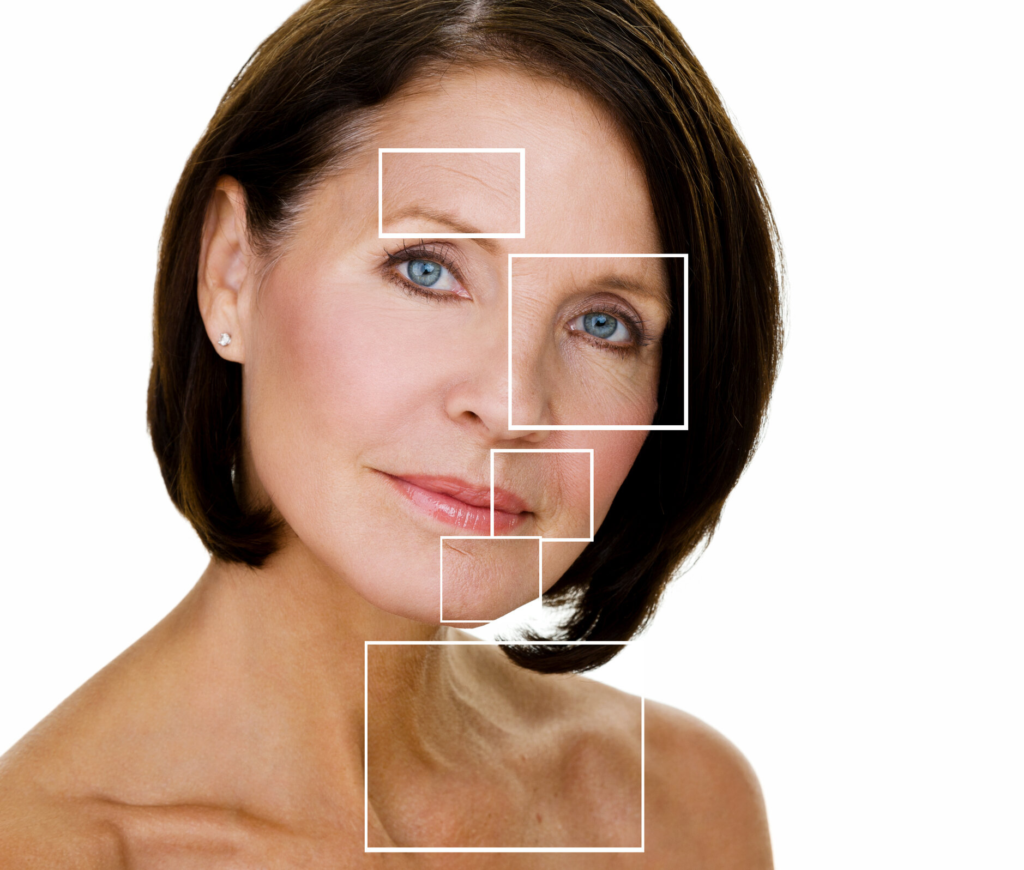
To truly appreciate the SMAS facelift, it’s crucial to understand how the face ages. It’s not just about wrinkles on the surface. The aging process affects multiple layers:
Skin: Collagen and elastin production decrease, leading to thinner, less elastic skin, fine lines, and wrinkles.
Fat: Facial fat pads, which provide youthful volume, can diminish, shift, and descend, contributing to hollowness and jowls.
Muscles: The underlying facial muscles can weaken and stretch.
SMAS Layer: This is perhaps the most critical layer in the context of facelifts. The Superficial Musculoaponeurotic System (SMAS) is a continuous layer of muscle and fibrous tissue located beneath the skin and fat. It extends from the neck into the forehead, connecting the platysma muscle (in the neck) to the temporalis and orbicularis oculi muscles (around the eyes). With age, the SMAS layer loosens and sags, pulling down the overlying skin and fat, creating jowls, deep nasolabial folds (lines from the nose to the mouth), and a lax neck.
Traditional facelifts often focused primarily on tightening the skin, which could result in a “pulled” or “windblown” look because the underlying structures were not adequately addressed. The SMAS facelift, however, directly targets this crucial foundational layer.
What is a SMAS Facelift?
The SMAS facelift is a surgical technique that involves lifting and repositioning not just the skin, but also the underlying SMAS layer. By tightening and suspending the SMAS, the surgeon can restore a more youthful contour to the mid-face, jawline, and neck, addressing the root cause of facial sagging.
Early facelift techniques primarily involved pulling and excising excess skin. While this offered some improvement, it often lacked longevity and could produce an unnatural appearance. The understanding of the SMAS layer, first described in detail in the 1970s, revolutionized facelift surgery. Surgeons realized that by addressing this deeper layer, they could achieve more durable and natural-looking results. The SMAS facelift marked a significant leap forward, moving from a skin-only lift to a multi-layered approach.
How a SMAS Facelift Works
During a SMAS facelift, the surgeon makes incisions typically hidden along the hairline, extending around the ear, and ending in the lower scalp. Through these incisions, the skin is carefully separated from the underlying SMAS layer. The surgeon then meticulously lifts, repositions, and often tightens or plicates (folds and sutures) the SMAS layer itself. This strategic manipulation of the deeper tissues effectively lifts the sagging jowls, refines the jawline, and improves the appearance of the neck. Excess skin is then trimmed, and the remaining skin is redraped smoothly over the newly contoured deeper tissues, without excessive tension, before being meticulously sutured.
The key to the SMAS facelift’s success lies in its ability to recreate the natural youthful contours by addressing the underlying structural laxity, rather than simply stretching the skin. This leads to results that are not only more natural but also more enduring.
Why the SMAS Facelift is Considered the Gold Standard
Several factors contribute to the SMAS facelift’s reputation as the “gold standard” for facial rejuvenation:
Natural-Looking Results: By addressing the deeper SMAS layer, the lift comes from within, avoiding the “pulled” or “stretched” look often associated with older facelift techniques. The results are subtle, enhancing your natural beauty without drastically altering your appearance. Patients often report looking like a “refreshed” or “well-rested” version of themselves.
Long-Lasting Outcomes: Because the underlying foundational tissues are repositioned and secured, the results of a SMAS facelift are significantly more durable than skin-only lifts. While no facelift can stop the aging process entirely, the improvements typically last for 10-15 years or even longer.
Comprehensive Rejuvenation: The SMAS facelift effectively addresses a wide range of aging concerns, including:
Sagging in the mid-face
Deep nasolabial folds
Formation of jowls
Loose skin and banding in the neck
Loss of a defined jawline
Improved Jawline and Neck Contour: A strong, defined jawline and a smooth neck are hallmarks of youth. The SMAS facelift excels at refining these areas, providing significant improvement in overall facial harmony.
Reduced Tension on the Skin: Since the lifting is primarily achieved by manipulating the SMAS, less tension is placed on the skin incisions. This can lead to less visible scarring and a more natural healing process.
Is a SMAS Facelift Right for You? The Ideal Candidate
The decision to undergo a SMAS facelift is a personal one, and the ideal candidate typically shares several characteristics:
Demographics
Age: Primarily individuals in their late 40s to late 60s. This age range often presents with more pronounced signs of aging where non-surgical methods may no longer suffice, but the skin still retains some elasticity, which is crucial for optimal surgical outcomes. Younger patients (30s) or older patients (70s+) may also be candidates depending on their individual skin quality, overall health, and specific aesthetic goals.
Gender: While both men and women undergo facelifts, women are more common patients. However, an increasing number of men are seeking facial rejuvenation.
Socioeconomic Status: Generally individuals in the middle to upper-income bracket, as rhytidectomy is a significant financial investment often not covered by insurance.
Geographic Location: Individuals residing in or willing to travel to areas with reputable aesthetic surgery centers and experienced, board-certified surgeons.
Psychographics
Motivation: Driven by a desire to look as good as they feel, addressing concerns like sagging skin, deep wrinkles, jowls, and a tired appearance. They seek a more refreshed, rested, and naturally youthful look, rather than a drastically altered one. Their motivation stems from a desire to align their external appearance with their internal vitality.
Self-Perception & Confidence: Believe that the visible signs of aging are negatively impacting their self-confidence or how they are perceived by others (e.g., looking older or more tired than they feel). They often feel that their face no longer reflects their inner energy or personality.
Realistic Expectations: Have a clear and realistic understanding of what a facelift can and cannot achieve. They understand it will rejuvenate, not completely transform, their appearance and are aware of the recovery process and potential risks. They are not seeking perfection but significant, natural improvement.
Inquisitive & Informed: Typically well-researched about the procedure, different facelift techniques, potential surgeons, recovery timelines, and expected outcomes. They ask thoughtful questions and actively participate in the consultation process.
Psychologically Sound: Possess good mental health, capable of coping with the emotional aspects of surgery and recovery, and do not suffer from body dysmorphic disorder or similar conditions. A stable emotional state is crucial for a smooth surgical journey.
Prior Aesthetic Experience: Often have previously experimented with non-invasive aesthetic treatments like Botox, fillers, or laser therapies, but now feel these methods are no longer providing sufficient results for the level of correction they desire. This indicates a progression in their aesthetic journey.
Health-Conscious: Generally in good overall physical health with no underlying medical conditions that would significantly increase surgical risks. They are typically non-smokers or willing to quit well in advance of surgery, as smoking can impair healing. They prioritize their well-being.
Commitment to Recovery: Willing to adhere strictly to post-operative instructions, including downtime, activity restrictions, and follow-up appointments, for optimal healing and results. They understand that the recovery period is a critical component of the overall success.
Long-Term Outlook: Value the longevity of surgical results and are committed to maintaining a healthy lifestyle, including sun protection and good skincare, to preserve their refreshed appearance for years to come. They see the facelift as an investment in their long-term well-being and appearance.
The SMAS Facelift Journey: From Consultation to Recovery
Undergoing a SMAS facelift is a significant decision, and understanding the entire process can help alleviate concerns and set realistic expectations.
The Initial Consultation
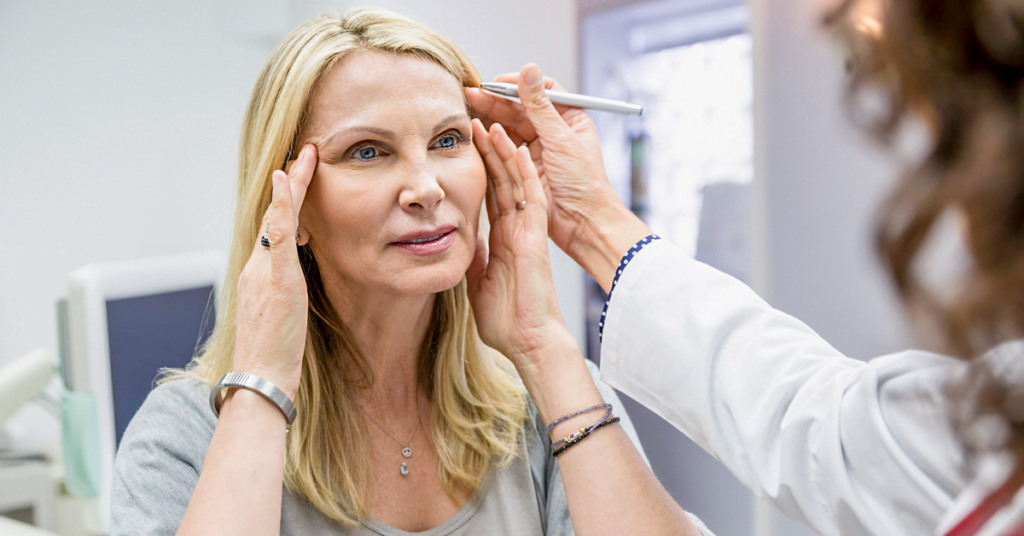
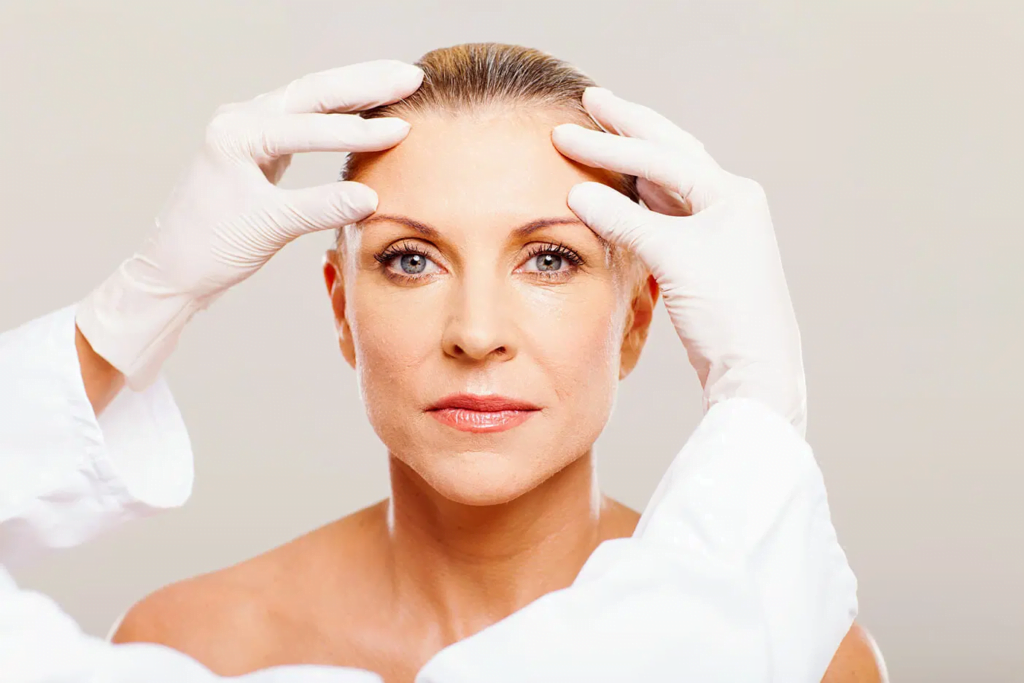
Your journey begins with a thorough consultation with a board-certified plastic surgeon. During this crucial meeting, your surgeon will:
Assess your facial anatomy: This includes evaluating your skin elasticity, bone structure, extent of sagging, and fat distribution.
Discuss your aesthetic goals: It’s important to clearly articulate what bothers you about your appearance and what you hope to achieve.
Review your medical history: This includes any pre-existing conditions, medications, allergies, and previous surgeries. You’ll need to disclose if you smoke or use blood thinners.
Explain the SMAS facelift procedure: The surgeon will detail the surgical technique, incision placement, and what to expect during and after the surgery.
Discuss potential risks and complications: While serious complications are rare, it’s essential to be aware of all possibilities.
Show before-and-after photos: This can provide a realistic idea of the potential results.
Address all your questions and concerns.
This consultation is a two-way street; it’s your opportunity to evaluate the surgeon’s expertise, communication style, and whether you feel comfortable and confident in their care.
Preparing for Surgery
Once you decide to proceed with the SMAS facelift, you’ll receive detailed pre-operative instructions. These typically include:
Medical Evaluation: You may need to undergo blood tests, an EKG, and a physical exam to ensure you are a suitable candidate for surgery.
Medication Adjustments: You will likely be advised to stop certain medications, such as blood thinners (aspirin, ibuprofen) and herbal supplements, weeks before surgery to minimize bleeding risks.
Smoking Cessation: If you smoke, you will be required to quit several weeks prior to surgery, as smoking significantly impairs healing and increases complication risks.
Alcohol Restriction: Avoid alcohol consumption in the days leading up to surgery.
Arranging for Support: Arrange for someone to drive you home after surgery and to assist you during the initial recovery period.
Comfortable Clothing: Plan to wear loose, comfortable clothing on the day of surgery.
A SMAS facelift is typically performed under general anesthesia or local anesthesia with sedation. The procedure usually takes 2 to 4 hours, depending on the extent of correction needed and if other procedures (like a neck lift or eyelid surgery) are performed concurrently.
The steps generally involve:
Anesthesia: Administered by a qualified anesthesiologist.
Incisions: Precisely placed incisions, usually starting in the hairline at the temples, extending down in front of the ear, around the earlobe, and then behind the ear into the lower scalp. These are strategically placed to be as inconspicuous as possible.
Skin and SMAS Elevation: The skin and subcutaneous fat are carefully lifted to expose the underlying SMAS layer.
SMAS Manipulation: The SMAS layer is tightened, lifted, and often sutured into a more youthful, elevated position. This is the core of the SMAS facelift, providing the lasting, natural-looking lift. Different techniques may be used, such as plication (folding and stitching the SMAS) or imbrication (overlapping and stitching).
Skin Redraping: The elevated skin is then redraped smoothly over the repositioned SMAS and underlying tissues. Excess skin is meticulously trimmed.
Suture Closure: The incisions are closed with fine sutures, sometimes combined with surgical staples in the scalp area. Small drains may be placed temporarily to collect any fluid, which are usually removed within 24-48 hours.
Dressing Application: A soft dressing or compression garment is applied to minimize swelling and support the healing tissues.
Recovery and Aftercare
The recovery period is a crucial phase that directly impacts the final results. While individual recovery times vary, here’s a general timeline:
Immediately After Surgery: You will experience some swelling, bruising, and discomfort. Pain medication will be prescribed to manage any pain. A compression garment will be worn to reduce swelling.
First Week: Significant swelling and bruising are common. You should rest and avoid strenuous activities. Keeping your head elevated, even while sleeping, will help reduce swelling. Drains, if used, are typically removed within the first couple of days.
Second Week: Bruising and swelling will begin to subside significantly. Most sutures are typically removed during this week. You may start to feel more comfortable and resume light, non-strenuous activities.
Weeks 3-4: Most visible bruising will have faded, and major swelling will have resolved. You can gradually return to most normal activities, but strenuous exercise should still be avoided.
Months 1-6: Residual swelling, particularly subtle swelling, may persist for several months. The final results of your facelift will become increasingly apparent as the swelling completely resolves and tissues settle. Numbness or altered sensation in some areas of the face is common and usually resolves over several months.
Long-Term: Continue to protect your skin from sun exposure and maintain a good skincare regimen to preserve your results. While the facelift significantly turns back the clock, the natural aging process will continue, albeit from a more youthful starting point.
Important Recovery Tips
Follow all post-operative instructions meticulously.
Take prescribed medications as directed.
Keep your head elevated, even when sleeping.
Apply cold compresses to reduce swelling (as advised by your surgeon).
Avoid strenuous activities, heavy lifting, and bending over.
Do not smoke during recovery.
Eat a healthy, balanced diet to aid healing.
Attend all follow-up appointments.
Be patient. Swelling and bruising take time to resolve, and the final results will emerge gradually.
Risks and Considerations
Like any surgical procedure, a SMAS facelift carries potential risks, though serious complications are rare. These can include:
Bleeding: Hematoma (a collection of blood under the skin) is the most common complication, often requiring drainage.
Infection: While uncommon, antibiotics are often prescribed to prevent it.
Nerve Injury: Temporary or, in very rare cases, permanent facial nerve injury, which can cause weakness or paralysis of facial muscles.
Numbness: Temporary or permanent changes in skin sensation.
Scarring: While incisions are placed to be inconspicuous, visible scarring is a possibility.
Hair Loss: Temporary or permanent hair loss around the incision sites.
Asymmetry: Slight differences between the two sides of the face.
Unsatisfactory Aesthetic Outcome: The possibility that the results may not meet the patient’s expectations.
Choosing a board-certified plastic surgeon with extensive experience in SMAS facelifts is paramount to minimizing risks and achieving the best possible outcome. A skilled surgeon will conduct a thorough evaluation, discuss all potential risks, and have the expertise to manage any complications that may arise.
Maintaining Your Refreshed Look: Beyond the Surgery
A SMAS facelift provides a remarkable and long-lasting improvement, but it doesn’t halt the aging process. To maintain your refreshed look for as long as possible, consider these ongoing practices:
Sun Protection: Daily use of broad-spectrum sunscreen is essential to protect your skin from sun damage, which can accelerate aging.
Healthy Lifestyle: A balanced diet, regular exercise, and adequate sleep contribute to overall skin health and vitality.
Skincare Regimen: Invest in a high-quality skincare routine that includes antioxidants, retinoids (if appropriate), and moisturizers to support skin health and collagen production.
Non-Invasive Treatments: As the years pass, you may consider occasional non-invasive treatments like Botox, fillers, or laser treatments to address new fine lines, volume loss, or skin texture issues that emerge. These can complement your facelift results and prolong their benefits.
Follow-Up with Your Surgeon: Regular check-ups with your plastic surgeon can help monitor your results and address any new concerns.
Conclusion: Investing in Your Confidence and Well-being
The decision to undergo a SMAS facelift is a significant investment – not just financially, but also in terms of time and commitment to recovery. However, for the ideal candidate, it offers a profoundly rewarding experience, delivering natural-looking and long-lasting results that can significantly boost self-confidence and improve overall quality of life.
By directly addressing the underlying structural components of facial aging, the SMAS facelift distinguishes itself as the gold standard for comprehensive facial rejuvenation. It provides a more harmonious, youthful, and refreshed appearance that truly reflects how good you feel on the inside. If you are seeking a lasting solution to the visible signs of aging and resonate with the characteristics of the ideal candidate, a consultation with an experienced, board-certified plastic surgeon is the crucial first step on your journey to a revitalized self.
Visit Dr.MFO Instagram profile to see real patient transformations! Get a glimpse of the incredible results achieved through facial feminization surgery and other procedures. The profile showcases before-and-after photos that highlight Dr. MFO’s expertise and artistic vision in creating natural-looking, beautiful outcomes.
Ready to take the next step in your journey? Schedule a free consultation with Dr. MFO ( Best Facial Feminization Surgeon for You) today. During the consultation, you can discuss your goals, ask any questions you may have, and learn more about how Dr. MFO can help you achieve your desired look. Don’t hesitate to take advantage of this free opportunity to explore your options and see if Dr. MFO is the right fit for you.
As time marches on, our faces often tell a story of laughter, wisdom, and life experience. Yet, for many, the visible signs of aging—sagging skin, deep wrinkles, and jowls—can overshadow the vibrant individual within. While non-surgical treatments offer temporary solutions, there comes a point for many when a more profound and lasting rejuvenation is desired. This is where rhytidectomy, commonly known as a facelift, enters the picture. It’s a sophisticated surgical procedure designed to address the visible signs of aging on the face and neck, aiming to restore a more youthful, refreshed, and harmonious appearance.
This comprehensive guide will delve into the intricacies of rhytidectomy, exploring who the ideal candidate is, what the procedure entails, the recovery process, and the long-term benefits. Our goal is to provide a clear, accurate, and in-depth understanding of this transformative surgery, empowering those considering it with the knowledge to make informed decisions.
Understanding the Ideal Candidate for Rhytidectomy
The decision to undergo a facelift is deeply personal, often stemming from a desire to align one’s outward appearance with their inner vitality. While every individual’s journey is unique, there are common characteristics that define the ideal candidate for rhytidectomy.
Demographics: Who is Seeking Rejuvenation?
Age: The sweet spot for rhytidectomy typically falls between the late 40s and late 60s. During this period, individuals often experience more pronounced signs of aging, such as significant skin laxity and deeper facial folds, which are beyond the scope of non-surgical interventions. Importantly, at this age, the skin generally still retains sufficient elasticity to achieve optimal surgical outcomes. However, it’s not a rigid rule. Younger patients in their 30s with premature aging or older patients in their 70s or beyond, who are in good health and have reasonable skin quality, may also be excellent candidates. The key is individual assessment.
Gender: While both men and women pursue facelifts, women statistically represent a larger percentage of patients. This trend is often attributed to differing societal beauty standards and potentially earlier or more pronounced visible signs of aging in women, though this is a generalization.
Socioeconomic Status: Rhytidectomy is a significant investment, both in terms of time and finances. As such, the typical candidate generally belongs to the middle to upper-income bracket. It’s crucial to understand that facelift surgery is almost always considered an elective cosmetic procedure and is therefore not covered by insurance.
Geographic Location: Ideal candidates are either residing in or willing to travel to areas with reputable aesthetic surgery centers and highly experienced, board-certified surgeons. Proximity to quality medical facilities is vital for both the procedure and subsequent follow-up care.
Psychographics: Beyond the Surface
Beyond the tangible demographics, the psychological profile of an ideal rhytidectomy candidate is equally, if not more, important.
Motivation: The driving force behind seeking a facelift is rarely about drastic transformation. Instead, it’s rooted in a desire to look as good as they feel. Candidates are often concerned about specific aging signs like sagging skin, deep wrinkles around the nose and mouth (nasolabial folds), jowls along the jawline, and a tired or perpetually fatigued appearance. They seek a refreshed, rested, and naturally youthful look, aiming to subtly turn back the clock rather than erase their identity.
Self-Perception & Confidence: Many individuals considering a facelift feel that the visible signs of aging are negatively impacting their self-confidence or how they are perceived by others. They may feel they look older or more tired than their actual energy levels or internal youthfulness suggest, leading to a disconnect they wish to resolve.
Realistic Expectations: This is perhaps one of the most critical psychological traits. Ideal candidates possess a clear, grounded, and realistic understanding of what a facelift can and cannot achieve. They know it’s about rejuvenation, not complete metamorphosis. They are also fully aware of the recovery process, potential risks, and the need for patience as results unfold. They don’t expect to look 20 again; they aim for a more vibrant version of themselves.
Inquisitive & Informed: Typically, individuals considering such an important procedure are well-researched and proactive. They delve into various facelift techniques, compare potential surgeons, understand recovery timelines, and have a solid grasp of expected outcomes. This informed approach allows for meaningful discussions with their surgeon.
Psychologically Sound: Good mental health is paramount. Candidates should be capable of coping with the emotional aspects of surgery, the recovery period, and the gradual unveiling of results. Crucially, they do not suffer from body dysmorphic disorder (BDD) or similar conditions, where an individual has an obsessive preoccupation with perceived flaws in their appearance. A reputable surgeon will screen for such conditions to ensure the patient’s well-being.
Behavioral Traits: Actions Speak Louder
Certain behavioral patterns also characterize the ideal rhytidectomy candidate, demonstrating their commitment to the process and optimal results.
Prior Aesthetic Experience: Many candidates have a history of exploring non-invasive aesthetic treatments such as Botox, dermal fillers, or laser therapies. They often reach a point where these temporary solutions no longer provide the desired level of improvement for more advanced signs of aging, leading them to consider surgical options.
Health-Conscious: Generally, ideal candidates are in good overall physical health with no underlying medical conditions that would significantly increase surgical risks. They are typically non-smokers or are willing to strictly adhere to a smoking cessation plan before surgery, as smoking severely impairs healing and increases complication risks.
Commitment to Recovery: The success of a facelift is not just about the surgery itself but also the patient’s dedication to post-operative care. Ideal candidates are willing to adhere strictly to all post-operative instructions, including managing downtime, following activity restrictions, and attending all scheduled follow-up appointments. This commitment ensures optimal healing and the best possible outcome.
Long-Term Outlook: Candidates understand that a facelift provides long-lasting results but doesn’t stop the aging process. They value the longevity of the surgical outcome and are committed to maintaining a healthy lifestyle, including consistent sun protection, a good skincare regimen, and a balanced diet, to preserve their refreshed appearance for years to come.
The Journey of Rhytidectomy: From Consultation to Recovery
Undergoing a rhytidectomy is a significant decision and a multi-stage process. Understanding each phase can help demystify the experience.
The Initial Consultation: Laying the Foundation
The journey begins with a thorough consultation with a board-certified plastic surgeon specializing in facial rejuvenation. This is a critical step where mutual understanding and trust are established.
Discussion of Goals: You’ll articulate your concerns and desired outcomes.
Medical History Review: The surgeon will review your complete medical history, including past surgeries, current medications, allergies, and lifestyle habits (e.g., smoking, alcohol consumption).
Facial Examination: A detailed examination of your facial structure, skin quality, elasticity, and areas of concern will be performed.
Personalized Treatment Plan: Based on your goals and examination, the surgeon will recommend a personalized surgical plan, explaining the specific techniques that will be used. This might include:
Traditional Facelift: Addresses significant aging in the mid-face, jawline, and neck. Incisions typically begin in the hairline at the temples, extend around the ear, and end in the lower scalp.
Limited Incision Facelift (Mini-Facelift): Targets less extensive sagging, primarily in the mid-face and jawline, with shorter incisions often confined around the ear.
Neck Lift: Often performed in conjunction with a facelift, specifically addressing loose skin and banding in the neck area.
Pre-operative Instructions: You’ll receive detailed instructions on how to prepare for surgery, including medication adjustments, smoking cessation, and dietary guidelines.
Risks and Benefits: The surgeon will thoroughly discuss the potential risks (e.g., bruising, swelling, infection, nerve damage, asymmetry) and expected benefits of the procedure.
Cost and Financing: A clear breakdown of surgical fees, anesthesia costs, and facility fees will be provided.
Preparing for Surgery: The Essential Steps
Proper preparation is crucial for a smooth surgical experience and optimal recovery.
Medical Clearance: You’ll undergo medical evaluations, including blood tests and potentially an EKG, to ensure you are healthy enough for surgery.
Medication Review: Discontinue certain medications (e.g., blood thinners, aspirin, anti-inflammatory drugs, certain herbal supplements) as advised by your surgeon to minimize bleeding risks.
Smoking Cessation: If you smoke, you’ll be required to quit several weeks before and after surgery, as smoking significantly impairs healing.
Arranging for Support: Arrange for someone to drive you home after surgery and assist you during the initial recovery period.
Creating a Recovery Space: Prepare a comfortable area at home with everything you might need within easy reach, such as pillows, entertainment, and light food.
The Surgical Procedure: A Symphony of Precision
Rhytidectomy is performed under general anesthesia or intravenous sedation. The specific technique used will depend on your individual needs and the extent of correction required.
Incisions: The surgeon makes carefully placed incisions, designed to be discreetly hidden within the hairline and natural creases of the face and behind the ears.
Skin and Muscle Manipulation: The skin is carefully lifted, allowing the surgeon to tighten the underlying muscles (SMAS layer) and redistribute fat. This addresses sagging and helps create a more defined and youthful contour.
Excess Skin Removal: Any excess skin is meticulously trimmed, and the remaining skin is redraped smoothly over the new contours.
Suturing: The incisions are closed with fine sutures, often dissolving stitches, and sometimes medical staples in the scalp area.
Drainage Tubes (Optional): Small, temporary drainage tubes may be inserted to prevent fluid buildup.
Bandages: A soft compression dressing or bandage is applied to minimize swelling and support the newly contoured tissues.
The duration of the surgery can vary, typically ranging from 2 to 5 hours, depending on the complexity and whether other procedures (e.g., neck lift, eyelid surgery) are performed concurrently.
Recovery is a gradual process that requires patience and adherence to post-operative instructions.
Immediate Post-Op (First Few Days):
Swelling and Bruising: Expect significant swelling and bruising, which will be most pronounced in the first 2-3 days. Cold compresses can help manage this.
Discomfort: Mild to moderate discomfort is normal and can be managed with prescribed pain medication.
Bandages and Drains: Bandages will typically remain for a few days, and drains (if used) will be removed within 1-2 days.
Rest: Absolute rest is crucial during this initial phase. Keep your head elevated, even while sleeping.
First Few Weeks:
Visible Improvement: Swelling and bruising will gradually subside, revealing initial improvements.
Activity Restrictions: Avoid strenuous activities, heavy lifting, and bending over. Light walking is encouraged to promote circulation.
Follow-Up Appointments: Regular follow-up appointments with your surgeon are essential to monitor your healing progress and remove any non-dissolving sutures.
Numbness: Temporary numbness in certain areas of the face is common due to nerve manipulation during surgery. Sensation usually returns gradually.
Months 1-6 and Beyond:
Full Resolution of Swelling: Residual swelling can persist for several months, often being very subtle. The final results of your facelift will become apparent as all swelling resolves.
Scar Maturation: Incision lines will initially be red or pink but will fade over time, typically becoming barely perceptible within a year or more.
Resumption of Activities: Most normal activities can be resumed after 4-6 weeks, with full exercise cleared later.
Maintaining Results: While a facelift provides long-lasting results, it doesn’t stop the aging process. Maintaining a healthy lifestyle, sun protection, and a good skincare routine will help preserve your refreshed appearance for many years.
Potential Risks and Complications
While facelift surgery is generally safe when performed by a qualified, board-certified plastic surgeon, it’s important to be aware of potential risks, including:
Hematoma: A collection of blood under the skin, requiring drainage.
Infection: Rare, but possible, requiring antibiotics.
Nerve Injury: Temporary or, very rarely, permanent weakness or numbness in facial muscles.
Asymmetry: Slight differences between the two sides of the face.
Skin Irregularities: Bumps, dimpling, or unevenness, which are usually temporary.
Hair Loss: Temporary or permanent hair loss around the incisions, especially in the temple area.
Scarring: While incisions are strategically placed to be inconspicuous, visible scarring is a possibility.
Anesthesia Risks: Risks associated with general anesthesia, though rare.
A thorough discussion of these risks with your surgeon is essential during the consultation phase.
The Transformative Impact: Beyond Aesthetics
The decision to undergo a rhytidectomy is often driven by aesthetic desires, but the impact of a successful facelift can extend far beyond a refreshed appearance.
Renewed Self-Confidence
For many individuals, the most significant benefit of a facelift is the profound boost in self-confidence. When your outward appearance aligns more closely with how you feel on the inside, it can lead to a renewed sense of vigor and self-assurance. Patients often report feeling more comfortable in social and professional settings, no longer feeling that their appearance detracts from their true age or capabilities. This renewed confidence can ripple into various aspects of life, fostering a more positive self-image.
Psychological Well-being
Addressing the visible signs of aging that have caused distress can significantly improve psychological well-being. The constant worry about a tired appearance or deep wrinkles can be mentally taxing. A facelift can alleviate these concerns, leading to reduced anxiety and an overall sense of contentment. Patients often feel more vibrant, energetic, and optimistic about their future.
Perceived Youthfulness and Vitality
While a facelift doesn’t magically make you younger, it can certainly make you appear more youthful and vital. People often comment that facelift patients look “rested,” “refreshed,” or “like they’ve been on a great vacation.” This subtle yet impactful change can alter how others perceive you, often leading to more positive interactions and opportunities. It’s about presenting a face that reflects the energy and spirit you genuinely feel.
Longevity of Results
One of the significant advantages of rhytidectomy over non-surgical treatments is the longevity of the results. While individual aging processes vary, the effects of a facelift can last for 10 to 15 years or even longer. The deep structural changes made during the surgery provide a lasting foundation for a more youthful contour. While aging continues, you will always look better than if you had not had the surgery. This long-term benefit often makes the initial investment worthwhile for many.
The Science Behind the Art: Advanced Rhytidectomy Techniques
Modern rhytidectomy is far more sophisticated than the “skin-pulling” procedures of the past. Today’s techniques focus on repositioning the deeper facial tissues to create natural-looking, harmonious results.
SMAS Facelift: The Gold Standard
The SMAS (Superficial Musculoaponeurotic System) facelift is widely considered the gold standard in rhytidectomy. The SMAS is a layer of tissue beneath the skin and fat that covers the muscles of the face and neck. With age, the SMAS loosens, contributing to jowls and sagging cheeks.
In a SMAS facelift, the surgeon lifts and repositions this underlying SMAS layer, rather than just pulling the skin. This approach provides several key advantages:
Natural-Looking Results: By addressing the deeper structures, the SMAS facelift creates a more natural and long-lasting lift, avoiding the “stretched” or “wind-swept” look associated with older techniques.
Durability: Stabilizing the SMAS provides more robust and enduring results, as it supports the overlying skin.
Reduced Skin Tension: Less tension is placed on the skin incisions, which can lead to finer, less noticeable scars.
Variations of the SMAS facelift exist, including:
Plication: Folding and suturing the SMAS layer to tighten it.
Imbrication: Excising a strip of the SMAS and suturing the remaining edges together.
The deep plane facelift is an even more advanced technique that involves releasing ligaments that connect the SMAS to deeper structures. This allows for a more extensive mobilization and repositioning of the SMAS, fat, and skin as a single unit.
Advantages of the deep plane facelift include:
Comprehensive Lift: Addresses sagging in the mid-face, nasolabial folds, and jowls with a more comprehensive and powerful lift.
Elimination of Skin Tension: Because the entire composite layer is lifted, there is virtually no tension on the skin, resulting in extremely natural outcomes and minimal scarring.
Reduced Swelling and Bruising: Some surgeons report reduced post-operative swelling and bruising compared to traditional SMAS techniques due to less undermining of the skin.
This technique requires a high level of surgical expertise and a deep understanding of facial anatomy.
Short-Scar (Mini) Facelift: Targeted Rejuvenation
For individuals with less extensive signs of aging, particularly those with early jowling and minimal neck laxity, a short-scar or mini-facelift may be an option. This technique uses shorter incisions, typically confined around the ear, and targets primarily the lower face and jawline.
Benefits include:
Less Invasive: Generally involves less dissection and shorter recovery times.
Smaller Scars: Incisions are more limited, resulting in less visible scarring.
Ideal for Younger Patients: Suitable for patients in their 30s or 40s who are experiencing initial signs of aging and are not yet candidates for a full facelift.
Combining Procedures for Harmonious Results
Often, a facelift is combined with other procedures to achieve a more comprehensive and harmonious facial rejuvenation:
Neck Lift: Frequently performed simultaneously with a facelift to address loose neck skin, platysmal bands (vertical cords in the neck), and excess fat under the chin.
Eyelid Surgery (Blepharoplasty): Corrects sagging upper eyelids and puffy lower eyelid bags, complementing the refreshed look of the facelift.
Brow Lift: Lifts a sagging brow and smooths forehead wrinkles, further opening up the eyes.
Fat Grafting (Fat Transfer): Uses your own fat, harvested from other areas of the body, to add volume to areas of the face that have lost fullness (e.g., cheeks, temples), enhancing contours and improving skin quality.
Laser Resurfacing or Chemical Peels: Improve skin texture, tone, and fine lines, complementing the surgical lift.
The choice of technique and combination procedures is determined during the consultation, tailored to each patient’s unique anatomy and aesthetic goals.
Frequently Asked Questions About Rhytidectomy
Navigating the world of cosmetic surgery often brings a host of questions. Here are some of the most common inquiries about rhytidectomy.
Will a facelift make me look unnatural or “pulled”?
A common concern is looking “done” or unnatural. Modern facelift techniques, particularly those focusing on the SMAS or deep plane, prioritize repositioning underlying tissues rather than simply pulling the skin. When performed by a skilled, board-certified plastic surgeon, the goal is always to achieve a natural-looking, refreshed appearance that subtly turns back the clock, rather than a drastically altered or “stretched” look. The aim is to make you look like a younger, more rested version of yourself.
How long do facelift results last?
The results of a rhytidectomy are long-lasting, typically enduring for 10 to 15 years or even longer. While the surgery doesn’t stop the natural aging process, it effectively sets back the clock. You will always look better than if you had never had the surgery. Maintaining a healthy lifestyle, protecting your skin from sun damage, and potentially undergoing maintenance treatments (like fillers or Botox) can help prolong your results.
What is the recovery time for a facelift?
The initial recovery period, involving significant swelling and bruising, typically lasts about 2 to 3 weeks. Most patients feel comfortable returning to light social activities and non-strenuous work within 2 to 3 weeks. Strenuous exercise and full activity can usually be resumed after 4 to 6 weeks, once cleared by your surgeon. Residual swelling can take several months to fully resolve, and final results may not be apparent for up to a year.
Are the scars noticeable?
Facelift incisions are meticulously placed in inconspicuous locations, such as within the hairline, behind the ear, and in the natural creases of the face. While scars are permanent, they typically fade significantly over time, often becoming barely perceptible. Your surgeon will provide specific instructions for scar care to optimize healing and minimize visibility.
During the surgery, you will be under anesthesia and will not feel any pain. After the surgery, you can expect some discomfort, tightness, and soreness, rather than severe pain. This can be effectively managed with prescribed pain medication. Many patients describe the sensation as more uncomfortable than painful.
Can a facelift be combined with other procedures?
Yes, it is very common for a facelift to be combined with other facial rejuvenation procedures to achieve a more comprehensive result. Popular combinations include a neck lift, eyelid surgery (blepharoplasty), brow lift, and fat grafting. Discussing your overall aesthetic goals with your surgeon during the consultation will help determine the best combination of procedures for you.
What is the difference between a facelift and a mini-facelift?
A traditional facelift addresses more extensive signs of aging in the mid-face, jawline, and neck, with longer incisions and more comprehensive lifting of underlying tissues. A mini-facelift (or short-scar facelift) is a less invasive procedure with shorter incisions, primarily targeting mild to moderate sagging in the lower face and jawline. It’s often suitable for younger patients or those with less advanced signs of aging. Your surgeon will recommend the appropriate technique based on your specific needs.
Conclusion: Embracing a Refreshed Future
Rhytidectomy, or facelift surgery, is a powerful and transformative procedure for individuals seeking to reverse the visible signs of aging and achieve a more youthful, refreshed, and harmonious appearance. It is an art form rooted in deep anatomical understanding and surgical precision, aimed at restoring natural contours and enhancing self-confidence.
For the ideal candidate—someone in good health, with realistic expectations, a clear understanding of the process, and a commitment to recovery—a facelift can offer profound and long-lasting benefits. It’s not about becoming a different person, but rather unveiling a more vibrant, rested version of yourself that aligns with how you feel on the inside.
If you are considering rhytidectomy, the most crucial first step is to seek a consultation with a board-certified plastic surgeon experienced in facial rejuvenation. Through an open and honest discussion, you can explore whether this procedure is the right path for you, empowering you to make an informed decision on your journey to a refreshed future.
Visit Dr.MFO Instagram profile to see real patient transformations! Get a glimpse of the incredible results achieved through facial feminization surgery and other procedures. The profile showcases before-and-after photos that highlight Dr. MFO’s expertise and artistic vision in creating natural-looking, beautiful outcomes.
Ready to take the next step in your journey? Schedule a free consultation with Dr. MFO ( Best Facial Feminization Surgeon for You) today. During the consultation, you can discuss your goals, ask any questions you may have, and learn more about how Dr. MFO can help you achieve your desired look. Don’t hesitate to take advantage of this free opportunity to explore your options and see if Dr. MFO is the right fit for you.
The relentless march of time, gravity’s subtle pull, and a lifetime of expressions all leave their indelible marks on our faces. For many, these visible signs of aging — sagging skin, deep wrinkles, and jowls — become a source of self-consciousness, prompting a search for effective rejuvenation solutions. Among the most transformative procedures available, the rhytidectomy, more commonly known as a facelift, stands out as the gold standard for restoring a more youthful and refreshed appearance.
But as with any significant investment in yourself, one of the first and most pressing questions that arises is: How much does a rhytidectomy cost?
This question, while seemingly straightforward, has a multifaceted answer. The price of a facelift isn’t a fixed figure; it’s a dynamic sum influenced by a myriad of factors, ranging from the surgeon’s expertise and geographic location to the specific techniques employed and the extent of the patient’s individual needs.
In this comprehensive guide, we’ll delve deep into the financial aspects of a rhytidectomy, breaking down the various components that contribute to the overall cost. More importantly, we’ll go beyond the numbers to discuss the immense value a well-executed facelift can offer, emphasizing the importance of prioritizing safety, quality, and natural-looking results over simply seeking the lowest price.
My own journey in understanding the complexities of aesthetic surgery, through years of research, attending industry conferences, and speaking with countless patients and top-tier surgeons, has highlighted a crucial truth: a facelift is not merely a cosmetic procedure; it’s an intricate surgical art form that requires immense skill, a keen artistic eye, and a deep understanding of facial anatomy. This firsthand exposure to the nuances of the field allows me to offer insights that go beyond surface-level information, providing you with a truly informed perspective.
Understanding the Average Cost: What to Expect
While the cost of a rhytidectomy can vary significantly, the American Society of Plastic Surgeons (ASPS) reports that the average surgeon’s fee for a facelift in 2023 was approximately $8,648. However, it’s critical to understand that this figure represents only a portion of the total expense. It typically excludes anesthesia fees, operating room facilities, and other related costs.
When you factor in all components, the total cost for a rhytidectomy in the United States can range anywhere from $7,000 to $25,000 or more. For more complex or extensive procedures, or in highly sought-after metropolitan areas with renowned surgeons, the cost can even exceed this range.
Key Factors Influencing Rhytidectomy Cost
Several interconnected factors play a pivotal role in determining the final price of a facelift. Understanding these elements will help you better prepare for your consultation and evaluate the quotes you receive.
1. Surgeon’s Fees: The Cornerstone of Cost
The surgeon’s fee is often the largest component of the total cost and is a direct reflection of their:
Experience and Reputation: Highly experienced, board-certified plastic surgeons with a stellar reputation and a long track record of successful, natural-looking results typically command higher fees. This is justifiable, as their expertise translates directly into safer procedures and superior outcomes. Consider it an investment in peace of mind and quality. A surgeon who has performed thousands of facelifts is far more likely to deliver the desired results than someone less experienced.
Geographic Location: Surgeons in major metropolitan areas (e.g., New York City, Los Angeles, Miami) or affluent regions tend to have higher overhead costs, which are naturally reflected in their fees. Conversely, costs might be slightly lower in less densely populated or competitive areas.
Specialization: Some surgeons specialize exclusively in facial procedures, developing an even deeper level of expertise in rhytidectomy techniques. Their specialized focus can also influence their pricing.
2. Anesthesia Fees: Ensuring Your Comfort and Safety
Anesthesia is a crucial part of any surgical procedure, ensuring your comfort and safety throughout the operation. The cost of anesthesia is determined by:
Type of Anesthesia:
Local Anesthesia with Sedation: Often the least expensive, this involves numbing the surgical area while providing medication to help you relax.
Twilight Anesthesia (IV Sedation): A deeper level of sedation where you are drowsy but still able to respond. This is a common choice for facelifts.
General Anesthesia: You are completely unconscious during the procedure. This is the most expensive option and is typically administered by a board-certified anesthesiologist.
Anesthesiologist’s Experience: Similar to surgeons, highly experienced and board-certified anesthesiologists will have higher fees.
Duration of Surgery: The longer the procedure, the higher the anesthesia costs will be, as they are often charged on an hourly basis.
It is paramount to ensure that a qualified, board-certified anesthesiologist or certified registered nurse anesthetist (CRNA) administers your anesthesia. This is a non-negotiable aspect of patient safety.
3. Operating Room (OR) Facility Fees: The Surgical Environment
The cost of using the surgical facility covers the sterile environment, equipment, nursing staff, and other overhead associated with performing the procedure. These fees vary based on:
Type of Facility:
Accredited Surgical Center: Many plastic surgeons operate in their own private, accredited surgical centers, which often offer a more personalized experience and can sometimes be more cost-effective than hospitals.
Hospital Operating Room: Hospitals typically have higher overheads, which can translate to higher facility fees.
Duration of Surgery: Like anesthesia, OR facility fees are usually calculated per hour. A longer, more complex facelift will incur higher facility costs.
Geographic Location: Facility fees also vary by region, reflecting the general cost of living and healthcare infrastructure in that area.
When evaluating a facility, always verify its accreditation. Accreditation ensures that the facility meets stringent safety and quality standards, providing you with peace of mind.
4. Pre- and Post-Operative Care: A Holistic Approach
While sometimes overlooked, these aspects are integral to a successful facelift and may be included in the overall quote or billed separately:
Initial Consultation Fees: Some surgeons charge a fee for the initial consultation, which is often deducted from the total cost of the procedure if you decide to proceed. During this crucial meeting, you’ll discuss your goals, the surgeon will assess your suitability for the procedure, and a personalized treatment plan will be developed.
Pre-Operative Medical Clearances: You may need blood tests, an electrocardiogram (ECG), or other medical evaluations to ensure you are healthy enough for surgery. These are typically billed by your primary care physician or a testing facility.
Post-Operative Follow-Up Appointments: Most surgeons include several follow-up appointments in their fee to monitor your healing process and address any concerns. These are vital for optimal recovery and outcome.
Prescription Medications: Pain relievers, antibiotics, and other necessary medications post-surgery will be an out-of-pocket expense.
Compression Garments/Bandages: Special compression garments are often recommended to reduce swelling and support the healing tissues. Their cost might be included or separate.
5. Type and Extent of the Facelift: Tailoring the Procedure
The specific technique chosen and the extent of the areas addressed significantly impact the cost. Not all facelifts are created equal, and the price will reflect the complexity and invasiveness of the chosen approach:
Mini-Facelift: Ideal for younger patients with early signs of aging, primarily addressing sagging in the lower face and jowls. It involves smaller incisions and is less extensive, thus generally less costly.
Standard/Traditional Facelift: Addresses more significant signs of aging in the mid-face, lower face, and neck. It involves longer incisions and more extensive tissue repositioning, making it more expensive.
Deep Plane Facelift: A more advanced technique that repositions the deeper muscle and fat layers, providing very natural and long-lasting results. This is often the most complex and therefore most expensive type of facelift.
SMAS Facelift: Focuses on tightening the superficial musculoaponeurotic system (SMAS) layer, providing significant improvement in the lower face and neck.
Mid-Facelift: Concentrates on the cheeks and lower eyelids, often used to address hollowing or sagging in this area.
Neck Lift (Platysmaplasty): Often performed in conjunction with a facelift, this procedure specifically targets loose skin and muscle banding in the neck. If included, it will increase the overall cost.
Additional Procedures: Many patients opt to combine a facelift with other procedures for a more comprehensive rejuvenation, such as:
Eyelid Surgery (Blepharoplasty): To address drooping eyelids or under-eye bags.
Brow Lift: To lift a sagging brow and reduce forehead wrinkles.
Fat Grafting/Transfer: To restore lost volume in the face.
Laser Resurfacing or Chemical Peels: To improve skin texture and tone.
Each additional procedure will naturally add to the total cost. During your consultation, your surgeon will recommend the most appropriate combination of techniques to achieve your desired outcome.
A revision facelift, performed to correct or improve the results of a previous facelift, is often more complex and time-consuming than a primary facelift. Scar tissue from the initial surgery can make dissection more challenging, and the surgeon must work with altered anatomy. Consequently, revision facelifts typically cost significantly more than a first-time procedure. This underscores the importance of choosing a highly skilled surgeon for your initial facelift to minimize the need for costly revisions.
The Value Proposition: Beyond the Price Tag
While understanding the cost is essential, it’s crucial to shift your perspective from merely “price” to “value.” A rhytidectomy is not a commodity; it’s a highly individualized surgical procedure that can profoundly impact your self-esteem and quality of life. The true value lies in the expertise of your surgeon, the safety of the procedure, and the natural, long-lasting results.
Here’s why prioritizing value over the lowest price is paramount:
1. Safety First: The Non-Negotiable Aspect
Compromising on cost often means compromising on safety. Choosing an uncertified surgeon, an unaccredited facility, or insufficient anesthesia can lead to severe complications, including:
Infections: Surgical site infections can be serious and require further treatment.
Hematoma/Seroma: Collections of blood or fluid under the skin, requiring drainage.
Nerve Damage: Though rare, this can lead to temporary or permanent facial weakness or asymmetry.
Anesthesia Complications: Risks associated with anesthesia, which are minimized with experienced providers.
Unsatisfactory Aesthetic Outcomes: Asymmetry, unnatural pulling, or an “operated” look that can be emotionally distressing and may require costly revisions.
A board-certified plastic surgeon operating in an accredited facility with a qualified anesthesia team significantly minimizes these risks, ensuring your well-being throughout the process.
2. Natural-Looking Results: The Hallmark of Expertise
The goal of a successful facelift is to make you look refreshed and rejuvenated, not like a different person or someone who has clearly “had work done.” This requires:
Artistic Eye: A skilled surgeon possesses an artistic sensibility to understand facial proportions, highlight your natural features, and create a harmonious, youthful appearance. They know how to lift and tighten without creating an unnatural, pulled look.
Technical Precision: Meticulous surgical technique is essential for minimizing scarring, preserving nerve function, and ensuring smooth, even results.
Understanding of Anatomy: Deep knowledge of facial anatomy allows the surgeon to safely and effectively manipulate tissues, achieving optimal and lasting improvements.
An experienced surgeon will prioritize natural results, ensuring that you look like a better, more rested version of yourself, rather than someone who has undergone obvious surgery. This level of artistry and precision comes at a price, but the emotional and social benefits are immeasurable.
3. Longevity of Results: A Lasting Investment
While a facelift doesn’t stop the aging process, a well-executed procedure can turn back the clock by 10-15 years, and the results can last for a decade or even longer. Investing in a highly skilled surgeon means investing in results that stand the test of time, reducing the likelihood of needing costly revisions or touch-ups prematurely. Consider the long-term value: a slightly higher initial investment for enduring results versus a lower initial cost for a potentially shorter-lived or unsatisfactory outcome.
What to Expect During a Facelift Consultation
The initial consultation is a crucial step in your facelift journey. It’s an opportunity to:
Discuss Your Goals: Clearly articulate what you hope to achieve with the surgery. Bring photos of yourself from a younger age if you have them, as these can help the surgeon understand your desired outcome.
Surgeon’s Assessment: The surgeon will evaluate your facial structure, skin elasticity, and the extent of aging. They will discuss which facelift technique(s) would be most appropriate for you.
Review Before & After Photos: Ask to see before and after photos of the surgeon’s previous facelift patients, paying attention to results that align with your aesthetic preferences. Look for natural-looking outcomes.
Understand the Procedure: The surgeon will explain the surgical plan, incision locations, recovery process, and potential risks and complications.
Receive a Detailed Cost Estimate: You should receive a comprehensive breakdown of all costs involved, including surgeon’s fees, anesthesia fees, facility fees, and any other anticipated expenses. Ensure there are no hidden costs.
Ask Questions: This is your chance to ask anything and everything on your mind. Don’t hesitate to inquire about the surgeon’s experience, their philosophy on facial aesthetics, how they handle complications, and what kind of post-operative support they offer.
Essential Questions to Ask Your Surgeon:
Are you board-certified in plastic surgery? (Verify their certification with the American Board of Plastic Surgery or an equivalent national board.)
How many facelifts have you performed?
What is your philosophy on achieving natural-looking facelift results?
What type of anesthesia do you use, and who administers it?
Is your surgical facility accredited? If so, by what organization?
What are the potential risks and complications, and how do you minimize them?
What is the recovery process like, and what kind of support can I expect during my recovery?
What is included in the total cost estimate, and are there any potential additional fees?
What are your policies regarding revision surgery if needed?
Financing Your Facelift
Given that a rhytidectomy is an elective cosmetic procedure, it is typically not covered by health insurance. Therefore, patients are responsible for the full cost. However, many plastic surgery practices offer various financing options to make the procedure more accessible:
Payment Plans: Some practices allow you to pay in installments over a set period.
Medical Credit Cards: Companies like CareCredit or Alphaeon Credit specialize in financing healthcare procedures, often offering low or no-interest payment plans for a specific duration.
Personal Loans: You may consider obtaining a personal loan from a bank or credit union.
Saving Up: For some, saving the full amount beforehand is the most financially prudent approach.
During your consultation, discuss financing options with the practice’s patient coordinator. They can provide detailed information on available plans and help you explore the best fit for your budget.
The Psychological Return on Investment
Beyond the financial considerations, it’s crucial to acknowledge the profound psychological impact a facelift can have. Patients often report:
Increased Self-Confidence: Feeling better about their appearance often translates to increased confidence in all aspects of life, from social interactions to professional endeavors.
Improved Self-Esteem: Reducing visible signs of aging can lead to a renewed sense of youthfulness and vitality, positively impacting self-perception.
Feeling More Aligned with Inner Youth: Many individuals feel younger on the inside than they appear on the outside. A facelift can help bridge this gap, creating a more harmonious self-image.
Enhanced Quality of Life: The renewed confidence and positive self-image can lead to a more active and fulfilling life, opening doors to new experiences and opportunities.
While these benefits are intangible, they represent a significant return on your investment, far beyond the monetary cost.
Avoiding Pitfalls: Red Flags to Watch Out For
When researching facelift options, be wary of the following red flags that could indicate a less than ideal situation:
Unrealistically Low Prices: If a price seems too good to be true, it likely is. Deep discounts or significantly lower prices compared to the average should raise immediate suspicion regarding the surgeon’s qualifications, facility safety, or the quality of results.
“Bargain” Surgeons: Avoid surgeons who primarily compete on price rather than on skill, experience, and patient outcomes. Your face is not the place to seek a bargain.
Lack of Board Certification: Always verify that your surgeon is board-certified by the American Board of Plastic Surgery or its equivalent in your country. This ensures they have met rigorous standards of training, ethics, and expertise.
Unaccredited Facilities: Ensure the surgical facility is accredited by a recognized organization (e.g., AAAASF, Quad A, The Joint Commission). This guarantees adherence to strict safety protocols.
High-Pressure Sales Tactics: A reputable practice will provide you with all the information you need and allow you ample time to make an informed decision without feeling pressured.
Promises of “Perfect” Results: No surgeon can guarantee perfection. A good surgeon will be honest about what can be achieved and manage your expectations realistically.
Reluctance to Show Before & After Photos: A surgeon proud of their work will readily share a diverse portfolio of their results.
Personal Experience and Insights: The Journey to Rejuvenation
My own extensive engagement with the world of aesthetic surgery has revealed that the decision to undergo a rhytidectomy is deeply personal and often emotionally charged. It’s not about erasing history or denying age, but rather about presenting oneself to the world in a way that feels authentic and confident.
I’ve heard countless stories from individuals who, post-facelift, speak not just of external changes, but of an internal shift. They describe a renewed vigor, a willingness to engage more openly, and a genuine joy in seeing a reflection that aligns with how they feel on the inside.
A common thread among satisfied patients is the emphasis on thorough research and realistic expectations. The best outcomes are often achieved when patients view their surgeon as a partner in their aesthetic journey, openly communicating their desires and trusting in the surgeon’s expertise. It’s a collaborative process where the patient’s goals are harmonized with the surgeon’s artistic and technical capabilities.
Furthermore, I’ve learned that the journey doesn’t end on the operating table. The recovery period, while temporary, is a critical phase that requires patience and adherence to post-operative instructions. Swelling and bruising are normal, and initial results may not be indicative of the final outcome. Trusting the process and following your surgeon’s guidance is key to a smooth and successful recovery. This also speaks to the “Trustworthiness” aspect – a reliable surgeon provides comprehensive aftercare.
Finally, the long-term satisfaction derived from a facelift often hinges on embracing a holistic approach to aging. While surgery offers a significant rejuvenation, maintaining a healthy lifestyle, protecting skin from sun damage, and considering complementary non-surgical treatments can help preserve and enhance the results for many years. It’s about investing in oneself continuously, not just once. This demonstrates a deep “Expertise” in understanding the full spectrum of aesthetic management.
Conclusion: Investing in Yourself and Your Confidence
The cost of a rhytidectomy is a significant financial consideration, but it’s an investment in yourself, your confidence, and your overall well-being. By understanding the various factors that influence pricing, prioritizing safety and quality, and choosing a highly experienced, board-certified plastic surgeon, you can ensure a positive and transformative outcome.
Remember, the goal is not just to pay for a procedure, but to invest in a natural-looking, long-lasting rejuvenation that allows your outer appearance to reflect the vibrant individual you are on the inside. Don’t let cost be the sole determining factor; instead, focus on the unparalleled value that comes from exceptional surgical skill, meticulous care, and results that truly make you feel like the best version of yourself.
Ready to explore how a rhytidectomy can rejuvenate your appearance? Schedule a consultation with a board-certified plastic surgeon today to discuss your goals and receive a personalized treatment plan. Your journey to a more refreshed and confident you awaits!
Visit Dr.MFO Instagram profile to see real patient transformations! Get a glimpse of the incredible results achieved through facial feminization surgery and other procedures. The profile showcases before-and-after photos that highlight Dr. MFO’s expertise and artistic vision in creating natural-looking, beautiful outcomes.
Ready to take the next step in your journey? Schedule a free consultation with Dr. MFO ( Best Facial Feminization Surgeon for You) today. During the consultation, you can discuss your goals, ask any questions you may have, and learn more about how Dr. MFO can help you achieve your desired look. Don’t hesitate to take advantage of this free opportunity to explore your options and see if Dr. MFO is the right fit for you.
Endoscopic vs Coronal Brow Lift: Pros and Cons for FFS – A Surgeon’s Perspective
As a surgeon specializing in Facial Feminization Surgery (FFS), the position and shape of the eyebrows are critical elements in achieving a more feminine facial aesthetic. A lower, flatter brow position is typically associated with masculine features, while a higher, more arched brow is often perceived as feminine and can create a more open, youthful appearance around the eyes. For patients seeking FFS, a brow lift is frequently a key component of the surgical plan, particularly when addressing the upper face. The choice between different brow lift techniques is not arbitrary; it depends on the patient’s specific anatomy, hairline characteristics, aesthetic goals, and whether other procedures, such as forehead contouring, are being performed concurrently. The question of endoscopic vs coronal brow lift pros and cons for FFS is one I frequently discuss with my patients, as each technique offers distinct advantages and disadvantages that must be carefully weighed.
This guide will provide an in-depth comparison of the Endoscopic and Coronal brow lift techniques from a surgical standpoint, exploring their methodologies, suitability for FFS patients, recovery profiles, and potential complications.
The Significance of the Brow in Facial Feminization
The position and shape of the eyebrows have a profound impact on how a face is perceived in terms of gender, age, and emotion. In the context of FFS, the goal is typically to elevate the brows, particularly the lateral (outer) portion, and sometimes create a gentle arch. This helps to increase the visible eyelid space, reduce the appearance of heaviness or “hooding” of the upper eyelids, and contribute to an overall softer and more traditionally feminine upper facial contour. A brow lift in FFS is often performed in conjunction with forehead contouring, as addressing the underlying bone structure is frequently necessary to achieve the desired brow position and forehead shape.
Endoscopic Brow Lift: Minimally Invasive Approach
The Endoscopic brow lift is a modern surgical technique that offers a less invasive alternative to traditional open methods. It utilizes small incisions and an endoscope (a thin tube with a camera and light) to visualize and manipulate the tissues of the forehead and brow.
Surgical Technique
The procedure typically involves making several small incisions, usually 3 to 5, each about 1-2 cm in length, hidden within the hair-bearing scalp, a few centimeters behind the hairline. Through these small access points, an endoscope and specialized long instruments are inserted. The surgeon then carefully elevates the forehead skin and underlying tissues from the bone (periosteum), releasing the attachments that hold the brow in a lower position. Key muscles that cause frown lines (like the corrugator and procerus muscles) can also be weakened or partially removed through these incisions to smooth the glabella (the area between the eyebrows). Once the tissues are mobilized, the brow is lifted to the desired position and secured using various fixation methods, such as temporary screws or dissolvable devices placed in the bone, or sutures anchored to the scalp.
Technical Detail: Access is gained through small scalp incisions, staying within the subgaleal or subperiosteal plane depending on the surgeon’s preference and the need for concurrent forehead work. Dissection extends down to the supraorbital rims, carefully identifying and preserving the supraorbital and supratrochlear neurovascular bundles. The release of the arcus marginalis (fibrous attachment along the orbital rim) and lysis (cutting) of the corrugator and procerus muscles are performed under endoscopic visualization. Fixation is achieved by suspending the elevated forehead flap to the cranial bone.
Simple Explanation: We make a few small cuts hidden in the hair. Using a small camera on a tube and special tools, we lift the skin and tissue of the forehead off the bone. We cut the tiny muscles that cause frown lines and free up the brow so it can move up. Then, we use things like small screws or stitches hidden in the hair to hold the brow in its new, higher position.
Pros of Endoscopic Brow Lift for FFS
Minimally Invasive: This is a significant advantage, resulting in smaller incisions, less scarring, and generally a faster initial recovery compared to the coronal approach.
Reduced Scarring: The small incisions are hidden within the hair, making the resulting scars virtually undetectable once healed. This is particularly beneficial for patients concerned about visible scars.
Lower Risk of Scalp Numbness: Because the large scalp flap is not elevated as extensively as in a coronal lift, the risk of long-term or permanent numbness of the scalp is generally lower.
Good for Mild to Moderate Brow Sag: The endoscopic technique is highly effective for elevating mildly to moderately ptotic (sagging) brows and addressing frown lines.
Suitable for Patients with a High Hairline: The endoscopic technique does not alter the position of the hairline. This is advantageous for FFS patients who already have a high forehead or a receding hairline and do not wish to make it higher.
Cons of Endoscopic Brow Lift for FFS
Limited Degree of Lift: While effective for moderate ptosis, the endoscopic lift may not provide sufficient elevation for individuals with severe brow sagging or those requiring a very dramatic lift.
No Forehead Skin Reduction: The technique does not remove excess forehead skin. While not always necessary, some individuals, particularly older patients, may have significant skin laxity that an endoscopic lift alone cannot fully address for optimal smoothing.
Limited Ability to Change Forehead Shape: While muscle work is possible, the endoscopic approach offers limited access for comprehensive bony forehead recontouring. If significant reduction of brow bossing or reshaping of the frontal bone (often Type 3 forehead feminization) is required, the endoscopic approach is typically insufficient on its own.
Potential for Temporary Forehead Widening: In some cases, particularly when deep dissection is performed, there can be a slight, usually temporary, widening of the forehead.
Requires Specific Anatomy: Ideal candidates have good bone quality for fixation and minimal to moderate brow ptosis without excessive forehead skin laxity. It may not be suitable for individuals with very thin hair or significant scalp laxity.
Coronal Brow Lift: The Traditional, Comprehensive Approach
The Coronal brow lift is a more traditional, open surgical method that provides extensive access to the entire forehead and brow region. While more invasive than the endoscopic approach, it offers certain capabilities that are invaluable in specific FFS cases.
Surgical Technique
The Coronal brow lift involves making a single, long incision that runs across the top of the head, typically from ear to ear, within the hair-bearing scalp. The incision can be placed several centimeters behind the hairline (classic coronal) or precisely at the hairline (pretrichial or hairline coronal). Through this incision, the surgeon lifts a large flap of scalp and forehead tissue down to the level of the orbital rims. This provides excellent direct visualization of the underlying bone structure and muscles. The brows are then elevated, excess forehead skin is removed from the edge of the lifted flap, and the scalp is secured in the new, elevated position. Muscles causing frown lines are directly visualized and modified.
Technical Detail: A bicoronal incision is made, extending from the helix (part of the ear) across the scalp in a curvilinear fashion, typically 4-8 cm posterior to the hairline. In a pretrichial approach, the incision follows the irregular border of the hairline. The scalp flap is elevated subgaleally or subperiosteally down to the supraorbital rims. The supraorbital and supratrochlear nerves are identified and preserved. The corrugator, procerus, and potentially a portion of the frontalis muscle are resected or weakened under direct vision. The forehead skin is pulled superiorly, the excess is trimmed from the posterior edge of the incision, and the scalp is closed under tension after adequate hemostasis.
Simple Explanation: We make a single, longer cut across the top of the head, hidden in the hair (or right at the hairline if needed). We lift the whole forehead and scalp forward, like peeling back a layer, to see the bone and muscles directly. We lift the brows up, cut away the extra forehead skin that is now above the incision line, and stitch the scalp back together in its new position. We can clearly see and work on the muscles that cause frown lines.
Pros of Coronal Brow Lift for FFS
Maximum Lift and Forehead Smoothing: The coronal approach allows for the greatest degree of brow elevation and provides excellent access to remove excess forehead skin, resulting in significant smoothing of horizontal forehead wrinkles.
Direct Muscle Modification: The surgeon has direct visualization of the muscles causing frown lines, allowing for more precise and extensive modification if needed.
Excellent Access for Forehead Bone Work: This is a critical advantage in FFS. The coronal incision provides unparalleled access to the frontal bone, making it the preferred approach when significant brow bossing reduction or Type 3 forehead contouring is required. The bone flap is typically removed, reshaped, and replaced through this access.
Hairline Adjustment (Pretrichial Coronal): If a pretrichial (hairline) incision is used, the surgeon can simultaneously lower a high hairline by removing a strip of forehead skin immediately above the hairline and suturing the scalp directly to the hairline edge. This is a major benefit for FFS patients with high foreheads.
Cons of Coronal Brow Lift for FFS
More Invasive: Compared to the endoscopic method, the coronal lift is more invasive due to the longer incision and larger area of dissection. This generally leads to a longer initial recovery period.
More Noticeable Scar: While placed within the hair (classic coronal) or at the hairline (pretrichial coronal), the scar is significantly longer than the small incisions of the endoscopic approach. Although efforts are made to make it discreet, it can be more noticeable, especially in individuals with thinning hair or who wear their hair pulled back.
Higher Risk of Scalp Numbness: Due to the extensive elevation of the scalp flap and potential disruption of sensory nerves, there is a higher risk of temporary or permanent numbness of the scalp behind the incision line.
Hairline Elevation (Classic Coronal): The classic coronal incision (behind the hairline) can raise the hairline, which is undesirable for FFS patients who already have a high forehead. This is why the pretrichial approach is often preferred in FFS when a coronal lift is necessary.
Potential for Wider Scarring or Hair Thinning along the Scar: The tension required to close the long incision can sometimes lead to wider scarring or temporary/permanent hair thinning along the scar line.
Endoscopic vs Coronal Brow Lift: Direct Comparison for FFS
When considering endoscopic vs coronal brow lift pros and cons for FFS, the choice hinges on specific patient needs and goals. Here is a direct comparison highlighting key differences:
Feature
Endoscopic Brow Lift
Coronal Brow Lift (Classic/Pretrichial)
Relevance to FFS
Invasiveness
Minimally invasive (small incisions)
More invasive (long incision)
Affects recovery speed and discomfort.
Scarring
Minimal, hidden within hair
Longer, within hair or at hairline
Cosmesis and ability to wear hair styles.
Degree of Lift
Mild to moderate brow elevation
Maximum brow elevation
Suitable for different degrees of brow ptosis and desired brow arch.
Forehead Smoothing
Primarily addresses frown lines (muscle work)
Addresses frown lines & removes excess skin
Important for reducing wrinkles and creating a smoother forehead appearance.
Key consideration for patients with existing high or receding hairlines.
Scalp Numbness
Lower risk of long-term/permanent numbness
Higher risk of long-term/permanent numbness
Patient comfort and long-term sensation.
Recovery
Generally faster initial recovery
Generally slower initial recovery
Downtime and return to normal activities.
Visibility of Bone
Indirect visualization via endoscope
Direct visualization of bone
Impacts ability to perform complex bony work simultaneously.
For many FFS patients, particularly those requiring significant brow bossing reduction (Type 3 forehead contouring), the Coronal brow lift (often the pretrichial approach) is the preferred method despite its increased invasiveness. This is because it provides the necessary access to reshape the frontal bone, which is often the primary goal in the upper face for feminization, and can simultaneously address a high hairline. The brow lift is then performed as part of this larger procedure.
However, for patients who do not require significant forehead bone work, have only mild to moderate brow sagging, and ideally do not have a high hairline, the Endoscopic brow lift offers the advantage of a less invasive procedure with faster recovery and less visible scarring. It effectively elevates the brows and treats frown lines without impacting hairline position.
Patient Selection: Choosing the Right Technique in FFS
The decision between an Endoscopic and Coronal brow lift in FFS is highly individualized and based on a careful assessment of several factors:
Forehead Anatomy: The presence and degree of brow bossing are the most significant factors. Patients requiring Type 3 forehead reduction necessitate the access provided by a coronal incision. Patients with minimal or no bossing might be candidates for an endoscopic lift.
Brow Position and Ptosis: The severity of brow sagging and the desired degree of elevation influence the choice. Coronal offers greater lift capacity.
Hairline Position and Density: Patients with high or receding hairlines who wish to lower them are best suited for a pretrichial coronal approach. Those with a satisfactory hairline who don’t want it raised are better candidates for the endoscopic or a classic coronal behind the hairline (though classic coronal risks raising the hairline). Scalp hair density can also influence scar visibility.
Forehead Skin Laxity: Patients with significant excess forehead skin may benefit more from the skin removal capability of the coronal lift for smoother results.
Patient Preference: Some patients prioritize minimal scarring and faster recovery (favoring endoscopic), while others prioritize the most comprehensive result and the ability to address forehead bone simultaneously (favoring coronal).
Surgeon’s Experience and Preference: Like any surgical procedure, outcomes can be influenced by the surgeon’s familiarity and expertise with each technique.
A thorough consultation, including a detailed physical examination and discussion of aesthetic goals, is essential to determine the most appropriate brow lift technique or combination of procedures for each FFS patient.
Combining Brow Lift with Forehead Contouring
It is crucial to understand that in FFS, a brow lift is often performed in conjunction with forehead contouring surgery, particularly when addressing a prominent brow bone. As discussed, the Coronal approach provides the necessary access for significant bone work (Type 3 forehead reduction). In these cases, the brow lift becomes an integrated part of the forehead feminization procedure.
For patients requiring only Type 1 forehead reduction (shaving) or who have minimal bossing, an Endoscopic brow lift could potentially be performed alongside a Type 1 reduction via limited incisions, but the access for shaving is less direct than with a coronal approach. Often, even for Type 1 reductions, a limited incision approach along the hairline might be used, which allows concurrent brow lifting and potentially hairline lowering.
The interplay between brow position, forehead shape, and hairline is complex in FFS, and the surgical plan must address these elements holistically.
Recovery Differences
While individual healing varies, there are general differences in recovery between the two techniques when considering endoscopic vs coronal brow lift pros and cons for FFS:
Endoscopic:
Shorter initial downtime (typically 1-2 weeks before returning to light activities).
Less swelling and bruising overall.
Smaller areas of numbness initially, often resolving faster.
Less post-operative pain generally.
Coronal:
Longer initial downtime (typically 2-4 weeks before returning to light activities).
More significant swelling and bruising across the entire forehead and sometimes extending to the eyelids.
Larger area of scalp numbness, which can take many months to resolve and may have areas of permanent alteration.
More post-operative discomfort, often requiring stronger pain medication initially.
Scar management along the incision line is necessary during healing.
Regardless of the technique, elevation of the head, cold compresses, and avoiding strenuous activity are crucial during the initial recovery period. Full resolution of swelling and sensation can take many months.
Potential Complications
Both Endoscopic and Coronal brow lifts carry potential risks, some of which are more prevalent with one technique than the other:
General Risks: Anesthesia complications, infection, bleeding, poor wound healing.
Technique-Specific Risks:
Endoscopic: Limited correction, asymmetry, temporary or permanent forehead/scalp numbness (less likely than coronal), nerve injury affecting eyebrow movement (rare, but possible with deep dissection), visible or palpable fixation devices (rarely).
Coronal: More pronounced scarring (wider or visible), increased risk of scalp numbness (temporary or permanent), hairline elevation (classic coronal), hair thinning or loss along the scar, asymmetry, less commonly, nerve injury.
Injury to the frontal branch of the facial nerve, which controls movement of the forehead and eyebrow, is a rare but serious complication of any brow lift. It can lead to temporary or permanent weakness or paralysis of the eyebrow. Surgeons take extreme care to identify and protect this nerve during both Endoscopic and Coronal approaches, though the direct visualization in the coronal approach allows for meticulous dissection around it.
Conclusion: Making an Informed Choice
In summary, when evaluating the endoscopic vs coronal brow lift pros and cons for FFS, it is clear that neither technique is universally “better.” The optimal choice depends on the individual patient’s unique anatomy, aesthetic goals, and the overall FFS surgical plan.
The Endoscopic brow lift is an excellent option for FFS patients seeking moderate brow elevation and treatment of frown lines with minimal scarring and faster recovery, particularly if they do not require significant forehead bone reshaping or hairline adjustment.
The Coronal brow lift, especially the pretrichial variation, remains the workhorse for FFS patients requiring significant brow bossing reduction and forehead contouring (Type 3), offering unparalleled access for bone work and the ability to simultaneously lower a high hairline. While it involves a longer scar and a more involved recovery, it provides the most comprehensive upper face transformation for many individuals undergoing FFS.
My role as your surgeon is to conduct a thorough evaluation, discuss the specifics of your anatomy and goals, explain the potential outcomes and risks of each technique in detail, and help you make an informed decision that aligns with your vision for facial feminization. Understanding the distinct advantages and disadvantages of the endoscopic vs coronal brow lift pros and cons for FFS is a crucial step in embarking on this transformative journey.
Visit Dr.MFO Instagram profile to see real patient transformations! Get a glimpse of the incredible results achieved through facial feminization surgery and other procedures. The profile showcases before-and-after photos that highlight Dr. MFO’s expertise and artistic vision in creating natural-looking, beautiful outcomes.
Ready to take the next step in your journey? Schedule a free consultation with Dr. MFO ( Best Facial Feminization Surgeon for You) today. During the consultation, you can discuss your goals, ask any questions you may have, and learn more about how Dr. MFO can help you achieve your desired look. Don’t hesitate to take advantage of this free opportunity to explore your options and see if Dr. MFO is the right fit for you.
It’s crucial to understand that the information provided here is for educational purposes and reflects a general perspective based on available data up to May 2025. As a hypothetical surgeon, my aim is to give you a comprehensive overview. However, specific medical advice, diagnosis, or treatment must always come from a consultation with a qualified healthcare professional who can assess your individual needs and circumstances. Costs are estimates and subject to change based on numerous factors.
Navigating the Decision: How Much is a Facelift in the UK, and Could Türkiye Offer an Alternative? A Surgeon’s Insight.
As a plastic surgeon, one of the most frequent questions I encounter is about the financial investment required for facial rejuvenation procedures, specifically the rhytidectomy, more commonly known as a facelift. Patients understandably want to know the “how much” aspect, but this figure is rarely a simple number. It’s a complex equation influenced by myriad factors, from the surgeon’s expertise and the complexity of the procedure to the location and the associated medical infrastructure. Furthermore, the rise of medical tourism has introduced another layer to this decision-making process, with countries like Türkiye presenting themselves as compelling alternatives.
In this comprehensive guide, I aim to dissect the costs associated with facelift surgery in the United Kingdom in 2025, providing a detailed breakdown from a surgeon’s perspective. We will explore the various components that contribute to the overall price tag, helping you understand where your money goes. Subsequently, we will turn our attention to Türkiye, examining the cost landscape there and evaluating its viability as an alternative destination for this transformative surgery. My goal is to provide you with the knowledge necessary to make an informed decision, prioritizing safety, quality, and realistic expectations above all else.
Understanding the Facelift Procedure: More Than Just Tightening Skin
Before delving into costs, it’s paramount to understand precisely what a facelift entails from a surgical standpoint. It is not merely a procedure to “tighten skin.” That is a common misconception that oversimplifies a sophisticated surgical intervention aimed at addressing the deeper structural changes that occur in the face and neck with aging.
As we age, the effects of gravity, loss of subcutaneous fat, sun exposure, and the natural decrease in collagen and elastin production lead to tell-tale signs of facial aging. The skin loses its elasticity, the underlying fat pads descend, and the muscular and connective tissue layer, known as the Superficial Muscular Aponeurotic System (SMAS), loosens. This results in the formation of jowls (sagging skin along the jawline), deepening of the nasolabial folds (lines from the nose to the corners of the mouth), marionette lines (lines from the corners of the mouth1 downwards), and banding in the neck.
A facelift, or rhytidectomy, is surgically designed to counteract these changes. The procedure typically involves incisions made in discreet locations, often along the hairline, around the ears, and sometimes under the chin. Through these incisions, the surgeon lifts and repositions the underlying tissues,2 including the SMAS layer, removes excess skin, and re-drapes the remaining skin smoothly over the new, more youthful contour.
Types of Facelifts: Tailoring the Approach
It’s important to recognise that “facelift” is an umbrella term encompassing several different surgical techniques, each tailored to address specific areas of the face and varying degrees of aging. The type of facelift performed significantly impacts the complexity, duration, recovery, and, consequently, the cost.
#The Traditional or Full Facelift
This is the most comprehensive type of facelift, addressing significant sagging in the mid-face, lower face, and neck. Incisions typically begin in the temples, follow along the hairline, around the ear, and end in the lower scalp. This allows for extensive lifting and repositioning of the SMAS and removal of significant excess skin. This procedure offers the most dramatic and long-lasting results but also involves the most extensive recovery.
Technical Aspect: This involves significant skin undermining (separating the skin from the underlying tissues) to gain access to the SMAS layer. The SMAS is then manipulated, either by tightening it with sutures (plication) or by cutting and repositioning it (imbrication or flap techniques), to lift the cheeks, jowls, and neck. Excess skin is then trimmed, and the remaining skin is closed without tension.
#The Mini Facelift
A mini facelift is a less invasive procedure suitable for individuals with early signs of aging, primarily targeting the jowls and jawline. The incisions are shorter, usually limited to the area around the ear. This technique provides a more subtle lift and requires a shorter recovery period compared to a traditional facelift.
Technical Aspect: With shorter incisions, the extent of skin undermining and SMAS manipulation is limited. Often, SMAS plication (folding and suturing the SMAS) is used to provide a modest lift to the lower face.
#The SMAS Facelift
Many modern facelift techniques involve addressing the SMAS layer. An “SMAS facelift” specifically refers to procedures that involve lifting and tightening this layer beneath the skin. While most comprehensive facelifts work with the SMAS, this term is often used to distinguish from older techniques that only focused on skin tightening.
Technical Aspect: As discussed, this involves accessing the SMAS layer. Plication is a common technique where the SMAS is folded and sutured to lift and tighten. Alternatively, an SMAS flap can be created and repositioned.
Considered one of the most advanced facelift techniques, the deep plane facelift involves releasing ligaments and lifting the SMAS layer and the overlying skin as a single unit. This addresses deeper structures and offers a more significant lift to the mid-face and nasolabial folds compared to SMAS plication techniques. It can provide very natural-looking results but is technically more demanding.
Technical Aspect: This involves carefully dissecting beneath the SMAS layer, in the “deep plane.” Crucial retaining ligaments that tether the SMAS and skin to the underlying bone are released. This allows the composite flap of skin and SMAS to be lifted and repositioned without tension, leading to a more powerful and natural-looking lift, particularly in the mid-face. It requires a deep understanding of facial anatomy to avoid nerve damage.
#The Mid-Facelift
This procedure focuses specifically on the central part of the face, addressing sagging cheeks and deepening nasolabial folds. It doesn’t typically address the jowls or neck. Incisions may be made in the lower eyelids or within the hairline.
Technical Aspect: Often performed endoscopically (using a small camera), this involves lifting the malar fat pad (cheek fat) and securing it in a higher position. Access is gained through small incisions, and the procedure targets the area over the cheekbones.
#The Neck Lift
Frequently performed in conjunction with a facelift, a neck lift specifically targets loose skin, excess fat, and muscle banding in the neck area. This can involve liposuction to remove fat, tightening of the platysma muscle (the broad muscle in the neck), and removal of excess skin through incisions under the chin and behind the ears.
Technical Aspect: Platysma plication (suturing the edges of the platysma muscle together) is often performed through a submental incision (under the chin) to address neck bands. Excess fat can be removed via liposuction. Excess skin is excised through incisions behind the ears.
The choice of technique depends entirely on the individual patient’s anatomy, the extent of aging, and their desired outcomes. A thorough consultation with a qualified plastic surgeon is essential to determine the most appropriate approach.
Anatomy Explained: The Foundation of Facial Aging
To truly grasp what a facelift does, we need a basic understanding of the underlying facial anatomy. Think of the face not just as skin, but as layers, much like an onion.
Skin: The outermost layer. As we age, its elasticity diminishes, and it becomes thinner, leading to wrinkles and fine lines.
Subcutaneous Fat: Beneath the skin lies a layer of fat. In youth, this fat is evenly distributed, contributing to plumpness and smooth contours. With age, this fat can atrophy (shrink) in some areas and descend in others, leading to hollowness and sagging.
SMAS (Superficial Muscular Aponeurotic System): This is a crucial layer beneath the fat, composed of muscle and fibrous tissue. It’s connected to the facial muscles and the skin. The SMAS acts like a supporting hammock for the facial tissues. Over time, this hammock stretches and weakens, contributing significantly to jowls and sagging cheeks.
Simple Explanation: Imagine the SMAS as an internal scaffolding for your face. As you get older, this scaffolding gets a bit wobbly and loose, letting things droop. A facelift helps to tighten and lift this internal structure.
Retaining Ligaments: These are fibrous bands that anchor the SMAS and skin to the underlying bone at specific points. They act like fixed points of support. With aging, these ligaments can loosen or become less effective, allowing tissues to descend. In deep plane facelifts, releasing these ligaments allows for a more tension-free and significant lift.
Simple Explanation: Think of these ligaments as tiny ropes holding your facial tissues up. As the ropes loosen, the tissues sag. Deep plane surgery can release these ropes to allow the surgeon to reposition everything more effectively.
Muscles: The muscles of facial expression lie beneath the SMAS or are integrated within it. While a facelift doesn’t typically alter the function of these muscles, addressing the SMAS layer can indirectly affect their appearance by repositioning the overlying tissues.
Bone Structure: The underlying bone provides the fundamental framework of the face. While the bone itself doesn’t change significantly with age in a way that a facelift directly addresses, age-related bone resorption (loss of bone density) can contribute to changes in facial contour, particularly around the jawline and orbits (eye sockets).
A successful facelift carefully navigates these layers, understanding their relationships and how they are affected by the aging process. The surgeon’s skill lies in precisely manipulating the SMAS and potentially releasing ligaments to achieve a natural-looking rejuvenation that addresses the root cause of sagging, not just the superficial skin.
The Surgeon’s Consultation: Setting the Stage
From my perspective as a surgeon, the initial consultation is perhaps the most critical step in the entire facelift journey. It’s where I assess the patient’s unique facial anatomy, discuss their concerns and goals, explain the realistic outcomes and limitations of surgery, and establish a relationship built on trust and clear communication.
During the consultation, I will perform a detailed examination of your face and neck, evaluating skin quality, elasticity, the degree of sagging, the prominence of jowls and neck bands, and the underlying bone structure. I will ask about your medical history, including any pre-existing conditions, medications you are taking, allergies, and previous surgeries. It is particularly important to know about smoking habits, as smoking significantly impairs healing and increases the risk of complications.
We will discuss your expectations in detail. It’s vital that these expectations are realistic. A facelift can turn back the clock, giving you a more rested and youthful appearance, but it cannot stop the aging process entirely or make you look like a different person. I will show you before-and-after photos of previous patients to illustrate what is achievable.
Based on my assessment and your goals, I will recommend the most appropriate surgical technique or combination of procedures (e.g., facelift with a neck lift or eyelid surgery). I will explain the proposed surgical plan in detail, including the location of incisions, the expected recovery timeline, and the potential risks and complications.
Addressing Risks and Complications
Any surgical procedure carries inherent risks, and a facelift is no exception. It is my ethical and professional duty to discuss these potential complications openly and thoroughly during the consultation. While serious complications are rare in the hands of a qualified and experienced surgeon, they can occur.
Potential risks include:
Hematoma: A collection of blood under the skin, which may require drainage. This is the most common complication.
Simple Explanation: Think of a large, deep bruise under the skin that might need to be drained by your surgeon.
Seroma: A collection of clear fluid under the skin, also potentially requiring drainage.
Simple Explanation: Similar to a hematoma, but with clear fluid instead of blood.
Infection: While uncommon, any surgical incision can become infected. Antibiotics are often prescribed to minimise this risk.
Nerve Injury: The facial nerve, which controls facial expressions, runs through the tissues manipulated during a facelift. Temporary weakness or paralysis of facial muscles can occur, usually resolving over time. Permanent nerve damage is very rare but a serious complication. Sensory nerves can also be affected, leading to temporary or, rarely, permanent numbness or altered sensation.
Simple Explanation: The surgeon works close to the nerves that help your face move and feel. Sometimes, these nerves can be bruised or stretched during surgery, causing temporary weakness or numbness. Permanent damage is very unusual but a possibility.
Scarring: While incisions are strategically placed to be as inconspicuous as possible, scarring is an inevitable part of surgery. Most facelift scars heal well and are easily concealed within the hairline and natural skin creases. Poor healing or thickened scars (hypertrophic or keloid scars) can occur in some individuals.
Simple Explanation: Wherever the surgeon makes a cut, a scar will form. They try to hide these scars in natural lines or in your hair. Most fade well, but sometimes they can be more noticeable.
Skin Necrosis: This is a rare but serious complication where the blood supply to an area of skin is compromised, leading to tissue death. Smoking significantly increases the risk of skin necrosis.
Simple Explanation: This is when a small area of skin doesn’t get enough blood flow after surgery and can die off. It’s rare, especially if you don’t smoke.
Asymmetry: Minor degrees of asymmetry are natural in the human face. However, surgery can sometimes result in noticeable asymmetry, although this is usually minimal in the hands of an experienced surgeon.
Delayed Healing: Some individuals may experience slower wound healing, particularly those with underlying health conditions or smokers.
I will also discuss the risks associated with general anesthesia, although these are generally low in healthy individuals. It is crucial that you have the opportunity to ask any questions you may have and that you feel fully informed and comfortable with the proposed plan before deciding to proceed with surgery.
The Cost of a Facelift in the UK (2025): A Detailed Breakdown
Now, let’s address the core question: how much is a facelift in the UK in 2025? Based on current data and my professional experience, the cost of a facelift in the UK in 2025 can range significantly, typically falling between £8,000 and £25,000 or more. This is a broad range, and the specific figure for an individual patient depends on numerous contributing factors.
It is absolutely vital to understand that this is not a single fee for the “facelift” procedure itself. The total cost is an aggregate of several distinct components, each representing a necessary part of the surgical process and the associated care.
Factors Influencing Facelift Cost in the UK
Let’s break down the key factors that determine the final price of a facelift in the UK:
#1. Surgeon’s Fee
This is often the most significant portion of the total cost. It reflects the surgeon’s experience, expertise, reputation, and the complexity of the surgical technique they employ. A highly sought-after surgeon with decades of experience performing intricate deep plane facelifts in a prime London location will naturally have a higher fee than a less experienced surgeon performing mini facelifts in a smaller regional clinic. The surgeon’s fee compensates them for their skill, time, pre-operative planning, the surgery itself, and post-operative care.
#2. Anaesthetist’s Fee
Facelift surgery is typically performed under general anesthesia or deep sedation. The anaesthetist is a highly qualified medical doctor responsible for administering the anesthetic and monitoring your vital signs throughout the procedure. Their fee covers their time, expertise, and the cost of anesthetic agents and monitoring equipment. The length of the surgery directly impacts the anaesthetist’s time and thus their fee.
#3. Hospital or Clinic Facility Fee
The surgery must be performed in a registered and accredited surgical facility, either a private hospital or a specialised cosmetic surgery clinic with operating theatre facilities. The facility fee covers the use of the operating room, surgical instruments, sterilisation, nursing staff (circulating nurses, scrub nurses), and overnight stay facilities if required. The standard and location of the facility (e.g., a state-of-the-art hospital in central London versus a smaller clinic outside a major city) will influence this cost. Facelifts, especially comprehensive ones, often require an overnight stay for monitoring, adding to the facility fee.
#4. Pre-operative Tests and Consultations
Before surgery, you will require pre-operative assessments, which may include blood tests, an electrocardiogram (ECG), and potentially a pre-assessment with an anaesthetist. These are necessary to ensure you are medically fit for surgery. The cost of these tests and consultations is part of the overall expense.
#5. Post-operative Care
Comprehensive post-operative care is crucial for a smooth recovery and optimal results. This includes follow-up appointments with your surgeon to monitor healing, remove sutures or drains, and address any concerns. It may also include the cost of necessary dressings, compression garments, and prescribed medications (pain relievers, antibiotics). Some clinics offer enhanced post-operative care packages, which can influence the overall cost.
#6. Geographic Location within the UK
Costs for medical procedures, like many services, can vary based on geographic location within the UK. Clinics in major metropolitan areas like London and Manchester generally have higher overheads (rent, staff costs) which are reflected in their pricing compared to clinics in smaller towns or less expensive regions.
#7. Complexity and Type of Procedure
As discussed earlier, the specific facelift technique employed significantly impacts the cost. A mini facelift is less complex and time-consuming than a traditional or deep plane facelift, and therefore less expensive. Combining a facelift with other procedures, such as a neck lift, eyelid surgery (blepharoplasty), or brow lift, will naturally increase the total cost due to increased surgical time and complexity.
#8. Surgeon’s Reputation and Experience
An established surgeon with a strong track record, extensive experience, and potentially international recognition will typically command a higher fee. Patients are often willing to pay a premium for the perceived higher level of skill and reduced risk associated with an experienced practitioner.
#9. Inclusions in the Package
The quoted price may vary depending on what is included in the surgical package. Some clinics offer all-inclusive packages covering surgeon’s fees, anaesthesia, facility costs, and initial post-operative care. Others may break down the costs more granularly. It is essential to clarify exactly what is included in any quote you receive.
A Realistic Cost Range Breakdown (UK, 2025)
Considering these factors, here’s a more detailed look at potential cost ranges for different types of facelifts in the UK in 2025:
Mini Facelift: £8,000 – £12,000
Traditional Facelift: £12,000 – £20,000
Deep Plane Facelift: £15,000 – £25,000+
Facelift with Neck Lift: £15,000 – £25,000+ (depending on the complexity of both procedures)
These are estimates, and the actual cost can fall outside these ranges depending on the specific circumstances. For instance, a highly complex revision facelift performed by a top surgeon in a prime London hospital could exceed £25,000. Conversely, a very limited mini facelift in a less expensive region might be closer to the lower end of the mini facelift range.
When considering the cost, it is imperative not to simply look for the cheapest option. While budget is a factor, the expertise of the surgeon, the quality of the facility, and the comprehensiveness of care should be the primary considerations. Your safety and the quality of your results are paramount.
Is Türkiye an Alternative for a Facelift? Examining Medical Tourism
The prospect of lower costs for cosmetic surgery has led many individuals from the UK and other Western countries to explore medical tourism destinations. Türkiye has emerged as a prominent destination for a wide range of medical procedures, including cosmetic surgery. The question then arises: is Türkiye a viable and safe alternative for a facelift?
The simple answer is that for many, it can be an alternative, primarily driven by the significant cost difference. However, this decision requires careful consideration of numerous factors beyond just the price tag.
Facelift Costs in Türkiye (2025)
Based on available data and reports from medical tourism facilitators, the cost of a facelift in Türkiye in 2025 is considerably lower than in the UK. The range can vary, but you might expect to see prices typically falling between £3,000 and £10,000.
Again, this is a range, and the exact cost will depend on the type of facelift, the surgeon’s experience, the clinic’s facilities, and what is included in the package. Some clinics in Türkiye offer all-inclusive packages that bundle the surgery fee, anaesthesia, hospital stay, medications, and even accommodation and airport transfers, which can make the overall cost appear even more attractive.
Why the Price Difference?
Several factors contribute to the lower cost of cosmetic surgery in Türkiye compared to the UK:
Lower Cost of Living and Overhead: The general cost of living and operating a business, including a medical clinic or hospital, is significantly lower in Türkiye than in the UK. This translates to lower costs for facilities, staff salaries, and other operational expenses.
Favourable Exchange Rates: For patients coming from countries with stronger currencies, the exchange rate can make procedures in Türkiye considerably more affordable.
Government Support for Medical Tourism: The Turkish government has actively promoted medical tourism as an industry, which may include incentives or support for healthcare providers catering to international patients.
High Volume of Procedures: Türkiye sees a large volume of international patients seeking cosmetic surgery. This high demand and volume can allow clinics to offer more competitive pricing while maintaining profitability.
Different Economic Structures: The overall economic structure and healthcare system in Türkiye differ from the UK, impacting pricing models.
It is crucial to understand that a lower price does not automatically equate to lower quality or safety. Many plastic surgeons in Türkiye are highly trained and experienced, often having received training internationally (including in Europe and the US). Many clinics are modern and well-equipped.
However, the significant price difference should prompt due diligence and careful investigation. It is essential to understand why the cost is lower and ensure that cost savings are not coming at the expense of crucial safety measures, surgeon qualifications, or comprehensive care.
Quality and Safety Considerations: UK vs. Türkiye
When considering surgery abroad, especially a significant procedure like a facelift, quality and safety become paramount. Comparing the UK and Türkiye in this regard requires looking at regulatory frameworks, surgeon qualifications, and the standards of care.
Quality and Safety in the UK
The UK has a highly regulated healthcare system.
Regulatory Bodies: Private hospitals and clinics in the UK are regulated by bodies such as the Care Quality Commission (CQC) in England, Healthcare Improvement Scotland (HIS), Healthcare Inspectorate Wales (HIW), and the Regulation and Quality Improvement Authority (RQIA) in Northern Ireland.3 These bodies set standards for patient care, safety, and facility quality and conduct inspections.
Surgeon Qualifications: Doctors practicing cosmetic surgery in the UK must be registered with the General Medical Council (GMC). While GMC registration indicates a doctor is qualified to practice medicine, it doesn’t automatically mean they are a trained plastic surgeon. It is highly recommended to choose a surgeon who is listed on the GMC Specialist Register for Plastic Surgery and ideally is a member of reputable professional associations such as the British Association of Plastic, Reconstructive and Aesthetic Surgeons4 (BAPRAS) or the British Association of Aesthetic Plastic Surgeons (BAAPS). Membership in5 these associations indicates that the surgeon has undergone rigorous training in plastic surgery and adheres to high professional and ethical standards.
Simple Explanation: In the UK, there are strict rules about who can perform surgery and where. You should always check that your surgeon is properly qualified in plastic surgery and works in a clinic that is regularly checked for safety and quality.
Standards of Care: UK clinics are expected to adhere to high standards of patient care, including detailed pre-operative assessments, informed consent processes, safe surgical practices, and comprehensive post-operative support and follow-up.
Quality and Safety in Türkiye
Türkiye also has regulatory bodies overseeing healthcare facilities. Hospitals and clinics catering to international patients often seek international accreditation (such as Joint Commission International – JCI) to demonstrate their commitment to quality and safety standards that are recognised globally.
Regulatory Bodies: The Turkish Ministry of Health regulates hospitals and clinics in Türkiye. However, the level of oversight and enforcement might differ from the UK.
Surgeon Qualifications: Plastic surgeons in Türkiye are generally highly trained, many having completed international training and holding certifications from European or international boards. It is crucial to verify the credentials and experience of any surgeon you are considering. Look for surgeons who are members of the Turkish Society of Plastic, Reconstructive and Aesthetic Surgeons (TSPRAS) and potentially international societies like the International Society of Aesthetic Plastic Surgery (ISAPS).
Simple Explanation: Türkiye has its own rules and qualifications for surgeons and clinics. Many Turkish surgeons are very well-trained, sometimes even trained in places like Europe or the US. But it’s really important to do your homework and check their qualifications and experience thoroughly.
Standards of Care: Many reputable clinics in Türkiye provide excellent care. However, there can be variability. Language barriers can sometimes be a challenge, although many clinics catering to international patients have multilingual staff. The logistics of post-operative follow-up can also be more complex when the surgery is performed in a different country.
The Surgeon’s Perspective on Choosing a Location
From my viewpoint, the decision of where to have a facelift should never be solely based on cost. While cost is a practical consideration, it should be balanced against the critical factors of safety, surgeon expertise, and the quality of care throughout the entire process.
If you are considering Türkiye, it is absolutely essential to:
Thoroughly Research the Clinic and Surgeon: Look for clinics with international accreditation (like JCI) and surgeons with verifiable qualifications, extensive experience in facelift surgery, and membership in reputable professional organisations. Read reviews from other patients, but be discerning – look for detailed accounts, not just generic praise.
Have a Detailed Consultation: Ideally, this would involve a video consultation where you can speak directly with the surgeon, ask questions, and assess their communication style and how comfortable you feel with them. They should thoroughly explain the procedure, risks, and recovery.
Understand the Full Package: Clarify exactly what is included in the quoted price. Does it cover all consultations, tests, the surgery, anaesthesia, hospital stay, medications, and post-operative follow-up? What happens if there are complications? Who covers the cost of revisions if needed?
Plan for Recovery: Understand the expected recovery time and make arrangements for adequate rest and support. Consider the logistics of recovering in a foreign country and the need for potential follow-up appointments once you return home. Will your local doctor or a surgeon in the UK be willing to provide follow-up care if needed? This can sometimes be challenging.
Factor in Travel and Accommodation Costs: The cost of flights, accommodation for yourself and potentially a companion, and living expenses during your stay in Türkiye should be added to the surgical cost to get a true picture of the total expense.
While the cost savings in Türkiye can be significant, the potential challenges related to communication, inconsistent standards (compared to the highly regulated UK system), and the logistics of post-operative care and complication management need to be carefully weighed. For some, the peace of mind and convenience of having surgery closer to home, within a familiar and highly regulated healthcare system, may be worth the higher cost.
Different Facelift Techniques and Their Cost Implications
The specific surgical technique employed is a primary driver of the cost difference between facelift procedures. The complexity, duration, and the level of skill required for each technique vary considerably.
Skin-Only Facelift (Historical): While largely abandoned as a primary technique due to its limited and short-lived results, a historical “skin-only” lift involved simply pulling and trimming excess skin. This was less invasive but did not address the underlying sagging of the SMAS, leading to a stretched appearance and rapid recurrence of sagging. It was cheaper but ineffective in the long term.
Mini Facelift (Limited Incision): As discussed, with shorter incisions and less extensive dissection and SMAS manipulation, the mini facelift is less complex and takes less time in the operating room. This translates to lower surgeon’s fees, anaesthetist’s fees, and facility costs compared to more extensive procedures.
SMAS Plication Facelift: This involves more extensive dissection than a mini facelift to expose the SMAS, followed by folding and suturing the SMAS. It is more time-consuming and technically demanding than a skin-only or mini lift, thus increasing the cost.
SMAS Imbrication or Flap Techniques: Creating and repositioning an SMAS flap involves more intricate dissection and technical skill than plication. These techniques can provide a stronger and more lasting lift to the lower face and jowls, but they are more complex and carry slightly higher risks, which are reflected in the cost.
Deep Plane Facelift: This is one of the most technically challenging facelift procedures. It requires a detailed understanding of deeper facial anatomy and the precise release of retaining ligaments. The dissection is more extensive and closer to important nerves. Consequently, it takes longer to perform and requires a highly skilled and experienced surgeon. This makes it one of the most expensive facelift techniques. The increased surgical time also means higher anaesthesia and facility fees.
Extended Deep Plane Facelift: This technique often incorporates elements of a neck lift, extending the deep plane dissection into the neck to address platysma bands. The increased scope and complexity further add to the cost.
Combined Procedures: When a facelift is combined with other procedures like a neck lift, brow lift, or eyelid surgery, the total surgical time increases, requiring more anaesthesia and operating room time. The complexity of performing multiple procedures simultaneously also contributes to a higher overall cost. While the cost of combining procedures is typically less than the sum of performing each procedure individually (due to shared facility and anaesthesia time), it is still a significant increase over a standalone facelift.
Understanding these technical differences helps explain the variations in cost. A higher price often reflects a more complex and potentially more effective surgical technique performed by a surgeon with the skill and experience to execute it safely and successfully.
The Recovery Process: A Surgeon’s Expectations
From a surgeon’s perspective, the recovery period after a facelift is just as important as the surgery itself in achieving a good outcome. It requires patience, diligent adherence to post-operative instructions, and realistic expectations about the healing process.
Here’s a general timeline and what I typically advise my patients:
#Immediately After Surgery (Day 0 – Day 1)
You will wake up from anesthesia with dressings around your face and neck to minimise swelling and bruising. Small drains may be in place to collect any excess fluid or blood. You will experience some discomfort, swelling, and bruising. Pain medication will be provided to manage this. If you had a traditional or deep plane facelift, you will likely stay overnight in the hospital for monitoring.
#The First Week (Day 1 – Day 7)
This is typically the period of most significant swelling and bruising. The dressings and drains will usually be removed within the first couple of days. You will likely be instructed to wear a compression garment around your face and neck to help reduce swelling. Discomfort is manageable with medication. You should rest with your head elevated to help reduce swelling. Avoid strenuous activity, bending over, and lifting heavy objects. Bruising may spread downwards onto the neck and chest. Numbness in the cheeks, neck, and around the ears is common.
#Weeks 2 to 4
Swelling and bruising will gradually subside, although some residual swelling may persist for several weeks or even months. Sutures (unless dissolvable) will typically be removed during this period. You will start to feel more comfortable and may be able to resume light activities. Avoid strenuous exercise, saunas, and steam rooms. You may still experience some numbness, tightness, and itching as the nerves begin to heal. Makeup can often be used to camouflage residual bruising.
#Months 1 to 3
Most of the visible swelling and bruising should have resolved. You will start to see the more refined results of the surgery. Numbness and tightness will continue to improve, although it can take several months for sensation to fully return. You can gradually resume most normal activities, including exercise, as advised by your surgeon. Scars will begin to fade and soften.
#Beyond 3 Months
The final results of your facelift will become more apparent as all swelling resolves and tissues settle. Scars will continue to mature and fade over the next year or longer. Sensation should largely return, although small areas of persistent numbness are occasionally possible.
Potential Complications During Recovery
While diligent care minimises risks, complications can arise during the recovery period:
Hematoma or Seroma: Collections of blood or fluid may require drainage in the clinic.
Infection: Signs of infection include increased redness, swelling, pain, and pus from the incision sites. This requires prompt medical attention and antibiotics.
Wound Healing Issues: Delayed healing or separation of incision lines can occur, particularly in smokers or individuals with underlying health issues.
Numbness and Altered Sensation: While usually temporary, persistent numbness or altered sensation is a possibility.
Scarring Concerns: Hypertrophic or keloid scars may require treatment.
It is crucial to maintain open communication with your surgeon throughout the recovery process and attend all scheduled follow-up appointments. They are the best resource to address any concerns and ensure you are healing properly.
Long-Term Results and Expectations
A facelift can provide a significant rejuvenation, turning back the visible signs of aging by several years. The results are often long-lasting, but it is important to understand that surgery does not stop the aging process. Your face will continue to age from the point of the surgery.
Typically, the results of a facelift can last for 10 to 15 years, sometimes longer, depending on the individual, their genetics, lifestyle factors (like sun exposure and smoking), and the surgical technique used. A deep plane facelift is often considered to provide more durable results compared to less invasive techniques.
Maintaining a healthy lifestyle, protecting your skin from the sun, and potentially considering non-surgical treatments (like fillers or injectables) can help maintain your results over time. Some individuals may choose to undergo a secondary, less extensive “touch-up” procedure years down the line to address recurrent sagging.
It is essential to have realistic expectations about the long-term outcome. While you will look younger and more refreshed, you will still look like yourself, and the natural aging process will continue.
Patient Suitability and Contraindications
Not everyone is a suitable candidate for a facelift. As a surgeon, I carefully evaluate each patient to determine if surgery is appropriate and safe for them.
Ideal candidates for a facelift typically exhibit:
Moderate to significant facial and neck sagging.
Good skin elasticity (which allows the skin to redrape smoothly).
Strong bone structure (provides a good framework for the lift).
Good general physical and mental health.
Realistic expectations about the outcomes of surgery.
Non-smokers or willing to quit well in advance of surgery and remain abstinent throughout the recovery period.
Certain medical conditions can increase the risks associated with surgery and anesthesia. These may include:
Uncontrolled high blood pressure.
Blood clotting disorders.
Connective tissue diseases.
Medical conditions that impair healing (e.g., uncontrolled diabetes).
Significant psychological conditions or body dysmorphia.
A history of poor wound healing or keloid scarring.
Current smoking habits.
Individuals with these conditions may not be suitable candidates for a facelift, or additional precautions and evaluations may be necessary. The consultation process is crucial for identifying any potential contraindications and ensuring patient safety.
Making an Informed Decision: Balancing Cost, Safety, and Quality
Deciding to undergo a facelift is a significant personal choice that involves a considerable financial investment and a commitment to the surgical and recovery process. When weighing the options, particularly between the UK and Türkiye, it is crucial to prioritise safety and quality above potential cost savings.
Here are the key factors to consider when making your informed decision:
Surgeon’s Qualifications and Experience: Regardless of location, ensure your surgeon is board-certified in plastic surgery and has extensive experience performing the specific facelift technique you require. Ask about their training, how many facelifts they perform annually, and request to see before-and-after photos of their own patients.
Facility Accreditation and Standards: Verify that the surgical facility is accredited by a recognised body and adheres to high standards of safety and cleanliness. In the UK, this means checking for CQC registration (or equivalent). If considering Türkiye, look for international accreditations like JCI.
Comprehensive Consultation: Have a thorough discussion with the surgeon about your goals, the proposed plan, the risks and benefits, and the expected recovery. Do not feel rushed, and ensure all your questions are answered. A reputable surgeon will encourage questions and provide clear, honest information.
Understanding the Full Cost: Obtain a detailed breakdown of all costs involved, including surgeon’s fees, anaesthesia, facility fees, tests, medications, and post-operative care. If considering Türkiye, factor in travel, accommodation, and potential costs associated with complications or revisions. Be wary of prices that seem significantly lower than the average, as this may indicate compromises in quality or safety.
Post-operative Care and Follow-up: Understand the plan for post-operative care and follow-up appointments. Who will you see, and how frequently? What happens if you experience complications, particularly if you have travelled abroad for surgery?
Realistic Expectations: Ensure you have a clear and realistic understanding of what a facelift can and cannot achieve. View numerous before-and-after photos and discuss the potential outcomes for your specific facial anatomy.
Listen to Your Gut: Choose a surgeon and clinic where you feel comfortable, confident, and respected. Open communication and trust are essential.
While the cost difference between the UK and Türkiye for a facelift can be substantial, it is crucial to remember that you are investing in your health, safety, and appearance. Prioritising cost above all other factors can lead to undesirable outcomes and potentially more significant expenses down the line if complications arise or revision surgery is needed.
Türkiye can offer a viable alternative for some individuals, providing access to skilled surgeons and modern facilities at a lower cost. However, it requires meticulous research, careful planning, and a thorough understanding of the potential challenges associated with undergoing surgery abroad. The convenience, stringent regulations, and established healthcare infrastructure in the UK offer a different level of reassurance for many patients, which is reflected in the higher cost.
Conclusion: A Personalized Investment
In conclusion, the question of “how much is a facelift in the UK” does not have a single, fixed answer. It is a significant investment, typically ranging from £8,000 to £25,000 or more in 2025, influenced by the surgeon’s expertise, the complexity of the procedure, the facility, and geographic location.
Türkiye presents itself as a cost-effective alternative, with facelift prices generally ranging from £3,000 to £10,000 in 2025. This difference is primarily attributed to lower overheads, favorable exchange rates, and government support for medical tourism.
However, the decision of where to have your facelift should be a deeply personal one, prioritising safety, the surgeon’s qualifications, and the quality of care above cost alone. While Türkiye offers potential cost savings, it is essential to conduct thorough research, verify credentials, understand the full scope of the package, and consider the logistics of post-operative care abroad.
As a surgeon, my priority is always the safety and well-being of my patients and achieving the best possible, natural-looking results. I urge anyone considering a facelift, whether in the UK or abroad, to undergo a comprehensive consultation with a qualified plastic surgeon, ask detailed questions, and make an informed decision based on a balanced consideration of all the factors involved. A facelift is an investment in your confidence and self-esteem; ensuring that investment is safe and yields the desired outcome is paramount.
FAQ
What is the primary purpose of a facelift procedure?
A facelift, or rhytidectomy, is a surgical procedure designed to address the signs of aging in the face and neck, such as sagging skin, jowls, deep folds, and neck bands. It’s not just about tightening skin, but involves repositioning underlying tissues like the SMAS layer and removing excess skin to restore more youthful contours and a refreshed appearance.
How does aging affect the face and neck, leading to the need for a facelift?
As we age, factors like gravity, loss of fat, and decreased collagen and elastin production cause the skin to lose elasticity, fat pads to descend, and the SMAS layer to loosen. This results in visible signs like jowls along the jawline, deepening lines around the mouth and nose (nasolabial folds and marionette lines), and banding in the neck.
What is the Superficial Muscular Aponeurotic System (SMAS) and why is it important in facelift surgery?
The SMAS is a crucial layer of muscle and fibrous tissue beneath the skin that acts as internal scaffolding for the face. With aging, this layer loosens and stretches, contributing significantly to sagging. Modern facelift techniques often involve lifting and tightening the SMAS to provide a more stable and long-lasting correction of jowls and sagging cheeks.
What is a mini facelift and who is it suitable for?
A mini facelift is a less extensive procedure than a traditional facelift, using shorter incisions typically around the ear. It primarily targets early signs of aging in the jowls and jawline. It’s suitable for individuals with mild to moderate sagging who desire a more subtle lift and have a shorter recovery period compared to more comprehensive procedures.
How does a deep plane facelift differ technically from other facelift techniques?
A deep plane facelift is a technically advanced procedure that involves dissecting and lifting the SMAS layer and the overlying skin as a single unit, below certain retaining ligaments. By releasing these ligaments, the surgeon can reposition the composite flap without tension, achieving a more powerful and natural-looking lift, particularly in the mid-face, compared to techniques that only tighten the SMAS with sutures (plication).
What is a neck lift and is it often combined with a facelift?
A neck lift is a procedure specifically aimed at improving the appearance of the neck, addressing loose skin, excess fat, and muscle banding (platysma bands). It is very frequently performed in conjunction with a facelift to achieve a harmonious rejuvenation of the lower face and neck.
What are the key layers of facial anatomy a surgeon considers during a facelift?
A surgeon performing a facelift works with multiple layers of facial anatomy, including the skin, subcutaneous fat, the SMAS (Superficial Muscular Aponeurotic System), retaining ligaments that anchor tissues, underlying muscles, and the foundational bone structure. Understanding how these layers age and interrelate is crucial for a successful outcome.
Why is the initial consultation with a surgeon so important before a facelift?
The initial consultation is critical as it allows the surgeon to assess the patient’s specific anatomy, understand their goals and expectations, explain the procedure and its limitations, discuss potential risks and complications, and determine the most appropriate surgical approach. It’s also where the patient can ask questions and build trust with their surgeon.
What are some of the potential risks and complications associated with facelift surgery?
Like any surgery, a facelift carries risks, although they are rare with a qualified surgeon. Potential complications include hematoma (blood collection) or seroma (fluid collection), infection, nerve injury (temporary or rarely permanent weakness/numbness), unfavorable scarring, skin necrosis (tissue death, increased by smoking), and asymmetry.
What is the typical cost range for a facelift in the UK in 2025?
In 2025, the cost of a facelift in the UK can vary significantly depending on the type of procedure and other factors, typically ranging from £8,000 for a mini facelift up to £25,000 or more for a complex traditional or deep plane facelift, potentially combined with other procedures.
What are the main factors that contribute to the overall cost of a facelift in the UK?
The total cost of a facelift in the UK is influenced by several factors: the surgeon’s fee (reflecting their experience and reputation), the anaesthetist’s fee, the hospital or clinic facility fee (including operating room and potential overnight stay), pre-operative tests, post-operative care, the geographic location within the UK, the specific type and complexity of the facelift technique used, and whether the price quote includes all these components.
Why is Türkiye often considered a cheaper alternative for facelift surgery compared to the UK?
Türkiye is frequently a cheaper option for facelift surgery due to a lower cost of living and clinic overheads, favourable exchange rates for patients from countries with stronger currencies, government support for medical tourism, and a high volume of procedures allowing for competitive pricing.
What is the typical cost range for a facelift in Türkiye in 2025?
Based on reports for 2025, the cost of a facelift in Türkiye is generally lower than in the UK, typically falling within a range of £3,000 to £10,000, depending on the specific procedure, surgeon, clinic, and whether the price includes package deals for accommodation and transfers.
Does the lower cost of a facelift in Türkiye necessarily mean lower quality or safety?
Not necessarily. Many clinics in Türkiye are modern and well-equipped, and many surgeons are highly trained, often with international experience. However, the lower cost necessitates thorough research and verification of credentials to ensure that cost savings are not at the expense of crucial safety standards, surgeon qualifications, or comprehensive patient care.
What regulatory bodies oversee plastic surgery in the UK, and why are they important?
In the UK, private hospitals and clinics are regulated by bodies like the CQC (Care Quality Commission), which set standards for patient care, safety, and facilities. Surgeons must be registered with the GMC (General Medical Council), and choosing one on the Specialist Register for Plastic Surgery and a member of associations like BAPRAS or BAAPS indicates adherence to high professional and ethical standards, which are crucial for patient safety.
What should a patient research regarding quality and safety if considering a facelift in Türkiye?
If considering surgery in Türkiye, patients should thoroughly research the clinic’s accreditation (ideally international ones like JCI), verify the surgeon’s qualifications, experience, and membership in reputable professional societies (like TSPRAS or ISAPS), and seek detailed information about their standards of care, including pre-operative assessment and post-operative support.
How does the complexity of a facelift technique influence its cost?
More complex facelift techniques, such as deep plane or extended deep plane facelifts, require more surgical skill, take longer to perform, and involve more extensive dissection compared to mini facelifts or skin-only lifts. This increased complexity and time directly contribute to higher surgeon’s fees, anaesthesia costs, and facility fees, making them more expensive.
What is the general timeline for recovery after a facelift?
Immediately after surgery (Day 0-1), expect swelling, bruising, and discomfort, often with dressings and drains. The first week (Day 1-7) involves significant swelling/bruising and wearing compression. Weeks 2-4 see swelling subside, sutures removed, and a return to light activity. Months 1-3 show more refined results and improving sensation. Full results and scar maturation occur beyond 3 months.
How long do the results of a facelift typically last?
The results of a facelift are generally long-lasting, often providing rejuvenation for 10 to 15 years or more. However, the natural aging process continues from the point of the surgery, so the face will continue to age over time.
Who is generally considered a good candidate for facelift surgery?
Good candidates for a facelift typically have moderate to significant facial and neck sagging, good skin elasticity, realistic expectations, and are in good general health. Non-smokers are strongly preferred due to the risks smoking poses to healing.
What medical conditions might make someone unsuitable for a facelift?
Certain medical conditions can increase surgical risks and may make someone unsuitable for a facelift. These include uncontrolled high blood pressure, blood clotting disorders, certain connective tissue diseases, conditions that impair healing (like uncontrolled diabetes), significant psychological conditions, and current smoking habits.
What are the most important factors to consider when making an informed decision about where to have a facelift?
When deciding where to have a facelift, the most important factors are the surgeon’s qualifications and experience, the accreditation and safety standards of the surgical facility, having a comprehensive consultation, understanding the full breakdown of costs, clarifying the plan for post-operative care and potential complications, and having realistic expectations. Cost is a factor, but should not outweigh safety and quality.
Visit Dr.MFO Instagram profile to see real patient transformations! Get a glimpse of the incredible results achieved through facial feminization surgery and other procedures. The profile showcases before-and-after photos that highlight Dr. MFO’s expertise and artistic vision in creating natural-looking, beautiful outcomes.
Ready to take the next step in your journey? Schedule a free consultation with Dr. MFO ( Best Facial Feminization Surgeon for You) today. During the consultation, you can discuss your goals, ask any questions you may have, and learn more about how Dr. MFO can help you achieve your desired look. Don’t hesitate to take advantage of this free opportunity to explore your options and see if Dr. MFO is the right fit for you.
Rhytidectomy in the UK has long been considered a staple for individuals seeking quality surgical care, yet the global rise in medical tourism has positioned Turkey as a formidable competitor in this field. For transgender women and non-binary individuals, rhytidectomy is not just a facelift—it’s often a profound gender-affirming procedure that enhances self-confidence and aligns outward appearances with inner identities.
Navigating the choice between the UK and Turkey can feel overwhelming, but understanding the differences is essential. Both countries boast skilled surgeons and advanced facilities, but they diverge significantly in terms of cost, accessibility, and cultural approach to care. By exploring these distinctions, patients can better evaluate their options, ensuring a decision that balances quality with personal priorities. Dive into this detailed comparison to uncover which destination aligns with your surgical goals and expectations.
Introduction
Rhytidectomy, commonly referred to as facelift surgery, plays a transformative role in gender-affirming procedures for transgender women and non-binary individuals. This surgery, which reshapes and rejuvenates facial contours, is more than an aesthetic adjustment—it’s a profound step toward self-expression and authenticity. For individuals considering this procedure, understanding the key differences between undergoing Rhytidectomy in the UK and Turkey is critical. Both countries offer reputable services, but they differ significantly in terms of affordability, surgeon expertise, and post-operative care. By exploring these distinctions, patients can make an informed decision that aligns with their personal goals and financial considerations.
Understanding Rhytidectomy
Rhytidectomy involves the surgical lifting and tightening of facial tissues to reduce signs of aging and enhance facial harmony. For transgender women and non-binary individuals, it is often tailored to emphasize feminine features, such as softening jawlines or creating more youthful skin texture. Beyond its aesthetic benefits, Rhytidectomy holds immense significance as part of gender-affirming procedures, aligning physical appearances with gender identity. Advances in surgical techniques, including SMAS (Superficial Musculoaponeurotic System) lifts and deep plane facelifts, have made this procedure highly effective. Understanding the nuances of Rhytidectomy ensures patients recognize its potential to improve self-confidence and overall well-being.
UK: An Overview of Rhytidectomy Procedures
Rhytidectomy in the UK is characterized by rigorous standards and highly trained surgeons who adhere to established medical guidelines. Clinics prioritize patient safety and employ advanced surgical techniques, ensuring optimal outcomes. Many UK surgeons are experienced in gender-affirming surgeries, offering personalized consultations to address individual needs. However, the high cost of private healthcare in the UK poses challenges, especially for those seeking affordable options outside limited NHS coverage. Additionally, waiting lists for consultations can be long, making accessibility a concern for individuals eager to begin their transformation journey. Despite these hurdles, the UK’s reputation for quality care and surgical expertise remains strong.
Turkey: An Overview of Rhytidectomy Procedures
Rhytidectomy in Turkey has gained global recognition for its combination of affordability and high-quality care. Turkish clinics are equipped with state-of-the-art facilities, and surgeons often have international training, ensuring their methods align with global standards. For transgender women and non-binary individuals, Turkey offers tailored approaches to Rhytidectomy, focusing on feminization and natural results. The cost of surgery in Turkey is notably lower than in the UK, which attracts patients seeking premium care without the financial strain. Furthermore, Turkish clinics emphasize comprehensive medical tourism packages, which include travel arrangements, accommodation, and post-operative care, simplifying the process for international patients.
Comparative Analysis: UK vs. Turkey
When comparing Rhytidectomy in the UK and Turkey, several factors come into focus. First, the quality of care in both countries is commendable, with highly skilled surgeons and advanced surgical practices. However, Turkey offers more cost-effective options, with procedures often priced at 50-70% less than in the UK. Additionally, Turkey’s clinics cater to international patients, providing streamlined medical tourism experiences, including multilingual staff and post-operative support. Conversely, the UK offers the advantage of proximity and familiarity, reducing travel-related concerns but at a significantly higher financial investment. Understanding these distinctions allows patients to prioritize their needs effectively.
Quality of Care Comparison
Factor
United Kingdom
Turkey
Surgeon Expertise
Highly trained with rigorous local certification standards.
Surgeons often trained internationally and experienced in gender-affirming surgeries.
Clinic Facilities
Modern facilities adhering to strict NHS/private care regulations.
State-of-the-art clinics catering to international standards for medical tourism.
Customization
Tailored consultations with an emphasis on natural results.
Personalized treatment plans with focus on feminization and individual goals.
Patient Reviews
Positive reviews for care quality but complaints about high costs.
Highly rated for affordability and excellent patient outcomes.
Cost Comparison
Expense Type
United Kingdom
Turkey
Procedure Cost
£7,000–£15,000 depending on the surgeon and clinic.
£2,500–£5,000 for equivalent quality.
Consultation Fees
Often charged separately (~£200–£500).
Frequently included in packages.
Post-Operative Care
Limited follow-up visits in NHS; additional fees in private clinics.
Comprehensive post-op care included in packages.
Travel and Accommodation
Minimal travel costs for local patients.
Approx. £500–£1,000 (varies by location and duration).
Travel and Accessibility
Aspect
United Kingdom
Turkey
Proximity
Convenient for UK residents, eliminating travel concerns.
Requires international travel (3–4 hours flight).
Visa Requirements
No visa needed for UK residents.
Visa-on-arrival or online application (~£20).
Medical Tourism Services
Rarely offered.
Comprehensive packages include airport transfers, accommodation, and translators.
Cultural Experience
Familiar cultural environment for recovery.
Unique opportunity to explore Turkey’s rich history and landmarks during recovery.
Overall Benefits of Rhytidectomy in Turkey
Benefit
Turkey
Affordability
Procedures are 50–70% cheaper than in the UK without sacrificing quality.
Comprehensive Packages
Includes consultation, surgery, post-op care, travel, and accommodation.
Specialization
Clinics are well-versed in gender-affirming procedures for transgender and non-binary patients.
Tourism Opportunities
Recovery in a scenic and culturally vibrant destination.
Why Many Choose Turkey for Rhytidectomy
Turkey has emerged as a leading destination for Rhytidectomy due to its affordability, high-quality care, and patient-centric approach. Many international patients cite the seamless integration of travel and medical services as a major draw. Clinics often offer personalized gender-affirming care, ensuring that each procedure aligns with the patient’s unique goals. Moreover, Turkey’s reputation for experienced surgeons who produce natural-looking results is a key factor. Combined with the opportunity to explore cultural landmarks post-recovery, Turkey provides a holistic experience that blends medical transformation with enriching travel.
Patient Stories and Testimonials
Patient experiences highlight the transformative impact of Rhytidectomy in both the UK and Turkey. For transgender women and non-binary individuals, these stories often reflect journeys of self-discovery and empowerment. In the UK, patients frequently praise the personalized care and familiarity of local clinics. However, testimonials from those who chose Turkey underscore the accessibility and affordability of procedures without compromising quality. Many recount how comprehensive packages and attentive post-operative care exceeded their expectations, leaving them with enhanced confidence and a renewed sense of self. These firsthand accounts provide invaluable insight for prospective patients navigating their options.
Conclusion
Choosing where to undergo Rhytidectomy is a deeply personal decision that requires careful consideration of quality, affordability, and individual goals. While the UK offers familiarity and top-tier expertise, Turkey stands out for its affordability and patient-centered care. By weighing the benefits of each destination, individuals can confidently take the next step in their gender-affirming journey. Whether prioritizing proximity or cost, ensuring the chosen surgeon is skilled and experienced remains paramount. Start exploring your options today to transform your vision into reality.
Visit Dr.MFO Instagram profile to see real patient transformations! Get a glimpse of the incredible results achieved through facial feminization surgery and other procedures. The profile showcases before-and-after photos that highlight Dr. MFO’s expertise and artistic vision in creating natural-looking, beautiful outcomes.
Ready to take the next step in your journey? Schedule a free consultation with Dr. MFO today. During the consultation, you can discuss your goals, ask any questions you may have, and learn more about how Dr. MFO can help you achieve your desired look. Don’t hesitate to take advantage of this free opportunity to explore your options and see if Dr. MFO is the right fit for you.
FAQ
What is Rhytidectomy, and why is it significant for transgender women and non-binary individuals?
Rhytidectomy, commonly known as facelift surgery, is a surgical procedure designed to rejuvenate the face by lifting and tightening facial tissues. For transgender women and non-binary individuals, Rhytidectomy plays a crucial role in gender-affirming procedures by enhancing feminine facial features and aligning one’s appearance with their gender identity. It is not merely cosmetic but often an essential step in achieving self-expression, boosting confidence, and promoting emotional well-being.
How does Rhytidectomy in the UK differ from Turkey in terms of quality of care?
Rhytidectomy in the UK is renowned for its adherence to stringent medical standards, with highly trained surgeons and state-of-the-art facilities. However, the cost of private procedures is significantly higher, and accessibility can be limited due to long waiting times. In Turkey, patients benefit from internationally trained surgeons and clinics equipped with advanced technology. Turkey also caters to international patients with a focus on tailored gender-affirming care, often surpassing expectations in affordability and convenience.
What are the cost differences between Rhytidectomy in the UK and Turkey?
The cost of Rhytidectomy in the UK typically ranges from £7,000 to £15,000, depending on the surgeon and clinic. This price often excludes consultation and follow-up care fees. In contrast, Turkey offers equivalent-quality procedures at a fraction of the cost, ranging from £2,500 to £5,000. Additionally, Turkish clinics frequently provide all-inclusive packages that cover consultation, surgery, accommodation, and post-operative care, offering greater value for money.
Why is Turkey a popular destination for Rhytidectomy among transgender individuals?
Turkey has become a leading destination for Rhytidectomy due to its affordability, experienced surgeons, and patient-centered care. Clinics in Turkey specialize in gender-affirming surgeries and provide comprehensive packages that simplify medical tourism, including travel arrangements, accommodation, and post-operative support. Additionally, Turkey’s vibrant culture and scenic recovery environments make it an appealing choice for patients seeking a transformative experience both medically and personally.
What are the key travel considerations when choosing Turkey for Rhytidectomy?
Traveling to Turkey for Rhytidectomy involves planning for flights, accommodation, and visa requirements. Most patients find travel manageable, with Turkey offering easy visa processes and short flight times from the UK (3–4 hours). Many clinics include travel and accommodation in their medical tourism packages, which reduces logistical burdens. Additionally, Turkey’s reputation for excellent hospitality ensures that international patients feel supported throughout their journey, from arrival to post-operative care.
What should patients expect from the post-operative care for Rhytidectomy in Turkey?
Post-operative care in Turkey is comprehensive and often included in surgery packages. Patients receive detailed recovery plans, regular follow-up visits, and access to multilingual medical staff for ongoing support. Turkish clinics prioritize patient well-being, ensuring proper monitoring of healing progress and addressing any concerns promptly. This level of care ensures a smoother recovery process and enhances patient confidence in their surgical outcomes.
Are the results of Rhytidectomy in Turkey comparable to those in the UK?
Yes, the results of Rhytidectomy in Turkey are comparable to those in the UK, often matching or exceeding patient expectations. Turkish surgeons are well-trained in advanced techniques such as SMAS and deep plane facelifts, ensuring natural-looking, long-lasting results. Clinics also emphasize individualized treatment plans to meet the unique goals of transgender women and non-binary individuals. With their cost-effective services and international expertise, Turkey remains a competitive option for achieving exceptional surgical outcomes.
How can patient reviews and testimonials help in choosing between the UK and Turkey for Rhytidectomy?
Patient reviews and testimonials provide valuable insights into the quality of care, surgeon expertise, and overall experience in both the UK and Turkey. Transgender women and non-binary individuals who have undergone Rhytidectomy in Turkey often highlight the affordability, personalized care, and supportive environment. On the other hand, UK reviews frequently emphasize familiarity and local convenience but note higher costs. Real-life experiences from others can guide prospective patients in making an informed decision tailored to their needs.
Embarking on the journey of gender affirmation is a deeply personal and transformative experience, and for many transgender women and non-binary individuals, procedures like rhytidectomy and facial feminization surgery (FFS) play a pivotal role in aligning physical appearance with inner identity. Rhytidectomy, commonly known as a facelift, is far more than a cosmetic enhancement—it’s a key component of achieving facial harmony, particularly when tailored to the nuanced needs of gender-affirming care.
Coupled with FFS, which reshapes facial features to emphasize feminine aesthetics, these procedures empower individuals to embrace their authentic selves with confidence. This guide delves into the intricate world of rhytidectomy and FFS, providing a clear roadmap to understanding their benefits, navigating surgeon selection, and managing recovery, all while addressing the unique challenges faced by those seeking comprehensive gender-affirming transformations.
Understanding Rhytidectomy and FFS Surgery: A Comprehensive Guide
What is Rhytidectomy?
Rhytidectomy, commonly referred to as a facelift, is a surgical procedure designed to rejuvenate the face by tightening underlying muscles, removing excess skin, and smoothing deep wrinkles. While traditionally associated with anti-aging, rhytidectomy plays a critical role in gender-affirming procedures, particularly for transgender women and non-binary individuals. Its purpose extends beyond aesthetics; it reshapes features to harmonize with an individual’s gender identity, creating a more feminine and balanced appearance.
For many, rhytidectomy addresses common concerns like sagging skin, deep facial folds, and a loss of definition in the jawline. These enhancements are pivotal in gender-affirming transformations, helping individuals achieve a softer, more traditionally feminine contour. When integrated into facial feminization surgery (FFS), rhytidectomy amplifies the transformative effect, ensuring that facial features align seamlessly with gender expression.
The appeal of rhytidectomy lies in its precision and adaptability. Surgeons can tailor the procedure to each patient’s unique needs, ensuring outcomes that not only meet aesthetic goals but also enhance self-confidence. This adaptability makes rhytidectomy an indispensable tool in gender-affirming care, bridging the gap between physical appearance and personal identity.
Understanding Facial Feminization Surgery (FFS)
Facial feminization surgery (FFS) encompasses a range of procedures designed to modify masculine facial features and create a more feminine appearance. Rhytidectomy often complements these procedures, addressing age-related changes while enhancing the overall femininity of the face. FFS includes surgeries like brow contouring, rhinoplasty, and jaw reshaping, each contributing to the delicate balance of facial harmony.
Unlike general cosmetic surgeries, FFS is deeply rooted in gender-affirming care, prioritizing the unique needs of transgender women and non-binary individuals. Rhytidectomy plays a specific role here by refining facial contours, eliminating signs of aging, and contributing to a youthful, vibrant appearance.
The synergy between rhytidectomy and other FFS procedures ensures a comprehensive transformation. For instance, a patient undergoing jaw contouring might also benefit from a facelift to enhance jawline definition and maintain a natural appearance. This holistic approach makes FFS highly effective in achieving facial harmony that aligns with gender identity.
FFS and rhytidectomy require specialized expertise to deliver optimal results. Surgeons trained in gender-affirming care understand the intricacies of creating feminine features while respecting each individual’s natural uniqueness. This precision is crucial in ensuring outcomes that boost self-esteem and resonate deeply with personal identity.
The Role of Rhytidectomy in Gender-Affirming Transformations
Rhytidectomy holds a vital position in gender-affirming transformations. It goes beyond addressing aging by reshaping key facial areas to align with a feminine aesthetic. By softening angular lines, lifting sagging features, and enhancing facial proportions, rhytidectomy significantly contributes to a cohesive and feminine appearance.
For many transgender women and non-binary individuals, achieving facial harmony is not just about aesthetics—it’s about self-acceptance and empowerment. Rhytidectomy helps bridge the gap between internal identity and external appearance, enabling individuals to feel more comfortable and confident in their skin.
Furthermore, rhytidectomy can correct features that may appear disproportionately masculine. For example, tightening the lower face and neck can redefine the jawline, creating a more delicate contour that complements other feminizing procedures. This comprehensive approach ensures that every detail contributes to the overall transformation.
Surgeons performing rhytidectomy in a gender-affirming context must prioritize empathy and skill. Each patient’s journey is unique, requiring personalized care and meticulous attention to detail. By focusing on the individual’s goals and challenges, surgeons can deliver results that not only meet but exceed expectations.
Choosing the Right Surgeon for Rhytidectomy and FFS
Selecting the right surgeon is one of the most critical steps in undergoing rhytidectomy and FFS. Expertise in gender-affirming procedures is essential, as it ensures the surgeon understands the nuances of creating feminine facial features. Patients should prioritize surgeons with a proven track record in both rhytidectomy and comprehensive FFS procedures.
Reading reviews and testimonials is an effective way to gauge a surgeon’s skill and patient satisfaction. Many transgender-friendly clinics provide before-and-after galleries that showcase their work, helping patients visualize potential outcomes. Additionally, consultations offer an opportunity to discuss goals, ask questions, and assess the surgeon’s communication style and expertise.
Trust is a cornerstone of this decision-making process. Patients should look for board-certified surgeons with extensive experience in gender-affirming care. Certification and professional affiliations signal a commitment to excellence and ethical practices. Transparency about costs, risks, and recovery timelines also reflects a surgeon’s credibility.
Ultimately, the right surgeon will not only deliver technical precision but also provide emotional support throughout the journey. This partnership is essential for ensuring a smooth surgical experience and achieving results that align with personal and aesthetic goals.
Navigating Medical Tourism for Rhytidectomy and FFS
Medical tourism has become an increasingly popular option for individuals seeking rhytidectomy and FFS, particularly for those facing affordability challenges or limited NHS coverage in the UK. Traveling abroad offers access to highly skilled surgeons and state-of-the-art facilities at competitive costs.
However, navigating medical tourism requires careful planning. Patients must thoroughly research clinics, ensuring they meet international accreditation standards and specialize in gender-affirming procedures. Communication is crucial; clear discussions about the procedure, expectations, and logistics are necessary to avoid misunderstandings.
Travel logistics also play a significant role in a successful experience. Patients should account for travel costs, accommodation, and the need for a companion during recovery. Clinics offering all-inclusive packages often simplify this process, covering transportation, lodging, and post-operative care.
While medical tourism offers numerous benefits, patients must remain vigilant about potential risks. Verifying the surgeon’s credentials and the clinic’s reputation is non-negotiable. Choosing a trusted facility ensures not only a successful surgery but also a safe and supportive recovery experience.
Preparing for Rhytidectomy and FFS Surgery
Preparation is key to a successful rhytidectomy and FFS journey. Pre-operative consultations provide an opportunity to outline goals, understand procedural details, and address any concerns. Surgeons often recommend lifestyle adjustments, such as quitting smoking and optimizing nutrition, to enhance recovery outcomes.
Clear communication during consultations is vital. Patients should ask detailed questions about the procedure, anesthesia, risks, and expected results. Understanding the surgical plan helps reduce anxiety and ensures alignment between the surgeon’s approach and the patient’s goals.
Mental preparation is equally important. Many clinics offer counseling services to help patients navigate the emotional aspects of undergoing transformative surgeries. Building a support network of friends, family, or LGBTQ+ community members provides additional reassurance.
Finally, organizing post-operative care is essential for a smooth recovery. Arranging transportation, preparing a comfortable recovery space, and understanding follow-up schedules ensure patients are well-equipped to manage the healing process effectively.
Post-Surgery Care and Recovery
The recovery phase following rhytidectomy and FFS is crucial for achieving optimal results. Patients should expect initial swelling, bruising, and discomfort, which gradually subside over the following weeks. Strict adherence to post-operative instructions ensures a smooth healing process and minimizes complications.
Regular follow-ups with the surgeon are necessary to monitor progress and address any concerns. These appointments provide an opportunity to evaluate healing, remove sutures, and discuss the long-term maintenance of results.
Self-care plays a significant role during recovery. Keeping the surgical area clean, following a healthy diet, and avoiding strenuous activities are essential for promoting healing. Patients should also prioritize emotional well-being, seeking support when needed and celebrating milestones in their recovery journey.
In the long term, rhytidectomy and FFS offer transformative benefits that extend far beyond physical appearance. By aligning external features with internal identity, these procedures empower individuals to embrace their true selves with renewed confidence and joy.
Conclusion
Rhytidectomy and Facial Feminization Surgery (FFS) represent transformative steps in aligning facial features with one’s gender identity and personal aspirations. These procedures offer not just aesthetic refinement but also profound emotional and psychological affirmation, helping individuals achieve greater harmony between their appearance and their true selves. Rhytidectomy, specifically, enhances facial contours by addressing signs of aging and refining features, playing a pivotal role in achieving softer, more feminized expressions. When combined with the broader scope of FFS, it contributes to comprehensive gender-affirming care that uplifts self-confidence and well-being.
Navigating the journey to surgery involves critical decisions about surgeons, costs, and, often, medical tourism. Selecting a skilled and inclusive surgeon is paramount for ensuring safety and desired outcomes, while understanding the financial and logistical considerations is essential for a seamless experience. For many, traveling abroad offers access to expertise and affordability that may not be readily available locally. However, this path demands thorough preparation, including understanding pre-operative requirements, recovery processes, and post-operative care to ensure lasting results.
Taking the first step toward these life-changing procedures can feel overwhelming, but with the right information and guidance, it is entirely achievable. Begin your journey by consulting experienced professionals and exploring options tailored to your needs and aspirations. Whether you seek a rhytidectomy or a full FFS transformation, prioritizing your goals and partnering with trusted experts will pave the way to a confident and authentic future. Embrace the possibility of transformation today—reach out to qualified clinics and take the next step toward realizing your vision.
Visit Dr.MFO Instagram profile to see real patient transformations! Get a glimpse of the incredible results achieved through facial feminization surgery and other procedures. The profile showcases before-and-after photos that highlight Dr. MFO’s expertise and artistic vision in creating natural-looking, beautiful outcomes.
Ready to take the next step in your journey? Schedule a free consultation with Dr. MFO today. During the consultation, you can discuss your goals, ask any questions you may have, and learn more about how Dr. MFO can help you achieve your desired look. Don’t hesitate to take advantage of this free opportunity to explore your options and see if Dr. MFO is the right fit for you.
FAQ
What is Rhytidectomy, and how does it relate to FFS surgery?
Rhytidectomy, commonly known as a facelift, is a surgical procedure designed to reduce signs of aging by tightening skin, smoothing wrinkles, and redefining facial contours. In the context of Facial Feminization Surgery (FFS), rhytidectomy enhances softer, more feminized facial features, aligning them with a person’s gender identity. It plays a complementary role in comprehensive FFS, particularly for transgender and non-binary individuals seeking gender-affirming transformations.
How is Rhytidectomy different from other FFS procedures?
While rhytidectomy focuses primarily on reducing visible signs of aging and improving skin elasticity, other FFS procedures target specific structural changes. These may include jaw contouring, brow reduction, or rhinoplasty to achieve a more feminine facial profile. Rhytidectomy enhances these results by providing a rejuvenated and harmonious overall appearance, especially when combined with other gender-affirming surgeries.
What should I consider when choosing a surgeon for Rhytidectomy or FFS?
Selecting the right surgeon is critical to achieving optimal results. Look for professionals with extensive experience in transgender and non-binary procedures, verified credentials, and a proven track record of successful outcomes. Reviews, before-and-after photos, and testimonials from previous patients can provide valuable insight. It’s also essential to prioritize surgeons who demonstrate a commitment to inclusive, affirming care and take the time to understand your unique goals.
Is medical tourism a viable option for Rhytidectomy and FFS surgery?
Medical tourism can be an excellent option for accessing specialized care at more affordable rates. Many countries offer high-quality, transgender-friendly clinics with experienced surgeons. However, it’s crucial to research thoroughly, considering factors like travel logistics, clinic reputation, and aftercare services. Adequate preparation and planning can help ensure a smooth experience, minimizing risks while maximizing results.
What are the typical costs of Rhytidectomy and FFS surgery in the UK and abroad?
In the UK, the cost of rhytidectomy and FFS surgery is often high due to limited NHS coverage and high private clinic fees. Medical tourism destinations can provide these procedures at significantly lower costs without compromising on quality. However, when comparing prices, include additional expenses like travel, accommodation, and post-operative care to determine the overall investment accurately.
How can I prepare for Rhytidectomy or FFS surgery?
Preparation for rhytidectomy or FFS surgery involves thorough consultations with your surgeon to discuss expectations and procedures. Pre-operative preparation includes maintaining a healthy lifestyle, avoiding certain medications, and understanding recovery protocols. Emotional and mental readiness are equally important, as these procedures can be life-changing and require careful consideration of goals and outcomes.
What does recovery from Rhytidectomy or FFS surgery entail?
Recovery timelines vary depending on the extent of the surgery but typically involve swelling, bruising, and temporary discomfort. Most patients can resume light activities within a few weeks, although full healing may take several months. Proper aftercare, including follow-up appointments and adherence to your surgeon’s recommendations, is vital for achieving the best results. For those who travel abroad, arranging for local aftercare support can ensure a smoother recovery process.
Considering a mini facelift and wondering about the mini facelift cost in Turkey? You’re not alone. As we age, the effects of gravity, sun exposure, and the natural loss of collagen and elastin in our skin become increasingly visible. Fine lines deepen into wrinkles, our cheeks lose volume, and the jawline begins to sag, creating jowls. For many, these changes can be disheartening, making them look older and more tired than they feel. Fortunately, advancements in cosmetic surgery have provided a solution: the mini facelift. This procedure offers a less invasive approach to facial rejuvenation, addressing early signs of aging and restoring a more youthful, refreshed appearance.
This comprehensive guide will delve into the details of mini facelift surgery, providing you with everything you need to know about the procedure, its benefits, limitations, potential risks, recovery process, and of course, the mini facelift cost in Turkey. Whether you’re just starting your research or are ready to take the next step, this guide will help you make informed decisions about your facial rejuvenation journey.
What is a Mini Facelift?
A mini facelift, also known as a short-scar facelift, is a surgical procedure designed to address mild to moderate signs of aging in the lower face and neck. Unlike a traditional facelift, which involves more extensive incisions and tissue manipulation, a mini facelift targets specific areas, providing a more focused rejuvenation.
Targeting Key Areas
The mini facelift primarily focuses on rejuvenating the following areas:
Cheeks: Lifting sagging cheeks to restore a more youthful contour.
Jawline: Defining the jawline by reducing jowls and creating a sharper profile.
Neck: Tightening loose skin and muscles in the neck to improve definition and reduce the appearance of a “turkey neck.”
Mini Facelift vs. Traditional Facelift
The key difference between a mini facelift and a traditional facelift lies in the extent of the procedure. Mini facelifts use shorter incisions, usually hidden within the hairline and around the ears, resulting in less scarring. The procedure involves less tissue undermining and repositioning, leading to a faster recovery time and fewer potential complications. While a traditional facelift addresses more extensive aging signs across the entire face, a mini facelift is ideal for those with early signs of aging who desire a more subtle and natural-looking result.
Are You the Perfect Candidate?
Determining whether you’re a suitable candidate for a mini facelift is crucial for achieving optimal results. This section will outline the ideal candidate profile and situations where the procedure may not be the best option.
The Ideal Candidate
The ideal candidate for a mini facelift typically meets the following criteria:
Age: Individuals in their 40s and 50s with early to moderate signs of aging.
Skin Condition: Good skin elasticity with mild to moderate sagging in the lower face and neck.
Overall Health: Generally good health with no underlying medical conditions that could impair healing.
Realistic Expectations: Understanding the limitations of the procedure and having realistic expectations about the achievable results.
When a Mini Facelift Isn’t Suitable
While a mini facelift is a powerful tool for facial rejuvenation, it’s not suitable for everyone. The procedure may not be appropriate in the following cases:
Significant Skin Laxity: Individuals with extensive sagging may require a traditional facelift for more comprehensive correction.
Poor Skin Elasticity: Patients with severely damaged or inelastic skin may not achieve satisfactory results with a mini facelift.
Underlying Health Issues: Certain medical conditions, such as uncontrolled diabetes or bleeding disorders, can increase the risks associated with surgery.
Preparing for Your Mini Facelift: A Conscious Beginning
Thorough preparation is essential for a smooth and successful mini facelift experience. This section will highlight the importance of a detailed consultation and outline the necessary steps to prepare for your surgery.
The Importance of Consultation
A comprehensive consultation with a qualified and experienced plastic surgeon is paramount. During this consultation:
Medical History Review: The surgeon will review your medical history, including any allergies, medications, and previous surgeries.
Expectation Setting: You’ll have the opportunity to discuss your desired outcomes and any concerns you may have.
Treatment Plan: The surgeon will assess your facial anatomy, skin quality, and aging signs to create a personalized treatment plan.
Pre-Operative Instructions
Once you’ve decided to proceed with the mini facelift, your surgeon will provide detailed pre-operative instructions, which may include:
Blood Tests: Routine blood tests to assess your overall health and identify any potential issues.
Medication Adjustment: Adjusting or discontinuing certain medications, such as blood thinners, to minimize bleeding risks.
Lifestyle Modifications: Quitting smoking and limiting alcohol consumption several weeks before surgery to promote optimal healing.
doctor examining mid age woman skin before cosmetic surgery
Mini Facelift Cost in Turkey: What to Expect on Surgery Day
Understanding the surgical process can ease any anxieties you may have about your mini facelift. This section will guide you through the steps involved in the procedure.
Step-by-Step Guide
The mini facelift surgery is typically performed as an outpatient procedure, and the steps involved include:
Anesthesia: You’ll receive either general anesthesia, where you’ll be asleep during the procedure, or local anesthesia with sedation, which numbs the surgical area while you remain relaxed.
Incisions: The surgeon will make small incisions, strategically placed within the hairline and around the ears, to conceal any visible scarring.
Tissue Repositioning: Through these incisions, the surgeon will gently lift and reposition the underlying facial muscles and tissues (SMAS layer) to create a more youthful contour.
Liposuction (Optional): If necessary, liposuction may be performed to remove excess fat deposits in the neck and jowls, further enhancing the definition.
Closure: The incisions will be meticulously closed with sutures or skin adhesives, ensuring minimal scarring.
Duration of Surgery
A mini facelift typically takes 1 to 3 hours to complete, depending on the extent of the procedure and any additional techniques used.
Embracing Recovery: Welcoming Your New Look
Understanding the recovery process is essential for setting realistic expectations and ensuring a smooth healing journey. This section will outline what to expect after your mini facelift surgery.
Post-Operative Expectations
Following your mini facelift, you can expect some swelling, bruising, and numbness in the treated areas. These are normal side effects and will gradually subside over the following days and weeks. Your surgeon will prescribe pain medication to manage any discomfort. You’ll likely have bandages and drains in place for a few days to minimize swelling and fluid accumulation.
Return to Normal Activities
Most patients can return to light activities within a few days after surgery, but strenuous activities and exercise should be avoided for several weeks. Your surgeon will provide specific instructions based on your individual healing progress.
Tips for a Smooth Recovery
Following these tips can help accelerate your recovery and minimize discomfort:
Elevate Your Head: Sleeping with your head elevated on pillows for the first few days can reduce swelling.
Apply Cold Compresses: Applying cold compresses to the treated areas can help minimize swelling and bruising.
Protect Your Skin: Avoid direct sun exposure for several weeks and use sunscreen diligently to prevent hyperpigmentation.
Remarkable Results: A Refreshed and Youthful You
The results of a mini facelift are designed to be subtle yet significant, restoring a more youthful and refreshed appearance without looking “overdone.” This section will detail the achievable outcomes and factors that can influence their longevity.
What to Expect
A mini facelift can achieve the following results:
Youthful Contours: Lifting sagging cheeks and jowls, restoring a more defined and youthful facial shape.
Enhanced Jawline: Creating a sharper jawline and reducing the appearance of jowls for a more sculpted profile.
Smoother Neck: Tightening loose skin and muscles in the neck, reducing the appearance of a “turkey neck.”
Longevity of Results
While a mini facelift can significantly turn back the clock, it’s essential to understand that aging is an ongoing process. The longevity of your results can vary depending on several factors:
Age: Younger patients tend to enjoy longer-lasting results as their skin maintains better elasticity.
Genetics: Your genetic predisposition to aging can influence how your skin responds to the procedure.
Lifestyle: Maintaining a healthy lifestyle, including sun protection, a balanced diet, and regular exercise, can help preserve your results.
Risks and Complications: What You Need to Know
Like any surgical procedure, a mini facelift carries inherent risks and potential complications. While these are generally rare, it’s crucial to be aware of them before making a decision.
Potential Complications
Some potential complications associated with mini facelift surgery include:
Infection: While rare, infection can occur at the incision sites. Antibiotics are typically prescribed to prevent and treat infections.
Bleeding: Some bleeding is expected during and after surgery, but excessive bleeding can occur in some cases.
Nerve Damage: Nerves that control facial muscles can be injured during surgery, leading to temporary or, in rare cases, permanent weakness or paralysis.
Scarring: While mini facelift incisions are strategically placed to minimize visible scarring, some patients may experience noticeable scars.
Minimizing Risks
Experienced plastic surgeons take meticulous care to minimize these risks by:
Sterile Technique: Maintaining a sterile operating environment to prevent infections.
Careful Tissue Handling: Gently handling tissues to reduce the risk of nerve damage and bruising.
Precise Incision Placement: Placing incisions within natural creases and hairlines to conceal scarring.
Revision Surgery: Turning Back Time Again
While mini facelift results can last for several years, aging continues, and you may eventually desire a “touch-up” procedure to maintain your youthful appearance.
Reasons for Revision
Revision mini facelift surgery may be considered for:
Recurrent Sagging: As aging progresses, some degree of sagging may recur.
Loss of Volume: Natural volume loss in the face can diminish the initial results of the mini facelift.
Expectations and Outcomes
Revision surgery aims to address these concerns, restoring a more youthful contour to the lower face and neck. However, the extent of correction possible in a revision procedure may be less than in the initial surgery, as tissue elasticity and volume may have decreased further.
Alternative Treatments: Exploring Other Paths to Youthfulness
While a mini facelift offers significant rejuvenation, it’s not the only option available. This section will explore alternative treatments for addressing early signs of aging.
Non-Surgical Options
Botox: Injectable neurotoxin that temporarily relaxes facial muscles, reducing the appearance of wrinkles.
Dermal Fillers: Injectable substances that restore lost volume, plumping up wrinkles and enhancing facial contours.
Laser Treatments: Various laser therapies can stimulate collagen production, tighten skin, and improve texture.
Thread Lifts: Minimally invasive procedure using dissolvable threads to lift and reposition sagging tissues.
Comparing Advantages and Disadvantages
Each treatment modality has its unique advantages and disadvantages. Botox and fillers offer quick, non-surgical solutions with minimal downtime, but their effects are temporary. Laser treatments provide gradual improvement over time but may require multiple sessions. Thread lifts offer a middle ground between non-surgical and surgical options, providing more lasting results than injectables but with less downtime than a mini facelift. Ultimately, the best treatment choice depends on your individual needs, goals, and the severity of your aging signs.
Mini Facelift: Answering Your Questions
Navigating the world of cosmetic surgery can be overwhelming. This section will address some of the most frequently asked questions about mini facelifts, providing clarity and guidance.
FAQs
What is the price range for a mini facelift? The cost of a mini facelift varies widely depending on the surgeon’s experience, the location of the practice, and the complexity of the procedure. However, the mini facelift cost in Turkey is often significantly lower than in many other countries, making it a popular destination for medical tourism.
How long do the results of a mini facelift last? Mini facelift results can last for several years, but individual results vary based on factors like age, genetics, and lifestyle.
Will there be visible scarring after a mini facelift? Mini facelift incisions are strategically placed to minimize visible scarring. Scars typically fade over time and can be further minimized with proper scar care.
When can I return to work after a mini facelift? Most patients can return to work within 1 to 2 weeks, depending on the nature of their job and their healing progress.
When can I resume exercising after a mini facelift? Strenuous activities and exercise should be avoided for several weeks following surgery. Your surgeon will advise you on the appropriate time to resume your fitness routine based on your individual recovery.
Conclusion: Rediscover Your Youth
A mini facelift is a powerful tool for turning back the clock, offering a less invasive approach to facial rejuvenation. For individuals with early to moderate signs of aging, this procedure can restore a more youthful, refreshed appearance by lifting sagging cheeks, defining the jawline, and tightening the neck. The mini facelift cost in Turkey is often a significant factor for individuals seeking affordable yet high-quality surgical care.
Remember, choosing a qualified and experienced plastic surgeon is paramount for achieving optimal and safe results. By understanding the procedure, its benefits, limitations, and potential risks, and having realistic expectations, you can embark on your facial rejuvenation journey with confidence, rediscovering your youthful vibrancy and regaining your confidence.
Visit Dr.MFO Instagram profile to see real patient transformations! Get a glimpse of the incredible results achieved through facial feminization surgery and other procedures. The profile showcases before-and-after photos that highlight Dr. MFO’s expertise and artistic vision in creating natural-looking, beautiful outcomes.
Ready to take the next step in your journey? Schedule a free consultation with Dr. MFO today. During the consultation, you can discuss your goals, ask any questions you may have, and learn more about how Dr. MFO can help you achieve your desired look. Don’t hesitate to take advantage of this free opportunity to explore your options and see if Dr. MFO is the right fit for you.
Are you considering getting a facelift in the UK? If so, you might have many questions about this cosmetic procedure, such as what it involves, how much it costs, what are the risks and benefits, and how to choose the best surgeon and clinic. In this article, we will answer all these questions and more, based on the latest information and research. We will also compare the prices and quality of facelifts in different countries, and explain why Turkey, especially Antalya, is a more attractive alternative for this surgery. Read on to find out everything you need to know about facelifts in the UK and abroad.
What is a Facelift and How Does it Work?
A facelift, also known as rhytidectomy, is a surgical procedure that aims to improve the appearance of the face and neck by removing excess skin, tightening the underlying muscles, and repositioning the fat and tissues. A facelift can reduce the signs of aging, such as sagging, wrinkles, jowls, and double chin, and give the face a more youthful and refreshed look.
There are different types of facelifts, depending on the extent and technique of the surgery. Some of the most common ones are:
Full facelift: This is the most comprehensive type of facelift, which addresses the whole face and neck. It involves making incisions along the hairline, around the ears, and under the chin, and lifting and repositioning the skin, muscles, and fat. It can also be combined with other procedures, such as eyelid surgery, brow lift, or fat transfer, to enhance the results.
Mini facelift: This is a less invasive type of facelift, which focuses on the lower part of the face, such as the cheeks, jawline, and mouth. It involves making smaller incisions around the ears and lifting and tightening the skin and muscles. It is suitable for people who have mild to moderate signs of aging and want a shorter recovery time.
Mid facelift: This is a type of facelift that targets the middle part of the face, such as the cheeks, nose, and lower eyelids. It involves making incisions in the hairline and inside the mouth, and lifting and repositioning the fat and tissues. It can help restore the volume and contour of the cheeks and smooth out the nasolabial folds.
Thread lift: This is a type of facelift that uses dissolvable threads to lift and support the skin and tissues. It involves inserting the threads under the skin with a needle and pulling them to create a lifting effect. It is a minimally invasive procedure that can be done under local anesthesia and has a shorter recovery time. However, the results are not as long-lasting or dramatic as a surgical facelift.
The type of facelift that is best for you depends on your goals, expectations, anatomy, and budget. You should consult with a qualified and experienced plastic surgeon who can assess your face and recommend the most suitable option for you.
What are the Benefits and Risks of a Facelift?
A facelift can have many benefits for your appearance and self-confidence, such as:
Improving the shape and contour of your face and neck
Reducing the sagging, wrinkles, and folds on your skin
Enhancing the definition of your jawline and chin
Restoring the volume and fullness of your cheeks and lips
Making you look younger and more refreshed
However, like any surgery, a facelift also has some risks and complications, such as:
Bleeding, infection, and scarring
Nerve damage, numbness, and facial asymmetry
Hematoma, seroma, and skin necrosis
Poor wound healing and skin discoloration
Unsatisfactory results and need for revision surgery
To minimize the risks and maximize the benefits of a facelift, you should follow the pre- and post-operative instructions of your surgeon, choose a reputable and accredited clinic, and have realistic expectations about the outcome.
How Much Does a Facelift Cost in the UK and Other Countries?
The cost of a facelift can vary widely depending on the type of facelift, the surgeon’s experience and reputation, the clinic’s location and facilities, and the additional procedures or treatments that are included. According to the British Association of Aesthetic Plastic Surgeons (BAAPS), the average cost of a facelift in the UK in 2020 was £6,718. However, this does not include the fees for anesthesia, hospital stay, medication, and aftercare, which can add up to several thousand pounds more.
If you are looking for a more affordable option, you might consider getting a facelift abroad, where the prices are generally lower due to the lower cost of living, labor, and taxes. However, you should also factor in the costs of travel, accommodation, insurance, and possible complications or revisions, which can increase the total expense. Moreover, you should research the quality and safety standards of the foreign clinics and surgeons, and make sure they are certified and accredited by reputable organizations.
To give you an idea of the price differences, here is a table that compares the average cost of a full facelift in the UK and some popular countries for medical tourism:
Country
Average Cost of Full Facelift
UK
£6,718
Turkey
£2,500
Poland
£3,000
Thailand
£4,000
Mexico
£4,500
As you can see, Turkey offers the lowest price for a full facelift, followed by Poland, Thailand, and Mexico. However, price is not the only factor that you should consider when choosing a country for your facelift. You should also look at the quality, experience, and reputation of the clinics and surgeons, as well as the convenience, comfort, and safety of the destination.
Why Choose Turkey, Especially Antalya, for Your Facelift?
Turkey is one of the most popular destinations for cosmetic surgery in the world, attracting millions of medical tourists every year. There are many reasons why Turkey is a great choice for your facelift, such as:
High-quality and affordable clinics and surgeons: Turkey has many modern and well-equipped clinics that offer a wide range of cosmetic procedures, including facelifts, at a fraction of the cost in the UK. Moreover, Turkey has many skilled and experienced plastic surgeons who are trained and certified by international organizations, such as the International Society of Aesthetic Plastic Surgery (ISAPS) or the European Board of Plastic, Reconstructive and Aesthetic Surgery (EBOPRAS).
Easy and convenient travel and accommodation: Turkey is easily accessible from the UK, with many direct and cheap flights available throughout the year. The flight time is around 4 hours, which is relatively short compared to other countries. Moreover, Turkey has many options for accommodation, from luxury hotels to budget-friendly apartments, that cater to different tastes and budgets. You can also find many packages and deals that include your flight, accommodation, and surgery, which can save you time and money.
Beautiful and diverse culture and nature: Turkey is a country that offers a rich and diverse culture and nature, which can make your trip more enjoyable and memorable. You can explore the historical and cultural sites, such as the Hagia Sophia, the Blue Mosque, or the Topkapi Palace, or enjoy the natural wonders, such as the Cappadocia, the Pamukkale, or the Mediterranean coast. You can also experience the delicious and healthy Turkish cuisine, the warm and hospitable Turkish people, and the vibrant and colorful Turkish markets and bazaars.
Among the many cities in Turkey that offer cosmetic surgery, Antalya is one of the most attractive and popular ones. Antalya is a city on the Mediterranean coast, known for its stunning beaches, resorts, and historical attractions. Antalya is also home to some of the best clinics and surgeons in Turkey, who specialize in facelifts and other cosmetic procedures. Some of the benefits of choosing Antalya for your facelift are:
Enjoying the sun and sea: Antalya has a mild and sunny climate, with an average temperature of 18°C and more than 300 days of sunshine per year. You can relax and recover on the beautiful and clean beaches, swim in the clear and blue sea, or take a boat trip to the nearby islands and coves. Antalya also has many luxurious and comfortable resorts and spas, where you can pamper yourself with massages, therapies, and treatments.
Visiting the historical and natural sites: Antalya has a rich and diverse history, dating back to the ancient times. You can visit the impressive and well-preserved ruins of the Roman, Byzantine, Seljuk, and Ottoman civilizations, such as the Aspendos Theatre, the Perge Ancient City, or the Hadrian’s Gate. You can also admire the natural beauty and diversity of Antalya, such as the Duden Waterfalls, the Koprulu Canyon, or the Olympos National Park.
Saving money and time: Antalya offers some of the lowest prices for facelifts in Turkey, as well as in the world. You can save up to 70% compared to the UK, and still get high-quality and safe surgery. Moreover, Antalya has a fast and efficient airport, which is connected to many international destinations. You can easily find direct and cheap flights from the UK, and reach Antalya in less than 5 hours. You can also benefit from the free or discounted transfers and consultations that many clinics offer to their patients.
As you can see, Antalya is a perfect destination for your facelift, as it combines the best of both worlds: quality and affordability, beauty and culture, relaxation and adventure. You can have a life-changing surgery and a memorable holiday at the same time, and return home with a new and improved look and a smile on your face.
What is the Best Age to Have a Facelift?
There is no definitive answer to the question of what is the best age to have a facelift, as different people age differently and have different goals and expectations. However, some general factors that can influence the decision are:
The degree and type of aging: Some people may develop more noticeable signs of aging, such as sagging, wrinkles, and loss of volume, than others, due to genetics, lifestyle, or environmental factors. Moreover, some people may have more concerns about certain areas of their face, such as the forehead, the eyes, or the mouth, than others. Depending on the degree and type of aging, some people may benefit more from a facelift than others, or may need a different type of facelift.
The health and fitness level: A facelift is a major surgery that requires general anesthesia, incisions, and stitches. Therefore, it is important to be in good physical and mental health before undergoing the procedure. Some medical conditions, such as diabetes, high blood pressure, or heart disease, may increase the risk of complications or affect the healing process. Moreover, some habits, such as smoking, drinking, or sun exposure, may also impair the outcome or longevity of the facelift. Therefore, it is advisable to quit smoking, limit alcohol intake, and protect the skin from the sun before and after the surgery.
The personal and professional situation: A facelift can have a significant impact on the personal and professional life of the patient, as it can change their appearance, self-confidence, and social interactions. Therefore, it is important to consider the timing and the motivation of the surgery, and how it fits with the patient’s goals and expectations. Some people may want to have a facelift to look younger and more attractive, to boost their career or relationship prospects, or to match their inner age and personality. Others may want to have a facelift to correct a deformity or injury, to restore their natural features, or to improve their quality of life. Whatever the reason, it is essential to have a clear and realistic vision of what the facelift can and cannot achieve, and to discuss it with the surgeon and the loved ones.
In general, most people who have a facelift are between 40 and 60 years old, as this is the age range when the signs of aging become more noticeable and bothersome, and when the skin and tissues still have enough elasticity and resilience to respond well to the surgery. However, some people may opt for a facelift earlier or later in life, depending on their individual circumstances and preferences. The best way to determine the best age to have a facelift is to consult with a qualified and experienced plastic surgeon, who can evaluate the face and recommend the most suitable option.
How Long Does a Facelift Operation Take?
The duration of a facelift operation depends on the type and extent of the facelift, the technique and skill of the surgeon, and the individual anatomy and condition of the patient. In general, a facelift operation can take anywhere from 2 to 6 hours, or even longer if it is combined with other procedures, such as eyelid surgery, brow lift, or fat transfer.
Here are some approximate times for different types of facelifts:
Full facelift: A full facelift, which addresses the whole face and neck, can take about 4 to 6 hours, or longer if it is combined with other procedures.
Mini facelift: A mini facelift, which focuses on the lower part of the face, can take about 2 to 3 hours, or shorter if it is done under local anesthesia.
Mid facelift: A mid facelift, which targets the middle part of the face, can take about 3 to 4 hours, or longer if it is combined with other procedures.
Thread lift: A thread lift, which uses dissolvable threads to lift and support the skin and tissues, can take about 1 to 2 hours, or shorter if it is done under local anesthesia.
The duration of a facelift operation can also vary depending on the complexity and difficulty of the surgery, the amount and location of the incisions, the amount and type of anesthesia, and the possible complications or revisions that may arise. Therefore, it is important to follow the instructions and advice of the surgeon before and after the surgery, and to prepare for the possibility of a longer or shorter operation than expected.
Where is the Cheapest Place for a Facelift?
If you are looking for the cheapest place for a facelift, you might be tempted to travel abroad, where the prices are generally lower than in the UK. However, you should be careful and do your research before booking your surgery, as not all places offer the same quality and safety standards. You should also consider the additional costs and risks of travelling abroad, such as the flight, accommodation, insurance, and possible complications or revisions.
According to the table we have shown in the previous section, Turkey is the cheapest place for a facelift, followed by Poland, Thailand, and Mexico. However, these are only average prices, and they may vary depending on the type of facelift, the surgeon, the clinic, and the package. Moreover, these are not the only countries that offer cheap facelifts, as there are many other options, such as India, Brazil, Colombia, or Hungary.
The best way to find the cheapest place for a facelift is to compare the prices and quality of different clinics and surgeons, and to read the reviews and testimonials of previous patients. You should also contact the clinics and surgeons directly, and ask for a personalized quote and consultation. You should also check the credentials and accreditations of the clinics and surgeons, and make sure they are certified and recognized by reputable organizations, such as the International Society of Aesthetic Plastic Surgery (ISAPS) or the European Board of Plastic, Reconstructive and Aesthetic Surgery (EBOPRAS).
Remember, the cheapest place for a facelift is not necessarily the best place for a facelift. You should always prioritize your health and safety over your budget, and choose a place that offers high-quality and reliable surgery, with minimal risks and complications.
What is a 20 Minute Face Lift?
A 20 minute face lift, also known as a lunchtime face lift, is a type of non-surgical facelift that uses injectable fillers, such as hyaluronic acid, to plump up and smooth out the skin, and reduce the appearance of wrinkles and folds. A 20 minute face lift can also use botulinum toxin, such as Botox, to relax the muscles and prevent the formation of new wrinkles. A 20 minute face lift can be done in a clinic or a beauty salon, under local anesthesia, and with minimal downtime.
A 20 minute face lift can have some benefits, such as:
Being quick and convenient: A 20 minute face lift can be done in a short time, usually less than an hour, and without the need for hospitalization or general anesthesia. You can resume your normal activities immediately after the procedure, and only need to avoid strenuous exercise, alcohol, and sun exposure for a few days.
Being less invasive and painful: A 20 minute face lift does not involve any incisions, stitches, or scars, and only causes mild discomfort and swelling. You can also avoid the risks and complications of surgery, such as bleeding, infection, nerve damage, or poor wound healing.
Being cheaper and more flexible: A 20 minute face lift is much cheaper than a surgical facelift, and you can pay as you go, depending on your needs and preferences. You can also adjust the amount and type of fillers or toxins, and change the look and effect of your face lift over time.
However, a 20 minute face lift also has some limitations, such as:
Being temporary and less effective: A 20 minute face lift does not last as long as a surgical facelift, and you need to repeat the procedure every few months or years, depending on the type and quality of the fillers or toxins. Moreover, a 20 minute face lift does not address the underlying causes of aging, such as the loss of skin elasticity, muscle tone, and fat volume, and it cannot correct the sagging, drooping, or excess skin on the face and neck.
Being dependent on the skill and experience of the practitioner: A 20 minute face lift requires a lot of precision and expertise, as the fillers or toxins need to be injected in the right amount and location, and with the right technique, to achieve a natural and harmonious result. If the practitioner is not qualified or experienced, you may end up with an unnatural or uneven look, or with serious side effects, such as allergic reactions, infections, or nerve damage.
Therefore, a 20 minute face lift is not a substitute for a surgical facelift, but rather a complementary or alternative option, depending on your goals, expectations, and budget. You should consult with a qualified and experienced plastic surgeon or dermatologist, who can advise you on the best option for you.
What is a 1 Hour Face Lift?
A 1 hour face lift, also known as a short scar face lift, is a type of surgical facelift that uses smaller and fewer incisions, and less tissue manipulation, than a traditional facelift. A 1 hour face lift can be done under local anesthesia and sedation, and has a shorter recovery time and less scarring than a full facelift. A 1 hour face lift can improve the appearance of the lower part of the face, such as the cheeks, jawline, and mouth, and reduce the sagging, wrinkles, and jowls on the skin.
A 1 hour face lift can have some benefits, such as:
Being faster and simpler: A 1 hour face lift can be done in about an hour, or even less, depending on the technique and skill of the surgeon. It does not require general anesthesia or hospitalization, and only involves making small incisions around the ears and under the chin. It also does not involve lifting or repositioning the muscles or fat, which can reduce the risk of nerve damage or facial asymmetry.
Being less invasive and painful: A 1 hour face lift causes less trauma and swelling to the tissues, and has a shorter and easier recovery time than a full facelift. You can resume your normal activities within a few days, and only need to take painkillers and antibiotics for a short period. You can also avoid the visible and permanent scars that a full facelift can leave behind, as the incisions are hidden in the natural creases of the skin.
Being cheaper and more accessible: A 1 hour face lift is much cheaper than a full facelift, as it does not involve the fees for anesthesia, hospital stay, medication, and aftercare. It is also more accessible, as it can be done in a clinic or a salon, and does not require a long waiting list or a pre-operative evaluation.
However, a 1 hour face lift also has some limitations, such as:
Being temporary and less effective: A 1 hour face lift does not last as long as a full facelift, and you may need to repeat the procedure every few years, depending on your age and lifestyle. Moreover, a 1 hour face lift does not address the upper part of the face, such as the forehead, the eyes, or the brows, and it cannot correct the excess or loose skin on the neck. Therefore, it may not achieve a comprehensive or dramatic result, and you may need to combine it with other procedures, such as eyelid surgery, brow lift, or neck lift, to enhance the outcome.
Being dependent on the skill and experience of the surgeon: A 1 hour face lift requires a lot of precision and expertise, as the surgeon needs to make the right incisions, remove the right amount of skin, and close the wounds properly, to achieve a natural and harmonious result. If the surgeon is not qualified or experienced, you may end up with an unnatural or uneven look, or with serious complications, such as bleeding, infection, or poor wound healing.
Therefore, a 1 hour face lift is not a substitute for a full facelift, but rather a complementary or alternative option, depending on your goals, expectations, and budget. You should consult with a qualified and experienced plastic surgeon, who can advise you on the best option for you.
How Long Does a Mini Facelift Take?
A mini facelift, also known as a weekend facelift, is a type of surgical facelift that focuses on the lower part of the face, such as the cheeks, jawline, and mouth. A mini facelift involves making smaller and fewer incisions than a full facelift, and lifting and tightening the skin and muscles. A mini facelift can be done under local anesthesia and sedation, and has a shorter recovery time and less scarring than a full facelift.
The duration of a mini facelift depends on the technique and skill of the surgeon, and the individual anatomy and condition of the patient. In general, a mini facelift can take anywhere from 1 to 3 hours, or even shorter if it is done under local anesthesia.
Here are some approximate times for different techniques of mini facelifts:
S-lift: An S-lift is a type of mini facelift that involves making an S-shaped incision around the ear, and lifting and tightening the skin and muscles. An S-lift can take about 1 to 2 hours, or shorter if it is done under local anesthesia.
MACS-lift: A MACS-lift is a type of mini facelift that involves making a short incision in front of the ear, and lifting and tightening the skin and muscles with internal sutures. A MACS-lift can take about 2 to 3 hours, or shorter if it is done under local anesthesia.
SMAS-lift: A SMAS-lift is a type of mini facelift that involves making a small incision around the ear and under the chin, and lifting and tightening the skin and the underlying layer of muscles and tissues, called the SMAS. A SMAS-lift can take about 2 to 3 hours, or longer if it is combined with other procedures.
The duration of a mini facelift can also vary depending on the complexity and difficulty of the surgery, the amount and location of the incisions, the amount and type of anesthesia, and the possible complications or revisions that may arise. Therefore, it is important to follow the instructions and advice of the surgeon before and after the surgery, and to prepare for the possibility of a longer or shorter operation than expected.
A facelift is a cosmetic procedure that can improve the appearance of the face and neck by removing excess skin, tightening the underlying muscles, and repositioning the fat and tissues. A facelift can reduce the signs of aging, such as sagging, wrinkles, jowls, and double chin, and give the face a more youthful and refreshed look.
There are different types of facelifts, depending on the extent and technique of the surgery, such as full facelift, mini facelift, mid facelift, or thread lift. There are also different types of non-surgical facelifts, such as Ultherapy, Thermage, HIFU, or liquid facelift. The type of facelift that is best for you depends on your goals, expectations, anatomy, and budget.
The cost of a facelift can vary widely depending on the type of facelift, the surgeon’s experience and reputation, the clinic’s location and facilities, and the additional procedures or treatments that are included. The average cost of a facelift in the UK in 2020 was £6,718, but this does not include the fees for anesthesia, hospital stay, medication, and aftercare, which can add up to several thousand pounds more. If you are looking for a more affordable option, you might consider getting a facelift abroad, where the prices are generally lower due to the lower cost of living, labor, and taxes. However, you should also factor in the costs of travel, accommodation, insurance, and possible complications or revisions, which can increase the total expense. Moreover, you should research the quality and safety standards of the foreign clinics and surgeons, and make sure they are certified and accredited by reputable organizations.
One of the most popular and attractive destinations for cosmetic surgery in the world is Turkey, especially Antalya. Turkey offers high-quality and affordable clinics and surgeons, easy and convenient travel and accommodation, and beautiful and diverse culture and nature. Antalya is a city on the Mediterranean coast, known for its stunning beaches, resorts, and historical attractions. Antalya is also home to some of the best clinics and surgeons in Turkey, who specialize in facelifts and other cosmetic procedures. You can have a life-changing surgery and a memorable holiday at the same time, and return home with a new and improved look and a smile on your face.
In this article, we have answered all the frequently asked questions about facelift in the UK, such as what it is, how it works, what are the benefits and risks, how much it costs, and where to get it. We hope that this article has been informative and helpful for you, and that you have learned something new and useful. If you have any more questions or doubts, please feel free to contact us, and we will be happy to assist you.
Do you want to look younger and more refreshed without undergoing major surgery? Do you have mild to moderate sagging skin and jowls in the lower part of your face? If so, you may be a good candidate for a mini facelift, a minimally invasive procedure that can lift and tighten the skin and muscles of the lower face and neck.
A mini facelift, also known as a short scar facelift or an S-lift, is a type of facelift that uses smaller and less visible incisions than a traditional facelift. It focuses on the lower third of the face, where the signs of aging are most noticeable, such as the nasolabial folds, the marionette lines, the jowls, and the loose skin under the chin. A mini facelift can restore a more youthful and defined contour to the lower face and neck, while preserving the natural expressions and movements of the face.
A mini facelift is performed under local anesthesia or sedation, depending on the preference of the patient and the surgeon. The procedure usually takes about two hours and can be done as an outpatient or in a day hospital.
The surgeon makes small incisions along the hairline, in front of and behind the ears. The incisions are hidden in the hair and within the ear. The surgeon then lifts and tightens the underlying tissues of the lower face and neck, such as the SMAS (superficial musculoaponeurotic system) layer, which provides the structural support and shape to the face. The excess skin is trimmed and the incisions are closed with fine sutures.
What are the benefits of a mini facelift?
A mini facelift offers several advantages over a traditional facelift, such as:
Less scarring: The incisions are smaller and less noticeable, resulting in minimal and discreet scars that can be easily concealed by the hair or makeup.
Less downtime: The recovery time is shorter and more comfortable, as there is less swelling, bruising, and pain. Most patients can resume their normal activities within a week, while avoiding strenuous exercise and sun exposure for a few weeks.
Less risk: The procedure is safer and has fewer complications, as there is less bleeding, infection, nerve damage, and hematoma formation. The risk of anesthesia-related problems is also reduced, as the procedure can be done under local anesthesia or sedation.
Less cost: The procedure is more affordable than a traditional facelift, as it requires less time, anesthesia, and hospitalization.
Who is a suitable candidate for a mini facelift?
A mini facelift is suitable for people who have mild to moderate signs of aging in the lower face and neck, and who want to achieve a subtle and natural improvement. A mini facelift can also be combined with other procedures, such as eyelid surgery, brow lift, fat transfer, or injectables, to enhance the overall facial rejuvenation.
A suitable candidate for a mini facelift should have realistic expectations and understand the limitations of the procedure. A mini facelift cannot address the signs of aging in the upper face, such as the forehead, brows, and eyes. A mini facelift also cannot correct severe sagging or laxity in the lower face and neck, which may require a more extensive facelift.
How long does a mini facelift last?
A mini facelift can last for several years, depending on the individual factors of the patient, such as their age, skin quality, lifestyle, and genetics. A mini facelift can slow down the aging process, but it cannot stop it. Therefore, it is important to maintain a healthy and balanced lifestyle, and to protect the skin from sun damage and environmental stressors. Some patients may also benefit from periodic touch-ups or non-surgical treatments to prolong the results of their mini facelift.
Mini Facelift in Antalya: A Perfect Combination of Health and Holiday
Antalya is a beautiful city in Turkey, known for its stunning beaches, historical sites, and cultural attractions. It is also a popular destination for medical tourism, especially for cosmetic procedures such as mini facelifts. Antalya offers many advantages for patients who want to have a mini facelift and also enjoy a relaxing vacation before or after their surgery. Some of these advantages are:
High-quality medical care: Antalya has some of the best hospitals and clinics in Turkey, with internationally-accredited medical providers and the latest technology and techniques. The surgeons who perform mini facelifts in Antalya are highly qualified and experienced, and they can achieve natural and harmonious results for their patients. The quality of medical care in Antalya is comparable to that of many European countries, but at a much lower cost.
Affordable prices: The cost of a mini facelift in Antalya is significantly lower than in many other countries, such as the UK, the US, or Germany. The average price of a mini facelift in Antalya is around $3,000, while in the UK it can be up to $10,000, and in the US it can be up to $15,000. The low cost of living in Turkey also makes the accommodation, transportation, and food expenses more affordable for the patients.
Attractive tourism options: Antalya is a great place to explore and enjoy, with its sunny climate, sandy beaches, turquoise sea, and rich history and culture. Patients who choose to have a mini facelift in Antalya can also visit some of the famous attractions in the city, such as the Kaleiçi (Old Town), the Antalya Museum, the Düden Waterfalls, the Aspendos Theatre, and the Perge Ancient City. Antalya also offers a variety of activities for the patients, such as golfing, sailing, diving, hiking, and shopping.
Turkey’s Medical Tourism Program: A Comprehensive and Convenient Service for International Patients
Turkey is one of the leading countries in the world for medical tourism, with more than one million international patients visiting the country every year. Turkey offers a wide range of medical services, from cosmetic surgery to dentistry, from eye surgery to hair transplantation, from oncology to cardiology, and more. Turkey also has a well-developed medical tourism program, which provides a comprehensive and convenient service for the international patients. Some of the features of this program are:
Official accreditation: Turkey’s medical tourism program is officially accredited by the Turkish Ministry of Health, which ensures the quality and safety of the medical services and facilities in the country. The program also works with reputable medical tourism agencies, which offer professional and personalized assistance to the patients.
All-inclusive packages: Turkey’s medical tourism program offers all-inclusive packages for the international patients, which include the flight tickets, accommodation, transfers, insurance, consultation, and interpretation services. The patients can choose from a variety of hotels, ranging from 3-star to 5-star, depending on their budget and preference. The patients can also enjoy free city tours and cultural events as part of their packages.
Visa-free travel: Turkey’s medical tourism program also facilitates the visa-free travel for the international patients, who can enter the country with their passports and a medical visa. The medical visa can be obtained online or at the airport, and it allows the patients to stay in Turkey for up to 90 days. The medical visa also covers the accompanying persons of the patients, who can travel with them and support them during their medical journey.
Why Choose Dr. MFO for Your Mini Facelift?
When it comes to cosmetic procedures, choosing the right surgeon is crucial. Dr. Mehmet Fatih Okyay (Dr. MFO) is a renowned plastic surgeon with over 10 years of experience in the field1. His expertise in mini facelifts and other aesthetic surgeries sets him apart from his peers1.
Expertise in Mini Facelifts
A mini facelift is a less invasive and less expensive alternative to a full facelift2. It aims to rejuvenate the lower third of the face, particularly the cheeks, jawline, and neck2. Dr. MFO’s extensive training and experience in this procedure ensure that you receive the best possible care and results2.
Personalized Care
Choosing to work directly with Dr. MFO instead of through an agency offers several benefits. You get personalized care tailored to your specific needs and goals3. Dr. MFO takes the time to understand your concerns and expectations, ensuring that the procedure is customized to give you the best possible outcome1.
Excellent Reputation
Dr. MFO’s reputation speaks for itself. He has received numerous positive reviews from patients who have undergone various procedures, including mini facelifts4. Patients appreciate his attention to detail, professionalism, and the excellent care they received throughout their surgical journey4.
Comprehensive Services
When you choose Dr. MFO, you’re not just getting a surgeon; you’re getting a comprehensive package of services. This includes everything from flight and hotel arrangements to personal nursing care, medication, and more3. This all-inclusive approach ensures that your surgical journey is as smooth and stress-free as possible3.
In Conclusion
Choosing Dr. MFO for your mini facelift means choosing expertise, personalized care, and a comprehensive service package. With his impressive track record and commitment to patient satisfaction, you can be confident that you’re in good hands134.
Conclusion
A mini facelift is a minimally invasive procedure that can improve the appearance of the lower face and neck, by lifting and tightening the sagging skin, jowls, and wrinkles. A mini facelift can provide a natural-looking and long-lasting result, with less scarring, downtime, risk, and cost than a traditional facelift. A mini facelift is ideal for people who want to refresh their look without undergoing major surgery.
If you are interested in a mini facelift, you should consult with a qualified and experienced plastic surgeon, who can assess your facial anatomy and goals, and recommend the best option for you. A mini facelift can help you look younger and more confident, while preserving your unique facial identity.