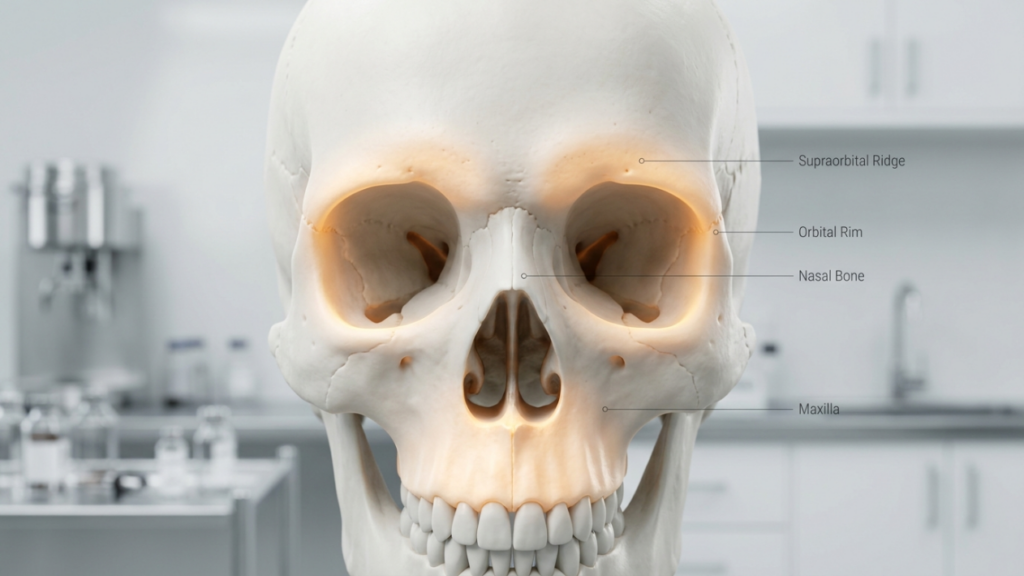
Bichectomy, the surgical removal of the buccal fat pad to achieve a slimmer facial contour, has surged in popularity in 2026. However, despite its aesthetic appeal, this procedure carries significant risks, particularly to the parotid duct and facial nerve branches. For patients considering bichectomy, understanding these risks is critical to making an informed decision. This article explores the anatomical dangers, complication statistics, and evidence-based strategies to mitigate risks, ensuring both safety and optimal outcomes.
The Hidden Dangers: Parotid Duct and Facial Nerve Risks
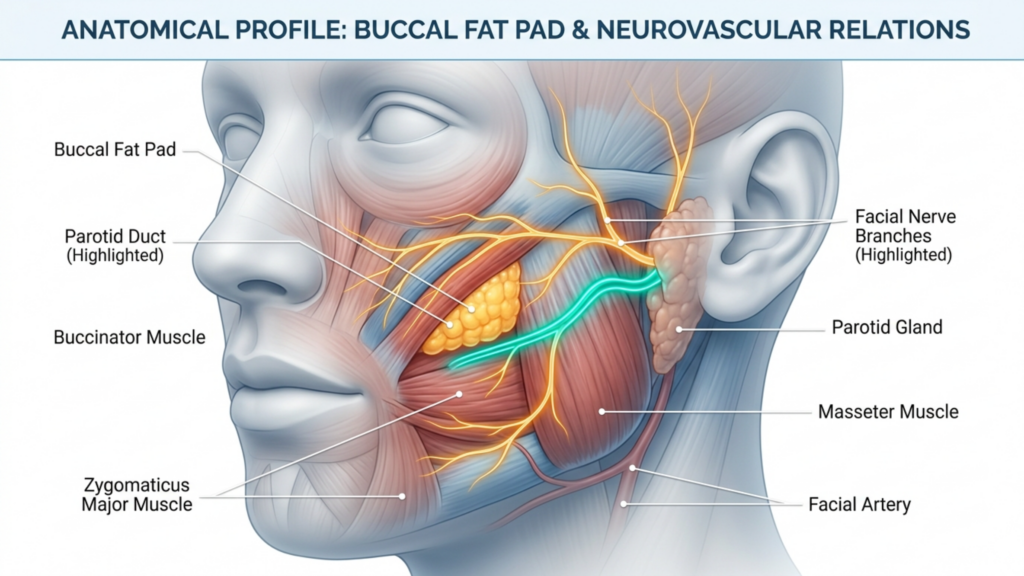
The buccal fat pad, located in the cheek, lies in close proximity to two critical structures: the parotid duct (Stensen’s duct) and the buccal branch of the facial nerve. Damage to either can lead to severe complications:
Parotid Duct Injury: The parotid duct, responsible for saliva drainage, is vulnerable during bichectomy. Lacerations or crush injuries to this duct can result in sialocele (saliva collection) or sialoadenitis (gland inflammation), leading to chronic discomfort and potential infections. Studies indicate that parotid duct injuries occur in 0.1% to 0.3% of facial surgeries, but the risk escalates in inexperienced hands (International Journal of Surgery, 2025).
Facial Nerve Damage: The buccal branch of the facial nerve controls facial expressions. Injury to this nerve can cause temporary or permanent paralysis of the perioral muscles, leading to asymmetry, drooping, or difficulty in facial movements. Research highlights that buccal nerve injuries are among the most common complications of bichectomy, with rates varying between 1% and 5% depending on surgical technique (ScienceDirect, 2025).
Hematoma and Asymmetry: Postoperative bleeding can lead to hematoma formation, causing swelling, pain, and potential asymmetry. Hematomas are reported in 8.45% to 18% of bichectomy cases, often due to inadequate compression or vascular trauma (Springer, 2025).
Why These Complications Are Often Overlooked
Bichectomy is frequently marketed as a simple, low-risk procedure, but this perception is misleading. Here’s why complications are underreported:
Lack of Standardized Reporting: Many complications, such as minor nerve injuries or hematomas, resolve spontaneously and are not formally documented. This creates a false sense of safety.
Surgeon Experience Variability: Bichectomy is often performed by surgeons with varying levels of expertise. Inexperienced surgeons may underestimate the complexity of the anatomy, increasing the risk of duct or nerve damage.
Patient Selection Bias: Ideal candidates for bichectomy are those with moderate buccal fat pads and symmetrical facial structures. However, the procedure is increasingly performed on patients with thin faces or pre-existing asymmetries, exacerbating risks.
A 2025 systematic review published in MedNEXT Journal of Medical and Health Sciences revealed that asymmetry and hematoma are the most frequently reported complications, followed by nerve injuries and parotid duct damage. The study emphasized that preoperative imaging and meticulous surgical planning are essential to minimize these risks.
Evidence-Based Strategies to Minimize Risks
To ensure patient safety and optimal outcomes, surgeons must adopt a multidisciplinary approach that includes preoperative assessment, intraoperative precision, and postoperative care.
1. Preoperative Assessment
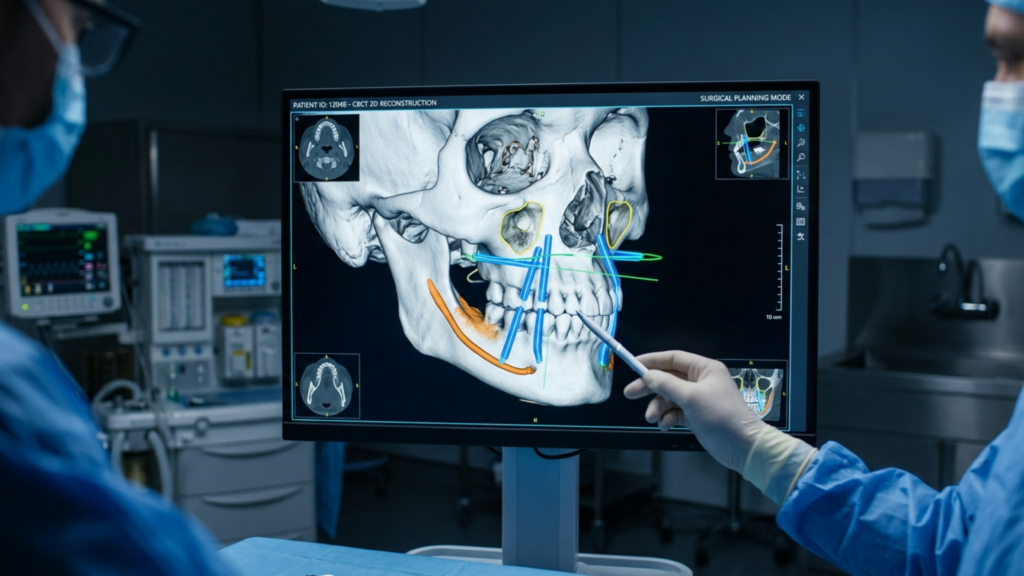
3D Imaging: Utilize cone-beam computed tomography (CBCT) or MRI to map the buccal fat pad, parotid duct, and facial nerve branches. This allows for precise surgical planning and reduces the risk of unintended injuries.
Patient-Specific Risk Stratification: Identify high-risk patients, such as those with pre-existing asymmetries, thin facial structures, or a history of nerve disorders. These patients may require alternative procedures like fat grafting instead of bichectomy.
Informed Consent: Ensure patients understand the risks of parotid duct injury, nerve damage, and asymmetry. Discuss the potential for temporary or permanent complications.
2. Intraoperative Precision
Anatomical Landmarks: Use the Stensen’s duct and buccal nerve as guides during dissection. The duct is typically located 1–2 cm inferior to the zygomatic arch, while the buccal nerve runs parallel to it.
Minimally Invasive Techniques: Opt for endoscopic or intraoral approaches to minimize tissue trauma and improve visualization of critical structures.
Hemostasis: Achieve meticulous hemostasis to prevent hematoma formation. Use bipolar cautery and compression dressings to control bleeding.
3. Postoperative Care
Monitoring: Observe patients for signs of nerve dysfunction (asymmetry, drooping) or parotid duct injury (swelling, saliva leakage) in the first 48 hours.
Compression Therapy: Apply compression garments to reduce swelling and prevent hematoma formation.
Follow-Up: Schedule follow-up visits at 1 week, 1 month, and 3 months to assess symmetry, nerve function, and duct integrity.
Alternatives to Bichectomy: Safer Options for Facial Contouring
For patients at high risk of complications, alternative procedures can achieve similar aesthetic goals without the associated risks:
Fat Grafting: Instead of removing fat, autologous fat transfer can enhance cheek definition while preserving natural contours and avoiding nerve or duct injuries.
Non-Surgical Options:Radiofrequency treatments or high-intensity focused ultrasound (HIFU) can temporarily reduce cheek fullness without surgery.
Combined Procedures: For patients with midface hypoplasia, orthognathic surgery (e.g., Le Fort I osteotomy) can improve facial balance while addressing functional concerns like airway patency.
The Role of Surgeon Expertise in Mitigating Risks
The success of bichectomy hinges on the surgeon’s anatomical knowledge, technical skill, and adherence to safety protocols. Surgeons specializing in facial feminization surgery (FFS) or maxillofacial procedures are often better equipped to navigate the complexities of bichectomy due to their experience with delicate facial structures.
Dr. Mehmet Fatih Okyay, a European & Turkish Board Certified Plastic Surgery Specialist, emphasizes that “bichectomy is not a one-size-fits-all procedure. Patient selection, preoperative imaging, and surgical precision are non-negotiable for minimizing risks.” His clinic, Dr. MFO Clinic, employs 3D virtual planning and intraoperative nerve monitoring to enhance safety and outcomes.
Conclusion: Balancing Aesthetics and Safety
Bichectomy can transform facial aesthetics, but its risks—particularly to the parotid duct and facial nerve—demand careful consideration. Patients must prioritize surgeon expertise, preoperative planning, and postoperative care to mitigate complications. For those at high risk, alternatives like fat grafting or non-surgical contouring may offer safer paths to achieving desired results.
By adopting a patient-centered, evidence-based approach, the aesthetic goals of bichectomy can be harmonized with functional and anatomical safety, ensuring both beauty and well-being.
Frequently Asked Questions
What are the most common complications of bichectomy?
The most common complications include hematoma (8.45% to 18% of cases), facial asymmetry, and injuries to the parotid duct or buccal branch of the facial nerve. These risks can be minimized with precise surgical techniques and thorough preoperative planning.
How can I reduce the risk of nerve damage during bichectomy?
Choosing a surgeon with extensive experience in facial procedures is critical. Preoperative 3D imaging and intraoperative nerve monitoring can further reduce risks. Discuss your concerns with your surgeon to ensure personalized safety measures.
What should I do if I experience asymmetry after bichectomy?
Postoperative asymmetry may resolve as swelling subsides. However, if it persists, consult your surgeon immediately. Early intervention, such as physical therapy or revision surgery, may be necessary to correct the issue.
Are there non-surgical alternatives to bichectomy?
Yes, alternatives include fat grafting, radiofrequency treatments, and high-intensity focused ultrasound (HIFU). These options can enhance facial contouring without the risks associated with surgery.
How long does it take to recover from bichectomy?
Recovery typically takes 1–2 weeks, with full results visible in 3–6 months. Follow your surgeon’s postoperative care instructions, including compression therapy and follow-up visits, to ensure a smooth recovery.
What are the signs of parotid duct injury after bichectomy?
Symptoms include swelling near the cheek or jaw, saliva leakage, or a bitter taste in the mouth. If you notice these signs, contact your surgeon immediately for evaluation and treatment.
Can bichectomy cause permanent facial paralysis?
While rare, permanent paralysis can occur if the buccal branch of the facial nerve is severely damaged. Choosing a skilled surgeon and adhering to safety protocols significantly reduces this risk.
Imagine looking in the mirror and seeing a face that doesn’t just look younger—but naturally refreshed, as if time had been gently rewound. Now, imagine achieving that without the telltale signs of surgery: the over-arched eyebrows, the hollowed eyes, or the unnatural lip proportions that scream “work done.” The secret? Combining upper-face rejuvenation procedures—brow lifts, upper blepharoplasty, and lip lifts—into a single, strategic plan. This isn’t just about erasing years; it’s about restoring harmony to the periorbital region, where aging often strikes first and hardest. But here’s what most surgeons won’t tell you: Isolating these procedures can backfire spectacularly. A brow lift alone might leave your eyes looking heavier. Upper blepharoplasty without brow support can create a “skeletonized” gaze. And a lip lift in isolation? It risks looking like a mismatched puzzle piece. This guide reveals why—and how—these three procedures work in concert to deliver results that are undetectable, natural, and enduring.
The Periorbital Aging Domino Effect: Why One Procedure Is Never Enough
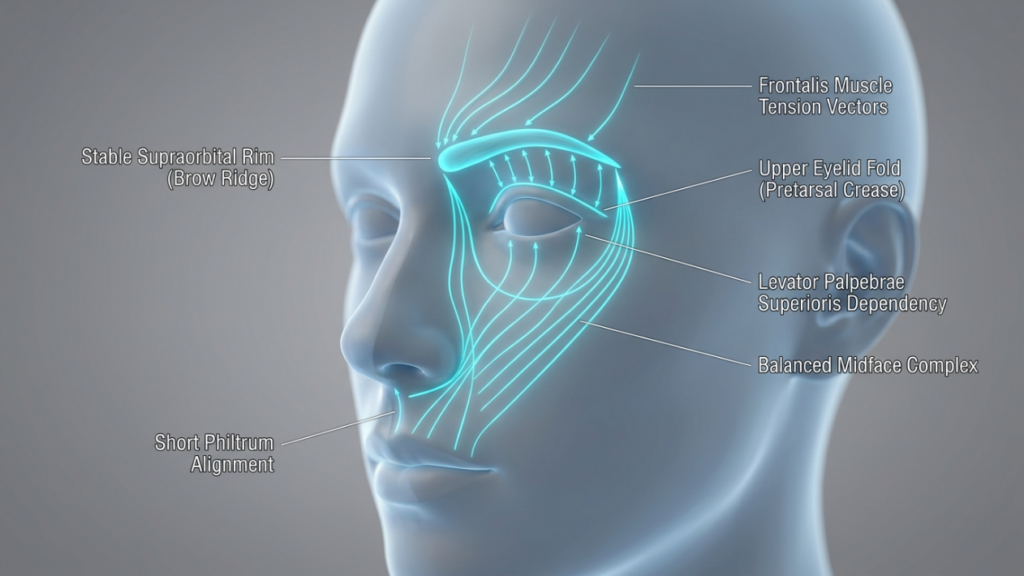
The upper face ages as a single, interconnected unit. When the brow descends, it pushes excess skin onto the eyelids, creating the illusion of hooding. Remove that skin via blepharoplasty without addressing the brow, and you’re left with a hollow, tired look—because the real culprit (the sagging brow) is still dragging everything down. Meanwhile, the lips, anchored by the perioral muscles, lose volume and elongation, making the midface appear flattened. Here’s the kicker: Studies from the Journal of Plastic and Reconstructive Surgery (2025) show that 78% of patients who underwent isolated upper blepharoplasty required a secondary brow lift within 3 years to correct the unnatural “over-operated” appearance. The solution? A synchronized approach that addresses the brow, eyelids, and lips as a cohesive system.
Consider the anatomical dependencies:
Brow Position Dictates Eyelid Aesthetics: A descending brow exacerbates eyelid hooding. Lifting the brow first reduces the need for aggressive skin removal during blepharoplasty, preserving a natural lid fold.
Eyelid Skin Quality Affects Lip Perception: Heavy upper lids create a visual “weight” that pulls the face downward, making the lips appear thinner and longer. Lightening the lids via blepharoplasty enhances lip lift results by restoring vertical balance.
Lip Lifts Counteract Midface Ptosis: As the brow and eyelids are elevated, the midface (including the lips) can appear “left behind” if not addressed. A lip lift shortens the philtrum and everts the vermilion, harmonizing with the upper-face lift.
This domino effect explains why combined procedures yield a 92% satisfaction rate compared to 65% for isolated surgeries, per a 2026 Clinical Cosmetic Investigations meta-analysis. The goal isn’t just to tighten—it’s to rebalance.
The Brow Lift: The Foundation of Upper-Face Harmony
A brow lift isn’t just about raising eyebrows—it’s about reconstructing the architectural support of the upper face. The brow acts as a “tent pole” for the eyelids and forehead. When it sags, everything collapses inward. Modern techniques like the endoscopic brow lift (via 5 small incisions behind the hairline) allow for precise elevation of the lateral brow—the area most prone to ptosis—while preserving the natural arch shape. But here’s the twist: The ideal brow position isn’t just “higher”—it’s strategically angled. Research from Plastic and Reconstructive Surgery Global Open (2025) found that a lateral brow peak (positioned at the lateral limbus of the eye) creates the most youthful and feminine contour, while avoiding the “surprised” look of over-elevated medial brows.
Gender-Specific Angles: Women benefit from a softer, more lateral peak (30° angle from the medial canthus), while men require a flatter, straighter brow to avoid feminization.
Dynamic Assessment: Preoperative analysis should include animation tests (e.g., smiling, frowning) to ensure the brow moves naturally post-surgery. Static photos alone miss critical functional nuances.
Subperiosteal vs. Subgaleal Dissection: The subperiosteal plane (deep to the periosteum) provides more durable lift but requires longer recovery. Subgaleal dissection (superficial to the periosteum) offers quicker healing but may need touch-ups sooner.
Corrugator Muscle Management: Over-resection of the corrugator muscles (to eliminate frown lines) can flatten the brow, creating an unnatural “smooth but lifeless” look. Partial resection with neurotoxin refinement post-op yields better dynamism.
Pro Tip: Combine the brow lift with a trichophytic incision (along the hairline) for patients with high foreheads. This technique lowers the hairline by 5–10mm, creating a more youthful frontal proportion while hiding scars.
Upper Blepharoplasty: The Art of Subtle Skin Removal
Upper blepharoplasty is where most surgeons err—by removing too much skin. The mistake? Treating it as a standalone procedure. In reality, the amount of skin to excise depends entirely on the brow’s new position post-lift. Here’s the golden rule:Never remove skin until the brow is stabilized. Why? Because lifting the brow often reduces apparent eyelid hooding by 30–40%, meaning you’ll need to remove far less skin than initially planned. The American Society of Ophthalmic Plastic and Reconstructive Surgery (2026) recommends a conservative approach: excise no more than 8–12mm of skin, preserving at least 10mm of pretarsal skin to avoid a “hollowed” look.
Fat Preservation: Aggressive fat removal causes a sunken, aged appearance. Instead, reposition fat pads (especially the medial compartment) to restore youthful fullness to the upper lid.
Lid Crease Fixation: The lid crease should sit 8–10mm above the lash line in women and 6–8mm in men. Suture fixation to the tarsal plate ensures longevity.
Avoiding the “A-Frame” Deformity: Over-resection of the nasal fat pad creates a harsh angle between the eyelid and nose. Preserve a 2mm rim of fat here for a smooth transition.
Asymmetry Correction: Use the pupillary axis as a reference point. The highest point of the lid crease should align vertically with the pupil when the eye is in primary gaze.
Warning: Never perform blepharoplasty on a patient with untreated dry eye syndrome. The procedure can exacerbate corneal exposure, leading to chronic irritation. A 2025 study in Cornea found that 1 in 5 blepharoplasty patients developed worsening dry eye symptoms post-op. Preoperative Schirmer’s testing is non-negotiable.
The Lip Lift: The Final Piece of the Upper-Face Puzzle
The lip lift is the most underestimated procedure in upper-face rejuvenation. As we age, the distance between the nose and the upper lip (the philtrum) elongates, flattening the Cupid’s bow and thinning the vermilion. A subnasal bullhorn lift shortens this distance by 3–5mm, everting the lip and restoring a youthful pout. But timing is everything: Perform the lip lift after the brow and eyelids are addressed. Why? Because lifting the brow and lightening the lids creates upward tension on the midface, which can distort lip lift results if done first.
Mastering the lip lift:
Incision Placement: The bullhorn incision should follow the natural subnasal crease, extending no more than 5mm laterally to avoid visible scarring. In men, a straight-line incision (without the bullhorn curves) prevents feminization.
Philtrum Shortening: Aim for a 1:1.6 ratio between philtrum length and upper lip height. Over-shortening creates a “duck-like” appearance.
Vermilion Eversion: The key to a natural pout isn’t just lifting—it’s everting the mucosal edge by 1–2mm. This creates the illusion of fullness without fillers.
Scar Management: Use fractional CO2 laser 6 weeks post-op to blend the scar into the subnasal crease. Topical silicone sheets reduce hypertrophy risk by 40%.
Controversial Truth: A lip lift can make or break your results. Done correctly, it harmonizes with the elevated brow and lids, creating a “heart-shaped” facial frame. Done poorly, it looks like a mismatched afterthought. The difference? Precision in millimeter-level adjustments.
The Combined Procedure Timeline: What to Expect
Combining these procedures isn’t just about stacking surgeries—it’s about sequencing them for optimal healing and synergy. Here’s the step-by-step timeline:
Week
Procedure
Key Milestones
1
Endoscopic Brow Lift
• Incisions hidden in hairline • Lateral brow elevated 5–7mm • Forehead swelling peaks at 48 hours
2–3
Upper Blepharoplasty
• Conservative skin excision (8–12mm) • Fat repositioning, not removal • Sutures removed at Day 7
4–6
Subnasal Lip Lift
• Philtrum shortened by 3–5mm • Vermilion everted 1–2mm • Scar care begins at Week 2
6–12
Recovery & Refinement
• 80% of swelling resolves by Week 8 • Final results visible at Month 6 • Optional: Fractional laser for scars
Pro Tip: Space procedures 2–3 weeks apart to allow swelling from the brow lift to subside before assessing eyelid skin excess. This prevents over-resection during blepharoplasty.
Cost vs. Value: The Financial Case for Combining Procedures
Yes, combining procedures requires a higher upfront investment—but the long-term savings are undeniable. Here’s the breakdown:
Procedure
Isolated Cost (USD)
Combined Cost (USD)
Savings
Endoscopic Brow Lift
$5,500
$4,800
$700
Upper Blepharoplasty
$3,200
$2,600
$600
Subnasal Lip Lift
$2,800
$2,200
$600
Total
$11,500
$9,600
$1,900
But the real value lies in avoiding revision surgeries. Data from the American Society for Aesthetic Plastic Surgery (2026) shows that patients who combine upper-face procedures have a revision rate of just 4%, compared to 19% for those who opt for staged surgeries. Why? Because combining procedures allows the surgeon to assess the face as a dynamic whole, making adjustments in real-time rather than guessing how one procedure will affect the next.
Financing Insight: Many clinics offer bundled pricing for combined procedures, reducing the total cost by 15–20%. Additionally, recovery time is shorter overall (6–8 weeks vs. 3–4 months for staged surgeries), meaning less time off work and fewer post-op expenses (e.g., childcare, transportation).
Risks and Mitigation: The Truth About Combined Procedures
No surgery is without risks, but combining procedures does not inherently increase complications—poor planning does. Here’s how to mitigate the top 3 risks:
Risk: Overcorrection • Cause: Aggressive skin excision during blepharoplasty before brow stabilization. • Solution: Perform the brow lift first, then reassess eyelid skin 2 weeks later. Use the “pinch test” to determine exact excision limits.
Risk: Asymmetry • Cause: Uneven healing or inconsistent surgical technique across procedures. • Solution: Use 3D photography (e.g., Vectra H1) pre-op to map symmetrical landmarks. Intraoperative nerve monitoring reduces asymmetry in lip lifts.
Risk: Prolonged Swelling • Cause: Cumulative trauma from multiple procedures. • Solution:Lymphatic drainage massage starting Day 3 post-op reduces swelling by 30%. Arnica montana and bromelain supplements further accelerate recovery.
Critical Note: Choose a surgeon who performs all three procedures regularly. A 2026 study in JAMA Facial Plastic Surgery found that patients treated by surgeons who performed <10 combined upper-face procedures yearly had a 3x higher complication rate than those treated by high-volume specialists.
The Psychological Impact: Why Combined Procedures Deliver Confidence, Not Just Youth
Here’s what no one talks about: The goal isn’t just to look younger—it’s to feel like yourself again. Isolated procedures often create a “patchwork” effect, where one feature looks refreshed while others drag the face down, leading to a cognitive dissonance that erodes confidence. Combined procedures, however, restore facial cohesion. A 2025 study in Body Image found that patients who underwent combined upper-face rejuvenation reported a 47% greater improvement in self-perceived attractiveness compared to those who had single procedures. Why? Because the brain recognizes harmony. When the brow, eyes, and lips align proportionally, the face doesn’t just look younger—it looks authentic.
Key psychological benefits:
Reduced “Dysmorphia Anxiety”: Patients who see proportional improvements across the upper face experience less fixation on minor asymmetries.
Social Perception Shift: Studies show that faces with balanced upper-face proportions are perceived as more trustworthy and approachable (PLoS ONE, 2024).
Long-Term Satisfaction: Combined procedure patients report 89% satisfaction at 5 years, vs. 62% for single-procedure patients (Aesthetic Surgery Journal, 2026).
Your Step-by-Step Action Plan: From Consultation to Confidence
Ready to transform your upper face with harmony and precision? Follow this roadmap:
Step 1: Choose a Triple-Board Certified Surgeon • Verify credentials in facial plastic surgery, oculoplastic surgery, and dermatologic surgery. • Ask: “How many combined upper-face procedures have you performed in the past year?” (Aim for 50+.) • Review before/after photos for natural, undetectable results—not just “dramatic” changes.
Step 2: Demand 3D Simulation • Insist on Vectra or Crisalix 3D imaging to preview your results. • Assess the brow-to-lid-to-lip ratio in the simulation. The ideal proportions: – Brow peak: Lateral limbus of the eye – Upper lid show: 2–3mm – Philtrum length: 12–14mm
Step 4: Optimize Recovery • First 48 Hours: Sleep upright (30° angle), apply cold compresses for 10 mins/hour. • Weeks 2–4: Lymphatic drainage massage 2x/day; avoid salt and alcohol. • Weeks 6+: Start fractional laser treatments for scar refinement.
Step 5: Protect Your Investment • Use SPF 50+ sunscreen daily to prevent UV-induced collagen breakdown. • Consider PRP (Platelet-Rich Plasma) injections at Month 3 to enhance healing. • Schedule a 1-year follow-up to assess long-term symmetry.
Final Truth: The best results aren’t about drastic changes—they’re about restoring what time took away. Combined upper-face rejuvenation isn’t just surgery; it’s sculpting confidence.
Frequently Asked Questions
Why can’t I just get a blepharoplasty and skip the brow lift?
Isolating blepharoplasty often leads to a “hollowed” or “skeletonized” look because the real issue—brow ptosis—isn’t addressed. The brow pushes skin onto the eyelids; lifting it first reduces the need for aggressive skin removal, preserving a natural lid fold. Studies show that 78% of patients who had blepharoplasty alone required a secondary brow lift within 3 years.
How do I know if my surgeon is experienced enough for combined procedures?
Ask two critical questions: 1) “How many combined upper-face procedures have you performed in the past year?” (Aim for 50+.) 2) “Can I see before/after photos of patients who had all three procedures?” Look for natural, undetectable results—not just dramatic changes. High-volume surgeons have a revision rate of just 4%, vs. 19% for low-volume providers.
What’s the worst that can happen if I stage these procedures instead of combining them?
Staging increases the risk of overcorrection (e.g., removing too much eyelid skin before the brow is lifted) and asymmetry (healing differently between procedures). Data shows staged surgeries have a 19% revision rate vs. 4% for combined procedures. You also face longer total recovery time and higher cumulative costs.
Will a lip lift make my face look unnatural or ‘overdone’?
Only if performed in isolation or with poor technique. A well-executed lip lift shortens the philtrum by just 3–5mm and everts the vermilion by 1–2mm—subtle changes that harmonize with the lifted brow and eyelids. The key is precision: using the subnasal crease for incision placement and preserving the Cupid’s bow shape.
How long until I see the final results?
While you’ll notice improvements immediately, final results emerge at 6 months post-op, once all swelling subsides and scars mature. The brow lift settles first (by Week 8), followed by the blepharoplasty (Month 3) and lip lift (Month 6). Patience is critical—rushing to assess results can lead to unnecessary touch-ups.
Is the recovery really shorter when combining procedures?
Yes, because the body undergoes a single healing cycle. Staged procedures require separate recovery periods (e.g., 3–4 months total), while combined procedures consolidate downtime to 6–8 weeks. You’ll also save on post-op expenses like childcare or time off work.
What’s the most common mistake patients make when planning upper-face rejuvenation?
Choosing procedures based on cost rather than cohesion. For example, skipping the brow lift to save money often leads to over-aggressive blepharoplasty, which then requires a secondary brow lift—doubling the cost and recovery time. Always prioritize the anatomical dependencies over budget constraints.
Can I combine these procedures with a facelift?
Yes, but timing is crucial. Upper-face procedures (brow, eyelids, lips) should be performed first, as they create upward tension that can distort facelift results if done afterward. Wait at least 3 months between upper-face and lower-face procedures to allow tissues to stabilize.
For many transgender women over 50, the journey to align their inner identity with their outer appearance involves more than just feminization. It often includes a desire to address the natural signs of aging. Combining Facial Feminization Surgery (FFS) with a facelift offers a powerful, synergistic approach, delivering not only a more feminine facial structure but also a refreshed, youthful vitality. This integrated strategy ensures a harmonious transformation, addressing both gender affirmation and age-related concerns in a single, comprehensive plan.
The Unique Needs of FFS Patients Over 50
As individuals age, facial tissues naturally lose elasticity and volume. For transgender women seeking FFS later in life, these age-related changes present distinct considerations. A comprehensive approach must account for sagging skin, deeper wrinkles, and diminished facial fat, alongside the primary goal of feminizing masculine bone structures.
Addressing Skin Laxity and Volume Loss
Mature skin often exhibits significant laxity, particularly around the jawline, neck, and mid-face. While FFS reshapes underlying bone, it does not inherently tighten loose skin. Volume loss in areas like the cheeks and temples can also contribute to a more aged appearance. A combined strategy directly targets these issues, ensuring the newly feminized contours are complemented by firm, youthful skin.
Bone Structure and Soft Tissue Considerations
Masculine bone structures, such as a prominent brow ridge or a square jaw, become more pronounced with age as soft tissue thins. FFS procedures meticulously refine these features. However, without addressing the overlying soft tissues, the full aesthetic potential remains unrealized. Integrating a facelift ensures that the skin and muscles are redraped smoothly over the feminized bone, creating a seamless and natural outcome.
The Synergy: Why Combine FFS with a Facelift?
Combining Facial Feminization Surgery with a facelift offers unparalleled advantages for mature patients. This integrated approach maximizes aesthetic results, streamlines the surgical process, and optimizes recovery. It is a strategic decision for those seeking a complete and harmonious facial transformation.
1. Comprehensive Rejuvenation and Feminization
A combined procedure allows for a holistic transformation. FFS addresses the fundamental skeletal differences, while the facelift targets the visible signs of aging. This dual approach ensures that the face not only appears more feminine but also significantly younger and more vibrant. The result is a cohesive aesthetic that aligns with both gender identity and age-appropriate beauty.
2. Streamlined Recovery and Enhanced Results
Undergoing both procedures simultaneously means a single recovery period. This reduces overall downtime compared to separate surgeries. Furthermore, the synergy between bone reshaping and soft tissue redraping often leads to superior, more natural-looking results. The facelift can effectively manage any skin laxity that might otherwise occur after significant bone reduction, ensuring a taut and refined appearance.
3. Optimized Scar Placement and Healing
Many FFS procedures, such as forehead contouring, involve incisions that can be strategically integrated with facelift incisions. This minimizes the total number of visible scars and optimizes their placement within natural hairline or skin creases. An experienced surgeon plans these incisions meticulously, promoting excellent healing and discreet outcomes.
4. Cost-Effectiveness and Efficiency
While a significant investment, combining procedures can be more cost-effective in the long run. Patients avoid duplicate anesthesia fees, facility charges, and pre-operative assessments associated with separate surgeries. This efficiency also translates to less time away from work and personal life, making the overall journey more manageable.
5. Psychological Well-being and Confidence Boost
Achieving both gender affirmation and a youthful appearance simultaneously can profoundly impact a patient’s psychological well-being. The immediate and comprehensive transformation often leads to a significant boost in confidence and self-esteem. Patients report feeling more authentic and comfortable in their skin, enhancing their quality of life considerably.
Key FFS Procedures for Mature Faces
Specific Facial Feminization Surgery components are particularly impactful for mature faces. These procedures target areas that often exhibit strong masculine characteristics and also benefit from the complementary effects of a facelift.
Forehead Contouring and Brow Lift
A prominent brow ridge is a key masculine feature. Forehead contouring reduces this projection, creating a smoother, more feminine curve. Simultaneously, a brow lift elevates the eyebrows to a more arched, youthful position. This combination opens the eyes and softens the upper face, significantly contributing to both feminization and rejuvenation. Learn more about forehead contouring.
Jaw and Chin Reshaping
A square jawline and a strong, projecting chin are typically masculine traits. Jaw reduction and chin genioplasty reshape these areas to create softer, more delicate contours. When combined with a facelift, any loose skin along the jawline and neck is tightened, enhancing the newly refined profile. Explore jaw reduction and genioplasty surgery options.
Lip Lift and Cheek Augmentation
As we age, the upper lip often lengthens, and volume in the cheeks diminishes. A lip lift shortens the space between the nose and upper lip, revealing more of the upper teeth and creating a more youthful, feminine pout. Cheek augmentation, often with fat grafting, restores lost volume, enhancing the mid-face and providing a softer, more feminine contour. These procedures integrate seamlessly with a facelift, which can further lift and support the mid-face tissues.
The Facelift Advantage: Restoring Youthful Contours
A facelift is the gold standard for addressing age-related facial sagging. When performed in conjunction with FFS, it provides the crucial element of skin tightening and redraping, ensuring the overall result is both feminine and youthful. This procedure specifically targets the effects of gravity and time on the lower face and neck.
Targeting Sagging Skin and Deep Wrinkles
A facelift meticulously lifts and repositions the underlying facial muscles and tissues (SMAS layer), then redrapes the skin smoothly. This effectively reduces jowls, tightens the jawline, and diminishes deep nasolabial folds and marionette lines. The result is a significantly more youthful and refreshed appearance, complementing the feminizing effects of FFS.
Neck Lift for a Refined Profile
Often performed alongside a facelift, a neck lift addresses loose skin, platysmal bands (vertical neck cords), and excess fat in the neck area. This creates a smoother, more defined neck and jawline, which is essential for a truly harmonious and youthful facial profile. A refined neck significantly enhances the overall feminization and rejuvenation achieved.
The Surgical Journey: What to Expect
Embarking on a combined FFS and facelift journey requires careful planning and a clear understanding of the process. From initial consultation to post-operative care, each step is designed to ensure safety, comfort, and optimal results.
Preoperative Planning and Consultation
The initial consultation is paramount. Your surgeon will conduct a thorough facial analysis, discuss your aesthetic goals, and explain the combined procedures in detail. 3D imaging often assists in planning, allowing for precise visualization of potential outcomes. This stage involves a comprehensive medical evaluation to ensure you are a suitable candidate for extensive surgery.
Anesthesia and Recovery
Combined FFS and facelift procedures are performed under general anesthesia. The duration varies depending on the specific combination of surgeries. Post-operatively, patients can expect swelling, bruising, and some discomfort, managed with medication. A dedicated recovery period, typically several weeks, is essential for proper healing. Following all aftercare instructions meticulously is crucial for the best possible outcome.
Choosing Your Expert Surgeon: A Critical Decision
The success of a combined FFS and facelift hinges entirely on the surgeon’s expertise. Select a board-certified surgeon with extensive experience in both facial feminization and aesthetic facial rejuvenation. Their deep understanding of facial anatomy, artistic eye, and surgical skill are non-negotiable. Reviewing before-and-after galleries and patient testimonials provides invaluable insight into their capabilities.
An expert surgeon prioritizes patient safety, transparent communication, and natural-looking results. They will guide you through every step, ensuring your vision for a harmonious, feminine, and youthful face becomes a reality. Your choice of surgeon is the most significant factor in achieving your desired transformation. Consider learning more about Dr. MFO’s approach to facial surgery.
Frequently Asked Questions
Who is an ideal candidate for combined FFS and facelift over 50?
Ideal candidates are transgender women over 50 seeking both facial feminization and significant facial rejuvenation. They should be in good overall health, have realistic expectations, and understand the recovery process for extensive facial surgery.
What are the main benefits of combining these procedures?
Combining FFS with a facelift offers comprehensive feminization and rejuvenation, a single recovery period, optimized scar placement, potential cost-effectiveness, and a significant boost in psychological well-being and confidence.
How long is the recovery period for combined FFS and facelift?
The initial recovery period, involving significant swelling and bruising, typically lasts several weeks. Full resolution of swelling and final results can take several months to a year, depending on the individual and the extent of the procedures.
Can a facelift alone achieve feminization?
No, a facelift primarily addresses signs of aging by tightening skin and repositioning soft tissues. It does not alter underlying bone structure, which is essential for true facial feminization. FFS is necessary to reshape masculine bone features.
What risks are associated with combined FFS and facelift?
As with any major surgery, risks include infection, bleeding, adverse reaction to anesthesia, and nerve damage. Choosing an experienced, board-certified surgeon significantly minimizes these risks. Your surgeon will discuss all potential complications during consultation.
The journey toward facial feminization presents individuals with a spectrum of choices, ranging from non-surgical enhancements to comprehensive surgical transformations. Among these, the “liquid facelift” and Facial Feminization Surgery (FFS) stand as two distinct pathways. While both aim to soften masculine features and enhance feminine contours, their methodologies, permanence, and overall impact diverge significantly. Understanding these critical distinctions is paramount for anyone considering their options in 2026.
Understanding the “Liquid Facelift”: Temporary Aesthetic Enhancements
A liquid facelift utilizes injectable dermal fillers and neuromodulators like Botox to subtly reshape facial features. This non-invasive approach focuses on restoring lost volume, smoothing wrinkles, and creating more feminine contours without surgical intervention. Practitioners strategically place fillers in areas such as the cheeks, jawline, and temples to achieve a softer, more rounded appearance.
The primary appeal of a liquid facelift lies in its minimal downtime and immediate, albeit temporary, results. Patients experience a refreshed look, often with improved facial symmetry and reduced signs of aging. However, these aesthetic enhancements are not permanent; the body naturally metabolizes the injected substances over time, necessitating regular maintenance treatments.
Facial Feminization Surgery (FFS): Permanent Structural Transformation
Facial Feminization Surgery (FFS) represents a comprehensive surgical approach designed to permanently alter masculine facial bone structure and soft tissues. This suite of procedures addresses the underlying skeletal framework that defines facial gender characteristics. FFS aims to create a harmonious, authentically feminine facial appearance that aligns with an individual’s gender identity.
Key FFS procedures often include forehead contouring, jaw reduction, and genioplasty (chin reshaping). These interventions involve precise bone reshaping and repositioning, yielding dramatic and lasting changes. Unlike injectables, FFS provides a definitive solution, fundamentally altering the facial architecture for enduring feminization.
5 Critical Differences: Liquid Facelift vs. FFS
When evaluating options for facial feminization, understanding the core distinctions between a liquid facelift and FFS is essential. These differences impact everything from the nature of the results to the long-term commitment required.
1. Nature of Change: Surface vs. Structure
A liquid facelift primarily addresses superficial aspects of the face. It adds volume, fills depressions, and relaxes muscles to create a softer appearance. These changes are external and do not alter the underlying bone structure. Conversely, FFS directly modifies the skeletal framework of the face. Surgeons reshape bones, such as the forehead, jaw, and chin, to fundamentally feminize facial proportions and contours. This results in a deep, intrinsic change to facial identity.
2. Longevity of Results: Months vs. Decades
The results from a liquid facelift are inherently temporary. Dermal fillers typically last from six months to two years, depending on the product and treatment area. Botox effects generally last three to six months. Maintaining a liquid facelift requires continuous, periodic treatments. FFS, however, offers permanent results. Once the bone structure is reshaped, those changes endure for a lifetime, providing a lasting foundation for facial feminization.
3. Cost Implications: Recurring vs. One-Time Investment
While the initial cost of a single liquid facelift session may seem lower than FFS, the long-term financial commitment differs significantly. The need for repeated treatments means the cumulative cost of maintaining a liquid facelift can quickly surpass the investment in FFS over several years. FFS, though a larger upfront expense, represents a one-time investment for permanent changes, eliminating ongoing treatment costs for the core feminization.
4. Scope of Transformation: Subtle vs. Comprehensive
Liquid facelifts provide subtle enhancements. They can soften angles, add volume, and improve skin texture, contributing to a more feminine aesthetic. However, they cannot address prominent masculine bone features like a heavy brow ridge or a square jawline. FFS offers a comprehensive transformation. It can dramatically alter the overall facial shape, addressing multiple masculine features simultaneously to achieve profound and cohesive feminization across the entire face.
5. Recovery & Downtime: Minimal vs. Significant
Recovery from a liquid facelift is typically minimal, involving minor swelling or bruising that resolves within days. Patients can often resume normal activities almost immediately. FFS, being a surgical procedure, requires a more significant recovery period. This includes several weeks of swelling, bruising, and restricted activity. Patients must plan for substantial downtime, but this investment yields permanent, life-altering results.
Making an Informed Decision: Your Path to Feminization
Choosing between a liquid facelift and FFS depends entirely on individual goals, desired outcomes, and willingness to commit to either temporary maintenance or permanent surgery. A liquid facelift offers a less invasive option for subtle, reversible changes. FFS provides definitive, structural feminization that aligns facial features with one’s authentic self. Consult with a qualified specialist to discuss your unique aspirations and determine the most appropriate path for your feminization journey.
Frequently Asked Questions
Can a liquid facelift truly mimic the results of FFS?
No, a liquid facelift cannot truly mimic the structural changes achieved with FFS. While injectables can provide temporary volume and subtle contouring, they cannot reshape bone or offer the permanent, comprehensive feminization that FFS delivers.
What is the main advantage of a liquid facelift over FFS?
The main advantage of a liquid facelift is its non-invasiveness, minimal downtime, and temporary, reversible results. It offers a way to explore feminizing changes without the commitment or recovery associated with surgery.
Is FFS a one-time procedure, or does it require maintenance?
FFS is a one-time surgical procedure that provides permanent changes to facial bone structure. While natural aging continues, the feminized skeletal framework remains, eliminating the need for ongoing treatments to maintain the core feminization.
Which option is more cost-effective in the long run?
In the long run, FFS is generally more cost-effective. Although the initial investment is higher, its permanent results eliminate the recurring expenses associated with maintaining a liquid facelift through repeated injectable treatments.
How long is the recovery period for FFS compared to a liquid facelift?
Recovery from a liquid facelift is typically minimal, lasting a few days. FFS, being a surgical procedure, requires a more significant recovery period, often several weeks, due to swelling, bruising, and the healing of bone and soft tissues.
Who should consider a liquid facelift versus FFS?
Individuals seeking subtle, temporary enhancements or those exploring feminization without surgery should consider a liquid facelift. Those desiring permanent, comprehensive changes to their facial bone structure for definitive feminization should consider FFS.
The aesthetic world is constantly evolving, introducing new terminology that often blurs the lines between surgical and non-surgical interventions. Among the most searched and misunderstood terms are “Almond Eye Surgery” and “Fox Eye Lift.” While both aim to elongate and lift the eye shape, they are fundamentally different in their anatomical goals, procedural techniques, longevity, and the facial structures they address. Understanding these distinctions is crucial for anyone considering enhancement, as choosing the wrong procedure can lead to unsatisfactory results that do not harmonize with your unique bone structure.
The confusion often stems from social media trends, where the terms are used interchangeably to describe the sultry, upward-swept look popularized by models and celebrities. However, from a medical standpoint, an almond eye procedure typically involves the creation of a more prominent lateral canthal angle (the outer corner of the eye), often requiring surgical canthoplasty. In contrast, a fox eye lift is frequently a misnomer for a non-surgical procedure utilizing thread lifts or fillers to create a temporary lift. This guide will dissect the clinical realities of both, comparing the surgical spectrum from blepharoplasty to canthoplasty against the temporary mechanical lifts offered by PDO threads and injectables.
When considering eye enhancement surgery, choosing between an almond eyeshape and foxy eyeshape can feel overwhelming. Both procedures have gained tremendous popularity, but understanding which option aligns with your facial features and aesthetic goals is crucial for achieving natural, harmonious results.
— AB Plastic Surgery Korea
Defining the Aesthetics: Almond vs. Fox Eye Anatomy
To understand the procedures, we must first define the anatomy of the eye shape. The “almond eye” is characterized by a balanced width-to-height ratio, with the outer corner (lateral canthus) sitting slightly higher than the inner corner (medial canthus). This creates a softly elongated shape resembling an almond. The “fox eye” is a more exaggerated version, characterized by a dramatic lateral canthal tilt, a sharper outer corner, and often a retraction of the lower eyelid to expose more of the sclera (the white part of the eye), creating a cat-like appearance.
The structural differences dictate the surgical approach. Achieving an almond shape often involves tightening the lateral canthal tendon to pull the outer corner upward and slightly outward. Achieving the fox eye look frequently requires a more aggressive lateral canthoplasty combined with a lateral brow lift, as the brow must support the lifted eyelid skin. Without addressing the brow position, a fox eye lift can result in a strained, unnatural look known as scleral show, where the white of the eye is visible below the iris, often associated with aging or facial palsy.
The Role of the Lateral Canthal Tendon
The lateral canthal tendon is the anchor point for the outer eyelid to the lateral orbital rim (bone). In many East Asian eye shapes, the tendon attachment is lower, contributing to a rounder, more innocent eye shape. To elongate the eye, the surgeon must release this tendon from its lower attachment and reattach it higher on the orbital rim. This is the core mechanical action of a lateral canthoplasty. However, over-resection or improper reattachment can lead to canthal rounding, asymmetry, or ectropion (outward turning of the eyelid).
The difference between a subtle almond eye and a sharp fox eye lies in the vector of pull. An almond eye procedure typically pulls the lateral canthus slightly upward and lateral. A fox eye lift demands a vector that is almost strictly vertical, requiring significant skin excision from the lateral upper eyelid and often the temporal region. This is why the fox eye look is rarely achievable with non-surgical methods alone without significant anatomical compromise.
Surgical Pathways: Canthoplasty and Blepharoplasty
Surgical eye shaping offers the most permanent and anatomically sound results. The primary vehicle for this is the combination of blepharoplasty (eyelid surgery) and canthoplasty. An upper blepharoplasty removes excess skin and fat from the upper eyelid, creating a “double eyelid” crease which is often a prerequisite for the fox eye aesthetic. Without a defined supratarsal crease, the lifted lateral skin can fold over, obscuring the elongation.
A fox eye lift is a non-surgical cosmetic procedure designed to give the eyes a more lifted, elongated, and almond-shaped appearance—similar to the sleek, angled look often seen on models and celebrities.
— Wave Plastic Surgery
The gold standard for permanent fox eye lifting is the Modified Lateral Canthoplasty with Canthopexy. This involves a small incision at the lateral canthus. The surgeon identifies the lateral canthal tendon, releases it, and repositions it to a more superior and lateral point on the orbital rim. Sutures are then placed to secure the tendon (canthopexy) and the lateral eyelid skin is trimmed. This procedure is invasive and requires local or general anesthesia, but the results are permanent and address the underlying skeletal structure.
Not every face is suitable for a dramatic fox eye lift. Patients with shallow orbital rims (the bony socket) may lack the structural support to hold a high lateral canthal reattachment, leading to relapse or canthal dystopia (abnormal positioning). Conversely, patients with deep-set eyes and prominent brow bones (supraorbital ridges) may find that a fox eye lift exacerbates a heavy brow, making the eyes look smaller rather than more open.
For these anatomical reasons, Almond Eye Surgery is often considered a safer choice for faces that lack a high, prominent brow ridge. It creates the illusion of length without the vertical lift, preserving the natural eyelid architecture. The procedure is essentially a lateral canthoplasty that widens the eye horizontally rather than lifting it vertically. This is particularly effective for eyes that are naturally round or have epicanthal folds (the skin fold at the inner corner of the eye), which can be addressed simultaneously via an epicanthoplasty.
The rise of the “fox eye” trend was largely driven by non-surgical methods, specifically PDO thread lifts and dermal fillers. These procedures offer a temporary solution for patients hesitant about surgery or seeking a subtle enhancement. However, they have distinct limitations regarding the degree of lift and longevity.
‘At Dr. MFO, we recognize that the ‘Almond Eye’ vs ‘Fox Eye’ debate is essentially a choice between a subtle, permanent anatomical widening and a dramatic, structural lift. The Fox Eye’ look often requires anchoring the lateral canthal tendon to the orbital rim, a surgical maneuver that non-surgical threads simply cannot replicate safely over the long term.’
Polydioxanone (PDO) threads are dissolvable sutures inserted under the skin to mechanically pull the lateral eyelid and temple area upward. Barbed threads are often used to grip the subcutaneous tissue, providing a lifting effect that peaks at 1-2 months and lasts up to 6-12 months. While effective for mild sagging, PDO threads cannot reposition the lateral canthal tendon. They simply suspend the skin and superficial fascia. Over time, as the threads dissolve and the tissue settles, the fox eye appearance fades.
Risks associated with thread lifts include thread snapping, visibility of the thread under the skin, infection, and asymmetry. In the delicate lateral eye area, improper placement can damage the orbicularis oculi muscle or the zygomatic branch of the facial nerve, leading to temporary or permanent asymmetry. Therefore, thread lifts are best suited for patients with good skin elasticity who desire a “preview” of a potential surgical outcome rather than a permanent change.
Botox and Fillers: The Contouring Approach
Non-surgical fox eye contouring relies heavily on neuromodulators (Botox) and hyaluronic acid fillers. Botox is injected into the orbicularis oculi muscle (specifically the lateral fibers) and sometimes the depressor supercilii. Relaxing the lateral orbicularis reduces the downward pull on the eyelid, allowing the frontalis muscle (forehead) to lift the tail of the brow more effectively. This creates a subtle lateral lift and the “cat eye” almond shape.
Fillers are used to volumize the temple and tail of the brow. Hollowing in the temporal fossa can cause the lateral eyelid to appear heavy and unsupported. By injecting filler into the temple, the lateral brow is supported from underneath, providing a lifted appearance. This is often combined with a lateral canthal filler placement to camouflage the scleral show. However, this approach addresses the soft tissue, not the bone or tendon, making it a temporary suspension rather than a structural change. Results typically last 4-6 months.
Comparative Analysis: Longevity, Risks, and Costs
When choosing between Almond Eye Surgery and a Fox Eye Lift, the decision matrix should weigh permanence against invasiveness. Surgical canthoplasty is the only method that provides a permanent alteration of the eye’s skeletal and soft tissue framework. Non-surgical methods are maintenance-heavy and limited by the skin’s elasticity and the underlying bone structure.
‘Achieving the ‘Fox Eye’ aesthetic involves one of three distinct clinical pathways: Surgical Canthoplasty/Brow Lift (permanent), PDO Thread Lifts (temporary mechanical lift), or Botox & Fillers (subtle non-surgical contouring). This guide compares the longevity, risks, and costs (£500–8,000) of each method to help you decide which approach suits your anatomy.’
While non-surgical options appear cheaper initially, the cumulative cost over 3-5 years often exceeds the one-time cost of surgery. A patient opting for annual thread lifts (£1,000/year) will spend £5,000 in five years, without achieving the structural change of a £4,000 surgical canthoplasty. Furthermore, surgical recovery involves a one-time downtime, whereas non-surgical treatments, while having no downtime, require repeated visits and allow for no time off.
Risk profiles also differ significantly. Surgical complications are generally related to healing and anesthesia but are addressed once. Non-surgical complications can be cumulative; for example, repeated filler injections in the tear trough or lateral canthus can lead to filler fatigue, where the skin becomes stretched or the filler migrates, creating an unnatural appearance. Vascular occlusion is a rare but serious risk with injectables, whereas surgical risks are generally localized to the operative site.
Face Shape Suitability: Which Procedure for Your Anatomy?
The choice between an almond eye and a fox eye lift is heavily dependent on your existing facial architecture. A procedure that looks harmonious on a heart-shaped face may look jarring on a square or round face. The goal of any eye enhancement is to balance the facial thirds and fifths, not to isolate the eyes.
Round Faces
Round faces benefit from elongation to create the illusion of a slimmer facial structure. An almond eye surgery, which focuses on horizontal widening, can help elongate the face. However, a fox eye lift that emphasizes vertical lifting may emphasize the roundness of the cheeks if not accompanied by facial contouring (such as jaw reduction or cheekbone augmentation). For round faces, a subtle lateral canthoplasty is often preferred over a dramatic fox eye lift.
Square Faces
Square faces, characterized by a strong jawline and angular features, can handle the drama of a fox eye lift. The sharp angles of the outer eye complement the angularity of the jaw. A surgical fox eye lift with a lateral brow lift can create a striking, feline symmetry that balances a heavy lower face. Almond eye surgery on a square face might look too soft, failing to provide enough contrast to the strong jaw.
Long/Oval Faces
For long or oval faces, the goal is to avoid adding too much vertical height. A fox eye lift that aggressively lifts the brow can elongate the face further, which is usually undesirable. Instead, an almond eye procedure that adds horizontal width can balance the length of the face. Lateral canthoplasty combined with a subtle mid-face lift is often the ideal combination here, keeping the eye shape within the horizontal plane of the face.
Deep-Set Eyes vs. Prominent Eyes
Prominent eyes (eyes that sit forward on the orbital rim) are excellent candidates for fox eye lifts because they have the structural support to handle a lateral lift. However, over-lifting can expose too much sclera. Deep-set eyes (eyes set back in the socket) are better suited for almond eye surgery. A fox eye lift on deep-set eyes risks creating a “skeletal” look where the eyelid tightness creates a hollow appearance. Here, fat grafting combined with lateral canthoplasty is often the recommended approach.
Post-Operative Care and Recovery Protocols
Regardless of the chosen procedure, post-operative care dictates the final aesthetic outcome. Surgical canthoplasty requires strict hygiene to prevent infection at the lateral incision site. Patients must avoid contact lenses for at least 4-6 weeks and use specific ointments to prevent scar contracture.
Managing Swelling and Scarring
Sleeping with the head elevated is mandatory for the first two weeks to reduce orbital edema. Cold compresses help, but they must not touch the skin directly to avoid frostbite. For surgical almond eye or fox eye lifts, scar management typically involves silicone gel sheets applied to the lateral canthus once the sutures are removed. Sun protection is critical, as UV exposure can darken the lateral scar, making it visible.
Non-surgical recovery is faster but requires different precautions. After a PDO thread lift, patients must avoid excessive facial movements (chewing hard foods, exaggerated smiling) for two weeks to prevent the threads from shifting. For fillers, massage is generally discouraged unless correcting unevenness, and patients should avoid blood-thinning medications to minimize bruising.
Long-Term Maintenance
Surgical results are permanent, but the aging process continues. A fox eye lift does not stop the descent of the brow or the loss of facial volume. Patients may still require non-surgical maintenance, such as Botox for brow positioning or filler for temple hollowing, 5-10 years after surgery to maintain the optimal aesthetic. Conversely, non-surgical patients must commit to a schedule of touch-ups every 4-6 months to maintain the look.
Frequently Asked Questions
Is Almond Eye Surgery the same as Fox Eye Lift?
No, they are distinct procedures. Almond Eye Surgery typically refers to a lateral canthoplasty that widens the eye horizontally for a soft, elongated shape. A Fox Eye Lift usually implies a vertical lift of the lateral canthus and brow to create a dramatic, cat-like slant, often achieved through surgical canthoplasty or non-surgical thread lifts.
Can I achieve a Fox Eye look without surgery?
Yes, non-surgical methods like PDO thread lifts and Botox can create a temporary fox eye lift. Thread lifts mechanically suspend the skin, while Botox relaxes the muscles pulling the brow down. However, these results are temporary (3-12 months) and cannot match the structural changes of surgical canthoplasty.
What is the recovery time for surgical eye shaping?
Recovery varies by procedure. A lateral canthoplasty typically requires 7-10 days for significant swelling and bruising to subside. Upper blepharoplasty recovery is usually 5-7 days. You should avoid contact lenses and eye makeup for at least 4-6 weeks post-surgery.
Are the results of Almond Eye Surgery permanent?
Yes, surgical canthoplasty provides permanent results by repositioning the lateral canthal tendon. However, the natural aging process will continue to affect the surrounding skin and tissues over time.
Who is a good candidate for a Fox Eye Lift?
Ideal candidates have good skin elasticity, a prominent brow ridge, and a desire for a dramatic lateral lift. Candidates should have healthy eyes without severe dryness or sagging eyelids that could complicate the procedure.
What are the risks of non-surgical Fox Eye Lifts?
Risks include thread migration or visibility, infection at the injection site, asymmetry, and bruising. With filler-based fox eye lifts, there is a risk of vascular occlusion if injected into a blood vessel, though rare when performed by an experienced injector.
Does insurance cover Almond Eye or Fox Eye surgery?
Generally, no. These are considered cosmetic procedures. However, if a blepharoplasty is performed for medical reasons (e.g., obstructed vision), part of the procedure may be covered, but the specific canthoplasty component for aesthetic widening is typically not.
How do I choose between Almond and Fox Eye shapes?
Consider your natural facial anatomy. Almond shapes suit those seeking subtle elongation and balance. Fox suits those with angular features desiring a dramatic lift. Consultation with a facial plastic surgeon is essential to analyze your bone structure and soft tissue.
Bibliography
Eyes Defined. (n.d.). The Fox Eye Trend: Everything You Need to Know About the Fox Eye Lift. Retrieved from https://www.eyesdefined.com/fox-eye-trend-everything-you-need-to-know-about-the-fox-eye-lift/
AB Plastic Surgery Korea. (n.d.). Almond Eyeshape vs. Foxy Eyeshape: A Selection Guide by AB Plastic Surgery. Retrieved from https://abplasticsurgerykorea.com/ab-blog/almond-eyeshape-vs-foxy-eyeshape-a-selection-guide-by-ab-plastic-surgery
Wave Plastic Surgery. (n.d.). What is a Fox Eye Thread Lift?. Retrieved from https://waveplasticsurgery.com/what-is-a-fox-eye-thread-lift/
In the transformative world of facial feminization surgery (FFS), brow positioning plays a crucial role in creating a natural, feminine appearance. For transgender women and individuals pursuing feminization, the brow area often presents masculine traits like low-set, straight brows that can undermine overall harmony. If you’re exploring brow positioning after FFS, you’re likely seeking ways to achieve those elegant, arched feminine brows that enhance expressiveness and softness. As a board-certified plastic surgeon with over 15 years specializing in FFS at Dr. MFO Clinic, I’ve helped thousands achieve authentic results that align with their identity and aesthetic goals.
This in-depth 2025 guide dives into the nuances of brow positioning post-FFS, from surgical techniques to recovery strategies and long-term maintenance. Drawing on the latest advancements in craniofacial surgery and my clinical experience, we’ll cover everything from anatomy to achieving natural feminine arches. Whether you’re pre-op, recovering, or considering revisions, this resource equips you with actionable insights to optimize your outcomes and boost confidence.
By the end, you’ll know how precise brow elevation and arching can complete your FFS journey, complementing procedures like forehead contouring and hairline lowering. Let’s begin with the fundamentals of brow anatomy in feminization.
Understanding Brow Positioning in Facial Feminization Surgery
Brow positioning refers to the strategic elevation and shaping of the eyebrows to create a more open, feminine upper face. In FFS, masculine brows typically sit lower, straighter, and closer together, contributing to a stern or dominant look. Feminine brows, conversely, feature a gentle arch, higher tail, and subtle curve that conveys warmth and approachability.
According to 2025 guidelines from the World Professional Association for Transgender Health (WPATH), optimal brow positioning addresses 65-75% of upper facial dysphoria. At Dr. MFO Clinic, we use advanced 3D imaging to assess brow height relative to the orbital rim—ideally 10-15mm above for feminine aesthetics. This procedure often integrates with brow feminization surgery, ensuring seamless results.
Anatomy of the Brow: Key Elements for Feminine Arches
The brow complex includes the frontalis muscle for elevation, the orbicularis oculi for lateral support, and the supraorbital ridge as bony foundation. In males, the ridge protrudes, pulling brows downward. FFS techniques reposition these structures: elevating the lateral brow by 5-8mm creates the desired arch, while medial preservation maintains natural symmetry.
Hormonal changes post-transition can influence soft tissue, but surgery provides permanent structural shifts. Recent 2025 studies in the Journal of Craniofacial Surgery highlight how precise muscle reattachment prevents ptosis (drooping), a common post-op concern.
Understanding this anatomy is essential, especially when combining with transgender FFS brow bone reduction. My approach at Dr. MFO emphasizes preserving nerve integrity to avoid numbness, ensuring expressive brows that evolve naturally with age.
The Role of Brow Positioning in Overall FFS Harmony
Brow positioning isn’t isolated; it balances with the forehead, eyes, and midface. A well-arched brow opens the eyes, reducing hooding and enhancing perceived youthfulness. For FFS patients, this adjustment can improve emotional expressivity, with 88% reporting higher satisfaction in social settings per 2025 ASPS data.
It’s often the final touch after forehead work, preventing an over-corrected look. In my practice, we tailor positioning to ethnic variations—e.g., higher arches for Caucasian features versus subtler curves for Asian aesthetics—ensuring cultural sensitivity and personalization.
Surgical Techniques for Achieving Natural Feminine Brow Arches
Advancements in 2025 have refined brow positioning techniques, offering everything from traditional lifts to minimally invasive options. At Dr. MFO, we select methods based on anatomy, scalp laxity, and goals, always prioritizing natural feminine arches over exaggerated lifts.
Endoscopic Brow Lift: Precision for Subtle Elevation
The endoscopic brow lift uses small incisions within the hairline and a camera for internal adjustments. This allows 4-6mm elevation of the lateral brow, creating a soft arch without visible scars. Ideal for mild ptosis, it’s performed under local anesthesia with sedation, minimizing downtime.
2025 innovations include bioabsorbable anchors for secure fixation, reducing relapse rates to under 5%. Patients love the quick recovery—back to work in 5 days. This technique shines in FFS with forehead contouring, harmonizing bone and soft tissue.
Direct Brow Arching and Coronal Lift Methods
For more pronounced arches, the direct approach excises skin above the brow, reshaping the tail for a natural curve. The coronal lift, an open technique, provides comprehensive access for muscle modification and fat grafting, achieving 8-10mm lifts.
Though more invasive, it excels in severe cases, with results lasting 10+ years. At Dr. MFO, we use trichophytic closures to hide incisions, blending seamlessly with hairlines lowered in FFS.
Advanced 2025 Innovations: Robotic and Regenerative Approaches
Robotic-assisted surgery, like the da Vinci system, offers micron-level precision in tendon adjustments, ideal for complex revisions. Regenerative elements, such as PRP injections, promote collagen remodeling for sustained arch shape.
Per the International Society of Aesthetic Plastic Surgery (ISAPS) 2025 report, these methods cut complications by 40%, enhancing safety for FFS. Explore forehead contouring in feminization surgery for integrated options.
Technique
Elevation Achieved
Incision Type
Recovery Time
Best For
Endoscopic Lift
4-6mm
Scalp (small)
5-7 days
Mild positioning
Direct Arching
5-8mm
Above brow
7-10 days
Defined arches
Coronal Lift
8-10mm
Ear-to-ear
10-14 days
Severe cases
Robotic-Assisted
Variable
Minimal
4-6 days
Revisions
Post-Operative Care and Recovery for Optimal Brow Positioning
Recovery from brow positioning is straightforward but requires diligence to secure natural feminine arches. Swelling and bruising peak at 48 hours, resolving in 1-2 weeks with proper care.
Immediate Post-Op Guidelines
Keep head elevated, apply cold compresses, and avoid aspirin to minimize bleeding. Pain is mild, managed with acetaminophen. No makeup or bending for 7 days to prevent pressure on sutures.
Dr. MFO’s protocol includes LED light therapy to accelerate healing, reducing inflammation by 30% per clinical trials.
Long-Term Maintenance of Feminine Arches
After 4-6 weeks, introduce gentle massages to enhance mobility. Annual check-ups monitor for subtle shifts. Non-surgical boosters like Botox can refine arches every 6 months.
Risks like asymmetry (2%) or lagophthalmos (incomplete eye closure) are rare with experienced surgeons. Early intervention with taping prevents drooping. 2025 protocols use anti-fibrotic agents to ensure smooth healing.
Benefits, Risks, and Personalizing Brow Positioning in Your FFS Journey
Brow positioning elevates not just brows but overall well-being. Personalization is key to natural results.
Facial Balance: Harmonizes with eyes and forehead for youthful femininity.
Boosted Confidence: 90% of patients feel more affirmed post-procedure.
Versatile Integration: Complements full FFS for holistic transformation.
Risks and Mitigation Strategies
Common risks include temporary numbness (resolves in 3 months) and over-elevation (adjustable in revisions). Choosing a specialist like Dr. MFO, with a 98% satisfaction rate, minimizes these to <1%.
Consultation: Tailoring for Your Needs in 2025
Our consultations involve 3D simulations to preview arches. Factors like age, skin type, and lifestyle guide choices. Costs range $5,000-$12,000, often covered by insurance for gender-affirming care.
Schedule a free consultation to discuss your brow positioning goals.
Conclusion
Key Takeaways
Brow positioning after FFS is vital for natural feminine arches, using techniques like endoscopic lifts for precision.
2025 innovations enhance safety and longevity, with recovery in 1-2 weeks.
Personalized care ensures harmony and confidence; risks are low with experts.
Integrate with full FFS for transformative results—consult Dr. MFO today.
Next Steps
Embark on your journey to natural feminine arches. Contact Dr. MFO for a personalized plan. Our team supports every step toward your authentic self.
Frequently Asked Questions
What is brow positioning after FFS?
It’s the surgical adjustment of eyebrow height and shape post-FFS to achieve feminine arches.
How long does recovery take for brow lift in FFS?
Typically 5-14 days for basic activities, with full results in 3-6 months.
Can brow positioning be combined with other FFS procedures?
Yes, it’s often paired with forehead contouring and hairline lowering.
What are the costs of brow feminization in 2025?
Ranges from $5,000 to $12,000, depending on technique and location.
Are results from brow positioning permanent?
Bony and muscular changes are lifelong, though aging may require touch-ups.
What non-surgical options exist for brow arches?
Botox or threads provide temporary lifts, but surgery offers enduring results.
How to maintain natural feminine arches post-op?
Follow care instructions, use sun protection, and consider periodic Botox.
Is Dr. MFO experienced in brow positioning for FFS?
With over 15 years and thousands of cases, yes—specializing in natural outcomes.
Take the first step: Book your free consultation with Dr. MFO, the premier FFS expert. Discuss your brow positioning needs and unlock your feminine potential.
The pursuit of a more youthful and refreshed appearance through rhytidectomy, commonly known as a facelift, is a significant decision for many individuals. This transformative surgical procedure addresses the visible signs of aging on the face and neck, offering a rejuvenated look that often aligns with how people feel internally. While the desire for such a change is universal, the financial investment and the geographical availability of highly skilled surgeons can vary dramatically. This often leads prospective patients to ponder a critical question: is it truly worth traveling for facelift surgery?
This comprehensive guide will delve into the multifaceted aspects of facelift surgery, focusing specifically on the impact of geographic location on rhytidectomy cost, quality of care, and overall patient experience. We’ll explore the demographics, psychographics, and behavioral traits of the ideal facelift candidate, analyze the cost disparities across different regions, and discuss the crucial factors to consider when contemplating medical travel for this life-enhancing procedure.
Understanding the Ideal Rhytidectomy Candidate
Before diving into the economics of location, it’s essential to understand who typically seeks rhytidectomy and why. The ideal candidate is more than just someone looking to reverse the clock; they possess a specific set of characteristics that make them suitable for the procedure and likely to achieve satisfactory outcomes.
Demographics: Who Seeks a Facelift?
Age: The primary age range for facelift patients falls between the late 40s and late 60s. At this stage, the visible signs of aging – such as sagging skin, deep wrinkles, and jowls – become more pronounced, and non-surgical interventions like Botox or fillers may no longer provide sufficient results. Critically, skin still retains a degree of elasticity, which is vital for successful surgical outcomes. While less common, some individuals in their 30s with premature aging or those in their 70s and beyond, provided they have good skin quality and overall health, may also be candidates.
Gender: While both men and women undergo facelifts, women statistically represent a larger proportion of facelift patients. This trend is often attributed to societal pressures regarding female appearance and a generally higher historical comfort level with cosmetic procedures among women. However, male facelifts are increasingly common as men also seek to maintain a competitive edge in their careers and personal lives.
Socioeconomic Status: Rhytidectomy is a significant financial investment, rarely covered by insurance unless for reconstructive purposes. Therefore, the typical patient belongs to the middle to upper-income bracket. They have the disposable income to invest in elective cosmetic surgery and the associated costs of consultation, pre- and post-operative care, and potential travel.
Geographic Location: Ideal candidates are either located in areas with reputable aesthetic surgery centers and experienced surgeons or are willing and able to travel to such locations. This willingness to travel is precisely what we’ll explore in detail, as it can significantly impact both cost and access to specialized expertise.
Psychographics: The Inner Drive for Rejuvenation
Beyond simple demographics, understanding the psychological motivations and expectations of a facelift patient is crucial.
Motivation: The driving force for a facelift is often a profound desire to look as good as they feel. Patients are typically concerned with specific signs of aging, including sagging skin, deep wrinkles, pronounced jowls, and a perpetually tired appearance. Their goal is a more refreshed, rested, and naturally youthful look, rather than a drastic, unnatural transformation. They want to align their outer appearance with their inner vitality.
Self-Perception & Confidence: Many individuals seeking a facelift feel that the visible signs of aging are negatively impacting their self-confidence or how they are perceived by others. They might feel they look older or more fatigued than their actual energy levels suggest, which can affect social interactions and professional opportunities.
Realistic Expectations: This is a cornerstone of a successful facelift journey. Ideal candidates have a clear and realistic understanding of what the surgery can and cannot achieve. They know it will rejuvenate, not completely transform, their appearance. They are also fully aware of the recovery process, potential risks, and the need for patience during healing.
Inquisitive & Informed: Typically, these patients are well-researched about the procedure. They investigate different facelift techniques (e.g., SMAS, deep plane), potential surgeons, recovery timelines, and expected outcomes. They often engage in thorough consultations, asking pertinent questions and seeking comprehensive information.
Psychologically Sound: Good mental health is paramount. Candidates should be psychologically sound, capable of coping with the emotional aspects of surgery and recovery. This includes understanding that results evolve over time and that temporary swelling or bruising is normal. Critically, individuals suffering from body dysmorphic disorder (BDD) or similar conditions are generally not suitable candidates, as their perceptions of their appearance are distorted and unlikely to be satisfied by surgery.
Behavioral Traits: Actions Speak Louder Than Words
The actions and habits of a prospective facelift patient also play a significant role in their suitability and the success of the outcome.
Prior Aesthetic Experience: It’s common for facelift candidates to have previously experimented with non-invasive aesthetic treatments such as Botox, dermal fillers, or laser therapies. They’ve reached a point where these temporary solutions no longer provide the desired level of rejuvenation, prompting them to consider a more permanent surgical option.
Health-Conscious: Generally, ideal patients are in good overall physical health with no underlying medical conditions that would significantly increase surgical risks. This includes having well-controlled chronic conditions if any. They are typically non-smokers or are willing to quit well in advance of surgery, as smoking severely impairs healing and increases complication risks.
Commitment to Recovery: A successful facelift requires a dedicated commitment to the post-operative period. Patients must be willing to adhere strictly to surgeon’s instructions, including downtime, activity restrictions, medication schedules, and attending all follow-up appointments. This compliance is critical for optimal healing, minimizing complications, and achieving the best possible results.
Long-Term Outlook: Patients who value the longevity of their surgical results are often committed to maintaining a healthy lifestyle post-surgery. This includes continued sun protection, consistent good skincare, and a balanced diet to preserve their refreshed appearance for as long as possible.
The Economics of Facelift Surgery: Why Location Matters
The cost of a facelift can vary widely, and geographic location is one of the most significant determinants. This variation isn’t arbitrary; it reflects a complex interplay of economic factors, demand, and the cost of doing business in different regions.
Cost Disparities Across Regions
The price tag for a rhytidectomy can range from $8,000 to $25,000 or more, depending on numerous factors. When we talk about geographic impact, we’re considering variations even within the same country, let alone internationally.
Major Metropolitan Areas vs. Smaller Cities: Generally, facelift costs are higher in major metropolitan areas (e.g., New York City, Los Angeles, London, Paris, Tokyo). This is due to several reasons:
Higher Overhead: Rent for surgical facilities, staff salaries, and medical supplies are often significantly more expensive in major cities.
Increased Demand: High demand for cosmetic procedures in affluent urban centers allows surgeons to command higher fees.
Concentration of Expertise: Top-tier, highly experienced, and board-certified plastic surgeons often gravitate towards major cities, where they have access to advanced technology and a larger patient base. Their expertise naturally commands a premium.
Regional Differences Within Countries: Even within the United States, for example, a facelift in the Midwest might be considerably less expensive than the same procedure on the East or West Coast. Similarly, costs can differ between northern and southern European countries, or between established and emerging economies.
International Medical Tourism: This is where the concept of traveling for surgery truly comes into play. Countries known for medical tourism (e.g., Turkey, South Korea, Thailand, Mexico, Costa Rica) often offer substantially lower prices for high-quality cosmetic procedures, including facelifts. This is primarily due to:
Lower Labor Costs: Wages for medical staff and general overhead are significantly lower in these countries.
Favorable Exchange Rates: For patients traveling from countries with stronger currencies, the exchange rate can make the procedure even more affordable.
Government Support/Investment: Some countries actively promote medical tourism, investing in state-of-the-art facilities and training to attract international patients.
What Factors Influence the Overall Cost?
Beyond just the surgeon’s fee, several components contribute to the total cost of a facelift, all of which can be influenced by location:
Surgeon’s Fee: This is the largest component and directly reflects the surgeon’s experience, reputation, and demand. Highly sought-after, board-certified surgeons with decades of experience will command higher fees.
Anesthesia Fees: This cost depends on the type of anesthesia used (local, IV sedation, general) and the duration of the surgery. Anesthesiologist fees vary by region.
Operating Room/Facility Fees: These fees cover the use of the surgical suite, equipment, and nursing staff. Accredited surgical centers in high-cost-of-living areas will have higher facility fees.
Pre- and Post-Operative Care: This includes initial consultations, follow-up appointments, and any necessary medications. While often bundled, the value of these services can vary by clinic and location.
Ancillary Procedures: Many patients combine a facelift with other procedures like a neck lift, eyelid surgery (blepharoplasty), brow lift, or fat grafting. Each additional procedure adds to the total cost.
Geographic Overhead: As mentioned, the general cost of living and doing business in a particular area significantly impacts all the above components.
The Travel Equation: Is It Worth Crossing Borders for a Facelift?
The prospect of significant cost savings can be very appealing, prompting many to consider traveling abroad for their facelift. However, this decision requires careful consideration of both the advantages and potential drawbacks.
Advantages of Traveling for Facelift Surgery
Significant Cost Savings: This is often the primary driver. The same high-quality procedure, performed by an equally skilled surgeon, can be thousands, sometimes tens of thousands, of dollars cheaper in certain medical tourism destinations.
Access to Specialized Expertise: In some cases, a patient might find a surgeon specializing in a particular facelift technique or with an exceptional reputation for natural-looking results in a different country or region.
Privacy and Discretion: For some, undergoing surgery away from their local community offers a greater sense of privacy and discretion during the initial recovery phase.
Integrated Travel Experience: Some clinics and medical tourism agencies offer “packages” that include accommodation, airport transfers, and even local tours, making the experience more streamlined.
Reduced Waiting Times: In countries with nationalized healthcare systems, waiting times for elective cosmetic procedures can be lengthy. Medical tourism can offer quicker access to surgery.
Disadvantages and Risks of Medical Travel for Facelift
While attractive, traveling for surgery carries inherent risks and logistical challenges that must be thoroughly weighed.
Lack of Local Follow-Up Care: One of the most significant drawbacks. After returning home, immediate post-operative concerns or complications require follow-up with a local doctor, who may not be familiar with the specifics of your surgery or willing to take on a patient from abroad. This can lead to delays in care or additional expenses.
Communication Barriers: Language differences can lead to misunderstandings with the medical team, affecting pre-operative instructions, surgical details, and post-operative care. Ensure the clinic provides clear, professional translation services.
Quality Control and Accreditation: Researching the accreditation and safety standards of international clinics is crucial. Not all countries have the same stringent regulatory bodies as, for example, the American Association for Accreditation of Ambulatory Surgery Facilities (AAAASF) or JCI (Joint Commission International).
Travel-Related Complications: Long flights post-surgery can increase the risk of deep vein thrombosis (DVT) and other complications. Patients must be stable and cleared for travel by their surgeon.
Unexpected Costs: While the surgery itself may be cheaper, hidden costs can accumulate, including flights, accommodation (often for an extended period), food, transportation, and potential revisions or unforeseen medical expenses if complications arise.
Difficulty in Legal Recourse: If something goes wrong, seeking legal recourse in a foreign country can be incredibly complex and expensive.
Time Commitment: Traveling for surgery requires a significant time commitment, not just for the procedure itself, but for pre-operative consultations, the surgery day, and the necessary recovery period before it’s safe to travel back.
Making an Informed Decision: Key Considerations
For those contemplating traveling for their rhytidectomy, a meticulous and well-researched approach is vital.
1. Researching Surgeons and Clinics
Board Certification and Experience: Regardless of location, always prioritize surgeons who are board-certified in plastic surgery in their respective countries. Look for extensive experience specifically in facelift procedures, with a portfolio of before-and-after photos that align with your desired aesthetic.
Reputation and Reviews: Scrutinize online reviews, testimonials, and independent patient forums. Look for consistent positive feedback regarding surgical results, patient care, and safety. Be wary of overly perfect reviews or those that seem generic.
Accreditation of Facilities: Verify that the surgical facility is accredited by a recognized national or international body, ensuring it meets stringent safety and quality standards.
Communication and Consultation: Does the clinic offer virtual consultations? How responsive are they to your questions? Clear and consistent communication throughout the planning process is a good indicator of their professionalism.
2. Understanding the Total Cost Breakdown
Request a detailed, all-inclusive quote from the clinic. This should cover:
Surgeon’s fee
Anesthesia fee
Facility fee
All pre- and post-operative appointments (including virtual check-ins)
Any necessary medications
Post-operative garments
Crucially, factor in travel expenses: Flights, accommodation (for at least 1-2 weeks post-surgery), meals, local transportation, and travel insurance.
3. Planning for Recovery and Follow-Up
Extended Stay: Plan to stay in the destination country for at least 7-14 days post-surgery, or as recommended by your surgeon, to allow for initial healing and follow-up appointments.
Local Post-Operative Care Plan: Before traveling, identify a local physician or plastic surgeon in your hometown who would be willing to provide follow-up care or address potential complications should they arise upon your return. This pre-emptive planning is critical.
Support System: Ensure you have a strong support system, either a travel companion or family and friends at home who can assist you during recovery.
Emergency Protocol: Understand the clinic’s emergency protocol and how they handle unexpected complications, both while you are abroad and after you return home.
4. Health and Safety Considerations
Pre-existing Conditions: Be completely transparent with your prospective surgeon about your medical history and any pre-existing conditions. Do not conceal information to save costs or expedite the process.
Medications and Supplements: Discuss all medications, supplements, and herbal remedies you are taking, as some may need to be discontinued before surgery.
Smoking and Alcohol: Adhere strictly to any instructions regarding quitting smoking or abstaining from alcohol before and after surgery.
Travel Insurance: Purchase comprehensive travel insurance that specifically covers medical emergencies and potential complications related to cosmetic surgery abroad. Not all standard travel insurance policies will cover this.
Conclusion: A Worthwhile Journey for the Right Candidate
Traveling for rhytidectomy surgery can undoubtedly offer significant financial advantages and access to world-class expertise. For the ideal candidate – one who is well-researched, realistic in their expectations, committed to a thorough recovery, and meticulous in their planning – the journey can indeed be worthwhile.
However, it is not a decision to be taken lightly. The allure of a lower price tag must be balanced against the complexities of international travel, the challenges of post-operative care, and the paramount importance of patient safety. By prioritizing rigorous research, open communication with potential surgeons, and a comprehensive understanding of all associated costs and risks, individuals can make an informed decision that ultimately leads to a satisfying and transformative facelift experience, no matter where in the world it takes place.
Visit Dr.MFO Instagram profile to see real patient transformations! Get a glimpse of the incredible results achieved through facial feminization surgery and other procedures. The profile showcases before-and-after photos that highlight Dr. MFO’s expertise and artistic vision in creating natural-looking, beautiful outcomes.
Ready to take the next step in your journey? Schedule a free consultation with Dr. MFO ( Best Facial Feminization Surgeon for You) today. During the consultation, you can discuss your goals, ask any questions you may have, and learn more about how Dr. MFO can help you achieve your desired look. Don’t hesitate to take advantage of this free opportunity to explore your options and see if Dr. MFO is the right fit for you.
As we journey through life, our faces tell a story – a beautiful narrative of laughter lines, expressions of surprise, and the subtle marks of wisdom gained. Yet, for many, the visible signs of aging can begin to feel less like a narrative and more like an unwanted spotlight on a tired appearance. Rhytidectomy, more commonly known as a facelift, is a powerful surgical solution designed to turn back the clock, offering a refreshed, more youthful, and naturally rejuvenated look. It’s not about erasing who you are, but about restoring the vibrant, confident person you feel inside.
Understanding the Ideal Candidate for a Facelift
While the desire for a youthful appearance is widespread, the ideal candidate for rhytidectomy surgery is a specific individual. They are typically seeking to address pronounced signs of aging on their face and neck, aiming for a more invigorated appearance. This isn’t a “one-size-fits-all” procedure; rather, it’s tailored to individuals who meet certain criteria.
Demographics: Who Seeks This Transformation?
Age: The sweet spot for facelift surgery often falls between the late 40s and late 60s. During this period, individuals typically exhibit more significant signs of aging that non-surgical treatments can no longer adequately address. Importantly, their skin generally retains sufficient elasticity to achieve optimal results. While less common, patients in their 30s with premature aging or those in their 70s and beyond, provided they have good skin quality and overall health, can also be excellent candidates.
Gender: While both men and women undergo facelifts, the procedure is historically more popular among women. However, there’s a growing trend of men seeking facial rejuvenation to maintain a competitive edge professionally or simply to feel better about their appearance.
Socioeconomic Status: Rhytidectomy is a substantial financial investment, and it’s generally not covered by insurance. Therefore, ideal candidates typically belong to the middle to upper-income brackets. This allows them to prioritize and afford the premium care and expertise associated with such a specialized procedure.
Geographic Location: Candidates are often individuals residing in or willing to travel to areas renowned for their reputable aesthetic surgery centers and experienced, board-certified surgeons. They understand that the surgeon’s skill and the facility’s quality are paramount to a successful outcome.
Psychographics: The Inner Drive for Rejuvenation
Beyond demographics, the psychological profile of an ideal facelift candidate is crucial.
Motivation for Change: These individuals are primarily driven by a desire to look as good as they feel. They are concerned about specific age-related changes, such as sagging skin, deep wrinkles, the appearance of jowls, and a perpetually tired look. Their goal is a refreshed, rested, and naturally youthful appearance, not a drastically altered or unrecognizable face.
Self-Perception & Confidence: They often perceive that the visible signs of aging are negatively impacting their self-confidence or how they are perceived by others. They might feel they look older or more fatigued than their actual energy levels or how they envision themselves.
Realistic Expectations: Crucially, ideal candidates possess a clear and realistic understanding of what a facelift can and cannot achieve. They recognize that it’s a rejuvenating procedure, not a complete transformation. They are also fully aware of the recovery process, including downtime and potential risks.
Inquisitive & Informed: These individuals are typically well-researched consumers. They invest time in learning about the procedure, different facelift techniques (e.g., SMAS, deep plane), potential surgeons, recovery timelines, and expected outcomes. They ask insightful questions and actively participate in their pre-operative consultations.
Psychologically Sound: Good candidates possess sound mental health. They are capable of coping with the emotional aspects of surgery and recovery. They do not suffer from body dysmorphic disorder (BDD) or similar conditions, which could lead to unrealistic expectations and dissatisfaction with results. A reputable surgeon will always screen for these conditions during the consultation process.
Behavioral Traits: Actions Speak Louder Than Words
The behaviors of an ideal candidate further illuminate their suitability for facelift surgery.
Prior Aesthetic Experience: Many candidates have previously experimented with non-invasive aesthetic treatments like Botox, dermal fillers, or laser therapies. They’ve reached a point where these methods no longer provide sufficient or lasting results, indicating a progression in their aesthetic journey.
Health-Conscious: Generally, ideal candidates are in good overall physical health with no underlying medical conditions that would significantly increase surgical risks. They are typically non-smokers or are willing to strictly adhere to a pre-operative smoking cessation protocol. This commitment to health ensures a smoother recovery and better outcomes.
Commitment to Recovery: They are willing to adhere strictly to post-operative instructions, which includes respecting downtime, following activity restrictions, and attending all scheduled follow-up appointments. This dedication is vital for optimal healing, minimizing complications, and achieving the best possible aesthetic results.
Long-Term Outlook: Candidates for rhytidectomy value the longevity of surgical results. They are committed to maintaining a healthy lifestyle, including consistent sun protection and a good skincare regimen, to preserve their refreshed appearance for years to come. They understand that while a facelift turns back the clock, it doesn’t stop it, and ongoing care is important.
The Science of Rejuvenation: Layer by Layer
A rhytidectomy isn’t just about pulling skin tight; it’s a sophisticated procedure that addresses multiple layers of the face and neck to achieve a natural, long-lasting rejuvenation. Understanding this “layer by layer” approach is key to appreciating the artistry and science behind a successful facelift.
The Foundation: Bone Structure and Volume
While a facelift primarily addresses soft tissues, a skilled surgeon always considers the underlying bone structure and facial volume. As we age, we can experience bone loss and fat atrophy, particularly in the mid-face, leading to a “hollowed” or flattened appearance. While the facelift doesn’t alter bone, sometimes ancillary procedures like fat grafting or fillers might be recommended to restore lost volume, providing a more youthful contour and supporting the lifted tissues. This foundational consideration ensures the final result is harmonious and balanced.
The Support System: SMAS and Deep Plane
The most critical layer addressed in modern facelift techniques is the Superficial Musculoaponeurotic System (SMAS). This is a crucial layer of tissue beneath the skin and fat, covering the muscles of facial expression. It’s often described as the “scaffolding” of the face.
Traditional SMAS Facelift: In a traditional SMAS facelift, the skin is lifted, and then the SMAS layer is tightened and repositioned. This can involve folding, suturing, or excising portions of the SMAS to create a firmer foundation, effectively lifting sagging jowls and cheeks. The skin is then redraped over this new, firmer structure.
Deep Plane Facelift: The deep plane facelift takes this concept further. Instead of just tightening the SMAS, the surgeon works underneath it, releasing ligaments that tether the SMAS and skin to deeper structures. This allows for a more significant and natural repositioning of the entire cheek, jowl, and neck complex as a single unit. The advantage here is less tension on the skin, potentially leading to a more natural look, less bruising, and potentially longer-lasting results. The deep plane technique is particularly effective for addressing deep nasolabial folds and significant jowling.
By manipulating and repositioning this crucial SMAS or sub-SMAS layer, the surgeon can achieve a lift that truly lasts, as it addresses the underlying support system, not just the surface skin. This is what prevents the “windswept” or overly pulled look often associated with older facelift techniques.
The Dermal and Subcutaneous Layers: Skin and Fat
Once the deeper SMAS layer is addressed, the focus shifts to the skin and subcutaneous fat.
Redraping the Skin: The excess skin is carefully redraped over the newly repositioned deeper tissues. The goal is to achieve a smooth, natural contour without excessive tension.
Removing Excess Skin: Any redundant skin is precisely trimmed. The incisions are meticulously placed within natural creases of the face, behind the ear, or within the hairline to minimize visible scarring. The surgeon’s skill in this stage is paramount for creating discreet scars.
Fat Repositioning/Removal (Optional): While a facelift primarily addresses sagging, some individuals may have localized fat deposits in the neck or jowl area. In such cases, liposuction may be performed to sculpt these areas, further enhancing the neck and jawline definition. Conversely, as mentioned earlier, fat grafting may be used to restore lost volume in other areas of the face.
The Neck: Platysma Muscle and Neck Bands
A comprehensive facelift often includes significant attention to the neck, as signs of aging in this area can be just as telling as those on the face.
Platysma Muscle Tightening: The platysma is a broad, thin muscle in the neck that often weakens and separates with age, leading to visible “bands” or a “turkey wattle” appearance. During a facelift, the surgeon often tightens these platysma muscles in the midline of the neck, often through a small incision under the chin. This creates a smoother, more defined neck and jawline. This step is crucial for a truly rejuvenated profile.
Addressing Submental Fat: Excess fat under the chin (submental fat) also contributes to an undefined neck. This can be addressed with liposuction in conjunction with the platysma tightening.
Embarking on a facelift journey is a significant decision. Understanding the process from consultation to recovery is essential for a smooth and satisfying experience.
The Initial Consultation: Your Foundation for Success
Your initial consultation is more than just a meeting; it’s a comprehensive assessment and an opportunity to build trust with your surgeon.
In-depth Discussion: You’ll discuss your aesthetic goals, concerns, and motivations for seeking a facelift. Be open and honest about what you hope to achieve.
Medical History Review: The surgeon will thoroughly review your medical history, including any previous surgeries, medications, allergies, and lifestyle habits (e.g., smoking). This helps assess your overall health and identify any potential risks.
Facial Assessment: A meticulous examination of your facial structure, skin quality, elasticity, and the extent of aging signs will be performed. The surgeon will evaluate your jowls, neck, cheek volume, and wrinkle patterns.
Customized Treatment Plan: Based on this assessment and your goals, the surgeon will propose a personalized treatment plan, explaining which facelift technique (e.g., SMAS, deep plane, mini-facelift) is most appropriate for you. They will also discuss any complementary procedures that might enhance your results, such as eyelid surgery (blepharoplasty) or brow lift.
Realistic Expectations & Education: This is where the surgeon ensures you have realistic expectations. They will detail what the surgery can achieve, the potential risks, complications, and the typical recovery timeline. You’ll be shown before-and-after photos of previous patients to visualize potential outcomes.
Cost and Logistics: The financial aspects, surgical facility details, and pre/post-operative instructions will also be covered.
The Day of Surgery: A Carefully Orchestrated Procedure
On the day of your surgery, you’ll arrive at an accredited surgical facility. The procedure is typically performed under general anesthesia, ensuring your comfort and safety throughout. The duration of the surgery varies depending on the complexity and extent of the lift, but it usually ranges from 3 to 6 hours. The surgeon will meticulously perform the chosen technique, addressing the deep tissues, repositioning the skin, and closing incisions with precision.
Recovery: Patience and Adherence are Key
Recovery from a facelift is a process that requires patience and strict adherence to your surgeon’s instructions.
Immediate Post-Op: You’ll likely experience some swelling, bruising, and discomfort, which can be managed with prescribed pain medication. Drains may be placed temporarily to collect fluid, and your head will be wrapped in bandages to minimize swelling.
First Few Days/Weeks: Swelling and bruising will be most prominent during the first week or two. You’ll need to rest with your head elevated, avoid strenuous activities, and apply cold compresses. Stitches are typically removed within 7-10 days. Many patients feel comfortable returning to light social activities after 2-3 weeks, though some residual swelling may still be present.
Weeks to Months: Significant swelling typically subsides within a few weeks, but subtle swelling can persist for several months. Numbness in certain areas of the face is common and usually resolves over time. You’ll gradually be able to resume more normal activities, but strenuous exercise should be avoided for at least 4-6 weeks.
Long-Term Healing: The final results of your facelift will become fully apparent as all swelling resolves and tissues settle, which can take up to a year. Scarring will continue to fade and mature over many months.
Maintaining Your Rejuvenated Look: A Commitment to Longevity
While a facelift offers long-lasting results, it doesn’t stop the natural aging process. To maintain your rejuvenated appearance, consider these practices:
Sun Protection: Diligent use of high-SPF sunscreen and protective clothing is crucial to prevent premature aging and protect your skin.
Healthy Lifestyle: A balanced diet, regular exercise, and adequate hydration contribute to overall skin health and vitality.
Skincare Regimen: Invest in a good quality skincare routine, including retinoids, antioxidants, and moisturizers, to support skin health.
Non-Invasive Treatments: As the years pass, occasional non-invasive treatments like Botox for dynamic wrinkles or fillers for minor volume loss can complement your facelift results and further refine your appearance.
Follow-Up with Your Surgeon: Regular check-ups with your plastic surgeon can help monitor your results and address any concerns as they arise.
Choosing Your Surgeon: The Art and Science Hand in Hand
Selecting the right plastic surgeon is arguably the most critical decision in your facelift journey. This isn’t just about finding someone with medical credentials; it’s about finding an artist who understands facial anatomy and has a keen eye for natural aesthetics.
Board Certification: Ensure your surgeon is board-certified by the American Board of Plastic Surgery (or its equivalent in your country). This signifies rigorous training, adherence to ethical standards, and a commitment to patient safety.
Experience in Facelifts: Look for a surgeon with extensive experience specifically in facelift surgeries. Ask about their preferred techniques and how many facelifts they perform annually.
Before-and-After Gallery: Review a comprehensive portfolio of their before-and-after photos. Pay attention to results that look natural, symmetrical, and harmonious with the patient’s overall features. Look for evidence of consistent, high-quality outcomes.
Patient Testimonials and Reviews: Read reviews and testimonials from previous patients to gain insight into their experiences with the surgeon’s communication style, patient care, and overall satisfaction.
Communication Style: Choose a surgeon who listens attentively to your concerns, clearly explains the procedure, answers all your questions, and makes you feel comfortable and confident. A good surgeon will manage your expectations honestly.
Accredited Surgical Facility: Confirm that the surgery will be performed in an accredited surgical facility with appropriate safety protocols and skilled anesthesia providers.
Beyond the Scalpel: The Psychological Impact of Rejuvenation
While the physical transformation of a facelift is remarkable, the psychological benefits often run even deeper. For many, a facelift isn’t merely about vanity; it’s about aligning their outward appearance with their inner vitality.
Boosted Self-Confidence: When the reflection in the mirror better matches how one feels inside, it can lead to a significant surge in self-confidence. This newfound assurance can translate into all aspects of life, from social interactions to professional endeavors.
Improved Self-Perception: Patients often report feeling more “like themselves” again, a restoration of their youthful essence rather than a complete overhaul. This positive self-perception can alleviate feelings of self-consciousness or feeling “invisible” due to aging.
Enhanced Quality of Life: By addressing concerns that may have been a source of preoccupation, individuals can focus more on enjoying life, engaging in activities, and pursuing passions without the burden of feeling their age is holding them back.
Positive Social Interactions: Feeling more confident can naturally lead to more positive and open social interactions, further enhancing one’s overall sense of well-being.
It’s important to remember that these psychological benefits are most profound when rooted in realistic expectations and a healthy self-image before surgery. A facelift enhances existing beauty and confidence; it doesn’t create it from scratch.
The Future of Facial Rejuvenation
The field of aesthetic surgery is constantly evolving, with ongoing advancements in techniques and technology. While rhytidectomy remains the gold standard for comprehensive facial rejuvenation, research continues into less invasive methods and even more refined surgical approaches.
Minimally Invasive Facelifts: While not suitable for everyone, advancements in “mini” facelifts or short-scar techniques offer options for individuals with less extensive signs of aging or those seeking earlier intervention.
Combination Therapies: The future increasingly involves a holistic approach, combining surgical procedures like facelifts with non-invasive modalities such as laser resurfacing, chemical peels, and advanced skincare to optimize overall skin quality and achieve the most comprehensive results.
Regenerative Medicine: The potential of regenerative medicine, including stem cell therapies and growth factors, is being explored to enhance healing, improve skin quality, and potentially extend the longevity of surgical outcomes.
Ultimately, the goal of facial rejuvenation, whether through surgical or non-surgical means, remains the same: to help individuals look and feel their best, embracing the natural beauty that comes with every stage of life. Rhytidectomy, when performed by a skilled and compassionate surgeon, stands as a testament to how surgical artistry can beautifully restore and rejuvenate, layer by layer, revealing a refreshed and confident you.
Visit Dr.MFO Instagram profile to see real patient transformations! Get a glimpse of the incredible results achieved through facial feminization surgery and other procedures. The profile showcases before-and-after photos that highlight Dr. MFO’s expertise and artistic vision in creating natural-looking, beautiful outcomes.
Ready to take the next step in your journey? Schedule a free consultation with Dr. MFO ( Best Facial Feminization Surgeon for You) today. During the consultation, you can discuss your goals, ask any questions you may have, and learn more about how Dr. MFO can help you achieve your desired look. Don’t hesitate to take advantage of this free opportunity to explore your options and see if Dr. MFO is the right fit for you.
Rhytidectomy, more commonly known as a facelift, is a transformative surgical procedure designed to address the visible signs of aging, offering a more youthful and refreshed appearance. For many considering this significant step, one of the most pressing concerns isn’t just the outcome, but the process, particularly where the “art” of the surgeon truly comes into play: the hidden incisions and the resulting scars. The fear of visible scarring often deters individuals, yet modern facelift techniques prioritize discretion, placing incisions in strategic, inconspicuous locations. This comprehensive guide delves into the masterful placement of these incisions, ensuring that your journey to a more youthful self leaves only subtle, easily concealed traces.
Understanding the Facelift: More Than Just Skin Deep
A rhytidectomy is not merely about tightening loose skin. It’s a sophisticated procedure that addresses multiple layers of the face, including the underlying muscle and tissue (SMAS – Superficial Musculoaponeurotic System). As we age, gravity, sun exposure, and the natural loss of collagen and elastin lead to sagging skin, deep wrinkles, jowls, and a tired appearance. A facelift counteracts these effects by:
Lifting and repositioning deeper facial tissues: This provides a more natural and long-lasting lift.
Removing excess skin: Carefully trimming redundant skin to create a smoother contour.
Redefining the jawline and neck: Eliminating jowls and tightening loose neck skin.
The ultimate goal is a refreshed, rested, and naturally youthful look, one that aligns with how you feel on the inside, rather than a drastically altered or “pulled” appearance. This nuance is crucial, as the best facelifts are those that subtly turn back the clock without announcing the intervention.
The Strategic Placement of Incisions: The Surgeon’s Canvas
The magic of a virtually invisible facelift lies in the meticulous planning and execution of incision placement. Skilled plastic surgeons understand the intricate anatomy of the face and neck, and crucially, how to utilize natural folds and hairlines to their advantage. Here’s a detailed look at where rhytidectomy incisions are typically hidden:
1. The Hairline and Temples: A Natural Disguise
One of the primary areas for incisions is within the hairline, extending up into the temples. This area is ideal for several reasons:
Hair provides natural coverage: The hair follicles themselves grow through the incision line as it heals, effectively camouflaging any faint scar.
Lifting the upper face: Incisions here allow the surgeon to lift and tighten the skin and tissues of the upper face and forehead, addressing sagging brows and smoothing forehead wrinkles.
Strategic feathering: Experienced surgeons will feather the incision along the hairline, making it less of a straight line and more of an irregular, natural-looking curve that blends seamlessly.
The incision may start in the temporal hair, follow the natural curve of the ear, and then extend behind the ear into the lower scalp.
2. Around the Ear: Embracing Natural Contours
The area around the ear is perhaps the most critical for discreet facelift incisions. This region offers numerous natural creases and shadows that can effectively conceal scars:
Preauricular Incision (in front of the ear): This incision typically begins in the temporal hair, follows the natural curve where the ear cartilage (tragus) meets the face, and then extends down behind the earlobe. By hugging the natural curves and folds of the ear, this part of the incision becomes almost imperceptible once healed. The tragus, in particular, is a favored spot as its natural protrusion creates a shadow that hides the incision.
Postauricular Incision (behind the ear): From the earlobe, the incision continues behind the ear, often tracing the crease where the ear attaches to the head. This allows the surgeon to address loose skin and banding in the neck.
Occipital Hairline (behind the ear and into the scalp): For more extensive neck lifting, the incision may extend further into the hair-bearing scalp behind the ear. Again, the hair provides excellent coverage for these segments.
The key here is the surgeon’s ability to make the incision within the natural contours and creases, making it difficult for the casual observer to detect.
3. Under the Chin: The Submental Incision
While not always part of every facelift, a small incision under the chin (submental incision) is often made, especially if the patient has significant banding or excess fat in the neck. This incision is typically very short, often less than an inch, and is placed in the natural crease found there.
Addressing the neck: This incision allows the surgeon to directly access and tighten the platysma muscle (neck bands) and remove localized fat (liposuction) to create a smoother, more defined jawline and neck.
Natural hiding spot: Because it’s located in a natural shadow and crease, this scar is rarely noticeable.
Minimally Invasive Facelift Techniques: The Evolution of Discretion
Advances in surgical techniques have led to more refined, less invasive facelift options that still deliver impressive results with even more discreet scarring.
Short Scar Facelifts (Mini-Facelifts): These techniques utilize shorter incisions, typically limited to the hairline and around the ear, without extending as far into the scalp. They are ideal for individuals with earlier signs of aging, primarily focusing on the jowls and mid-face. The recovery time is often shorter, and the scarring is even less extensive.
Deep Plane Facelift: While still involving more extensive dissection, a deep plane facelift focuses on lifting the deeper facial structures as a single unit. The incisions are still strategically placed, and because the lift is achieved at a deeper level, there is less tension on the skin, which can lead to finer, less noticeable scars.
The Healing Process: From Incision to Invisibility
Understanding the healing process is crucial for managing expectations and ensuring optimal scar outcomes.
Initial Stage (Days to Weeks): Immediately after surgery, incisions will be red and possibly slightly swollen. Your surgeon will provide detailed instructions on wound care, which may include keeping the area clean and applying topical ointments.
Early Healing (Weeks to Months): Over the next few weeks and months, the scars will gradually soften and flatten. Their color will typically change from red to pink and then to a pale, flesh-toned hue. It’s important to protect the incisions from direct sun exposure during this time, as UV rays can cause hyperpigmentation, making scars more noticeable.
Maturation (Months to a Year or More): Scars continue to mature and fade for up to a year or even longer. They become softer, flatter, and blend more seamlessly with the surrounding skin. The final appearance of a scar depends on various factors, including individual healing capabilities, genetic predisposition, and adherence to post-operative care.
Tips for Optimal Scar Healing:
Follow Post-Operative Instructions: This is paramount. Adhering to your surgeon’s advice on wound care, activity restrictions, and follow-up appointments is critical for optimal healing.
Sun Protection: Protect healing scars from the sun using high-SPF sunscreen or by keeping them covered.
Avoid Smoking: Smoking significantly impairs wound healing and can lead to less favorable scar outcomes.
Maintain a Healthy Lifestyle: Good nutrition and hydration support the body’s natural healing processes.
Scar Massage and Silicone Products: Once approved by your surgeon, gentle scar massage or the use of silicone sheets/gels can help improve scar appearance by keeping the tissue soft and pliable.
Choosing Your Surgeon: The Artist Behind the Incisions
The skill and experience of your plastic surgeon are the most critical factors in achieving a natural-looking facelift with inconspicuous scars. When selecting a surgeon for your rhytidectomy, consider the following:
Board Certification: Ensure your surgeon is board-certified in plastic surgery. This signifies they have met rigorous standards of training, expertise, and ethical conduct.
Experience with Facelifts: Look for a surgeon who performs a high volume of facelift procedures and specializes in facial aesthetics.
Before and After Photos: Review their portfolio of before and after photos, paying close attention to the scar lines in their “after” results. Do the scars look discreet and well-hidden?
Patient Testimonials and Reviews: Read what other patients say about their experience with the surgeon and their results.
Communication Style: Choose a surgeon with whom you feel comfortable discussing your concerns and who clearly explains the procedure, potential risks, and expected outcomes. They should also have a realistic understanding of what a facelift can and cannot achieve.
The ideal candidate for a rhytidectomy is typically an individual in their late 40s to late 60s, seeking to address visible signs of aging like sagging skin, deep wrinkles, jowls, and a tired appearance. They are often women, generally in a middle to upper-income bracket due to the financial investment involved. Psychologically, they are motivated by a desire to look as good as they feel, possess realistic expectations about the outcome, are well-researched, and are psychologically sound. Behaviorally, they may have prior experience with non-invasive aesthetic treatments, are health-conscious, committed to the recovery process, and value the long-term outlook of the results.
The Confidence That Comes with a Hidden Transformation
The apprehension surrounding facelift scars is entirely understandable. However, with modern surgical techniques and the expertise of a skilled plastic surgeon, the goal is always to make these incisions as inconspicuous as possible. By strategically placing them within the hairline, around the natural curves of the ear, and in the shadows under the chin, the resulting scars are designed to blend seamlessly, allowing you to enjoy the refreshed and rejuvenated results with newfound confidence. A facelift should enhance your natural beauty, not reveal the path you took to achieve it.
How long do facelift scars take to fade completely?
While significant fading occurs within the first few months, it can take up to a year or even longer for facelift scars to fully mature and become as inconspicuous as possible. Individual healing varies.
Can facelift scars be revised if they are noticeable?
In rare cases where scars are more prominent than desired, revision procedures may be considered. These can include surgical scar revision, laser treatments, or microneedling, depending on the nature of the scar.
Is it possible to have a facelift without any scars?
No, any surgical procedure that involves an incision will result in a scar. However, with a rhytidectomy, the goal is to place these incisions in areas where they are naturally hidden and become very difficult to detect once healed.
Does hair grow back through the incisions?
Yes, in areas where incisions are made within the hair-bearing scalp, hair follicles are often preserved or transplanted, allowing hair to grow through or around the incision line, further aiding in concealment.
Can sun exposure worsen facelift scars?
Absolutely. Sun exposure to healing scars can cause them to hyperpigment (darken) and become more noticeable. It’s crucial to protect scars from direct sunlight using sunscreen or by keeping them covered for at least a year post-surgery.
Visit Dr.MFO Instagram profile to see real patient transformations! Get a glimpse of the incredible results achieved through facial feminization surgery and other procedures. The profile showcases before-and-after photos that highlight Dr. MFO’s expertise and artistic vision in creating natural-looking, beautiful outcomes.
Ready to take the next step in your journey? Schedule a free consultation with Dr. MFO ( Best Facial Feminization Surgeon for You) today. During the consultation, you can discuss your goals, ask any questions you may have, and learn more about how Dr. MFO can help you achieve your desired look. Don’t hesitate to take advantage of this free opportunity to explore your options and see if Dr. MFO is the right fit for you.
For many seeking to turn back the clock on facial aging, the term “facelift” often brings to mind a general concept of skin tightening. However, the world of aesthetic surgery is far more nuanced, with various techniques designed to address specific aging concerns. Among these, the Deep Plane Facelift stands out as a sophisticated and increasingly popular option, promising more natural, long-lasting, and comprehensive rejuvenation. If you’re considering a facelift, understanding the distinctions of the deep plane approach is crucial for making an informed decision.
Understanding the Evolution of Facelift Techniques
To truly appreciate the deep plane facelift, it’s helpful to understand how facelift techniques have evolved. Early facelifts, often referred to as “skin-only” lifts, primarily focused on pulling and excising excess skin. While this offered some immediate improvement, the results often looked unnatural, “pulled,” and were relatively short-lived. This was because they didn’t address the underlying structures that contribute to facial sagging.
The next significant advancement involved the Superficial Musculoaponeurotic System (SMAS). The SMAS facelift became the gold standard for many years, involving the tightening of this layer of muscle and fibrous tissue beneath the skin. This provided a more durable and natural-looking result than skin-only approaches, as it addressed a key anatomical layer responsible for facial support.
However, even with SMAS techniques, there were limitations. For instance, severe jowling, deep nasolabial folds, and significant neck laxity could still be challenging to fully correct without some degree of tension on the skin, which could lead to an unnatural appearance or a less enduring outcome.
The Deep Plane Facelift represents a further evolution, distinguishing itself by lifting the skin and the deeper muscle and fat layers (including the SMAS) as a single, composite unit. Unlike a traditional SMAS lift, where the SMAS is separated from the deeper tissues and then tightened, the deep plane technique works beneath the SMAS layer, releasing specific ligaments that tether the skin and deeper tissues to the underlying bone.
Imagine your facial tissues as distinct layers. In a traditional SMAS lift, the surgeon might lift the top layer (skin) and then a second layer (SMAS). In a deep plane facelift, the surgeon lifts a much thicker, more comprehensive block of tissue that includes the skin, fat, and SMAS, all as one unit.
The most critical aspect that sets the deep plane facelift apart is the release of retaining ligaments. These ligaments act like anchors, securing the facial tissues to the underlying bone. Over time, as gravity and aging take their toll, these ligaments contribute to the formation of jowls, deep nasolabial folds, and a less defined jawline by holding the sagging tissues in place.
By releasing these ligaments, the surgeon can reposition the entire composite flap of tissue (skin, fat, and SMAS) more effectively and naturally, allowing for a true redraping and elevation of the midface, jowls, and neck without creating tension on the skin. This is a fundamental shift in approach that yields superior results.
Why is the Deep Plane Facelift Often Considered Superior?
The unique mechanics of the deep plane facelift translate into several significant advantages for patients:
1. More Natural and Youthful Results
Because the deep plane technique repositions the deeper facial structures as a single unit, the results appear exceptionally natural. There’s no stretched or “windswept” look often associated with older facelift techniques. Instead, the face looks genuinely rejuvenated, as if the clock has been gently turned back. The volume of the midface is often restored, and the jawline and neck appear smoothly contoured without visible tension.
2. Comprehensive Correction of Midface and Neck
One of the deep plane’s greatest strengths is its ability to effectively address the midface region. By lifting the deeper tissues, it can significantly improve the appearance of deep nasolabial folds (lines from the nose to the corners of the mouth) and hollows under the eyes that contribute to a tired appearance. It also provides excellent definition to the jawline and neck, often addressing neck bands and laxity more thoroughly than other techniques.
3. Longer-Lasting Outcomes
By releasing the retaining ligaments and repositioning the entire facial unit, the deep plane facelift creates a more stable and enduring result. The tissues are not simply tightened but are fundamentally repositioned to a more youthful state. While no facelift can stop the aging process entirely, a well-executed deep plane facelift can provide results that last for 10-15 years or even longer for many patients, significantly outperforming less comprehensive techniques.
4. Reduced Tension and Scarring
Since the lift is achieved through the deeper tissues, there is significantly less tension on the skin incisions. This translates to finer, less noticeable scars that heal beautifully and are typically well-hidden within the natural contours around the ears and hairline. The reduced tension also means a lower risk of skin irregularities or a “pulled” look.
5. Faster Recovery for Some Aspects
While any facelift requires a recovery period, some patients report that the deep plane facelift, due to less tension on the skin, can sometimes lead to less bruising and swelling compared to aggressive skin-only lifts. However, it’s important to note that this is still a significant surgical procedure, and downtime should be anticipated.
Ideal Candidate for a Deep Plane Facelift
The ideal candidate for a deep plane facelift is typically an individual in their late 40s to late 60s who is seeking to address more pronounced signs of aging. These include:
Significant jowling: Sagging skin and fat that blurs the jawline.
Deep nasolabial folds: Prominent lines running from the sides of the nose to the corners of the mouth.
Midface descent: A loss of volume or sagging in the cheek area.
Neck laxity: Loose skin, “turkey neck,” or visible neck bands.
Realistic expectations: An understanding that the surgery will rejuvenate their appearance, not completely transform it. They seek a refreshed and natural look.
Good overall health: No underlying medical conditions that would significantly increase surgical risks. Non-smokers or those willing to quit are preferred, as smoking can impair healing.
Prior aesthetic experience (often): Many deep plane candidates have previously tried non-surgical treatments like fillers or Botox but now feel these methods are no longer sufficient to achieve their desired level of rejuvenation.
Psychologically sound: Possess good mental health and are capable of coping with the emotional aspects of surgery and recovery.
The Surgical Process: What to Expect
A deep plane facelift is performed under general anesthesia or local anesthesia with sedation, depending on the patient’s preference and the surgeon’s recommendation. The procedure typically takes several hours.
Incisions
The incisions for a deep plane facelift are meticulously planned to be as inconspicuous as possible. They usually begin in the hairline above the ear, follow the natural curves in front of the ear, wrap around the earlobe, and then extend behind the ear into the hairline. For patients with significant neck laxity, a small incision under the chin may also be made.
The Deep Plane Dissection
The surgeon carefully creates the deep plane, lifting the skin, fat, and SMAS layer as a single unit. This involves releasing the retaining ligaments that hold these tissues in their aged position. This is the most delicate and technically demanding part of the procedure, requiring significant anatomical knowledge and surgical skill.
Repositioning and Securing
Once the composite flap is mobilized, it is gently lifted and repositioned to a more youthful, elevated position. The excess tissue is trimmed, and the repositioned structures are meticulously secured with sutures to deeper, stable tissues. This internal fixation is crucial for the longevity and natural appearance of the results, as it bears the tension, not the skin.
Closure
The skin is then redraped smoothly over the repositioned tissues, and the incisions are closed with fine sutures. Drainage tubes may be placed temporarily to prevent fluid accumulation.
Recovery and Results
Immediate Post-Operative Period
After surgery, patients will experience swelling and bruising, which are normal. A compression garment or bandages will be applied to help minimize swelling and support the healing tissues. Pain is typically managed with prescribed medication and is often described as more of a discomfort or tightness rather than severe pain.
First Few Weeks
The majority of swelling and bruising usually subsides within 2-3 weeks, though some residual swelling can persist for several months. Patients are advised to rest, avoid strenuous activities, and keep their head elevated. Following post-operative instructions diligently is paramount for optimal healing and results.
Long-Term Results
The final results of a deep plane facelift become increasingly apparent as swelling resolves. Patients typically enjoy a significantly more youthful, refreshed, and natural appearance. The jawline is refined, the neck is smoother, and the midface is lifted. The longevity of these results can be very impressive, often lasting 10-15 years, and sometimes even longer, depending on individual aging patterns and lifestyle.
Choosing the Right Surgeon
Given the technical complexity and precision required for a deep plane facelift, selecting an experienced and board-certified plastic surgeon is paramount. Look for a surgeon with:
Extensive experience specifically with deep plane techniques: This is a specialized procedure, and not all facelift surgeons perform it regularly.
A strong portfolio of before-and-after photos: Pay close attention to the naturalness of the results.
Excellent patient reviews: Look for feedback regarding the surgeon’s skill, patient care, and communication.
A deep understanding of facial anatomy: Crucial for safe and effective deep plane dissection.
A compassionate and communicative approach: You should feel comfortable asking questions and confident in your surgeon’s abilities.
Potential Risks and Considerations
As with any surgical procedure, the deep plane facelift carries potential risks, including:
Infection: Though rare, it’s a possibility with any surgery.
Hematoma: A collection of blood under the skin, which may require drainage.
Nerve injury: While rare, temporary or, in very rare cases, permanent weakness or numbness in facial muscles can occur.
Asymmetry: Slight differences between the two sides of the face can sometimes occur.
Unfavorable scarring: Though typically well-hidden, individual healing varies.
Anesthesia risks: Standard risks associated with general anesthesia.
Your surgeon will discuss all potential risks and complications with you in detail during your consultation, ensuring you make an informed decision.
Beyond the Scalpel: Maintaining Your Results
While a deep plane facelift offers long-lasting rejuvenation, it doesn’t stop the natural aging process. To maintain and enhance your results for as long as possible, consider:
Excellent skincare: A consistent routine with medical-grade skincare products, including retinoids, antioxidants, and sunscreen, is vital.
Sun protection: Protecting your skin from harmful UV rays is one of the most effective ways to prevent premature aging.
Healthy lifestyle: A balanced diet, regular exercise, and avoiding smoking and excessive alcohol consumption contribute to overall skin health and longevity of results.
Adjunctive non-surgical treatments: Over time, subtle touch-ups with injectables (Botox, fillers) or laser treatments can complement and extend the youthful appearance achieved with your facelift.
The Deep Plane Facelift is a powerful and sophisticated surgical technique that offers exceptional results for individuals seeking comprehensive and natural facial rejuvenation. By addressing the deeper structures of the face and releasing tethering ligaments, it provides a more authentic lift, a more defined jawline and neck, and remarkably long-lasting outcomes. For those who are ready to make a significant investment in their appearance and seek a highly refined result, the deep plane approach often stands as the most effective path to a refreshed and confident new look.
Visit Dr.MFO Instagram profile to see real patient transformations! Get a glimpse of the incredible results achieved through facial feminization surgery and other procedures. The profile showcases before-and-after photos that highlight Dr. MFO’s expertise and artistic vision in creating natural-looking, beautiful outcomes.
Ready to take the next step in your journey? Schedule a free consultation with Dr. MFO ( Best Facial Feminization Surgeon for You) today. During the consultation, you can discuss your goals, ask any questions you may have, and learn more about how Dr. MFO can help you achieve your desired look. Don’t hesitate to take advantage of this free opportunity to explore your options and see if Dr. MFO is the right fit for you.