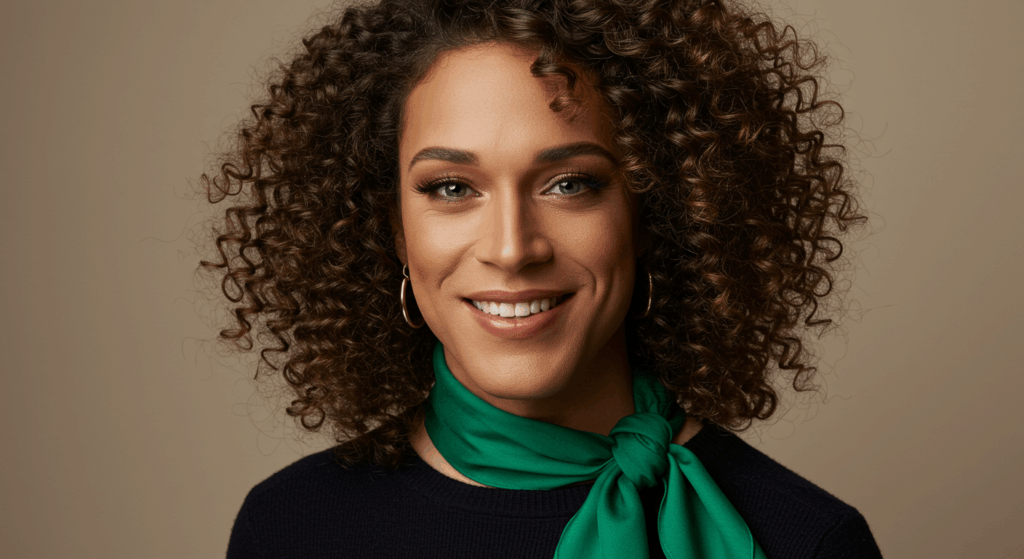
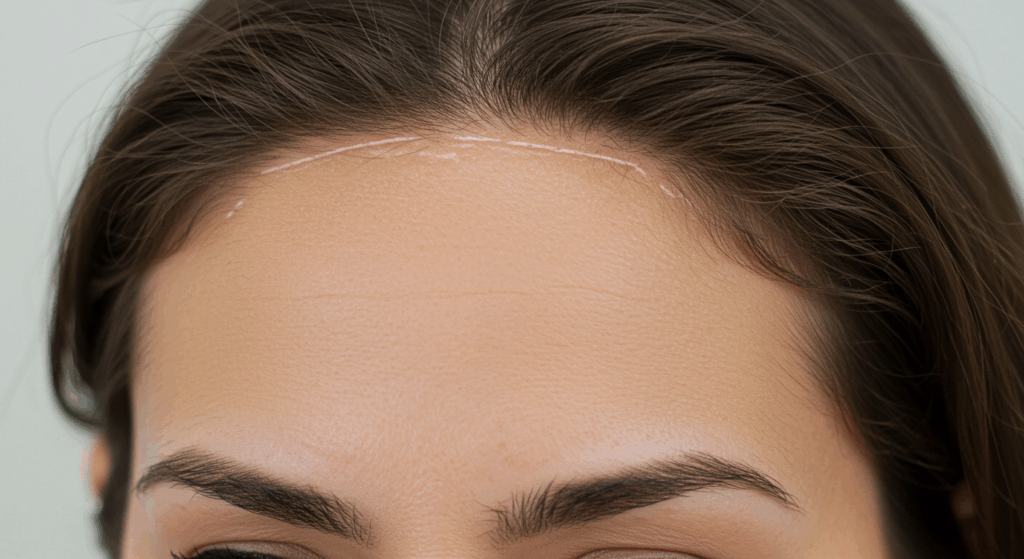
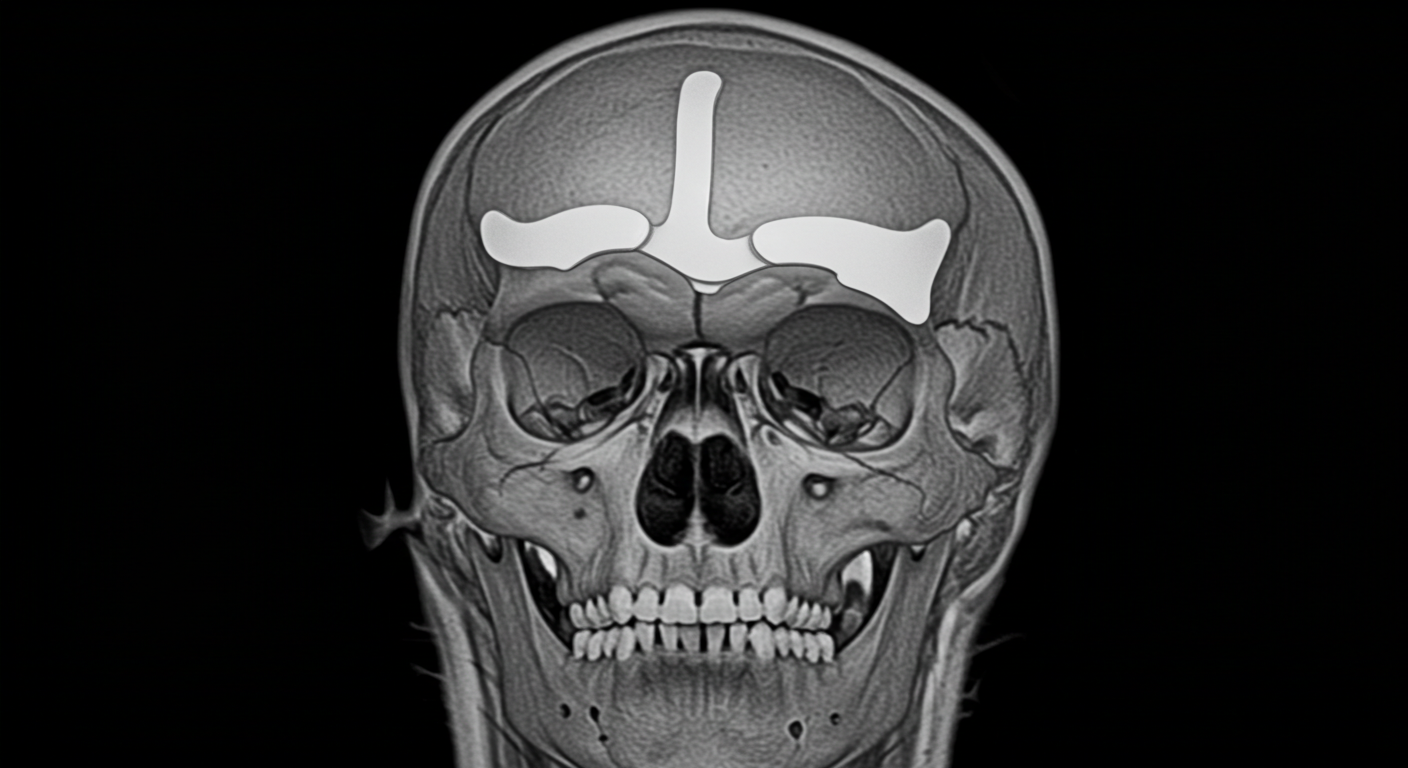
Are you self-conscious about a high or receding hairline? Hairline advancement surgery, also known as hairline lowering or forehead reduction surgery, is a transformative procedure designed to create a more balanced and youthful facial appearance. This comprehensive guide will walk you through how the surgery works, what to expect in terms of results, and everything in between.
Whether you’re exploring this option for aesthetic reasons or as part of gender-affirming facial feminization, understanding the process is crucial. Let’s dive into the details of this life-changing procedure.
Hairline advancement surgery is a cosmetic procedure aimed at lowering the hairline to reduce the appearance of a large forehead. It is often sought by individuals who feel their forehead is disproportionately large compared to other facial features or those undergoing facial feminization surgery (FFS).
Who Are the Best Candidates?
The best candidates for hairline advancement surgery are individuals who:
Have a high or receding hairline
Feel their forehead is too large for their facial proportions
Are in good overall health
Have realistic expectations about the results
Are non-smokers or willing to quit smoking before and after surgery
Conclusion: Is Hairline Advancement Right for You?
Key Takeaways
Hairline advancement surgery is a highly effective procedure for lowering the hairline and improving facial balance.
The surgery involves removing a strip of forehead skin and advancing the hairline to a more youthful position.
Recovery is manageable with proper aftercare, and results are immediate and long-lasting.
Choosing a qualified surgeon is crucial for minimizing risks and achieving optimal results.
Next Steps
If you’re considering hairline advancement surgery, the next steps are:
Schedule a consultation with a board-certified surgeon.
Discuss your goals and expectations in detail.
Follow pre- and post-operative instructions carefully.
Prepare for recovery and enjoy your transformed appearance.
Frequently Asked Questions (FAQs)
How long does it take to recover from hairline advancement surgery?
Most patients return to normal activities within 1-2 weeks, but full recovery can take up to 6 weeks. Follow your surgeon’s aftercare instructions for the best results.
Will there be visible scarring after the surgery?
Scarring is typically minimal and hidden within the hairline. Skilled surgeons use techniques to ensure scars are as discreet as possible.
Is hairline advancement surgery painful?
Discomfort is usually mild to moderate and can be managed with prescribed pain medications. Most patients report that the procedure is less painful than expected.
Can hairline advancement surgery be combined with other procedures?
Yes, it is often combined with procedures like forehead contouring or brow lifts for comprehensive facial rejuvenation.
How do I choose the right surgeon for hairline advancement?
Look for a board-certified surgeon with extensive experience in hairline advancement and facial feminization procedures. Review before-and-after photos and patient testimonials.
What is the difference between hairline advancement and hairline feminization?
Hairline advancement focuses on lowering the hairline, while hairline feminization aims to create a more feminine hairline shape. Both can be part of facial feminization surgery (FFS).
Are the results of hairline advancement permanent?
Yes, the results are permanent. However, natural aging processes may continue to affect your appearance over time.
What are the alternatives to hairline advancement surgery?
Alternatives include hair transplants, non-surgical hair systems, and makeup techniques. However, these options may not provide the same level of permanence or natural results.
Visit Dr.MFO Instagram profile to see real patient transformations! Get a glimpse of the incredible results achieved through facial feminization surgery and other procedures. The profile showcases before-and-after photos that highlight Dr. MFO’s expertise and artistic vision in creating natural-looking, beautiful outcomes.
Ready to take the next step in your journey? Schedule a free consultation with Dr. MFO ( Best Facial Feminization Surgeon for You) today. During the consultation, you can discuss your goals, ask any questions you may have, and learn more about how Dr. MFO can help you achieve your desired look. Don’t hesitate to take advantage of this free opportunity to explore your options and see if Dr. MFO is the right fit for you.
If you’re considering forehead cranioplasty, one of the most critical decisions you and your surgeon will make is selecting the right material. The choice of material impacts not only the aesthetic outcome but also the longevity, safety, and overall success of the procedure. This comprehensive guide explores the types of materials commonly used in forehead cranioplasty, how they are chosen for each patient, and what you need to know to make an informed decision.
By the end of this guide, you’ll understand:
The different types of materials used in forehead cranioplasty.
How surgeons select the best material for each patient.
The pros and cons of each material option.
What to discuss with your surgeon to ensure the best outcome.
Understanding Forehead Cranioplasty and Its Goals
What Is Forehead Cranioplasty?
Forehead cranioplasty is a surgical procedure aimed at reshaping or reconstructing the forehead. It is commonly performed for:
Medical reasons: Correcting congenital deformities, trauma-related injuries, or defects following tumor removal.
Aesthetic reasons: Such as forehead reduction or feminization in facial gender confirmation surgeries.
The material used in forehead cranioplasty plays a pivotal role in:
Aesthetic outcomes: The material should blend seamlessly with the natural contours of the face.
Durability and longevity: The material must withstand the test of time without degrading or shifting.
Safety and biocompatibility: The material should be compatible with the body to minimize the risk of rejection or infection.
Common Materials Used in Forehead Cranioplasty
1. Autologous Bone Grafts
What Are Autologous Bone Grafts?
Autologous bone grafts involve using bone harvested from the patient’s own body, typically from the skull, ribs, or pelvis. This type of graft is considered the gold standard due to its high biocompatibility and low risk of rejection.
Pros and Cons
Pros
Cons
High biocompatibility and low risk of rejection.
Requires additional surgery to harvest bone.
Natural integration with the body.
Limited availability depending on the patient’s bone quality.
Long-term durability.
Potential for donor site pain or complications.
Best For
Autologous bone grafts are ideal for patients who:
Have sufficient bone quality and quantity for harvesting.
Prefer a natural, long-term solution with minimal risk of rejection.
2. Synthetic Materials
What Are Synthetic Materials?
Synthetic materials, such as polyether ether ketone (PEEK), polymethyl methacrylate (PMMA), and titanium mesh, are commonly used in cranioplasty. These materials are designed to mimic the properties of natural bone while offering durability and ease of use.
Pros and Cons
Pros
Cons
No need for additional surgery to harvest bone.
Potential risk of infection or rejection.
Customizable to fit the patient’s anatomy.
May not integrate as naturally as autologous bone.
Durable and long-lasting.
Higher cost compared to some natural options.
Best For
Synthetic materials are ideal for patients who:
Do not have sufficient bone for harvesting.
Prefer a customizable and durable solution.
3. Allografts
What Are Allografts?
Allografts involve using bone tissue donated from another human, which is processed and sterilized for safety. This option provides a balance between natural integration and the convenience of not requiring bone harvesting from the patient.
Pros and Cons
Pros
Cons
No need for additional surgery to harvest bone.
Potential risk of rejection or infection.
Good biocompatibility.
Limited availability and higher cost.
Natural integration with the body.
Requires thorough screening and processing.
Best For
Allografts are ideal for patients who:
Do not have sufficient bone for autologous grafts.
Prefer a natural option without synthetic materials.
4. Xenografts
What Are Xenografts?
Xenografts involve using bone tissue from another species, typically bovine (cow) or porcine (pig) sources. This material is processed to remove organic components, leaving a mineral scaffold that can integrate with the patient’s bone.
Pros and Cons
Pros
Cons
No need for additional surgery to harvest bone.
Potential risk of rejection or allergic reaction.
Readily available and cost-effective.
May not integrate as naturally as autologous bone.
Good biocompatibility when processed properly.
Ethical or religious concerns for some patients.
Best For
Xenografts are ideal for patients who:
Do not have sufficient bone for autologous grafts.
Are comfortable with the use of animal-derived materials.
How Surgeons Choose the Right Material for Each Patient
Factors Influencing Material Selection
Surgeons consider several factors when selecting the best material for forehead cranioplasty:
Patient’s anatomy and bone quality: The availability and quality of the patient’s bone for autologous grafts.
Surgical goals: Whether the procedure is for medical reconstruction or aesthetic enhancement.
Patient’s health and medical history: Conditions that may affect healing or increase the risk of complications.
Patient’s preferences: Personal preferences regarding natural vs. synthetic materials.
Pre-Surgical Consultation and Planning
During the pre-surgical consultation, your surgeon will:
Evaluate your medical history and current health status.
Discuss your goals and expectations for the procedure.
Explain the pros and cons of each material option.
Recommend the best material based on your unique needs.
Customization and Fit
Modern advancements allow for customization of materials to ensure a perfect fit:
3D Imaging and Printing: Synthetic materials can be custom-designed using 3D imaging to match the patient’s anatomy.
Intraoperative Adjustments: Surgeons can make real-time adjustments during surgery to ensure the best fit and aesthetic outcome.
Comparison of Materials Used in Forehead Cranioplasty
Material Type
Pros
Cons
Best For
Autologous Bone Grafts
High biocompatibility, natural integration, long-term durability
Requires additional surgery, limited availability, donor site pain
Patients with sufficient bone quality, preferring natural solutions
Synthetic Materials (PEEK, PMMA, Titanium)
No additional surgery, customizable, durable
Potential risk of infection, higher cost, less natural integration
Patients without sufficient bone, preferring customizable solutions
Allografts
No additional surgery, good biocompatibility, natural integration
Potential risk of rejection, limited availability, higher cost
Patients without sufficient bone, preferring natural options
Xenografts
No additional surgery, readily available, cost-effective
Potential risk of rejection, ethical concerns, less natural integration
Patients comfortable with animal-derived materials
Conclusion
Key Takeaways
The choice of material in forehead cranioplasty impacts the aesthetic outcome, durability, and safety of the procedure.
Common materials include autologous bone grafts, synthetic materials, allografts, and xenografts, each with unique pros and cons.
Surgeons select materials based on the patient’s anatomy, surgical goals, health, and preferences.
Modern advancements, such as 3D imaging and customization, enhance the fit and success of the procedure.
Next Steps
If you’re considering forehead cranioplasty, schedule a consultation with a board-certified surgeon to discuss your goals and the best material options for your needs. For more information on related procedures, explore our resources on forehead reduction surgery for men and facial reconstruction surgery.
Frequently Asked Questions (FAQs)
1. What is the best material for forehead cranioplasty?
The best material depends on your unique needs, bone quality, and surgical goals. Autologous bone grafts are often considered the gold standard, but synthetic materials and allografts are excellent alternatives for patients who cannot use their own bone.
2. Are synthetic materials safe for forehead cranioplasty?
Yes, synthetic materials like PEEK, PMMA, and titanium are designed to be biocompatible and safe for use in cranioplasty. However, they carry a slight risk of infection or rejection, which your surgeon will discuss with you.
3. How long does it take to recover from forehead cranioplasty?
Recovery varies depending on the material used and the extent of the surgery. Most patients can return to normal activities within 4-6 weeks, but full recovery may take up to 12 months.
4. Can I choose the material for my forehead cranioplasty?
Yes, your surgeon will discuss the available options with you and recommend the best material based on your anatomy, health, and goals. Ultimately, the decision is a collaborative process between you and your surgeon.
5. What are the risks of using allografts or xenografts?
The primary risks include rejection, infection, and less natural integration compared to autologous bone. However, these risks are minimized through thorough screening, processing, and surgical techniques.
6. How do I know if I’m a good candidate for autologous bone grafts?
Your surgeon will evaluate your bone quality and quantity during the consultation. If you have sufficient bone for harvesting and are in good health, you may be an ideal candidate for autologous bone grafts.
7. Are there any ethical concerns with using xenografts?
Some patients may have ethical or religious concerns about using animal-derived materials. It’s important to discuss these concerns with your surgeon, who can provide alternatives if needed.
8. How do synthetic materials compare to natural bone grafts?
Synthetic materials offer the advantage of customization and eliminate the need for additional surgery to harvest bone. However, they may not integrate as naturally as autologous bone and carry a slightly higher risk of infection or rejection.
Visit Dr.MFO Instagram profile to see real patient transformations! Get a glimpse of the incredible results achieved through facial feminization surgery and other procedures. The profile showcases before-and-after photos that highlight Dr. MFO’s expertise and artistic vision in creating natural-looking, beautiful outcomes.
Ready to take the next step in your journey? Schedule a free consultation with Dr. MFO ( Best Facial Feminization Surgeon for You) today. During the consultation, you can discuss your goals, ask any questions you may have, and learn more about how Dr. MFO can help you achieve your desired look. Don’t hesitate to take advantage of this free opportunity to explore your options and see if Dr. MFO is the right fit for you.
Undergoing a forehead lift surgery is a significant decision, whether for cosmetic enhancement or functional improvement. One of the most pressing questions patients have is: “How long does the recovery process take after a forehead lift surgery, and what can I expect during this period?“
This comprehensive guide is designed to provide you with a detailed recovery timeline, practical tips for a smoother healing process, and insights into what to expect at each stage. As a board-certified expert in facial surgeries, I’ve helped hundreds of patients achieve optimal results with minimal downtime. Let’s dive into the specifics to ensure you’re fully prepared for your recovery journey.
Understanding Forehead Lift Surgery: A Brief Overview
A forehead lift, also known as a brow lift, is a surgical procedure aimed at rejuvenating the upper face. It addresses concerns such as:
Drooping eyebrows
Forehead wrinkles and furrows
Frown lines between the eyebrows
The procedure can be performed using different techniques, including:
Endoscopic forehead lift: Minimally invasive, using small incisions and an endoscope.
Coronal forehead lift: Involves an incision across the top of the head, typically hidden within the hairline.
Hairline forehead lift: Ideal for patients with a high hairline, as the incision is made along the hairline.
The Forehead Lift Recovery Timeline: What to Expect Week by Week
Recovery from a forehead lift surgery is a gradual process. Below is a week-by-week breakdown of what you can expect:
Week
What to Expect
Tips for a Smooth Recovery
Week 1
Swelling and bruising around the forehead and eyes. Mild to moderate discomfort, managed with prescribed pain medication. Possible numbness or tingling in the scalp.
Keep your head elevated while resting to reduce swelling. Apply cold compresses gently to the affected areas. Avoid strenuous activities and heavy lifting.
Week 2
Swelling and bruising begin to subside. Stitches or staples are typically removed by the end of this week. You may start to feel more comfortable and can resume light activities.
Follow your surgeon’s instructions for wound care. Avoid direct sunlight and wear a hat when outdoors. Continue to avoid heavy exercise or activities that raise blood pressure.
Week 3-4
Most swelling and bruising have resolved. You can gradually return to normal activities, including work. Some residual numbness may persist but will improve over time.
Use sunscreen to protect healing skin from UV damage. Massage the forehead gently to improve circulation and reduce stiffness. Follow up with your surgeon for a progress check.
Month 2-3
Final results become more apparent as residual swelling subsides. Full sensation in the scalp returns. You can resume all normal activities, including vigorous exercise.
Maintain a healthy skincare routine to preserve results. Stay hydrated and eat a balanced diet to support healing. Schedule a final follow-up with your surgeon to assess results.
Managing Discomfort and Potential Complications
While forehead lift surgery is generally safe, it’s important to be aware of potential complications and how to manage them:
Potential Complication
Symptoms
Management
Infection
Increased pain, redness, or swelling Fever or chills Pus or foul odor from the incision site
Contact your surgeon immediately if you suspect an infection. Follow prescribed antibiotic treatment if necessary.
Hematoma
Sudden swelling or bruising Pain or pressure in the forehead
Seek medical attention promptly. Drainage may be required to relieve pressure.
Scarring
Visible or raised scars along the incision line
Use silicone gel or sheets to minimize scarring. Follow your surgeon’s advice on scar management techniques.
Nerve Damage
Numbness or weakness in the forehead or scalp Difficulty raising eyebrows
Most nerve issues resolve on their own within a few months. Physical therapy or nerve stimulation may be recommended in rare cases.
To ensure a smooth recovery, follow these expert-recommended tips:
Follow Post-Operative Instructions: Adhere to your surgeon’s guidelines for wound care, medication, and activity restrictions.
Stay Hydrated and Eat Nutritiously: Proper hydration and a balanced diet rich in vitamins and minerals support healing.
Avoid Smoking and Alcohol: Both can impair healing and increase the risk of complications.
Use Cold Compresses: Apply cold compresses to reduce swelling during the first 48 hours.
Keep Your Head Elevated: Sleep with your head elevated to minimize swelling.
Wear Loose Clothing: Avoid tight clothing or accessories that may irritate the incision sites.
Attend Follow-Up Appointments: Regular check-ups with your surgeon ensure that your recovery is on track.
Conclusion: Your Path to a Successful Recovery
Key Takeaways
Recovery Timeline: Most patients resume normal activities within 2-3 weeks, with full recovery taking up to 3 months.
Managing Discomfort: Follow your surgeon’s instructions for pain management and wound care to minimize complications.
Long-Term Results: Final results become apparent as swelling subsides, revealing a more youthful and refreshed appearance.
Next Steps
If you’re considering a forehead lift or have recently undergone the procedure, schedule a consultation with a board-certified surgeon to discuss your recovery plan. For more insights into facial surgeries, explore our resources on forehead reconstruction and forehead reduction.
Frequently Asked Questions (FAQs)
How long does it take to recover from a forehead lift surgery?
Most patients return to normal activities within 2-3 weeks, but full recovery can take up to 3 months as residual swelling subsides and final results become apparent.
What can I expect during the first week after surgery?
During the first week, you can expect swelling, bruising, and mild discomfort, which can be managed with prescribed pain medication. Keeping your head elevated and applying cold compresses can help reduce swelling.
When can I return to work after a forehead lift?
Most patients can return to work within 10-14 days, depending on the nature of their job and their individual healing progress.
Are there any risks or complications associated with forehead lift surgery?
While complications are rare, they can include infection, hematoma, scarring, and nerve damage. Following your surgeon’s post-operative instructions can minimize these risks.
How can I minimize scarring after a forehead lift?
To minimize scarring, use silicone gel or sheets as recommended by your surgeon. Additionally, avoid direct sunlight and follow a proper skincare routine to support healing.
Will I have visible scars after a forehead lift?
Scars are typically hidden within the hairline or natural creases of the forehead. Over time, they fade and become less noticeable.
Can I wear makeup after a forehead lift?
You can usually resume wearing makeup after 1-2 weeks, once your incisions have healed sufficiently. Consult your surgeon for personalized advice.
What should I avoid during the recovery period?
During recovery, avoid strenuous activities, heavy lifting, smoking, alcohol, and direct sunlight. These can impede healing and increase the risk of complications.
Visit Dr.MFO Instagram profile to see real patient transformations! Get a glimpse of the incredible results achieved through facial feminization surgery and other procedures. The profile showcases before-and-after photos that highlight Dr. MFO’s expertise and artistic vision in creating natural-looking, beautiful outcomes.
Ready to take the next step in your journey? Schedule a free consultation with Dr. MFO ( Best Facial Feminization Surgeon for You) today. During the consultation, you can discuss your goals, ask any questions you may have, and learn more about how Dr. MFO can help you achieve your desired look. Don’t hesitate to take advantage of this free opportunity to explore your options and see if Dr. MFO is the right fit for you.
Are you exploring Facial Feminization Surgery (FFS)to achieve a more harmonious, feminine appearance? One of the most impactful procedures within FFS is hairline advancement, which can significantly soften the forehead and create a more balanced facial structure. But who is the ideal candidate for this life-changing surgery?
In this comprehensive guide, we’ll explore the key characteristics of an ideal candidate for hairline advancement in FFS, the benefits and risks, and what you need to know to make an informed decision. Whether you’re in the early stages of research or ready to consult a surgeon, this guide will provide the clarity you need.
Understanding Hairline Advancement in FFS
What Is Hairline Advancement?
Hairline advancement, also known as hairline lowering or forehead reduction, is a surgical procedure designed to reduce the height of the forehead and create a more feminine hairline. This is achieved by moving the hairline forward and, in some cases, reshaping it to better suit the patient’s facial features.
Why Is It Important in FFS?
A high or receding hairline is often associated with masculine facial features. By lowering the hairline, surgeons can create a softer, more youthful, and traditionally feminine appearance. This procedure is a cornerstone of FFS, as it addresses one of the most noticeable areas of gender difference in facial structure.
How Does It Differ from Other FFS Procedures?
While procedures like rhinoplasty or jaw contouring focus on reshaping specific features, hairline advancement targets the proportional balance of the face. It’s often combined with other FFS procedures, such as brow lifts or forehead contouring, to achieve a cohesive result.
Key Characteristics of an Ideal Candidate for Hairline Advancement
1. Facial Structure and Proportions
An ideal candidate typically has a high forehead or a receding hairline, which can create a more masculine appearance. The goal of hairline advancement is to achieve a balanced facial proportion, where the distance between the eyebrows and the hairline is reduced to a more feminine ratio.
2. Hair Density and Quality
Candidates with good hair density and healthy hair follicles are more likely to achieve optimal results. While hair transplants can be used to fill in thinning areas post-surgery, having a strong baseline of hair growth ensures a more seamless outcome.
It’s crucial for candidates to have realistic expectations about the outcomes of hairline advancement. While the procedure can dramatically enhance facial femininity, it’s important to understand that results vary based on individual anatomy and healing processes.
4. Overall Health and Medical History
Candidates should be in good overall health and free from conditions that could impair healing, such as uncontrolled diabetes or autoimmune disorders. A thorough medical evaluation is essential to ensure safety and optimal results.
5. Psychological Readiness
Undergoing FFS is a significant decision that requires emotional preparation. Ideal candidates are mentally prepared for the changes and have a strong support system in place.
Characteristic
Why It Matters
High forehead or receding hairline
Creates a more feminine facial proportion
Good hair density and quality
Ensures seamless post-surgical hair growth
Realistic expectations
Aligns goals with achievable outcomes
Good overall health
Promotes safe surgery and healing
Psychological readiness
Prepares for emotional and physical changes
Benefits and Risks of Hairline Advancement in FFS
Benefits
Enhanced Feminine Appearance: Lowering the hairline creates a softer, more youthful look.
Improved Facial Proportions: Balances the forehead with other facial features.
Boosted Confidence: Many patients report increased self-esteem post-surgery.
Natural-Looking Results: When performed by an expert, the results are subtle and harmonious.
Risks and Complications
As with any surgical procedure, hairline advancement carries potential risks, including:
Scarring: While surgeons aim to minimize scarring, it’s a possibility, especially in patients prone to keloid formation.
Hair Loss: Temporary or permanent hair loss can occur around the incision sites.
Infection: Proper post-operative care is essential to prevent infections.
Numbness: Temporary numbness or altered sensation in the forehead area is common but usually resolves over time.
Prepare for Surgery: Follow your surgeon’s guidelines for pre-operative care to ensure a smooth procedure and recovery.
Frequently Asked Questions About Hairline Advancement in FFS
1. How Painful Is Hairline Advancement Surgery?
Most patients report mild to moderate discomfort during recovery, which is manageable with prescribed pain medication. The procedure itself is performed under anesthesia, so no pain is felt during surgery.
2. Can Hair Transplants Be Used After FFS to Fill in Thinning Areas?
Yes, hair transplants can be used to address thinning areas post-FFS. This is often recommended for patients with naturally thin hair or those who experience hair loss after surgery. For more details, see: Can Hair Transplants Be Used to Fill in Thinning Hair After FFS?.
3. How Long Does It Take to See Final Results?
While initial changes are visible within weeks, final results typically take 3-6 months as swelling subsides and the hairline settles.
4. Are There Any Non-Surgical Options for Lowering the Hairline?
Yes, options like hairline tattooing and hairstyling techniques can create the illusion of a lower hairline without surgery. However, these methods do not physically alter the hairline’s position.
5. What Should I Look for in an FFS Surgeon?
Choose a board-certified surgeon with extensive experience in FFS and hairline advancement. Review before-and-after photos, patient testimonials, and ensure they prioritize natural-looking results.
6. How Much Does Hairline Advancement Cost?
The cost varies depending on the surgeon’s expertise, location, and the complexity of the procedure. On average, prices range from $5,000 to $15,000.
7. Can Hairline Advancement Be Combined with Other FFS Procedures?
Absolutely! Many patients opt to combine hairline advancement with procedures like forehead contouring or brow lifts for a more comprehensive transformation.
8. What Are the Signs of a Poorly Performed Hairline Advancement?
Signs of a suboptimal procedure include visible scarring, unnatural hairline shape, or asymmetry. Choosing an experienced surgeon minimizes these risks.
Visit Dr.MFO Instagram profile to see real patient transformations! Get a glimpse of the incredible results achieved through facial feminization surgery and other procedures. The profile showcases before-and-after photos that highlight Dr. MFO’s expertise and artistic vision in creating natural-looking, beautiful outcomes.
Ready to take the next step in your journey? Schedule a free consultation with Dr. MFO ( Best Facial Feminization Surgeon for You) today. During the consultation, you can discuss your goals, ask any questions you may have, and learn more about how Dr. MFO can help you achieve your desired look. Don’t hesitate to take advantage of this free opportunity to explore your options and see if Dr. MFO is the right fit for you.
Undergoing a coronal incision procedure is a significant step, whether for medical or cosmetic reasons. Proper pre-operative preparation is crucial for ensuring a smooth surgery and optimal recovery. This guide provides a comprehensive, step-by-step breakdown of everything you need to know before your procedure, from medical evaluations to lifestyle adjustments.
By following these guidelines, you’ll minimize risks, enhance recovery, and achieve the best possible outcome. Let’s dive into the essential preparations you need to make.
1. Medical Evaluations and Consultations
1.1. Pre-Surgical Medical Assessment
Before your coronal incision procedure, your surgeon will conduct a thorough medical assessment to ensure you’re a suitable candidate. This typically includes:
Blood Tests: To check for infections, anemia, or clotting disorders.
Electrocardiogram (ECG): To evaluate heart health, especially for patients over 40 or with a history of heart disease.
Chest X-Ray: To assess lung health and rule out respiratory issues.
Allergy Testing: To identify potential allergic reactions to anesthesia or medications.
1.2. Consultation with Your Surgeon
During your consultation, your surgeon will:
Discuss your medical history, including past surgeries, chronic conditions, and medications.
Explain the procedure in detail, including risks, benefits, and expected outcomes.
Provide pre-operative instructions tailored to your specific needs.
Your diet plays a critical role in preparing your body for surgery. Focus on:
Hydration: Drink at least 8 glasses of water daily to stay hydrated.
Balanced Diet: Consume a diet rich in proteins, vitamins, and minerals to support healing. Include lean meats, fruits, vegetables, and whole grains.
Avoid Alcohol and Caffeine: Both can dehydrate you and interfere with anesthesia.
2.2. Smoking and Nicotine
Smoking and nicotine use can impair healing and increase the risk of complications. It’s essential to:
Quit smoking at least 4 weeks before surgery.
Avoid nicotine patches, gum, or vaping products.
2.3. Exercise and Physical Activity
While staying active is important, avoid strenuous exercise in the week leading up to your surgery. Focus on light activities like walking to maintain circulation.
3. Medication Management
3.1. Medications to Avoid
Certain medications can increase bleeding or interfere with anesthesia. Your surgeon may advise you to avoid:
Medication Type
Examples
When to Stop
Blood Thinners
Aspirin, Warfarin, Ibuprofen
2 weeks before surgery
Herbal Supplements
Ginkgo Biloba, Garlic, Ginseng
2 weeks before surgery
Vitamin E
High-dose supplements
2 weeks before surgery
3.2. Approved Medications
Your surgeon may prescribe or approve certain medications to manage pain or prevent infections post-surgery. Always follow their instructions regarding:
Antibiotics to prevent infection.
Pain relievers for post-operative comfort.
4. Logistics and Planning
4.1. Arrange Transportation
You won’t be able to drive immediately after surgery. Arrange for a friend or family member to drive you home post-procedure.
1. How long does it take to recover from a coronal incision procedure?
Recovery time varies, but most patients can return to normal activities within 2-4 weeks. Full recovery may take several months.
2. Will I have visible scars after the procedure?
The coronal incision is typically made along the hairline, which helps conceal scars. However, some scarring may be visible initially but usually fades over time.
3. Can I wash my hair after surgery?
You’ll need to avoid washing your hair for at least 48 hours post-surgery. Your surgeon will provide specific instructions on when it’s safe to resume hair washing.
4. What should I wear on the day of surgery?
Wear loose, comfortable clothing that doesn’t need to be pulled over your head. Avoid jewelry, makeup, or contact lenses.
5. How can I manage pain after the procedure?
Your surgeon will prescribe pain medications to manage discomfort. Applying ice packs to the incision area can also help reduce swelling and pain.
6. Are there any dietary restrictions after surgery?
Stick to soft, easy-to-digest foods for the first few days. Avoid spicy, crunchy, or hard-to-chew foods that may strain your incision area.
7. When can I return to work?
Most patients can return to work within 2-3 weeks, depending on the nature of their job. Avoid strenuous activities for at least 4-6 weeks.
Watch for symptoms like increased pain, redness, swelling, or discharge from the incision site. Fever or chills may also indicate an infection. Contact your surgeon immediately if you notice any of these signs.
Visit Dr.MFO Instagram profile to see real patient transformations! Get a glimpse of the incredible results achieved through facial feminization surgery and other procedures. The profile showcases before-and-after photos that highlight Dr. MFO’s expertise and artistic vision in creating natural-looking, beautiful outcomes.
Ready to take the next step in your journey? Schedule a free consultation with Dr. MFO ( Best Facial Feminization Surgeon for You) today. During the consultation, you can discuss your goals, ask any questions you may have, and learn more about how Dr. MFO can help you achieve your desired look. Don’t hesitate to take advantage of this free opportunity to explore your options and see if Dr. MFO is the right fit for you.
Undergoing surgery is a significant decision, and understanding the recovery process is crucial for achieving the best outcomes. If you or a loved one is preparing for a coronal incision, you may wonder how its recovery differs from other surgical incisions. This guide provides a detailed comparison, expert insights, and actionable tips to ensure a smooth recovery journey.
Understanding Coronal Incisions
A coronal incision is commonly used in procedures like brow lifts and facial femininization surgery (FFS). It involves an incision made from ear to ear across the top of the head, hidden within the hairline. This approach allows surgeons to access the forehead and upper facial structures without visible scarring.
How long does it take to recover from a coronal incision?
Recovery typically takes 4-12 weeks, with most patients resuming normal activities within 4-6 weeks. Full healing and final results may take up to 6 months.
Is the recovery process painful?
Discomfort is usually moderate and manageable with prescribed pain medications. Most patients report significant improvement within the first week.
Will I have visible scars after a coronal incision?
No, coronal incisions are designed to hide scars within the hairline, making them virtually invisible once healed.
Can I wash my hair after surgery?
You can typically wash your hair 5-7 days post-surgery, following your surgeon’s specific instructions to avoid disturbing the incision.
What are the risks associated with coronal incisions?
Potential risks include infection, bleeding, and temporary numbness. However, these are rare when post-operative care instructions are followed. For more details, visit our page on FFS surgery complications.
Most patients return to work within 2-3 weeks, depending on the nature of their job and individual healing progress.
Are there alternatives to coronal incisions?
Yes, alternatives like endoscopic brow lifts offer less invasive options with shorter recovery times. Discuss with your surgeon to determine the best approach for your needs.
What should I avoid during recovery?
Avoid strenuous activities, heavy lifting, and exposure to direct sunlight. Follow your surgeon’s guidelines to ensure optimal healing.
Conclusion
Key Takeaways
Coronal incisions offer hidden scarring and broad access for facial procedures.
Recovery involves swelling, discomfort, and gradual healing over 4-12 weeks.
Comparatively, coronal incisions have a longer recovery than endoscopic or laparoscopic procedures but provide superior access for complex surgeries.
Following expert tips can significantly enhance your recovery experience.
Visit Dr.MFO Instagram profile to see real patient transformations! Get a glimpse of the incredible results achieved through facial feminization surgery and other procedures. The profile showcases before-and-after photos that highlight Dr. MFO’s expertise and artistic vision in creating natural-looking, beautiful outcomes.
Ready to take the next step in your journey? Schedule a free consultation with Dr. MFO ( Best Facial Feminization Surgeon for You) today. During the consultation, you can discuss your goals, ask any questions you may have, and learn more about how Dr. MFO can help you achieve your desired look. Don’t hesitate to take advantage of this free opportunity to explore your options and see if Dr. MFO is the right fit for you.
If you’re considering frontal bossing reduction surgery, one of the most pressing questions on your mind is likely: “What is the average cost, and does insurance cover it?” Understanding the financial aspects of this procedure is crucial for planning and making an informed decision.
This comprehensive guide provides a detailed breakdown of the average cost of frontal bossing reduction surgery, factors that influence pricing, insurance coverage options, and financing alternatives. By the end, you’ll have a clear understanding of what to expect financially and how to navigate the payment process.
Average Cost of Frontal Bossing Reduction Surgery
1. Cost Breakdown by Technique
Forehead Contouring (Bone Shaving)
Forehead contouring, or bone shaving, is one of the most common techniques for reducing frontal bossing. The cost typically ranges from $5,000 to $15,000, depending on the complexity of the procedure and the surgeon’s experience.
Factors Influencing Cost
Surgeon’s expertise: Highly experienced surgeons may charge more for their services.
Geographic location: Costs vary significantly based on the region or country where the surgery is performed.
Facility fees: Hospital or surgical center fees can add to the overall cost.
Anesthesia fees: The cost of anesthesia and the anesthesiologist’s services.
For individuals requiring more extensive reconstruction, the use of implants or bone grafts may be necessary. This technique typically costs between $10,000 and $25,000.
Factors Influencing Cost
Type of material: Synthetic implants, autologous bone grafts, or allografts can vary in cost.
Surgical complexity: More intricate procedures require additional time and resources.
Post-operative care: Follow-up visits and potential revisions can add to the cost.
For transgender women, frontal bossing reduction is often part of Facial Feminization Surgery (FFS). The cost of FFS, which may include multiple procedures, ranges from $20,000 to $50,000.
Factors Influencing Cost
Combination of procedures: FFS often includes forehead contouring, rhinoplasty, jaw reduction, and other facial modifications.
Surgeon’s specialization: Surgeons with expertise in gender-affirming procedures may charge a premium.
Geographic location: Costs can vary widely based on the location of the surgical facility.
2. Geographic Influence on Cost
Cost by Region
The cost of frontal bossing reduction surgery can vary significantly depending on the geographic location. Below is a general breakdown:
Region
Average Cost Range
Factors Influencing Cost
United States
$7,000 – $30,000
High demand, experienced surgeons, advanced facilities
Europe
$6,000 – $25,000
Varies by country, includes travel and accommodation costs
Many individuals consider traveling abroad for frontal bossing reduction surgery to take advantage of lower costs. However, it’s essential to consider:
Quality and safety standards: Ensure the facility and surgeon meet international standards.
Travel and accommodation costs: Factor in flights, hotels, and post-operative care.
Follow-up care: Plan for potential complications and the need for local follow-up care.
Does Insurance Cover Frontal Bossing Reduction Surgery?
1. Insurance Coverage for Medical Necessity
When Is It Covered?
Insurance may cover frontal bossing reduction surgery if it is deemed medically necessary. This typically includes cases where:
The procedure is required to correct a congenital deformity.
Frontal bossing is causing functional impairments, such as vision problems.
The surgery is part of gender-affirming care for transgender individuals.
How to Determine Coverage
To determine if your insurance covers the procedure:
Review your insurance policy for coverage details related to reconstructive or gender-affirming surgeries.
Obtain a letter of medical necessity from your surgeon or healthcare provider.
Submit a pre-authorization request to your insurance company.
2. Insurance Coverage for Gender Affirmation
Coverage for FFS
For transgender individuals, frontal bossing reduction as part of Facial Feminization Surgery (FFS) may be covered under gender-affirming care policies. Many insurance companies now recognize the medical necessity of gender-affirming procedures.
Steps to Secure Coverage
To increase the likelihood of insurance coverage:
Work with a healthcare provider experienced in transgender care.
Obtain documentation supporting the medical necessity of the procedure.
Appeal any denials with additional evidence or expert opinions.
3. Common Insurance Providers and Policies
Insurance Companies and Coverage
The following insurance providers often cover gender-affirming surgeries, including frontal bossing reduction:
Insurance Provider
Coverage for Frontal Bossing Reduction
Notes
Blue Cross Blue Shield
Often covers gender-affirming surgeries with medical necessity documentation
Varies by state and specific plan
UnitedHealthcare
Covers gender-affirming procedures under certain plans
Pre-authorization required
Aetna
Provides coverage for gender-affirming surgeries, including FFS
Requires documentation of medical necessity
Cigna
Covers gender-affirming care, including facial surgeries
Policy details vary; check with your plan
How to Advocate for Coverage
If your insurance denies coverage, consider the following steps:
Request a detailed explanation for the denial.
Work with your surgeon to provide additional documentation or evidence.
Appeal the decision with support from your healthcare provider.
Financing Options for Frontal Bossing Reduction Surgery
1. Payment Plans and Medical Loans
Payment Plans
Many surgeons and clinics offer payment plans to help manage the cost of frontal bossing reduction surgery. These plans often allow you to:
Spread the cost over several months or years.
Pay in installments with little to no interest.
Customize the payment schedule to fit your budget.
Medical Loans
Medical loans are another financing option, providing funds specifically for healthcare expenses. Popular medical loan providers include:
CareCredit
Alphaeon Credit
Prosper Healthcare Lending
2. Crowdfunding and Personal Savings
Crowdfunding
Crowdfunding platforms, such as GoFundMe or Fundly, allow individuals to raise funds for medical procedures. To maximize success:
Share your story and the importance of the surgery.
Promote your campaign on social media and within your community.
Provide updates on your progress to keep donors engaged.
Personal Savings
Using personal savings is another common way to finance frontal bossing reduction surgery. Consider the following tips:
Set a budget and savings goal.
Explore high-yield savings accounts to grow your funds.
Cut non-essential expenses to accelerate your savings.
3. Grants and Non-Profit Organizations
Grants for Gender-Affirming Surgeries
Several organizations offer grants or financial assistance for gender-affirming surgeries, including frontal bossing reduction. Some notable organizations include:
Trans Lifeline
The Trevor Project
GLAAD
How to Apply for Grants
To apply for grants, follow these steps:
Research organizations that offer financial assistance for gender-affirming surgeries.
Gather required documentation, such as medical records and letters of recommendation.
Submit your application and follow up as needed.
Comparison: Cost and Coverage of Frontal Bossing Reduction vs. Other Procedures
Procedure
Average Cost
Insurance Coverage
Financing Options
Frontal Bossing Reduction
$5,000 – $25,000
Possible for medical necessity or gender affirmation
Payment plans, medical loans, crowdfunding, grants
Forehead Contouring
$5,000 – $15,000
Rarely covered unless medically necessary
Payment plans, medical loans, personal savings
Facial Feminization Surgery (FFS)
$20,000 – $50,000
Often covered for gender affirmation
Payment plans, medical loans, grants, crowdfunding
The average cost of frontal bossing reduction surgery ranges from $5,000 to $25,000, depending on the technique, surgeon’s experience, and geographic location.
Insurance coverage may be available if the procedure is deemed medically necessary or part of gender-affirming care. Always check with your provider and obtain pre-authorization.
Financing options, such as payment plans, medical loans, crowdfunding, and grants, can help make the procedure more affordable.
Consulting with a qualified surgeon and exploring all available options will ensure you make an informed decision about your procedure and financing.
Next Steps
If you’re considering frontal bossing reduction surgery, schedule a consultation with a board-certified surgeon to discuss your goals, evaluate costs, and explore financing options. For more information on related procedures, visit our resources on forehead reconstruction surgery and facial reconstruction surgery.
Frequently Asked Questions (FAQs)
1. What is the average cost of frontal bossing reduction surgery?
The average cost ranges from $5,000 to $25,000, depending on the technique used, the surgeon’s experience, and the geographic location of the procedure.
2. Does insurance cover frontal bossing reduction surgery?
Insurance may cover the procedure if it is deemed medically necessary, such as for correcting congenital deformities or as part of gender-affirming care. Check with your insurance provider for specific coverage details.
3. How can I finance frontal bossing reduction surgery?
Financing options include payment plans offered by surgeons, medical loans, crowdfunding, personal savings, and grants from non-profit organizations.
4. What factors influence the cost of frontal bossing reduction surgery?
Factors that influence cost include the surgeon’s expertise, geographic location, facility fees, anesthesia fees, and the complexity of the procedure.
5. Is frontal bossing reduction surgery covered by insurance for transgender individuals?
Many insurance providers cover gender-affirming surgeries, including frontal bossing reduction, as part of Facial Feminization Surgery (FFS). Obtain a letter of medical necessity and submit a pre-authorization request to your insurance company.
6. Can I use a medical loan to finance frontal bossing reduction surgery?
Yes, medical loans are a common financing option for healthcare expenses, including frontal bossing reduction surgery. Providers such as CareCredit and Alphaeon Credit offer loans specifically for medical procedures.
7. Are there grants available for frontal bossing reduction surgery?
Yes, several organizations offer grants or financial assistance for gender-affirming surgeries. Research and apply to organizations such as Trans Lifeline or The Trevor Project.
8. What should I consider when traveling abroad for frontal bossing reduction surgery?
Consider the quality and safety standards of the facility, travel and accommodation costs, and the availability of follow-up care. Ensure the surgeon and facility meet international standards for medical tourism.
Visit Dr.MFO Instagram profile to see real patient transformations! Get a glimpse of the incredible results achieved through facial feminization surgery and other procedures. The profile showcases before-and-after photos that highlight Dr. MFO’s expertise and artistic vision in creating natural-looking, beautiful outcomes.
Ready to take the next step in your journey? Schedule a free consultation with Dr. MFO ( Best Facial Feminization Surgeon for You) today. During the consultation, you can discuss your goals, ask any questions you may have, and learn more about how Dr. MFO can help you achieve your desired look. Don’t hesitate to take advantage of this free opportunity to explore your options and see if Dr. MFO is the right fit for you.
Forehead cranioplasty surgery is a complex procedure that can dramatically improve both function and aesthetics for individuals with congenital deformities, trauma, or gender affirmation needs. However, like any major surgery, it comes with potential risks and complications. This guide provides a comprehensive breakdown of what you need to know to make an informed decision, from common complications to mitigation strategies.
What Is Forehead Cranioplasty Surgery?
Forehead cranioplasty is a surgical procedure aimed at reshaping or reconstructing the forehead. It is commonly performed for:
Medical reasons: Correcting deformities caused by trauma, tumors, or congenital conditions.
Aesthetic reasons: Such as forehead reduction or feminization in facial gender confirmation surgeries.
The procedure involves:
Removing or reshaping bone.
Using bone grafts or synthetic materials to achieve the desired contour.
Forehead cranioplasty carries risks such as infection, nerve damage, and hematoma, but these can be mitigated with proper care.
Choosing an experienced surgeon and adhering to pre- and post-operative instructions significantly reduces complications.
Understanding the risks and setting realistic expectations are crucial for a successful outcome.
Next Steps
If you are considering forehead cranioplasty, schedule a consultation with a board-certified surgeon to discuss your goals and potential risks. For more information on related procedures, explore our resources on forehead reduction surgery for men and MTF foreheadplasty types and FFS.
Frequently Asked Questions (FAQs)
1. Is forehead cranioplasty surgery painful?
Pain levels vary, but most patients report manageable discomfort that can be controlled with prescribed pain medications. Pain typically subsides within a few days to weeks.
2. How long is the recovery period?
The initial recovery period is about 2-4 weeks, during which patients should avoid strenuous activities. Complete healing and final results may take several months.
3. Can complications from forehead cranioplasty be permanent?
While most complications are temporary, some, such as nerve damage or scarring, can be permanent. Choosing a skilled surgeon minimizes these risks.
4. What are the signs of infection after surgery?
Signs of infection include increased redness, swelling, fever, and pus or foul-smelling discharge from the incision site. Contact your surgeon immediately if you notice these symptoms.
5. How much does forehead cranioplasty surgery cost?
The cost varies depending on the complexity of the procedure, the surgeon’s experience, and geographic location. For more details, check out our article on forehead reduction surgery costs.
6. Are there non-surgical alternatives to forehead cranioplasty?
Non-surgical alternatives, such as fillers or Botox, can provide temporary improvements but do not offer the same dramatic or permanent results as surgery.
7. How do I choose the right surgeon for forehead cranioplasty?
Look for a board-certified surgeon with extensive experience in cranioplasty procedures. Review before-and-after photos, read patient testimonials, and schedule consultations to discuss your goals and concerns.
8. Can forehead cranioplasty be combined with other procedures?
Yes, forehead cranioplasty is often combined with other facial procedures, such as brow lifts or facial feminization surgeries, to achieve comprehensive results.
Visit Dr.MFO Instagram profile to see real patient transformations! Get a glimpse of the incredible results achieved through facial feminization surgery and other procedures. The profile showcases before-and-after photos that highlight Dr. MFO’s expertise and artistic vision in creating natural-looking, beautiful outcomes.
Ready to take the next step in your journey? Schedule a free consultation with Dr. MFO ( Best Facial Feminization Surgeon for You) today. During the consultation, you can discuss your goals, ask any questions you may have, and learn more about how Dr. MFO can help you achieve your desired look. Don’t hesitate to take advantage of this free opportunity to explore your options and see if Dr. MFO is the right fit for you.
In the evolving landscape of aesthetic medicine and gender affirmation, procedures designed to harmonize facial features with an individual’s inner identity are becoming increasingly significant. Among these, forehead contouring stands out as a pivotal intervention, particularly for those seeking to align their appearance more closely with a feminine aesthetic.
Often referred to as forehead feminization, this surgical procedure targets specific bone structures of the forehead to create a softer, more rounded, and typically more feminine profile. It addresses features that might be perceived as overtly masculine, such as a prominent brow bone or a sloping forehead, transforming them into contours that are widely associated with female facial characteristics. But how exactly does this intricate procedure contribute to the perception of femininity, both from an objective aesthetic standpoint and a subjective psychological one?
This comprehensive guide delves deep into the multifaceted impact of forehead contouring. We will explore the anatomical and aesthetic principles that define an ‘ideal’ feminine forehead, understanding why certain features are perceived as masculine or feminine. We will then demystify the surgical techniques involved, outlining how skilled surgeons meticulously reshape the forehead to achieve specific feminine aesthetic outcomes.
Furthermore, we will critically examine the profound psychological and social repercussions of such a transformation, discussing how it can enhance self-perception, boost confidence, and foster greater societal affirmation of one’s gender identity. Finally, we will provide essential considerations for anyone contemplating this life-altering procedure, covering aspects from candidacy and potential risks to recovery and the crucial process of choosing a qualified surgeon. Join us as we uncover the intricate relationship between forehead contouring and the powerful perception of femininity.
The Ideal Feminine Forehead: Anatomical and Aesthetic Principles
Understanding the concept of a “feminine forehead” is fundamental to appreciating the goals and impact of forehead contouring. While beauty standards vary across cultures and individuals, certain anatomical characteristics and aesthetic principles are broadly recognized in defining a feminine forehead. These features contribute to an overall facial harmony that is often perceived as softer, more delicate, and inherently feminine. The objective of forehead contouring is to meticulously reshape the forehead bone structure to align with these universally recognized feminine attributes, thereby enhancing the perception of femininity.
Key Anatomical Features of a Feminine Forehead
The distinction between masculine and feminine foreheads is primarily rooted in bone structure. Male foreheads typically exhibit a more pronounced brow bossing – a prominent ridge of bone just above the eyes. This feature, along with a more anteriorly projected glabella (the smooth part of the forehead above and between the eyebrows), creates a flatter, sometimes more sloped or angled appearance of the forehead from the side profile. In contrast, a feminine forehead is characterized by a smoother, more rounded contour with minimal to no brow bossing. The key anatomical features include:
Smooth, Undulating Contour: A feminine forehead typically flows smoothly from the hairline down to the brow area, without significant protrusions. It presents a gentle curve, often described as convex, particularly in the upper half.
Absence or Minimal Brow Bossing: Unlike the male forehead, which often has a distinct bony ridge above the eyes, the feminine forehead is relatively flat or gently curved in this region. This absence of a prominent brow bone contributes significantly to a softer, less angular appearance.
Recessed Glabella: The area between the eyebrows (glabella) is typically more recessed in females compared to males, where it often projects forward. This recession further accentuates the smoothness of the forehead.
Higher, Arched Eyebrows: While not directly part of the forehead bone, the position and shape of the eyebrows are intimately related. Feminine eyebrows tend to be positioned higher above the orbital rim and often have a more defined arch, contributing to an open, softer eye area.
Forehead Slope: From a side profile, the feminine forehead tends to have a more vertical or slightly convex slope, avoiding the backward-sloping appearance often seen with pronounced brow bossing in males. This creates a more balanced facial profile.
Overall Facial Harmony: These individual features collectively contribute to an overall facial harmony where the forehead seamlessly integrates with other feminine features like softer cheekbones, a smaller nose, and a more defined jawline, creating a balanced and aesthetically pleasing feminine face.
Cultural and Evolutionary Perspectives on Forehead Aesthetics
The aesthetic perception of forehead features is not merely arbitrary; it is deeply rooted in cultural and evolutionary contexts. From an evolutionary standpoint, pronounced brow ridges in males are often associated with larger skulls and facial structures, which were historically linked to strength and dominance. These features are a result of hormonal influences during development, particularly testosterone, which promotes greater bone growth in these areas. Thus, a prominent brow bone became a secondary sexual characteristic indicative of masculinity.
Conversely, softer, less pronounced forehead features in females are indicative of lower testosterone levels and are associated with neoteny, or the retention of juvenile features into adulthood. Features such as a rounded forehead, larger eyes relative to the face, and a less prominent jawline are often perceived as youthful and, by extension, feminine. This preference for neotenous features in females is observed across many cultures, likely because these features are unconsciously linked to fertility and health.
Culturally, these anatomical differences have been amplified and reinforced through art, media, and societal norms. Sculptures, paintings, and modern media often depict feminine beauty with the very forehead characteristics described: smooth, unblemished, and gently curved. This pervasive visual language continually shapes our collective perception of what constitutes a ‘feminine’ face. Therefore, forehead contouring, by modifying these fundamental anatomical markers, directly taps into these deeply ingrained cultural and evolutionary aesthetic preferences, making the face more congruent with widely accepted feminine ideals.
Forehead Contouring Explained: Techniques and Goals
Forehead contouring, a critical component of facial feminization surgery (FFS), is a highly specialized procedure aimed at reshaping the forehead and brow bone to achieve a more feminine aesthetic. It addresses the bony architecture of the upper face, which can significantly influence how an individual is perceived in terms of gender. The primary goal is to soften strong, masculine features, creating a smoother, more rounded, and often more youthful forehead profile. This section will delve into the common surgical techniques employed and the specific aesthetic outcomes they are designed to achieve.
Surgical Techniques for Forehead Contouring
The specific technique chosen for forehead contouring depends on the individual’s unique anatomy, the extent of brow bossing, and the desired outcome. Surgeons typically employ one or a combination of the following primary methods:
Forehead Bone Reduction (Type 3 Forehead Reconstruction): This is the most comprehensive and frequently used technique, particularly for individuals with significant brow bossing. It involves an incision, typically hidden within the hairline, to access the frontal bone. The outer table of the frontal bone (the part over the frontal sinuses) is carefully removed and reshaped. In some cases, if the frontal sinus is very large or the bone is too thin, the anterior wall of the frontal sinus may be removed entirely, reshaped, and then reattached with micro-screws and plates. This allows for a significant reduction in the projection of the brow bone and a creation of a smooth, convex forehead contour. This method provides the most dramatic and effective feminization.
Brow Shaving (Type 1 or Type 2 Forehead Contouring): For individuals with less pronounced brow bossing or a thicker frontal bone, a brow shaving technique may be sufficient. This involves burring down the prominent areas of the brow bone to reduce its projection and create a smoother contour. It’s a less invasive approach than bone reduction, but its effectiveness is limited by the thickness of the underlying bone. If the bone is too thin, shaving could expose the frontal sinus, which is why Type 3 is often preferred for more significant changes.
Orbital Rim Reshaping: Often performed in conjunction with forehead bone reduction, this technique focuses on the bony rims around the eye sockets (orbital rims). In masculine faces, these rims can be thick and prominent, making the eyes appear more deep-set. Reshaping and reducing the thickness of the superior orbital rims can open up the eye area, make the eyes appear larger and more expressive, and contribute to an overall softer, more feminine look.
Scalp Advancement (Hairline Lowering): While not directly a forehead contouring technique in terms of bone, scalp advancement is frequently performed concurrently. A receding hairline or a high forehead can masculinize the face. By advancing the scalp forward, the hairline is lowered, reducing the overall height of the forehead and creating a more balanced and feminine facial frame. This also helps to hide the incision from the forehead contouring procedure.
All these techniques require immense surgical skill and a deep understanding of facial anatomy and aesthetic principles to achieve natural-looking and harmonious results.
Achieving Specific Feminine Aesthetic Outcomes
The overarching goal of forehead contouring is to transform masculine forehead features into those perceived as feminine. This involves addressing several key aesthetic aspects:
Softening Brow Bossing: This is arguably the most impactful aspect of forehead contouring. By reducing or eliminating the prominent bony ridge above the eyebrows, the procedure creates a smooth transition from the upper forehead to the orbital area. This immediately diminishes a distinctly masculine feature and creates a softer, more open appearance around the eyes.
Creating a Rounded, Convex Forehead Slope: Masculine foreheads often present a flatter or backward-sloping profile. Forehead contouring aims to establish a gently convex curve from the hairline down to the brow, which is a hallmark of a feminine forehead. This curvilinear form reflects light more softly, contributing to a youthful and delicate appearance.
Opening Up the Eye Area: By reducing the projection of the brow bone and reshaping the orbital rims, the eyes no longer appear as deep-set. This makes the eyes seem larger, more prominent, and more expressive, which are widely considered feminine traits. It can also improve the overall light reflection on the upper face, creating a brighter and more inviting expression.
Harmonizing with Other Facial Features: Successful forehead contouring doesn’t operate in isolation. It is part of a holistic approach to facial feminization. The newly contoured forehead should harmonize seamlessly with other features like the nose, cheekbones, and jawline, contributing to an overall balanced and aesthetically pleasing feminine face. It helps to bring the facial proportions into a more feminine ideal, reducing any visual disconnect between the upper face and the rest of the facial structure.
Reducing Shadowing: Prominent brow bossing can cast significant shadows over the upper eyes, making them appear sunken or tired. By smoothing out these contours, forehead contouring reduces these shadows, leading to a brighter and more alert appearance that is commonly associated with femininity and youth.
Through these precise modifications, forehead contouring significantly contributes to the visual perception of femininity, aligning external appearance with internal identity for many individuals.
The Psychological and Social Impact of Forehead Feminization
Beyond the undeniable physical transformation, forehead feminization surgery wields a profound psychological and social impact on individuals. For many, particularly transgender women, the forehead is a significant source of gender dysphoria due to its prominence as a secondary sexual characteristic. Addressing this central feature can lead to transformative changes in self-perception, confidence, and how one is perceived and affirmed by society. This section explores these critical psychological and social dimensions.
Enhanced Self-Perception and Confidence
The internal experience of gender dysphoria, often stemming from a perceived incongruence between one’s gender identity and assigned sex at birth, can be deeply distressing. For many transgender women, a prominent or masculine forehead is a constant reminder of this incongruence, leading to feelings of self-consciousness, anxiety, and a diminished sense of self-worth. Forehead feminization directly targets this source of distress, offering a pathway to significant psychological relief.
Reduced Gender Dysphoria: By reshaping the forehead to align with feminine aesthetic ideals, the procedure directly addresses a major contributor to gender dysphoria. This physical alignment can dramatically reduce internal distress and foster a stronger sense of congruence between one’s internal identity and external appearance. The ability to see a feminine face in the mirror can be immensely validating and affirming.
Increased Self-Esteem and Body Image: A more feminine forehead can lead to a significant boost in self-esteem. When individuals feel their outward appearance more accurately reflects their inner self, their body image improves, fostering a greater sense of comfort and acceptance in their own skin. This newfound comfort can extend to all areas of life, from personal relationships to professional endeavors.
Improved Mental Well-being: The alleviation of gender dysphoria and the enhancement of self-esteem often translate into overall improved mental well-being. Individuals may experience reduced anxiety and depression symptoms, greater emotional stability, and a more positive outlook on life. The psychological burden of misgendering or feeling visually incongruent is significantly lessened.
Authentic Self-Expression: For many, forehead feminization is not merely about looking feminine but about being able to authentically express their true self to the world. It provides a visual affirmation that empowers individuals to present as they truly are, fostering a deeper sense of authenticity and integrity. This can unlock a new level of social engagement and comfort in public spaces.
Societal Perceptions and Gender Affirmation
The impact of forehead feminization extends beyond the individual, significantly influencing how they are perceived by others and, consequently, their social interactions. In a society that often categorizes individuals based on visual cues, facial features play a critical role in gender recognition. A forehead that is perceived as feminine can lead to greater social affirmation and reduce instances of misgendering.
Reduced Misgendering: A prominent, masculine forehead is often a key facial feature that contributes to misgendering for transgender women. By feminizing this feature, the likelihood of being correctly perceived and addressed as female significantly increases. This reduction in misgendering can alleviate daily microaggressions and create a more affirming social environment.
Greater Social Acceptance and Integration: When an individual’s outward appearance more clearly aligns with their gender identity, they often experience greater social acceptance and integration. This can manifest in more positive interactions, reduced discrimination, and a greater sense of belonging within social groups and the broader community. The visual cues provided by a feminized forehead help others correctly categorize and interact with the individual.
Enhanced Dating and Relationship Prospects: For many transgender women, achieving a more feminine facial appearance can positively impact dating and relationship prospects. Feeling more confident in their appearance and being correctly gendered by potential partners can open up new opportunities for fulfilling romantic and social connections.
Increased Safety and Comfort in Public: The psychological burden of passing or being visually recognized can be immense. For transgender individuals, being read as their affirmed gender can also contribute to a sense of safety and comfort in public spaces, reducing vulnerability to harassment or discrimination. A feminized forehead plays a crucial role in achieving this visual congruence.
Empowerment and Agency: Ultimately, forehead feminization empowers individuals to take agency over their own narratives and bodily autonomy. It is a powerful statement of self-determination, enabling them to navigate the world with greater confidence and to demand recognition of their true identity. The visual transformation becomes a symbol of their journey and their triumph in aligning their inner and outer selves.
In essence, forehead feminization is not merely a cosmetic procedure; it is a profound step towards psychological well-being and social integration, fundamentally impacting how an individual experiences and navigates the world as their authentic self.
Important Considerations for Forehead Contouring
Forehead contouring is a significant surgical procedure, and like any major surgery, it requires careful consideration. Before embarking on this transformative journey, it is crucial for individuals to be thoroughly informed about candidacy, potential risks, the recovery process, and the critical importance of selecting a qualified surgeon. This section provides essential information to help prospective patients make informed decisions.
Who is a Candidate for Forehead Contouring?
Candidacy for forehead contouring is determined by a combination of anatomical factors, psychological readiness, and overall health. While the procedure is most commonly sought by transgender women as part of facial feminization surgery, it can also benefit cisgender women or men who desire a softer, more feminine facial aesthetic due to natural variations in bone structure.
Typical criteria for individuals seeking this procedure include:
Presence of Masculine Forehead Features: The primary criterion is the presence of a prominent brow bossing, a flat or backward-sloping forehead, or other features that contribute to a masculine appearance of the upper face.
Good General Health: Candidates should be in good overall physical health, free from any medical conditions that could increase surgical risks or impair healing. This includes having well-managed chronic conditions like diabetes or heart disease.
Non-Smoker: Smoking significantly impairs healing and increases the risk of complications. Surgeons typically require patients to stop smoking several weeks before and after surgery.
Realistic Expectations: It is crucial for candidates to have a clear and realistic understanding of what the surgery can achieve. While transformative, the results are aimed at feminization, not perfection. A healthy psychological state and realistic expectations contribute to higher patient satisfaction.
Psychological Readiness: For transgender individuals, often a referral letter from a mental health professional confirming a diagnosis of gender dysphoria and readiness for surgery is required. This ensures the individual is psychologically prepared for the profound changes and emotional journey associated with gender-affirming care.
Stable Weight: While not a strict requirement, maintaining a stable weight is generally advised for optimal healing and long-term results.
Age Considerations: While there isn’t a strict upper age limit, candidates should be at an age where their facial bone structure is fully developed, typically late teens or early twenties onwards.
Potential Risks and Complications
As with any surgical procedure, forehead contouring carries potential risks and complications. While serious complications are rare, it’s important to be aware of them. A thorough discussion with your surgeon about these risks is paramount.
Risk/Complication
Description
Likelihood
Numbness/Altered Sensation
Temporary or, rarely, permanent numbness or altered sensation in the forehead or scalp due to nerve disruption.
Common (temporary), Rare (permanent)
Hematoma/Seroma
Collection of blood (hematoma) or fluid (seroma) under the skin, requiring drainage.
Infrequent
Infection
Bacterial infection at the surgical site, requiring antibiotics or further intervention.
Rare
Scarring
While incisions are hidden, there is always a risk of visible or hypertrophic scarring.
Infrequent (but usually well-hidden)
Hair Loss
Temporary or, rarely, permanent hair loss (alopecia) around the incision line.
Infrequent (temporary), Rare (permanent)
Asymmetry
Slight unevenness in the forehead contour or brow position.
Rare
Bone Irregularities
Palpable or visible irregularities in the bone contour.
Rare
Anesthesia Risks
Adverse reactions to anesthesia, including nausea, allergic reactions, or more severe cardiovascular/respiratory issues.
Very Rare
It is crucial to follow all pre- and post-operative instructions provided by your surgeon to minimize these risks.
Recovery Process and Expected Results
The recovery from forehead contouring typically involves several stages, with the most significant healing occurring in the first few weeks. Understanding what to expect can help in preparing for the post-operative period.
Immediate Post-Op: Patients will experience swelling, bruising, and some discomfort. Pain medication will be prescribed to manage discomfort. A head dressing may be applied.
First Week: Swelling and bruising will be most noticeable during this period. Patients are advised to keep their head elevated, apply cold compresses, and avoid strenuous activities. Numbness in the forehead and scalp is common.
2-4 Weeks: Much of the initial swelling will subside, though some residual swelling may persist for several months. Stitches or staples are usually removed around 7-14 days. Most patients can return to light activities and work, depending on the nature of their job.
1-3 Months: Numbness gradually improves, and the forehead contours become more defined as swelling continues to resolve. Strenuous exercise can typically be resumed.
6-12 Months: Final results are typically visible around this time as all swelling has resolved and tissues have settled. Scarring will continue to mature and fade.
Expected results include a smoother, more rounded, and less prominent forehead, reduced brow bossing, and a softer overall facial appearance that aligns with feminine ideals. While results are generally permanent, individual healing varies, and the final outcome depends on the initial anatomy and surgical technique.
Choosing a Qualified Surgeon
Selecting an experienced and board-certified surgeon is the single most critical decision for forehead contouring. This highly specialized procedure requires extensive knowledge of facial anatomy, surgical precision, and an artistic eye for aesthetic balance. A qualified surgeon will:
Be Board-Certified: Look for a surgeon certified by the American Board of Plastic Surgery or an equivalent reputable board in your country. This signifies rigorous training and adherence to high standards of care.
Have Extensive Experience in FFS: Inquire specifically about their experience with facial feminization surgery, particularly forehead contouring. Ask to see before-and-after photos of their previous patients, especially those with similar initial features to yours.
Specialize in Craniofacial or Maxillofacial Surgery: Many leading FFS surgeons have backgrounds in craniofacial or maxillofacial surgery, which provides a deep understanding of skull and facial bone anatomy.
Prioritize Patient Safety and Education: A good surgeon will thoroughly explain the procedure, its risks, benefits, and alternatives. They will ensure you are a suitable candidate and have realistic expectations.
Have a Reputable Team and Facility: Ensure the surgery will be performed in an accredited surgical facility with a qualified anesthesia team.
Provide Comprehensive Aftercare: A responsible surgeon will offer clear post-operative instructions and be available for follow-up care and to address any concerns during recovery.
Do not hesitate to schedule multiple consultations and ask all your questions before making a decision. Your choice of surgeon will significantly impact the safety and success of your forehead contouring procedure.
Conclusion
Forehead contouring is a transformative surgical procedure that plays a profound role in shaping the perception of femininity. By meticulously reshaping the bony structures of the upper face, it addresses key anatomical differences between masculine and feminine foreheads, fostering a smoother, softer, and more rounded profile that aligns with universally recognized aesthetic ideals. The impact of this procedure extends far beyond mere physical alteration, deeply influencing an individual’s psychological well-being and social interactions.
As we’ve explored, forehead contouring is a critical component of facial feminization, offering not just a change in appearance but a pathway to greater self-acceptance and societal affirmation. For many, it is an essential step in aligning their external presentation with their internal gender identity, leading to reduced dysphoria, enhanced confidence, and a more authentic way of living. While it requires careful consideration of candidacy, potential risks, and a commitment to recovery, the profound benefits for those seeking to enhance their perceived femininity are undeniable.
Ultimately, forehead contouring empowers individuals to embrace their true selves, enabling them to navigate the world with a newfound sense of congruence and confidence. It is a testament to the power of modern aesthetic medicine in facilitating personal transformation and affirming identity.
Key Takeaways:
Forehead contouring reshapes masculine brow bones and forehead slopes into softer, more rounded feminine contours.
The procedure significantly reduces gender dysphoria and boosts self-esteem for individuals seeking facial feminization.
A feminized forehead can lead to greater social affirmation and a reduction in misgendering.
Choosing a highly experienced, board-certified surgeon specializing in facial feminization is crucial for safe and effective results.
FAQ
How much does forehead contouring typically cost?
The cost of forehead contouring can vary significantly depending on several factors, including the surgeon’s fees, anesthesia fees, facility costs, geographic location, and the complexity of the specific techniques required. Generally, prices can range from $8,000 to $25,000 USD or more. This estimate often includes the surgeon’s fee, anesthesia, operating room charges, and initial follow-up appointments. It’s essential to get a detailed quote from your chosen surgeon, as well as inquire about financing options if needed. Some insurance plans may offer coverage if it is deemed medically necessary as part of gender-affirming care, but this varies widely.
Will forehead contouring leave noticeable scars?
Surgeons specializing in forehead contouring are highly skilled at minimizing visible scarring. The primary incision for forehead contouring is typically made either within the hairline (coronal incision) or just at the hairline (hairline incision). When placed within the hair, the resulting scar is usually very well hidden by the hair growth.
For those with a high hairline who also undergo a scalp advancement (hairline lowering), the incision is made directly at the new hairline, and while initially visible, it tends to heal very well and fade into the natural hairline over time. Techniques like zigzag incisions or trichophytic incisions (cutting along hair follicles) are also used to promote hair growth through the scar, further camouflaging it. Most patients find their scars become inconspicuous within 6-12 months.
Is forehead contouring a painful procedure?
During the surgery, patients are under general anesthesia, so they will not feel any pain. Post-operatively, patients will experience discomfort, which is typically described as a feeling of pressure, tightness, and soreness rather than sharp pain. This discomfort is usually manageable with prescribed pain medication for the first few days to a week. Numbness in the forehead and scalp area is very common after surgery due to nerve disruption, and this sensation can persist for several weeks to months as the nerves regenerate. Most patients report that the recovery pain is tolerable and well-controlled with medication.
Are there non-surgical alternatives for forehead feminization?
While surgical forehead contouring is the only method that can permanently alter the underlying bone structure, there are some non-surgical alternatives that can offer subtle feminization effects for very specific cases:
Injectable Fillers: Dermal fillers (like hyaluronic acid-based fillers) can be used to camouflage minor brow bossing by adding volume to the areas above and around the bossing, creating a smoother contour. They can also be used to fill in concavities. However, this is a temporary solution (lasting 6-18 months), not suitable for significant bone reduction, and requires regular maintenance. It’s best for subtle enhancements or contouring irregularities, not for significant feminization.
Botox: Botulinum toxin (Botox) injections can relax the muscles of the forehead, reducing frown lines and lifting the brow slightly, which can contribute to a more open and feminine appearance around the eyes. However, Botox does not change bone structure and its effects are temporary, lasting 3-4 months.
It’s crucial to understand that these non-surgical options cannot achieve the dramatic and permanent structural changes that surgical forehead contouring can. They are best suited for minor refinements or for individuals who are not candidates for surgery or prefer a non-invasive approach with limited expectations.
What is the ideal age for forehead contouring surgery?
There isn’t a single “ideal” age, but generally, forehead contouring is performed once facial bone development is complete. This typically occurs in the late teens or early twenties, usually after 18-20 years of age. Performing the surgery before full skeletal maturity could potentially interfere with natural bone growth and result in suboptimal long-term outcomes. For transgender individuals, psychological readiness and having lived in their affirmed gender for a period are also important considerations, often requiring a mental health professional’s assessment. While there’s no upper age limit, candidates should be in good health to safely undergo anesthesia and recover from surgery.
Visit Dr.MFO Instagram profile to see real patient transformations! Get a glimpse of the incredible results achieved through facial feminization surgery and other procedures. The profile showcases before-and-after photos that highlight Dr. MFO’s expertise and artistic vision in creating natural-looking, beautiful outcomes.
Ready to take the next step in your journey? Schedule a free consultation with Dr. MFO ( Best Facial Feminization Surgeon for You) today. During the consultation, you can discuss your goals, ask any questions you may have, and learn more about how Dr. MFO can help you achieve your desired look. Don’t hesitate to take advantage of this free opportunity to explore your options and see if Dr. MFO is the right fit for you.
For many transgender women and transfeminine individuals, the journey toward aligning their physical appearance with their inner identity is a profound and deeply personal one. It’s a path of self-discovery, courage, and, often, medical transition. Within this journey, Facial Feminization Surgery (FFS) stands out as a critical, life-affirming step. It’s more than a collection of aesthetic procedures; it’s a way to finally see oneself reflected in the mirror, to alleviate the persistent discomfort of gender dysphoria, and to navigate the world with a newfound sense of safety and confidence.
Among the various procedures that constitute FFS, one of the most impactful is forehead recontouring. The forehead and brow area are primary signifiers of gender in the human face. Altering this region can dramatically shift the overall perception of the face from masculine to feminine, often serving as the cornerstone of a successful FFS result.
This comprehensive guide is for you—the discerning, well-researched individual like Elara, who has spent countless hours exploring subreddits, watching vlogs, and scrutinizing before-and-after photos. You understand this is not about vanity, but about identity. Here, we will delve deep into the nuances of forehead recontouring, place it within the broader context of transgender FFS, and walk through the entire process, from the initial spark of consideration to the final, joyful reflection in the mirror.
1. The Power of the Brow: Why the Forehead is a Primary Gender Marker
Before we explore the surgical “how,” it’s essential to understand the anatomical “why.” Why does the forehead hold so much power in our subconscious reading of gender? The differences, though seemingly subtle, are significant.
Brow Bossing: This is perhaps the most distinct difference. A typical male forehead often features a ridge of bone just above the eyes and below the brows, known as the frontal sinus or brow bossing. This creates a more pronounced, heavier appearance. Female foreheads, in contrast, are generally smoother and have a flatter, more vertical contour from the brows to the hairline.
The Forehead Slope: Connected to brow bossing, the slope of the forehead is a key indicator. Male foreheads tend to slope backward from the brow ridge. Female foreheads tend to be more upright and rounded.
The Shape of the Eye Sockets (Orbital Rims): Male orbital rims are often more squared and horizontally set, while female rims are more rounded with sharper upper-outer edges.
The Hairline: While variable, male hairlines are typically higher and often have an “M” shape with temporal recession. Female hairlines are usually lower, rounder, and have a more defined, unbroken curve.
These features, taken together, create an immediate, often unconscious, impression of gender. For a trans woman, a prominent brow ridge can be a constant source of dysphoria and a key factor in being misgendered, regardless of how other features are styled. This is why addressing the forehead is not just one option among many in transgender FFS; it is frequently the most critical element for achieving a natural and authentic feminine appearance.
2. A Deep Dive into Forehead Feminization: Techniques and Procedures
Forehead recontouring, also known as cranioplasty for FFS, is a sophisticated surgical procedure designed to modify the bone structure of the forehead. The goal is to eliminate masculine-coded features like brow bossing and create a smoother, softer, and more feminine contour. Surgeons typically use one of three main techniques, chosen based on the patient’s unique anatomy.
A crucial part of the consultation process involves a CT scan. This scan allows the surgeon to see the thickness of your frontal bone and, most importantly, the size of your frontal sinus—an air-filled cavity located behind the brow bossing. The size of this sinus dictates which surgical approach is safest and most effective for you.
Surgical Techniques: Type 1, Type 2, and Type 3
Type 1 (Shaving/Burring):
What it is: This is the simplest technique, involving shaving down the brow bossing bone directly with a surgical burr.
Who it’s for: This method is only suitable for a small percentage of patients who have very minimal brow bossing and a very thick frontal bone. The surgeon can only remove a limited amount of bone before reaching the frontal sinus cavity. If the bossing is more prominent than the thickness of the bone allows, this method is inadequate.
Pros: Less invasive than other types.
Cons: Limited in its effectiveness; only suitable for a very specific anatomy. Attempting this on a patient who needs a more aggressive approach will yield disappointing results.
Type 2 (Filling/Shaving and Filling):
What it is: This technique involves shaving down the bone as much as possible (similar to Type 1) and then using a biocompatible material, like bone cement (polymethyl methacrylate or PMMA), to fill the area above the bossing to create a smooth, rounded contour.
Who it’s for: This can be an option for patients with mild to moderate bossing where shaving alone isn’t enough, but a full reconstruction isn’t necessary.
Pros: Can create a smooth contour without the need for a bone flap.
Cons: Relies on the addition of a foreign material, and may not be as powerful as a Type 3 for significant bossing.
Type 3 (Osteotomy and Reconstruction) – The Gold Standard:
What it is: This is the most common and powerful technique for significant forehead feminization. The surgeon makes an incision at or behind the hairline. The brow bone itself is temporarily removed in a procedure called an osteotomy. This exposes the frontal sinus. The surgeon then carefully reshapes this piece of bone, making it thinner and flatter, before setting it back in place with tiny, medical-grade titanium screws and plates. Any remaining unevenness around the edges is smoothed with a burr.
Who it’s for: This is the standard of care for the vast majority of FFS patients who have moderate to severe brow bossing and a developed frontal sinus.
Pros: The most effective and dramatic method for eliminating brow bossing and reshaping the forehead. It allows for a complete reconstruction of the brow, delivering the most significant and authentic feminization.
Cons: It is the most invasive of the three techniques, requiring a longer surgical time and recovery.
Ancillary Procedures: The Finishing Touches
Forehead contouring is rarely performed in isolation. To create a harmonious and comprehensively feminine upper face, it’s often combined with two other procedures through the same incision.
Hairline Lowering (Scalp Advancement): For patients with a high or M-shaped hairline, the surgeon can bring the entire scalp forward to create a lower, more rounded female hairline. This is done through the same coronal or hairline incision used for the forehead work, making it an efficient combination. The surgeon excises a strip of forehead skin and advances the hair-bearing scalp to its new, lower position.
Brow Lift: A heavy or low-set brow can contribute to a masculine or aged appearance. During forehead contouring, the surgeon can elevate the eyebrows to a more alert and feminine position. This “opens up” the eyes and contributes to a brighter, more youthful look. The lift can be customized to shape the arch of the brow.
The Incision: Hairline vs. Coronal
The surgeon needs access to the forehead bones, which requires a significant incision. There are two primary options:
Hairline Incision: Made right at the front edge of the hairline.
Pros: This is the only way to perform a hairline lowering procedure simultaneously. The scar is placed at the border of hair and skin, and when it heals well, it can be very discreet.
Cons: The scar is in a more visible location if it doesn’t heal perfectly or if the patient has thin hair.
Coronal Incision: Made further back, over the top of the head, from ear to ear, entirely within the hair.
Pros: The scar is completely hidden within the hair, making it the preferred choice for patients who do not need hairline lowering or who may be prone to hair loss.
Cons: It’s impossible to lower the hairline with this approach. It also results in temporary (and sometimes permanent) numbness of the scalp behind the incision line.
The choice of incision is a critical decision made in consultation with your surgeon, balancing the need for hairline advancement with the desire for a hidden scar.
3. The Complete Picture: How Forehead Work Fits into Full Transgender FFS
While the forehead sets the stage, true facial harmony is achieved by addressing other key areas of the face. Transgender FFS is a holistic approach. Think of it as a symphony, where each instrument plays a vital part in the final composition. After achieving a soft, feminine canvas in the upper third of the face, the surgeon addresses the middle and lower thirds.
Mid-Face Feminization
Rhinoplasty (Nose Reshaping): This is the second most common FFS procedure. Male noses are typically larger, wider, and have a straight or humped bridge. Feminizing rhinoplasty aims to create a smaller, more refined nose, often with a slightly concave (sloped) bridge and a rotated, more delicate tip. The surgeon will work to ensure the new nose is in perfect proportion to the newly contoured forehead and the rest of the face.
Cheek Augmentation: Feminine faces often have more forward projection and fullness in the cheek area (malar region). This creates the “apple cheek” look and contributes to an overall softer, heart-shaped face. This can be achieved in two ways:
Fat Grafting: The surgeon harvests fat from another area of your body (like the abdomen or thighs), processes it, and carefully injects it into the cheeks to add volume. This is a natural-feeling option, but some of the fat will be reabsorbed by the body over time.
Cheek Implants: For a more permanent and predictable volume increase, small, custom-shaped silicone implants can be placed over the cheekbones, usually through incisions inside the mouth.
Lower-Face and Neck Feminization
Mandible (Jaw) Contouring: The male jaw is typically wider, heavier, and more angular, especially at the back corners (gonial angles). Feminizing jaw contouring, sometimes called V-Line surgery, involves shaving down the outer layer of the bone and reshaping the angles to create a narrower, softer, and more tapered jawline that flows into the chin.
Genioplasty (Chin Reshaping): Male chins are often taller, wider, and more square. A feminizing genioplasty reshapes the chin to be shorter, more pointed, and narrower. This is often done with a “sliding genioplasty,” where the chin bone itself is cut, moved to a new position (e.g., forward or upward), and fixed in place. In other cases, the chin can be reshaped by burring the bone or, less commonly, with an implant.
Lip Lift and Augmentation: Upper lips tend to be longer in males (more distance between the nose and the lip). A lip lift shortens this distance by removing a small strip of skin under the nose, which everts the upper lip, making it appear fuller and more feminine. This can be combined with fillers or fat grafting for added volume.
Tracheal Shave (Chondrolaryngoplasty): This procedure focuses on reducing the Adam’s apple (thyroid cartilage), a distinctly male secondary sex characteristic. The surgeon makes a small, discreet incision (often in a natural neck crease) and carefully shaves down the cartilage to create a smooth, feminine neck contour.
A skilled FFS surgeon doesn’t just perform these procedures; they compose them, ensuring each change works in harmony with the others to create a result that is not only feminine but also natural and, most importantly, still looks like you.
4. Elara’s Path: Navigating the FFS Journey from A to Z
Knowing the technical details is one thing; understanding the human experience of the journey is another. Let’s walk through the steps you, like our persona Elara, will likely take.
Phase 1: The Deep Dive – Research and Discovery
This is where you are now. You’re consuming information, driven by a powerful need to find the best possible path forward.
Your University of Reddit: You spend hours on r/transgender_surgeries, r/asktransgender, and other related subreddits. Here, you find unfiltered patient experiences, timelines, surgeon recommendations, and crucial “before and after” photos. You learn the vocabulary and begin to identify the surgeons whose results consistently align with your goals.
The YouTube Rabbit Hole: You watch “FFS Journey” vlogs. These are invaluable, providing day-by-day accounts of the recovery process. They demystify the swelling, bruising, and emotional ups and downs, making the unknown feel more manageable.
Surgeon Shopping: You create a shortlist of surgeons. You look beyond just their location, considering specialists in Turkey, Spain, Belgium, the US, and elsewhere. You meticulously study their online galleries, looking for consistency, naturalness, and results on faces with a similar starting structure to your own.
The Pain Point: Your biggest fear is a “botched” or unnatural result. You know this is a one-shot deal for many procedures, especially bone work. This fear fuels your detailed research. You’re not just looking for a doctor; you’re looking for an artist and a trusted partner.
Phase 2: The Consultation – Making it Real
After narrowing down your choices, you begin booking consultations. Many top surgeons offer virtual consultations via video call, which is essential for international patients.
Preparing Your Questions: You come prepared.
“Based on my CT scan, am I a candidate for a Type 1 or Type 3 forehead procedure?”
“What incision type do you recommend for me, and why?”
“What are your thoughts on a rhinoplasty and jaw contouring for my face?”
“Can you show me results of patients with similar starting features and goals?”
“What is your approach to ensuring a natural, harmonious result?”
Virtual Surgical Planning (VSP): Many leading clinics use 3D CT scan imaging to create a virtual model of your skull. During the consultation, they can simulate the proposed changes, showing you a 3D “before and after” of your bone structure. This is an incredibly powerful tool that helps align your expectations with what is surgically possible.
The Gut Check: Beyond the technical answers, you’re assessing your rapport with the surgeon and their team. Do you feel heard? Do they understand your goals? Do you feel a sense of trust and safety?
Phase 3: The Logistics – Preparation and Planning
Once you’ve chosen your surgeon and booked a date, the focus shifts to logistics, especially for medical tourism.
Financials: You finalize your payment plan, whether through savings, financing, or family support. You budget not just for the surgery but for flights, accommodation for several weeks, food, and a support person to travel with you.
The Support System: You arrange for a friend, partner, or family member to accompany you. This is non-negotiable. Your companion will be your caregiver, your advocate, and your emotional support during the most vulnerable first week of recovery.
Medical Prep: Your surgeon’s office will provide a list of pre-operative instructions, including medications to stop (like aspirin), supplements to take, and lifestyle adjustments.
Mental Prep: You prepare yourself for a challenging recovery. You know it won’t be easy. You set up your recovery nest at home or in your temporary accommodation with soft foods, entertainment, and comfortable pillows.
Phase 4: The Ordeal and the Aftermath – Surgery and Recovery
This is the most intense part of the journey.
Surgery Day: You’ll feel a mixture of extreme anxiety and profound hope. You put your trust in the hands of the team you’ve so carefully chosen. The surgery itself can last anywhere from 4 to 10 hours, depending on the number of procedures.
The First 48 Hours: You’ll wake up in a recovery room, likely feeling groggy, swollen, and uncomfortable but not necessarily in extreme pain, as pain is managed with medication. You will likely spend one or two nights in the hospital for monitoring. Swelling and bruising will be significant.
Week 1: The “Monster” Phase: This is the peak of swelling and bruising. You will not look like yourself. This can be emotionally challenging. Your primary job is to rest, manage pain, eat soft foods, and follow your post-op instructions to the letter (e.g., keeping your head elevated). You’ll have a post-op check-up where stitches or staples may be removed.
Weeks 2-4: Turning a Corner: The most dramatic swelling and bruising begin to subside. You start to see the first glimpses of your new facial structure emerge from beneath the puffiness. It’s an exciting but still preliminary stage. You may be cleared to fly home during this period.
Months 1-6: Unveiling the Results: This is a period of patience. Swelling continues to go down, but it’s a slow process. Numbness, especially in the scalp and chin, is common and gradually resolves. You’ll see significant changes week by week, but the final, refined result is not yet visible. You can typically return to work and most social activities within 3-6 weeks, depending on your job.
1 Year and Beyond: The Final Result: It can take a full 12 to 18 months for every last bit of subtle swelling to disappear and for the tissues to fully “settle” into their new positions. This is when you see the true, final outcome of your surgery. The numbness has mostly or completely resolved, scars have faded, and the face you see in the mirror is simply… yours.
5. Beyond the Physical: The Emotional and Financial Investment
It’s impossible to discuss transgender FFS without acknowledging the significant investment it requires, both financially and emotionally.
The Financial Reality
FFS is expensive. Costs can range from $20,000 to $60,000 USD or more, depending on the surgeon, location, and the number of procedures performed. While some insurance plans are beginning to cover FFS, many patients still pay out-of-pocket. This is a staggering sum, and it represents years of dedicated saving and financial sacrifice. But for those who need it, it’s not a luxury expense. It’s an investment in mental health, safety, and quality of life. The cost is a barrier, but it is one that many find the determination to overcome for the sake of their well-being.
The Emotional Arc
The recovery process is not just physical; it’s a profound emotional rollercoaster.
Anxiety and Hope: The lead-up is filled with a tense mix of “what if it goes wrong?” and “what if it goes right?”
Post-Op Blues: It is very common to experience a period of depression or emotional lability in the first few weeks after surgery. You’re physically depleted, you look “monstrous” from the swelling, and you may question your decision. This is a known phenomenon, and it passes.
The “Unveiling”: As the swelling subsides, moments of pure euphoria begin to break through. Catching your reflection by chance and seeing a woman’s face. Being gendered correctly by a stranger for the first time without effort. These moments are validating in a way that is difficult to describe.
A New Normal: The ultimate goal is for the surgery to become “invisible.” Not in the sense of a scar, but in that you no longer think about it. Your face is just your face. The constant, low-level static of dysphoria is gone, replaced by a quiet sense of peace and congruence. You can finally just be.
Conclusion: Crafting Your Authentic Self
The journey to and through transgender FFS, centered around the foundational work of forehead recontouring, is one of the most transformative experiences a trans woman can undertake. It is a testament to incredible courage, determination, and an unwavering commitment to living an authentic life.
By feminizing the forehead, the very framework of the face is shifted, paving the way for a cascade of changes that allow your true gender identity to shine through effortlessly. It softens, it opens, it harmonizes. It allows the world to see you as you have always seen yourself.
This is not about chasing an ideal of beauty. It is about closing the gap between mind and body. It’s about ending the exhausting internal and external battle of misgendering and dysphoria. It is about the profound peace that comes from looking in the mirror and finally, joyfully, recognizing the person staring back.
Disclaimer:This article is intended for informational purposes only and does not constitute medical advice. The journey of Facial Feminization Surgery is unique to each individual. Please consult with a qualified, board-certified surgeon to discuss your specific needs, goals, and the potential risks and benefits of the procedure.
Visit Dr.MFO Instagram profile to see real patient transformations! Get a glimpse of the incredible results achieved through facial feminization surgery and other procedures. The profile showcases before-and-after photos that highlight Dr. MFO’s expertise and artistic vision in creating natural-looking, beautiful outcomes.
Ready to take the next step in your journey? Schedule a free consultation with Dr. MFO ( Best Facial Feminization Surgeon for You) today. During the consultation, you can discuss your goals, ask any questions you may have, and learn more about how Dr. MFO can help you achieve your desired look. Don’t hesitate to take advantage of this free opportunity to explore your options and see if Dr. MFO is the right fit for you.