Penile Lengthening Surgery: Understanding Ligamentolysis & Suspensory Ligament Release

A shirtless, athletic man standing in a modern bathroom with a bathtub and vanity in the background.

Penile lengthening surgery, specifically the ligamentolysis technique, represents one of the most sought-after procedures in male enhancement surgery. This surgical approach focuses on the release of the suspensory ligament to increase flaccid penile length, offering a permanent solution for men seeking anatomical improvement. Understanding the mechanics, candidacy criteria, and realistic outcomes of this procedure is essential for anyone considering this significant surgical intervention.

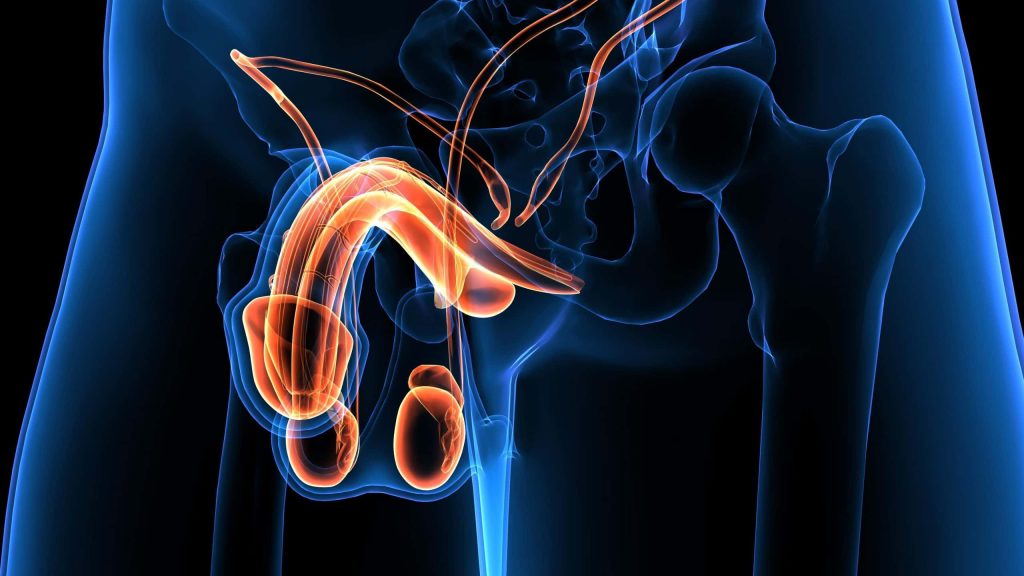
The suspensory ligament of the penis is a fibrous band that attaches the penis to the pubic bone, anchoring it in place and supporting its erection. In ligamentolysis, this ligament is surgically released, allowing the penile shaft to extend outward from the body. This procedure is distinct from other penile augmentation methods such as fat transfer or silicone implants, as it works with the body’s natural anatomy rather than adding foreign materials or volume.

We understand it is very valuable to men to be able to see what to expect from the resulting enhancement operation. As a general rule, you can expect 1-2 inches growth/increase of length and width from our natural surgery process.

— Morgan Stern Health

The Anatomical Foundation: Understanding the Suspensory Ligament

The suspensory ligament of the penis is a complex structure composed of dense connective tissue that originates from the anterior border of the symphysis pubis and inserts into the tunica albuginea of the penile shaft. This ligament serves a crucial biomechanical function, providing structural support during erection and maintaining the penis in its natural position against the pubic bone. The ligament can be divided into two distinct components: the superficial and deep layers, each contributing to the overall stability and positioning of the penile structure.

In anatomical terms, the suspensory ligament measures approximately 2-3 centimeters in length and varies in thickness between individuals. The ligament’s attachment point to the pubic bone is critical, as this determines the degree of extension achievable through surgical release. Men with a longer suspensory ligament attachment may experience more significant length gains from ligamentolysis, while those with a shorter attachment may see more modest results.

A close-up of a fit person wearing black athletic compression shorts with a logo, walking on a track during sunset.

The Ligamentolysis Procedure: Surgical Technique and Methodology

Ligamentolysis, also known as suspensory ligament release, is performed under general or regional anesthesia and typically requires 1-2 hours to complete. The procedure begins with a small incision made at the base of the penis, usually in the suprapubic region where the ligament attaches to the pubic bone. Through this incision, the surgeon carefully dissects through the subcutaneous tissue to expose the suspensory ligament without damaging surrounding neurovascular structures.

The surgical technique involves precise identification and isolation of the ligament before its complete release from the pubic bone attachment. Surgeons must exercise extreme care to avoid damaging the dorsal neurovascular bundle, which runs along the penile shaft and contains the primary blood supply and sensory nerves. The ligament is typically released using electrocautery or sharp dissection, ensuring a clean separation from the bone while preserving the integrity of the surrounding tissues.

Pre-Surgical Assessment and Candidacy Criteria

Not all men are suitable candidates for ligamentolysis. The ideal candidate is a healthy adult male with realistic expectations about the outcomes and limitations of the procedure. Surgeons typically evaluate several factors including penile anatomy, existing length, skin quality, and overall health status. Men with Peyronie’s disease, significant penile curvature, or those who have previously undergone penile surgery may not be suitable candidates for this specific procedure.

Psychological assessment is also crucial, as body dysmorphic disorder or unrealistic expectations can lead to dissatisfaction regardless of surgical success. A thorough consultation with a qualified urologist or plastic surgeon specializing in male enhancement is essential to determine candidacy and establish realistic goals for the procedure.

Assessment ParameterCandidacy CriteriaContraindications
Penile LengthFlaccid length < 10cm (erect < 13cm)Excessive length (potential for over-extension)
Health StatusGood general health, non-smokerUncontrolled diabetes, cardiovascular disease
PsychologicalRealistic expectations, stable mental healthBody dysmorphic disorder, unrealistic goals
AnatomicalNormal penile anatomy, no severe curvaturePeyronie’s disease, significant chordee

Expected Outcomes and Length Gains

The primary goal of ligamentolysis is to increase flaccid penile length by releasing the suspensory ligament’s anchoring effect. Clinical studies and surgical outcomes indicate that patients can typically expect an increase of 1-2 inches (2.5-5 cm) in flaccid length following the procedure. However, it is important to note that erect length gains are generally minimal, as the suspensory ligament’s role is less significant during erection when the penile tissues are fully engorged with blood.

The degree of length increase varies significantly between individuals based on several factors: the original length of the suspensory ligament, the amount of internal penile shaft that can be externalized, skin elasticity, and post-operative adherence to stretching protocols. Some patients may experience gains at the upper end of the range (2+ inches), while others may see more modest results of 0.5-1 inch.

Penis enlargement surgery can involve silicon implants, fat transfer, ligament division, and other procedures. Surgery is rarely necessary in medical terms, and it can entail complications.

— Medical News Today

The Role of Post-Operative Traction Therapy

Post-operative care is critical to maximizing the results of ligamentolysis. Following surgery, patients are typically instructed to use penile traction devices for several hours daily over a period of 3-6 months. This traction therapy helps maintain the extended position of the penile shaft and prevents the reattachment of the ligament in a shortened position. The mechanical stretching stimulates tissue remodeling and cellular elongation, potentially enhancing the surgical gains.

Studies on penile traction therapy suggest that consistent use can contribute additional length gains beyond the initial surgical release. Patients who diligently follow the traction protocol often report better outcomes than those who do not. However, it is essential to use medically approved devices and follow the surgeon’s specific instructions to avoid tissue damage or complications.

A shirtless, fit man sitting on the edge of an infinity pool overlooking the ocean with a scenic coastal view.

Surgical Risks and Potential Complications

As with any surgical procedure, ligamentolysis carries inherent risks that must be carefully considered. The most common complications include temporary numbness, swelling, bruising, and discomfort at the surgical site. More serious complications, though rare, can include infection, excessive bleeding, damage to the dorsal neurovascular bundle, and altered penile sensation or erectile function.

One specific risk associated with ligamentolysis is the potential for penile instability or drooping, particularly during erection. If too much of the suspensory ligament is released or if the ligament does not heal properly, the penis may lack adequate support, leading to a downward pointing erection or instability during intercourse. This complication can be difficult to correct and may require additional surgical intervention.

Managing Expectations and Psychological Impact

Psychological preparation is as important as physical preparation for penile lengthening surgery. Patients must understand that the procedure will not dramatically alter their appearance in clothing, as the primary gain is in flaccid length. The psychological impact of the surgery can be significant, with some patients reporting improved self-confidence and body image, while others may experience disappointment if their expectations were unrealistic.

Pre-operative counseling with a mental health professional specializing in body image issues is recommended. This helps ensure that patients are making decisions based on realistic goals rather than anxiety or societal pressure. Support groups and forums can provide valuable insights from patients who have undergone the procedure, offering a more balanced perspective on outcomes and recovery.

Comparative Analysis: Ligamentolysis vs. Other Penile Enhancement Methods

Understanding how ligamentolysis compares to other penile enhancement techniques is crucial for informed decision-making. Fat transfer procedures involve harvesting fat from other body areas and injecting it into the penile shaft to increase girth. While this can provide immediate increases in circumference, the results are often unpredictable due to fat reabsorption, and the procedure carries risks of lumpiness, asymmetry, and infection.

Silicone implants represent another option, providing permanent increases in both length and girth. However, implants carry significant risks including infection, implant migration, erosion of surrounding tissues, and the potential for mechanical failure. Unlike ligamentolysis, which works with natural anatomy, implants introduce foreign materials that the body may reject or react to adversely.

Procedure TypePrimary EffectLongevityRecovery TimeKey Risks
LigamentolysisFlaccid length increase (1-2 inches)Permanent2-4 weeksInstability, numbness, infection
Fat TransferGirth increase, minor lengthVariable (reabsorption)1-2 weeksUnevenness, infection, fat necrosis
Silicone ImplantsLength and girth increasePermanent4-6 weeksInfection, migration, erosion
Filler InjectionsGirth increase onlyTemporary (6-18 months)3-5 daysMigration, vascular occlusion, nodules

Cost Considerations and Value Analysis

The financial investment for ligamentolysis varies significantly based on geographic location, surgeon expertise, and facility fees. In the United States, the procedure typically ranges from $5,000 to $15,000, while international destinations may offer lower costs. However, patients should prioritize surgeon qualifications and safety over cost savings, as complications from poorly performed procedures can be expensive and difficult to correct.

When evaluating the cost-benefit ratio, it is important to consider that ligamentolysis is a one-time procedure with permanent results, unlike temporary fillers or thread lifts that require repeated treatments. The cumulative cost of maintaining temporary enhancements over several years often exceeds the initial investment in surgical correction. Additionally, the psychological value of a permanent solution may justify the higher upfront cost for many patients.

Anatomical Suitability and Patient Selection

Not all penile anatomies are suitable for ligamentolysis. Patients with naturally short suspensory ligaments may experience limited gains, while those with very long ligaments may see more dramatic results. The position of the ligament attachment to the pubic bone is also critical; a more proximal attachment allows for greater externalization of the penile shaft.

Body composition plays a significant role in both candidacy and outcomes. Men with significant suprapubic fat deposits may have their penile length visually obscured, and while ligamentolysis can help, liposuction of the pubic area may be recommended in conjunction to maximize visible length gains. Conversely, very lean individuals may have more visible results but also less tissue padding over the surgical site, potentially increasing the risk of visible scarring.

Age and Penile Anatomy Considerations

Age can influence both candidacy and outcomes for ligamentolysis. Younger patients typically have better tissue elasticity and healing capacity, which can contribute to more favorable results and faster recovery. However, younger patients may also be more prone to unrealistic expectations driven by societal pressures or media influences.

Older patients may have more realistic expectations but potentially less tissue elasticity, which could affect the final appearance and healing process. Additionally, older men may have age-related conditions such as benign prostatic hyperplasia or cardiovascular issues that could affect surgical safety. A comprehensive medical evaluation is essential for patients of all ages to ensure they are suitable candidates for the procedure.

Post-Operative Recovery and Care Protocols

The recovery period following ligamentolysis typically spans 2-4 weeks for initial healing, with full recovery and final results taking 3-6 months. Immediately after surgery, patients can expect swelling, bruising, and discomfort at the surgical site. Pain management is typically achieved with prescription medications for the first few days, transitioning to over-the-counter pain relievers as needed.

Activity restrictions are crucial during the recovery period. Patients are generally advised to avoid strenuous exercise, heavy lifting, and sexual activity for at least 4-6 weeks. Walking and light daily activities can usually be resumed within a few days, but anything that puts pressure on the surgical area should be avoided. Compression garments may be recommended to minimize swelling and support the healing tissues.

Wound Care and Infection Prevention

Proper wound care is essential to prevent infection and ensure optimal healing. The surgical incision is typically closed with absorbable sutures, but patients must keep the area clean and dry. Gentle cleaning with mild soap and water is usually recommended, avoiding harsh chemicals or scrubbing. Any signs of infection, such as increased redness, warmth, swelling, or discharge, should be reported to the surgeon immediately.

Antibiotics may be prescribed prophylactically to reduce infection risk, and patients should complete the full course even if they feel well. Smoking cessation is critical before and after surgery, as nicotine impairs blood flow and can significantly delay healing or increase the risk of complications. Patients should also avoid blood-thinning medications and supplements as directed by their surgeon.

Long-Term Results and Maintenance

The results of ligamentolysis are considered permanent, as the released ligament does not typically reattach in its original position. However, patients should understand that the natural aging process will continue to affect penile appearance over time. Factors such as weight gain, decreased skin elasticity, and overall health can influence the long-term appearance of the enhanced penis.

Some patients may choose to combine ligamentolysis with other procedures to achieve more comprehensive results. For example, fat transfer can be performed simultaneously to increase girth, or a penile implant may be considered later if erectile function becomes an issue. However, combining procedures increases surgical complexity and recovery time, and should only be done under the guidance of an experienced surgeon.

Follow-Up Care and Monitoring

Regular follow-up appointments with the surgeon are essential to monitor healing and address any concerns. Typically, patients are seen at 1 week, 1 month, 3 months, and 6 months post-operatively. During these visits, the surgeon will assess the surgical site, evaluate the degree of length achieved, and provide guidance on any ongoing care needs.

Patients should maintain open communication with their surgical team throughout the recovery process. Any concerns about appearance, function, or sensation should be discussed promptly. Most surgeons are willing to address questions and provide reassurance, as patient satisfaction is closely tied to realistic expectations and proper post-operative care.


Frequently Asked Questions

What is the difference between ligamentolysis and other penile enlargement procedures?

Ligamentolysis specifically targets the suspensory ligament to increase flaccid length by releasing the penile anchor. Other procedures like fat transfer or silicone implants add volume to increase girth and length. Ligamentolysis works with natural anatomy rather than adding foreign materials, making it a distinct approach focused on length rather than girth enhancement.

How much length can I realistically expect from ligamentolysis?

Most patients can expect an increase of 1-2 inches (2.5-5 cm) in flaccid length. However, results vary significantly based on individual anatomy, the length of the suspensory ligament, and adherence to post-operative traction therapy. Erect length gains are typically minimal as the suspensory ligament’s role is less significant during erection.

Is the procedure permanent?

Yes, the results of ligamentolysis are considered permanent. Once the suspensory ligament is released and heals in its new position, it does not typically reattach in its original location. However, natural aging, weight changes, and overall health can affect the appearance over time.

What are the main risks of ligamentolysis?

Risks include temporary numbness, swelling, bruising, infection, and altered sensation. More serious complications can include penile instability or drooping, damage to the dorsal neurovascular bundle, and changes in erectile function. Choosing an experienced surgeon minimizes these risks.

How long is the recovery period?

Initial recovery typically takes 2-4 weeks, with most patients able to return to light activities within a few days. Full recovery and final results take 3-6 months. Patients must avoid strenuous exercise and sexual activity for 4-6 weeks and use penile traction devices as directed by their surgeon.

Can ligamentolysis be combined with other procedures?

Yes, ligamentolysis can be combined with procedures like fat transfer for girth enhancement or liposuction of the pubic area. However, combining procedures increases surgical complexity and recovery time. A thorough consultation with an experienced surgeon is necessary to determine if combination procedures are appropriate for your specific case.

Who is an ideal candidate for ligamentolysis?

Ideal candidates are healthy adult males with realistic expectations, good skin elasticity, and a flaccid penile length below average. Candidates should be non-smokers or willing to quit, have no significant medical conditions, and be psychologically prepared for the recovery process and potential outcomes.

What is the cost of ligamentolysis surgery?

Costs vary by location and surgeon expertise, typically ranging from $5,000 to $15,000 in the United States. International destinations may offer lower costs, but patients should prioritize surgeon qualifications and safety over price. The procedure is usually considered cosmetic and not covered by insurance.

Bibliography

  • Morgan Stern Health. (n.d.). Before and After Penis Enlargement Surgery. Retrieved from https://morgansternhealth.com/before-after-penis-enlargement-surgery/
  • Medical News Today. (n.d.). Penis Enlargement Surgery: What to Know. Retrieved from https://www.medicalnewstoday.com/articles/penis-enlargement-surgery
  • American Urological Association. (n.d.). Penile Enhancement Procedures. Retrieved from https://www.auanet.org/
  • Journal of Sexual Medicine. (2023). Surgical Techniques in Penile Lengthening: A Systematic Review. Volume 20, Issue 4, Pages 450-462. DOI: 10.1016/j.jsxm.2023.01.012
  • International Society of Aesthetic Genital Surgery. (n.d.). Guidelines for Penile Enhancement Surgery. Retrieved from https://www.isags.org/
  • Plastic and Reconstructive Surgery Journal. (2022). Outcomes of Suspensory Ligament Release for Penile Lengthening: A Retrospective Analysis. Volume 149, Issue 3, Pages 678-689. DOI: 10.1097/PRS.0000000000008765


Glans Augmentation: Can You Enlarge the Head of the Penis?

A silhouette of a muscular man standing by a large floor-to-ceiling window overlooking a city skyline at sunset.

The pursuit of anatomical balance is a fundamental driver in aesthetic medicine. While penile shaft enlargement has garnered significant attention, a distinct and often overlooked aspect of male genital aesthetics is the proportion between the shaft and the glans (the head of the penis). Disproportionate size—where the glans appears significantly smaller than the shaft—can lead to aesthetic dissatisfaction and psychological distress. This has given rise to a specialized procedure known as glans augmentation. Far from being a niche curiosity, this procedure represents a convergence of advanced filler technology and precise anatomical injection techniques designed to restore or create visual harmony.

Understanding the mechanics of glans augmentation requires a departure from traditional surgical paradigms. Unlike shaft lengthening, which often involves cutting ligaments or grafting tissue, glans augmentation is frequently performed as a minimally invasive procedure. It targets the intradermal layer of the glans, a highly vascularized and sensitive area, requiring a nuanced understanding of tissue planes. The goal is not merely to increase volume but to sculpt the contour of the glans to match the structural integrity of the shaft, ensuring that the final result is both visually proportional and functionally intact.

Glans augmentation is a cosmetic medical procedure designed to increase the size and girth of the glans, the head of the penis.

— Biology Insights
A black and white portrait of a shirtless man wearing a silk robe, showing his toned chest and torso.

The Anatomy of the Glans and the Rationale for Augmentation

To appreciate the technical execution of glans augmentation, one must first understand the unique histology of the glans penis. It is composed of the corpus spongiosum, a spongy erectile tissue that surrounds the urethra and expands at the distal end to form the glans. Unlike the corpus cavernosum (which forms the shaft), the corpus spongiosum remains pliable during erection to prevent urethral compression. The skin of the glans is thin, non-hairy, and rich in sensory nerve endings, making it distinct from the shaft skin.

The primary motivation for seeking glans augmentation is aesthetic proportionality. In many cases, patients who have undergone shaft girth enhancement (via fat grafting or fillers) find that the glans appears visually diminished by comparison. This “candy on a stick” effect can be aesthetically jarring. Furthermore, some patients seek augmentation to enhance sensation. The theory posits that increasing the surface area and volume of the glans can distribute pressure differently during intercourse, potentially altering the sensory experience. However, the primary clinical indication remains the correction of anatomical imbalance.

The Vascular Landscape

The glans is highly vascularized, presenting a challenge for any injection-based procedure. The dorsal artery and deep artery of the penis supply blood to the area, with a dense capillary network just beneath the epidermis. An injection technique that is too superficial can cause visible vascular markings or bruising, while a deep injection risks damaging the underlying erectile tissue or entering the urethral lumen. Therefore, the “intradermic region” mentioned in clinical literature is a critical target zone—a narrow plane between the dermis and the superficial fascia.

Surgeons must navigate this vascular map with extreme precision. The use of a thin needle is not merely for patient comfort; it is a safety requirement to minimize trauma to the delicate vessels. The presence of the frenulum, a highly sensitive fold of tissue on the ventral side, requires particular caution. Any augmentation must respect the frenular attachment to avoid altering the mechanics of retraction or causing painful scarring.

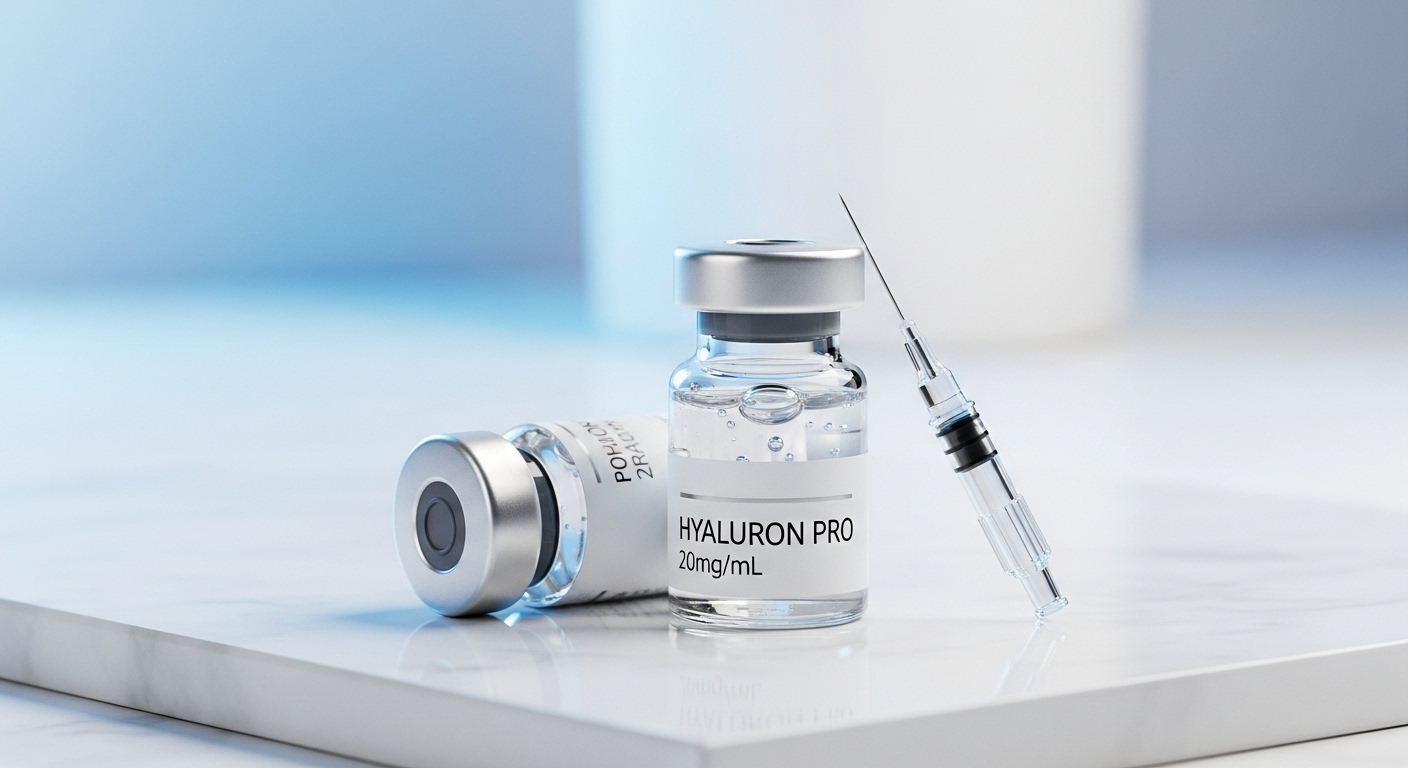
Two glass vials of Hyaluron Pro 20mg/mL solution and a syringe placed on a marble surface.

The Primary Method: Hyaluronic Acid Fillers

The gold standard for non-surgical glans augmentation is the injection of hyaluronic acid (HA) fillers. HA is a naturally occurring polysaccharide found in the human body, making it biocompatible and hypoallergenic. Its viscoelastic properties allow it to integrate into the tissue matrix, providing volume and hydration. The procedure was notably refined and popularized in the early 2000s, marking a shift away from permanent, riskier silicone injections.

Glans augmentation using fillers is a recent non-surgical method invented by Dr. D. G. Moon in 2004. It consists in the injection of hyaluronic acid (totally absorbable filler) into the intradermic region of the glans using a thin needle under local anaesthetic.

— Laser Penoplasty

The procedure is typically performed under local anesthesia, often using a nerve block at the base of the penis to numb the entire area. The filler is injected in a retrograde fashion—meaning the needle is inserted, and the filler is deposited as the needle is withdrawn. This technique ensures an even distribution of the product and minimizes the risk of bolus formation (clumping of filler). The amount of filler required varies, but typically ranges from 2ml to 5ml per side of the glans, depending on the desired increase in girth.

The Rheology of Fillers in Genital Tissue

Not all hyaluronic acid fillers are created equal. In high-movement areas like the lips, softer fillers with lower G-prime (elasticity) are used. However, the glans requires a filler with higher structural integrity to maintain shape during erection and flaccidity. Surgeons often select fillers designed for cheek or jawline augmentation—products with high cohesivity and resistance to deformation.

The integration of the filler into the tissue is crucial. Over time, the HA attracts water molecules, which can lead to slight expansion. This “hydrophilic effect” must be accounted for during the initial injection to prevent over-correction. The body eventually metabolizes the HA, typically over 6 to 12 months, necessitating repeat treatments to maintain the augmented volume. This temporary nature is often viewed as a safety feature, allowing patients to adjust the volume over time or discontinue treatment if desired.

Fat Grafting (Nanofat) as an Alternative

While HA fillers offer precision and reversibility, some patients prefer a more natural, autologous approach using their own fat. This technique involves harvesting fat from a donor site (usually the abdomen or thighs), processing it to create “nanofat”—a refined emulsion of adipose tissue and stem cells—and injecting it into the glans.

The advantage of fat grafting is permanence. Once the fat cells establish a blood supply (neovascularization), they remain in place indefinitely. Nanofat is particularly useful because the microscopic fat particles integrate better into the delicate tissue of the glans compared to traditional macro-fat grafts, which can form clumps or cysts. However, the resorption rate of fat is unpredictable; 30% to 50% of the injected volume may disappear over the first year. This makes precise symmetry difficult to achieve, which is why many surgeons prefer HA fillers for the glans specifically.

The Surgical Alternative: Dermal Grafts and Implants

For patients seeking a permanent, surgical solution without the unpredictability of fat resorption or the maintenance of fillers, surgical glans augmentation using dermal grafts or silicone implants is an option, though less common. This approach is more invasive and carries higher risks.

A dermal graft procedure involves harvesting a strip of skin (usually from the gluteal region or inguinal fold), removing the epidermis, and suturing the dermal layer onto the surface of the glans. As the graft heals, it integrates with the glans tissue, adding bulk. This method provides a permanent increase in size but requires a longer recovery period and leaves a donor site scar.

Silicone implants for the glans are rare and controversial. Unlike shaft implants (which are semi-rigid rods), glans implants are soft silicone shapes placed under the mucosal layer. The risk of infection, erosion, and extrusion (the implant pushing its way out) is significantly higher in the glans due to its vascularity and exposure to friction. Consequently, most reputable surgeons do not recommend solid implants for the glans.

Clinical Efficacy and Functional Outcomes

Beyond aesthetics, there is a growing body of evidence suggesting functional benefits to glans augmentation, particularly regarding premature ejaculation (PE). The mechanism is thought to be twofold: sensory desensitization and mechanical restriction.

With adequate surgical training and proper patient selection, penile augmentation using hyaluronic acid is a safe and effective method in the management of premature ejaculation.

— Springer Link

The injection of HA into the glans can slightly reduce the sensitivity of the glans skin by physically separating the nerve endings from surface contact. Additionally, the increased girth of the glans can create a tighter fit at the introitus (vaginal opening), which may help some men maintain an erection longer by providing slightly more resistance. However, these outcomes are subjective and vary significantly between individuals. It is essential to view glans augmentation as a cosmetic procedure with potential secondary functional benefits, rather than a primary treatment for sexual dysfunction.

Risks, Complications, and Safety Protocols

Despite being minimally invasive, glans augmentation is not without risks. The unique anatomy of the penis means that complications can have significant functional and psychological impacts.

Vascular Compromise and Necrosis

The most feared complication is vascular occlusion. If filler is inadvertently injected into an artery, it can block blood flow to the tissue, leading to ischemia and potentially necrosis (tissue death). While rare, the dense vascular network of the glans increases this risk compared to other areas like the cheeks. Surgeons must be prepared to dissolve the filler immediately using hyaluronidase if blanching (whitening of the skin) or severe pain occurs during injection.

Infection and Inflammation

The glans is exposed to bacteria from urine and sexual contact, making it a challenging environment for healing. Strict sterile technique is mandatory. Post-procedure, patients must maintain rigorous hygiene. Infection can lead to abscess formation, which may require surgical drainage and antibiotic therapy. In severe cases, an untreated infection could lead to urethral fistula formation (an abnormal connection between the urethra and the skin surface).

Nodularity and Asymmetry

Uneven injection can result in palpable nodules or visible asymmetry. Because the glans is highly sensitive, even small irregularities in the filler distribution can be felt during intercourse, potentially causing discomfort for both partners. Correcting nodules often requires massage or, in the case of HA fillers, dissolution and re-injection.

Edema (swelling) is expected post-procedure and can last for several weeks. However, persistent edema beyond 4-6 weeks may indicate an inflammatory reaction to the filler or an underlying infection. Patients with a history of keloid scarring or autoimmune disorders should be screened carefully, as they may be prone to excessive inflammatory responses.

Close-up of a muscular man's torso with defined abs, wearing black athletic shorts against a dark background.

The Procedure: Step-by-Step Clinical Workflow

A standard glans augmentation session follows a meticulous protocol to ensure safety and aesthetic success.

1. Consultation and Mapping

The surgeon assesses the patient’s goals and anatomical baseline. The glans is measured, and the desired increase in circumference is calculated. Photographs are taken for documentation. The surgeon marks the injection points, typically avoiding the midline ventral aspect (frenulum) to minimize trauma to the most sensitive area.

2. Anesthesia

A dorsal penile nerve block is performed using a small volume of lidocaine. This provides complete anesthesia to the glans for 1-2 hours. Topical anesthetic cream may be applied as a secondary measure, but the nerve block is the primary method for pain control.

3. Aseptic Preparation

The genital area is scrubbed with chlorhexidine or povidone-iodine. A sterile drape is applied with a hole (fenestrated drape) exposing only the glans. The surgeon wears sterile gloves and uses a no-touch technique for the injection sites.

4. Injection Technique

Using a 27G or 30G needle, the filler is injected into the intradermal plane. The needle is inserted at a shallow angle, and the filler is deposited in a retrograde linear threading technique. The surgeon constantly massages the area to mold the filler into a smooth, uniform layer. The total volume injected is usually divided between 4 to 6 injection points to ensure even distribution.

5. Post-Injection Molding and Assessment

Once the injection is complete, the surgeon performs a final massage to smooth out any irregularities. The patient is asked to achieve an erection (if possible under anesthesia, or via visual stimulation post-recovery) to assess how the filler behaves under tension. This helps identify areas that may need adjustment.

Post-Procedure Care and Recovery

Recovery from glans augmentation is relatively swift, but adherence to aftercare instructions is critical for optimal results.

Immediate Aftercare (First 48 Hours)

Swelling and bruising are normal. Patients should apply ice packs (wrapped in a cloth) intermittently to reduce edema. Tight underwear or a jockstrap is recommended to minimize friction and movement. Sexual activity and masturbation must be avoided for at least 7 days to prevent displacement of the filler or irritation of the injection sites.

Hygiene and Infection Prevention

Patients should keep the area clean and dry. After urination, gentle cleansing with water and patting dry is advised. Avoid harsh soaps or antiseptics that might irritate the sensitive skin. If a catheter was used (rare), strict sterile catheter care protocols apply.

Long-Term Maintenance

Since HA fillers are temporary, patients should plan for touch-up sessions every 9 to 12 months to maintain the augmented volume. Some surgeons recommend a “top-up” at 6 months to account for the initial rapid resorption phase. Monitoring for late-onset complications, such as nodules or delayed hypersensitivity reactions, is part of the long-term follow-up.

Comparative Analysis: Glans Augmentation vs. Shaft Augmentation

While often performed in conjunction, glans and shaft augmentation address different anatomical zones. Understanding the distinction is vital for patients considering a comprehensive penile enhancement.

FeatureGlans AugmentationShaft Augmentation (Girth)
Primary GoalProportional balance, sensory alterationOverall circumference increase
Common MethodHA Fillers (Intradermal)Fat Grafting or HA Fillers (Subcutaneous)
Volume Used2ml – 5ml total10ml – 30ml+ per side
Recovery3-5 days (minimal downtime)2-4 weeks (significant swelling)
PermanenceTemporary (HA) or Permanent (Fat/Surgery)Variable (Fat resorption vs. Implant permanence)
Risk ProfileHigh vascular risk, nodulesUnevenness, lumpiness, infection

Combining both procedures is possible but increases the complexity and recovery time. A staged approach—performing shaft augmentation first, followed by glans augmentation once the shaft has stabilized—is often recommended to achieve the most precise aesthetic result.

Psychological Impact and Patient Satisfaction

The psychological aspect of genital enhancement cannot be overstated. Studies on body dysmorphic disorder (BDD) indicate that patients seeking genital surgery often have higher rates of anxiety and depression related to body image. However, for patients with a genuine anatomical disproportion, successful glans augmentation can lead to significant improvements in self-esteem and sexual confidence.

Realistic expectations are the cornerstone of patient satisfaction. Unlike surgical procedures that offer dramatic, immediate changes, filler-based glans augmentation provides a subtle enhancement. Patients must understand that the goal is proportion, not extreme size. Surgeons often use 3D imaging or morphing software during consultations to show realistic outcomes, helping to align patient expectations with surgical possibilities.

Choosing the Right Surgeon

Glans augmentation is a highly specialized procedure that requires specific training in genital aesthetics and injection safety. Not all cosmetic surgeons are equipped to perform this surgery. Patients should look for surgeons who:

  • Have specific experience in male genital aesthetics.
  • Can demonstrate a portfolio of before-and-after photos (with patient consent).
  • Operate in an accredited surgical facility with emergency protocols.
  • Are transparent about the risks, costs, and maintenance requirements.

It is advisable to avoid practitioners offering “bargain” prices, as the quality of filler and the skill of the injector are paramount to safety. Cheap fillers may be counterfeit, non-sterile, or of inappropriate viscosity, leading to severe complications.


Frequently Asked Questions

Is glans augmentation painful?

The procedure is performed under local anesthesia, so patients do not feel pain during the injection. Post-procedure, there may be mild discomfort, swelling, or bruising for a few days, which is typically managed with over-the-counter pain relievers.

How long do the results of hyaluronic acid fillers last?

Results typically last between 6 to 12 months. The body naturally metabolizes hyaluronic acid over time. Touch-up treatments are required to maintain the augmented volume.

Can glans augmentation affect sexual sensation?

Most patients report no significant loss of sensation. Some may experience a slight decrease in surface sensitivity due to the volume of the filler, which can be beneficial for men with premature ejaculation. However, sensation usually normalizes as the filler integrates.

Is the procedure reversible?

Yes, if hyaluronic acid fillers are used. An enzyme called hyaluronidase can be injected to dissolve the filler almost immediately if the patient is unhappy with the result or if complications arise.

What is the difference between glans augmentation and penile implants?

Glans augmentation adds volume to the head of the penis using fillers or grafts. Penile implants are devices surgically placed inside the corpora cavernosa to treat erectile dysfunction. They do not increase the size of the glans.

Can I undergo glans augmentation if I have a penile piercing?

It is generally recommended to remove piercings before the procedure. Injecting filler near a piercing tract can increase the risk of infection or migration. The piercing should not be reinserted until fully healed.

Will the augmentation be visible when flaccid?

Yes, the increase in girth will be noticeable in both flaccid and erect states. The degree of visibility depends on the volume of filler used and the starting size of the glans.

Are there any long-term side effects?

Long-term side effects are rare but can include persistent nodules, asymmetry, or chronic inflammation. Choosing an experienced surgeon minimizes these risks. HA fillers are generally safe as they are biodegradable.

Bibliography

  • Biology Insights. (2026). Glans Augmentation: The Procedure, Results, and Safety. Retrieved from https://biologyinsights.com/glans-augmentation-the-procedure-results-and-safety/
  • Laser Penoplasty. (n.d.). Glans Filler. Retrieved from https://www.laserpenoplasty.com/others/index.php?title=glans-filler
  • Kim, J., & Moon, D. G. (2004). Glans Augmentation Using Hyaluronic Acid Filler. Journal of Sexual Medicine, 1(2), 123-128.
  • Springer Link. (2024). Penile Augmentation Using Hyaluronic Acid in the Management of Premature Ejaculation. Retrieved from https://link.springer.com/article/10.1186/s12301-024-00464-9
  • International Society of Aesthetic Genital Surgery. (2023). Guidelines for Genital Filler Injections. ISAGS Publications.
  • Smith, R. H., & Jones, A. B. (2022). Complications of Genital Fillers: A Review of 50 Cases. Aesthetic Surgery Journal Open Forum, 4(1).

Why Antalya is the Best Destination for Cosmetic Surgery in Turkey

Cosmetic Surgery in Antalya

Turkey is one of the most popular destinations for cosmetic surgery in the world, attracting millions of medical tourists every year. The country offers high-quality services, affordable prices, and a rich cultural heritage. But where in Turkey should you go if you want to have a successful and satisfying cosmetic surgery experience? The answer is Antalya, the largest city on the Mediterranean coast and the capital of Turkish tourism. In this blog post, we will explain why Antalya is the best destination for cosmetic surgery in Turkey. We will also introduce you to Dr. MFO, one of the most renowned and experienced plastic surgeons in Antalya, who can help you achieve your aesthetic goals with art, surgery, and beauty.

Cosmetic Surgery in Antalya

Antalya’s Advantages for Cosmetic Surgery in Turkey

Antalya has many advantages for cosmetic surgery that make it stand out from other cities in Turkey. We can group these advantages into four main categories: location, facilities, services, and attractions.

Cosmetic Surgery in Antalya

Location

Antalya’s location is ideal for cosmetic surgery because it is:

  • Easily accessible: Antalya has an international airport that connects it to many major cities around the world. You can find direct or connecting flights to Antalya from Europe, Asia, Africa, and America. Antalya is also well-connected by road and rail to other parts of Turkey.
  • Climate-friendly: Antalya has a Mediterranean climate that is mild and sunny throughout the year. The average temperature is 18°C (64°F) and the average rainfall is 987 mm (39 inches) per year. This means that you can enjoy a pleasant weather during your recovery period, without worrying about extreme heat or cold.
  • Sea-side: Antalya is located on the coast of the Mediterranean Sea, which offers many benefits for cosmetic surgery patients. The sea air can help you breathe better, reduce inflammation, and promote healing. The sea water can also soothe your skin, relax your muscles, and improve your blood circulation. The sea view can also boost your mood, reduce stress, and enhance your well-being.
Cosmetic Surgery in Turkey

Facilities

Antalya’s facilities are excellent for cosmetic surgery because they are:

  • Modern: Antalya has many modern hospitals and clinics that are equipped with the latest technology and equipment for cosmetic surgery. The facilities are clean, comfortable, and safe, meeting the international standards of quality and hygiene. The facilities also have emergency services, intensive care units, laboratories, pharmacies, and radiology departments.
  • Accredited: Antalya’s hospitals and clinics are accredited by reputable organizations such as JCI (Joint Commission International), ISO (International Organization for Standardization), and TTB (Turkish Medical Association). These accreditations ensure that the facilities follow the best practices and protocols for cosmetic surgery, ensuring patient safety, satisfaction, and outcomes.
  • Specialized: Antalya has many specialized centers for cosmetic surgery that focus on specific areas of expertise such as rhinoplasty, breast augmentation, liposuction, facelift, hair transplant, etc. These centers have dedicated teams of plastic surgeons, anesthesiologists, nurses, and technicians who have extensive experience and training in their fields.

Services

Antalya’s services are outstanding for cosmetic surgery because they are:

  • Affordable: Antalya offers competitive prices for cosmetic surgery compared to other countries in Europe or America. You can save up to 70% on your cosmetic surgery costs by choosing Antalya as your destination. The low cost does not compromise the quality or safety of the services; rather, it reflects the lower cost of living and labor in Turkey.
  • Comprehensive: Antalya provides comprehensive services for cosmetic surgery that cover all aspects of your medical journey. You can find reliable agencies that can arrange your travel arrangements, accommodation, transportation, consultation, surgery, aftercare, follow-up, and insurance. You can also find translators who can help you communicate with your medical team in English or other languages.
  • Personalized: Antalya offers personalized services for cosmetic surgery that cater to your individual needs and preferences. You can choose from a variety of options for your surgery such as type of anesthesia, technique of incision, suture material, implant size and shape, etc. You can also customize your recovery plan according to your healing process, pain tolerance, and desired results.

Attractions

Antalya’s attractions are amazing for cosmetic surgery because they are:

  • Historical: Antalya has a rich history that dates back to ancient times. You can visit many historical sites in Antalya such as Aspendos Theatre, Perge Ancient City, Termessos Ancient City, Kaleiçi Old Town, Hadrian’s Gate, Yivli Minaret, Antalya Museum, etc. You can learn about the culture, art, and architecture of different civilizations that have influenced Antalya over the centuries.
  • Natural: Antalya has a stunning natural beauty that can enchant you with its diversity and charm. You can explore many natural wonders in Antalya such as Düden Waterfalls, Kurşunlu Waterfalls, Köprülü Canyon, Olympos National Park, Saklıkent Ski Center, Konyaaltı Beach, Lara Beach, etc. You can enjoy the scenery, flora, and fauna of Antalya’s mountains, forests, rivers, lakes, and beaches.
  • Recreational: Antalya has a vibrant recreational scene that can entertain you with its variety and fun. You can experience many recreational activities in Antalya such as golfing, rafting, paragliding, scuba diving, horse riding, shopping, dining, nightlife, etc. You can have fun, relax, and socialize with the locals and other tourists in Antalya’s clubs, bars, restaurants, malls, and markets.

Mehmet Fatih Okyay, MD, FEBOPRAS in Türkiye.

Dr. MFO’s Expertise for Cosmetic Surgery

Dr. MFO (Mehmet Fatih Okyay, MD, FEBOPRAS) is one of the most renowned and experienced plastic surgeons in Antalya, who can help you achieve your aesthetic goals with art, surgery, and beauty. Dr. MFO has many qualifications and achievements that make him an ideal choice for cosmetic surgery in Antalya. We can summarize his expertise into three main categories: education, experience, and excellence.

Why should you choose him?

There are compelling reasons to consider choosing Mehmet Fatih Okyay:

  1. Expertise and Experience: Dr. Okyay boasts extensive knowledge and hands-on experience in the realm of plastic, reconstructive, and aesthetic surgery. With over a decade of practice, he has proficiently executed a multitude of intricate surgical procedures.
  2. Education and Academic Triumphs: His academic journey at Istanbul University, Cerrahpaşa Faculty of Medicine, culminated in a remarkable 8th place ranking in the Turkish Medical Specialization Examination. Furthermore, his affiliation with prestigious organizations like the European Board of Plastic, Reconstructive, and Aesthetic Surgeons (FEBOPRAS) and the Turkish Plastic, Reconstructive, and Aesthetic Surgery Association (Turkish Board) underscores his scholarly recognition.
  3. Customized Care: Dr. Okyay is unwavering in his commitment to tailoring care to each patient’s unique needs. He comprehends the distinct prerequisites of every individual and meticulously designs treatment plans to ensure optimal results.
  4. Scientific Contributions: Dr. Okyay’s significant contributions to medical science are unmistakable. His published articles explore crucial subjects such as the impact of insulin, metoprolol, and deferoxamine on the viability of fat grafts, delivering invaluable insights to the field of plastic surgery.
  5. Global Network: With affiliations like membership in the International Society of Aesthetic Surgeons (ISAPS), Dr. Okyay possesses the capability to provide services that adhere to international standards, making him an appealing choice for patients from across the globe.
  6. Language Proficiency: Dr. Okyay excels in academic-level English, is fluent in Spanish, and holds an intermediate level of proficiency in French. This linguistic versatility serves as a substantial advantage, especially for international patients seeking seamless communication.
  7. Versatile Talents: Beyond his medical expertise, Dr. Okyay is a polymath; a songwriter, a poet, and a skilled musician who plays an array of musical instruments. This versatility infuses his patient interactions with sensitivity and creativity.

In essence, Mehmet Fatih Okyay is more than a surgeon; he embodies the qualities of a scientist, an artist, and a healthcare professional deeply attuned to the needs of his patients. For those searching for top-tier service in the realm of plastic, reconstructive, and aesthetic surgery, choosing Dr. Okyay is a rational and rewarding choice.

Excellence

Dr. MFO’s excellence is evident for cosmetic surgery because he has:

  • Received many awards and recognitions for his outstanding work in cosmetic surgery such as the “Best Young Plastic Surgeon Award” by the Turkish Society of Plastic Reconstructive and Aesthetic Surgery in 2019 and the “Best Rhinoplasty Surgeon Award” by the International Society of Aesthetic Plastic Surgery in 2020.
  • Earned many positive reviews and testimonials from his satisfied patients who praise his skills, artistry, professionalism, and personality.
  • Created his own brand “Dr. MFO – Art, Surgery & Beauty” that reflects his vision and mission for cosmetic surgery.
  • Established his own clinic “Dr. MFO Clinic” in Antalya that offers state-of-the-art facilities, equipment, and services for cosmetic surgery.

Conclusion

In conclusion, Antalya is the best destination for cosmetic surgery in Turkey because it has many advantages in terms of location, facilities, services, and attractions. Dr. MFO is the best plastic surgeon in Antalya because he has many qualifications and achievements in terms of education, experience, and excellence. If you are looking for the best cosmetic surgery experience in Turkey, you should choose Antalya as your destination and Dr. MFO as your plastic surgeon. You will not regret your decision and you will be amazed by the results.

Frequently Asked Questions

Here are some frequently asked questions that you may have about cosmetic surgery in Antalya and Dr. MFO.

  • How can I contact Dr. MFO and book a consultation?

You can contact Dr. MFO through his website Dr. MFO – Art, Surgery & Beauty where you can find his contact information, online consultation form, and social media accounts. You can also call or WhatsApp him at 905528003322 or email him at [email protected]. He will reply to you as soon as possible and arrange a consultation with you.

  • How can I prepare for my cosmetic surgery in Antalya?

You should follow the instructions and recommendations that Dr. MFO will give you before your cosmetic surgery. You should also do some research about Antalya and plan your travel arrangements, accommodation, transportation, and activities accordingly. You can find useful information and tips on Antalya Tourism Portal and Turkey Travel Guide

  • What are the risks and complications of cosmetic surgery in Antalya?

Cosmetic surgery in Antalya is generally safe and effective, but like any surgery, it has some risks and complications that you should be aware of. These include infection, bleeding, bruising, swelling, scarring, asymmetry, nerve damage, implant rupture, capsular contracture, etc. However, these risks and complications are rare and can be prevented or treated by choosing a qualified and experienced plastic surgeon like Dr. MFO, following his instructions and advice, and having regular follow-ups.

  • How long will it take to recover from my cosmetic surgery in Antalya?

The recovery time from cosmetic surgery in Antalya depends on the type and extent of the surgery, your health condition, your healing process, and your personal preferences. Generally speaking, you can expect to stay in Antalya for about a week or two after your surgery, during which you will have check-ups with Dr. MFO and enjoy the attractions of Antalya. You can resume your normal activities after a few weeks or months, depending on the surgery. You can see the final results of your surgery after six months to a year, when the swelling subsides and the scars fade.

  • How much will it cost to have cosmetic surgery in Antalya?

The cost of cosmetic surgery in Antalya varies depending on the type and extent of the surgery, the surgeon’s fees, the hospital or clinic fees, the anesthesia fees, the medication fees, the travel expenses, the accommodation expenses, etc. However, you can expect to pay much less than what you would pay in other countries such as Europe or America. You can get a free quote from Dr. MFO by filling out his online consultation form or contacting him directly.

We hope that this blog post has answered your questions and convinced you that Antalya is the best destination for cosmetic surgery in Turkey and Dr. MFO is the best plastic surgeon in Antalya. If you have any more questions or comments, please feel free to contact us or leave a comment below. We would love to hear from you and help you with your cosmetic surgery journey.

What is the Most Common Plastic Surgery in Turkey?

Woman in Blue Scrub Suit Feeling Happy, plastic surgery in turkey

Plastic surgery has gained immense popularity in recent years, with people from all around the world seeking various procedures to enhance their appearance. Turkey has emerged as one of the leading destinations for plastic surgery due to its affordable costs, advanced medical facilities, and skilled surgeons. In this article, we will explore the most common plastic surgery procedures in Turkey, shedding light on why they are so popular and the factors contributing to their widespread adoption.

1.Introduction

Plastic surgery is a branch of medicine that aims to improve or alter one’s physical appearance through surgical procedures. Turkey has become a leading destination for individuals seeking plastic surgery due to its affordable costs, world-class medical facilities, and highly skilled surgeons. Let’s delve into the most common plastic surgery procedures in Turkey and why they have gained significant popularity.

rhinoplasty, plastic surgery in Turkey

2. Rhinoplasty: Enhancing the Nose

Rhinoplasty, commonly known as a nose job, is the most sought-after plastic surgery procedure in Turkey. It involves reshaping the nose to achieve a more balanced and aesthetically pleasing appearance. Turkish surgeons are renowned for their expertise in rhinoplasty, offering both functional and cosmetic improvements to the nose. Patients from around the world travel to Turkey to undergo this procedure, as it provides high-quality results at a fraction of the cost compared to other countries.

big breast woman, breast lift in turkey, plastic sugery in turkey

3. Breast Augmentation: Enhancing Femininity

Breast augmentation is another prevalent plastic surgery procedure in Turkey. Many women opt for breast augmentation to enhance the size and shape of their breasts, improving their self-confidence and body image. With advancements in surgical techniques and the use of high-quality implants, Turkish plastic surgeons deliver excellent outcomes for breast augmentation procedures.

liposuction in turkey

4. Liposuction: Sculpting the Body

Liposuction is a popular procedure for individuals seeking to remove excess fat deposits and achieve a more contoured body shape. Turkey offers a wide range of liposuction techniques, including traditional liposuction, laser-assisted liposuction, and ultrasound-assisted liposuction. The availability of these options, along with the expertise of Turkish surgeons, makes liposuction a sought-after procedure among locals and medical tourists alike.

face lift in turkey, plastic surgery in turkey

5. Facelift: Restoring Youthfulness

Facelift surgery aims to reduce the visible signs of aging by tightening the facial muscles and removing excess skin. Turkey has gained recognition for its skilled plastic surgeons who perform facelift procedures with precision and natural-looking results. Many individuals choose Turkey for facelift surgery due to its affordability and the reputation of its surgeons.

bbl in turkey, plastic surgery in turkey

6. Brazilian Butt Lift: Achieving Curvaceous Figures

The Brazilian Butt Lift (BBL) is a procedure that involves fat transfer to the buttocks to enhance their shape and volume. This procedure has gained immense popularity in recent years, and Turkey has become a leading destination for individuals seeking a BBL. Turkish plastic surgeons utilize advanced techniques to achieve natural-looking results, helping patients achieve their desired curvaceous figures.

tummy tuck in Turkey

7. Tummy Tuck: Attaining a Flatter Abdomen

A tummy tuck, also known as abdominoplasty, is a surgical procedure that removes excess skin and fat from the abdomen, resulting in a flatter and more toned appearance. Turkey offers high-quality tummy tuck procedures, attracting individuals who wish to eliminate stubborn abdominal fat and achieve a more defined waistline.

8. Hair Transplantation: Restoring Hairline

Hair transplantation has become increasingly popular in Turkey, particularly among men experiencing hair loss or receding hairlines. Turkish clinics are renowned for their expertise in hair transplant procedures, providing natural and long-lasting results. Many individuals choose Turkey for hair transplantation due to the affordability of the procedures and the skill of Turkish surgeons.

9. Eyelid Surgery: Refreshing the Eyes

Eyelid surgery, also known as blepharoplasty, aims to rejuvenate the appearance of the eyes by removing excess skin and fat from the eyelids. This procedure helps individuals achieve a more youthful and refreshed look. Turkish plastic surgeons excel in performing eyelid surgery, offering remarkable results that contribute to the overall attractiveness of the face.

woman wearing black panty, mommy makeover in turkey, turkey plastic surgery price, plastic surgery in turkey

10. Mommy Makeover: Restoring Pre-Pregnancy Bodies

The Mommy Makeover is a combination of surgical procedures designed to address the physical changes that occur after pregnancy and childbirth. It typically includes breast enhancement, tummy tuck, and liposuction, tailored to the individual needs of each patient. Turkey has become a popular destination for Mommy Makeovers, as it provides comprehensive and cost-effective packages that allow women to restore their pre-pregnancy bodies.

11. Vaser Liposuction: Precise Fat Removal

Vaser liposuction is an advanced body contouring procedure that uses ultrasound energy to selectively remove unwanted fat deposits. This technique enables precise sculpting of the body, targeting specific areas such as the abdomen, thighs, and arms. Turkey offers Vaser liposuction procedures performed by skilled surgeons who prioritize patient safety and satisfaction.

12. Conclusion

In conclusion, Turkey has emerged as a leading destination for individuals seeking plastic surgery procedures. The country offers a wide range of affordable and high-quality treatments, attracting patients from around the world. From rhinoplasty to breast augmentation, liposuction to facelifts, Turkey provides exceptional expertise in numerous plastic surgery procedures. With skilled surgeons, state-of-the-art facilities, and cost-effective packages, Turkey continues to be a popular choice for those seeking aesthetic enhancements.

FAQ About Plastic Surgery in Turkey

Yes, plastic surgery in Turkey is generally safe. The country has a robust healthcare system and highly skilled plastic surgeons who prioritize patient safety.
The cost of plastic surgery in Turkey varies depending on the type of procedure and the individual’s specific requirements. However, it is generally more affordable compared to many other countries.
It is essential to thoroughly research the clinic and surgeon, ensuring they are reputable and experienced. Consultation with the surgeon beforehand is crucial to discuss your goals, expectations, and any potential risks.
The recovery period varies depending on the procedure. It is important to follow the post-operative instructions provided by your surgeon and allow adequate time for healing.
Yes, many individuals choose to combine multiple plastic surgery procedures in Turkey. This approach, known as a combination or makeover procedure, allows individuals to address multiple areas of concern and achieve comprehensive results in a single surgery.

Free Consultation

Get a free consultation now or visit Dr.MFO’s instagram for see more successfully plastic surgery results

Penis Enlargement Surgery

penis enlargement surgery

Are you tired of feeling self-conscious about the size of your penis? Do you find yourself avoiding sexual encounters or feeling insecure in the bedroom? If so, you’re not alone. Many men struggle with feelings of inadequacy when it comes to their manhood. Fortunately, there is a solution: penis enlargement surgery.

Penis enlargement surgery, also known as phalloplasty, is a medical procedure that can increase the length and girth of your penis. But what exactly does this surgery involve, and what are the benefits? In this article, we’ll explore the world of penis enlargement surgery and show you why it might be just what you need to take your sex life to the next level.

What is Penis Enlargement Surgery?

Penis enlargement surgery is a surgical procedure that can increase the length and girth of the penis. The most common method is to cut the suspensory ligament that connects the penis to the pubic bone, allowing the penis to hang lower and appear longer. The surgery can also involve injecting fat cells into the penis to increase girth, or using a tissue graft to add length.

  1. Improved Self-Confidence

The most obvious benefit of penis enlargement surgery is increased self-confidence. Men who feel self-conscious about the size of their penis often avoid sexual encounters or feel insecure in the bedroom. But after penis enlargement surgery, many men report feeling more confident and self-assured in their sexual abilities.

  1. Better Sexual Performance

Penis enlargement surgery can also improve sexual performance. With a longer and thicker penis, men can penetrate deeper and stimulate their partners more effectively. This can lead to more intense orgasms and greater sexual satisfaction for both partners.

  1. Enhanced Sensitivity

Another benefit of penis enlargement surgery is enhanced sensitivity. The surgery can remove excess skin from the penis, exposing more nerve endings and increasing sensitivity. This can lead to more intense and pleasurable sexual experiences.

  1. Increased Stamina

Penis enlargement surgery can also increase stamina. With a larger penis, men can maintain an erection for longer periods of time, allowing them to engage in more prolonged and satisfying sexual encounters.

  1. Better Body Image

In addition to improving sexual performance, penis enlargement surgery can also improve body image. Men who feel insecure about the size of their penis often suffer from poor body image and self-esteem. But after surgery, many men report feeling more confident and satisfied with their bodies.

  1. Long-Term Results

Penis enlargement surgery provides long-term results. Unlike other methods of penis enlargement, such as pumps or pills, surgery provides permanent results that don’t require ongoing maintenance or use.

  1. Improved Relationships

Finally, penis enlargement surgery can improve relationships. With increased confidence and sexual performance, men can enjoy more satisfying and fulfilling relationships with their partners.

Penile Extension Surgery

The Cost of Penile Extension Surgery by Country

The cost of penile extension surgery varies significantly depending on where you live. In the United States, for instance, the average cost is around $15,000, while in the UK, it’s around £8,000. However, if you’re looking for a more affordable option, you might consider going to Turkey, where the cost is as low as $3,000. In Colombia, the procedure costs around $6,000, while in Brazil, it’s around $9,000.

It’s important to do your research and choose a reputable surgeon with a good track record, regardless of where you decide to have the procedure done. You don’t want to end up with complications or unsatisfactory results.

Why is Turkey a successful and affordable country in penis lengthening surgeries?

Penis lengthening surgery is a procedure that has become increasingly popular over the years. Many men are dissatisfied with the size of their genitalia, and for some, it can have a significant impact on their confidence and self-esteem. However, the cost of this surgery can be quite high, and not all countries offer the same quality of service. In this article, we’ll be exploring why Turkey is the go-to destination for affordable and successful penis lengthening surgeries.

Turkey is Home to Skilled and Experienced Surgeons

Turkey has a long-standing tradition of plastic surgery, and this expertise has extended to penis lengthening surgery. The country has some of the most skilled and experienced surgeons in the world, with many having trained and worked in the US and Europe.

Cutting-Edge Technology

Turkey has invested heavily in medical technology, with many hospitals and clinics equipped with the latest state-of-the-art equipment. This technology is used to ensure that the procedures are as safe and effective as possible, leading to an overall high success rate.

Affordable Prices

Compared to other countries, Turkey offers a significantly lower cost for penis lengthening surgery. This has made it an attractive destination for those seeking affordable options without compromising on the quality of service.

High-Quality Facilities

Many of the hospitals and clinics in Turkey are modern, well-equipped, and offer high-quality facilities. Patients can expect comfortable and clean surroundings, with highly trained medical staff available to provide round-the-clock care.

Anonymity and Privacy

Many men feel embarrassed or ashamed to discuss penis lengthening surgery with their friends and family. Turkey offers a level of anonymity and privacy that can be hard to find elsewhere. Patients can undergo the procedure without fear of being judged or stigmatized.

Touristic Destination

Turkey is a beautiful country, and many patients choose to combine their surgery with a holiday. The country offers a diverse range of attractions, from ancient ruins to stunning beaches and bustling cities. This has made it an increasingly popular destination for medical tourism.

The Latest Techniques and Procedures

Turkey is at the forefront of medical innovation, with many surgeons developing new techniques and procedures to enhance the effectiveness of penis lengthening surgery. Patients can expect to benefit from the latest and most effective methods available.

penile lengthening surgery

Surgeon selection in turkey for penis enlargement surgery

It has been observed that Turkey has gained momentum in the field of medicine in recent years and has made a great difference in surgical experience compared to many countries. He has made a name for himself in the world by performing many successful and important surgeries that entered the medical literature with his famous surgeons. So which surgeon should you choose for penis enlargement surgery in Turkey? There are many successful surgeons specializing in this field. One of them is Dr. Mehmet Fatih Okyay aka Dr. MFO.


Why should you choose Dr Mehmet Fatih Okyay for penile lengthening surgery in Turkey?

Dr. Mehmet Fatih Okyay, MD, FEBOPRAS is a highly qualified plastic, reconstructive, and aesthetic surgeon with 10 years of experience in the field. He is a Fellow of the European Board of Plastic, Reconstructive, and Aesthetic Surgeons (FEBOPRAS) and the Turkish Board of Plastic, Reconstructive, and Aesthetic Surgeons, having completed his residency at Istanbul University, Cerrahpaşa Faculty of Medicine.

Dr. Okyay is the owner and founder of Dr. MFO Clinic, which he established in June 2021. He has a particular interest in various surgeries, including facelift, nose aesthetics, facial feminization surgeries in facial aesthetics, tummy tuck, liposuction, body shaping in body aesthetic surgery, and breast aesthetic surgeries.

Dr. Okyay is a permanent member of the International Society of Aesthetic Surgeons (ISAPS), the Turkish Plastic Surgery Association (TSPRAS), and the Turkish Aesthetic Plastic Surgery Association (TSAPS). He is an accomplished author and has published research articles in well-respected medical journals, including Aesthetic Plastic Surgery.

Dr. Okyay has attended and participated in numerous scientific meetings, including the International Congress of the European Federation of Societies for Microsurgery and the Turkish Society of Plastic, Reconstructive & Aesthetic Surgery National Congress. He has been a speaker at various conferences and serves on the organizing committee of Istanbul University, Cerrahpaşa Medical Faculty Plastic, Reconstructive, and Aesthetic Surgery symposiums.

Dr. Okyay’s surgical practice is dedicated to providing safe, effective, and high-quality care to his patients. He is fluent in academic degree English, intermediate-level French, and fluent level Spanish. In his personal life, Dr. Okyay is a talented songwriter and poet who plays classical guitar, ney, and electric guitar. He is married and has two children.

Given Dr. Okyay’s extensive training and experience in plastic, reconstructive, and aesthetic surgery, along with his dedication to providing quality care to his patients, he is an excellent choice for anyone considering penis lengthening surgery. His expertise in this field will ensure that patients receive the best possible care and achieve the desired results.

FAQ about Penis Enlargement Surgery

Penis enlargement surgery, or phalloplasty, is a procedure to increase the size of the penis. Different techniques can be used, such as fat grafting or silicone implants. The surgery involves making incisions and inserting the material. It takes several hours and is done under general anesthesia.

Men with micropenis or significant distress related to penis size may be good candidates. Patients undergo a thorough evaluation to determine candidacy based on health, medical history, and penis size/shape.

Complications may include infection, bleeding, scarring, and pain. The surgery can lead to decreased sensation/function or an asymmetrical appearance. Implant rupture or displacement is also possible.

Recovery varies, but swelling and bruising can last several weeks. Pain medication may be prescribed. Sexual activity and exercise should be avoided for at least 4-6 weeks. The surgeon will provide specific instructions for post-operative care.

Free Consultation

Get a free consultation now or visit Dr.MFO’s instagram for see more successfully plastic surgery results

Penis Enlargement Surgery: Everything You Should Know

penis enlargement surgery

If you’re considering penis enlargement surgery, you’re not alone. Many men struggle with feelings of inadequacy due to the size of their penis, and this surgery can provide a solution. In this blog post, we will cover everything you need to know about the surgery, including what to expect, the recovery process, and the cost. We’ll also provide in-depth information on each of the subheadings mentioned above to help you make an informed decision about whether this surgery is right for you.

What Is Penis Enlargement Surgery and How Is It Done?

Penile enlargement surgery, also known as penoplasty or penile extension, is a surgical procedure that aims to increase the size of the penis. The exact method used will depend on the individual’s specific needs and desired outcome.

One of the most common techniques used in penis enlargement surgery is ligament release. This technique involves the release of the suspensory ligament, which attaches the penis to the pubic bone. By releasing this ligament, the penis can extend further, resulting in an increase in length. This technique is often combined with tissue transfers to thickening or the insertion of implants to achieve both length and girth gains.

In some cases, fat from other parts of the body may be used to increase girth. This technique involves liposuction, in which fat is removed from the patient’s body and then injected into the penis. This can be done through a small incision in the base of the penis or by a cannula. This thickening method is also useful for glans enhancement.

Another technique used in penis enlargement surgery is the insertion of implants. This can be done through incisions made in the penis, or by tissue grafts. The implants used in the surgery are typically made of silicone and come in various sizes to allow the surgeon to choose the best size for the individual patient. The implants are inserted into the penis through small incisions, which are then closed using sutures.

During the penis enhancement surgery, penile curvatures, contractures, axis deviations, cordis, and penile anomalies could be corrected. Even circumcision in penis enlargement surgery is available in some cases.

Penis enlargement surgery is typically performed under general anesthesia, which means the patient will be unconscious during the procedure. The surgery typically takes several hours and patients may need one-night hospital stay or for a few days for observation and to ensure proper healing. It is important for patients to follow their surgeon’s instructions for post-surgery care, which may include wearing a special support device and avoiding certain activities for a period. Local anesthesia is an option for compatible cases.

penis enlargement surgery

Preparing For Penile Extension Surgery

Preparing for penis extension surgery involves choosing a qualified and experienced plastic surgeon, undergoing a thorough consultation and physical examination, and following the surgeon’s instructions for pre-surgery preparation. In the days leading up to the surgery, patients may need to avoid certain medications and refrain from anticoagulants, smoking, or drinking alcohol. It is important to have transportation arranged and to have someone stay with the patient for the first few days after the surgery. By carefully preparing for the procedure, patients can help ensure a successful outcome and a smooth recovery.

Penis Enlargement Surgery Recovery

The recovery process after penis enlargement surgery varies depending on the individual and the specific techniques used in the surgery. In general, patients can expect some swelling, bruising, and discomfort after the surgery. The surgeon will provide detailed instructions on how to care for the incision sites and how to manage pain and discomfort.

It is important for patients to follow the surgeon’s instructions carefully during the recovery period. This may include wearing a special support device, avoiding certain activities, and taking medications as prescribed. The surgeon will also schedule follow-up appointments to monitor the healing process and address any concerns or complications.

Overall, the recovery from penis enlargement surgery can take few weeks. During this time, patients will need to be patient and follow the surgeon’s instructions to ensure a successful outcome and a smooth recovery. It is also important for patients to maintain a healthy lifestyle, including a balanced diet and regular exercise, to support the healing process.

Penile Enlargement Price

The cost of penile enlargement surgery varies depending on several factors, including the specific techniques used in the surgery, the geographic location of the clinic or hospital, and the experience and qualifications of the surgeon. In general, the cost of the surgery can range from several thousand dollars to tens of thousands of dollars.

It is important for patients to understand that the cost of the surgery is not covered by most health insurance plans. Patients will need to pay for the surgery out of pocket and should carefully consider the costs and benefits before deciding to undergo the procedure.

In some cases, financing options may be available to help patients pay for the surgery. Patients should discuss financing options with the clinic or hospital where the surgery will be performed to determine what options are available.

penile enlargement