
Feminizing Facial Features: All about FFS Procedures

facial feminization surgery

Find out how facial feminization surgery (FFS) can help transgender women align their physical appearance with their gender identity.

How common is MTF surgery?

The number of transgender individuals who undergo gender-affirming surgery, specifically Male to Female (MTF) surgery, is increasing as society becomes more accepting and understanding of the transgender community. MTF surgery refers to a variety of procedures that can help transgender women align their physical appearance with their gender identity. These procedures range from hormone therapy, chest surgery, and facial feminization surgery (FFS) among others.

FFS specifically is a set of procedures that can be used to make a person’s face appear more feminine. These procedures can be performed on transgender women or cisgender women who are looking to make their features more feminine. The exact procedures used will vary depending on the individual’s specific needs and goals. It’s important to note that not all transgender women will choose to undergo surgery, as some may prefer to use hormone therapy or other non-surgical methods to feminize their appearance.

Are feminine faces more attractive?

The idea of what is considered to be an attractive face can vary greatly depending on cultural and societal norms, as well as individual preferences. In general, a feminine face is often characterized by certain features such as a smaller and more delicate jawline, a more smooth and flattened forehead, a well-augmented and proportioned cheeks, and a smaller and more defined nose. These features are commonly associated with femininity and are often considered to be attractive. Additionally, a softer and more rounded hairline, higher cheekbones, and a more defined cupid’s bow can also be associated with femininity and attractiveness.

However, it is important to note that attractiveness is a subjective concept. Beauty and attractiveness are multifaceted and have many different forms. Remember that everyone’s perception of beauty is different!

Why are feminine faces more attractive?

The idea that feminine faces are more attractive is rooted in evolutionary psychology. In many cultures and throughout history, there has been a preference for feminine faces because they are associated with youth, fertility, and good health. Research has shown that feminine faces are often perceived as more attractive because they possess features such as a smaller jaw, larger eyes, and a more prominent forehead, which are commonly associated with youth and femininity. Additionally, feminine faces also tend to have a more delicate and symmetric structure, which is also associated with health and fertility.

However, it is important to note that attractiveness is a complex and multidimensional concept that is shaped by various cultural, social, and personal factors. Furthermore, this idea of what is considered attractive is constantly changing and evolving.
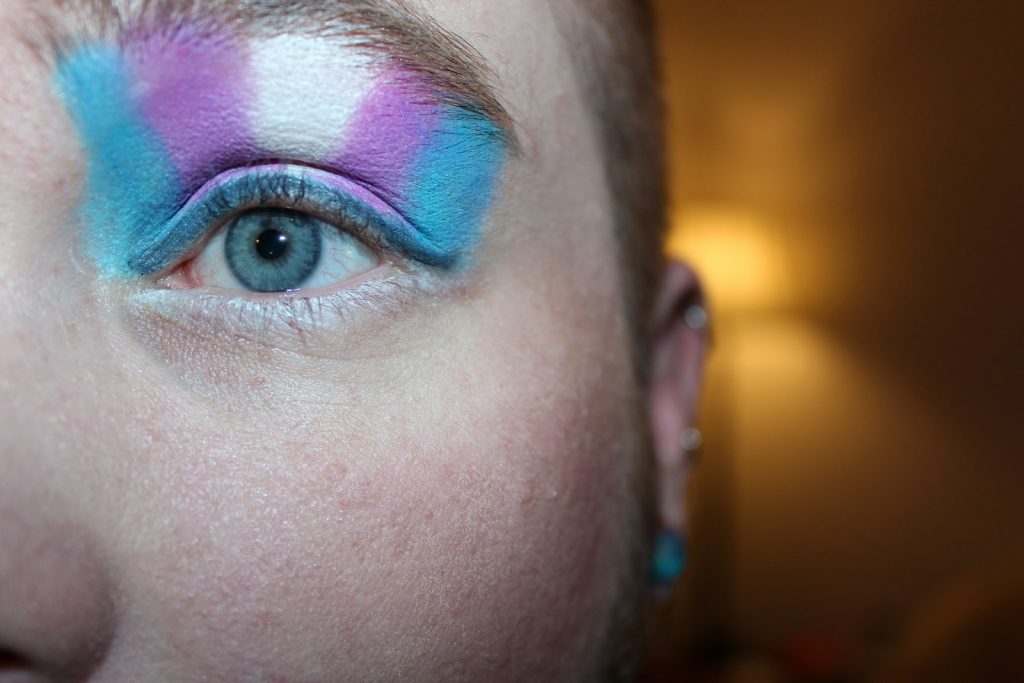
transgender

How to look like a girl as a guy?

As a transgender, androgyny, non-binary individual, it is important to understand that looking like a girl is a multifaceted process that involves more than just physical appearance. It is important to understand that gender identity is complex (especially for transgender individuals), and looking like a girl may involve a combination of different steps.

Facial feminization surgery (FFS) is a set of procedures that can help individuals to align their facial appearance with their gender identity. FFS can include a variety of procedures such as forehead contouring, jaw and chin reshaping, and rhinoplasty (nose reshaping) that can be used to make a person’s face appear more feminine. These procedures can address features that are commonly thought of as masculine and reshape them to create a more feminine appearance. It’s important to consult with a qualified and experienced surgeon to discuss your goals and expectations before undergoing the procedure.

Additionally, hormone therapy, also known as hormone replacement therapy (HRT) for transgender individuals, can help to feminize the body by decreasing the levels of testosterone and increasing the levels of estrogen.

facial feminization surgery

How do I reclaim my feminine?

Reclaiming femininity can be a complex and personal process that may involve a combination of different steps. One way to reclaim femininity is through hormone therapy (HRT). HRT can help to feminize the body by decreasing the levels of testosterone and increasing the levels of estrogen. This can lead to changes such as breast growth, softer skin, shrink of penis and testicles, and a reduction in body and facial hair.

Another way to reclaim femininity is through facial feminization surgery (FFS) and other plastic surgery procedures. FFS is a set of procedures that can help transgender individuals to align their facial appearance with their gender identity. FFS can include a variety of procedures such as forehead contouring, jaw and chin reshaping, and rhinoplasty (nose reshaping) that can be used to make a person’s face appear more feminine. These procedures can address features that are commonly thought of as masculine and reshape them to create a more feminine appearance.

It’s important to understand that reclaiming femininity can be a lifelong journey, and that everyone’s experience will be different. It’s essential to consult with a qualified healthcare professional to help you navigate through the process and to decide what steps are appropriate for you.

How much does facial feminization cost?

The cost of facial feminization surgery (FFS) can vary depending on the specific procedures to be performed, the surgeon’s fees, and the location of the clinic. On average, the cost of FFS can range from $5000 to $15000, though it can be higher or lower depending on the specific procedures to be performed and the surgeon’s fees. It’s important to keep in mind that this is only an estimate, and you can contact our hospital directly for more accurate pricing information. It’s also important to note that the cost of the surgery does not include the cost of travel, accommodation, or post-operative care, which can add additional expenses to the total cost of the surgery.

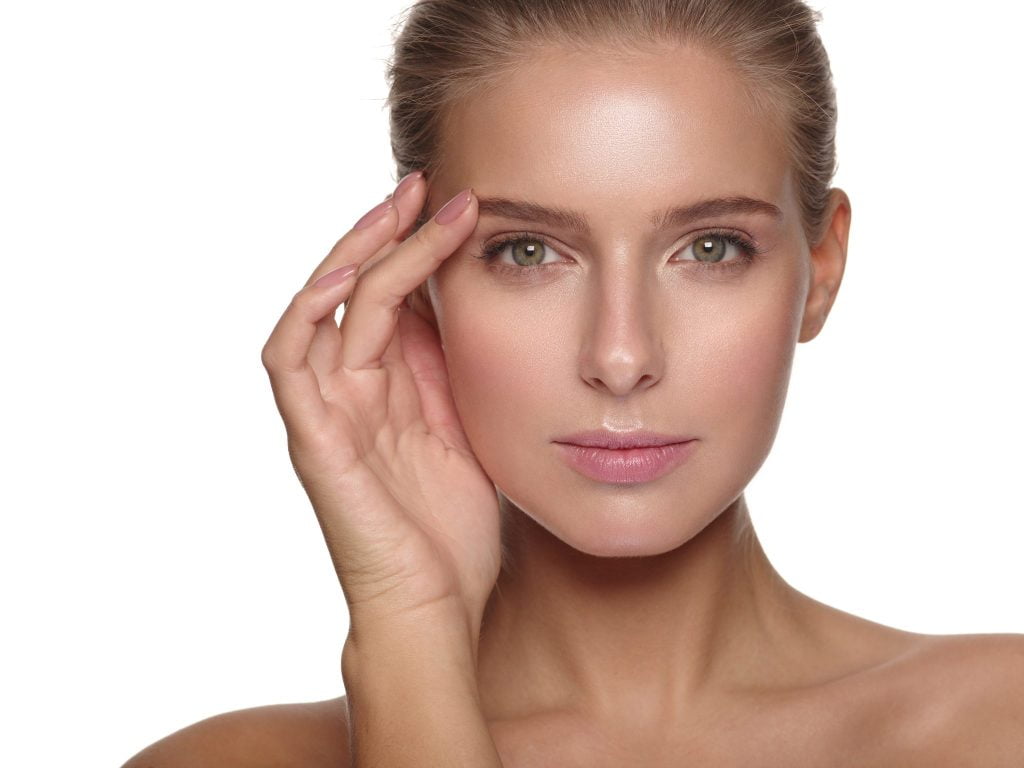
Forehead Reduction: Making the Right Decision for You

forehead reduction

Discover everything you need to know about forehead reduction surgery, including how much it costs, how long it lasts, and a lot more with this article.

In this article, we will be informing you about forehead reduction. We will be answering some of the most frequently asked questions about forehead reduction, and helping you figure out if forehead reduction is the right surgery for you.

How can I reduce my forehead naturally?

If you’re looking to reduce the appearance of a large forehead, there are some non-surgical options you can try, such as choosing a hairstyle that covers your forehead and draws attention away from it, using makeup to contour your forehead and make it look smaller, or wearing a hat or head wrap to reduce the appearance of a large forehead.

However, these methods may not provide a permanent solution. Forehead reduction surgery, on the other hand, is a safe and effective way to reduce the actual size of your forehead and achieve a more aesthetically pleasing appearance while also keeping your natural look.

Our experienced plastic surgeons use the latest techniques and technology to provide natural-looking results and minimize scarring from forehead reduction surgery at our hospital. If you’re interested in learning more about forehead reduction surgery, please contact us to schedule a consultation and we will be more than happy to help!

forehead reduction

How much does forehead reduction surgery cost?

The cost of forehead reduction surgery can vary depending on several factors, such as the extent of the procedure, the geographic location of the hospital, and the experience of the surgeon. In general, cosmetic surgery is not covered by insurance and must be paid for out of pocket and costs between $4000 and $13000.

It’s important to keep in mind that when choosing a surgeon for your forehead reduction procedure, it’s important to prioritize experience, expertise, and results over cost. A qualified and skilled surgeon will be able to achieve the best possible outcome for your procedure, ensuring that you are satisfied with your results for years to come.

If you’re interested in learning more about the cost of forehead reduction surgery and how we can help make it accessible for you, please contact us to schedule a consultation.

Is forehead reduction surgery scar permanent?

Forehead reduction surgery will result in scars, however the extent and visibility of these scars will depend on several factors, such as the technique used by the surgeon, the patient’s individual healing process, and how well the patient cares for the incision site during the recovery period.

In general, our experienced plastic surgeons take great care to place incisions in discreet locations, such as within the hairline, to minimize scarring. Additionally, the use of advanced surgical techniques and technology can help to minimize scarring and ensure that the results are as natural-looking as possible.

During the recovery period, it’s important to follow your surgeon’s instructions for wound care and to avoid activities that could increase the risk of infection or slow the healing process. This will help to minimize scarring and promote optimal healing.

It’s important to keep in mind that while forehead reduction surgery scars may fade over time, they are permanent. If you’re concerned about scarring, we encourage you to discuss this with your surgeon during your consultation so that they can provide you with information on what you can expect in terms of scarring and how to minimize the visibility of scars.

Why is my forehead so big?

There are several factors that can contribute to the appearance of a large forehead, including genetics, bone structure, and body proportion. In some cases, a large forehead may be a result of an underlying medical condition, such as cranial hyperostosis or hyperactivity of the frontal sinuses.

Regardless of the cause, if you’re self-conscious about the appearance of your forehead, forehead reduction surgery can help to reduce its size and create a more aesthetically pleasing appearance. If you’re concerned about the appearance of your forehead, we encourage you to discuss this with your doctor to determine the underlying cause and to determine if forehead reduction surgery is right for you.

How long does forehead reduction last?

Forehead reduction surgery is a permanent procedure that will result in long-lasting changes to the size and shape of your forehead. The results of the surgery will be immediately visible and will continue to improve as swelling and bruising subside.

It’s important to keep in mind that, like any surgical procedure, the results of forehead reduction surgery can be affected by factors such as aging, sun exposure, and weight changes. However, the results of the surgery are generally long-lasting and can provide a permanent solution for those who are self-conscious about the appearance of their forehead.

What is the minimum age for having forehead reduction surgery?

The minimum age for having forehead reduction surgery will vary depending on the individual patient and the surgeon performing the procedure. In general, plastic surgeons will not perform cosmetic procedures on patients under the age of 18 due to the fact that the patient’s facial structure and growth patterns may still be developing.

If you’re interested in learning more about forehead reduction surgery and if it’s right for you, we encourage you to schedule a consultation with one of our experienced plastic surgeons.

Breast Lift: Things You Should Know

breast lift

Breast lift is one of the most preferred cosmetic procedures. And although most people know what it is, there are still things you should know before you have it.

For this reason, in this article, we will be answering some of the most frequently asked questions about breast lift: how much it costs, when you should have it, and a lot more. Please read on to learn more about breast lift!

How much is breast lift in Turkey?

Breast lift surgery, also known as mastopexy, is a popular cosmetic procedure that involves removing excess skin and reshaping the breasts to improve their appearance. The cost of a breast lift in Turkey can vary depending on several factors, including the type of procedure you choose, the expertise and experience of your surgeon, and the location of the hospital where you have your surgery.

In general, a standard breast lift costs between $5000 and $10000 depending on a number of factors. If you are interested in learning more about the cost of breast lift surgery in Turkey, we encourage you to contact us for a consultation. Our team of experienced and compassionate professionals will be happy to answer your questions and help you make an informed decision about your procedure.

When should a woman get a breast lift?

A woman may consider a breast lift when she is unhappy with the shape, size, or position of her breasts. This may be due to several factors, including sagging caused by aging or changes after pregnancy and breastfeeding, asymmetry, or dissatisfaction with previous surgery results. The best time to get a breast lift is when you feel ready and motivated to make the change.

Our plastic surgeons will assess your individual needs and goals to determine if a breast lift is right for you. They will also discuss timing options to fit your needs. If you are considering a breast lift and would like to learn more, we invite you to schedule a consultation with one of our plastic surgeons. They will be happy to answer any questions and help you make an informed decision about your procedure.

Can you still breastfeed with a breast lift?

In general, a breast lift does not affect the ability to breastfeed. However, it is important to discuss your plans for future breastfeeding with your plastic surgeon during your consultation, as the technique used for your breast lift can impact your ability to breastfeed.

If you are considering a breast lift and are planning to have children or breastfeed in the future, we recommend discussing these plans with your plastic surgeon. They will be able to provide you with more specific information about how a breast lift may impact your ability to breastfeed.

breast lift surgeon

What not to do after a breast lift?

After a breast lift, it is important to follow your plastic surgeon’s post-operative instructions to ensure a smooth and successful recovery. Engaging in heavy lifting or strenuous exercise can put unnecessary strain on your incisions, causing them to reopen and potentially affecting the final results of your surgery. It is recommended to avoid these activities for a certain period of time, as advised by your plastic surgeon.

In addition, you should avoid exposing your incisions to direct sunlight, as this can cause hyperpigmentation and slow down the healing process. If you must go outside, it is important to protect your incisions with clothing or a broad-spectrum sunscreen.

Smoking can also impede the healing process and increase the risk of complications. It is recommended to quit smoking before and after surgery. Touching or manipulating your incisions should also be avoided, as this can cause them to become infected and slow down the healing process.

Finally, sleeping on your stomach should also be avoided after a breast lift. This can put unnecessary pressure on your incisions and disrupt the healing process. Instead, it is recommended to sleep on your back or side as advised by your plastic surgeon.

It is important to follow all post-operative instructions given by your plastic surgeon to ensure a smooth and successful recovery. If you have any questions or concerns, keep in mind that we are here to help, and you can always contact us for more information.

Will my saggy breasts go back to normal after I stop breastfeeding?

Breastfeeding can cause the breasts to change in shape and size, but it may not always result in a return to the pre-pregnancy state. The extent to which the breasts will “go back to normal” after breastfeeding varies from woman to woman and depends on several factors such as skin elasticity, the amount of weight gain during pregnancy, and the size and shape of the breasts before pregnancy.

In some cases, even after breastfeeding, the breasts may still have a saggy appearance. In these cases, a breast lift may be necessary to restore a more youthful and perky shape to the breasts.

If you are concerned about changes to your breasts after pregnancy and breastfeeding, our plastic surgeons would be happy to discuss your options and help you determine the best course of action for you by discussing your needs and desires with you.

breast lift surgery

Does breast lift sag after pregnancy?

Yes, a breast lift can sag after pregnancy. Pregnancy and breastfeeding can cause changes to the breasts that can affect the results of a breast lift. To minimize the risk of sagging after pregnancy, it is recommended to wait until after you have finished having children before undergoing a breast lift. It is also important to maintain a stable weight and to avoid significant weight fluctuations, as these can also contribute to sagging after a breast lift.