Facial Feminization Surgery: A Guide for Transgender Women and Non-Binary People

A Person Wearing a Latex Gloves Touching the Face of an Elderly Woman with Her Eye Closed, facial feminization surgery

Facial feminization surgery (Facial Feminization Surgery) is a type of gender-affirming surgery that aims to modify the facial features of transgender women and non-binary people who were assigned male at birth (AMAB) to make them more feminine and congruent with their gender identity. Facial Feminization Surgery can help reduce gender dysphoria, improve self-esteem, and increase social acceptance for trans and non-binary people.

In this article, we will explain what Facial Feminization Surgery is, what procedures it involves, what the benefits and risks are, how to prepare for it, and what to expect after it. We will also answer some frequently asked questions about Facial Feminization Surgery.

woman wearing red, white, and black aztec top, facial feminization surgery

What is Facial Feminization Surgery?

Facial Feminization Surgery is a term that covers a range of surgical procedures that can alter the shape, size, and position of various facial features, such as the forehead, eyebrows, nose, lips, cheeks, chin, and jaw. The goal of Facial Feminization Surgery is to reduce the masculine characteristics of the face and enhance the feminine ones, creating a more harmonious and balanced appearance.

Facial Feminization Surgery is not a one-size-fits-all surgery. Each person has a unique facial structure and aesthetic goals. Therefore, Facial Feminization Surgery is customized to suit the individual needs and preferences of each patient. Some patients may only need one or two procedures, while others may need several. Some patients may opt for subtle changes, while others may want more dramatic ones.

Facial Feminization Surgery is usually performed by a plastic surgeon who specializes in facial surgery and has experience in working with transgender and non-binary patients. The surgeon will evaluate the patient’s facial anatomy, medical history, psychological status, and expectations. The surgeon will also discuss the possible outcomes, risks, complications, costs, and recovery time of each procedure.

Facial Feminization Surgery can be done under general or local anesthesia, depending on the extent and complexity of the surgery. The duration of Facial Feminization Surgery can vary from a few hours to several hours or even days. The surgery may be done in one session or in multiple stages, depending on the patient’s preference and the surgeon’s recommendation.

What are the common Facial Feminization Surgery procedures?

The following are some of the most common Facial Feminization Surgery procedures that can be performed separately or in combination:

Hairline correction

The hairline is the line where the hair starts on the forehead. AMAB people tend to have a higher and more receded hairline than AFAB (assigned female at birth) people. They also tend to have more prominent corners or “M-shaped” hairlines.

Hairline correction is a procedure that lowers and rounds the hairline to create a more feminine shape. This can be done by either advancing the scalp (moving it forward) or transplanting hair follicles from other parts of the body (such as the back or sides of the head) to fill in the gaps.

Hairline correction can also be combined with forehead recontouring (see below) to achieve a smoother transition between the hairline and the forehead.

Forehead recontouring

The forehead is one of the most noticeable features of the face. AMAB people tend to have a larger and flatter forehead than AFAB people. They also tend to have a bony ridge or bossing above the eyebrows that creates a shadow effect.

Forehead recontouring is a procedure that reshapes the forehead to make it more feminine. This can be done by either reducing or removing the bony ridge (also called brow bossing) or adding volume to the upper part of the forehead (also called forehead augmentation).

Forehead recontouring can also be combined with brow lift (see below) to raise the position of the eyebrows and create a more open and expressive look.

Brow lift

The eyebrows are another important feature of the face. They help convey emotions and expressions. AMAB people tend to have lower and flatter eyebrows than AFAB people. They also tend to have thicker and coarser eyebrow hairs.

Brow lift is a procedure that elevates the eyebrows to create a more feminine arch. This can be done by either cutting or lifting the skin above the eyebrows (also called coronal brow lift) or using small incisions along the hairline or within the eyebrows (also called endoscopic brow lift).

Brow lift can also be combined with eyelid surgery (see below) to enhance the appearance of the eyes.

Eyelid surgery

The eyes are one of the most expressive features of the face. They help communicate emotions and feelings. AMAB people tend to have smaller and deeper-set eyes than AFAB people. They also tend to have more excess skin and fat around the eyes that create a hooded or droopy look.

Eyelid surgery is a procedure that modifies the shape and size of the eyelids to make them more feminine. This can be done by either removing or repositioning excess skin and fat from the upper eyelids (also called upper blepharoplasty) or creating a crease in the upper eyelids (also called double eyelid surgery).

Eyelid surgery can also be done on the lower eyelids to remove or reposition excess skin and fat that create bags or dark circles under the eyes (also called lower blepharoplasty).

Rhinoplasty

The nose is one of the most prominent features of the face. It helps define the character and personality of a person. AMAB people tend to have a larger and wider nose than AFAB people. They also tend to have a more angular and protruding nasal bridge and tip.

Rhinoplasty is a procedure that reshapes the nose to make it more feminine. This can be done by either reducing or increasing the size of the nose, refining or lifting the nasal tip, narrowing or widening the nostrils, or smoothing or straightening the nasal bridge.

Rhinoplasty can also be combined with septoplasty (see below) to correct any breathing problems caused by a deviated nasal septum.

Septoplasty

The nasal septum is the wall of cartilage and bone that divides the nose into two nostrils. Sometimes, the nasal septum can be crooked or deviated, causing breathing difficulties, snoring, or sleep apnea.

Septoplasty is a procedure that straightens the nasal septum to improve the airflow and function of the nose. This can be done by either removing or repositioning parts of the septum that are causing obstruction.

Septoplasty can also be combined with rhinoplasty (see above) to enhance the appearance and shape of the nose.

Cheek augmentation

The cheeks are one of the most attractive features of the face. They help create a youthful and healthy look. AMAB people tend to have flatter and less defined cheeks than AFAB people. They also tend to have more fat in the lower part of the face that creates a square or rectangular shape.

Cheek augmentation is a procedure that adds volume and contour to the cheeks to make them more feminine. This can be done by either inserting implants under the cheekbones (also called malar augmentation) or injecting fillers or fat into the cheek area (also called soft tissue augmentation).

Cheek augmentation can also be combined with buccal fat removal (see below) to reduce the fullness of the lower cheeks and create a more oval or heart-shaped face.

Buccal fat removal

The buccal fat pads are pockets of fat located in the lower part of the cheeks. They help cushion and protect the facial muscles and nerves. However, some people may have too much buccal fat that creates a chubby or round face.

Buccal fat removal is a procedure that reduces the size of the buccal fat pads to make the face more feminine. This can be done by making small incisions inside the mouth and gently removing excess fat with a special instrument.

Buccal fat removal can also be combined with cheek augmentation (see above) to enhance the shape and definition of the cheeks.

Lip augmentation

The lips are one of the most sensual features of the face. They help express emotions and feelings. AMAB people tend to have thinner and less plump lips than AFAB people. They also tend to have less defined lip borders and peaks.

Lip augmentation is a procedure that increases the size and fullness of the lips to make them more feminine. This can be done by either injecting fillers or fat into the lips (also called lip enhancement) or surgically lifting and reshaping the lips (also called lip lift).

Lip augmentation can also be combined with lip reduction (see below) to balance the proportion and harmony of the lips.

Lip reduction

Some people may have naturally large or thick lips that create an unbalanced or disproportionate look. This may be due to genetic factors, ethnic background, or previous lip augmentation procedures.

Lip reduction is a procedure that decreases the size and thickness of the lips to make them more feminine. This can be done by making small incisions along the inside or outside of the lips and removing excess tissue.

Lip reduction can also be combined with lip augmentation (see above) to enhance the shape and contour of the lips.

Chin recontouring

The chin is one of the most defining features of the face. It helps create a strong and confident look. AMAB people tend to have a larger and more prominent chin than AFAB people. They also tend to have a more square or pointed chin shape.

Chin recontouring is a procedure that modifies the shape and size of the chin to make it more feminine. This can be done by either reducing or increasing the projection of the chin, narrowing or widening the chin base, or smoothing or curving the chin contour.

Chin recontouring can also be combined with jaw recontouring (see below) to achieve a more harmonious and balanced facial profile.

Jaw recontouring

The jaw is one of the most masculine features of the face. It helps create a powerful and dominant look. AMAB people tend to have a wider and more angular jaw than AFAB people. They also tend to have a more prominent jaw angle and a more square or rectangular jawline.

Jaw recontouring is a procedure that modifies the shape and size of the jaw to make it more feminine. This can be done by either shaving or cutting the bone of the jaw (also called mandibular reduction) or injecting fillers or fat into the jaw area (also called mandibular augmentation).

Jaw recontouring can also be combined with chin recontouring (see above) to achieve a more harmonious and balanced facial profile.

What are the benefits of Facial Feminization Surgery?

Facial Feminization Surgery can have many benefits for transgender and non-binary people who want to feminize their facial features. Some of the benefits are:

  • Facial Feminization Surgery can help reduce gender dysphoria, which is the distress or discomfort caused by the mismatch between one’s gender identity and assigned sex at birth.
  • Facial Feminization Surgery can help improve self-esteem, self-confidence, and self-image, which are essential for mental and emotional well-being.
  • Facial Feminization Surgery can help increase social acceptance, safety, and comfort, as it can make it easier for trans and non-binary people to pass as their desired gender in public and avoid discrimination, harassment, or violence.
  • Facial Feminization Surgery can help enhance personal and professional relationships, as it can make trans and non-binary people feel more comfortable and authentic in expressing themselves and interacting with others.
  • Facial Feminization Surgery can help complement hormonal therapy, as it can create a more consistent and natural appearance between the face and the body.

What are the risks of Facial Feminization Surgery?

As with any surgery, Facial Feminization Surgery carries some risks and complications that should be considered before undergoing it. Some of the risks are:

  • Facial Feminization Surgery can cause bleeding, infection, swelling, bruising, pain, scarring, or nerve damage that may affect the sensation or movement of the face.
  • Facial Feminization Surgery can cause asymmetry, overcorrection, undercorrection, or dissatisfaction with the results that may require revision surgery or additional procedures.
  • Facial Feminization Surgery can cause psychological distress, such as depression, anxiety, or regret, if the results do not meet the expectations or preferences of the patient or their loved ones.
  • Facial Feminization Surgery can be expensive, as it is not covered by most insurance plans and may require traveling to another country or state to find a qualified surgeon.
  • Facial Feminization Surgery can be time-consuming, as it may require multiple consultations, tests, procedures, and follow-ups that may interfere with work, school, or personal obligations.

How to prepare for Facial Feminization Surgery?

Facial Feminization Surgery is a major surgery that requires careful preparation and planning. Some of the steps to prepare for Facial Feminization Surgery are:

  • Find a reputable and experienced surgeon who specializes in Facial Feminization Surgery and has a portfolio of before-and-after photos of previous patients. Ask for referrals from other trans or non-binary people who have undergone Facial Feminization Surgery or consult online forums or websites that review surgeons.
  • Schedule a consultation with the surgeon to discuss your goals, expectations, preferences, medical history, current medications, allergies, and lifestyle habits. The surgeon will examine your facial anatomy, take measurements and photos, explain the options and outcomes of each procedure, answer your questions and concerns, and provide you with a quote and a treatment plan.
  • Do your research on the procedures you are interested in and understand the benefits, risks, complications, costs, and recovery time of each one. Compare different surgeons’ opinions and recommendations and weigh the pros and cons of each option. Make sure you are fully informed and comfortable with your decision and consent.
  • Follow the pre-operative instructions given by your surgeon and their team. This may include stopping smoking, drinking alcohol, or taking certain medications or supplements that may interfere with the surgery or anesthesia. This may also include undergoing blood tests, urine tests, or other exams to ensure you are healthy and fit for surgery.
  • Arrange for transportation, accommodation, and aftercare for yourself and your companion (if any). You will need someone to drive you to and from the surgery center, stay with you for the first night, and help you with your daily activities for the first few days or weeks. You will also need to book a hotel room or an apartment near the surgery center, as you will need to visit your surgeon regularly for check-ups and dressing changes.
  • Pack your essentials for your trip, such as your passport, visa, insurance card, medical records, medications, comfortable clothes, toiletries, entertainment devices, and snacks. You may also want to bring some items that can make your recovery more comfortable, such as ice packs, pillows, blankets, scarves, sunglasses, hats, or masks.

What to expect after Facial Feminization Surgery?

Facial Feminization Surgery is a complex and invasive surgery that requires a long and gradual recovery process. Some of the things to expect after Facial Feminization Surgery are:

  • You will wake up in a recovery room with bandages, drains, and tubes attached to your face. You may feel groggy, drowsy, or nauseous from the anesthesia or painkillers. You may also feel some discomfort, tightness, or numbness in your face. Your surgeon or nurse will monitor your vital signs and provide you with instructions and medications to manage your pain and prevent infection.
  • You will stay in the hospital or surgery center for one or two nights, depending on the extent and complexity of your surgery. You will need to rest and avoid any strenuous activity or pressure on your face. You will also need to follow a liquid or soft diet and drink plenty of water to stay hydrated.
  • You will visit your surgeon regularly for follow-ups and dressing changes. Your surgeon will remove your bandages, drains, and stitches after a few days or weeks, depending on the healing process. Your surgeon will also evaluate your results, address any complications, and advise you on how to care for your scars and wounds.
  • You will notice some swelling, bruising, redness, or itching in your face that will gradually subside over time. You may also experience some temporary changes in your facial sensation, expression, or function that will improve as the nerves regenerate. You may also need to wear a compression garment or tape on your face to reduce the swelling and support the healing tissues.
  • You will resume your normal activities gradually as you recover. You may need to take some time off work, school, or social events until you feel comfortable and confident with your appearance. You may also need to avoid sun exposure, alcohol consumption, smoking, or vigorous exercise until your surgeon clears you for them. You may also need to use some makeup, hair styling, or accessories to conceal or enhance your results until they settle.
  • You will see the final results of your Facial Feminization Surgery after several months or even years, as the swelling subsides, the scars fade, and the tissues settle into their new shape and position. You may be amazed by the transformation of your face and how it reflects your true self. You may also feel more happy, confident, and comfortable in your own skin.

FAQs

Here are some frequently asked questions about Facial Feminization Surgery:

Q: Is Facial Feminization Surgery necessary for transgender or non-binary people?

A: Facial Feminization Surgery is not necessary for transgender or non-binary people who are happy and comfortable with their facial features and do not experience gender dysphoria or social distress because of them. Facial Feminization Surgery is a personal choice that depends on each individual’s goals, preferences, and needs. Some trans or non-binary people may not want or need Facial Feminization Surgery, while others may consider it essential for their well-being and happiness.

Q: How much does Facial Feminization Surgery cost?

A: The cost of Facial Feminization Surgery varies depending on the surgeon, the location, the procedures, the anesthesia, the hospital fees, and other factors. Facial Feminization Surgery can range from a few thousand to tens of thousands of dollars, depending on the extent and complexity of the surgery. Facial Feminization Surgery is usually not covered by most insurance plans, unless it is deemed medically necessary by a mental health professional. Therefore, trans or non-binary people who want to undergo Facial Feminization Surgery may need to save up, fundraise, or seek financial assistance from various sources.

Q: How long does Facial Feminization Surgery take?

A: The duration of Facial Feminization Surgery depends on the number and type of procedures involved. Facial Feminization Surgery can take from a few hours to several hours or even days, depending on the complexity and extent of the surgery. Facial Feminization Surgery may be done in one session or in multiple stages, depending on the patient’s preference and the surgeon’s recommendation.

Q: How painful is Facial Feminization Surgery?

A: The pain level of Facial Feminization Surgery depends on the patient’s pain tolerance and the procedures performed. Facial Feminization Surgery is usually done under general or local anesthesia, which means that the patient will not feel any pain during the surgery. However, after the surgery, the patient may experience some discomfort, tightness, or numbness in their face that can be managed with painkillers and anti-inflammatory drugs prescribed by their surgeon.

Q: How long does it take to recover from Facial Feminization Surgery?

A: The recovery time of Facial Feminization Surgery depends on the patient’s healing ability and the procedures performed. Facial Feminization Surgery can take from a few weeks to several months or even years to fully heal and show the final results. The patient will need to follow their surgeon’s instructions and recommendations carefully to ensure a smooth and successful recovery.

Free Consultation

Get a free consultation now or visit Dr.MFO’s instagram for see more successfully plastic surgery results

Blepharoplasty: What You Need to Know About Eyelid Surgery

photo of adult, asian, blepharoplasty

Do you have sagging or drooping eyelids that make you look tired or older than you are? Do you have excess skin or fat on your upper or lower eyelids that interfere with your vision or appearance? If so, you might be a candidate for blepharoplasty, a type of cosmetic surgery that removes excess tissue from the eyelids and restores a more youthful and alert look to the eyes.

Blepharoplasty is one of the most common plastic surgery procedures in the world, with millions of people undergoing it every year. In this article, we will explain what blepharoplasty is, how it is done, what are the benefits and risks, and how to prepare and recover from it. We will also answer some frequently asked questions about blepharoplasty.
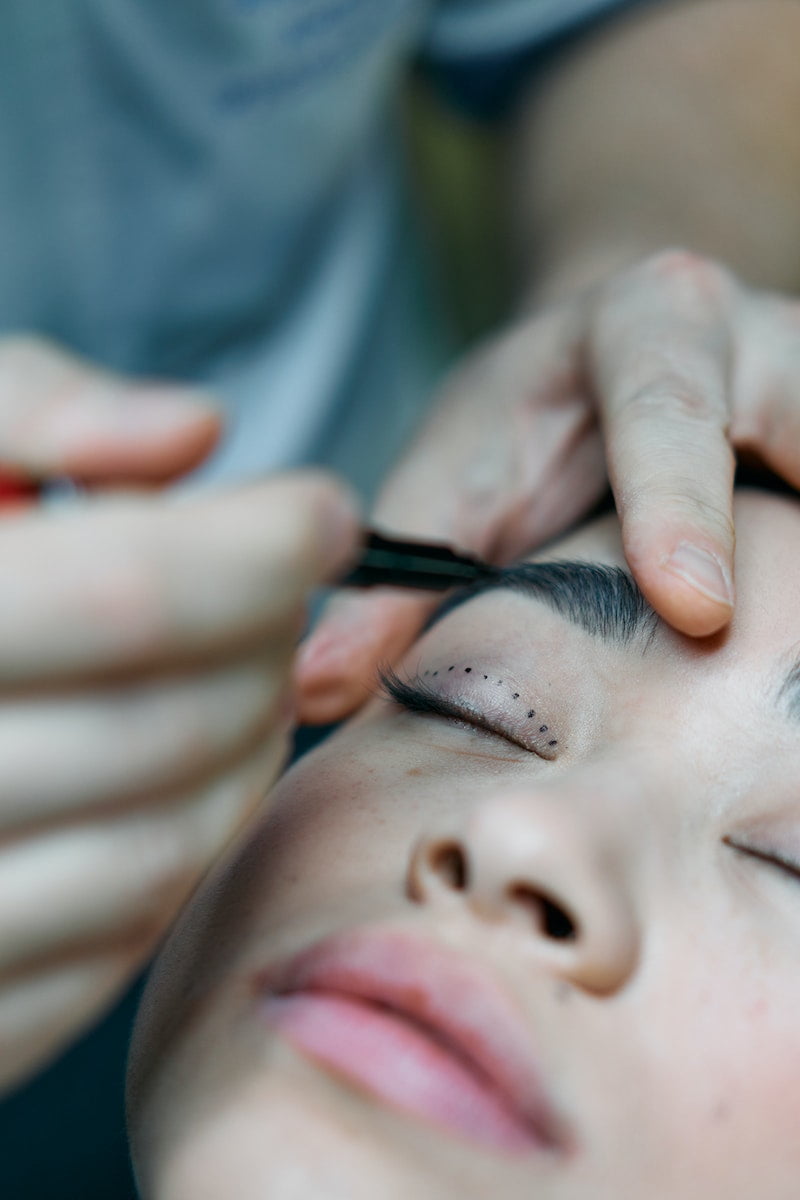
photo of asian woman, blepharoplasty, close-up

What is Blepharoplasty?

Blepharoplasty (pronounced BLEF-uh-roe-plas-tee) is a surgical procedure that removes excess skin, muscle, and fat from the upper and/or lower eyelids. The word blepharoplasty comes from the Greek words blepharon, meaning “eyelid”, and plassein, meaning “to form”

The skin of the eyelids is very thin and delicate, and it tends to stretch and sag over time due to aging, sun exposure, genetics, and other factors. This can cause the eyelids to droop or bulge, creating a tired, sad, or angry expression. It can also create folds or creases that obscure the natural shape of the eye, or even impair the peripheral vision.

Blepharoplasty can correct these problems by removing the excess tissue and tightening the remaining skin and muscle. The result is a smoother, firmer, and more youthful appearance of the eyelids and the surrounding area. Blepharoplasty can also enhance the shape and size of the eyes, making them look more open and alert.

Blepharoplasty can be performed on either the upper or lower eyelids, or both. Depending on the extent of the surgery, it can be done under local or general anesthesia, in an outpatient setting or in a hospital. The surgery usually takes one to three hours to complete.
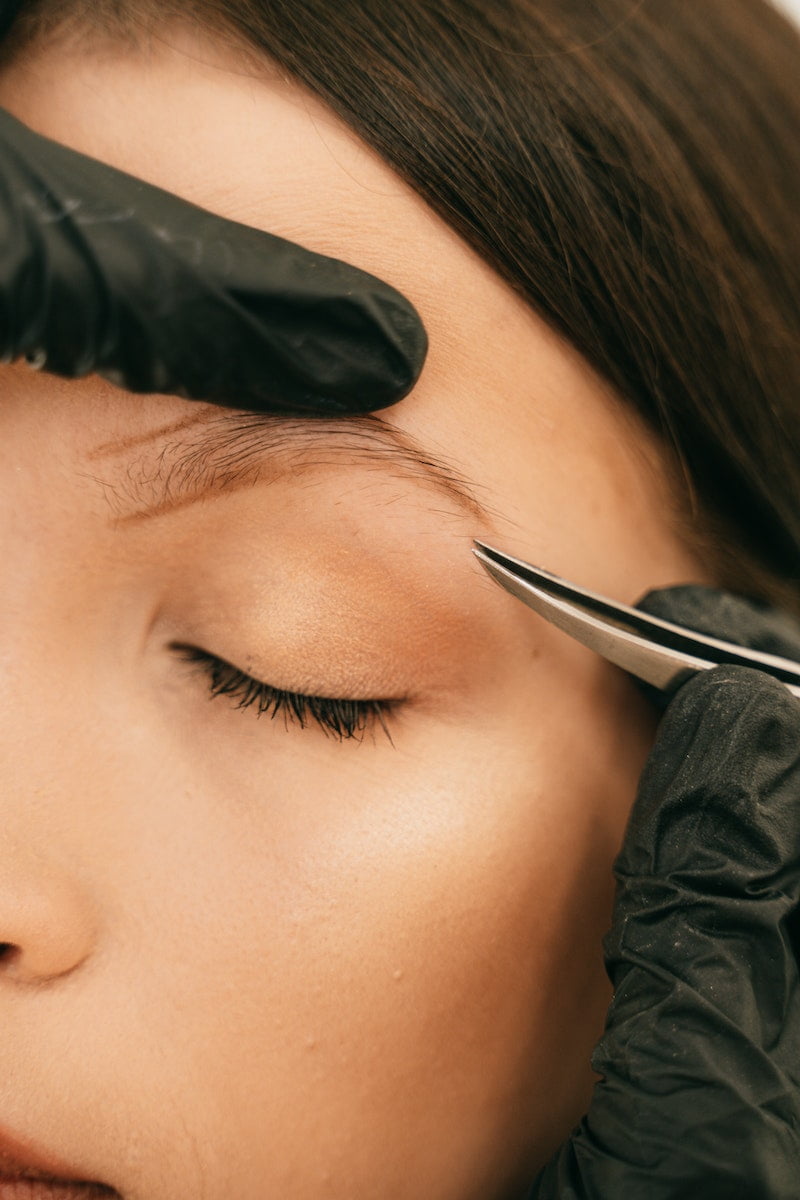
Person Plucking Woman's Eyebrow

How is Blepharoplasty Done?

The exact technique of blepharoplasty may vary depending on the individual needs and goals of each patient, but in general, it involves the following steps:

  • The surgeon makes small incisions along the natural creases or folds of the eyelids, where they will be less visible after healing.
  • The surgeon removes excess skin, muscle, and fat from the eyelids using surgical instruments such as scissors, scalpels, or lasers.
  • The surgeon repositions or reshapes the remaining tissue to create a more pleasing contour and symmetry of the eyelids.
  • The surgeon closes the incisions with fine sutures or surgical tape.
  • The surgeon applies ointment and bandages to protect the wounds and reduce swelling and bruising.

What are the Benefits of Blepharoplasty?

Blepharoplasty can offer both functional and cosmetic benefits for people who are unhappy with their eyelids. Some of these benefits include:

  • Improved vision: By removing excess skin or fat that obstructs the peripheral vision, blepharoplasty can improve the visual field and make daily activities such as driving or reading easier.
  • Reduced eye strain: By lifting droopy eyelids that weigh down on the eyes, blepharoplasty can reduce eye fatigue and headaches caused by constant squinting or blinking.
  • Enhanced appearance: By smoothing wrinkles, eliminating bags, and restoring a natural curve to the eyelids, blepharoplasty can make the eyes look more youthful, refreshed, and attractive.
  • Increased confidence: By improving the overall appearance of the face, blepharoplasty can boost self-esteem and social interactions for people who feel self-conscious about their eyelids.

What are the Risks of Blepharoplasty?

As with any surgery, blepharoplasty carries some risks and potential complications that should be discussed with your surgeon before undergoing the procedure. Some of these risks include:

  • Infection and bleeding: These are rare but possible complications that can occur after any surgery. They can be prevented by following your surgeon’s instructions on wound care and medication use.
  • Dry, irritated eyes: This is a common but temporary side effect that can occur after blepharoplasty due to reduced tear production or exposure of the eyes. It can be treated by using artificial tears or lubricating ointments as prescribed by your surgeon.
  • Difficulty closing the eyes: This is an uncommon but serious complication that can occur after blepharoplasty if too much skin is removed from the upper eyelids. It can cause dryness, irritation, infection, or damage to the cornea (the clear front surface of the eye). It may require further surgery or nonsurgical treatments to correct.
  • Noticeable scarring: This is a rare but possible complication that can occur after blepharoplasty if the incisions heal poorly or become infected. It can affect the appearance and function of the eyelids. It may require further surgery or nonsurgical treatments to improve.
  • Injury to eye muscles: This is a very rare but possible complication that can occur after blepharoplasty if the surgeon accidentally damages the muscles that control the movement of the eyes. It can cause double vision, drooping, or misalignment of the eyes. It may require further surgery or nonsurgical treatments to fix.
  • Skin discoloration: This is a rare but possible complication that can occur after blepharoplasty if the skin of the eyelids becomes darker or lighter than the surrounding skin. It can be caused by bruising, inflammation, sun exposure, or medication use. It may fade over time or require further surgery or nonsurgical treatments to even out.
  • Temporarily blurred vision or, rarely, loss of eyesight: This is a very rare but possible complication that can occur after blepharoplasty if the surgery causes damage to the optic nerve (the nerve that connects the eye to the brain) or the retina (the light-sensitive layer at the back of the eye). It can result in partial or complete blindness in one or both eyes. It may be irreversible or require further surgery or nonsurgical treatments to restore.

How to Prepare for Blepharoplasty?

Before undergoing blepharoplasty, you will need to have a consultation with your surgeon, who will evaluate your medical history, perform a physical examination, and discuss your expectations and goals. Your surgeon will also explain the procedure in detail, including the risks, benefits, alternatives, and costs.

You will need to follow your surgeon’s instructions on how to prepare for blepharoplasty, which may include:

  • Quitting smoking at least two weeks before and after the surgery, as smoking can impair healing and increase the risk of complications.
  • Avoiding alcohol, aspirin, ibuprofen, and other blood-thinning medications or supplements for at least a week before and after the surgery, as they can increase bleeding and bruising.
  • Arranging for someone to drive you home and stay with you for at least 24 hours after the surgery, as you will not be able to drive or operate machinery while under the influence of anesthesia or painkillers.
  • Filling your prescriptions for antibiotics, painkillers, and eye drops or ointments before the surgery, so you have them ready when you need them.
  • Packing a bag with comfortable clothes, sunglasses, ice packs, and other essentials for your recovery.

How to Recover from Blepharoplasty?

After blepharoplasty, you will need to follow your surgeon’s instructions on how to care for your eyes and wounds, which may include:

  • Applying cold compresses or ice packs to your eyes for 10 to 15 minutes every hour for the first 48 hours after the surgery, then as needed for the next few days, to reduce swelling and pain.
  • Keeping your head elevated above your heart for at least a week after the surgery, especially when sleeping, to reduce swelling and pressure on your eyes.
  • Using artificial tears or lubricating ointments as prescribed by your surgeon to keep your eyes moist and prevent dryness and irritation.
  • Avoiding rubbing, scratching, or touching your eyes or incisions for at least a week after the surgery, as this can cause infection or scarring.
  • Cleaning your eyes and incisions gently with sterile water or saline solution as instructed by your surgeon, using cotton balls or pads. Do not use soap, alcohol, or hydrogen peroxide on your eyes or incisions.
  • Taking antibiotics and painkillers as prescribed by your surgeon to prevent infection and relieve discomfort. Do not take any other medications or supplements without consulting your surgeon first.
  • Wearing sunglasses and sunscreen whenever you go outside for at least six months after the surgery, as your eyes will be more sensitive to light and UV rays. Avoid direct sun exposure as much as possible.
  • Avoiding strenuous activities such as exercise, sports, lifting heavy objects, bending over, swimming, or driving for at least two weeks after the surgery, as they can increase blood pressure and bleeding in your eyes. Resume normal activities gradually as advised by your surgeon.
  • Avoiding makeup, contact lenses, alcohol, tobacco, and hot showers or baths for at least two weeks after the surgery, as they can irritate your eyes or incisions. Resume using them gradually as advised by your surgeon.

You will need to visit your surgeon for follow-up appointments at regular intervals after blepharoplasty. Your surgeon will monitor your healing progress and remove any stitches or tape from your incisions. Your surgeon will also advise you on when you can return to work and other activities.

The recovery time from blepharoplasty varies from

person to person, depending on the extent of the surgery and the individual healing process. In general, most people can expect to see the final results of blepharoplasty within six months after the surgery, when the swelling and bruising have subsided and the scars have faded.

What are the Alternatives to Blepharoplasty?

Blepharoplasty is not the only option for improving the appearance and function of the eyelids. There are some nonsurgical alternatives that may be suitable for some people, depending on their goals and preferences. Some of these alternatives include:

  • Botox injections: Botox is a type of neurotoxin that temporarily paralyzes the muscles that cause wrinkles and frown lines. It can be injected into the forehead, brow, or crow’s feet area to lift and smooth the upper eyelids and reduce sagging or drooping. The effects of Botox last for about three to six months, and the procedure can be repeated as needed.
  • Dermal fillers: Dermal fillers are substances that are injected into the skin to restore volume and plumpness. They can be used to fill in hollows or depressions under the eyes, smooth out wrinkles or creases around the eyes, or enhance the shape and size of the eyes. The effects of dermal fillers vary depending on the type and amount used, but they usually last for six to 18 months, and the procedure can be repeated as needed.
  • Laser resurfacing: Laser resurfacing is a type of skin treatment that uses a beam of light to remove the outer layer of skin and stimulate the growth of new collagen and elastin. It can be used to improve the texture, tone, and elasticity of the skin around the eyes, reduce fine lines and wrinkles, and lighten dark circles or pigmentation. The effects of laser resurfacing can last for several years, but the procedure may require multiple sessions and a longer recovery time than blepharoplasty.
  • Chemical peels: Chemical peels are a type of skin treatment that uses a solution of acids to peel off the outer layer of skin and reveal a smoother and brighter complexion. They can be used to improve the appearance of mild to moderate signs of aging around the eyes, such as sun damage, discoloration, or roughness. The effects of chemical peels can last for several months, but the procedure may require multiple sessions and a shorter recovery time than blepharoplasty.

Conclusion

Blepharoplasty is a cosmetic surgery that removes excess skin, muscle, and fat from the eyelids and restores a more youthful and alert look to the eyes. It can also improve vision by eliminating obstructions or impairments caused by sagging or bulging eyelids.

Blepharoplasty is a safe and effective procedure that can offer both functional and aesthetic benefits for people who are unhappy with their eyelids. However, it also carries some risks and potential complications that should be weighed against the expected outcomes.

Blepharoplasty is not suitable for everyone, and it is not a permanent solution for aging or other factors that affect the eyelids. Therefore, it is important to consult with a qualified plastic surgeon who can assess your individual needs and goals, explain the procedure in detail, and advise you on whether blepharoplasty is right for you.

FAQs

Here are some frequently asked questions about blepharoplasty:

  • Q: How much does blepharoplasty cost?
  • A: The cost of blepharoplasty varies depending on several factors, such as the surgeon’s fees, the anesthesia fees, the facility fees, the extent of the surgery, and the geographic location. According to [the American Society of Plastic Surgeons], the average cost of blepharoplasty in 2020 was $3,282 for upper eyelid surgery and $3,156 for lower eyelid surgery. However, this does not include other expenses such as preoperative tests, postoperative medications, or follow-up visits. Therefore, it is advisable to ask your surgeon for a detailed estimate before undergoing blepharoplasty.
  • Q: Is blepharoplasty covered by insurance?
  • A: Blepharoplasty is usually considered an elective cosmetic procedure that is not covered by most health insurance plans. However, some insurance plans may cover part or all of the cost of blepharoplasty if it is medically necessary to improve vision or treat a condition such as ptosis (drooping eyelid), ectropion (outward turning eyelid), or entropion (inward turning eyelid). Therefore, it is advisable to check with your insurance provider before undergoing blepharoplasty.
  • Q: How long do I have to wait before I can wear makeup after blepharoplasty?
  • A: You should avoid wearing makeup for at least two weeks after blepharoplasty, as makeup can irritate your eyes or incisions and increase the risk of infection or scarring. After two weeks, you can resume wearing makeup gradually as advised by your surgeon, but you should use gentle and hypoallergenic products and avoid applying them directly on your incisions. You should also avoid using eyelash curlers or mascara for at least six weeks after blepharoplasty, as they can pull on your eyelashes and damage your eyelids.
  • Q: How long do I have to wait before I can wear contact lenses after blepharoplasty?
  • A: You should avoid wearing contact lenses for at least two weeks after blepharoplasty, as contact lenses can dry out your eyes and interfere with your healing process. After two weeks, you can resume wearing contact lenses gradually as advised by your surgeon, but you should use lubricating eye drops and clean your lenses thoroughly before and after wearing them. You should also avoid wearing hard or rigid contact lenses for at least six months after blepharoplasty, as they can cause pressure or friction on your eyelids.
  • Q: How long do the results of blepharoplasty last?
  • A: The results of blepharoplasty are usually long-lasting, but they are not permanent. The aging process and other factors such as sun exposure, genetics, lifestyle, and health conditions can affect the appearance and function of the eyelids over time. Therefore, some people may need or want to have a revision or touch-up surgery after several years to maintain or enhance their results. However, most people are satisfied with their results for many years after blepharoplasty.


Free Consultation

Get a free consultation now or visit Dr.MFO’s instagram for see more successfully plastic surgery results

Mesotherapy: A Comprehensive Guide to the Benefits, Risks, and Procedure

person holding white and black pen, mesotherapy

Mesotherapy is a cosmetic procedure that involves injecting a mixture of substances into the middle layer of the skin, called the mesoderm. The substances can include vitamins, minerals, enzymes, hormones, plant extracts, and other ingredients that are tailored to the individual’s needs and goals. Mesotherapy is used to treat a variety of skin and body issues, such as aging signs, cellulite, fat reduction, hair loss, scars, and more. In this article, we will explain what mesotherapy is, how it works, what it can do for you, what are the possible side effects and risks, and how to prepare for and recover from the procedure.

mesotherapy

What is mesotherapy and how does it work?

Mesotherapy was developed in 1952 by Dr. Michel Pistor, a French physician who originally used it to treat pain and vascular disorders. Since then, mesotherapy has gained popularity in many countries as a cosmetic treatment for various aesthetic concerns. Mesotherapy is based on the idea that injecting small amounts of substances directly into the problem area can stimulate the skin’s natural healing and rejuvenating processes. The substances used in mesotherapy can vary depending on the condition being treated, but they generally aim to improve blood circulation, reduce inflammation, dissolve fat cells, stimulate collagen and elastin production, and nourish the skin.

The procedure of mesotherapy involves using very fine needles to deliver multiple injections into the mesoderm, which is about 1 to 4 millimeters below the skin surface. The injections are usually done with a special device that can control the depth, speed, and frequency of the needle. The amount and frequency of injections depend on the size and severity of the problem area, as well as the individual’s response to the treatment. Typically, mesotherapy sessions last about 15 to 30 minutes and are repeated every 7 to 10 days until the desired results are achieved. The number of sessions required can range from 3 to 15 or more.

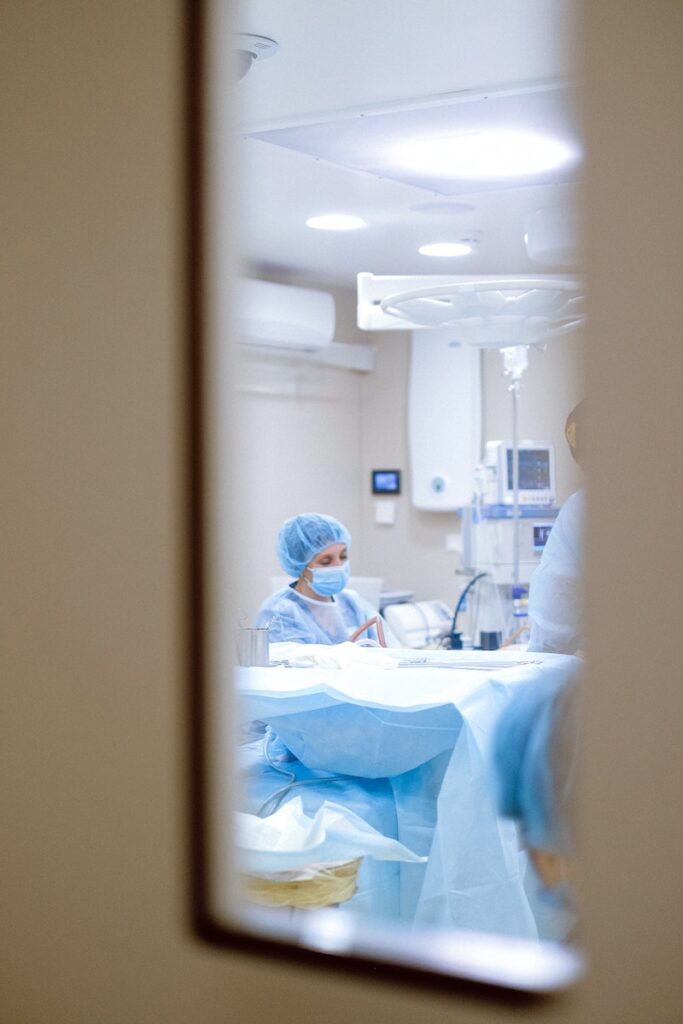
Photo of Healthcare Professional Inside the Operating Room

What are the benefits of mesotherapy?

Mesotherapy can offer a number of benefits for people who want to improve their appearance without undergoing surgery or other invasive procedures. Some of the common benefits of mesotherapy are:

  • Skin rejuvenation: Mesotherapy can help reduce wrinkles, fine lines, sagging skin, dullness, and uneven tone by stimulating collagen and elastin synthesis, hydrating the skin, and enhancing its glow and elasticity.
  • Fat reduction: Mesotherapy can help dissolve stubborn fat deposits in areas such as the abdomen, thighs, hips, arms, chin, and neck by breaking down the fat cells and facilitating their elimination through the lymphatic system.
  • Cellulite reduction: Mesotherapy can help smooth out the dimpled appearance of cellulite by improving blood circulation, reducing inflammation, and dissolving fat cells in the affected areas.
  • Hair growth: Mesotherapy can help treat hair loss and thinning by stimulating blood flow to the scalp, nourishing the hair follicles, and promoting hair growth.
  • Scar improvement: Mesotherapy can help fade scars by improving blood circulation, reducing inflammation, and stimulating collagen production in the scarred tissue.
  • Pigmentation improvement: Mesotherapy can help lighten pigmented spots such as age spots, sun spots, melasma, and freckles by inhibiting melanin production and enhancing skin renewal.

What are the risks and side effects of mesotherapy?

Mesotherapy is generally considered a safe and minimally invasive procedure when performed by a qualified and experienced practitioner. However, like any medical procedure, it also carries some potential risks and side effects that should be aware of before undergoing treatment. Some of the possible risks and side effects of mesotherapy are:

  • Infection: There is a risk of infection if the needles or the injected substances are not sterile or if proper hygiene is not maintained during or after the procedure. Infection can cause redness, swelling, pain, fever, pus formation, and other complications that may require antibiotics or other treatments.
  • Allergic reaction: There is a risk of allergic reaction if the individual is sensitive or intolerant to any of the substances used in mesotherapy. Allergic reaction can cause itching, rash, hives, swelling, difficulty breathing, anaphylaxis (a life-threatening reaction), and other symptoms that may require antihistamines or other medications.
  • Bruising: There is a risk of bruising due to bleeding from the injection sites. Bruising can cause discoloration, pain, and tenderness in the treated area that may last for a few days or weeks depending on the severity and individual’s healing ability.
  • Swelling: There is a risk of swelling due to fluid retention or inflammation in the treated area that may last for a few hours or days after the procedure. Swelling can cause discomfort, tightness, and reduced mobility in the affected area that may interfere with daily activities.
  • Nodules: There is a risk of nodules or lumps forming under the skin due to the injected substances not being absorbed or distributed evenly. Nodules can cause pain, tenderness, and irregularity in the skin texture that may last for weeks or months or require additional treatments to dissolve or remove them.
  • Nerve damage: There is a risk of nerve damage due to the needle hitting a nerve or injecting too much pressure or volume into the nerve. Nerve damage can cause numbness, tingling, burning, or weakness in the treated area or nearby regions that may be temporary or permanent.
  • Skin necrosis: There is a risk of skin necrosis or tissue death due to the injected substances causing vascular occlusion or blockage of blood flow to the skin. Skin necrosis can cause blisters, ulcers, blackening, or sloughing of the skin that may require surgical intervention or skin grafting to repair.
  • Unsatisfactory results: There is a risk of unsatisfactory results due to the individual’s expectations not being met, the treatment not being effective, or the treatment causing adverse effects. Unsatisfactory results can cause dissatisfaction, frustration, regret, or psychological distress that may require additional treatments or counseling to cope with.
man in blue and yellow sweater smiling

How to prepare for mesotherapy?

Before undergoing mesotherapy, it is important to consult with a qualified and experienced practitioner who can assess your condition, goals, medical history, allergies, medications, and other factors that may affect your suitability for the procedure. The practitioner can also explain the procedure in detail, answer your questions, address your concerns, and provide you with pre-treatment instructions and recommendations. Some of the common pre-treatment instructions and recommendations are:

  • Avoid taking blood thinners such as aspirin, ibuprofen, warfarin, and others for at least one week before the procedure to reduce the risk of bleeding and bruising.
  • Avoid taking supplements such as vitamin E, fish oil, garlic, ginkgo biloba, and others for at least one week before the procedure to reduce the risk of bleeding and bruising.
  • Avoid drinking alcohol for at least 24 hours before the procedure to reduce the risk of bleeding and bruising.
  • Avoid smoking for at least 24 hours before the procedure to improve blood circulation and healing.
  • Avoid applying any creams, lotions, makeup, or other products on the treatment area on the day of the procedure to prevent infection and interference with the injections.
  • Eat a light meal and drink plenty of water before the procedure to prevent dehydration and low blood sugar.
  • Wear comfortable and loose clothing that can be easily removed or adjusted to expose the treatment area on the day of the procedure.

How to recover from mesotherapy?

After undergoing mesotherapy, it is normal to experience some mild discomfort, redness, swelling, bruising, or itching in the treated area that will subside within a few hours or days as the body heals and adapts to the injected substances. The practitioner will provide you with post-treatment instructions and recommendations to help you recover faster and better. Some of the common post-treatment instructions and recommendations are:

  • Apply ice packs or cold compresses on the treated area for 10 to 15 minutes every few hours for the first 24 hours after the procedure to reduce swelling and inflammation.
  • Take over-the-counter pain relievers such as acetaminophen or ibuprofen as needed to ease discomfort and inflammation. Avoid taking aspirin or other blood thinners as they can increase bleeding and bruising.
  • Take antihistamines as needed to relieve itching and allergic reactions. Avoid scratching or rubbing the treated area as it can cause infection or scarring.
  • Keep the treated area clean and dry for at least 48 hours after the procedure. Avoid washing, showering, bathing, swimming, or using any products on the treated area until it is fully healed. If needed, use a gentle cleanser and pat dry with a soft towel.
  • Avoid exposing the treated area to direct sunlight, heat, or extreme cold for at least one week after the procedure. Wear sunscreen, a hat, or protective clothing when going outdoors to prevent sunburn or pigmentation changes.
  • Avoid strenuous activities, exercise, or sports for at least 48 hours after the procedure. Resume your normal activities gradually as you feel comfortable and avoid putting pressure on the treated area.
  • Drink plenty of water and eat a balanced diet rich in protein, vitamins, minerals, and antioxidants to hydrate your body and promote healing and detoxification.
  • Follow up with your practitioner as scheduled to monitor your progress, evaluate your results, and determine if you need more sessions or adjustments.

Conclusion

Mesotherapy is a cosmetic procedure that involves injecting a mixture of substances into the middle layer of the skin to treat various skin and body issues, such as aging signs, cellulite, fat reduction, hair loss, scars, and more. Mesotherapy can offer a number of benefits for people who want to improve their appearance without undergoing surgery or other invasive procedures. However, mesotherapy also carries some potential risks and side effects that should be considered before undergoing treatment. Therefore, it is important to consult with a qualified and experienced practitioner who can assess your suitability, explain the procedure, and provide you with pre- and post-treatment instructions and recommendations. Here are some frequently asked questions about mesotherapy that may help you learn more about this procedure.

FAQs

  • Q: How much does mesotherapy cost?
  • A: The cost of mesotherapy can vary depending on the condition being treated, the number and frequency of sessions required, the type and amount of substances used, the practitioner’s experience and location, and other factors. According to Healthline, the average cost of mesotherapy in the United States ranges from $250 to $600 per session. However, some clinics may offer discounts or packages for multiple sessions or areas.
  • Q: Is mesotherapy painful?
  • A: Mesotherapy involves using very fine needles to inject small amounts of substances into the skin, which may cause some discomfort or pain during or after the procedure. However, most people tolerate the procedure well and describe the pain as mild to moderate. The practitioner may also apply a topical anesthetic cream or use a device that vibrates or cools the skin to reduce the pain. Additionally, taking over-the-counter pain relievers or applying ice packs or cold compresses after the procedure can help ease the pain.
  • Q: How long does it take to see results from mesotherapy?
  • A: The results from mesotherapy may vary depending on the individual’s response to the treatment, the condition being treated, and the number and frequency of sessions required. Some people may notice some improvement after the first session, while others may need several sessions to see noticeable results. Generally, it takes about 3 to 6 months for the full results to appear as the body heals and adapts to the injected substances.
  • Q: How long do the results from mesotherapy last?
  • A: The results from mesotherapy may last for several months to years depending on the individual’s lifestyle, skin type, age, and maintenance treatments. To prolong the results, it is recommended to follow a healthy diet, exercise regularly, drink plenty of water, avoid smoking and alcohol, use sunscreen and moisturizers, and have periodic touch-up sessions as advised by the practitioner.
  • Q: What are the alternatives to mesotherapy?
  • A: Mesotherapy is one of the many cosmetic procedures that can help improve various skin and body issues. Depending on your goals and preferences, you may also consider other alternatives such as:
    • Laser therapy: Laser therapy uses beams of light energy to heat up and destroy fat cells, stimulate collagen production, reduce pigmentation, smooth out scars, and more.
    • Radiofrequency therapy: Radiofrequency therapy uses electric currents to heat up and tighten the skin, reduce fat and cellulite, improve blood circulation, and more.
    • Ultrasound therapy: Ultrasound therapy uses sound waves to break down fat cells, stimulate collagen production, lift and firm the skin, improve blood circulation, and more.
    • Microneedling: Microneedling uses tiny needles to create micro-injuries in the skin that trigger its natural healing and rejuvenating processes. Microneedling can help reduce wrinkles, fine lines, sagging skin, scars, pigmentation, and more.
    • Chemical peels: Chemical peels use acids or enzymes to exfoliate and remove the outer layer of dead or damaged skin cells. Chemical peels can help improve skin texture, tone, brightness, and more.
    • Dermal fillers: Dermal fillers are injectable gels that fill in wrinkles, fine lines, hollows, and other areas of volume loss in the face or lips. Dermal fillers can help restore a youthful and plump appearance to the skin.
    • Botox: Botox is an injectable toxin that temporarily paralyzes the muscles that cause wrinkles, fine lines, and other expressions in the face or neck. Botox can help smooth out and relax the skin.

Free Consultation

Get a free consultation now or visit Dr.MFO’s instagram for see more successfully plastic surgery results