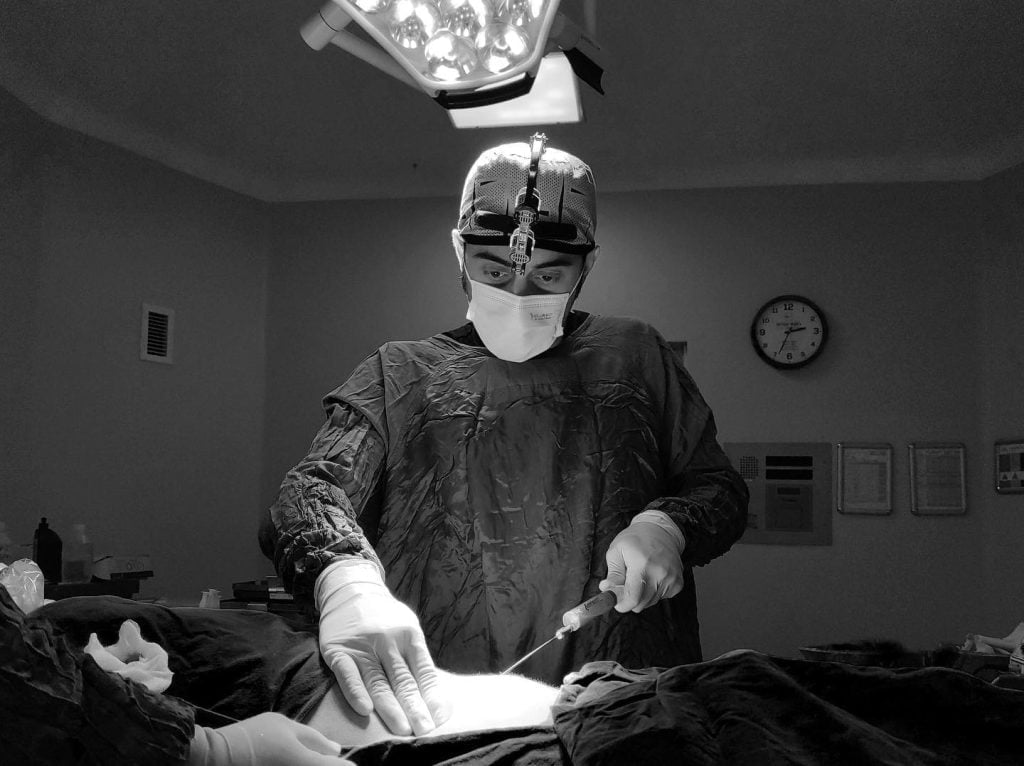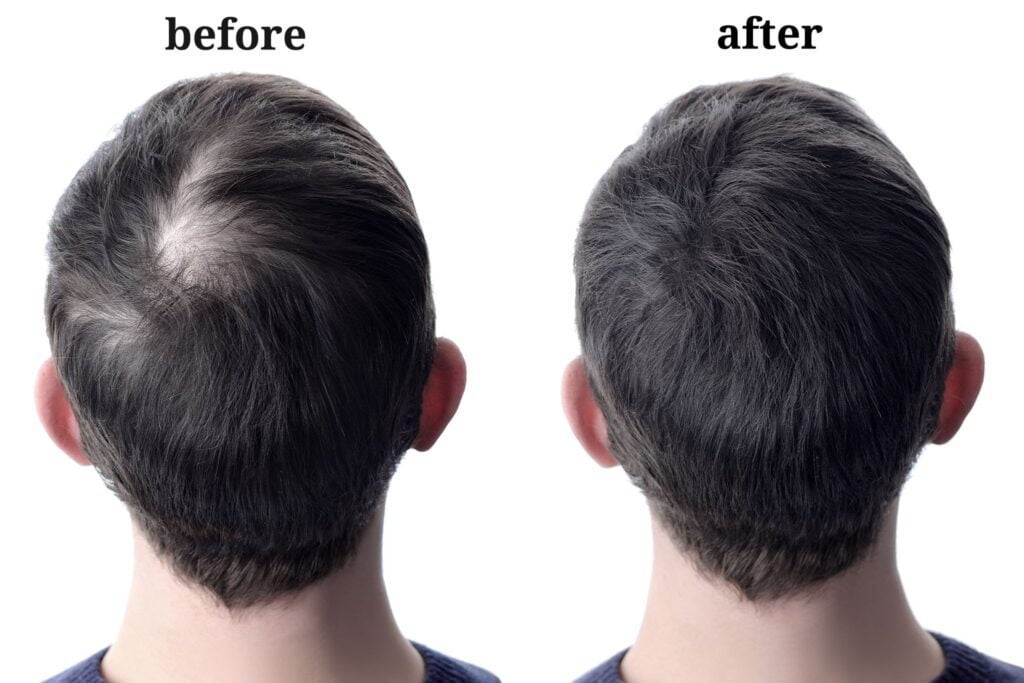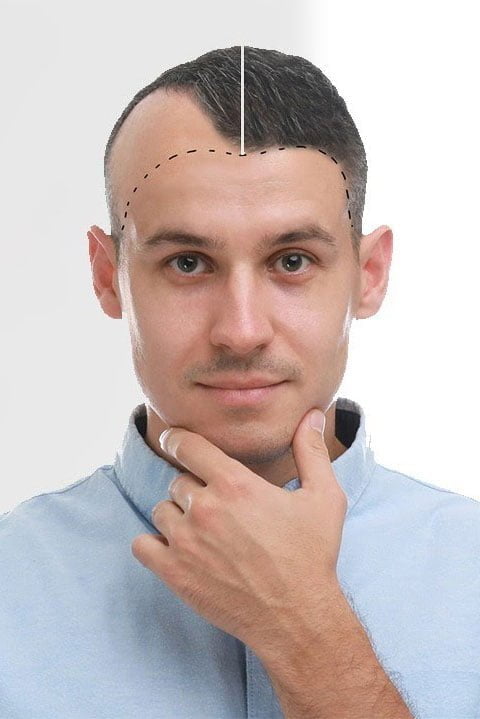
How Much Does a Mini Facelift Cost?

botox, turkey, botox in antalya

A mini facelift is a cosmetic surgery procedure that aims to rejuvenate the lower third of the face, especially the cheeks, jawline, and neck. It is a less invasive and less expensive alternative to a full facelift, which addresses the entire face and requires more extensive incisions and recovery time. A mini facelift can help improve the appearance of sagging skin, jowls, marionette lines, and nasolabial folds, giving you a more youthful and refreshed look.

But how much does a mini facelift cost? And what factors affect the price of this procedure? In this article, we will answer these questions and provide you with some useful information to help you decide if a mini facelift is right for you.
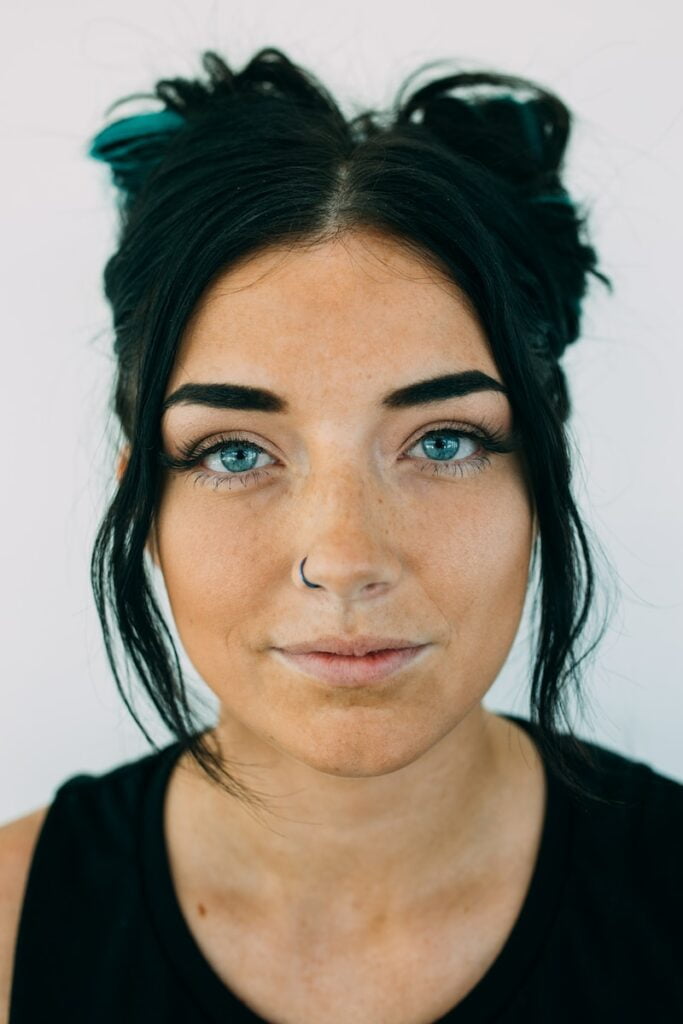
woman's face, mini facelift

What is the average cost of a mini facelift?

According to the American Society of Plastic Surgeons (ASPS), the average cost of a mini facelift in 2020 was $5,1741. This is significantly lower than the average cost of a full facelift, which was $8,1231. However, this figure only represents the surgeon’s fee and does not include other expenses such as anesthesia, facility fees, medical tests, prescriptions, and postoperative care. When these are added up, the total cost of a mini facelift can range from $6,000 to $12,0002.

What factors affect the cost of a mini facelift?

The cost of a mini facelift can vary depending on several factors, such as:

  • The surgeon’s experience and reputation. A board-certified plastic surgeon who has extensive training and experience in performing mini facelifts may charge more than a less qualified or less experienced surgeon. However, choosing a reputable surgeon can also ensure better results and lower risks of complications.
  • The geographic location. The cost of living and the demand for cosmetic surgery in different regions can affect the price of a mini facelift. For example, a mini facelift may be more expensive in major metropolitan areas like New York or Los Angeles than in smaller cities or rural areas.
  • The extent and complexity of the procedure. A mini facelift can be customized to address your specific concerns and goals. Depending on how much skin and tissue needs to be removed or repositioned, the procedure may take longer and require more skill and precision from the surgeon. This can affect the cost of the surgery as well as the anesthesia and facility fees.
  • The type and quality of anesthesia. A mini facelift can be performed under local anesthesia with sedation or general anesthesia. The choice of anesthesia depends on your preference, health condition, and surgeon’s recommendation. Local anesthesia with sedation is usually cheaper than general anesthesia, but it may not be suitable for everyone. The quality and safety of the anesthesia also depend on the credentials and experience of the anesthesiologist or nurse anesthetist who administers it.
  • The type and quality of the surgical facility. A mini facelift can be performed in a hospital, an accredited surgical center, or an office-based surgical suite. The cost of using these facilities can vary depending on their location, equipment, staff, and accreditation status. Accredited facilities have to meet certain standards of safety and quality that can ensure better outcomes and lower risks of infection or complications.
  • The additional procedures or treatments. Some people may choose to combine a mini facelift with other cosmetic procedures or treatments to enhance their results or address other areas of concern. For example, you may opt for a brow lift, eyelid surgery, rhinoplasty, chin augmentation, liposuction, fat transfer, dermal fillers, or Botox injections along with your mini facelift. These additional procedures or treatments will increase the overall cost of your surgery as well as the recovery time.
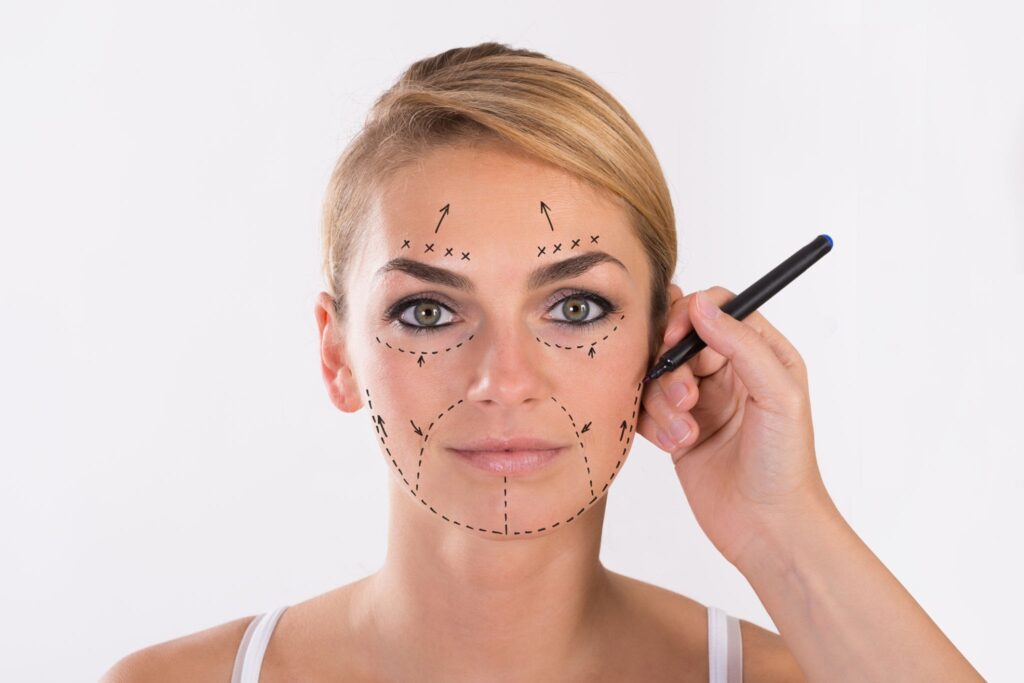
facelift, mini facelift
Portrait of young woman undergoing facelift surgery over white background

How can you finance your mini facelift?

A mini facelift is considered an elective cosmetic procedure that is not covered by health insurance. Therefore, you will have to pay for it out of your own pocket. However, there are some ways to finance your mini facelift if you cannot afford to pay for it upfront. Some of these options are:

  • Saving up. The most straightforward way to pay for your mini facelift is to save up enough money before scheduling your surgery. You can set aside a certain amount of money every month or use your tax refund, bonus, or inheritance to fund your surgery. This way, you can avoid paying interest or fees that come with other financing options.
  • Using a credit card. You can use your existing credit card or apply for a new one with a low interest rate or a promotional offer to pay for your mini facelift. However, you should be careful not to exceed your credit limit or miss your payments as this can negatively affect your credit score and incur additional charges. You should also compare the interest rate and fees of different credit cards and choose the one that suits your budget and repayment plan.
  • Taking out a personal loan. You can apply for a personal loan from a bank, credit union, or online lender to pay for your mini facelift. A personal loan is an unsecured loan that does not require any collateral or cosigner. However, you will need to have a good credit score and a stable income to qualify for a personal loan with a favorable interest rate and repayment term. You should also shop around and compare the interest rate, fees, and terms of different personal loans and choose the one that meets your needs and expectations.
  • Using a medical financing company. There are some companies that specialize in providing financing for medical procedures, such as CareCredit, Alphaeon Credit, or Prosper Healthcare Lending. These companies offer flexible payment plans and low or no interest rates for qualified patients. However, you will need to meet their eligibility criteria and agree to their terms and conditions before applying for their financing. You should also read the fine print and understand the risks and benefits of using their services.
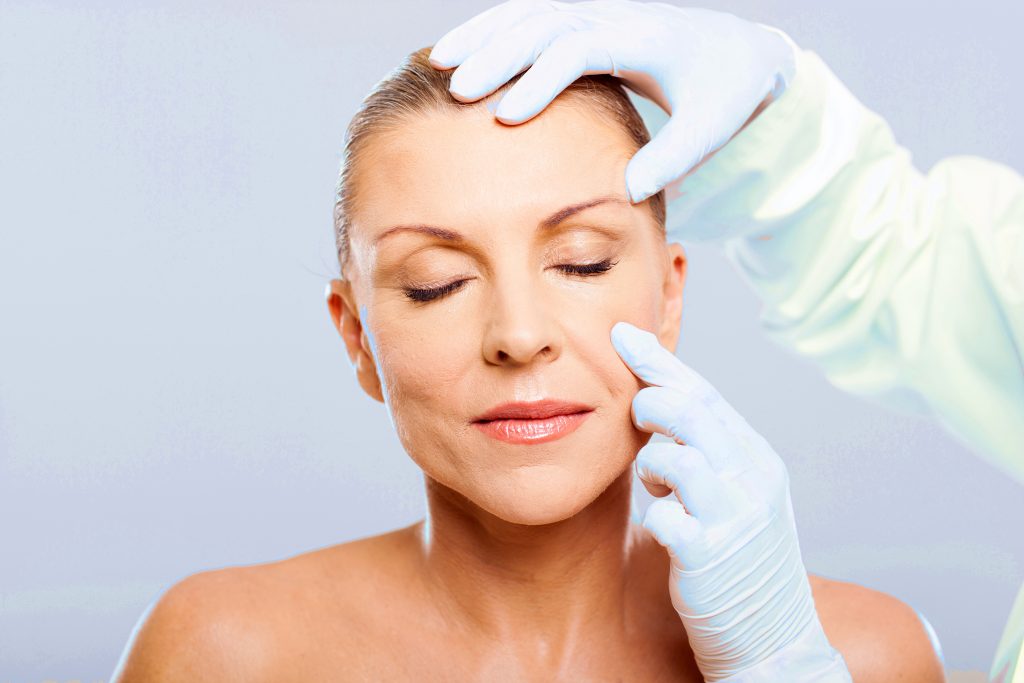
mini facelift
doctor examining mid age woman skin before cosmetic surgery

Conclusion

A mini facelift is a less invasive and less expensive alternative to a full facelift that can help improve the appearance of the lower third of your face. The average cost of a mini facelift is $5,174, but it can vary depending on several factors, such as the surgeon’s experience, the geographic location, the extent of the procedure, the type of anesthesia, the type of facility, and the additional procedures or treatments. A mini facelift is not covered by health insurance, but there are some ways to finance it, such as saving up, using a credit card, taking out a personal loan, or using a medical financing company. Before deciding to undergo a mini facelift, you should consult with a board-certified plastic surgeon who can evaluate your condition, discuss your goals and expectations, explain the risks and benefits of the procedure, and provide you with an accurate estimate of the cost.

FAQs

  • What are the benefits of a mini facelift?
    • A mini facelift can provide several benefits, such as:
      • It can lift and tighten the skin and muscles of the cheeks, jawline, and neck.
      • It can reduce the appearance of jowls, marionette lines, nasolabial folds, and double chin.
      • It can restore a more youthful and refreshed look to the lower third of the face.
      • It can enhance your self-confidence and self-esteem.
      • It can be performed under local anesthesia with sedation or general anesthesia.
      • It requires smaller incisions and less scarring than a full facelift.
      • It has a shorter recovery time and lower risk of complications than a full facelift.
  • What are the drawbacks of a mini facelift?
    • A mini facelift also has some drawbacks, such as:
      • It does not address the upper third of the face, such as the forehead, eyebrows, eyelids, or nose.
      • It may not be suitable for people with severe skin laxity or sagging in the lower face or neck.
      • It may not provide as dramatic or long-lasting results as a full facelift.
      • It may need to be repeated or combined with other procedures or treatments to maintain or enhance the results.
      • It is still an invasive procedure that involves surgery, anesthesia, incisions, stitches, swelling, bruising, pain, infection, bleeding, hematoma, nerve damage, numbness, scarring, asymmetry, dissatisfaction with the outcome, or need for revision surgery.
  • How long does a mini facelift last?
  • How do I choose a surgeon for my mini facelift?
    • Choosing a surgeon for your mini facelift is one of the most important decisions you will make regarding your procedure. You should look for a board-certified plastic surgeon who has extensive training and experience in performing mini facelifts and other facial cosmetic surgeries. You should also check their credentials7, before-and-after photos8, reviews9, ratings10, testimonials11, and referrals from previous patients
    • You should also consult with your potential surgeon during a consultation session, where you can ask them questions about their qualifications, experience, technique, approach, results, risks, complications, recovery, cost, and financing options. You should feel comfortable and confident with your surgeon and their staff and have realistic expectations about your mini facelift outcome.
  • How do I prepare for my mini facelift?
    • Before your mini facelift, you will need to undergo some medical tests and evaluations to ensure that you are healthy and fit for surgery. You will also need to follow your surgeon’s preoperative instructions, which may include:
      • Stopping smoking and drinking alcohol at least two weeks before surgery.
      • Avoiding aspirin, anti-inflammatory drugs, herbal supplements, and other medications that can increase bleeding or interfere with anesthesia.
      • Arranging for someone to drive you to and from the surgery and stay with you for the first night or two after surgery.
      • Filling your prescriptions for painkillers, antibiotics, and other medications that you will need after surgery.
      • Preparing a comfortable and clean recovery area at home with pillows, ice packs, bandages, gauze, and other supplies.
      • Washing your hair and face with a mild soap the night before and the morning of surgery.
      • Not eating or drinking anything after midnight the night before surgery.
  • What can I expect during and after my mini facelift?
    • During your mini facelift, you will be given anesthesia to numb your pain and make you comfortable. Your surgeon will make small incisions along your hairline, in front of your ears, and behind your ears. They will then lift and tighten the skin and muscles of your lower face and neck and remove any excess skin or fat. They will then close the incisions with sutures or staples and apply bandages or dressings to protect the wounds. The procedure usually takes one to two hours to complete.
    • After your mini facelift, you will be taken to a recovery room where you will be monitored for any signs of complications. You may feel some pain, discomfort, swelling, bruising, numbness, or tightness in your face and neck. Your surgeon will prescribe you some medications to relieve these symptoms and prevent infection or inflammation. You will also be given some instructions on how to care for your incisions, bandages, drains, and stitches. You will be able to go home the same day or the next day after surgery, depending on your condition and your surgeon’s advice.
    • You will need to rest and recover for about one to two weeks after your mini facelift. You should avoid any strenuous activities, heavy lifting, bending, or twisting that can put pressure on your face or neck. You should also avoid sun exposure, smoking, alcohol, makeup, hair products, or anything that can irritate your skin or interfere with your healing. You should keep your head elevated and use ice packs to reduce swelling and bruising. You should follow a healthy diet and drink plenty of fluids to promote healing and hydration. You should also keep in touch with your surgeon and attend your follow-up appointments to check your progress and remove your stitches or drains.
    • You can expect to see the results of your mini facelift in about two to four weeks after surgery, when most of the swelling and bruising have subsided. You will notice that your lower face and neck look smoother, firmer, and more defined. You will also feel more confident and satisfied with your appearance. However, you should keep in mind that the results of your mini facelift are not permanent and may change over time due to aging, gravity, weight fluctuations, or environmental factors. To maintain or enhance your results, you may need to have additional procedures or treatments in the future.

Free Consultation

Get a free consultation now or visit Dr.MFO’s instagram for see more successfully plastic surgery results

Facelift: A Guide to Rejuvenate Your Appearance

Learn everything you need to know about facelifts, including the benefits, risks, types, candidates, preparation, procedure, recovery, results, alternatives, and FAQs.

Are you unhappy with the signs of aging on your face? Do you wish you could restore a more youthful and refreshed look? If so, you might be interested in a facelift, a cosmetic surgery procedure that can improve the appearance of your face and neck.

A facelift, also known as a rhytidectomy, is a surgical procedure that lifts and tightens the skin and underlying tissues of the face and neck. It can reduce sagging, wrinkles, jowls, and other visible signs of aging. A facelift can also enhance your facial contours and balance your facial features.

A facelift is not a one-size-fits-all procedure. There are different types of facelifts that can address different areas and degrees of aging. Some of the most common types of facelifts are:

  • Full facelift: This is the most comprehensive type of facelift that targets the entire face and neck. It involves incisions along the hairline, around the ears, and under the chin. The skin and underlying tissues are lifted, repositioned, and trimmed to create a smoother and firmer appearance.
  • Mini facelift: This is a less invasive type of facelift that targets the lower third of the face, mainly the cheeks and jawline. It involves smaller incisions around the ears and sometimes under the chin. The skin and underlying tissues are tightened and repositioned to create a more defined and youthful look.
  • Mid facelift: This is a type of facelift that targets the middle third of the face, mainly the cheeks and lower eyelids. It involves incisions in the hairline above the ears and sometimes inside the mouth or lower eyelids. The skin and underlying tissues are lifted and repositioned to create a more voluminous and rejuvenated look.
  • Neck lift: This is a type of facelift that targets the neck area, mainly the excess skin and fat under the chin and along the jawline. It involves incisions behind the ears and under the chin. The skin and underlying tissues are tightened and repositioned to create a more contoured and elegant look.
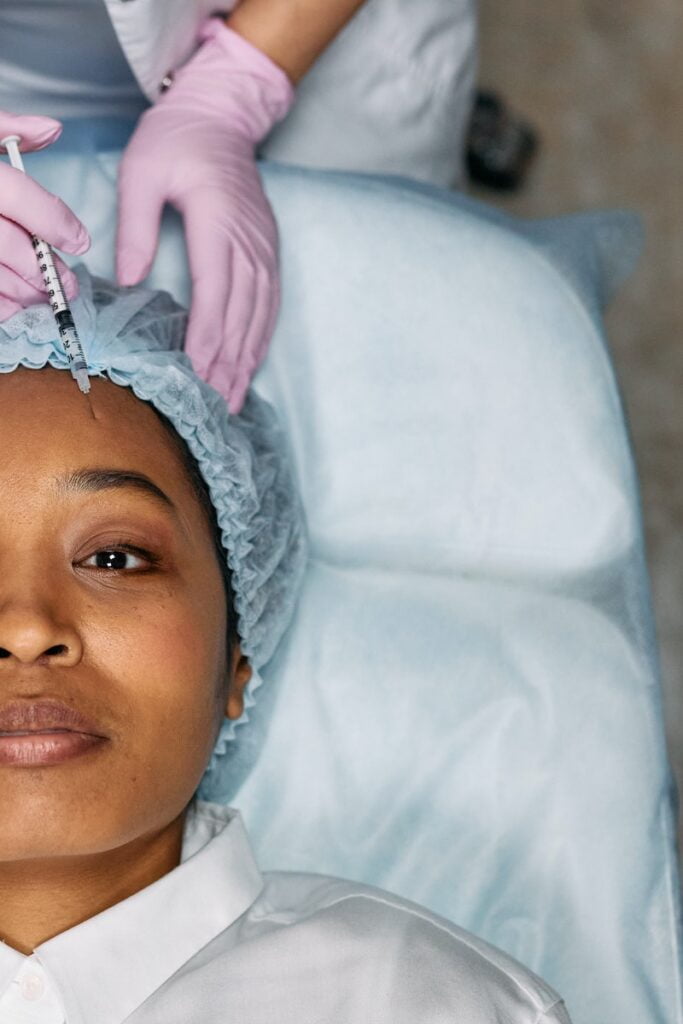
Woman Lying Down Receives Forehead Botox,  facelift

Benefits of Facelift

A facelift can offer many benefits for people who want to improve their facial appearance and boost their self-confidence. Some of the benefits of facelift are:

  • It can make you look younger and more refreshed by reducing sagging, wrinkles, jowls, and other signs of aging on your face and neck.
  • It can enhance your facial contours and balance your facial features by lifting and repositioning your skin and underlying tissues.
  • It can improve your skin quality and texture by removing excess skin and stimulating collagen production.
  • It can last for many years, depending on your lifestyle, genetics, and skin care routine.
  • It can be combined with other cosmetic procedures, such as eyelid surgery, brow lift, nose reshaping, or fat transfer, to achieve a more harmonious and natural-looking result.
a woman with her hand on her face, facelift, botox

Risks of Facelift

Like any other surgical procedure, a facelift carries some risks and potential complications. Some of the risks of facelift are:

  • Bleeding: There is a risk of bleeding during or after the surgery, which may require additional intervention or transfusion.
  • Infection: There is a risk of infection at the incision sites or deeper tissues, which may require antibiotics or drainage.
  • Scarring: There is a risk of scarring along the incision lines or in other areas of the face or neck, which may be visible or affect your facial movements.
  • Nerve injury: There is a risk of nerve injury during the surgery, which may affect your sensation or muscle function in your face or neck. This effect may be temporary or permanent.
  • Hair loss: There is a risk of hair loss near the incision sites or in other areas of the scalp, which may be temporary or permanent.
  • Skin loss: There is a risk of skin loss due to poor blood supply or infection in some areas of the face or neck, which may require additional surgery or grafting.
  • Asymmetry: There is a risk of asymmetry between the two sides of your face or neck due to swelling, bruising, scarring, or uneven healing.
  • Dissatisfaction: There is a risk of dissatisfaction with the outcome of your surgery due to unrealistic expectations, complications, or changes over time.

Candidates for Facelift

A facelift is not suitable for everyone. To be a good candidate for a facelift, you should:

  • Be in good general health and have no medical conditions that could impair your healing or increase your risk of complications
  • Be a non-smoker or be willing to quit smoking at least six weeks before and after your surgery
  • Have realistic expectations about what a facelift can achieve for you
  • Have moderate to severe signs of aging on your face and neck that bother you
  • Have enough skin elasticity and bone structure to support the changes made by the surgery
  • Be willing to follow the pre-operative and post-operative instructions given by your surgeon

Preparation for Facelift

Before your facelift surgery, you will need to:

  • Consult with your surgeon and discuss your goals, expectations, medical history, and any questions or concerns you may have
  • Have a physical examination and some blood tests to assess your health and suitability for surgery
  • Have some photographs taken of your face and neck for planning and comparison purposes
  • Stop taking any medications or supplements that could interfere with your surgery or increase your bleeding risk, such as aspirin, ibuprofen, vitamin E, or herbal remedies
  • Avoid alcohol and tobacco for at least six weeks before and after your surgery
  • Arrange for someone to drive you home and stay with you for the first night after your surgery
  • Prepare a comfortable and clean recovery area at home with all the supplies and medications you may need

Procedure for Facelift

A facelift is usually performed under general anesthesia or local anesthesia with sedation. The procedure can take anywhere from two to six hours, depending on the type and extent of facelift you are having. The general steps of a facelift are:

  • Your surgeon will make incisions along your hairline, around your ears, and under your chin, depending on the type of facelift you are having. The incisions will be hidden in the natural creases of your skin or hair.
  • Your surgeon will lift and separate the skin from the underlying tissues of your face and neck. They will then tighten and reposition the muscles, fat, and connective tissues to create a more youthful and natural-looking shape.
  • Your surgeon will trim and re-drape the excess skin over the new contours of your face and neck. They will then close the incisions with sutures, staples, or skin glue.
  • Your surgeon will apply bandages and dressings to protect the incisions and reduce swelling. They may also insert drainage tubes to remove any excess fluid or blood.

Recovery from Facelift

After your facelift surgery, you will need to:

  • Stay in the hospital or clinic for a few hours or overnight, depending on your condition and type of anesthesia
  • Follow the instructions given by your surgeon on how to care for your incisions, bandages, drains, medications, and activities
  • Keep your head elevated and avoid bending or turning your neck for the first few days after your surgery
  • Apply cold compresses or ice packs to reduce swelling and bruising
  • Avoid sun exposure and wear sunscreen and protective clothing when going outside
  • Avoid strenuous activities, exercise, alcohol, tobacco, and hot showers for at least six weeks after your surgery
  • Visit your surgeon for regular follow-up appointments to monitor your healing and remove any sutures or drains

Results of Facelift

You will notice some improvement in your facial appearance immediately after your surgery. However, it may take several weeks or months for the swelling and bruising to subside completely and reveal the final results of your facelift. You can expect to look younger, more refreshed, and more confident after a facelift. However, you should also keep in mind that a facelift cannot stop the aging process or change your fundamental facial features. You will still need to maintain a healthy lifestyle and skin care routine to preserve the results of your facelift. A facelift can last for many years, depending on your genetics, lifestyle, and skin quality. However, some people may choose to have additional procedures or treatments in the future to enhance or maintain their results.

FAQs about Facelift

Here are some frequently asked questions about facelift:

Q: How much does a facelift cost?

A: The cost of a facelift can vary depending on several factors, such as the type of facelift you are having, the surgeon’s experience and reputation, the location of the clinic or hospital, and any additional procedures or treatments you may need. According to The American Society of Plastic Surgeons, the average cost of a facelift in 2020 was $7,467. However, this does not include anesthesia fees, operating room fees, medical tests, prescriptions, or other expenses.

Q: How do I choose a good surgeon for my facelift?

A: Choosing a good surgeon is one of the most important decisions you will make when considering a facelift. You should look for a board-certified plastic surgeon who has extensive experience and training in facial cosmetic surgery. You should also check their credentials, reviews, before-and-after photos, and patient testimonials. You should also consult with several surgeons before making your final choice. You should feel comfortable with their communication style, professionalism, honesty, and artistic vision.

Q: What are the alternatives to a facelift?

A: If you are not ready or suitable for a facelift, there are some alternatives that can help you improve your facial appearance without surgery. Some of the alternatives to a facelift are:

  • Non-surgical skin tightening: This is a type of treatment that uses various energy-based devices, such as ultrasound, radiofrequency, or laser, to heat and stimulate the collagen and elastin fibers in your skin. This can result in a firmer and smoother skin texture and reduce mild to moderate sagging and wrinkles. Non-surgical skin tightening can be performed on different areas of the face and neck, such as the forehead, cheeks, jawline, or chin. However, the results are usually less dramatic and less lasting than a facelift.
  • Dermal fillers: These are injectable substances that can restore volume and plumpness to your face and smooth out wrinkles and folds. Dermal fillers can be made of natural or synthetic materials, such as hyaluronic acid, calcium hydroxylapatite, or poly-L-lactic acid. Dermal fillers can be used to enhance various facial features, such as the lips, cheeks, temples, or nasolabial folds. However, the results are usually temporary and require regular maintenance.
  • Botulinum toxin injections: These are injections of a purified protein that can temporarily relax the muscles that cause dynamic wrinkles on your face. Botulinum toxin injections can be used to treat various facial expressions lines, such as the forehead lines, frown lines, crow’s feet, or bunny lines. However, the results are usually short-lived and do not address sagging or excess skin.
  • Chemical peels: These are treatments that use acidic solutions to exfoliate and remove the outer layers of your skin. Chemical peels can improve the appearance of your skin by reducing pigmentation, sun damage, scars, or fine lines. Chemical peels can be performed at different depths, from superficial to deep, depending on your skin condition and desired outcome. However, chemical peels do not address sagging or excess skin and may require some downtime and aftercare.

Conclusion

A facelift is a cosmetic surgery procedure that can improve the appearance of your face and neck by lifting and tightening the skin and underlying tissues. A facelift can offer many benefits for people who want to look younger and more refreshed. However, a facelift also carries some risks and potential complications that you should be aware of. A facelift is not suitable for everyone and requires careful preparation and recovery. A facelift is not a permanent solution and may need additional procedures or treatments in the future to maintain or enhance the results.

If you are interested in a facelift or any other facial cosmetic procedure, you should consult with a qualified and experienced plastic surgeon who can assess your condition and recommend the best option for you. You should also do your own research and have realistic expectations about what a facelift can achieve for you.

Free Consultation

Get a free consultation now or visit Dr.MFO’s instagram for see more successfully plastic surgery results

Hair Transplant Turkey: Why You Should Choose Dr. MFO

Hair Transplant Turkey, Hair Restoration in Feminization Surgery:

Hair Transplant Turkey: Why You Should Choose Dr. MFO

Are you looking for a permanent solution to your hair loss problem? Do you want to restore your confidence and self-esteem with a natural-looking hairline? If you answered yes to these questions, then you might be interested in getting a hair transplant in Turkey.

A hair transplant is a surgical procedure that involves moving hair follicles from one part of the body (usually the back or sides of the scalp) to another part where the hair is thinning or balding. The goal is to create a fuller and denser appearance of the hair, as well as to improve the shape and symmetry of the hairline.

Hair transplant surgery has been around for decades, but it has become more popular and advanced in recent years, thanks to new techniques, technologies, and innovations. One of the countries that has been leading the way in this field is Turkey, which has become a global destination for hair transplant tourism.

In this article, we will explain why you should choose Turkey for your hair transplant procedure, and why you should trust Dr. MFO as your partner in this journey. We will also answer some of the most common questions and concerns that people have about hair transplant surgery in Turkey.

Sensual blonde in bikini chilling in pool, Hair Transplant Turkey

Why Turkey?

Turkey is a country that offers many advantages for people who want to get a hair transplant. Here are some of the main reasons why Turkey is a great choice for this procedure:

  • Affordable prices: One of the biggest benefits of getting a hair transplant in Turkey is the cost. Compared to other countries, such as the UK, the US, or Canada, Turkey offers much lower prices for hair transplant surgery, without compromising on quality or safety. You can save up to 80% on your hair transplant cost by choosing Turkey, which means you can get more grafts and better results for less money. The average price of a hair transplant in Turkey ranges from 1,500 to 3,000 Euros, depending on the clinic, the technique, and the number of grafts. In contrast, the average price of a hair transplant in the UK is around 10,000 Euros.
  • High-quality service: Another reason why Turkey is a preferred destination for hair transplant surgery is the high level of service and professionalism that you can expect from the clinics and surgeons. Turkey has a large number of qualified and experienced hair transplant specialists who have performed thousands of successful procedures over the years. They use the latest techniques and technologies, such as FUE (Follicular Unit Extraction), DHI (Direct Hair Implantation), Sapphire FUE, and Robotic FUE, to ensure optimal results and minimal scarring. They also follow strict hygiene and safety standards, as well as international protocols and regulations. Moreover, they provide excellent aftercare and support for their patients, including medications, dressings, follow-up visits, and online consultations.
  • Convenient travel: A third reason why Turkey is an attractive option for hair transplant surgery is the ease and convenience of travel. Turkey is well-connected to many countries around the world by air, land, and sea. You can find direct flights to Istanbul or Ankara from most major cities in Europe, Asia, Africa, and America. The flight duration is usually between 3 to 5 hours, depending on your location. You can also travel by bus, train, or ferry from neighboring countries. Once you arrive in Turkey, you can enjoy a hassle-free transportation service provided by your clinic or agency. They will arrange your airport transfers, hotel bookings, clinic appointments, and sightseeing tours for you.
  • Rich culture: A fourth reason why Turkey is a wonderful place for hair transplant surgery is the rich and diverse culture that you can experience during your stay. Turkey is a country that has a long and fascinating history, dating back to ancient times. It has been influenced by various civilizations and cultures, such as Greek, Roman, Byzantine, Ottoman, Persian, Arabic, and European. You can witness this cultural heritage in the architecture, art, cuisine, music, and literature of Turkey. You can also enjoy the natural beauty and diversity of Turkey, which ranges from mountains and lakes to beaches and forests. You can visit some of the most famous landmarks and attractions in Turkey, such as the Hagia Sophia, the Blue Mosque, the Grand Bazaar, the Topkapi Palace, the Cappadocia region, the Pamukkale thermal pools, and the Ephesus ancient city. You can also taste some of the most delicious and varied dishes in Turkish cuisine, such as kebabs, baklava, dolma, borek, kofte, and more. You can also experience the hospitality and friendliness of Turkish people, who are known for their warmth and generosity.
Mehmet Fatih Okyay, MD, FEBOPRAS in Türkiye.

Why Dr. MFO?

Now that you know why Turkey is a great destination for hair transplant surgery, you might be wondering which clinic or agency you should choose for your procedure. There are many options available in Turkey, but not all of them are reliable or trustworthy. You need to do your research and compare different factors before making your decision.

One of the best and most reputable clinics in Turkey for hair transplant surgery is Dr. MFO. Dr. MFO is a leading provider of hair transplant and cosmetic surgery services in Turkey, with more than 20 years of experience and expertise. Here are some of the reasons why you should choose Dr. MFO for your hair transplant procedure:

  • Expertise: Dr. MFO is one of the most renowned and respected hair transplant surgeons in Turkey and in the world. He has performed over 10,000 successful procedures over his career, using his own patented technique called MFO (Micro FUE Optimized). This technique involves extracting individual hair follicles with micro punches of 0.6 to 0.8 mm in diameter, which minimizes trauma and scarring to the donor area. He then implants them into tiny incisions made with sapphire blades on the recipient area, creating a natural and dense hairline. He also uses PRP (Platelet-Rich Plasma) therapy to enhance the healing and growth of the transplanted hair. Dr. MFO is also an expert in other cosmetic procedures, such as rhinoplasty, liposuction, breast augmentation, and more.
  • Quality: Dr. MFO is committed to providing the highest quality of service and results for his patients. He uses only the best equipment and materials available in the industry, such as German-made micro motors, Swiss-made sapphire blades, and American-made PRP kits. He also follows strict hygiene and safety standards, as well as international protocols and regulations. He performs all his procedures in a state-of-the-art clinic that is equipped with modern facilities and amenities. He also works with a team of skilled and trained technicians, nurses, and assistants who assist him during the surgery and provide care and support for the patients.
  • Satisfaction: Dr. MFO is dedicated to ensuring the satisfaction and happiness of his patients. He offers a free consultation and evaluation for his patients, where he listens to their needs and expectations, analyzes their hair condition and characteristics, and designs a customized treatment plan that suits their budget and schedule. He also provides a lifetime guarantee for his hair transplant procedure, which means that if the patient is not satisfied with the results or if they experience any complications or side effects after the surgery, he will provide them with free revisions or corrections until they are happy with the outcome. He also offers a 100% refund policy if the patient changes their mind before the surgery or if they are not eligible for the procedure due to medical reasons.
  • All-inclusive packages: Dr. MFO wants to make his patients’ hair transplant journey as easy and comfortable as possible. That is why he offers all-inclusive packages that cover everything they need for their procedure. His packages include:
    • Their flight tickets
    • Their airport transfers
    • Their hotel accommodation
    • Their clinic appointments
    • Their medications
    • Their dressings
    • Their follow-up visits
    • Their online consultations
    • Their sightseeing tours They don’t have to worry about anything else when they choose Dr. MFO for their hair transplant procedure.
Hair Transplant in Turkey

FAQs About Hair Transplant Turkey

Here are some of the most frequently asked questions that people have about hair transplant surgery in Turkey:

  • How long does the procedure take? The duration of the procedure depends on the technique used and the number of grafts transplanted. Generally speaking, a hair transplant procedure can take anywhere from 4 to 8 hours, depending on the complexity and extent of the surgery. You will be under local anesthesia during the procedure, so you will not feel any pain or discomfort. You will also be able to take breaks and rest in between sessions.
  • How long is the recovery time? The recovery time after a hair transplant procedure varies from person to person, depending on the technique used, the number of grafts transplanted, and the individual healing process. However, some general guidelines are as follows:
    • You will be able to leave the clinic on the same day of the surgery, but you will need to stay in Turkey for at least 3 to 5 days for your first follow-up visit and dressing change.
    • You will need to avoid any strenuous physical activity, such as sports, exercise, or lifting heavy objects, for at least 2 weeks after the surgery.
    • You will need to avoid washing your hair for at least 3 days after the surgery, and then use a special shampoo and gentle massage technique for another 10 days.
    • You will need to avoid direct sunlight, swimming, sauna, and steam for at least 1 month after the surgery.
    • You will need to take some medications, such as antibiotics, painkillers, anti-inflammatory drugs, and vitamins, for at least 10 days after the surgery.
    • You will experience some swelling, bruising, redness, itching, and scabbing on your scalp for the first few days or weeks after the surgery. These are normal and temporary side effects that will subside gradually.
    • You will notice some shedding of the transplanted hair within the first 2 to 3 months after the surgery. This is also normal and expected, as it is part of the natural growth cycle of the hair. The new hair will start to grow back after 3 to 4 months and reach its full potential after 12 to 18 months.
  • What are the risks and complications of hair transplant surgery? Hair transplant surgery is a safe and effective procedure that has a very low rate of complications or adverse effects. However, as with any surgical procedure, there are some potential risks and complications that you should be aware of and discuss with your surgeon before undergoing the surgery. Some of these include:
    • Infection: This is a rare but possible complication that can occur if the surgical site is not properly cleaned or sterilized. It can cause inflammation, pain, fever, and pus formation. It can be treated with antibiotics and proper wound care.
    • Bleeding: This is a minor and common complication that can occur during or after the surgery due to the cutting or puncturing of blood vessels. It can cause bruising, swelling, and hematoma formation. It can be controlled with pressure dressing, ice packs, and medication.
    • Scarring: This is a cosmetic and rare complication that can occur due to improper technique or healing process. It can cause visible marks or bumps on the scalp or donor area. It can be minimized with proper care and medication.
    • Nerve damage: This is a rare and serious complication that can occur due to accidental injury or compression of nerves during the surgery. It can cause numbness, tingling, or loss of sensation on the scalp or donor area. It can be temporary or permanent depending on the severity and location of the damage.
    • Graft failure: This is a rare and unpredictable complication that can occur due to various factors such as poor quality of grafts, improper handling or storage of grafts, infection, inflammation, trauma, or genetic factors. It can cause poor growth or loss of transplanted hair. It can be corrected with revision surgery or medication.
Hair Transplant Turkey, Antalya

Conclusion

Hair transplant surgery is a permanent and effective solution for hair loss problems that can improve your appearance and confidence. Turkey is one of the best destinations for hair transplant surgery in terms of quality, cost, service, and culture. Dr. MFO is one of the most reputable and reliable clinics in Turkey for hair transplant surgery that offers expertise, quality, satisfaction, and all-inclusive packages.

If you are interested in getting a hair transplant in Turkey with Dr. MFO, please contact us today for a free consultation and quote. We will be happy to answer any questions you may have and help you achieve your hair goals.

Free Consultation

Get a free consultation now or visit Dr.MFO’s instagram for see more successfully plastic surgery results

Salmon DNA Treatment: A Revolutionary Way to Rejuvenate Your Skin

Salmon DNA Treatment

Do you want to have a glowing, youthful, and healthy skin without using any makeup? Do you want to minimize the signs of aging and environmental damage on your skin? Do you want to try a natural and safe method that can boost your skin’s cell renewal and hydration? If you answered yes to any of these questions, then you might be interested in learning more about salmon DNA treatment, a revolutionary way to rejuvenate your skin.

woman's face, Salmon DNA Treatment

What is Salmon DNA Treatment?

Salmon DNA treatment is a form of skin rejuvenation that uses pure hyaluronic acid and DNA molecules obtained from salmon sperm to stimulate cell regeneration and repair in the skin. It is also known as the youth vaccine, because it can restore the vitality, elasticity, and brightness of the skin that is lost due to aging and environmental factors.

Salmon DNA treatment is based on the principle that salmon DNA has a similar chemical structure to human DNA, and therefore can be easily absorbed and integrated into the skin cells. Salmon DNA also contains essential amino acids, such as glycine, proline, lysine, and leucine, that are naturally found in human skin but decrease over time. These amino acids help to produce collagen and elastin, which are the main proteins that give the skin its firmness and smoothness.

Salmon DNA treatment is performed by injecting the serum containing hyaluronic acid and salmon DNA into the skin using small needles. The serum is applied in multiple sessions, depending on the condition and needs of the skin. The first session focuses on restoring the moisture balance of the skin with hyaluronic acid, while the subsequent sessions provide protein supplementation to the skin with salmon DNA. The result is a hydrated, nourished, and rejuvenated skin that looks younger and healthier.

refill of liquid on tubes, Salmon DNA Treatment

What are the Benefits of Salmon DNA Treatment?

Salmon DNA treatment has many benefits for the skin, such as:


      • It improves the skin’s texture, tone, and color by reducing pigmentation, scars, and blemishes.

      • It reduces the appearance of fine lines and wrinkles by increasing the skin’s elasticity and firmness.

      • It enhances the skin’s natural glow by increasing its blood circulation and oxygen supply.

      • It protects the skin from free radical damage and inflammation by providing antioxidants and anti-inflammatory agents.

      • It prevents the skin from sagging and drooping by stimulating the production of collagen and elastin.

      • It hydrates and moisturizes the skin by retaining water molecules in the skin cells.

    a chain link fence, Salmon DNA Treatment

    Who Can Benefit from Salmon DNA Treatment?

    Salmon DNA treatment can be beneficial for anyone who wants to improve their skin quality and appearance. It can be used by both men and women of any age group. However, it is especially recommended for people who have:


        • Dry, dull, and tired-looking skin due to environmental factors or stress

        • Fine lines and wrinkles due to aging or sun exposure

        • Pigmentation, scars, or marks on the skin due to acne or injury

        • Loss of elasticity or firmness in the skin due to gravity or weight loss

        • Sensitive or allergic skin that reacts to other cosmetic products or procedures

      Crop seductive woman with wet hair on white background, Salmon DNA Treatment

      Where Can Salmon DNA Treatment Be Applied?

      Salmon DNA treatment can be applied to any part of the body that needs rejuvenation. However, it is most commonly applied to:


          • Face: To improve the overall appearance of the facial skin by reducing signs of aging, sun damage, or acne

          • Neck: To tighten and smooth the neck skin by stimulating collagen production

          • Decollete: To enhance the beauty of the chest area by hydrating and brightening the skin

          • Hands: To restore the youthfulness of the hands by reducing age spots, veins, or wrinkles

          • Body: To treat stretch marks or cellulite by improving the skin’s texture and elasticity

        How Long Does Salmon DNA Treatment Last?

        Salmon DNA treatment is a long-lasting procedure that can provide visible results for up to two years. However, this may vary depending on several factors, such as:


            • The condition and type of the skin before the treatment

            • The number and frequency of sessions required for optimal results

            • The lifestyle and habits of the individual after the treatment

          To maintain the results of salmon DNA treatment, it is advisable to follow a healthy diet, drink plenty of water, avoid smoking and alcohol consumption, use sunscreen regularly, and moisturize the skin daily. It is also recommended to repeat salmon DNA treatment once or twice a year as a maintenance therapy.

          What are the Side Effects or Risks of Salmon DNA Treatment?

          Salmon DNA treatment is a safe and natural procedure that has minimal side effects or risks. However, some possible side effects or risks include:


              • Mild pain or discomfort during or after the injection

              • Minor swelling, redness, bruising, or itching at the injection site

              • Allergic reaction or infection due to improper hygiene or technique

              • Unsatisfactory results due to unrealistic expectations or poor quality of serum

            To avoid or minimize these side effects or risks, it is important to choose a qualified and experienced doctor who can perform salmon DNA treatment with care and precision. It is also important to follow the doctor’s instructions before and after the treatment, such as avoiding blood thinners, alcohol, or makeup, and applying ice packs or creams to soothe the skin.

            Conclusion

            Salmon DNA treatment is a revolutionary way to rejuvenate your skin by using the natural and powerful properties of salmon DNA and hyaluronic acid. It can improve the skin’s quality and appearance by hydrating, nourishing, and repairing the skin cells. It can also reduce the signs of aging and environmental damage on the skin by increasing its elasticity, firmness, and brightness. Salmon DNA treatment can be applied to any part of the body that needs rejuvenation, such as the face, neck, decollete, hands, or body. Salmon DNA treatment is a safe and long-lasting procedure that has minimal side effects or risks. However, it is important to choose a qualified and experienced doctor who can perform salmon DNA treatment with care and precision.

            If you are interested in trying salmon DNA treatment for yourself, you can contact us at Dr. MFO Clinic to book an appointment. We are a leading clinic in Turkey that offers high-quality and affordable salmon DNA treatment for our clients. We have a team of expert doctors who have extensive knowledge and experience in performing salmon DNA treatment with the best results. We also have a friendly and professional staff who will guide you through the whole process and answer any questions you may have. We are committed to providing you with the best service and satisfaction possible.

            To learn more about salmon DNA treatment or to schedule a consultation with us, please visit our website here . We look forward to hearing from you soon.

            FAQs

            Here are some frequently asked questions about salmon DNA treatment:


                • Q: How much does salmon DNA treatment cost?

                • A: The cost of salmon DNA treatment may vary depending on the clinic, the doctor, the area of application, and the number of sessions required. However, generally speaking, salmon DNA treatment is an affordable procedure that can fit any budget. To get an exact quote for your case, please contact us at Dr. MFO Clinic.

                • Q: How many sessions of salmon DNA treatment do I need?

                • A: The number of sessions of salmon DNA treatment depends on the condition and needs of your skin. However, usually, you will need between one to five sessions of salmon DNA treatment with one month intervals for optimal results. Your doctor will advise you on the best plan for your case after evaluating your skin.

                • Q: How long does each session of salmon DNA treatment take?

                • A: Each session of salmon DNA treatment takes about 30 minutes to complete. However, this may vary depending on the area of application and the amount of serum used. You can resume your normal activities immediately after the session.

                • Q: Is salmon DNA treatment painful?

                • A: Salmon DNA treatment is not painful, but it may cause some mild discomfort or sensation during or after the injection. To reduce this discomfort, your doctor may apply a topical anesthetic cream before the injection or use ice packs or creams after the injection.

                • Q: Is salmon DNA treatment suitable for everyone?

                • A: Salmon DNA treatment is suitable for most people who want to improve their skin quality and appearance. However, there are some exceptions, such as people who have:


                      • A history of allergic reactions to fish or hyaluronic acid

                      • A history of bleeding disorders or blood thinning medication

                      • A history of skin infections or diseases

                      • A history of keloid or hypertrophic scars

                      • A history of cancer or immune system disorders

                      • A pregnancy or breastfeeding condition

                If you have any of these conditions, please consult your doctor before undergoing salmon DNA treatment.

                Free Consultation

                Get a free consultation now or visit Dr.MFO’s instagram for see more successfully plastic surgery results