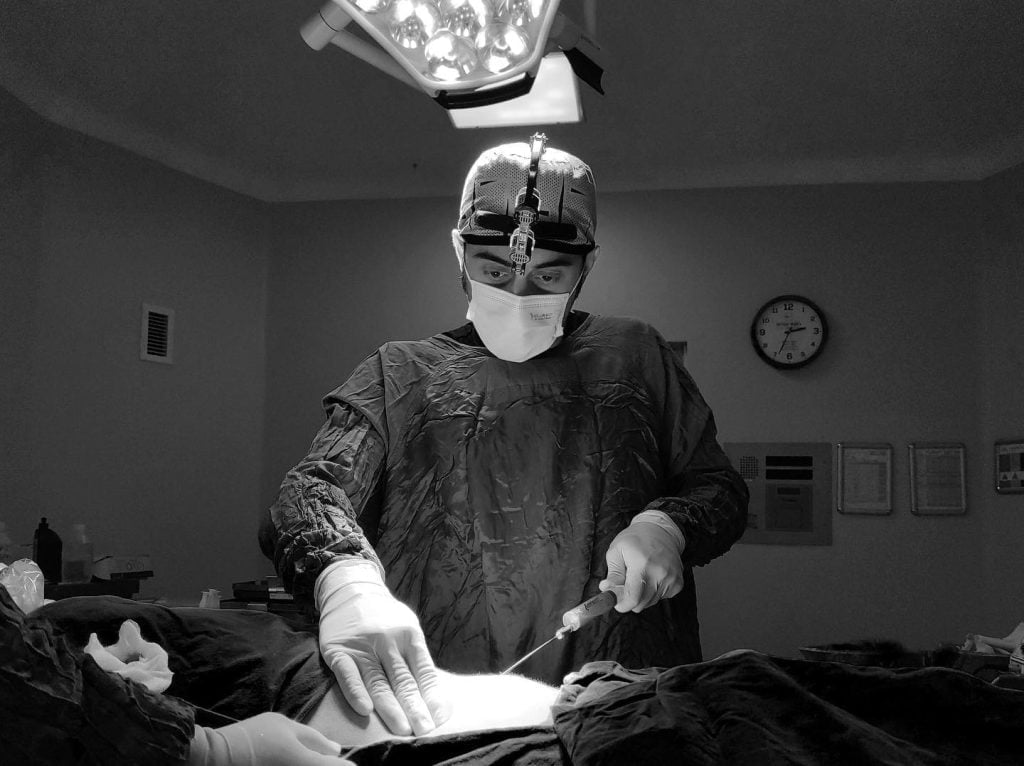
Facial feminization surgery (FFS) is a series of procedures that can reshape the face and its features to achieve a more feminine appearance. FFS can be a part of the gender affirmation process for transgender women or non-binary people who want to align their facial appearance with their gender identity. FFS can also be sought by cisgender women who want to enhance their femininity or correct some facial asymmetries.
If you are considering FFS, you might wonder when is the best time and season to have it done. There are many factors that can affect your decision, such as the weather, the recovery time, the cost, and the availability of the surgeon. In this blog post, we will explore these factors in detail and provide you with some tips on how to plan your FFS in Antalya, Turkey.
Why Antalya?
Antalya is a city located on the Mediterranean coast of Turkey. It is one of the most popular tourist destinations in the country, attracting millions of visitors every year with its beautiful beaches, historical sites, cultural events, and natural wonders. Antalya is also a hub for medical tourism, offering high-quality and affordable health care services to international patients.
One of the most renowned plastic surgeons in Antalya is Dr. Mehmet Fatih Okyay, MD, FEBOPRAS . He is a board-certified and experienced plastic surgeon who specializes in facial feminization surgery. He has performed hundreds of successful FFS procedures for patients from different countries and backgrounds. He is also a member of the European Board of Plastic Reconstructive and Aesthetic Surgery (EBOPRAS) and the Turkish Society of Plastic Reconstructive and Aesthetic Surgery (TPRECD).
Dr. Okyay offers a personalized and comprehensive approach to FFS, taking into account the individual needs and preferences of each patient. He uses advanced techniques and technologies to achieve natural-looking and harmonious results. He also provides post-operative care and follow-up to ensure optimal healing and satisfaction.
If you are looking for a skilled and trustworthy surgeon to perform your FFS in Antalya, you can contact Dr. Okyay through his website or his profile on RealSelf. You can also read his reviews from previous patients and see his before-and-after photos.
What are the benefits of having FFS in Antalya?
There are many benefits of having FFS in Antalya, such as:
Cost: FFS can be very expensive in some countries, especially in Europe and North America. However, in Antalya, you can save up to 70% on the cost of FFS compared to other destinations. The average price of FFS in Antalya ranges from $10,000 to $20,000, depending on the number and type of procedures involved. This price includes the surgeon’s fee, hospital fee, anesthesia fee, medication fee, and post-operative care fee. It does not include travel expenses, accommodation expenses, or additional tests or treatments that may be required.
Quality: Despite the lower cost, the quality of FFS in Antalya is not compromised. Antalya has modern and well-equipped hospitals that meet international standards of safety and hygiene. The medical staff are qualified and experienced in performing FFS and other plastic surgery procedures. The materials and implants used are of high quality and certified by reputable organizations.
Recovery: Having FFS in Antalya can also facilitate your recovery process. Antalya has a mild and sunny climate throughout the year, which can help you heal faster and avoid complications such as infections or swelling. Antalya also has a relaxing and enjoyable atmosphere, where you can rest and recuperate after your surgery. You can also take advantage of the many attractions and activities that Antalya offers, such as visiting historical sites, enjoying the beach, shopping at local markets, or indulging in Turkish cuisine.
When is the best time and season to have FFS in Antalya?
The best time and season to have FFS in Antalya depends on several factors, such as:
Weather: Antalya has a Mediterranean climate, with hot and dry summers and mild and rainy winters. The average temperature in Antalya ranges from 10°C (50°F) in January to 28°C (82°F) in July. The average rainfall in Antalya ranges from 210 mm (8.3 inches) in December to 4 mm (0.2 inches) in July. The best time to visit Antalya for FFS is from April to June or from September to November, when the weather is warm but not too hot, and the rainfall is low but not too dry. These months are also less crowded and more affordable than the peak season of July and August.
Recovery: The recovery time after FFS varies depending on the type and extent of the procedures performed. Generally, it takes about two weeks to heal from the initial swelling and bruising, and about six months to see the final results. During this period, you will need to follow the post-operative instructions given by your surgeon, such as taking medications, avoiding sun exposure, wearing compression garments, applying ice packs, sleeping with your head elevated, avoiding strenuous activities, and attending follow-up appointments. You will also need to take care of your scars and protect them from infection or irritation. The best time to have FFS in Antalya is when you have enough time off from work or school, and when you have a reliable support system to help you during your recovery.
Cost: The cost of FFS in Antalya may vary depending on the season and the demand. Generally, the cost is higher during the peak season of July and August, when Antalya receives more tourists and patients. The cost may also increase during holidays or festivals, such as New Year’s Eve, Ramadan, or Eid al-Fitr. The best time to have FFS in Antalya is when the cost is lower and more affordable, such as during the off-season of January to March or October to December.
Conclusion: Best Season For Facial Feminization Surgery in Antalya
In conclusion, having FFS in Antalya can be a great option for anyone who wants to achieve a more feminine facial appearance at a reasonable cost and with high quality. However, there are also some challenges and risks involved in traveling abroad for surgery, such as language barriers, cultural differences, or travel restrictions. Therefore, it is important to do your research and plan ahead before booking your FFS in Antalya. You should also consult with a qualified and experienced surgeon like Dr. Okyay, who can guide you through the process and provide you with the best results possible.
Here are some frequently asked questions about having FFS in Antalya:
Q: How can I contact Dr. Okyay?
A: You can contact Dr. Okyay through his website or his profile on RealSelf. You can also call him at +90 552 800 33 22 or email him at [email protected]
Q: How can I book my FFS in Antalya?
A: You can book your FFS in Antalya by contacting Dr. Okyay directly or through his website or his profile on RealSelf. He will provide you with a personalized quote and a treatment plan based on your photos and medical history. He will also help you arrange your travel logistics, such as visa, flight tickets, accommodation, transportation, etc.
Q: How long do I need to stay in Antalya after my FFS?
A: You will need to stay in Antalya for at least two weeks after your FFS. During this time, you will have regular follow-up appointments with Dr. Okyay to monitor your healing and remove your stitches. You will also need to rest and avoid any strenuous activities that may affect your recovery.
Q: What are the risks or complications of FFS?
A: Like any other major surgery, FFS carries some risks or complications, such as bleeding, infection, damage to nearby structures, an imbalance in facial features, an adverse reaction to anesthesia, suture rupture, visible scarring, fluid accumulation, dissatisfaction with appearance, or facial nerve injury . However, these risks can be minimized by choosing a qualified and experienced surgeon like Dr. Okyay, following his pre-operative and post-operative instructions
Facial feminization surgery (FFS) is a set of surgical procedures that aim to modify the facial features to make them more feminine. FFS can be a life-changing experience for transgender women and non-binary people who want to align their appearance with their gender identity. FFS can also help cisgender women who want to enhance their femininity or correct some facial asymmetries.
If you are considering FFS, you might be wondering where to have it done. There are many factors to consider, such as the quality of the surgeons, the cost of the procedures, the safety of the facilities, and the availability of aftercare. In this blog post, we will show you why Antalya, a beautiful city in Turkey, is one of the best destinations for FFS in the world. Here are the top 5 benefits of having FFS in Antalya:
1. You can have FFS with Dr. MFO, one of the most qualified and experienced plastic surgeons in Turkey.
Dr. Mehmet Fatih Okyay, also known as Dr. MFO, is a board-certified plastic surgeon who specializes in facial feminization surgery. He has performed over 1000 FFS procedures for patients from all over the world. He is also a Fellow of the European Board of Plastic Reconstructive and Aesthetic Surgery (FEBOPRAS), which means he has passed rigorous exams and met high standards of training and practice in Europe.
Dr. MFO is not only a skilled surgeon, but also a compassionate and attentive doctor who listens to his patients’ needs and expectations. He customizes each FFS procedure according to the individual facial anatomy and desired outcome of the patient. He uses advanced techniques and technologies to achieve natural-looking and harmonious results. He also provides comprehensive follow-up care and support for his patients after the surgery.
If you want to have FFS with Dr. MFO, you can contact him through his website or his social media accounts. He will be happy to answer your questions and provide you with a free online consultation.
2. You can save money by having FFS in Antalya compared to other countries.
One of the main advantages of having FFS in Antalya is that you can save a lot of money compared to other countries. The cost of FFS varies depending on the type and number of procedures, but on average, you can expect to pay around $15,000-$20,000 for FFS in Antalya. This is much lower than the average cost of FFS in countries like the US ($40,000-$60,000), UK ($30,000-$50,000), or Germany ($25,000-$45,000).
The reason why FFS is cheaper in Antalya is not because of lower quality or standards, but because of lower living expenses and taxes in Turkey. The Turkish government also subsidizes health care and encourages medical tourism by offering incentives and discounts for foreign patients. Moreover, the Turkish lira is weaker than most major currencies, which means you can get more value for your money.
3. You can enjoy a relaxing and comfortable recovery in Antalya.
Another benefit of having FFS in Antalya is that you can enjoy a relaxing and comfortable recovery in this beautiful city. Antalya is known as the “Pearl of the Mediterranean” for its stunning natural scenery, rich cultural heritage, and warm climate. It is one of the most popular tourist destinations in Turkey, attracting millions of visitors every year.
Antalya offers a variety of attractions and activities for you to enjoy during your recovery period. You can explore the historical sites and museums, such as Hadrian’s Gate, Aspendos Theatre, or Antalya Museum. You can relax on the sandy beaches or take a boat trip along the turquoise coast. You can indulge in the delicious Turkish cuisine or shop at the local markets and bazaars. You can also pamper yourself at one of the many spas or wellness centers in Antalya.
Antalya has a wide range of accommodation options for you to choose from, depending on your budget and preferences. You can stay at a luxury hotel or resort, a cozy guesthouse or apartment, or even a traditional Turkish house or villa. Dr. MFO can help you arrange your accommodation and transportation in Antalya according to your needs.
4. You can benefit from the high-quality health care system and facilities in Antalya.
Turkey has one of the best health care systems and facilities in the world, especially when it comes to plastic surgery. Turkey ranks among the top 10 countries for medical tourism according to the International Healthcare Research Center (IHRC). Turkey also has the highest number of JCI-accredited hospitals in the world, which means they meet the highest standards of quality and safety.
Dr. MFO also has his own private clinic in Antalya, where he provides consultations and follow-up care for his patients. The clinic is located in a central and convenient location, close to the airport and the city center. The clinic is equipped with the latest technology and equipment, such as 3D imaging and simulation systems, laser devices, and radiofrequency machines. The clinic also has a friendly and professional staff, who will make you feel welcome and comfortable.
5. You can have a smooth and hassle-free experience by having FFS in Antalya.
The last but not least benefit of having FFS in Antalya is that you can have a smooth and hassle-free experience from start to finish. Dr. MFO and his team will take care of everything for you, from the initial consultation to the final check-up. They will provide you with all the information and guidance you need before, during, and after your FFS procedure. They will also assist you with any paperwork or formalities you may need, such as visa applications, travel arrangements, or insurance claims.
Dr. MFO and his team speak fluent English, so you will not have any communication problems or misunderstandings. They will also respect your privacy and confidentiality at all times, and treat you with dignity and compassion. They will be available for you 24/7, in case you have any questions or concerns. They will also monitor your recovery progress and provide you with any medications or supplies you may need.
Dr. MFO and his team aim to make your FFS journey as easy and enjoyable as possible. They will do their best to exceed your expectations and ensure your satisfaction.
Conclusion: Best Facial Feminization Surgery in Antalya
Facial feminization surgery is a life-changing decision that can improve your self-esteem, confidence, and happiness. If you are looking for a place to have FFS, Antalya is one of the best options you can choose. Antalya offers many benefits for FFS patients, such as:
Having FFS with Dr. MFO, one of the most qualified and experienced plastic surgeons in Turkey.
Saving money by having FFS in Antalya compared to other countries.
Enjoying a relaxing and comfortable recovery in Antalya.
Benefiting from the high-quality health care system and facilities in Antalya.
Having a smooth and hassle-free experience by having FFS in Antalya.
If you are interested in having FFS in Antalya with Dr. MFO, do not hesitate to contact him today. He will be happy to help you achieve your facial feminization goals.
Here are some frequently asked questions about FFS in Antalya:
Q: How long do I need to stay in Antalya for FFS?
A: The length of your stay in Antalya depends on the type and number of procedures you have for FFS. In general, you will need to stay for at least 10 days after your surgery, so that Dr. MFO can remove your stitches and evaluate your healing process. You may also need to stay longer if you have any complications or need any revisions.
Q: How much pain or discomfort will I experience after FFS?
A: The level of pain or discomfort after FFS varies from person to person, depending on the extent of the surgery and the individual pain threshold. However, Dr. MFO will prescribe you painkillers and anti-inflammatory drugs to help you manage your pain and swelling after the surgery. He will also advise you on how to take care of your wounds and avoid infections or complications.
Q: When will I see the final results of my FFS?
A: The final results of your FFS may take several months to appear, as your face needs time to heal and settle into its new shape. You may also experience some bruising, swelling, numbness, or tightness in your face for the first few weeks or months after the surgery. However, these are normal and temporary side effects that will gradually subside as your face heals.
Hip augmentation is a cosmetic procedure that aims to enhance the shape and size of the hips, creating a more feminine and curvy silhouette. Many people, especially women and transgender individuals, may feel dissatisfied with their natural hip appearance and seek to improve it through surgery. In this blog post, we will explore how hip augmentation can boost your confidence and self-esteem, as well as the different options, benefits, risks, and costs of this procedure. To understand customized silhouette contouring and feminine proportions, review our detailed overview of body feminization surgery.
What is Hip Augmentation and Why Do People Want It?
Hip augmentation is a type of body contouring surgery that involves either inserting implants or transferring fat to the hips to increase their volume and projection. The goal of hip augmentation is to create a more balanced and harmonious body shape, especially in relation to the waist and buttocks. Some of the reasons why people may want to have hip augmentation are:
To correct congenital or acquired deformities of the hips, such as hip dips, asymmetry, or underdevelopment.
To restore the loss of volume or shape of the hips due to aging, weight loss, or pregnancy.
To achieve a more feminine or attractive appearance that matches their gender identity or personal preferences.
To enhance their self-confidence and self-esteem by feeling more comfortable and happy with their body image.
What are the Different Types of Hip Augmentation?
There are two main methods of hip augmentation: hip implants and fat transfer. Each method has its own advantages and disadvantages, depending on the individual’s goals, expectations, anatomy, and health condition. Here is a brief overview of each method:
Hip Implants
Hip implants are made of soft, semi-solid silicone rubber that are custom-made for each patient based on their proportions and desired outcome. The implants are inserted through small incisions along the beltline and placed under the subcutaneous fascia layer. The advantages of hip implants are:
They provide a predictable and permanent result that does not depend on fat survival or weight fluctuations.
They can increase the width of the hip span significantly, creating a more dramatic effect.
They are suitable for patients who do not have enough excess fat to transfer to the hips.
The disadvantages of hip implants are:
They require a longer recovery time and more restrictions on physical activities than fat transfer.
They have a higher risk of complications, such as infection, bleeding, asymmetry, capsular contracture, displacement, or visibility of the implant edges.
They may not look or feel as natural as fat transfer.
Fat Transfer
Fat transfer, also known as fat grafting or liposculpture, is a less invasive form of hip augmentation that uses the patient’s own fat to enhance the hips. The fat is harvested from one or more areas of the body where there is excess fat, such as the abdomen, thighs, or flanks. The fat is then purified and injected into the hip area. The advantages of fat transfer are:
It uses the patient’s own tissue, which eliminates the risk of allergic reactions or implant rejection.
It creates a more natural-looking and feeling result that blends well with the surrounding tissues.
It also improves the contour of the donor areas by removing unwanted fat.
The disadvantages of fat transfer are:
It provides a less predictable and less permanent result than implants, as some of the transferred fat may not survive or may be reabsorbed by the body over time.
It can only achieve a moderate increase in hip volume, depending on the amount and quality of available fat.
It requires multiple sessions to achieve the desired result in some cases.
How Can Hip Augmentation Boost Your Confidence and Self-Esteem?
Hip augmentation can have a positive impact on your psychological well-being by improving your confidence and self-esteem. Here are some of the ways how hip augmentation can boost your mental health:
It can help you achieve your ideal body shape that matches your personal or cultural standards of beauty.
It can make you feel more feminine or masculine, depending on your gender identity or expression.
It can enhance your sexual attractiveness and satisfaction by increasing your appeal to yourself and others.
It can reduce your stress and anxiety levels by eliminating your insecurities or negative feelings about your hips.
It can increase your happiness and quality of life by allowing you to enjoy your body and express yourself freely.
How Much Does Hip Augmentation Cost?
The cost of hip augmentation varies depending on several factors, such as:
The type of procedure (implants or fat transfer)
The surgeon’s experience and reputation
The geographic location
The anesthesia fees
The facility fees
The post-operative care
According to RealSelf, an online platform that connects patients with cosmetic surgeons, the average cost of hip augmentation in Turkey is $6,000, while in other countries it can range from $2,500 to $17,500. However, these are only indicative prices and may not reflect the actual cost of your procedure. The best way to find out the exact cost of your hip augmentation is to consult with a qualified and experienced plastic surgeon, such as Dr. Mehmet Fatih Okyay, who is a board-certified and internationally recognized expert in hip augmentation and other body contouring procedures.
Conclusion
Hip augmentation is a cosmetic procedure that can enhance the shape and size of your hips, creating a more feminine and curvy silhouette. It can also boost your confidence and self-esteem by improving your body image and psychological well-being. There are two main methods of hip augmentation: hip implants and fat transfer, each with its own pros and cons. The cost of hip augmentation depends on various factors, such as the type of procedure, the surgeon, and the location. If you are interested in hip augmentation, you should consult with a reputable and skilled plastic surgeon, such as Dr. Mehmet Fatih Okyay, who can help you achieve your aesthetic goals safely and effectively.
Here are some of the frequently asked questions about hip augmentation:
Q: Am I a good candidate for hip augmentation?
A: You may be a good candidate for hip augmentation if you are in good physical and mental health, have realistic expectations, and want to improve the appearance of your hips. You should also have enough excess fat for fat transfer or be willing to accept the risks and limitations of implants.
Q: How long does the hip augmentation procedure take?
A: The hip augmentation procedure usually takes between one to three hours, depending on the type of procedure and the extent of correction.
Q: What are the risks and complications of hip augmentation?
A: As with any surgery, hip augmentation has some risks and complications, such as infection, bleeding, bruising, swelling, pain, numbness, scarring, asymmetry, implant failure, fat necrosis, seroma, hematoma, nerve damage, or need for revision surgery. However, these risks can be minimized by choosing a qualified surgeon, following the pre-operative and post-operative instructions, and reporting any signs of problems to your doctor.
Q: How long is the recovery time after hip augmentation?
A: The recovery time after hip augmentation varies depending on the type of procedure and the individual’s healing process. Generally, you can expect to resume light activities within a few days, return to work within one to two weeks, and resume normal activities within four to six weeks. However, you should avoid strenuous exercises or sports for at least two months after the surgery.
Q: How long will the results of hip augmentation last?
A: The results of hip augmentation are long-lasting but not permanent. Hip implants can last for 10 to 15 years or more before they need to be replaced or removed. Fat transfer can last for several years or longer, but some of the fat may be reabsorbed by the body over time or affected by weight changes. To maintain your results, you should follow a healthy lifestyle, avoid smoking, limit sun exposure, and have regular follow-up visits with your surgeon.
Hip feminization surgery is a cosmetic procedure that aims to create a more feminine shape of the hips by augmenting the width and curvature of the pelvic bone. This surgery can be a desirable option for transgender women who want to achieve a more hourglass figure and enhance their gender expression. In this blog post, we will explain what hip feminization surgery is, how it is performed, what are the benefits and risks, and who is a suitable candidate for this procedure. We will also introduce you to Dr. Mehmet Fatih Okyay, a board-certified plastic surgeon who specializes in hip feminization surgery and other gender-affirming procedures.
What is the difference between hip feminization surgery and other hip augmentation methods?
Hip augmentation is a general term that refers to any technique that increases the size or shape of the hips. There are different methods of hip augmentation, such as fat transfer, silicone implants, or metal implants. However, not all of these methods can achieve the same results or address the same needs of transgender women.
Fat transfer, also known as liposculpture or lipofilling, involves harvesting fat from one part of the body (usually the abdomen) and injecting it into the hips. This method can create a natural-looking and soft-feeling result, but it has some limitations. First, it requires enough donor fat to be available, which may not be the case for some transgender women who have a low body fat percentage. Second, it does not change the underlying bone structure of the hips, which may still be narrow or angular. Third, it has a high rate of fat absorption by the body, which means that some of the injected fat will disappear over time and may require repeated treatments.
Silicone implants are another option for hip augmentation. They are made of solid or semi-solid silicone material that is shaped like a half-oval or a teardrop. They are inserted under the skin and muscle of the hips through small incisions on the lower back. Silicone implants can create a more dramatic and permanent change in the hip width and projection, but they also have some drawbacks. First, they may look or feel unnatural or hard, especially if they are too large or too close to the surface. Second, they may cause complications such as infection, inflammation, implant displacement, capsular contracture (scar tissue formation around the implant), or implant rupture.
Hip feminization surgery is a new and innovative technique that uses metal implants to widen and curve the pelvic bone itself. The metal implants are custom-made for each patient using a 3D printer and are attached to the iliac crest (the curved ridge at the top of the pelvic bone) with screws. This method can create a more feminine shape of the hips at the skeletal level, which can enhance the overall body proportions and harmony. Hip feminization surgery has several advantages over other methods of hip augmentation. First, it does not depend on the availability or quality of donor fat or silicone implants. Second, it does not alter or damage the soft tissue of the hips, which preserves its natural appearance and sensation. Third, it has a low risk of complications such as infection, implant migration, implant failure, or nerve damage.
How is hip feminization surgery performed?
Hip feminization surgery is performed by Dr. Mehmet Fatih Okyay, a board-certified plastic surgeon who has extensive experience and expertise in gender-affirming procedures. Dr. Okyay is one of the few surgeons in the world who offers this innovative technique and has successfully performed it on many transgender women.
The procedure takes less than an hour under general anesthesia and involves the following steps:
A 3D scan of the patient’s pelvis is taken to create a digital model of their bone structure.
Based on this model, metal implants are designed and printed using titanium alloy, which is biocompatible and durable.
Small incisions are made on the lower back (posterior superior iliac spine) to hide the scars with clothes.
The muscles are undermined to create a tunnel for the implant.
The implants are drilled with screws onto the surface of the iliac crest.
The incisions are closed with sutures and covered with dressings.
What are the benefits and risks of hip feminization surgery?
Hip feminization surgery can provide several benefits for transgender women who want to achieve a more feminine body shape. Some of these benefits are:
Increased hip width and curvature, which can create an hourglass figure and improve body proportions.
Enhanced gender expression and confidence, which can positively affect mental health and well-being.
Permanent results that do not require maintenance or revision.
Minimal scarring that can be easily concealed with clothing.
Short recovery time that allows patients to resume normal activities within a few days.
Like any surgical procedure, hip feminization surgery also carries some risks and potential complications. Some of these risks are:
Pain, swelling, bruising, or numbness in the surgical area, which usually subside within a few weeks.
Infection, bleeding, or hematoma (blood collection), which may require antibiotics or drainage.
Loosening of the implant or screw, which may cause discomfort or asymmetry and may require revision surgery.
Injury to the nerves, blood vessels, or organs near the implant, which may cause temporary or permanent damage and may require additional treatment.
Dissatisfaction with the aesthetic outcome, which may be due to unrealistic expectations, poor communication, or technical errors and may require revision surgery.
Who is a suitable candidate for hip feminization surgery?
Hip feminization surgery is not a one-size-fits-all solution for every transgender woman who wants to have wider hips. It is a highly individualized procedure that requires careful evaluation and consultation with a qualified and experienced surgeon. Some of the factors that determine the suitability of a candidate for hip feminization surgery are:
Age: The ideal age for hip feminization surgery is between 18 and 40 years old. Younger patients have more flexible and adaptable bones that can accommodate the implants better. Older patients may have more brittle or osteoporotic bones that may not support the implants well.
Hormone therapy: Hormone therapy can affect the fat distribution and muscle mass of the hips. Patients who have been on hormone therapy for at least one year may have more feminine hips than those who have not. However, hormone therapy alone may not be enough to create the desired hip shape for some patients, especially if they have a narrow or masculine bone structure.
Body type: The body type of the patient can influence the feasibility and outcome of hip feminization surgery. Patients who have a slim or athletic build may benefit more from hip feminization surgery than those who have a chubby or muscular build. Patients who have excess fat or skin on their hips may need to undergo liposuction or skin excision before or after hip feminization surgery to achieve optimal results.
Expectations: The expectations of the patient should be realistic and aligned with the capabilities and limitations of hip feminization surgery. Patients should understand that hip feminization surgery can create a more feminine shape of the hips, but it cannot change other aspects of their body such as their height, weight, chest size, or facial features. Patients should also be aware of the possible risks and complications of hip feminization surgery and be prepared to deal with them if they occur.
Conclusion
Hip feminization surgery is a new and innovative technique that can help transgender women achieve a more feminine shape of the hips by augmenting the width and curvature of the pelvic bone. This procedure can provide several benefits such as improved body proportions, enhanced gender expression, and permanent results. However, it also carries some risks and potential complications that should be considered carefully. Hip feminization surgery is not suitable for everyone and requires a thorough evaluation and consultation with a qualified and experienced surgeon. Dr. Mehmet Fatih Okyay is one of the few surgeons in the world who offers this procedure and has successfully performed it on many transgender women. If you are interested in hip feminization surgery or any other gender-affirming procedure, you can contact Dr. Okyay through his website here.
A: The cost of hip feminization surgery depends on various factors such as the location, the surgeon, the hospital, and the implant size. According to Dr. Okyay, the cost for the implant is $4,500, and the hospital fee is $10,000, including anesthesia and other supplies.
Q: How long does it take to recover from hip feminization surgery?
A: The recovery time from hip feminization surgery varies from patient to patient depending on their healing process and their adherence to post-operative instructions. Generally speaking, patients can expect to resume normal activities within a few days after surgery. However, they should avoid strenuous exercise, heavy lifting, or pressure on their hips for at least six weeks after surgery.
Q: Will I need to wear a compression garment after hip feminization surgery?
A: Yes, you will need to wear a compression garment around your hips for about four weeks after hip feminization surgery. This will help reduce swelling, bruising, and bleeding and support your implants in place.
Q: Will I have visible scars after hip feminization surgery?
A: Hip feminization surgery involves making small incisions on the lower back that are hidden by clothing. The scars are usually very faint and barely noticeable after they heal. However, some patients may have more visible or keloid scars depending on their skin type and genetics.
If you are considering facial feminization surgery (FFS) to achieve a more feminine appearance, you might be wondering where to get the best value for your money. FFS is a series of procedures that can reshape the face and its features, such as the forehead, brows, nose, cheeks, jaw, and chin. FFS can also include non-surgical treatments such as fillers, botox, fat grafting, and liposuction.
FFS can be a life-changing experience for transgender women or non-binary people who want to align their appearance with their gender identity. However, FFS can also be very expensive, especially in the United States. According to a 2020 report by the American Society of Plastic Surgeons, the average cost of FFS in the US was $23,000, not including anesthesia, operating room facilities, or other related expenses.
That’s why many people choose to travel abroad for FFS, where they can find more affordable and high-quality options. One of the most popular destinations for FFS is Antalya, Turkey. Antalya is a beautiful city on the Mediterranean coast, known for its rich history, culture, and natural beauty. Antalya is also home to some of the best plastic surgeons and clinics in the world, offering FFS at a fraction of the cost of New York.
In this blog post, we will compare Antalya and New York in terms of FFS value, based on four criteria: cost, quality, safety, and experience.
Cost
One of the main advantages of choosing Antalya for FFS is the lower cost compared to New York. According to a 2021 survey by Medigo, a platform that connects patients with clinics abroad, the average cost of FFS in Antalya was $7,500, which is 67% cheaper than in New York.
The lower cost of FFS in Antalya is due to several factors, such as lower labor costs, lower taxes, lower overhead costs, and favorable exchange rates. The Turkish lira has depreciated significantly against the US dollar in recent years, making Turkey more attractive for medical tourism.
The lower cost of FFS in Antalya does not mean lower quality or standards. On the contrary, many clinics in Antalya offer state-of-the-art facilities and equipment, as well as highly qualified and experienced surgeons who are certified by international organizations such as the International Society of Aesthetic Plastic Surgery (ISAPS).
Quality
Another important factor to consider when choosing a destination for FFS is the quality of the results. FFS is a complex and delicate surgery that requires skill and artistry to achieve natural and harmonious outcomes. You want to choose a surgeon who has extensive training and experience in FFS and who can customize the procedure according to your facial anatomy and goals.
Antalya has some of the best FFS surgeons in the world, who have performed thousands of successful procedures for patients from different countries and backgrounds. They use advanced techniques and technologies to ensure optimal results and minimize complications. They also provide comprehensive aftercare and follow-up services to ensure your recovery and satisfaction.
New York also has some reputable FFS surgeons who can deliver excellent results. However, they are often very busy and have long waiting lists. They may also charge higher fees due to their reputation and demand. Therefore, you may have to compromise on availability or affordability if you choose New York for FFS.
Safety
Safety is another crucial factor to consider when choosing a destination for FFS. You want to make sure that the clinic you choose follows strict hygiene and infection control protocols, as well as ethical and legal standards. You also want to make sure that the clinic has emergency plans and backup systems in case of any unforeseen events.
Antalya is a safe and modern city that offers high-quality health care services. The clinics in Antalya are accredited by national and international organizations such as the Turkish Ministry of Health (TMH), Joint Commission International (JCI), International Organization for Standardization (ISO), or Temos International Healthcare Accreditation (TIHA). These accreditations ensure that the clinics meet or exceed the highest standards of quality and safety in the industry.
New York is also a safe and developed city that offers world-class health care services. The clinics in New York are accredited by national organizations such as the American Association for Accreditation of Ambulatory Surgery Facilities (AAAASF), Accreditation Association for Ambulatory Health Care (AAAHC), or The Joint Commission (TJC). These accreditations ensure that the clinics comply with rigorous standards of quality and safety in the industry.
Experience
The last factor to consider when choosing a destination for FFS is the overall experience of traveling abroad for surgery. You want to make sure that you have a smooth and comfortable journey, as well as a pleasant and enjoyable stay. You also want to make sure that you have access to support and assistance throughout the process.
Antalya offers a great experience for FFS patients, as it is a popular tourist destination that has a lot to offer. Antalya has a warm and sunny climate, stunning beaches, historical sites, cultural attractions, and natural wonders. Antalya also has a friendly and hospitable people, delicious cuisine, and vibrant nightlife. Antalya is easy to reach by air, as it has an international airport that connects with many major cities around the world. Antalya also has a reliable and affordable public transportation system that allows you to explore the city and its surroundings.
The clinics in Antalya provide comprehensive packages for FFS patients, which include airport transfers, hotel accommodation, meals, medication, consultations, surgery, aftercare, and follow-up. The clinics also provide multilingual staff, interpreters, guides, and coordinators who can help you with any questions or issues you may have during your stay. The clinics also offer optional tours and activities that you can enjoy before or after your surgery.
New York also offers a great experience for FFS patients, as it is one of the most famous and exciting cities in the world. New York has a diverse and dynamic culture, iconic landmarks, amazing museums, art galleries, theaters, restaurants, bars, and shops. New York also has a cosmopolitan and tolerant atmosphere, where you can find people from different backgrounds and identities. New York is easy to reach by air, as it has several international airports that connect with many major cities around the world. New York also has an extensive and efficient public transportation system that allows you to navigate the city and its boroughs.
The clinics in New York provide high-quality services for FFS patients, which include consultations, surgery, aftercare, and follow-up. However, they may not provide all-inclusive packages that include airport transfers, hotel accommodation, meals, medication, or tours. You may have to arrange these services on your own or through a third-party agency. You may also have to pay extra fees for these services or deal with additional paperwork or logistics.
Conclusion: Antalya vs Newyork
As you can see, Antalya and New York are both attractive destinations for FFS. However, Antalya has some clear advantages over New York in terms of cost, quality, safety, and experience. Antalya offers FFS at a much lower price than New York without compromising on quality or standards. Antalya also offers FFS in a safe and modern environment with accredited clinics and experienced surgeons. Antalya also offers FFS in a beautiful and fun city with a lot of things to see and do before or after your surgery.
If you are interested in getting FFS in Antalya, you can contact us today for a free consultation and quote. We will help you find the best clinic and surgeon for your needs and budget. We will also help you plan your trip and provide you with all the support and assistance you need during your stay. We are confident that you will be happy with your results and your experience in Antalya.
Facial feminization surgery (FFS) is a set of surgical procedures that aim to modify the facial features of transgender women and make them more feminine. FFS can have a significant impact on the quality of life, self-esteem, and mental health of transgender women, as well as reduce their risk of discrimination and violence.
However, FFS is not a cheap procedure. According to a 2020 study, the average cost of FFS in the USA was $40,557, while the average cost of FFS in Turkey was $11,865. This means that FFS in the USA is more than three times as expensive as FFS in Turkey.
Why is there such a huge difference in the cost of FFS between these two countries?
We will divide the factors into four categories: surgeon, hospital, country, and patient. Each category will have sub-factors that are mutually exclusive (they do not overlap) and collectively exhaustive (they cover all possible aspects). We will also provide some examples of how these factors influence the cost of FFS in each country.
Surgeon
The surgeon is one of the most important factors that determine the quality and cost of FFS. The surgeon’s experience, reputation, skill, technique, and specialization can affect the outcome and price of FFS.
Experience
The experience of the surgeon refers to how many years they have been performing FFS and how many cases they have done. Generally, more experienced surgeons charge higher fees than less experienced ones, because they have more knowledge, expertise, and confidence in their work. They also tend to have more satisfied patients and fewer complications.
In the USA, there are only a few surgeons who specialize in FFS and have extensive experience in this field. Some of them are Dr. Jeffrey Spiegel, Dr. Toby Mayer, Dr. Eric Bensimon, and Dr. Harrison Lee. These surgeons have been performing FFS for over 20 years and have done thousands of cases. They are considered among the best in the world and charge accordingly. For example, Dr. Spiegel’s fee for FFS ranges from $25,000 to $60,000.
What about the situation in Turkey, which is not a very well-known country for FFS?
In the realm of Facial Feminization Surgery (FFS), the world is blessed to have a select group of exceptionally talented surgeons, and Dr. Mehmet Fatih Okyay is undoubtedly a standout figure among them. His name is synonymous with expertise, precision, and dedication, setting a standard that is second to none in this field.
Dr. Okyay’s journey in the world of FFS spans over a decade, with an impressive track record of successfully transforming the lives of hundreds of individuals. His surgical artistry goes beyond just technical skill – it is marked by a deep understanding of the unique needs and aspirations of his patients. Dr. Okyay possesses an innate ability to blend science and aesthetics, creating results that not only reflect his surgical prowess but also the dreams and hopes of those he serves.
Dr. Okyay’s reputation extends beyond borders, transcending the boundaries of his homeland, Turkey. His expertise has made him a trusted and sought-after figure, not only among his patients but also within the medical community. It is not uncommon for individuals from various corners of the world to seek his guidance and expertise, recognizing the immense value he brings to the field.
In a world where FFS can be a transformative and liberating experience for many, Dr. Mehmet Fatih Okyay stands as a beacon of hope and a symbol of compassion. His dedication to his craft and his patients is an inspiration, reminding us all that true excellence in medicine is not just about surgical skill but also about a heart that genuinely cares.
Dr. Okyay’s unwavering commitment to making FFS accessible to all and his remarkable expertise in creating authentic, beautiful transformations truly make him a luminary in the world of Facial Feminization Surgery.
Reputation
The reputation of the surgeon refers to how well-known and respected they are in the field of FFS and among their peers and patients. A good reputation can increase the demand and price of the surgeon’s services, as well as their credibility and trustworthiness.
In the USA, some surgeons have built a strong reputation for their excellent results and high standards of care. They have received positive reviews from their patients and recognition from their colleagues and professional associations. They have also published articles and books on FFS and participated in conferences and workshops to share their knowledge and experience. Some examples of reputable surgeons are Dr. Spiegel, Dr. Mayer, Dr. Bensimon, and Dr. Lee.
In Turkey, some surgeons also have a good reputation for their quality work and patient satisfaction. They have received favorable feedback from their patients and referrals from other doctors and clinics. They have also contributed to the scientific literature on FFS and attended national and international events to learn from other experts. Among the respected surgeons is Dr. Okyay comes to the fore.
Skill
The skill of the surgeon refers to how proficient and competent they are in performing FFS procedures. The skill level can affect the accuracy, safety, efficiency, and aesthetics of FFS.
In the USA, some surgeons have developed a high level of skill in performing FFS procedures. They have mastered the techniques and methods of FFS and can perform complex and delicate operations with precision and finesse. They can also customize the procedures according to the individual needs and preferences of each patient. Some examples of skilled surgeons are Dr. Spiegel, Dr. Mayer, Dr. Bensimon, and Dr. Lee.
In Turkey, some surgeons also have a high level of skill in performing FFS procedures. They have learned the techniques and methods of FFS and can perform challenging and intricate operations with accuracy and dexterity. They can also tailor the procedures according to the specific goals and expectations of each patient.
Technique
The technique of the surgeon refers to the approach and style they use to perform FFS procedures. The technique can affect the outcome, recovery, and cost of FFS.
In the USA, some surgeons use advanced and innovative techniques to perform FFS procedures. They use cutting-edge technology and equipment to enhance the quality and efficiency of their work. They also use minimally invasive and conservative techniques to reduce the risks and complications of surgery. Some examples of advanced techniques are endoscopic forehead lift, hairline lowering, sliding genioplasty, tracheal shave, and lip lift.
In Turkey, some surgeons also use advanced and innovative techniques to perform FFS procedures. They use state-of-the-art technology and equipment to improve the quality and effectiveness of their work. They also use minimally invasive and conservative techniques to reduce the hazards and problems of surgery. Some examples of advanced techniques are endoscopic forehead lift, hairline lowering, sliding genioplasty, tracheal shave, and lip lift.
Specialization
The specialization of the surgeon refers to the area of expertise and focus they have in performing FFS procedures. The specialization can affect the knowledge, experience, and skill of the surgeon in FFS.
In the USA, some surgeons specialize exclusively in FFS procedures. They have dedicated their practice and career to FFS and have gained a deep understanding and mastery of this field. They have also developed their own techniques and methods for FFS that are unique and effective. Some examples of specialized surgeons are Dr. Spiegel, Dr. Mayer, Dr. Bensimon, and Dr. Lee.
In Turkey, some surgeons also specialize exclusively in FFS procedures. They have devoted their practice and career to FFS and have acquired a profound knowledge and expertise of this field. They have also developed their own techniques and methods for FFS that are distinctive and efficient. Among the respected surgeons is Dr. Okyay comes to the fore.
Hospital
The hospital is another important factor that affects the quality and cost of FFS. The hospital’s location, facilities, equipment, staff, accreditation, and reputation can influence the outcome and price of FFS.
Location
The location of the hospital refers to where it is situated geographically and how accessible it is for patients. The location can affect the convenience, comfort, safety, and cost of traveling to the hospital for FFS.
In the USA, most hospitals that offer FFS are located in major cities such as Boston, Los Angeles, New York, Miami, San Francisco, Chicago, Houston, Dallas, Atlanta, Seattle, Denver, Philadelphia, Washington DC, etc.. These cities are well-connected by air, road, rail, and public transportation networks, making them easy to reach for domestic and international patients. However, these cities are also very expensive to live in or visit due to their high cost of living, accommodation, food, entertainment, etc.. Therefore, traveling to these cities for FFS can be costly for patients.
In Turkey, most hospitals that offer FFS are located in major cities such as Istanbul, Ankara, Izmir, Antalya, Bursa, Adana, Gaziantep, Konya, Kayseri, Samsun, Trabzon, Eskişehir, etc.. These cities are well-connected by air, road, rail, and public transportation networks, making them easy to reach for domestic and international patients. However, these cities are also much cheaper to live in or visit due to their low cost of living, accommodation, food, entertainment, etc.. Therefore, traveling to these cities for FFS can be affordable for patients.
Facilities
The facilities of the hospital refer to the physical infrastructure and amenities that it provides for patients and staff. The facilities can affect the comfort, safety, hygiene, and efficiency of the hospital environment and services.
In the USA, most hospitals that offer FFS have modern and well-equipped facilities that meet the highest standards of quality and safety. They have spacious and comfortable rooms, private bathrooms, air conditioning, TV, Wi-Fi, etc. for patients. They also have advanced operating rooms, intensive care units, laboratories, pharmacies, etc. for staff. They follow strict protocols and guidelines for infection control, sterilization, waste management, etc. to ensure a clean and safe hospital environment.
In Turkey, most hospitals that offer FFS also have modern and well-equipped facilities that meet the highest standards of quality and safety. They have spacious and comfortable rooms, private bathrooms, air conditioning, TV, Wi-Fi, etc. for patients. They also have advanced operating rooms, intensive care units, laboratories, pharmacies, etc. for staff. They follow strict protocols and guidelines for infection control, sterilization, waste management, etc. to ensure a clean and safe hospital environment.
Equipment
The equipment of the hospital refers to the medical devices and instruments that it uses to perform FFS procedures. The equipment can affect the accuracy, safety, efficiency, and aesthetics of FFS.
In the USA, most hospitals that offer FFS use state-of-the-art equipment that is designed specifically for FFS procedures. They use high-resolution imaging systems, 3D scanners, computer-assisted planning software, laser devices, endoscopic cameras, microsurgical instruments, etc. to enhance the quality and effectiveness of their work. They also use sophisticated anesthesia machines, monitors, ventilators, pumps, etc. to ensure the safety and comfort of their patients.
In Turkey, most hospitals that offer FFS also use state-of-the-art equipment that is designed specifically for FFS procedures. They use high-resolution imaging systems, 3D scanners, computer-assisted planning software, laser devices, endoscopic cameras, microsurgical instruments, etc. to enhance the quality and effectiveness of their work. They also use sophisticated anesthesia machines, monitors, ventilators, pumps, etc. to ensure the safety and comfort of their patients.
Staff
The staff of the hospital refers to the medical professionals and support personnel that work in the hospital and assist the surgeon in performing FFS procedures. The staff can affect the quality and cost of FFS.
In the USA, most hospitals that offer FFS have a large and experienced staff that consists of anesthesiologists, nurses, technicians, administrators, etc. They work as a team to provide the best possible care and service to their patients. They are also well-trained and qualified in their respective fields and have high salaries and benefits.
In Turkey, most hospitals that offer FFS also have a large and experienced staff that consists of anesthesiologists, nurses, technicians, administrators, etc. They work as a team to provide the best possible care and service to their patients. They are also well-trained and qualified in their respective fields but have lower salaries and benefits than their American counterparts.
Accreditation
The accreditation of the hospital refers to the official recognition and certification that it has received from national or international organizations that evaluate its quality and safety standards. The accreditation can affect the credibility and trustworthiness of the hospital.
In the USA, most hospitals that offer FFS are accredited by the Joint Commission, which is an independent nonprofit organization that sets the highest standards for health care quality and safety in the USA. The Joint Commission accredits more than 22 000 health care organizations and programs in the USA. The accreditation process involves a rigorous on-site survey by a team of experts who assess the hospital’s performance on various criteria such as patient care, infection control, medication management, emergency preparedness, etc.
In Turkey, most hospitals that offer FFS are accredited by the Joint Commission International (JCI), which is an international branch of the Joint Commission that sets the highest standards for health care quality and safety in more than 100 countries. The JCI accredits more than 1000 health care organizations and programs in Turkey. The accreditation process involves a rigorous on-site survey by a team of experts who assess the hospital’s performance on various criteria such as patient care, infection control, medication management, emergency preparedness, etc.
Reputation
The reputation of the hospital refers to how well-known and respected it is in the field of FFS and among its peers and patients. A good reputation can increase the demand and price of the hospital’s services as well as its credibility and trustworthiness.
In the USA, some hospitals have built a strong reputation for their excellent results and high standards of care in FFS. They have received positive reviews from their patients and recognition from their colleagues and professional associations. They have also published articles and books on FFS and participated in conferences and workshops to share their knowledge and experience. Some examples of reputable hospitals are Boston Medical Center, Beverly Hills Institute of Aesthetic Surgery, Bensimon Center for Plastic Surgery, and Beverly Hills Facial Plastic Surgery Center.
In Turkey, some hospitals also have a good reputation for their quality work and patient satisfaction in FFS. They have received favorable feedback from their patients and referrals from other doctors and clinics. They have also contributed to the scientific literature on FFS and attended national and international events to learn from other experts. Some examples of reputable hospitals are Acıbadem Hospital, Estetik International Hospital, AHD Clinic, and Dr. MFO Clinic.
Country
The country is another important factor that affects the quality and cost of FFS. The country’s economic, political, social, and legal conditions can influence the outcome and price of FFS.
Economic
The economic condition of the country refers to the level of development, income, inflation, exchange rate, and purchasing power of the country. The economic condition can affect the affordability, availability, and quality of FFS.
In the USA, the economic condition is very high, as it is one of the richest and most developed countries in the world. The USA has a high gross domestic product (GDP) per capita, a low inflation rate, a strong currency, and a high purchasing power parity (PPP). However, this also means that the cost of living, health care, and FFS are very high in the USA. According to a 2020 study, the average cost of FFS in the USA was $40,557.
In Turkey, the economic condition is moderate, as it is an emerging and developing country. Turkey has a lower GDP per capita, a higher inflation rate, a weaker currency, and a lower PPP than the USA. However, this also means that the cost of living, health care, and FFS are much lower in Turkey. According to a 2020 study, the average cost of FFS in Turkey was $11,865.
Social
The social condition of the country refers to the culture, religion, education, health, and diversity of the country. The social condition can affect the acceptance, awareness, and support of FFS.
In the USA, the social condition is diverse, tolerant, educated, healthy, and progressive. The USA has a multicultural society that embraces different races, ethnicities, religions, languages, etc. The USA also has a high level of education and health among its population. The USA also has a progressive attitude towards transgender issues and FFS. There are many organizations and communities that advocate for transgender rights and provide information and assistance for transgender people who want to undergo FFS. Some examples are Transgender Law Center, National Center for Transgender Equality, World Professional Association for Transgender Health, etc.
Turkey is a country with a diverse and culturally rich society that has made significant strides in various aspects of its development. While there have been concerns in the past, it’s important to acknowledge the positive transformations that have taken place in recent years.
Turkey’s social landscape has become more diverse and inclusive, promoting tolerance and coexistence among various ethnic groups, religions, and languages. This cultural diversity is a testament to the country’s history and its ability to embrace and celebrate differences.
The country has also been making efforts to improve education and healthcare, with an increasing focus on providing accessible and quality services to its citizens. As a result, the overall education and health levels of the population have seen positive advancements.
In terms of LGBTQ+ rights and support, Turkey has seen a growing awareness and advocacy for the rights of trans individuals. Several organizations and groups have emerged to provide information and assistance to trans individuals seeking gender-affirming procedures. Some notable examples include the Pink Life Association, Transgender Europe, and the International Lesbian, Gay, Bisexual, Transgender, Queer, Youth, and Student Organization, among others.
In the United States, the legal condition for gender-affirming surgery (FFS) is favorable, permissive, transparent, and accountable. The U.S. has laws and regulations that both allow and regulate FFS. It also has policies and procedures in place to facilitate and monitor FFS.
For instance, the U.S. permits transgender individuals to change their legal name and gender marker on their identification documents after undergoing FFS. Surgeons and hospitals in the U.S. are required to obtain licenses and certifications to perform FFS procedures. Furthermore, the country provides insurance coverage and financial assistance for some FFS procedures. There are established mechanisms and avenues for reporting and resolving any complaints or disputes related to FFS within the United States.
Conversely, in Turkey, the legal condition for FFS is unfavorable, restrictive, opaque, and unaccountable. Turkey has laws and regulations that prohibit and criminalize FFS, and its policies and procedures hinder and obstruct FFS.
For instance, Turkey does not allow transgender individuals to change their legal name and gender marker on their identification documents unless they undergo mandatory sterilization. Surgeons and hospitals in Turkey are not required to obtain licenses or certifications to perform FFS. Additionally, Turkey does not provide insurance coverage or financial assistance for any FFS procedures, and there are no mechanisms or avenues for reporting or resolving complaints or disputes related to FFS in the country.
Patient
The patient is the final factor that affects the quality and cost of FFS. The patient’s characteristics, preferences, expectations, and satisfaction can influence the outcome and price of FFS.
Characteristics
The characteristics of the patient refer to the physical and psychological traits that they have before undergoing FFS. The characteristics can affect the complexity, duration, and difficulty of FFS.
In the USA, most patients who undergo FFS are transgender women who have already started or completed their hormonal and social transition. They have a relatively feminine appearance and a strong sense of identity and self-esteem. They also have a good mental health and a realistic understanding of FFS. They usually seek FFS to enhance their femininity and harmony of their facial features.
In Turkey, FFS patients are similar to those in the USA, with a majority of them being resilient trans women who have already initiated or completed their hormonal and social transitions. They exude a notably feminine appearance and possess a strong sense of identity and self-esteem. Additionally, they exhibit good mental health and a realistic understanding of FFS. Often, they seek FFS to enhance their femininity and facial harmony, much like their counterparts in the United States.
Preferences
The preferences of the patient refer to the choices and decisions that they make regarding FFS. The preferences can affect the scope, extent, and customization of FFS.
In the USA, most patients who undergo FFS have clear and specific preferences about what procedures they want to have and what results they expect to achieve. They research extensively about FFS and consult with different surgeons before making their final decision. They also communicate openly and honestly with their surgeon about their goals and expectations. They usually prefer to have a natural and subtle FFS that matches their facial proportions and personality.
In Turkey, most patients who undergo FFS have vague and general preferences about what procedures they want to have and what results they expect to achieve. They do not research much about FFS and rely on the advice of their surgeon or friends before making their final decision. They also do not communicate well with their surgeon about their goals and expectations. They usually prefer to have a radical and dramatic FFS that alters their facial structure and identity.
Expectations
The expectations of the patient refer to the beliefs and assumptions that they have about FFS. The expectations can affect the satisfaction, happiness, and well-being of the patient after undergoing FFS.
In the USA, most patients who undergo FFS have realistic and reasonable expectations about what FFS can do for them. They understand that FFS is not a magic solution that can solve all their problems or make them look like someone else. They also understand that FFS has limitations, risks, complications, and side effects that they need to accept and cope with. They usually expect to have an improved but not perfect FFS that enhances their confidence and happiness.
Patients’ expectations about FFS are essential, shaping their post-surgery satisfaction and well-being. In Turkey, patients often have high hopes and are optimistic about the transformation FFS can bring. They believe in the ability of FFS to enhance their appearance, boost their self-esteem, and improve their quality of life.
Satisfaction
The satisfaction of the patient refers to the evaluation and feedback that they give about FFS. The satisfaction can affect the quality, reputation, and demand of FFS.
In the USA, most patients who undergo FFS are satisfied with their results and experience. They feel that their surgeon and hospital have met or exceeded their expectations and needs. They also feel that their FFS has improved their appearance, self-esteem, and well-being. They usually give positive reviews and recommendations about their surgeon and hospital to other potential patients.
Patient satisfaction plays a pivotal role in the reputation and demand for FFS. In Turkey, many patients express high levels of satisfaction. They feel that their surgeons and hospitals have delivered outstanding results, exceeding their expectations. These satisfied patients actively recommend their surgeons and hospitals to others.
Conclusion
We have found that there are many differences between the USA and Turkey in terms of the quality and cost of FFS. The USA has higher quality but higher cost than Turkey in most aspects.
When it comes to FFS, Turkey has much to offer. It provides high-quality care at a competitive cost, making it an attractive option for patients seeking transformative procedures. Turkish surgeons and medical facilities are well-regarded for their expertise and dedication. The positive and satisfying experiences of patients in Turkey make it a noteworthy destination for FFS. Patients should consider their personal preferences, expectations, and budget when deciding where to undergo FFS, but Turkey stands out as a compelling choice for many.
Therefore, the final decision of where to have FFS depends on the personal preferences, expectations, and budget of each patient. The best way to make an informed and wise decision is to do a thorough research and consultation with different surgeons and hospitals before choosing the best option for oneself.
Here are some frequently asked questions and answers about FFS in USA and Turkey.
Q: How can I find a good surgeon and hospital for FFS in USA or Turkey?
A: You can use various sources and methods to find a good surgeon and hospital for FFS in USA or Turkey. Some of them are:
Online research: You can search online for information and reviews about different surgeons and hospitals that offer FFS in USA or Turkey. You can also visit their websites and social media pages to see their credentials, portfolios, testimonials, etc.
Word-of-mouth: You can ask for recommendations and referrals from your friends, family, peers, or other transgender people who have undergone FFS in USA or Turkey. You can also join online forums and groups where you can interact with other transgender people who have experience with FFS in USA or Turkey.
Consultation: You can contact and consult with different surgeons and hospitals that offer FFS in USA or Turkey. You can ask them about their qualifications, experience, techniques, fees, etc. You can also request to see their before-and-after photos, videos, or live examples of their previous patients.
Visit: You can visit and inspect different surgeons and hospitals that offer FFS in USA or Turkey. You can see their facilities, equipment, staff, etc. You can also meet their previous or current patients and ask them about their results and experience.
A: The cost of FFS varies depending on the surgeon, hospital, country, and patient factors that we have discussed above. However, according to a 2020 study, the average cost of FFS in USA was $40,557, while the average cost of FFS in Turkey was $11,865. This means that FFS in USA is more than three times as expensive as FFS in Turkey.
Q: What are the risks and complications of FFS?
A: Like any surgery, FFS has some risks and complications that need to be considered and prepared for. Some of them are:
Infection: There is a possibility of infection at the surgical site or elsewhere in the body due to bacteria or other microorganisms. This can cause fever, pain, swelling, redness, pus, etc. Infection can be prevented by taking antibiotics before and after surgery and by keeping the surgical site clean and dry.
Bleeding: There is a possibility of bleeding during or after surgery due to injury to blood vessels or tissues. This can cause bruising, hematoma, anemia, etc. Bleeding can be prevented by avoiding blood thinners before surgery and by applying pressure dressing after surgery.
Nerve damage: There is a possibility of nerve damage during surgery due to cutting or stretching of nerves or tissues. This can cause numbness, tingling, weakness, paralysis, etc. Nerve damage can be prevented by using careful surgical techniques and by avoiding excessive tension or compression on nerves or tissues.
Scarring: There is a possibility of scarring after surgery due to healing of incisions or wounds. This can cause discoloration, irregularity, hypertrophy, keloid, etc. Scarring can be prevented by using minimal incisions and by applying scar creams or silicone sheets after surgery.
Asymmetry: There is a possibility of asymmetry after surgery due to unevenness or disproportion of facial features. This can cause aesthetic dissatisfaction or psychological distress. Asymmetry can be prevented by using precise measurements and by performing revisions if needed.
Dissatisfaction: There is a possibility of dissatisfaction after surgery due to unmet expectations or unrealistic goals. This can cause regret, depression, anxiety, etc. Dissatisfaction can be prevented by having realistic and reasonable expectations and by communicating clearly and honestly with your surgeon before and after surgery.
Q: How long does it take to recover from FFS?
A: The recovery time from FFS varies depending on the type, extent, and number of procedures that you have done, as well as your individual healing and tolerance.
Facial feminization surgery (FFS) is a set of surgical procedures that aim to modify the facial features of transgender women and non-binary people who want to achieve a more feminine appearance. FFS can include forehead contouring, brow lift, rhinoplasty, cheek augmentation, jaw reduction, chin reshaping, and tracheal shave, among others. FFS can have a significant impact on the psychological well-being and quality of life of the patients, as it can reduce gender dysphoria and improve self-esteem.
However, FFS is not widely available or affordable in many countries, especially for those who do not have insurance coverage or access to public health care. Therefore, some people may consider traveling abroad to undergo FFS in countries that offer lower costs, shorter waiting times, or more specialized surgeons. Mexico, Thailand, and Turkey are some of the popular destinations for medical tourism in general, and for FFS in particular3. But what are the pros and cons of having FFS in these countries? In this article, we will explore some of the advantages and disadvantages of each country, based on factors such as cost, quality, safety, and satisfaction.
Mexico
Mexico is one of the closest and most affordable options for people from the United States and Canada who want to have FFS. The average cost of FFS in Mexico ranges from $8,000 to $25,000 USD, depending on the number and complexity of the procedures4. This is significantly lower than the average cost of FFS in the US, which can range from $20,000 to $60,000 USD. Moreover, Mexico has a large number of qualified and experienced plastic surgeons who specialize in FFS and offer high-quality results.
However, there are also some drawbacks to having FFS in Mexico. One of them is the lack of regulation and accreditation of some clinics and hospitals that may not meet the international standards of care and safety. Another one is the risk of complications or infections due to the different climate, hygiene, or post-operative care practices. Additionally, some patients may face language barriers or cultural differences that may affect their communication and comfort with the medical staff.
Thailand
Thailand is known as the “land of smiles” and also as a global hub for gender-affirming surgeries. The country has a long history and reputation of providing high-quality and affordable FFS for transgender people from all over the world. The average cost of FFS in Thailand ranges from $10,000 to $30,000 USD, depending on the surgeon and the procedures. Thailand also has some of the most advanced and innovative techniques and technologies for FFS, such as 3D CT scan planning, endoscopic surgery, or custom-made implants.
However, there are also some challenges to having FFS in Thailand. One of them is the distance and travel time that may add to the expenses and inconvenience of the patients. Another one is the possibility of encountering fraudulent or unqualified surgeons who may offer low prices but compromise on quality and safety. Furthermore, some patients may experience difficulties in adjusting to the different culture, cuisine, or climate of Thailand.
Turkey
Turkey is another attractive destination for people who want to have FFS at a reasonable price and with a high level of expertise. The average cost of FFS in Turkey ranges from $12,000 to $35,000 USD, depending on the surgeon and the procedures. Turkey has a large number of board-certified plastic surgeons who have extensive training and experience in FFS and other aesthetic surgeries. One of them is Dr. Mehmet Fatih Okyay (Dr. MFO), who is a European & Turkish Board Certified Plastic Surgery Specialist with 10 years of plastic surgery experience. He is intensely interested in facelifts, nose aesthetics (rhinoplasty), facial feminization surgeries (FFS) in facial aesthetics; tummy tucks (abdominoplasty), liposuction (lipo), body shaping (body contouring) in body aesthetic surgery; breast aesthetic surgeries (breast augmentation/reduction/lift).
Turkey is one of the most popular tourist destinations in the world. It welcomes millions of visitors every year with its historical sites, natural beauties and hospitable people. Turkey is also becoming an increasingly popular destination for cosmetic surgery.
FFS in Turkey is one of the most affordable options in the world. This is because healthcare services in Turkey are generally more affordable. Additionally, there are many experienced and successful surgeons performing FFS in Turkey.
There are also some risks for those who want to have FFS in Turkey. It is the lack of transparency or accountability of some clinics or hospitals. However, these risks can be reduced by patients doing their research and choosing a reliable clinic or hospital.
Finally, some patients may encounter language barriers or cultural differences that may hinder their communication and satisfaction with healthcare personnel. However, these risks can be reduced by patients using an interpreter or cultural counselor.
Overall, Turkey is a safe and affordable option for FFS. However, it is important for patients to evaluate and investigate possible risks.
Conclusion: Best Facial Feminization Surgery
In conclusion, having FFS abroad can be a viable option for many people who want to achieve a more feminine facial appearance. However, it is important to weigh the pros and cons of each country and to do a thorough research before making a decision. Some of the factors to consider are the cost, quality, safety, and satisfaction of the FFS procedures. Additionally, it is advisable to consult with a reputable and experienced surgeon who can provide personalized and professional advice and care. Dr. MFO is one of the best surgeons for FFS in Turkey, who can offer high-quality results at a reasonable price and with a friendly and supportive approach.
FFS stands for facial feminization surgery, which is a set of surgical procedures that aim to modify the facial features of transgender women and non-binary people who want to achieve a more feminine appearance.
How much does FFS cost?
The cost of FFS varies depending on the country, the surgeon, and the number and complexity of the procedures. The average cost of FFS in the US can range from $20,000 to $60,000 USD, while the average cost of FFS in Mexico, Thailand, and Turkey can range from $8,000 to $35,000 USD.
What are the benefits of FFS?
The benefits of FFS include reducing gender dysphoria, improving self-esteem, enhancing social acceptance, and increasing happiness and well-being.
What are the risks of FFS?
The risks of FFS include bleeding, infection, scarring, nerve damage, asymmetry, dissatisfaction, or need for revision surgery. These risks can be minimized by choosing a qualified and experienced surgeon and following the pre-operative and post-operative instructions.
How long does it take to recover from FFS?
The recovery time from FFS depends on the type and extent of the procedures. Generally, it takes about two weeks to resume normal activities and about six months to see the final results