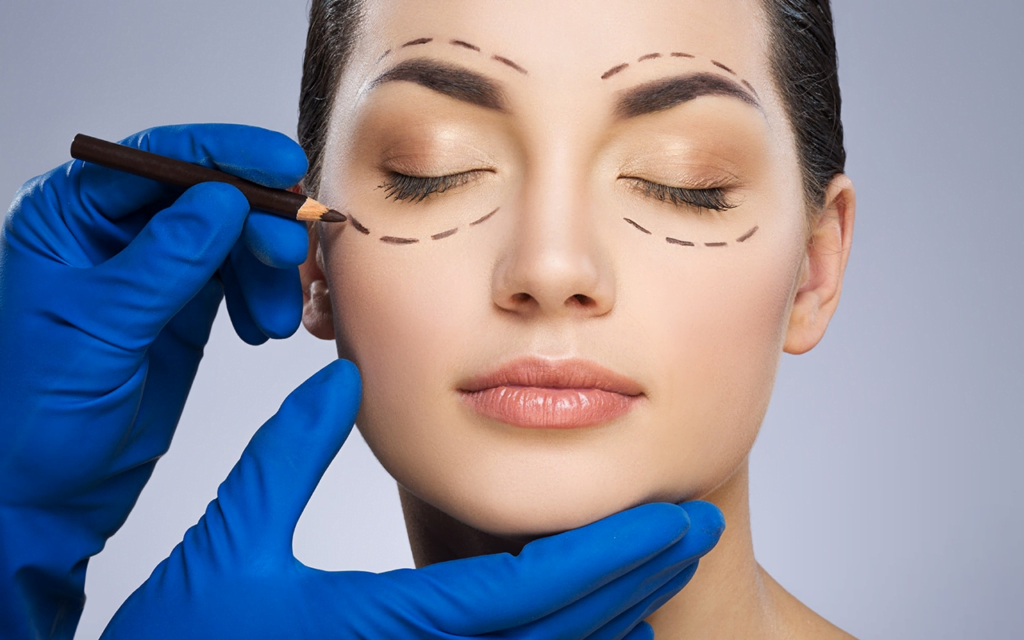
What can I eat after FFS? The answer to one of the most frequently asked questions

What can I eat after FFS?

What can I eat after FFS? If you have undergone facial feminization surgery (FFS), you may be wondering what you can eat after your operation. FFS is a set of surgical procedures that alter typically male facial features to make them more feminine. FFS can include various bony and soft tissue procedures such as brow lift, rhinoplasty, cheek implantation, and lip augmentation.

Eating the right foods after FFS can help you heal faster, prevent complications, and achieve the best results. In this article, we will explain what you can eat after FFS, and what you should avoid. We will also give you some tips on how to make your post-operative diet more enjoyable and nutritious.

What can I eat after FFS?

The post-operative diet plan: What can I eat after FFS?

Your diet after FFS is designed to allow your face time to heal, prevent swelling and infection, reduce pain and discomfort, and support your overall health. Following your surgery, the post-operative diet plan is divided into four phases: liquid, pureed, soft, and regular.

Liquid phase

The liquid phase is the first phase of your post-operative diet plan. It starts right after your surgery and lasts for about 24 to 48 hours. During this phase, you can only drink clear liquids, such as water, broth, tea, and juice. You should avoid carbonated drinks, alcohol, caffeine, and dairy products.

The liquid phase helps you stay hydrated, flush out toxins, and prevent nausea and vomiting. You should drink at least 8 cups of fluids per day, and sip slowly and frequently. You should not use a straw, as this can cause air to enter your stomach and increase swelling and pain.

Pureed phase

The pureed phase is the second phase of your post-operative diet plan. It starts after you tolerate the liquid phase, and lasts for about 7 to 10 days. During this phase, you can eat foods that have a smooth and creamy consistency, such as yogurt, pudding, applesauce, mashed potatoes, and soup. You can also blend or puree your own foods, such as fruits, vegetables, chicken, fish, and eggs. You should avoid foods that are chunky, sticky, spicy, or acidic.

The pureed phase helps you get more calories, protein, and vitamins, which are essential for healing and recovery. You should eat small and frequent meals, and chew well. You should not eat foods that are too hot or too cold, as this can irritate your mouth and throat.

Soft phase

The soft phase is the third phase of your post-operative diet plan. It starts after you tolerate the pureed phase, and lasts for about 2 to 4 weeks. During this phase, you can eat foods that are soft and easy to chew, such as pasta, rice, bread, cheese, cooked vegetables, and soft fruits. You can also eat lean meats, such as turkey, chicken, and fish, but you should cut them into small pieces and moisten them with sauce or gravy. You should avoid foods that are hard, crunchy, chewy, or fibrous, such as nuts, seeds, popcorn, raw vegetables, and dried fruits.

The soft phase helps you transition to a normal diet, and provides you with more variety and flavor. You should eat balanced and healthy meals, and avoid foods that are high in fat, sugar, or salt. You should also drink plenty of fluids, but not with your meals, as this can fill you up and reduce your appetite.

Regular phase

The regular phase is the final phase of your post-operative diet plan. It starts after you tolerate the soft phase, and lasts for the rest of your life. During this phase, you can eat any foods that you like, as long as they do not cause you any problems. You should follow a balanced and nutritious diet, and include foods from all the food groups, such as grains, fruits, vegetables, protein, and dairy. You should limit foods that are high in fat, sugar, or salt, such as fried foods, sweets, and processed foods.

The regular phase helps you maintain your health and well-being, and enjoy your new appearance. You should eat moderate portions, and listen to your hunger and fullness cues. You should also drink enough fluids, and avoid alcohol, tobacco, and drugs.

Tips for eating after FFS

Eating after FFS can be challenging, especially in the first few weeks. You may experience pain, swelling, bruising, numbness, or tightness in your face, which can make eating difficult and uncomfortable. You may also have a reduced sense of taste or smell, which can affect your appetite and enjoyment of food. Here are some tips to help you eat better after FFS:

  • Use pain medication as prescribed by your doctor, and take it before your meals to ease your discomfort.
  • Apply ice packs or cold compresses to your face to reduce swelling and inflammation.
  • Elevate your head when you sleep or rest to improve blood circulation and drainage.
  • Rinse your mouth with warm salt water after each meal to prevent infection and promote healing.
  • Brush your teeth gently and carefully, and avoid touching your incisions or stitches.
  • Choose foods that are soft, moist, and bland, and avoid foods that are hard, dry, or spicy.
  • Cut your foods into small pieces, and use a spoon or a fork to eat.
  • Eat slowly and carefully, and avoid talking or laughing while eating.
  • Drink fluids between your meals, and avoid drinking from a cup or a bottle.
  • Add flavor and variety to your foods with herbs, spices, sauces, or condiments.
  • Try new foods and recipes, and experiment with different textures and temperatures.
  • Eat with others, and make your meals a pleasant and social occasion.
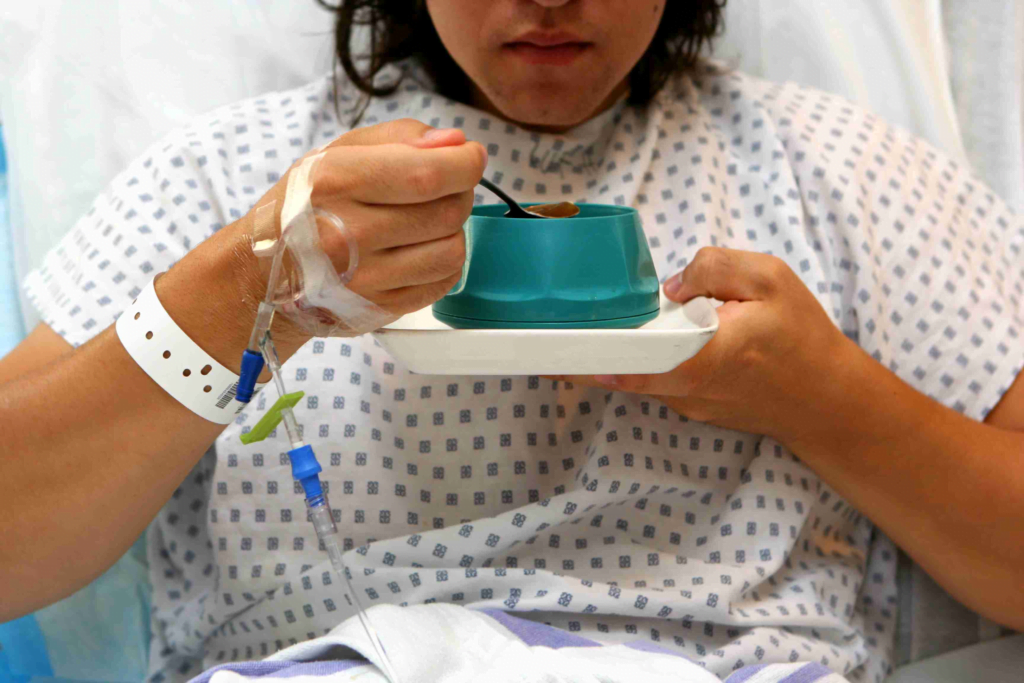
What can I eat after FFS?

Conclusion

Eating after FFS is an important part of your recovery and results. By following the post-operative diet plan and the tips above, you can heal faster, prevent complications, and achieve the best results. You can also improve your health and well-being, and enjoy your new appearance. Remember to consult your doctor and your dietitian for more advice and guidance on what you can eat after FFS.

Have New Questions? Ask the Surgeon Directly!

Dr. Mehmet Fatih Okyay is a renowned plastic surgeon based in Turkey. Born on June 23, 1989, in Gaziantep, he completed his medical education at Atatürk University’s Faculty of Medicine. He is a specialist in Plastic, Reconstructive, and Aesthetic Surgery. Dr. Okyay ranked 8th in his term in the Turkish Medical Specialization Examination. He completed his residency at the world-renowned Istanbul University, Cerrahpaşa Faculty of Medicine.

Dr. Okyay is certified by both the European and Turkish Board of Plastic Surgery. He has over a decade of experience in the field, with thousands of successful surgeries to his credit. His areas of interest include tummy tuck, liposuction, body-shaping, facelift, nose aesthetics, facial feminization surgeries, and breast aesthetic surgeries.

Dr. Okyay operates out of his clinic, Dr. MFO Clinic. The clinic offers a wide range of cosmetic solutions and welcomes revision/secondary cases. It is an Authorized International Health Tourism Center. The clinic prides itself on its transparent pricing, with no hidden costs. It also offers gender-affirming surgeries, including Facial Feminization Surgery (FFS), Top Surgery, and more.

The clinic is located in Antalya, a popular destination for health tourism. It offers all-inclusive packages, making it a convenient choice for international patients. Antalya is known for its beautiful beaches and historical sites, providing a relaxing environment for recovery.

In addition to his medical practice, Dr. Okyay is also a songwriter, poet, and plays the classical guitar, ney, and electric guitar. He is fluent in English and Spanish, and speaks intermediate-level French.

Visit the Dr.MFO Instagram profile for examples of successful Surgeries. Contact for free consultation.

Can Biological Females Get Facial Feminization Surgery?

facial feminization surgery

Can biological females get facial feminization surgery? This is a question that many people may have, especially those who are transgender, non-binary, or simply unhappy with their facial features. In this article, we will explore the answer to this question, as well as the reasons, benefits, risks, and costs of facial feminization surgery for biological females.

Can Biological Females Get Facial Feminization Surgery?

What is facial feminization surgery?

Facial feminization surgery (FFS) is a set of surgical procedures that aim to modify the shape and size of facial features to make them more feminine. FFS can include various bony and soft tissue procedures, such as:

  • Hairline correction: This procedure lowers and rounds the hairline, which is typically higher and more receded in males than in females.
  • Forehead recontouring: This procedure reduces the prominence of the brow ridge and the forehead slope, which are more pronounced in males than in females. It also lifts the eyebrows and smooths the forehead skin.
  • Eye and lid modification: This procedure makes the eyes appear larger, more almond-shaped, and more open, which are more feminine traits than smaller, rounder, and more hooded eyes. It can involve removing excess skin and fat from the upper and lower eyelids, and repositioning the eye corners.
  • Cheek augmentation: This procedure enhances the volume and projection of the cheeks, which are more prominent and round in females than in males. It can involve using implants, fat grafting, or fillers to add fullness to the cheekbones and the midface area.
  • Nose reshaping (rhinoplasty): This procedure modifies the size and shape of the nose to make it more feminine. It can involve reducing the nasal bridge, refining the nasal tip, narrowing the nostrils, and lifting the nasal angle.
  • Lip lift and augmentation: This procedure increases the visibility of the upper teeth and the vermilion border (the red part of the lips), which are more feminine features than a long upper lip and a thin vermilion border. It can involve removing a strip of skin from under the nose, and using fillers or fat grafting to add volume and definition to the lips.
  • Jaw angle reduction: This procedure reduces the width and angle of the jaw, which are more square and angular in males than in females. It can involve shaving off the bone from the lower jaw and the chin, and tightening the skin and muscles around the jawline.
  • Chin width reduction: This procedure reduces the width and projection of the chin, which are more large and prominent in males than in females. It can involve removing bone and soft tissue from the chin, and reshaping it to make it more narrow and pointed.

FFS can be performed as a single surgery or as a series of surgeries, depending on the patient’s goals, preferences, and budget. FFS can be done under general or local anesthesia, and the recovery time can vary from a few days to a few weeks, depending on the extent and complexity of the procedures.

Can Biological Females Get Facial Feminization Surgery?

Can Biological Females Get Facial Feminization Surgery?

There are many reasons why biological females may want to get facial feminization surgery. Some of the most common ones are:

  • They are transgender women: Transgender women are people who were assigned male at birth, but identify as female. For some transgender women, hormone therapy may not be enough to achieve the desired changes in their facial appearance, and they may experience gender dysphoria, which is a distressing condition caused by the mismatch between their gender identity and their assigned sex. FFS can help transgender women to align their physical appearance with their gender identity, and to reduce or eliminate their gender dysphoria. FFS can also help transgender women to pass as female in society, and to avoid discrimination, harassment, and violence that they may face because of their gender expression.
  • They are non-binary: Non-binary people are people who do not identify as exclusively male or female, but as somewhere along the gender spectrum, or as having no gender at all. Some non-binary people may want to get facial feminization surgery to create a more androgynous or gender-neutral appearance, or to express their gender identity more accurately. FFS can help non-binary people to feel more comfortable and confident in their own skin, and to challenge the binary norms of gender expression.
  • They are unhappy with their facial features: Some biological females may want to get facial feminization surgery because they are unhappy with their facial features, and they feel that they are too masculine or not feminine enough. This may be due to genetic factors, aging, trauma, or disease that have affected their facial appearance. FFS can help biological females to enhance their facial attractiveness, and to boost their self-esteem and well-being. FFS can also help biological females to correct some functional problems, such as breathing difficulties, vision impairment, or dental issues, that may be caused by their facial features.

What are the benefits of facial feminization surgery for biological females?

Facial feminization surgery can have many benefits for biological females, such as:

  • Improving their mental health: FFS can improve the mental health of biological females by reducing their gender dysphoria, depression, anxiety, and suicidal thoughts, and by increasing their happiness, satisfaction, and quality of life. FFS can also help biological females to cope with the social stigma and stress that they may face because of their gender identity or expression.
  • Enhancing their social and professional opportunities: FFS can enhance the social and professional opportunities of biological females by improving their interpersonal relationships, communication skills, and self-confidence. FFS can also help biological females to avoid discrimination, prejudice, and violence that they may encounter because of their gender identity or expression, and to access more resources and support in their communities.
  • Achieving their aesthetic goals: FFS can help biological females to achieve their aesthetic goals by creating a more feminine and harmonious facial appearance, and by correcting any flaws or asymmetries that they may have. FFS can also help biological females to look younger, more refreshed, and more radiant, and to match their facial appearance with their personality and style.

What are the risks of facial feminization surgery for biological females?

Facial feminization surgery, like any other major surgery, can have some risks and complications, such as:

  • Bleeding: FFS can cause bleeding during or after the surgery, which can lead to hematoma (a collection of blood under the skin), infection, or nerve damage. Bleeding can be prevented or treated by using proper surgical techniques, applying pressure, or using blood transfusion or medication.
  • Infection: FFS can cause infection at the surgical site or in the bloodstream, which can lead to fever, pain, swelling, or pus. Infection can be prevented or treated by using sterile instruments, antibiotics, or drainage.
  • Nerve damage: FFS can cause nerve damage during the surgery, which can lead to numbness, tingling, or weakness in the facial muscles, or loss of sensation or movement in the facial areas. Nerve damage can be prevented or treated by using careful surgical techniques, nerve monitoring, or nerve grafting.
  • Scarring: FFS can cause scarring on the skin or on the bone, which can lead to visible marks, keloids (raised and thickened scars), or contractures (tightening of the skin). Scarring can be prevented or treated by using minimal incisions, sutures, or staples, or by using scar creams, silicone sheets, or laser therapy.
  • Asymmetry: FFS can cause asymmetry in the facial features, which can lead to an unbalanced or unnatural appearance. Asymmetry can be prevented or treated by using precise measurements, imaging, or templates, or by using revision surgery or fillers.
  • Dissatisfaction: FFS can cause dissatisfaction with the results, which can lead to regret, disappointment, or frustration. Dissatisfaction can be prevented or treated by having realistic expectations, clear communication, and informed consent, or by using counseling, support groups, or revision surgery.

How much does facial feminization surgery cost for biological females?

The cost of facial feminization surgery for biological females can vary depending on several factors, such as:

  • The number and type of procedures: FFS can involve different procedures, each with its own cost, complexity, and duration. The more procedures and the more invasive they are, the higher the cost will be. For example, a forehead recontouring may cost around $10,000, while a rhinoplasty may cost around $5,000.
  • The surgeon’s experience and reputation: FFS can be performed by different surgeons, each with their own level of experience, skill, and reputation. The more experienced and reputable the surgeon is, the higher the cost will be. For example, a surgeon who has performed hundreds of FFS surgeries and has a high success rate may charge more than a surgeon who has performed only a few FFS surgeries and has a low success rate.
  • The location and facility: FFS can be performed in different locations and facilities, each with their own standards, regulations, and fees. The more developed and prestigious the location and facility are, the higher the cost will be. For example, a FFS surgery performed in the United States or in a private hospital may cost more than a FFS surgery performed in Thailand or in a public clinic.
  • The anesthesia and medication: FFS can require different types and amounts of anesthesia and medication, each with their own cost and availability. The more complex and extensive the anesthesia and medication are, the higher the cost will be. For example, a general anesthesia may cost more than a local anesthesia, and a prescription drug may cost more than an over-the-counter drug.
  • The insurance and financing: FFS can be covered or not by different insurance plans and financing options, each with their own terms, conditions, and limitations.

The insurance and financing options for FFS can vary depending on the patient’s situation, needs, and preferences. Some of the possible options are:

  • Insurance coverage: Some insurance plans may cover some or all of the costs of FFS, depending on the policy, the provider, and the diagnosis. For example, some insurance plans may cover FFS for transgender women who have a diagnosis of gender dysphoria, and who have met certain criteria, such as undergoing hormone therapy, living as their identified gender, and obtaining letters of recommendation from mental health professionals. However, not all insurance plans offer this coverage, and some may have exclusions, limitations, or requirements that may make it difficult or impossible to access FFS. Therefore, it is important to check with the insurance company and the surgeon before undergoing FFS, and to obtain a preauthorization and a written estimate of the expected costs and benefits.
  • Financing plans: Some financing plans may offer loans or payment plans for FFS, depending on the lender, the borrower, and the terms. For example, some financing plans may offer low-interest or interest-free loans, flexible repayment options, or discounts for FFS, and some may not require a credit check, a down payment, or a collateral. However, not all financing plans are available or affordable for everyone, and some may have fees, penalties, or risks that may increase the overall cost or burden of FFS. Therefore, it is important to compare different financing plans and to read the fine print before signing any contract or agreement.
  • Personal savings: Some patients may choose to pay for FFS out of their own pocket, using their personal savings, income, or assets. This option may be preferable for those who do not have or want to use insurance or financing, or who want to have more control and flexibility over their FFS. However, this option may also be challenging for those who do not have enough or stable financial resources, or who have other expenses or obligations that may limit their ability to save or spend money on FFS. Therefore, it is important to plan ahead and to budget carefully before deciding to pay for FFS with personal savings.
Can Biological Females Get Facial Feminization Surgery?

Conclusion

Facial feminization surgery is a set of surgical procedures that can modify the facial features of biological females to make them more feminine. FFS can have many benefits for biological females, such as improving their mental health, enhancing their social and professional opportunities, and achieving their aesthetic goals. However, FFS can also have some risks and complications, such as bleeding, infection, nerve damage, scarring, asymmetry, or dissatisfaction. Moreover, FFS can be costly, and the insurance and financing options for FFS can vary depending on the patient’s situation, needs, and preferences. Therefore, it is important to consult with a qualified and experienced surgeon, to have realistic expectations, and to make an informed decision before undergoing FFS. FFS can be a life-changing and rewarding experience for biological females who want to align their facial appearance with their gender identity or expression, or who want to enhance their facial attractiveness and well-being.

Visit the Dr.MFO Instagram profile for examples of successful Surgeries. Contact for free consultation.