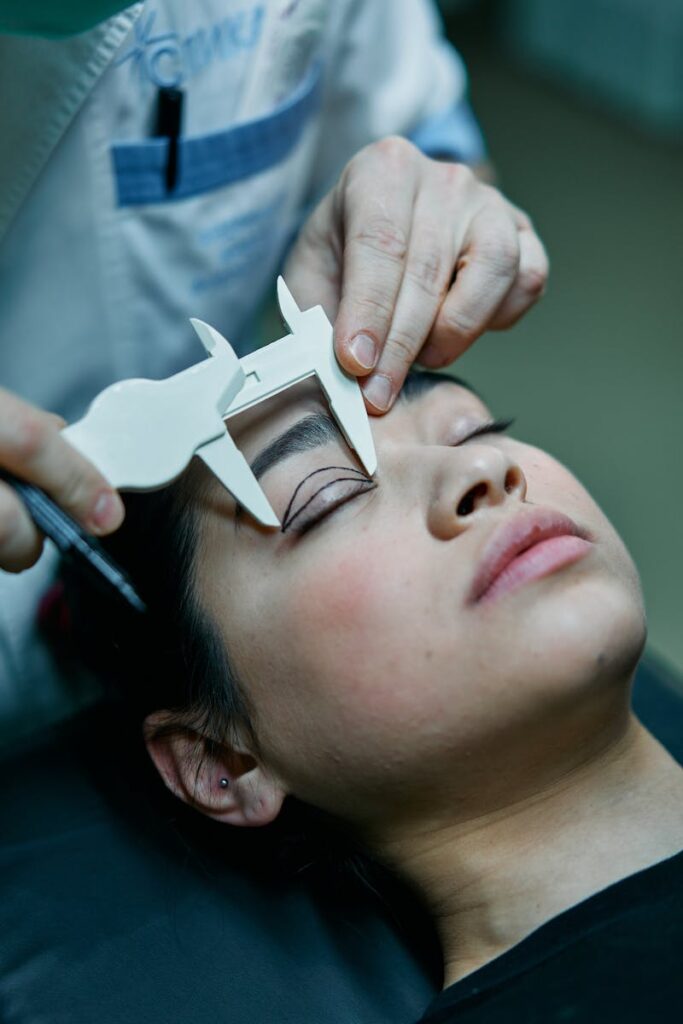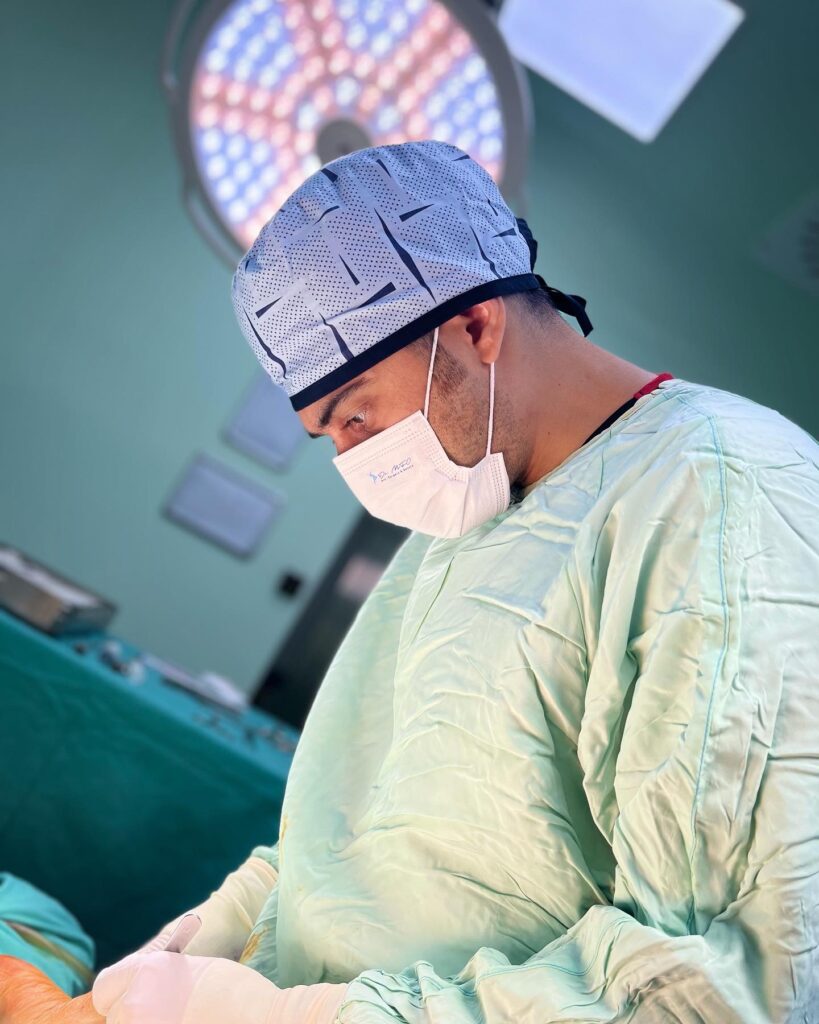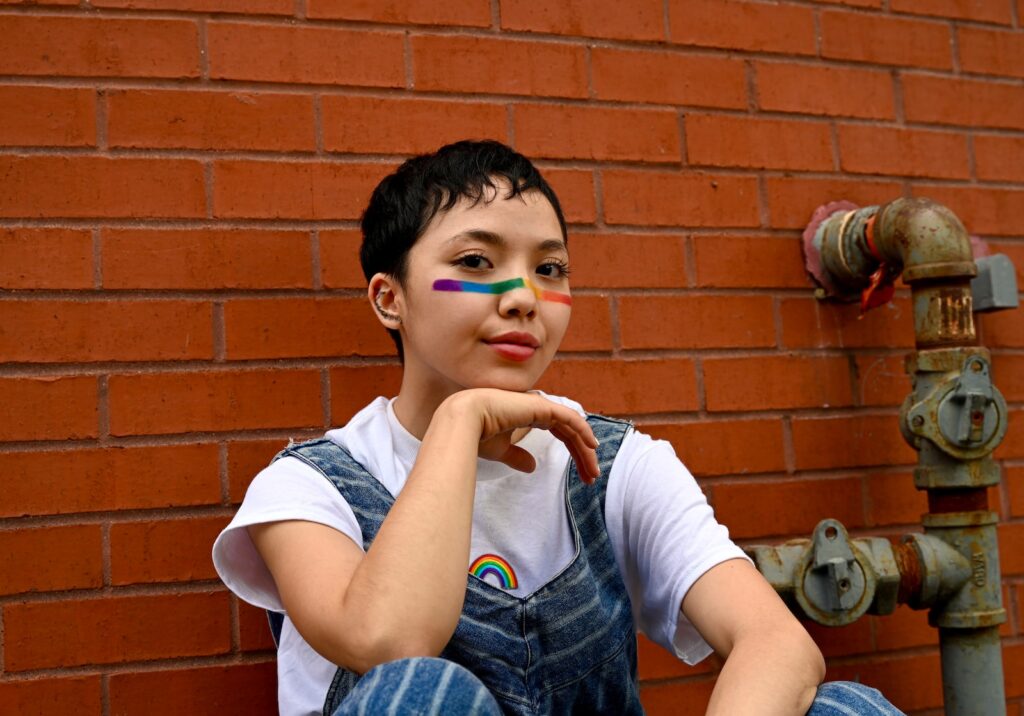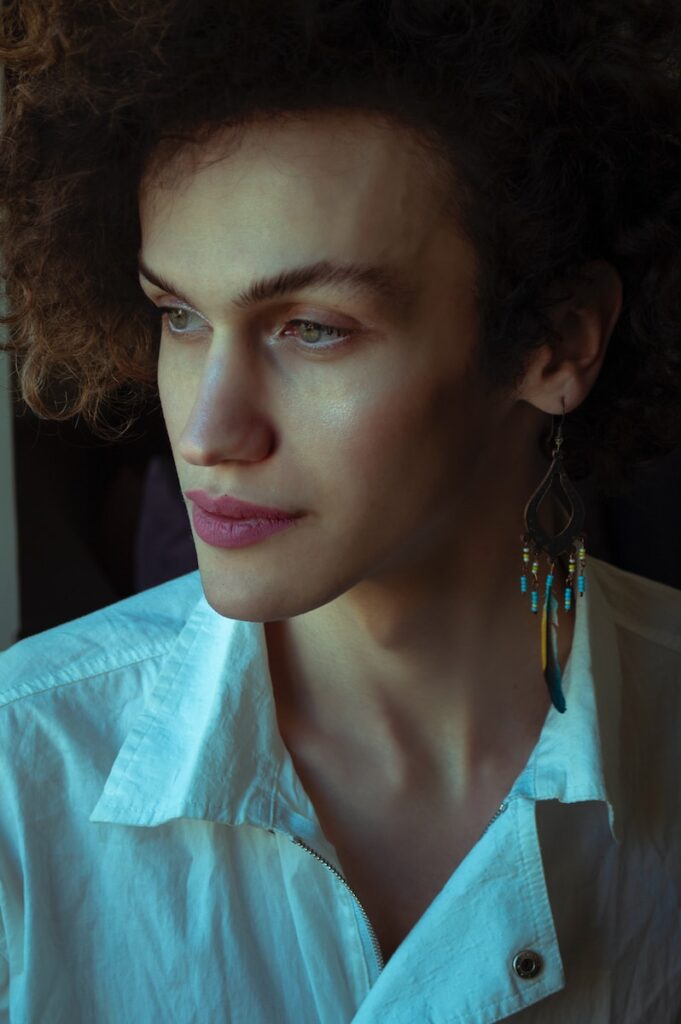
Does Estrogen Patch Increase Breast Size? 4 Strong Reasons to Consider Breast Augmentation Surgery

woman wearing orange brassiere swimming

Does Estrogen Patch Increase Breast Size? If you are unhappy with the size or shape of your breasts, you may have considered various options to enhance them. One of the most common questions that people ask is whether estrogen patch can increase breast size. Estrogen patch is a form of hormone replacement therapy (HRT) that delivers estrogen through the skin. Estrogen is a female hormone that plays a key role in breast development and growth. However, does estrogen patch really work for breast enlargement? And if not, what are the alternatives? In this article, we will answer these questions and give you four strong reasons to consider breast augmentation surgery as the best solution for your breast goals.

Clinical Surgical Perspective: Hormonal Limits in Transgender Breasts

While estrogen stimulates ductal breast buds, male chest wall anatomy often limits natural projection. Internal bra implant placement creates full, feminine cleavage.

👉 Explore Surgical Solutions: Review our specialized body feminization surgery protocols or request a private breast consultation.
woman in blue string bikini top in pool looking straight

Does Estrogen Patch Increase Breast Size?

Estrogen patch is usually prescribed to women who have low levels of estrogen due to menopause, hysterectomy, or other conditions. Estrogen patch can help relieve symptoms of estrogen deficiency, such as hot flashes, vaginal dryness, mood swings, and osteoporosis. However, estrogen patch can also have some effects on breast tissue, such as:

  • Breast tenderness: Estrogen patch can make your breasts more sensitive and sore, especially in the first few months of use. This is because estrogen stimulates the growth of the milk ducts and glands within the breasts, which can cause swelling and inflammation. This effect usually subsides after a while, as your body adjusts to the hormone levels.
  • Breast growth: Estrogen patch can also cause some breast growth, but this is usually minimal and temporary. Estrogen patch can increase the size of the fat cells in the breasts, which can make them appear fuller and rounder. However, this effect is not permanent, and your breasts will return to their original size once you stop using the patch. Moreover, the amount of breast growth depends on many factors, such as your genetics, your age, your weight, and your natural hormone levels. Therefore, not everyone who uses estrogen patch will experience breast growth, and those who do may not see significant or noticeable changes.

Therefore, estrogen patch is not a reliable or effective way to increase breast size. Estrogen patch is not designed for breast enlargement, and it can have many side effects and risks, such as:

  • Increased risk of breast cancer: Estrogen patch can increase the risk of developing breast cancer, especially if used for a long time or in combination with progestin, another female hormone. Estrogen can stimulate the growth of breast cells, which can lead to abnormal or malignant changes. Therefore, if you have a personal or family history of breast cancer, or other risk factors, you should avoid using estrogen patch or use it with caution and under medical supervision.
  • Increased risk of blood clots: Estrogen patch can increase the risk of developing blood clots, especially in the legs, lungs, or brain. Blood clots can cause serious and potentially fatal complications, such as deep vein thrombosis, pulmonary embolism, or stroke. Therefore, if you have a history of blood clots, or other risk factors, such as smoking, obesity, or immobility, you should avoid using estrogen patch or use it with caution and under medical supervision.
  • Other side effects and interactions: Estrogen patch can also cause other side effects and interactions, such as headaches, nausea, weight gain, skin irritation, mood changes, irregular bleeding, and reduced effectiveness of certain medications, such as antibiotics, anticonvulsants, or anticoagulants. Therefore, you should always consult your doctor before using estrogen patch, and inform them of any medical conditions or medications you have or take.

4 Strong Reasons to Consider Breast Augmentation Surgery

If you are looking for a more reliable and effective way to increase breast size, you may want to consider breast augmentation surgery. Breast augmentation surgery is a cosmetic procedure that involves placing breast implants under the breast tissue or the chest muscle. Breast implants are artificial devices that are filled with either saline or silicone gel. Breast augmentation surgery can help you achieve your desired breast size, shape, and appearance. Here are four strong reasons to consider breast augmentation surgery:

  • Customizable and predictable results: Breast augmentation surgery can give you customizable and predictable results, as you can choose the type, size, shape, and position of your implants, according to your preferences and goals. You can also consult with your surgeon and use computer simulations or sizers to visualize how your breasts will look after the surgery. Breast augmentation surgery can also give you predictable results, as the implants will not change or shrink over time, unlike natural breast tissue. Therefore, you can have more control and confidence over your breast outcome.
  • Long-lasting and reversible results: Breast augmentation surgery can also give you long-lasting and reversible results, as the implants can last for many years, or even a lifetime, with proper care and maintenance. You can also have the implants removed or replaced at any time, if you are unhappy with the results, or if you experience any complications or problems with the implants. Therefore, you can have more flexibility and security over your breast outcome.
  • Improved appearance and confidence: Breast augmentation surgery can also help you improve your appearance and confidence, as you can enhance your breast size, shape, and symmetry, and create a more balanced and proportionate body figure. You can also wear more flattering and comfortable clothing, bras, and swimsuits, and feel more attractive and feminine. Breast augmentation surgery can also help you boost your self-esteem and happiness, and improve your quality of life and relationships.
  • Safe and effective procedure: Breast augmentation surgery is a safe and effective procedure, as it is performed by qualified and experienced surgeons, using advanced techniques and equipment, and following strict safety and hygiene protocols. Breast augmentation surgery has a high success and satisfaction rate, and a low complication and infection rate, compared to other surgical procedures. Breast augmentation surgery can also be performed under local or general anesthesia, depending on your preference and condition, and can be done as an outpatient or inpatient procedure, depending on the extent and complexity of the surgery. Therefore, you can have more peace of mind and comfort over your breast outcome.

Conclusion

Estrogen patch is not a reliable or effective way to increase breast size, as it can cause minimal and temporary breast growth, and it can have many side effects and risks, such as increased risk of breast cancer, blood clots, and other complications. If you want to increase breast size, you may want to consider breast augmentation surgery, as it can give you customizable and predictable results, long-lasting and reversible results, improved appearance and confidence, and safe and effective procedure. Breast augmentation surgery is the best solution for your breast goals, and it can help you achieve the breasts you have always dreamed of. If you are interested in breast augmentation surgery, you can contact us for more information and assistance. We are a professional and reliable cosmetic surgery clinic that can help you plan and arrange your breast augmentation surgery. We can provide you with the following services:

  • Free consultation and quotation: We can provide you with a free consultation and quotation for your breast augmentation surgery, based on your needs and preferences. We can also answer any questions or concerns you may have about breast augmentation surgery, such as the types and prices of implants, the qualifications and experience of the surgeons, the facilities and the accreditation, the recovery and the aftercare, the risks and the complications, and the testimonials and the reviews.
  • Booking and coordination: We can help you book and coordinate your breast augmentation surgery, including the dates, the times, the locations, the surgeons, and the payments. We can also help you arrange your travel and accommodation, such as your flights, your transfers, your hotels, and your tours. We can also provide you with a personal assistant who can accompany you during your stay, and help you with any issues or needs you may have.
  • Recovery and aftercare: We can help you with your recovery and aftercare after your breast augmentation surgery, such as providing you with the necessary medication, dressing, bandages, and instructions. We can also help you with any follow-up appointments or check-ups you may need, and monitor your progress and results. We can also help you with any complications or problems you may encounter, and provide you with the appropriate solutions and referrals.
  • Satisfaction and guarantee: We can help you with your satisfaction and guarantee after your breast augmentation surgery, such as providing you with the before and after photos, the certificates, and the receipts. We can also help you with any feedback or complaints you may have, and ensure that you are happy and satisfied with your breast augmentation surgery. We can also offer you a guarantee that covers any revisions or corrections you may need, in case you are not satisfied with the results.

We are confident that we can provide you with the best breast augmentation surgery service, and make your breast augmentation surgery a memorable and enjoyable one. We have helped thousands of patients from all over the world to achieve their breast augmentation surgery goals, and we have received many positive testimonials and reviews from our satisfied customers. You can read some of them here.

https://www.trustpilot.com/review/dr-mfo.com

If you are ready to take the next step and have your breast augmentation surgery, please contact us today and we will be happy to assist you. We look forward to hearing from you soon. Thank you for choosing us as your breast augmentation surgery partner.

Visit the Dr.MFO Instagram profile for examples of successful Surgeries. Contact for free consultation.

FAQ

1. How does an estrogen patch work in the body?

An estrogen patch works by releasing estrogen through the skin into the bloodstream. This hormone can then have various effects on the body, including potential changes in breast tissue.

2. What are the effects of estrogen patches on the body?

Estrogen patches can have several effects on the body, including changes in fat distribution, skin softening, and potential breast growth. However, the effects can vary from person to person.

3. Can estrogen patches cause breast growth?

Yes, estrogen patches can potentially cause breast growth. However, this effect can vary greatly from person to person and is not guaranteed.

4. How long does it take for an estrogen patch to affect breast size?

The time it takes for an estrogen patch to affect breast size can vary. Some people may notice changes within a few months, while for others it may take longer.

5. What are the side effects of using an estrogen patch?

Side effects of using an estrogen patch can include skin irritation at the patch site, nausea, headaches, and changes in mood. In some cases, it can also lead to more serious health risks.

6. Are the effects of an estrogen patch permanent?

Some effects of an estrogen patch, such as breast growth, can be permanent. However, other effects, like changes in fat distribution, may revert if the use of the patch is discontinued.

7. Can anyone use an estrogen patch to increase breast size?

Not everyone can or should use an estrogen patch to increase breast size. It’s important to consult with a healthcare provider before starting any new medication, including estrogen patches.

8. the recommended dosage of an estrogen patch for breast growth?

The recommended dosage of an estrogen patch can vary depending on individual factors. It’s important to follow the guidance of a healthcare provider when using an estrogen patch.

9. Are there any alternatives to estrogen patches for increasing breast size?

Yes, there are alternatives to estrogen patches for increasing breast size, including other forms of hormone therapy, natural supplements, and surgical options like breast augmentation.

10. Is it safe to use an estrogen patch for the purpose of increasing breast size?

While estrogen patches can be used safely under the guidance of a healthcare provider, they should not be used solely for the purpose of increasing breast size due to potential health risks.

Frequently Asked Questions

Medically Reviewed & Authored by Dr. Mehmet Fatih Okyay

Specialist in Plastic, Reconstructive, and Aesthetic Craniofacial Surgery with over 15 years of clinical experience in Istanbul. Active international member of ISAPS (International Society of Aesthetic Plastic Surgery) and TPCD.

View Surgeon Profile, Diplomas & Clinical Credentials →

Medical Disclaimer: The clinical information presented on this website is intended solely for educational purposes and does not constitute formal medical diagnosis or surgical advice. Individual treatment plans are established following private 3D CT examination by Dr. Mehmet Fatih Okyay.

{ “@context”: “https://schema.org”, “@type”: “MedicalWebPage”, “name”: “Does Estrogen Patch Increase Breast Size? 4 Strong Reasons to Consider Breast Augmentation Surgery”, “url”: “https://www.dr-mfo.com/does-estrogen-patch-increase-breast-size/”, “author”: { “@type”: “Physician”, “name”: “Dr. Mehmet Fatih Okyay”, “medicalSpecialty”: “PlasticSurgery”, “url”: “https://www.dr-mfo.com/who-is-drmfo/”, “sameAs”: [ “https://www.instagram.com/dr.mfo/”, “https://www.linkedin.com/in/dr-mehmet-fatih-okyay/” ] } }

Do estrogen patches increase breast size in transgender women?

Estrogen patches stimulate glandular bud proliferation and ductal branching, typically resulting in an A or B cup size over 2 to 3 years of continuous hormone therapy.

When should a trans woman consider surgical breast augmentation?

Surgeons recommend waiting at least 18 to 24 months on stable HRT before undergoing breast augmentation with silicone implants to allow natural tissue expansion.

Why is the internal bra technique recommended for MTF breast augmentation?

Because male chest walls feature firmer pectoralis musculature and wider intermammary gaps, internal bra mesh fixation creates natural projection and prevents implant lateralization.

Where do Europeans go for plastic surgery? Is Turkey better than Thailand for plastic surgery?

man sitting on gang chair with feet on luggage looking at airplane

Where do Europeans go for plastic surgery? Plastic surgery is a branch of medicine that aims to improve the appearance and function of various parts of the body. Many people choose to have plastic surgery for cosmetic or reconstructive reasons, such as enhancing their facial features, correcting congenital defects, or restoring their body shape after weight loss or pregnancy. However, plastic surgery can also be very expensive and risky, depending on the type and extent of the procedure, the qualifications and experience of the surgeon, and the quality and safety of the facility.

Where do Europeans go for plastic surgery?

Therefore, many people who want to have plastic surgery look for alternative options abroad, where they can find more affordable and quality services. According to the International Society of Aesthetic Plastic Surgery (ISAPS), the global leader in aesthetic plastic surgery statistics, the top 10 countries that performed the most cosmetic procedures in 2019 were:

  • United States
  • Brazil
  • Japan
  • Mexico
  • Italy
  • Germany
  • India
  • Turkey
  • France
  • Russia

Among these countries, Turkey and Thailand are two of the most popular destinations for plastic surgery tourism, especially for Europeans who want to combine their medical trip with a holiday. But which one is better for plastic surgery? In this article, we will compare the advantages and disadvantages of plastic surgery in Turkey and Thailand, and help you decide which one is the best choice for you.

Plastic surgery in Turkey

Plastic surgery in Turkey

Turkey is a country that is located at the crossroads of Europe and Asia, and has a rich and diverse culture, history, and nature. Turkey is also known for its advanced medical infrastructure, highly skilled doctors, and low prices for plastic surgery. According to ISAPS, Turkey performed about 1.1 million cosmetic procedures in 2019, ranking 8th in the world. Moreover, Turkey has the highest number of JCI-accredited hospitals in the world, which means that they meet the highest standards of quality and safety.

Some of the advantages of plastic surgery in Turkey are:

  • Low prices: The cost of plastic surgery in Turkey is much lower than in most European countries, due to the favorable exchange rate of the Turkish lira, the lower cost of living, the lower labor costs, and the lower taxes and regulations. For example, according to Medigo, a website that compares the prices of medical procedures in different countries, the average price of rhinoplasty in Turkey is about $2,500, while the same procedure in the UK would cost about $6,000.
  • High quality: The quality of plastic surgery in Turkey is very high, as the surgeons are well-trained and experienced, and the facilities are well-equipped and accredited. Many surgeons in Turkey have received international training and certification, and are members of prestigious associations, such as the Turkish Society of Plastic, Reconstructive and Aesthetic Surgery (TPRECD), the European Board of Plastic, Reconstructive and Aesthetic Surgery (EBOPRAS), or the International Society of Aesthetic Plastic Surgery (ISAPS). Moreover, many facilities in Turkey are accredited by reputable organizations, such as the Joint Commission International (JCI), the International Organization for Standardization (ISO), or the Turkish Medical Association (TMA).
  • Wide range of procedures: Turkey offers a wide range of procedures for plastic surgery, such as rhinoplasty, breast augmentation, liposuction, tummy tuck, facelift, hair transplant, dental implants, and more. These procedures can be customized and tailored to the needs and preferences of each patient, and can be combined with other treatments or services, such as laser therapy, botox, fillers, or spa.
  • Attractive and convenient location: Turkey is an attractive and convenient location for plastic surgery, as it offers a pleasant and relaxing environment, a rich and diverse culture, and a convenient and accessible transportation system. Turkey has a Mediterranean climate, with hot and dry summers and mild and rainy winters, which is ideal for recovering from plastic surgery. Turkey also has a long and fascinating history, dating back to the ancient times, and has many cultural and historical attractions, such as the Hagia Sophia, the Blue Mosque, the Topkapi Palace, and the Grand Bazaar. Turkey also has a modern and efficient transportation system, with an international airport, a bus terminal, a metro line, and a public bus network, which makes it easy to travel to and from Turkey, as well as within Turkey.

Some of the disadvantages of plastic surgery in Turkey are:

  • Language barrier: The language barrier can be a challenge for some patients who want to have plastic surgery in Turkey, as not all doctors and staff speak fluent English, and some medical terms and concepts may be difficult to translate or understand. Therefore, it is important to find a reliable and professional translator or interpreter, who can help you communicate with your surgeon and your medical team, and explain to you the details and risks of your procedure, the pre-operative and post-operative instructions, and the consent forms. Alternatively, you can also look for a medical tourism agency or a hospital that provides English-speaking services and assistance for international patients.
  • Cultural differences: The cultural differences can also be an issue for some patients who want to have plastic surgery in Turkey, as there may be some differences in the expectations, preferences, and standards of beauty between the patients and the surgeons. For example, some patients may want a more natural and subtle result, while some surgeons may prefer a more dramatic and noticeable change. Therefore, it is important to have a clear and honest discussion with your surgeon before your procedure, and show them some photos or examples of the results you want to achieve, and the results you want to avoid. You should also ask your surgeon to show you some before and after photos of their previous patients, and see if you like their style and technique.
  • Potential complications: The potential complications are another factor that you should consider before having plastic surgery in Turkey, as there are some risks and side effects associated with any surgical procedure, such as infections, bleeding, nerve damage, scarring, or dissatisfaction with the results. Therefore, you should make sure that you are in good health and fit for surgery, and that you follow the pre-operative and post-operative instructions given by your surgeon and your medical team. You should also make sure that you have a valid travel insurance that covers medical expenses and complications, and that you have a contingency plan in case something goes wrong. You should also be prepared to stay in Turkey for at least a week or two after your procedure, and have some follow-up appointments or check-ups with your surgeon, and monitor your progress and results.

Plastic surgery in Thailand

Thailand is a country that is located in Southeast Asia, and has a tropical and diverse landscape, culture, and cuisine. Thailand is also known for its excellent medical infrastructure, experienced doctors, and low prices for plastic surgery. According to ISAPS, Thailand performed about 1.5 million cosmetic procedures in 2019, ranking 6th in the world. Moreover, Thailand has many JCI-accredited hospitals and clinics, which means that they meet the highest standards of quality and safety.

Some of the advantages of plastic surgery in Thailand are:

  • Low prices: The cost of plastic surgery in Thailand is much lower than in most European countries, due to the favorable exchange rate of the Thai baht, the lower cost of living, the lower labor costs, and the lower taxes and regulations. For example, according to Medigo, the average price of rhinoplasty in Thailand is about $1,500, while the same procedure in the UK would cost about $6,000.
  • High quality: The quality of plastic surgery in Thailand is very high, as the surgeons are well-trained and experienced, and the facilities are well-equipped and accredited. Many surgeons in Thailand have received international training and certification, and are members of prestigious associations, such as the Society of Plastic and Reconstructive Surgeons of Thailand (SPRST), the Royal College of Surgeons of Thailand (RCST), or the International Society of Aesthetic Plastic Surgery (ISAPS). Moreover, many facilities in Thailand are accredited by reputable organizations, such as the Joint Commission International (JCI), the International Organization for Standardization (ISO), or the Medical Council of Thailand (MCT).
  • Wide range of procedures: Thailand offers a wide range of procedures for plastic surgery, such as rhinoplasty, breast augmentation, liposuction, tummy tuck, facelift, hair transplant, dental implants, and more. These procedures can be customized and tailored to the needs and preferences of each patient, and can be combined with other treatments or services, such as laser therapy, botox, fillers, or spa.
  • Attractive and convenient location: Thailand is an attractive and convenient location for plastic surgery, as it offers a beautiful and relaxing environment, a rich and diverse culture, and a convenient and accessible transportation system. Thailand has a tropical climate, with warm and humid weather all year round, which is ideal for recovering from plastic surgery. Thailand also has a long and fascinating history, dating back to the ancient times, and has many cultural and natural attractions, such as the Grand Palace, the Temple of the Emerald Buddha, the Floating Market, and the Phi Phi Islands. Thailand also has a modern and efficient transportation system, with an international airport, a bus terminal, a metro line, and a public bus network, which makes it easy to travel to and from Thailand, as well as within Thailand.

Some of the disadvantages of plastic surgery in Thailand are:

  • Language barrier: The language barrier can be a challenge for some patients who want to have plastic surgery in Thailand, as not all doctors and staff speak fluent English, and some medical terms and concepts may be difficult to translate or understand. Therefore, it is important to find a reliable and professional translator or interpreter, who can help you communicate with your surgeon and your medical team, and explain to you the details and risks of your procedure the pre-operative and post-operative instructions, and the consent forms. Alternatively, you can also look for a medical tourism agency or a hospital that provides English-speaking services and assistance for international patients.
  • Cultural differences: The cultural differences can also be an issue for some patients who want to have plastic surgery in Thailand, as there may be some differences in the expectations, preferences, and standards of beauty between the patients and the surgeons. For example, some patients may want a more natural and subtle result, while some surgeons may prefer a more dramatic and noticeable change. Therefore, it is important to have a clear and honest discussion with your surgeon before your procedure, and show them some photos or examples of the results you want to achieve, and the results you want to avoid. You should also ask your surgeon to show you some before and after photos of their previous patients, and see if you like their style and technique.
  • Potential complications: The potential complications are another factor that you should consider before having plastic surgery in Thailand, as there are some risks and side effects associated with any surgical procedure, such as infections, bleeding, nerve damage, scarring, or dissatisfaction with the results. Therefore, you should make sure that you are in good health and fit for surgery, and that you follow the pre-operative and post-operative instructions given by your surgeon and your medical team. You should also make sure that you have a valid travel insurance that covers medical expenses and complications, and that you have a contingency plan in case something goes wrong. You should also be prepared to stay in Thailand for at least a week or two after your procedure, and have some follow-up appointments or check-ups with your surgeon, and monitor your progress and results.

Comparison of plastic surgery in Turkey and Thailand

Based on the advantages and disadvantages of plastic surgery in Turkey and Thailand, we can make a comparison of the two countries, and see which one is better for plastic surgery. Here are some of the main points of comparison:

  • Price: Both Turkey and Thailand offer low prices for plastic surgery, compared to most European countries. However, Turkey has a slight edge over Thailand, as the Turkish lira is weaker than the Thai baht, and the cost of living and labor in Turkey is lower than in Thailand. Therefore, you can save more money by having plastic surgery in Turkey than in Thailand.
  • Quality: Both Turkey and Thailand offer high quality for plastic surgery, as the surgeons are well-trained and experienced, and the facilities are well-equipped and accredited. However, Turkey has a slight edge over Thailand, as Turkey has more JCI-accredited hospitals and clinics than Thailand, and the Turkish surgeons have more international training and certification than the Thai surgeons. Therefore, you can get better results by having plastic surgery in Turkey than in Thailand.
  • Range: Both Turkey and Thailand offer a wide range of procedures for plastic surgery, such as rhinoplasty, breast augmentation, liposuction, tummy tuck, facelift, hair transplant, dental implants, and more. However, Thailand has a slight edge over Turkey, as Thailand has more experience and expertise in some procedures, such as gender reassignment surgery, facial feminization surgery, or eyelid surgery. Therefore, you can have more options by having plastic surgery in Thailand than in Turkey.
  • Location: Both Turkey and Thailand offer an attractive and convenient location for plastic surgery, as they offer a beautiful and relaxing environment, a rich and diverse culture, and a convenient and accessible transportation system. However, Turkey has a slight edge over Thailand, as Turkey is closer and more accessible to Europe than Thailand, and Turkey has more cultural and historical attractions than Thailand. Therefore, you can have a more enjoyable and memorable trip by having plastic surgery in Turkey than in Thailand.

Conclusion

Plastic surgery is a great way to improve your appearance and confidence, but it can also be very expensive and risky. Therefore, many people choose to have plastic surgery abroad, where they can find more affordable and quality services. Two of the best destinations for plastic surgery tourism are Turkey and Thailand, especially for Europeans who want to combine their medical trip with a holiday. But which one is better for plastic surgery?

Based on our comparison, we can conclude that Turkey is better than Thailand for plastic surgery, as it offers lower prices, higher quality, and more attractive and convenient location than Thailand. However, this does not mean that Thailand is a bad choice for plastic surgery, as it also offers high quality, wide range, and beautiful and relaxing location for plastic surgery. Therefore, the final decision depends on your personal preferences, needs, and budget.

We are confident that we can provide you with the best plastic surgery service in Turkey, and make your plastic surgery trip a memorable and enjoyable one. We have helped thousands of patients from all over the world to achieve their plastic surgery goals, and we have received many positive testimonials and reviews from our satisfied customers. You can read some of them here.

https://www.trustpilot.com/review/dr-mfo.com

If you are ready to take the next step and have your plastic surgery in Turkey, please contact us today and we will be happy to assist you. We look forward to hearing from you soon. Thank you for choosing us as your plastic surgery partner in Turkey.

Visit the Dr.MFO Instagram profile for examples of successful Surgeries. Contact for free consultation.

FAQ

1. Which countries are most popular among Europeans for plastic surgery?

Countries such as Turkey, Poland, and the Czech Republic are often popular destinations for Europeans seeking plastic surgery due to their lower costs and high-quality medical facilities.

2. Why do Europeans choose to go abroad for plastic surgery?

Europeans may choose to go abroad for plastic surgery for a variety of reasons, including lower costs, access to specific procedures or specialists, or to combine the procedure with a vacation.

3. What types of plastic surgery procedures are most sought after by Europeans abroad?

The most sought-after procedures can vary, but often include breast augmentation, rhinoplasty (nose job), liposuction, and facelifts.

4. How does the cost of plastic surgery in popular European destinations compare to their home countries?

The cost of plastic surgery in popular European destinations is often significantly lower than in their home countries, even when factoring in the cost of travel and accommodation.

5. What are the top destinations for plastic surgery in Europe?

Top destinations for plastic surgery in Europe often include Turkey, Poland, the Czech Republic, and Hungary, among others.

6. How do Europeans choose a country for plastic surgery?

Choosing a country for plastic surgery often involves researching the quality of medical facilities, the expertise of surgeons, the cost of procedures, and patient reviews.

7. What are the risks for Europeans going abroad for plastic surgery?

Risks can include complications from the surgery, issues with communication if the medical staff do not speak the patient’s language fluently, and difficulties with follow-up care once the patient returns home.

8. Are there any statistics on how many Europeans go abroad for plastic surgery each year?

Exact statistics can vary, but medical tourism, including for plastic surgery, is a growing trend among Europeans.

9. What are the most common countries in Europe for plastic surgery tourism?

The most common countries in Europe for plastic surgery tourism often include Turkey, Poland, the Czech Republic, and Hungary.

10. How does the quality of plastic surgery in popular European destinations compare to their home countries?

The quality of plastic surgery in popular European destinations can be comparable to that in their home countries, provided the clinic is accredited and the surgeons are well-qualified. However, standards can vary, so it’s important to do thorough research.

Is Plastic Surgery Cheaper In Turkey Than The US? Why Is Antalya The Best Choice In Turkey?

landscape photo of New York Empire State Building

Is Plastic Surgery Cheaper In Turkey Than The US? Plastic surgery is a popular and growing field of medicine that aims to improve the appearance and function of various parts of the body. Many people seek plastic surgery for cosmetic reasons, such as enhancing their facial features, correcting congenital defects, or restoring their body shape after weight loss or pregnancy. However, plastic surgery can also be performed for reconstructive purposes, such as repairing injuries, burns, scars, or deformities caused by diseases or accidents.

For lateral canthal repositioning and palpebral angle elevation, explore our specialized cat eyes surgery guide.

Plastic surgery can be a life-changing and rewarding experience for many people, but it can also be very expensive and risky. Depending on the type and extent of the procedure, plastic surgery can cost thousands or even tens of thousands of dollars in the US, and may not be covered by health insurance. Moreover, plastic surgery can involve potential complications and side effects, such as infections, bleeding, nerve damage, scarring, or dissatisfaction with the results.

Therefore, many people who want to have plastic surgery look for alternative options abroad, where they can find more affordable and quality services. One of the most popular destinations for plastic surgery tourism is Turkey, a country that offers a combination of low prices, high standards, and cultural attractions. In this article, we will explore why plastic surgery is cheaper in Turkey than in the US, and why Antalya is the best choice for plastic surgery in Turkey.

Is Plastic Surgery Cheaper In Turkey Than The US?

There are several factors that make plastic surgery cheaper in Turkey than in the US, such as:

  • Currency exchange rate: The Turkish lira is much weaker than the US dollar, which means that the same amount of money can buy more goods and services in Turkey than in the US.
  • Lower cost of living: The cost of living in Turkey is also much lower than in the US, which means that the expenses related to plastic surgery, such as accommodation, transportation, food, and medication, are also cheaper.
  • Lower labor costs: The labor costs in Turkey are also lower than in the US, which means that the salaries of the doctors, nurses, and staff involved in plastic surgery are also lower. This reduces the overhead costs of the clinics and hospitals that offer plastic surgery, and allows them to charge lower fees to their patients.
  • Lower taxes and regulations: The taxes and regulations in Turkey are also lower than in the US, which means that the plastic surgery industry is less burdened by bureaucracy and red tape, and can operate more efficiently and competitively.
  • Higher competition and demand: The plastic surgery industry in Turkey is also very competitive and in high demand, which means that there are many clinics and hospitals that offer plastic surgery, and many patients who seek plastic surgery. This creates a market force that drives down the prices and drives up the quality of plastic surgery in Turkey, as the providers have to compete for customers and reputation, and the customers have more choices and bargaining power.
Facial Feminization Surgery in Antalya & Newyork

Why is Antalya the best choice for plastic surgery in Turkey?

Antalya is a city located on the Mediterranean coast of Turkey, and is the capital of the Antalya Province. It is the fifth-most populous city in Turkey, with a population of about 2.6 million people. Antalya is also the largest and most popular tourist destination in Turkey, attracting about 13.6 million visitors in 2019. Antalya is known for its beautiful beaches, historical sites, cultural events, and natural wonders.

Antalya is the best choice for plastic surgery in Turkey for several reasons, such as:

  • High-quality and accredited facilities: Antalya has many high-quality and accredited facilities that offer plastic surgery, such as hospitals, clinics, and medical centers. These facilities are equipped with the latest technology, equipment, and instruments, and follow the international standards and protocols for safety, hygiene, and quality. Moreover, many of these facilities are accredited by reputable organizations, such as the Joint Commission International (JCI), the International Organization for Standardization (ISO), or the Turkish Medical Association (TMA), which certify that they meet the highest criteria for excellence and professionalism.
  • Experienced and qualified doctors: Antalya has many experienced and qualified doctors who specialize in plastic surgery, such as plastic surgeons, dermatologists, and cosmetic dentists. These doctors have received extensive training and education, both in Turkey and abroad, and have obtained the necessary licenses and certifications to practice plastic surgery. Moreover, many of these doctors are members of prestigious associations, such as the Turkish Society of Plastic, Reconstructive and Aesthetic Surgery (TPRECD), the European Board of Plastic, Reconstructive and Aesthetic Surgery (EBOPRAS), or the International Society of Aesthetic Plastic Surgery (ISAPS), which attest to their skills and expertise.
  • Wide range and affordable prices of procedures: Antalya offers a wide range and affordable prices of procedures for plastic surgery, such as rhinoplasty, breast augmentation, liposuction, tummy tuck, facelift, hair transplant, dental implants, and more. These procedures can be customized and tailored to the needs and preferences of each patient, and can be combined with other treatments or services, such as laser therapy, botox, fillers, or spa. Moreover, these procedures are much cheaper in Antalya than in the US, as we have explained in the previous section. For example, according to Medigo, a website that compares the prices of medical procedures in different countries, the average price of rhinoplasty in Antalya is about $2,500, while the same procedure in the US would cost about $6,000.
  • Attractive and convenient location: Antalya is an attractive and convenient location for plastic surgery, as it offers a pleasant and relaxing environment, a rich and diverse culture, and a convenient and accessible transportation system. Antalya has a Mediterranean climate, with hot and dry summers and mild and rainy winters, which is ideal for recovering from plastic surgery. Antalya also has a long and fascinating history, dating back to the ancient times, and has many cultural and historical attractions, such as the Hadrian’s Gate, the Hidirlik Tower, the Antalya Museum, and the Kaleici Old Town. Antalya also has a modern and efficient transportation system, with an international airport, a bus terminal, a tram line, and a public bus network, which makes it easy to travel to and from Antalya, as well as within Antalya.

Conclusion

Plastic surgery is a great way to improve your appearance and confidence, but it can also be very expensive and risky. Therefore, many people choose to have plastic surgery abroad, where they can find more affordable and quality services. One of the best destinations for plastic surgery tourism is Turkey, a country that offers a combination of low prices, high standards, and cultural attractions. And one of the best cities for plastic surgery in Turkey is Antalya, a city that offers high-quality and accredited facilities, experienced and qualified doctors, wide range and affordable prices of procedures, and attractive and convenient location.

If you are interested in having plastic surgery in Antalya, you can contact us for more information and assistance. We are a professional and reliable medical tourism agency that can help you plan and arrange your plastic surgery trip to Antalya. We can provide you with the following services:

  • Free consultation and quotation: We can provide you with a free consultation and quotation for your plastic surgery procedure, based on your needs and preferences. We can also answer any questions or concerns you may have about plastic surgery in Antalya, such as the types and prices of procedures, the qualifications and experience of the doctors, the facilities and the accreditation, the recovery and the aftercare, the risks and the complications, and the testimonials and the reviews.
  • Booking and coordination: We can help you book and coordinate your plastic surgery procedure, including the dates, the times, the locations, the doctors, and the payments. We can also help you arrange your travel and accommodation, such as your flights, your transfers, your hotels, and your tours. We can also provide you with a personal assistant who can accompany you during your stay in Antalya, and help you with any issues or needs you may have.
  • Recovery and aftercare: We can help you with your recovery and aftercare after your plastic surgery procedure, such as providing you with the necessary medication, dressing, bandages, and instructions. We can also help you with any follow-up appointments or check-ups you may need, and monitor your progress and results. We can also help you with any complications or problems you may encounter, and provide you with the appropriate solutions and referrals.
  • Satisfaction and guarantee: We can help you with your satisfaction and guarantee after your plastic surgery procedure, such as providing you with the before and after photos, the certificates, and the receipts. We can also help you with any feedback or complaints you may have, and ensure that you are happy and satisfied with your plastic surgery experience. We can also offer you a guarantee that covers any revisions or corrections you may need, in case you are not satisfied with the results.

We are confident that we can provide you with the best plastic surgery service in Antalya, and make your plastic surgery trip a memorable and enjoyable one. We have helped thousands of patients from all over the world to achieve their plastic surgery goals, and we have received many positive testimonials and reviews from our satisfied customers. You can read some of them here.

Dr. MFO – Art, Surgery & Beauty Reviews | Read Customer Service Reviews of dr-mfo.com (trustpilot.com)

If you are ready to take the next step and have your plastic surgery in Antalya, please contact us today and we will be happy to assist you. We look forward to hearing from you soon. Thank you for choosing us as your plastic surgery partner in Antalya.

DR.MFO
DR.MFO

Get to know Dr. MFO

Dr. MFO is a plastic surgeon and aesthetic specialist located in Antalya, Turkey. Dr. MFO has many years of experience in facelift, rhinoplasty, breast augmentation, liposuction and many more procedures. Dr. MFO uses the latest technology and techniques to offer his patients the best results. Dr. MFO offers a great opportunity to people who want to have plastic surgery in America but give up due to high costs. With Dr. MFO, you can have both vacation and surgery in Antalya. Antalya is one of the most beautiful and touristic cities in Turkey. While enjoying the sea, sand, sun, history and culture in Antalya, you can also benefit from Dr. MFO’s expertise. Dr. MFO offers both a vacation and surgery package at a much more affordable price compared to the prices in America. This package includes everything from airfare, accommodation, transfer, surgery and aftercare. If you would like to take advantage of this unique opportunity, please fill out the form below and we will send you an all-inclusive quote.

Visit the Dr.MFO Instagram profile for examples of successful Surgeries. Contact for free consultation.

FAQ

1. What is the average cost of plastic surgery in Turkey compared to the US?

The average cost of plastic surgery in Turkey is generally lower than in the US. The exact difference can vary depending on the specific procedure.

2. Why is plastic surgery cheaper in Turkey than in the US?

Plastic surgery is often cheaper in Turkey due to lower operational and labor costs. Additionally, the cost of living in Turkey is generally lower than in the US, which can also contribute to lower prices.

3. What types of plastic surgery procedures are cheaper in Turkey than in the US?

Most types of plastic surgery procedures, including rhinoplasty, breast augmentation, and liposuction, tend to be cheaper in Turkey than in the US.

4. Is the quality of plastic surgery in Turkey comparable to that in the US?

The quality of plastic surgery in Turkey can be comparable to that in the US, provided that the surgeon is well-qualified and the clinic is accredited. However, standards can vary, so it’s important to do thorough research.

5. Are there any risks associated with getting cheaper plastic surgery in Turkey?

As with any surgery, there are risks involved. These can include complications related to the procedure itself, as well as potential issues with aftercare. It’s important to consider these risks and discuss them with a healthcare provider.

6. How much can one save by choosing to have plastic surgery in Turkey instead of the US?

The amount one can save by choosing to have plastic surgery in Turkey instead of the US can vary widely depending on the specific procedure. However, it’s not uncommon for the cost to be significantly lower in Turkey.

7. What are the most popular plastic surgery procedures performed in Turkey?

Some of the most popular plastic surgery procedures performed in Turkey include rhinoplasty, breast augmentation, liposuction, and hair transplants.

8. Are there any additional costs to consider when getting plastic surgery in Turkey, such as travel and accommodation?

Yes, when considering plastic surgery in Turkey, it’s important to factor in additional costs such as travel, accommodation, and potentially aftercare.

9. How does the medical infrastructure for plastic surgery in Turkey compare to the US?

Turkey has a robust medical infrastructure and is known for its high-quality healthcare facilities, many of which cater specifically to medical tourists. However, as with any country, the quality can vary between clinics.

10. What should one consider before deciding to get plastic surgery in Turkey instead of the US?

Before deciding to get plastic surgery in Turkey, one should consider factors such as the qualifications of the surgeon, the accreditation of the clinic, the potential risks and benefits of the procedure, and the total cost including travel and accommodation.

What Makes A Man Feminine? Which Surgeries Should You Have And In What Order?

What makes a man feminine?

What Makes A Man Feminine? Do you feel unhappy with your masculine appearance and want to achieve a more feminine look? If so, you are not alone. Many men, especially transgender women, struggle with their gender expression and desire to have a more harmonious and attractive appearance. But how can you change your appearance? Is it possible to alter your physical features and characteristics? The answer is yes, thanks to gender affirming surgeries.

a boy with a painted face

What are Gender Affirming Surgeries?

Gender affirming surgeries (GAS) are a type of cosmetic surgery that aims to modify the physical features and characteristics of the body to create a more congruent appearance with one’s gender identity. GAS can include various procedures, such as facial feminization surgery (FFS), body feminization surgery (BFS), genital feminization surgery (GFS), breast augmentation, voice feminization surgery (VFS), and hair transplantation. GAS can also be combined with hormone therapy (HT) and psychological counseling to achieve a complete gender transition.

GAS is not only for transgender women who want to align their physical appearance with their gender identity, but also for cisgender men who want to explore their femininity and diversity. GAS can help men who have a naturally masculine or androgynous appearance, such as a large forehead, a prominent nose, a square jaw, a flat chest, a deep voice, or a receding hairline. GAS can also help men who have experienced changes in their appearance due to aging, illness, or injury.

What Makes A Man Feminine?

What Makes A Man Feminine?

There is no definitive answer to what makes a man feminine, as different people may have different preferences and opinions. However, some studies have suggested that the most common and desirable feminine features and characteristics are:

  • A small and smooth forehead, with a low and curved hairline, and a high and arched eyebrow.
  • A small and narrow nose, with a refined and upturned tip, and a concave and delicate bridge.
  • A full and plump cheek, with a prominent and defined cheekbone, and a soft and smooth contour.
  • A small and round chin, with a tapered and pointed shape, and a dimple or cleft.
  • A slim and soft jawline, with a rounded and oval shape, and a smooth and gentle angle.
  • A small and flat Adam’s apple, with a smooth and inconspicuous appearance, and a feminine and melodious voice.
  • A full and curved lip, with a lifted and curved upper lip, and a moist and glossy texture.
  • A small and perky ear, with a short and narrow shape, and a small and round earlobe.
  • A full and round breast, with a large and firm size, and a high and centered nipple.
  • A slim and curvy waist, with a narrow and cinched shape, and a feminine and graceful posture.
  • A full and round hip, with a wide and flared shape, and a feminine and seductive movement.
  • A long and slender leg, with a smooth and toned shape, and a feminine and elegant gait.

However, not all men are born with these feminine features and characteristics, and it can be difficult to acquire them through natural means, such as diet, exercise, makeup, or clothing. That is why many men opt for gender affirming surgeries to create or enhance their feminine appearance.

Which Surgeries Should You Have And In What Order?

If you are interested in having gender affirming surgeries, the first step is to consult with a qualified and experienced plastic surgeon who specializes in GAS. The plastic surgeon will evaluate your medical history, physical condition, and aesthetic goals. The plastic surgeon will also explain the risks, benefits, and costs of GAS. The plastic surgeon will then design a personalized surgical plan that suits your needs and expectations.

The second step is to decide which surgeries you want to have and in what order. There is no fixed or universal order for having gender affirming surgeries, as it depends on various factors, such as your personal preference, your budget, your availability, and your surgeon’s recommendation. However, some general guidelines and suggestions are:

  • Start with the surgeries that have the most impact on your appearance and well-being, such as facial feminization surgery, breast augmentation, or genital feminization surgery. These surgeries can help you to achieve a more feminine and congruent appearance, as well as to reduce your gender dysphoria and increase your gender congruence.
  • Continue with the surgeries that have the least impact on your appearance and well-being, such as voice feminization surgery, hair transplantation, or earlobe reduction. These surgeries can help you to enhance your femininity and beauty, as well as to improve your self-esteem and confidence.
  • Space out the surgeries that have a long recovery time or a high risk of complications, such as forehead contouring, rhinoplasty, or tracheal shave. These surgeries can require several weeks or months of healing and follow-up, as well as to pose some challenges and difficulties, such as bleeding, infection, scarring, or nerve damage.
  • Combine the surgeries that have a short recovery time or a low risk of complications, such as lip lift, cheek augmentation, or fat grafting. These surgeries can be performed in one session or in a few days, as well as to offer some advantages and benefits, such as minimal pain, quick recovery, or natural results.

The third step is to prepare for the surgeries. You may need to undergo some tests, such as blood work, chest X-ray, and electrocardiogram, to ensure that you are healthy and fit for the surgeries. You may also need to stop smoking, drinking, and taking certain medications, such as aspirin, ibuprofen, and blood thinners, for a few weeks before the surgeries. You may also need to arrange for someone to drive you home and take care of you after the surgeries.

The fourth step is to undergo the surgeries. Depending on the type and number of procedures you choose, the surgeries may take from one to six hours each. You will be given general anesthesia or local anesthesia with sedation, depending on your preference and the surgeon’s recommendation. The surgeon will make incisions in the appropriate locations and perform the procedures, such as shaving the bone, reshaping the cartilage, lifting the skin, inserting implants, injecting fat, or altering the vocal cords. The surgeon will then close the incisions with sutures, staples, or glue.

The fifth step is to recover from the surgeries. You will need to stay in the hospital or clinic for one or two nights, depending on the extent of the surgeries. You will be given painkillers, antibiotics, and anti-inflammatory drugs to ease the discomfort and prevent infection. You will also need to wear compression garments, drains, and bandages to support the healing process and reduce swelling and bruising. You will need to follow the post-operative instructions given by the surgeon, such as avoiding strenuous activities, lifting heavy objects, and sleeping on your back or side. You will also need to attend regular follow-up visits to monitor your progress and remove the sutures, staples, or drains.

The final step is to enjoy the results of the surgeries. You will be able to see some improvement in your appearance immediately after the surgeries, but the final results will take several months to appear, as the swelling and bruising subside and the tissues settle. You will need to maintain a healthy lifestyle, such as eating a balanced diet, exercising regularly, and avoiding smoking and drinking, to preserve the results of the surgeries. You will also need to protect your skin from sun exposure and use scar creams or silicone sheets to minimize the visibility of the scars.

Conclusion

Gender affirming surgeries are a type of cosmetic surgery that can help men to achieve a more feminine and attractive appearance. GAS can include various procedures, such as facial feminization surgery, body feminization surgery, genital feminization surgery, breast augmentation, voice feminization surgery, and hair transplantation. GAS can improve the quality of life and well-being of men who want to explore their femininity and diversity, as it can boost their self-esteem, confidence, happiness, and gender expression. GAS can create or enhance the feminine features and characteristics of the face and body, such as a small and smooth forehead, a small and narrow nose, a full and plump cheek, a small and round chin, a slim and soft jawline, a small and flat Adam’s apple, a full and curved lip, a small and perky ear, a full and round breast, a slim and curvy waist, a full and round hip, and a long and slender leg. GAS requires consultation, decision, preparation, surgery, recovery, and maintenance to achieve the best results.

DR.MFO
DR.MFO

Dr. MFO is a plastic surgeon and gender reassignment specialist located in Antalya, Turkey. Dr. MFO has years of experience and international certifications in female to male or male to female conversion surgeries. Dr. MFO uses modern technology and techniques to offer his patients the best results and the most affordable prices. Dr. MFO supports his patients psychologically and physically during the gender reassignment process and makes their dreams come true. To contact Dr. MFO, you can visit his website or make an appointment at his phone number.

Visit the Dr.MFO Instagram profile for examples of successful Surgeries. Contact for free consultation.

FAQ

What makes a man feminine?

There is no one answer to this question. Femininity is a social construct and can vary depending on culture, time period, and individual interpretation. Some people may associate femininity with certain physical characteristics, such as long hair or a high-pitched voice. Others may associate femininity with certain personality traits, such as empathy or sensitivity. Ultimately, what makes a man feminine is subjective and can vary from person to person.

Which surgeries should you have and in what order?

The decision to undergo gender-affirming surgery is a personal one and should be made in consultation with a qualified healthcare provider. The specific surgeries that a person may choose to undergo depend on their individual needs and goals. Some common surgeries for transgender women include breast augmentation, facial feminization surgery, and vaginoplasty. For transgender men, common surgeries include chest masculinization, hysterectomy, and phalloplasty. The order in which these surgeries are performed can vary depending on the individual’s needs and goals, as well as their overall health and well-being.

What is feminizing surgery?

Feminizing surgery, also known as gender-affirming surgery or gender-confirmation surgery, is a set of surgical procedures that help align a person’s physical appearance with their gender identity. These procedures can include breast augmentation, facial feminization surgery, and vaginoplasty, among others. The specific procedures that a person may choose to undergo depend on their individual needs and goals.

What is gender dysphoria?

Gender dysphoria is a medical condition in which a person experiences discomfort or distress because their gender identity differs from their sex assigned at birth. This condition can manifest in a variety of ways, including anxiety, depression, and social isolation. Gender-affirming treatments, such as hormone therapy and surgery, can help alleviate gender dysphoria and improve a person’s quality of life.

What is top surgery?

Top surgery is a type of gender-affirming surgery that involves altering the chest to create a more masculine or feminine appearance. For transgender men, top surgery typically involves a mastectomy, or removal of breast tissue. For transgender women, top surgery typically involves breast augmentation.

What is bottom surgery?

Bottom surgery is a type of gender-affirming surgery that involves altering the genital region to create a more masculine or feminine appearance. For transgender women, bottom surgery typically involves vaginoplasty, or the creation of a vagina, labia, and clitoris. For transgender men, bottom surgery typically involves phalloplasty, or the creation of a penis.

What is facial feminization surgery?

Facial feminization surgery is a type of gender-affirming surgery that involves altering the face to create a more feminine appearance. This can include procedures such as rhinoplasty, or nose reshaping, and brow lift surgery.

What is a tracheal shave?

A tracheal shave is a type of gender-affirming surgery that involves reducing the size of the Adam’s apple. This procedure can help create a more feminine appearance in transgender women.

What is voice feminization therapy?

Voice feminization therapy is a type of treatment that can help transgender women achieve a more feminine-sounding voice. This can involve exercises to strengthen the vocal cords, as well as speech therapy to help modify speech patterns.

What is gender confirmation surgery?

Gender confirmation surgery is another term for gender-affirming surgery. This type of surgery can help transgender people feel more comfortable in their bodies and improve their quality of life.

Does Estrogen Change Your Face? Why Should You Explore Facial Feminization Surgery?

How Does Estrogen Change Your Face?

Does Estrogen Change Your Face? Do you ever wonder how estrogen affects your face? Do you feel dissatisfied with your facial features and want to achieve a more feminine look? If so, you are not alone. Many women, especially transgender women, struggle with their facial appearance and desire to have a more harmonious and attractive face. But how can you change your face? Is it possible to alter your facial structure and expression? The answer is yes, thanks to facial feminization surgery.

To evaluate customized FTM craniofacial procedures, read our surgical overview of facial masculinization surgery.

Does Estrogen Change Your Face?

What is Facial Feminization Surgery?

Facial feminization surgery (FFS) is a type of cosmetic surgery that aims to modify the shape and proportions of the face to create a more feminine appearance. FFS can include various procedures, such as forehead contouring, brow lift, hairline lowering, rhinoplasty, cheek augmentation, lip lift, chin reshaping, jaw reduction, tracheal shave, and earlobe reduction. FFS can also be combined with body feminization surgery (BFS) and genital feminization surgery (GFS) to achieve a complete gender transition.

FFS is not only for transgender women who want to align their physical appearance with their gender identity, but also for cisgender women who want to enhance their femininity and beauty. FFS can help women who have a naturally masculine or androgynous face, such as a prominent brow ridge, a wide nose, a square chin, a strong jawline, or a large Adam’s apple. FFS can also help women who have lost their facial youthfulness and softness due to aging, sun damage, or stress.

How Does Estrogen Change Your Face?

How Does Estrogen Change Your Face?

Estrogen is a hormone that plays a key role in the development and maintenance of female characteristics, such as breast growth, body fat distribution, and menstrual cycle. Estrogen also affects the face, as it influences the growth and shape of the facial bones, cartilage, muscles, fat, and skin. Estrogen can change your face in the following ways:

  • Estrogen can stimulate the growth of the frontal and parietal bones, which form the forehead and the top of the head. This can result in a rounder and smoother forehead, a higher and more arched eyebrow, and a lower and more feminine hairline.
  • Estrogen can inhibit the growth of the nasal bone and cartilage, which form the nose. This can result in a smaller and narrower nose, a more refined and upturned nasal tip, and a more concave and delicate nasal bridge.
  • Estrogen can increase the amount and distribution of subcutaneous fat, which lies under the skin. This can result in a fuller and plumper face, a more prominent and defined cheekbone, a more lifted and curved upper lip, and a more tapered and pointed chin.
  • Estrogen can reduce the size and strength of the masseter muscle, which is the main muscle of the jaw. This can result in a softer and slimmer jawline, a more rounded and oval face shape, and a more feminine facial expression.
  • Estrogen can improve the quality and texture of the skin, as it stimulates the production of collagen, elastin, and hyaluronic acid. This can result in a smoother and firmer skin, a more even and radiant complexion, and a reduced appearance of wrinkles and pores.

However, not all women experience the same degree and speed of facial changes due to estrogen, as it depends on various factors, such as the dose and duration of estrogen therapy, the age and genetics of the individual, and the presence of other hormones, such as testosterone. Some women may not see any noticeable facial changes due to estrogen, while others may see only subtle or partial facial changes due to estrogen. That is why many women opt for facial feminization surgery to enhance or complement the effects of estrogen on their face.

Why is Facial Feminization Surgery Important?

Facial feminization surgery is important because it can improve the quality of life and well-being of women who are unhappy with their facial appearance. Having a feminine face can boost your self-esteem, confidence, and happiness. It can also make you feel more comfortable and attractive in your own skin and in social situations. Having a feminine face can also improve your romantic and sexual relationships, as you can feel more desirable and compatible with your partner.

Facial feminization surgery can also have psychological and emotional benefits, especially for transgender women. Having a feminine face can reduce gender dysphoria, which is the distress and discomfort caused by the mismatch between one’s gender identity and assigned sex at birth. Having a feminine face can also increase gender congruence, which is the alignment and harmony between one’s gender identity and physical appearance. Having a feminine face can also help transgender women to pass as their preferred gender and avoid discrimination, harassment, and violence.

How to Get Facial Feminization Surgery?

If you are interested in getting facial feminization surgery, the first step is to consult with a qualified and experienced plastic surgeon who specializes in FFS. The plastic surgeon will evaluate your medical history, physical condition, and aesthetic goals. The plastic surgeon will also explain the risks, benefits, and costs of FFS. The plastic surgeon will then design a personalized surgical plan that suits your needs and expectations.

The second step is to prepare for the surgery. You may need to undergo some tests, such as blood work, chest X-ray, and electrocardiogram, to ensure that you are healthy and fit for the surgery. You may also need to stop smoking, drinking, and taking certain medications, such as aspirin, ibuprofen, and blood thinners, for a few weeks before the surgery. You may also need to arrange for someone to drive you home and take care of you after the surgery.

The third step is to undergo the surgery. Depending on the type and number of procedures you choose, the surgery may take from two to eight hours. You will be given general anesthesia or local anesthesia with sedation, depending on your preference and the surgeon’s recommendation. The surgeon will make incisions in the appropriate locations and perform the procedures, such as shaving the bone, reshaping the cartilage, lifting the skin, inserting implants, or injecting fat. The surgeon will then close the incisions with sutures, staples, or glue.

The fourth step is to recover from the surgery. You will need to stay in the hospital or clinic for one or two nights, depending on the extent of the surgery. You will be given painkillers, antibiotics, and anti-inflammatory drugs to ease the discomfort and prevent infection. You will also need to wear compression garments, drains, and bandages to support the healing process and reduce swelling and bruising. You will need to follow the post-operative instructions given by the surgeon, such as avoiding strenuous activities, lifting heavy objects, and sleeping on your back or side. You will also need to attend regular follow-up visits to monitor your progress and remove the sutures, staples, or drains.

The final step is to enjoy the results of the surgery. You will be able to see some improvement in your facial appearance immediately after the surgery, but the final results will take several months to appear, as the swelling and bruising subside and the tissues settle. You will need to maintain a healthy lifestyle, such as eating a balanced diet, exercising regularly, and avoiding smoking and drinking, to preserve the results of the surgery. You will also need to protect your skin from sun exposure and use scar creams or silicone sheets to minimize the visibility of the scars.

Conclusion

Facial feminization surgery is a type of cosmetic surgery that can help women to achieve a more feminine and attractive facial appearance. FFS can include various procedures, such as forehead contouring, brow lift, hairline lowering, rhinoplasty, cheek augmentation, lip lift, chin reshaping, jaw reduction, tracheal shave, and earlobe reduction. FFS can improve the quality of life and well-being of women who are unhappy with their facial appearance, as it can boost their self-esteem, confidence, happiness, and gender identity. FFS can enhance or complement the effects of estrogen on the face, which can stimulate or inhibit the growth and shape of the facial bones, cartilage, muscles, fat, and skin. FFS requires consultation, preparation, surgery, recovery, and maintenance to achieve the best results.

Mehmet Fatih Okyay, MD, FEBOPRAS in Türkiye.

Choosing The Best Facial Feminization Surgeon

Dr. MFO is a plastic surgeon with an international reputation in the field of facial feminization surgery (FFS). He performs facial contouring, rhinoplasty, chin implant, hair transplantation and other aesthetic operations in his own clinic in Antalya. Dr. MFO offers his patients a quality and safe service at affordable prices. Antalya, a beautiful and historical city in Turkey, is an ideal place for both vacation and plastic surgery. By contacting Dr. MFO, you can get the face of your dreams.

Visit the Dr.MFO Instagram profile for examples of successful Surgeries. Contact for free consultation.

FAQ

Q: Is facial feminization surgery safe?

A: Facial feminization surgery is generally safe, as long as it is performed by a qualified and experienced plastic surgeon in a certified facility. However, like any surgery, FFS has some risks and complications, such as bleeding, infection, scarring, asymmetry, nerve damage, and dissatisfaction with the results. Therefore, it is important to discuss the risks and benefits of FFS with your plastic surgeon before deciding to undergo the surgery.

Q: How much does facial feminization surgery cost?

A: The cost of facial feminization surgery depends on various factors, such as the type and number of procedures, the surgeon’s fees, the anesthesia fees, the facility fees, the medication fees, and the geographic location. The cost of FFS can range from $5,000 to $50,000 or more, depending on the complexity and extent of the surgery. FFS is usually not covered by insurance, unless it is medically necessary, such as for transgender women who suffer from severe gender dysphoria. Therefore, it is advisable to consult with your insurance company and your plastic surgeon about the financing options and payment plans available for FFS.

Q: How long does it take to recover from facial feminization surgery?

A: The recovery time from facial feminization surgery varies depending on the type and number of procedures, the individual’s healing ability, and the post-operative care. The recovery time from FFS can range from one to six weeks or more, depending on the severity and extent of the surgery. During the recovery period, you will need to rest,

Which Body Shape is Best for Female? Discover Body Feminization Surgery

woman wearing bikini in yoga position facing sea

Do you ever wonder which body shape is best for female? Do you feel unhappy with your current appearance and want to achieve a more feminine look? If so, you are not alone. Many women struggle with their body image and desire to have a more curvy and attractive figure. But how can you change your body shape? Is it possible to transform your body from masculine to feminine? The answer is yes, thanks to body feminization surgery.

Discover comprehensive silhouette contouring and feminine proportion techniques in our body feminization surgery guide.

Which Body Shape is Best for Female? Discover Body Feminization Surgery

What is Body Feminization Surgery?

Body feminization surgery (BFS) is a type of cosmetic surgery that aims to modify the shape and proportions of the body to create a more feminine appearance. BFS can include various procedures, such as breast augmentation, liposuction, fat grafting, buttock enhancement, hip augmentation, thigh lift, and tummy tuck. BFS can also be combined with facial feminization surgery (FFS) and genital feminization surgery (GFS) to achieve a complete gender transition.

BFS is not only for transgender women who want to align their physical appearance with their gender identity, but also for cisgender women who want to enhance their femininity and beauty. BFS can help women who have a naturally masculine or androgynous body shape, such as a rectangular, inverted triangle, or apple shape. BFS can also help women who have lost their feminine curves due to aging, weight loss, or pregnancy.

Why is Body Feminization Surgery Important?

Why is Body Feminization Surgery Important?

Body feminization surgery is important because it can improve the quality of life and well-being of women who are unhappy with their body shape. Having a feminine body shape can boost your self-esteem, confidence, and happiness. It can also make you feel more comfortable and attractive in your clothes and in social situations. Having a feminine body shape can also improve your romantic and sexual relationships, as you can feel more desirable and compatible with your partner.

Body feminization surgery can also have psychological and emotional benefits, especially for transgender women. Having a feminine body shape can reduce gender dysphoria, which is the distress and discomfort caused by the mismatch between one’s gender identity and assigned sex at birth. Having a feminine body shape can also increase gender congruence, which is the alignment and harmony between one’s gender identity and physical appearance. Having a feminine body shape can also help transgender women to pass as their preferred gender and avoid discrimination, harassment, and violence.

Which Body Shape is Best for Female?

Which Body Shape is Best for Female?

There is no definitive answer to which body shape is best for female, as different people may have different preferences and opinions. However, some studies have suggested that the most attractive and desirable body shape for female is the hourglass shape, which is characterized by a narrow waist, a large bust, and wide hips. The hourglass shape is considered to be the most feminine and curvy body shape, as it creates a balanced and proportional silhouette. The hourglass shape is also associated with fertility, health, and youth.

However, not all women are born with the hourglass shape, and it can be difficult to achieve it through diet and exercise alone. That is why many women opt for body feminization surgery to create or enhance their hourglass shape. Body feminization surgery can help women to achieve the ideal measurements of the hourglass shape, which are a bust-to-waist ratio of 0.7 and a waist-to-hip ratio of 0.7. For example, if your bust is 36 inches, your waist should be 25 inches, and your hips should be 36 inches.

How to Get Body Feminization Surgery?

How to Get Body Feminization Surgery?

If you are interested in getting body feminization surgery, the first step is to consult with a qualified and experienced plastic surgeon who specializes in BFS. The plastic surgeon will evaluate your medical history, physical condition, and aesthetic goals. The plastic surgeon will also explain the risks, benefits, and costs of BFS. The plastic surgeon will then design a personalized surgical plan that suits your needs and expectations.

The second step is to prepare for the surgery. You may need to undergo some tests, such as blood work, chest X-ray, and electrocardiogram, to ensure that you are healthy and fit for the surgery. You may also need to stop smoking, drinking, and taking certain medications, such as aspirin, ibuprofen, and blood thinners, for a few weeks before the surgery. You may also need to arrange for someone to drive you home and take care of you after the surgery.

The third step is to undergo the surgery. Depending on the type and number of procedures you choose, the surgery may take from two to six hours. You will be given general anesthesia or local anesthesia with sedation, depending on your preference and the surgeon’s recommendation. The surgeon will make incisions in the appropriate locations and perform the procedures, such as inserting implants, removing fat, transferring fat, reshaping tissues, and tightening skin. The surgeon will then close the incisions with sutures, staples, or glue.

The fourth step is to recover from the surgery. You will need to stay in the hospital or clinic for one or two nights, depending on the extent of the surgery. You will be given painkillers, antibiotics, and anti-inflammatory drugs to ease the discomfort and prevent infection. You will also need to wear compression garments, drains, and bandages to support the healing process and reduce swelling and bruising. You will need to follow the post-operative instructions given by the surgeon, such as avoiding strenuous activities, lifting heavy objects, and sleeping on your back or side. You will also need to attend regular follow-up visits to monitor your progress and remove the sutures, staples, or drains.

The final step is to enjoy the results of the surgery. You will be able to see some improvement in your body shape immediately after the surgery, but the final results will take several months to appear, as the swelling and bruising subside and the tissues settle. You will need to maintain a healthy lifestyle, such as eating a balanced diet, exercising regularly, and avoiding smoking and drinking, to preserve the results of the surgery. You will also need to protect your skin from sun exposure and use scar creams or silicone sheets to minimize the visibility of the scars.

Mehmet Fatih Okyay, MD, FEBOPRAS in Türkiye.

Conclusion

Body feminization surgery is a type of cosmetic surgery that can help women to achieve a more feminine and attractive body shape. BFS can include various procedures, such as breast augmentation, liposuction, fat grafting, buttock enhancement, hip augmentation, thigh lift, and tummy tuck. BFS can improve the quality of life and well-being of women who are unhappy with their body shape, as it can boost their self-esteem, confidence, happiness, and gender identity. BFS can help women to achieve the hourglass shape, which is considered to be the most attractive and desirable body shape for female. BFS requires consultation, preparation, surgery, recovery, and maintenance to achieve the best results.

Choosing The Right Surgeon For Body Feminization Surgery

Dr. MFO is a renowned plastic surgeon who specializes in body feminization surgery. He has more than 15 years of experience in performing various procedures such as breast augmentation, liposuction, buttock enhancement, facial feminization and genital reconstruction. He offers high-quality services at affordable prices, making him one of the most sought-after surgeons in Turkey and abroad. Dr. MFO operates in Antalya, a beautiful city on the Mediterranean coast, where he welcomes his patients with warmth and hospitality. He is fluent in English and Turkish, and he can communicate with his clients in a respectful and professional manner. If you are looking for a skilled and trustworthy surgeon who can help you achieve your desired feminine appearance, Dr. MFO is the right choice for you.

Visit the Dr.MFO Instagram profile for examples of successful Surgeries. Contact for free consultation.

FAQ

Q: Is body feminization surgery safe?

A: Body feminization surgery is generally safe, as long as it is performed by a qualified and experienced plastic surgeon in a certified facility. However, like any surgery, BFS has some risks and complications, such as bleeding, infection, scarring, asymmetry, implant rupture, fat necrosis, nerve damage, and dissatisfaction with the results. Therefore, it is important to discuss the risks and benefits of BFS with your plastic surgeon before deciding to undergo the surgery.

Q: How much does body feminization surgery cost?

A: The cost of body feminization surgery depends on various factors, such as the type and number of procedures, the surgeon’s fees, the anesthesia fees, the facility fees, the medication fees, and the geographic location. The cost of BFS can range from $10,000 to $50,000 or more, depending on the complexity and extent of the surgery. BFS is usually not covered by insurance, unless it is medically necessary, such as for transgender women who suffer from severe gender dysphoria. Therefore, it is advisable to consult with your insurance company and your plastic surgeon about the financing options and payment plans available for BFS.

Q: How long does it take to recover from body feminization surgery?

A: The recovery time from body feminization surgery varies depending on the type and number of procedures, the individual’s healing ability, and the post-operative care. The recovery time from BFS can range from two to six weeks or more, depending on the severity and extent of the surgery. During the recovery period, you will need to rest, avoid strenuous activities, follow the post-operative instructions, and attend regular follow-up visits. You will be able to resume your normal activities and see the final results of the surgery after several months.

Title: Which Body Shape is Best for Female? Discover Body Feminization Surgery

Meta Description: Learn about body feminization surgery, a type of cosmetic surgery that can help women to achieve a more feminine and attractive body shape. Find out the benefits, costs, risks, and results of BFS.

Is Wide Jaw Attractive? How Can You Look More Attractive With Jawline Surgery?

Is Wide Jaw Attractive How Can You Look More Attractive With Jawline Surgery

Is Wide Jaw Attractive? Do you have a wide jawline? Are you wondering if it’s attractive? In this blog post, we’ll discuss the beauty standards for jawlines and how jawline surgery can help you look more attractive.

Clinical Surgical Perspective: Mandibular Width and Femininity

A broad, square gonial angle conveys masculine strength. V-line ostectomy and cortical bone shaving permanently slim the lower facial thirds into an elegant feminine taper.

👉 Explore Surgical Solutions: Explore our specialized genioplasty surgery guide or schedule a 3D CT facial analysis.

How Jawline Surgery Can Enhance Your Beauty and Confidence

Have you ever wondered how some celebrities have such sharp and defined jawlines? Do you feel insecure about your own facial shape and wish you could have a more attractive profile? If so, you are not alone. Many people are unhappy with their jawline and seek ways to improve it. One of the most effective and permanent solutions is jawline surgery.

Jawline surgery, also known as orthognathic surgery, is a type of cosmetic surgery that involves reshaping the bones and soft tissues of the lower face to create a more balanced and harmonious appearance. Jawline surgery can correct various issues, such as:

  • A receding or protruding chin
  • A weak or prominent jaw
  • A crooked or asymmetrical bite
  • A long or short face
  • A narrow or wide jaw
  • A sagging or chubby jaw

By correcting these issues, jawline surgery can not only enhance your beauty, but also your confidence, health, and quality of life. Here are some of the benefits of jawline surgery:

Improve Your Facial Aesthetics

One of the main reasons why people choose jawline surgery is to improve their facial aesthetics. A well-defined jawline can make you look more attractive, youthful, and masculine or feminine, depending on your desired outcome. A good jawline can also accentuate your other facial features, such as your eyes, nose, lips, and cheekbones. Jawline surgery can help you achieve a more symmetrical, proportionate, and refined facial shape that suits your personality and style.

Boost Your Self-Esteem

Another benefit of jawline surgery is that it can boost your self-esteem. Many people who are unhappy with their jawline feel self-conscious and insecure about their appearance. They may avoid smiling, talking, or taking photos, and may suffer from low self-confidence and social anxiety. Jawline surgery can help you overcome these negative feelings and emotions by giving you a more attractive and confident look. You will be able to smile more, express yourself more, and enjoy life more.

Enhance Your Oral Health

Jawline surgery can also enhance your oral health. Some of the issues that jawline surgery can correct, such as a crooked or asymmetrical bite, can cause problems with your teeth, gums, and jaw joints. These problems can lead to tooth decay, gum disease, jaw pain, headaches, and difficulty chewing, speaking, and breathing. Jawline surgery can help you prevent or treat these problems by aligning your teeth and jaws properly. This can improve your oral function, comfort, and hygiene.

How to Prepare for Jawline Surgery

If you are interested in jawline surgery, you will need to consult with a qualified and experienced plastic surgeon who specializes in facial surgery. The surgeon will evaluate your facial structure, medical history, and aesthetic goals, and will design a customized surgical plan for you. The surgeon will also explain the risks, benefits, costs, and recovery process of jawline surgery, and will answer any questions you may have.

Jawline surgery is usually performed under general anesthesia and can take several hours, depending on the complexity of the procedure. The surgeon will make incisions inside or outside your mouth and will reshape your bones and soft tissues using various techniques, such as cutting, shaving, grafting, or implanting. The surgeon will then close the incisions with sutures and apply bandages and splints to support your healing.

What to Expect After Jawline Surgery

After jawline surgery, you will need to stay in the hospital for one or two nights, and then you will be able to go home. You will need to follow the post-operative instructions given by your surgeon, such as:

  • Taking painkillers and antibiotics as prescribed
  • Applying ice packs and elevating your head to reduce swelling and bruising
  • Eating a soft or liquid diet and avoiding hard or chewy foods
  • Cleaning your mouth and incisions gently and regularly
  • Avoiding smoking, alcohol, and strenuous activities
  • Visiting your surgeon for follow-up appointments and check-ups

The recovery time for jawline surgery varies from person to person, but it usually takes about six to eight weeks for the swelling and bruising to subside, and about six to twelve months for the final results to settle. You will be able to see some improvement in your jawline as soon as the swelling goes down, but you will need to be patient and wait for the full effect of the surgery to show.

Is Wide Jaw Attractive? How Can You Look More Attractive With Jawline Surgery?

Are You Ready for Jawline Surgery?

Jawline surgery is a major and life-changing procedure that can transform your appearance and confidence. However, it is not for everyone. You need to be in good physical and mental health, have realistic expectations, and be willing to commit to the surgery and the recovery process. You also need to find a reputable and skilled surgeon who can perform the surgery safely and effectively.

If you think jawline surgery is right for you, you should do your research, weigh the pros and cons, and consult with a professional. Jawline surgery can be a rewarding and satisfying experience that can help you achieve your dream look and feel more comfortable in your own skin.

Get Free Online Consultation

Mehmet Fatih Okyay, MD, FEBOPRAS in Türkiye.

Dr. MFO is a plastic surgery specialist in Turkey. He is also an expert in Jawline Surgery .
Dr. MFO’s clinic serves as an international health tourism center with over 10 years of experience and thousands of successful surgeries .
Jawline Surgery is a cosmetic surgical procedure that is performed to make your jawline more prominent. Dr. MFO adopts a safe and effective approach to Jawline Surgery .
Dr. MFO’s clinic offers Jawline Surgery services at affordable prices .

Get free preliminary consultation from Dr.MFO by filling out the form. Take the first step to achieve a more attractive appearance.

Visit the Dr.MFO Instagram profile for examples of successful Surgeries. Contact for free consultation.

How does a wide jaw affect the facial proportions and harmony of men and women?

A wide jaw can create a more angular, masculine appearance in men and a more square, robust look in women. It can also affect the balance between the upper and lower face, making the chin appear smaller or the nose larger. However, a wide jaw can also enhance the overall facial structure, creating a more defined and sculpted look.

What are the advantages and disadvantages of having a wide jaw in terms of social perception, attractiveness, and health?

Advantages of a wide jaw include a more prominent and defined facial structure, which can be perceived as attractive and confident. Disadvantages may include a less feminine or youthful appearance, and potential health issues such as temporomandibular joint disorder (TMJ) or bruxism.

How can a wide jaw be enhanced or reduced by cosmetic procedures, such as jawline contouring, chin augmentation?

Jawline contouring can reduce the width of the jaw by reshaping the bone and soft tissue. Chin augmentation can also create a more balanced and proportional appearance by enhancing the chin and jawline. Other options include Botox injections to slim the jaw muscles or dermal fillers to add volume to other areas of the face.

What are the genetic and environmental factors that influence the development and shape of the jaw?

Genetic factors play a significant role in jaw development, including the size and shape of the jawbone and teeth. Environmental factors such as diet, oral habits, and trauma can also affect jaw growth and development.

How can a wide jaw be complemented or balanced by other facial features, such as the nose, eyes, lips, or hair?

Other facial features can help balance a wide jaw, such as a prominent nose or high cheekbones. Hairstyles that frame the face or draw attention to the eyes can also create a more harmonious appearance.

How does a wide jaw relate to the facial attractiveness standards and preferences of different cultures and regions?

Facial attractiveness standards vary across cultures and regions, but a wide jaw is often associated with masculinity and strength. In some cultures, a more angular or square jawline is considered more attractive, while in others, a softer, more rounded jawline is preferred.

How can a wide jaw be measured and classified by different methods, such as the gonial angle, the facial width-to-height ratio, or the jaw index?

The gonial angle measures the angle between the jawbone and the lower edge of the ear. The facial width-to-height ratio compares the width of the face to its height. The jaw index measures the width of the jaw relative to the length of the face.

How can a wide jaw be styled and accessorized by different types of clothing, jewelry, makeup, or beard?

Clothing and accessories can help balance a wide jaw, such as V-neck shirts or scarves that elongate the neck. Jewelry that draws attention to the face, such as earrings or necklaces, can also create a more harmonious appearance. Makeup techniques such as contouring can also help slim the jawline. Beards can also help balance a wide jaw by adding volume to the chin and jawline.

How does a wide jaw affect the function and performance of the jaw muscles, joints, and teeth?

A wide jaw can affect the function and performance of the jaw muscles, joints, and teeth, potentially leading to TMJ or bruxism. It can also affect speech and eating patterns, causing discomfort or difficulty.

How can a wide jaw be improved or maintained by different exercises, massages, or diets?

Exercises such as chewing gum or performing jaw stretches can help strengthen and tone the jaw muscles. Massages can also help relieve tension and improve circulation. A healthy diet rich in vitamins and minerals can support jaw health and development.

Frequently Asked Questions

Medically Reviewed & Authored by Dr. Mehmet Fatih Okyay

Specialist in Plastic, Reconstructive, and Aesthetic Craniofacial Surgery with over 15 years of clinical experience in Istanbul. Active international member of ISAPS (International Society of Aesthetic Plastic Surgery) and TPCD.

View Surgeon Profile, Diplomas & Clinical Credentials →

Medical Disclaimer: The clinical information presented on this website is intended solely for educational purposes and does not constitute formal medical diagnosis or surgical advice. Individual treatment plans are established following private 3D CT examination by Dr. Mehmet Fatih Okyay.

{ “@context”: “https://schema.org”, “@type”: “MedicalWebPage”, “name”: “Is Wide Jaw Attractive? How Can You Look More Attractive With Jawline Surgery?”, “url”: “https://www.dr-mfo.com/is-wide-jaw-attractive/”, “author”: { “@type”: “Physician”, “name”: “Dr. Mehmet Fatih Okyay”, “medicalSpecialty”: “PlasticSurgery”, “url”: “https://www.dr-mfo.com/who-is-drmfo/”, “sameAs”: [ “https://www.instagram.com/dr.mfo/”, “https://www.linkedin.com/in/dr-mehmet-fatih-okyay/” ] } }

Is a wide jawline considered attractive on women?

While moderate jaw definition conveys youth and structure, an excessively wide mandibular angle often projects unintended masculine strength on female faces.

What surgical options exist to slim a wide jaw?

V-line surgery, mandibular angle ostectomy, cortical bone shaving, and masseter muscle reduction effectively narrow lower facial width.

What is the difference between masseter Botox and surgical jaw reduction?

Botox temporarily relaxes hypertrophic jaw muscles for 4 to 6 months, whereas surgical ostectomy permanently removes bone width.

How long does FFS take to heal?

How long does FFS take to heal

How long does FFS take to heal? FFS, or facial feminization surgery, is a type of cosmetic surgery that aims to make the face more feminine by altering the shape and size of certain features, such as the forehead, nose, chin, jaw, and Adam’s apple. FFS can help transgender women and non-binary people who want to reduce their gender dysphoria and feel more comfortable with their appearance. But how long does FFS take to heal, and what are the factors that affect the recovery process? In this blog post, we will answer these questions and provide some tips on how to prepare for and cope with FFS.

Review documented clinical transformations and patient case studies in our before after FFS gallery.

How long does FFS take to heal?

What to Expect After FFS

FFS is a major surgery that involves multiple procedures and incisions on the face and neck. Depending on the extent and complexity of the surgery, it can take anywhere from 4 to 8 hours to complete1. After the surgery, you will be moved to a recovery room where you will be monitored for any complications. You may have some swelling, bruising, pain, numbness, and bleeding on your face and neck. You may also have some bandages, drains, and stitches to help with the healing process. You will be given painkillers and antibiotics to prevent infection and reduce discomfort.

The first few days after FFS are usually the most difficult, as you will experience the most swelling and pain. You will need to rest and avoid any strenuous activities, such as bending, lifting, or exercising. You will also need to keep your head elevated and apply ice packs to reduce the swelling. You will have to follow a soft or liquid diet and avoid smoking, alcohol, and caffeine. You will have to visit your surgeon regularly for check-ups and to remove the bandages, drains, and stitches. You may also need to wear a compression garment or a facial mask to support the healing tissues and prevent fluid accumulation2.

The swelling and bruising will gradually subside over the next few weeks, but it may take several months for the final results to be visible. You will notice some changes in your facial appearance, such as a smoother forehead, a smaller nose, a more defined chin, a slimmer jaw, and a less prominent Adam’s apple. You may also feel some changes in your facial sensations, such as tingling, tightness, or numbness. These are normal and temporary, and they will improve over time as the nerves regenerate. However, some areas of your face may have permanent numbness or reduced sensation, such as the scalp, forehead, or chin3.

Factors That Affect the Healing Process

Factors That Affect the Healing Process

The healing process after FFS varies from person to person, depending on several factors, such as:

  • The type and number of procedures performed: FFS can involve different procedures, such as forehead contouring, brow lift, rhinoplasty, cheek augmentation, lip lift, chin reduction, jaw contouring, and tracheal shave. Each procedure has its own recovery time and potential complications. Generally, the more procedures you have, the longer and more difficult the healing process will be.
  • The skill and experience of the surgeon: FFS is a complex and delicate surgery that requires a high level of expertise and precision. Choosing a qualified and experienced surgeon who specializes in FFS can reduce the risk of complications and improve the outcome of the surgery. You should do your research and consult with different surgeons before making your decision. You should also ask to see their before and after photos and reviews from previous patients.
  • The health and lifestyle of the patient: Your overall health and lifestyle can also affect the healing process after FFS. If you have any medical conditions, such as diabetes, high blood pressure, or heart disease, you may have a higher risk of infection, bleeding, or poor wound healing. You should inform your surgeon about your medical history and any medications you are taking. You should also follow their pre- and post-operative instructions carefully and avoid anything that can impair your healing, such as smoking, drinking, or taking drugs.

Tips on How to Prepare for and Cope with FFS

FFS is a life-changing surgery that can have a positive impact on your self-esteem and well-being. However, it can also be a stressful and challenging experience that requires a lot of preparation and adjustment. Here are some tips on how to prepare for and cope with FFS:

  • Before the surgery, make sure you have a clear and realistic expectation of the outcome. FFS can enhance your facial features and make them more feminine, but it cannot change your identity or personality. You should also be aware of the possible risks and complications of the surgery, such as infection, bleeding, scarring, asymmetry, nerve damage, or dissatisfaction with the results. You should discuss your goals and concerns with your surgeon and make sure you understand the procedure and the recovery process.
  • Before the surgery, arrange for someone to accompany you to the hospital and stay with you for the first few days after the surgery. You will need someone to help you with your daily activities, such as dressing, eating, or taking your medications. You will also need someone to provide you with emotional support and comfort, as you may feel depressed, anxious, or lonely after the surgery. You can also join a support group or talk to a therapist if you need professional help.
  • After the surgery, be patient and gentle with yourself. The healing process after FFS can take a long time and involve a lot of ups and downs. You may feel frustrated, disappointed, or angry if you do not see the results you want right away or if you encounter any problems. You may also feel insecure, isolated, or misunderstood by others. You should remember that these feelings are normal and temporary, and they will fade away as you heal and adjust to your new appearance. You should also focus on the positive aspects of the surgery, such as how it can improve your confidence and happiness.
  • After the surgery, take good care of your health and well-being. You should follow your surgeon’s instructions and recommendations on how to care for your face and neck, such as cleaning, moisturizing, sun protection, and scar management. You should also eat a balanced and nutritious diet, drink plenty of water, and get enough rest and sleep. You should also avoid any activities that can harm your healing, such as smoking, drinking, or exercising. You should also resume your normal routine and hobbies gradually and cautiously, and avoid any stress or pressure.
Conclusion: How long does FFS take to heal?

Conclusion: How long does FFS take to heal?

FFS is a type of cosmetic surgery that can make the face more feminine by altering the shape and size of certain features. FFS can help transgender women and non-binary people who want to reduce their gender dysphoria and feel more comfortable with their appearance. However, FFS is also a major surgery that involves a long and difficult healing process. The recovery time and outcome of FFS depend on several factors, such as the type and number of procedures performed, the skill and experience of the surgeon, and the health and lifestyle of the patient. To prepare for and cope with FFS, you should have a clear and realistic expectation of the outcome, arrange for someone to support you, be patient and gentle with yourself, and take good care of your health and well-being. FFS can be a rewarding and transformative experience that can improve your quality of life and happiness.

Frequently Asked Questions

What are the main factors that affect the healing time after ffs surgery?

The healing time after ffs surgery varies depending on several factors, such as the type and extent of the procedures performed, the individual’s health and immune system, the surgeon’s skill and technique, and the post-operative care and instructions followed by the patient .

How can you reduce swelling and bruising after ffs surgery?

Swelling and bruising are common after ffs surgery and usually subside within a few weeks. To reduce them, you can follow these tips :

  • Keep your head elevated at all times, especially when sleeping.
  • Apply cold compresses or ice packs to the affected areas for 15 minutes several times a day.
  • Avoid salt, alcohol, caffeine, and spicy foods, as they can increase fluid retention and inflammation.
  • Drink plenty of water and fluids to flush out toxins and excess fluids.
  • Take anti-inflammatory medications as prescribed by your surgeon.
  • Avoid smoking and exposure to secondhand smoke, as they can impair blood circulation and delay healing.
  • Avoid strenuous activities, exercise, and bending or lifting heavy objects, as they can increase blood pressure and bleeding.

What are the possible complications and risks of ffs surgery and how can they affect the healing process?

Like any surgery, ffs surgery carries some risks and complications, such as infection, bleeding, hematoma, nerve damage, scarring, asymmetry, dissatisfaction with the results, and need for revision surgery . These complications can affect the healing process by causing pain, discomfort, swelling, bruising, delayed wound closure, poor scar formation, and loss of sensation or function. To prevent or minimize these complications, you should follow your surgeon’s pre-operative and post-operative instructions carefully, report any signs of infection or abnormal bleeding, and attend your follow-up appointments regularly .

How long do you have to wear a compression garment after ffs surgery and why is it important?

A compression garment is a tight-fitting elastic bandage or garment that is worn over the surgical site to reduce swelling, bruising, and bleeding after ffs surgery . It also helps to support and stabilize the tissues and bones that have been reshaped or repositioned during the surgery. You may have to wear a compression garment for several weeks or months after ffs surgery, depending on the type and extent of the procedures performed and your surgeon’s recommendations. You should follow your surgeon’s instructions on how to wear, remove, and clean the compression garment, and avoid removing it without your surgeon’s approval .

How long do you have to avoid strenuous activities, sun exposure, alcohol, smoking, and certain medications after ffs surgery?

You should avoid strenuous activities, exercise, and sports for at least six weeks after ffs surgery, as they can increase blood pressure, bleeding, swelling, and pain, and interfere with the healing process . You should also avoid sun exposure for at least six months after ffs surgery, as it can cause hyperpigmentation, sunburn, and skin damage, and affect the quality and appearance of your scars . You should avoid alcohol, smoking, and certain medications, such as aspirin, ibuprofen, and herbal supplements, for at least two weeks before and after ffs surgery, as they can thin the blood, increase the risk of bleeding and infection, and delay healing .

How long does it take to see the final results of ffs surgery and how can you cope with the changes in your appearance?

The final results of ffs surgery may take up to a year or more to become visible, as the swelling, bruising, and scarring gradually subside and the tissues and bones settle into their new positions . You may experience some changes in your appearance, such as a different facial shape, contour, and expression, and a different voice, hairline, and skin texture. These changes may affect your self-image, identity, and confidence, and may require some adjustment and adaptation. To cope with the changes in your appearance, you can :

  • Seek support from your family, friends, therapist, or support group, who can offer you emotional, psychological, and practical assistance.
  • Focus on the positive aspects of your surgery, such as the improved alignment between your gender identity and expression, and the increased comfort and confidence in your appearance.
  • Be patient and realistic with your expectations, and understand that the healing process takes time and may involve some fluctuations and setbacks.
  • Follow your surgeon’s instructions and advice, and maintain a healthy lifestyle, to ensure optimal healing and results.

How often do you need to follow up with your surgeon after ffs surgery and what tests or procedures do they perform?

You will need to follow up with your surgeon regularly after ffs surgery, to monitor your healing and progress, and to address any concerns or complications that may arise. The frequency and duration of your follow-up visits may vary depending on your surgeon’s protocol and your individual needs, but generally, you may have to see your surgeon at least once a week for the first month, then once a month for the next three months, then every three to six months for the first year, and then once a year thereafter . During your follow-up visits, your surgeon may perform some tests or procedures, such as :

  • Checking your vital signs, such as blood pressure, pulse, and temperature.
  • Examining your surgical site, such as the incisions, wounds, scars, swelling, bruising, and sensation.
  • Removing or changing your dressings, stitches, drains, or splints.
  • Taking photographs or measurements of your face, to document and compare your results.
  • Prescribing or adjusting your medications, such as antibiotics, painkillers, or anti-inflammatories.
  • Advising you on your post-operative care and instructions, such as how to clean, moisturize, and protect your face, how to wear and remove your compression garment, and when to resume your normal activities and routines.
  • Referring you to other specialists or services, such as speech therapy, hair transplantation, or laser treatment, if needed.

How can you take care of your scars after ffs surgery and what products or treatments can help them fade?

Scars are inevitable after ffs surgery, as they are the result of the body’s natural healing process. However, you can take some steps to minimize and improve the appearance of your scars, such as :

  • Following your surgeon’s instructions on how to clean, dress, and protect your scars, and avoiding picking, scratching, or rubbing them.
  • Applying topical products, such as silicone gel, cream, or sheets, vitamin E oil, or scar massage, to hydrate, soften, and flatten your scars.
  • Avoiding sun exposure, or using sunscreen, hats, or scarves, to protect your scars from UV rays, which can darken and thicken them.
  • Considering cosmetic treatments, such as laser therapy, microdermabrasion, chemical peels, or injections, to reduce the color, size, and texture of your scars.
  • Consulting your surgeon before using any products or treatments on your scars, and being aware of the potential side effects, costs, and results.

How can you manage pain and discomfort after ffs surgery and what medications or remedies can you use?

Pain and discomfort are normal after ffs surgery, and usually subside within a few days or weeks. To manage them, you can use the following methods :

  • Taking prescribed or over-the-counter painkillers, such as acetaminophen, ibuprofen, or naproxen, as directed by your surgeon, and avoiding medications that can increase bleeding, such as aspirin, warfarin, or heparin.
  • Applying cold compresses or ice packs to the affected areas, for 15 minutes several times a day, to reduce swelling, inflammation, and pain.
  • Using a humidifier, saline spray, or nasal drops, to moisten and clear your nasal passages, if you have had rhinoplasty or sinus surgery.
  • Eating soft, bland, and nutritious foods, and drinking plenty of fluids, to avoid irritation and dehydration, and to promote healing.
  • Sleeping with your head elevated, and avoiding lying on your face or sides, to prevent pressure and pain on your face.
  • Relaxing and resting, and avoiding stress, anxiety, and depression, which can worsen pain and delay healing.

How can you deal with the emotional and psychological aspects of ffs surgery and what support or resources can you seek?

Ffs surgery can have a significant impact on your emotional and psychological well-being, as it can involve changes in your appearance, identity, and relationships. You may experience a range of emotions, such as excitement, happiness, relief, satisfaction, gratitude, or pride, as well as anxiety, sadness, anger, frustration, disappointment, regret, or grief. These emotions are normal and expected, and usually resolve over time, as you adjust and adapt to your new face and life. However, if you feel overwhelmed, depressed, or suicidal, you should seek professional help immediately. To deal with the emotional and psychological aspects of ffs surgery, you can :

  • Prepare yourself mentally and emotionally before the surgery, by researching the procedure, setting realistic expectations, and discussing your goals and concerns with your surgeon and therapist.
  • Seek support from your family, friends, therapist, or support group, who can offer you emotional, psychological, and practical assistance, such as how to cope with the changes in your appearance, how to deal with discrimination or harassment, how to come out to your loved ones, or how to access legal or medical resources.
  • Celebrate your achievements and milestones, such as your surgery date, your recovery progress, your new look, or your new name or pronouns, and reward yourself with something that makes you happy, such as a gift, a trip, or a hobby.
  • Be kind and compassionate to yourself, and acknowledge your feelings, thoughts, and experiences, without judging or criticizing yourself. Remember that you are not alone, and that you are brave, beautiful, and worthy of love and respect.

Finding a Qualified FFS Surgeon: The Importance of Expertise and Experience

DR.MFO

Facial Feminization Surgery (FFS) is a life-changing procedure that can help transgender and non-binary individuals achieve their desired gender expression. However, it is crucial to choose a qualified and experienced FFS surgeon to ensure the best possible outcome.

The Importance of Expertise

FFS is a complex and specialized procedure that requires a high level of expertise in facial anatomy and surgery. A qualified FFS surgeon will have extensive training and experience in performing a wide range of facial feminization procedures, including:

How to Find a Qualified FFS Surgeon

There are several steps you can take to find a qualified FFS surgeon:

  1. Research and Read Reviews: Conduct thorough online research about potential surgeons. Read patient reviews and testimonials to get an idea of their experience, skill level, and bedside manner.
  2. Seek Recommendations: Ask other transgender and non-binary individuals for recommendations. They may be able to provide valuable insights into their experiences with different surgeons.
  3. Check Credentials and Affiliations: Ensure the surgeon is board-certified by the Turkish Board of Plastic, Reconstructive and Aesthetic Surgeons (Turkish Board) and the European Board of Plastic, Reconstructive and Aesthetic Surgeons (FEBOPRAS).
  4. Schedule Consultations: Schedule consultations with several surgeons to discuss your goals and expectations. This will allow you to assess their communication skills, understanding of your needs, and overall suitability.

Embark on Your Journey with Confidence

Choosing a qualified FFS surgeon is a crucial step in your journey towards achieving your desired gender expression. Dr. Mehmet Fatih Okyay and his team at Dr. MFO’s Clinic are committed to providing you with the highest quality care and helping you achieve your goals with confidence.

Schedule a Consultation Today

Contact Dr. MFO’s Clinic today to schedule a consultation with Dr. Mehmet Fatih Okyay. He will take the time to understand your goals and discuss your options in detail. Embark on your journey to facial feminization with confidence, knowing that you are in the hands of a highly experienced and qualified.

Gender reassignment surgery (GRS): What it is and why you should consider it

GRS

Close-up of a person's hand gently touching another person's back, with soft lighting highlighting the skin texture and shadows.

Gender reassignment surgery (GRS) is a set of surgical procedures that can be performed to alter the sex characteristics of a person to align with their gender identity. GRS can be sought by transgender people who want to align their physical body with their gender identity.

Types of GRS procedures

There are two main types of GRS procedures:

  • Feminizing GRS: This type of GRS is performed on transgender women to make their physical bodies more feminine. Some common feminizing GRS procedures include:
  • Masculinizing GRS: This type of GRS is performed on transgender men to make their physical bodies more masculine. Some common masculinizing GRS procedures include:
    • Phalloplasty
    • Metoidioplasty
    • Scrotoplasty
    • Mastectomy

Benefits of GRS

GRS can offer a number of benefits to transgender people who want to align their physical body with their gender identity. GRS can help to reduce gender dysphoria and improve self-confidence. GRS can also make it easier for transgender people to live their lives authentically.

Risks of GRS

GRS is a major surgery, just like in every other major surgery, there are some risks involved. These risks include bleeding, infection, and anesthesia complications.

How to prepare for GRS

If you are considering GRS, it is important to do your research and choose a qualified surgeon. You should also meet with your surgeon to discuss your expectations and goals for surgery.

Before surgery, you will need to stop smoking and avoid certain medications. You should also eat a healthy diet and get plenty of rest.

What to expect after GRS

After GRS, you will need to recover for several weeks. You may have some pain, swelling, and bruising. You may also need to wear a bandage or splint on your body.

It is important to follow your surgeon’s instructions carefully after surgery. This will help to reduce the risk of complications and ensure the best possible results.

A close-up photograph of multiple hands of different skin tones placed on bare legs, emphasizing diversity and unity.

GRS can be a life-changing experience for transgender people who want to align their physical body with their gender identity. However, it is important to be aware of the risks and benefits of surgery before making a decision. If you are considering GRS, be sure to talk to a qualified surgeon to discuss your expectations and goals for surgery.

Additional information:

  • GRS is a complex and individualized procedure, and the specific steps involved will vary depending on the individual’s needs and goals.
  • GRS is typically performed in multiple stages, with each stage requiring a separate surgery and recovery period.
  • The cost of GRS can vary depending on the individual’s needs and the surgeon they choose.
  • GRS is not covered by all insurance plans.