
The journey of gender affirmation is deeply personal and transformative, often involving a comprehensive approach to align one’s physical appearance with their authentic identity. For many transgender women, achieving a more feminine body contour extends beyond hormonal therapy and often includes surgical interventions. Among these, the tummy tuck, scientifically known as abdominoplasty, plays a pivotal role. This procedure is not merely about aesthetic enhancement; it is a critical component in sculpting a core that resonates with feminine proportions, fostering profound psychological well-being and enhancing self-confidence. To understand customized silhouette contouring and feminine proportions, review our detailed overview of body feminization surgery.
The human body naturally distributes fat and develops muscle tone in patterns that differ significantly between sexes. While estrogen therapy can promote some feminization of fat distribution, it often falls short of entirely reshaping the abdominal and core region to a desired feminine silhouette. Traditional masculine body shapes may feature a “boxier” torso and a tendency to store fat predominantly in the abdomen, rather than the hips and thighs (Rumer Gender Surgery, 2025). This can create a disconnect between an individual’s internal sense of self and their external presentation, leading to gender dysphoria.
Abdominoplasty specifically addresses these discrepancies by removing excess skin and fat from the midsection, and critically, by tightening weakened or separated abdominal muscles. This combination creates a flatter, firmer abdominal wall and a more defined waistline, which are key characteristics of a feminine physique. The procedure is particularly beneficial for individuals who have experienced significant weight loss, as it effectively addresses the resulting loose, sagging skin that diet and exercise alone cannot remedy. Beyond weight loss, it serves transgender women seeking to meticulously refine their core, achieving a contour that aligns with their gender affirmation goals (Beck Aesthetic Surgery, 2025).
This comprehensive guide will explore the multifaceted role of abdominoplasty within the broader context of body feminization. We will delve into the anatomical considerations that distinguish masculine and feminine abdominal contours, explaining how surgeons strategically approach the core to create a more tapered waist-to-hip ratio and a smoother, more elegant midsection. Understanding the nuances of fat distribution and skin elasticity is paramount, as these factors directly influence surgical planning and the selection of techniques, including various forms of liposuction and fat grafting that often complement a tummy tuck.
Furthermore, this article will meticulously detail the preoperative planning process, emphasizing the importance of individualized assessment and the role of advanced imaging technologies in achieving optimal, natural-looking results. We will examine the surgical techniques employed, discussing how the removal of excess skin, subcutaneous fat, and the repair of rectus diastasis (separated abdominal muscles) contribute to a flatter, more sculpted core. The discussion will extend to the critical intraoperative considerations, including the delicate balance of tissue preservation and contouring, as well as potential challenges that may arise in complex cases.
The post-operative recovery phase is equally vital to the success of abdominoplasty in body feminization, requiring careful adherence to medical instructions and a profound understanding of the healing process. We will outline what patients can expect during recovery, including managing swelling, pain, and activity restrictions, and discuss strategies for long-term maintenance of results. Crucially, we will also explore the broader impacts of abdominoplasty, highlighting not only its aesthetic benefits but also its profound contributions to functional restoration, such as improved core strength and posture, and the undeniable psychological uplift it provides. Finally, we will underscore the importance of selecting a highly experienced and compassionate surgeon who specializes in gender-affirming body contouring, ensuring that patients receive care that is technically excellent, ethically sound, and profoundly affirming of their identity. This journey is about crafting a physical form that truly reflects the individual’s inner self, empowering them to live with greater confidence and comfort in their own skin (MTFsurgery.net, 2024).

Table of Contents
Understanding the Abdomen in Body Feminization
The abdomen and core region are fundamental to the overall perception of body shape and, consequently, gender. While breast augmentation and hip/buttock enhancements are often central to body feminization, achieving a refined waist and a flat, smooth abdomen is equally crucial for creating a harmonious and distinctly feminine silhouette. Masculine body types typically exhibit a more rectangular or “apple-shaped” torso, where fat tends to accumulate centrally around the waist and upper abdomen. This distribution can result in a thicker midsection and a less defined waist-to-hip ratio, even in individuals who are otherwise lean. Conversely, feminine body contours are often characterized by a narrower, more tapered waist, a flatter abdomen, and a lower waist-to-hip ratio, contributing to the classic “hourglass” or “pear” shapes where fat is distributed more towards the hips, buttocks, and thighs (MTFsurgery.net, 2024).
For transgender women, hormonal therapy with estrogen can initiate a shift in fat distribution, encouraging some fat deposition in typically feminine areas. However, this shift is often limited and may not fully address pre-existing masculine fat deposits, particularly in the abdomen. Furthermore, factors such as genetics, age, and significant weight fluctuations can lead to excess skin and weakened abdominal muscles that estrogen alone cannot rectify. This is where abdominoplasty becomes indispensable. A tummy tuck specifically targets these core masculine characteristics, offering a powerful surgical solution to create a significantly flatter, tighter, and more elegantly contoured abdominal wall (Beck Aesthetic Surgery, 2025).
The underlying musculature of the abdomen also plays a vital role. The rectus abdominis muscles, commonly known as the “six-pack” muscles, can separate and stretch, a condition known as rectus diastasis. This is frequently seen after pregnancy or significant weight gain, but can also be present in individuals regardless of these factors, contributing to a protruding abdominal appearance that resists diet and exercise. During an abdominoplasty, these muscles are carefully brought back together and tightened, restoring the structural integrity of the abdominal wall. This internal repair provides a firmer foundation, further flattening the abdomen and narrowing the waist, which is a key component of achieving a feminine core (Rumer Gender Surgery, 2025).
Moreover, the amount and elasticity of the skin are critical considerations. Excess, loose skin around the abdomen, often a consequence of substantial weight loss or simply genetic predisposition, can create folds and a less taut appearance. A tummy tuck meticulously removes this redundant skin, creating a smooth, tight abdominal surface. The strategic repositioning of the navel (belly button) is also a crucial aspect, ensuring a natural and aesthetically pleasing outcome that complements the newly sculpted waistline. Without addressing both the excess skin and the underlying muscle laxity, the full feminizing potential of abdominal contouring cannot be realized. Therefore, a comprehensive understanding of these anatomical elements is the bedrock for successful abdominoplasty in gender affirmation, enabling surgeons to craft a core that is not only aesthetically feminine but also structurally sound and harmonious with the patient’s overall body goals.
The Role of Abdominoplasty in Body Feminization
Abdominoplasty, widely recognized as a tummy tuck, is a cornerstone procedure in body feminization for transgender women, particularly for those seeking a significantly flatter, tighter core and a more defined waistline. Its significance lies in its ability to address multiple physical challenges that contribute to a masculine body shape, offering a comprehensive solution that other procedures cannot fully achieve. The primary objectives of abdominoplasty in this context are multifaceted: to remove excess skin and fat, to repair weakened or separated abdominal muscles, and to sculpt a more tapered waist-to-hip ratio. These elements are vital for transforming the torso into a contour that is distinctly feminine and harmonizes with other feminizing body procedures (Beck Aesthetic Surgery, 2025).
Addressing Excess Skin and Fat
One of the most visible masculine characteristics that abdominoplasty resolves is the presence of excess skin and stubborn fat deposits in the abdominal region. While diet and exercise can reduce overall body fat, they often fail to eliminate localized pockets of fat that are genetically predetermined or to tighten skin that has lost its elasticity due to significant weight fluctuations or aging. For many transgender women, this can manifest as a “paunch” or loose skin folds that obscure a feminine waistline and detract from desired body goals. A tummy tuck surgically excises this redundant skin and fat, creating a smooth, taut abdominal surface. This removal directly contributes to a more streamlined profile, which is crucial for achieving the softer, more slender core typically associated with feminine anatomy (MTFsurgery.net, 2024).
Repairing Abdominal Muscle Separation (Diastasis Recti)
Beyond external fat and skin, the internal structure of the abdomen is equally important. Many individuals, including transgender women, may have weakened or separated rectus abdominis muscles, a condition known as diastasis recti. This separation can cause the abdomen to bulge outward, even in individuals with minimal body fat, creating an undesirably full or masculine appearance. During abdominoplasty, the surgeon meticulously sutures these muscles back together, tightening the abdominal wall. This internal repair not only creates a flatter abdomen but also provides enhanced core support, which can improve posture and alleviate certain types of back pain. The restoration of muscle integrity is a key functional benefit that directly contributes to the aesthetic goal of a feminine core by creating a strong, firm foundation (Beck Aesthetic Surgery, 2025).
Sculpting a Tapered Waistline
A central tenet of body feminization is the creation of a desirable waist-to-hip ratio. Masculine body shapes often lack a distinct waist, appearing more columnar. Abdominoplasty, especially when combined with liposuction of the flanks and lower back, can dramatically reshape the torso to create a more tapered and cinched waist. By removing fat from the sides and back and tightening the front abdominal wall, the surgeon can sculpt a more hourglass-like figure, or a refined “V-shape” that flows gracefully into the hips and buttocks. This contouring of the waist is paramount for establishing a feminine silhouette, allowing clothing to drape more fluidly and enhancing the overall perceived femininity of the body (Rumer Gender Surgery, 2025). The precise planning of this contouring often involves a delicate balance of removal and redistribution, ensuring that the final result is natural and proportionate to the individual’s unique body type. This synergistic approach, where excess tissue is removed and the remaining structures are tightened and reshaped, ensures that the abdomen becomes a central feature of a newly feminized body, contributing significantly to both aesthetics and the patient’s embodied sense of self.
Complementary Procedures: Enhancing Feminine Core Contours
While abdominoplasty is a powerful tool for achieving a flatter, tighter core, its effectiveness in body feminization is often significantly amplified when combined with complementary procedures. These synergistic interventions work together to create a more comprehensive and harmonious feminine body contour, addressing areas that a standalone tummy tuck might not fully encompass. The most common and impactful complementary procedures include liposuction, particularly of the flanks and lower back, and fat grafting, often directed towards the hips and buttocks. The strategic combination of these techniques allows for a truly bespoke approach, tailoring the transformation to each individual’s unique anatomy and desired aesthetic (TransHealthCare, 2025).
Liposuction: Refining the Waist and Flanks
Liposuction is an indispensable partner to abdominoplasty in body feminization. While a tummy tuck primarily focuses on the removal of excess skin and tightening of muscles in the front of the abdomen, liposuction targets localized fat deposits that contribute to a masculine waistline and torso shape. In transgender women, fat often accumulates around the waist, love handles (flanks), and lower back, creating a “boxy” or less curvaceous appearance (Rumer Gender Surgery, 2025). By meticulously removing this unwanted fat, liposuction sculpts a more tapered and defined waist, significantly improving the waist-to-hip ratio.
The procedure involves small, discreet incisions through which a thin cannula is inserted to break up and suction out fat cells (Beck Aesthetic Surgery, 2025). The amount of fat removed and the precise areas targeted are determined during the preoperative planning phase to ensure a smooth transition from the newly tightened abdomen to the surrounding areas. Advanced liposuction techniques, such as SmartLipo (laser-assisted) or SAFELipo (separation, aspiration, fat equalization), can offer enhanced fat removal, minimize trauma to surrounding tissues, and potentially promote skin tightening by stimulating collagen production (MTFsurgery.net, 2024). When performed in conjunction with abdominoplasty, liposuction allows for a more comprehensive reshaping of the entire midsection, transitioning from the anterior abdominal wall to the sides and back, thereby creating a truly feminized core silhouette.
Fat Grafting: Enhancing Hips and Buttocks
Another powerful complementary procedure is fat grafting, often referred to as fat transfer or a Brazilian Butt Lift (BBL). This technique leverages the fat removed during liposuction to augment other areas of the body, particularly the hips and buttocks, thereby enhancing feminine curves (Rumer Gender Surgery, 2025). After liposuction, the harvested fat is processed to purify the fat cells. These purified fat cells are then carefully injected into specific areas of the hips and buttocks to create more volume, projection, and a rounded, curvaceous contour that is characteristic of a feminine physique. This strategic redistribution of fat is crucial for balancing the newly contoured waist and abdomen with fuller, more shapely lower body features.
For transgender women, this can be particularly transformative, as it helps to create the desired “hourglass” or “pear” shape, where the waist is narrow and the hips and buttocks are proportionally fuller. The use of autologous fat (the patient’s own fat) for grafting has several advantages: it is a natural material, eliminates the risk of allergic reactions, and often yields very natural-looking and feeling results. Furthermore, it allows for a dual benefit—reduction in unwanted fat from one area and augmentation in a desired area—maximizing the feminizing effect from a single surgical session (MTFsurgery.net, 2024). The careful planning of fat injection points and volumes is essential to ensure symmetrical and aesthetically pleasing results that contribute to an overall harmonious body feminization.
Other Body Contouring Procedures
Beyond liposuction and fat grafting, other body contouring procedures may be considered to achieve a comprehensive feminine aesthetic. These can include thigh lifts, arm lifts, and breast augmentation, each addressing specific areas to create a more unified feminine form (Nordesthetics, 2025; TransHealthCare, 2025). For example, a thigh lift can address excess skin and fat in the inner or outer thighs, which might become more noticeable after significant changes to the abdomen and hips. Arm lifts (brachioplasty) can refine the upper arms, especially for those with considerable loose skin. Breast augmentation is frequently performed as part of body feminization to create a more prominent and feminine chest contour, often planned in conjunction with core shaping to ensure overall balance and proportion (Beck Aesthetic Surgery, 2025). The decision to combine these procedures is always individualized, based on the patient’s unique anatomy, aesthetic goals, and overall health. The aim is to create a holistic transformation, where each surgical step complements the others to achieve a body contour that truly reflects the individual’s affirmed gender identity.
Preoperative Planning: The Blueprint for a Feminine Core
The success of abdominoplasty and its complementary procedures in body feminization hinges critically on meticulous preoperative planning. This phase is where the surgeon and patient collaborate to define realistic goals, assess anatomical realities, and formulate a precise surgical strategy. For transgender women seeking to feminize their core, this planning transcends standard aesthetic considerations, incorporating a deep understanding of gender-affirming principles to ensure the outcome aligns with their identity. A comprehensive preoperative assessment lays the groundwork for a safe, effective, and profoundly transformative procedure (MTFsurgery.net, 2024).
Comprehensive Patient Evaluation
The initial step involves a thorough review of the patient’s medical history, including any previous surgeries, current medications, allergies, and lifestyle habits such as smoking, which can significantly impact healing (MTFsurgery.net, 2024). A detailed discussion about the patient’s gender affirmation journey and their specific aesthetic goals for the abdomen and overall body contour is paramount. It is crucial to understand what “feminine core” means to each individual, as aesthetic ideals can vary. The surgeon assesses the patient’s current weight, ensuring they are at or close to their ideal body weight, as abdominoplasty is a contouring procedure, not a weight-loss solution. Patients must also demonstrate a commitment to maintaining a healthy lifestyle post-surgery (Beck Aesthetic Surgery, 2025).
A physical examination focuses on evaluating the quality and elasticity of the abdominal skin, the extent of excess skin and fat, and the presence and degree of rectus diastasis. The surgeon will also assess the overall body proportions, including the waist-to-hip ratio, and identify any other areas that could benefit from complementary procedures like liposuction or fat grafting to achieve a harmonious result. This holistic view ensures that the abdominal transformation integrates seamlessly with the rest of the body, avoiding an isolated or disproportionate outcome.
Advanced Imaging and Virtual Surgical Planning
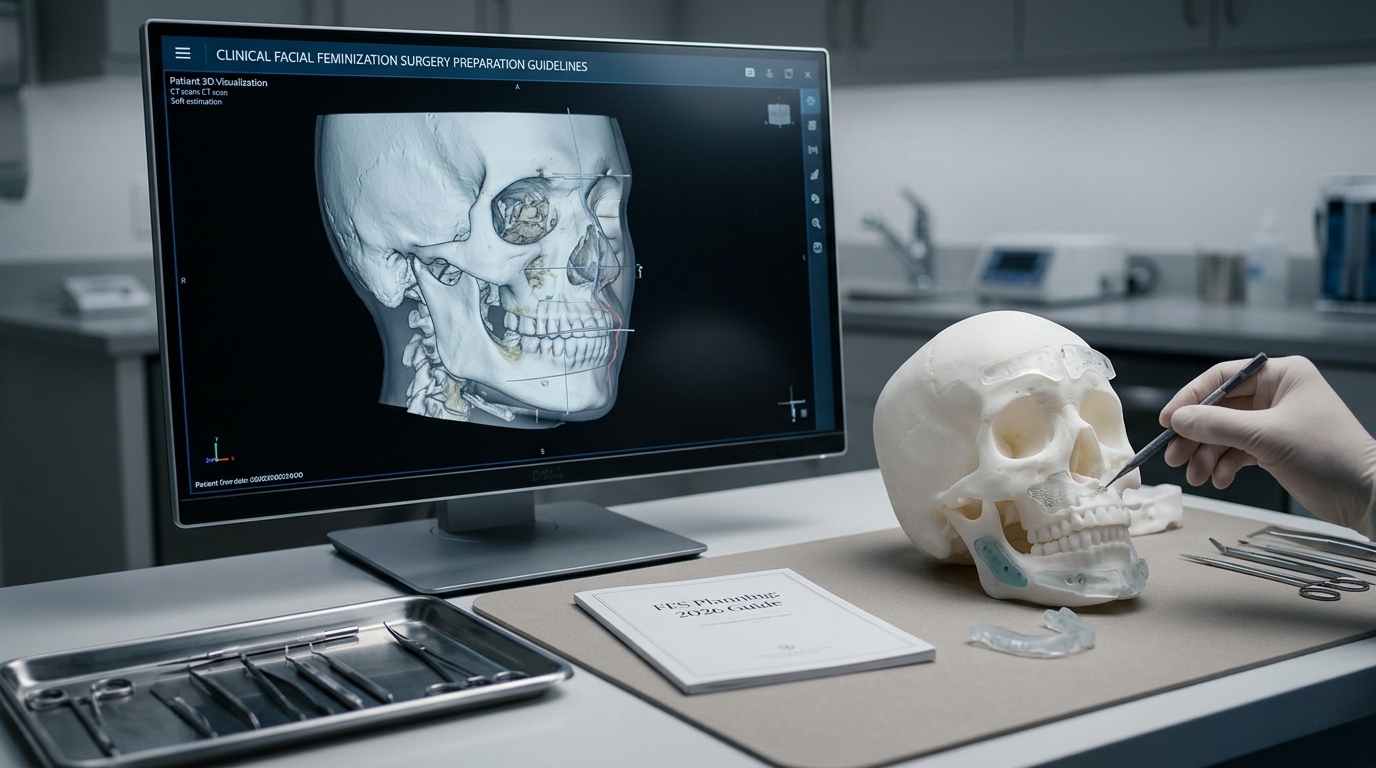
In modern gender-affirming surgery, advanced imaging techniques play an increasingly vital role in preoperative planning. While not always a standard for every abdominoplasty, for complex cases or when combining multiple body contouring procedures, technologies like high-resolution 3D imaging can provide invaluable data. These tools can create a precise three-dimensional model of the patient’s torso, allowing the surgeon to accurately map out fat deposits, assess muscle integrity, and visualize potential outcomes. This level of detail aids in precise measurements and ensures a customized surgical approach (MTFsurgery.net, 2024).
Virtual surgical planning (VSP) software further enhances this process. Within a virtual environment, the surgeon can simulate different surgical scenarios, demonstrating to the patient how various amounts of skin and fat removal, muscle tightening, and fat redistribution will impact their final contour. This interactive planning fosters realistic expectations and allows for adjustments to the surgical plan based on patient feedback. For instance, simulating the narrowing of the waistline by addressing the flanks with liposuction alongside the tummy tuck helps both the surgeon and patient visualize the enhanced hourglass effect (Rumer Gender Surgery, 2025). This technology also aids in designing custom surgical guides for precise tissue removal or fat injection, particularly in more complex cases involving significant asymmetry or extensive reshaping requirements. The ability to plan and visualize the transformation in detail minimizes surprises during surgery and optimizes the predictability of the aesthetic outcome.
Setting Realistic Expectations
An essential aspect of preoperative planning is setting clear and realistic expectations. The surgeon educates the patient about the surgical process, potential risks, the expected recovery timeline, and the limitations of the procedure. While abdominoplasty can achieve remarkable transformations, it is vital that patients understand that the goal is improvement and feminization, not necessarily perfection. Factors such as skin quality, pre-existing scars, and individual healing responses will influence the final result. Discussion of incision placement and the resulting scars is also crucial. While surgeons strive to place incisions discreetly (e.g., in the bikini line), a tummy tuck does result in a horizontal scar across the lower abdomen, and potentially a scar around the navel if it is repositioned. Ensuring that patients have a thorough understanding of these aspects and feel comfortable with the proposed plan is fundamental to their satisfaction and overall well-being throughout their body feminization journey (MTFsurgery.net, 2024).

Surgical Techniques in Abdominoplasty for Feminization
Abdominoplasty, or tummy tuck, is a sophisticated surgical procedure with several variations, each tailored to the individual’s specific anatomical needs and feminization goals. The choice of technique depends on the amount of excess skin and fat, the degree of muscle laxity, and the desired aesthetic outcome. For transgender women, the goal is not merely a flat abdomen, but one that contributes to a more tapered waist and a harmonious overall feminine body contour. Understanding these techniques is crucial for appreciating the precision involved in sculpting a feminized core.
Standard Abdominoplasty
The most common type, a standard abdominoplasty, is ideal for patients with significant excess skin and fat below the navel, as well as considerable rectus diastasis. The procedure involves a horizontal incision made low on the abdomen, typically extending from hip to hip, carefully placed to be concealed within underwear or swimwear. A second incision is made around the navel to free it from the surrounding skin. The skin and fat are then lifted upwards, revealing the underlying abdominal muscles (Beck Aesthetic Surgery, 2025).
The rectus abdominis muscles, if separated, are meticulously brought together and tightened with sutures, restoring their integrity and creating a firmer abdominal wall. This step is crucial for both functional improvement and achieving a flatter, more defined waist. The excess skin and fat are then pulled down, and the redundant tissue is precisely excised. A new opening is created for the navel, which is then repositioned to a natural, aesthetically pleasing location. The remaining skin is meticulously sutured, resulting in a significantly tighter, smoother abdomen. This technique provides the most dramatic results for overall abdominal reshaping and is often chosen for patients post-significant weight loss (MTFsurgery.net, 2024).
Mini Abdominoplasty
For individuals with less extensive concerns, a mini abdominoplasty may be a suitable option. This technique is designed for patients who have a small amount of loose skin and fat primarily below the navel and perhaps minor muscle laxity. The incision for a mini tummy tuck is shorter than that of a standard abdominoplasty, typically only a few inches long, and is also placed low on the abdomen. Unlike a full tummy tuck, the navel is usually not repositioned. The skin and fat are only lifted in the lower abdominal region, and a smaller amount of excess tissue is removed. Muscle tightening, if necessary, is focused on the lower abdominal muscles. While less invasive, a mini abdominoplasty still provides noticeable improvement for suitable candidates, resulting in a flatter lower abdomen with a shorter scar (Nordesthetics, 2025).
Extended Abdominoplasty and Circumferential Body Lift
In cases where there is significant excess skin and fat extending beyond the abdomen to the flanks, hips, and lower back, an extended abdominoplasty or a circumferential body lift may be recommended. An extended abdominoplasty involves a longer horizontal incision that extends around the hips, allowing for the removal of more tissue from the sides of the torso, further refining the waistline and addressing love handles (TransHealthCare, 2025). This creates a more comprehensive contour, seamlessly transitioning from the front of the abdomen to the lateral aspects of the body.
For individuals with massive weight loss, a circumferential body lift is the most comprehensive option. This procedure involves an incision that extends fully around the entire circumference of the body, allowing for the removal of excess skin and fat from the abdomen, flanks, back, and often the outer thighs and buttocks. This essentially lifts and tightens the entire lower torso, providing the most dramatic and complete reshaping. While resulting in a more extensive scar, the benefits in terms of contour improvement and addressing widespread skin laxity can be life-changing for patients seeking a complete body transformation and a fully feminized silhouette (Beck Aesthetic Surgery, 2025). Regardless of the specific technique, meticulous surgical planning, precise execution, and an artistic eye are paramount to achieving safe, effective, and aesthetically pleasing results that align with the patient’s gender affirmation goals.
Intraoperative Considerations and Challenges
Performing abdominoplasty within the context of body feminization, especially for patients with significant anatomical variations or extensive skin laxity, requires exceptional surgical skill and a deep understanding of intraoperative complexities. The operating room becomes a meticulous environment where precision, adaptability, and the ability to manage potential challenges are paramount to achieving a safe and aesthetically satisfying outcome. Unlike more routine aesthetic procedures, these cases often involve extensive tissue manipulation and delicate balancing of contours, which demand careful consideration of several factors (MTFsurgery.net, 2024).
Managing Tissue Redundancy and Skin Tension
One of the primary intraoperative considerations is the precise management of excess skin and fat. The surgeon must carefully determine the optimal amount of tissue to be removed to achieve a taut, flat abdomen without creating excessive tension on the incision lines. Over-resection can lead to difficulty in closing the wound, compromised blood supply to the skin flap, and an unnatural, pulled appearance. Conversely, under-resection can leave residual laxity, compromising the feminizing effect (Beck Aesthetic Surgery, 2025). The skin flap, which is lifted during the procedure, relies on a delicate network of blood vessels for its viability. Meticulous dissection is necessary to preserve these vessels and ensure adequate blood supply, especially in longer incisions associated with extended abdominoplasty or circumferential body lifts.
Muscle Plication and Navel Repositioning
The repair of rectus diastasis (muscle tightening or plication) is another critical intraoperative step. This involves suturing the separated abdominal muscles along the midline. The surgeon must ensure these sutures are strong enough to hold the muscles securely without creating undue tension or affecting respiratory function. The goal is to restore a firm, supportive abdominal wall, which not only flattens the abdomen but also contributes to a narrower waistline. Concurrently, the repositioning of the navel requires an artistic touch. The navel must be placed in an aesthetically appropriate and natural-looking position on the newly tightened abdominal skin. The creation of a new, natural-looking umbilical opening and careful suturing around it are essential for a harmonious final result (MTFsurgery.net, 2024).
Hemostasis and Drainage
Maintaining meticulous hemostasis (control of bleeding) throughout the surgery is vital to minimize the risk of hematoma (blood collection) formation post-operatively. Extensive dissection is inherent to abdominoplasty, making careful cauterization of small blood vessels necessary. Following the closure of incisions, thin, flexible drainage tubes (Jackson-Pratt drains) are typically placed beneath the skin flap. These drains remove any accumulating fluid (seroma) that can occur during the initial healing phase, thereby reducing swelling, discomfort, and the risk of infection. The drains are usually kept in place for several days to a few weeks, depending on the volume of fluid collected (Beck Aesthetic Surgery, 2025).
Anesthesia and Prolonged Operative Time
Abdominoplasty, especially when combined with extensive liposuction or other body contouring procedures, can be a lengthy surgery, often requiring general anesthesia. Prolonged operative times necessitate careful monitoring of the patient’s vital signs, fluid balance, and temperature by the anesthesia team. The risk of complications such as deep vein thrombosis (DVT) is also higher with longer surgeries, making preventive measures like compression stockings or pneumatic compression devices, and in some cases, anticoagulant medications, crucial. The surgical team must work efficiently and synergistically to minimize operative time while maintaining the highest standards of safety and precision. The sheer volume and intricacy of combined bone and soft tissue work can lead to prolonged operative times, which in turn increases the risks associated with general anesthesia and overall patient recovery (MTFsurgery.net, 2024).
Achieving Symmetry and Smooth Transitions
A significant challenge in body feminization abdominoplasty is achieving optimal symmetry and smooth transitions between the newly contoured abdomen and adjacent areas like the hips, flanks, and lower back. The surgeon must continuously assess the contours during the procedure, often using techniques like intraoperative “pinch tests” to ensure an even removal of fat and skin. When liposuction is performed concurrently, the goal is to create a fluid, natural line that accentuates the waist and flows into the hips without abrupt changes or irregularities. This requires an artistic eye and extensive experience to sculpt a harmonious feminine silhouette that avoids an artificial or “operated” look (Rumer Gender Surgery, 2025). The ability to adapt the surgical plan based on real-time findings and patient-specific anatomy is a hallmark of a highly skilled and experienced gender-affirming surgeon, ensuring that the final outcome is both aesthetically pleasing and aligned with the patient’s vision of their feminized body.

Post-Operative Recovery and Long-Term Management
The post-operative period following abdominoplasty, particularly when integrated into a comprehensive body feminization plan, is a crucial phase that significantly influences the final outcome. Patients must be mentally and physically prepared for a recovery journey that requires patience, diligent self-care, and strict adherence to the surgeon’s instructions. While the initial discomfort and swelling are transient, the full resolution of swelling and the maturation of scars can take many months, revealing the true contours of the feminized core over time (MTFsurgery.net, 2024).
Immediate Post-Operative Period (Days 1-7)
Immediately after surgery, patients will experience swelling, bruising, and discomfort in the abdominal area. Pain medication will be prescribed to manage this discomfort, which is typically moderate during the first few days and gradually subsides (Beck Aesthetic Surgery, 2025). It is common to feel a sensation of tightness across the abdomen due to the muscle repair and skin tightening. Patients are usually advised to walk in a slightly bent-over position for the first few days to avoid putting excessive tension on the incision lines. Maintaining head elevation, even during sleep, is often recommended to help reduce swelling. Drainage tubes, if placed, will collect excess fluid and will be monitored by the surgical team. These are typically removed when the fluid output decreases to a minimal level, usually within a week or two.
Early Recovery (Weeks 1-6)
During the first few weeks, a compression garment is essential. This garment helps to reduce swelling, supports the healing tissues, and promotes optimal contouring. It is typically worn continuously, often for 24 hours a day with breaks for showering, for approximately 4 to 6 weeks (MTFsurgery.net, 2024). Light walking is encouraged from the early days to promote circulation and prevent blood clots, but strenuous activities, heavy lifting, and intense exercise are strictly prohibited for at least six weeks. Patients should avoid any activities that strain the abdominal muscles or elevate blood pressure. Bruising will gradually fade, and while initial swelling may be significant, it will progressively decrease. Follow-up appointments with the surgeon are crucial during this period to monitor healing, remove drains, and address any concerns. Maintaining meticulous incision care as instructed by the surgical team is paramount to prevent infection and optimize scar quality.
Intermediate and Long-Term Recovery (Months 2-12+)
While much of the acute swelling resolves within the first few months, residual swelling can persist for six months to a year, or even longer, especially in areas of extensive tissue manipulation. The final contours of the abdomen will gradually emerge as swelling fully dissipates. Scars will initially appear red and raised but will soften and fade over time, often taking 12 to 18 months to fully mature (Beck Aesthetic Surgery, 2025). Protecting scars from sun exposure is important to prevent hyperpigmentation. Patients can gradually resume more strenuous exercise after receiving clearance from their surgeon, typically around the 6-week mark. Healthy diet and regular exercise are crucial for maintaining the long-term results of abdominoplasty. While the fat cells removed are permanently gone, remaining fat cells can still enlarge if weight is gained, potentially compromising the newly sculpted contour (MTFsurgery.net, 2024).
Potential Complications and Long-Term Stability
Like any major surgical procedure, abdominoplasty carries potential risks, including infection, hematoma, seroma (fluid collection), poor wound healing, numbness, and contour irregularities. Although rare, more serious complications such as blood clots (DVT or pulmonary embolism) are possible. Adhering to all pre- and post-operative instructions significantly minimizes these risks (MTFsurgery.net, 2024). In the long term, while the results of abdominoplasty are remarkably stable, they can be affected by significant weight fluctuations, future pregnancies (though less relevant for transgender women), and the natural aging process. Some patients may require minor touch-up procedures years down the line to maintain their desired aesthetic. Open communication with the surgeon and a commitment to ongoing care are vital for ensuring the sustained success and patient satisfaction with the feminized core, providing an enduring sense of comfort and confidence in their affirmed body.
Functional and Aesthetic Restoration: Beyond a Flat Stomach
The transformative power of abdominoplasty in body feminization extends far beyond purely aesthetic considerations. While the primary goal for many transgender women is to achieve a flatter, tighter, and more feminine abdominal contour, the procedure concurrently offers significant functional benefits. This dual impact—aesthetic enhancement and functional restoration—underscores the comprehensive nature of gender-affirming body contouring, contributing holistically to an individual’s physical comfort, health, and overall quality of life. Understanding these broader outcomes reveals the profound value of abdominoplasty in achieving genuine physical and psychological alignment (Beck Aesthetic Surgery, 2025).
Enhanced Core Strength and Posture
One of the most significant functional improvements derived from abdominoplasty is the restoration of core muscle integrity. By surgically repairing diastasis recti, where the rectus abdominis muscles have separated, the procedure recreates a strong and stable abdominal wall. This muscle tightening (plication) not only flattens the abdomen aesthetically but also significantly enhances core strength. A stronger core provides better support for the spine, which can lead to improved posture and a reduction in lower back pain, a common complaint among individuals with significant abdominal laxity (MTFsurgery.net, 2024). This newfound core stability translates into greater ease and efficiency in daily activities, from lifting objects to engaging in physical exercise, fostering a sense of physical capability and well-being.
Improved Clothing Fit and Comfort
A flatter, tighter abdomen and a more defined waistline dramatically improve the fit and comfort of clothing. For transgender women, this can be a profoundly affirming experience. The elimination of abdominal bulges or excess skin folds allows feminine clothing to drape more naturally and elegantly, conforming to the newly sculpted contours (Rumer Gender Surgery, 2025). This practical benefit contributes significantly to daily comfort and reduces feelings of self-consciousness or dysphoria associated with a body shape that does not align with one’s gender identity. The ability to wear a wider range of clothing styles confidently further reinforces the psychological benefits of the surgery, empowering individuals to express their femininity without physical limitations.
Psychological Well-being and Self-Esteem
Perhaps the most impactful, albeit intangible, benefits of abdominoplasty in body feminization are the profound improvements in psychological well-being, self-esteem, and body image. Living with a body that feels incongruent with one’s gender identity can be a source of significant distress and dysphoria. By surgically reshaping the core to align with feminine ideals, abdominoplasty helps to bridge this gap, allowing individuals to feel more comfortable and authentic in their own skin (Beck Aesthetic Surgery, 2025).
The alleviation of gender dysphoria related to abdominal contour can lead to a significant boost in confidence, enabling individuals to engage more fully in social interactions, relationships, and professional life. This enhanced self-perception often translates into a more positive outlook on life, reduced anxiety, and a greater sense of wholeness. The transformation is not just skin deep; it is an affirmation of identity that empowers individuals to live more authentically and joyfully. The comprehensive approach of feminizing the core through abdominoplasty, often complemented by other body contouring procedures, thus serves as a powerful catalyst for improved mental health and overall life satisfaction, solidifying its critical role in the broader journey of gender affirmation (MTFsurgery.net, 2024).
Choosing the Right Specialist for Your Body Feminization
Embarking on a journey as significant as abdominoplasty within a comprehensive body feminization plan necessitates the selection of a highly specialized and deeply experienced surgeon. This is not a decision to be taken lightly, as the outcome profoundly impacts not only physical appearance but also psychological well-being. The inherent complexity of gender-affirming body contouring, which often involves a delicate balance of fat removal, muscle repair, and skin tightening across multiple areas, demands an expertise that extends beyond general plastic surgery. Therefore, identifying a surgeon with a proven track record in both aesthetic body contouring and, crucially, gender-affirming procedures is paramount (TransHealthCare, 2025).
Dual Expertise in Aesthetic and Gender-Affirming Surgery
An ideal surgeon for body feminization, particularly involving a tummy tuck, should possess dual proficiency. This means they are not only skilled in traditional abdominoplasty techniques but also deeply knowledgeable about the specific anatomical goals and psychological nuances unique to transgender patients. Their expertise should encompass a thorough understanding of how masculine and feminine body shapes differ, and how to sculpt a core that authentically reflects a feminine aesthetic. This includes meticulous planning for the optimal waist-to-hip ratio, understanding how to transition contours smoothly, and an artistic eye for creating natural-looking curves. Such a specialist will be adept at combining abdominoplasty with complementary procedures like liposuction and fat grafting, ensuring a synergistic approach to overall body feminization (Rumer Gender Surgery, 2025).
Their training should ideally include extensive experience in body contouring for patients post-massive weight loss, as many of the challenges, such as significant skin laxity, are analogous. This background equips them with advanced techniques for managing extensive tissue removal and achieving optimal skin redraping. Furthermore, a gender-affirming surgeon will be familiar with the World Professional Association for Transgender Health (WPATH) Standards of Care, which often guide the medical and surgical aspects of transition. This ensures that the care provided is not only technically excellent but also ethically sound and patient-centered (TransHealthCare, 2025).
Leveraging Advanced Technology and Personalized Planning
The chosen specialist should be proficient in utilizing cutting-edge technologies that enhance precision and predictability in abdominoplasty and body contouring. This includes mastery of high-resolution 3D imaging systems and virtual surgical planning (VSP) software. These tools allow for detailed preoperative mapping of fat deposits, muscle laxity, and skin excess, enabling the surgeon to meticulously plan every incision, every degree of muscle tightening, and every volume of fat transfer (MTFsurgery.net, 2024). The ability to visualize potential outcomes virtually and adjust the plan based on patient input is invaluable for aligning expectations and achieving highly customized results. Furthermore, a surgeon who can design and use custom surgical guides, where applicable, demonstrates a commitment to maximizing accuracy and minimizing intraoperative variability.
Compassionate Communication and Patient-Centered Care
Beyond technical prowess, the most effective gender-affirming surgeon will demonstrate profound empathy and a patient-centered approach. This involves engaging in thorough, open, and honest consultations, actively listening to the individual’s unique aesthetic goals, concerns, and emotional needs. They should be able to clearly communicate the surgical process, realistic outcomes, potential risks, and the intricacies of the recovery period (Beck Aesthetic Surgery, 2025). Given the often deeply personal nature of gender affirmation surgery, a compassionate surgeon who fosters a supportive and affirming environment is crucial for the patient’s overall well-being. Verifying credentials, including board certification in plastic surgery, specialized fellowship training, and a portfolio showcasing successful body feminization outcomes, is an indispensable step for prospective patients. Finally, a surgeon who works within or collaborates with a multidisciplinary team, potentially including endocrinologists, mental health professionals, and other specialists, ensures a holistic approach to care, addressing all facets of the patient’s health and transition journey (TransHealthCare, 2025).

Conclusion: The Transformative Impact of a Feminized Core
The decision to undergo abdominoplasty as part of a broader body feminization strategy represents a profound commitment to aligning one’s physical form with their authentic gender identity. As this comprehensive exploration has detailed, the tummy tuck is far more than a simple cosmetic procedure; it is a meticulously planned and expertly executed intervention that addresses the core anatomical differences contributing to masculine body contours. By strategically removing excess skin and fat, and crucially, by tightening the underlying abdominal muscles, abdominoplasty sculpts a flatter, tighter, and more elegantly defined core. This reshaping is instrumental in creating the desired tapered waistline and enhancing the overall feminine silhouette, thereby fostering a deeper sense of self-acceptance and confidence.
Our journey through this topic has highlighted the critical interplay of various surgical techniques. We’ve seen how a standard abdominoplasty provides extensive reshaping for significant laxity, while a mini abdominoplasty offers a solution for more localized concerns. Furthermore, the powerful synergy between abdominoplasty and complementary procedures like liposuction and fat grafting is undeniable. Liposuction meticulously refines the waist and flanks, eliminating stubborn fat deposits that obscure feminine curves, while fat grafting strategically enhances the hips and buttocks, creating a harmonious and balanced lower body contour. This integrated approach allows for a truly individualized transformation, ensuring that each surgical step contributes to a cohesive and natural-looking feminine physique.
The emphasis on preoperative planning cannot be overstated. Advanced imaging techniques and virtual surgical planning tools have revolutionized this phase, empowering surgeons to create precise, three-dimensional blueprints of the desired outcome. This technological integration enhances accuracy, minimizes risks, and fosters realistic patient expectations, making the journey more predictable and reassuring. Intraoperative considerations, including the delicate management of tissue, muscle plication, navel repositioning, and meticulous hemostasis, underscore the high level of surgical expertise required. These complexities, coupled with the need to achieve symmetry and smooth transitions, highlight the importance of an experienced hand in the operating room.
The post-operative recovery, though demanding, is an integral part of the process, requiring patience and dedicated self-care. Adherence to compression garment protocols, activity restrictions, and meticulous wound care is vital for optimal healing and the long-term stability of the results. Beyond the visible aesthetic changes, the functional and psychological benefits of a feminized core are truly transformative. The restoration of core strength and improved posture contribute to physical comfort and well-being, while the enhanced clothing fit and alleviated gender dysphoria profoundly boost self-esteem and confidence. This holistic impact allows transgender women to experience a greater sense of congruence between their inner identity and their outward presentation, leading to a more authentic and joyful life.
Ultimately, the selection of a highly specialized surgeon, one who possesses dual expertise in both aesthetic body contouring and gender-affirming surgery, is the single most critical factor in achieving safe, effective, and profoundly life-altering results. Such a specialist combines technical mastery with compassionate, patient-centered care, guiding individuals through every stage of their journey with expertise and understanding. The evolution of abdominoplasty within body feminization exemplifies the remarkable progress in gender-affirming care, offering hope and tangible transformations for those seeking to embrace their true selves. This procedure, when thoughtfully planned and expertly performed, stands as a powerful testament to the art and science of surgical affirmation, delivering not just a flatter stomach, but a foundational element of a truly feminized and empowered body.
Frequently Asked Questions
What is the primary goal of abdominoplasty in body feminization?
The primary goal is to create a flatter, tighter, and more feminine core by removing excess skin and fat, and tightening weakened abdominal muscles. This helps achieve a more defined waistline and a harmonious body contour for transgender women.
How does a tummy tuck differ from liposuction in body feminization?
A tummy tuck primarily removes excess skin and tightens underlying abdominal muscles, while liposuction focuses on removing localized fat deposits. Often, they are combined: liposuction refines the waist and flanks, and the tummy tuck addresses the front of the abdomen and muscle laxity.
Can abdominoplasty address muscle separation?
Yes, a key component of abdominoplasty is the surgical repair of diastasis recti, which is the separation of the rectus abdominis muscles. This muscle tightening not only flattens the abdomen but also enhances core strength and can improve posture.
What are the functional benefits of abdominoplasty for transgender women?
Beyond aesthetics, functional benefits include enhanced core strength, improved posture, and better clothing fit. These improvements contribute to overall physical comfort, reduce back pain, and alleviate gender dysphoria, leading to increased confidence.
What is the typical recovery time after a tummy tuck in body feminization?
Initial recovery with significant swelling and discomfort lasts a few weeks. Strenuous activities are restricted for at least 6 weeks. Full resolution of swelling and scar maturation can take 6 months to over a year. Adhering to post-operative care, including wearing a compression garment, is crucial.
Why is choosing a specialized surgeon important for body feminization abdominoplasty?
Selecting a surgeon with dual expertise in both aesthetic body contouring and gender-affirming surgery is crucial. They understand the specific anatomical goals and psychological nuances unique to transgender patients, ensuring technically excellent and ethically sound care.
Bibliography
- Beck Aesthetic Surgery. (2025). Body Feminization in Charlotte, NC. https://www.beckaestheticsurgery.com/gender-confirmation/body-feminization/
- MTFsurgery.net. (2024, April 29). Body Feminization Surgery Explained. https://www.mtfsurgery.net/body-feminization.htm
- Nordesthetics. (2025, November 27). Plastic surgery in the EU: Lithuania. https://www.nordesthetics.com/en/plastic-surgery-ir/
- Rumer Gender Surgery. (2025, November 27). Body Contouring and the Transgender Patient. https://rumergendersurgery.com/body-contouring-transgender-patient/
- TransHealthCare. (2025, November 27). Body Sculpting Surgeons. https://www.transhealthcare.org/body-sculpting/
https://www.dr-mfo.com/blog/