Struggling with stubborn lower abdominal fat that resists diet and exercise? You’re not alone. For many, this area remains a persistent challenge, often due to genetics, aging, or post-pregnancy changes. In 2026, two surgical procedures stand out for targeting this concern: liposuction and the mini tummy tuck. But which one is right for you? This guide provides a definitive comparison, helping you make an informed decision based on your body goals, recovery capacity, and long-term expectations.
Understanding the Core Problem: Why Lower Abdominal Fat Is Stubborn
The lower abdomen is a common trouble zone because it often accumulates visceral fat—fat stored deep within the abdominal cavity, surrounding vital organs. Unlike subcutaneous fat (found just beneath the skin), visceral fat is metabolically active and resistant to traditional weight loss methods. Additionally, factors like:
Genetic predisposition to fat storage in the lower belly,
Skin laxity due to aging or significant weight loss,
Weakened or separated abdominal muscles (diastasis recti).
—complicate the issue. Surgical intervention becomes necessary when diet and exercise fail to deliver the desired contour. But not all procedures are equal. Liposuction and mini tummy tucks address different aspects of this problem, and choosing the wrong one can lead to disappointment or even additional surgeries.
Liposuction: Precision Fat Removal Without Skin Tightening
Liposuction is a body contouring procedure designed to remove localized fat deposits through suction. It excels at targeting subcutaneous fat—the layer just beneath the skin—but does not address skin laxity or muscle separation. Here’s what you need to know:
How Liposuction Works for Lower Abdominal Fat
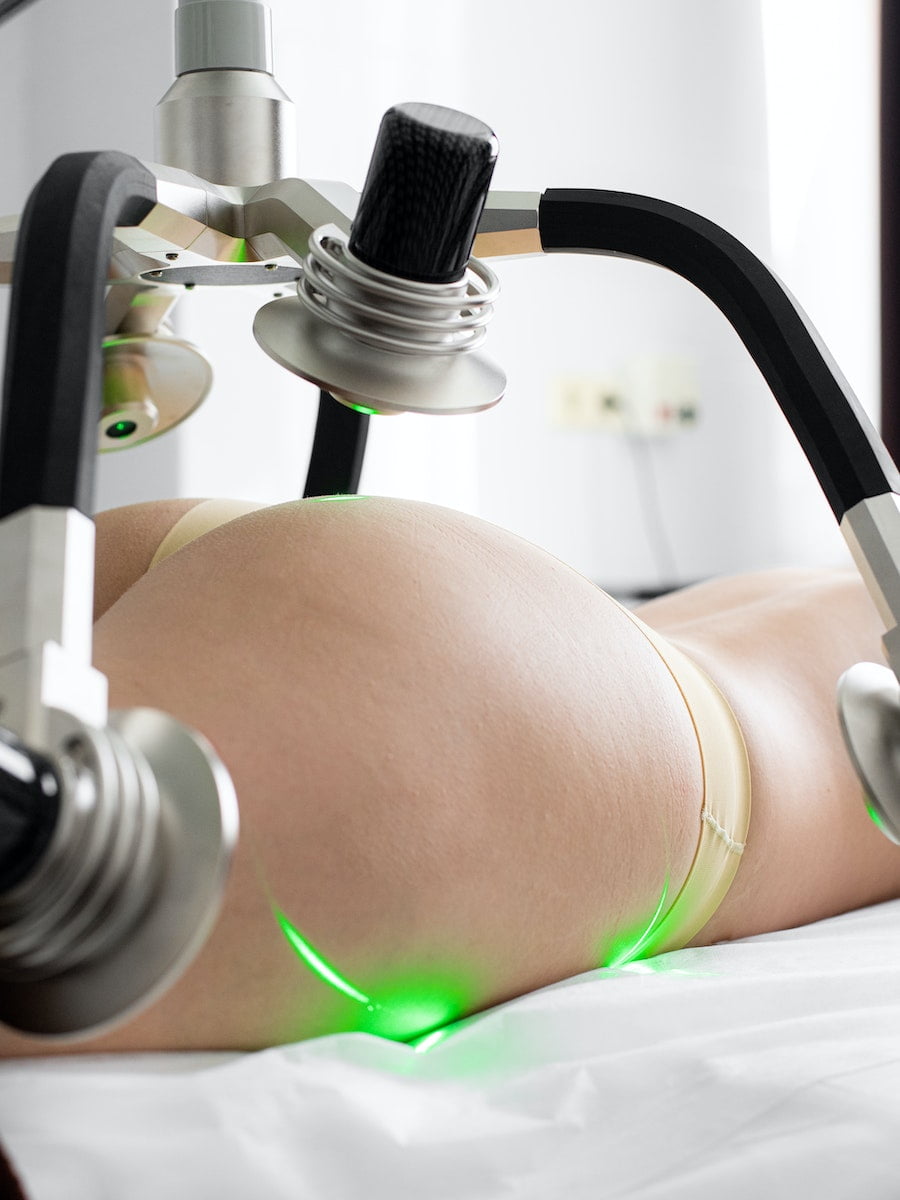
During the procedure, a surgeon makes small incisions near the target area and inserts a thin tube called a cannula. The cannula breaks up fat cells, which are then suctioned out. Modern techniques like VASER liposuction (ultrasound-assisted) or laser liposuction enhance precision and reduce recovery time.
Key Benefits:
Minimal scarring due to small incisions.
Quick recovery—most patients return to work within a week.
Customizable contouring for natural-looking results.
Effective for isolated fat pockets in otherwise toned individuals.
While liposuction is highly effective for fat removal, it does not tighten loose skin or repair separated muscles. If your lower abdomen has significant skin laxity—common after pregnancy or major weight loss—liposuction alone may leave you with a “deflated” appearance. Additionally, it is not a weight-loss solution but rather a body sculpting tool.
Patients seeking fat removal without muscle repair.
Mini Tummy Tuck: Fat Removal Plus Skin and Muscle Tightening
A mini tummy tuck (or mini abdominoplasty) is a less invasive version of a full tummy tuck, focusing solely on the lower abdomen. It combines fat removal with skin tightening and, if necessary, muscle repair. This makes it ideal for those with:
Mild to moderate skin laxity in the lower belly.
Diastasis recti (separated abdominal muscles).
Localized fat deposits resistant to diet and exercise.
How a Mini Tummy Tuck Works
The procedure involves a single incision along the bikini line, through which the surgeon removes excess fat and skin. If needed, the abdominal muscles are tightened with sutures. Unlike a full tummy tuck, the mini version does not address the upper abdomen, making it less invasive with a shorter recovery.
Key Benefits:
Dual action: Removes fat and tightens skin/muscles.
Shorter recovery compared to a full tummy tuck (2–3 weeks).
A mini tummy tuck is not suitable for individuals with significant skin laxity or fat deposits in the upper abdomen. It also requires a slightly longer recovery than liposuction, with more restrictions on physical activity during the healing process.
Ideal Candidates for a Mini Tummy Tuck:
Those with mild to moderate lower abdominal skin laxity.
Patients with diastasis recti or muscle separation.
Individuals seeking both fat removal and skin tightening.
Liposuction vs. Mini Tummy Tuck: A Side-by-Side Comparison
Factor
Liposuction
Mini Tummy Tuck
Primary Goal
Fat removal only
Fat removal + skin/muscle tightening
Skin Laxity
Does not address
Tightens loose skin
Muscle Repair
No
Yes (if diastasis recti present)
Incisions
Small, multiple
Single, along bikini line
Recovery Time
1 week
2–3 weeks
Scarring
Minimal
Hidden but slightly longer
Best For
Good skin elasticity, isolated fat
Mild skin laxity, muscle separation
Which Procedure Is Right for You? A Decision-Making Guide
Choosing between liposuction and a mini tummy tuck depends on your unique anatomy and goals. Use this checklist to evaluate your candidacy:
Step 1: Assess Your Skin Elasticity
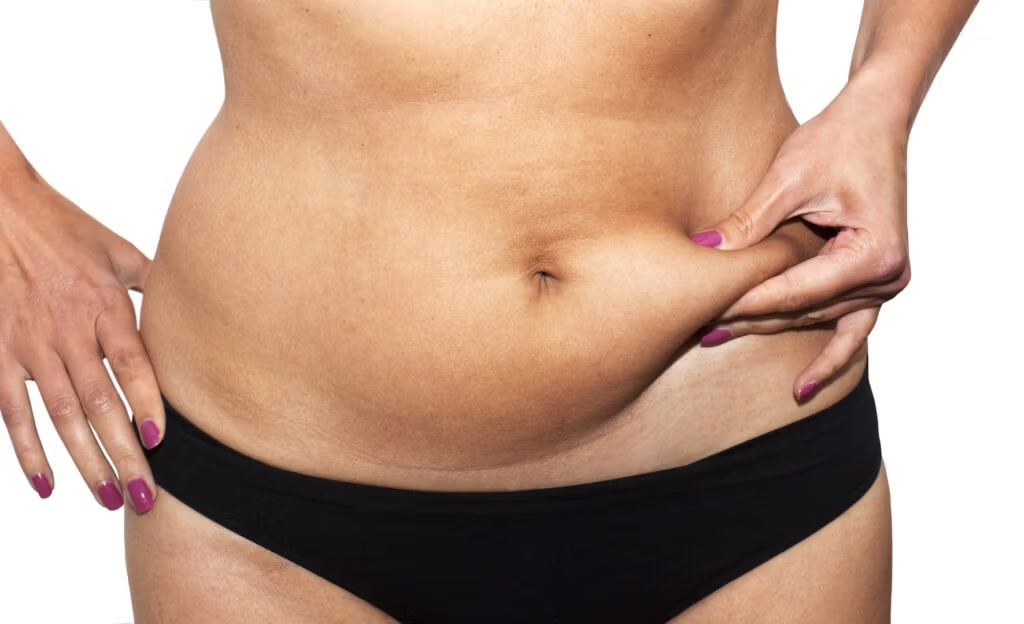
Pinch the skin on your lower abdomen. If it snaps back quickly, your skin elasticity is good, and liposuction may suffice. If it stays tented or sags, a mini tummy tuck is likely the better option.
Step 2: Check for Muscle Separation
Lie on your back and lift your head slightly. If you see a vertical bulge or gap between your abdominal muscles, you have diastasis recti. This condition requires muscle repair, which only a mini tummy tuck can provide.
If fat is concentrated in the lower abdomen and your upper abdomen is flat, a mini tummy tuck can address both fat and skin. If fat is evenly distributed or you have good skin tone, liposuction may be sufficient.
Step 4: Consider Your Recovery Timeline
Liposuction offers a quicker recovery, ideal for those with busy schedules. A mini tummy tuck requires more downtime but delivers comprehensive results. Prioritize your long-term goals over short-term convenience.
Step 5: Consult a Board-Certified Surgeon
Self-assessment is helpful, but a professional evaluation is critical. A board-certified plastic surgeon can analyze your anatomy, discuss your goals, and recommend the safest, most effective procedure. They may also suggest combining techniques for optimal results.
Recovery and Results: What to Expect
Liposuction Recovery
Most patients return to work within 3–7 days. Bruising and swelling subside over 4–6 weeks, with final results visible at 3 months. Compression garments are worn for several weeks to support healing.
Mini Tummy Tuck Recovery
Recovery takes 2–3 weeks, with full activity resuming at 6 weeks. Swelling may persist for months, but results continue to improve over time. Scars fade significantly within a year when properly cared for.
Long-Term Maintenance
Both procedures deliver permanent fat removal, but maintaining results requires a stable weight and healthy lifestyle. Significant weight fluctuations can compromise your outcome.
All surgeries carry risks, but choosing a skilled surgeon and following pre- and post-operative instructions significantly reduces complications. Common risks include:
Infection: Minimized with proper wound care and antibiotics.
Bleeding/Hematoma: Reduced by avoiding blood thinners pre-surgery.
Scarring: Managed with silicone sheets or laser treatments post-surgery.
Numbness: Usually temporary, resolving within months.
Asymmetry: Corrected with revision surgery if necessary.
Your surgeon will provide detailed guidelines to ensure a smooth recovery and optimal results.
Real Patient Stories: Before and After
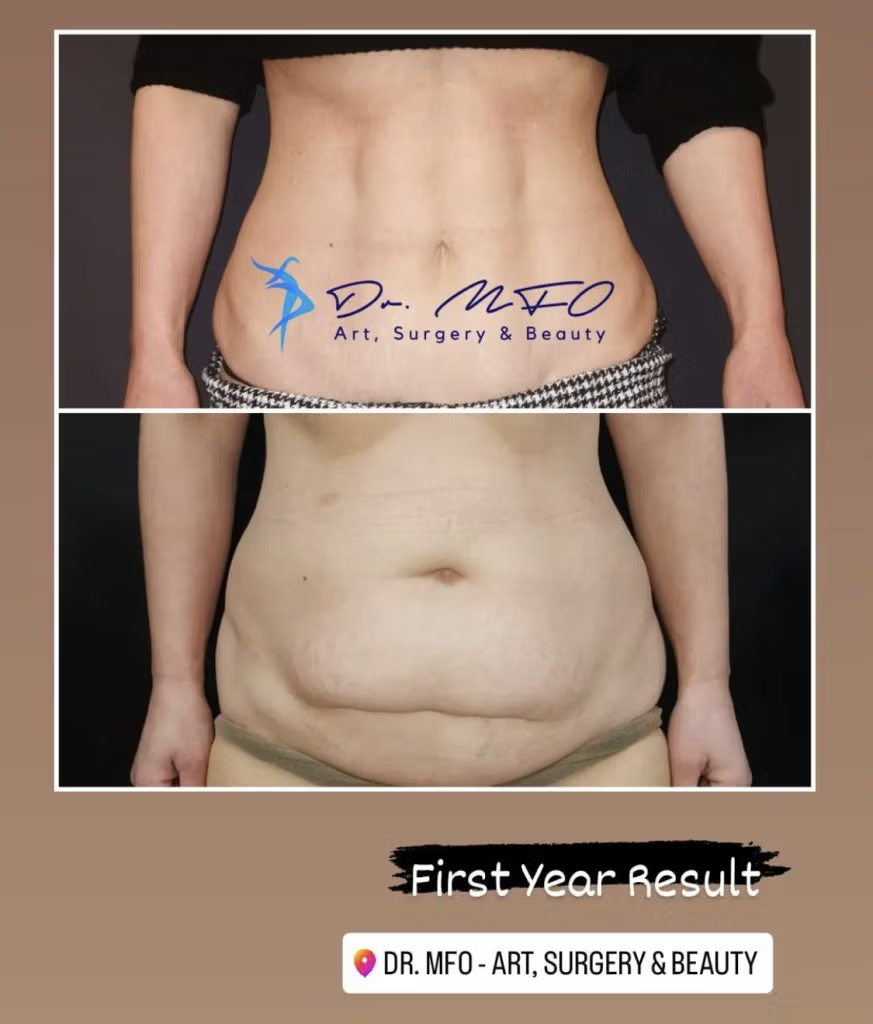
Visual evidence speaks volumes. Explore before-and-after galleries to see how liposuction and mini tummy tucks have transformed real patients. Note the differences in skin tightness, waist definition, and overall contour.
Frequently Asked Questions
Can liposuction tighten loose skin?
No, liposuction removes fat but does not address skin laxity. If you have loose skin, a mini tummy tuck or full abdominoplasty is recommended.
How long do mini tummy tuck results last?
Results are permanent if you maintain a stable weight. Significant weight gain or pregnancy can alter your outcome.
Is a mini tummy tuck less risky than a full tummy tuck?
Yes, a mini tummy tuck is less invasive, with fewer risks and a shorter recovery compared to a full tummy tuck.
Can I combine liposuction with a mini tummy tuck?
Yes, many surgeons combine both procedures for enhanced contouring and skin tightening. This approach is ideal for patients with both fat deposits and mild skin laxity.
What is the ideal weight for these procedures?
You should be within 10–15 pounds of your goal weight. These procedures are not weight-loss solutions but body contouring tools.
How do I prepare for surgery?
Your surgeon will provide specific instructions, but generally, you should avoid smoking, blood thinners, and certain supplements for at least two weeks before surgery. Stay hydrated and maintain a healthy diet to optimize healing.
Ready to take the next step? Schedule a consultation with a board-certified surgeon to discuss your options and create a personalized treatment plan.
The journey of gender affirmation is deeply personal and transformative, often involving a comprehensive approach to align one’s physical appearance with their authentic identity. For many transgender women, achieving a more feminine body contour extends beyond hormonal therapy and often includes surgical interventions. Among these, the tummy tuck, scientifically known as abdominoplasty, plays a pivotal role. This procedure is not merely about aesthetic enhancement; it is a critical component in sculpting a core that resonates with feminine proportions, fostering profound psychological well-being and enhancing self-confidence.
The human body naturally distributes fat and develops muscle tone in patterns that differ significantly between sexes. While estrogen therapy can promote some feminization of fat distribution, it often falls short of entirely reshaping the abdominal and core region to a desired feminine silhouette. Traditional masculine body shapes may feature a “boxier” torso and a tendency to store fat predominantly in the abdomen, rather than the hips and thighs (Rumer Gender Surgery, 2025). This can create a disconnect between an individual’s internal sense of self and their external presentation, leading to gender dysphoria.
Abdominoplasty specifically addresses these discrepancies by removing excess skin and fat from the midsection, and critically, by tightening weakened or separated abdominal muscles. This combination creates a flatter, firmer abdominal wall and a more defined waistline, which are key characteristics of a feminine physique. The procedure is particularly beneficial for individuals who have experienced significant weight loss, as it effectively addresses the resulting loose, sagging skin that diet and exercise alone cannot remedy. Beyond weight loss, it serves transgender women seeking to meticulously refine their core, achieving a contour that aligns with their gender affirmation goals (Beck Aesthetic Surgery, 2025).
This comprehensive guide will explore the multifaceted role of abdominoplasty within the broader context of body feminization. We will delve into the anatomical considerations that distinguish masculine and feminine abdominal contours, explaining how surgeons strategically approach the core to create a more tapered waist-to-hip ratio and a smoother, more elegant midsection. Understanding the nuances of fat distribution and skin elasticity is paramount, as these factors directly influence surgical planning and the selection of techniques, including various forms of liposuction and fat grafting that often complement a tummy tuck.
Furthermore, this article will meticulously detail the preoperative planning process, emphasizing the importance of individualized assessment and the role of advanced imaging technologies in achieving optimal, natural-looking results. We will examine the surgical techniques employed, discussing how the removal of excess skin, subcutaneous fat, and the repair of rectus diastasis (separated abdominal muscles) contribute to a flatter, more sculpted core. The discussion will extend to the critical intraoperative considerations, including the delicate balance of tissue preservation and contouring, as well as potential challenges that may arise in complex cases.
The post-operative recovery phase is equally vital to the success of abdominoplasty in body feminization, requiring careful adherence to medical instructions and a profound understanding of the healing process. We will outline what patients can expect during recovery, including managing swelling, pain, and activity restrictions, and discuss strategies for long-term maintenance of results. Crucially, we will also explore the broader impacts of abdominoplasty, highlighting not only its aesthetic benefits but also its profound contributions to functional restoration, such as improved core strength and posture, and the undeniable psychological uplift it provides. Finally, we will underscore the importance of selecting a highly experienced and compassionate surgeon who specializes in gender-affirming body contouring, ensuring that patients receive care that is technically excellent, ethically sound, and profoundly affirming of their identity. This journey is about crafting a physical form that truly reflects the individual’s inner self, empowering them to live with greater confidence and comfort in their own skin (MTFsurgery.net, 2024).
Understanding the Abdomen in Body Feminization
The abdomen and core region are fundamental to the overall perception of body shape and, consequently, gender. While breast augmentation and hip/buttock enhancements are often central to body feminization, achieving a refined waist and a flat, smooth abdomen is equally crucial for creating a harmonious and distinctly feminine silhouette. Masculine body types typically exhibit a more rectangular or “apple-shaped” torso, where fat tends to accumulate centrally around the waist and upper abdomen. This distribution can result in a thicker midsection and a less defined waist-to-hip ratio, even in individuals who are otherwise lean. Conversely, feminine body contours are often characterized by a narrower, more tapered waist, a flatter abdomen, and a lower waist-to-hip ratio, contributing to the classic “hourglass” or “pear” shapes where fat is distributed more towards the hips, buttocks, and thighs (MTFsurgery.net, 2024).
For transgender women, hormonal therapy with estrogen can initiate a shift in fat distribution, encouraging some fat deposition in typically feminine areas. However, this shift is often limited and may not fully address pre-existing masculine fat deposits, particularly in the abdomen. Furthermore, factors such as genetics, age, and significant weight fluctuations can lead to excess skin and weakened abdominal muscles that estrogen alone cannot rectify. This is where abdominoplasty becomes indispensable. A tummy tuck specifically targets these core masculine characteristics, offering a powerful surgical solution to create a significantly flatter, tighter, and more elegantly contoured abdominal wall (Beck Aesthetic Surgery, 2025).
The underlying musculature of the abdomen also plays a vital role. The rectus abdominis muscles, commonly known as the “six-pack” muscles, can separate and stretch, a condition known as rectus diastasis. This is frequently seen after pregnancy or significant weight gain, but can also be present in individuals regardless of these factors, contributing to a protruding abdominal appearance that resists diet and exercise. During an abdominoplasty, these muscles are carefully brought back together and tightened, restoring the structural integrity of the abdominal wall. This internal repair provides a firmer foundation, further flattening the abdomen and narrowing the waist, which is a key component of achieving a feminine core (Rumer Gender Surgery, 2025).
Moreover, the amount and elasticity of the skin are critical considerations. Excess, loose skin around the abdomen, often a consequence of substantial weight loss or simply genetic predisposition, can create folds and a less taut appearance. A tummy tuck meticulously removes this redundant skin, creating a smooth, tight abdominal surface. The strategic repositioning of the navel (belly button) is also a crucial aspect, ensuring a natural and aesthetically pleasing outcome that complements the newly sculpted waistline. Without addressing both the excess skin and the underlying muscle laxity, the full feminizing potential of abdominal contouring cannot be realized. Therefore, a comprehensive understanding of these anatomical elements is the bedrock for successful abdominoplasty in gender affirmation, enabling surgeons to craft a core that is not only aesthetically feminine but also structurally sound and harmonious with the patient’s overall body goals.
The Role of Abdominoplasty in Body Feminization
Abdominoplasty, widely recognized as a tummy tuck, is a cornerstone procedure in body feminization for transgender women, particularly for those seeking a significantly flatter, tighter core and a more defined waistline. Its significance lies in its ability to address multiple physical challenges that contribute to a masculine body shape, offering a comprehensive solution that other procedures cannot fully achieve. The primary objectives of abdominoplasty in this context are multifaceted: to remove excess skin and fat, to repair weakened or separated abdominal muscles, and to sculpt a more tapered waist-to-hip ratio. These elements are vital for transforming the torso into a contour that is distinctly feminine and harmonizes with other feminizing body procedures (Beck Aesthetic Surgery, 2025).
Addressing Excess Skin and Fat
One of the most visible masculine characteristics that abdominoplasty resolves is the presence of excess skin and stubborn fat deposits in the abdominal region. While diet and exercise can reduce overall body fat, they often fail to eliminate localized pockets of fat that are genetically predetermined or to tighten skin that has lost its elasticity due to significant weight fluctuations or aging. For many transgender women, this can manifest as a “paunch” or loose skin folds that obscure a feminine waistline and detract from desired body goals. A tummy tuck surgically excises this redundant skin and fat, creating a smooth, taut abdominal surface. This removal directly contributes to a more streamlined profile, which is crucial for achieving the softer, more slender core typically associated with feminine anatomy (MTFsurgery.net, 2024).
Beyond external fat and skin, the internal structure of the abdomen is equally important. Many individuals, including transgender women, may have weakened or separated rectus abdominis muscles, a condition known as diastasis recti. This separation can cause the abdomen to bulge outward, even in individuals with minimal body fat, creating an undesirably full or masculine appearance. During abdominoplasty, the surgeon meticulously sutures these muscles back together, tightening the abdominal wall. This internal repair not only creates a flatter abdomen but also provides enhanced core support, which can improve posture and alleviate certain types of back pain. The restoration of muscle integrity is a key functional benefit that directly contributes to the aesthetic goal of a feminine core by creating a strong, firm foundation (Beck Aesthetic Surgery, 2025).
Sculpting a Tapered Waistline
A central tenet of body feminization is the creation of a desirable waist-to-hip ratio. Masculine body shapes often lack a distinct waist, appearing more columnar. Abdominoplasty, especially when combined with liposuction of the flanks and lower back, can dramatically reshape the torso to create a more tapered and cinched waist. By removing fat from the sides and back and tightening the front abdominal wall, the surgeon can sculpt a more hourglass-like figure, or a refined “V-shape” that flows gracefully into the hips and buttocks. This contouring of the waist is paramount for establishing a feminine silhouette, allowing clothing to drape more fluidly and enhancing the overall perceived femininity of the body (Rumer Gender Surgery, 2025). The precise planning of this contouring often involves a delicate balance of removal and redistribution, ensuring that the final result is natural and proportionate to the individual’s unique body type. This synergistic approach, where excess tissue is removed and the remaining structures are tightened and reshaped, ensures that the abdomen becomes a central feature of a newly feminized body, contributing significantly to both aesthetics and the patient’s embodied sense of self.
While abdominoplasty is a powerful tool for achieving a flatter, tighter core, its effectiveness in body feminization is often significantly amplified when combined with complementary procedures. These synergistic interventions work together to create a more comprehensive and harmonious feminine body contour, addressing areas that a standalone tummy tuck might not fully encompass. The most common and impactful complementary procedures include liposuction, particularly of the flanks and lower back, and fat grafting, often directed towards the hips and buttocks. The strategic combination of these techniques allows for a truly bespoke approach, tailoring the transformation to each individual’s unique anatomy and desired aesthetic (TransHealthCare, 2025).
Liposuction: Refining the Waist and Flanks
Liposuction is an indispensable partner to abdominoplasty in body feminization. While a tummy tuck primarily focuses on the removal of excess skin and tightening of muscles in the front of the abdomen, liposuction targets localized fat deposits that contribute to a masculine waistline and torso shape. In transgender women, fat often accumulates around the waist, love handles (flanks), and lower back, creating a “boxy” or less curvaceous appearance (Rumer Gender Surgery, 2025). By meticulously removing this unwanted fat, liposuction sculpts a more tapered and defined waist, significantly improving the waist-to-hip ratio.
The procedure involves small, discreet incisions through which a thin cannula is inserted to break up and suction out fat cells (Beck Aesthetic Surgery, 2025). The amount of fat removed and the precise areas targeted are determined during the preoperative planning phase to ensure a smooth transition from the newly tightened abdomen to the surrounding areas. Advanced liposuction techniques, such as SmartLipo (laser-assisted) or SAFELipo (separation, aspiration, fat equalization), can offer enhanced fat removal, minimize trauma to surrounding tissues, and potentially promote skin tightening by stimulating collagen production (MTFsurgery.net, 2024). When performed in conjunction with abdominoplasty, liposuction allows for a more comprehensive reshaping of the entire midsection, transitioning from the anterior abdominal wall to the sides and back, thereby creating a truly feminized core silhouette.
Fat Grafting: Enhancing Hips and Buttocks
Another powerful complementary procedure is fat grafting, often referred to as fat transfer or a Brazilian Butt Lift (BBL). This technique leverages the fat removed during liposuction to augment other areas of the body, particularly the hips and buttocks, thereby enhancing feminine curves (Rumer Gender Surgery, 2025). After liposuction, the harvested fat is processed to purify the fat cells. These purified fat cells are then carefully injected into specific areas of the hips and buttocks to create more volume, projection, and a rounded, curvaceous contour that is characteristic of a feminine physique. This strategic redistribution of fat is crucial for balancing the newly contoured waist and abdomen with fuller, more shapely lower body features.
For transgender women, this can be particularly transformative, as it helps to create the desired “hourglass” or “pear” shape, where the waist is narrow and the hips and buttocks are proportionally fuller. The use of autologous fat (the patient’s own fat) for grafting has several advantages: it is a natural material, eliminates the risk of allergic reactions, and often yields very natural-looking and feeling results. Furthermore, it allows for a dual benefit—reduction in unwanted fat from one area and augmentation in a desired area—maximizing the feminizing effect from a single surgical session (MTFsurgery.net, 2024). The careful planning of fat injection points and volumes is essential to ensure symmetrical and aesthetically pleasing results that contribute to an overall harmonious body feminization.
Other Body Contouring Procedures
Beyond liposuction and fat grafting, other body contouring procedures may be considered to achieve a comprehensive feminine aesthetic. These can include thigh lifts, arm lifts, and breast augmentation, each addressing specific areas to create a more unified feminine form (Nordesthetics, 2025; TransHealthCare, 2025). For example, a thigh lift can address excess skin and fat in the inner or outer thighs, which might become more noticeable after significant changes to the abdomen and hips. Arm lifts (brachioplasty) can refine the upper arms, especially for those with considerable loose skin. Breast augmentation is frequently performed as part of body feminization to create a more prominent and feminine chest contour, often planned in conjunction with core shaping to ensure overall balance and proportion (Beck Aesthetic Surgery, 2025). The decision to combine these procedures is always individualized, based on the patient’s unique anatomy, aesthetic goals, and overall health. The aim is to create a holistic transformation, where each surgical step complements the others to achieve a body contour that truly reflects the individual’s affirmed gender identity.
Preoperative Planning: The Blueprint for a Feminine Core
The success of abdominoplasty and its complementary procedures in body feminization hinges critically on meticulous preoperative planning. This phase is where the surgeon and patient collaborate to define realistic goals, assess anatomical realities, and formulate a precise surgical strategy. For transgender women seeking to feminize their core, this planning transcends standard aesthetic considerations, incorporating a deep understanding of gender-affirming principles to ensure the outcome aligns with their identity. A comprehensive preoperative assessment lays the groundwork for a safe, effective, and profoundly transformative procedure (MTFsurgery.net, 2024).
Comprehensive Patient Evaluation
The initial step involves a thorough review of the patient’s medical history, including any previous surgeries, current medications, allergies, and lifestyle habits such as smoking, which can significantly impact healing (MTFsurgery.net, 2024). A detailed discussion about the patient’s gender affirmation journey and their specific aesthetic goals for the abdomen and overall body contour is paramount. It is crucial to understand what “feminine core” means to each individual, as aesthetic ideals can vary. The surgeon assesses the patient’s current weight, ensuring they are at or close to their ideal body weight, as abdominoplasty is a contouring procedure, not a weight-loss solution. Patients must also demonstrate a commitment to maintaining a healthy lifestyle post-surgery (Beck Aesthetic Surgery, 2025).
A physical examination focuses on evaluating the quality and elasticity of the abdominal skin, the extent of excess skin and fat, and the presence and degree of rectus diastasis. The surgeon will also assess the overall body proportions, including the waist-to-hip ratio, and identify any other areas that could benefit from complementary procedures like liposuction or fat grafting to achieve a harmonious result. This holistic view ensures that the abdominal transformation integrates seamlessly with the rest of the body, avoiding an isolated or disproportionate outcome.
Advanced Imaging and Virtual Surgical Planning
In modern gender-affirming surgery, advanced imaging techniques play an increasingly vital role in preoperative planning. While not always a standard for every abdominoplasty, for complex cases or when combining multiple body contouring procedures, technologies like high-resolution 3D imaging can provide invaluable data. These tools can create a precise three-dimensional model of the patient’s torso, allowing the surgeon to accurately map out fat deposits, assess muscle integrity, and visualize potential outcomes. This level of detail aids in precise measurements and ensures a customized surgical approach (MTFsurgery.net, 2024).
Virtual surgical planning (VSP) software further enhances this process. Within a virtual environment, the surgeon can simulate different surgical scenarios, demonstrating to the patient how various amounts of skin and fat removal, muscle tightening, and fat redistribution will impact their final contour. This interactive planning fosters realistic expectations and allows for adjustments to the surgical plan based on patient feedback. For instance, simulating the narrowing of the waistline by addressing the flanks with liposuction alongside the tummy tuck helps both the surgeon and patient visualize the enhanced hourglass effect (Rumer Gender Surgery, 2025). This technology also aids in designing custom surgical guides for precise tissue removal or fat injection, particularly in more complex cases involving significant asymmetry or extensive reshaping requirements. The ability to plan and visualize the transformation in detail minimizes surprises during surgery and optimizes the predictability of the aesthetic outcome.
Setting Realistic Expectations
An essential aspect of preoperative planning is setting clear and realistic expectations. The surgeon educates the patient about the surgical process, potential risks, the expected recovery timeline, and the limitations of the procedure. While abdominoplasty can achieve remarkable transformations, it is vital that patients understand that the goal is improvement and feminization, not necessarily perfection. Factors such as skin quality, pre-existing scars, and individual healing responses will influence the final result. Discussion of incision placement and the resulting scars is also crucial. While surgeons strive to place incisions discreetly (e.g., in the bikini line), a tummy tuck does result in a horizontal scar across the lower abdomen, and potentially a scar around the navel if it is repositioned. Ensuring that patients have a thorough understanding of these aspects and feel comfortable with the proposed plan is fundamental to their satisfaction and overall well-being throughout their body feminization journey (MTFsurgery.net, 2024).
Surgical Techniques in Abdominoplasty for Feminization
Abdominoplasty, or tummy tuck, is a sophisticated surgical procedure with several variations, each tailored to the individual’s specific anatomical needs and feminization goals. The choice of technique depends on the amount of excess skin and fat, the degree of muscle laxity, and the desired aesthetic outcome. For transgender women, the goal is not merely a flat abdomen, but one that contributes to a more tapered waist and a harmonious overall feminine body contour. Understanding these techniques is crucial for appreciating the precision involved in sculpting a feminized core.
Standard Abdominoplasty
The most common type, a standard abdominoplasty, is ideal for patients with significant excess skin and fat below the navel, as well as considerable rectus diastasis. The procedure involves a horizontal incision made low on the abdomen, typically extending from hip to hip, carefully placed to be concealed within underwear or swimwear. A second incision is made around the navel to free it from the surrounding skin. The skin and fat are then lifted upwards, revealing the underlying abdominal muscles (Beck Aesthetic Surgery, 2025).
The rectus abdominis muscles, if separated, are meticulously brought together and tightened with sutures, restoring their integrity and creating a firmer abdominal wall. This step is crucial for both functional improvement and achieving a flatter, more defined waist. The excess skin and fat are then pulled down, and the redundant tissue is precisely excised. A new opening is created for the navel, which is then repositioned to a natural, aesthetically pleasing location. The remaining skin is meticulously sutured, resulting in a significantly tighter, smoother abdomen. This technique provides the most dramatic results for overall abdominal reshaping and is often chosen for patients post-significant weight loss (MTFsurgery.net, 2024).
Mini Abdominoplasty
For individuals with less extensive concerns, a mini abdominoplasty may be a suitable option. This technique is designed for patients who have a small amount of loose skin and fat primarily below the navel and perhaps minor muscle laxity. The incision for a mini tummy tuck is shorter than that of a standard abdominoplasty, typically only a few inches long, and is also placed low on the abdomen. Unlike a full tummy tuck, the navel is usually not repositioned. The skin and fat are only lifted in the lower abdominal region, and a smaller amount of excess tissue is removed. Muscle tightening, if necessary, is focused on the lower abdominal muscles. While less invasive, a mini abdominoplasty still provides noticeable improvement for suitable candidates, resulting in a flatter lower abdomen with a shorter scar (Nordesthetics, 2025).
Extended Abdominoplasty and Circumferential Body Lift
In cases where there is significant excess skin and fat extending beyond the abdomen to the flanks, hips, and lower back, an extended abdominoplasty or a circumferential body lift may be recommended. An extended abdominoplasty involves a longer horizontal incision that extends around the hips, allowing for the removal of more tissue from the sides of the torso, further refining the waistline and addressing love handles (TransHealthCare, 2025). This creates a more comprehensive contour, seamlessly transitioning from the front of the abdomen to the lateral aspects of the body.
For individuals with massive weight loss, a circumferential body lift is the most comprehensive option. This procedure involves an incision that extends fully around the entire circumference of the body, allowing for the removal of excess skin and fat from the abdomen, flanks, back, and often the outer thighs and buttocks. This essentially lifts and tightens the entire lower torso, providing the most dramatic and complete reshaping. While resulting in a more extensive scar, the benefits in terms of contour improvement and addressing widespread skin laxity can be life-changing for patients seeking a complete body transformation and a fully feminized silhouette (Beck Aesthetic Surgery, 2025). Regardless of the specific technique, meticulous surgical planning, precise execution, and an artistic eye are paramount to achieving safe, effective, and aesthetically pleasing results that align with the patient’s gender affirmation goals.
Intraoperative Considerations and Challenges
Performing abdominoplasty within the context of body feminization, especially for patients with significant anatomical variations or extensive skin laxity, requires exceptional surgical skill and a deep understanding of intraoperative complexities. The operating room becomes a meticulous environment where precision, adaptability, and the ability to manage potential challenges are paramount to achieving a safe and aesthetically satisfying outcome. Unlike more routine aesthetic procedures, these cases often involve extensive tissue manipulation and delicate balancing of contours, which demand careful consideration of several factors (MTFsurgery.net, 2024).
Managing Tissue Redundancy and Skin Tension
One of the primary intraoperative considerations is the precise management of excess skin and fat. The surgeon must carefully determine the optimal amount of tissue to be removed to achieve a taut, flat abdomen without creating excessive tension on the incision lines. Over-resection can lead to difficulty in closing the wound, compromised blood supply to the skin flap, and an unnatural, pulled appearance. Conversely, under-resection can leave residual laxity, compromising the feminizing effect (Beck Aesthetic Surgery, 2025). The skin flap, which is lifted during the procedure, relies on a delicate network of blood vessels for its viability. Meticulous dissection is necessary to preserve these vessels and ensure adequate blood supply, especially in longer incisions associated with extended abdominoplasty or circumferential body lifts.
Muscle Plication and Navel Repositioning
The repair of rectus diastasis (muscle tightening or plication) is another critical intraoperative step. This involves suturing the separated abdominal muscles along the midline. The surgeon must ensure these sutures are strong enough to hold the muscles securely without creating undue tension or affecting respiratory function. The goal is to restore a firm, supportive abdominal wall, which not only flattens the abdomen but also contributes to a narrower waistline. Concurrently, the repositioning of the navel requires an artistic touch. The navel must be placed in an aesthetically appropriate and natural-looking position on the newly tightened abdominal skin. The creation of a new, natural-looking umbilical opening and careful suturing around it are essential for a harmonious final result (MTFsurgery.net, 2024).
Hemostasis and Drainage
Maintaining meticulous hemostasis (control of bleeding) throughout the surgery is vital to minimize the risk of hematoma (blood collection) formation post-operatively. Extensive dissection is inherent to abdominoplasty, making careful cauterization of small blood vessels necessary. Following the closure of incisions, thin, flexible drainage tubes (Jackson-Pratt drains) are typically placed beneath the skin flap. These drains remove any accumulating fluid (seroma) that can occur during the initial healing phase, thereby reducing swelling, discomfort, and the risk of infection. The drains are usually kept in place for several days to a few weeks, depending on the volume of fluid collected (Beck Aesthetic Surgery, 2025).
Anesthesia and Prolonged Operative Time
Abdominoplasty, especially when combined with extensive liposuction or other body contouring procedures, can be a lengthy surgery, often requiring general anesthesia. Prolonged operative times necessitate careful monitoring of the patient’s vital signs, fluid balance, and temperature by the anesthesia team. The risk of complications such as deep vein thrombosis (DVT) is also higher with longer surgeries, making preventive measures like compression stockings or pneumatic compression devices, and in some cases, anticoagulant medications, crucial. The surgical team must work efficiently and synergistically to minimize operative time while maintaining the highest standards of safety and precision. The sheer volume and intricacy of combined bone and soft tissue work can lead to prolonged operative times, which in turn increases the risks associated with general anesthesia and overall patient recovery (MTFsurgery.net, 2024).
Achieving Symmetry and Smooth Transitions
A significant challenge in body feminization abdominoplasty is achieving optimal symmetry and smooth transitions between the newly contoured abdomen and adjacent areas like the hips, flanks, and lower back. The surgeon must continuously assess the contours during the procedure, often using techniques like intraoperative “pinch tests” to ensure an even removal of fat and skin. When liposuction is performed concurrently, the goal is to create a fluid, natural line that accentuates the waist and flows into the hips without abrupt changes or irregularities. This requires an artistic eye and extensive experience to sculpt a harmonious feminine silhouette that avoids an artificial or “operated” look (Rumer Gender Surgery, 2025). The ability to adapt the surgical plan based on real-time findings and patient-specific anatomy is a hallmark of a highly skilled and experienced gender-affirming surgeon, ensuring that the final outcome is both aesthetically pleasing and aligned with the patient’s vision of their feminized body.
Post-Operative Recovery and Long-Term Management
The post-operative period following abdominoplasty, particularly when integrated into a comprehensive body feminization plan, is a crucial phase that significantly influences the final outcome. Patients must be mentally and physically prepared for a recovery journey that requires patience, diligent self-care, and strict adherence to the surgeon’s instructions. While the initial discomfort and swelling are transient, the full resolution of swelling and the maturation of scars can take many months, revealing the true contours of the feminized core over time (MTFsurgery.net, 2024).
Immediate Post-Operative Period (Days 1-7)
Immediately after surgery, patients will experience swelling, bruising, and discomfort in the abdominal area. Pain medication will be prescribed to manage this discomfort, which is typically moderate during the first few days and gradually subsides (Beck Aesthetic Surgery, 2025). It is common to feel a sensation of tightness across the abdomen due to the muscle repair and skin tightening. Patients are usually advised to walk in a slightly bent-over position for the first few days to avoid putting excessive tension on the incision lines. Maintaining head elevation, even during sleep, is often recommended to help reduce swelling. Drainage tubes, if placed, will collect excess fluid and will be monitored by the surgical team. These are typically removed when the fluid output decreases to a minimal level, usually within a week or two.
Early Recovery (Weeks 1-6)
During the first few weeks, a compression garment is essential. This garment helps to reduce swelling, supports the healing tissues, and promotes optimal contouring. It is typically worn continuously, often for 24 hours a day with breaks for showering, for approximately 4 to 6 weeks (MTFsurgery.net, 2024). Light walking is encouraged from the early days to promote circulation and prevent blood clots, but strenuous activities, heavy lifting, and intense exercise are strictly prohibited for at least six weeks. Patients should avoid any activities that strain the abdominal muscles or elevate blood pressure. Bruising will gradually fade, and while initial swelling may be significant, it will progressively decrease. Follow-up appointments with the surgeon are crucial during this period to monitor healing, remove drains, and address any concerns. Maintaining meticulous incision care as instructed by the surgical team is paramount to prevent infection and optimize scar quality.
Intermediate and Long-Term Recovery (Months 2-12+)
While much of the acute swelling resolves within the first few months, residual swelling can persist for six months to a year, or even longer, especially in areas of extensive tissue manipulation. The final contours of the abdomen will gradually emerge as swelling fully dissipates. Scars will initially appear red and raised but will soften and fade over time, often taking 12 to 18 months to fully mature (Beck Aesthetic Surgery, 2025). Protecting scars from sun exposure is important to prevent hyperpigmentation. Patients can gradually resume more strenuous exercise after receiving clearance from their surgeon, typically around the 6-week mark. Healthy diet and regular exercise are crucial for maintaining the long-term results of abdominoplasty. While the fat cells removed are permanently gone, remaining fat cells can still enlarge if weight is gained, potentially compromising the newly sculpted contour (MTFsurgery.net, 2024).
Potential Complications and Long-Term Stability
Like any major surgical procedure, abdominoplasty carries potential risks, including infection, hematoma, seroma (fluid collection), poor wound healing, numbness, and contour irregularities. Although rare, more serious complications such as blood clots (DVT or pulmonary embolism) are possible. Adhering to all pre- and post-operative instructions significantly minimizes these risks (MTFsurgery.net, 2024). In the long term, while the results of abdominoplasty are remarkably stable, they can be affected by significant weight fluctuations, future pregnancies (though less relevant for transgender women), and the natural aging process. Some patients may require minor touch-up procedures years down the line to maintain their desired aesthetic. Open communication with the surgeon and a commitment to ongoing care are vital for ensuring the sustained success and patient satisfaction with the feminized core, providing an enduring sense of comfort and confidence in their affirmed body.
Functional and Aesthetic Restoration: Beyond a Flat Stomach
The transformative power of abdominoplasty in body feminization extends far beyond purely aesthetic considerations. While the primary goal for many transgender women is to achieve a flatter, tighter, and more feminine abdominal contour, the procedure concurrently offers significant functional benefits. This dual impact—aesthetic enhancement and functional restoration—underscores the comprehensive nature of gender-affirming body contouring, contributing holistically to an individual’s physical comfort, health, and overall quality of life. Understanding these broader outcomes reveals the profound value of abdominoplasty in achieving genuine physical and psychological alignment (Beck Aesthetic Surgery, 2025).
Enhanced Core Strength and Posture
One of the most significant functional improvements derived from abdominoplasty is the restoration of core muscle integrity. By surgically repairing diastasis recti, where the rectus abdominis muscles have separated, the procedure recreates a strong and stable abdominal wall. This muscle tightening (plication) not only flattens the abdomen aesthetically but also significantly enhances core strength. A stronger core provides better support for the spine, which can lead to improved posture and a reduction in lower back pain, a common complaint among individuals with significant abdominal laxity (MTFsurgery.net, 2024). This newfound core stability translates into greater ease and efficiency in daily activities, from lifting objects to engaging in physical exercise, fostering a sense of physical capability and well-being.
Improved Clothing Fit and Comfort
A flatter, tighter abdomen and a more defined waistline dramatically improve the fit and comfort of clothing. For transgender women, this can be a profoundly affirming experience. The elimination of abdominal bulges or excess skin folds allows feminine clothing to drape more naturally and elegantly, conforming to the newly sculpted contours (Rumer Gender Surgery, 2025). This practical benefit contributes significantly to daily comfort and reduces feelings of self-consciousness or dysphoria associated with a body shape that does not align with one’s gender identity. The ability to wear a wider range of clothing styles confidently further reinforces the psychological benefits of the surgery, empowering individuals to express their femininity without physical limitations.
Psychological Well-being and Self-Esteem
Perhaps the most impactful, albeit intangible, benefits of abdominoplasty in body feminization are the profound improvements in psychological well-being, self-esteem, and body image. Living with a body that feels incongruent with one’s gender identity can be a source of significant distress and dysphoria. By surgically reshaping the core to align with feminine ideals, abdominoplasty helps to bridge this gap, allowing individuals to feel more comfortable and authentic in their own skin (Beck Aesthetic Surgery, 2025).
The alleviation of gender dysphoria related to abdominal contour can lead to a significant boost in confidence, enabling individuals to engage more fully in social interactions, relationships, and professional life. This enhanced self-perception often translates into a more positive outlook on life, reduced anxiety, and a greater sense of wholeness. The transformation is not just skin deep; it is an affirmation of identity that empowers individuals to live more authentically and joyfully. The comprehensive approach of feminizing the core through abdominoplasty, often complemented by other body contouring procedures, thus serves as a powerful catalyst for improved mental health and overall life satisfaction, solidifying its critical role in the broader journey of gender affirmation (MTFsurgery.net, 2024).
Choosing the Right Specialist for Your Body Feminization
Embarking on a journey as significant as abdominoplasty within a comprehensive body feminization plan necessitates the selection of a highly specialized and deeply experienced surgeon. This is not a decision to be taken lightly, as the outcome profoundly impacts not only physical appearance but also psychological well-being. The inherent complexity of gender-affirming body contouring, which often involves a delicate balance of fat removal, muscle repair, and skin tightening across multiple areas, demands an expertise that extends beyond general plastic surgery. Therefore, identifying a surgeon with a proven track record in both aesthetic body contouring and, crucially, gender-affirming procedures is paramount (TransHealthCare, 2025).
Dual Expertise in Aesthetic and Gender-Affirming Surgery
An ideal surgeon for body feminization, particularly involving a tummy tuck, should possess dual proficiency. This means they are not only skilled in traditional abdominoplasty techniques but also deeply knowledgeable about the specific anatomical goals and psychological nuances unique to transgender patients. Their expertise should encompass a thorough understanding of how masculine and feminine body shapes differ, and how to sculpt a core that authentically reflects a feminine aesthetic. This includes meticulous planning for the optimal waist-to-hip ratio, understanding how to transition contours smoothly, and an artistic eye for creating natural-looking curves. Such a specialist will be adept at combining abdominoplasty with complementary procedures like liposuction and fat grafting, ensuring a synergistic approach to overall body feminization (Rumer Gender Surgery, 2025).
Their training should ideally include extensive experience in body contouring for patients post-massive weight loss, as many of the challenges, such as significant skin laxity, are analogous. This background equips them with advanced techniques for managing extensive tissue removal and achieving optimal skin redraping. Furthermore, a gender-affirming surgeon will be familiar with the World Professional Association for Transgender Health (WPATH) Standards of Care, which often guide the medical and surgical aspects of transition. This ensures that the care provided is not only technically excellent but also ethically sound and patient-centered (TransHealthCare, 2025).
Leveraging Advanced Technology and Personalized Planning
The chosen specialist should be proficient in utilizing cutting-edge technologies that enhance precision and predictability in abdominoplasty and body contouring. This includes mastery of high-resolution 3D imaging systems and virtual surgical planning (VSP) software. These tools allow for detailed preoperative mapping of fat deposits, muscle laxity, and skin excess, enabling the surgeon to meticulously plan every incision, every degree of muscle tightening, and every volume of fat transfer (MTFsurgery.net, 2024). The ability to visualize potential outcomes virtually and adjust the plan based on patient input is invaluable for aligning expectations and achieving highly customized results. Furthermore, a surgeon who can design and use custom surgical guides, where applicable, demonstrates a commitment to maximizing accuracy and minimizing intraoperative variability.
Compassionate Communication and Patient-Centered Care
Beyond technical prowess, the most effective gender-affirming surgeon will demonstrate profound empathy and a patient-centered approach. This involves engaging in thorough, open, and honest consultations, actively listening to the individual’s unique aesthetic goals, concerns, and emotional needs. They should be able to clearly communicate the surgical process, realistic outcomes, potential risks, and the intricacies of the recovery period (Beck Aesthetic Surgery, 2025). Given the often deeply personal nature of gender affirmation surgery, a compassionate surgeon who fosters a supportive and affirming environment is crucial for the patient’s overall well-being. Verifying credentials, including board certification in plastic surgery, specialized fellowship training, and a portfolio showcasing successful body feminization outcomes, is an indispensable step for prospective patients. Finally, a surgeon who works within or collaborates with a multidisciplinary team, potentially including endocrinologists, mental health professionals, and other specialists, ensures a holistic approach to care, addressing all facets of the patient’s health and transition journey (TransHealthCare, 2025).
Conclusion: The Transformative Impact of a Feminized Core
The decision to undergo abdominoplasty as part of a broader body feminization strategy represents a profound commitment to aligning one’s physical form with their authentic gender identity. As this comprehensive exploration has detailed, the tummy tuck is far more than a simple cosmetic procedure; it is a meticulously planned and expertly executed intervention that addresses the core anatomical differences contributing to masculine body contours. By strategically removing excess skin and fat, and crucially, by tightening the underlying abdominal muscles, abdominoplasty sculpts a flatter, tighter, and more elegantly defined core. This reshaping is instrumental in creating the desired tapered waistline and enhancing the overall feminine silhouette, thereby fostering a deeper sense of self-acceptance and confidence.
Our journey through this topic has highlighted the critical interplay of various surgical techniques. We’ve seen how a standard abdominoplasty provides extensive reshaping for significant laxity, while a mini abdominoplasty offers a solution for more localized concerns. Furthermore, the powerful synergy between abdominoplasty and complementary procedures like liposuction and fat grafting is undeniable. Liposuction meticulously refines the waist and flanks, eliminating stubborn fat deposits that obscure feminine curves, while fat grafting strategically enhances the hips and buttocks, creating a harmonious and balanced lower body contour. This integrated approach allows for a truly individualized transformation, ensuring that each surgical step contributes to a cohesive and natural-looking feminine physique.
The emphasis on preoperative planning cannot be overstated. Advanced imaging techniques and virtual surgical planning tools have revolutionized this phase, empowering surgeons to create precise, three-dimensional blueprints of the desired outcome. This technological integration enhances accuracy, minimizes risks, and fosters realistic patient expectations, making the journey more predictable and reassuring. Intraoperative considerations, including the delicate management of tissue, muscle plication, navel repositioning, and meticulous hemostasis, underscore the high level of surgical expertise required. These complexities, coupled with the need to achieve symmetry and smooth transitions, highlight the importance of an experienced hand in the operating room.
The post-operative recovery, though demanding, is an integral part of the process, requiring patience and dedicated self-care. Adherence to compression garment protocols, activity restrictions, and meticulous wound care is vital for optimal healing and the long-term stability of the results. Beyond the visible aesthetic changes, the functional and psychological benefits of a feminized core are truly transformative. The restoration of core strength and improved posture contribute to physical comfort and well-being, while the enhanced clothing fit and alleviated gender dysphoria profoundly boost self-esteem and confidence. This holistic impact allows transgender women to experience a greater sense of congruence between their inner identity and their outward presentation, leading to a more authentic and joyful life.
Ultimately, the selection of a highly specialized surgeon, one who possesses dual expertise in both aesthetic body contouring and gender-affirming surgery, is the single most critical factor in achieving safe, effective, and profoundly life-altering results. Such a specialist combines technical mastery with compassionate, patient-centered care, guiding individuals through every stage of their journey with expertise and understanding. The evolution of abdominoplasty within body feminization exemplifies the remarkable progress in gender-affirming care, offering hope and tangible transformations for those seeking to embrace their true selves. This procedure, when thoughtfully planned and expertly performed, stands as a powerful testament to the art and science of surgical affirmation, delivering not just a flatter stomach, but a foundational element of a truly feminized and empowered body.
Frequently Asked Questions
What is the primary goal of abdominoplasty in body feminization?
The primary goal is to create a flatter, tighter, and more feminine core by removing excess skin and fat, and tightening weakened abdominal muscles. This helps achieve a more defined waistline and a harmonious body contour for transgender women.
How does a tummy tuck differ from liposuction in body feminization?
A tummy tuck primarily removes excess skin and tightens underlying abdominal muscles, while liposuction focuses on removing localized fat deposits. Often, they are combined: liposuction refines the waist and flanks, and the tummy tuck addresses the front of the abdomen and muscle laxity.
Can abdominoplasty address muscle separation?
Yes, a key component of abdominoplasty is the surgical repair of diastasis recti, which is the separation of the rectus abdominis muscles. This muscle tightening not only flattens the abdomen but also enhances core strength and can improve posture.
What are the functional benefits of abdominoplasty for transgender women?
Beyond aesthetics, functional benefits include enhanced core strength, improved posture, and better clothing fit. These improvements contribute to overall physical comfort, reduce back pain, and alleviate gender dysphoria, leading to increased confidence.
What is the typical recovery time after a tummy tuck in body feminization?
Initial recovery with significant swelling and discomfort lasts a few weeks. Strenuous activities are restricted for at least 6 weeks. Full resolution of swelling and scar maturation can take 6 months to over a year. Adhering to post-operative care, including wearing a compression garment, is crucial.
Why is choosing a specialized surgeon important for body feminization abdominoplasty?
Selecting a surgeon with dual expertise in both aesthetic body contouring and gender-affirming surgery is crucial. They understand the specific anatomical goals and psychological nuances unique to transgender patients, ensuring technically excellent and ethically sound care.
Bibliography
Beck Aesthetic Surgery. (2025). Body Feminization in Charlotte, NC. https://www.beckaestheticsurgery.com/gender-confirmation/body-feminization/
MTFsurgery.net. (2024, April 29). Body Feminization Surgery Explained. https://www.mtfsurgery.net/body-feminization.htm
Nordesthetics. (2025, November 27). Plastic surgery in the EU: Lithuania. https://www.nordesthetics.com/en/plastic-surgery-ir/
Rumer Gender Surgery. (2025, November 27). Body Contouring and the Transgender Patient. https://rumergendersurgery.com/body-contouring-transgender-patient/
TransHealthCare. (2025, November 27). Body Sculpting Surgeons. https://www.transhealthcare.org/body-sculpting/
Turkey is one of the most popular destinations for cosmetic surgery in the world, attracting millions of medical tourists every year. The country offers high-quality services, affordable prices, and a rich cultural heritage. But where in Turkey should you go if you want to have a successful and satisfying cosmetic surgery experience? The answer is Antalya, the largest city on the Mediterranean coast and the capital of Turkish tourism. In this blog post, we will explain why Antalya is the best destination for cosmetic surgery in Turkey. We will also introduce you to Dr. MFO, one of the most renowned and experienced plastic surgeons in Antalya, who can help you achieve your aesthetic goals with art, surgery, and beauty.
Antalya’s Advantages for Cosmetic Surgery in Turkey
Antalya has many advantages for cosmetic surgery that make it stand out from other cities in Turkey. We can group these advantages into four main categories: location, facilities, services, and attractions.
Location
Antalya’s location is ideal for cosmetic surgery because it is:
Easily accessible: Antalya has an international airport that connects it to many major cities around the world. You can find direct or connecting flights to Antalya from Europe, Asia, Africa, and America. Antalya is also well-connected by road and rail to other parts of Turkey.
Climate-friendly: Antalya has a Mediterranean climate that is mild and sunny throughout the year. The average temperature is 18°C (64°F) and the average rainfall is 987 mm (39 inches) per year. This means that you can enjoy a pleasant weather during your recovery period, without worrying about extreme heat or cold.
Sea-side: Antalya is located on the coast of the Mediterranean Sea, which offers many benefits for cosmetic surgery patients. The sea air can help you breathe better, reduce inflammation, and promote healing. The sea water can also soothe your skin, relax your muscles, and improve your blood circulation. The sea view can also boost your mood, reduce stress, and enhance your well-being.
Facilities
Antalya’s facilities are excellent for cosmetic surgery because they are:
Modern: Antalya has many modern hospitals and clinics that are equipped with the latest technology and equipment for cosmetic surgery. The facilities are clean, comfortable, and safe, meeting the international standards of quality and hygiene. The facilities also have emergency services, intensive care units, laboratories, pharmacies, and radiology departments.
Accredited: Antalya’s hospitals and clinics are accredited by reputable organizations such as JCI (Joint Commission International), ISO (International Organization for Standardization), and TTB (Turkish Medical Association). These accreditations ensure that the facilities follow the best practices and protocols for cosmetic surgery, ensuring patient safety, satisfaction, and outcomes.
Specialized: Antalya has many specialized centers for cosmetic surgery that focus on specific areas of expertise such as rhinoplasty, breast augmentation, liposuction, facelift, hair transplant, etc. These centers have dedicated teams of plastic surgeons, anesthesiologists, nurses, and technicians who have extensive experience and training in their fields.
Services
Antalya’s services are outstanding for cosmetic surgery because they are:
Affordable: Antalya offers competitive prices for cosmetic surgery compared to other countries in Europe or America. You can save up to 70% on your cosmetic surgery costs by choosing Antalya as your destination. The low cost does not compromise the quality or safety of the services; rather, it reflects the lower cost of living and labor in Turkey.
Comprehensive: Antalya provides comprehensive services for cosmetic surgery that cover all aspects of your medical journey. You can find reliable agencies that can arrange your travel arrangements, accommodation, transportation, consultation, surgery, aftercare, follow-up, and insurance. You can also find translators who can help you communicate with your medical team in English or other languages.
Personalized: Antalya offers personalized services for cosmetic surgery that cater to your individual needs and preferences. You can choose from a variety of options for your surgery such as type of anesthesia, technique of incision, suture material, implant size and shape, etc. You can also customize your recovery plan according to your healing process, pain tolerance, and desired results.
Antalya’s attractions are amazing for cosmetic surgery because they are:
Historical: Antalya has a rich history that dates back to ancient times. You can visit many historical sites in Antalya such as Aspendos Theatre, Perge Ancient City, Termessos Ancient City, Kaleiçi Old Town, Hadrian’s Gate, Yivli Minaret, Antalya Museum, etc. You can learn about the culture, art, and architecture of different civilizations that have influenced Antalya over the centuries.
Natural: Antalya has a stunning natural beauty that can enchant you with its diversity and charm. You can explore many natural wonders in Antalya such as Düden Waterfalls, Kurşunlu Waterfalls, Köprülü Canyon, Olympos National Park, Saklıkent Ski Center, Konyaaltı Beach, Lara Beach, etc. You can enjoy the scenery, flora, and fauna of Antalya’s mountains, forests, rivers, lakes, and beaches.
Recreational: Antalya has a vibrant recreational scene that can entertain you with its variety and fun. You can experience many recreational activities in Antalya such as golfing, rafting, paragliding, scuba diving, horse riding, shopping, dining, nightlife, etc. You can have fun, relax, and socialize with the locals and other tourists in Antalya’s clubs, bars, restaurants, malls, and markets.
Dr. MFO (Mehmet Fatih Okyay, MD, FEBOPRAS) is one of the most renowned and experienced plastic surgeons in Antalya, who can help you achieve your aesthetic goals with art, surgery, and beauty. Dr. MFO has many qualifications and achievements that make him an ideal choice for cosmetic surgery in Antalya. We can summarize his expertise into three main categories: education, experience, and excellence.
There are compelling reasons to consider choosing Mehmet Fatih Okyay:
Expertise and Experience: Dr. Okyay boasts extensive knowledge and hands-on experience in the realm of plastic, reconstructive, and aesthetic surgery. With over a decade of practice, he has proficiently executed a multitude of intricate surgical procedures.
Education and Academic Triumphs: His academic journey at Istanbul University, Cerrahpaşa Faculty of Medicine, culminated in a remarkable 8th place ranking in the Turkish Medical Specialization Examination. Furthermore, his affiliation with prestigious organizations like the European Board of Plastic, Reconstructive, and Aesthetic Surgeons (FEBOPRAS) and the Turkish Plastic, Reconstructive, and Aesthetic Surgery Association (Turkish Board) underscores his scholarly recognition.
Customized Care: Dr. Okyay is unwavering in his commitment to tailoring care to each patient’s unique needs. He comprehends the distinct prerequisites of every individual and meticulously designs treatment plans to ensure optimal results.
Scientific Contributions: Dr. Okyay’s significant contributions to medical science are unmistakable. His published articles explore crucial subjects such as the impact of insulin, metoprolol, and deferoxamine on the viability of fat grafts, delivering invaluable insights to the field of plastic surgery.
Global Network: With affiliations like membership in the International Society of Aesthetic Surgeons (ISAPS), Dr. Okyay possesses the capability to provide services that adhere to international standards, making him an appealing choice for patients from across the globe.
Language Proficiency: Dr. Okyay excels in academic-level English, is fluent in Spanish, and holds an intermediate level of proficiency in French. This linguistic versatility serves as a substantial advantage, especially for international patients seeking seamless communication.
Versatile Talents: Beyond his medical expertise, Dr. Okyay is a polymath; a songwriter, a poet, and a skilled musician who plays an array of musical instruments. This versatility infuses his patient interactions with sensitivity and creativity.
In essence, Mehmet Fatih Okyay is more than a surgeon; he embodies the qualities of a scientist, an artist, and a healthcare professional deeply attuned to the needs of his patients. For those searching for top-tier service in the realm of plastic, reconstructive, and aesthetic surgery, choosing Dr. Okyay is a rational and rewarding choice.
Excellence
Dr. MFO’s excellence is evident for cosmetic surgery because he has:
Received many awards and recognitions for his outstanding work in cosmetic surgery such as the “Best Young Plastic Surgeon Award” by the Turkish Society of Plastic Reconstructive and Aesthetic Surgery in 2019 and the “Best Rhinoplasty Surgeon Award” by the International Society of Aesthetic Plastic Surgery in 2020.
Earned many positive reviews and testimonials from his satisfied patients who praise his skills, artistry, professionalism, and personality.
Created his own brand “Dr. MFO – Art, Surgery & Beauty” that reflects his vision and mission for cosmetic surgery.
Established his own clinic “Dr. MFO Clinic” in Antalya that offers state-of-the-art facilities, equipment, and services for cosmetic surgery.
Conclusion
In conclusion, Antalya is the best destination for cosmetic surgery in Turkey because it has many advantages in terms of location, facilities, services, and attractions. Dr. MFO is the best plastic surgeon in Antalya because he has many qualifications and achievements in terms of education, experience, and excellence. If you are looking for the best cosmetic surgery experience in Turkey, you should choose Antalya as your destination and Dr. MFO as your plastic surgeon. You will not regret your decision and you will be amazed by the results.
Frequently Asked Questions
Here are some frequently asked questions that you may have about cosmetic surgery in Antalya and Dr. MFO.
How can I contact Dr. MFO and book a consultation?
You can contact Dr. MFO through his website Dr. MFO – Art, Surgery & Beauty where you can find his contact information, online consultation form, and social media accounts. You can also call or WhatsApp him at 905528003322 or email him at [email protected]. He will reply to you as soon as possible and arrange a consultation with you.
How can I prepare for my cosmetic surgery in Antalya?
You should follow the instructions and recommendations that Dr. MFO will give you before your cosmetic surgery. You should also do some research about Antalya and plan your travel arrangements, accommodation, transportation, and activities accordingly. You can find useful information and tips on Antalya Tourism Portal and Turkey Travel Guide
What are the risks and complications of cosmetic surgery in Antalya?
Cosmetic surgery in Antalya is generally safe and effective, but like any surgery, it has some risks and complications that you should be aware of. These include infection, bleeding, bruising, swelling, scarring, asymmetry, nerve damage, implant rupture, capsular contracture, etc. However, these risks and complications are rare and can be prevented or treated by choosing a qualified and experienced plastic surgeon like Dr. MFO, following his instructions and advice, and having regular follow-ups.
How long will it take to recover from my cosmetic surgery in Antalya?
The recovery time from cosmetic surgery in Antalya depends on the type and extent of the surgery, your health condition, your healing process, and your personal preferences. Generally speaking, you can expect to stay in Antalya for about a week or two after your surgery, during which you will have check-ups with Dr. MFO and enjoy the attractions of Antalya. You can resume your normal activities after a few weeks or months, depending on the surgery. You can see the final results of your surgery after six months to a year, when the swelling subsides and the scars fade.
How much will it cost to have cosmetic surgery in Antalya?
The cost of cosmetic surgery in Antalya varies depending on the type and extent of the surgery, the surgeon’s fees, the hospital or clinic fees, the anesthesia fees, the medication fees, the travel expenses, the accommodation expenses, etc. However, you can expect to pay much less than what you would pay in other countries such as Europe or America. You can get a free quote from Dr. MFO by filling out his online consultation form or contacting him directly.
We hope that this blog post has answered your questions and convinced you that Antalya is the best destination for cosmetic surgery in Turkey and Dr. MFO is the best plastic surgeon in Antalya. If you have any more questions or comments, please feel free to contact us or leave a comment below. We would love to hear from you and help you with your cosmetic surgery journey.
Do you have excess skin, fat, or stretch marks on your abdomen that make you feel self-conscious or uncomfortable? Have you tried diet and exercise but still can’t achieve the flat and firm belly you desire? If so, you might be a good candidate for a tummy tuck, also known as abdominoplasty.
A tummy tuck is a cosmetic surgical procedure that improves the shape and appearance of the abdomen by removing excess skin and fat and tightening the abdominal muscles. It can also help reduce or eliminate stretch marks in the lower abdomen. A tummy tuck can give you a more youthful, toned, and confident look.
However, not all tummy tucks are created equal. Depending on your goals, anatomy, and preferences, you may need a different type of tummy tuck to achieve the best results. Moreover, not all surgeons have the same level of skill, experience, and artistry to perform a tummy tuck with minimal scarring and optimal outcomes.
That’s why we recommend Dr. Mehmet Fatih Okyay, also known as Dr. MFO, as your trusted plastic surgeon for your tummy tuck in Antalya, Turkey. Dr. MFO is a board-certified plastic surgeon who specializes in aesthetic surgery of the face and body. He has extensive training and experience in performing various types of tummy tucks with excellent results. He is also an artist who combines his surgical skills with his artistic vision to create natural-looking and beautiful results.
In this blog post, we will explain everything you need to know about getting a tummy tuck in Antalya with Dr. MFO, including:
The benefits of getting a tummy tuck
The different types of tummy tucks and how to choose the best one for you
The preparation, procedure, recovery, and risks of a tummy tuck
The cost of a tummy tuck in Antalya and why it is worth it
The reasons why you should choose Dr. MFO as your plastic surgeon
The frequently asked questions about a tummy tuck
By the end of this post, you will have a clear understanding of what a tummy tuck can do for you and why Dr. MFO is the best choice for your surgery.
The Benefits of Getting a Tummy Tuck
A tummy tuck can offer many benefits for your appearance, health, and well-being. Some of the benefits are:
Improved abdominal contour: A tummy tuck can remove excess skin and fat from your abdomen and tighten the underlying muscles to create a smoother, flatter, and firmer abdominal profile.
Reduced or eliminated stretch marks: A tummy tuck can remove or improve the appearance of stretch marks in the lower abdomen by excising the affected skin or repositioning it to a less visible area.
Enhanced waistline: A tummy tuck can narrow your waistline by repairing the separation of the abdominal muscles (diastasis recti) that often occurs after pregnancy or weight fluctuations. This can also improve your posture and core strength.
Increased confidence and self-esteem: A tummy tuck can boost your confidence and self-esteem by giving you a more attractive and youthful appearance. You will feel more comfortable in your clothes and in your own skin.
Better quality of life: A tummy tuck can improve your quality of life by reducing physical discomforts such as skin irritation, rashes, infections, or back pain caused by excess skin or fat on your abdomen. It can also motivate you to maintain a healthy lifestyle and weight.
The Different Types of Tummy Tucks and How to Choose the Best One for You
There are different types of tummy tucks that vary in the extent of correction, incision length, scar location, recovery time, and cost. The type of tummy tuck that is best for you depends on several factors such as:
The amount and location of excess skin and fat on your abdomen
The degree of muscle laxity or separation on your abdomen
Your desired aesthetic goals
Your personal preferences
Your medical history and general health
The main types of tummy tucks are:
Full Tummy Tuck
A full tummy tuck is the most common type of abdominoplasty that addresses the entire abdomen from the rib cage to the pubic area. It involves:
A horizontal incision that runs from hip to hip along the lower abdomen just above the pubic hairline
A second incision around the navel to free it from the surrounding skin
Removal of excess skin and fat from the upper and lower abdomen
Tightening of the abdominal muscles with sutures
Repositioning of the navel to a natural and aesthetically pleasing location
Closure of the incisions with sutures, staples, or adhesive
Placement of drains to prevent fluid accumulation
A full tummy tuck is suitable for patients who have significant excess skin and fat and muscle laxity on both the upper and lower abdomen. It can achieve a dramatic improvement in the abdominal contour, but it also requires a longer recovery time and leaves a longer scar.
Mini Tummy Tuck
A mini tummy tuck is a less invasive type of abdominoplasty that addresses only the lower abdomen below the navel. It involves:
A shorter horizontal incision that runs from one side of the hip bone to the other along the lower abdomen just above the pubic hairline
No incision around the navel
Removal of excess skin and fat from the lower abdomen
Tightening of the lower abdominal muscles with sutures
Closure of the incision with sutures, staples, or adhesive
No placement of drains
A mini tummy tuck is suitable for patients who have mild to moderate excess skin and fat and muscle laxity on the lower abdomen only. It can achieve a subtle improvement in the abdominal contour, but it also requires a shorter recovery time and leaves a shorter scar.
Extended Tummy Tuck
An extended tummy tuck is a more extensive type of abdominoplasty that addresses not only the entire abdomen but also the flanks and hips. It involves:
A longer horizontal incision that runs from one side of the lower back to the other along the lower abdomen just above the pubic hairline
A second incision around the navel to free it from the surrounding skin
Removal of excess skin and fat from the upper and lower abdomen, flanks, and hips
Tightening of the abdominal muscles with sutures
Repositioning of the navel to a natural and aesthetically pleasing location
Closure of the incisions with sutures, staples, or adhesive
Placement of drains to prevent fluid accumulation
An extended tummy tuck is suitable for patients who have significant excess skin and fat and muscle laxity on the entire abdomen, flanks, and hips. It can achieve a comprehensive improvement in the abdominal contour, but it also requires a longer recovery time and leaves a longer scar.
Fleur-de-lis Tummy Tuck
A fleur-de-lis tummy tuck is a special type of abdominoplasty that addresses excess skin and fat on both the horizontal and vertical dimensions of the abdomen. It involves:
A horizontal incision that runs from hip to hip along the lower abdomen just above the pubic hairline
A second incision around the navel to free it from the surrounding skin
A vertical incision that runs from the pubic area to the breastbone along the midline of the abdomen
Removal of excess skin and fat from both sides of the vertical incision
Tightening of the abdominal muscles with sutures
Repositioning of the navel to a natural and aesthetically pleasing location
Closure of the incisions with sutures, staples, or adhesive
Placement of drains to prevent fluid accumulation
A fleur-de-lis tummy tuck is suitable for patients who have massive weight loss or bariatric surgery and have severe excess skin and fat on both the horizontal and vertical dimensions of their abdomen. It can achieve a significant improvement in the abdominal contour, but it also requires a longer recovery time and leaves a T-shaped scar.
Circumferential Tummy Tuck
A circumferential tummy tuck is another special type of abdominoplasty that addresses excess skin and fat on both the front and back of the abdomen. It involves:
A circular incision that runs around the entire waistline just above or below the pubic hairline
Removal of excess skin and fat from both the front and back of the abdomen
Tightening of the abdominal muscles with sutures
Lifting of the buttocks and thighs with sutures
Closure of the incision with sutures, staples, or adhesive
Placement of drains to prevent fluid accumulation
A circumferential tummy tuck is suitable for patients who have massive weight loss or bariatric surgery and have severe excess skin and fat on both the front and back of their abdomen. It can achieve a dramatic improvement in the abdominal contour, but it also requires a longer recovery time and leaves a circular scar.
To choose the best type of tummy tuck for you, you should consult with Dr. MFO who will evaluate your condition, listen to your goals, explain your options, answer your questions, and recommend a personalized treatment plan for you.
The Preparation, Procedure, Recovery, and Risks of a Tummy Tuck
Before you undergo a tummy tuck, you need to prepare yourself physically, mentally, and practically
Some of the steps you need to take to prepare for a tummy tuck are:
Stop smoking at least six weeks before the surgery to improve healing and reduce complications
Avoid taking aspirin, anti-inflammatory drugs, herbal supplements, and other medications that can increase bleeding or interfere with anesthesia
Arrange for someone to drive you to and from the surgery and stay with you for the first night
Follow Dr. MFO’s instructions regarding eating, drinking, and medications before the surgery
Pack a bag with comfortable clothes, personal items, and documents for your stay in Antalya
The procedure of a tummy tuck varies depending on the type of tummy tuck you choose, but in general, it involves:
Administration of general anesthesia or intravenous sedation to ensure your comfort and safety during the surgery
Making the incisions according to the type of tummy tuck
Removing excess skin and fat from the abdomen
Tightening the abdominal muscles with sutures
Repositioning the navel if necessary
Closing the incisions with sutures, staples, or adhesive
Applying dressings or bandages to the incisions
Placing drains if necessary to prevent fluid accumulation
The procedure of a tummy tuck usually takes two to four hours, depending on the extent of correction and the type of tummy tuck.
The recovery of a tummy tuck also varies depending on the type of tummy tuck you choose, but in general, it involves:
Staying in the hospital or clinic for one or two nights after the surgery
Taking prescribed painkillers and antibiotics to relieve discomfort and prevent infection
Wearing a compression garment or binder to support your abdomen and reduce swelling
Avoiding strenuous activities, lifting, bending, or twisting for six weeks after the surgery
Following Dr. MFO’s instructions regarding wound care, drain care, showering, and dressing changes
Returning to Dr. MFO’s office for follow-up visits and removal of sutures and drains
Waiting for three to six months for the final results to appear as the swelling subsides and the scars fade
The recovery of a tummy tuck usually takes six to eight weeks, depending on your healing process and the type of tummy tuck.
The risks of a tummy tuck are rare and minimal when performed by a qualified and experienced plastic surgeon like Dr. MFO, but they may include:
Bleeding or hematoma
Infection or wound healing problems
Fluid accumulation or seroma
Nerve damage or numbness
Muscle weakness or separation
Skin necrosis or loss
Unsightly or hypertrophic scars
Asymmetry or contour irregularities
Anesthesia complications or allergic reactions
To minimize the risks of a tummy tuck, you should follow Dr. MFO’s preoperative and postoperative instructions carefully and report any signs of complications immediately.
The Cost of a Tummy Tuck in Antalya and Why It is Worth It
The cost of a tummy tuck in Antalya varies depending on the type of tummy tuck, the surgeon’s fees, the hospital or clinic fees, the anesthesia fees, and other factors. However, in general, the cost of a tummy tuck in Antalya is much lower than the cost of a tummy tuck in other countries such as the UK, the US, or Germany.
According to [Medical Departures], a website that compares the prices of cosmetic procedures around the world, the average cost of a tummy tuck in Antalya is $3,500, while the average cost of a tummy tuck in the UK is $9,000, in the US is $10,000, and in Germany is $11,000. This means that you can save up to 70% by getting a tummy tuck in Antalya.
But why is the cost of a tummy tuck in Antalya so low? Does it mean that the quality of the surgery is compromised? The answer is no. The cost of a tummy tuck in Antalya is low because:
The cost of living and labor in Turkey is lower than in other countries
The exchange rate of the Turkish lira to other currencies is favorable
The government offers incentives and subsidies to promote medical tourism
The competition among plastic surgeons and clinics is high
The quality of the surgery, however, is not compromised. In fact, you can get a high-quality tummy tuck in Antalya with Dr. MFO, who is:
A board-certified plastic surgeon with more than 10 years of experience
A member of several prestigious associations such as the Turkish Society of Plastic Reconstructive and Aesthetic Surgery, the International Society of Aesthetic Plastic Surgery, and the European Association of Plastic Surgeons
A lecturer and trainer at various national and international conferences and workshops
A pioneer and innovator in aesthetic surgery techniques such as endoscopic face lift, liposuction-assisted abdominoplasty, and scarless breast augmentation
By getting a tummy tuck in Antalya with Dr. MFO, you can enjoy not only a low cost but also a high quality surgery that will give you the best results possible.
The Reasons Why You Should Choose Dr. MFO as Your Plastic Surgeon
As we have mentioned before, Dr. MFO is not only a qualified and experienced plastic surgeon but also an artist who can create natural-looking and beautiful results for your tummy tuck. But there are more reasons why you should choose Dr. MFO as your plastic surgeon for your tummy tuck in Antalya. Some of these reasons are:
Opting for Mehmet Fatih Okyay may be driven by several compelling reasons:
1. Exceptional Expertise and Extensive Experience: Dr. Okyay boasts a wealth of knowledge and hands-on experience in the realm of plastic, reconstructive, and aesthetic surgery. His career, spanning over a decade, has seen him adeptly perform a multitude of intricate surgical procedures, earning the trust of his patients.
2. Impressive Educational Background and Academic Distinctions: Dr. Okyay’s educational journey, culminating in his residency at Istanbul University, Cerrahpaşa Faculty of Medicine, yielded remarkable results. He secured an impressive 8th place in the Turkish Medical Specialization Examination. Furthermore, his affiliations with esteemed organizations like the European Board of Plastic, Reconstructive, and Aesthetic Surgeons (FEBOPRAS) and the Turkish Plastic, Reconstructive and Aesthetic Surgery Association (Turkish Board) underscore his standing in the scientific community.
3. Tailored and Personalized Patient Care: Dr. Okyay is known for his patient-centric approach. He takes the time to understand the unique needs and expectations of each patient, meticulously crafting treatment plans that ensure the best possible outcomes.
4. Valuable Scientific Contributions: Dr. Okyay’s impactful contributions to the field of medicine are evident in his published articles. These studies delve into critical areas such as the effects of insulin, metoprolol, and deferoxamine on fat graft survival, enhancing the body of knowledge in plastic surgery.
5. Global Network and Expertise: With memberships in international bodies like the International Society of Aesthetic Surgeons (ISAPS), Dr. Okyay possesses the capability to deliver services at international standards. This attribute makes him an appealing choice for patients hailing from different parts of the world.
6. Multilingual Competence: Dr. Okyay’s proficiency in academic-level English, fluency in Spanish, and intermediate-level French facilitates effective communication, especially with international patients seeking his services.
7. Diverse Talents and Artistic Flair: Beyond his medical practice, Dr. Okyay is a polymath. He is a gifted songwriter, poet, and a skilled musician, proficient in various musical instruments. These talents infuse sensitivity and creativity into his patient interactions, making the healthcare experience more holistic.
In essence, Dr. Mehmet Fatih Okyay transcends the traditional role of a surgeon. He embodies the essence of a scientist, artist, and a healthcare professional deeply committed to prioritizing patient well-being. Hence, selecting Dr. Okyay is a logical choice for those in pursuit of top-tier service in the realm of plastic, reconstructive, and aesthetic surgery.
By choosing Dr. MFO as your plastic surgeon for your tummy tuck in Antalya, you can rest assured that you will receive the best care and service possible.
The Frequently Asked Questions About a Tummy Tuck
Here are some of the frequently asked questions about a tummy tuck that you may have:
Q: Am I a good candidate for a tummy tuck?
A: You may be a good candidate for a tummy tuck if you:
Have excess skin, fat, or stretch marks on your abdomen that do not respond to diet and exercise
Have muscle laxity or separation on your abdomen that causes a bulge or a weak core
Are at or near your ideal weight and have a stable weight for at least six months
Are in good physical and mental health and have realistic expectations
Do not smoke or are willing to quit smoking before and after the surgery
Are not pregnant or planning to become pregnant in the future
Q: How do I prepare for a tummy tuck?
A: To prepare for a tummy tuck, you should:
Stop smoking at least six weeks before the surgery to improve healing and reduce complications
Avoid taking aspirin, anti-inflammatory drugs, herbal supplements, and other medications that can increase bleeding or interfere with anesthesia
Arrange for someone to drive you to and from the surgery and stay with you for the first night
Follow Dr. MFO’s instructions regarding eating, drinking, and medications before the surgery
Pack a bag with comfortable clothes, personal items, and documents for your stay in Antalya
Q: What happens during a tummy tuck?
A: During a tummy tuck, Dr. MFO will:
Administer general anesthesia or intravenous sedation to ensure your comfort and safety during the surgery
Make the incisions according to the type of tummy tuck
Remove excess skin and fat from the abdomen
Tighten the abdominal muscles with sutures
Reposition the navel if necessary
Close the incisions with sutures, staples, or adhesive
Apply dressings or bandages to the incisions
Place drains if necessary to prevent fluid accumulation
Q: What happens after a tummy tuck?
A: After a tummy tuck, you will:
Stay in the hospital or clinic for one or two nights after the surgery
Take prescribed painkillers and antibiotics to relieve discomfort and prevent infection
Wear a compression garment or binder to support your abdomen and reduce swelling
Avoid strenuous activities, lifting, bending, or twisting for six weeks after the surgery
Follow Dr. MFO’s instructions regarding wound care, drain care, showering, and dressing changes
Return to Dr. MFO’s office for follow-up visits and removal of sutures and drains
Wait for three to six months for the final results to appear as the swelling subsides and the scars fade
Q: What are the risks of a tummy tuck?
A: The risks of a tummy tuck are rare and minimal when performed by a qualified and experienced plastic surgeon like Dr. MFO, but they may include:
Bleeding or hematoma
Infection or wound healing problems
Fluid accumulation or seroma
Nerve damage or numbness
Muscle weakness or separation
Skin necrosis or loss
Unsightly or hypertrophic scars
Asymmetry or contour irregularities
Anesthesia complications or allergic reactions
To minimize the risks of a tummy tuck, you should follow Dr. MFO’s preoperative and postoperative instructions carefully and report any signs of complications immediately.
Conclusion
A tummy tuck is a cosmetic surgical procedure that can improve the shape and appearance of your abdomen by removing excess skin and fat and tightening the abdominal muscles. It can also help reduce or eliminate stretch marks in the lower abdomen. A tummy tuck can give you a more youthful, toned, and confident look.
However, not all tummy tucks are created equal. Depending on your goals, anatomy, and preferences, you may need a different type of tummy tuck to achieve the best results. Moreover, not all surgeons have the same level of skill, experience, and artistry to perform a tummy tuck with minimal scarring and optimal outcomes.
That’s why we recommend Dr. Mehmet Fatih Okyay, also known as Dr. MFO, as your trusted plastic surgeon for your tummy tuck in Antalya, Turkey. Dr. MFO is a board-certified plastic surgeon who specializes in aesthetic surgery of the face and body. He has extensive training and experience in performing various types of tummy tucks with excellent results. He is also an artist who combines his surgical skills with his artistic vision to create natural-looking and beautiful results.
By getting a tummy tuck in Antalya with Dr. MFO, you can enjoy not only a low cost but also a high quality surgery that will give you the best results possible. You can also benefit from his personalized and comprehensive consultation, his advanced technology and equipment, his minimally invasive techniques and methods, his excellent aftercare and follow-up, and his complete package for your medical travel.
If you are interested in getting a tummy tuck in Antalya with Dr. MFO, please contact him through his website . He will be happy to answer your questions and schedule your appointment.
We hope this blog post has been helpful and informative for you. If you have any feedback or comments, please let us know in the comment section below. Thank you for reading and we wish you a happy and healthy tummy tuck journey with Dr. MFO!
Free Consultation
Get a free consultation now or visit Dr.MFO’s instagram for see more successfully plastic surgery results
Cosmetic surgery is a popular and growing industry in Turkey, especially in Antalya, where many people seek to enhance their appearance and confidence. However, choosing the best plastic surgeon for your cosmetic surgery is not an easy task. You need to consider many factors, such as the surgeon’s qualifications, experience, reputation, results, costs, and risks.
Qualifications
The first factor to consider when choosing a plastic surgeon is their qualifications. You want to make sure that the surgeon has the necessary education, training, certification, and license to perform cosmetic surgery in Turkey. Here are some questions to ask:
What is the surgeon’s medical degree and where did they obtain it?
How many years of training did the surgeon complete in plastic surgery and where did they do it?
Is the surgeon board-certified by the Turkish Society of Plastic Reconstructive and Aesthetic Surgeons (TSPRAS) or any other recognized international organization?
Does the surgeon have a valid license from the Ministry of Health to practice plastic surgery in Turkey?
Does the surgeon have any additional qualifications or memberships in relevant professional associations or societies?
You can find some of this information on the surgeon’s website, social media, or online directories. You can also ask the surgeon directly or request copies of their credentials. You should avoid any surgeon who is not willing or able to provide proof of their qualifications.
Experience
The second factor to consider when choosing a plastic surgeon is their experience. You want to make sure that the surgeon has enough expertise and skill in performing the specific procedure that you are interested in. Here are some questions to ask:
How many years has the surgeon been practicing plastic surgery in Antalya?
How many times has the surgeon performed the procedure that you want?
What are the success rates and complication rates of the surgeon for that procedure?
How often does the surgeon perform that procedure and how many cases do they handle per month or year?
What are the most common problems or challenges that the surgeon faces when performing that procedure and how do they overcome them?
You can find some of this information on the surgeon’s website, social media, or online reviews. You can also ask the surgeon directly or request before-and-after photos or videos of their previous patients. You should avoid any surgeon who is not willing or able to provide proof of their experience.
Reputation
The third factor to consider when choosing a plastic surgeon is their reputation. You want to make sure that the surgeon has a good reputation among their peers, patients, and the public. Here are some questions to ask:
What are the ratings and reviews of the surgeon on online platforms such as Google, Facebook, Instagram, or RealSelf?
What are the testimonials and feedback of the surgeon’s previous patients on their website, social media, or online forums?
What are the awards and recognitions that the surgeon has received from reputable organizations or media outlets?
How does the surgeon handle complaints or negative feedback from their patients or clients?
How does the surgeon communicate with their patients or clients before, during, and after the surgery?
You can find some of this information on the internet by searching for the surgeon’s name or clinic. You can also ask for referrals from your friends, family, or acquaintances who have had cosmetic surgery in Antalya. You should avoid any surgeon who has a lot of bad reviews, complaints, or scandals.
Results
The fourth factor to consider when choosing a plastic surgeon is their results. You want to make sure that the surgeon can deliver the results that you desire and expect from your cosmetic surgery. Here are some questions to ask:
What are the realistic outcomes and expectations of your cosmetic surgery based on your anatomy, goals, preferences, and lifestyle?
How will your appearance change after your cosmetic surgery and how long will it take to see the final results?
What are the risks and complications associated with your cosmetic surgery and how can they be prevented or minimized?
How will your recovery process be after your cosmetic surgery and what are the instructions and precautions that you need to follow?
How will your quality of life improve after your cosmetic surgery and what are the benefits and drawbacks that you need to consider?
You can find some of this information on the internet by researching about your procedure or reading patient stories. You can also ask for a consultation with your potential surgeon where they can evaluate your condition, explain the procedure, show you simulations or examples, and answer your questions. You should avoid any surgeon who promises unrealistic or exaggerated results, downplays the risks or complications, or pressures you to make a decision.
Costs
The fifth and final factor to consider when choosing a plastic surgeon is their costs. You want to make sure that the surgeon offers reasonable and transparent prices for your cosmetic surgery. Here are some questions to ask:
What is the total cost of your cosmetic surgery including the surgeon’s fee, anesthesia fee, hospital fee, medication fee, and any other additional charges?
What is included and excluded in the cost of your cosmetic surgery and how are they calculated?
What are the payment options and methods that the surgeon accepts and do they offer any discounts or financing plans?
What are the cancellation and refund policies of the surgeon in case you change your mind or encounter any problems?
What are the hidden or unexpected costs that you may incur during or after your cosmetic surgery and how can you avoid them?
You can find some of this information on the internet by comparing prices of different surgeons or clinics in Antalya. You can also ask for a quote from your potential surgeon where they can provide you with a detailed breakdown of the costs. You should avoid any surgeon who charges very low or very high prices, hides or changes the costs, or demands upfront or full payment.
Dr. Mehmet Fatih Okyay, a distinguished figure in the world of medicine, stands out as a true luminary in the field of Plastic, Reconstructive, and Aesthetic Surgery. With a remarkable 8th place ranking in his term in the Turkish Medical Specialization Examination, his journey to excellence began.
Dr. Okyay’s educational journey brought him to the esteemed Istanbul University, Cerrahpaşa Faculty of Medicine, where he successfully completed his residency in Plastic, Reconstructive, and Aesthetic Surgery. His dedication and passion for advancing the field led him to receive the Fellow of the European Board of Plastic, Reconstructive and Aesthetic Surgeons (FEBOPRAS) award, a recognition of his exceptional skills and contributions to the medical community.
In 2018, he was doubly honored with the Fellow of the Turkish Board of Plastic, Reconstructive and Aesthetic Surgeons (Turkish Board) award by the Turkish Plastic, Reconstructive and Aesthetic Surgery Association. These accolades reflect his unwavering commitment to delivering quality care to his patients.
Dr. MFO, as he is affectionately known, is not only a skilled surgeon but also a dedicated researcher. His articles in reputable journals, such as the study on the effects of insulin, metoprolol, and deferoxamine on fat graft survival, showcase his commitment to advancing the field of plastic surgery.
As the founder of Dr. MFO Clinic, he has taken his expertise and experience to a new level, providing patients with personalized care that addresses their unique needs and desires. With over a decade of experience in plastic surgery, Dr. Okyay specializes in various procedures, including facelifts, rhinoplasty, facial feminization surgeries, tummy tucks, liposuction, body shaping, and breast aesthetic surgeries.
Dr. Okyay is not only a medical professional but also a lifelong learner, holding memberships in prestigious organizations like the International Society of Aesthetic Surgeons (ISAPS), the Turkish Plastic Surgery Association (TPRAS), and the Turkish Aesthetic Plastic Surgery Association (TSAPS).
Beyond his medical expertise, Dr. Okyay is a multilingual individual, speaking academic-degree English and fluent Spanish, along with an intermediate level of French. He is also an artist at heart, with talents in songwriting, poetry, and musical instruments like the classical guitar, ney, and electric guitar.
This remarkable physician and family man is married and has two children, emphasizing the importance of work-life balance.
Dr. Mehmet Fatih Okyay is more than just a plastic surgeon; he is a true renaissance man in the medical world, combining excellence in surgery, a thirst for knowledge, and a love for the arts, all while putting the well-being of his patients at the forefront of his practice.
Why Choose Dr. MFO in Antalya?
Expertise and Experience: Dr. Okyay has extensive expertise and experience in the field of plastic, reconstructive, and aesthetic surgery. With over a decade of experience, he has successfully performed numerous complex surgical procedures.
Education and Academic Achievements: His education at Istanbul University, Cerrahpaşa Faculty of Medicine, led to his remarkable 8th place ranking in the Turkish Medical Specialization Examination. Additionally, his membership in prestigious associations such as the European Board of Plastic, Reconstructive, and Aesthetic Surgeons (FEBOPRAS) and the Turkish Plastic, Reconstructive and Aesthetic Surgery Association (Turkish Board) reflects his scientific recognition.
Personalized Care: Dr. Okyay focuses on the individual needs of his patients. He understands the unique requirements of each patient and tailors the treatment plan accordingly, ensuring that patients achieve the best possible results.
Scientific Contributions: Dr. Okyay’s scientific contributions to the field of medicine are notable. His published articles address important topics such as the effects of insulin, metoprolol, and deferoxamine on fat graft survival, providing valuable insights to the field of plastic surgery.
International Connections: Through international affiliations like membership in the International Society of Aesthetic Surgeons (ISAPS), Dr. Okyay has the capacity to provide services at international standards, making him an attractive choice for patients from abroad.
Language Skills: Dr. Okyay is proficient in academic-level English, fluent in Spanish, and has an intermediate level of French. This linguistic versatility provides a significant advantage in communication, particularly for international patients.
Versatile Talents: He is not just a doctor but also a songwriter, poet, and a musician who plays various musical instruments. This versatility brings sensitivity and creativity to his approach with patients.
Mehmet Fatih Okyay is more than just a surgeon; he is a scientist, an artist, and a patient-centered healthcare professional. For these reasons, choosing Dr. Okyay is a logical option for patients seeking top-tier service in the field of plastic, reconstructive, and aesthetic surgery.
Conclusion
Choosing the best plastic surgeon in Antalya for your cosmetic surgery is a crucial decision that requires careful research and consideration. By asking relevant questions and seeking reliable sources of information, you can evaluate and compare different surgeons and make an informed and confident decision. Remember that cosmetic surgery is a personal and subjective matter, so you should choose a surgeon who meets your needs, expectations, and preferences.
FAQ About Best Plastic Surgeon in Antalya
Here are some frequently asked questions about choosing a plastic surgeon in Antalya for your cosmetic surgery.
Q: How can I find a list of plastic surgeons in Antalya?
A: You can find a list of plastic surgeons in Antalya by using online directories such as WhatClinic, FlyMedi, or CosmetoCity. These directories allow you to filter by location, procedure, price, rating, and more. You can also read reviews, view photos, request quotes, and book appointments through these platforms.
Q: How can I verify the credentials of a plastic surgeon in Antalya?
A: You can verify the credentials of a plastic surgeon in Antalya by checking their website, social media, or online profiles. You can also ask them directly or request copies of their certificates, licenses, or memberships. Additionally, you can check if they are board-certified by the Turkish Society of Plastic Reconstructive and Aesthetic Surgeons (TSPRAS) by visiting their website or contacting their office.
Q: How can I prepare for my consultation with a plastic surgeon in Antalya?
A: You can prepare for your consultation with a plastic surgeon in Antalya by doing some homework before your visit. You should research about your procedure, write down your questions, gather your medical records, take photos of your desired results, and be honest about your goals, preferences, and lifestyle. You should also dress comfortably, bring a friend or family member for support, and arrive on time for your appointment.
Free Consultation
Get a free consultation now or visit Dr.MFO’s instagram for see more successfully plastic surgery results
Plastic surgery has gained immense popularity in recent years, with people from all around the world seeking various procedures to enhance their appearance. Turkey has emerged as one of the leading destinations for plastic surgery due to its affordable costs, advanced medical facilities, and skilled surgeons. In this article, we will explore the most common plastic surgery procedures in Turkey, shedding light on why they are so popular and the factors contributing to their widespread adoption.
1.Introduction
Plastic surgery is a branch of medicine that aims to improve or alter one’s physical appearance through surgical procedures. Turkey has become a leading destination for individuals seeking plastic surgery due to its affordable costs, world-class medical facilities, and highly skilled surgeons. Let’s delve into the most common plastic surgery procedures in Turkey and why they have gained significant popularity.
2. Rhinoplasty: Enhancing the Nose
Rhinoplasty, commonly known as a nose job, is the most sought-after plastic surgery procedure in Turkey. It involves reshaping the nose to achieve a more balanced and aesthetically pleasing appearance. Turkish surgeons are renowned for their expertise in rhinoplasty, offering both functional and cosmetic improvements to the nose. Patients from around the world travel to Turkey to undergo this procedure, as it provides high-quality results at a fraction of the cost compared to other countries.
3. Breast Augmentation: Enhancing Femininity
Breast augmentation is another prevalent plastic surgery procedure in Turkey. Many women opt for breast augmentation to enhance the size and shape of their breasts, improving their self-confidence and body image. With advancements in surgical techniques and the use of high-quality implants, Turkish plastic surgeons deliver excellent outcomes for breast augmentation procedures.
4. Liposuction: Sculpting the Body
Liposuction is a popular procedure for individuals seeking to remove excess fat deposits and achieve a more contoured body shape. Turkey offers a wide range of liposuction techniques, including traditional liposuction, laser-assisted liposuction, and ultrasound-assisted liposuction. The availability of these options, along with the expertise of Turkish surgeons, makes liposuction a sought-after procedure among locals and medical tourists alike.
5. Facelift: Restoring Youthfulness
Facelift surgery aims to reduce the visible signs of aging by tightening the facial muscles and removing excess skin. Turkey has gained recognition for its skilled plastic surgeons who perform facelift procedures with precision and natural-looking results. Many individuals choose Turkey for facelift surgery due to its affordability and the reputation of its surgeons.
The Brazilian Butt Lift (BBL) is a procedure that involves fat transfer to the buttocks to enhance their shape and volume. This procedure has gained immense popularity in recent years, and Turkey has become a leading destination for individuals seeking a BBL. Turkish plastic surgeons utilize advanced techniques to achieve natural-looking results, helping patients achieve their desired curvaceous figures.
7. Tummy Tuck: Attaining a Flatter Abdomen
A tummy tuck, also known as abdominoplasty, is a surgical procedure that removes excess skin and fat from the abdomen, resulting in a flatter and more toned appearance. Turkey offers high-quality tummy tuck procedures, attracting individuals who wish to eliminate stubborn abdominal fat and achieve a more defined waistline.
8. Hair Transplantation: Restoring Hairline
Hair transplantation has become increasingly popular in Turkey, particularly among men experiencing hair loss or receding hairlines. Turkish clinics are renowned for their expertise in hair transplant procedures, providing natural and long-lasting results. Many individuals choose Turkey for hair transplantation due to the affordability of the procedures and the skill of Turkish surgeons.
9. Eyelid Surgery: Refreshing the Eyes
Eyelid surgery, also known as blepharoplasty, aims to rejuvenate the appearance of the eyes by removing excess skin and fat from the eyelids. This procedure helps individuals achieve a more youthful and refreshed look. Turkish plastic surgeons excel in performing eyelid surgery, offering remarkable results that contribute to the overall attractiveness of the face.
The Mommy Makeover is a combination of surgical procedures designed to address the physical changes that occur after pregnancy and childbirth. It typically includes breast enhancement, tummy tuck, and liposuction, tailored to the individual needs of each patient. Turkey has become a popular destination for Mommy Makeovers, as it provides comprehensive and cost-effective packages that allow women to restore their pre-pregnancy bodies.
11. Vaser Liposuction: Precise Fat Removal
Vaser liposuction is an advanced body contouring procedure that uses ultrasound energy to selectively remove unwanted fat deposits. This technique enables precise sculpting of the body, targeting specific areas such as the abdomen, thighs, and arms. Turkey offers Vaser liposuction procedures performed by skilled surgeons who prioritize patient safety and satisfaction.
12. Conclusion
In conclusion, Turkey has emerged as a leading destination for individuals seeking plastic surgery procedures. The country offers a wide range of affordable and high-quality treatments, attracting patients from around the world. From rhinoplasty to breast augmentation, liposuction to facelifts, Turkey provides exceptional expertise in numerous plastic surgery procedures. With skilled surgeons, state-of-the-art facilities, and cost-effective packages, Turkey continues to be a popular choice for those seeking aesthetic enhancements.
Yes, plastic surgery in Turkey is generally safe. The country has a robust healthcare system and highly skilled plastic surgeons who prioritize patient safety.
The cost of plastic surgery in Turkey varies depending on the type of procedure and the individual’s specific requirements. However, it is generally more affordable compared to many other countries.
It is essential to thoroughly research the clinic and surgeon, ensuring they are reputable and experienced. Consultation with the surgeon beforehand is crucial to discuss your goals, expectations, and any potential risks.
The recovery period varies depending on the procedure. It is important to follow the post-operative instructions provided by your surgeon and allow adequate time for healing.
Yes, many individuals choose to combine multiple plastic surgery procedures in Turkey. This approach, known as a combination or makeover procedure, allows individuals to address multiple areas of concern and achieve comprehensive results in a single surgery.
Free Consultation
Get a free consultation now or visit Dr.MFO’s instagram for see more successfully plastic surgery results
Experience the life-changing transformation of a mummy makeover in Turkey, where you can regain your confidence and achieve the appearance you desire. Discover the advanced procedures, personalized care, and affordable treatment options that make Turkey a sought-after destination for women seeking to restore their pre-pregnancy bodies.
Understanding the Mummy Makeover Process
Unveil the secrets of a mummy makeover – a combination of cosmetic procedures tailored to address the physical changes that occur during pregnancy, childbirth, and breastfeeding. Learn about the specific treatments available to rejuvenate your breasts, abdomen, waist, and buttocks, and regain your youthful appearance.
1. Breast Lift or Augmentation: Restore and Enhance
Discover how a breast lift or augmentation procedure can restore your breasts’ shape and volume, enhancing your overall femininity and boosting your self-confidence after the changes caused by pregnancy and breastfeeding.
2. Tummy Tuck: Sculpt Your Abdominal Contours
Explore the transformative power of a tummy tuck, also known as abdominoplasty. This procedure tightens the abdominal muscles, eliminates excess skin, and gives you a flatter, more toned stomach, helping you regain the confidence you had before pregnancy.
3. Liposuction: Say Goodbye to Stubborn Fat
Learn how liposuction can help you bid farewell to stubborn pockets of fat that resist diet and exercise. This effective procedure contours your body by removing excess fat deposits, enhancing your overall body proportions and restoring your pre-pregnancy figure.
4. Body Contouring: Achieve Symmetry and Balance
Discover the benefits of body contouring procedures such as thigh lift or buttock augmentation, which can further enhance the results of your mummy makeover. Achieve symmetry and balance in your body contours, allowing your newfound confidence to shine.
The Allure of Mummy Makeover Turkey
Delve into the reasons why Turkey has become a leading destination for mummy makeovers, attracting numerous medical tourists worldwide. Explore the unique advantages that make Turkey stand out among other options:
1. Medical Expertise and Cutting-Edge Technology: Your Journey to Transformation Begins Here
Embrace the expertise of highly skilled and experienced plastic surgeons in Turkey. Discover how the country’s investment in advanced medical technology ensures that clinics and hospitals are equipped with state-of-the-art facilities, guaranteeing your safety and the success of your procedures.
2. Affordable Excellence: Unveiling the Cost-Effective Solution
Learn how mummy makeovers in Turkey are not only renowned for their quality but also for their affordability. Explore how Turkey provides accessible treatment options without compromising the level of care or the expertise of the surgeons, making your dream transformation a reality.
3. Comprehensive Care and Unparalleled Hospitality: Your Comfort Is Our Priority
Experience the exceptional level of care and hospitality that Turkey offers to medical tourists. Discover comprehensive packages that include accommodation, transportation, and post-operative care, ensuring a seamless and stress-free journey toward your desired appearance.
4. Privacy and Discretion: Your Transformation, Your Way
Appreciate the privacy and discretion that Turkey provides for individuals seeking mummy makeovers away from their home countries. Rest assured that your transformative experience will be carried out in a safe and discreet environment, allowing you to focus solely on your desired outcome.
Mummy Makeover Turkey: Enhancing Your Beauty and Enjoying Antalya’s Touristic Charms
1. Discover the Turquoise Beauty of Antalya: Beaches and Touristic Attractions
Experience the ultimate combination of beauty enhancement and an unforgettable vacation in Antalya, Turkey. Antalya is renowned for its breathtaking beaches, vibrant culture, and rich history. Here are some of the must-visit attractions:
a) Lara Beach:
Indulge in the sun-kissed paradise of Lara Beach, famous for its pristine sandy coastline and crystal-clear turquoise waters. Relax under the shade of umbrellas, take a refreshing swim, or engage in exciting water sports.
b) Konyaalti Beach:
Stretching along the magnificent Taurus Mountains, Konyaalti Beach offers stunning views and a variety of recreational activities. Enjoy beachfront cafes, walk along the promenade, or explore the nearby Antalya Aquarium.
c) Hadrian’s Gate:
Step back in time at Hadrian’s Gate, an ancient Roman triumphal arch. Marvel at the intricate architecture and imagine the historical significance of this landmark.
d) Antalya Museum:
Immerse yourself in Antalya’s rich heritage at the Antalya Museum. Discover captivating exhibits showcasing artifacts from ancient civilizations, including statues, pottery, and mosaics.
e) Old Town (Kaleici):
Stroll through the narrow streets of Kaleici, the charming old town of Antalya. Admire the Ottoman-era houses, boutique shops, and traditional Turkish architecture. Don’t forget to visit the iconic Clock Tower.
Antalya offers a perfect blend of natural beauty, history, and modern amenities, ensuring an unforgettable vacation alongside your Mummy Makeover journey.
2. Dr. MFO: Your Trusted Partner for Mummy Makeover Transformations
When it comes to your Mummy Makeover, choosing the right plastic surgeon is essential. Dr. MFO is a highly skilled and experienced specialist who focuses on delivering exceptional results and patient satisfaction. Here’s why Dr. MFO stands out:
a) Expertise in Mummy Makeover:
Dr. MFO specializes in Mummy Makeover procedures, which typically involve a combination of breast enhancement, tummy tuck, and liposuction. With Dr. MFO’s expertise, you can achieve comprehensive body rejuvenation and restore your pre-pregnancy contours.
b) Personalized Approach:
Dr. MFO understands that each patient is unique. During your consultation, he will listen to your goals and concerns, providing personalized recommendations tailored to your specific needs. Your safety, comfort, and satisfaction are his top priorities.
c) Advanced Techniques:
Utilizing the latest advancements in plastic surgery, Dr. MFO employs state-of-the-art techniques to ensure optimal results. From advanced breast augmentation techniques to minimally invasive body sculpting methods, Dr. MFO incorporates cutting-edge approaches for superior outcomes.
d) Exceptional Facilities:
Dr. MFO operates in modern, well-equipped facilities that adhere to the highest standards of safety and hygiene. The comfortable and welcoming environment ensures a stress-free experience throughout your Mummy Makeover journey.
Choose Dr. MFO as your trusted partner, and embark on a transformative Mummy Makeover experience in Turkey, where beauty and Antalya’s touristic charms intertwine.
Conclusion: Embrace Your Transformation and Rediscover Your Confidence
Embarking on a mummy makeover journey in Turkey can bring you closer to the confidence and beauty you desire. With its combination of medical expertise, affordability, comprehensive care, and commitment to privacy, Turkey offers an unrivaled experience for women seeking to reclaim their pre-pregnancy bodies and rejuvenate their spirits.
FAQs
1.Can anyone undergo a mummy makeover?
Who is an ideal candidate for a mummy makeover? Discover if you are eligible and suitable for these transformative procedures by consulting with a qualified plastic surgeon.
2.Are mummy makeovers safe?
Ensure your peace of mind by understanding the safety measures associated with mummy makeovers. Learn about the potential risks and complications, and how to choose a reputable clinic and follow pre and post-operative instructions.
3. How long is the recovery period after a mummy makeover?
Discover the expected duration of recovery after a mummy makeover, as it can vary based on the specific procedures performed and individual healing capabilities. Gain insight into the post-operative guidelines to facilitate a smooth recovery process.
4.Will there be visible scars after a mummy makeover?
Address your concerns about scarring after a mummy makeover. Learn how skilled surgeons strategically place incisions to minimize their visibility and how scars tend to fade over time.
5.Are the results of a mummy makeover permanent?
Understand the longevity of the results achieved through a mummy makeover. Gain insight into the factors that can influence the results, and discover how maintaining a healthy lifestyle can help preserve the transformation for an extended period.
6. How much does liposuction cost in Turkey?
The cost of liposuction in Turkey can vary depending on various factors such as the specific areas being treated and the extent of the procedure. It is best to consult with a qualified plastic surgeon to get an accurate estimate.
7. Is it safe to do liposuction in Turkey?
Liposuction is generally a safe procedure when performed by a skilled and experienced plastic surgeon. Turkey has a reputation for offering high-quality healthcare services, and many clinics adhere to international safety standards. However, it is crucial to choose a reputable clinic and discuss any concerns with your surgeon.
8. How much does it cost to remove belly fat in Turkey?
The cost of removing belly fat through liposuction in Turkey can vary based on individual factors. The total cost is influenced by factors such as the extent of the procedure, the surgeon’s fees, facility costs, and other associated expenses. Consulting with a plastic surgeon will provide you with a more accurate cost estimate.
9. How much fat can be removed in Turkey?
The amount of fat that can be safely removed during liposuction depends on various factors, including the patient’s overall health, body composition, and the surgeon’s assessment. The American Society of Plastic Surgeons recommends not exceeding 5 liters of fat removal in a single procedure to ensure patient safety.
10. Does the fat come back after lipo?
Liposuction permanently removes fat cells from specific areas of the body. However, it is important to maintain a healthy lifestyle after the procedure to prevent remaining fat cells from enlarging. Weight gain can still occur in untreated areas of the body if proper diet and exercise are not followed.
11. Why is lipo cheaper in Turkey?
The lower cost of liposuction in Turkey can be attributed to several factors, including lower operating costs, favorable exchange rates, and competitive pricing within the medical tourism industry. Additionally, Turkey’s healthcare infrastructure allows for efficient and cost-effective procedures without compromising quality.
12. Can liposuction remove all my fat?
Liposuction is designed to remove localized pockets of fat and contour specific areas of the body. While it can significantly reduce fat in targeted areas, it is not a weight-loss method and cannot remove all the fat from the body. Maintaining a healthy lifestyle after the procedure is essential for long-term results.
13. Does liposuction leave scars?
Liposuction incisions are typically small and strategically placed to minimize visible scarring. The scars tend to fade over time and become less noticeable. However, individual healing and scar formation can vary. It is important to follow post-operative care instructions provided by your surgeon to optimize healing and minimize scarring.
14. Which country is best for liposuction?
Several countries are known for providing high-quality liposuction procedures. Popular destinations include the United States, Brazil, Mexico, South Korea, and Turkey. The best country for liposuction depends on individual preferences, the expertise of the surgeons, cost considerations, and the overall quality of healthcare services.
15. Can you fly after liposuction?
It is generally recommended to avoid air travel immediately after liposuction, especially for long distances. Prolonged sitting and cabin pressure can increase the risk of blood clots. Consult with your surgeon for specific guidelines regarding air travel and ensure proper post-operative care to promote healing and minimize complications.
The cost of breast augmentation in Turkey can vary depending on several factors, including the type of implants used, the surgeon’s fees, the clinic or hospital charges, and additional expenses. It is best to consult with a qualified plastic surgeon to get an accurate cost estimate.
17. Is Turkey safe to get a boob job?
Turkey has a reputation for offering high-quality healthcare services, and many clinics adhere to international safety standards. However, it is important to choose a reputable clinic, research the surgeon’s qualifications, and discuss any concerns with your surgeon to ensure a safe boob job procedure.
18. How much does a boob job cost in Istanbul?
The cost of a boob job in Istanbul, Turkey, can vary depending on various factors such as the type of breast augmentation, the surgeon’s experience, the clinic’s location, and additional fees. It is advisable to consult with a plastic surgeon to get an accurate cost estimate.
19. What size are breast implants in Turkey?
Breast implants come in different sizes, typically measured in cubic centimeters (cc) or milliliters (ml). The specific size of breast implants used in Turkey will depend on individual factors, such as the patient’s desired outcome, body proportions, and the surgeon’s recommendations.
20. Why is plastic surgery in Turkey so cheap?
The lower cost of plastic surgery in Turkey can be attributed to factors such as lower operating costs, favorable exchange rates, and competitive pricing within the medical tourism industry. Additionally, Turkey’s healthcare infrastructure allows for efficient and cost-effective procedures without compromising quality.
21. Why is breast surgery cheaper in Turkey?
Breast surgery in Turkey may be cheaper compared to some other countries due to factors such as lower operating costs, competitive pricing, and favorable exchange rates. It is important to research and choose a reputable surgeon and clinic to ensure the quality and safety of the procedure.
22. Who should not get breast implants?
There are certain factors that may make someone not suitable for breast implants. This can include individuals with certain medical conditions, untreated breast cancer, active infections, unrealistic expectations, or those who are pregnant or breastfeeding. It is best to consult with a plastic surgeon to determine if breast implants are appropriate for you.
23. How long do breast implants last?
The lifespan of breast implants can vary depending on factors such as the type of implant, individual factors, and lifestyle. While implants are not considered lifetime devices, they are designed to be long-lasting. It is important to have regular check-ups with your surgeon and monitor the condition of your implants over time.
24. Is it better to buy a Turkey breast with or without bone?
Whether to buy a turkey breast with or without bone depends on personal preference and the intended use. Bone-in turkey breasts tend to have more flavor and can be more suitable for roasting, while boneless turkey breasts are often easier to slice and provide convenience in certain recipes.
25. Who is the best breast surgeon in Turkey?
There are many highly skilled and reputable breast surgeons in Turkey. It is advisable to research and choose a surgeon who is board-certified, experienced in breast surgery, and has a positive reputation. Reading patient reviews, viewing before and after photos, and scheduling consultations can help in selecting the best breast surgeon for your needs.
26. Is plastic surgery cheaper in Turkey than the US?
Plastic surgery procedures in Turkey can often be more affordable compared to the United States. The cost difference can be attributed to factors such as lower operating costs, labor costs, and different healthcare systems. However, it is important to consider the qualifications and reputation of the surgeon and the quality of care provided.
27. Are breast implants cheaper in Turkey?
Breast implants in Turkey can be more affordable compared to some other countries. The cost can vary depending on several factors, including the type of implants, surgeon’s fees, clinic charges, and additional expenses. It is recommended to consult with a plastic surgeon to get accurate pricing information.
28. What size breast implant is a full C cup?
The size of breast implant required to achieve a full C cup appearance can vary depending on individual factors, such as body proportions and existing breast tissue. It is best to consult with a plastic surgeon who can evaluate your specific situation and recommend an appropriate implant size.
29. What is the perfect size breast implants?
The perfect size for breast implants is subjective and varies from person to person. The ideal size depends on individual body proportions, desired outcome, and personal preferences. It is important to communicate your goals and expectations with a qualified plastic surgeon who can guide you in choosing the right implant size for you.
30. Can you breastfeed with implants?
Many women with breast implants are able to breastfeed successfully. However, it is important to note that breast surgery, including breast augmentation, may impact milk production and breastfeeding. Discussing your plans for breastfeeding with a plastic surgeon before the procedure can help address any concerns and ensure the best possible outcome.
31. Who is the most famous plastic surgeon in Turkey?
There are several well-known plastic surgeons in Turkey, and the perception of “fame” can vary. It is recommended to research and choose a plastic surgeon who is board-certified, has extensive experience, and has a positive reputation among patients and colleagues.
32. What plastic surgery is Turkey famous for?
Turkey is known for offering a wide range of plastic surgery procedures. Some of the commonly sought-after procedures in Turkey include breast augmentation, rhinoplasty (nose job), liposuction, tummy tuck, facelift, and hair transplantation.
33. Which country has the highest rate of plastic surgery?
It is challenging to determine which country has the highest rate of plastic surgery as the number of procedures performed can vary depending on population size, cultural preferences, and other factors. However, countries like the United States, Brazil, South Korea, and Mexico are often recognized for their significant numbers of plastic surgery procedures.
34. What are gummy bear breast implants?
Gummy bear breast implants are a type of breast implant that is made of a highly cohesive silicone gel that retains its shape even if the implant shell is cut. The gel inside the implant has a firmer consistency, similar to the texture of gummy bear candies. These implants are designed to provide a natural-looking breast shape and feel.
35. Which countries have the most breast implants?
The countries with the most breast implant procedures can vary over time. Countries such as the United States, Brazil, Mexico, Germany, France, and South Korea are known for having a significant number of breast augmentation surgeries.
36. Why do Americans go to Turkey for surgery?
Americans may choose to go to Turkey for surgery due to factors such as lower costs compared to the United States, access to high-quality healthcare facilities and skilled surgeons, and the opportunity to combine their surgical procedure with a travel experience.
37. Is it OK to go braless with implants?
Whether or not to go braless with implants is a personal preference. Breast implants can provide additional support and shape to the breasts, but it is important to follow your surgeon’s recommendations and consider factors such as comfort, desired aesthetics, and the overall condition of your breasts.
38. Are breast implants haram?
The permissibility of breast implants (augmentation) in Islamic teachings may vary among different interpretations and scholars. It is recommended to consult with a knowledgeable religious authority or scholar who can provide guidance based on your specific circumstances and beliefs.
39. Do guys care if you have breast implants?
Opinions on breast implants can vary among individuals. Some men may have preferences or opinions about breast implants, while others may not prioritize or care about them. It is important to remember that personal preferences and compatibility are subjective and can vary from person to person.
40. How painful is it after breast implants?
The level of pain experienced after breast implant surgery can vary among individuals. Some discomfort, soreness, or tightness in the chest area is normal during the initial recovery period. Surgeons typically prescribe pain medication to manage any post-operative pain. It is important to follow the surgeon’s post-operative instructions and communicate any concerns or excessive pain to your healthcare provider.
41. What are the disadvantages of breast implants?
While breast implants can provide aesthetic benefits, there are potential disadvantages and risks associated with the procedure. These can include complications such as capsular contracture, implant rupture or leakage, changes in nipple and breast sensation, scarring, and the need for revision surgeries in the future. It is important to discuss these potential risks with a plastic surgeon before making a decision.
42. Do breast implants hurt over time?
It is not uncommon for breast implants to remain comfortable and pain-free for many years. However, some individuals may experience discomfort or pain related to their breast implants over time. This can be due to various factors such as capsular contracture, implant malposition, or changes in breast tissue. If you experience persistent or worsening pain, it is advisable to consult with a plastic surgeon for evaluation and guidance.
Are you looking to achieve a more feminine physique? Whether you’re transgender, non-binary, or simply seeking to enhance your feminine features, body feminization can help you achieve the look you desire. In this blog post, we’ll explore the various methods of body feminization and how you can achieve a more feminine physique.
Body feminization encompasses a range of procedures, both surgical and non-surgical, that can help enhance your feminine features. From hormone therapy to breast augmentation and body contouring, there are a variety of options available. We’ll dive into the details of each method and discuss the potential risks and benefits.
We’ll also explore the emotional and psychological aspects of body feminization. The decision to undergo these procedures is deeply personal, and it’s important to take into account the impact they may have on your mental health and wellbeing. We’ll provide guidance on how to approach the process in a healthy and positive way, as well as tips on finding support throughout your journey.
Our goal is to provide you with the information and resources you need to make informed decisions about body feminization. We believe that everyone deserves to feel comfortable and confident in their own skin, and we’re here to help you achieve that. So, whether you’re just starting to explore the possibilities of body feminization or you’re already well on your way, we invite you to join us on this journey of self-discovery and transformation.
Is Body Feminization Surgery Right for You? Assessing Your Options and Goals
Body feminization surgery has become increasingly popular in recent years as a way for individuals to achieve a more feminine appearance. But is it the right choice for you? It’s important to assess your options and goals carefully before deciding to undergo such a procedure.
First and foremost, it’s crucial to understand what body feminization surgery entails. The term encompasses a variety of procedures, including breast augmentation, facial feminization surgery, body contouring, and more. Each of these procedures comes with its own set of risks and potential complications, as well as a significant financial investment. So before you take the plunge, it’s important to ask yourself a few questions:
What are my goals? Do I want to look more feminine overall, or are there specific areas of my body that I want to change?
How much time and money am I willing to invest in the process? Body feminization surgery can be expensive and may require multiple procedures.
Am I prepared for the physical and emotional toll of the process? Surgery can be stressful and recovery can be difficult.
Ultimately, the decision to undergo body feminization surgery is a deeply personal one that should be made after careful consideration and consultation with a qualified healthcare professional. It’s important to approach the decision with a clear understanding of the risks and benefits, and to prioritize your own physical and emotional well-being above any external pressures or expectations.
The Pros and Cons of Body Feminization Surgery: What You Need to Know
Body feminization surgery is a cosmetic procedure designed to help transgender women achieve a more feminine physique. While the surgery has become increasingly popular in recent years, it’s not without its drawbacks.
In this article, we’ll examine the pros and cons of body feminization surgery to help you decide if it’s the right choice for you.
Pros of Body Feminization Surgery
Achieve a more feminine figure: One of the primary benefits of body feminization surgery is that it can help transgender women achieve a more feminine body shape. The procedure can involve breast augmentation, buttock and hip augmentation, and body contouring to create a more hourglass figure.
Boost self-confidence: For many transgender women, body feminization surgery can be a life-changing procedure that improves their self-esteem and overall quality of life.
Permanent results: Body feminization surgery is a permanent solution, which means you won’t have to undergo multiple procedures to maintain your desired physique.
Customizable: Body feminization surgery is highly customizable, which means you can work with your surgeon to create a tailored plan that fits your unique needs and goals.
Cons of Body Feminization Surgery
Risks and complications: Like all surgical procedures, body feminization surgery comes with risks and potential complications, including infection, bleeding, scarring, and anesthesia complications. It’s essential to discuss these risks with your surgeon before deciding to undergo the procedure.
Not for everyone: Body feminization surgery isn’t the right choice for everyone. It’s a personal decision that should be made after careful consideration of your goals, expectations, and overall health.
In conclusion, body feminization surgery can be a life-changing procedure for transgender women looking to achieve a more feminine physique. However, it’s essential to consider the pros and cons carefully and work with a qualified surgeon to ensure that the procedure is right for you.
Body Feminization Surgery Procedures: A Comprehensive Guide
Body feminization surgery is a cosmetic procedure that aims to help transgender women or individuals seeking a more feminine appearance achieve their desired body shape. This type of surgery is often used to create a more curvaceous body shape, including a narrower waist, larger hips, and fuller breasts.
If you’re considering body feminization surgery, it’s essential to be fully informed about the various procedures involved. Here’s a comprehensive guide to help you understand the different options available.
Breast Augmentation Surgery: This is one of the most common body feminization surgery procedures. The surgery involves the placement of silicone or saline implants under the chest muscle to increase breast size and create a more feminine chest contour.
Body Contouring Surgery: This type of surgery involves procedures such as liposuction and fat transfer to create a more hourglass figure. The surgeon will remove unwanted fat from certain areas of the body and inject it into areas that require more volume.
Facial Feminization Surgery: This procedure is performed on the face to make it more feminine. It involves a combination of procedures such as brow lift, rhinoplasty, cheek augmentation, jawline contouring, and chin augmentation.
Voice Feminization Surgery: This surgery is for transgender women seeking to sound more feminine. The procedure involves altering the vocal cords to create a more feminine-sounding voice.
Gender Confirmation Surgery: This is a comprehensive surgical procedure for transgender individuals to transform their physical appearance to match their gender identity fully. It involves a combination of procedures, including body contouring, breast augmentation, facial feminization, and genital surgery.
It’s important to remember that each surgery has its risks and potential complications. Therefore, it’s essential to consult with an experienced and qualified plastic surgeon before deciding to undergo any body feminization surgery procedure.
Breast Augmentation
Breast Augmentation: What to Expect Before, During, and After Surgery
Breast augmentation surgery, also known as augmentation mammoplasty, is a cosmetic procedure that involves placing implants to enhance the size and shape of the breasts. If you’re considering this surgery, it’s important to understand what to expect before, during, and after the procedure.
Before the surgery, you’ll have a consultation with your surgeon to discuss your goals and expectations. Your surgeon will examine your breasts and make recommendations on the best implant size and type for you. You’ll also discuss the incision location and placement of the implant.
On the day of the surgery, you’ll be given general anesthesia, and the procedure will typically take around one to two hours. The surgeon will make an incision in the designated location, and then create a pocket for the implant. The implant will then be inserted into the pocket, and the incision will be closed with sutures.
After the surgery, you’ll need to take it easy for a few days and avoid any strenuous activity. You’ll need to wear a surgical bra or compression garment to help support your breasts during the healing process. You may experience some pain, swelling, and bruising, but these symptoms should subside within a few weeks.
It’s important to follow your surgeon’s post-operative instructions to ensure proper healing and to minimize the risk of complications. You’ll need to attend follow-up appointments with your surgeon to monitor your healing progress and to address any concerns or questions you may have.
While breast augmentation surgery can provide significant enhancements to your appearance, it’s important to carefully consider the risks and benefits before making a decision. It’s important to choose a qualified and experienced surgeon, and to have realistic expectations about the outcome of the procedure.
Body Contouring: Reshaping Your Figure for a Feminine Appearance
Body contouring is a popular option for individuals seeking a more feminine appearance. This type of surgery involves reshaping the body to create a more proportionate, hourglass figure. There are a variety of procedures that fall under the umbrella of body contouring, each targeting specific areas of the body to enhance its curves.
One of the most common body contouring procedures is liposuction. This procedure removes excess fat from the body, creating a smoother, more streamlined silhouette. Liposuction can be performed on multiple areas of the body, including the abdomen, hips, thighs, and buttocks.
Another popular body contouring procedure is a Brazilian Butt Lift (BBL). This procedure involves taking fat from other areas of the body through liposuction and injecting it into the buttocks to enhance their shape and size. BBLs can help create a more curvaceous figure and improve the overall balance and proportion of the body.
Breast augmentation is also considered a form of body contouring. This procedure involves inserting implants to increase the size and improve the shape of the breasts. Breast augmentation can be customized to achieve a range of results, from a subtle enhancement to a more dramatic transformation.
While body contouring procedures can be highly effective in achieving a more feminine appearance, it’s important to carefully consider the potential risks and benefits before making a decision. As with any surgery, there are risks of complications such as infection, bleeding, and scarring. Additionally, body contouring procedures can be costly and may require a significant recovery period.
It’s important to have a clear understanding of what to expect before, during, and after body contouring surgery. Your surgeon will provide detailed instructions on how to prepare for the procedure and what to expect during recovery. With proper planning and care, body contouring can be a transformative experience, helping you achieve the feminine figure you desire.
Finding the Right Surgeon: Key Factors to Consider
When it comes to body feminization surgery, choosing the right surgeon is crucial. You want to make sure you select someone who has experience in the specific procedures you want to undergo and who has a good reputation in the field.
Here are some key factors to consider when finding the right surgeon for your body feminization surgery:
Experience: Look for a surgeon who has a lot of experience in the specific procedures you are interested in. You can often find this information on the surgeon’s website or by asking during a consultation.
Credentials: Check to make sure the surgeon is board-certified in plastic surgery. This ensures that they have undergone rigorous training and are held to high standards.
Before-and-after photos: Look at the surgeon’s before-and-after photos to get an idea of their results. This can give you an idea of what you can expect from the surgeon’s work.
Consultation: Schedule a consultation with the surgeon to discuss your goals and ask any questions you may have. This will give you an idea of the surgeon’s communication style and whether they are a good fit for you.
Reviews: Read online reviews from other patients to get an idea of their experiences with the surgeon. This can help you gauge the surgeon’s reputation and bedside manner.
Keep in mind that finding the right surgeon takes time and research. Don’t rush into a decision and make sure you feel comfortable with your chosen surgeon before moving forward with any procedures.
Why should you choose Dr. MFO?
Choosing a surgeon for your body feminization surgery is a critical decision that can significantly affect your results and overall experience. Dr. MFO is a highly qualified and experienced surgeon who has dedicated her career to helping individuals achieve their desired appearance.
Here are some of the reasons why Dr. MFO may be the right choice for you:
Expertise and Experience: Dr. MFO has extensive experience in body feminization surgeries, including breast augmentation, body contouring, and facial feminization. She has performed hundreds of successful procedures and is highly skilled in her craft.
Personalized Care: Dr. MFO understands that every patient has unique goals and concerns. She takes the time to listen to her patients and develops customized treatment plans to meet their individual needs.
State-of-the-Art Facilities: Dr. MFO operates in a modern, accredited surgical facility equipped with the latest technology and equipment. This ensures that her patients receive the highest level of care and safety during their procedures.
Compassionate and Supportive Staff: Dr. MFO’s team is dedicated to providing a supportive and caring environment for her patients. They are always available to answer questions and address any concerns throughout the entire process.
Positive Reviews and Results: Dr. MFO has a strong reputation in the community and has received many positive reviews from her satisfied patients. She takes great pride in helping her patients achieve their desired results and has a proven track record of success.
Choosing the right surgeon is crucial for achieving your body feminization goals. If you are looking for a highly skilled and compassionate surgeon who prioritizes your unique needs, Dr. MFO may be the right choice for you.
The Surgical Process: What Happens Before, During, and After Body Feminization Surgery
Body feminization surgery is a complex and intricate process that involves several stages, each with its own unique set of procedures and considerations. If you’re considering undergoing this surgery, it’s important to understand what you can expect from the surgical process.
Before the surgery, you will have a consultation with your surgeon. During this consultation, your surgeon will review your medical history, assess your current physical condition, and discuss your goals and expectations for the surgery. You will also have the opportunity to ask any questions you may have and discuss any concerns you may be experiencing.
Once you’ve decided to proceed with the surgery, you’ll need to prepare for the procedure. This may involve making lifestyle changes, such as quitting smoking or adjusting your diet and exercise routine, to ensure that you are in optimal physical condition before the surgery.
On the day of the surgery, you will be given anesthesia to ensure that you are comfortable and pain-free during the procedure. The length of the surgery will depend on the specific procedures you are having done, but it typically lasts several hours.
After the surgery, you will be taken to a recovery area, where you will be monitored closely by medical professionals. You may experience some discomfort or pain, but this can typically be managed with pain medication. You will also be given detailed instructions on how to care for your surgical site and any drains or dressings that may be in place.
Recovery from body feminization surgery can take several weeks, and you will need to follow a strict post-operative care plan to ensure that you heal properly. This may involve avoiding certain activities, wearing compression garments, and attending follow-up appointments with your surgeon to monitor your progress and ensure that you are healing properly.
Overall, body feminization surgery is a complex and involved process that requires careful consideration and preparation. By understanding what to expect from the surgical process, you can make an informed decision about whether this surgery is right for you and prepare yourself for the journey ahead.
Recovery and Aftercare: Tips for a Safe and Successful Healing Process
After undergoing body feminization surgery, it is important to prioritize your recovery and aftercare. Following your surgeon’s instructions carefully and taking the necessary precautions can help ensure a safe and successful healing process.
During the recovery period, you may experience discomfort, swelling, and bruising, but these symptoms should gradually improve over time. It is important to avoid strenuous activities and heavy lifting for several weeks to avoid complications.
Your surgeon will provide you with specific instructions on how to care for your incision sites, including keeping them clean and dry. You may also be prescribed pain medication and antibiotics to prevent infection.
It is crucial to attend all follow-up appointments with your surgeon to monitor your progress and address any concerns. As you continue to heal, it is important to maintain a healthy diet and avoid smoking, as these factors can impact your recovery.
Remember, every person’s recovery process is unique, and it is important to listen to your body and take the necessary time to heal. With proper aftercare, you can achieve a safe and successful outcome from your body feminization surgery.
Body Feminization Surgery Costs: Understanding the Financial Aspects
Body feminization surgery is a significant investment in your physical appearance and overall well-being. The cost of surgery can vary depending on various factors such as the surgeon’s experience, the location of the clinic, the type of procedure, and the complexity of the case.
During your consultation with a surgeon, you will receive a detailed breakdown of the costs involved in your specific case. Generally, body feminization surgery costs can include surgical fees, anesthesia fees, facility fees, and pre- and post-operative care costs.
It is essential to keep in mind that while the cost of surgery may seem high, opting for a less expensive surgeon may result in lower quality results or an increased risk of complications. Thus, it is crucial to choose a board-certified surgeon with extensive experience in body feminization surgery.
If you are concerned about financing your surgery, many clinics offer financing options, such as payment plans or medical credit cards. It is important to do your research and compare financing options to find the one that works best for you.
Overall, while the financial aspect of body feminization surgery is an important consideration, it should not be the only factor in your decision. The most important aspect of the decision to undergo body feminization surgery should be your physical and emotional well-being, and the potential for a significant improvement in your quality of life.
Combining Body Feminization Surgeries: Maximizing Results and Minimizing Risk
For individuals who are considering multiple body feminization surgeries, it is important to understand the benefits and potential risks of combining procedures. While combining surgeries can result in a more comprehensive and aesthetically pleasing outcome, it also poses an increased risk for complications during and after the procedure.
One of the primary benefits of combining surgeries is the ability to maximize results in a shorter amount of time. Rather than undergoing separate procedures with individual recovery periods, patients can combine surgeries to achieve their desired feminine physique in one operation. This can be especially beneficial for individuals who have limited time off work or who live far away from the surgical center.
Another benefit of combining surgeries is cost-effectiveness. By undergoing multiple procedures in one operation, patients can save on facility and anesthesia fees, as well as other associated costs. This can be especially advantageous for those who are on a budget or who are looking to save money on the overall cost of their body feminization surgeries.
However, it is important to note that combining surgeries can also increase the risk of complications during and after the procedure. This is because the body is subjected to longer periods of anesthesia and a more extensive surgical process, which can increase the risk of bleeding, infection, and other complications.
Before deciding to combine body feminization surgeries, it is crucial to consult with a qualified surgeon who can assess your individual case and recommend the best approach for your specific goals and health status. Your surgeon will consider factors such as your age, medical history, and the extent of the surgeries you are considering to ensure a safe and successful outcome.
In summary, combining body feminization surgeries can provide numerous benefits for individuals seeking a more comprehensive and efficient way to achieve their desired feminine physique. However, it is important to weigh the potential risks and benefits before making a decision, and to choose a qualified surgeon who can guide you through the process and help you achieve your goals safely and successfully.
Facial Feminization Surgery: Enhancing Your Feminine Features
Facial Feminization Surgery (FFS) is a set of surgical procedures designed to enhance feminine features in the face. FFS can include procedures such as rhinoplasty, brow lift, chin and jaw contouring, and lip augmentation.
The goal of FFS is to create a more feminine appearance that aligns with the patient’s gender identity. For transgender women or gender non-conforming individuals, FFS can be an important step in the process of achieving a more feminine appearance.
FFS is typically performed by a board-certified plastic surgeon who specializes in facial surgery. The procedure can be done on an outpatient basis, meaning that the patient can go home the same day as the surgery.
Recovery time for FFS can vary depending on the extent of the procedures performed. Patients should expect to experience swelling and bruising for several weeks following surgery. It is important to follow all post-operative care instructions provided by the surgeon to ensure a safe and successful healing process.
If you are considering FFS, it is important to consult with a qualified surgeon who can help you understand the procedures involved, the expected outcomes, and any potential risks or complications.
Before and After: Realistic Expectations and Results of Body Feminization Surgery
Body feminization surgery is a life-changing procedure that can help you achieve the feminine physique you desire. However, it’s important to have realistic expectations and understand the potential results before deciding to undergo surgery.
Before the surgery, your surgeon will work with you to determine your goals and create a personalized treatment plan. This may involve a combination of procedures, such as breast augmentation, liposuction, and body contouring.
During the surgery, you will be under general anesthesia, and your surgeon will make incisions to access the targeted areas. The length of the surgery will depend on the procedures being performed, but typically ranges from 3 to 8 hours.
After the surgery, you will experience some discomfort, swelling, and bruising. You will need to take some time off work to rest and recover. You will also need to avoid strenuous activities and follow your surgeon’s instructions for proper aftercare.
It’s important to understand that the results of body feminization surgery may not be immediate and may require several months to fully develop. It’s also important to have realistic expectations about what the surgery can achieve. Your surgeon will discuss the potential risks and benefits of the procedure with you and help you make an informed decision.
At the end of the day, body feminization surgery can be a transformative experience that can help you achieve your desired appearance and boost your confidence. By understanding the process and having realistic expectations, you can ensure a successful outcome and enjoy the benefits of a more feminine physique.
Body feminization surgery, also known as gender confirmation surgery, is a set of procedures designed to reshape the body to align with a person’s gender identity. It can include various surgeries such as breast augmentation, liposuction, and buttock augmentation.
Good candidates for body feminization surgery are individuals who are transgender or non-binary and are seeking to align their physical appearance with their gender identity. It’s important to have a consultation with a qualified surgeon to determine if you are a good candidate.
The recovery time can vary depending on the type of surgery performed. It can take anywhere from a few weeks to a few months for a full recovery. It’s important to follow all post-operative instructions provided by your surgeon to ensure a safe and successful recovery.
Like any surgery, there are potential risks associated with body feminization surgery, such as bleeding, infection, and complications with anesthesia. It’s important to discuss these risks with your surgeon before undergoing any procedures.
The cost of body feminization surgery can vary depending on the type of procedures performed and the surgeon’s fees. It’s important to discuss the costs and any financing options with your surgeon during your consultation.
Insurance coverage for body feminization surgery varies by provider and plan. Some insurance companies may cover some or all of the costs, while others may not. It’s important to check with your insurance provider to see if they offer coverage for gender confirmation surgeries.
It’s important to find a surgeon who is experienced and specialized in gender confirmation surgeries. You can start by researching surgeons in your area and reading reviews from past patients. It’s also important to have a consultation with the surgeon to discuss your goals and ensure they are a good fit for you.
While losing weight with the help of natural processes such as creating calorie deficit in one’s diet or doing exercises regularly is the most healthy and effective way, sometimes, fat masses in certain areas in the body might be a lot harder than normal to break down. This might be due to several reasons such as giving birth or simply genetic reasons. For such situations, there are many different solutions such as vibrating devices that can be worn to help break down the fat or liposuction that basically drains the fat out of your body.
While there are different solutions and procedures for different parts of the body, the most common area that people have problems with is the abdomen, or belly area. This area is significantly hard to deal with since its tendency to accumulate fat is greater than all the other areas in the body. Additionally, it is also hard to lose fat in this area because only after losing a great amount of weight in other parts of your body can you start losing weight around the abdomen. For this reason, professionals have developed many different solutions and procedures that specifically help people lose fat in the abdomen area. And among these solutions, one of the most popular and effective ones is abdominoplasty, also known as tummy tuck.
In this article, we will inform you about the procedure of abdominoplasty: how it is done, who should have it, and how much it costs.
Abdominoplasty: Who Is It For?
Tummy tuck surgery is a cosmetic procedure, which means that it is mainly done with aesthetic concerns. The main group of people that this procedure is for is those who want to look better by having a flatter stomach. However, this procedure is not for every person that wants to have a flatter stomach. In fact, there are a number of conditions one should fulfill in order to qualify for a tummy tuck surgery, say professionals. These conditions are not strict or officially determined, which means you can still have this surgery if you want. However, many professionals see this as unhealthy and dangerous.
The recommended group of people this procedure is mainly for consists of:
Women who have gone through a or multiple pregnancies and that have deformation in their abdomen area
People who had had excessive amounts of muscle and lost some mass in the abdomen area, creating saggings in the skin
People who have lost great amounts of weight and has irremovable masses of fat or excessive skin amount the abdomen area
How Is Tummy Tuck Surgery Done?
The main technique of the operation consists of removing the excess fat mass from the belly area and then trimming the extra skin and tissue. There are essentially two sorts of tummy tuck surgeries. These are full and mini tummy tuck. The mini tummy tuck simply addresses the lower portion of the abdominal region, as opposed to the full tummy tuck, which additionally addresses the top portion.
Various liposuction techniques can be used during the procedure to remove the fat from the abdominal area. After the fat is removed, the skin is stretched down and trimmed. The removal of the excessive fat and skin helps create a flatter and better looking abdomen.
What Is Revision Tummy Tuck?
After experiencing problems and unfavorable side effects following a prior tummy tuck, a revision tummy tuck is performed to fix the abdomen’s appearance. Depending on the degree of correction required, this surgery may involve a number of surgical techniques.
After Tummy Tuck Surgery: How Long Is The Recovery?
In most cases, the surgical incision heals 8 to 12 weeks following the procedure. Patients can thus resume modest exercise after this time.
Following a tummy tuck procedure, you will be advised to wear compression clothing for 6–8 weeks. It ought to be worn all day and removed just to take a bath.
While everyone’s full recovery time for a tummy tuck is different, most patients may get back to doing their normal activities 2-4 months following their first procedure. After 2-3 weeks following surgery, they are capable of performing daily tasks. Twelve months after the surgery, the full and final results are clearly visible
How Long Does It Take For Tummy Tuck Scars To Fade Away?
The pink coating that surrounds the scars for the first several months gradually fades and vanishes. It might take this process up to 9 months. However, it might take years for them to vanish or become obscured. In some circumstances, the scars may even partially persist years later.
Tummy Tuck Surgery Cost
With there being different types of tummy tuck surgeries that consist of different procedures, the cost for these surgeries also vary depending on these conditions. Below, we will list some of the most commonly preferred procedures labeled as tummy tuck with their prices.
● The typical price tag for a basic tummy tuck is $3000. ● An extended tummy tuck typically costs $4000. ● A panniculectomy typically costs $2000. ● Additionally, a reverse tummy tuck often costs $4500. ● 360 body lift starting from 5000. ● Revision or Secondary tummy tuck costs starting from 5000.
You can use our instagram address as an alternative channel to see all our references and reach us.