How to Achieve a Flatter Adam’s Apple and a Higher Voice

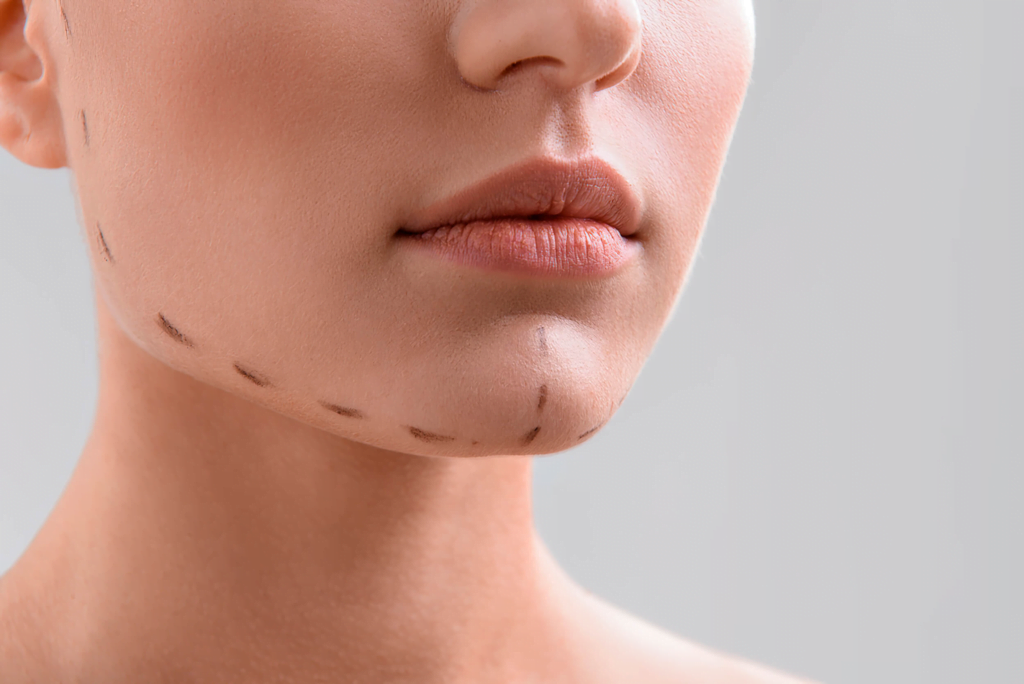
A close-up side profile of a person's face, focusing on the jawline and neck area, against a plain background. The image highlights the clean-shaven face and the smooth texture of the skin. The person's lips are slightly parted, and the side of the nose is also visible.

If you are a trans woman who wants to change your appearance and voice, you may have considered having surgery to reduce your Adam’s apple and feminize your vocal cords. These are two common procedures that can help you achieve a more feminine look and sound. But what exactly are they, how do they work, and what are the benefits and risks of each one? In this article, we will explain everything you need to know about Adam’s apple reduction and voice feminization surgery.

An illustration showing armpit fat, with a dotted line and arrows pointing to the area under the arm where excess fat is commonly stored.

What is an Adam’s Apple?

The Adam’s apple is the name given to the prominent swelling on the front of your neck that is caused by the thyroid cartilage. The thyroid cartilage is a piece of tissue that protects your larynx, which is the organ that contains your vocal cords. The vocal cords are two bands of muscle that vibrate when you speak or sing, producing sound.

The size and shape of your Adam’s apple can vary depending on several factors, such as genetics, hormones, age, weight, and posture. Generally speaking, women tend to have smaller and less protruding Adam’s apples than men, because they have less testosterone in their bodies. Testosterone is a hormone that stimulates the growth of the thyroid cartilage during puberty.

However, some women may still have larger or more noticeable Adam’s apples due to other reasons. For example, some women may have inherited a larger thyroid cartilage from their fathers or mothers. Some women may also develop an enlarged thyroid cartilage due to certain medical conditions or medications that affect their hormone levels.

An enlarged or protruding Adam’s apple can cause some problems for trans women who want to change their appearance and voice. For instance, an Adam’s apple can make it harder for trans women to find clothes that fit well on their necks. It can also make it more difficult for trans women to hide their necks under certain hairstyles or accessories. Moreover, an Adam’s apple can affect how other people perceive trans women in terms of their gender identity and expression.

What is Voice Feminization Surgery?

Voice feminization surgery is a type of surgery that aims to modify the structure and function of your vocal cords in order to produce a higher-pitched voice. A higher-pitched voice is typically associated with femininity in most cultures.

There are different ways to achieve voice feminization surgery, depending on your goals and preferences. One way is to use injections or implants that alter the length or tension of your vocal cords. Another way is to use devices or exercises that stretch or relax your vocal cords over time.

However, these methods may not be very effective or permanent for some trans women who want more dramatic changes in their voice quality and pitch. That’s why some trans women opt for voice feminization surgery instead.

Voice feminization surgery involves making incisions inside your mouth or throat and cutting or rearranging parts of your vocal cords. The most common procedure for this purpose is called tracheal shave (also known as chondrolaryngoplasty). This procedure involves shaving down the front part of your thyroid cartilage with a special tool called a burr.

By doing this, you can reduce the size and prominence of your Adam’s apple at the same time as you alter the shape and position of your vocal cords. This can result in a flatter neckline and a higher-pitched voice.

What are the Benefits of Adam’s Apple Reduction?

Adam’s apple reduction has several benefits for trans women who want to change their appearance and voice. Some of these benefits are:

  • It can improve how you look by making your neck look more slender and graceful.
  • It can enhance how you feel by boosting your self-confidence and self-esteem.
  • It can make it easier for you to dress according to your personal style.
  • It can help you avoid unwanted attention or harassment from others based on your neck size.
  • It can allow you to express yourself more freely without worrying about hiding or covering up your neck.

What are the Risks of Voice Feminization Surgery?

Voice feminization surgery also has some risks that you should be aware of before deciding whether it is right for you. Some of these risks are:

  • It can cause complications such as bleeding, infection, scarring, nerve damage, vocal cord paralysis, hoarseness, loss of range or quality
  • It can require additional procedures such as tracheal shave revision (to correct any asymmetry), laryngeal suspension (to balance out any asymmetry), laryngeal shave augmentation (to increase volume), laryngeal shave implantation (to add volume)
  • It can affect other aspects of your health such as breathing difficulty
  • It can have psychological effects such as regret
  • It can be expensive

How Much Does Adam’s Apple Reduction Cost?

The cost of Adam’s apple reduction depends on several factors such as where you live, where you get it done, who performs it, what technique is used, and whether you combine it with other procedures. According to some estimates, the average cost of Adam’s apple reduction in the US ranges from $3,000 to $10,000. In Europe, the average cost is around €2,500 to €5,000. In Asia, the average cost is around $1,000 to $3,000.

However, these are only rough figures that may vary depending on your specific situation and needs. Therefore, it is important to consult with a qualified surgeon who can give you a personalized quote based on your goals and expectations.

How to Prepare for Adam’s Apple Reduction?

Before you undergo Adam’s apple reduction, you need to prepare yourself physically and mentally for the surgery. Here are some steps that you should follow to get ready for the procedure:

  • Find a reputable surgeon who has experience and expertise in performing Adam’s apple reduction and voice feminization surgery. You can do some research online, ask for recommendations from other trans women who have had the surgery, or contact a local transgender support group for guidance.
  • Schedule a consultation with your chosen surgeon to discuss your medical history, current health condition, medications, allergies, and expectations. Your surgeon will examine your neck and throat, measure your vocal pitch and quality, and explain the details of the surgery, including the risks, benefits, complications, and recovery process. You will also have the opportunity to ask any questions that you may have and voice any concerns that you may feel.
  • Follow your surgeon’s instructions regarding how to prepare for the surgery. You may need to stop taking certain medications, supplements, or herbal remedies that can interfere with the surgery or increase the risk of bleeding. You may also need to quit smoking, drinking alcohol, or using recreational drugs at least two weeks before the surgery, as they can affect your healing and recovery. You may also need to fast for a few hours before the surgery, depending on the type of anesthesia that will be used.
  • Arrange for someone to drive you to and from the hospital or clinic where the surgery will take place. You will not be able to drive yourself after the surgery, as you will be under the influence of anesthesia and painkillers. You will also need someone to stay with you for the first 24 hours after the surgery, as you may need help with basic tasks such as eating, drinking, or going to the bathroom.
  • Pack a bag with some essentials that you will need after the surgery, such as comfortable clothes, a pillow, a scarf, a water bottle, a straw, a soft toothbrush, a mouthwash, some ice packs, some painkillers, and some books or magazines to keep you entertained. You may also want to bring some personal items that can make you feel more comfortable and relaxed, such as a favorite blanket, a stuffed animal, or a photo of a loved one.

What to Expect After Adam’s Apple Reduction?

After you have Adam’s apple reduction, you will need to follow some post-operative care instructions to ensure a smooth and successful recovery. Here are some things that you can expect after the surgery:

  • You will be taken to a recovery room where you will be monitored by medical staff until you wake up from the anesthesia. You may feel some pain, discomfort, swelling, bruising, or numbness in your neck and throat area. You may also have some difficulty swallowing, speaking, or breathing. These are normal and temporary side effects that will subside gradually over time. You will be given some painkillers and antibiotics to ease the pain and prevent infection. You will also be given some instructions on how to care for your incision site, such as keeping it clean and dry, applying some ointment, and changing the dressing regularly.
  • You will be able to go home the same day or the next day, depending on your condition and your surgeon’s advice. You will need to rest and avoid any strenuous activities for at least a week. You will also need to avoid any pressure or trauma to your neck and throat area, such as wearing tight collars, scarves, or necklaces, or sleeping on your side or stomach. You will also need to avoid any exposure to sunlight, heat, or cold, as they can affect your healing and scar formation. You will also need to avoid any smoking, drinking alcohol, or using recreational drugs, as they can impair your healing and recovery.
  • You will need to follow a soft or liquid diet for the first few days after the surgery, as you may have some difficulty chewing or swallowing solid foods. You will also need to drink plenty of fluids to stay hydrated and prevent dehydration. You will also need to avoid any spicy, acidic, or hot foods or drinks, as they can irritate your throat and vocal cords. You will also need to avoid any coughing, sneezing, or clearing your throat, as they can strain your throat and vocal cords. You will also need to avoid any speaking, singing, or shouting, as they can damage your vocal cords and affect your voice quality and pitch.
  • You will need to visit your surgeon for regular follow-up appointments to check your progress and healing. Your surgeon will remove your stitches or dissolvable sutures after about a week. Your surgeon will also evaluate your voice and give you some exercises or therapy to improve your vocal pitch and quality. You will also be able to see the final results of your surgery after about three to six months, when the swelling and bruising have subsided and the scar has faded.
Close-up of a woman's neck and shoulder area, showing visible horizontal wrinkles and lines on the skin. The image highlights the natural aging process and skin texture.

Conclusion

Adam’s apple reduction and voice feminization surgery are two procedures that can help trans women achieve a more feminine appearance and voice. They can have many benefits for trans women who want to change their gender expression and identity. However, they also have some risks and complications that should be considered carefully before deciding to undergo them. Therefore, it is important to consult with a qualified surgeon who can provide you with the best advice and care for your specific needs and goals.

Visit the Dr.MFO Instagram profile for examples of successful Surgeries. Contact for free consultation.

Why You Should Choose Dr. MFO for Adam’s Apple Removal Surgery and Voice Feminization Surgery

If you are looking for a facial feminization surgeon who can help you achieve your desired look and voice, you should consider Dr. MFO. Dr. MFO is a European and Turkish board certified plastic surgeon who has over 10 years of experience in performing thousands of successful surgeries. He is also an authorized international health tourism center, which means he can offer you high-quality care at an affordable price.

Dr. MFO specializes in both Adam’s apple removal surgery and voice feminization surgery, which are two of the most common procedures for people who want to change their appearance and voice to match their gender identity.

What is Adam’s Apple Removal Surgery?

Adam’s apple removal surgery, also known as tracheal shave or chondrolaryngoplasty, is a surgical procedure that reduces the size and prominence of the thyroid cartilage in the neck. The thyroid cartilage is the bony structure that surrounds the larynx, which contains the vocal cords. The larynx is responsible for producing sound when air passes through it.

Adam’s apple removal surgery can improve the neck appearance of trans women by making their throat look more feminine and less masculine. It can also make it easier to wear certain types of clothing or accessories that may otherwise be uncomfortable or restrictive due to the large Adam’s apple.

Adam’s apple removal surgery is usually performed under general anesthesia and takes about an hour to complete. The incision is made across the front of the neck, usually from earlobe to earlobe, and then the thyroid cartilage is shaved off with a scalpel or a laser. The wound is closed with stitches or staples and covered with a bandage.

The recovery time for Adam’s apple removal surgery varies depending on individual factors, such as age, health, and healing ability. Generally, it takes about two weeks to heal completely and resume normal activities. Some possible complications include bleeding, infection, scarring, nerve damage, or vocal cord injury.

What is Voice Feminization Surgery?

Voice feminization surgery is a surgical procedure that modifies the length and space between the vocal cords to lower the pitch of your voice. The vocal cords are two thin bands of tissue that vibrate when air passes through them. The pitch of your voice depends on how fast or slow these vibrations are.

Voice feminization surgery can help trans women achieve a more feminine voice that matches their gender identity and expression. It can also improve their self-confidence and social interactions by reducing dysphoria or discomfort caused by having a deep or harsh voice.

Voice feminization surgery is usually performed by an ear-nose-throat (ENT) surgeon under general anesthesia and takes about two hours to complete. The incision is made inside the mouth or behind the earlobe, depending on where you want your new vocal cords to be located. Then, one or both vocal cords are cut into smaller pieces with scissors or lasers to reduce their length and increase their space between them. The wound is closed with stitches or staples and covered with a bandage.

The recovery time for voice feminization surgery also varies depending on individual factors. Generally, it takes about three weeks to heal completely and resume normal activities. Some possible complications include bleeding, infection, scarring, nerve damage, hoarseness, breathiness, or loss of voice quality.

Mehmet Fatih Okyay, MD, FEBOPRAS in Türkiye.

Why Choose Dr. MFO?

Dr. MFO has extensive experience in performing both Adam’s apple removal surgery and voice feminization surgery with excellent results. He has performed hundreds of these procedures for his patients from different countries around the world who came to him as international health tourists.

Dr. MFO uses advanced techniques and equipment to ensure safety and quality in his surgeries. He follows strict infection control protocols and uses sterile instruments during his operations. He also uses lasers instead of scalpel blades to minimize bleeding and scarring during his tracheal shave procedures.

Dr. MFO offers personalized care and attention to his patients before, during, and after their surgeries. He listens to their expectations and goals carefully and provides them with honest advice on what they can expect from each procedure. He also educates them on how to prepare for their surgeries properly by following his instructions on dieting, medication use, wound care, etc.

Dr. MFO provides comprehensive support services for his patients after their surgeries as well. He offers them follow-up consultations regularly to monitor their progress and address any concerns they may have. He also provides them with post-operative care instructions such as pain management medications

FAQ

1. What is an Adam’s apple?

An Adam’s apple is a protrusion in the neck that is more prominent in males. It’s part of the thyroid cartilage surrounding the larynx (voice box).

2. Why is it called an Adam’s apple?

The term “Adam’s apple” comes from a biblical reference to the forbidden fruit that Adam ate in the Garden of Eden, which was said to have stuck in his throat.

3. Do all males have an Adam’s apple?

Yes, all males have an Adam’s apple, but its size and prominence vary. Some may have a larger and more visible Adam’s apple than others.

4. Why is the Adam’s apple more prominent in males?

The Adam’s apple is more prominent in males due to the growth of the larynx during puberty. This growth is influenced by testosterone, a hormone more abundant in males.

5. Can females have a visible Adam’s apple?

Yes, females also have an Adam’s apple, but it’s usually smaller and less visible than in males. However, some females may have a more noticeable Adam’s apple.

6. What causes an Adam’s apple to develop?

The development of the Adam’s apple is linked to the changes in the larynx that occur during puberty. These changes are influenced by sex hormones, particularly testosterone.

7. At what age does the Adam’s apple typically develop?

The Adam’s apple typically develops during puberty, which usually starts between ages 9 and 14 for boys.

8. Can the size of the Adam’s apple be reduced?

Yes, the size of the Adam’s apple can be reduced through a surgical procedure known as a tracheal shave or chondrolaryngoplasty.

9. Is there a surgery to remove the Adam’s apple?

Yes, a surgical procedure known as a tracheal shave or chondrolaryngoplasty can reduce the size of the Adam’s apple. Complete removal is not typically done due to the risk of damaging the voice box.

10. What is the function of the Adam’s apple?

The Adam’s apple protects the walls and the frontal part of the larynx, including the vocal cords. It also moves up and down during swallowing and speaking.

11. Can the Adam’s apple affect one’s voice?

Yes, the size of the Adam’s apple can affect the pitch of the voice. A larger larynx and Adam’s apple can result in a deeper voice.

12. What is the medical term for the Adam’s apple?

The medical term for the Adam’s apple is the laryngeal prominence.

13. Can hormone therapy affect the size of the Adam’s apple?

Hormone therapy can lead to some changes in the body, but it does not typically affect the size of the Adam’s apple.

14. Are there exercises to reduce the size of the Adam’s apple?

There are no known exercises that can reduce the size of the Adam’s apple. Changes to the size or shape of the Adam’s apple would require surgical intervention.

15. Can an injury to the Adam’s apple be dangerous?

Yes, an injury to the Adam’s apple can be dangerous as it could damage the larynx and potentially affect breathing and speaking.

16. How is an Adam’s apple examined by a doctor?

A doctor can examine an Adam’s apple through a physical examination, feeling the neck area for any abnormalities. If necessary, imaging tests like an X-ray or CT scan may be used.

17. Can the size of the Adam’s apple indicate testosterone levels?

While the size of the Adam’s apple is influenced by testosterone, it’s not a reliable indicator of testosterone levels. Many factors, including genetics, contribute to its size.

18. Is the size of the Adam’s apple related to voice depth?

Yes, generally, a larger Adam’s apple (and thus a larger larynx) results in a deeper voice. However, voice depth is also influenced by other factors such as the size and length of the vocal cords.

19. Can weight loss or gain affect the size of the Adam’s apple?

Weight loss or gain can change the appearance of the Adam’s apple. Weight loss can make it more visible, while weight gain can make it less noticeable.

20. Are there non-surgical ways to minimize the appearance of an Adam’s apple?

Non-surgical ways to minimize the appearance of an Adam’s apple include certain hairstyles, clothing choices, and postures that draw attention away from the neck area.

21. Can an Adam’s apple be a sign of any medical conditions?

A prominent Adam’s apple is not typically a sign of any medical conditions. However, changes in its size or shape could indicate a medical issue and should be evaluated by a healthcare professional.

22. How does puberty affect the development of the Adam’s apple?

During puberty, the larynx grows and the cartilage around it hardens, forming the Adam’s apple. This process is influenced by sex hormones, particularly testosterone.

23. Can the Adam’s apple grow during adulthood?

The Adam’s apple typically does not grow during adulthood. Its size and shape are largely determined during puberty.

24. How does the Adam’s apple contribute to swallowing?

The Adam’s apple moves upward when swallowing, which helps close off the larynx to prevent food or liquid from entering the windpipe.

25. Can an Adam’s apple cause discomfort or pain?

Normally, an Adam’s apple does not cause discomfort or pain. However, pain or discomfort could indicate an injury or medical condition that should be evaluated by a healthcare professional.

26. How does the Adam’s apple move during speech?

During speech, the Adam’s apple moves up and down as the vocal cords vibrate and produce sound.

27. Can the Adam’s apple be felt during a physical examination?

Yes, a doctor can feel the Adam’s apple during a physical examination to check for any abnormalities.

28. What cultural or societal beliefs exist about the Adam’s apple?

In some cultures, a prominent Adam’s apple is associated with masculinity. However, societal perceptions can vary widely.

29. Can the Adam’s apple be reshaped for cosmetic reasons?

Yes, surgical procedures such as a tracheal shave can reshape the Adam’s apple for cosmetic reasons.

30. How does the Adam’s apple differ across various ethnic groups?

The size and prominence of the Adam’s apple can vary among individuals of different ethnic groups, likely due to genetic differences. However, more research is needed in this area.

Facial Feminization Surgery: A Guide for Transgender Women

A person with curly hair and a bright smile, wearing a white shirt and large hoop earrings, stands in front of a vibrant rainbow flag background. The person's expression is joyful and confident, symbolizing pride and celebration.

If you are a transgender woman who wants to change your appearance to match your gender identity, you may consider facial feminization surgery (FFS). FFS is a set of surgical procedures that alter typically male facial features to bring them closer in shape and size to typical female facial features. FFS can include various bony and soft tissue procedures such as brow lift, rhinoplasty, cheek implantation, and lip augmentation

A smiling person with short blonde hair wearing a yellow beanie, a colorful striped tank top, and a pearl necklace with heart pendants. They have a small rainbow flag sticker on their cheek and are posing against a pink background.

FFS can help transgender women feel more comfortable and confident in their own skin, as well as reduce the distress caused by gender dysphoria. Gender dysphoria is the feeling of discomfort or distress that some transgender people experience when their assigned sex at birth does not match their gender identity

However, FFS is not a one-size-fits-all solution. Different people may have different goals and expectations for their facial feminization. Therefore, it is important to consult with a qualified and experienced surgeon who can assess your individual needs and preferences, and recommend the best surgical plan for you.

In this article, we will provide an overview of some of the most common types of FFS procedures, as well as some tips on how to prepare for them and what to expect after them.

Side profile of a woman with dark hair pulled back in a low ponytail, secured with a black scrunchie.

Types of FFS Procedures

There are many types of FFS procedures that can be performed on different parts of the face. The most frequently discussed operations include upper face procedures, particularly of the forehead (17 studies, 77%) When discussing upper face procedures, some of the most common ones are:

  • Hairline correction: This procedure involves moving the hairline forward and giving it a more rounded shape. It can be done with scalp advancement or hair transplantation techniques.
  • Forehead recontouring: This procedure involves removing or reshaping the brow ridge (the horizontal ridge of bone above the eyebrows) that gives men a prominent forehead. It can be done with burring (removing bone), osteotomy (cutting bone), or hydroxyapatite grafting (using bone-like material).
  • Eye socket recontouring: This procedure involves reducing or reshaping the eye sockets that give men a deep-set look. It can be done with burring or osteotomy techniques.
  • Brow lift: This procedure involves lifting and tightening the skin around the eyes and forehead to create a more youthful appearance. It can be done with incisions along the hairline or inside the eyebrows.
  • Rhinoplasty: This procedure involves changing the shape or size of the nose to make it more feminine. It can involve altering the tip, bridge, nostrils, or cartilage of the nose.
  • Cheek implantation: This procedure involves inserting silicone implants under or over the cheekbones to create fuller cheeks.
  • Lip augmentation: This procedure involves injecting fat or silicone into the lips to make them larger and more defined.

Other types of FFS procedures that may be performed on other parts of the face include chin augmentation, jaw reduction or reshaping, neck contouring, ear reshaping, etc.

Preparing for FFS Procedures

Before undergoing any type of FFS procedure, you will need to undergo a thorough evaluation by your surgeon. You will need to provide information about your medical history, medications, allergies, smoking status, etc. You will also need to undergo physical examination by your surgeon who will measure your facial dimensions using standard photography in 19 studies (86%), advanced imaging such as cephalometry or computed tomography in 12 studies (55%), and virtual simulation using software in four studies (18%)

Your surgeon will also discuss with you your goals and expectations for your facial feminization surgery. You should have realistic expectations about what FFS can achieve for you and what limitations it may have. For example:

  • FFS cannot change your voice pitch or tone.
  • FFS cannot change your body hair distribution or growth pattern.
  • FFS cannot change your genitalia or chromosomes.
  • FFS may not completely eliminate all traces of male characteristics from your face.

You should also discuss with your surgeon about any potential risks or complications that may arise from FFS procedures such as bleeding, infection, damage to nearby structures, imbalance in facial features, an adverse reaction to anesthesia, hardware palpability, delayed wound healing, etc.

You should follow all instructions given by your surgeon regarding how to prepare for your surgery such as eating and drinking, adjusting current medications, quitting smoking, etc.

You should also follow up regularly with your surgeon after your surgery to monitor your healing process and address any issues that may arise.

Recovering from FFS Procedures

The recovery time from FFS procedures varies depending on the type and number of procedures performed, the individual healing process, and the post-operative care. In general, most patients can expect to experience some degree of swelling, bruising, pain, and numbness in the first few weeks after surgery. These symptoms usually subside gradually over time, but some may persist for months or even years.

To speed up the recovery and minimize the complications, patients should follow the instructions given by their surgeon regarding how to care for their wounds, how to manage their pain, how to prevent infection, how to reduce swelling, etc. Some of the common tips include:

  • Applying cold compresses or ice packs to the face to reduce swelling and inflammation.
  • Elevating the head while sleeping or resting to improve blood circulation and drainage.
  • Taking prescribed painkillers and antibiotics as directed by the surgeon.
  • Avoiding strenuous activities, smoking, alcohol, and sun exposure for several weeks or months after surgery.
  • Wearing a compression garment or bandage around the face to support the tissues and prevent fluid accumulation.
  • Keeping the incisions clean and dry and changing the dressings regularly.
  • Avoiding touching, scratching, or picking at the incisions or sutures.
  • Reporting any signs of infection, bleeding, or abnormal healing to the surgeon immediately.

The final results of FFS procedures may not be visible until several months or even years after surgery, as the swelling subsides and the tissues settle into their new positions. Patients should be patient and realistic about their expectations, and understand that FFS is not a magic bullet that can transform their appearance overnight. FFS is a complex and individualized process that requires careful planning, execution, and follow-up.

Conclusion

Facial feminization surgery is a set of surgical procedures that can help transgender women achieve a more feminine and harmonious facial appearance. FFS can have positive effects on the psychological and social well-being of transgender women, as well as reduce the distress caused by gender dysphoria. However, FFS is not a simple or easy procedure. It involves multiple risks, complications, and challenges that require careful consideration and preparation. Therefore, it is essential to consult with a qualified and experienced surgeon who can provide the best guidance and care for each patient.

Why You Should Choose Dr. MFO for Facial Feminization Surgery

If you are looking for a facial feminization surgery (FFS) that can give you a more feminine appearance, you should consider Dr. MFO, a world-renowned plastic surgeon and artist. Dr. MFO has over 10 years of experience in performing FFS and other cosmetic procedures, and he is certified by the European and Turkish Board of Plastic Surgery. He is also an authorized international health tourism center, which means he can offer you high-quality care at an affordable price.

Dr. MFO’s FFS is not just about changing your facial features, but also enhancing your natural beauty and personality. He will work with you to create a personalized plan that suits your needs and preferences, and he will use his artistic skills to achieve the best possible results. He will also provide you with aftercare instructions and follow-up consultations to ensure your satisfaction.

Some of the benefits of choosing Dr. MFO for FFS are:

  • He welcomes patients from all over the world, including trans people, cisgender women who want to look more feminine, and non-binary people who want to express their gender identity.
  • He offers all-inclusive packages that include flight, hotel, private nurse, medication, ground services, insurance, and more.
  • He performs FFS with advanced techniques and equipment that ensure safety and quality.
  • He welcomes revision or secondary cases if needed.
  • He has no hidden costs or extra fees.
  • He welcomes pride with gender-affirming surgeries including FFS, top surgery (mastectomy), breast augmentation or reduction, liposuction, tummy tuck, body-shaping in body aesthetics, facelift, nose aesthetics (rhinoplasty), facial feminization surgeries in facial aesthetics (eyelid surgery), cheek augmentation or reduction (buccal fat removal), chin reduction or implantation (chin augmentation), jawline contouring (mandibular advancement), neck contouring (tracheal shave), nipple implants or reduction (nipple reconstruction), brow lift or reshaping (eyebrow lift), eyelash extensions or removal (eyelash transplant), lip fillers or injections (lip augmentation or plumping).
  • He has thousands of successful surgeries under his belt and hundreds of happy patients who can attest to his professionalism and expertise.

If you are interested in learning more about Dr. MFO’s FFS or booking an appointment with him, please visit his website dr-mfo.com or contact him directly here. You can also read some testimonials from his previous patients here. Don’t miss this opportunity to transform your appearance and boost your confidence with Dr. MFO’s FFS!

Visit the Dr.MFO Instagram profile for examples of successful Surgeries. Contact for free consultation.

FAQ

1. What is facial feminization surgery?

Facial feminization surgery (FFS) is a set of cosmetic surgical procedures designed to alter typically male facial features to bring them closer in shape and size to typical female facial features.

2. Who is a good candidate for facial feminization surgery?

A good candidate for FFS is someone who is in good health, has realistic expectations, and feels that their facial features do not match their gender identity.

3. What procedures are typically included in facial feminization surgery?

Typical procedures in FFS include forehead contouring, hairline lowering, eyebrow lift, rhinoplasty, cheek augmentation, lip lift, chin and jaw contouring, and tracheal shave.

4. How is the recovery process after facial feminization surgery?

Recovery from FFS varies depending on the procedures performed. Generally, patients can expect to return to non-strenuous activities within 2-3 weeks.

5. What are the risks and complications associated with facial feminization surgery?

As with any surgery, FFS carries risks such as infection, bleeding, scarring, and adverse reactions to anesthesia. Specific procedures have their own risks, which should be discussed with the surgeon.

6. How long does it take to see the final results of facial feminization surgery?

Final results of FFS can take up to a year to fully manifest, as swelling and healing can affect the appearance of the surgical area.

7. Can facial feminization surgery change the voice?

No, FFS does not change the voice. Voice feminization is a separate process that involves voice therapy or surgery on the vocal cords.

8. How does facial feminization surgery affect one’s ability to express emotions?

FFS does not typically affect emotional expression. However, changes to the forehead or eyebrows can subtly alter the way emotions are perceived by others.

9. What is the cost of facial feminization surgery?

The cost of FFS varies widely depending on the procedures performed, the surgeon’s experience, and the geographical location. It can range from several thousand to over twenty thousand dollars.

10. Is facial feminization surgery covered by insurance?

Some insurance companies cover FFS as part of their transgender healthcare coverage. However, coverage varies widely and patients should check with their insurance provider.

11. How to choose a surgeon for facial feminization surgery?

Choosing a surgeon for FFS should involve research into the surgeon’s experience, before-and-after photos, patient testimonials, and consultation to discuss goals and expectations.

12. What is the psychological impact of facial feminization surgery?

FFS can have a significant positive impact on self-esteem and body image, and can help alleviate gender dysphoria for many transgender women.

13. Can facial feminization surgery be reversed?

While some procedures can be reversed or modified, FFS is generally considered permanent. Therefore, it’s important to have clear goals and expectations before undergoing surgery.

14. What is the difference between facial feminization surgery and cosmetic surgery?

While both FFS and cosmetic surgery aim to alter physical appearance, FFS specifically aims to make facial features more typically feminine to help transgender women feel more aligned with their gender identity.

15. How does facial feminization surgery affect aging?

FFS does not stop the aging process, but certain procedures may alter how aging affects the face. For example, a facelift as part of FFS may reduce the appearance of future wrinkles.

16. What is the success rate of facial feminization surgery?

Success rates for FFS are generally high, with most patients reporting satisfaction with their results. However, success is subjective and depends on the individual’s goals and expectations.

17. Are there non-surgical alternatives to facial feminization surgery?

Yes, non-surgical alternatives such as facial fillers, Botox, and skincare treatments can help enhance feminine facial features, but they offer more subtle results than surgery.

18. How to prepare for facial feminization surgery?

Preparation for FFS may involve quitting smoking, avoiding certain medications, arranging for post-surgery care, and following any pre-surgery instructions provided by the surgeon.

19. What is the impact of facial feminization surgery on one’s professional life?

The impact of FFS on professional life varies. Some people find increased confidence and comfort in their professional interactions, while others may need to navigate changes in how they are perceived by colleagues.

20. Can facial feminization surgery change the size of the eyes?

While FFS does not directly change the size of the eyes, procedures such as a brow lift or eyelid surgery can create the appearance of larger, more open eyes.

21. How does facial feminization surgery affect the skin?

FFS can result in temporary changes to the skin, such as swelling, bruising, or changes in sensation. Long-term effects on the skin are generally related to the natural aging process rather than the surgery itself.

22. What is the impact of facial feminization surgery on personal relationships?

The impact of FFS on personal relationships can vary. Some people find that their relationships are strengthened, while others may face challenges as friends and family adjust to their new appearance.

23. Can facial feminization surgery change the shape of the nose?

Yes, rhinoplasty (nose reshaping) is often a part of FFS. It can make the nose smaller, reshape the nostrils, or change the angle between the nose and the upper lip.

24. How does facial feminization surgery affect the hairline?

Hairline lowering or reshaping can be part of FFS. This can help create a more typically feminine hairline by reducing the forehead size and rounding out the hairline.

25. What is the role of hormone therapy in facial feminization surgery?

Hormone therapy can help soften masculine features and promote feminine fat distribution, but its effects are limited. FFS can provide more dramatic changes that hormone therapy cannot achieve alone.

26. Can facial feminization surgery change the shape of the lips?

Yes, lip lift or lip filling procedures can be part of FFS. These can make the lips appear fuller or more prominent, which is often associated with a more feminine appearance.

27. How does facial feminization surgery affect the jawline?

FFS can involve jaw contouring to create a softer, more feminine jawline. This can involve shaving down the bone to reduce the angular appearance of the jaw.

28. What is the role of mental health professionals in facial feminization surgery?

Mental health professionals play a key role in FFS, providing psychological evaluations, ongoing support, and helping individuals navigate their feelings about their identity and the changes they are undergoing.

29. Can facial feminization surgery change the shape of the ears?

While FFS typically does not involve ear surgery, individuals who wish to alter the size or shape of their ears can discuss this with their surgeon.

30. How does facial feminization surgery affect the eyebrows?

FFS can involve an eyebrow lift to raise the position of the eyebrows, creating a more typically feminine appearance. This can also make the eyes appear larger and more open.

How Facial Masculinization Surgery Can Change Your Life

A side-by-side comparison of two individuals. On the left, a person with long, dark hair wearing a bright pink dress sits elegantly in a chair, posing confidently. On the right, a shirtless person with short dark hair stands holding a pair of black pants, displaying a serious expression.

If you were assigned female at birth (AFAB) but identify as a man, you may have experienced gender dysphoria, a condition where your physical appearance does not match your gender identity. You may feel uncomfortable or unhappy with your feminine features, such as your soft facial tissue, rounded forehead, small chin, and high-arched eyebrows. You may also face social stigma or discrimination because of your gender expression.

One way to cope with gender dysphoria is to undergo facial masculinization surgery (FMS), a set of plastic surgery procedures that can transform your face to exhibit typical masculine morphology. FMS can create more angular and defined facial features, such as a prominent jawline, a square forehead, a strong chin, and a deep Adam’s apple. FMS can also enhance the size and shape of your cheekbones and nose.

FMS is not only for cisgender men who want to change their appearance for cosmetic reasons. It is also an option for transgender men who want to affirm their gender identity and feel more comfortable in their own skin. FMS can help transgender men achieve their desired look and express themselves more authentically.

But what exactly is FMS? How does it work? What are the benefits and risks of FMS? And how much does it cost? In this article, we will answer these questions and more. We will also provide some tips on how to prepare for FMS and what to expect during and after the procedure.

Two men with similar facial features and hairstyles, side by side, demonstrating the results of a specific treatment or comparison.

What are the types of FMS?

FMS can include various bony procedures that involve reshaping or augmenting the bones of the face. These include:

  • Forehead augmentation: This procedure creates a less rounded forehead with a more prominent supraorbital ridge typical of cisgender men. It can be done with a customized implant, a calvarial bone graft, fat grafting, or materials such as bone cement that are molded into shape before they harden.
  • Jaw augmentation: This procedure changes the size and shape of the jawline by adding or removing bone or soft tissue. It can be done with implants, bone grafts, fat grafts, or muscle transfers.
  • Chin augmentation: This procedure increases the projection and width of the chin by adding bone or soft tissue. It can be done with implants, bone grafts, fat grafts, or muscle transfers.
  • Cheek augmentation: This procedure enhances the volume and contour of the cheeks by adding fat or implants.
  • Nose augmentation: This procedure changes the shape and size of the nose by adding bone or soft tissue. It can be done with implants, bone grafts, fat grafts, cartilage grafts from other parts of the body (such as ears), or skin flaps from other areas (such as abdomen).
  • Adam’s apple reduction: This procedure reduces the size of the Adam’s apple by removing excess skin and fat from its base.

Some procedures may be combined in one operation to achieve more comprehensive results.

Close-up of a person's face with glowing, dewy skin, emphasizing a radiant and healthy complexion. The individual has striking hazel eyes, dark eyebrows, and slightly wet hair, giving a fresh and vibrant appearance.

What are the benefits of FMS?

FMS has many benefits for transgender men who want to change their facial appearance to match their gender identity. Some of these benefits are:

  • Improved self-esteem: FMS can help transgender men feel more confident and comfortable in their own skin. They can express themselves more freely and authentically without worrying about how others perceive them.
  • Reduced gender dysphoria: FMS can help transgender men reduce their distress caused by feeling like they do not fit in with their assigned sex at birth or society’s expectations of femininity. They can feel more aligned with their true self and identity.
  • Enhanced social acceptance: FMS can help transgender men gain social acceptance from family members, friends, partners, co-workers, and others who respect them for who they are. They can avoid discrimination or harassment based on their gender expression.

What are the risks of FMS?

FMS is generally safe when performed by qualified surgeons using appropriate techniques and materials. However, like any surgery involving cutting into living tissue, FMS carries some risks that should be considered before deciding to undergo it.

Some of these risks are:

  • Infection: Any surgical site has an increased risk of infection due to bacteria entering through cuts or incisions in the skin.
  • Bleeding: Any surgical site has an increased risk of bleeding due to damage to blood vessels during the operation.
  • Scarring: Any surgical site has an increased risk of scarring due to inflammation, healing response, or improper wound care after the operation.
  • Nerve damage: Any surgical site has an increased risk of nerve damage due to injury to nerves during the operation. This can cause numbness, tingling, pain, or weakness in the affected area. Nerve damage may be temporary or permanent, depending on the severity and location of the injury.
  • Anesthesia risks: Any surgical procedure involves some degree of anesthesia, which is a medication that blocks pain signals from reaching the brain. Anesthesia can have side effects such as nausea, vomiting, headache, drowsiness, or allergic reactions. Anesthesia can also interact with other medications or medical conditions, so it is important to inform your surgeon about your health history and any allergies before the surgery.
  • Reoperation: Any surgery carries some risk of complications that may require a second surgery to correct. For example, you may need a revision surgery if your implants migrate, break, or become infected. You may also need a revision surgery if your facial features do not achieve the desired results or if you are unhappy with them.

How much does FMS cost?

The cost of FMS can vary depending on several factors, such as:

  • The type and extent of FMS procedures you choose
  • The surgeon’s experience and reputation
  • The location and facility where you have the surgery
  • The anesthesia and facility fees
  • The post-operative care and follow-up visits

According to Plastic Surgery.org, the average cost of FMS in 2020 was $8,000 per side (forehead augmentation), $6,000 per side (jaw augmentation), $5,000 per side (chin augmentation), $4,000 per side (cheek augmentation), $3,000 per side (nose augmentation), and $2,500 per side (Adam’s apple reduction). However, these are only estimates and may not reflect the actual prices in your area.

To get a more accurate quote for FMS in your area, you should consult with a board-certified plastic surgeon who specializes in gender-affirming surgery. You should also ask about financing options such as payment plans or insurance coverage.

How to prepare for FMS?

Before having FMS surgery, you should follow these steps to prepare yourself physically and mentally:

  • Stop taking hormones: You should stop taking estrogen and anti-androgens at least six weeks before your surgery date. This will help reduce swelling and inflammation in your face.
  • Stop smoking: Smoking can impair blood flow and healing in your face. It can also increase the risk of infection and scarring. You should quit smoking at least two weeks before your surgery date.
  • Avoid alcohol: Alcohol can dehydrate you and interfere with anesthesia. It can also affect your blood pressure and heart rate during recovery. You should avoid alcohol at least two days before your surgery date.
  • Eat well: Eating a balanced diet rich in protein, vitamins, minerals, antioxidants, and healthy fats can help support your immune system and promote healing. You should avoid foods that are high in salt, sugar, fat, or processed ingredients, as they can cause inflammation and delay recovery. You should also drink plenty of water to stay hydrated and flush out toxins.
  • Get enough sleep: Sleeping for at least eight hours per night can help your body heal faster and reduce stress. You should avoid caffeine, nicotine, or other stimulants that can disrupt your sleep quality. You should also avoid sleeping on your face or side, as this can put pressure on your surgical site and cause pain or swelling.
  • Follow your surgeon’s instructions: Your surgeon will give you specific instructions on how to prepare for your surgery, such as what medications to take or avoid, what tests to do, and what documents to bring. You should follow these instructions carefully and ask questions if you are unsure about anything. You should also arrange for someone to drive you to and from the surgery and stay with you for the first 24 hours after the surgery.

What to expect during FMS?

On the day of your surgery, you will be admitted to the hospital or clinic where you will have your FMS. You will meet with your surgeon and anesthesiologist, who will review your medical history and explain the procedure to you. You will also sign a consent form that states that you understand the risks and benefits of FMS and that you agree to have it.

You will then be taken to the operating room, where you will be given general anesthesia or local anesthesia with sedation, depending on your preference and your surgeon’s recommendation. General anesthesia will make you unconscious and unaware of the surgery, while local anesthesia with sedation will make you relaxed and numb the area of your face that will be operated on.

The surgery will take about two to four hours, depending on the type and extent of FMS procedures you have. Your surgeon will make incisions in your face, either inside your mouth, along your hairline, or behind your ears, to access the bones and soft tissues of your face. Your surgeon will then reshape or augment your facial features using implants, grafts, or other materials. Your surgeon will close the incisions with sutures or staples and apply bandages or dressings to protect the surgical site.

You will then be taken to the recovery room, where you will be monitored for any complications or adverse reactions to anesthesia. You may feel some pain, discomfort, swelling, bruising, or numbness in your face, which can be managed with painkillers and ice packs. You may also have some drainage tubes or splints in your face to prevent bleeding or infection. You will be given instructions on how to care for your surgical site, such as how to clean it, change the dressings, and take the medications. You will also be advised on what activities to avoid, such as smoking, drinking, chewing, or strenuous exercise.

You will be discharged from the hospital or clinic after a few hours or a day, depending on your condition and your surgeon’s recommendation. You will need to have someone to drive you home and help you with your daily activities for the first few days after the surgery.

What to expect after FMS?

The recovery time for FMS can vary depending on the type and extent of FMS procedures you have, your overall health, and your healing ability. Generally, it can take about six to twelve weeks for the swelling and bruising to subside and for the final results to be visible. However, some minor changes may continue for up to a year after the surgery.

During the recovery period, you should follow these tips to ensure a smooth and successful healing process:

  • Keep your head elevated: You should keep your head elevated above your heart level at all times, especially when sleeping, to reduce swelling and bleeding. You can use pillows, cushions, or recliners to support your head and neck.
  • Avoid sun exposure: You should avoid direct sunlight or artificial tanning on your face, as this can cause hyperpigmentation, scarring, or infection. You should wear sunscreen, sunglasses, hats, or scarves to protect your face from the sun.
  • Avoid facial expressions: You should avoid making any facial expressions that can stretch or strain your face, such as smiling, frowning, laughing, or yawning. You should also avoid touching, rubbing, or scratching your face, as this can cause irritation, infection, or scarring.
  • Eat soft foods: You should eat soft foods that are easy to chew and swallow, such as soups, smoothies, yogurt, or mashed potatoes. You should avoid hard, crunchy, spicy, or acidic foods that can hurt your mouth or teeth, such as nuts, chips, candy, or citrus fruits. You should also avoid alcohol, caffeine, or carbonated drinks that can dehydrate you or interfere with your healing.
  • Follow up with your surgeon: You should visit your surgeon regularly for check-ups and follow-ups, usually after one week, one month, three months, six months, and one year after the surgery. Your surgeon will monitor your progress, remove any sutures or staples, and address any concerns or complications you may have. Your surgeon will also take photos of your face to document your results and compare them with your pre-operative photos.
Mehmet Fatih Okyay, MD, FEBOPRAS in Türkiye.

Why You Should Choose Dr. MFO for Facial Feminization and Facial Masculinization Surgery

If you are looking for a facial feminization or facial masculinization surgery, you may have many questions and concerns about the process, the risks, the costs, and the outcomes. You may also want to know who is the best surgeon to perform these procedures, and what makes Dr. MFO stand out from other options.

Dr. MFO is a world-renowned plastic surgeon and artist who specializes in facial feminization and facial masculinization operations. He has over 10 years of experience in performing thousands of successful surgeries, both in Europe and Turkey. He is board certified by both European and Turkish medical associations, and he is an authorized international health tourism center.

Dr. MFO offers a wide range of cosmetic solutions for people who want to affirm their gender identity with facial feminization or facial masculinization surgery. He welcomes revision or secondary cases, as well as patients from the Pride community who need gender-affirming surgeries such as FFS (facial feminization surgery), top surgery, and more.

Dr. MFO’s approach to facial feminization or facial masculinization surgery is based on artistic vision and aesthetic principles. He aims to create natural-looking results that enhance your features and express your personality. He uses advanced techniques such as 3D mapping, preoperative planning, intraoperative navigation, microsurgery, skin grafting, fat grafting, muscle transfer, nerve transfer, and more.

Dr. MFO also provides comprehensive aftercare services for his patients, including medication treatment, wound care, scar management, psychological support, travel arrangements, insurance coverage, and more. He ensures that his patients are comfortable and satisfied with their results throughout their recovery process.

If you are interested in learning more about Dr. MFO’s facial feminization or facial masculinization operations, you can contact him directly through the form here. Dr. MFO will be happy to answer any questions you may have and help you achieve your desired goals with his expertise and professionalism.

Don’t miss this opportunity to transform your appearance with Dr. MFO’s facial feminization or facial masculinization operations. Book your consultation today!

A close-up of a gloved hand holding a scalpel during a surgical procedure in an operating room, highlighting the precision and sterile environment.

Conclusion

FMS is a set of plastic surgery procedures that can change your facial appearance to match your gender identity. FMS can help transgender men feel more confident, comfortable, and authentic in their own skin. FMS can also reduce gender dysphoria and enhance social acceptance.

FMS involves various bony procedures that reshape or augment the bones of the face, such as forehead augmentation, jaw augmentation, chin augmentation, cheek augmentation, nose augmentation, and Adam’s apple reduction. FMS can be customized to suit your individual needs and preferences.

FMS is generally safe and effective when performed by qualified surgeons using appropriate techniques and materials. However, FMS carries some risks and complications that should be considered before deciding to undergo it, such as infection, bleeding, scarring, nerve damage, anesthesia risks, and reoperation.

FMS requires careful preparation and recovery to ensure a smooth and successful healing process. You should follow your surgeon’s instructions and tips on how to prepare for FMS and what to expect during and after FMS. You should also have realistic expectations and patience, as FMS can take several weeks or months to show the final results.

FMS can be a life-changing experience for transgender men who want to change their facial appearance to match their gender identity. FMS can help you achieve your desired look and express yourself more authentically. FMS can also improve your self-esteem, reduce your gender dysphoria, and enhance your social acceptance.

If you are interested in FMS, you should consult with a board-certified plastic surgeon who specializes in gender-affirming surgery. You should ask questions, do your research, and weigh the pros and cons of FMS. You should also consider the cost, availability, and accessibility of FMS in your area.

FMS is not a requirement or a necessity for transgender men. It is a personal choice that depends on your individual goals and circumstances. FMS is not the only way to affirm your gender identity or expression. You can also use other methods, such as hormones, clothing, accessories, makeup, or voice training. FMS is not a guarantee of happiness or satisfaction. You should also seek psychological support and counseling to cope with your gender dysphoria and other issues.

FMS is a possibility and an opportunity for transgender men who want to change their facial appearance to match their gender identity. FMS can help you transform your face and your life. FMS can help you become who you are and who you want to be.

Visit the Dr.MFO Instagram profile for examples of successful Surgeries. Contact for free consultation.

Widow’s Peak: What It Is and How to Style It

A person standing outdoors, wearing a beige coat over a light blue turtleneck sweater, with a serious expression on their face and hair pulled back.

Do you have a V-shaped point at the center of your forehead where your hairline meets? If so, you have a widow’s peak, a distinctive feature that can make you stand out from the crowd. But what is a widow’s peak, and how can you make the most of it? In this article, we will explain the causes, benefits, and challenges of a widow’s peak, and give you some tips and examples on how to style it.

A woman with long brown hair wearing a blue shirt with a floral pattern sitting on a bench in an outdoor setting.

What Causes a Widow’s Peak?

A widow’s peak is a genetic trait that you inherit from one or both of your parents. It is not a sign of any disease or disorder, but simply a variation of the normal hairline. The term “widow’s peak” comes from the belief that it was a mark of early widowhood, as it resembled the shape of a mourning veil worn by widows in the past.

The exact gene or genes that determine whether you have a widow’s peak or not are not known, but some studies suggest that it is a dominant trait, meaning that you only need one copy of the gene to have it. However, other factors such as age, hormones, and hair loss can also affect the shape of your hairline over time.

Why a Widow’s Peak Can Be a Good Thing

A widow’s peak can have some advantages, depending on your personal taste and style. Some of the reasons why a widow’s peak can be a good thing are:

  • It can add character and uniqueness to your face, as it is a relatively rare feature.
  • It can create a contrast between your hair and your forehead, drawing attention to your eyes and eyebrows.
  • It can balance out a round or square face shape, by creating a more angular and symmetrical appearance.
  • It can enhance certain hairstyles, such as bangs, side parts, or updos, by adding some texture and dimension.

How to Deal with a Widow’s Peak

A widow’s peak can also pose some challenges, especially if you are not happy with how it looks or if it does not suit your desired hairstyle. Some of the ways to deal with a widow’s peak are:

  • Embrace it: If you want to show off your widow’s peak, you can choose hairstyles that highlight it or complement it. For example, you can wear your hair back or up, creating a sleek and elegant look. You can also add some volume or curls to your hair, creating a soft and romantic look. You can also experiment with different colors or highlights, creating a fun and playful look.
  • Hide it: If you want to conceal your widow’s peak, you can choose hairstyles that cover it or camouflage it. For example, you can wear your hair down or forward, creating a casual and relaxed look. You can also add some bangs or fringes to your hair, creating a chic and modern look. You can also use some hair products or accessories, such as gel, wax, clips, or hats, to keep your hair in place and hide your widow’s peak.
  • Modify it: If you want to change your widow’s peak, you can opt for some professional or DIY methods to alter its shape or size. For example, you can get a hair transplant or a microblading procedure, which can create a more natural and even hairline. You can also use some hair removal techniques, such as waxing, threading, or shaving, to reduce or remove your widow’s peak. However, these methods may have some risks, costs, or side effects, so you should consult a doctor or a hairstylist before trying them.

Why Should You Work with Dr.MFO for Widow’s Peak Treatment?

Widow’s Peak is a genetic trait that forms a distinct “V” shape at the center of the hairline, above the forehead. But, why should you work with Dr.MFO for Widow’s Peak treatment? Before we answer this question, it’s important to understand who Dr.MFO is and his expertise in this field.

Who is Dr.MFO?

Dr.MFO, also known as Mehmet Fatih Okyay, MD, is a European & Turkish Board Certified Plastic Surgery Specialist. He ranked 8th in his term in the Turkish Medical Specialization Examination. He completed a Plastic, Reconstructive, and Aesthetic Surgery residency at the world-renowned Istanbul University, Cerrahpaşa Faculty of Medicine. So, why should you work with Dr.MFO for Widow’s Peak treatment? Let’s delve into some factors behind Dr.MFO’s success in this field.

Expertise of Dr.MFO

Dr.MFO has developed a series of groundbreaking treatment methods in the treatment of genetic hair traits. Why should you work with Dr.MFO for Widow’s Peak treatment? Because Dr.MFO not only has extensive experience in this field, but also offers his patients the most effective and least invasive treatment options.

Dr.MFO’s Treatment Approach

Dr.MFO’s treatment approach is based on the philosophy that every patient is unique and therefore every treatment plan should be personalized. Why should you work with Dr.MFO for Widow’s Peak treatment? Because Dr.MFO creates a personalized treatment plan taking into account each patient’s genetic traits, lifestyle, and treatment goals.

In conclusion, why should you work with Dr.MFO for Widow’s Peak treatment? Dr.MFO is a leading name in the treatment of genetic hair traits and offers a personalized treatment plan for each patient. Therefore, if you are considering working with Dr.MFO for Widow’s Peak treatment, you are in the right place. You can start your treatment process today by getting in touch with Dr.MFO.

A young woman in a plaid shirt standing outdoors near a red building.

Conclusion

A widow’s peak is a genetic trait that can have both pros and cons, depending on your personal preference and style. You can choose to embrace it, hide it, or modify it, depending on what suits you best. Whatever you decide, remember that a widow’s peak is not a flaw, but a feature that makes you unique and beautiful.

Visit the Dr.MFO Instagram profile for examples of successful Surgeries. Contact for free consultation.

FAQ

1. What is a widow’s peak?

A widow’s peak is a distinctive hairline formation that has been named because of its similarity to the peak of a widow’s hood. It is a downward V-shaped point in the middle of the forehead.

2. How is a widow’s peak formed genetically?

A widow’s peak is often an inherited trait, which means it’s passed down from parents to their children through genes. It’s often associated with a dominant gene, but the exact genetic mechanism can be complex.

3. Are there any myths or superstitions associated with a widow’s peak?

Yes, there are several myths and superstitions associated with a widow’s peak. For example, in some cultures, it’s believed to be a sign of early widowhood or great fortune.

4. What are some popular hairstyles for people with a widow’s peak?

Popular hairstyles for people with a widow’s peak include side parts, slicked back looks, and fringes. These styles can either accentuate the peak or make it less noticeable.

5. How can one style their hair to accentuate a widow’s peak?

To accentuate a widow’s peak, one can choose hairstyles that pull the hair away from the forehead, such as a slicked back or pompadour style. This allows the unique hairline to stand out.

6. Can a widow’s peak be a sign of any medical conditions?

A widow’s peak itself is not typically a sign of any medical conditions. However, it can be a characteristic feature in certain genetic syndromes.

7. Are there any celebrities known for their widow’s peak?

Yes, several celebrities are known for their widow’s peak. This includes famous personalities like Leonardo DiCaprio and Keanu Reeves.

8. How can one style their hair to hide a widow’s peak?

To hide a widow’s peak, hairstyles with bangs or fringes can be effective. These styles cover the forehead and make the widow’s peak less noticeable.

9. Does a widow’s peak affect hair growth or hair loss?

A widow’s peak itself does not affect hair growth or hair loss. However, its prominence can change if a person experiences hair loss for other reasons, such as male pattern baldness.

10. Are there any hair care tips specifically for people with a widow’s peak?

People with a widow’s peak should consider their unique hairline when choosing hairstyles. Additionally, maintaining good hair health through proper nutrition and care can help keep the hairline looking its best.

How Much Does Almond Eye Surgery Cost? Country by Country Price Comparison

A woman with long brown hair and dramatic makeup looks upward while lying on a white fur blanket.

How Much Does Almond Eye Surgery Cost? Are you looking for a way to enhance your facial features and create a more youthful appearance? Do you want to achieve almond-shaped eyes, which are considered to be a sign of beauty and attractiveness in many cultures? If so, you may be interested in almond eye surgery, a cosmetic procedure that can modify your eye shape and correct drooping eyelids. However, you may also wonder how much it would cost and how it varies across different countries. If so, you are not alone. Many people who want to perform almond eye surgery seek information and guidance on the financial aspects of the procedure and the options they have to pursue their desired outcome.

In this article, we will provide you with a comprehensive guide on how much does almond eye surgery cost, country by country price comparison. We will also explain what almond eye surgery entails, what factors affect its cost, and what resources are available for cosmetic surgery and support. By the end of this article, you will have a better understanding of the process and criteria of finding the best price and destination for almond eye surgery and the options you have to pursue your desired outcome.

How Much Does Almond Eye Surgery Cost? Country by Country Price Comparison

What is Almond Eye Surgery?

Almond eye surgery, also known as lateral canthoplasty or almond eye alteration, is a cosmetic procedure that modifies the shape and position of the outer corners of the eyes, known as the canthi, to create a more almond-like appearance. Almond-shaped eyes have a slightly upward slant at the outer corners, which gives the eyes a more open, alert, and attractive look. Almond eye surgery can also correct drooping or sagging lower eyelids, which can cause a tired, sad, or aged expression.

Almond eye surgery is usually performed under local anesthesia, and it takes about an hour to complete. The surgeon makes a small incision at the outer corner of the eye, and then tightens, lifts, or repositions the canthal tendon, which is the tissue that supports the lower eyelid. The surgeon may also remove excess skin or fat from the lower eyelid, or add filler or fat graft to create more volume and projection. The incision is then closed with fine sutures, which are removed after a week.

Almond eye surgery is not a one-size-fits-all solution for all people who want to change their eye shape. Some people may have naturally almond-shaped eyes, while others may have a different eye shape that suits their facial features and personality. The decision to undergo almond eye surgery is a personal one that should be made in consultation with a qualified cosmetic surgeon and a mental health support provider.

A close-up image of a woman applying makeup using a small brush. She is carefully placing the brush near her eye, likely applying eyeliner or eyeshadow. The focus is on her eye and the makeup application process.

How Much Does Almond Eye Surgery Cost?

The cost of almond eye surgery can vary widely depending on several factors, such as:

  • The type and complexity of the surgery
  • The geographic location of the surgical facility
  • The experience and reputation of the surgeon
  • The availability and quality of the health care system
  • The coverage and reimbursement policies of the health insurance provider
  • The exchange rate and inflation rate of the local currency

According to a 2022 study published in The Journal of Cosmetic Surgery, the average cost of almond eye surgery in the United States was $4,500. However, this figure may not reflect the actual cost for each individual, as it does not account for the variations in the factors mentioned above.

To give you a more accurate and updated picture of how much does almond eye surgery cost, country by country price comparison, we have compiled a table of the estimated costs for almond eye surgery in different countries, based on the information from various sources. Please note that these costs are only approximate and may change over time. They also do not include the costs of travel, accommodation, medication, aftercare, and possible complications. Therefore, they should be used as a reference only and not as a substitute for professional advice.

CountryAlmond Eye Surgery Cost
USA$4,500 – $6,000
Canada$5,000 – $7,000
UK£3,000 – £5,000
Germany€4,000 – €6,000
France€3,500 – €5,000
Spain€3,000 – €4,500
Italy€2,500 – €4,000
India$1,500 – $3,000
Thailand$2,000 – $4,000
Mexico$1,500 – $3,000
Brazil$2,000 – $4,000
Turkey$1,500 – $2,500

As you can see from the table, the cost of almond eye surgery varies significantly across different countries, with some countries offering much lower prices than others. However, before you decide to travel abroad for your surgery, you should also consider other factors, such as:

  • The quality and safety of the surgical facilities and services
  • The qualifications and credentials of the surgeons and staff
  • The legal and cultural attitudes towards cosmetic surgery and beauty standards
  • The availability and accessibility of post-operative care and support
  • The potential risks and complications of traveling and recovering from surgery

Therefore, it is important to do your research and weigh the pros and cons of each option before making your final decision.

Why Choose Dr. MFO for Almond Eye Surgery?

When it comes to Almond Eye Surgery, the choice of surgeon is crucial. Dr. MFO, with his extensive experience and expertise, is a leading choice for those seeking to enhance their natural beauty.

Expertise in Almond Eye Surgery

Dr. MFO specializes in Almond Eye Surgery, also known as lateral canthoplasty. This cosmetic procedure is designed to reshape the outer corners of the eyes, creating a more lifted and almond-shaped appearance. The surgical technique involves adjusting the position of the outer eye corners, resulting in a more youthful and attractive look.

Comprehensive and Personalized Approach

Dr. MFO’s approach to Almond Eye Surgery is comprehensive and personalized. The surgery typically consists of a specific number of procedures, varying according to the patient’s wishes. It can include different procedure combinations, such as brow lift, forehead shaping, rhinoplasty, cheekbone reduction, chin reduction, tracheal shave, and more.

Welcoming All Individuals

Almond Eye Surgery can be performed on both men and women who wish to enhance the natural beauty of their eyes. Dr. MFO welcomes all individuals and takes pride in performing gender-affirming surgeries.

Patient-Centric Care

Dr. MFO and his plastic surgery team use a highly personalized approach to create the most suitable plan for the patient’s needs and preferences. They discuss with the patient what they want and how they want it, eventually planning a procedure or a series of procedures.

Trust and Transparency

With Dr. MFO, there are no hidden costs or agents involved. The price is direct, and the clinic is an authorized international health tourism center.

Choosing Dr. MFO for your Almond Eye Surgery means choosing expertise, personalized care, and a commitment to helping you achieve the appearance that aligns with your identity. Book your consultation now and take the first step towards your transformation.

Conclusion

In conclusion, almond eye surgery is a cosmetic procedure that modifies the shape and position of the outer corners of the eyes to create a more almond-like appearance. It can also correct drooping or sagging lower eyelids, which can cause a tired, sad, or aged expression. Almond eye surgery can have a positive impact on the appearance, self-esteem, and mental health of those who undergo it. However, almond eye surgery is not a simple or cheap procedure. It requires a skilled and experienced surgeon, a well-equipped and accredited facility, and a comprehensive and personalized treatment plan. Almond eye surgery also involves a considerable recovery time, potential risks and complications, and a significant financial investment. Therefore, choosing the right price and destination for almond eye surgery is crucial.

In this article, we have provided you with a comprehensive guide on how much does almond eye surgery cost, country by country price comparison. We have also explained what almond eye surgery entails, what factors affect its cost, and what resources are available for cosmetic surgery and support. We hope that this article has been informative and helpful for you. If you have any questions or comments, please feel free to share them with us. We would love to hear from you and to support you in your journey. Thank you for reading and have a wonderful day.

Visit the Dr.MFO Instagram profile for examples of successful Surgeries. Contact for free consultation.

How much does chin feminization surgery cost?

How much does chin feminization surgery cost?

How much does chin feminization surgery cost? Do you want to have a more feminine and attractive chin? Do you feel that your chin is too large, square, or masculine for your face? If you answered yes to these questions, then you might be interested in chin feminization surgery.

Chin feminization surgery is a cosmetic procedure that reshapes the chin to create a more feminine and harmonious appearance. It can reduce the size, width, and projection of the chin, as well as smooth out the angles and contours. It can also enhance the shape and position of the chin, as well as the balance and proportion of the face.

But how much does chin feminization surgery cost? And what factors affect the price? The answer to these questions depends on several factors, such as the type and extent of the surgery, the surgeon and the clinic, and the location and the country.

How much does chin feminization surgery cost?

What are the types of chin feminization surgery?

There are different types of chin feminization surgery, depending on the goals and needs of the patient. The most common types are:

  • Chin reduction: This type of surgery involves removing excess bone and/or soft tissue from the chin to reduce its size and projection. It can also involve reshaping the chin to create a more rounded and tapered look. This type of surgery is suitable for patients who have a large, prominent, or square chin that makes their face look masculine or unbalanced.
  • Chin contouring: This type of surgery involves sculpting the chin to create a more smooth and feminine shape. It can involve shaving, rasping, or burring the bone to eliminate any bumps, ridges, or angles. It can also involve adding or removing soft tissue to create more volume or definition. This type of surgery is suitable for patients who have a rough, irregular, or asymmetrical chin that makes their face look harsh or unattractive.
  • Chin augmentation: This type of surgery involves adding volume and projection to the chin to enhance its shape and position. It can involve inserting an implant, grafting fat, or injecting fillers into the chin to create a more prominent and defined look. This type of surgery is suitable for patients who have a small, recessed, or weak chin that makes their face look feminine or disproportionate.

The type of chin feminization surgery that you need will depend on your facial anatomy, your aesthetic goals, and your surgeon’s recommendation. You may need one or a combination of these types of surgery to achieve the best results.

How much does chin feminization surgery cost?

How much does chin feminization surgery cost?

The cost of chin feminization surgery depends on the type and extent of the surgery that you need, as well as the surgeon and the clinic that you choose. Different types of surgery may have different prices, depending on the complexity and duration of the procedure. Different surgeons and clinics may also have different prices, depending on their reputation, experience, and quality of service.

The average cost of chin feminization surgery in the USA is around $5,000 to $10,000, while in the UK it is around £4,000 to £8,000. These prices are only estimates and may vary depending on the individual case and the specific clinic and surgeon.

However, these prices are quite high and may not be affordable for many people. If you are looking for a more economical option, you may want to consider getting your chin feminization surgery in Antalya, Turkey.

Why should you choose Antalya for chin feminization surgery?

Antalya is a beautiful city on the Mediterranean coast, known for its sunny weather, sandy beaches, and historical attractions. It is also a popular destination for medical tourism, especially for cosmetic surgery.

Here are some of the reasons why you should choose Antalya for your chin feminization surgery:

Low prices

One of the main advantages of choosing Antalya for your chin feminization surgery is the low cost. Cosmetic surgery in Turkey is much cheaper than in the USA, UK, or other countries, such as Germany, Spain, Italy, South Korea, or Thailand. You can save up to 80% on your chin feminization surgery by choosing Antalya, without compromising on the quality or safety of the procedure.

The average cost of chin feminization surgery in Antalya is around €1,000 to €3,000, depending on the type and extent of the surgery. This means that you can get the same results as in the USA or UK, but at a fraction of the cost.

High quality

Another reason to choose Antalya for your chin feminization surgery is the high quality of the service and the results. Turkey has a well-developed health care system, with modern facilities, advanced technology, and experienced surgeons. The cosmetic surgery clinics in Antalya are accredited by international organizations, such as the Joint Commission International (JCI), the International Society of Aesthetic Plastic Surgery (ISAPS), and the Turkish Medical Association (TMA).

The surgeons who perform chin feminization surgery in Antalya are board-certified, highly trained, and skilled in the latest techniques. They have performed thousands of successful chin feminization surgeries and have satisfied patients from all over the world. They can customize the procedure according to your needs and preferences, and ensure that you achieve the best possible outcome.

You can also expect excellent aftercare and follow-up from the clinics in Antalya. They will provide you with all the necessary instructions, medications, and support to help you recover quickly and comfortably. They will also monitor your progress and address any concerns or complications that may arise.

Amazing experience

A third reason to choose Antalya for your chin feminization surgery is the amazing experience that you will have. Antalya is not only a place to get your chin feminization surgery done, but also a place to enjoy a wonderful vacation. You can combine your medical trip with a relaxing and fun holiday in one of the most beautiful and diverse cities in Turkey.

Antalya has something for everyone, whether you are interested in nature, culture, history, or entertainment. You can explore the stunning beaches, the majestic mountains, the lush forests, and the sparkling waterfalls that surround the city. You can visit the ancient ruins, the historical monuments, the museums, and the mosques that reflect the rich and diverse heritage of the region. You can also experience the vibrant nightlife, the delicious cuisine, the colorful markets, and the friendly people that make Antalya a lively and welcoming city.

Many patients who choose Antalya for their chin feminization surgery take advantage of the opportunity to have a pre-operative holiday before their surgery. They can enjoy the attractions and activities that Antalya has to offer, and relax in a five-star hotel with all the comforts and amenities. This way, they can prepare themselves mentally and physically for the surgery, and reduce their stress and anxiety.

After the surgery, they can also have a post-operative holiday, where they can rest and recover in a peaceful and pleasant environment. They can also take advantage of the healing properties of the natural resources, such as the thermal springs, the salt caves, and the mud baths that are available in Antalya. This way, they can speed up their healing process and enhance their results.

How much does chin feminization surgery cost?

Conclusion

As you can see, there are many reasons why you should choose Antalya for your chin feminization surgery. You can get a high-quality, affordable, and safe procedure that will transform your appearance and boost your confidence. You can also have an amazing experience that will enrich your life and create unforgettable memories.

If you are interested in getting chin feminization surgery in Antalya, you can contact us and we will help you find the best clinic and surgeon for your needs. We will also assist you with all the arrangements, such as the flights, the accommodation, the transfers, and the visa. We will make sure that you have a smooth and hassle-free journey, and that you are satisfied with the results.

Don’t hesitate to contact us today and start planning your chin feminization surgery in Antalya. You will not regret it!

Visit the Dr.MFO Instagram profile for examples of successful Surgeries. Contact for free consultation.

How much does 5000 grafts hair transplant cost uk? Why should you choose Antalya for hair transplant?

A medical professional marking a patient's scalp with a pen during a hair transplant procedure

Are you suffering from hair loss and looking for a permanent solution? Do you want to restore your hairline and improve your appearance? If you answered yes to these questions, then you might be interested in a hair transplant.

A hair transplant is a surgical procedure that involves moving hair follicles from one part of the body (usually the back or sides of the scalp) to another part (usually the front or top of the scalp) where the hair is thinning or balding. This way, the hair transplant can cover the bald areas and create a natural and dense look.

But how many grafts do you need for a hair transplant? And how much does it cost? The answer to these questions depends on several factors, such as the extent of your hair loss, the quality and quantity of your donor hair, the desired density and coverage, and the technique and clinic that you choose.

Close-up of a person's scalp with surgical markings for hair transplant, with gloved hands holding a marker.

How many grafts do you need for a hair transplant?

A graft is a unit of hair that contains one to four hair follicles. The number of grafts that you need for a hair transplant depends on the size of the area that you want to cover and the density that you want to achieve.

The Norwood scale is a common tool that is used to measure the degree of male pattern baldness. It ranges from stage 1 (no significant hair loss) to stage 7 (severe hair loss). The higher the stage, the more grafts you will need.

For example, if you are at stage 3 of the Norwood scale, which means that you have a receding hairline and a thinning crown, you may need around 1,500 to 2,000 grafts to cover the bald areas. If you are at stage 5, which means that you have a large bald spot on the top of your head and a narrow bridge of hair connecting the sides, you may need around 3,000 to 4,000 grafts. If you are at stage 7, which means that you have only a thin horseshoe-shaped ring of hair around the back and sides of your head, you may need around 5,000 to 6,000 grafts.

Of course, these are only rough estimates and the actual number of grafts that you need may vary depending on your individual case and expectations. You should consult with a qualified and experienced hair transplant surgeon who can assess your condition and give you a personalized recommendation.

Before-and-after comparison of hair growth treatment. Left: Bald head. Right: Significant hair regrowth. Person wearing a light blue t-shirt.

How much does a hair transplant cost?

The cost of a hair transplant depends on the number of grafts that you need, the technique that is used, and the clinic that you choose. Different techniques and clinics may have different prices per graft, depending on the quality and efficiency of the service.

The most common techniques for hair transplant are FUE (follicular unit extraction) and FUT (follicular unit transplantation). FUE involves extracting individual grafts from the donor area using a small punch device and implanting them into the recipient area using a fine needle. FUT involves cutting a strip of skin from the donor area, dissecting it into grafts, and implanting them into the recipient area using a scalpel and stitches.

FUE is generally more expensive than FUT, because it is more labor-intensive and time-consuming. However, FUE also has some advantages over FUT, such as less scarring, faster healing, and more natural results.

The average cost of a hair transplant in the UK is around £2.5 to £4 per graft for FUE and around £1.5 to £3 per graft for FUT. This means that if you need 5,000 grafts for your hair transplant, you may have to pay around £12,500 to £20,000 for FUE and around £7,500 to £15,000 for FUT.

These prices are only averages and may vary depending on the clinic and the surgeon that you choose. Some clinics may offer discounts or packages for larger numbers of grafts, while some surgeons may charge more or less depending on their reputation and experience.

Why should you choose Antalya for hair transplant?

As you can see, a hair transplant in the UK can be quite expensive, especially if you need a large number of grafts. If you are looking for a more affordable option, you may want to consider getting your hair transplant in Antalya, Turkey.

Antalya is a beautiful city on the Mediterranean coast, known for its sunny weather, sandy beaches, and historical attractions. It is also a popular destination for medical tourism, especially for hair transplant.

Here are some of the reasons why you should choose Antalya for your hair transplant:

Low prices

One of the main advantages of choosing Antalya for your hair transplant is the low cost. Hair transplant in Turkey is much cheaper than in the UK, or in other countries, such as the USA, Germany, Spain, Italy, South Korea, or Thailand. You can save up to 80% on your hair transplant by choosing Antalya, without compromising on the quality or safety of the procedure.

The average cost of a hair transplant in Antalya is around €1 to €2 per graft for FUE and around €0.5 to €1 per graft for FUT. This means that if you need 5,000 grafts for your hair transplant, you may have to pay around €5,000 to €10,000 for FUE and around €2,500 to €5,000 for FUT.

As you can see, Antalya offers the best value for money when it comes to hair transplant. You can get the same results as in the UK, but at a fraction of the cost.

High quality

Another reason to choose Antalya for your hair transplant is the high quality of the service and the results. Turkey has a well-developed health care system, with modern facilities, advanced technology, and experienced surgeons. The hair transplant clinics in Antalya are accredited by international organizations, such as the Joint Commission International (JCI), the International Society of Hair Restoration Surgery (ISHRS), and the Turkish Medical Association (TMA).

The surgeons who perform hair transplant in Antalya are board-certified, highly trained, and skilled in the latest techniques. They have performed thousands of successful hair transplants and have satisfied patients from all over the world. They can customize the procedure according to your needs and preferences, and ensure that you achieve the best possible outcome.

You can also expect excellent aftercare and follow-up from the clinics in Antalya. They will provide you with all the necessary instructions, medications, and support to help you recover quickly and comfortably. They will also monitor your progress and address any concerns or complications that may arise.

Amazing experience

A third reason to choose Antalya for your hair transplant is the amazing experience that you will have. Antalya is not only a place to get your hair transplant done, but also a place to enjoy a wonderful vacation. You can combine your medical trip with a relaxing and fun holiday in one of the most beautiful and diverse cities in Turkey.

Antalya has something for everyone, whether you are interested in nature, culture, history, or entertainment. You can explore the stunning beaches, the majestic mountains, the lush forests, and the sparkling waterfalls that surround the city. You can visit the ancient ruins, the historical monuments, the museums, and the mosques that reflect the rich and diverse heritage of the region. You can also experience the vibrant nightlife, the delicious cuisine, the colorful markets, and the friendly people that make Antalya a lively and welcoming city.

Many patients who choose Antalya for their hair transplant take advantage of the opportunity to have a pre-operative holiday before their surgery. They can enjoy the attractions and activities that Antalya has to offer, and relax in a five-star hotel with all the comforts and amenities. This way, they can prepare themselves mentally and physically for the surgery, and reduce their stress and anxiety.

After the surgery, they can also have a post-operative holiday, where they can rest and recover in a peaceful and pleasant environment. They can also take advantage of the healing properties of the natural resources, such as the thermal springs, the salt caves, and the mud baths that are available in Antalya. This way, they can speed up their healing process and enhance their results.

Mehmet Fatih Okyay, MD, FEBOPRAS in Türkiye.

Why Dr. MFO for hair transplant?

Dr. MFO is a highly regarded professional in the field of hair transplantation. Here are some reasons why you might consider choosing Dr. MFO for a hair transplant:

  1. Positive Reviews: Dr. MFO has received positive feedback from patients, indicating a high level of satisfaction with his procedures1.
  2. Informative Approach: Patients have noted that Dr. MFO provides detailed information about the procedure, explaining each step thoroughly1.
  3. Supportive Staff: The clinic staff has been praised for their supportive and comforting approach, which can be crucial for patients undergoing a surgical procedure1.

However, it’s important to note that the decision to choose a specific surgeon should be based on thorough research and personal comfort with the surgeon. It’s recommended to consult with the surgeon and discuss all aspects of the procedure, risks, and expected outcomes before making a decision.

A young man with a concerned expression looks into a mirror, checking his hairline with his hand raised to his forehead.

Conclusion

As you can see, there are many reasons why you should choose Antalya for your hair transplant. You can get a high-quality, affordable, and safe procedure that will transform your appearance and boost your confidence. You can also have an amazing experience that will enrich your life and create unforgettable memories.

If you are interested in getting a hair transplant in Antalya, you can contact us and we will help you find the best clinic and surgeon for your needs. We will also assist you with all the arrangements, such as the flights, the accommodation, the transfers, and the visa. We will make sure that you have a smooth and hassle-free journey, and that you are satisfied with the results.

Don’t hesitate to contact us today and start planning your hair transplant in Antalya. You will not regret it!

Visit the Dr.MFO Instagram profile for examples of successful Surgeries. Contact for free consultation.

FAQ

1. What is the average cost of a 5000 grafts hair transplant in the UK?

The average cost of a 5000 grafts hair transplant in the UK can vary widely depending on several factors, but it’s generally in the range of £10,000 to £15,000.

2. How does the cost of a 5000 grafts hair transplant in the UK compare to other countries?

The cost of a 5000 grafts hair transplant in the UK is often higher than in many other countries, such as Turkey or India, where medical tourism is common.

3. What factors can affect the cost of a 5000 grafts hair transplant in the UK?

Factors that can affect the cost of a 5000 grafts hair transplant in the UK include the surgeon’s experience, the specific technique used for the transplant, and the geographic location of the clinic.

4. Are there financing options available for a 5000 grafts hair transplant in the UK?

Yes, many clinics in the UK offer financing options for a 5000 grafts hair transplant. These can include payment plans, medical loans, and partnerships with financing companies.

5. Does the cost of a 5000 grafts hair transplant in the UK include aftercare?

The cost of a 5000 grafts hair transplant in the UK typically includes aftercare, which can involve follow-up appointments, wound care, and assistance with recovery and rehabilitation.

6. How does the quality of a 5000 grafts hair transplant in the UK compare to the cost?

The UK is known for its high-quality healthcare, and this extends to hair transplants. The cost of a 5000 grafts hair transplant in the UK is reflective of the high standard of care, the expertise of the surgeons, and the comprehensive nature of the services provided.

7. What qualifications should a surgeon have to perform a 5000 grafts hair transplant in the UK?

A surgeon performing a 5000 grafts hair transplant in the UK should be registered with the General Medical Council (GMC) and have specific training and experience in hair transplant procedures.

8. What is the success rate of a 5000 grafts hair transplant in the UK?

The success rate of a 5000 grafts hair transplant in the UK is generally high, but can vary depending on the individual patient and the specific technique used for the transplant.

9. Can you combine a vacation with a 5000 grafts hair transplant procedure in the UK?

Yes, many people choose to combine a vacation with a 5000 grafts hair transplant procedure in the UK. The country’s rich history, vibrant culture, and beautiful landscapes make it an attractive destination for medical tourism.

10. What should one consider before choosing to get a 5000 grafts hair transplant in the UK considering its cost?

Before choosing to get a 5000 grafts hair transplant in the UK, one should consider factors such as the reputation and qualifications of the surgeon, the total cost of the procedure including any additional fees, and the potential risks and benefits of the surgery.

Why should you choose Antalya for endoscopic midface lift?

Why should you choose Antalya for endoscopic midface lift?

Are you looking for a way to rejuvenate your appearance and restore your youthful glow? Do you want to get rid of sagging skin, deep wrinkles, and droopy eyelids that make you look older than you feel? If you answered yes to these questions, then you might be interested in an endoscopic midface lift.

An endoscopic midface lift is a minimally invasive cosmetic surgery that lifts and tightens the skin and muscles of the midface area, which includes the cheeks, lower eyelids, and nasolabial folds. This procedure can improve the contours of your face, enhance your cheekbones, smooth out your wrinkles, and give you a more refreshed and radiant look.

But where should you go to get this procedure done? There are many options available, but one of the best places to choose is Antalya, Turkey. Antalya is a beautiful city on the Mediterranean coast, known for its stunning beaches, historical sites, and cultural attractions. It is also a popular destination for medical tourism, especially for cosmetic surgery.

Here are some of the reasons why you should choose Antalya for your endoscopic midface lift:

Why should you choose Antalya for endoscopic midface lift?

Affordable prices

One of the main advantages of choosing Antalya for your endoscopic midface lift is the cost. Cosmetic surgery in Turkey is much cheaper than in other countries, such as the USA, UK, Germany, Spain, Italy, South Korea, or Thailand. You can save up to 70% on your surgery by choosing Antalya, without compromising on the quality or safety of the procedure.

The average price of an endoscopic midface lift in Antalya is around $3,000, while in the USA it can cost up to $15,000, in the UK up to $12,000, in Germany up to $10,000, in Spain up to $9,000, in Italy up to $8,000, in South Korea up to $7,000, and in Thailand up to $6,000. These prices are only estimates and may vary depending on the surgeon, the clinic, and the extent of the surgery.

As you can see, Antalya offers the best value for money when it comes to endoscopic midface lift. You can get the same results as in other countries, but at a fraction of the cost.

High quality

Another reason to choose Antalya for your endoscopic midface lift is the high quality of the service and the results. Turkey has a well-developed health care system, with modern facilities, advanced technology, and experienced surgeons. The cosmetic surgery clinics in Antalya are accredited by international organizations, such as the Joint Commission International (JCI), the International Society of Aesthetic Plastic Surgery (ISAPS), and the Turkish Medical Association (TMA).

The surgeons who perform endoscopic midface lift in Antalya are board-certified, highly trained, and skilled in the latest techniques. They have performed thousands of successful surgeries and have satisfied patients from all over the world. They can customize the procedure according to your needs and preferences, and ensure that you achieve the best possible outcome.

You can also expect excellent aftercare and follow-up from the clinics in Antalya. They will provide you with all the necessary instructions, medications, and support to help you recover quickly and comfortably. They will also monitor your progress and address any concerns or complications that may arise.

Why should you choose Antalya for endoscopic midface lift?

Amazing experience

A third reason to choose Antalya for your endoscopic midface lift is the amazing experience that you will have. Antalya is not only a place to get your surgery done, but also a place to enjoy a wonderful vacation. You can combine your medical trip with a relaxing and fun holiday in one of the most beautiful and diverse cities in Turkey.

Antalya has something for everyone, whether you are interested in nature, culture, history, or entertainment. You can explore the stunning beaches, the majestic mountains, the lush forests, and the sparkling waterfalls that surround the city. You can visit the ancient ruins, the historical monuments, the museums, and the mosques that reflect the rich and diverse heritage of the region. You can also experience the vibrant nightlife, the delicious cuisine, the colorful markets, and the friendly people that make Antalya a lively and welcoming city.

Many patients who choose Antalya for their endoscopic midface lift take advantage of the opportunity to have a pre-operative holiday before their surgery. They can enjoy the attractions and activities that Antalya has to offer, and relax in a five-star hotel with all the comforts and amenities. This way, they can prepare themselves mentally and physically for the surgery, and reduce their stress and anxiety.

After the surgery, they can also have a post-operative holiday, where they can rest and recover in a peaceful and pleasant environment. They can also take advantage of the healing properties of the natural resources, such as the thermal springs, the salt caves, and the mud baths that are available in Antalya. This way, they can speed up their healing process and enhance their results.

Why should you choose Antalya for endoscopic midface lift?

Conclusion

As you can see, there are many reasons why you should choose Antalya for your endoscopic midface lift. You can get a high-quality, affordable, and safe procedure that will transform your appearance and boost your confidence. You can also have an amazing experience that will enrich your life and create unforgettable memories.

If you are interested in getting an endoscopic midface lift in Antalya, you can contact us and we will help you find the best clinic and surgeon for your needs. We will also assist you with all the arrangements, such as the flights, the accommodation, the transfers, and the visa. We will make sure that you have a smooth and hassle-free journey, and that you are satisfied with the results.

Don’t hesitate to contact us today and start planning your endoscopic midface lift in Antalya. You will not regret it!

Visit the Dr.MFO Instagram profile for examples of successful Surgeries. Contact for free consultation.

FAQ

1. What is the average cost of an endoscopic midface lift?

The average cost of an endoscopic midface lift can vary widely depending on several factors, but it’s generally in the range of $3,000 to $10,000.

2. How does the cost of an endoscopic midface lift compare to traditional facelift procedures?

The cost of an endoscopic midface lift is often lower than traditional facelift procedures due to the less invasive nature of the surgery, which can result in shorter operating times and recovery periods.

3. What factors can affect the cost of an endoscopic midface lift?

Factors that can affect the cost of an endoscopic midface lift include the surgeon’s experience, the geographic location of the clinic, and whether any additional procedures are performed at the same time.

4. Does insurance typically cover the cost of an endoscopic midface lift?

Insurance coverage for an endoscopic midface lift can vary. While some insurance companies may cover the procedure if it’s deemed medically necessary, many consider it a cosmetic procedure and therefore do not provide coverage.

5. Are there financing options available for an endoscopic midface lift?

Yes, many clinics offer financing options for an endoscopic midface lift. These can include payment plans, medical loans, and partnerships with financing companies.

6. Does the cost of an endoscopic midface lift include aftercare and follow-up appointments?

The cost of an endoscopic midface lift often includes aftercare and follow-up appointments. However, it’s important to confirm this with the clinic as policies can vary.

7. How does the cost of an endoscopic midface lift vary by region or country?

The cost of an endoscopic midface lift can vary significantly by region or country. Factors such as the cost of living, the local healthcare market, and the expertise of the surgeons can all influence the price.

8. Can the cost of an endoscopic midface lift be included in a package with other procedures?

Yes, some clinics offer package deals that include an endoscopic midface lift along with other procedures. These packages can sometimes offer cost savings compared to booking each procedure separately.

9. What qualifications should a surgeon have to perform an endoscopic midface lift?

A surgeon performing an endoscopic midface lift should be board-certified in plastic surgery or a related field. They should also have specific training and experience in endoscopic surgical techniques.

10. What should one consider before choosing to get an endoscopic midface lift considering its cost?

Before choosing to get an endoscopic midface lift, one should consider factors such as the reputation and qualifications of the surgeon, the total cost of the procedure including any additional fees, and the potential risks and benefits of the surgery.

How much v line surgery in Turkey?

How much v line surgery in Turkey?

How much v line surgery in Turkey? V-line surgery, also known as jaw reduction surgery, is a cosmetic procedure that reshapes the lower face and creates a more feminine and slender jawline. Many people who are unhappy with their square or angular jaw may consider this surgery to achieve their desired facial contour. But how much does v-line surgery cost and where can you get it done? In this article, we will answer these questions and provide you with some useful information about v-line surgery in Turkey.

How much v line surgery in Turkey?

What is v-line surgery and how is it done?

V-line surgery is a type of facial contouring surgery that involves shaving down or cutting off portions of the jawbone to reduce its width and create a more defined chin profile. The surgery may also include a sliding genioplasty, which is a procedure that moves the chin forward or backward to improve its projection and harmony with the rest of the face. V-line surgery is usually performed under general anesthesia and takes about two to four hours to complete.

The surgery can be done in different ways depending on the shape and size of the jawbone and the patient’s goals. Some of the common techniques are:

  • Inferior border osteotomy: This technique involves making an incision inside the mouth and removing a strip of bone along the lower edge of the jaw. This reduces the width and height of the jaw and creates a smoother curve.
  • T-shaped osteotomy: This technique involves making a T-shaped cut on the jawbone and removing the excess bone. This narrows the jaw and creates a more pointed chin.
  • V-line osteotomy: This technique involves making a V-shaped cut on the jawbone and removing the wedge-shaped bone. This slims the jaw and creates a more angular chin.
  • Sliding genioplasty: This technique involves making a horizontal cut on the chin bone and sliding it forward or backward to adjust its position. This enhances the chin projection and balances the facial proportions.

The surgeon may use one or a combination of these techniques to achieve the best results for each patient. The incisions are closed with sutures and the patient may need to wear a compression garment or bandage to reduce swelling and bruising. The recovery time varies depending on the extent of the surgery, but it usually takes about two weeks to resume normal activities and several months to see the final outcome.

How much v line surgery in Turkey?

How much does v-line surgery cost in different countries?

The cost of v-line surgery depends on many factors, such as the surgeon’s experience, the location of the clinic, the type and complexity of the procedure, and the additional fees for anesthesia, facility, and aftercare. The cost may also vary depending on the currency exchange rate and the inflation rate of each country. Therefore, it is important to do your research and compare the prices of different clinics and surgeons before making a decision.

To give you an idea, here are some average prices of v-line surgery in different countries, based on the data from RealSelf, a website that provides reviews and information about cosmetic procedures.

  • United States: The average cost of v-line surgery in the US is $7,006, according to 68 reviews from RealSelf members who have gotten this form of jaw surgery. However, the price can range from $2,240 to as high as $12,000.
  • United Kingdom: The average cost of v-line surgery in the UK is £5,000, according to [Harley Street Aesthetics], a cosmetic surgery clinic in London. However, the price can vary depending on the surgeon and the clinic.
  • Germany: The average cost of v-line surgery in Germany is €6,000, according to [Dr. Knutti], a plastic surgeon in Bern, Switzerland, who also operates in Germany. However, the price can vary depending on the surgeon and the clinic.
  • Spain: The average cost of v-line surgery in Spain is €5,000, according to [Dr. Macia], a plastic surgeon in Madrid. However, the price can vary depending on the surgeon and the clinic.
  • Italy: The average cost of v-line surgery in Italy is €4,500, according to [Dr. Frati], a plastic surgeon in Rome. However, the price can vary depending on the surgeon and the clinic.
  • South Korea: The average cost of v-line surgery in South Korea is $5,500, according to Vitalbar, a website that provides information about cosmetic surgery in Korea. However, the price can range from $3,000 to $10,000, depending on the clinic and the technique.
  • Thailand: The average cost of v-line surgery in Thailand is $4,000, according to [Medigo], a website that connects patients with clinics around the world. However, the price can range from $2,500 to $6,000, depending on the clinic and the technique.

As you can see, the cost of v-line surgery varies significantly from country to country, and even from clinic to clinic within the same country. Therefore, it is important to compare the prices and the quality of the services before choosing a destination for your surgery.

Why choose Turkey for v-line surgery?

Turkey is one of the most popular destinations for cosmetic surgery in the world, especially for v-line surgery. There are many reasons why people choose Turkey for their v-line surgery, such as:

  • Affordable prices: The cost of v-line surgery in Turkey is much lower than in many other countries, especially in Europe and North America. The average cost of v-line surgery in Turkey is $3,000, according to Medigence, a website that provides information and assistance for medical tourism. However, the price can range from $2,000 to $4,000, depending on the clinic and the technique. This means that you can save up to 50% or more compared to the prices in other countries.
  • High quality: The low cost of v-line surgery in Turkey does not mean low quality. On the contrary, Turkey has many qualified and experienced plastic surgeons who are certified by international organizations and use the latest technology and techniques. Turkey also has many accredited and modern clinics and hospitals that offer high standards of care and safety for their patients. You can find many reviews and testimonials from satisfied patients who have had v-line surgery in Turkey on websites like RealSelf and Medigence.
  • Tourism opportunities: Turkey is not only a great place for cosmetic surgery, but also for tourism. Turkey has a rich and diverse culture, history, and nature that attracts millions of visitors every year. You can enjoy the beautiful beaches, the ancient ruins, the vibrant cities, the delicious cuisine, and the friendly people of Turkey while you recover from your surgery. You can also combine your v-line surgery with other procedures, such as rhinoplasty, eyelid surgery, or liposuction, to enhance your overall appearance and save money and time.

How to plan your v-line surgery in Turkey?

If you are interested in having v-line surgery in Turkey, here are some steps that you can follow to plan your trip:

  • Do your research: The first step is to do your research and find out more about v-line surgery, the clinics and surgeons in Turkey, the prices and packages, the reviews and ratings, and the visa and travel requirements. You can use websites like RealSelf, Medigence, and Antalya Tourist Information to get reliable and updated information.
  • Contact the clinics: The next step is to contact the clinics that you are interested in and ask them for more details, such as the availability, the consultation, the surgery, the recovery, the aftercare, and the payment. You can also ask them for before and after photos, testimonials, and credentials of the surgeons. You can use websites like Medigence and Antalya Tourist Information to get in touch with the clinics and get free quotes and assistance.
  • Book your surgery: The final step is to book your surgery and confirm your dates, flights, accommodation, and transfers. You can also book your tours and activities in Turkey and enjoy your holidays before and after your surgery. You can use websites like Tripadvisor and Antalya Tourist Information to find the best deals and offers for your travel and tourism needs.

What to expect from your v-line surgery in Turkey?

Once you arrive in Turkey, you can expect to have a smooth and pleasant experience with your v-line surgery. Here are some things that you can expect from your v-line surgery in Turkey:

  • Consultation: You will have a consultation with your surgeon before your surgery, where you will discuss your goals, expectations, medical history, and any questions or concerns that you may have. Your surgeon will examine your face and jaw, take measurements and photos, and explain the procedure, the risks, the benefits, and the alternatives. You will also sign a consent form and receive instructions for your surgery and recovery.
  • Surgery: You will have your surgery at a certified and equipped clinic or hospital, where you will be given general anesthesia and monitored by a professional team. Your surgeon will perform the surgery according to the technique that you agreed on, and close the incisions with sutures. The surgery will take about two to four hours, depending on the complexity and extent of the procedure.
  • Recovery: You will stay at the clinic or hospital for one or two nights, where you will receive pain medication, antibiotics, and anti-inflammatory drugs. You will also wear a compression garment or bandage to reduce swelling and bruising. You will be able to eat soft foods and drink liquids, but you will have to avoid chewing and talking too much. You will also have to keep your head elevated and apply ice packs to reduce swelling and bruising. You will be able to leave the clinic or hospital after your surgeon checks your condition and gives you the approval.
  • Aftercare: You will stay at a comfortable and luxurious hotel, where you will receive aftercare services from the clinic or hospital staff. You will have regular follow-ups with your surgeon, who will monitor your healing and remove your sutures after a week. You will also receive instructions on how to care for your incisions, how to clean your mouth, what to eat and drink, and what to avoid. You will be able to resume your normal activities after two weeks, but you will have to avoid strenuous exercise, smoking, alcohol, and sun exposure for at least a month. You will also have to wear a compression garment or bandage for up to six months to support your new jawline and prevent sagging.
  • Results: You will see the results of your v-line surgery gradually as the swelling and bruising subside. You will notice a significant difference in your lower face and jawline, which will look more feminine and slender. You will also feel more confident and attractive with your new appearance. The results of your v-line surgery will be permanent, as long as you maintain a healthy lifestyle and weight.

Conclusion: How much v line surgery in Turkey?

V-line surgery is a cosmetic procedure that reshapes the lower face and creates a more feminine and slender jawline. It is a popular surgery among people who are unhappy with their square or angular jaw and want to achieve their desired facial contour. V-line surgery can be done in different ways depending on the shape and size of the jawbone and the patient’s goals. The surgery can also be combined with other procedures, such as rhinoplasty, eyelid surgery, or liposuction, to enhance the overall appearance and save money and time.

The cost of v-line surgery varies significantly from country to country, and even from clinic to clinic within the same country. Therefore, it is important to do your research and compare the prices and the quality of the services before choosing a destination for your surgery. Turkey is one of the most popular destinations for v-line surgery in the world, because it offers affordable prices, high quality, and tourism opportunities. You can have your v-line surgery in Turkey at a certified and modern clinic or hospital, where you will be treated by a qualified and experienced plastic surgeon. You can also enjoy the beautiful and diverse attractions of Turkey while you recover from your surgery.

If you are interested in having v-line surgery in Turkey, you can contact us and we will help you plan your trip. We will provide you with free quotes and assistance from the best clinics and surgeons in Turkey. We will also arrange your flights, accommodation, transfers, and tours in Turkey. We will make sure that you have a smooth and pleasant experience with your v-line surgery in Turkey.

Visit the Dr.MFO Instagram profile for examples of successful Surgeries. Contact for free consultation.

What can I eat after FFS? The answer to one of the most frequently asked questions

What can I eat after FFS?

What can I eat after FFS? If you have undergone facial feminization surgery (FFS), you may be wondering what you can eat after your operation. FFS is a set of surgical procedures that alter typically male facial features to make them more feminine. FFS can include various bony and soft tissue procedures such as brow lift, rhinoplasty, cheek implantation, and lip augmentation.

Eating the right foods after FFS can help you heal faster, prevent complications, and achieve the best results. In this article, we will explain what you can eat after FFS, and what you should avoid. We will also give you some tips on how to make your post-operative diet more enjoyable and nutritious.

What can I eat after FFS?

The post-operative diet plan: What can I eat after FFS?

Your diet after FFS is designed to allow your face time to heal, prevent swelling and infection, reduce pain and discomfort, and support your overall health. Following your surgery, the post-operative diet plan is divided into four phases: liquid, pureed, soft, and regular.

Liquid phase

The liquid phase is the first phase of your post-operative diet plan. It starts right after your surgery and lasts for about 24 to 48 hours. During this phase, you can only drink clear liquids, such as water, broth, tea, and juice. You should avoid carbonated drinks, alcohol, caffeine, and dairy products.

The liquid phase helps you stay hydrated, flush out toxins, and prevent nausea and vomiting. You should drink at least 8 cups of fluids per day, and sip slowly and frequently. You should not use a straw, as this can cause air to enter your stomach and increase swelling and pain.

Pureed phase

The pureed phase is the second phase of your post-operative diet plan. It starts after you tolerate the liquid phase, and lasts for about 7 to 10 days. During this phase, you can eat foods that have a smooth and creamy consistency, such as yogurt, pudding, applesauce, mashed potatoes, and soup. You can also blend or puree your own foods, such as fruits, vegetables, chicken, fish, and eggs. You should avoid foods that are chunky, sticky, spicy, or acidic.

The pureed phase helps you get more calories, protein, and vitamins, which are essential for healing and recovery. You should eat small and frequent meals, and chew well. You should not eat foods that are too hot or too cold, as this can irritate your mouth and throat.

Soft phase

The soft phase is the third phase of your post-operative diet plan. It starts after you tolerate the pureed phase, and lasts for about 2 to 4 weeks. During this phase, you can eat foods that are soft and easy to chew, such as pasta, rice, bread, cheese, cooked vegetables, and soft fruits. You can also eat lean meats, such as turkey, chicken, and fish, but you should cut them into small pieces and moisten them with sauce or gravy. You should avoid foods that are hard, crunchy, chewy, or fibrous, such as nuts, seeds, popcorn, raw vegetables, and dried fruits.

The soft phase helps you transition to a normal diet, and provides you with more variety and flavor. You should eat balanced and healthy meals, and avoid foods that are high in fat, sugar, or salt. You should also drink plenty of fluids, but not with your meals, as this can fill you up and reduce your appetite.

Regular phase

The regular phase is the final phase of your post-operative diet plan. It starts after you tolerate the soft phase, and lasts for the rest of your life. During this phase, you can eat any foods that you like, as long as they do not cause you any problems. You should follow a balanced and nutritious diet, and include foods from all the food groups, such as grains, fruits, vegetables, protein, and dairy. You should limit foods that are high in fat, sugar, or salt, such as fried foods, sweets, and processed foods.

The regular phase helps you maintain your health and well-being, and enjoy your new appearance. You should eat moderate portions, and listen to your hunger and fullness cues. You should also drink enough fluids, and avoid alcohol, tobacco, and drugs.

Tips for eating after FFS

Eating after FFS can be challenging, especially in the first few weeks. You may experience pain, swelling, bruising, numbness, or tightness in your face, which can make eating difficult and uncomfortable. You may also have a reduced sense of taste or smell, which can affect your appetite and enjoyment of food. Here are some tips to help you eat better after FFS:

  • Use pain medication as prescribed by your doctor, and take it before your meals to ease your discomfort.
  • Apply ice packs or cold compresses to your face to reduce swelling and inflammation.
  • Elevate your head when you sleep or rest to improve blood circulation and drainage.
  • Rinse your mouth with warm salt water after each meal to prevent infection and promote healing.
  • Brush your teeth gently and carefully, and avoid touching your incisions or stitches.
  • Choose foods that are soft, moist, and bland, and avoid foods that are hard, dry, or spicy.
  • Cut your foods into small pieces, and use a spoon or a fork to eat.
  • Eat slowly and carefully, and avoid talking or laughing while eating.
  • Drink fluids between your meals, and avoid drinking from a cup or a bottle.
  • Add flavor and variety to your foods with herbs, spices, sauces, or condiments.
  • Try new foods and recipes, and experiment with different textures and temperatures.
  • Eat with others, and make your meals a pleasant and social occasion.
What can I eat after FFS?

Conclusion

Eating after FFS is an important part of your recovery and results. By following the post-operative diet plan and the tips above, you can heal faster, prevent complications, and achieve the best results. You can also improve your health and well-being, and enjoy your new appearance. Remember to consult your doctor and your dietitian for more advice and guidance on what you can eat after FFS.

Have New Questions? Ask the Surgeon Directly!

Dr. Mehmet Fatih Okyay is a renowned plastic surgeon based in Turkey. Born on June 23, 1989, in Gaziantep, he completed his medical education at Atatürk University’s Faculty of Medicine. He is a specialist in Plastic, Reconstructive, and Aesthetic Surgery. Dr. Okyay ranked 8th in his term in the Turkish Medical Specialization Examination. He completed his residency at the world-renowned Istanbul University, Cerrahpaşa Faculty of Medicine.

Dr. Okyay is certified by both the European and Turkish Board of Plastic Surgery. He has over a decade of experience in the field, with thousands of successful surgeries to his credit. His areas of interest include tummy tuck, liposuction, body-shaping, facelift, nose aesthetics, facial feminization surgeries, and breast aesthetic surgeries.

Dr. Okyay operates out of his clinic, Dr. MFO Clinic. The clinic offers a wide range of cosmetic solutions and welcomes revision/secondary cases. It is an Authorized International Health Tourism Center. The clinic prides itself on its transparent pricing, with no hidden costs. It also offers gender-affirming surgeries, including Facial Feminization Surgery (FFS), Top Surgery, and more.

The clinic is located in Antalya, a popular destination for health tourism. It offers all-inclusive packages, making it a convenient choice for international patients. Antalya is known for its beautiful beaches and historical sites, providing a relaxing environment for recovery.

In addition to his medical practice, Dr. Okyay is also a songwriter, poet, and plays the classical guitar, ney, and electric guitar. He is fluent in English and Spanish, and speaks intermediate-level French.

Visit the Dr.MFO Instagram profile for examples of successful Surgeries. Contact for free consultation.