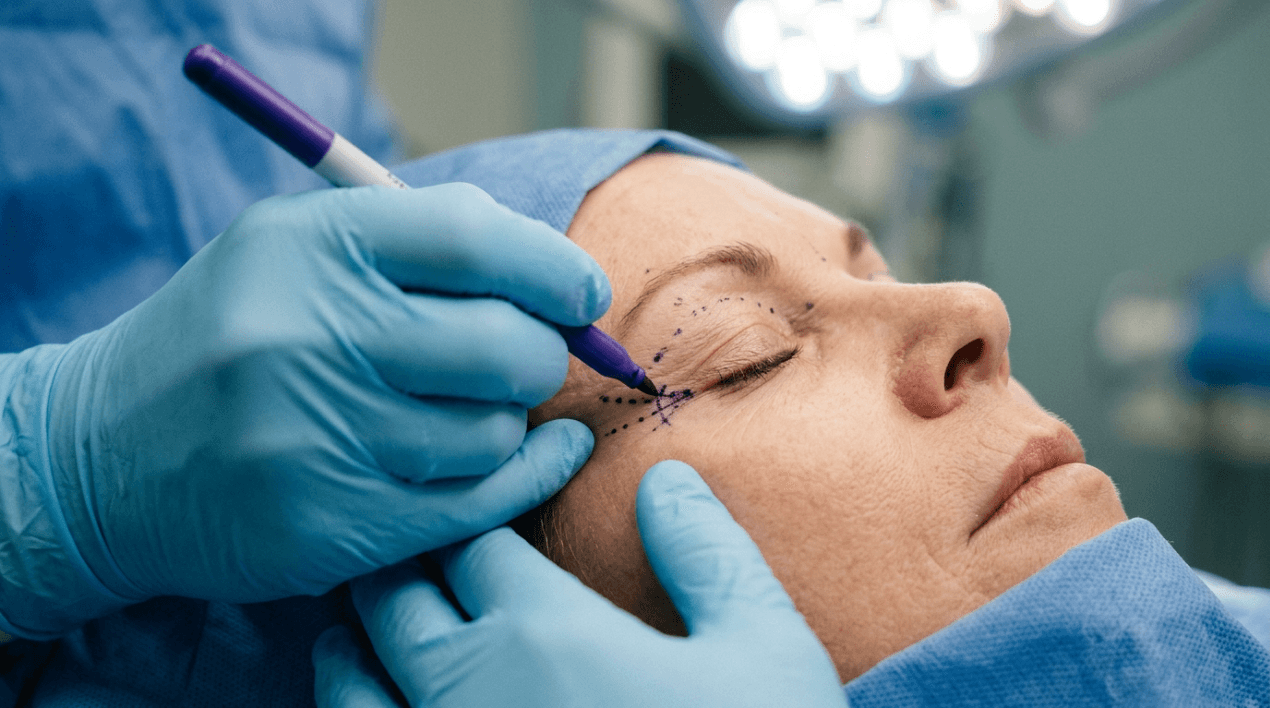
Body feminization surgeries represent a transformative journey for many transgender women and non-binary individuals seeking to align their physical appearance with their gender identity. One of the most critical decisions in this process is choosing between single and multiple procedures. This choice impacts not only the aesthetic outcome but also recovery time, risks, and overall patient experience. In this comprehensive guide, we delve into the benefits, risks, and suitability of each approach, empowering you to make an informed decision tailored to your body goals.

Table of Contents
Understanding Body Feminization Surgeries
Body feminization surgeries encompass a range of procedures designed to create a more traditionally feminine silhouette. These may include breast augmentation, liposuction, buttock augmentation, jaw reduction, and hip enhancement. Each procedure addresses specific areas of the body, contributing to an overall harmonious and feminine appearance.
The decision to undergo a single procedure or multiple procedures simultaneously depends on various factors, including individual anatomy, desired outcomes, and medical considerations. Understanding these factors is crucial for achieving optimal results while minimizing risks.

Single Procedure: Focused Transformation
Opting for a single body feminization procedure allows for a focused transformation. This approach is ideal for individuals who have specific concerns or wish to address one area at a time. For example, a patient may choose to undergo breast augmentation as a standalone procedure to enhance their bust line without altering other parts of their body.
Benefits of a Single Procedure
- Targeted Results: Focus on one specific area ensures precision and allows the surgeon to tailor the procedure to your unique anatomy.
- Shorter Recovery Time: Recovering from one procedure is generally quicker and less physically demanding than recovering from multiple surgeries.
- Lower Risk of Complications: Fewer procedures mean fewer opportunities for complications such as infections or adverse reactions to anesthesia.
- Cost-Effective: Single procedures often come with a lower upfront cost compared to multiple surgeries performed simultaneously.
Potential Drawbacks
- Limited Transformation: Addressing only one area may not fully align with your overall body goals, requiring additional procedures in the future.
- Multiple Recovery Periods: If you plan to undergo more procedures later, you will need to go through separate recovery phases.
- Extended Timeline: Achieving your desired look may take longer if you space out procedures over months or years.

Multiple Procedures: Comprehensive Transformation
Undergoing multiple body feminization procedures simultaneously offers a comprehensive transformation. This approach is ideal for individuals seeking a more dramatic change or those who wish to minimize downtime by combining surgeries. For example, a patient may choose to undergo breast augmentation, liposuction, and buttock augmentation in a single session to achieve a more feminine silhouette.
Benefits of Multiple Procedures
- Holistic Results: Addressing multiple areas at once ensures a more balanced and harmonious outcome.
- Single Recovery Period: Combining procedures allows you to recover from all surgeries simultaneously, reducing overall downtime.
- Cost Savings: While the upfront cost may be higher, combining procedures can be more cost-effective in the long run due to shared surgical and anesthesia fees.
- Convenience: Fewer surgical sessions mean less disruption to your daily life and a quicker path to your desired appearance.
Potential Drawbacks
- Increased Risk of Complications: Multiple procedures performed at once carry a higher risk of complications such as infections, blood loss, or adverse reactions to anesthesia.
- Longer Recovery Time: Recovering from multiple surgeries simultaneously can be more physically demanding and may require a longer recovery period.
- Higher Upfront Cost: The combined cost of multiple procedures can be significant, although it may be more cost-effective in the long term.
- More Demanding Post-Operative Care: Managing recovery from multiple procedures may require additional support and care.

Key Considerations for Choosing Between Single and Multiple Procedures
Deciding between single and multiple procedures requires careful consideration of several factors. Here are the key aspects to evaluate:
1. Body Goals and Desired Outcomes
Begin by defining your body goals. Are you looking for subtle enhancements or a dramatic transformation? If your goals are limited to one area, a single procedure may suffice. However, if you seek a more comprehensive change, multiple procedures may be more appropriate.
2. Medical Suitability
Consult with a qualified surgeon to assess your medical suitability for single or multiple procedures. Factors such as overall health, body mass index (BMI), and pre-existing conditions will influence the recommendation. For instance, patients with certain health conditions may be advised to undergo single procedures to minimize risks.
3. Recovery Time and Lifestyle
Consider your lifestyle and how much time you can dedicate to recovery. Multiple procedures may require an extended recovery period, during which you may need to take time off work or daily activities. If your schedule is flexible, combining procedures may be a viable option. However, if you have limited downtime, single procedures may be more manageable.
4. Budget and Financial Planning
Evaluate your budget and financial planning. While multiple procedures may offer long-term cost savings, the upfront cost can be substantial. Ensure you have a clear understanding of the total expenses, including surgical fees, anesthesia, post-operative care, and potential follow-up treatments.
5. Surgeon’s Expertise and Recommendations
Choose a surgeon with extensive experience in body feminization surgeries. A skilled surgeon will provide personalized recommendations based on your anatomy, goals, and medical history. They will also guide you on the safest and most effective approach, whether it’s a single procedure or a combination of surgeries.
Patient Experiences: Real-Life Insights
Hearing from individuals who have undergone body feminization surgeries can provide valuable insights. Many patients report high satisfaction with both single and multiple procedures, emphasizing the importance of personalized planning. For example, some patients appreciate the convenience of combining surgeries, while others prefer the gradual approach of single procedures.
It’s essential to discuss your expectations and concerns with your surgeon. They can connect you with former patients or provide testimonials to help you make an informed decision. Additionally, reviewing before-and-after galleries can give you a realistic idea of the potential outcomes.
Medical Considerations and Risks
Both single and multiple procedures carry inherent risks, including infections, scarring, and anesthesia-related complications. However, the risks are generally higher with multiple procedures due to the extended surgical time and increased physical stress on the body. It’s crucial to discuss these risks with your surgeon and ensure you are fully prepared for the recovery process.
Your surgeon will provide detailed pre-operative and post-operative instructions to minimize risks. Following these guidelines meticulously is essential for a smooth recovery and optimal results. Regular follow-up appointments will allow your surgeon to monitor your progress and address any concerns promptly.
Choosing the Right Surgeon
Selecting the right surgeon is one of the most critical decisions in your body feminization journey. Look for a board-certified surgeon with specialized experience in transgender and non-binary surgeries. Review their credentials, patient testimonials, and before-and-after photos to ensure they align with your goals.
During your consultation, ask about their approach to single versus multiple procedures. A reputable surgeon will prioritize your safety and satisfaction, providing honest recommendations based on your unique needs. They will also discuss potential risks, recovery expectations, and long-term outcomes.
Frequently Asked Questions
What is the main difference between single and multiple body feminization procedures?
The main difference lies in the scope of transformation. Single procedures focus on one specific area, offering targeted results with a shorter recovery time. Multiple procedures address several areas simultaneously, providing a more comprehensive transformation but requiring a longer recovery period.
How do I know if I’m a good candidate for multiple procedures?
Your suitability for multiple procedures depends on factors such as overall health, body goals, and medical history. A qualified surgeon will assess your individual case and recommend the safest and most effective approach tailored to your needs.
What are the risks associated with multiple body feminization procedures?
Multiple procedures carry higher risks due to extended surgical time and increased physical stress. Potential risks include infections, blood loss, adverse reactions to anesthesia, and longer recovery periods. Discuss these risks with your surgeon to make an informed decision.
How long does recovery take for single vs. multiple procedures?
Recovery time varies depending on the procedures performed. Single procedures typically require a shorter recovery period, often a few weeks. Multiple procedures may necessitate several weeks to months for full recovery, depending on the extent of the surgeries.
Can I combine body feminization procedures with facial feminization surgeries?
Yes, it is possible to combine body and facial feminization procedures, but this approach requires careful planning and consideration of risks. Consult with your surgeon to determine the safest and most effective combination for your goals.
What should I consider when choosing a surgeon for body feminization surgeries?
When choosing a surgeon, prioritize board certification, specialized experience in transgender surgeries, and a strong portfolio of before-and-after results. Additionally, seek a surgeon who prioritizes patient safety, provides transparent communication, and offers personalized recommendations.