MTF Body Contouring FAQs: Your Burning Questions Answered

A woman in a white sports bra and white underwear measuring her waist with a tape measure.

Are you considering MTF Body Contouring but have burning questions swirling in your mind? Look no further. Delve into our comprehensive FAQ guide tailored to address your concerns with precision and insight. From the intricacies of the procedure to post-operative care, we unravel the complexities surrounding MTF Body Contouring to empower your decision-making process. Let’s embark on this enlightening journey together, dispelling doubts and illuminating the path toward your desired transformation.

MTF Body Contouring FAQs: Your Burning Questions Answered

Unraveling the Mysteries of MTF Body Contouring: Your Comprehensive Guide

Curious about MTF Body Contouring and eager to explore its transformative potential? Look no further. In this detailed FAQ guide, we navigate through the intricacies of MTF Body Contouring, shedding light on key aspects and answering your burning questions with authority and insight.

What is MTF body contouring?

MTF Body Contouring refers to a set of surgical procedures designed to sculpt and reshape the body, typically for transgender individuals undergoing male-to-female transition. These procedures aim to create feminine contours and proportions, enhancing the individual’s confidence and aligning their physical appearance with their gender identity.

How does MTF body contouring help transgender individuals?

For transgender individuals, MTF Body Contouring plays a crucial role in aligning their physical appearance with their gender identity. By feminizing the body contours, this procedure helps alleviate gender dysphoria and promotes a greater sense of authenticity and well-being.

What are the benefits of MTF body contouring?

The benefits of MTF Body Contouring are manifold. Not only does it enhance physical appearance and self-esteem, but it also helps individuals feel more comfortable in their bodies, improving overall quality of life. Additionally, it can facilitate a smoother social transition and integration into their identified gender.

Is MTF body contouring safe?

When performed by a skilled and experienced surgeon in an accredited facility, MTF Body Contouring is generally considered safe. However, as with any surgical procedure, there are potential risks and complications, which will be discussed in further detail below.

Who is a candidate for MTF body contouring?

Candidates for MTF Body Contouring typically include transgender women who desire feminization of their body contours. Ideal candidates are in good overall health, have realistic expectations, and are committed to following pre- and post-operative instructions.

What areas of the body can be targeted with MTF contouring?

MTF Body Contouring can target various areas of the body, including the breasts, hips, buttocks, waist, and thighs. The specific areas addressed will depend on the individual’s goals and anatomy, as well as the techniques employed by the surgeon.

How long does the recovery process take after MTF contouring?

The recovery process following MTF Body Contouring varies depending on the extent of the procedures performed and individual healing factors. Generally, patients can expect a recovery period of several weeks to months, during which they may experience swelling, bruising, and discomfort.

What are the potential risks or complications of MTF contouring?

As with any surgical procedure, MTF Body Contouring carries certain risks and potential complications. These may include infection, bleeding, adverse reactions to anesthesia, asymmetry, scarring, and changes in sensation. It’s essential to discuss these risks with your surgeon and follow their guidance to minimize the likelihood of complications.

How much does MTF body contouring typically cost?

The cost of MTF Body Contouring can vary depending on factors such as the specific procedures performed, the surgeon’s experience and reputation, the geographic location of the practice, and the facility fees. On average, patients can expect to invest several thousand to tens of thousands of dollars in these procedures.

What factors should I consider when choosing a surgeon for MTF body contouring?

When selecting a surgeon for MTF Body Contouring, it’s crucial to consider their experience, expertise in transgender procedures, board certification, patient testimonials, before-and-after photos, and overall rapport. Additionally, ensure that the surgeon operates in an accredited facility and prioritizes patient safety and satisfaction.

Can MTF body contouring be combined with other procedures?

Yes, MTF Body Contouring can be combined with other procedures, such as breast augmentation, facial feminization surgery, and genital reconstruction. Combining procedures can optimize results and minimize overall downtime, but it’s essential to discuss the potential risks and benefits with your surgeon.

What should I expect during the consultation for MTF body contouring?

During the consultation for MTF Body Contouring, you can expect to discuss your goals, medical history, current medications, and any concerns or questions you may have. The surgeon will conduct a physical examination, explain the available procedures, discuss potential outcomes and risks, and develop a personalized treatment plan tailored to your needs.

How can I prepare for MTF body contouring surgery?

Preparation for MTF Body Contouring surgery may include lifestyle adjustments, cessation of smoking and certain medications, and arranging for post-operative care and support. Your surgeon will provide detailed pre-operative instructions to ensure you are adequately prepared for the procedure.

What is the difference between MTF body contouring and other cosmetic procedures?

While MTF Body Contouring specifically focuses on feminizing the body contours of transgender individuals, other cosmetic procedures may target different goals or patient populations. For example, liposuction aims to remove excess fat, while breast augmentation enhances breast size and shape. MTF Body Contouring is tailored to address the unique needs and goals of transgender women.

Are the results of MTF body contouring permanent?

The results of MTF Body Contouring can be long-lasting, but they may be influenced by factors such as aging, weight fluctuations, and lifestyle choices. While surgical techniques aim to achieve enduring results, ongoing maintenance and self-care are essential to preserve the outcomes over time.

What type of anesthesia is used during MTF body contouring?

MTF Body Contouring is typically performed under general anesthesia to ensure patient comfort and safety throughout the procedure. The anesthesia provider will carefully monitor your vital signs and adjust the anesthesia as needed to maintain optimal conditions.

How soon can I return to normal activities after MTF contouring?

The timeline for resuming normal activities after MTF Body Contouring varies depending on the procedures performed and individual healing. While some activities may be gradually resumed within a few weeks, strenuous exercise and heavy lifting may be restricted for a longer period to allow for proper healing.

Are there non-surgical alternatives to MTF body contouring?

While MTF Body Contouring typically involves surgical procedures, there may be non-surgical alternatives available for certain aspects of feminization, such as dermal fillers or fat grafting for enhancing facial contours. However, these alternatives may have limitations in achieving significant changes compared to surgery.

Will MTF body contouring affect my ability to undergo hormone therapy?

MTF Body Contouring is generally compatible with hormone therapy, and many transgender individuals choose to undergo both treatments as part of their transition process. Your surgeon and endocrinologist will coordinate care to ensure that both interventions complement each other and align with your overall treatment goals.

How can I find a reputable surgeon for MTF body contouring?

Finding a reputable surgeon for MTF Body Contouring involves thorough research, referrals from trusted sources, and careful evaluation of credentials and experience. Look for surgeons who specialize in transgender procedures, have a track record of successful outcomes, and prioritize patient safety and satisfaction. Consulting with multiple surgeons and asking detailed questions during the consultation process can help you make an informed decision.

Embark on Your Transformation Journey with Confidence

Armed with this comprehensive guide to MTF Body Contouring, you are now equipped to embark on your transformation journey with confidence and clarity. By partnering with a skilled surgeon and prioritizing your well-being, you can achieve the feminine contours you desire and embrace your authentic self with pride.

Unlocking the Potential of Turkey’s Medical Tourism: Antalya’s Allure

Turkey’s thriving medical tourism industry, particularly in Antalya, offers a compelling combination of world-class healthcare services and picturesque holiday destinations. Among the array of procedures available, MTF Body Contouring stands out as a sought-after option for transgender individuals seeking comprehensive feminization procedures. Let’s explore the advantages of opting for MTF Body Contouring in Turkey, particularly within the scope of Antalya’s medical tourism program.

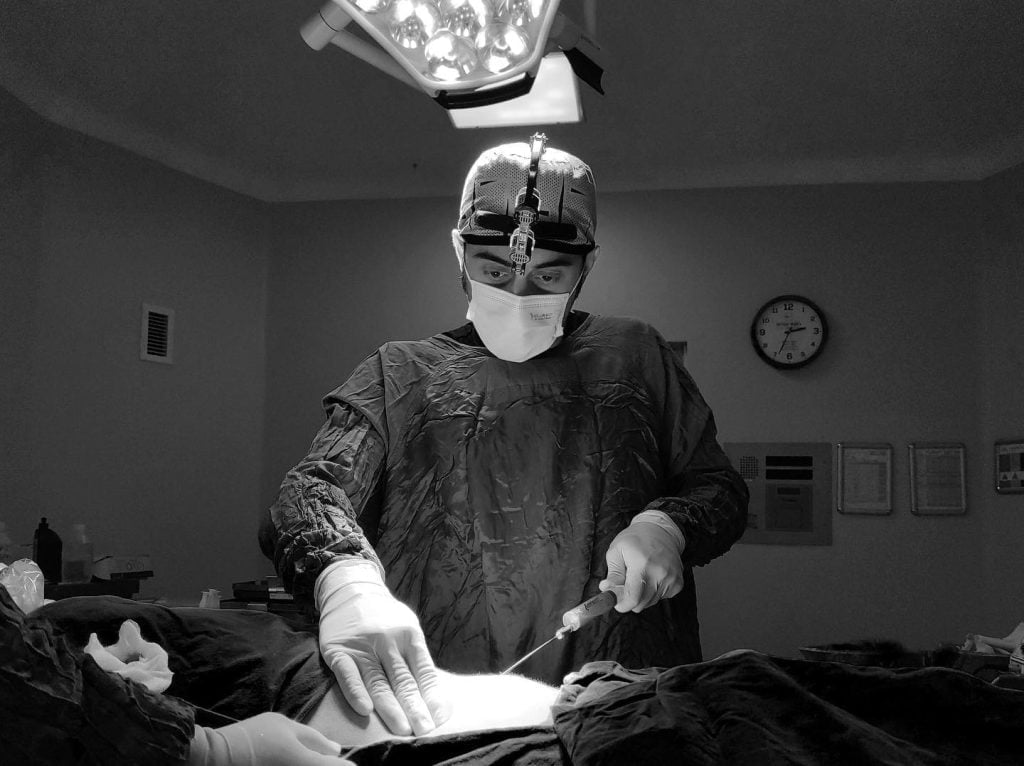
Mehmet Fatih Okyay, MD, FEBOPRAS in Türkiye.

Expertise of Surgeons like Mehmet Fatih Okyay, MD, FEBOPRAS

In the realm of MTF Body Contouring, expertise is paramount, and Turkey boasts highly skilled surgeons like Mehmet Fatih Okyay, MD, FEBOPRAS. Dr. Okyay’s impressive credentials and extensive experience in plastic, reconstructive, and aesthetic surgery underscore his proficiency in delivering exceptional results. As the founder of Dr. MFO Clinic, Dr. Okyay combines surgical precision with a commitment to patient satisfaction, ensuring optimal outcomes for individuals seeking MTF Body Contouring procedures.

All-Inclusive Packages: Combining Surgery with a Holiday Experience

One of the standout features of MTF Body Contouring in Turkey, particularly in Antalya, is the availability of all-inclusive packages. These packages not only cover the cost of the surgical procedure but also include accommodation, transportation, and post-operative care. This means that patients can seamlessly integrate their surgical journey with a rejuvenating holiday experience in Antalya’s breathtaking surroundings, enhancing both physical and emotional well-being.

Competitive Pricing without Compromising Quality

Turkey’s medical tourism sector is renowned for its competitive pricing, offering significant cost savings compared to many Western countries without compromising on quality or safety standards. With MTF Body Contouring in Turkey, patients can access state-of-the-art facilities, cutting-edge technology, and world-class surgical expertise at a fraction of the cost they would incur elsewhere. This affordability makes Turkey an attractive destination for individuals seeking transformative surgical procedures.

Multilingual Support and Cultural Sensitivity

Antalya, as a premier medical tourism destination, caters to a diverse clientele from around the world. As such, medical facilities in the region prioritize multilingual support and cultural sensitivity, ensuring that patients feel welcomed and understood throughout their journey. Surgeons like Dr. Okyay, with proficiency in English, Spanish, and French, exemplify the commitment to providing personalized care and clear communication, regardless of language barriers.

Holistic Approach to Patient Care

Beyond the surgical procedure itself, MTF Body Contouring in Turkey encompasses a holistic approach to patient care, encompassing pre-operative consultations, comprehensive assessments, and personalized treatment plans. Surgeons collaborate closely with patients to understand their goals, address concerns, and tailor surgical interventions to meet their unique needs. This patient-centered approach fosters trust, confidence, and satisfaction, leading to successful outcomes and positive experiences.

MTF Body Contouring FAQs: Your Burning Questions Answered

Conclusion

In summary, MTF Body Contouring in Turkey, particularly in the captivating city of Antalya, offers a compelling blend of expertise, affordability, and holistic care. With renowned surgeons like Dr. Mehmet Fatih Okyay at the helm, patients can embark on their transformation journey with confidence, knowing that they are in capable hands. By combining surgical excellence with the allure of a holiday destination, Turkey’s medical tourism program presents a compelling opportunity for individuals seeking comprehensive MTF Body Contouring procedures.

Visit the Dr.MFO Instagram profile for examples of successful Surgeries. Contact for free consultation.

Crafting Confidence: A Deep Dive into Voice Feminization Surgery

A smiling woman with long red hair and bangs, wearing a purple top, standing in front of a large rainbow flag.

Your voice is one of the most powerful tools you have to express yourself, communicate with others, and convey your personality. It is also one of the most distinctive features that shape your identity and how you are perceived by the world.

For many transgender women and non-binary people who were assigned male at birth, having a voice that does not match their gender identity can cause distress, discomfort, and dysphoria. It can also affect their social and professional opportunities, as well as their safety and well-being.

That is why some people may choose to undergo voice feminization surgery, a procedure that alters the vocal cords and larynx to create a more feminine-sounding voice. Voice feminization surgery can help people achieve a voice that is more congruent with their gender identity and expression, as well as improve their confidence, happiness, and quality of life.

In this article, we will explore the basics of voice feminization surgery, including the types, benefits, risks, costs, and recovery of different procedures. We will also highlight some of the best destinations for voice feminization surgery, with a special focus on Turkey, a country that offers high-quality and affordable care for transgender people.

By the end of this article, you will have a better understanding of what voice feminization surgery entails and whether it is right for you. You will also learn how to prepare for your surgery and what to expect after it. We hope that this guide will help you make an informed and confident decision about your voice feminization surgery.

A person with a joyful expression, wearing a gray shirt, wrapped in a vibrant rainbow flag, symbolizing LGBTQ+ pride and support.

What is voice feminization surgery?

Voice feminization surgery, also known as gender-affirming voice surgery or voice modification surgery, is a collective term for various surgical procedures that can change the pitch, resonance, and quality of the voice to make it sound more feminine and harmonious.

Voice feminization surgery is not a one-size-fits-all solution. It is a personal choice that depends on your goals, preferences, and medical needs. Some people may opt for a full voice transition, while others may only want certain aspects of their voice to change. Some people may not want any surgery at all, and that is perfectly valid too.

Voice feminization surgery can be divided into two categories: pitch surgery and resonance surgery. Pitch surgery refers to procedures that affect the frequency or tone of the voice, while resonance surgery refers to procedures that affect the timbre or sound quality of the voice. Additionally, some people may choose to have other procedures to enhance their feminine features, such as tracheal shave, lip lift, or chin reduction.

The main types of voice feminization surgery are:

  • Cricothyroid approximation (CTA): This is a procedure that increases the tension and length of the vocal cords by suturing the cricoid cartilage closer to the thyroid cartilage. This results in a higher pitch and a more feminine voice. CTA is the most common and effective type of voice feminization surgery, and it can be combined with other procedures to improve the resonance and quality of the voice.
  • Anterior commissure advancement (ACA): This is a procedure that shortens the vibrating length of the vocal cords by suturing the anterior vocal tissues together. This also results in a higher pitch and a more feminine voice. ACA is a newer and less invasive alternative to CTA, and it can preserve more of the natural voice characteristics and range.
  • Laser-assisted voice adjustment (LAVA): This is a procedure that reduces the mass and thickness of the vocal cords by using a carbon dioxide laser to ablate or vaporize parts of the vocal tissues. This also results in a higher pitch and a more feminine voice. LAVA is a less common and less predictable type of voice feminization surgery, and it may require multiple sessions to achieve the desired results.
  • Laser reduction glottoplasty (LRG): This is a procedure that reduces the anterior part of the vocal cords by using a carbon dioxide laser to ablate or vaporize the vocal tissues, and then suturing them together. This also results in a higher pitch and a more feminine voice. LRG is a more aggressive and irreversible type of voice feminization surgery, and it may cause scarring and loss of vocal range.
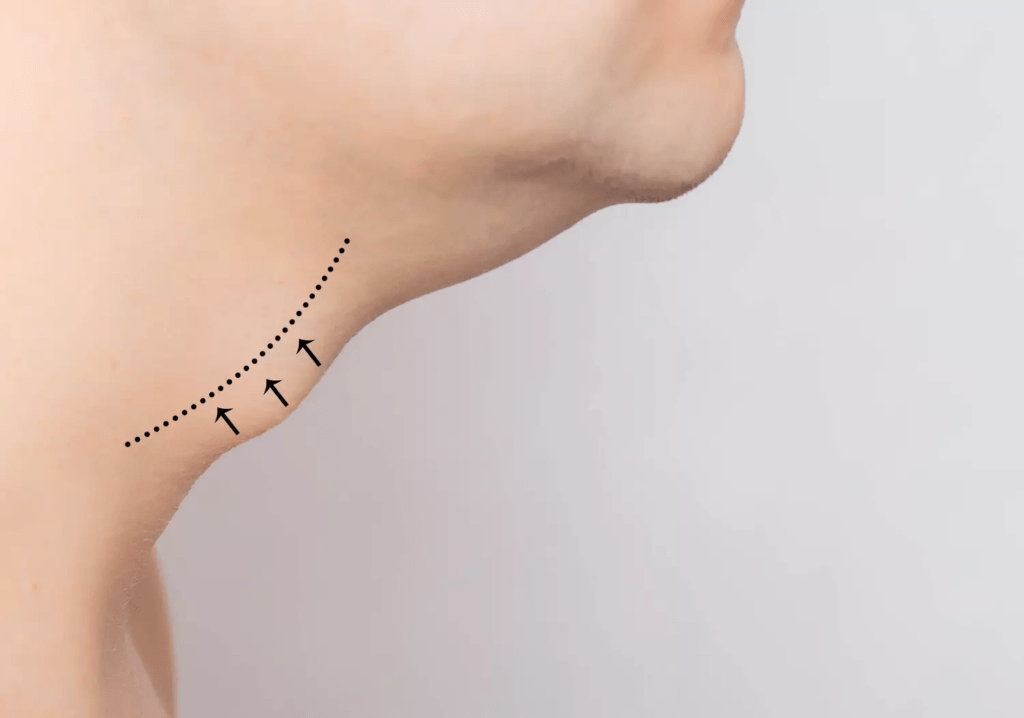
  • Tracheal shave: This is a procedure that reduces the prominence of the Adam’s apple by shaving off some of the thyroid cartilage. This results in a more feminine appearance of the neck and throat, and may also improve the resonance and quality of the voice. Tracheal shave is often done as a cosmetic procedure, but it can also be combined with other types of voice feminization surgery to enhance the overall outcome.
  • Lip lift: This is a procedure that shortens the distance between the nose and the upper lip by removing a strip of skin from the upper lip and lifting it. This results in a more feminine appearance of the face and mouth, and may also improve the resonance and quality of the voice. Lip lift is also done as a cosmetic procedure, but it can also be combined with other types of voice feminization surgery to enhance the overall outcome.
  • Chin reduction: This is a procedure that reduces the size and projection of the chin by removing some of the bone and soft tissue. This results in a more feminine appearance of the face and jaw, and may also improve the resonance and quality of the voice. Chin reduction is also done as a cosmetic procedure, but it can also be combined with other types of voice feminization surgery to enhance the overall outcome.

Why do people choose voice feminization surgery?

Voice feminization surgery is a major step in the process of transitioning from male to female or from a masculine to a feminine expression. It can have significant physical, psychological, and social benefits for transgender women and non-binary people who seek it.

Some of the reasons why people choose voice feminization surgery are:

  • To alleviate voice dysphoria, which is the distress or discomfort that arises from the incongruence between one’s voice and gender identity. Voice feminization surgery can help reduce or eliminate this feeling by making the voice more congruent with the gender identity.
  • To enhance self-esteem, confidence, and happiness. Voice feminization surgery can help improve the self-image and self-acceptance of transgender women and non-binary people, as well as make them feel more comfortable and authentic in their own voice. It can also increase their satisfaction and enjoyment of their speech and singing abilities.
  • To improve social integration and acceptance. Voice feminization surgery can help transgender women and non-binary people blend in better with the society and avoid discrimination, harassment, or violence. It can also make it easier for them to access legal documents, health care, education, employment, and other services that match their gender identity.

What are the risks and complications of voice feminization surgery?

Voice feminization surgery is a safe and effective procedure when performed by qualified and experienced surgeons. However, like any surgery, it carries some risks and potential complications that should be considered before undergoing it.

Some of the common risks and complications of voice feminization surgery are:

  • Bleeding: This is the loss of blood during or after the surgery, which can cause bruising, swelling, pain, or infection. It can usually be controlled by applying pressure, using ice packs, or taking medication. In rare cases, it may require a blood transfusion or a revision surgery.
  • Infection: This is the invasion of bacteria or other microorganisms into the surgical site, which can cause redness, warmth, pus, fever, or sepsis. It can usually be prevented by following proper hygiene, taking antibiotics, or using antiseptic solutions. In rare cases, it may require hospitalization or a revision surgery.
  • Scarring: This is the formation of fibrous tissue on the skin or internal organs as a result of the healing process. It can cause itching, pain, tightness, or aesthetic issues. It can usually be minimized by using silicone gel, massage, or laser therapy. In rare cases, it may require a revision surgery or a skin graft.
  • Nerve damage: This is the injury or impairment of the nerves that supply sensation or movement to the affected area. It can cause numbness, tingling, burning, weakness, or paralysis. It can usually be temporary and improve over time with medication, physical therapy, or electrical stimulation. In rare cases, it may be permanent or require a nerve graft or a nerve transfer.
  • Anesthesia complications: These are the adverse reactions or side effects of the drugs used to induce or maintain anesthesia during the surgery. They can cause nausea, vomiting, headache, drowsiness, allergic reactions, or cardiac or respiratory problems. They can usually be managed by adjusting the dosage, using antiemetics, or monitoring the vital signs. In rare cases, they may be life-threatening or require resuscitation or intensive care.
  • Voice complications: These are the problems or issues that may affect the voice quality, pitch, range, or function after the surgery. They can include hoarseness, breathiness, weakness, instability, loss of volume, loss of control, loss of expression, or loss of singing ability. They can usually be improved by voice therapy, medication, or voice exercises. In rare cases, they may be permanent or require a revision surgery or a voice prosthesis.
A person with short orange hair wearing a purple hoodie and a colorful necklace, standing against a plain blue background.

How much does voice feminization surgery cost?

The cost of voice feminization surgery in the United States ranges from $5,000 to $63,400, depending on the specific procedure. For example, cricothyroid approximation costs about $5,000, anterior commissure advancement costs about $10,000, and facial feminization surgery costs about $63,400.

However, the cost of voice feminization surgery in the United States is often prohibitive for many people, as most insurance plans do not cover it or have strict criteria and limitations. Moreover, the waiting times and availability of qualified surgeons can be long and scarce, making it difficult to access timely and quality care.

That is why many transgender women and non-binary people choose to travel abroad for voice feminization surgery, where they can find more affordable and accessible options. Some of the most popular destinations for voice feminization surgery are Thailand, India, Brazil, Mexico, and Turkey.

To give you an idea of the cost difference, here is a table that compares the average cost of some common voice feminization surgery procedures in different countries, including Turkey:

ProcedureUnited StatesThailandIndiaBrazilMexicoTurkey
Cricothyroid approximation$5,000$2,000$1,000$2,500$2,000$1,500
Anterior commissure advancement$10,000$4,000$2,000$5,000$4,000$3,000
Laser-assisted voice adjustment$15,000$6,000$3,000$7,500$6,000$4,500
Laser reduction glottoplasty$20,000$8,000$4,000$10,000$8,000$6,000
Tracheal shave$5,000$2,000$1,000$2,500$2,000$1,500
Lip lift$5,000$2,000$1,000$2,500$2,000$1,500
Chin reduction$8,400$3,500$2,000$4,200$3,500$2,500

As you can see, Turkey offers some of the most competitive prices for voice feminization surgery, as well as high-quality and comprehensive care. In the next section, we will explore why Turkey is an ideal destination for voice feminization surgery and what you can expect from your experience there.

Turkey is a country that has a lot to offer for transgender women and non-binary people who are looking for voice feminization surgery. Here are some of the reasons why Turkey is an ideal destination for this type of surgery:

  • Quality: Turkey has a large and well-developed medical sector, with many accredited and reputable clinics and hospitals that specialize in voice feminization surgery. The surgeons and staff are highly qualified and experienced, using the latest techniques and technologies to ensure the best results and safety. The facilities are modern and comfortable, with state-of-the-art equipment and amenities. The standards of care and hygiene are also high, following the international protocols and guidelines.
  • Affordability: Turkey offers some of the most competitive prices for voice feminization surgery, as well as other related services such as accommodation, transportation, and aftercare. The cost of living in Turkey is also lower than in many other countries, making it more economical to stay and recover there. Moreover, Turkey has a favorable exchange rate and a low inflation rate, making it more attractive for foreign currency holders.
  • Accessibility: Turkey is easily accessible from many parts of the world, with direct flights and visa-free or e-visa options for many nationalities. The country has a well-developed and efficient transportation system, with buses, trains, taxis, and metro lines connecting the major cities and tourist attractions. The country also has a diverse and rich culture, history, and nature, offering many opportunities for sightseeing and entertainment. The people are friendly and hospitable, and many of them speak English or other foreign languages.
  • Inclusivity: Turkey is a country that respects and supports the rights and dignity of transgender people, as well as other marginalized groups. The country has a vibrant and active LGBTQ+ community, with many organizations, events, and venues that cater to their needs and interests. The country also has a progressive and comprehensive legal framework, allowing transgender people to change their name and gender marker on their official documents without requiring surgery or sterilization. The country also provides free hormone therapy and psychological counseling for transgender people, as well as subsidized or free voice feminization surgery for those who meet the criteria.
antalya medical tourism

How to prepare for voice feminization surgery in Turkey?

If you have decided to undergo voice feminization surgery in Turkey, you will need to do some preparation before your trip. Here are some of the steps that you should take to ensure a smooth and successful experience:

  • Consult your doctor: Before you book your surgery, you should consult your doctor and get a thorough medical evaluation. You should also inform your doctor about your medical history, current medications, allergies, and any other health issues that you may have. Your doctor will advise you on whether you are a suitable candidate for voice feminization surgery, and what type of procedures you need or want. Your doctor will also prescribe you the necessary tests, such as blood tests, hormone tests, and psychological tests, that you will need to take before your surgery. You should also ask your doctor about the risks and complications of voice feminization surgery, and how to prevent or manage them.
  • Choose your clinic and surgeon: After you have consulted your doctor, you should research and compare the different clinics and surgeons that offer voice feminization surgery in Turkey. You should look for their credentials, experience, reputation, reviews, and results. You should also check their prices, services, and facilities. You should contact them and ask them any questions that you may have, such as their availability, booking process, payment methods, cancellation policy, and warranty policy. You should also request a quote and a treatment plan from them, and review them carefully. You should choose the clinic and surgeon that best suit your needs, preferences, and budget.
  • Plan your trip: Once you have chosen your clinic and surgeon, you should plan your trip to Turkey. You should book your flight, accommodation, and transportation in advance, and confirm your surgery date and time with your clinic. You should also check the visa requirements and travel restrictions for your country of origin and destination, and apply for the necessary documents. You should also pack your essentials, such as your passport, visa, medical records, medications, toiletries, and comfortable clothing. You should also prepare some cash, credit cards, or traveler’s checks for your expenses. You should also arrange for someone to accompany you or assist you during your trip, such as a friend, family member, or a medical tourism agency.
  • Follow the pre-operative instructions: Before your surgery, you should follow the pre-operative instructions given by your clinic and surgeon. These may include stopping smoking, drinking, and taking certain medications or supplements, as well as fasting for a certain period of time. You should also avoid any strenuous activities, such as exercise, lifting, or sex, that may affect your surgery or recovery. You should also take care of your hygiene, and wash and shave the surgical area as instructed. You should also inform your clinic and surgeon of any changes in your health or medication, and report any signs of infection or illness.

What to expect after voice feminization surgery in Turkey?

After your surgery, you will be transferred to a recovery room, where you will be monitored and cared for by the medical staff. You may feel some pain, discomfort, swelling, bruising, or bleeding in the surgical area, which can be managed by medication, ice packs, or compression garments. You may also have some drains, tubes, or stitches in place, which will be removed after a few days or weeks. You may also need to wear a special device, such as a stent, a splint, or a collar, to protect and support your voice box.

You will stay in the hospital for a few days or weeks, depending on the type and extent of your surgery, and your recovery progress. You will receive regular check-ups, dressing changes, and wound care from your surgeon and nurses. You will also receive instructions on how to care for yourself at home, such as how to clean, dress, and protect your surgical site, how to manage your pain and discomfort, and how to prevent infection and complications. You will also receive a prescription for antibiotics, painkillers, and hormones, as well as a referral for voice therapy, psychological counseling, or sexual therapy, if needed.

You will be able to leave the hospital and return to your accommodation, where you will continue to rest and recover. You will need to avoid any strenuous activities, such as exercise, lifting, or sex, for a few weeks or months, until you are fully healed and cleared by your surgeon. You will also need to follow a healthy diet, drink plenty of fluids, and take your medications as prescribed. You will also need to keep in touch with your clinic and surgeon, and report any problems or concerns that you may have. You will also need to attend your follow-up appointments, where your surgeon will evaluate your results and remove any remaining stitches or devices.

You will be able to travel back to your home country after you have recovered enough and received the approval from your surgeon. You will need to arrange for your transportation and accommodation, and check the travel regulations and restrictions for your destination. You will also need to carry your medical records, medications, and devices with you, and declare them at the customs if necessary. You will also need to continue your aftercare at home, such as taking your hormones, using your stent, or doing your voice exercises. You will also need to maintain a regular contact with your clinic and surgeon, and send them your photos and feedback.

A close-up portrait of a woman with smooth skin and a contemplative expression, set against a teal background.

Conclusion

Voice feminization surgery is a life-changing procedure that can help transgender women and non-binary people achieve a more feminine-sounding voice and feel more comfortable in their own voice. It can also improve their physical, mental, and social well-being, as well as their quality of life.

However, voice feminization surgery is not a simple or easy decision. It requires a lot of preparation, research, consultation, and commitment. It also involves some risks, complications, and costs that should be considered and weighed carefully.

That is why choosing the right destination, clinic, and surgeon for voice feminization surgery is crucial. It can make a big difference in the outcome, safety, and satisfaction of the surgery, as well as the overall experience and enjoyment of the trip.

Turkey is one of the best destinations for voice feminization surgery, as it offers high-quality, affordable, accessible, and inclusive care for transgender people. Turkey has many reputable and experienced clinics and surgeons that specialize in voice feminization surgery, as well as modern and comfortable facilities and amenities. Turkey also has a favorable and convenient location, culture, and legal system, as well as a supportive and welcoming LGBTQ+ community.

If you are interested in voice feminization surgery in Turkey, you can contact us and we will help you find the best clinic and surgeon for your needs, preferences, and budget. We will also assist you with your trip planning, booking, transportation, accommodation, and aftercare. We will make sure that you have a smooth and successful surgery, as well as a pleasant and memorable stay in Turkey.

We hope that this article has given you some useful information and insights about voice feminization surgery in Turkey. We also hope that it has inspired you to pursue your voice goals and dreams. We are here to support you and guide you along the way. Please feel free to contact us anytime if you have any questions or concerns. We look forward to hearing from you soon. 

Visit the Dr.MFO Instagram profile for examples of successful Surgeries. Contact for free consultation.

How Much Does Top Surgery Cost UK?

A medical professional wrapping a patient's chest with bandages after surgery.

How Much Does Top Surgery Cost UK? Top surgery is a term that refers to the surgical procedures that transgender or non-binary people undergo to align their chest with their gender identity. Top surgery can involve breast augmentation, breast reduction, or chest reconstruction, depending on the individual’s goals and preferences. Top surgery is often a vital step in the transition process, as it can improve one’s self-esteem, mental health, and quality of life.

However, top surgery is not always easy to access or afford, especially in the UK. In this article, we will explore the different options, costs, and factors that affect the availability and affordability of top surgery in the UK. We will also compare the UK with other countries, such as Turkey, Korea, New Zealand, and Australia, where top surgery is more popular or cheaper. We hope that this article will help you understand the challenges and opportunities of getting top surgery in the UK and abroad.

How Much Does Top Surgery Cost UK?

How to Get Top Surgery in the UK?

There are two main ways to get top surgery in the UK: through the National Health Service (NHS) or privately. Each option has its own advantages and disadvantages, which we will discuss below.

NHS

The NHS is the public health system that provides free or low-cost health care to UK residents. The NHS covers the cost of top surgery for transgender or non-binary people who meet certain criteria and have a diagnosis of gender dysphoria from a Gender Identity Clinic (GIC). However, getting top surgery through the NHS can be very difficult and time-consuming, for several reasons:

  • There is a long waiting list for GIC appointments, which can take up to several years. According to a 2020 report by Stonewall, the average waiting time for a first GIC appointment was 18 months, and some people waited up to four years.
  • There is a shortage of GICs and surgeons who perform top surgery in the UK. There are only seven GICs in England, one in Scotland, and none in Wales or Northern Ireland. There are also only a handful of surgeons who are qualified and experienced in top surgery, and they often have limited availability and high demand.
  • There are strict eligibility criteria and requirements for top surgery on the NHS. These include having a diagnosis of gender dysphoria, living in the preferred gender role for at least one year, having regular hormone therapy for at least one year, and having two referrals from GIC clinicians. Some people may not meet these criteria or may not want to follow these steps, which can limit their access to top surgery on the NHS.
  • There is a lack of standardisation and consistency in the quality and outcomes of top surgery on the NHS. Different GICs and surgeons may have different protocols, techniques, and results, which can affect the satisfaction and safety of the patients. Some people may not be happy with the results of their top surgery on the NHS, and may need revisions or corrections, which can incur additional costs and risks.

Private

The alternative to getting top surgery on the NHS is to go privately, which means paying for the surgery out of pocket or with the help of insurance or crowdfunding. Going privately can offer more flexibility, choice, and control over the top surgery process, but it also comes with higher costs and challenges, such as:

  • The cost of top surgery in the UK can vary depending on the type of surgery, the surgeon, the clinic, and the location. According to a 2020 survey by Transgender Surgery Support, the average cost of top surgery in the UK was £6,900, ranging from £4,000 to £10,000. This does not include the costs of consultations, travel, accommodation, aftercare, and potential complications or revisions.
  • The availability and quality of private top surgery in the UK can also vary depending on the surgeon and the clinic. Some surgeons and clinics may have longer waiting lists, higher prices, or lower standards than others. It is important to do thorough research and compare different options before choosing a private top surgery provider in the UK.
  • The accessibility and affordability of private top surgery in the UK can be limited by the lack of insurance coverage or financial support. Most insurance companies in the UK do not cover the cost of top surgery, as they consider it a cosmetic or elective procedure. Some people may resort to crowdfunding platforms, such as GoFundMe, to raise money for their top surgery, but this can be challenging and stressful, as it depends on the generosity and awareness of the donors.
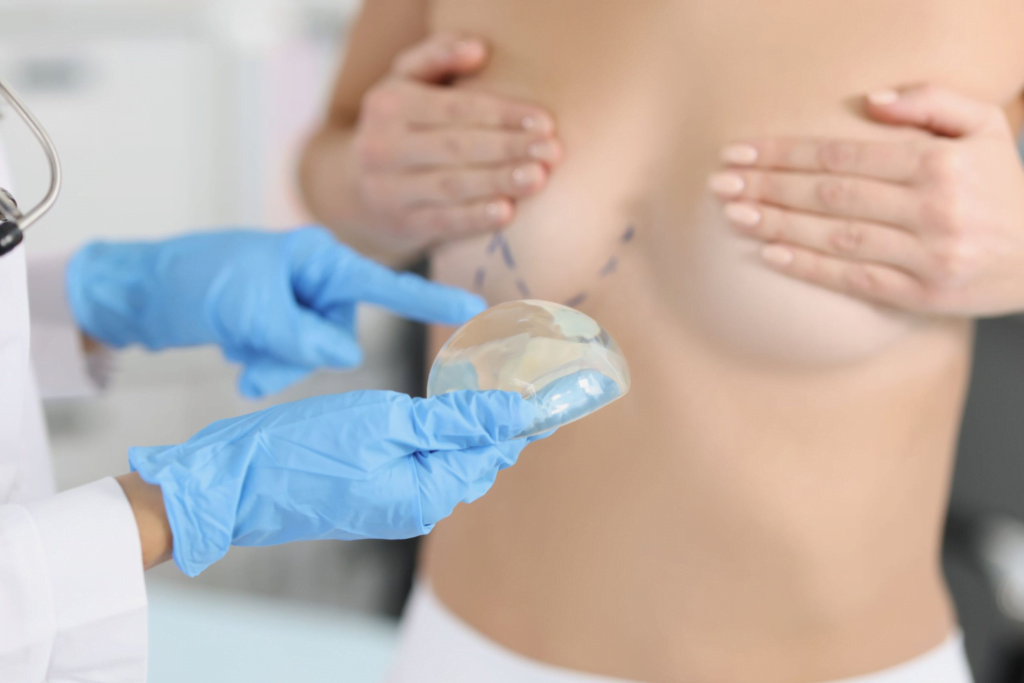
A medical professional with plastic gloves holding a breast implant, demonstrating it to a patient during a consultation.

How to Get Top Surgery Abroad?

Another option for getting top surgery is to travel abroad, where top surgery may be more accessible, affordable, or desirable, depending on the country and the individual. Some of the most popular destinations for top surgery abroad are Turkey, Korea, New Zealand, and Australia, which we will compare with the UK in terms of the cost, quality, and availability of top surgery.

antalya

Turkey

Turkey is one of the most popular and affordable destinations for top surgery abroad, especially for people from Europe and the Middle East. Turkey has a booming medical tourism industry, which offers high-quality and low-cost health care services to international patients. According to a 2019 report by the Turkish Healthcare Travel Council, Turkey hosted more than one million medical tourists, generating more than $1.5 billion in revenue.

One of the main attractions of Turkey for top surgery is the cost, which is significantly lower than in the UK or other European countries. According to a 2020 survey by Transgender Surgery Support, the average cost of top surgery in Turkey was £2,600, ranging from £1,500 to £4,000. This is less than half of the average cost of top surgery in the UK, and it often includes the costs of travel, accommodation, and aftercare.

Another attraction of Turkey for top surgery is the quality, which is comparable or superior to that of the UK or other European countries. Turkey has a large number of qualified and experienced surgeons who specialise in top surgery, as well as modern and accredited clinics and hospitals that adhere to international standards and regulations. Turkey also offers a variety of top surgery techniques and options, such as periareolar, double incision, keyhole, and buttonhole, which can suit different preferences and needs.

However, getting top surgery in Turkey also has some drawbacks and risks, such as:

  • The language barrier, which can make communication and understanding difficult or confusing. Although many surgeons and clinics in Turkey speak English or offer translation services, some may not, which can affect the quality and safety of the top surgery process.
  • The cultural and legal differences, which can make travelling and staying in Turkey uncomfortable or dangerous. Turkey is a predominantly Muslim country, which has conservative and traditional views on gender and sexuality. Transgender or non-binary people may face discrimination, harassment, or violence in Turkey, especially if they do not pass or blend in with the local population. Turkey also has restrictive and ambiguous laws on transgender rights, which can affect the access and protection of transgender or non-binary people in Turkey.
  • The potential complications or revisions, which can be costly and inconvenient to deal with abroad. Although top surgery in Turkey is generally safe and effective, some people may experience complications or dissatisfaction with their results, which may require further treatment or correction. However, travelling back to Turkey for revisions or follow-ups can be expensive and impractical, and finding a local surgeon who can fix the problem can be difficult and risky.
A close-up photo of a woman with her hand partially covering her face, showcasing clear skin and detailed facial features, likely for a skincare or beauty context.

Korea

Korea is another popular and affordable destination for top surgery abroad, especially for people from Asia and America. Korea has a reputation for being a global leader in cosmetic and plastic surgery, which attracts millions of medical tourists every year. According to a 2019 report by the Korea Health Industry Development Institute, Korea hosted more than 380,000 medical tourists, generating more than $1 billion in revenue.

One of the main attractions of Korea for top surgery is the cost, which is also lower than in the UK or other Western countries. According to a 2020 survey by Transgender Surgery Support, the average cost of top surgery in Korea was £3,300, ranging from £2,000 to £5,000. This is still cheaper than the average cost of top surgery in the UK, and it often includes the costs of travel, accommodation, and aftercare.

Another attraction of Korea for top surgery is the quality, which is also comparable or superior to that of the UK or other Western countries. Korea has a large number of qualified and experienced surgeons who specialise in top surgery, as well as modern and accredited clinics and hospitals that adhere to international standards and regulations. Korea also offers a variety of top surgery techniques and options, such as periareolar, double incision, keyhole, and buttonhole, which can suit different preferences and needs.

However, getting top surgery in Korea also has some drawbacks and risks, such as:

  • The language barrier, which can make communication and understanding difficult or confusing. Although many surgeons and clinics in Korea speak English or offer translation services, some may not, which can affect the quality and safety of the top surgery process.
  • The cultural and legal differences, which can make travelling and staying in Korea uncomfortable or dangerous. Korea is a predominantly Confucian country, which has conservative and traditional views on gender and sexuality. Transgender or non-binary people may face discrimination, harassment, or violence in Korea, especially if they do not pass or blend in with the local population.
A panoramic view of a city nestled between mountains and a lake, with a modern glass building overlooking the scene. The city lights glow warmly against the backdrop of dramatic cloudy skies and rugged mountain peaks, creating a serene and picturesque landscape.

New Zealand

New Zealand is another popular and affordable destination for top surgery abroad, especially for people from Australia and Oceania. New Zealand has a progressive and inclusive culture, which supports and respects transgender and non-binary people. According to a 2018 report by ILGA, New Zealand ranked sixth in the world for LGBT rights and equality.

One of the main attractions of New Zealand for top surgery is the cost, which is also lower than in the UK or other Western countries. According to a 2020 survey by Transgender Surgery Support, the average cost of top surgery in New Zealand was £4,000, ranging from £3,000 to £5,000. This is still cheaper than the average cost of top surgery in the UK, and it often includes the costs of travel, accommodation, and aftercare.

Another attraction of New Zealand for top surgery is the quality, which is also comparable or superior to that of the UK or other Western countries. New Zealand has a number of qualified and experienced surgeons who specialise in top surgery, as well as modern and accredited clinics and hospitals that adhere to international standards and regulations. New Zealand also offers a variety of top surgery techniques and options, such as periareolar, double incision, keyhole, and buttonhole, which can suit different preferences and needs.

However, getting top surgery in New Zealand also has some drawbacks and risks, such as:

  • The distance and travel time, which can make travelling and staying in New Zealand expensive and exhausting. New Zealand is located in the South Pacific, which is far away from most parts of the world. The flight time from the UK to New Zealand is about 24 hours, and the time difference is about 12 hours. This can affect the health and comfort of the travellers, as well as the cost and availability of the flights and accommodation.
  • The availability and accessibility of top surgery in New Zealand, which can be limited by the demand and supply of the service. New Zealand has a relatively small population and market for top surgery, which means that there are fewer surgeons and clinics that offer top surgery, and they may have longer waiting lists, higher prices, or lower standards than other countries. It is important to do thorough research and compare different options before choosing a top surgery provider in New Zealand.
  • The potential complications or revisions, which can be costly and inconvenient to deal with abroad. Although top surgery in New Zealand is generally safe and effective, some people may experience complications or dissatisfaction with their results, which may require further treatment or correction. However, travelling back to New Zealand for revisions or follow-ups can be expensive and impractical, and finding a local surgeon who can fix the problem can be difficult and risky.
Aerial view of Sydney Harbour featuring the iconic Sydney Opera House, Sydney Harbour Bridge, and the city skyline with clear blue skies and water.

Australia

Australia is another popular and affordable destination for top surgery abroad, especially for people from Oceania and Asia. Australia has a diverse and multicultural society, which welcomes and celebrates transgender and non-binary people. According to a 2018 report by ILGA, Australia ranked eighth in the world for LGBT rights and equality.

One of the main attractions of Australia for top surgery is the cost, which is also lower than in the UK or other Western countries. According to a 2020 survey by Transgender Surgery Support, the average cost of top surgery in Australia was £4,500, ranging from £3,500 to £6,000. This is still cheaper than the average cost of top surgery in the UK, and it often includes the costs of travel, accommodation, and aftercare.

Another attraction of Australia for top surgery is the quality, which is also comparable or superior to that of the UK or other Western countries. Australia has a large number of qualified and experienced surgeons who specialise in top surgery, as well as modern and accredited clinics and hospitals that adhere to international standards and regulations. Australia also offers a variety of top surgery techniques and options, such as periareolar, double incision, keyhole, and buttonhole, which can suit different preferences and needs.

However, getting top surgery in Australia also has some drawbacks and risks, such as:

  • The distance and travel time, which can make travelling and staying in Australia expensive and exhausting. Australia is located in the Southern Hemisphere, which is far away from most parts of the world. The flight time from the UK to Australia is about 22 hours, and the time difference is about 10 hours. This can affect the health and comfort of the travellers, as well as the cost and availability of the flights and accommodation.
  • The availability and accessibility of top surgery in Australia, which can be limited by the demand and supply of the service. Australia has a relatively large population and market for top surgery, which means that there are more surgeons and clinics that offer top surgery, but they may also have longer waiting lists, higher prices, or lower standards than other countries. It is important to do thorough research and compare different options before choosing a top surgery provider in Australia.
  • The potential complications or revisions, which can be costly and inconvenient to deal with abroad. Although top surgery in Australia is generally safe and effective, some people may experience complications or dissatisfaction with their results, which may require further treatment or correction. However, travelling back to Australia for revisions or follow-ups can be expensive and impractical, and finding a local surgeon who can fix the problem can be difficult and risky.
A woman with her chest wrapped in white bandages, isolated on a light background.

Conclusion: How Much Does Top Surgery Cost UK?

In conclusion, top surgery is a life-changing and affirming procedure for many transgender and non-binary people, but it can also be challenging and costly to access and afford, especially in the UK. There are different options and factors to consider when choosing where and how to get top surgery, such as the cost, quality, availability, and accessibility of the service, as well as the personal preferences and needs of the individual.

Some people may opt to get top surgery in the UK, either through the NHS or privately, but they may face long waiting lists, high prices, strict criteria, or inconsistent outcomes. Some people may opt to get top surgery abroad, in countries such as Turkey, Korea, New Zealand, or Australia, where top surgery may be more accessible, affordable, or desirable, but they may face language barriers, cultural differences, travel difficulties, or potential complications.

Ultimately, the decision of where and how to get top surgery is a personal and complex one, which requires careful research, planning, and consultation. We hope that this article has provided some useful and interesting information and insights on the topic of top surgery in the UK and abroad. We also hope that you have enjoyed reading this article, and that you have learned something new and valuable. Thank you for your attention and interest.

Visit the Dr.MFO Instagram profile for examples of successful Surgeries. Contact for free consultation.

Mehmet Fatih Okyay, MD, FEBOPRAS in Türkiye.

Why Dr. MFO is Your Best Choice for Facial Feminization Surgery in Antalya

When it comes to Facial Feminization Surgery (FFS), Dr. MFO stands out as the best choice in Antalya. His expertise, dedication, and artistic vision make him a trusted name in the field of plastic surgery.

Unmatched Expertise

Dr. MFO has over 10 years of experience in plastic surgery and has performed thousands of successful surgeries. He is a European & Turkish Board Certified Plastic Surgeon and an Authorized International Health Tourism Center. His vast experience and deep understanding of the human anatomy enable him to provide top-notch surgical solutions that cater to the unique needs of each patient.

Specialization in Facial Feminization Surgery

Dr. MFO specializes in FFS, a type of gender-affirming surgery that aims to create a more feminine appearance for transgender women who were assigned male at birth (AMAB). It involves reshaping and enhancing feminine facial cues, creating a softer jawline, rounder cheekbones, and a less prominent Adam’s apple.

Comprehensive Care

Dr. MFO offers all-inclusive packages that cover everything from flight and hotel bookings to medication and ground services. He also provides a private personal nurse to ensure that patients receive the best care possible.

No Hidden Costs

With Dr. MFO, what you see is what you get. He maintains transparency in his pricing, ensuring that there are no hidden costs.

World-Renowned Plastic Surgeon and Artist

Dr. MFO is not just a surgeon; he is also an artist. He combines his surgical skills with his artistic vision to create results that are not only medically sound but also aesthetically pleasing.

Choosing Dr. MFO for your Facial Feminization Surgery means choosing expertise, comprehensive care, and a commitment to your personal journey. Make an appointment now and take the first step towards your transformation.

What is gender-affirming care and why is it essential for trans and nonbinary people?

A shirtless person with short, curly hair pulled back, holding their chest with both hands, against a plain gray background.

Gender-affirming care is a term that encompasses a variety of medical, psychological, and social services that aim to support and respect the gender identity and expression of trans and nonbinary people. Trans and nonbinary people are those who do not identify with the gender they were assigned at birth, or who have a gender identity that is not exclusively male or female.

Gender-affirming care can include:

  • Hormone therapy, which involves taking medications to change the levels of sex hormones in the body and induce physical changes that align with one’s gender identity.
  • Surgery, which involves altering the appearance or function of certain body parts, such as the chest, genitals, or facial features, to match one’s gender identity.
  • Voice therapy, which involves training the voice to sound more masculine or feminine, depending on one’s preference.
  • Hair removal or growth, which involves removing or stimulating the growth of hair on certain areas of the body, such as the face, legs, or arms, to achieve a more masculine or feminine look.
  • Legal and social transition, which involves changing one’s name, pronouns, gender marker, and other documents to reflect one’s gender identity, as well as coming out to family, friends, and others.
  • Mental health support, which involves accessing counseling, therapy, or peer support to cope with the challenges and stressors of being trans or nonbinary in a society that often discriminates or misunderstands them.

Gender-affirming care is not a one-size-fits-all approach, and different trans and nonbinary people may have different needs and preferences. Some may want to pursue all or some of the options listed above, while others may not want or need any medical interventions at all. The most important thing is that each person has the autonomy and agency to decide what is best for them, and that they receive respectful and competent care from their providers.

Two side-by-side images of a person's upper body. The left image shows a bare chest, while the right image shows the same person covering their chest with their hand.

Why is gender-affirming care important?

Gender-affirming care is important for several reasons. First, it can improve the physical and mental health of trans and nonbinary people, who often face higher rates of depression, anxiety, suicide, substance abuse, and other health issues than the general population. Studies have shown that gender-affirming care can reduce these risks and enhance the quality of life and well-being of trans and nonbinary people. For example, a 2019 study found that trans youth who had access to puberty blockers, a type of hormone therapy that delays the onset of puberty, had lower rates of suicidal thoughts and attempts than those who did not. Another 2019 study found that trans women who underwent facial feminization surgery, a type of surgery that modifies the facial features to appear more feminine, had lower levels of depression and anxiety and higher levels of self-esteem and satisfaction than those who did not.

Second, gender-affirming care can affirm the identity and dignity of trans and nonbinary people, who often face stigma, discrimination, and violence because of their gender identity and expression. Gender-affirming care can help them feel more comfortable and confident in their own skin, and more accepted and respected by others. It can also help them avoid or reduce the effects of gender dysphoria, a distressing condition that occurs when one’s gender identity does not match one’s assigned sex or physical characteristics. Gender dysphoria can cause severe psychological distress and impair one’s functioning in daily life. Gender-affirming care can alleviate or eliminate gender dysphoria by bringing one’s body and identity into alignment.

Third, gender-affirming care can promote the human rights and social justice of trans and nonbinary people, who often face barriers and challenges in accessing health care, education, employment, housing, and other basic rights and services. Gender-affirming care can help them overcome these obstacles and achieve greater equality and inclusion in society. It can also raise awareness and understanding of the diversity and complexity of gender identity and expression, and challenge the stereotypes and prejudices that fuel transphobia and discrimination.

How can one access gender-affirming care?

Accessing gender-affirming care can be a difficult and daunting process for many trans and nonbinary people, especially in countries or regions where such care is not widely available, affordable, or accessible. However, there are some steps that one can take to find and receive the care that they need and deserve.

  • Seek information and support from reliable and reputable sources, such as online resources, books, articles, podcasts, or documentaries that provide accurate and comprehensive information about gender identity and expression, and the options and benefits of gender-affirming care. Some examples of such sources are:
    • The World Professional Association for Transgender Health (WPATH), an international organization that provides standards of care, guidelines, and resources for health professionals and trans and nonbinary people.
    • Transgender Health Information Program (THiP), a Canadian program that offers information, education, and referrals for trans and nonbinary people and their providers.
    • Transgender Europe (TGEU), a European network that advocates for the rights and well-being of trans and nonbinary people, and provides information and resources on legal and social issues, health care, and community support.
    • Transgender Law Center (TLC), a US-based organization that works to change laws, policies, and attitudes to ensure that trans and nonbinary people can live safely, authentically, and free from discrimination.
    • Transgender Equality Network Ireland (TENI), an Irish organization that supports and advocates for the rights and health of trans and nonbinary people, and provides information and resources on legal and medical issues, as well as peer support and education.
  • Seek professional and peer support from qualified and affirming providers, such as doctors, nurses, therapists, counselors, or social workers who have experience and expertise in working with trans and nonbinary people, and who respect and affirm their identity and expression. Some ways to find such providers are:
    • Asking for referrals or recommendations from other trans and nonbinary people, or from LGBTQ+ organizations or groups in your area.
    • Searching online databases or directories of trans-friendly or trans-specific providers, such as MyTransHealth, Trans Health Care, or Transline.
    • Contacting your local health authority or insurance company and asking for a list of providers who offer gender-affirming care, or who are covered by your health plan.
    • Consulting with your primary care provider and asking for a referral to a specialist or a clinic that provides gender-affirming care.
  • Seek legal and social assistance from organizations or agencies that can help you with the legal and social aspects of your transition, such as changing your name, gender marker, or other documents, or accessing education, employment, housing, or other services. Some examples of such organizations or agencies are:
    • National Center for Transgender Equality (NCTE), a US-based organization that provides information and resources on legal and policy issues affecting trans and nonbinary people, such as identity documents, health care, immigration, and civil rights.
    • Transgender Legal Defense & Education Fund (TLDEF), a US-based organization that provides legal representation and advocacy for trans and nonbinary people who face discrimination or injustice, such as in employment, education, health care, or public accommodations.
    • Gendered Intelligence (GI), a UK-based organization that provides information and support for trans and nonbinary people, especially young people, and their families, friends, and allies. GI also offers education and training for schools, colleges, universities, and other institutions on gender diversity and inclusion.
    • Transgender Victoria (TGV), an Australian organization that provides information and advocacy for trans and nonbinary people, and their families, friends, and allies. TGV also offers education and training for health professionals, employers, and other service providers on trans and nonbinary issues and needs.

Conclusion

Gender-affirming care is a vital and valuable service that can improve the lives and well-being of trans and nonbinary people. It can help them achieve physical and mental health, affirm their identity and dignity, and promote their human rights and social justice. However, gender-affirming care is not always easy to access or afford, and trans and nonbinary people may face many challenges and barriers in seeking and receiving the care that they need and deserve. Therefore, it is important to raise awareness and understanding of gender-affirming care, and to support and advocate for the rights and health of trans and nonbinary people. By doing so, we can create a more inclusive and respectful society for everyone, regardless of their gender identity and expression.

Mehmet Fatih Okyay, MD, FEBOPRAS in Türkiye.

Why You Should Choose Dr. MFO for Gender-Affirming Surgery, Body Feminization Surgery and Facial Feminization Surgery

If you are looking for a plastic surgeon who can help you achieve your desired feminine appearance and identity, you should consider Dr. MFO. Dr. MFO is a European and Turkish board certified plastic surgeon who has over 10 years of experience in performing thousands of successful surgeries. He is also an authorized international health tourism center, which means he can offer you high-quality care at an affordable price.

Dr. MFO specializes in three types of surgeries that are essential for transgender women and individuals on the transgender spectrum: gender-affirming surgery, body feminization surgery, and facial feminization surgery.

What is Gender-Affirming Surgery?

Gender-affirming surgery is a term that encompasses various surgical procedures that aim to align one’s physical appearance with one’s gender identity. These procedures can include:

  • Top surgery: This involves removing the testicles and creating a neovagina (a new vagina) from the scrotum or other sources of tissue.
  • Vaginoplasty: This involves creating a neovagina from the scrotum or other sources of tissue.
  • Hysterectomy: This involves removing the uterus and sometimes the ovaries as well.
  • Oophorectomy: This involves removing the ovaries.
  • Metoidioplasty: This involves creating a neovagina from the penis.

Gender-affirming surgery can help transgender women and individuals on the transgender spectrum feel more comfortable and confident in their bodies, as well as reduce gender dysphoria (the distress caused by having a mismatch between one’s assigned sex at birth and one’s gender identity).

What is Body Feminization Surgery?

Body feminization surgery, also known as male-to-female (MTF) body contouring surgery, encompasses a range of procedures designed to help transgender women and individuals assigned male at birth (AMAB) align their physical appearance with their gender identity. These procedures can include:

  • Breast augmentation: This involves enhancing breast size and shape using implants or fat transfer techniques.
  • Body contouring: This involves removing excess fat from areas such as the waist, hips, abdomen, or buttocks using liposuction or fat transfer techniques.
  • Facial feminization surgery: This involves reshaping the facial features to create a more feminine appearance using procedures such as rhinoplasty (nose reshaping), brow lift, jaw contouring, lip augmentation, chin augmentation, cheek augmentation, etc.

Body feminization surgery can help transgender women and individuals on the transgender spectrum achieve their desired feminine curves and proportions, as well as enhance their self-esteem and well-being.

What is Facial Feminization Surgery?

Facial feminization surgery (FFS) focuses on reshaping the facial features to create a more feminine appearance. FFS can include procedures such as:

  • Rhinoplasty: This involves altering the shape of the nose to make it smaller or larger according to individual preferences.
  • Brow lift: This involves lifting the eyebrows to create a more arched shape that enhances facial harmony.
  • Jaw contouring: This involves reducing or increasing the width of the jawline to create a more balanced look.
  • Lip augmentation: This involves increasing or decreasing the size of the lips to create a more natural-looking pout.
  • Chin augmentation: This involves adding volume to the chin area to create a more defined jawline.
  • Cheek augmentation: This involves adding volume to either side of the face to create a more rounded, youthful appearance.
  • Forehead contouring: This involves reducing the prominence of the brow bone and reshaping the forehead to create a smoother, more feminine profile.

Facial feminization surgery can help transgender women and individuals on the transgender spectrum achieve a more feminine facial appearance that aligns with their gender identity. It can also enhance their self-esteem and well-being.

Why Choose Dr. MFO?

Dr. MFO has extensive experience in performing gender-affirming surgery, body feminization surgery, and facial feminization surgery with excellent results. He has performed hundreds of these procedures for his patients from different countries around the world who came to him as international health tourists.

Dr. MFO uses advanced techniques and equipment to ensure safety and quality in his surgeries. He follows strict infection control protocols and uses sterile instruments during his operations.

Dr. MFO offers personalized care and attention to his patients before, during, and after their surgeries. He listens to their expectations and goals carefully and provides them with honest advice on what they can expect from each procedure. He also educates them on how to prepare for their surgeries properly by following his instructions on dieting, medication use, wound care, etc.

Dr. MFO provides comprehensive support services for his patients after their surgeries as well. He offers them follow-up consultations regularly to monitor their progress and address any concerns they may have. He also provides them with post-operative care instructions such as pain management medications, wound care, and physical therapy exercises to ensure a smooth and comfortable recovery.

Choosing a surgeon for your gender-affirming surgery, body feminization surgery, and facial feminization surgery is a significant decision. With Dr. MFO, you can be confident that you’re in capable and caring hands. His expertise, personalized approach, and commitment to patient care make him the ideal choice for your transition journey.

Visit the Dr.MFO Instagram profile for examples of successful Surgeries. Contact for free consultation.

FAQ

1. What does gender-affirming care entail?

Gender-affirming care involves medical and psychological support that affirms a person’s gender identity. This can include hormone therapy, surgeries, mental health counseling, and more.

2. Why is gender-affirming care important for trans and nonbinary individuals?

Gender-affirming care is crucial for trans and nonbinary individuals as it validates their gender identity, improves their mental health, and helps them live authentically.

3. What types of healthcare professionals are involved in gender-affirming care?

Healthcare professionals involved in gender-affirming care can include endocrinologists, surgeons, primary care physicians, psychologists, and social workers.

4. How does gender-affirming care support the mental health of trans and nonbinary people?

Gender-affirming care can alleviate gender dysphoria, improve self-esteem, and reduce mental health issues such as depression and anxiety in trans and nonbinary individuals.

5. What are some common gender-affirming treatments?

Common gender-affirming treatments include hormone replacement therapy (HRT), surgeries like top surgery or genital reconstruction surgery, and voice training.

6. How can healthcare systems improve access to gender-affirming care?

Healthcare systems can improve access by training healthcare providers in transgender health, reducing costs, and implementing policies that protect against discrimination.

7. What is the role of hormone therapy in gender-affirming care?

Hormone therapy, involving the administration of estrogen or testosterone, plays a key role in gender-affirming care by helping individuals develop secondary sexual characteristics that align with their gender identity.

8. How does gender-affirming care address the specific needs of nonbinary individuals?

Gender-affirming care for nonbinary individuals is personalized to meet their unique needs and goals, which may include a combination of masculinizing and feminizing treatments.

9. What are the potential risks or side effects of gender-affirming treatments?

Potential risks of gender-affirming treatments can include surgical complications, side effects from hormone therapy, and mental health challenges. However, these risks are often outweighed by the benefits of the treatment.

10. How does gender-affirming care contribute to the overall well-being of trans and nonbinary people?

Gender-affirming care contributes to the overall well-being of trans and nonbinary people by allowing them to live authentically, improving their mental health, and increasing their self-esteem and life satisfaction.

11. What is the process for starting gender-affirming treatments?

The process usually involves a mental health assessment, followed by a discussion of treatment options with a healthcare provider. Informed consent is obtained before starting any treatment.

12. How can friends and family support loved ones who are receiving gender-affirming care?

Friends and family can offer emotional support, respect their loved one’s pronouns and chosen name, educate themselves about transgender issues, and advocate for their loved one’s rights.

13. What legal rights do trans and nonbinary individuals have in accessing gender-affirming care?

Legal rights vary by location, but many places have laws protecting the rights of trans and nonbinary individuals to access healthcare, including gender-affirming care.

14. How is gender-affirming care covered by insurance?

Coverage varies by insurance provider and plan. Some insurance plans cover parts of gender-affirming care, but many individuals face challenges in getting adequate coverage.

15. What is the role of mental health professionals in gender-affirming care?

Mental health professionals play a crucial role in providing counseling, assessing readiness for treatments, and offering ongoing support throughout the transition process.

16. How can schools and workplaces accommodate individuals undergoing gender-affirming treatments?

Schools and workplaces can provide accommodations such as access to gender-neutral restrooms, policies that respect chosen names and pronouns, and support for time off for medical appointments.

17. What is the impact of societal acceptance on the effectiveness of gender-affirming care?

Societal acceptance greatly enhances the effectiveness of gender-affirming care by reducing social stressors, improving mental health, and allowing individuals to live authentically.

18. How does gender-affirming care help reduce gender dysphoria?

Gender-affirming care helps reduce gender dysphoria by aligning an individual’s physical characteristics with their gender identity, thereby reducing the distress caused by this incongruence.

19. What is the role of surgery in gender-affirming care?

Surgery can play a significant role in gender-affirming care for some individuals. Procedures can include chest/breast surgeries, genital surgeries, and facial feminization or masculinization surgeries.

20. How does gender-affirming care differ across countries or cultures?

Access to and attitudes towards gender-affirming care can vary widely across different countries and cultures, influenced by factors such as legal rights, societal acceptance, and healthcare infrastructure.

21. What resources are available for individuals seeking gender-affirming care?

Resources can include LGBTQ+ health clinics, online resources, support groups, and mental health professionals specializing in transgender health.

22. How can healthcare providers be trained to offer competent gender-affirming care?

Training can include education on transgender health issues, communication skills training to ensure respectful and sensitive care, and clinical training in gender-affirming treatments.

23. What is the role of primary care physicians in providing gender-affirming care?

Primary care physicians can play a key role in providing ongoing care, coordinating with specialists, and addressing routine health needs within the context of gender-affirming care.

24. How does gender-affirming care support the physical health of trans and nonbinary people?

By aligning physical appearance with gender identity, gender-affirming care can improve body satisfaction and overall physical health. It also involves routine health monitoring to ensure the safety of treatments.

25. What are the current research trends in gender-affirming care?

Current research trends include studying the long-term effects of hormone therapy, improving surgical techniques, and exploring the specific healthcare needs of nonbinary individuals.

26. How can gender-affirming care be personalized to meet individual needs?

Gender-affirming care is highly individualized, taking into account each person’s unique goals, health needs, and circumstances. This can involve a combination of different treatments and supports.

27. What is the role of support groups in gender-affirming care?

Support groups provide a space for individuals to share experiences, offer mutual support, and learn from others who are undergoing similar journeys.

28. How does age factor into the provision of gender-affirming care?

Age can influence the timing and types of treatments available. For example, adolescents may have access to puberty blockers, while adults may undergo hormone therapy or surgeries.

29. What challenges do rural trans and nonbinary individuals face in accessing gender-affirming care?

Challenges can include limited availability of knowledgeable providers, long travel distances to access care, and lack of anonymity in small communities.

30. How does gender-affirming care intersect with other aspects of healthcare, such as reproductive health or mental health services?

Gender-affirming care is holistic and intersects with all areas of health. For example, it can involve considerations around fertility for those undergoing hormone therapy or surgery, and mental health support is a key component of care.

How to Achieve a Flatter Adam’s Apple and a Higher Voice

A close-up side profile of a person's face, focusing on the jawline and neck area, against a plain background. The image highlights the clean-shaven face and the smooth texture of the skin. The person's lips are slightly parted, and the side of the nose is also visible.

If you are a trans woman who wants to change your appearance and voice, you may have considered having surgery to reduce your Adam’s apple and feminize your vocal cords. These are two common procedures that can help you achieve a more feminine look and sound. But what exactly are they, how do they work, and what are the benefits and risks of each one? In this article, we will explain everything you need to know about Adam’s apple reduction and voice feminization surgery.

An illustration showing armpit fat, with a dotted line and arrows pointing to the area under the arm where excess fat is commonly stored.

What is an Adam’s Apple?

The Adam’s apple is the name given to the prominent swelling on the front of your neck that is caused by the thyroid cartilage. The thyroid cartilage is a piece of tissue that protects your larynx, which is the organ that contains your vocal cords. The vocal cords are two bands of muscle that vibrate when you speak or sing, producing sound.

The size and shape of your Adam’s apple can vary depending on several factors, such as genetics, hormones, age, weight, and posture. Generally speaking, women tend to have smaller and less protruding Adam’s apples than men, because they have less testosterone in their bodies. Testosterone is a hormone that stimulates the growth of the thyroid cartilage during puberty.

However, some women may still have larger or more noticeable Adam’s apples due to other reasons. For example, some women may have inherited a larger thyroid cartilage from their fathers or mothers. Some women may also develop an enlarged thyroid cartilage due to certain medical conditions or medications that affect their hormone levels.

An enlarged or protruding Adam’s apple can cause some problems for trans women who want to change their appearance and voice. For instance, an Adam’s apple can make it harder for trans women to find clothes that fit well on their necks. It can also make it more difficult for trans women to hide their necks under certain hairstyles or accessories. Moreover, an Adam’s apple can affect how other people perceive trans women in terms of their gender identity and expression.

What is Voice Feminization Surgery?

Voice feminization surgery is a type of surgery that aims to modify the structure and function of your vocal cords in order to produce a higher-pitched voice. A higher-pitched voice is typically associated with femininity in most cultures.

There are different ways to achieve voice feminization surgery, depending on your goals and preferences. One way is to use injections or implants that alter the length or tension of your vocal cords. Another way is to use devices or exercises that stretch or relax your vocal cords over time.

However, these methods may not be very effective or permanent for some trans women who want more dramatic changes in their voice quality and pitch. That’s why some trans women opt for voice feminization surgery instead.

Voice feminization surgery involves making incisions inside your mouth or throat and cutting or rearranging parts of your vocal cords. The most common procedure for this purpose is called tracheal shave (also known as chondrolaryngoplasty). This procedure involves shaving down the front part of your thyroid cartilage with a special tool called a burr.

By doing this, you can reduce the size and prominence of your Adam’s apple at the same time as you alter the shape and position of your vocal cords. This can result in a flatter neckline and a higher-pitched voice.

What are the Benefits of Adam’s Apple Reduction?

Adam’s apple reduction has several benefits for trans women who want to change their appearance and voice. Some of these benefits are:

  • It can improve how you look by making your neck look more slender and graceful.
  • It can enhance how you feel by boosting your self-confidence and self-esteem.
  • It can make it easier for you to dress according to your personal style.
  • It can help you avoid unwanted attention or harassment from others based on your neck size.
  • It can allow you to express yourself more freely without worrying about hiding or covering up your neck.

What are the Risks of Voice Feminization Surgery?

Voice feminization surgery also has some risks that you should be aware of before deciding whether it is right for you. Some of these risks are:

  • It can cause complications such as bleeding, infection, scarring, nerve damage, vocal cord paralysis, hoarseness, loss of range or quality
  • It can require additional procedures such as tracheal shave revision (to correct any asymmetry), laryngeal suspension (to balance out any asymmetry), laryngeal shave augmentation (to increase volume), laryngeal shave implantation (to add volume)
  • It can affect other aspects of your health such as breathing difficulty
  • It can have psychological effects such as regret
  • It can be expensive

How Much Does Adam’s Apple Reduction Cost?

The cost of Adam’s apple reduction depends on several factors such as where you live, where you get it done, who performs it, what technique is used, and whether you combine it with other procedures. According to some estimates, the average cost of Adam’s apple reduction in the US ranges from $3,000 to $10,000. In Europe, the average cost is around €2,500 to €5,000. In Asia, the average cost is around $1,000 to $3,000.

However, these are only rough figures that may vary depending on your specific situation and needs. Therefore, it is important to consult with a qualified surgeon who can give you a personalized quote based on your goals and expectations.

How to Prepare for Adam’s Apple Reduction?

Before you undergo Adam’s apple reduction, you need to prepare yourself physically and mentally for the surgery. Here are some steps that you should follow to get ready for the procedure:

  • Find a reputable surgeon who has experience and expertise in performing Adam’s apple reduction and voice feminization surgery. You can do some research online, ask for recommendations from other trans women who have had the surgery, or contact a local transgender support group for guidance.
  • Schedule a consultation with your chosen surgeon to discuss your medical history, current health condition, medications, allergies, and expectations. Your surgeon will examine your neck and throat, measure your vocal pitch and quality, and explain the details of the surgery, including the risks, benefits, complications, and recovery process. You will also have the opportunity to ask any questions that you may have and voice any concerns that you may feel.
  • Follow your surgeon’s instructions regarding how to prepare for the surgery. You may need to stop taking certain medications, supplements, or herbal remedies that can interfere with the surgery or increase the risk of bleeding. You may also need to quit smoking, drinking alcohol, or using recreational drugs at least two weeks before the surgery, as they can affect your healing and recovery. You may also need to fast for a few hours before the surgery, depending on the type of anesthesia that will be used.
  • Arrange for someone to drive you to and from the hospital or clinic where the surgery will take place. You will not be able to drive yourself after the surgery, as you will be under the influence of anesthesia and painkillers. You will also need someone to stay with you for the first 24 hours after the surgery, as you may need help with basic tasks such as eating, drinking, or going to the bathroom.
  • Pack a bag with some essentials that you will need after the surgery, such as comfortable clothes, a pillow, a scarf, a water bottle, a straw, a soft toothbrush, a mouthwash, some ice packs, some painkillers, and some books or magazines to keep you entertained. You may also want to bring some personal items that can make you feel more comfortable and relaxed, such as a favorite blanket, a stuffed animal, or a photo of a loved one.

What to Expect After Adam’s Apple Reduction?

After you have Adam’s apple reduction, you will need to follow some post-operative care instructions to ensure a smooth and successful recovery. Here are some things that you can expect after the surgery:

  • You will be taken to a recovery room where you will be monitored by medical staff until you wake up from the anesthesia. You may feel some pain, discomfort, swelling, bruising, or numbness in your neck and throat area. You may also have some difficulty swallowing, speaking, or breathing. These are normal and temporary side effects that will subside gradually over time. You will be given some painkillers and antibiotics to ease the pain and prevent infection. You will also be given some instructions on how to care for your incision site, such as keeping it clean and dry, applying some ointment, and changing the dressing regularly.
  • You will be able to go home the same day or the next day, depending on your condition and your surgeon’s advice. You will need to rest and avoid any strenuous activities for at least a week. You will also need to avoid any pressure or trauma to your neck and throat area, such as wearing tight collars, scarves, or necklaces, or sleeping on your side or stomach. You will also need to avoid any exposure to sunlight, heat, or cold, as they can affect your healing and scar formation. You will also need to avoid any smoking, drinking alcohol, or using recreational drugs, as they can impair your healing and recovery.
  • You will need to follow a soft or liquid diet for the first few days after the surgery, as you may have some difficulty chewing or swallowing solid foods. You will also need to drink plenty of fluids to stay hydrated and prevent dehydration. You will also need to avoid any spicy, acidic, or hot foods or drinks, as they can irritate your throat and vocal cords. You will also need to avoid any coughing, sneezing, or clearing your throat, as they can strain your throat and vocal cords. You will also need to avoid any speaking, singing, or shouting, as they can damage your vocal cords and affect your voice quality and pitch.
  • You will need to visit your surgeon for regular follow-up appointments to check your progress and healing. Your surgeon will remove your stitches or dissolvable sutures after about a week. Your surgeon will also evaluate your voice and give you some exercises or therapy to improve your vocal pitch and quality. You will also be able to see the final results of your surgery after about three to six months, when the swelling and bruising have subsided and the scar has faded.
Close-up of a woman's neck and shoulder area, showing visible horizontal wrinkles and lines on the skin. The image highlights the natural aging process and skin texture.

Conclusion

Adam’s apple reduction and voice feminization surgery are two procedures that can help trans women achieve a more feminine appearance and voice. They can have many benefits for trans women who want to change their gender expression and identity. However, they also have some risks and complications that should be considered carefully before deciding to undergo them. Therefore, it is important to consult with a qualified surgeon who can provide you with the best advice and care for your specific needs and goals.

Visit the Dr.MFO Instagram profile for examples of successful Surgeries. Contact for free consultation.

Why You Should Choose Dr. MFO for Adam’s Apple Removal Surgery and Voice Feminization Surgery

If you are looking for a facial feminization surgeon who can help you achieve your desired look and voice, you should consider Dr. MFO. Dr. MFO is a European and Turkish board certified plastic surgeon who has over 10 years of experience in performing thousands of successful surgeries. He is also an authorized international health tourism center, which means he can offer you high-quality care at an affordable price.

Dr. MFO specializes in both Adam’s apple removal surgery and voice feminization surgery, which are two of the most common procedures for people who want to change their appearance and voice to match their gender identity.

What is Adam’s Apple Removal Surgery?

Adam’s apple removal surgery, also known as tracheal shave or chondrolaryngoplasty, is a surgical procedure that reduces the size and prominence of the thyroid cartilage in the neck. The thyroid cartilage is the bony structure that surrounds the larynx, which contains the vocal cords. The larynx is responsible for producing sound when air passes through it.

Adam’s apple removal surgery can improve the neck appearance of trans women by making their throat look more feminine and less masculine. It can also make it easier to wear certain types of clothing or accessories that may otherwise be uncomfortable or restrictive due to the large Adam’s apple.

Adam’s apple removal surgery is usually performed under general anesthesia and takes about an hour to complete. The incision is made across the front of the neck, usually from earlobe to earlobe, and then the thyroid cartilage is shaved off with a scalpel or a laser. The wound is closed with stitches or staples and covered with a bandage.

The recovery time for Adam’s apple removal surgery varies depending on individual factors, such as age, health, and healing ability. Generally, it takes about two weeks to heal completely and resume normal activities. Some possible complications include bleeding, infection, scarring, nerve damage, or vocal cord injury.

What is Voice Feminization Surgery?

Voice feminization surgery is a surgical procedure that modifies the length and space between the vocal cords to lower the pitch of your voice. The vocal cords are two thin bands of tissue that vibrate when air passes through them. The pitch of your voice depends on how fast or slow these vibrations are.

Voice feminization surgery can help trans women achieve a more feminine voice that matches their gender identity and expression. It can also improve their self-confidence and social interactions by reducing dysphoria or discomfort caused by having a deep or harsh voice.

Voice feminization surgery is usually performed by an ear-nose-throat (ENT) surgeon under general anesthesia and takes about two hours to complete. The incision is made inside the mouth or behind the earlobe, depending on where you want your new vocal cords to be located. Then, one or both vocal cords are cut into smaller pieces with scissors or lasers to reduce their length and increase their space between them. The wound is closed with stitches or staples and covered with a bandage.

The recovery time for voice feminization surgery also varies depending on individual factors. Generally, it takes about three weeks to heal completely and resume normal activities. Some possible complications include bleeding, infection, scarring, nerve damage, hoarseness, breathiness, or loss of voice quality.

Mehmet Fatih Okyay, MD, FEBOPRAS in Türkiye.

Why Choose Dr. MFO?

Dr. MFO has extensive experience in performing both Adam’s apple removal surgery and voice feminization surgery with excellent results. He has performed hundreds of these procedures for his patients from different countries around the world who came to him as international health tourists.

Dr. MFO uses advanced techniques and equipment to ensure safety and quality in his surgeries. He follows strict infection control protocols and uses sterile instruments during his operations. He also uses lasers instead of scalpel blades to minimize bleeding and scarring during his tracheal shave procedures.

Dr. MFO offers personalized care and attention to his patients before, during, and after their surgeries. He listens to their expectations and goals carefully and provides them with honest advice on what they can expect from each procedure. He also educates them on how to prepare for their surgeries properly by following his instructions on dieting, medication use, wound care, etc.

Dr. MFO provides comprehensive support services for his patients after their surgeries as well. He offers them follow-up consultations regularly to monitor their progress and address any concerns they may have. He also provides them with post-operative care instructions such as pain management medications

FAQ

1. What is an Adam’s apple?

An Adam’s apple is a protrusion in the neck that is more prominent in males. It’s part of the thyroid cartilage surrounding the larynx (voice box).

2. Why is it called an Adam’s apple?

The term “Adam’s apple” comes from a biblical reference to the forbidden fruit that Adam ate in the Garden of Eden, which was said to have stuck in his throat.

3. Do all males have an Adam’s apple?

Yes, all males have an Adam’s apple, but its size and prominence vary. Some may have a larger and more visible Adam’s apple than others.

4. Why is the Adam’s apple more prominent in males?

The Adam’s apple is more prominent in males due to the growth of the larynx during puberty. This growth is influenced by testosterone, a hormone more abundant in males.

5. Can females have a visible Adam’s apple?

Yes, females also have an Adam’s apple, but it’s usually smaller and less visible than in males. However, some females may have a more noticeable Adam’s apple.

6. What causes an Adam’s apple to develop?

The development of the Adam’s apple is linked to the changes in the larynx that occur during puberty. These changes are influenced by sex hormones, particularly testosterone.

7. At what age does the Adam’s apple typically develop?

The Adam’s apple typically develops during puberty, which usually starts between ages 9 and 14 for boys.

8. Can the size of the Adam’s apple be reduced?

Yes, the size of the Adam’s apple can be reduced through a surgical procedure known as a tracheal shave or chondrolaryngoplasty.

9. Is there a surgery to remove the Adam’s apple?

Yes, a surgical procedure known as a tracheal shave or chondrolaryngoplasty can reduce the size of the Adam’s apple. Complete removal is not typically done due to the risk of damaging the voice box.

10. What is the function of the Adam’s apple?

The Adam’s apple protects the walls and the frontal part of the larynx, including the vocal cords. It also moves up and down during swallowing and speaking.

11. Can the Adam’s apple affect one’s voice?

Yes, the size of the Adam’s apple can affect the pitch of the voice. A larger larynx and Adam’s apple can result in a deeper voice.

12. What is the medical term for the Adam’s apple?

The medical term for the Adam’s apple is the laryngeal prominence.

13. Can hormone therapy affect the size of the Adam’s apple?

Hormone therapy can lead to some changes in the body, but it does not typically affect the size of the Adam’s apple.

14. Are there exercises to reduce the size of the Adam’s apple?

There are no known exercises that can reduce the size of the Adam’s apple. Changes to the size or shape of the Adam’s apple would require surgical intervention.

15. Can an injury to the Adam’s apple be dangerous?

Yes, an injury to the Adam’s apple can be dangerous as it could damage the larynx and potentially affect breathing and speaking.

16. How is an Adam’s apple examined by a doctor?

A doctor can examine an Adam’s apple through a physical examination, feeling the neck area for any abnormalities. If necessary, imaging tests like an X-ray or CT scan may be used.

17. Can the size of the Adam’s apple indicate testosterone levels?

While the size of the Adam’s apple is influenced by testosterone, it’s not a reliable indicator of testosterone levels. Many factors, including genetics, contribute to its size.

18. Is the size of the Adam’s apple related to voice depth?

Yes, generally, a larger Adam’s apple (and thus a larger larynx) results in a deeper voice. However, voice depth is also influenced by other factors such as the size and length of the vocal cords.

19. Can weight loss or gain affect the size of the Adam’s apple?

Weight loss or gain can change the appearance of the Adam’s apple. Weight loss can make it more visible, while weight gain can make it less noticeable.

20. Are there non-surgical ways to minimize the appearance of an Adam’s apple?

Non-surgical ways to minimize the appearance of an Adam’s apple include certain hairstyles, clothing choices, and postures that draw attention away from the neck area.

21. Can an Adam’s apple be a sign of any medical conditions?

A prominent Adam’s apple is not typically a sign of any medical conditions. However, changes in its size or shape could indicate a medical issue and should be evaluated by a healthcare professional.

22. How does puberty affect the development of the Adam’s apple?

During puberty, the larynx grows and the cartilage around it hardens, forming the Adam’s apple. This process is influenced by sex hormones, particularly testosterone.

23. Can the Adam’s apple grow during adulthood?

The Adam’s apple typically does not grow during adulthood. Its size and shape are largely determined during puberty.

24. How does the Adam’s apple contribute to swallowing?

The Adam’s apple moves upward when swallowing, which helps close off the larynx to prevent food or liquid from entering the windpipe.

25. Can an Adam’s apple cause discomfort or pain?

Normally, an Adam’s apple does not cause discomfort or pain. However, pain or discomfort could indicate an injury or medical condition that should be evaluated by a healthcare professional.

26. How does the Adam’s apple move during speech?

During speech, the Adam’s apple moves up and down as the vocal cords vibrate and produce sound.

27. Can the Adam’s apple be felt during a physical examination?

Yes, a doctor can feel the Adam’s apple during a physical examination to check for any abnormalities.

28. What cultural or societal beliefs exist about the Adam’s apple?

In some cultures, a prominent Adam’s apple is associated with masculinity. However, societal perceptions can vary widely.

29. Can the Adam’s apple be reshaped for cosmetic reasons?

Yes, surgical procedures such as a tracheal shave can reshape the Adam’s apple for cosmetic reasons.

30. How does the Adam’s apple differ across various ethnic groups?

The size and prominence of the Adam’s apple can vary among individuals of different ethnic groups, likely due to genetic differences. However, more research is needed in this area.

How Much Is A Mommy Makeover In Turkey? Why Do The Usa And Europeans Prefer Turkey?

How Much Is A Mommy Makeover In Turkey? Why Do The Usa And Europeans Prefer Turkey?

How Much Is A Mommy Makeover In Turkey? Turkey has become one of the leading countries in the field of plastic surgery in recent years. Especially, the number of foreign patients who prefer Turkey for complex and multiple aesthetic operations such as mommy makeover is increasing day by day. So, what is the answer to the question of how much a mommy makeover costs in Turkey and why do Americans and Europeans prefer Turkey? In this article, we will try to answer these questions and reveal the secrets of Turkey’s success in plastic surgery tourism.

How Much Is A Mommy Makeover In Turkey? Why Do The Usa And Europeans Prefer Turkey?

What is Mommy Makeover?

Mommy makeover is a series of aesthetic operations that women who experience unwanted changes in their bodies after pregnancy and childbirth apply to regain their former appearance. Mommy makeover usually includes operations such as breast augmentationbreast lifttummy tuckliposuction and vaginal aesthetics. These operations make women feel better both physically and psychologically.

Mommy makeover is not offered as a single operation, but as a personalized package according to the needs and desires of the patient. Therefore, the cost of mommy makeover varies depending on the number, type and scope of the operations performed. In addition, factors such as the experience of the doctor performing the operation, the techniques used, the quality and location of the hospital also affect the cost of mommy makeover.

The Cost of Mommy Makeover in Turkey

The cost of mommy makeover in Turkey varies according to the operations performed, as we mentioned above. However, on average, the cost of mommy makeover in Turkey is between 10,000-15,000 USD. This price is quite reasonable when compared to the cost of mommy makeover in the USA, Europe and other countries. For example, the cost of mommy makeover in the USA is between 20,000-50,000 USD, in the UK between 15,000-25,000 GBP, and in Germany between 15,000-20,000 EUR. This price difference makes Turkey an attractive destination for plastic surgery tourism.

The cost of mommy makeover in Turkey includes not only the operation fees, but also additional services such as accommodationtransfermedicationcompression garments and check-ups. These services ensure that patients have a comfortable and safe treatment in Turkey. In addition, patients who have mommy makeover in Turkey have the opportunity to explore the beauties of Turkey and have a vacation after the operation.

How Much Is A Mommy Makeover In Turkey? Why Do The Usa And Europeans Prefer Turkey?

Why Do Americans and Europeans Prefer Turkey?

The cost of mommy makeover in Turkey is much lower than the cost of mommy makeover in the USA and Europe, but this is not the only reason to prefer Turkey. Behind Turkey’s success in plastic surgery tourism, there are not only price advantages, but also factors such as qualitytechnologyexperience and trust.

  • Quality: The hospitals and clinics that operate in the field of plastic surgery in Turkey provide service in accordance with international standards. These hospitals and clinics are audited and certified by accreditation organizations such as JCIISO and TEMOS. Also, the doctors who perform plastic surgery operations in Turkey are specialized, educated and experienced people in their fields. These doctors are members of professional organizations such as Turkish Society of Plastic, Reconstructive and Aesthetic SurgeryEuropean Society of Plastic Surgery and International Society of Plastic Surgery and constantly improve themselves.
  • Technology: The technology used in the field of plastic surgery in Turkey is the most advanced and up-to-date technology in the world. Plastic surgery operations in Turkey are performed with the latest technology methods such as 3D simulationlaser lipolysisbody contouringendoscopic surgery and robotic surgery. These methods make the operations faster, easier, safer and more effective.
  • Experience: The hospitals and clinics that have been serving in the field of plastic surgery in Turkey for years provide service according to the needs and expectations of foreign patients. These hospitals and clinics offer services such as free consultationonline appointmentmultilingual staffVIP serviceinsurance and guarantee for foreign patients. In addition, the doctors who perform plastic surgery operations in Turkey communicate with foreign patients and show them a personal and professional approach.
  • Trust: The patients who have plastic surgery operations in Turkey always feel safe before, during and after the operation. Plastic surgery operations in Turkey are performed in sterile and modern environments, by experienced and licensed doctors, using quality and certified materials. In addition, the patients who have plastic surgery operations in Turkey receive full support and follow-up after the operation and are covered by guarantee against possible complications.

Conclusion

How much a mommy makeover costs in Turkey and why Americans and Europeans prefer Turkey are the questions that many people wonder. In this article, we tried to answer these questions and explain the advantages of having a mommy makeover in Turkey. Turkey is a country that offers high qualitylow costadvanced technologyexperienced staff and trustworthy service in the field of plastic surgery. Therefore, it is not surprising that Turkey is one of the most preferred countries for mommy makeover and other aesthetic operations. If you also want to have a mommy makeover in Turkey and regain your former appearance, you can contact us and get a free consultation. We are here to help you achieve your dreams.

Visit the Dr.MFO Instagram profile for examples of successful Surgeries. Contact for free consultation.

FAQ: How Much Is A Mommy Makeover In Turkey?

1. What is the average cost of a mommy makeover in Turkey?

The average cost of a mommy makeover in Turkey can vary widely depending on the specific procedures included, but it’s generally in the range of €5,000 to €10,000.

2. How does the cost of a mommy makeover in Turkey compare to other countries?

The cost of a mommy makeover in Turkey is often significantly lower than in many other countries, making it an attractive option for those seeking affordable surgery.

3. What procedures are typically included in a mommy makeover in Turkey?

A mommy makeover in Turkey typically includes procedures such as a tummy tuck, breast lift or augmentation, and liposuction. However, the specific procedures can be customized to meet the individual’s goals.

4. Are there financing options available for a mommy makeover in Turkey?

Yes, many clinics in Turkey offer financing options for a mommy makeover. These can include payment plans, medical loans, and partnerships with financing companies.

5. How does the quality of a mommy makeover in Turkey compare to other countries?

The quality of a mommy makeover in Turkey can be comparable to that in other countries, provided the clinic is accredited and the surgeons are well-qualified. However, standards can vary, so it’s important to do thorough research.

6. What are the qualifications of surgeons performing mommy makeovers in Turkey?

Surgeons performing mommy makeovers in Turkey are often highly qualified, with many having international training and experience. It’s important to research the surgeon’s qualifications and track record before proceeding with surgery.

7. What is the recovery process like for a mommy makeover in Turkey?

The recovery process for a mommy makeover in Turkey is typically the same as it would be in other countries. Patients are usually advised to rest and avoid strenuous activity for a few weeks after the surgery.

8. Are there any risks or complications associated with getting a mommy makeover in Turkey?

As with any surgical procedure, there are risks involved with getting a mommy makeover in Turkey. These can include complications from the surgery itself, as well as potential issues with communication if the medical staff do not speak the patient’s language fluently.

9. Can you combine a vacation with a mommy makeover procedure in Turkey?

Yes, many people choose to combine a vacation with a mommy makeover procedure in Turkey. The country’s rich history, vibrant culture, and beautiful landscapes make it an attractive destination for medical tourism.

10. What are the success rates of mommy makeovers in Turkey?

The success rates of mommy makeovers in Turkey are generally high, but can vary depending on the individual patient and the specific procedures performed.

Does Estrogen Patch Increase Breast Size? 4 Strong Reasons to Consider Breast Augmentation Surgery

woman wearing orange brassiere swimming

Does Estrogen Patch Increase Breast Size? If you are unhappy with the size or shape of your breasts, you may have considered various options to enhance them. One of the most common questions that people ask is whether estrogen patch can increase breast size. Estrogen patch is a form of hormone replacement therapy (HRT) that delivers estrogen through the skin. Estrogen is a female hormone that plays a key role in breast development and growth. However, does estrogen patch really work for breast enlargement? And if not, what are the alternatives? In this article, we will answer these questions and give you four strong reasons to consider breast augmentation surgery as the best solution for your breast goals.

woman in blue string bikini top in pool looking straight

Does Estrogen Patch Increase Breast Size?

Estrogen patch is usually prescribed to women who have low levels of estrogen due to menopause, hysterectomy, or other conditions. Estrogen patch can help relieve symptoms of estrogen deficiency, such as hot flashes, vaginal dryness, mood swings, and osteoporosis. However, estrogen patch can also have some effects on breast tissue, such as:

  • Breast tenderness: Estrogen patch can make your breasts more sensitive and sore, especially in the first few months of use. This is because estrogen stimulates the growth of the milk ducts and glands within the breasts, which can cause swelling and inflammation. This effect usually subsides after a while, as your body adjusts to the hormone levels.
  • Breast growth: Estrogen patch can also cause some breast growth, but this is usually minimal and temporary. Estrogen patch can increase the size of the fat cells in the breasts, which can make them appear fuller and rounder. However, this effect is not permanent, and your breasts will return to their original size once you stop using the patch. Moreover, the amount of breast growth depends on many factors, such as your genetics, your age, your weight, and your natural hormone levels. Therefore, not everyone who uses estrogen patch will experience breast growth, and those who do may not see significant or noticeable changes.

Therefore, estrogen patch is not a reliable or effective way to increase breast size. Estrogen patch is not designed for breast enlargement, and it can have many side effects and risks, such as:

  • Increased risk of breast cancer: Estrogen patch can increase the risk of developing breast cancer, especially if used for a long time or in combination with progestin, another female hormone. Estrogen can stimulate the growth of breast cells, which can lead to abnormal or malignant changes. Therefore, if you have a personal or family history of breast cancer, or other risk factors, you should avoid using estrogen patch or use it with caution and under medical supervision.
  • Increased risk of blood clots: Estrogen patch can increase the risk of developing blood clots, especially in the legs, lungs, or brain. Blood clots can cause serious and potentially fatal complications, such as deep vein thrombosis, pulmonary embolism, or stroke. Therefore, if you have a history of blood clots, or other risk factors, such as smoking, obesity, or immobility, you should avoid using estrogen patch or use it with caution and under medical supervision.
  • Other side effects and interactions: Estrogen patch can also cause other side effects and interactions, such as headaches, nausea, weight gain, skin irritation, mood changes, irregular bleeding, and reduced effectiveness of certain medications, such as antibiotics, anticonvulsants, or anticoagulants. Therefore, you should always consult your doctor before using estrogen patch, and inform them of any medical conditions or medications you have or take.

4 Strong Reasons to Consider Breast Augmentation Surgery

If you are looking for a more reliable and effective way to increase breast size, you may want to consider breast augmentation surgery. Breast augmentation surgery is a cosmetic procedure that involves placing breast implants under the breast tissue or the chest muscle. Breast implants are artificial devices that are filled with either saline or silicone gel. Breast augmentation surgery can help you achieve your desired breast size, shape, and appearance. Here are four strong reasons to consider breast augmentation surgery:

  • Customizable and predictable results: Breast augmentation surgery can give you customizable and predictable results, as you can choose the type, size, shape, and position of your implants, according to your preferences and goals. You can also consult with your surgeon and use computer simulations or sizers to visualize how your breasts will look after the surgery. Breast augmentation surgery can also give you predictable results, as the implants will not change or shrink over time, unlike natural breast tissue. Therefore, you can have more control and confidence over your breast outcome.
  • Long-lasting and reversible results: Breast augmentation surgery can also give you long-lasting and reversible results, as the implants can last for many years, or even a lifetime, with proper care and maintenance. You can also have the implants removed or replaced at any time, if you are unhappy with the results, or if you experience any complications or problems with the implants. Therefore, you can have more flexibility and security over your breast outcome.
  • Improved appearance and confidence: Breast augmentation surgery can also help you improve your appearance and confidence, as you can enhance your breast size, shape, and symmetry, and create a more balanced and proportionate body figure. You can also wear more flattering and comfortable clothing, bras, and swimsuits, and feel more attractive and feminine. Breast augmentation surgery can also help you boost your self-esteem and happiness, and improve your quality of life and relationships.
  • Safe and effective procedure: Breast augmentation surgery is a safe and effective procedure, as it is performed by qualified and experienced surgeons, using advanced techniques and equipment, and following strict safety and hygiene protocols. Breast augmentation surgery has a high success and satisfaction rate, and a low complication and infection rate, compared to other surgical procedures. Breast augmentation surgery can also be performed under local or general anesthesia, depending on your preference and condition, and can be done as an outpatient or inpatient procedure, depending on the extent and complexity of the surgery. Therefore, you can have more peace of mind and comfort over your breast outcome.

Conclusion

Estrogen patch is not a reliable or effective way to increase breast size, as it can cause minimal and temporary breast growth, and it can have many side effects and risks, such as increased risk of breast cancer, blood clots, and other complications. If you want to increase breast size, you may want to consider breast augmentation surgery, as it can give you customizable and predictable results, long-lasting and reversible results, improved appearance and confidence, and safe and effective procedure. Breast augmentation surgery is the best solution for your breast goals, and it can help you achieve the breasts you have always dreamed of. If you are interested in breast augmentation surgery, you can contact us for more information and assistance. We are a professional and reliable cosmetic surgery clinic that can help you plan and arrange your breast augmentation surgery. We can provide you with the following services:

  • Free consultation and quotation: We can provide you with a free consultation and quotation for your breast augmentation surgery, based on your needs and preferences. We can also answer any questions or concerns you may have about breast augmentation surgery, such as the types and prices of implants, the qualifications and experience of the surgeons, the facilities and the accreditation, the recovery and the aftercare, the risks and the complications, and the testimonials and the reviews.
  • Booking and coordination: We can help you book and coordinate your breast augmentation surgery, including the dates, the times, the locations, the surgeons, and the payments. We can also help you arrange your travel and accommodation, such as your flights, your transfers, your hotels, and your tours. We can also provide you with a personal assistant who can accompany you during your stay, and help you with any issues or needs you may have.
  • Recovery and aftercare: We can help you with your recovery and aftercare after your breast augmentation surgery, such as providing you with the necessary medication, dressing, bandages, and instructions. We can also help you with any follow-up appointments or check-ups you may need, and monitor your progress and results. We can also help you with any complications or problems you may encounter, and provide you with the appropriate solutions and referrals.
  • Satisfaction and guarantee: We can help you with your satisfaction and guarantee after your breast augmentation surgery, such as providing you with the before and after photos, the certificates, and the receipts. We can also help you with any feedback or complaints you may have, and ensure that you are happy and satisfied with your breast augmentation surgery. We can also offer you a guarantee that covers any revisions or corrections you may need, in case you are not satisfied with the results.

We are confident that we can provide you with the best breast augmentation surgery service, and make your breast augmentation surgery a memorable and enjoyable one. We have helped thousands of patients from all over the world to achieve their breast augmentation surgery goals, and we have received many positive testimonials and reviews from our satisfied customers. You can read some of them here.

https://www.trustpilot.com/review/dr-mfo.com

If you are ready to take the next step and have your breast augmentation surgery, please contact us today and we will be happy to assist you. We look forward to hearing from you soon. Thank you for choosing us as your breast augmentation surgery partner.

Visit the Dr.MFO Instagram profile for examples of successful Surgeries. Contact for free consultation.

FAQ

1. How does an estrogen patch work in the body?

An estrogen patch works by releasing estrogen through the skin into the bloodstream. This hormone can then have various effects on the body, including potential changes in breast tissue.

2. What are the effects of estrogen patches on the body?

Estrogen patches can have several effects on the body, including changes in fat distribution, skin softening, and potential breast growth. However, the effects can vary from person to person.

3. Can estrogen patches cause breast growth?

Yes, estrogen patches can potentially cause breast growth. However, this effect can vary greatly from person to person and is not guaranteed.

4. How long does it take for an estrogen patch to affect breast size?

The time it takes for an estrogen patch to affect breast size can vary. Some people may notice changes within a few months, while for others it may take longer.

5. What are the side effects of using an estrogen patch?

Side effects of using an estrogen patch can include skin irritation at the patch site, nausea, headaches, and changes in mood. In some cases, it can also lead to more serious health risks.

6. Are the effects of an estrogen patch permanent?

Some effects of an estrogen patch, such as breast growth, can be permanent. However, other effects, like changes in fat distribution, may revert if the use of the patch is discontinued.

7. Can anyone use an estrogen patch to increase breast size?

Not everyone can or should use an estrogen patch to increase breast size. It’s important to consult with a healthcare provider before starting any new medication, including estrogen patches.

8. What is the recommended dosage of an estrogen patch for breast growth?

The recommended dosage of an estrogen patch can vary depending on individual factors. It’s important to follow the guidance of a healthcare provider when using an estrogen patch.

9. Are there any alternatives to estrogen patches for increasing breast size?

Yes, there are alternatives to estrogen patches for increasing breast size, including other forms of hormone therapy, natural supplements, and surgical options like breast augmentation.

10. Is it safe to use an estrogen patch for the purpose of increasing breast size?

While estrogen patches can be used safely under the guidance of a healthcare provider, they should not be used solely for the purpose of increasing breast size due to potential health risks.

How Much Does Mtf Top Surgery Cost? How Long Does It Take To Fully Transition Mtf?

How Much Does Mtf Top Surgery Cost? How Long Does It Take To Fully Transition Mtf?

Do you ever wonder how much does mtf top surgery cost? Do you feel unhappy with your chest and want to achieve a more feminine look? If so, you are not alone. Many transgender women struggle with their chest dysphoria and desire to have a more congruent and attractive appearance. But how can you change your chest? Is it possible to alter your breast size and shape? The answer is yes, thanks to mtf top surgery.

How Much Does Mtf Top Surgery Cost? How Long Does It Take To Fully Transition Mtf?

What is Mtf Top Surgery?

Mtf top surgery, also known as breast augmentation or augmentation mammoplasty, is a type of cosmetic surgery that aims to increase the size and improve the shape of the breasts to create a more feminine appearance. Mtf top surgery can include various procedures, such as implant insertion, fat transfer, or nipple and areola reshaping. Mtf top surgery can also be combined with other gender affirming surgeries, such as facial feminization surgery (FFS), body feminization surgery (BFS), or genital feminization surgery (GFS), to achieve a complete gender transition.

Mtf top surgery is not only for transgender women who want to align their physical appearance with their gender identity, but also for cisgender women who want to enhance their femininity and beauty. Mtf top surgery can help women who have a naturally small or flat chest, such as an AA or A cup size. Mtf top surgery can also help women who have lost their breast volume or shape due to aging, weight loss, or pregnancy.

How Much Does Mtf Top Surgery Cost?

The cost of mtf top surgery depends on various factors, such as the type and size of implants, the technique and location of incisions, the surgeon’s fees, the anesthesia fees, the facility fees, the medication fees, and the geographic location. The cost of mtf top surgery can range from $5,000 to $15,000 or more, depending on the complexity and extent of the surgery. Mtf top surgery is usually not covered by insurance, unless it is medically necessary, such as for transgender women who suffer from severe chest dysphoria. Therefore, it is advisable to consult with your insurance company and your plastic surgeon about the financing options and payment plans available for mtf top surgery.

How Long Does It Take To Fully Transition Mtf?

There is no definitive answer to how long does it take to fully transition mtf, as different people may have different goals and expectations. However, some general guidelines and suggestions are:

  • Start with hormone therapy (HT), which is the administration of estrogen and anti-androgens to induce the development and maintenance of female characteristics, such as breast growth, body fat distribution, and menstrual cycle. HT can also affect the mood, behavior, and sexuality of the individual. HT can take from six months to two years or more to achieve the desired effects, depending on the dose and duration of HT, the age and genetics of the individual, and the presence of other hormones, such as testosterone.
  • Continue with gender affirming surgeries (GAS), which are the modification of the physical features and characteristics of the body to create a more congruent appearance with one’s gender identity. GAS can include various procedures, such as facial feminization surgery, body feminization surgery, genital feminization surgery, breast augmentation, voice feminization surgery, and hair transplantation. GAS can take from one to six hours each, and require several weeks or months of recovery and follow-up, depending on the type and number of procedures, the individual’s healing ability, and the post-operative care.
  • Complete with social transition, which is the change of one’s name, pronouns, clothing, hairstyle, makeup, and accessories to reflect one’s gender identity. Social transition can also involve coming out to family, friends, co-workers, and society, and obtaining legal recognition and documentation of one’s gender identity. Social transition can take from a few months to several years or more, depending on the individual’s readiness, comfort, and support.

Conclusion

Mtf top surgery is a type of cosmetic surgery that can help transgender women to achieve a more feminine and attractive chest appearance. Mtf top surgery can include various procedures, such as implant insertion, fat transfer, or nipple and areola reshaping. Mtf top surgery can improve the quality of life and well-being of transgender women who suffer from chest dysphoria, as it can boost their self-esteem, confidence, happiness, and gender congruence. Mtf top surgery can cost from $5,000 to $15,000 or more, depending on the complexity and extent of the surgery. Mtf top surgery can be part of the gender transition process, which can also involve hormone therapy, other gender affirming surgeries, and social transition. Mtf top surgery requires consultation, preparation, surgery, recovery, and maintenance to achieve the best results.

Choosing The Best

Dr. MFO is a renowned surgeon who specializes in gender affirmation surgeries for transgender people. He has extensive experience and expertise in performing male-to-female and female-to-male procedures with high quality and safety standards. He operates in Antalya, Turkey, a beautiful and welcoming city that attracts many tourists and medical travelers from around the world. Dr. MFO offers affordable prices for his services, compared to the expensive costs of gender affirmation surgeries in the US and Europe. If you are interested in undergoing a life-changing surgery with Dr. MFO, you can fill out a form on his website and get a free consultation and quote. Dr. MFO is committed to helping you achieve your true identity and happiness.

Visit the Dr.MFO Instagram profile for examples of successful Surgeries. Contact for free consultation.

FAQ

What is the average cost of MTF top surgery?

The average cost of MTF top surgery can vary widely depending on several factors, but it’s generally in the range of $5,000 to $10,000.

Does insurance cover MTF top surgery?

Some insurance companies do cover MTF top surgery, but it often depends on the specific policy and whether the surgery is deemed medically necessary.

Are there any financing options for MTF top surgery?

Yes, there are several financing options available for MTF top surgery, including medical loans, payment plans offered by the surgeon’s office, and fundraising.

How does the cost of MTF top surgery compare to FTM top surgery?

The cost of MTF top surgery and FTM top surgery can vary, but they are generally comparable. Both procedures involve complex surgical techniques and similar recovery times.

What factors can affect the cost of MTF top surgery?

Several factors can affect the cost of MTF top surgery, including the surgeon’s experience, the specific surgical technique used, and the geographic location of the surgery.

Are there additional costs associated with MTF top surgery, such as aftercare?

Yes, there can be additional costs associated with MTF top surgery, including post-operative care, medications, and potential follow-up procedures.

How much does MTF top surgery cost in different countries?

The cost of MTF top surgery can vary significantly between countries, often due to differences in healthcare systems, cost of living, and the availability of skilled surgeons.

Does the cost of MTF top surgery include post-operative care?

Typically, the quoted cost of MTF top surgery includes the surgeon’s fee, anesthesia, and facility fees, but it may not always include post-operative care. It’s important to clarify this with the surgeon’s office.

Can the cost of MTF top surgery vary based on the surgeon’s experience?

Yes, the cost of MTF top surgery can vary based on the surgeon’s experience. More experienced surgeons often charge higher fees, but they may also provide a higher level of care and better surgical outcomes.

Is the cost of MTF top surgery tax deductible?

In some cases, the cost of MTF top surgery may be tax deductible if it’s considered a medical expense. However, tax laws vary, so it’s best to consult with a tax professional.

What is the average cost of MTF top surgery?

The average cost of MTF top surgery can vary widely depending on several factors, but it’s generally in the range of $5,000 to $10,000.

Does insurance cover MTF top surgery?

Some insurance companies do cover MTF top surgery, but it often depends on the specific policy and whether the surgery is deemed medically necessary.

Are there any financing options for MTF top surgery?

Yes, there are several financing options available for MTF top surgery, including medical loans, payment plans offered by the surgeon’s office, and fundraising.

How does the cost of MTF top surgery compare to FTM top surgery?

The cost of MTF top surgery and FTM top surgery can vary, but they are generally comparable. Both procedures involve complex surgical techniques and similar recovery times.

What factors can affect the cost of MTF top surgery?

Several factors can affect the cost of MTF top surgery, including the surgeon’s experience, the specific surgical technique used, and the geographic location of the surgery.

Are there additional costs associated with MTF top surgery, such as aftercare?

Yes, there can be additional costs associated with MTF top surgery, including post-operative care, medications, and potential follow-up procedures.

How much does MTF top surgery cost in different countries?

The cost of MTF top surgery can vary significantly between countries, often due to differences in healthcare systems, cost of living, and the availability of skilled surgeons.

Does the cost of MTF top surgery include post-operative care?

Typically, the quoted cost of MTF top surgery includes the surgeon’s fee, anesthesia, and facility fees, but it may not always include post-operative care. It’s important to clarify this with the surgeon’s office.

Can the cost of MTF top surgery vary based on the surgeon’s experience?

Yes, the cost of MTF top surgery can vary based on the surgeon’s experience. More experienced surgeons often charge higher fees, but they may also provide a higher level of care and better surgical outcomes.

Is the cost of MTF top surgery tax deductible?

In some cases, the cost of MTF top surgery may be tax deductible if it’s considered a medical expense. However, tax laws vary, so it’s best to consult with a tax professional.

What Makes A Man Feminine? Which Surgeries Should You Have And In What Order?

What makes a man feminine?

What Makes A Man Feminine? Do you feel unhappy with your masculine appearance and want to achieve a more feminine look? If so, you are not alone. Many men, especially transgender women, struggle with their gender expression and desire to have a more harmonious and attractive appearance. But how can you change your appearance? Is it possible to alter your physical features and characteristics? The answer is yes, thanks to gender affirming surgeries.

a boy with a painted face

What are Gender Affirming Surgeries?

Gender affirming surgeries (GAS) are a type of cosmetic surgery that aims to modify the physical features and characteristics of the body to create a more congruent appearance with one’s gender identity. GAS can include various procedures, such as facial feminization surgery (FFS), body feminization surgery (BFS), genital feminization surgery (GFS), breast augmentation, voice feminization surgery (VFS), and hair transplantation. GAS can also be combined with hormone therapy (HT) and psychological counseling to achieve a complete gender transition.

GAS is not only for transgender women who want to align their physical appearance with their gender identity, but also for cisgender men who want to explore their femininity and diversity. GAS can help men who have a naturally masculine or androgynous appearance, such as a large forehead, a prominent nose, a square jaw, a flat chest, a deep voice, or a receding hairline. GAS can also help men who have experienced changes in their appearance due to aging, illness, or injury.

What Makes A Man Feminine?

What Makes A Man Feminine?

There is no definitive answer to what makes a man feminine, as different people may have different preferences and opinions. However, some studies have suggested that the most common and desirable feminine features and characteristics are:

  • A small and smooth forehead, with a low and curved hairline, and a high and arched eyebrow.
  • A small and narrow nose, with a refined and upturned tip, and a concave and delicate bridge.
  • A full and plump cheek, with a prominent and defined cheekbone, and a soft and smooth contour.
  • A small and round chin, with a tapered and pointed shape, and a dimple or cleft.
  • A slim and soft jawline, with a rounded and oval shape, and a smooth and gentle angle.
  • A small and flat Adam’s apple, with a smooth and inconspicuous appearance, and a feminine and melodious voice.
  • A full and curved lip, with a lifted and curved upper lip, and a moist and glossy texture.
  • A small and perky ear, with a short and narrow shape, and a small and round earlobe.
  • A full and round breast, with a large and firm size, and a high and centered nipple.
  • A slim and curvy waist, with a narrow and cinched shape, and a feminine and graceful posture.
  • A full and round hip, with a wide and flared shape, and a feminine and seductive movement.
  • A long and slender leg, with a smooth and toned shape, and a feminine and elegant gait.

However, not all men are born with these feminine features and characteristics, and it can be difficult to acquire them through natural means, such as diet, exercise, makeup, or clothing. That is why many men opt for gender affirming surgeries to create or enhance their feminine appearance.

Which Surgeries Should You Have And In What Order?

If you are interested in having gender affirming surgeries, the first step is to consult with a qualified and experienced plastic surgeon who specializes in GAS. The plastic surgeon will evaluate your medical history, physical condition, and aesthetic goals. The plastic surgeon will also explain the risks, benefits, and costs of GAS. The plastic surgeon will then design a personalized surgical plan that suits your needs and expectations.

The second step is to decide which surgeries you want to have and in what order. There is no fixed or universal order for having gender affirming surgeries, as it depends on various factors, such as your personal preference, your budget, your availability, and your surgeon’s recommendation. However, some general guidelines and suggestions are:

  • Start with the surgeries that have the most impact on your appearance and well-being, such as facial feminization surgery, breast augmentation, or genital feminization surgery. These surgeries can help you to achieve a more feminine and congruent appearance, as well as to reduce your gender dysphoria and increase your gender congruence.
  • Continue with the surgeries that have the least impact on your appearance and well-being, such as voice feminization surgery, hair transplantation, or earlobe reduction. These surgeries can help you to enhance your femininity and beauty, as well as to improve your self-esteem and confidence.
  • Space out the surgeries that have a long recovery time or a high risk of complications, such as forehead contouring, rhinoplasty, or tracheal shave. These surgeries can require several weeks or months of healing and follow-up, as well as to pose some challenges and difficulties, such as bleeding, infection, scarring, or nerve damage.
  • Combine the surgeries that have a short recovery time or a low risk of complications, such as lip lift, cheek augmentation, or fat grafting. These surgeries can be performed in one session or in a few days, as well as to offer some advantages and benefits, such as minimal pain, quick recovery, or natural results.

The third step is to prepare for the surgeries. You may need to undergo some tests, such as blood work, chest X-ray, and electrocardiogram, to ensure that you are healthy and fit for the surgeries. You may also need to stop smoking, drinking, and taking certain medications, such as aspirin, ibuprofen, and blood thinners, for a few weeks before the surgeries. You may also need to arrange for someone to drive you home and take care of you after the surgeries.

The fourth step is to undergo the surgeries. Depending on the type and number of procedures you choose, the surgeries may take from one to six hours each. You will be given general anesthesia or local anesthesia with sedation, depending on your preference and the surgeon’s recommendation. The surgeon will make incisions in the appropriate locations and perform the procedures, such as shaving the bone, reshaping the cartilage, lifting the skin, inserting implants, injecting fat, or altering the vocal cords. The surgeon will then close the incisions with sutures, staples, or glue.

The fifth step is to recover from the surgeries. You will need to stay in the hospital or clinic for one or two nights, depending on the extent of the surgeries. You will be given painkillers, antibiotics, and anti-inflammatory drugs to ease the discomfort and prevent infection. You will also need to wear compression garments, drains, and bandages to support the healing process and reduce swelling and bruising. You will need to follow the post-operative instructions given by the surgeon, such as avoiding strenuous activities, lifting heavy objects, and sleeping on your back or side. You will also need to attend regular follow-up visits to monitor your progress and remove the sutures, staples, or drains.

The final step is to enjoy the results of the surgeries. You will be able to see some improvement in your appearance immediately after the surgeries, but the final results will take several months to appear, as the swelling and bruising subside and the tissues settle. You will need to maintain a healthy lifestyle, such as eating a balanced diet, exercising regularly, and avoiding smoking and drinking, to preserve the results of the surgeries. You will also need to protect your skin from sun exposure and use scar creams or silicone sheets to minimize the visibility of the scars.

Conclusion

Gender affirming surgeries are a type of cosmetic surgery that can help men to achieve a more feminine and attractive appearance. GAS can include various procedures, such as facial feminization surgery, body feminization surgery, genital feminization surgery, breast augmentation, voice feminization surgery, and hair transplantation. GAS can improve the quality of life and well-being of men who want to explore their femininity and diversity, as it can boost their self-esteem, confidence, happiness, and gender expression. GAS can create or enhance the feminine features and characteristics of the face and body, such as a small and smooth forehead, a small and narrow nose, a full and plump cheek, a small and round chin, a slim and soft jawline, a small and flat Adam’s apple, a full and curved lip, a small and perky ear, a full and round breast, a slim and curvy waist, a full and round hip, and a long and slender leg. GAS requires consultation, decision, preparation, surgery, recovery, and maintenance to achieve the best results.

DR.MFO
DR.MFO

Dr. MFO is a plastic surgeon and gender reassignment specialist located in Antalya, Turkey. Dr. MFO has years of experience and international certifications in female to male or male to female conversion surgeries. Dr. MFO uses modern technology and techniques to offer his patients the best results and the most affordable prices. Dr. MFO supports his patients psychologically and physically during the gender reassignment process and makes their dreams come true. To contact Dr. MFO, you can visit his website or make an appointment at his phone number.

Visit the Dr.MFO Instagram profile for examples of successful Surgeries. Contact for free consultation.

FAQ

What makes a man feminine?

There is no one answer to this question. Femininity is a social construct and can vary depending on culture, time period, and individual interpretation. Some people may associate femininity with certain physical characteristics, such as long hair or a high-pitched voice. Others may associate femininity with certain personality traits, such as empathy or sensitivity. Ultimately, what makes a man feminine is subjective and can vary from person to person.

Which surgeries should you have and in what order?

The decision to undergo gender-affirming surgery is a personal one and should be made in consultation with a qualified healthcare provider. The specific surgeries that a person may choose to undergo depend on their individual needs and goals. Some common surgeries for transgender women include breast augmentation, facial feminization surgery, and vaginoplasty. For transgender men, common surgeries include chest masculinization, hysterectomy, and phalloplasty. The order in which these surgeries are performed can vary depending on the individual’s needs and goals, as well as their overall health and well-being.

What is feminizing surgery?

Feminizing surgery, also known as gender-affirming surgery or gender-confirmation surgery, is a set of surgical procedures that help align a person’s physical appearance with their gender identity. These procedures can include breast augmentation, facial feminization surgery, and vaginoplasty, among others. The specific procedures that a person may choose to undergo depend on their individual needs and goals.

What is gender dysphoria?

Gender dysphoria is a medical condition in which a person experiences discomfort or distress because their gender identity differs from their sex assigned at birth. This condition can manifest in a variety of ways, including anxiety, depression, and social isolation. Gender-affirming treatments, such as hormone therapy and surgery, can help alleviate gender dysphoria and improve a person’s quality of life.

What is top surgery?

Top surgery is a type of gender-affirming surgery that involves altering the chest to create a more masculine or feminine appearance. For transgender men, top surgery typically involves a mastectomy, or removal of breast tissue. For transgender women, top surgery typically involves breast augmentation.

What is bottom surgery?

Bottom surgery is a type of gender-affirming surgery that involves altering the genital region to create a more masculine or feminine appearance. For transgender women, bottom surgery typically involves vaginoplasty, or the creation of a vagina, labia, and clitoris. For transgender men, bottom surgery typically involves phalloplasty, or the creation of a penis.

What is facial feminization surgery?

Facial feminization surgery is a type of gender-affirming surgery that involves altering the face to create a more feminine appearance. This can include procedures such as rhinoplasty, or nose reshaping, and brow lift surgery.

What is a tracheal shave?

A tracheal shave is a type of gender-affirming surgery that involves reducing the size of the Adam’s apple. This procedure can help create a more feminine appearance in transgender women.

What is voice feminization therapy?

Voice feminization therapy is a type of treatment that can help transgender women achieve a more feminine-sounding voice. This can involve exercises to strengthen the vocal cords, as well as speech therapy to help modify speech patterns.

What is gender confirmation surgery?

Gender confirmation surgery is another term for gender-affirming surgery. This type of surgery can help transgender people feel more comfortable in their bodies and improve their quality of life.

Which Body Shape is Best for Female? Discover Body Feminization Surgery

woman wearing bikini in yoga position facing sea

Do you ever wonder which body shape is best for female? Do you feel unhappy with your current appearance and want to achieve a more feminine look? If so, you are not alone. Many women struggle with their body image and desire to have a more curvy and attractive figure. But how can you change your body shape? Is it possible to transform your body from masculine to feminine? The answer is yes, thanks to body feminization surgery.

Which Body Shape is Best for Female? Discover Body Feminization Surgery

What is Body Feminization Surgery?

Body feminization surgery (BFS) is a type of cosmetic surgery that aims to modify the shape and proportions of the body to create a more feminine appearance. BFS can include various procedures, such as breast augmentation, liposuction, fat grafting, buttock enhancement, hip augmentation, thigh lift, and tummy tuck. BFS can also be combined with facial feminization surgery (FFS) and genital feminization surgery (GFS) to achieve a complete gender transition.

BFS is not only for transgender women who want to align their physical appearance with their gender identity, but also for cisgender women who want to enhance their femininity and beauty. BFS can help women who have a naturally masculine or androgynous body shape, such as a rectangular, inverted triangle, or apple shape. BFS can also help women who have lost their feminine curves due to aging, weight loss, or pregnancy.

Why is Body Feminization Surgery Important?

Why is Body Feminization Surgery Important?

Body feminization surgery is important because it can improve the quality of life and well-being of women who are unhappy with their body shape. Having a feminine body shape can boost your self-esteem, confidence, and happiness. It can also make you feel more comfortable and attractive in your clothes and in social situations. Having a feminine body shape can also improve your romantic and sexual relationships, as you can feel more desirable and compatible with your partner.

Body feminization surgery can also have psychological and emotional benefits, especially for transgender women. Having a feminine body shape can reduce gender dysphoria, which is the distress and discomfort caused by the mismatch between one’s gender identity and assigned sex at birth. Having a feminine body shape can also increase gender congruence, which is the alignment and harmony between one’s gender identity and physical appearance. Having a feminine body shape can also help transgender women to pass as their preferred gender and avoid discrimination, harassment, and violence.

Which Body Shape is Best for Female?

Which Body Shape is Best for Female?

There is no definitive answer to which body shape is best for female, as different people may have different preferences and opinions. However, some studies have suggested that the most attractive and desirable body shape for female is the hourglass shape, which is characterized by a narrow waist, a large bust, and wide hips. The hourglass shape is considered to be the most feminine and curvy body shape, as it creates a balanced and proportional silhouette. The hourglass shape is also associated with fertility, health, and youth.

However, not all women are born with the hourglass shape, and it can be difficult to achieve it through diet and exercise alone. That is why many women opt for body feminization surgery to create or enhance their hourglass shape. Body feminization surgery can help women to achieve the ideal measurements of the hourglass shape, which are a bust-to-waist ratio of 0.7 and a waist-to-hip ratio of 0.7. For example, if your bust is 36 inches, your waist should be 25 inches, and your hips should be 36 inches.

How to Get Body Feminization Surgery?

How to Get Body Feminization Surgery?

If you are interested in getting body feminization surgery, the first step is to consult with a qualified and experienced plastic surgeon who specializes in BFS. The plastic surgeon will evaluate your medical history, physical condition, and aesthetic goals. The plastic surgeon will also explain the risks, benefits, and costs of BFS. The plastic surgeon will then design a personalized surgical plan that suits your needs and expectations.

The second step is to prepare for the surgery. You may need to undergo some tests, such as blood work, chest X-ray, and electrocardiogram, to ensure that you are healthy and fit for the surgery. You may also need to stop smoking, drinking, and taking certain medications, such as aspirin, ibuprofen, and blood thinners, for a few weeks before the surgery. You may also need to arrange for someone to drive you home and take care of you after the surgery.

The third step is to undergo the surgery. Depending on the type and number of procedures you choose, the surgery may take from two to six hours. You will be given general anesthesia or local anesthesia with sedation, depending on your preference and the surgeon’s recommendation. The surgeon will make incisions in the appropriate locations and perform the procedures, such as inserting implants, removing fat, transferring fat, reshaping tissues, and tightening skin. The surgeon will then close the incisions with sutures, staples, or glue.

The fourth step is to recover from the surgery. You will need to stay in the hospital or clinic for one or two nights, depending on the extent of the surgery. You will be given painkillers, antibiotics, and anti-inflammatory drugs to ease the discomfort and prevent infection. You will also need to wear compression garments, drains, and bandages to support the healing process and reduce swelling and bruising. You will need to follow the post-operative instructions given by the surgeon, such as avoiding strenuous activities, lifting heavy objects, and sleeping on your back or side. You will also need to attend regular follow-up visits to monitor your progress and remove the sutures, staples, or drains.

The final step is to enjoy the results of the surgery. You will be able to see some improvement in your body shape immediately after the surgery, but the final results will take several months to appear, as the swelling and bruising subside and the tissues settle. You will need to maintain a healthy lifestyle, such as eating a balanced diet, exercising regularly, and avoiding smoking and drinking, to preserve the results of the surgery. You will also need to protect your skin from sun exposure and use scar creams or silicone sheets to minimize the visibility of the scars.

Mehmet Fatih Okyay, MD, FEBOPRAS in Türkiye.

Conclusion

Body feminization surgery is a type of cosmetic surgery that can help women to achieve a more feminine and attractive body shape. BFS can include various procedures, such as breast augmentation, liposuction, fat grafting, buttock enhancement, hip augmentation, thigh lift, and tummy tuck. BFS can improve the quality of life and well-being of women who are unhappy with their body shape, as it can boost their self-esteem, confidence, happiness, and gender identity. BFS can help women to achieve the hourglass shape, which is considered to be the most attractive and desirable body shape for female. BFS requires consultation, preparation, surgery, recovery, and maintenance to achieve the best results.

Choosing The Right Surgeon For Body Feminization Surgery

Dr. MFO is a renowned plastic surgeon who specializes in body feminization surgery. He has more than 15 years of experience in performing various procedures such as breast augmentation, liposuction, buttock enhancement, facial feminization and genital reconstruction. He offers high-quality services at affordable prices, making him one of the most sought-after surgeons in Turkey and abroad. Dr. MFO operates in Antalya, a beautiful city on the Mediterranean coast, where he welcomes his patients with warmth and hospitality. He is fluent in English and Turkish, and he can communicate with his clients in a respectful and professional manner. If you are looking for a skilled and trustworthy surgeon who can help you achieve your desired feminine appearance, Dr. MFO is the right choice for you.

Visit the Dr.MFO Instagram profile for examples of successful Surgeries. Contact for free consultation.

FAQ

Q: Is body feminization surgery safe?

A: Body feminization surgery is generally safe, as long as it is performed by a qualified and experienced plastic surgeon in a certified facility. However, like any surgery, BFS has some risks and complications, such as bleeding, infection, scarring, asymmetry, implant rupture, fat necrosis, nerve damage, and dissatisfaction with the results. Therefore, it is important to discuss the risks and benefits of BFS with your plastic surgeon before deciding to undergo the surgery.

Q: How much does body feminization surgery cost?

A: The cost of body feminization surgery depends on various factors, such as the type and number of procedures, the surgeon’s fees, the anesthesia fees, the facility fees, the medication fees, and the geographic location. The cost of BFS can range from $10,000 to $50,000 or more, depending on the complexity and extent of the surgery. BFS is usually not covered by insurance, unless it is medically necessary, such as for transgender women who suffer from severe gender dysphoria. Therefore, it is advisable to consult with your insurance company and your plastic surgeon about the financing options and payment plans available for BFS.

Q: How long does it take to recover from body feminization surgery?

A: The recovery time from body feminization surgery varies depending on the type and number of procedures, the individual’s healing ability, and the post-operative care. The recovery time from BFS can range from two to six weeks or more, depending on the severity and extent of the surgery. During the recovery period, you will need to rest, avoid strenuous activities, follow the post-operative instructions, and attend regular follow-up visits. You will be able to resume your normal activities and see the final results of the surgery after several months.

Title: Which Body Shape is Best for Female? Discover Body Feminization Surgery

Meta Description: Learn about body feminization surgery, a type of cosmetic surgery that can help women to achieve a more feminine and attractive body shape. Find out the benefits, costs, risks, and results of BFS.