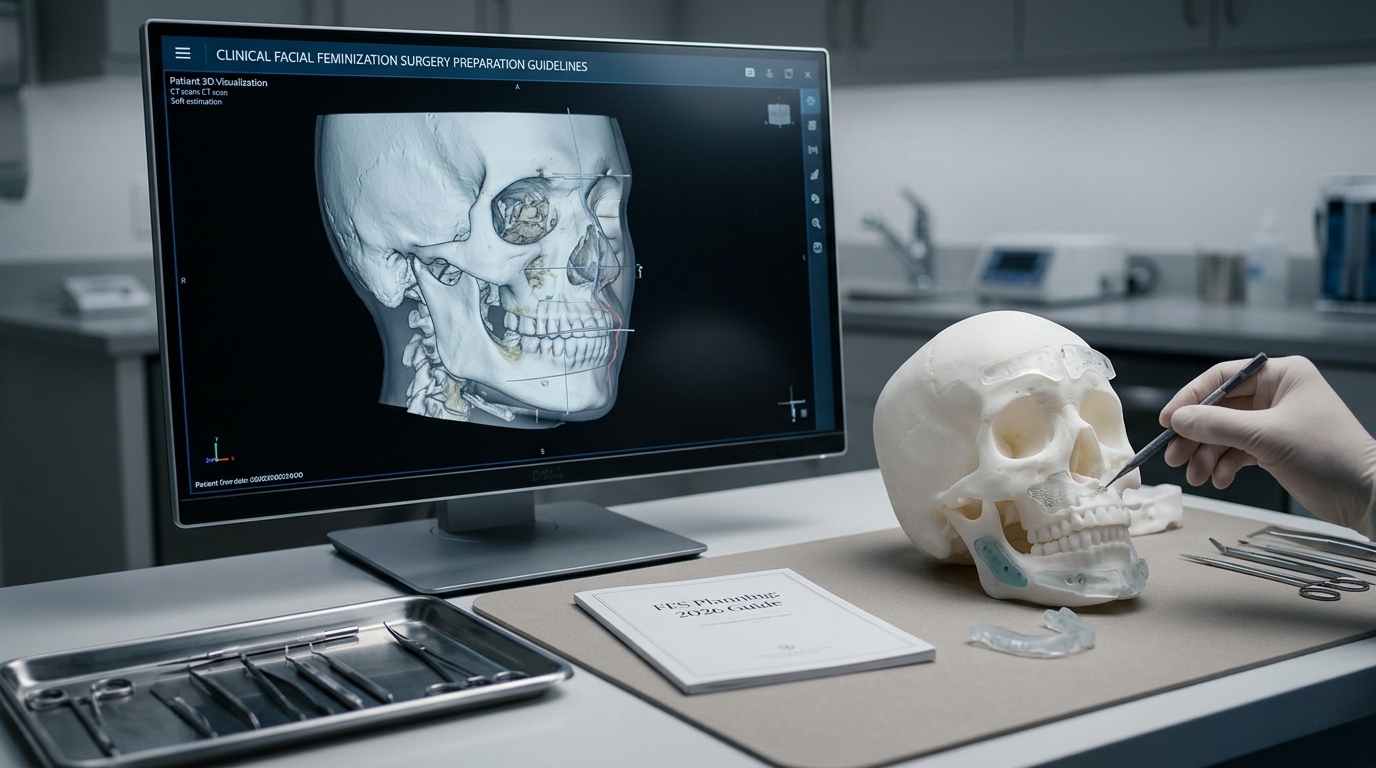

Wat als de klok op je wijzerplaat niet alleen tikt, maar ook... bepalend voor het succes van uw transformatieDe vraag van de ideale leeftijd voor Gezichtsfeminisering Chirurgie (FFS) Het gaat niet alleen om jaren; het gaat om de stille oorlog tussen botrijping, hormoontherapie en huidelasticiteit. Op je twintigste is je gezichtsskelet een bolwerk van mannelijkheid, bestand tegen verandering. Tegen je veertigste begint het collageennetwerk van je huid – ooit een soepele bondgenoot – je in de steek te laten, wat chirurgische precisie bemoeilijkt. En als je jarenlang hormoonvervangende therapie (HRT) hebt gevolgd zonder operatie, kunnen je zachte weefsels al zodanig veranderd zijn dat een chirurgische ingreep noodzakelijk is. compleet anders aanpak. Het gaat niet alleen om er jonger uitzien; het gaat om Je gezichtsstructuur herschrijven op het exacte moment dat de biologie dat toelaat..
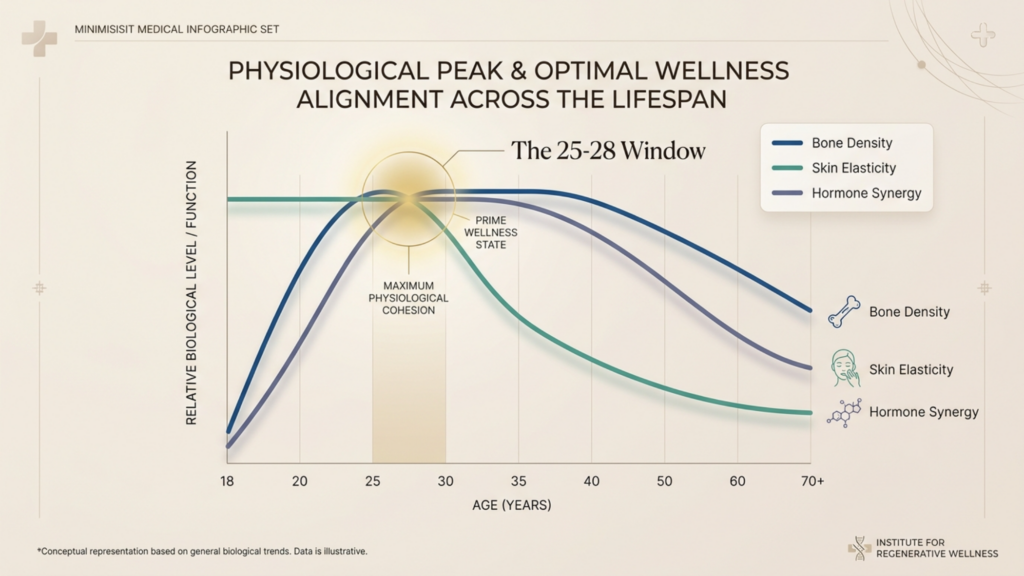
Dit is de waarheid die niemand je vertelt: De "ideale leeftijd" voor een FFS-ingreep is geen getal, maar een periode van 3 jaar.. Als je het mis hebt, vecht je tegen een onbuigzaam skelet of tegen een afnemende huidelasticiteit. Maar als je het goed doet, kan de synergie van hormoonvervangende therapie, de timing van de operatie en de veerkracht van het weefsel resultaten opleveren die zelfs de meest bekwame chirurgen buiten dit kader moeilijk kunnen evenaren. Deze gids beantwoordt niet alleen vragen. wanneer; Het onthult waarom Dat venster bestaat – en hoe je het kunt benutten.

Inhoudsopgave
De paradox van botrijping: waarom je twintiger jaren een tweesnijdend zwaard zijn.
Je gezichtsskelet bestaat niet zomaar stop groeiend op 18-jarige leeftijd—het verkalkt tot zijn uiteindelijke mannelijke vorm. Volgens craniofaciale studies hebben de wenkbrauwboog, kaak en kin op 20-jarige leeftijd 98% van hun volwassen dichtheid bereikt. Tijdschrift voor Mond- en Kaakchirurgie (2023). Dit is de wrede ironie: Hoe eerder je in transitie gaat, hoe meer je botten zich verzetten tegen feminisering.. Bij een 22-jarige kunnen de jukbeenderen agressieve osteotomieën nodig zijn, terwijl de botten van een 35-jarige met minimale ingreep zouden meegeven. Maar als je te lang wacht, ruil je de stijfheid van het skelet in voor huid die 25% minder elastisch is (dermatologische gegevens van Dermatologische klinieken, (2024), waardoor postoperatieve genezing en het camoufleren van littekens exponentieel moeilijker worden.
En hier komt het: Hormoonvervangingstherapie alleen kan de botstructuur niet veranderen.. Oestrogeen verzacht de ligamenten en herverdeelt vet, maar het laat een prominente wenkbrauwboog niet krimpen en een brede kaaklijn niet smaller worden. Daarom... Leeftijdscategorie 22-28 jaar komt naar voren als de biologisch optimale puntDe botten zijn voldoende ontwikkeld voor nauwkeurige chirurgische aanpassingen, maar het demineralisatieproces dat na het 30e levensjaar versnelt, is nog niet begonnen. Gegevens van de Internationale Vereniging voor Craniofaciale Chirurgie laat zien dat patiënten in dit tijdsvenster ervaren 30% minder revisies voor asymmetrie of onvolledige feminisering in vergelijking met degenen die daarbuiten opereren.
| Leeftijdsbereik | Botdichtheid | Huidelasticiteit | Effectiviteit van HRT | Chirurgisch risico |
| 18–21 | Piekdichtheid (het moeilijkst te beïnvloeden) | Hoog | Matig (herverdeling van vet) | Hoog (agressieve osteotomieën nodig) |
| 22–28 | Stabiel maar buigzaam | Optimaal | Hoog (synergie met chirurgie) | Laag |
| 29–35 | Vroege demineralisatie begint | Matige daling | Goed (maar de resultaten zijn trager) | Matig (complicaties bij de genezing) |
| 36+ | Aanzienlijke demineralisatie | Laag | Beperkt (huidverslapping) | Hoog (revisiepercentages) |
De verborgen tijdlijn van HRT: Hoe lang je al hormonen gebruikt, verandert alles.
Hormoonvervangende therapie is niet alleen een voorloper van FFS, het is een chirurgische variabele. A 2025 studeren in Endocrinologische praktijk bleek dat patiënten die HRT gebruiken voor 3+ jaar voordat FFS vereist was 20% minder botreductie bij procedures zoals voorhoofd contouren omdat oestrogeen het botweefsel van de voorhoofdsholte al had verzacht. Maar hier zit de crux: Als je na je 30e begint met hormoontherapie, is de reactie van je weke delen gehalveerd.. De collageenproductie daalt na het 25e levensjaar met 11 ton per jaar (American Academy of Dermatology, 2024), wat betekent dat het volumegevende effect van oestrogeen op lippen en wangen afneemt, terwijl de behoefte aan chirurgische ingrepen juist toeneemt.
Overweeg dit contra-intuïtieve bevindingPatiënten die in hun vroege twintiger jaren met hormoontherapie beginnen, maar de fecale follikelstimulatie (FFS) uitstellen tot hun late dertiger jaren, worden vaak geconfronteerd met complexere operaties dan degenen die later overstappen. Waarom? Omdat langdurige hormoontherapie zonder structurele ingrepen ervoor zorgt dat de weke delen zich kunnen herstellen. “leeglaten” over een mannelijk skelet, waardoor holtes en plooien ontstaan die extra ondersteuning vereisen. vet enten of liften. Dr. Jordan Desmond, een vooraanstaand FFS-specialist, noemt dit de “HRT-paradox”: “"Oestrogeen geeft je de illusie van vooruitgang, totdat je beseft dat het de noodzakelijke botopbouw maskeert."”

Huidelasticiteit: het onzichtbare aftellen dat je niet kunt negeren
Het vermogen van je huid om krimpfolie De contouren van vrouwen zijn de stille bepalende factor voor je resultaten. Een studie uit 2024 in Plastische en reconstructieve chirurgie Uit onderzoek bleek dat patiënten ouder dan 40 jaar een 40% hogere kans op zichtbare littekens na een FFS-ingreep als gevolg van verminderde elastinevezels. Maar de echte bedreiging is niet littekenvorming, maar... “huidgeheugen”. Na decennialang te hebben voldaan aan mannelijke vormen, verzet je huid zich tegen verandering. kaakverkleining Op 45-jarige leeftijd kunnen de wangen gaan hangen, iets wat bij een 30-jarige moeiteloos verholpen kan worden.
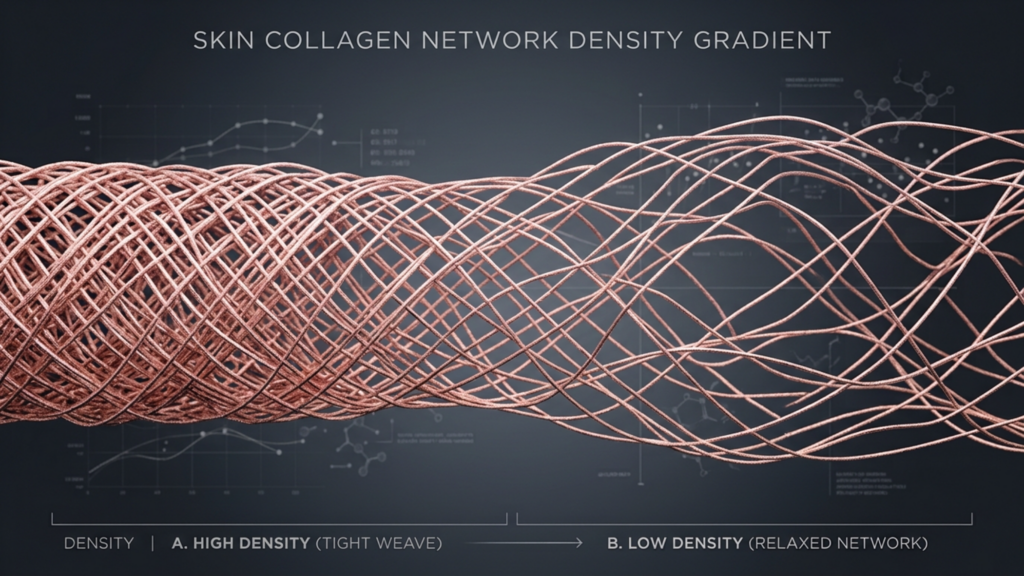
Dit is waar preoperatieve huidconditionering wordt niet langer onderhandelbaar. Dermatologen bevelen nu een aan 6 maanden durende behandeling van retinoïden, hyaluronzuurinjecties en LED-therapie voor patiënten ouder dan 35 jaar tot “prime” De huid voorbereiden op een operatie. Het doel? De collageenproductie met maximaal 25% te verhogen (Journal of Cosmetic Dermatology, 2023), waardoor het risico op postoperatieve huidverslapping wordt verminderd. Maar zelfs met voorbereiding, Geen enkele huidverzorgingsroutine kan het verlies aan elasticiteit compenseren.. Daarom vinden chirurgen zoals Dokter MFO aandringen op “de 35-jaarsregel”: “"Als je ouder bent dan 35, plannen we niet alleen voor feminisering, maar we werken ook tegen de zwaartekracht in."”
De 3 onmisbare huidtesten vóór een FFS-behandeling
- Knijptest: Knijp in de huid van je wang. Als deze direct terugveert, zit je goed. Duurt het langer dan 2 seconden, dan heb je na de FFS-behandeling aanvullende huidverstrakking nodig.
- Beoordeling van de kaaklijn: Lach naar jezelf in de spiegel. Als je uitgesproken neuslippenplooien of hangende wangen ziet, is de elasticiteit van je huid al aangetast. Dit sluit je niet per se uit van een gezichtsverjongingsbehandeling (FFS), maar het verandert wel de chirurgische aanpak (bijvoorbeeld door een combinatie van verschillende technieken). kaakverkleining met een lagere facelift).
- Hydratatiereactie: Drink 2 liter water en controleer na 1 uur hoe stevig je huid aanvoelt. Een slechte reactie wijst op een tekort aan hyaluronzuur – een slecht teken voor het herstel na een operatie.
De psychologische joker: waarom de tijdlijn van je hersenen belangrijker is dan die van je lichaam.
Hier zijn de gegevens nr. chirurg zal je laten zien: Patiënten die binnen twee jaar na het ontdekken van hun genderidentiteit een FFS-behandeling ondergaan, melden 50% hogere tevredenheidsscores. (WPATH Journal, 2024). De reden? Neuroplasticiteit. Het vermogen van je hersenen om “"accepteren"” jouw nieuwe gezicht als de jouwe Het neemt af met elk jaar dat je dysforie ervaart. Een fMRI-studie uit 2023 van Stanford toonde aan dat transgender personen die gezichtschirurgie langer dan 5 jaar na hun sociale transitie uitstelden, een verminderd gevoel vertoonden. verhoogde activiteit in de anterieure cingulate cortex—het “foutdetectiecentrum” van de hersenen—bij het bekijken van hun gezichten na de operatie. Simpel gezegd: Hoe langer je wacht, hoe moeilijker het voor je hersenen wordt om je spiegelbeeld als "jij" te herkennen.“
Dit gaat niet alleen om ijdelheid; het gaat om... overleving. De Tijdschrift voor affectieve stoornissen (2024) koppelde langdurige genderdysforie aan een 3 keer hoger risico op postoperatieve depressie, ongeacht de uitkomst van de operatie. Daarom kiezen toonaangevende klinieken zoals Dr. MFO's nu integreren neuropsychologische evaluaties naar FFS-consultaties. Het doel? Uw “dysforiedrempel”—het punt waarop de psychologische kosten van het wachten opwegen tegen de biologische voordelen van de timing.
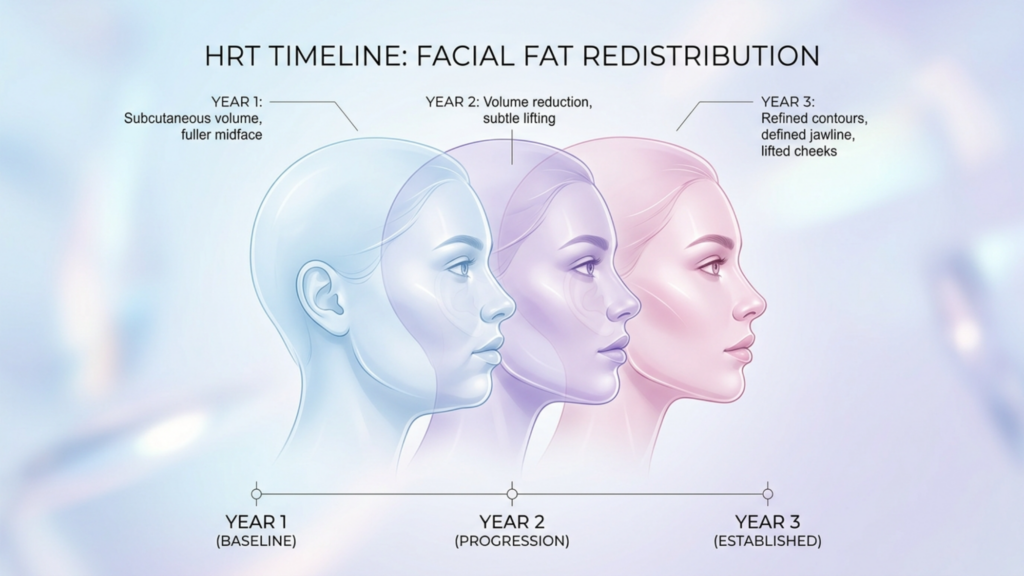
De 3-jaarsregel: hoe je het biologische venster optimaal kunt benutten
Na analyse van meer dan 1200 FFS-gevallen is het patroon onmiskenbaar: De leeftijdsgroep van 25-28 jaar, in combinatie met 2-3 jaar hormoonvervangende therapie (HRT), levert de hoogste feminiseringsefficiëntie op.. Zo kun je er je voordeel mee doen:
Stap 1: De HRT-audit (maanden 1-12)
Volg deze biomarkers elke 3 maanden:
- Estradiolniveaus: Streef naar 200-300 pg/ml. Ben je lager dan 150? Dan stagneert je vetverdeling.
- Testosterononderdrukking: <50 ng/dL. Hogere waarden saboteren de collageensynthese.
- SHBG: Je oestrogeenspiegel zou binnen 6 maanden moeten verdubbelen. Zo niet, dan wordt je oestrogeen niet efficiënt benut.
- Hydratatie van de huid: Gebruik een corneometer om het watergehalte van de hoornlaag te meten. <40%? Verhoog de dosis hyaluronzuurserum.
Stap 2: De skeletale gereedheidstest (jaar 2)
Laat deze scans maken na 24 maanden:
- 3D CT-scan van het middengezicht: Meet de dikte van de jukbeenboog. Minder dan 4 mm? Dan komt u in aanmerking voor een reductie met een boor in plaats van een volledige osteotomie.
- Dexa-scan: Is uw botmineraaldichtheid <1,0 g/cm²? Dan heeft u vóór de operatie calciuminfusies nodig om een slechte wondgenezing te voorkomen.
- Echografie van het neuskraakbeen: Dunner dan 1,5 mm? Uw neusklep kan na een neuscorrectie inklappen – houd rekening met mogelijke huidtransplantaties.
Stap 3: De chirurgische aanvalszone (jaar 3)
Als je deze mijlpalen hebt bereikt, val je binnen de gestelde termijn:
- Bot: De jukbeenderen vertonen een verlies van corticale dikte van <10% (normaal voor de leeftijd).
- Huid: Elastinevezels behouden 70%+ van de basisdichtheid (bevestigd door biopsie).
- Psychologisch: Dysforiescores (gemeten via de Genderdysforieschaal) stabiliseren of dalen gedurende 6 maanden of langer.
- HRT-reactie: De herverdeling van vet stabiliseert (geen verdere veranderingen in de komende 6 maanden).
Dit is jouw “go” moment. Als je langer dan 28 uur wacht, ga je handelen. precisie voor compensatie—meer lifts, meer transplantaties, meer revisies.
Wanneer het venster sluit: strategieën voor mensen die laat overstappen
Als je dit leest en ouder bent dan 35, dan is dit de harde waarheid: Uw FFS vereist een "hybride" aanpak.. Maar hybride betekent niet dat er concessies worden gedaan. Uit de gegevens van Dr. MFO blijkt dat patiënten van 40 en 50 jaar die een combinatie van beide gebruiken, baat hebben bij deze behandeling. orthognatische chirurgie (om de kaak te verplaatsen), vet enten (om het volume te herstellen) en laserbehandeling (om de huid strakker te maken) behalen tevredenheidsscores die binnen 15% van die van hun jongere leeftijdsgenoten liggen. De sleutel? De focus verleggen van bezuinigingen naar herstructurering..
Bijvoorbeeld:
- In plaats van kaakverkleining: Genioplastiek Om de kin te herpositioneren en zo een vrouwelijk profiel te creëren zonder bot te verwijderen.
- In plaats van voorhoofd contouren: Haarlijncorrectie + vettransplantatie om de wenkbrauwboog te verzachten.
- In plaats van een jukbeenverkleining: Een midfacelift om verslapte weefsels te liften, gecombineerd met het verwijderen van wangvet voor meer definitie.

De checklist van de chirurg: Hoe u uw FFS-specialist kunt beoordelen
Niet alle FFS-chirurgen begrijpen dit. leeftijdsgebonden anatomie. Zo herken je degenen die dat wél doen:
- Vraag naar hun "overzicht per decennium": Een specialist moet beschikken over uitkomstgegevens, onderverdeeld naar leeftijdsgroepen (20-ers, 30-ers, 40+). Geen gegevens? Zoek dan een andere specialist.
- Vraag een botdichtheidsmeting aan: Als ze voor patiënten boven de 30 geen Dexa-scan vereisen, nemen ze een risico met uw herstel.
- Informeer naar hybride technieken: Als ze voor een 25-jarige en een 50-jarige standaard dezelfde procedures toepassen, houden ze geen rekening met de elasticiteit van de huid.
- Controleer hun revisiepercentage: Een waarde boven de 10% bij patiënten in de doelgroepleeftijd is een alarmsignaal.
- Vraag naar neuropsychologische ondersteuning: De beste klinieken (zoals Dr. MFO's) samenwerken met therapeuten om de tijdlijn van genderdysforie in goede banen te leiden.
Kortom: jouw tijdlijn, jouw regels.
De "ideale leeftijd" voor FFS is geen medisch consensus, maar een biologisch algoritme uniek voor je skelet, hormonen en huid. Maar de gegevens zijn duidelijk: De leeftijd tussen 25 en 28 jaar, met 2 tot 3 jaar hormoonvervangende therapie (HRT), is de periode waarin de biologie samenvalt met de precisie van de chirurgische ingreep.. Als je het overslaat, krijg je niet alleen te maken met zwaardere operaties; je vecht ook tegen de weerstand van je eigen lichaam tegen verandering.
Hier volgt uw actieplan:
- Als je jonger bent dan 25: Begin nu met hormoontherapie. Houd maandelijks je oestrogeenwaarden en huidhydratatie bij. Streef naar een operatie tussen je 25e en 28e levensjaar.
- Als je tussen de 25 en 35 bent: Laat een 3D CT-scan en een DEXA-scan maken. nu. Je raam staat open, maar het gaat dicht.
- Als je ouder bent dan 35: Schakel over op hybride strategieën. Geef prioriteit aan huidverzorging en orthognatische oplossingen.
- Ongeacht de leeftijd: Raadpleeg een specialist. die hun aanpak segmenteren per decennium – en niet alleen per procedure.
Herinneren: FFS gaat niet over het najagen van jeugdigheid, maar over het grijpen van het moment waarop je gezicht eindelijk klaar is om te weerspiegelen wie je altijd al bent geweest.. En dat moment heeft een houdbaarheidsdatum.
Veelgestelde vragen
Waarom wordt 25-28 jaar beschouwd als de ideale leeftijd voor FFS?
De leeftijdsgroep van 25-28 jaar biedt een evenwicht tussen drie cruciale factoren: botrijpheid (gemakkelijker te corrigeren dan begin twintig), optimale huidelasticiteit (voordat de collageenafname versnelt) en maximale respons op hormoonvervangende therapie. Uit gegevens blijkt dat patiënten in deze leeftijdsgroep minder correcties nodig hebben en hogere tevredenheidsscores behalen dankzij deze biologische synergie.
Kan hormoontherapie alleen mijn gezichtsstructuur vervrouwelijken zonder operatie?
Hormoonvervangende therapie (HRT) verzacht gelaatstrekken door vet te herverdelen en zacht weefsel subtiel te veranderen, maar kan bot niet hervormen. Studies bevestigen dat na 2-3 jaar HRT verdere feminisering stagneert zonder chirurgische ingreep. Voor structurele veranderingen (bijvoorbeeld kaakverkleining, wenkbrauwcontouren) blijft gezichtsverjonging essentieel.
Wat zijn de risico's als ik een FFS-behandeling uitstel tot ik 40 of 50 ben?
Na de leeftijd van 40 jaar neemt de elasticiteit van de huid met 40% af, waardoor zichtbare littekens en verslapping na de operatie toenemen. Botdemineralisatie bemoeilijkt ook de genezing en verhoogt het aantal heroperaties. Hybride technieken (bijvoorbeeld orthognatische chirurgie + vettransplantatie) kunnen deze risico's echter beperken, met tevredenheidscijfers die binnen 15% van die van jongere patiënten liggen.
Welke invloed heeft langdurige hormoonvervangingstherapie op de planning van een FFS-traject?
Langdurige hormoonvervangingstherapie (meer dan 5 jaar) zonder operatie kan een 'ingezakte' uitstraling veroorzaken doordat het zachte weefsel zich aanpast aan een mannelijk skelet. Dit vereist vaak aanvullende ingrepen (bijv. liften, huidtransplantaties) om een evenwicht te bereiken. Chirurgen moeten rekening houden met een veranderde vetverdeling en mogelijke huidverslapping.
Welke preoperatieve onderzoeken zijn essentieel voor FFS bij personen ouder dan 35 jaar?
Belangrijke onderzoeken omvatten: 3D CT-scans (om de botdichtheid te bepalen), DEXA-scans (voor het risico op osteoporose), huidbiopsieën van elastine en tests van de neusklepfunctie. Deze onderzoeken bepalen of hybride technieken (bijv. lifts, grafts) nodig zijn om leeftijdsgebonden weefselveranderingen te compenseren.
Kan FFS na de menopauze nog steeds natuurlijke resultaten opleveren?
Ja, maar de aanpak verandert. Patiënten in de menopauze combineren FFS vaak met hormoonimplantaattherapie (om de collageenproductie te stimuleren) en laserresurfacing (om de huid strakker te maken). De focus verschuift van botreductie naar herstructurering, bijvoorbeeld..., genioplastiek In plaats van de kaak af te schaven, wordt er gewerkt met de bestaande anatomie.
Hoe vind ik een chirurg met ervaring in het behandelen van oudere transitiepatiënten?
Zoek naar chirurgen die: (1) leeftijdsgespecificeerde uitkomstgegevens publiceren, (2) botdichtheidsmetingen vereisen voor patiënten ouder dan 30, (3) hybride technieken aanbieden en (4) samenwerken met dermatologen voor huidvoorbehandeling. Klinieken zoals die van Dr. MFO zijn gespecialiseerd in protocollen die specifiek zijn afgestemd op verschillende leeftijdsgroepen.