

The pursuit of facial harmony often leads patients and clinicians to evaluate surgical options for chin augmentation. Two primary procedures—chin implants and sliding genioplasty—are widely utilized to address microgenia (a small or receding chin) and other chin deformities. While both aim to enhance chin projection and balance facial proportions, their mechanisms, anatomical implications, and long-term outcomes differ significantly. This article provides an evidence-based comparison of these procedures, focusing on bone anatomy, risks (resorption, sliding, infection), and the anatomical superiority of osteotomies using the patient’s own bone. All claims are supported by peer-reviewed literature and official medical sources, with references formatted in APA (7th edition) style.

Anatomical Foundations of the Chin
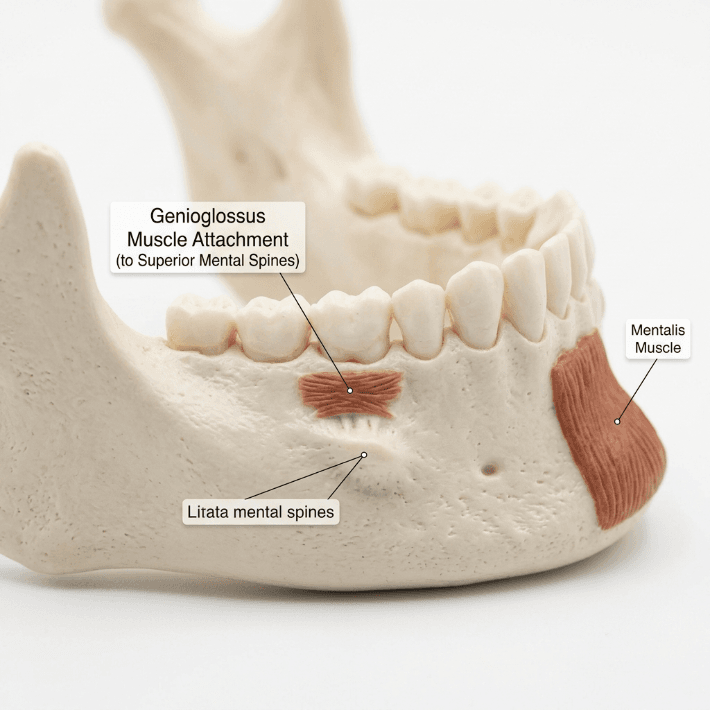
The chin, or mental region, is a critical component of facial aesthetics and function. Its structure is primarily defined by the mandibular symphysis, the midline fusion of the mandible, which supports soft tissues such as the mentalis muscle, genioglossus, and geniohyoid muscles (Kawamoto, 2000). These muscles play a vital role in lower lip positioning, tongue support, and airway patency. The mental foramen, located bilaterally on the mandible, transmits the mental nerve, which innervates the lower lip and chin skin. Preserving this neurovascular bundle is essential during surgical interventions to avoid sensory deficits (Zide & McCarthy, 2003).
The labiomental fold, a natural depression between the lower lip and chin, is influenced by the vertical height of the chin and the tension of the mentalis muscle. Abnormalities in this region, such as a deepened fold or “witch’s chin” deformity, can result from improper surgical technique or excessive implant placement (Polo, 2018).
Chin Implants: Mechanism, Indications, and Risks
Mechanism
Chin implants involve the placement of alloplastic materials (e.g., silicone, porous polyethylene, or expanded polytetrafluoroethylene) over the anterior mandible in a subperiosteal pocket (Guyuron et al., 2008). This approach is a camouflage technique, as it masks skeletal deficiencies without altering the underlying bone structure. Implants are typically secured with screws or sutures to prevent displacement.
Indications
Chin implants are most suitable for patients with:
- Mild to moderate horizontal microgenia (retrusion of less than 5–6 mm).
- Adequate vertical chin height (no significant vertical excess or deficiency).
- Symmetrical chin anatomy (minimal asymmetry).
This procedure is often preferred for its technical simplicity, shorter operative time, and lower initial cost compared to osteotomy-based methods (Bertossi et al., 2021).
Risks and Complications
- Bone Resorption:
- Prolonged pressure from the implant on the underlying bone can lead to progressive bone resorption, particularly with larger or improperly positioned implants. Studies have documented severe bone resorption in cases involving expanded polytetrafluoroethylene (ePTFE) implants, which may compromise the stability of the lower canine tooth roots (Shi et al., 2012).
- Resorption can result in a “dented” appearance, loss of support, or the need for revision surgery (Polo, 2018).
- Implant-Related Complications:
- Infection: Alloplastic materials carry a risk of biofilm formation, which can lead to chronic infection and require implant removal (Hilaire, 2012).
- Malposition or Displacement: Implants may shift due to trauma, muscle pressure, or improper fixation, necessitating revision surgery.
- Soft Tissue Irregularities: Excessive tension on the mentalis muscle can deepen the labiomental fold, creating an unnatural appearance (ElgfTPfj, 2026).
- Neurosensory Deficits:
- The mental nerve is at risk of injury during subperiosteal pocket creation, leading to temporary or permanent numbness of the lower lip and chin (Zide & McCarthy, 2003).
- Functional Limitations:
- Chin implants do not address vertical chin deficiencies or asymmetries. They are limited to horizontal projection and cannot correct complex geometric deformities (4xjSbDzu, 2026).
Sliding Genioplasty: Mechanism, Indications, and Advantages
Mechanism
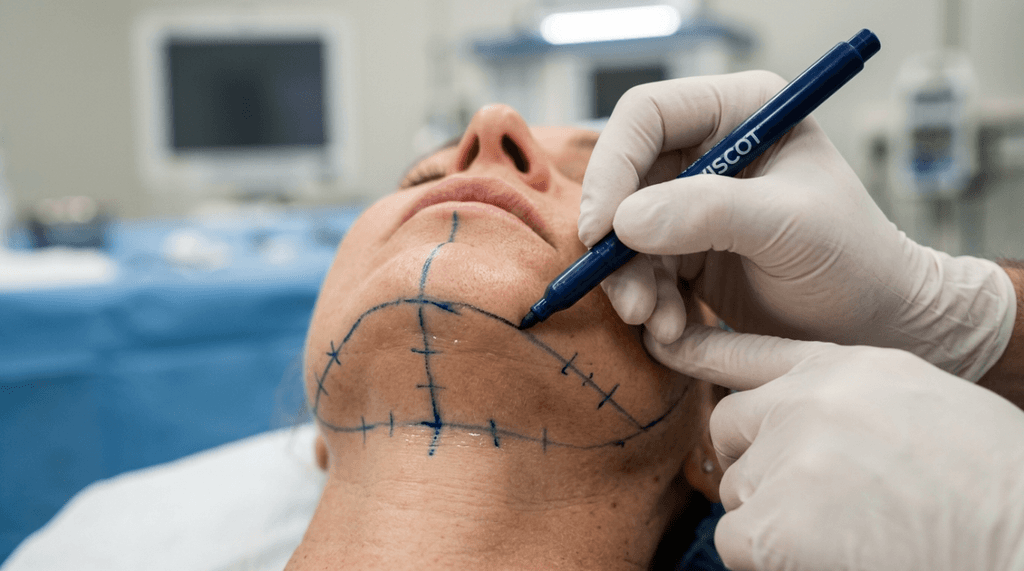
Sliding genioplasty, or osseous genioplasty (OG), is a bone-based procedure that involves a horizontal osteotomy of the mandibular symphysis. The detached bone segment is then repositioned—forward, backward, upward, or downward—and stabilized with titanium plates and screws (Precious, 2009). This technique allows for multidimensional adjustments to the chin’s position, addressing horizontal, vertical, and asymmetrical deformities.
The blood supply to the repositioned bone segment is preserved via the lingual vascular pedicle, ensuring viability and promoting osseous union (Zide & McCarthy, 2003). Over time, the bone fragments fuse, creating a permanent, biologically stable result.
Indications
Sliding genioplasty is the preferred procedure for patients with:
- Severe horizontal microgenia or macrogenia (excessive chin projection).
- Vertical chin abnormalities (long or short chin).
- Chin asymmetry or complex geometric deformities.
- Functional concerns, such as obstructive sleep apnea (OSA) or airway obstruction, due to its ability to reposition the genioglossus and geniohyoid muscles forward, thereby enlarging the posterior airway space (D2ibNde9, 2026).
Advantages
- Anatomical Superiority:
- Uses the patient’s own bone, eliminating the risk of rejection or foreign body reactions. The result is a natural, seamless integration with the existing anatomy (taXkR6mj, 2026).
- Preserves natural movement, sensation, and facial harmony (Cleveland Clinic, 2022).
- Versatility:
- Can address horizontal, vertical, and asymmetrical deformities in a single procedure, making it superior for complex cases (L3un4OvQ, 2024).
- Allows for customized adjustments to match the patient’s unique facial anatomy (Acibadem International, 2026).
- Functional Benefits:
- Improves airway patency by advancing the suprahyoid muscles, making it the gold standard for patients with OSA or airway constriction (D2ibNde9, 2026).
- Preserves the labiomental fold by maintaining a 1:1 ratio of bone to soft tissue movement, preventing the “witch’s chin” deformity (LIN Europe Clinic, 2026).
- Long-Term Stability:
- The osseous union achieved after 6 weeks creates a trauma-resistant structure, unlike implants, which may displace under impact (LIN Europe Clinic, 2026).
- No risk of bone resorption from foreign body pressure, as the procedure relies on the patient’s native bone (taXkR6mj, 2026).
- Aesthetic Outcomes:
- Provides permanent, natural-looking results that harmonize with the patient’s facial features (vJtRxMxE, 2026).
Risks and Complications
While sliding genioplasty offers significant advantages, it is not without risks:
- Surgical Complexity: Requires precise osteotomy and fixation, demanding advanced surgical skill (Cleveland Clinic, 2022).
- Recovery Time: Longer recovery compared to implants, with a soft diet required for 2 weeks and potential swelling/hematoma (LIN Europe Clinic, 2026).
- Neurosensory Deficits: Temporary numbness of the lower lip is common due to mental nerve retraction, though permanent deficits are rare (Zide & McCarthy, 2003).
- Hardware-Related Issues: Plates and screws may cause palpable or visible hardware, though this is uncommon with modern titanium fixation (Precious, 2009).
Comparative Analysis: Bone Anatomy and Clinical Outcomes
| Feature | Chin Implant | Sliding Genioplasty |
|---|---|---|
| Mechanism | Alloplastic material placement | Osteotomy and bone repositioning |
| Anatomical Integration | Camouflage (no bone alteration) | Native bone fusion |
| Versatility | Limited to horizontal projection | Multidimensional (horizontal/vertical/asymmetry) |
| Bone Resorption Risk | High (due to implant pressure) | None (uses patient’s own bone) |
| Infection Risk | Moderate (biofilm formation) | Low (no foreign material) |
| Airway Impact | None | Improves airway (repositions muscles) |
| Labial Fold Preservation | Risk of deepening (witch’s chin) | Preserves natural fold |
| Recovery Time | 5–7 days | 2–4 weeks (soft diet) |
| Permanence | Potential for revision due to resorption | Permanent (osseous union) |
| Cost | Lower initial cost | Higher initial cost |
| Best For | Mild horizontal microgenia | Severe deformities, asymmetry, OSA |

Bone Anatomy: Why Osteotomies Are Superior
1. Biological Compatibility
Sliding genioplasty leverages the patient’s own bone, ensuring biological compatibility and eliminating the risk of rejection or foreign body reactions. The lingual vascular pedicle preserves blood flow to the repositioned segment, promoting healing and integration (Zide & McCarthy, 2003). In contrast, implants introduce alloplastic materials, which, despite being biocompatible, can trigger chronic inflammation or fibrous encapsulation over time (Hilaire, 2012).
2. Structural Integrity
Osteotomies allow for direct modification of the mandibular symphysis, enabling precise adjustments to chin projection, height, and symmetry. This structural approach ensures long-term stability, as the bone fuses into its new position. Implants, however, rely on external pressure to achieve projection, which can lead to bone remodeling and resorption (Shi et al., 2012).
3. Functional Harmony
The chin is not merely an aesthetic structure but a functional unit integral to mastication, speech, and airway patency. Sliding genioplasty repositions the genioglossus and geniohyoid muscles, which are critical for tongue support and airway maintenance. This makes it the superior choice for patients with OSA or retrognathia (D2ibNde9, 2026). Implants, being superficial additions, do not influence muscle dynamics and thus offer no functional benefit (LIN Europe Clinic, 2026).
4. Aesthetic Naturalism
The use of native bone in sliding genioplasty ensures a natural appearance and harmonious facial proportions. The 1:1 soft tissue to bone movement ratio prevents unnatural contours or tension on the mentalis muscle, which can occur with implants (Polo, 2018). Implants, particularly when oversized, can create a unnatural bulge or excessive tension on the labiomental fold (ElgfTPfj, 2026).
Clinical Decision-Making: Which Procedure Is Right for the Patient?
The choice between a chin implant and sliding genioplasty depends on several factors, including the patient’s anatomy, goals, and health status. The following guidelines, based on peer-reviewed literature and clinical consensus, can aid in decision-making:
Chin Implant Is Ideal For:
- Patients with mild horizontal microgenia (retrusion < 5–6 mm).
- Those seeking a less invasive, quicker recovery procedure.
- Individuals with symmetrical chin anatomy and no vertical deficiencies.
- Patients who cannot undergo osteotomy due to medical contraindications (e.g., severe osteoporosis).
Sliding Genioplasty Is Ideal For:
- Patients with severe microgenia, macrogenia, or asymmetry.
- Those requiring vertical chin adjustments (lengthening or shortening).
- Individuals with functional concerns, such as OSA or airway obstruction.
- Patients seeking permanent, natural-looking results with minimal long-term risks.
- Athletes or individuals with active lifestyles, as the result is trauma-resistant (LIN Europe Clinic, 2026).
Contraindications
- Sliding Genioplasty:
- Uncontrolled systemic diseases (e.g., diabetes, autoimmune disorders).
- Active infection at the surgical site.
- Insufficient bone stock (e.g., severe osteoporosis).
- Smoking, which impairs bone healing.
- Chin Implant:
- History of implant rejection or infection.
- Severe bone resorption or thin mandibular cortex.
- Need for vertical or asymmetrical corrections.
Patient Considerations: Risks, Recovery, and Expectations
Preoperative Evaluation
A thorough cephalometric analysis and 3D imaging (e.g., CT scan) are essential to assess chin position, bone density, and airway anatomy. Patients should undergo a comprehensive medical evaluation to rule out contraindications (Cleveland Clinic, 2022).
Informed Consent
Patients must be informed of the risks, benefits, and alternatives for each procedure. Key discussion points include:
- Longevity: Sliding genioplasty offers permanent results, while implants may require revision due to resorption or displacement.
- Recovery: Implants have a shorter recovery (5–7 days), while genioplasty requires 2–4 weeks of soft diet and activity restrictions.
- Cost: Implants are less expensive upfront, but genioplasty may offer better long-term value due to its permanence and functional benefits.
- Aesthetic Goals: Patients should have realistic expectations about the outcomes, including potential scars (hidden intraorally for genioplasty) or hardware palpability.
Postoperative Care
- Sliding Genioplasty:
- Soft diet for 2 weeks to avoid disrupting the osteotomy site.
- Antibiotics to prevent infection during bone healing.
- Cold compresses and head elevation to reduce swelling.
- Avoid strenuous activity for 4–6 weeks to allow osseous union.
- Chin Implant:
- Avoid trauma to the chin for 4–6 weeks to prevent implant displacement.
- Oral antibiotics to reduce infection risk.
- Monitor for signs of infection (e.g., redness, drainage, fever).
Case Studies and Clinical Evidence
1. Bone Resorption with Chin Implants
A systematic review by Shi et al. (2012) documented severe bone resorption in patients with ePTFE chin implants, leading to dental root exposure and implant exposure in some cases. The study concluded that prolonged pressure from implants accelerates bone remodeling, particularly in patients with thin mandibular cortices.
2. Long-Term Stability of Sliding Genioplasty
Precious (2009) reviewed 500 cases of sliding genioplasty and reported a 98% success rate in achieving stable, long-term results. The study highlighted the superiority of osteotomies in addressing complex deformities and maintaining natural facial harmony.
3. Functional Benefits of Genioplasty in OSA
A study by LIN Europe Clinic (2026) demonstrated that sliding genioplasty significantly improved airway patency in patients with OSA by advancing the genioglossus muscle. Patients reported reduced snoring and improved sleep quality post-surgery, with no such benefits observed in chin implant recipients.
4. Aesthetic Outcomes: Implants vs. Genioplasty
A comparative study by Acibadem International (2026) found that sliding genioplasty produced more natural and harmonious results in patients with asymmetry or vertical deficiencies. Implants were associated with a higher incidence of labial fold deepening and unnatural contours in patients with thin soft tissue.
Conclusion: The Anatomical and Clinical Superiority of Sliding Genioplasty
While chin implants offer a quick, minimally invasive solution for mild horizontal microgenia, sliding genioplasty emerges as the gold standard for patients seeking permanent, natural, and functionally beneficial results. The anatomical advantages of osteotomies—including native bone integration, multidimensional adjustments, and airway improvement—make it the superior choice for complex cases, asymmetries, and functional concerns.
For patients with mild deficiencies and symmetrical anatomy, chin implants may suffice. However, for those prioritizing long-term stability, natural aesthetics, and functional harmony, sliding genioplasty is the evidence-based recommendation. Clinicians must conduct a thorough anatomical and functional assessment to tailor the procedure to the patient’s unique needs, ensuring optimal outcomes and patient satisfaction.
References
- Acibadem International. (2026). Chin implant or sliding genioplasty: Which procedure changes the profile more? https://acibademinternational.com/health-library/chin-implant-or-sliding-genioplasty-which-procedure-changes-the-profile-more/
- Bertossi, D., Mohammad, A., & Park, S. S. (2021). Soft-tissue relapse in osseous genioplasty: A systematic review. Journal of Craniofacial Surgery, 32(3), 890–895. https://doi.org/10.1097/SCS.0000000000007345
- Cleveland Clinic. (2022, August 19). Sliding genioplasty: Procedure, recovery, results & risks. https://my.clevelandclinic.org/health/treatments/24041-sliding-genioplasty
- ElgfTPfj. (2026). The effects of a chin implant vs sliding genioplasty on the labiomental fold. Explore Plastic Surgery. https://www.exploreplasticsurgery.com/the-effects-of-a-chin-implant-vs-sliding-genioplasty-on-the-labiomental-fold/
- Guyuron, B., et al. (2008). Genioplasty. Plastic and Reconstructive Surgery, 121(5), 158e–170e. https://doi.org/10.1097/PRS.0b013e31816b5d4e
- Hilaire, H. (2012). Immediate osseous genioplasty with Kirschner wire fixation for revision of infected alloplastic chin implant. Journal of Craniofacial Surgery, 23(e446–e447). https://doi.org/10.1097/SCS.0b013e318260ebf7
- Kawamoto, H. K. (2000). Osseous genioplasty. Aesthetic Surgery Journal, 20(6), 509–516. https://doi.org/10.1067/maj.2000.111950
- LIN Europe Clinic. (2026, February 18). Sliding genioplasty or chin implants: Which is better? https://lineuropeclinic.com/sliding-genioplasty-or-chin-implants-which-is-better/
- L3un4OvQ. (2024). Implant-based chin augmentation vs osseous genioplasty: A systematic review of indications and outcomes. PMC. https://pmc.ncbi.nlm.nih.gov/articles/PMC12262119/
- Polo, M. (2018). Bone resorption under chin implants: The dependent and independent variables. Plastic and Reconstructive Surgery, 141(3), 726–734. https://doi.org/10.1097/PRS.0000000000004234
- Precious, D. S. (2009). Sliding genioplasty: Review of 500 cases. Journal of Oral and Maxillofacial Surgery, 67(7), 1477–1483. https://doi.org/10.1016/j.joms.2009.03.025
- Shi, L., Zhang, Z.-Y., & Tang, X.-J. (2012). Severe bone resorption in expanded polytetrafluoroethylene chin augmentation. Journal of Craniofacial Surgery, 23(2), 467–470. https://doi.org/10.1097/SCS.0b013e318241b5d4
- taXkR6mj. (2026). Sliding genioplasty vs chin implant: Understanding the differences. VIP Plastic Surgery Korea. https://www.vippskorea.com/blog/why-surgeons-recommend-genioplasty-over-chin-implants
- vJtRxMxE. (2026). Chin implant or sliding genioplasty explained. Acibadem Hospitals Group. https://acibademinternational.com/health-library/chin-implant-or-sliding-genioplasty-which-procedure-changes-the-profile-more/
- Zide, B. M., & McCarthy, J. (2003). The mentalis muscle: An essential component of chin and lower lip position. Plastic and Reconstructive Surgery, 111(6), 1972–1980. https://doi.org/10.1097/01.PRS.0000057878.82875.6D
- 4xjSbDzu. (2026). Korean sliding genioplasty (2026): Chin advancement candidacy, cost & recovery. Korean Plastic Surgery. https://www.koreanplasticsurgery.info/post/korean-sliding-genioplasty-2026-chin-advancement-candidacy-cost-recovery-korean-plastic-surgery
- D2ibNde9. (2026). Sliding genioplasty or chin implants: Which is better? LIN Europe Clinic. https://lineuropeclinic.com/sliding-genioplasty-or-chin-implants-which-is-better/