

Table of Contents
Understanding Cisgender Facial Feminization
What is Facial Feminization? Facial Feminization is a comprehensive surgical approach designed to enhance specific facial features, making them appear more traditionally feminine. This procedure is sought after by individuals who identify as cisgender and desire a more feminine facial aesthetic.
To discuss personalized surgical planning and travel packages, contact now to connect with our patient coordination team.
Why Cisgender Individuals Opt for Facial Feminization Cisgender individuals may choose to undergo Facial Feminization for a variety of reasons. These can range from personal desire to enhance their appearance to seeking to feel more aligned with their gender identity. Additionally, Facial Feminization can boost confidence and self-esteem.
Key Facial Features in Feminization Facial Feminization surgeries focus on altering various facial features, including the forehead, nose, cheeks, chin, and jawline. The goal is to create a softer, more delicate and feminine appearance. One of the most impactful and visible changes comes from enhancing the appearance of the eyelids.
The Role of Eyelids in Facial Feminization
Importance of Eyelid Appearance Eyelids play a crucial role in shaping the overall appearance of the face. They frame the eyes, and their shape and size directly impact the overall expression. Eyelids that are too heavy, hooded, or have excess skin can create a tired or aged look. This can make achieving a feminine facial aesthetic more challenging.
Common Eyelid Concerns Addressed in Feminization Common eyelid concerns addressed in Facial Feminization include:
- Hooded Eyes: Excess skin and fat above the crease can make the eyes appear smaller and create a hooded appearance.
- Drooping Upper Eyelids: Age, genetics, and weight fluctuations can lead to drooping upper eyelids, making the eyes appear tired and smaller.
- Excess Skin on Lower Eyelids: Excess skin on the lower eyelids can create a ‘baggy’ appearance, giving the impression of being tired or older.
Blepharoplasty: A Key Procedure
What is Blepharoplasty? Blepharoplasty, commonly known as eyelid surgery, is a surgical procedure that focuses on enhancing the appearance of the eyelids. It involves removing excess skin, fat, or muscle to create a more youthful and feminine appearance.
Types of Blepharoplasty Blepharoplasty can be performed on the upper eyelids, the lower eyelids, or both.
- Upper Blepharoplasty: This procedure focuses on removing excess skin and fat from the upper eyelids, creating a more defined and open eye.
- Lower Blepharoplasty: This procedure focuses on removing excess skin and fat from the lower eyelids, reducing the appearance of bags and wrinkles.
- Double Eyelid Surgery: This procedure, also known as ‘Epicanthoplasty,’ is performed to create a crease in the upper eyelid, for individuals who desire a more defined and Western-style eyelid appearance.
Benefits of Blepharoplasty in Facial Feminization Blepharoplasty is a valuable tool for achieving a more feminine facial appearance. It can:
- Enhance Eyelid Shape: Blepharoplasty can create a more defined and symmetrical eyelid shape, making the eyes appear larger and more open.
- Reduce Signs of Aging: Blepharoplasty can effectively address signs of aging around the eyes, such as hooded eyelids, drooping eyelids, and bags under the eyes.
- Boost Confidence: Feeling good about one’s appearance can significantly boost self-esteem and confidence, leading to a more positive outlook on life.
The Procedure and Recovery
Pre-Surgery Preparations Before your Blepharoplasty procedure, your surgeon will conduct a thorough consultation and examination to discuss your specific needs and goals. You will be required to undergo blood tests and potentially other medical assessments. It is crucial to avoid smoking for at least two weeks before the surgery. Additionally, you will need to stop taking blood thinners like aspirin a week or two before surgery.
The Blepharoplasty Procedure: Step-by-Step The Blepharoplasty procedure is typically performed as an outpatient procedure under local anesthesia.
- Marking and Anesthesia: Your surgeon will mark the areas to be treated and administer local anesthesia to numb the eyelids.
- Incisions: Your surgeon will make incisions in the upper or lower eyelids, depending on the type of Blepharoplasty being performed.
- Excision: Excess skin, fat, or muscle will be carefully removed through these incisions.
- Closure: Your surgeon will meticulously close the incisions with fine sutures.
Post-Surgery Care and Recovery Tips After your Blepharoplasty procedure, your surgeon will provide detailed instructions for post-operative care.
- Expect Some Swelling and Bruising: Swelling and bruising are common after Blepharoplasty and should subside gradually over a few weeks.
- Apply Cold Compresses: Applying cold compresses to the eyelids can help reduce swelling.
- Keep Your Head Elevated: Sleeping with your head elevated can also help minimize swelling.
- Avoid Rubbing Your Eyes: It is essential to avoid rubbing or touching your eyes, as this can irritate the incisions.
- Follow Your Surgeon’s Instructions: Follow your surgeon’s instructions for medication, wound care, and follow-up appointments carefully.
Results and Expectations
Before and After: Realistic Expectations It is important to have realistic expectations about the outcome of your Blepharoplasty. Your surgeon will discuss your individual goals and provide you with a realistic assessment of what you can expect. Remember, the aim is to create a more youthful, refreshed, and feminine eyelid appearance, not to completely transform your features.
Long-Term Benefits of Blepharoplasty Blepharoplasty can provide long-term benefits for improving eyelid appearance, boosting confidence, and enhancing overall facial aesthetics. These benefits can last for several years, and many individuals experience a significant improvement in their quality of life after the procedure.
Patient Testimonials and Success Stories Reading patient testimonials and success stories can be a powerful source of inspiration and reassurance. Sharing the experiences of others who have undergone the same procedure can help you understand the process and potential outcomes better.
Choosing the Right Surgeon
What to Look for in a Facial Feminization Surgeon Choosing the right surgeon is crucial for a successful and safe outcome.
- Experience: Look for a surgeon with extensive experience in Facial Feminization and Blepharoplasty specifically.
- Specialization: Choose a surgeon who specializes in facial aesthetics and cosmetic surgery, particularly Facial Feminization.
- Credentials: Ensure that your surgeon is board-certified by the American Board of Facial Plastic and Reconstructive Surgery (ABFPRS) or the American Board of Plastic Surgery (ABPS).
Questions to Ask During Consultation During your consultation, be sure to ask your surgeon:
- What is your experience with Facial Feminization and Blepharoplasty?
- What are the risks and potential complications of the procedure?
- What is the recovery process like?
- How long will it take for the results to be visible?
- What is the cost of the procedure?
- What payment options are available?
- How many other Facial Feminization procedures have you performed?
Certifications and Experience Make sure that your surgeon has the necessary certifications and experience to perform your procedure safely and effectively. You can check the ABFPRS and ABPS websites for information about board-certified surgeons in your area.
Conclusion
Cisgender Facial Feminization, particularly when combined with Blepharoplasty, can be a transformative experience, helping individuals achieve a more feminine facial appearance and boost their confidence. It’s important to thoroughly research and understand the procedure, choose a qualified surgeon, and have realistic expectations about the results. With careful planning and skilled execution, Cisgender Facial Feminization, with Blepharoplasty, can be a life-changing decision, enhancing both your outward appearance and your inner sense of self.
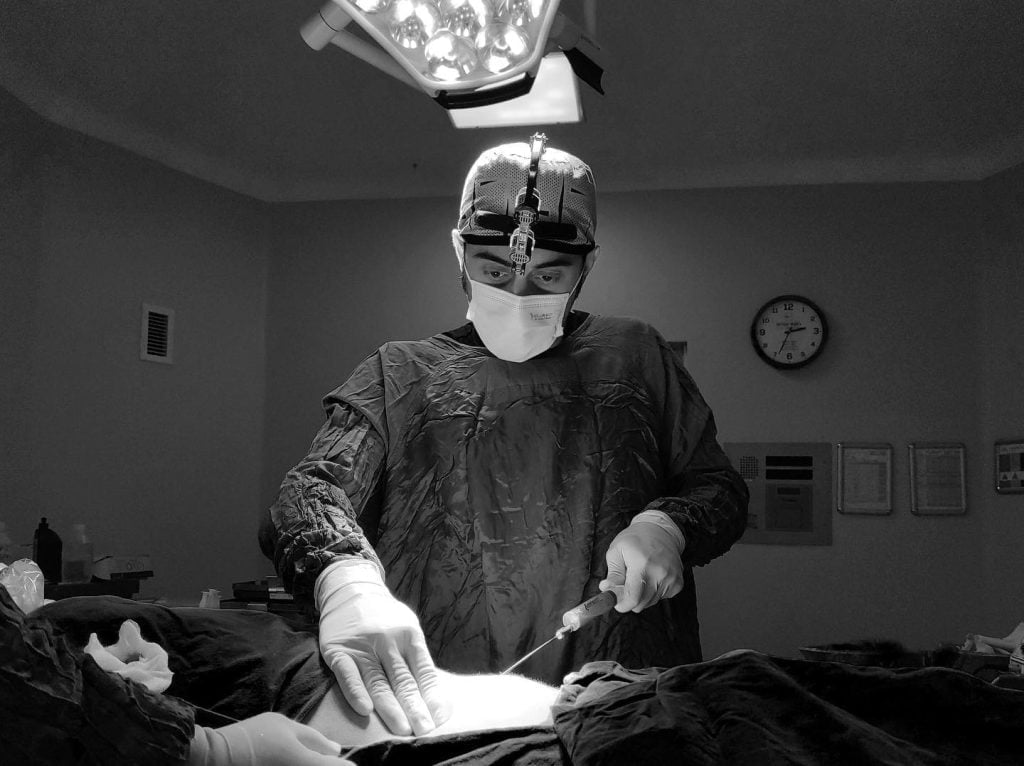
Visit Dr.MFO Instagram profile to see real patient transformations! Get a glimpse of the incredible results achieved through facial feminization surgery and other procedures. The profile showcases before-and-after photos that highlight Dr. MFO’s expertise and artistic vision in creating natural-looking, beautiful outcomes.
Ready to take the next step in your journey? Schedule a free consultation with Dr. MFO today. During the consultation, you can discuss your goals, ask any questions you may have, and learn more about how Dr. MFO can help you achieve your desired look. Don’t hesitate to take advantage of this free opportunity to explore your options and see if Dr. MFO is the right fit for you.
Frequently Asked Questions
What should patients expect during Cisgender Facial Feminization recovery?
Recovery from Cisgender Facial Feminization involves initial swelling and rest, followed by progressive healing under careful medical supervision and following post-operative protocols.
How should one prepare for Cisgender Facial Feminization?
Preparation for Cisgender Facial Feminization requires a comprehensive clinical evaluation, personalized surgical planning, and adherence to specific pre-operative instructions.
Are results from Cisgender Facial Feminization permanent?
Most patients achieve stable, long-lasting aesthetic enhancements from Cisgender Facial Feminization, provided post-surgical care and healthy recovery guidelines are followed.