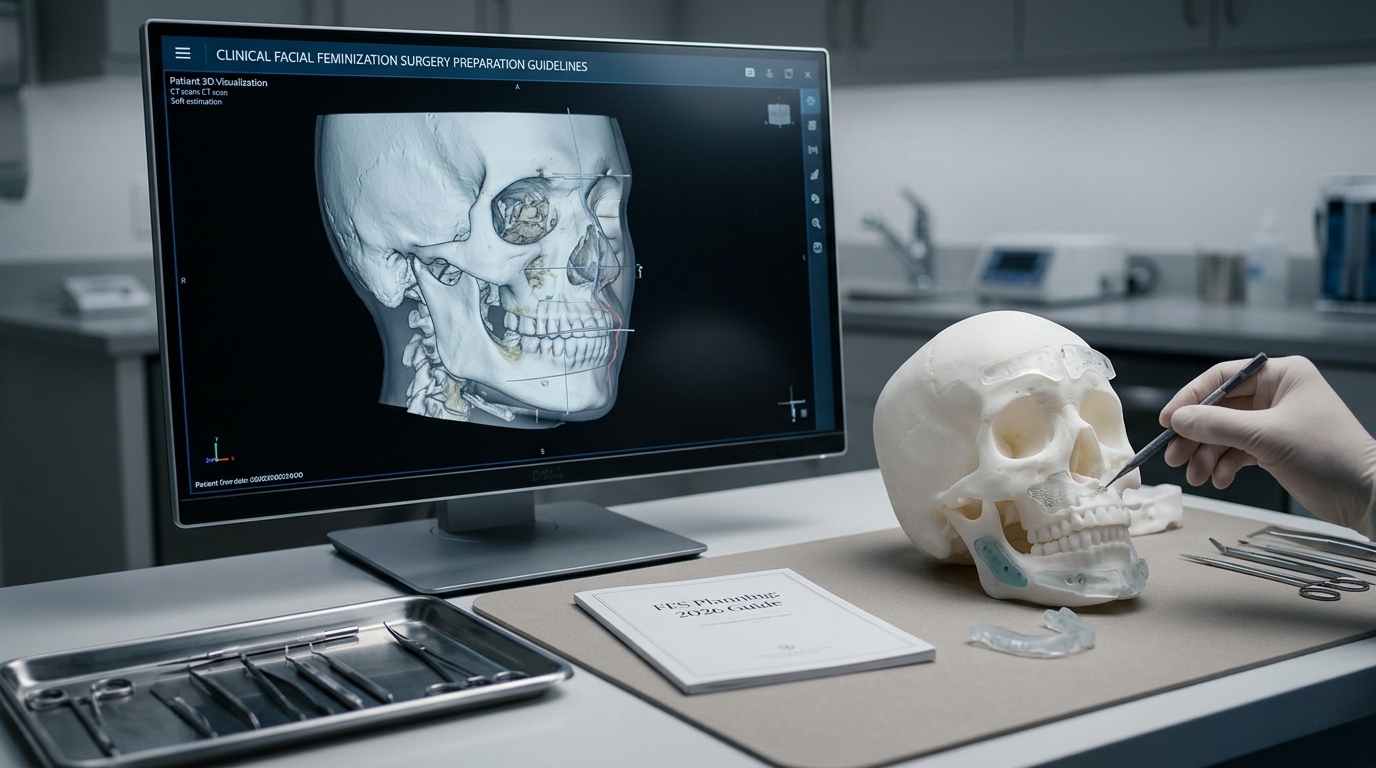
The human voice is not merely a product of the larynx; it is a symphony of bony structures and air chambers. While most MTF patients focus on pitch and timbre through vocal training, a silent factor often goes unnoticed: the skull itself. Recent clinical observations suggest that supraorbital rim shaving, a cornerstone of Type 3 forehead cranioplasty, may subtly alter how sound waves propagate through the cranial cavity, leading to a perceived change in vocal resonance.
This is not just about aesthetics. When the prominent brow ridge is reduced, the acoustic properties of the skull shift. Phoniatricians have noted a curious phenomenon: patients often report a “lighter” or “softer” voice post-surgery, despite no direct intervention on the vocal folds. This article dives deep into the biomechanical studies connecting bone density, sound propagation, and voice perception—a perspective rarely discussed in standard FFS literature.

Table of Contents
The Skull as a Resonant Chamber: Beyond the Larynx
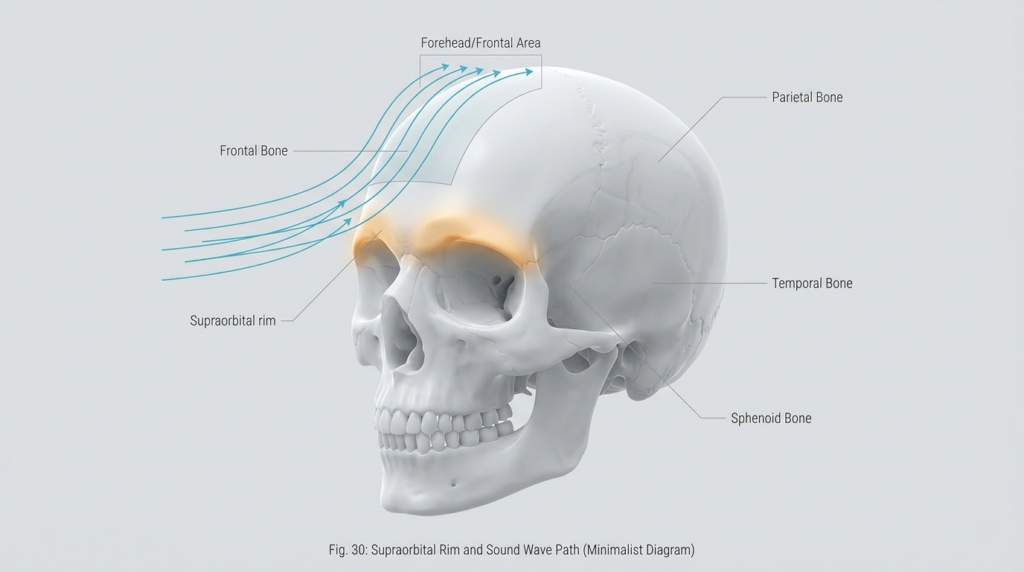
Traditional voice therapy targets the vocal folds and breath support, ignoring the fact that the skull acts as a sophisticated amplifier. The density and shape of cranial bones determine how sound waves reflect and dissipate. Thicker bone, like the supraorbital rim, creates a different acoustic environment than a smoothed, feminized contour. When you remove bone mass, you change the “reverb” time inside the head, which directly affects how you hear your own voice and how others perceive your timbre.
Consider the analogy of a cello versus a violin. The wood density and body shape dictate the instrument’s voice. Similarly, your forehead is not just a facial feature; it is part of your vocal instrument. Studies in biomechanics show that sound waves travel faster through denser bone. By reducing the supraorbital rim, surgeons inadvertently alter the speed and reflection pattern of these waves, potentially lifting the perceived pitch without a single vocal exercise.

Type 3 Forehead Cranioplasty and Acoustic Shifts
Type 3 forehead cranioplasty involves the reduction of the frontal bone and orbital rims to create a smoother, more feminine hairline and brow. This procedure requires removing or reshaping bone that has been a permanent fixture of the patient’s acoustic signature for decades. The “phantom” effect of this surgery is the change in forehead contouring results that patients describe not just visually, but auditorily.
Dr. Mehmet Fatih Okyay and other specialists in maxillofacial surgery have observed that the reduction of the orbital rim decreases the overall mass of the frontal bone. This reduction minimizes the “heavy” tonal quality often associated with masculine vocal profiles. It is a physical transformation that precedes the psychological—the voice sounds lighter because the skull resonates differently, providing a head start to those undergoing vocal feminization therapy.

Bone Density and Sound Propagation Mechanics
Sound propagation in the human body is heavily reliant on the medium through which it travels. Bone is an excellent conductor. When the supraorbital rim—a dense, protruding structure—is shaved, the pathway for sound waves from the vocal folds to the inner ear changes. The waves encounter less resistance and fewer reflective surfaces in the frontal region, leading to a clearer, less “muffled” sound. This is why some patients feel their voice has gained “clarity” post-FFS.
| Anatomical Feature | Acoustic Property | Post-Shaving Impact |
| Supraorbital Rim (Thick) | High density, causes sound wave reflection and absorption | Reduction leads to less “weight” in vocal timbre |
| Frontal Sinus | Air cavity affecting resonance frequency | Altered vibration transfer to the cranium |
| Orbital Rim Contour | Determines skull shape and echo dynamics | Smoother contour creates a “lighter” perceived pitch |

Phoniatrician Observations: The “Lighter Voice” Phenomenon
Phoniatrics, the branch of medicine dealing with voice disorders, provides the clinical backbone for this theory. Specialists have documented cases where patients who underwent facial feminization surgery reported a change in voice perception within weeks of the procedure. These patients had not started voice therapy yet, ruling out behavioral changes as the sole cause.
One clinical observation notes that the reduction of the bony prominence allows for better high-frequency transmission. The human ear perceives these frequencies as “brightness” or “lightness.” Therefore, the surgery acts as a passive acoustic modifier. It is a hidden benefit of FFS that bridges the gap between physical appearance and auditory identity, making the transition for MTF individuals more cohesive.
Pitch Perception vs. Vocal Timbre
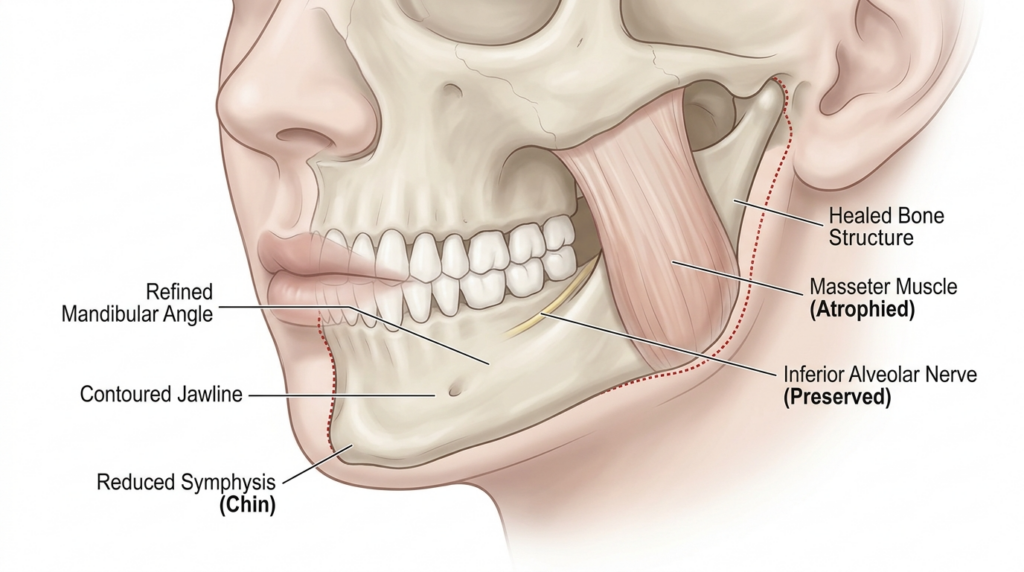
It is crucial to distinguish between pitch (frequency) and timbre (tone quality). Supraorbital rim shaving does not inherently change the frequency of the vocal folds. Instead, it modifies the timbre. However, because timbre influences how pitch is perceived, a “lighter” timbre can make a given pitch sound higher to the listener. This is the secret behind why some patients feel their voice is “finally matching” their identity after forehead work.
Voice Therapy Adaptation Post-Surgery
Voice therapists must adapt their exercises to account for these anatomical changes. Traditional exercises that focus on resonance placement in the mask of the face may need recalibration. Since the bony structure has changed, the old “feel” of resonance will differ. Therapists should encourage patients to re-map their sensory feedback, using the new acoustic properties of their skull to achieve a feminine voice more efficiently.
Integrating knowledge of forehead reduction into therapy sessions allows for a holistic approach to transition. Patients should be informed that their surgical journey supports their vocal goals. This synergy between maxillofacial surgery and phoniatrics is the new frontier of transgender healthcare, ensuring that the voice and face tell the same story.
Frequently Asked Questions
How does supraorbital rim shaving affect vocal resonance?
Supraorbital rim shaving alters the density and shape of the frontal bone, which changes how sound waves propagate through the skull. This can lead to a perception of a lighter or clearer voice, as the acoustic properties of the cranial cavity are modified to favor higher frequency transmission.
Is the change in voice permanent after Type 3 cranioplasty?
The anatomical changes from bone reduction are permanent, meaning the acoustic environment of the skull is permanently altered. While the brain may take time to adjust to the new resonance, the physical basis for the change in vocal timbre remains a lasting effect of the surgery.
Do I still need voice therapy if my forehead change alters my voice?
Yes, voice therapy remains essential. While surgery provides a passive acoustic shift, therapy teaches active control over pitch, resonance, and articulation. Combining surgical changes with professional guidance yields the most authentic and sustainable feminine voice.
What is the connection between bone density and sound propagation?
Bone is a highly efficient conductor of sound. Denser bones, like an unreduced supraorbital rim, reflect and absorb more sound waves, creating a heavier timbre. Reducing this bone mass allows sound waves to travel more freely, resulting in a perceived increase in vocal brightness.
Can phoniatricians measure the acoustic changes post-FFS?
Phoniatricians use specialized equipment to analyze vocal timbre and resonance frequencies. Through spectrography and acoustic analysis, they can detect the subtle shifts in sound quality that patients report after forehead feminization, validating the link between bone structure and voice.
Why do some MTF patients report a lighter voice after FFS?
Patients often report a lighter voice because the reduction of the supraorbital rim changes the skull’s resonance chamber. With less dense bone to absorb high frequencies, the voice carries a brighter, clearer quality that aligns more closely with feminine vocal profiles.