
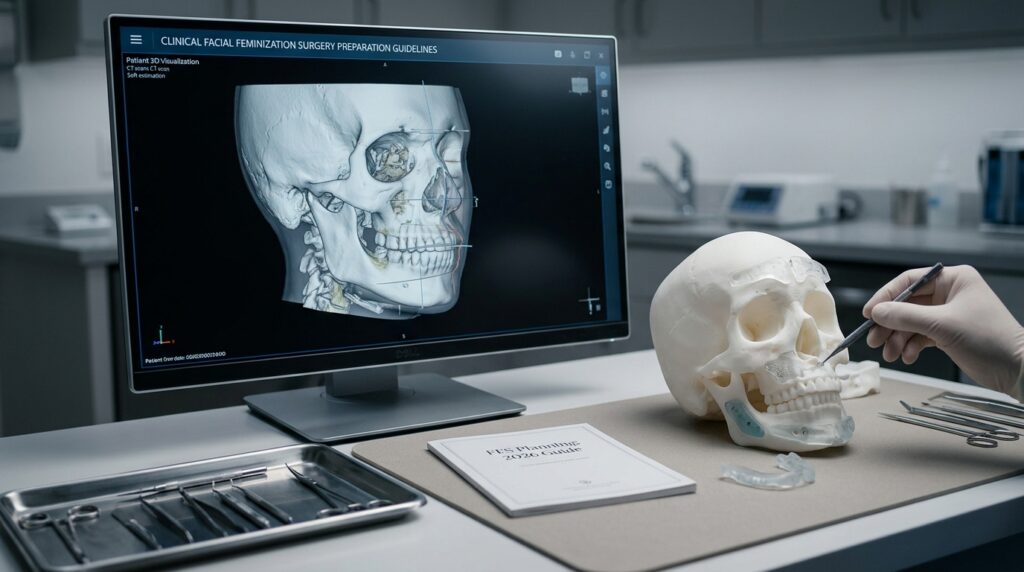
A rigorous facial feminization surgery preparation protocol serves as the foundation for predictable craniofacial remodeling and uneventful surgical recovery. Planning begins months before entering the operating theater, demanding coordinated medical evaluations, diagnostic imaging, and biochemical adjustments to protect vital soft tissues and underlying bone structures.

Table of Contents
Clinical Facial Feminization Surgery Preparation Guidelines
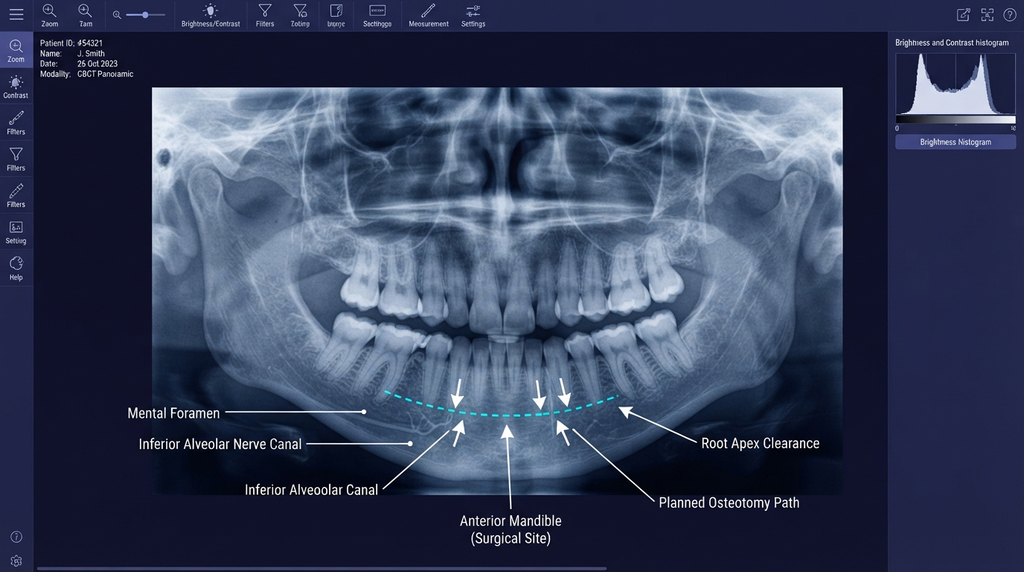
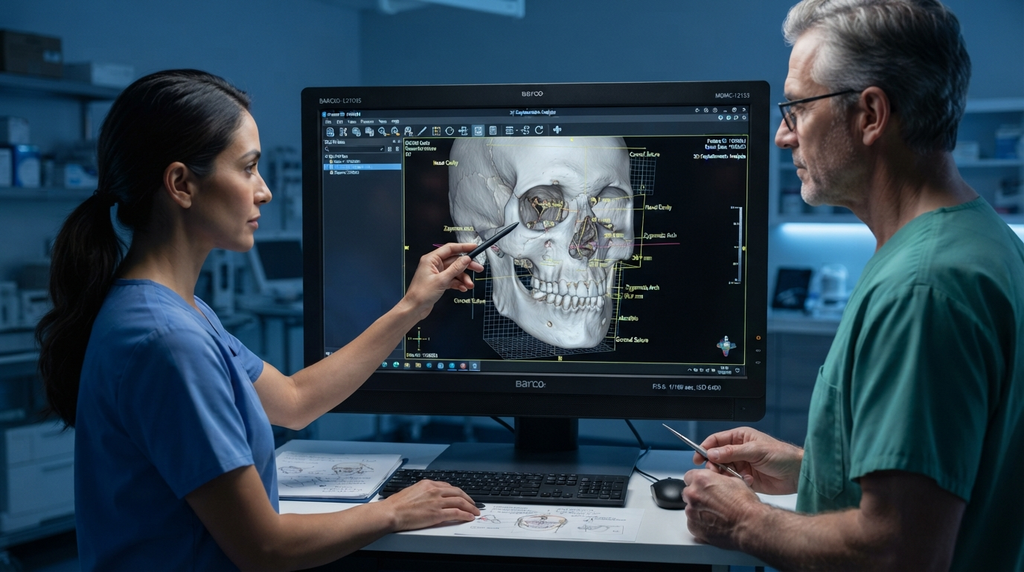
Comprehensive evaluation requires thin-slice multi-detector computed tomography (CT) scans with 3D reconstruction. These high-resolution cross-sectional scans reveal anterior frontal sinus wall thickness, supraorbital rim density, mandibular nerve trajectories, and dental roots before any surgical intervention takes place.
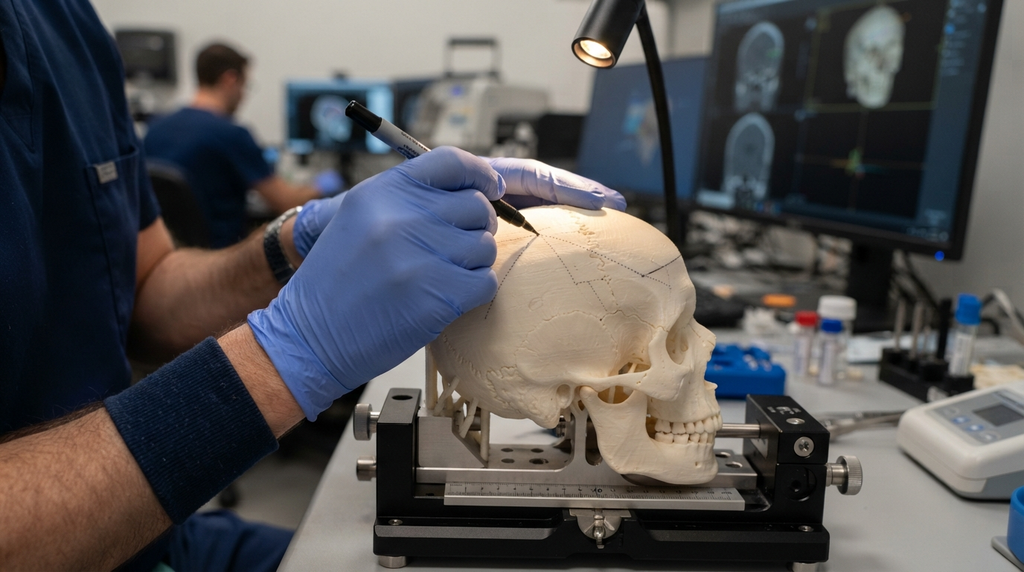
Preoperative bone density analysis determines whether a patient requires type 3 frontal sinus setback cranioplasty or contour shaving. Surgeons evaluate baseline facial symmetry and soft-tissue draping to map precise osteotomy vectors, ensuring stable surgical landmarks and structural balance.
Hormone Replacement Therapy Management and Vascular Safety
Hormone management forms a critical pillar of patient safety during major craniofacial reconstruction. As highlighted in international safety standards by the WPATH clinical guidelines, exogenous estrogen elevates deep vein thrombosis (DVT) risks under prolonged general anesthesia, requiring systematic clinical protocols.
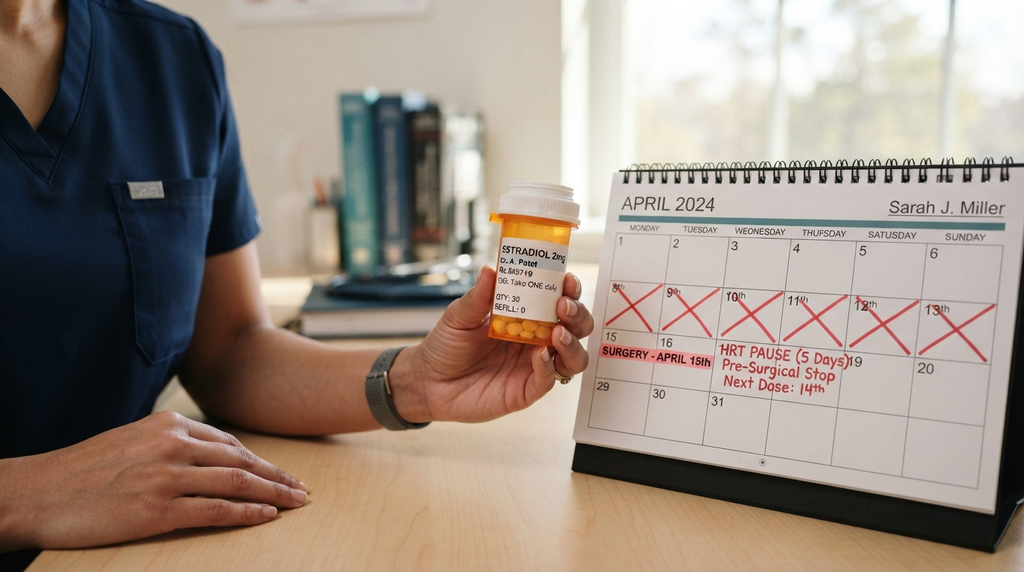
- Patients collaborate closely with their endocrinologist and surgical team to taper or suspend oral estrogens two to three weeks prior to surgery.
- Transdermal estrogen formulations may occasionally be continued under close vascular monitoring, depending on patient-specific thrombotic profiles.
- Anti-androgen therapies like spironolactone or cyproterone acetate are reviewed to prevent unexpected intraoperative blood pressure fluctuations.
Patients seeking comprehensive facial feminization surgery preparation must integrate multidisciplinary medical clearances early to maintain optimal physiologic stability throughout the perioperative window. Adhering to structured facial feminization surgery preparation steps ensures smooth anesthesia transitions.
Preoperative Laboratory Work and Anesthesia Clearance
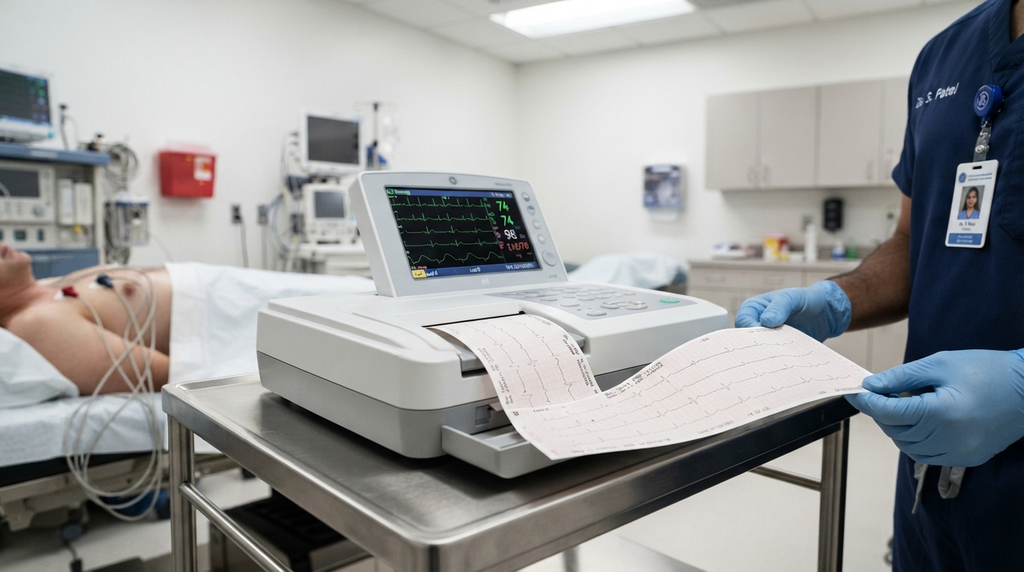
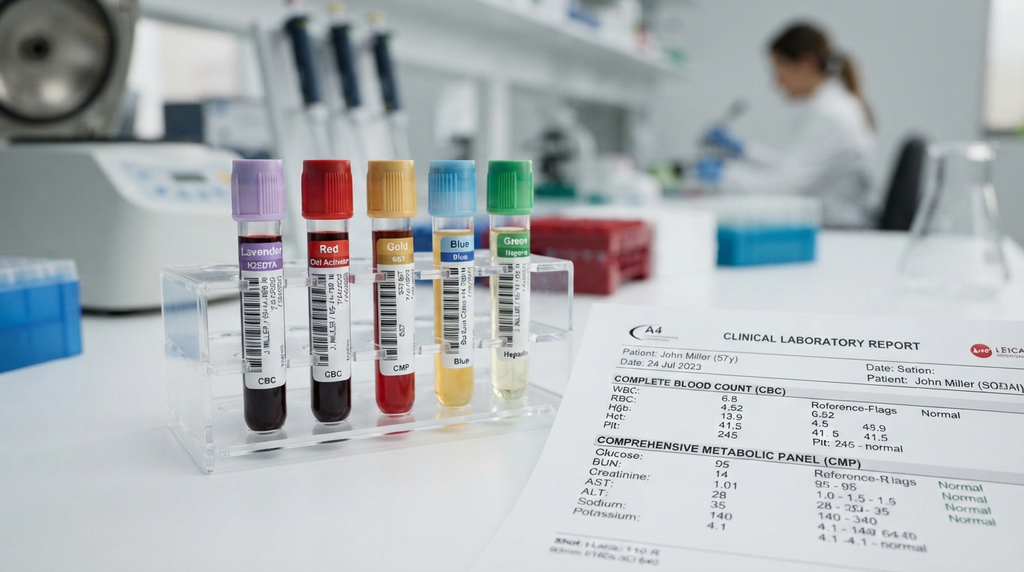
Surgical safety hinges on thorough systemic clearance. A complete metabolic panel, complete blood count (CBC), baseline coagulation studies (PT/INR and aPTT), and a 12-lead electrocardiogram (ECG) are mandated within thirty days of the operation.
Active nicotine use severely compromises cutaneous perfusion, particularly along coronal incision flaps and extended subperiosteal dissections. Complete cessation of all tobacco, vaping, and nicotine products is strictly enforced for at least six weeks before and after surgery to prevent tissue necrosis and wound dehiscence.
When undergoing procedures like forehead contouring or lower jaw sculpting, uncompromised blood supply guarantees primary healing across extensive bone interfaces. Similarly, coordinating procedures with genioplasty surgery requires dental clearance to mitigate intraoral contamination.
Surgical Planning and Coordinated Hub Procedures

Modern surgical roadmaps often harmonize upper, mid, and lower facial procedures into single or phased operative sessions. Incorporating structural adjustments across the orbit and midface via cat eyes surgery complements brow advancement, creating harmonious ocular positioning.
Patients frequently evaluate the full scope of facial feminization surgery to determine whether nasal restructuring via nose job rhinoplasty should occur concurrently or as a secondary refinement. Detailed planning prevents airway compromise and ensures stable endotracheal tube placement.
Clinical documentation and realistic expectations are established by reviewing real-world outcomes in the verified before after ffs gallery. Establishing open communication through our clinical coordinators allows prospective patients to contact now and formalize surgical itineraries well in advance.
Logistical Steps for Facial Feminization Surgery Preparation
Preparing the home environment is just as vital as clinical screening. Patients must arrange dedicated 24-hour companion care for the initial 72 hours following discharge, as facial swelling and head dressings significantly limit independent navigation.
- Stock wedge pillows to maintain constant 45-degree head elevation day and night.
- Acquire sterile saline sprays, chlorhexidine mouthwash, and soft silicone toothbrushes for gentle oral hygiene.
- Prepare high-calorie, nutrient-dense liquid and pureed foods to support tissue regeneration without requiring forceful chewing.
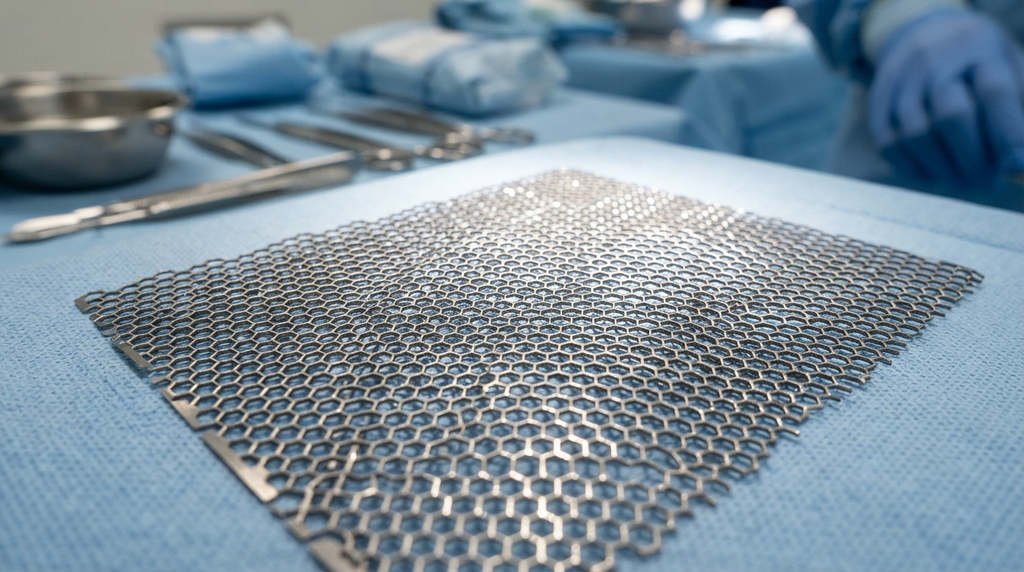
Patients can study advanced biomechanical techniques such as type 3 cranioplasty ct measurement and bio-compatible implant options like titanium mesh vs peek ffs to make fully informed choices during their facial feminization surgery preparation stage.
Frequently Asked Questions
When should I stop taking hormone replacement therapy before FFS?
Most surgical protocols recommend pausing or tapering oral estrogens two to three weeks before surgery to minimize deep vein thrombosis risks, always under endocrinologist guidance.
What diagnostic tests are mandatory prior to facial feminization surgery?
Mandatory testing includes high-resolution craniofacial 3D CT scans, complete blood counts, comprehensive metabolic panels, coagulation profiles, and baseline electrocardiograms.
How far in advance must smoking and nicotine be discontinued?
All nicotine products, including vaping and patches, must be completely discontinued at least six weeks before and six weeks after surgery to avoid compromised flap perfusion and wound breakdown.