10 Must-Know Insights for FFS Cost in the UK

FFS Cost in the UK

Facial feminization surgery (FFS) is a set of procedures that aim to modify the facial features of transgender women and non-binary individuals to make them more feminine and harmonious. FFS can have a significant impact on one’s self-esteem, confidence, and quality of life. However, FFS is also a major investment that requires careful planning and budgeting. In this article, we will share 10 must-know insights for FFS cost in the UK, covering topics such as pricing structures, financing options, hidden fees, long-term value, and more. Whether you are considering FFS or already in the process of preparing for it, this article will help you make informed decisions and achieve your transformation goals.

Understanding the Basics of FFS Pricing

Before we dive into the details of FFS cost in the UK, let’s first understand some basics of FFS pricing. How much does FFS cost? What factors affect the price? How can you find transparent and reliable pricing information?

Factors Affecting FFS Cost

The cost of FFS depends on several factors, such as:

  • The number and type of procedures you need. FFS can include various procedures, such as forehead contouring, brow lift, hairline lowering, rhinoplasty, cheek augmentation, chin reshaping, jaw reduction, lip lift, tracheal shave, and more. Each procedure has a different price range and complexity. The more procedures you need, the higher the cost will be.
  • The surgeon’s experience and reputation. A highly qualified and experienced surgeon will charge more than a less skilled or novice one. However, this also means that you will get better results and lower risks of complications. Choosing a reputable surgeon is crucial for your safety and satisfaction.
  • The location and facility of the surgery. The cost of FFS varies depending on where you have it done. Different countries and regions have different standards of living, medical fees, taxes, and currency exchange rates. The facility where you have your surgery also affects the price. A private clinic or hospital will charge more than a public one. However, this may also reflect the quality of care and equipment.
  • The anesthesia and medication costs. FFS is usually performed under general anesthesia, which means that you will be unconscious during the surgery. The anesthesia costs depend on the duration and complexity of the surgery, as well as the anesthesiologist’s fees. You will also need to pay for the medication prescribed before and after the surgery, such as antibiotics, painkillers, anti-inflammatory drugs, etc.
  • The post-operative care costs. After the surgery, you will need to stay in the hospital or clinic for a few days to monitor your recovery and prevent infections. You will also need to visit your surgeon for follow-up appointments and possible revisions. The post-operative care costs include the hospital or clinic fees, the surgeon’s fees, the transportation costs, and any additional treatments or services you may need.

Transparent Pricing Structures

One of the challenges of finding out how much FFS costs is that many surgeons and clinics do not provide clear and transparent pricing information on their websites or advertisements. They may only give vague estimates or ranges that do not reflect the actual cost of your surgery. They may also hide some fees or charges that are not included in their quotes.

To avoid unpleasant surprises and budget accordingly, you should look for surgeons and clinics that offer transparent pricing structures. This means that they provide detailed breakdowns of all the costs involved in your surgery, including:

  • The surgeon’s fee
  • The facility fee
  • The anesthesia fee
  • The medication fee
  • The post-operative care fee
  • Any additional fees or charges

You should also ask for a personalized quote that reflects your specific needs and goals. A good surgeon will conduct a thorough consultation with you to assess your facial features, discuss your expectations, recommend the best procedures for you, and explain the risks and benefits of each option. Based on this information, they will give you an accurate quote that covers all aspects of your surgery.

FFS Cost in the UK

Budgeting Strategies for FFS in the UK

Now that you have a better idea of how much FFS costs and what factors affect it, let’s talk about some budgeting strategies for FFS in the UK. How can you afford FFS? What financing options are available? How can you save money on your surgery?

Financing Options

FFS is not cheap. In fact, it can cost tens of thousands of pounds in the UK. Unless you have a lot of savings or a generous income, you may not be able to pay for it upfront. Fortunately, there are some financing options that can help you cover the cost of your surgery over time.

One option is to use a credit card or a personal loan from a bank or a financial institution. This way, you can pay for your surgery in monthly installments, with interest. However, you should be careful about the terms and conditions of your credit card or loan, such as the interest rate, the repayment period, the penalties, and the fees. You should also make sure that you can afford the monthly payments and that they do not affect your other financial obligations.

Another option is to use a medical loan or a payment plan from your surgeon or clinic. Some surgeons and clinics offer their own financing schemes that allow you to pay for your surgery in installments, with or without interest. This can be more convenient and flexible than using a credit card or a personal loan, as you can negotiate the terms and conditions with your surgeon or clinic directly. However, you should still be aware of the details and fine print of your medical loan or payment plan, such as the interest rate, the repayment period, the penalties, and the fees. You should also check the credibility and reputation of your surgeon or clinic before signing any contract.

Cost-Saving Techniques

Another way to budget for FFS in the UK is to use some cost-saving techniques that can help you reduce the price of your surgery. Here are some tips:

  • Compare prices and quotes from different surgeons and clinics. You may find significant differences in the cost of FFS depending on who you choose to perform it. Do some research and compare prices and quotes from different surgeons and clinics in the UK. Look for the best value for money, not necessarily the cheapest option. Remember that quality and safety are more important than price.
  • Negotiate with your surgeon or clinic. You may be able to lower the cost of your surgery by negotiating with your surgeon or clinic. For example, you may ask for a discount if you pay in cash, if you book multiple procedures at once, if you refer other patients, or if you agree to participate in a study or a promotion. However, do not compromise on the quality or safety of your surgery for the sake of saving money.
  • Choose the right time and season for your surgery. The cost of FFS may vary depending on the time and season of the year. For example, you may find lower prices during off-peak seasons, such as winter or autumn, when there is less demand for cosmetic surgery. You may also find lower prices during weekdays, rather than weekends, when there is less availability for surgery slots. However, do not base your decision solely on the price. Consider other factors, such as your personal schedule, your recovery time, and your comfort level.
  • Travel abroad for your surgery. Another option to save money on FFS is to travel abroad for your surgery. Some countries offer lower prices for FFS than the UK, due to lower living costs, lower medical fees, lower taxes, or favorable currency exchange rates. For example, some popular destinations for FFS include Spain, Thailand, Mexico, Brazil, and India. However, before you book your flight and pack your bags, you should do some research and weigh the pros and cons of traveling abroad for FFS. Some of the advantages include:
    • Saving money on your surgery
    • Having access to world-class surgeons and facilities
    • Enjoying a vacation before or after your surgery
    • Having more privacy and anonymity

Some of the disadvantages include:

  • Facing potential risks and complications due to travel
  • Having difficulty communicating with your surgeon or staff due to language barriers
  • Having limited legal protection or recourse in case of malpractice or negligence
  • Having difficulty accessing post-operative care or revisions in case of problems

Comparing UK FFS Costs to Global Standards

If you are considering traveling abroad for FFS, you may wonder how UK FFS costs compare to global standards. How much cheaper or more expensive is FFS in the UK than in other countries? What are the reasons behind the price differences? How can you ensure quality and safety when choosing a foreign surgeon or clinic?

International Price Disparities

The cost of FFS varies widely across different countries and regions. According to a report by ISAPS, an international organization of plastic surgeons, the average cost of FFS in 2020 was:

  • $20,000 in North America
  • $18,000 in Europe
  • $15,000 in Asia
  • $14,000 in Latin America
  • $13,000 in Oceania
  • $12,000 in Africa

These are only average figures that do not reflect the specific procedures or factors involved in each case. The actual cost of FFS may be higher or lower depending on where you have it done.

Some of the reasons behind these price disparities include:

  • The standard of living and economic development of each country or region
  • The supply and demand of cosmetic surgery services in each market
  • The level of competition and regulation among surgeons and clinics in each area
  • The quality and availability of medical equipment and technology in each location
  • The currency exchange rates and inflation rates between different countries

Quality vs. Price Considerations

When choosing a foreign surgeon or clinic for FFS, you should not base your decision solely on the price. You should also consider the quality and safety of the surgery. While some countries may offer lower prices for FFS, they may also have lower standards of care, quality, and regulation. This may increase the risks of complications, infections, dissatisfaction, or even death.

To ensure quality and safety when traveling abroad for FFS, you should do some research and follow some guidelines, such as:

  • Look for reputable and accredited surgeons and clinics. You should check the credentials and qualifications of your potential surgeon and clinic. You should look for evidence of board certification, professional affiliation, training, experience, and recognition in the field of FFS. You should also look for accreditation from international organizations, such as ISAPS, JCI, or IAHCSMM, that certify the quality and safety of medical facilities and services.
  • Read reviews and testimonials from previous patients. You should look for honest and unbiased feedback from other people who have had FFS with your potential surgeon or clinic. You should read reviews and testimonials from various sources, such as websites, blogs, forums, social media, or word-of-mouth. You should look for positive and negative comments, as well as before-and-after photos, that reflect the results and experiences of other patients.
  • Consult with your potential surgeon or clinic before booking your surgery. You should communicate with your potential surgeon or clinic before making any commitment. You should ask questions about the procedures, the costs, the risks, the benefits, the recovery, and the expectations of your surgery. You should also request a virtual or in-person consultation with your potential surgeon to assess your facial features, discuss your goals, and plan your surgery.
  • Plan your travel and stay carefully. You should arrange your travel and stay in advance to avoid any stress or hassle. You should book your flight, accommodation, transportation, and insurance accordingly. You should also prepare your passport, visa, medical records, prescriptions, and other documents that you may need for your trip. You should also follow the travel guidelines and restrictions of your destination country, especially during the COVID-19 pandemic.
  • Follow the pre-operative and post-operative instructions of your surgeon or clinic. You should adhere to the pre-operative and post-operative instructions of your surgeon or clinic to ensure a smooth and successful surgery and recovery. You should follow the dietary, lifestyle, medication, and hygiene recommendations of your surgeon or clinic before and after your surgery. You should also attend all the follow-up appointments and possible revisions that your surgeon or clinic may require.

Navigating Hidden Fees in FFS

Another important insight for FFS cost in the UK is to be aware of hidden fees in FFS. What are hidden fees? How can you avoid them? How can you budget for them?

Uncovering Additional Costs

Hidden fees are additional costs that are not included in the initial quote or estimate of your surgery. They may be charged by your surgeon, clinic, hospital, anesthesiologist, or other parties involved in your surgery. They may include:

  • Consultation fees
  • Booking fees
  • Deposit fees
  • Cancellation fees
  • Revision fees
  • Administration fees
  • Laboratory fees
  • Radiology fees
  • Pathology fees
  • Pharmacy fees
  • Medical supplies fees
  • Compression garment fees
  • Bandage fees
  • Dressing fees
  • Nursing fees
  • Hospitalization fees
  • Room fees
  • Food fees
  • Laundry fees
  • Phone fees
  • TV fees
  • Internet fees
  • Transportation fees
  • Travel insurance fees

These hidden fees can add up to a significant amount that can increase the total cost of your surgery by thousands of pounds.

Surgical vs. Non-Surgical Expenses

One way to avoid hidden fees in FFS is to distinguish between surgical and non-surgical expenses. Surgical expenses are the costs directly related to the procedures that you have done on your face. They include:

  • The surgeon’s fee
  • The facility fee
  • The anesthesia fee

Non-surgical expenses are the costs indirectly related to the procedures that you have done on your face. They include:

  • The medication fee
  • The post-operative care fee
  • Any additional fees or charges

You should ask your surgeon or clinic to provide a detailed breakdown of both surgical and non-surgical expenses before booking your surgery. You should also ask them to disclose any possible hidden fees that may arise during or after your surgery.

Long-Term Value of FFS Investment

The last insight for FFS cost in the UK is to consider the long-term value of FFS investment. How can you measure the value of FFS? How can you evaluate your transformation’s worth? How can you balance cost and confidence?

Cost vs. Confidence Boost

FFS is not only a financial investment but also an emotional investment. FFS can have a profound impact on how you feel about yourself, how you present yourself to others, and how others perceive you. FFS can enhance your femininity, harmony, and beauty. FFS can boost your self-esteem, confidence, and happiness. FFS can improve your personal, social, and professional life.

Therefore, when you think about the cost of FFS, you should also think about the confidence boost that FFS can give you. You should not see FFS as an expense but as an investment in yourself. You should not focus on the price tag but on the value that FFS can add to your life.

Evaluating Your Transformation’s Worth

To evaluate your transformation’s worth, you should compare your before-and-after photos and see how much FFS has changed your appearance. You should also compare your before-and-after feelings and see how much FFS has changed your mood. You should also compare your before-and-after experiences and see how much FFS has changed your interactions.

You should ask yourself some questions, such as:

  • How do I feel about my face now?
  • How do I feel about myself now?
  • How do others treat me now?
  • How do I cope with challenges now?
  • How do I pursue opportunities now?

The answers to these questions will help you measure the value of your transformation and the return on your investment.

Balancing Expertise and Cost

One of the challenges of finding a quality surgeon within your budget is to balance expertise and cost. How can you find an affordable FFS specialist? How can you ensure that they have the skills and experience to perform FFS? How can you avoid compromising on quality or safety for the sake of saving money?

Here are some tips to help you balance expertise and cost:

  • Look for surgeons who specialize in FFS. FFS is a complex and delicate surgery that requires a high level of skill and knowledge. You should look for surgeons who have extensive training and experience in performing FFS. You should also look for surgeons who have a portfolio of successful FFS cases that showcase their results and style.
  • Look for surgeons who offer competitive prices. While you should not choose a surgeon based on price alone, you should also not overpay for FFS. You should look for surgeons who offer reasonable and fair prices for their services. You should also look for surgeons who offer discounts, promotions, or packages that can help you save money on your surgery.
  • Look for surgeons who have good reviews and testimonials. You should look for feedback from other patients who have had FFS with your potential surgeon. You should read reviews and testimonials from various sources, such as websites, blogs, forums, social media, or word-of-mouth. You should look for positive and negative comments, as well as before-and-after photos, that reflect the results and experiences of other patients.
  • Look for surgeons who offer free or low-cost consultations. You should consult with your potential surgeon before booking your surgery. You should ask questions about the procedures, the costs, the risks, the benefits, the recovery, and the expectations of your surgery. You should also request a physical or virtual consultation with your potential surgeon to assess your facial features, discuss your goals, and plan your surgery.
  • Look for surgeons who offer financing options or payment plans. You may be able to afford FFS by using a financing option or a payment plan offered by your surgeon or clinic. This way, you can pay for your surgery in installments, with or without interest. However, you should be careful about the terms and conditions of your financing option or payment plan, such as the interest rate, the repayment period, the penalties, and the fees.

Exploring Financing Options for FFS

Another way to afford FFS is to explore financing options for FFS. What are financing options? How can they help you pay for FFS? What are the pros and cons of each option?

Payment Plans and Loans

One of the most common financing options for FFS is to use a payment plan or a loan. A payment plan or a loan is an agreement between you and a lender that allows you to borrow money to pay for your surgery and then repay it over time, with interest.

There are different types of payment plans and loans that you can use for FFS, such as:

  • Credit cards
  • Personal loans
  • Medical loans
  • Secured loans
  • Unsecured loans

To choose the best payment plan or loan for FFS, you should compare the terms and conditions of different options, such as:

  • The interest rate
  • The repayment period
  • The monthly payment
  • The total cost
  • The fees or penalties

You should also consider your financial situation and goals, such as:

  • Your income and expenses
  • Your credit score and history
  • Your savings and assets
  • Your budget and affordability
  • Your surgery and recovery time

Insurance Coverage Considerations

Another financing option for FFS is to use insurance coverage. Insurance coverage is a contract between you and an insurance company that pays for some or all of your medical expenses in exchange for a premium.

There are different types of insurance coverage that you can use for FFS, such as:

  • Health insurance
  • Travel insurance
  • Cosmetic surgery insurance

To choose the best insurance coverage for FFS, you should compare the benefits and limitations of different options, such as:

  • The coverage amount
  • The coverage duration
  • The coverage scope
  • The premium amount
  • The deductible amount

You should also consider your medical needs and goals, such as:

  • Your health condition and history
  • Your surgery plan and schedule
  • Your recovery process and expectations
  • Your complication risks and prevention
  • Your satisfaction level and revision possibility

Making Informed Decisions for Your FFS Journey

The final insight for FFS cost in the UK is to make informed decisions for your FFS journey. How can you prioritize your transformation goals? How can you consider the full scope of FFS expenses? How can you achieve your desired results within your budget?

Prioritizing Your Transformation Goals

One of the first steps to make informed decisions for your FFS journey is to prioritize your transformation goals. What do you want to achieve with FFS? What are the most important features that you want to change? What are the most noticeable features that affect your femininity?

To prioritize your transformation goals, you should:

  • Assess your facial features and identify the areas that bother you the most or make you feel dysphoric.
  • Research the different procedures that can address those areas and learn about their effects, risks, benefits, and costs.
  • Consult with a qualified and experienced surgeon who specializes in FFS and get their professional opinion and recommendation.
  • Rank the procedures according to their importance, urgency, impact, and affordability.
  • Choose the procedures that match your needs, goals, budget, and timeline.

Considering the Full Scope of FFS Expenses

Another step to make informed decisions for your FFS journey is to consider the full scope of FFS expenses. How much does FFS really cost? What are the direct and indirect costs of FFS? What are the short-term and long-term costs of FFS?

To consider the full scope of FFS expenses, you should:

  • Ask for a detailed and transparent quote from your surgeon or clinic that includes all the surgical and non-surgical expenses of your surgery.
  • Add any possible hidden fees or charges that may arise during or after your surgery, such as consultation fees, booking fees, deposit fees, cancellation fees, revision fees, etc.
  • Add any possible travel and stay expenses that may be involved in your surgery, such as flight, accommodation, transportation, insurance, etc.
  • Add any possible income loss or opportunity cost that may result from your surgery, such as time off work, reduced productivity, missed opportunities, etc.
  • Add any possible lifestyle or personal expenses that may be related to your surgery, such as clothing, makeup, accessories, therapy, etc.

Setting Realistic Cost Expectations

The final step to make informed decisions for your FFS journey is to set realistic cost expectations. How much can you afford to spend on FFS? How much are you willing to spend on FFS? How much are you expecting to get from FFS?

To set realistic cost expectations, you should:

  • Review your financial situation and goals and determine your budget and affordability for FFS.
  • Review your medical needs and goals and determine your priorities and preferences for FFS.
  • Review your potential outcomes and risks and determine your satisfaction and revision levels for FFS.
  • Balance your budget and affordability with your priorities and preferences and find the best value for money for FFS.
  • Balance your satisfaction and revision levels with your potential outcomes and risks and find the best results and safety for FFS.
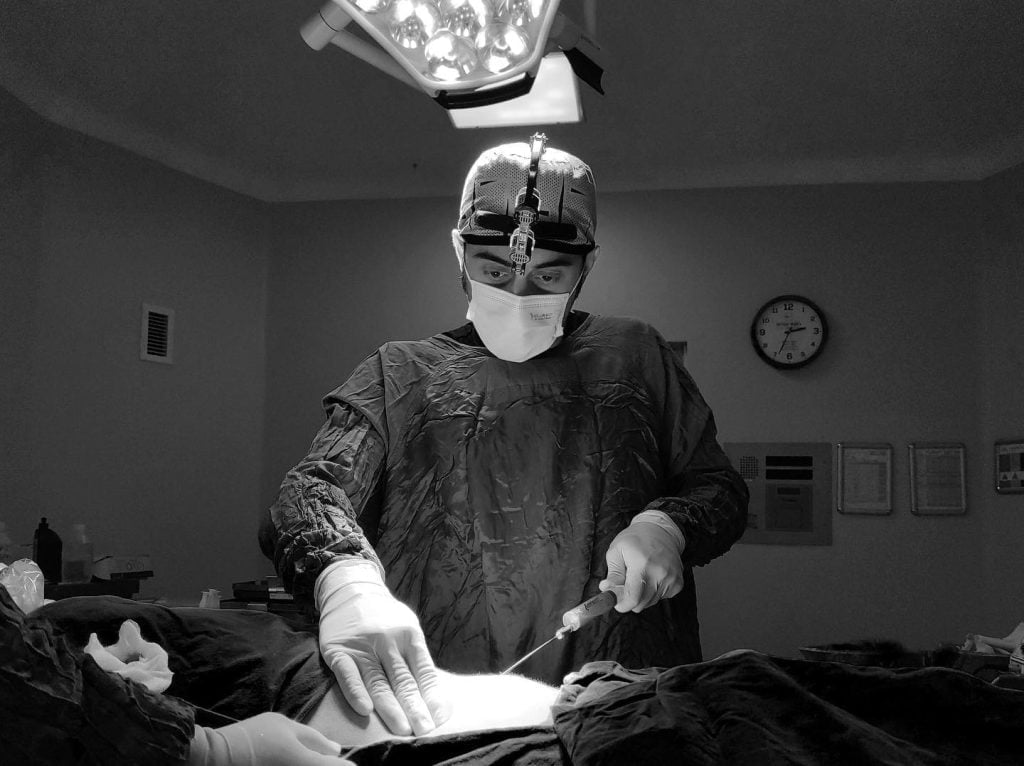
Mehmet Fatih Okyay, MD, FEBOPRAS in Türkiye.

Bonus: A Better Option for the UK

Are you looking for a more affordable and quality alternative for FFS in the UK? If so, you may want to consider traveling to Turkey, a popular destination for cosmetic surgery that offers lower prices, higher standards, and stunning scenery. In particular, you may want to check out Dr. MFO Clinic in Antalya, a state-of-the-art facility that specializes in FFS and other aesthetic procedures.

Dr. MFO Clinic is founded and led by Dr. Mehmet Fatih Okyay (Dr. MFO), an accomplished plastic and aesthetic surgeon who brings a unique blend of expertise, artistic skill, and commitment to achieving your aesthetic goals. Here are some of the reasons why you should choose Dr. MFO Clinic for your FFS:

  • Outstanding Education: Dr. MFO ranked 8th in the Turkish Medical Specialization Examination and completed his Plastic, Reconstructive, and Aesthetic Surgery residency at Istanbul University.
  • European Recognition: He is a Fellow of the European Board of Plastic, Reconstructive and Aesthetic Surgeons (FEBOPRAS), showcasing his international excellence.
  • Clinic Founder: Dr. MFO established the Dr. MFO Clinic in June 2021, dedicated to delivering exceptional care.
  • Areas of Expertise: With over 10 years of experience, his specialties include facelifts, nose aesthetics, tummy tucks, liposuction, body shaping, and breast aesthetic surgeries.
  • Professional Affiliations: He is a permanent member of ISAPS, TSPRAS, and TSAPS.
  • Multilingual and Multitalented: Dr. MFO speaks English, Spanish, and French. He is also a songwriter, poet, and musician.
  • Contributions to the Field: Dr. MFO has published several research articles, advancing plastic surgery knowledge.
  • Presentations and Awards: He has presented at national and international conferences and has received prestigious awards.
  • Continual Learning: Dr. MFO holds various certifications and regularly participates in courses to stay updated on the latest techniques and technologies.

In addition to these impressive credentials, Dr. MFO Clinic also offers:

  • Competitive Prices: You can save up to 70% on FFS compared to the UK by choosing Dr. MFO Clinic. The clinic offers transparent pricing structures and provides detailed breakdowns of all the costs involved in your surgery. The clinic also offers discounts, promotions, or packages that can help you save more money on your surgery.
  • Quality Services: You can enjoy world-class services at Dr. MFO Clinic, from the initial consultation to the final follow-up. The clinic has a friendly and professional staff that will assist you throughout your journey. The clinic also has a modern and comfortable facility that is equipped with the latest technology and equipment.
  • Personalized Care: You can receive personalized care at Dr. MFO Clinic, tailored to your specific needs and goals. Dr. MFO will conduct a thorough assessment of your facial features, discuss your expectations, recommend the best procedures for you, and explain the risks and benefits of each option. He will also design a customized surgical plan that will optimize your results and safety.
  • Beautiful Location: You can enjoy a beautiful location at Dr. MFO Clinic, located in Antalya, a coastal city that is known as the Turkish Riviera. Antalya offers a Mediterranean climate, stunning beaches, historical sites, cultural attractions, and natural wonders. You can also explore other nearby destinations, such as Istanbul, Cappadocia, or Pamukkale.

If you are interested in FFS with Dr. MFO Clinic, you can contact them through their website, email, phone, or WhatsApp. You can also follow them on their social media accounts to see their latest updates and testimonials.

FFS with Dr. MFO Clinic is not only a surgery but also an experience that will transform your appearance and your life.

Conclusion

FFS is a life-changing surgery that can help you achieve your desired feminine appearance and improve your self-esteem, confidence, and quality of life. However, FFS is also a major investment that requires careful planning and budgeting. In this article, we have shared 10 must-know insights for FFS cost in the UK, covering topics such as pricing structures, financing options, hidden fees, long-term value, and more. We hope that this article has helped you make informed decisions and achieve your transformation goals.

FAQ

Q: What is the average cost of FFS in the UK? A: The average cost of FFS in the UK is around £25,000 to £35,000. However, this is only a rough estimate that does not reflect the specific procedures or factors involved in each case. The actual cost of FFS may be higher or lower depending on the number and type of procedures you need, the surgeon’s experience and reputation, the location and facility of the surgery, the anesthesia and medication costs, the post-operative care costs, and any additional fees or charges.

Q: Is FFS covered by the NHS? A: FFS is not routinely covered by the NHS. However, some transgender patients may be eligible for funding for some procedures under certain criteria. For example, patients who have a diagnosis of gender dysphoria from a gender identity clinic (GIC) may be able to access funding for procedures such as rhinoplasty, tracheal shave, or hair transplant. However, this is not guaranteed and depends on the availability of resources and the clinical judgment of the GIC. Patients who want to access funding for FFS through the NHS should consult with their GIC and follow their referral process.

Q: How can I find a good surgeon for FFS in the UK? A: To find a good surgeon for FFS in the UK, you should do some research and follow some guidelines, such as:

  • Look for surgeons who specialize in FFS and have extensive training and experience in performing it.
  • Look for surgeons who are board-certified by reputable organizations, such as BAAPS or BAPRAS.
  • Look for surgeons who have good reviews and testimonials from previous patients who have had FFS with them.
  • Look for surgeons who offer transparent pricing structures and provide detailed breakdowns of all the costs involved in your surgery.
  • Look for surgeons who offer free or low-cost consultations and assess your facial features, discuss your expectations, recommend the best procedures for you, and explain the risks and benefits of each option.

Free Consultation

Get a free consultation now or visit Dr.MFO’s instagram for see more successfully plastic surgery results

FFS Surgery Abroad: A Guide to Choosing the Best International Clinic

ffs surgery

Are you considering FFS surgery abroad? If so, you are not alone. Many people who want to feminize their facial features choose to travel to another country for their procedure. There are many reasons why someone might opt for FFS surgery overseas, such as lower costs, higher quality, more options, and greater privacy. However, there are also some challenges and risks involved in traveling for FFS surgery, such as language barriers, cultural differences, legal issues, and medical complications. Therefore, it is important to do your research and plan ahead before you book your flight and pack your bags.

In this article, we will provide you with a comprehensive guide to choosing the best international FFS clinic for your needs. We will cover the following topics:

  • FFS Surgery Abroad: Pros and Cons
  • Choosing the Best International FFS Clinic
  • Traveling for FFS: Preparing for the Journey
  • International FFS Surgeons: Credentials and Experience
  • Cost Considerations for FFS Surgery Overseas

By the end of this article, you will have a better understanding of what to expect from FFS surgery abroad and how to make an informed decision that suits your goals, budget, and preferences. You will also learn about one of the best FFS clinics in the world, located in Antalya, Turkey: Dr.MFO Clinic.

FFS Surgery Abroad: Pros and Cons

FFS surgery abroad is a popular option for many transgender women and non-binary people who want to achieve a more feminine appearance. FFS surgery, or facial feminization surgery, is a set of surgical procedures that modify the shape and size of the facial bones and soft tissues to create a more feminine look. Some of the most common FFS procedures include forehead contouring, brow lift, hairline lowering, rhinoplasty, cheek augmentation, chin reshaping, jaw reduction, lip lift, and tracheal shave.

There are many advantages of getting FFS surgery abroad, such as:

  • Lower costs: FFS surgery can be very expensive in some countries, especially in the US and UK. By traveling to another country, you can save up to 70% on the cost of your surgery. For example, the average cost of FFS surgery in the US is around $40,000, while in Turkey it is around $12,000.
  • Higher quality: Some countries have more advanced medical technology and facilities than others. By traveling to a country that has a high standard of health care and medical tourism, you can benefit from state-of-the-art equipment and techniques that ensure optimal results and safety. For example, Turkey is one of the leading destinations for cosmetic surgery in the world, with over 1 million medical tourists visiting every year.
  • More options: Some countries have more experienced and qualified surgeons than others. By traveling to a country that has a large pool of FFS surgeons, you can choose from a wider range of options that suit your needs and preferences. For example, Turkey has over 300 board-certified plastic surgeons, many of whom specialize in FFS surgery.
  • Greater privacy: Some people may feel uncomfortable or discriminated against in their own country when seeking FFS surgery. By traveling to another country, you can enjoy more privacy and anonymity during your recovery period. You can also combine your surgery with a vacation and explore a new culture and environment.

However, there are also some disadvantages of getting FFS surgery abroad, such as:

  • Language barriers: Communication is key when it comes to any medical procedure. If you travel to a country where you do not speak the local language, you may face difficulties in understanding your surgeon and medical staff. This can lead to misunderstandings, confusion, or dissatisfaction with your results. Therefore, it is important to choose a clinic that has English-speaking staff or provides translation services.
  • Cultural differences: Every country has its own culture and norms that may differ from yours. This can affect your expectations and experience of FFS surgery abroad. For example, some countries may have different views on gender identity and expression than yours. You may also encounter different social customs, religious beliefs, or dietary restrictions that may affect your comfort level. Therefore, it is important to do some research on the country you are visiting and respect its culture and values.
  • Legal issues: Every country has its own laws and regulations that govern medical tourism and cosmetic surgery. These may differ from yours in terms of quality standards, safety protocols, malpractice policies, or insurance coverage. You may also need to obtain a visa or other documents to enter the country legally. Therefore, it is important to check the legal requirements and implications of getting FFS surgery abroad before you travel.
  • Medical complications: Any surgery carries some risks of complications or side effects. However, these risks may increase when you travel abroad for your surgery. For example, you may be exposed to different bacteria or viruses that may cause infections or illnesses. You may also experience travel-related issues such as jet lag, altitude sickness, or dehydration that may affect your healing process. Therefore, it is important to follow your surgeon’s instructions and take proper care of yourself before and after your surgery.

Choosing the Best International FFS Clinic

As you can see, there are many factors to consider when deciding to get FFS surgery abroad. One of the most important factors is choosing the best international FFS clinic for your needs. A good FFS clinic should meet the following criteria:

  • Reputation: A good FFS clinic should have a good reputation among its past and current patients. You can check the reviews, testimonials, and ratings of the clinic online or on social media platforms. You can also ask for referrals from your friends, family, or other transgender people who have had FFS surgery abroad. A good FFS clinic should have positive feedback and high satisfaction rates from its clients.
  • Experience: A good FFS clinic should have a lot of experience in performing FFS surgery. You can check the credentials, qualifications, and portfolio of the clinic and its surgeons online or in person. You can also ask for before and after photos or videos of their previous FFS patients. A good FFS clinic should have a proven track record of delivering excellent results and outcomes for its patients.
  • Services: A good FFS clinic should offer a wide range of services and procedures that suit your needs and preferences. You can check the website or brochure of the clinic to see what kind of FFS procedures they offer and how they perform them. You can also ask for a consultation or assessment with the clinic to discuss your goals, expectations, and options. A good FFS clinic should provide you with personalized and customized solutions that match your facial features and desired look.
  • Facilities: A good FFS clinic should have modern and comfortable facilities that ensure your safety and comfort during your surgery and recovery. You can check the location, accessibility, and amenities of the clinic online or in person. You can also ask for a tour or visit of the clinic to see how it looks and feels. A good FFS clinic should have clean, spacious, and well-equipped rooms and operating theaters that meet international standards of hygiene and quality.
  • Staff: A good FFS clinic should have friendly and professional staff that make you feel welcome and supported during your surgery and recovery. You can check the communication, attitude, and behavior of the staff online or in person. You can also ask for an introduction or meeting with the staff to see how they interact with you. A good FFS clinic should have English-speaking staff or translators who are courteous, respectful, and helpful.

One of the best international FFS clinics that meets all these criteria is Dr.MFO Clinic in Antalya, Turkey. Dr.MFO Clinic is a world-class cosmetic surgery center that specializes in FFS surgery. Dr.MFO Clinic is led by Dr. Mehmet Fatih Okyay, a board-certified plastic surgeon with over 10 years of experience in performing FFS surgery. Dr.MFO Clinic offers a variety of FFS procedures that can transform your face into a more feminine shape and size. Dr.MFO Clinic has state-of-the-art facilities that provide you with a safe and comfortable environment for your surgery and recovery. Dr.MFO Clinic has a team of English-speaking staff who are friendly, professional, and attentive to your needs.

Dr.MFO Clinic is not only a great choice for FFS surgery abroad, but also a great destination for medical tourism. Antalya is a beautiful city on the Mediterranean coast of Turkey that offers a rich history, culture, and nature. Antalya has many attractions to explore, such as ancient ruins, museums, beaches, parks, markets, restaurants, and nightlife. Antalya has a warm and sunny climate all year round that is ideal for healing and relaxing after your surgery.

If you are interested in getting FFS surgery abroad at Dr.MFO Clinic, you can contact them through their website dr-mfo.com or by phone +905528003322. They will provide you with all the information you need to plan your trip and book your surgery.

Traveling for FFS: Preparing for the Journey

Traveling for FFS surgery abroad can be an exciting and rewarding experience, but it also requires some preparation and planning ahead. Here are some tips on how to prepare for your journey:

  • Do your research: Before you travel, make sure you do some research on the country you are visiting, the clinic you are choosing, and the procedure you are getting. Learn about the culture, language, laws, regulations, currency, weather, transportation, accommodation, food, health care system, and emergency services of the country you are visiting. Learn about the reputation, experience, services, facilities, staff, prices, policies, guarantees, risks, and complications of the clinic you are choosing. Learn about the steps, techniques, results, recovery, and aftercare of the procedure you are getting. You can find reliable sources of information online, such as official websites, blogs, forums, videos, or articles. You can also contact the clinic directly and ask them any questions you may have.
  • Plan your budget: Traveling for FFS surgery abroad can be a significant investment, so you need to plan your budget carefully. You need to consider the cost of the surgery, the travel expenses, the accommodation expenses, the food expenses, the medical expenses, and any other expenses you may incur during your trip. You also need to factor in the exchange rate and the currency conversion fees. You can use online tools or apps to compare prices and find the best deals. You can also ask the clinic if they offer any discounts, packages, or financing options.
  • Pack your bags: Packing for FFS surgery abroad can be a challenge, as you need to balance between bringing what you need and what you want. You need to pack your essentials, such as your passport, visa, travel documents, medical records, medications, toiletries, clothes, shoes, accessories, phone, charger, adapter, and money. You also need to pack some items that will make your recovery more comfortable and enjoyable, such as books, magazines, music, headphones, games, snacks, pillows, blankets, and ice packs. You also need to check the luggage allowance and restrictions of your airline and the customs regulations of your destination country.
  • Prepare yourself: Preparing yourself for FFS surgery abroad is not only about packing your bags but also about preparing your mind and body. You need to follow your surgeon’s pre-operative instructions carefully and avoid any activities or substances that may affect your surgery or recovery. For example, you may need to stop smoking, drinking alcohol, taking certain medications or supplements, or eating certain foods before your surgery. You also need to take care of your health and hygiene and get enough rest and sleep before your trip. You also need to mentally prepare yourself for the surgery and the recovery process and set realistic expectations and goals for yourself.

International FFS Surgeons: Credentials and Experience

One of the most important factors that determine the success of your FFS surgery abroad is the skill and expertise of your surgeon. A good FFS surgeon should have the following credentials and experience:

  • Education: A good FFS surgeon should have a medical degree from a reputable university and a specialization in plastic surgery or maxillofacial surgery. A good FFS surgeon should also have additional training or education in FFS surgery or related fields.
  • Certification: A good FFS surgeon should be board-certified by a recognized organization or association that sets high standards of quality and ethics for plastic surgery or maxillofacial surgery. A good FFS surgeon should also be a member of professional societies or groups that promote excellence and innovation in FFS surgery or related fields.
  • Experience: A good FFS surgeon should have a lot of experience in performing FFS surgery on different types of patients with different facial features and goals. A good FFS surgeon should also have experience in using various techniques and methods that suit different cases and preferences. A good FFS surgeon should also have experience in dealing with potential complications or challenges that may arise during or after FFS surgery.
  • Portfolio: A good FFS surgeon should have a portfolio of their previous work that showcases their results and outcomes. A good FFS surgeon should be able to provide you with before and after photos or videos of their past FFS patients that demonstrate their skills and abilities. A good FFS surgeon should also be able to provide you with testimonials or references from their past FFS patients that attest to their satisfaction and happiness.

One of the best international FFS surgeons that meets all these criteria is Dr. Mehmet Fatih Okyay from Dr.MFO Clinic in Antalya, Turkey. Dr.MFO is a board-certified plastic surgeon with over 10 years of experience in performing FFS surgery on hundreds of patients from all over the world. Dr.MFO is a member of several professional societies and groups such as the International Society of Aesthetic Plastic Surgery (ISAPS), the Turkish Society of Plastic Reconstructive and Aesthetic Surgery (TPRECD), the Turkish Society of Aesthetic Plastic Surgery (EPCD). Dr.MFO has a lot of experience in performing FFS surgery on different types of patients with different facial features and goals. Dr.MFO uses various techniques and methods that suit different cases and preferences, such as bone contouring, soft tissue augmentation, skin resurfacing, hair transplantation, and non-surgical treatments. Dr.MFO also has experience in dealing with potential complications or challenges that may arise during or after FFS surgery, such as infections, bleeding, swelling, bruising, scarring, nerve damage, asymmetry, or dissatisfaction. Dr.MFO has a portfolio of his previous work that showcases his results and outcomes. Dr.MFO can provide you with before and after photos or videos of his past FFS patients that demonstrate his skills and abilities. Dr.MFO can also provide you with testimonials or references from his past FFS patients that attest to their satisfaction and happiness.

If you are looking for a qualified, experienced, and talented FFS surgeon abroad, you can trust Dr.MFO to deliver the best results possible. You can contact him through his website dr-mfo.com or by phone +905528003322 to schedule a consultation or appointment.

Cost Considerations for FFS Surgery Overseas

Another important factor that influences your decision to get FFS surgery abroad is the cost of the surgery. FFS surgery can be a costly procedure, depending on the type, number, and complexity of the procedures you need, the location and reputation of the clinic you choose, and the qualifications and experience of the surgeon you select. Therefore, you need to consider the following aspects when comparing the cost of FFS surgery overseas:

  • The price of the surgery: The price of the surgery is the amount of money that the clinic charges you for performing the FFS procedures you need. The price of the surgery may vary depending on the country, region, city, or clinic you choose, as well as the surgeon’s fees, the anesthesia fees, the hospital fees, and the taxes. The price of the surgery may also vary depending on the exchange rate and the currency conversion fees. You can find out the price of the surgery by contacting the clinic directly or by checking their website or brochure. You can also use online tools or apps to compare prices and find the best deals.
  • The quality of the surgery: The quality of the surgery is the degree of excellence and satisfaction that you get from your FFS results and outcomes. The quality of the surgery may depend on the skill and expertise of your surgeon, the technique and method they use, the equipment and technology they have, and the safety and hygiene standards they follow. The quality of the surgery may also depend on your individual factors, such as your facial features, your goals, your expectations, and your healing process. You can assess the quality of the surgery by checking the portfolio, reviews, ratings, testimonials, or references of your surgeon or clinic. You can also ask for a consultation or assessment with your surgeon or clinic to discuss your goals, expectations, and options.
  • The value of the surgery: The value of the surgery is the benefit and worth that you get from your FFS results and outcomes in relation to the price you pay. The value of the surgery may vary depending on your personal preferences, priorities, and needs. For some people, getting FFS surgery abroad may be a valuable investment that improves their self-esteem, confidence, happiness, and quality of life. For others, getting FFS surgery abroad may be a risky expense that does not meet their expectations or causes complications or dissatisfaction. You can determine the value of the surgery by weighing the pros and cons of getting FFS surgery abroad and comparing the cost and quality of different options.

One of the best international FFS clinics that offers a high-quality and high-value FFS surgery at an affordable price is Dr.MFO Clinic in Antalya, Turkey. Dr.MFO Clinic charges an average price of $12,000 for FFS surgery, which is much lower than the average price of $40,000 in the US or $30,000 in the UK. Dr.MFO Clinic provides a high-quality FFS surgery that delivers excellent results and outcomes for its patients, as evidenced by their portfolio, reviews, ratings, testimonials, and references. Dr.MFO Clinic also offers a high-value FFS surgery that benefits its patients in terms of improving their appearance, self-esteem, confidence, happiness, and quality of life.

If you are looking for a cost-effective option for FFS surgery abroad that does not compromise on quality or value, you can choose Dr.MFO Clinic as your destination. You can contact them through their website dr-mfo.com or by phone +905528003322 to get a quote and book your surgery.

Conclusion

In conclusion, getting FFS surgery abroad can be a great option for many transgender women and non-binary people who want to feminize their facial features and improve their appearance, self-esteem, confidence, happiness, and quality of life. However, getting FFS surgery abroad also requires careful research, planning, preparation, and budgeting. Therefore, it is important to consider the pros and cons of getting FFS surgery abroad and compare the cost, quality, and value of different options.

One of the best options for FFS surgery abroad is Dr.MFO Clinic in Antalya, Turkey. Dr.MFO Clinic is a world-class cosmetic surgery center that specializes in FFS surgery. Dr.MFO Clinic is led by Dr. Mehmet Fatih Okyay, a board-certified plastic surgeon with over 10 years of experience in performing FFS surgery. Dr.MFO Clinic offers a variety of FFS procedures that can transform your face into a more feminine shape and size. Dr.MFO Clinic has state-of-the-art facilities that provide you with a safe and comfortable environment for your surgery and recovery. Dr.MFO Clinic has a team of English-speaking staff who are friendly, professional, and attentive to your needs.

Dr.MFO Clinic is not only a great choice for FFS surgery abroad but also a great destination for medical tourism. Antalya is a beautiful city on the Mediterranean coast of Turkey that offers a rich history, culture, and nature. Antalya has many attractions to explore, such as ancient ruins, museums, beaches, parks, markets, restaurants, and nightlife. Antalya has a warm and sunny climate all year round that is ideal for healing and relaxing after your surgery.

If you are interested in getting FFS surgery abroad at Dr.MFO Clinic, you can contact them through their website dr-mfo.com or by phone +905528003322 They will provide you with all the information you need to plan your trip and book your surgery.


Free Consultation

Get a free consultation now or visit Dr.MFO’s instagram for see more successfully plastic surgery results

FFS for Transgender Women: A Transformative Experience

FFS for Transgender Women: A Transformative Experience

Facial feminization surgery (FFS) is a set of surgical procedures that aim to modify the facial features of transgender women to make them more feminine and congruent with their gender identity. FFS can have a profound impact on the lives of transgender women, not only in terms of their physical appearance, but also in terms of their psychological well-being, social acceptance, and self-esteem. In this article, we will explore the benefits of FFS for transgender women, the factors to consider when choosing an FFS surgeon, the costs and financing options for FFS, and the recovery process after FFS. We will also share some personal stories of transgender women who underwent FFS at the Dr.MFO clinic in Antalya, Turkey, and how it changed their lives for the better.

The Decision to Undergo FFS: Personal Journeys

For many transgender women, FFS is not a cosmetic choice, but a medical necessity. They may experience gender dysphoria, which is a distressing condition that occurs when one’s gender identity does not match one’s assigned sex at birth. Gender dysphoria can cause severe psychological problems, such as depression, anxiety, low self-esteem, suicidal thoughts, and social isolation. FFS can help alleviate gender dysphoria by aligning one’s facial features with one’s gender identity, thus reducing the incongruence between one’s inner and outer self.

However, deciding to undergo FFS is not an easy decision. It requires a lot of courage, research, preparation, and support. Transgender women may face various challenges and barriers when considering FFS, such as social stigma, discrimination, lack of access to information, financial constraints, medical risks, and unrealistic expectations. Therefore, it is important to consult with a qualified and experienced FFS surgeon who can provide honest and professional advice on the best course of action for each individual case.

One of the transgender women who decided to undergo FFS at the Dr.MFO clinic is Lena, a 28-year-old from Germany. Lena had been living as a woman for four years before she decided to have FFS. She had already undergone hormone therapy and breast augmentation, but she was still unhappy with her facial appearance. She felt that her face was too masculine and did not reflect her true self. She had difficulty finding a job, making friends, and dating. She was constantly harassed and misgendered by strangers. She was depressed and lonely.

Lena heard about the Dr.MFO clinic from a friend who had also undergone FFS there. She was impressed by the results and decided to contact the clinic for a consultation. She was greeted by Dr.Mehmet Fatih Okyay, the founder and chief surgeon of the clinic. Dr.MFO is a board-certified plastic surgeon who specializes in facial feminization surgery. He has over 15 years of experience in performing FFS for transgender women from all over the world. He is also a transgender ally who understands the needs and desires of his patients.

Dr.MFO evaluated Lena’s facial features and discussed her goals and expectations with her. He explained to her the different procedures that he could perform to feminize her face, such as forehead contouring, brow lift, rhinoplasty (nose job), cheek augmentation, lip lift, chin reduction, jaw contouring, tracheal shave (Adam’s apple reduction), and hairline lowering. He also showed her some before-and-after photos of his previous patients who had similar facial features as hers. He told her that he could achieve a natural-looking and harmonious result that would enhance her beauty and femininity.

Lena was convinced by Dr.MFO’s expertise and compassion. She decided to book her surgery date and travel to Antalya for her FFS.

FFS and Gender Dysphoria Alleviation

FFS can have a significant effect on reducing gender dysphoria for transgender women. Gender dysphoria is often triggered by seeing one’s reflection in the mirror or being perceived by others as one’s assigned sex at birth. FFS can change that by transforming one’s facial features to match one’s gender identity. This can lead to a positive feedback loop where one feels more comfortable and confident in one’s own skin, which in turn improves one’s mood and self-esteem.

A study by De Cuypere et al found that FFS significantly improved the quality of life and mental health of transgender women who underwent it. The study measured the levels of anxiety, depression, self-harm, suicidal ideation, and body image satisfaction of 247 transgender women before and after FFS. The results showed that FFS reduced the severity of these psychological problems and increased the satisfaction with one’s facial appearance. The study concluded that FFS is an effective treatment for gender dysphoria and should be considered as a medically necessary intervention for transgender women who need it.

Another study by Fisher et al found that FFS improved the social functioning and integration of transgender women who underwent it. The study surveyed 55 transgender women who had FFS and compared them with 55 transgender women who did not have FFS. The results showed that FFS increased the social acceptance and support of transgender women, as well as their ability to pass as their desired gender in public. The study also found that FFS reduced the frequency and intensity of discrimination, harassment, and violence that transgender women faced. The study suggested that FFS can enhance the social well-being and safety of transgender women by reducing the stigma and prejudice they encounter.

Psychological Impact of FFS on Transgender Women

FFS can have a positive psychological impact on transgender women who undergo it. FFS can boost their self-confidence, self-esteem, and self-love. It can also improve their relationships with themselves and others. It can help them express their true selves and live authentically.

One of the transgender women who experienced the psychological benefits of FFS is Sara, a 32-year-old from Italy. Sara had been struggling with her gender identity since childhood. She felt trapped in a body that did not belong to her. She was bullied and rejected by her family, friends, and society. She was depressed and suicidal.

Sara decided to transition to female when she was 25 years old. She started hormone therapy and changed her name and legal documents. However, she was still unhappy with her facial appearance. She felt that her face was too masculine and did not match her feminine personality. She hated looking at herself in the mirror or taking photos. She avoided social situations and intimate relationships. She felt lonely and hopeless.

Sara learned about the Dr.MFO clinic from an online forum where other transgender women shared their positive experiences with FFS there. She contacted the clinic and arranged a consultation with Dr.MFO. He assessed her facial features and recommended a customized plan for her FFS. He told her that he could perform several procedures to feminize her face, such as forehead contouring, brow lift, rhinoplasty, cheek augmentation, lip lift, chin reduction, jaw contouring, tracheal shave, and hairline lowering. He assured her that he could create a beautiful and natural-looking result that would suit her face shape and proportions.

Sara trusted Dr.MFO’s judgment and decided to go ahead with her FFS.

Choosing the Right FFS Surgeon: Considerations

Choosing the right FFS surgeon is one of the most important decisions that a transgender woman can make. FFS is a complex and delicate surgery that requires a high level of skill, experience, artistry, and sensitivity. A good FFS surgeon can make a huge difference in the outcome of the surgery, both aesthetically and functionally.

There are several factors to consider when choosing an FFS surgeon, such as:

  • Credentials: The surgeon should be board-certified in plastic surgery or maxillofacial surgery, which are the specialties that cover facial surgery. The surgeon should also have additional training and certification in facial feminization surgery or craniofacial surgery, which are the subspecialties that focus on modifying the facial bones and soft tissues.
  • Experience: The surgeon should have extensive experience in performing FFS for transgender women. The surgeon should be able to show before-and-after photos of his or her previous patients who had similar facial features as the prospective patient. The surgeon should also be able to provide references or testimonials from his or her previous patients who can vouch for his or her work.
  • Reputation: The surgeon should have a good reputation in the field of FFS and among the transgender community. The surgeon should be respected by his or her peers and colleagues, as well as by his or her patients. The surgeon should also be active in research, education, or advocacy related to FFS or transgender health.
  • Communication: The surgeon should be able to communicate clearly and effectively with the patient. The surgeon should listen to the patient’s goals and expectations, explain the surgical plan and options, answer any questions or concerns, provide realistic expectations, and follow up after the surgery.
  • Compassion: The surgeon should be compassionate and empathetic towards the patient. The surgeon should understand the emotional and psychological needs of the patient, respect the patient’s identity and autonomy, support the patient’s transition process, and provide a safe and comfortable environment for the patient.

One of the best FFS surgeons in the world is Dr.MFO from Antalya, Turkey. Dr.MFO meets all the criteria mentioned above. He is a board-cert-certified plastic surgeon who specializes in facial feminization surgery. He has over 10 years of experience in performing FFS for transgender women from all over the world. He is also a transgender ally who understands the needs and desires of his patients.

Dr.MFO has a unique approach to FFS that combines art and science. He uses advanced techniques and technologies to create customized surgical plans for each patient. He considers the facial anatomy, proportions, symmetry, harmony, and aesthetics of each patient. He also takes into account the patient’s age, ethnicity, personality, and preferences. He aims to create a natural-looking and beautiful result that enhances the patient’s femininity and individuality.

Dr.MFO is also known for his excellent communication and compassion skills. He listens to his patients attentively and respectfully. He explains the surgical procedures and options clearly and honestly. He answers any questions or concerns patiently and thoroughly. He provides realistic expectations and outcomes. He follows up with his patients regularly and attentively. He supports his patients throughout their transition journey and beyond.

Dr.MFO has a stellar reputation in the field of FFS and among the transgender community. He has performed thousands of successful FFS surgeries for transgender women from different countries and backgrounds. He has received numerous awards and recognitions for his work. He has published several papers and books on FFS and transgender health. He has participated in many conferences and workshops on FFS and transgender health. He has also been involved in various advocacy and awareness campaigns for FFS and transgender rights.

Dr.MFO is the founder and chief surgeon of the Dr.MFO clinic in Antalya, Turkey. The Dr.MFO clinic is a state-of-the-art facility that offers high-quality FFS services at affordable prices. The Dr.MFO clinic has a team of qualified and experienced staff who provide comprehensive care for the patients before, during, and after the surgery. The Dr.MFO clinic also offers a comfortable and relaxing environment for the patients to recover from the surgery.

Choosing Dr.MFO as your FFS surgeon is one of the best decisions you can make for your transition journey. You can trust him to deliver a transformative experience that will change your life for the better.

Facial Feminization Surgery Costs and Financing

One of the main challenges that transgender women face when considering FFS is the cost of the surgery. FFS can be very expensive, depending on the number and type of procedures involved, the location and reputation of the surgeon, the quality of the facility, and the duration of the recovery period. The average cost of FFS in the United States ranges from $20,000 to $50,000, while in Europe it ranges from €15,000 to €40,000. These prices do not include travel expenses, accommodation costs, medication fees, or post-operative care costs.

Unfortunately, most health insurance plans do not cover FFS, as they consider it a cosmetic or elective surgery rather than a medically necessary one. This means that transgender women have to pay out-of-pocket for their FFS, which can be a huge financial burden for many of them. Some transgender women may resort to taking loans, selling their assets, crowdfunding, or working extra jobs to afford their FFS.

However, there is a more affordable option for transgender women who want to have FFS: traveling to Turkey for their surgery. Turkey is one of the leading destinations for medical tourism in the world, especially for plastic surgery. Turkey offers high-quality medical services at low prices compared to other countries. The average cost of FFS in Turkey ranges from $10,000 to $15,000, which is less than half of what it costs in the United States or Europe. This price includes travel expenses, accommodation costs, medication fees, and post-operative care costs.

One of the best places to have FFS in Turkey is the Dr.MFO clinic in Antalya. The Dr.MFO clinic offers world-class FFS services at competitive prices. The Dr.MFO clinic has a transparent pricing policy that does not have any hidden fees or charges. The Dr.MFO clinic also offers various financing options for its patients, such as installment plans, credit cards, or bank transfers.

If you are interested in having FFS at the Dr.MFO clinic, you can contact them through their website or phone number. They will provide you with a free consultation and a personalized quote for your FFS. They will also assist you with arranging your travel plans and accommodation arrangements.

Having FFS at the Dr.MFO clinic is a smart investment for your future happiness and well-being. You can save money without compromising quality or safety.

FFS Recovery Process: What to Expect

FFS is a major surgery that requires a significant recovery period after the operation. The recovery process can vary depending on the individual patient’s health condition, healing ability, pain tolerance, and compliance with post-operative instructions. However, there are some general guidelines that can help you prepare for what to expect after your FFS.

The recovery process can be divided into three phases: the immediate post-operative phase, the intermediate post-operative phase, and the long-term post-operative phase.

The Immediate Post-Operative Phase

The immediate post-operative phase lasts for the first week after the surgery. During this phase, you will experience the most pain, swelling, bruising, and discomfort. You will also have bandages, drains, stitches, and splints on your face. You will need to stay at the hospital or the clinic for the first two or three days after the surgery, where you will be monitored and cared for by the medical staff. You will be given painkillers, antibiotics, and anti-inflammatory drugs to ease your pain and prevent infection. You will also be advised to keep your head elevated, apply ice packs, and avoid any strenuous activity.

After you are discharged from the hospital or the clinic, you will need to rest at your hotel or apartment for the rest of the week. You will need to follow a soft or liquid diet, drink plenty of fluids, and avoid alcohol, tobacco, and caffeine. You will also need to clean your wounds and change your bandages regularly. You will have follow-up appointments with your surgeon to check your progress and remove your drains, stitches, and splints.

During this phase, you may feel depressed, anxious, or regretful about your surgery. You may not like what you see in the mirror or feel that your results are not what you expected. You may also experience some numbness, tingling, or tightness in your face. These are normal reactions that will subside over time as you heal and adjust to your new appearance.

The Intermediate Post-Operative Phase

The intermediate post-operative phase lasts for the second and third weeks after the surgery. During this phase, you will notice a gradual improvement in your pain, swelling, bruising, and discomfort. You will also be able to resume some of your normal activities, such as walking, driving, working, or studying. However, you will still need to avoid any strenuous exercise, heavy lifting, or contact sports. You will also need to protect your face from sun exposure, heat, cold, or trauma.

During this phase, you may start to appreciate your results more and feel more confident and happy about your surgery. You may also receive compliments from your friends, family, or strangers about your appearance. However, you may still have some residual swelling, bruising, or scarring that may affect your final outcome. You may also experience some emotional ups and downs as you cope with the changes in your face and identity.

The Long-Term Post-Operative Phase

The long-term post-operative phase lasts for several months or even years after the surgery. During this phase, you will see the final results of your surgery. You will have a more feminine and attractive face that matches your gender identity and personality. You will also have a more positive and stable mood and self-esteem. You will be able to enjoy your life more fully and freely as a woman.

During this phase, you may still need to have some minor revisions or touch-ups to improve your results or correct any complications. You may also need to have some maintenance treatments, such as botox, fillers, or laser, to preserve your youthful and radiant appearance. You will also need to continue to follow a healthy lifestyle, such as eating well, exercising regularly, sleeping enough, and managing stress.

During this phase, you may also face some new challenges or opportunities in your personal, professional, or social life. You may decide to change your name, legal documents, wardrobe, hairstyle, or makeup. You may also decide to pursue new goals, hobbies, interests, or relationships. You may also encounter some changes in how others perceive and treat you. You may experience more acceptance, respect, and admiration from others. However, you may also face some discrimination, prejudice, or violence from others who are ignorant or intolerant of transgender people.

The long-term post-operative phase is the most rewarding and fulfilling phase of your FFS journey. You will be able to reap the benefits of your surgery and live as your true self.

Navigating the Pre-Op Stage of FFS

The pre-op stage of FFS is the period before the surgery where you prepare yourself physically, mentally, and emotionally for the operation. The pre-op stage can last for several weeks or months depending on your schedule and availability. The pre-op stage is an important part of your FFS journey as it can affect the outcome and recovery of your surgery.

There are several steps that you need to take during the pre-op stage of FFS, such as:

  • Consulting with your surgeon: You need to have a thorough consultation with your surgeon where you discuss your goals and expectations for your FFS. Your surgeon will evaluate your facial features and recommend the best surgical plan for you. Your surgeon will also explain the risks and benefits of each procedure, the anesthesia options, the costs and financing options, and the recovery process. You will also have a chance to ask any questions or concerns that you may have about your FFS.
  • Getting medical clearance: You need to get medical clearance from your primary care physician or endocrinologist before your FFS. You will need to undergo some blood tests, physical exams, and imaging studies to check your overall health condition and hormone levels. You will also need to disclose any medical history, allergies, medications, or supplements that you are taking or have taken in the past. Your surgeon will review your medical records and advise you if you need to make any changes or adjustments before your FFS.
  • Quitting smoking: You need to quit smoking at least four weeks before and after your FFS. Smoking can impair your blood circulation, wound healing, oxygen delivery, and immune system. Smoking can also increase the risk of infection, bleeding, scarring, necrosis (tissue death), and anesthesia complications. Smoking can also affect the results of your FFS by causing premature aging, sagging, wrinkling, and discoloration of your skin.
  • Avoiding alcohol: You need to avoid alcohol at least two weeks before and after your FFS. Alcohol can dehydrate your body, thin your blood, lower your blood pressure, and interfere with your liver function. Alcohol can also increase the risk of bleeding, bruising, swelling, infection, nausea, vomiting, and anesthesia complications. Alcohol can also affect the results of your FFS by causing inflammation, redness, and unevenness of your skin.
  • Avoiding certain medications and supplements: You need to avoid certain medications and supplements that can affect your blood clotting, blood pressure, or anesthesia response at least two weeks before and after your FFS. These include aspirin, ibuprofen, naproxen, warfarin, heparin, vitamin E, fish oil, garlic, ginkgo biloba, ginseng, ginger, turmeric, and green tea. You will need to consult with your surgeon and your primary care physician or endocrinologist about which medications and supplements you can or cannot take before and after your FFS.
  • Preparing your travel and accommodation arrangements: You need to prepare your travel and accommodation arrangements for your FFS. You will need to book your flight tickets, hotel reservations, transportation services, and travel insurance. You will also need to pack your passport, visa, medical records, medications, toiletries, comfortable clothing, sunglasses, hat, scarf, pillow, ice packs, books, music, or any other items that you may need for your trip. You will also need to arrange someone to accompany you or assist you during your trip. You will need to arrive at least one or two days before your surgery date and stay at least one or two weeks after your surgery date.
  • Preparing yourself mentally and emotionally: You need to prepare yourself mentally and emotionally for your FFS. You will need to have realistic expectations and goals for your FFS. You will need to understand the risks and benefits of your FFS. You will need to cope with any fears or anxieties that you may have about your FFS. You will need to have a positive attitude and outlook for your FFS. You will also need to have a strong support system of friends, family, or professionals who can help you through your FFS journey.

Navigating the pre-op stage of FFS can be challenging and stressful for many transgender women. However, it can also be exciting and rewarding as you get closer to achieving your dream of having a feminine face. By following the steps above and working closely with your surgeon and your support team, you can make the pre-op stage of FFS a smooth and successful experience.

FFS and Its Role in Gender Confirmation

FFS is one of the most important steps in the gender confirmation process for many transgender women. Gender confirmation is the process of aligning one’s physical appearance with one’s gender identity through medical interventions such as hormone therapy and surgery. Gender confirmation can help transgender women feel more comfortable and confident in their own bodies and identities.

FFS plays a vital role in gender confirmation because the face is one of the most visible and expressive parts of the body. The face is also one of the main factors that determine how others perceive and treat us in terms of our gender. Having a feminine face can help transgender women pass as their desired gender in public and avoid discrimination, harassment, or violence. Having a feminine face can also help transgender women feel more accepted and respected by themselves and others in terms of their gender. Having a feminine face can also help transgender women express their personality and emotions more freely and authentically.

FFS can be considered as a form of gender affirmation rather than gender alteration. FFS does not change who transgender women are, but rather reveals who they have always been. FFS does not create a new identity, but rather confirms an existing one. FFS does not make transgender women more or less valid, but rather more or less visible.

FFS is not a requirement or a standard for being a woman. Transgender women are valid and beautiful regardless of whether they have FFS or not. However, FFS can be a powerful and personal choice for transgender women who want to have it. FFS can be a way of celebrating and honoring one’s gender identity and expression.

One of the transgender women who experienced the role of FFS in her gender confirmation is Zara, a 25-year-old from the United Kingdom. Zara had been living as a woman for three years before she decided to have FFS. She had already undergone hormone therapy and genital surgery, but she felt that her face was still holding her back from fully embracing her womanhood. She felt that her face was too masculine and did not reflect her feminine essence. She had difficulty passing as a woman in public and faced constant scrutiny and judgment from others. She was insecure and unhappy.

Zara discovered the Dr.MFO clinic from a YouTube video where another transgender woman shared her FFS journey with Dr.MFO. She was amazed by the transformation and decided to contact the clinic for a consultation. She was welcomed by Dr.Mehmet Fatih OKYAY, the founder and chief surgeon of the clinic. Dr.MFO is a board-certified plastic surgeon who specializes in facial feminization surgery. He has over 10 years of experience in performing FFS for transgender women from all over the world. He is also a transgender ally who understands the needs and desires of his patients.

Dr.MFO assessed Zara’s facial features and discussed her goals and expectations with her. He explained to her the different procedures that he could perform to feminize her face, such as forehead contouring, brow lift, rhinoplasty, cheek augmentation, lip lift, chin reduction, jaw contouring, tracheal shave, and hairline lowering. He also showed her some before-and-after photos of his previous patients who had similar facial features as hers. He told her that he could achieve a natural-looking and harmonious result that would enhance her beauty and femininity.

Zara was impressed by Dr.MFO’s expertise and compassion. She decided to book her surgery date and travel to Antalya for her FFS.

Zara’s FFS was a success. She woke up from the surgery with a new face that matched her gender identity and expression. She was overjoyed by the result and felt a surge of confidence and happiness. She felt that she had finally completed her transition and become the woman she always wanted to be.

Zara’s FFS also changed how others perceived and treated her in terms of her gender. She noticed that people were more respectful and friendly towards her as a woman. She also noticed that she received more attention and compliments from men as a woman. She also noticed that she had more opportunities and possibilities as a woman.

Zara’s FFS also changed how she perceived and treated herself in terms of her gender. She felt more comfortable and proud of her appearance as a woman. She felt more connected and expressive of her personality and emotions as a woman. She felt more fulfilled and joyful in her life as a woman.

Zara’s FFS played an important role in her gender confirmation process. It helped her affirm her identity, express her essence, and celebrate her existence as a woman.

Conclusion

FFS is a transformative experience for transgender women who choose to undergo it. FFS can improve their physical appearance, psychological well-being, social acceptance, and self-esteem by feminizing their facial features and aligning them with their gender identity.

If you are a transgender woman who is interested in having FFS, you should consider choosing the Dr.MFO clinic in Antalya, Turkey as your destination for your surgery. The Dr.MFO clinic offers high-quality FFS services at affordable prices with excellent results.

The Dr.MFO clinic is led by Dr.Mehmet Fatih OKYAY, one of the best FFS surgeons in the world. Dr.MFO is an expert in facial feminization surgery who has performed thousands of successful FFS surgeries for transgender women from different countries and backgrounds.

Dr.MFO will provide you with a personalized consultation where he will evaluate your facial features, discuss your goals and expectations, explain your surgical plan and answer any questions or concerns that you may have. He will also show you some before-and-after photos of his previous patients who had similar facial features as yours. He will also provide you with realistic expectations and outcomes for your FFS.

Dr.MFO will perform your FFS with the utmost care and precision using advanced techniques and technologies. He will create a natural-looking and beautiful result that will enhance your femininity and individuality. He will also ensure your safety and comfort during and after the surgery.

Dr.MFO will follow up with you regularly and attentively after your FFS. He will monitor your healing process and provide you with post-operative instructions and medications. He will also assist you with any issues or complications that may arise. He will also support you throughout your transition journey and beyond.

Dr.MFO is more than just a surgeon, he is a friend and a mentor for his patients. He will treat you with respect, compassion, and empathy. He will listen to you, understand you, and help you achieve your dreams.

If you are ready to take the next step in your FFS journey, contact the Dr.MFO clinic today and book your free consultation. You will not regret it.

FAQ

Facial Feminization Surgery (FFS) is a set of surgical procedures aimed at altering the facial features of an individual to make them appear more typically feminine. This type of surgery is primarily sought by transgender women or individuals who wish to achieve a more feminine facial appearance.

The specific procedures included in FFS can vary depending on the patient’s goals and needs, but common components may involve reshaping the forehead, reducing brow bossing, softening the jawline and chin, altering the nose shape, and addressing other facial characteristics that are typically associated with masculine features. Surgeons may use techniques such as forehead contouring, rhinoplasty, chin and jaw reduction, and lip augmentation, among others, to achieve a more feminine look.

The goal of FFS is to help individuals align their external appearance with their gender identity, reducing feelings of dysphoria and helping them feel more comfortable in their own skin. It’s important to consult with qualified medical professionals who specialize in transgender healthcare and have experience with FFS to determine the most appropriate procedures for an individual’s specific needs and goals.

Transgender women may choose to undergo Facial Feminization Surgery (FFS) for several reasons, although it’s important to note that not all transgender women pursue this type of surgery, and the decision is a highly personal one. Some common reasons for seeking FFS include:

1. Dysphoria alleviation: Gender dysphoria is the distress or discomfort experienced when an individual’s gender identity does not align with their physical appearance. FFS can help alleviate dysphoria by modifying masculine facial features, allowing transgender women to feel more congruent with their gender identity.

2. Improved mental health: Many transgender women report improved mental well-being and self-esteem after FFS, as it can enhance their confidence and reduce feelings of anxiety and depression associated with the incongruence between their appearance and identity.

3. Enhanced social and professional opportunities: A more feminine facial appearance can lead to improved social and professional outcomes, as it may facilitate better acceptance and integration in society. This can lead to more opportunities and improved quality of life.

4. Passing as female: Passing refers to the ability to be perceived and accepted as a cisgender woman by others. For some transgender women, FFS can increase their chances of passing, which can reduce the risk of discrimination and harassment.

5. Personal empowerment: FFS is a means for transgender women to take control of their bodies and appearance, helping them align their physical selves with their gender identity. This empowerment can be an essential aspect of their journey towards self-acceptance and authenticity.

It’s important to emphasize that not all transgender women feel the need to undergo FFS, and each person’s experience and transition path are unique. The decision to pursue FFS is a deeply personal one, and it’s essential for individuals to have access to supportive healthcare professionals who can help them make informed choices about their medical and surgical options.

Turkey has become a popular destination for medical tourism due to several compelling reasons:

1. **High-Quality Healthcare**: Turkey has made significant investments in its healthcare infrastructure, with modern hospitals and clinics equipped with state-of-the-art medical technology. Many healthcare facilities in Turkey are accredited by international organizations, ensuring high standards of care.

2. **Experienced Medical Professionals**: Turkey boasts a large pool of well-trained and experienced healthcare professionals, including doctors, surgeons, and support staff. Many of them have received training or worked abroad, often in Europe or the United States.

3. **Cost-Effective Treatment**: Medical procedures in Turkey are generally more affordable than in many Western countries, while maintaining a high level of quality. This cost-effectiveness attracts patients seeking treatments ranging from cosmetic surgery to more complex medical procedures.

4. **Wide Range of Medical Services**: Turkey offers a wide array of medical services, including cosmetic surgery, dentistry, orthopedics, cardiology, and more. It’s known for advanced treatments in hair transplantation, eye surgery, and dental procedures.

5. **Tourist-Friendly Destination**: Turkey’s rich history, vibrant culture, and diverse landscapes make it an appealing travel destination. Patients can combine their medical treatment with a memorable vacation experience.

6. **Multilingual Healthcare Professionals**: Many medical staff in Turkey are fluent in English and other languages, making it easier for international patients to communicate and understand their medical care.

7. **Short Waiting Times**: In many cases, medical procedures can be scheduled relatively quickly in Turkey, reducing the time patients need to wait for treatment.

8. **Ease of Access**: Turkey is well-connected with international flights, and its geographical location makes it accessible from various parts of Europe, Asia, and the Middle East.

9. **Post-Operative Care**: Many medical facilities in Turkey offer comprehensive post-operative care and support services, ensuring the well-being of patients during their recovery.

10. **Tourism Opportunities**: Patients and their accompanying family members can explore Turkey’s rich history, stunning landscapes, and delicious cuisine. The country offers a wide range of tourism experiences, from historical sites like Istanbul to coastal resorts.

It’s important to research and choose a reputable healthcare provider in Turkey and consult with your healthcare professional at home before deciding to travel for medical treatment. Additionally, consider the logistical aspects of travel, such as visa requirements and insurance coverage, when planning a medical tourism trip to Turkey.

Free Consultation

Get a free consultation now or visit Dr.MFO’s instagram for see more successfully plastic surgery results

Hair Restoration in Feminization Surgery: A Complete Guide

Hair Restoration in Feminization Surgery

Feminization surgery is a type of gender-affirming surgery that aims to create a more feminine appearance for transgender women. One of the most important aspects of feminization surgery is hair restoration, which can enhance the facial harmony and self-confidence of trans women. In this article, we will explain everything you need to know about hair restoration in feminization surgery, including the benefits, techniques, donor sites, postoperative care and surgical options. We will also introduce you to Dr.MFO clinic, which is one of the best places to get hair restoration in feminization surgery in Turkey.

Scalp Feminization: Restoring a Feminine Hairline

The hairline is one of the most noticeable features that differentiate male and female faces. A typical male hairline is higher, straighter and more receding than a female hairline, which is lower, rounder and more forward. A male hairline can also have a prominent M-shaped pattern or widow’s peak, while a female hairline is more smooth and curved. Therefore, restoring a feminine hairline is a crucial step in scalp feminization, which is the process of creating a more feminine scalp shape and hair distribution.

Scalp feminization can be achieved by various surgical techniques, such as hair transplantation, scalp advancement or forehead reduction. Hair transplantation is the most common and effective technique for restoring a feminine hairline, as it allows for precise placement of individual hair follicles to create a natural and customized look. Scalp advancement or forehead reduction is a technique that involves removing excess skin from the forehead and advancing the scalp forward to lower the hairline. This technique can be combined with hair transplantation for optimal results.

Hair Transplant Techniques for Trans Women

Hair transplantation is a surgical procedure that involves moving hair follicles from one part of the body (donor site) to another (recipient site). The goal of hair transplantation is to restore or improve hair density, coverage and aesthetics. Hair transplantation can be performed on various areas of the body, such as scalp, eyebrows, eyelashes, beard, chest or pubic region. However, in this article, we will focus on hair transplantation for scalp feminization.

There are two main techniques for hair transplantation: follicular unit transplantation (FUT) and follicular unit extraction (FUE). FUT is a technique that involves removing a strip of skin from the back or sides of the scalp (donor area) and dissecting it into individual follicular units (groups of 1-4 hairs). These units are then implanted into tiny incisions made on the recipient area. FUE is a technique that involves extracting individual follicular units directly from the donor area using a specialized device. These units are then implanted into tiny incisions made on the recipient area.

Both techniques have their advantages and disadvantages. FUT can provide more grafts per session and higher survival rate of transplanted hairs, but it leaves a linear scar on the donor area that may be visible with short hairstyles. FUE can avoid a linear scar and allow for more flexibility in choosing the donor area, but it may result in lower graft yield and quality, and more damage to the donor area. The choice of technique depends on various factors, such as the patient’s preferences, goals, expectations, hair characteristics, donor availability and budget.

Donor Site Options for Hair Restoration

The donor site is the area of the body where hair follicles are harvested for transplantation. The donor site should have sufficient hair density, quality and compatibility with the recipient site. The most common donor site for hair restoration is the back or sides of the scalp, as these areas are usually resistant to hair loss and have similar hair characteristics to the recipient site. However, some patients may not have enough donor hair on their scalp due to genetic factors, previous surgeries or medical conditions. In such cases, alternative donor sites can be considered, such as beard, chest, abdomen, back, legs or arms.

The use of alternative donor sites has some advantages and disadvantages. The advantages are that it can increase the donor supply, provide more options for hair transplantation and create a more natural look by matching the hair texture and color of the recipient site. The disadvantages are that it can increase the risk of complications, such as infection, scarring, ingrown hairs or poor healing; reduce the quality and survival rate of transplanted hairs; and require more skill and experience from the surgeon. Therefore, alternative donor sites should be used with caution and only after a thorough evaluation and consultation with a qualified surgeon.

Postoperative Care for Transgender Hair Restoration

Postoperative care is an essential part of any surgical procedure, as it can affect the outcome and recovery of the patient. Postoperative care for transgender hair restoration involves following some instructions and precautions to ensure the proper healing and growth of the transplanted hairs. Some of the postoperative care tips are:

  • Avoid touching, scratching or rubbing the transplanted area for at least 10 days after surgery.
  • Keep the transplanted area clean and dry by washing it gently with a mild shampoo and patting it dry with a soft towel.
  • Apply an antibiotic ointment or spray to the transplanted area as prescribed by your surgeon.
  • Avoid strenuous activities, such as exercise, sports or heavy lifting, for at least 2 weeks after surgery.
  • Avoid sun exposure, swimming, sauna or steam bath for at least 4 weeks after surgery.
  • Wear a loose-fitting hat or scarf to protect the transplanted area from dust, wind or cold.
  • Take painkillers, anti-inflammatory drugs or antibiotics as prescribed by your surgeon.
  • Follow up with your surgeon regularly to monitor your progress and address any concerns or complications.

Addressing Hair Dysphoria Through Surgical Options

Hair dysphoria is a term that describes the distress or discomfort that some transgender people experience due to their hair not matching their gender identity. Hair dysphoria can affect various aspects of one’s life, such as self-esteem, social interactions, mental health and well-being. Hair dysphoria can be alleviated by various non-surgical or surgical options that can help transgender people achieve a more congruent and affirming appearance.

Non-surgical options include using wigs, hairpieces, extensions or accessories to create a desired hairstyle; using medications, such as finasteride or minoxidil, to prevent or slow down hair loss; or using cosmetic products, such as hair fibers or concealers, to camouflage thinning areas. Non-surgical options can provide temporary or partial solutions that can improve one’s appearance and confidence.

Surgical options include undergoing hair restoration procedures that can permanently restore or improve one’s hair density, coverage and aesthetics. Surgical options can provide more definitive and satisfying solutions that can transform one’s appearance and identity. Surgical options include scalp feminization techniques that can create a more feminine hairline; hair transplantation techniques that can fill in balding or thinning areas; eyebrow transplantation techniques that can enhance the shape and density of eyebrows; eyelash transplantation techniques that can lengthen and thicken eyelashes; beard transplantation techniques that can remove unwanted facial hair; or body hair transplantation techniques that can add or remove body hair.

Hair Transplant Turkey, Hair Restoration in Feminization Surgery:

Conclusion: Hair Restoration in Feminization Surgery

Hair restoration in feminization surgery is a valuable option for transgender women who want to achieve a more feminine appearance and overcome their hair dysphoria. Hair restoration in feminization surgery can offer various benefits, such as improving facial harmony, boosting self-confidence, enhancing quality of life and supporting gender transition. Hair restoration in feminization surgery can be performed by different techniques, such as hair transplantation, scalp advancement or forehead reduction. Hair restoration in feminization surgery requires careful planning, evaluation and consultation with a qualified surgeon who has experience and expertise in this field.

If you are looking for a reliable and reputable clinic to get hair restoration in feminization surgery in Turkey, you should consider Dr.MFO clinic. Dr.MFO clinic is one of the leading providers of feminization surgery in Turkey, offering high-quality services at affordable prices. 

Dr.MFO clinic has a team of experienced and skilled surgeons who specialize in hair restoration in feminization surgery. Dr.MFO clinic uses the latest technology and equipment to ensure the safety and satisfaction of their patients. Dr.MFO clinic offers a variety of hair restoration techniques, such as FUT, FUE, beard, eyebrow, eyelash or body hair transplantation. Dr.MFO clinic also provides other feminization surgery procedures, such as facial feminization surgery, breast augmentation, body contouring or genital reconstruction.

Dr.MFO clinic is located in Antalya, which is a beautiful and popular tourist destination in Turkey. Antalya has a warm and sunny climate, a rich history and culture, and a vibrant nightlife. Antalya also has many attractions and activities to enjoy, such as beaches, parks, museums, shopping malls or restaurants. Antalya is easily accessible by air, land or sea from anywhere in the world.

Dr.MFO clinic offers a comprehensive package for their international patients, which includes airport transfers, hotel accommodation, medical consultations, surgery fees, medications, postoperative care and follow-up visits. Dr.MFO clinic also provides a personal assistant who can help with language translation, travel arrangements or any other needs. Dr.MFO clinic guarantees the privacy and confidentiality of their patients at all times.

If you are interested in getting hair restoration in feminization surgery at Dr.MFO clinic, you can contact them through their website here or by phone at +905528003322. You can also request a free online consultation by filling out a simple form here. Dr.MFO clinic will respond to your inquiry as soon as possible and provide you with all the information and guidance you need.

FAQ

The duration of hair restoration in feminization surgery depends on the technique used and the number of grafts transplanted. Generally, hair transplantation can take from 4 to 8 hours, while scalp advancement or forehead reduction can take from 2 to 4 hours.

The cost of hair restoration in feminization surgery varies depending on the technique used, the number of grafts transplanted, the surgeon’s fees and the clinic’s location. In Turkey, hair restoration in feminization surgery is much more affordable than in other countries, such as the USA or Europe. The average cost of hair transplantation in Turkey ranges from $2,000 to $4,000 USD, while the average cost of scalp advancement or forehead reduction ranges from $3,000 to $5,000 USD.

Hair restoration in feminization surgery is generally safe and effective, but like any surgical procedure, it carries some risks and complications. Some of the possible risks and complications are:

  • Infection
  • Bleeding
  • Swelling
  • Bruising
  • Scarring
  • Numbness
  • Pain
  • Itching
  • Inflammation
  • Necrosis
  • Cysts
  • Graft failure
  • Poor growth
  • Unnatural appearance

These risks and complications can be minimized by choosing a qualified surgeon who has experience and expertise in hair restoration in feminization surgery; following the preoperative and postoperative instructions carefully; and reporting any problems or concerns to your surgeon immediately.

The results of hair restoration in feminization surgery are not immediate, but gradual and progressive. The transplanted hairs will initially fall out within a few weeks after surgery, but this is normal and expected. The new hairs will start to grow after 3 to 4 months and reach their full length and density after 9 to 12 months. The final results of hair restoration in feminization surgery will be visible after one year.

The results of hair restoration in feminization surgery are permanent, as the transplanted hairs are resistant to the effects of hormones that cause hair loss. However, some factors may affect the longevity and quality of the results, such as aging, lifestyle habits or medical conditions. Therefore, it is important to maintain a healthy diet, exercise regularly, avoid smoking or alcohol consumption, protect your scalp from sun damage or trauma and follow up with your surgeon regularly.

Free Consultation

Get a free consultation now or visit Dr.MFO’s instagram for see more successfully plastic surgery results

Guide For Restore Your Hair Growth with Hair Transplant

hair transplation


Hair Transplants: What You Need to Know

If you are struggling with hair loss or thinning hair, you may have considered getting a hair transplant. A hair transplant is a surgical procedure that moves hair from one area of your scalp to another, where the hair is sparse or bald. It can help restore your natural hairline, improve your appearance, and boost your self-confidence.

But before you decide to go for a hair transplant, there are some things you need to know. In this article, we will explain what a hair transplant is, how it works, what are the different types of hair transplants, what are the benefits and risks of the procedure, what to expect during and after the surgery, and what are some alternatives to hair transplants.

What is a hair transplant?

A hair transplant is a type of cosmetic surgery that involves moving hair follicles from one part of your scalp (called the donor area) to another part (called the recipient area) where the hair is thinning or balding. The donor area is usually the back or sides of your head, where the hair is more resistant to hormonal changes and genetic factors that cause hair loss. The recipient area is usually the front or top of your head, where the hair loss is most noticeable.

The goal of a hair transplant is to create a natural-looking and permanent result that matches your existing hair in terms of color, texture, density, and direction. A hair transplant can also be used to restore hair on other parts of your body, such as your eyebrows, eyelashes, beard, or chest.

Hair Transplant in Turkey

How does a hair transplant work?

A hair transplant works by transferring healthy hair follicles from one area of your scalp to another. Hair follicles are the tiny structures under your skin that produce hair. Each follicle contains one to four hairs, which grow in natural groupings called units. A hair transplant aims to preserve these units and relocate them to the recipient area without damaging them.

There are two main methods of extracting and implanting hair follicles: follicular unit transplantation (FUT) and follicular unit extraction (FUE). Both methods require local anesthesia and can take several hours to complete, depending on the size of the area being treated and the number of grafts needed.

Follicular unit transplantation (FUT)

FUT, also known as strip surgery, involves removing a strip of skin from the donor area with a scalpel. The strip is then divided into smaller pieces called grafts, each containing one to four hairs. The grafts are then stored in a special solution until they are ready to be implanted into tiny incisions made in the recipient area. The donor area is then stitched up and covered with a bandage.

FUT is an older and more invasive technique that can leave a linear scar on the back of your head. However, it can also yield more grafts in one session and may be more suitable for patients with extensive hair loss or limited donor supply.

Follicular unit extraction (FUE)

FUE involves using a small punch device to remove individual follicles from the donor area. The device makes circular incisions around each follicle and extracts them with a suction device. The extracted follicles are then inserted into tiny holes made in the recipient area with a fine needle. The donor area heals with small white dots that are barely visible.

FUE is a newer and less invasive technique that does not leave a linear scar on the back of your head. It also allows for more precise harvesting and placement of grafts and may result in less pain and faster recovery. However, it can also be more time-consuming and expensive than FUT and may require shaving your entire head before the procedure.

What are the benefits of a hair transplant?

A hair transplant can offer several benefits for people who suffer from hair loss or thinning hair. Some of these benefits include:

  • Improving your appearance and self-esteem by restoring your natural hairline and filling in bald spots.
  • Providing a permanent solution for hair loss that does not require ongoing maintenance or medication.
  • Using your own hair that matches your existing hair in terms of color, texture, density, and direction.
  • Having minimal downtime and side effects after the surgery.
  • Being able to style and cut your hair as you wish after it grows back.

What are the risks of a hair transplant?

A hair transplant is generally considered a safe and effective procedure, but like any surgery, it also carries some risks and complications. Some of these risks include:

  • Bleeding, infection, swelling, bruising, or numbness at the donor or recipient site.
  • Scarring at the donor site (especially with FUT) or visible dots at the recipient site (especially with FUE).
  • Poor wound healing or skin necrosis (death of skin tissue) at the donor or recipient site.
  • Graft failure or poor growth of transplanted hairs.
  • Unnatural-looking results or mismatched hair characteristics.
  • Continued or progressive hair loss around or between transplanted hairs.
  • Pain, itching, or inflammation of the scalp or transplanted hairs.
  • Allergic reaction to anesthesia or medication.

What to expect during and after a hair transplant?

Before a hair transplant, you will have a consultation with your surgeon to discuss your medical history, expectations, goals, and options. Your surgeon will examine your scalp and hair and determine the best technique, number of grafts, and design for your hair transplant. You will also receive instructions on how to prepare for the surgery, such as avoiding smoking, alcohol, blood thinners, and certain medications.

During a hair transplant, you will be given local anesthesia to numb your scalp and prevent pain. Depending on the method used, your surgeon will either remove a strip of skin from the donor area or extract individual follicles from the donor area. The extracted grafts will then be implanted into the recipient area. The procedure can take anywhere from four to eight hours, depending on the size of the area being treated and the number of grafts needed.

After a hair transplant, you will be given post-operative care instructions and medication to prevent infection, pain, and inflammation. You will also need to wear a bandage or cap over your head for a few days to protect the grafts. You may experience some bleeding, swelling, bruising, or numbness at the donor or recipient site, which should subside within a week or two. You will need to avoid washing, brushing, or styling your hair for a few days and avoid strenuous activities or direct sunlight for a few weeks.

You will be able to see the transplanted hairs immediately after the surgery, but they will fall out within two to four weeks due to a normal process called shock loss. This is not a cause for concern, as new hairs will grow from the transplanted follicles within three to six months. You will see the final results of your hair transplant after 12 months, when your hair reaches its full length and density.

hair transplant in turkey

What are some alternatives to hair transplants?

A hair transplant is not the only option for treating hair loss or thinning hair. There are some alternatives that may work for some people, depending on the cause and extent of their hair loss. Some of these alternatives include:

  • Medications: There are two FDA-approved medications for treating male pattern baldness: minoxidil (Rogaine) and finasteride (Propecia). Minoxidil is a topical solution that you apply to your scalp twice a day to stimulate hair growth. Finasteride is a pill that you take once a day to block the hormone that causes hair loss. Both medications can slow down or stop hair loss and may regrow some hair, but they also have some side effects and require continuous use to maintain results.
  • Laser therapy: Laser therapy is a non-surgical treatment that uses low-level lasers to stimulate blood flow and cellular activity in the scalp. This can improve the health and growth of existing hairs and may prevent further hair loss. Laser therapy can be done at home with a laser cap or comb or at a clinic with a laser device. Laser therapy is painless and safe, but it can be expensive and time-consuming and may not work for everyone.
  • Platelet-rich plasma (PRP) therapy: PRP therapy is an injectable treatment that uses your own blood plasma enriched with platelets and growth factors to stimulate healing and regeneration in the scalp. PRP therapy can increase the thickness and density of existing hairs and may promote new hair growth by activating dormant follicles. PRP therapy is minimally invasive and has few side effects, but it can also be costly and require multiple sessions to achieve results.
  • Scalp micropigmentation (SMP): SMP is a cosmetic procedure that uses tiny needles to deposit pigment into the scalp to create the illusion of hair follicles. SMP can create a natural-looking buzz cut or fill in thinning areas of the scalp. SMP is permanent and does not require maintenance, but it can also be painful and may fade over time.

After hair transplantation surgical technique that moves hair follicles. Young bald man with hair loss problems.

Conclusion

A hair transplant is a surgical procedure that can restore hair growth to areas of the scalp with limited or absent growth. It can improve your appearance and self-esteem by creating a natural-looking and permanent result. However, a hair transplant also has some drawbacks, such as cost, risk of complications, recovery time, and possible need for repeat procedures.

If you are considering getting a hair transplant, you should consult with an experienced and qualified surgeon who can evaluate your scalp and hair condition, discuss your expectations and goals, explain the different techniques and options available, and recommend the best course of action for you. You should also do your own research and weigh the pros and cons of each method before making a decision.

A hair transplant is not the only solution for treating hair loss or thinning hair. There are some alternatives that may work for some people, such as medications, laser therapy, PRP therapy, or SMP. These alternatives may have different levels of effectiveness, safety, convenience, cost, and durability than a hair transplant.

Free Consultation

Get a free consultation now or visit Dr.MFO’s instagram for see more successfully plastic surgery results

How Much Does Botox Cost? A Complete Guide for 2023

a woman getting her eyebrows examined by a doctor, botox

Botox is one of the most popular cosmetic treatments in the world, with millions of people getting injections every year to smooth out their wrinkles and enhance their appearance. But how much does Botox cost, and what factors affect the price? In this article, we will answer these questions and provide you with a comprehensive guide to Botox costs in 2023.

Woman Having Botox Injected, botox

What is Botox and how does it work?

Botox is a brand name for a drug made from botulinum toxin, a substance produced by a bacterium called Clostridium botulinum. This toxin can cause a serious illness called botulism, which affects the nervous system and can lead to paralysis or death. However, when used in very small doses and injected into specific muscles, Botox can have beneficial effects.

Botox works by blocking the signals from the nerves to the muscles, preventing them from contracting. This relaxes the muscles and reduces the appearance of dynamic wrinkles, which are caused by repeated facial expressions. Botox can also help with some medical conditions, such as excessive sweating, chronic migraines, eyelid spasms, and overactive bladder.

Botox is not a permanent solution, as the effects wear off over time. The duration of the results depends on several factors, such as the dose, the area treated, the individual’s metabolism, and the quality of the product. Generally, Botox lasts for about three to six months, after which repeat injections are needed to maintain the desired outcome.

Hands Holding the Face of a Person Wearing Shower Cap, botox costs

How much does Botox cost?

The cost of Botox varies depending on several factors, such as:

  • The provider: The price of Botox may differ depending on who performs the injections. Typically, board-certified dermatologists and plastic surgeons charge more than other providers, such as nurses or aestheticians. However, they also have more experience and expertise in administering Botox safely and effectively.
  • The location: The cost of Botox may also depend on where you live and where you get the treatment. Generally, larger cities and metropolitan areas have higher prices than smaller towns and rural areas. This is because of the higher demand, overhead costs, and competition in urban markets.
  • The area treated: The cost of Botox may also vary depending on which part of the face or body you want to treat. Some areas require more units of Botox than others to achieve the desired effect. For example, treating the forehead may require more units than treating the crow’s feet around the eyes.
  • The number of units: The cost of Botox is usually calculated based on how many units of the product are used for each treatment. A unit is a standard measurement of the amount of botulinum toxin in a syringe. Different providers may charge different rates per unit, depending on their expertise, reputation, and location.
  • The quality of the product: The cost of Botox may also depend on the quality and authenticity of the product used. There are several brands of botulinum toxin products available on the market, such as Botox, Dysport, Xeomin, Jeuveau, and Myobloc. Each brand has its own formulation, potency, and price. Additionally, there are some counterfeit or diluted products that may be cheaper but less effective or more risky.

According to RealSelf, a website that provides information and reviews on cosmetic treatments, the average cost of Botox in 2021 was $550 based on 16,722 reviews. However, this is only an estimate based on self-reported data from users who have had Botox injections. The actual cost may vary depending on your individual situation and preferences.

To get a more accurate estimate of how much Botox will cost you in 2023, you should consult with a qualified provider who can assess your needs and goals and provide you with a personalized quote. You should also do some research and compare prices from different providers in your area to find the best value for your money.

blue plastic tube with black string

What are some ways to save money on Botox?

If you are looking for ways to reduce the cost of Botox without compromising on quality or safety, here are some tips that may help you:

  • Look for discounts and deals: Some providers may offer discounts or special deals on Botox injections during certain times of the year or for certain groups of customers. For example, you may find lower prices during holidays or seasonal promotions or if you are a new or loyal customer. You may also find coupons or vouchers online or in magazines that can help you save money on your treatment.
  • Join a loyalty program: Some providers may have loyalty programs that reward you with points or credits for every treatment you get. You can then use these points or credits to pay for future treatments or get discounts or freebies. For example, Brilliant Distinctions is a loyalty program that allows you to earn points for every Botox, Juvederm, or Kybella treatment you get from a participating provider. You can then redeem these points for savings on future treatments or other products from the same brands.
  • Buy in bulk: Some providers may offer discounts or incentives if you buy more units of Botox at once or if you prepay for multiple treatments in advance. This can help you save money in the long run and avoid price fluctuations or inflation. However, you should be careful not to overdo it or waste your money on units that you may not need or use.
  • Combine treatments: Some providers may offer discounts or packages if you combine Botox with other cosmetic treatments, such as fillers, lasers, or peels. This can help you achieve a more comprehensive and harmonious result and save money on multiple procedures. However, you should make sure that the treatments are compatible and appropriate for your goals and expectations.

What are some alternatives to Botox?

If you are not interested in or eligible for Botox injections, there are some alternatives that may help you improve the appearance of your wrinkles and enhance your beauty. Some of these alternatives include:

  • Topical creams and serums: There are many over-the-counter and prescription products that claim to reduce wrinkles and signs of aging. Some of these products contain ingredients such as retinoids, peptides, antioxidants, hyaluronic acid, and growth factors that can stimulate collagen production, hydrate the skin, and protect it from environmental damage. However, these products may not be as effective or fast-acting as Botox and may require consistent and long-term use to see noticeable results.
  • Microneedling: This is a minimally invasive procedure that involves creating tiny punctures in the skin using fine needles. This stimulates the skin’s natural healing process and increases the production of collagen and elastin, which are essential for skin elasticity and firmness. Microneedling can help reduce the appearance of fine lines, wrinkles, scars, pores, and pigmentation. It can also enhance the absorption and effectiveness of topical products. However, microneedling may cause some side effects such as redness, swelling, bruising, and infection and may require multiple sessions to achieve optimal results.
  • Radiofrequency: This is a noninvasive procedure that uses radio waves to heat up the deeper layers of the skin. This causes the skin to contract and tighten and stimulates the production of new collagen and elastin. Radiofrequency can help smooth out wrinkles, lift sagging skin, and contour the face and body. It can also improve the texture and tone of the skin. However, radiofrequency may cause some side effects such as discomfort, warmth, tingling, and swelling and may require multiple sessions to achieve optimal results.
  • Ultherapy: This is a noninvasive procedure that uses ultrasound energy to target the deeper layers of the skin. This causes the skin to contract and tighten and stimulates the production of new collagen and elastin. Ultherapy can help lift sagging skin on the face, neck, and chest and reduce the appearance of wrinkles and lines. It can also improve the shape and definition of the face. However, Ultherapy may cause some side effects such as pain, redness, swelling, bruising, and numbness and may require multiple sessions to achieve optimal results.
  • Laser resurfacing: This is a minimally invasive procedure that uses a laser beam to remove the outer layer of the skin and stimulate the growth of new skin cells. This improves the appearance of wrinkles, scars, sun damage, age spots, and other skin imperfections. It also enhances the smoothness and brightness of the skin. However, laser resurfacing may cause some side effects such as pain, burning, itching, swelling, scabbing, infection, and pigmentation changes and may require downtime for recovery.

Conclusion

Botox is a popular cosmetic treatment that can help you look younger and more refreshed by smoothing out your wrinkles and enhancing your facial features. However, Botox is not for everyone and it comes with a price tag that may vary depending on several factors.

If you are interested in getting Botox injections in 2023, you should consult with a qualified provider who can assess your needs and goals and provide you with a personalized quote. You should also do some research and compare prices from different providers in your area to find the best value for your money.

If you are looking for ways to save money on Botox without compromising on quality or safety, you should look for discounts and deals, join a loyalty program, buy in bulk, or combine treatments.

If you are not interested in or eligible for Botox injections, there are some alternatives that may help you improve the appearance of your wrinkles and enhance your beauty. These include topical creams and serums, microneedling, radiofrequency, Ultherapy, and laser resurfacing.

Botox is not the only option for achieving a youthful and beautiful appearance. However, you should always consult with a qualified provider before undergoing any cosmetic procedure and weigh the benefits and risks carefully. You should also have realistic expectations and understand that Botox is not a magic solution that can erase all signs of aging or transform your appearance completely. Botox is a tool that can help you enhance your natural beauty and boost your confidence and self-esteem.

Here are some frequently asked questions about Botox and its cost:

  • Q: How do I find a qualified provider for Botox injections?
  • A: You should look for a provider who is board-certified in dermatology or plastic surgery and has extensive experience and training in administering Botox injections. You should also check their credentials, reviews, before-and-after photos, and testimonials from previous clients. 
  • Q: How do I prepare for Botox injections?
  • A: You should avoid taking blood thinners, such as aspirin, ibuprofen, or alcohol, for at least a week before your treatment to reduce the risk of bruising and bleeding. You should also avoid any skincare products that contain retinoids, glycolic acid, or salicylic acid for at least three days before your treatment to prevent irritation and inflammation. You should also inform your provider of any medical conditions or allergies you have and any medications or supplements you are taking.
  • Q: What can I expect during Botox injections?
  • A: Botox injections are usually quick and easy, taking about 10 to 15 minutes to complete. Your provider will first cleanse your skin and mark the injection sites with a pen. They may also apply a topical numbing cream or ice pack to minimize any discomfort. They will then use a fine needle to inject the appropriate amount of Botox into the targeted muscles. You may feel a slight pinch or sting during the injections, but most people tolerate the procedure well.
  • Q: What can I expect after Botox injections?
  • A: You may experience some mild side effects after Botox injections, such as redness, swelling, bruising, tenderness, or headache. These are usually temporary and subside within a few hours or days. You should avoid rubbing or massaging the treated area for at least 24 hours to prevent the product from spreading to unwanted areas. You should also avoid any strenuous activity, heat exposure, or alcohol consumption for at least 24 hours to prevent swelling and bleeding. You should also follow your provider’s aftercare instructions carefully to ensure optimal results.
  • Q: When will I see the results of Botox injections?
  • A: The results of Botox injections may take some time to appear, as the product needs time to work on the muscles. You may start to notice some improvement within two to three days, but the full effect may take up to two weeks to show. The results may vary depending on the individual’s response, the area treated, and the dose used. Generally, Botox lasts for about three to six months, after which repeat injections are needed to maintain the desired outcome.

Free Consultation

Get a free consultation now or visit Dr.MFO’s instagram for see more successfully plastic surgery results

How Much Does a Mini Facelift Cost?

botox, turkey, botox in antalya

A mini facelift is a cosmetic surgery procedure that aims to rejuvenate the lower third of the face, especially the cheeks, jawline, and neck. It is a less invasive and less expensive alternative to a full facelift, which addresses the entire face and requires more extensive incisions and recovery time. A mini facelift can help improve the appearance of sagging skin, jowls, marionette lines, and nasolabial folds, giving you a more youthful and refreshed look.

But how much does a mini facelift cost? And what factors affect the price of this procedure? In this article, we will answer these questions and provide you with some useful information to help you decide if a mini facelift is right for you.

woman's face, mini facelift

What is the average cost of a mini facelift?

According to the American Society of Plastic Surgeons (ASPS), the average cost of a mini facelift in 2020 was $5,1741. This is significantly lower than the average cost of a full facelift, which was $8,1231. However, this figure only represents the surgeon’s fee and does not include other expenses such as anesthesia, facility fees, medical tests, prescriptions, and postoperative care. When these are added up, the total cost of a mini facelift can range from $6,000 to $12,0002.

What factors affect the cost of a mini facelift?

The cost of a mini facelift can vary depending on several factors, such as:

  • The surgeon’s experience and reputation. A board-certified plastic surgeon who has extensive training and experience in performing mini facelifts may charge more than a less qualified or less experienced surgeon. However, choosing a reputable surgeon can also ensure better results and lower risks of complications.
  • The geographic location. The cost of living and the demand for cosmetic surgery in different regions can affect the price of a mini facelift. For example, a mini facelift may be more expensive in major metropolitan areas like New York or Los Angeles than in smaller cities or rural areas.
  • The extent and complexity of the procedure. A mini facelift can be customized to address your specific concerns and goals. Depending on how much skin and tissue needs to be removed or repositioned, the procedure may take longer and require more skill and precision from the surgeon. This can affect the cost of the surgery as well as the anesthesia and facility fees.
  • The type and quality of anesthesia. A mini facelift can be performed under local anesthesia with sedation or general anesthesia. The choice of anesthesia depends on your preference, health condition, and surgeon’s recommendation. Local anesthesia with sedation is usually cheaper than general anesthesia, but it may not be suitable for everyone. The quality and safety of the anesthesia also depend on the credentials and experience of the anesthesiologist or nurse anesthetist who administers it.
  • The type and quality of the surgical facility. A mini facelift can be performed in a hospital, an accredited surgical center, or an office-based surgical suite. The cost of using these facilities can vary depending on their location, equipment, staff, and accreditation status. Accredited facilities have to meet certain standards of safety and quality that can ensure better outcomes and lower risks of infection or complications.
  • The additional procedures or treatments. Some people may choose to combine a mini facelift with other cosmetic procedures or treatments to enhance their results or address other areas of concern. For example, you may opt for a brow lift, eyelid surgery, rhinoplasty, chin augmentation, liposuction, fat transfer, dermal fillers, or Botox injections along with your mini facelift. These additional procedures or treatments will increase the overall cost of your surgery as well as the recovery time.
facelift, mini facelift
Portrait of young woman undergoing facelift surgery over white background

How can you finance your mini facelift?

A mini facelift is considered an elective cosmetic procedure that is not covered by health insurance. Therefore, you will have to pay for it out of your own pocket. However, there are some ways to finance your mini facelift if you cannot afford to pay for it upfront. Some of these options are:

  • Saving up. The most straightforward way to pay for your mini facelift is to save up enough money before scheduling your surgery. You can set aside a certain amount of money every month or use your tax refund, bonus, or inheritance to fund your surgery. This way, you can avoid paying interest or fees that come with other financing options.
  • Using a credit card. You can use your existing credit card or apply for a new one with a low interest rate or a promotional offer to pay for your mini facelift. However, you should be careful not to exceed your credit limit or miss your payments as this can negatively affect your credit score and incur additional charges. You should also compare the interest rate and fees of different credit cards and choose the one that suits your budget and repayment plan.
  • Taking out a personal loan. You can apply for a personal loan from a bank, credit union, or online lender to pay for your mini facelift. A personal loan is an unsecured loan that does not require any collateral or cosigner. However, you will need to have a good credit score and a stable income to qualify for a personal loan with a favorable interest rate and repayment term. You should also shop around and compare the interest rate, fees, and terms of different personal loans and choose the one that meets your needs and expectations.
  • Using a medical financing company. There are some companies that specialize in providing financing for medical procedures, such as CareCredit, Alphaeon Credit, or Prosper Healthcare Lending. These companies offer flexible payment plans and low or no interest rates for qualified patients. However, you will need to meet their eligibility criteria and agree to their terms and conditions before applying for their financing. You should also read the fine print and understand the risks and benefits of using their services.
mini facelift
doctor examining mid age woman skin before cosmetic surgery

Conclusion

A mini facelift is a less invasive and less expensive alternative to a full facelift that can help improve the appearance of the lower third of your face. The average cost of a mini facelift is $5,174, but it can vary depending on several factors, such as the surgeon’s experience, the geographic location, the extent of the procedure, the type of anesthesia, the type of facility, and the additional procedures or treatments. A mini facelift is not covered by health insurance, but there are some ways to finance it, such as saving up, using a credit card, taking out a personal loan, or using a medical financing company. Before deciding to undergo a mini facelift, you should consult with a board-certified plastic surgeon who can evaluate your condition, discuss your goals and expectations, explain the risks and benefits of the procedure, and provide you with an accurate estimate of the cost.

FAQs

  • What are the benefits of a mini facelift?
    • A mini facelift can provide several benefits, such as:
      • It can lift and tighten the skin and muscles of the cheeks, jawline, and neck.
      • It can reduce the appearance of jowls, marionette lines, nasolabial folds, and double chin.
      • It can restore a more youthful and refreshed look to the lower third of the face.
      • It can enhance your self-confidence and self-esteem.
      • It can be performed under local anesthesia with sedation or general anesthesia.
      • It requires smaller incisions and less scarring than a full facelift.
      • It has a shorter recovery time and lower risk of complications than a full facelift.
  • What are the drawbacks of a mini facelift?
    • A mini facelift also has some drawbacks, such as:
      • It does not address the upper third of the face, such as the forehead, eyebrows, eyelids, or nose.
      • It may not be suitable for people with severe skin laxity or sagging in the lower face or neck.
      • It may not provide as dramatic or long-lasting results as a full facelift.
      • It may need to be repeated or combined with other procedures or treatments to maintain or enhance the results.
      • It is still an invasive procedure that involves surgery, anesthesia, incisions, stitches, swelling, bruising, pain, infection, bleeding, hematoma, nerve damage, numbness, scarring, asymmetry, dissatisfaction with the outcome, or need for revision surgery.
  • How long does a mini facelift last?
  • How do I choose a surgeon for my mini facelift?
    • Choosing a surgeon for your mini facelift is one of the most important decisions you will make regarding your procedure. You should look for a board-certified plastic surgeon who has extensive training and experience in performing mini facelifts and other facial cosmetic surgeries. You should also check their credentials7, before-and-after photos8, reviews9, ratings10, testimonials11, and referrals from previous patients
    • You should also consult with your potential surgeon during a consultation session, where you can ask them questions about their qualifications, experience, technique, approach, results, risks, complications, recovery, cost, and financing options. You should feel comfortable and confident with your surgeon and their staff and have realistic expectations about your mini facelift outcome.
  • How do I prepare for my mini facelift?
    • Before your mini facelift, you will need to undergo some medical tests and evaluations to ensure that you are healthy and fit for surgery. You will also need to follow your surgeon’s preoperative instructions, which may include:
      • Stopping smoking and drinking alcohol at least two weeks before surgery.
      • Avoiding aspirin, anti-inflammatory drugs, herbal supplements, and other medications that can increase bleeding or interfere with anesthesia.
      • Arranging for someone to drive you to and from the surgery and stay with you for the first night or two after surgery.
      • Filling your prescriptions for painkillers, antibiotics, and other medications that you will need after surgery.
      • Preparing a comfortable and clean recovery area at home with pillows, ice packs, bandages, gauze, and other supplies.
      • Washing your hair and face with a mild soap the night before and the morning of surgery.
      • Not eating or drinking anything after midnight the night before surgery.
  • What can I expect during and after my mini facelift?
    • During your mini facelift, you will be given anesthesia to numb your pain and make you comfortable. Your surgeon will make small incisions along your hairline, in front of your ears, and behind your ears. They will then lift and tighten the skin and muscles of your lower face and neck and remove any excess skin or fat. They will then close the incisions with sutures or staples and apply bandages or dressings to protect the wounds. The procedure usually takes one to two hours to complete.
    • After your mini facelift, you will be taken to a recovery room where you will be monitored for any signs of complications. You may feel some pain, discomfort, swelling, bruising, numbness, or tightness in your face and neck. Your surgeon will prescribe you some medications to relieve these symptoms and prevent infection or inflammation. You will also be given some instructions on how to care for your incisions, bandages, drains, and stitches. You will be able to go home the same day or the next day after surgery, depending on your condition and your surgeon’s advice.
    • You will need to rest and recover for about one to two weeks after your mini facelift. You should avoid any strenuous activities, heavy lifting, bending, or twisting that can put pressure on your face or neck. You should also avoid sun exposure, smoking, alcohol, makeup, hair products, or anything that can irritate your skin or interfere with your healing. You should keep your head elevated and use ice packs to reduce swelling and bruising. You should follow a healthy diet and drink plenty of fluids to promote healing and hydration. You should also keep in touch with your surgeon and attend your follow-up appointments to check your progress and remove your stitches or drains.
    • You can expect to see the results of your mini facelift in about two to four weeks after surgery, when most of the swelling and bruising have subsided. You will notice that your lower face and neck look smoother, firmer, and more defined. You will also feel more confident and satisfied with your appearance. However, you should keep in mind that the results of your mini facelift are not permanent and may change over time due to aging, gravity, weight fluctuations, or environmental factors. To maintain or enhance your results, you may need to have additional procedures or treatments in the future.

Free Consultation

Get a free consultation now or visit Dr.MFO’s instagram for see more successfully plastic surgery results

Facelift: A Guide to Rejuvenate Your Appearance

Learn everything you need to know about facelifts, including the benefits, risks, types, candidates, preparation, procedure, recovery, results, alternatives, and FAQs.

Are you unhappy with the signs of aging on your face? Do you wish you could restore a more youthful and refreshed look? If so, you might be interested in a facelift, a cosmetic surgery procedure that can improve the appearance of your face and neck.

A facelift, also known as a rhytidectomy, is a surgical procedure that lifts and tightens the skin and underlying tissues of the face and neck. It can reduce sagging, wrinkles, jowls, and other visible signs of aging. A facelift can also enhance your facial contours and balance your facial features.

A facelift is not a one-size-fits-all procedure. There are different types of facelifts that can address different areas and degrees of aging. Some of the most common types of facelifts are:

  • Full facelift: This is the most comprehensive type of facelift that targets the entire face and neck. It involves incisions along the hairline, around the ears, and under the chin. The skin and underlying tissues are lifted, repositioned, and trimmed to create a smoother and firmer appearance.
  • Mini facelift: This is a less invasive type of facelift that targets the lower third of the face, mainly the cheeks and jawline. It involves smaller incisions around the ears and sometimes under the chin. The skin and underlying tissues are tightened and repositioned to create a more defined and youthful look.
  • Mid facelift: This is a type of facelift that targets the middle third of the face, mainly the cheeks and lower eyelids. It involves incisions in the hairline above the ears and sometimes inside the mouth or lower eyelids. The skin and underlying tissues are lifted and repositioned to create a more voluminous and rejuvenated look.
  • Neck lift: This is a type of facelift that targets the neck area, mainly the excess skin and fat under the chin and along the jawline. It involves incisions behind the ears and under the chin. The skin and underlying tissues are tightened and repositioned to create a more contoured and elegant look.
Woman Lying Down Receives Forehead Botox,  facelift

Benefits of Facelift

A facelift can offer many benefits for people who want to improve their facial appearance and boost their self-confidence. Some of the benefits of facelift are:

  • It can make you look younger and more refreshed by reducing sagging, wrinkles, jowls, and other signs of aging on your face and neck.
  • It can enhance your facial contours and balance your facial features by lifting and repositioning your skin and underlying tissues.
  • It can improve your skin quality and texture by removing excess skin and stimulating collagen production.
  • It can last for many years, depending on your lifestyle, genetics, and skin care routine.
  • It can be combined with other cosmetic procedures, such as eyelid surgery, brow lift, nose reshaping, or fat transfer, to achieve a more harmonious and natural-looking result.
a woman with her hand on her face, facelift, botox

Risks of Facelift

Like any other surgical procedure, a facelift carries some risks and potential complications. Some of the risks of facelift are:

  • Bleeding: There is a risk of bleeding during or after the surgery, which may require additional intervention or transfusion.
  • Infection: There is a risk of infection at the incision sites or deeper tissues, which may require antibiotics or drainage.
  • Scarring: There is a risk of scarring along the incision lines or in other areas of the face or neck, which may be visible or affect your facial movements.
  • Nerve injury: There is a risk of nerve injury during the surgery, which may affect your sensation or muscle function in your face or neck. This effect may be temporary or permanent.
  • Hair loss: There is a risk of hair loss near the incision sites or in other areas of the scalp, which may be temporary or permanent.
  • Skin loss: There is a risk of skin loss due to poor blood supply or infection in some areas of the face or neck, which may require additional surgery or grafting.
  • Asymmetry: There is a risk of asymmetry between the two sides of your face or neck due to swelling, bruising, scarring, or uneven healing.
  • Dissatisfaction: There is a risk of dissatisfaction with the outcome of your surgery due to unrealistic expectations, complications, or changes over time.

Candidates for Facelift

A facelift is not suitable for everyone. To be a good candidate for a facelift, you should:

  • Be in good general health and have no medical conditions that could impair your healing or increase your risk of complications
  • Be a non-smoker or be willing to quit smoking at least six weeks before and after your surgery
  • Have realistic expectations about what a facelift can achieve for you
  • Have moderate to severe signs of aging on your face and neck that bother you
  • Have enough skin elasticity and bone structure to support the changes made by the surgery
  • Be willing to follow the pre-operative and post-operative instructions given by your surgeon

Preparation for Facelift

Before your facelift surgery, you will need to:

  • Consult with your surgeon and discuss your goals, expectations, medical history, and any questions or concerns you may have
  • Have a physical examination and some blood tests to assess your health and suitability for surgery
  • Have some photographs taken of your face and neck for planning and comparison purposes
  • Stop taking any medications or supplements that could interfere with your surgery or increase your bleeding risk, such as aspirin, ibuprofen, vitamin E, or herbal remedies
  • Avoid alcohol and tobacco for at least six weeks before and after your surgery
  • Arrange for someone to drive you home and stay with you for the first night after your surgery
  • Prepare a comfortable and clean recovery area at home with all the supplies and medications you may need

Procedure for Facelift

A facelift is usually performed under general anesthesia or local anesthesia with sedation. The procedure can take anywhere from two to six hours, depending on the type and extent of facelift you are having. The general steps of a facelift are:

  • Your surgeon will make incisions along your hairline, around your ears, and under your chin, depending on the type of facelift you are having. The incisions will be hidden in the natural creases of your skin or hair.
  • Your surgeon will lift and separate the skin from the underlying tissues of your face and neck. They will then tighten and reposition the muscles, fat, and connective tissues to create a more youthful and natural-looking shape.
  • Your surgeon will trim and re-drape the excess skin over the new contours of your face and neck. They will then close the incisions with sutures, staples, or skin glue.
  • Your surgeon will apply bandages and dressings to protect the incisions and reduce swelling. They may also insert drainage tubes to remove any excess fluid or blood.

Recovery from Facelift

After your facelift surgery, you will need to:

  • Stay in the hospital or clinic for a few hours or overnight, depending on your condition and type of anesthesia
  • Follow the instructions given by your surgeon on how to care for your incisions, bandages, drains, medications, and activities
  • Keep your head elevated and avoid bending or turning your neck for the first few days after your surgery
  • Apply cold compresses or ice packs to reduce swelling and bruising
  • Avoid sun exposure and wear sunscreen and protective clothing when going outside
  • Avoid strenuous activities, exercise, alcohol, tobacco, and hot showers for at least six weeks after your surgery
  • Visit your surgeon for regular follow-up appointments to monitor your healing and remove any sutures or drains

Results of Facelift

You will notice some improvement in your facial appearance immediately after your surgery. However, it may take several weeks or months for the swelling and bruising to subside completely and reveal the final results of your facelift. You can expect to look younger, more refreshed, and more confident after a facelift. However, you should also keep in mind that a facelift cannot stop the aging process or change your fundamental facial features. You will still need to maintain a healthy lifestyle and skin care routine to preserve the results of your facelift. A facelift can last for many years, depending on your genetics, lifestyle, and skin quality. However, some people may choose to have additional procedures or treatments in the future to enhance or maintain their results.

FAQs about Facelift

Here are some frequently asked questions about facelift:

Q: How much does a facelift cost?

A: The cost of a facelift can vary depending on several factors, such as the type of facelift you are having, the surgeon’s experience and reputation, the location of the clinic or hospital, and any additional procedures or treatments you may need. According to The American Society of Plastic Surgeons, the average cost of a facelift in 2020 was $7,467. However, this does not include anesthesia fees, operating room fees, medical tests, prescriptions, or other expenses.

Q: How do I choose a good surgeon for my facelift?

A: Choosing a good surgeon is one of the most important decisions you will make when considering a facelift. You should look for a board-certified plastic surgeon who has extensive experience and training in facial cosmetic surgery. You should also check their credentials, reviews, before-and-after photos, and patient testimonials. You should also consult with several surgeons before making your final choice. You should feel comfortable with their communication style, professionalism, honesty, and artistic vision.

Q: What are the alternatives to a facelift?

A: If you are not ready or suitable for a facelift, there are some alternatives that can help you improve your facial appearance without surgery. Some of the alternatives to a facelift are:

  • Non-surgical skin tightening: This is a type of treatment that uses various energy-based devices, such as ultrasound, radiofrequency, or laser, to heat and stimulate the collagen and elastin fibers in your skin. This can result in a firmer and smoother skin texture and reduce mild to moderate sagging and wrinkles. Non-surgical skin tightening can be performed on different areas of the face and neck, such as the forehead, cheeks, jawline, or chin. However, the results are usually less dramatic and less lasting than a facelift.
  • Dermal fillers: These are injectable substances that can restore volume and plumpness to your face and smooth out wrinkles and folds. Dermal fillers can be made of natural or synthetic materials, such as hyaluronic acid, calcium hydroxylapatite, or poly-L-lactic acid. Dermal fillers can be used to enhance various facial features, such as the lips, cheeks, temples, or nasolabial folds. However, the results are usually temporary and require regular maintenance.
  • Botulinum toxin injections: These are injections of a purified protein that can temporarily relax the muscles that cause dynamic wrinkles on your face. Botulinum toxin injections can be used to treat various facial expressions lines, such as the forehead lines, frown lines, crow’s feet, or bunny lines. However, the results are usually short-lived and do not address sagging or excess skin.
  • Chemical peels: These are treatments that use acidic solutions to exfoliate and remove the outer layers of your skin. Chemical peels can improve the appearance of your skin by reducing pigmentation, sun damage, scars, or fine lines. Chemical peels can be performed at different depths, from superficial to deep, depending on your skin condition and desired outcome. However, chemical peels do not address sagging or excess skin and may require some downtime and aftercare.

Conclusion

A facelift is a cosmetic surgery procedure that can improve the appearance of your face and neck by lifting and tightening the skin and underlying tissues. A facelift can offer many benefits for people who want to look younger and more refreshed. However, a facelift also carries some risks and potential complications that you should be aware of. A facelift is not suitable for everyone and requires careful preparation and recovery. A facelift is not a permanent solution and may need additional procedures or treatments in the future to maintain or enhance the results.

If you are interested in a facelift or any other facial cosmetic procedure, you should consult with a qualified and experienced plastic surgeon who can assess your condition and recommend the best option for you. You should also do your own research and have realistic expectations about what a facelift can achieve for you.

Free Consultation

Get a free consultation now or visit Dr.MFO’s instagram for see more successfully plastic surgery results

Hair Transplant Turkey: Why You Should Choose Dr. MFO

Hair Transplant Turkey, Hair Restoration in Feminization Surgery:

Hair Transplant Turkey: Why You Should Choose Dr. MFO

Are you looking for a permanent solution to your hair loss problem? Do you want to restore your confidence and self-esteem with a natural-looking hairline? If you answered yes to these questions, then you might be interested in getting a hair transplant in Turkey.

A hair transplant is a surgical procedure that involves moving hair follicles from one part of the body (usually the back or sides of the scalp) to another part where the hair is thinning or balding. The goal is to create a fuller and denser appearance of the hair, as well as to improve the shape and symmetry of the hairline.

Hair transplant surgery has been around for decades, but it has become more popular and advanced in recent years, thanks to new techniques, technologies, and innovations. One of the countries that has been leading the way in this field is Turkey, which has become a global destination for hair transplant tourism.

In this article, we will explain why you should choose Turkey for your hair transplant procedure, and why you should trust Dr. MFO as your partner in this journey. We will also answer some of the most common questions and concerns that people have about hair transplant surgery in Turkey.

Sensual blonde in bikini chilling in pool, Hair Transplant Turkey

Why Turkey?

Turkey is a country that offers many advantages for people who want to get a hair transplant. Here are some of the main reasons why Turkey is a great choice for this procedure:

  • Affordable prices: One of the biggest benefits of getting a hair transplant in Turkey is the cost. Compared to other countries, such as the UK, the US, or Canada, Turkey offers much lower prices for hair transplant surgery, without compromising on quality or safety. You can save up to 80% on your hair transplant cost by choosing Turkey, which means you can get more grafts and better results for less money. The average price of a hair transplant in Turkey ranges from 1,500 to 3,000 Euros, depending on the clinic, the technique, and the number of grafts. In contrast, the average price of a hair transplant in the UK is around 10,000 Euros.
  • High-quality service: Another reason why Turkey is a preferred destination for hair transplant surgery is the high level of service and professionalism that you can expect from the clinics and surgeons. Turkey has a large number of qualified and experienced hair transplant specialists who have performed thousands of successful procedures over the years. They use the latest techniques and technologies, such as FUE (Follicular Unit Extraction), DHI (Direct Hair Implantation), Sapphire FUE, and Robotic FUE, to ensure optimal results and minimal scarring. They also follow strict hygiene and safety standards, as well as international protocols and regulations. Moreover, they provide excellent aftercare and support for their patients, including medications, dressings, follow-up visits, and online consultations.
  • Convenient travel: A third reason why Turkey is an attractive option for hair transplant surgery is the ease and convenience of travel. Turkey is well-connected to many countries around the world by air, land, and sea. You can find direct flights to Istanbul or Ankara from most major cities in Europe, Asia, Africa, and America. The flight duration is usually between 3 to 5 hours, depending on your location. You can also travel by bus, train, or ferry from neighboring countries. Once you arrive in Turkey, you can enjoy a hassle-free transportation service provided by your clinic or agency. They will arrange your airport transfers, hotel bookings, clinic appointments, and sightseeing tours for you.
  • Rich culture: A fourth reason why Turkey is a wonderful place for hair transplant surgery is the rich and diverse culture that you can experience during your stay. Turkey is a country that has a long and fascinating history, dating back to ancient times. It has been influenced by various civilizations and cultures, such as Greek, Roman, Byzantine, Ottoman, Persian, Arabic, and European. You can witness this cultural heritage in the architecture, art, cuisine, music, and literature of Turkey. You can also enjoy the natural beauty and diversity of Turkey, which ranges from mountains and lakes to beaches and forests. You can visit some of the most famous landmarks and attractions in Turkey, such as the Hagia Sophia, the Blue Mosque, the Grand Bazaar, the Topkapi Palace, the Cappadocia region, the Pamukkale thermal pools, and the Ephesus ancient city. You can also taste some of the most delicious and varied dishes in Turkish cuisine, such as kebabs, baklava, dolma, borek, kofte, and more. You can also experience the hospitality and friendliness of Turkish people, who are known for their warmth and generosity.
Mehmet Fatih Okyay, MD, FEBOPRAS in Türkiye.

Why Dr. MFO?

Now that you know why Turkey is a great destination for hair transplant surgery, you might be wondering which clinic or agency you should choose for your procedure. There are many options available in Turkey, but not all of them are reliable or trustworthy. You need to do your research and compare different factors before making your decision.

One of the best and most reputable clinics in Turkey for hair transplant surgery is Dr. MFO. Dr. MFO is a leading provider of hair transplant and cosmetic surgery services in Turkey, with more than 20 years of experience and expertise. Here are some of the reasons why you should choose Dr. MFO for your hair transplant procedure:

  • Expertise: Dr. MFO is one of the most renowned and respected hair transplant surgeons in Turkey and in the world. He has performed over 10,000 successful procedures over his career, using his own patented technique called MFO (Micro FUE Optimized). This technique involves extracting individual hair follicles with micro punches of 0.6 to 0.8 mm in diameter, which minimizes trauma and scarring to the donor area. He then implants them into tiny incisions made with sapphire blades on the recipient area, creating a natural and dense hairline. He also uses PRP (Platelet-Rich Plasma) therapy to enhance the healing and growth of the transplanted hair. Dr. MFO is also an expert in other cosmetic procedures, such as rhinoplasty, liposuction, breast augmentation, and more.
  • Quality: Dr. MFO is committed to providing the highest quality of service and results for his patients. He uses only the best equipment and materials available in the industry, such as German-made micro motors, Swiss-made sapphire blades, and American-made PRP kits. He also follows strict hygiene and safety standards, as well as international protocols and regulations. He performs all his procedures in a state-of-the-art clinic that is equipped with modern facilities and amenities. He also works with a team of skilled and trained technicians, nurses, and assistants who assist him during the surgery and provide care and support for the patients.
  • Satisfaction: Dr. MFO is dedicated to ensuring the satisfaction and happiness of his patients. He offers a free consultation and evaluation for his patients, where he listens to their needs and expectations, analyzes their hair condition and characteristics, and designs a customized treatment plan that suits their budget and schedule. He also provides a lifetime guarantee for his hair transplant procedure, which means that if the patient is not satisfied with the results or if they experience any complications or side effects after the surgery, he will provide them with free revisions or corrections until they are happy with the outcome. He also offers a 100% refund policy if the patient changes their mind before the surgery or if they are not eligible for the procedure due to medical reasons.
  • All-inclusive packages: Dr. MFO wants to make his patients’ hair transplant journey as easy and comfortable as possible. That is why he offers all-inclusive packages that cover everything they need for their procedure. His packages include:
    • Their flight tickets
    • Their airport transfers
    • Their hotel accommodation
    • Their clinic appointments
    • Their medications
    • Their dressings
    • Their follow-up visits
    • Their online consultations
    • Their sightseeing tours They don’t have to worry about anything else when they choose Dr. MFO for their hair transplant procedure.
Hair Transplant in Turkey

FAQs About Hair Transplant Turkey

Here are some of the most frequently asked questions that people have about hair transplant surgery in Turkey:

  • How long does the procedure take? The duration of the procedure depends on the technique used and the number of grafts transplanted. Generally speaking, a hair transplant procedure can take anywhere from 4 to 8 hours, depending on the complexity and extent of the surgery. You will be under local anesthesia during the procedure, so you will not feel any pain or discomfort. You will also be able to take breaks and rest in between sessions.
  • How long is the recovery time? The recovery time after a hair transplant procedure varies from person to person, depending on the technique used, the number of grafts transplanted, and the individual healing process. However, some general guidelines are as follows:
    • You will be able to leave the clinic on the same day of the surgery, but you will need to stay in Turkey for at least 3 to 5 days for your first follow-up visit and dressing change.
    • You will need to avoid any strenuous physical activity, such as sports, exercise, or lifting heavy objects, for at least 2 weeks after the surgery.
    • You will need to avoid washing your hair for at least 3 days after the surgery, and then use a special shampoo and gentle massage technique for another 10 days.
    • You will need to avoid direct sunlight, swimming, sauna, and steam for at least 1 month after the surgery.
    • You will need to take some medications, such as antibiotics, painkillers, anti-inflammatory drugs, and vitamins, for at least 10 days after the surgery.
    • You will experience some swelling, bruising, redness, itching, and scabbing on your scalp for the first few days or weeks after the surgery. These are normal and temporary side effects that will subside gradually.
    • You will notice some shedding of the transplanted hair within the first 2 to 3 months after the surgery. This is also normal and expected, as it is part of the natural growth cycle of the hair. The new hair will start to grow back after 3 to 4 months and reach its full potential after 12 to 18 months.
  • What are the risks and complications of hair transplant surgery? Hair transplant surgery is a safe and effective procedure that has a very low rate of complications or adverse effects. However, as with any surgical procedure, there are some potential risks and complications that you should be aware of and discuss with your surgeon before undergoing the surgery. Some of these include:
    • Infection: This is a rare but possible complication that can occur if the surgical site is not properly cleaned or sterilized. It can cause inflammation, pain, fever, and pus formation. It can be treated with antibiotics and proper wound care.
    • Bleeding: This is a minor and common complication that can occur during or after the surgery due to the cutting or puncturing of blood vessels. It can cause bruising, swelling, and hematoma formation. It can be controlled with pressure dressing, ice packs, and medication.
    • Scarring: This is a cosmetic and rare complication that can occur due to improper technique or healing process. It can cause visible marks or bumps on the scalp or donor area. It can be minimized with proper care and medication.
    • Nerve damage: This is a rare and serious complication that can occur due to accidental injury or compression of nerves during the surgery. It can cause numbness, tingling, or loss of sensation on the scalp or donor area. It can be temporary or permanent depending on the severity and location of the damage.
    • Graft failure: This is a rare and unpredictable complication that can occur due to various factors such as poor quality of grafts, improper handling or storage of grafts, infection, inflammation, trauma, or genetic factors. It can cause poor growth or loss of transplanted hair. It can be corrected with revision surgery or medication.
Hair Transplant Turkey, Antalya

Conclusion

Hair transplant surgery is a permanent and effective solution for hair loss problems that can improve your appearance and confidence. Turkey is one of the best destinations for hair transplant surgery in terms of quality, cost, service, and culture. Dr. MFO is one of the most reputable and reliable clinics in Turkey for hair transplant surgery that offers expertise, quality, satisfaction, and all-inclusive packages.

If you are interested in getting a hair transplant in Turkey with Dr. MFO, please contact us today for a free consultation and quote. We will be happy to answer any questions you may have and help you achieve your hair goals.

Free Consultation

Get a free consultation now or visit Dr.MFO’s instagram for see more successfully plastic surgery results

Salmon DNA Treatment: A Revolutionary Way to Rejuvenate Your Skin

Salmon DNA Treatment

Do you want to have a glowing, youthful, and healthy skin without using any makeup? Do you want to minimize the signs of aging and environmental damage on your skin? Do you want to try a natural and safe method that can boost your skin’s cell renewal and hydration? If you answered yes to any of these questions, then you might be interested in learning more about salmon DNA treatment, a revolutionary way to rejuvenate your skin.

woman's face, Salmon DNA Treatment

What is Salmon DNA Treatment?

Salmon DNA treatment is a form of skin rejuvenation that uses pure hyaluronic acid and DNA molecules obtained from salmon sperm to stimulate cell regeneration and repair in the skin. It is also known as the youth vaccine, because it can restore the vitality, elasticity, and brightness of the skin that is lost due to aging and environmental factors.

Salmon DNA treatment is based on the principle that salmon DNA has a similar chemical structure to human DNA, and therefore can be easily absorbed and integrated into the skin cells. Salmon DNA also contains essential amino acids, such as glycine, proline, lysine, and leucine, that are naturally found in human skin but decrease over time. These amino acids help to produce collagen and elastin, which are the main proteins that give the skin its firmness and smoothness.

Salmon DNA treatment is performed by injecting the serum containing hyaluronic acid and salmon DNA into the skin using small needles. The serum is applied in multiple sessions, depending on the condition and needs of the skin. The first session focuses on restoring the moisture balance of the skin with hyaluronic acid, while the subsequent sessions provide protein supplementation to the skin with salmon DNA. The result is a hydrated, nourished, and rejuvenated skin that looks younger and healthier.

refill of liquid on tubes, Salmon DNA Treatment

What are the Benefits of Salmon DNA Treatment?

Salmon DNA treatment has many benefits for the skin, such as:


      • It improves the skin’s texture, tone, and color by reducing pigmentation, scars, and blemishes.

      • It reduces the appearance of fine lines and wrinkles by increasing the skin’s elasticity and firmness.

      • It enhances the skin’s natural glow by increasing its blood circulation and oxygen supply.

      • It protects the skin from free radical damage and inflammation by providing antioxidants and anti-inflammatory agents.

      • It prevents the skin from sagging and drooping by stimulating the production of collagen and elastin.

      • It hydrates and moisturizes the skin by retaining water molecules in the skin cells.

    a chain link fence, Salmon DNA Treatment

    Who Can Benefit from Salmon DNA Treatment?

    Salmon DNA treatment can be beneficial for anyone who wants to improve their skin quality and appearance. It can be used by both men and women of any age group. However, it is especially recommended for people who have:


        • Dry, dull, and tired-looking skin due to environmental factors or stress

        • Fine lines and wrinkles due to aging or sun exposure

        • Pigmentation, scars, or marks on the skin due to acne or injury

        • Loss of elasticity or firmness in the skin due to gravity or weight loss

        • Sensitive or allergic skin that reacts to other cosmetic products or procedures

      Crop seductive woman with wet hair on white background, Salmon DNA Treatment

      Where Can Salmon DNA Treatment Be Applied?

      Salmon DNA treatment can be applied to any part of the body that needs rejuvenation. However, it is most commonly applied to:


          • Face: To improve the overall appearance of the facial skin by reducing signs of aging, sun damage, or acne

          • Neck: To tighten and smooth the neck skin by stimulating collagen production

          • Decollete: To enhance the beauty of the chest area by hydrating and brightening the skin

          • Hands: To restore the youthfulness of the hands by reducing age spots, veins, or wrinkles

          • Body: To treat stretch marks or cellulite by improving the skin’s texture and elasticity

        How Long Does Salmon DNA Treatment Last?

        Salmon DNA treatment is a long-lasting procedure that can provide visible results for up to two years. However, this may vary depending on several factors, such as:


            • The condition and type of the skin before the treatment

            • The number and frequency of sessions required for optimal results

            • The lifestyle and habits of the individual after the treatment

          To maintain the results of salmon DNA treatment, it is advisable to follow a healthy diet, drink plenty of water, avoid smoking and alcohol consumption, use sunscreen regularly, and moisturize the skin daily. It is also recommended to repeat salmon DNA treatment once or twice a year as a maintenance therapy.

          What are the Side Effects or Risks of Salmon DNA Treatment?

          Salmon DNA treatment is a safe and natural procedure that has minimal side effects or risks. However, some possible side effects or risks include:


              • Mild pain or discomfort during or after the injection

              • Minor swelling, redness, bruising, or itching at the injection site

              • Allergic reaction or infection due to improper hygiene or technique

              • Unsatisfactory results due to unrealistic expectations or poor quality of serum

            To avoid or minimize these side effects or risks, it is important to choose a qualified and experienced doctor who can perform salmon DNA treatment with care and precision. It is also important to follow the doctor’s instructions before and after the treatment, such as avoiding blood thinners, alcohol, or makeup, and applying ice packs or creams to soothe the skin.

            Conclusion

            Salmon DNA treatment is a revolutionary way to rejuvenate your skin by using the natural and powerful properties of salmon DNA and hyaluronic acid. It can improve the skin’s quality and appearance by hydrating, nourishing, and repairing the skin cells. It can also reduce the signs of aging and environmental damage on the skin by increasing its elasticity, firmness, and brightness. Salmon DNA treatment can be applied to any part of the body that needs rejuvenation, such as the face, neck, decollete, hands, or body. Salmon DNA treatment is a safe and long-lasting procedure that has minimal side effects or risks. However, it is important to choose a qualified and experienced doctor who can perform salmon DNA treatment with care and precision.

            If you are interested in trying salmon DNA treatment for yourself, you can contact us at Dr. MFO Clinic to book an appointment. We are a leading clinic in Turkey that offers high-quality and affordable salmon DNA treatment for our clients. We have a team of expert doctors who have extensive knowledge and experience in performing salmon DNA treatment with the best results. We also have a friendly and professional staff who will guide you through the whole process and answer any questions you may have. We are committed to providing you with the best service and satisfaction possible.

            To learn more about salmon DNA treatment or to schedule a consultation with us, please visit our website here . We look forward to hearing from you soon.

            FAQs

            Here are some frequently asked questions about salmon DNA treatment:


                • Q: How much does salmon DNA treatment cost?

                • A: The cost of salmon DNA treatment may vary depending on the clinic, the doctor, the area of application, and the number of sessions required. However, generally speaking, salmon DNA treatment is an affordable procedure that can fit any budget. To get an exact quote for your case, please contact us at Dr. MFO Clinic.

                • Q: How many sessions of salmon DNA treatment do I need?

                • A: The number of sessions of salmon DNA treatment depends on the condition and needs of your skin. However, usually, you will need between one to five sessions of salmon DNA treatment with one month intervals for optimal results. Your doctor will advise you on the best plan for your case after evaluating your skin.

                • Q: How long does each session of salmon DNA treatment take?

                • A: Each session of salmon DNA treatment takes about 30 minutes to complete. However, this may vary depending on the area of application and the amount of serum used. You can resume your normal activities immediately after the session.

                • Q: Is salmon DNA treatment painful?

                • A: Salmon DNA treatment is not painful, but it may cause some mild discomfort or sensation during or after the injection. To reduce this discomfort, your doctor may apply a topical anesthetic cream before the injection or use ice packs or creams after the injection.

                • Q: Is salmon DNA treatment suitable for everyone?

                • A: Salmon DNA treatment is suitable for most people who want to improve their skin quality and appearance. However, there are some exceptions, such as people who have:


                      • A history of allergic reactions to fish or hyaluronic acid

                      • A history of bleeding disorders or blood thinning medication

                      • A history of skin infections or diseases

                      • A history of keloid or hypertrophic scars

                      • A history of cancer or immune system disorders

                      • A pregnancy or breastfeeding condition

                If you have any of these conditions, please consult your doctor before undergoing salmon DNA treatment.

                Free Consultation

                Get a free consultation now or visit Dr.MFO’s instagram for see more successfully plastic surgery results