Your eyes are one of the most expressive features of your face. They can convey your emotions, personality, and mood. However, as you age, your eyelids may start to sag, droop, or puff up, making you look tired, sad, or older than you feel. Eyelid surgery, also known as blepharoplasty, is a cosmetic procedure that can help you restore a youthful and refreshed appearance to your eyes.
In this article, we will explain what eyelid surgery is, how it is performed, what are the benefits and risks, and how to prepare and recover from it. We will also introduce you to one of the best plastic surgeons in Antalya, Turkey, who can help you achieve your aesthetic goals with eyelid surgery.
Eyelid surgery is a surgical procedure that removes excess skin, fat, and muscle from the upper and/or lower eyelids. It can also correct drooping eyelids (ptosis) and create or refine the eyelid crease. Eyelid surgery can be performed for cosmetic or functional reasons. Some people seek eyelid surgery to improve their appearance and self-confidence, while others need it to improve their vision or eye health.
Eyelid surgery can be performed on the upper eyelids, lower eyelids, or both. Depending on your needs and preferences, your surgeon will recommend the best technique and approach for you. Eyelid surgery can be done under local or general anesthesia, depending on the extent of the procedure and your comfort level. The surgery usually takes one to two hours and is done as an outpatient procedure.
How is eyelid surgery performed?
There are different techniques and methods for performing eyelid surgery. The most common ones are:
Upper eyelid surgery: This involves making an incision along the natural crease of the upper eyelid. Through this incision, the surgeon removes excess skin and fat, tightens the muscles, and repositions the tissues. The incision is then closed with fine sutures that leave minimal scarring.
Lower eyelid surgery: This involves making an incision either just below the lash line or inside the lower eyelid (transconjunctival). Through this incision, the surgeon removes or redistributes excess fat, removes excess skin if needed, and tightens the muscles and tissues. The incision is then closed with fine sutures or self-dissolving stitches.
Double eyelid surgery: This is a specialized technique that creates or enhances the upper eyelid crease. It is commonly requested by people of Asian descent who have monolids or single eyelids. There are different methods for performing double eyelid surgery, such as incisional, non-incisional, partial-incisional, or suture methods. The choice of method depends on various factors, such as the amount of skin and fat in the eyelids, the desired shape and height of the crease, and the patient’s preference.
What are the benefits of eyelid surgery?
Eyelid surgery can offer many benefits for your appearance and well-being. Some of them are:
It can make you look younger, more alert, and more refreshed.
It can enhance your facial harmony and balance.
It can improve your self-esteem and confidence.
It can correct drooping or sagging eyelids that interfere with your vision or eye health.
It can reduce eye bags, dark circles, wrinkles, and puffiness around your eyes.
It can create or refine your upper eyelid crease.
What are the risks of eyelid surgery?
As with any surgery, eyelid surgery carries some risks and potential complications. These include:
Bleeding
Infection
Scarring
Dry eyes
Irritation
Sensitivity to light
Difficulty closing or opening your eyes
Changes in skin sensation or numbness
Asymmetry or unevenness
Skin discoloration
Injury to eye muscles or nerves
Temporary or permanent vision changes
Need for revision surgery
These risks are rare and can be minimized by choosing a qualified and experienced surgeon, following their instructions before and after the surgery, and reporting any problems or concerns promptly.
How to prepare for eyelid surgery?
Before undergoing eyelid surgery, you will need to have a consultation with your surgeon. During this consultation, you will discuss your medical history, current medications, allergies, expectations, goals, and preferences. Your surgeon will examine your eyes and eyelids, take measurements and photos, perform tests if needed (such as visual field testing), and explain the procedure in detail. They will also advise you on how to prepare for the surgery.
Some of the general preparation tips are:
Stop smoking at least two weeks before the surgery.
Avoid taking blood-thinning medications or supplements, such as aspirin, ibuprofen, vitamin E, or fish oil, for at least a week before the surgery.
Arrange for someone to drive you home and stay with you for the first night after the surgery.
Fill your prescriptions and stock up on supplies, such as ice packs, gauze, eye drops, and sunglasses.
Follow your surgeon’s instructions regarding eating, drinking, and medications on the day of the surgery.
How to recover from eyelid surgery?
Recovery from eyelid surgery varies from person to person, depending on the type and extent of the surgery, your healing ability, and your adherence to your surgeon’s instructions. In general, you can expect the following recovery timeline:
Day 1: You will be discharged from the hospital or clinic after a few hours of observation. You will have bandages or tapes on your eyelids and may experience some swelling, bruising, discomfort, or blurred vision. You will need to rest with your head elevated and apply cold compresses to your eyes. You will also need to use eye drops or ointment as prescribed by your surgeon. You will be able to eat and drink normally but avoid alcohol and spicy foods.
Day 2-7: You will need to keep your eyes clean and moist and avoid rubbing or touching them. You will also need to avoid strenuous activities, heavy lifting, bending, or straining. You will be able to shower and wash your hair gently but avoid getting water or soap in your eyes. You will be able to resume some light activities, such as reading or watching TV, but avoid screen time as much as possible. You will have a follow-up visit with your surgeon, who will remove your stitches and check your healing progress.
Week 2-4: You will notice a significant improvement in your swelling, bruising, and pain. You will be able to resume most of your normal activities, such as work, exercise, and socializing. However, you will still need to protect your eyes from sun exposure, dust, wind, and smoke. You will also need to avoid wearing makeup, contact lenses, or eyeglasses until your surgeon advises you otherwise. You will have another follow-up visit with your surgeon, who will monitor your healing and results.
Month 2-6: You will see the final results of your eyelid surgery. Your scars will fade and become less noticeable. Your eyes will look brighter, more open, and more youthful. You will enjoy the benefits of your eyelid surgery for years to come.
Conclusion
Eyelid surgery is a safe and effective way to improve the appearance and function of your eyes. It can help you look younger, more alert, and more refreshed. It can also correct drooping or sagging eyelids that interfere with your vision or eye health. Eyelid surgery can be performed on the upper eyelids, lower eyelids, or both. It can also create or refine the upper eyelid crease.
If you are interested in eyelid surgery in Antalya, Turkey, you should consider choosing Dr. Mehmet Fatih Okyay as your surgeon. Dr. Okyay is a board-certified plastic surgeon who specializes in eyelid surgery and other facial aesthetic procedures. He has extensive training and experience in performing eyelid surgery using the latest techniques and technologies. He is also a member of the European Board of Plastic Reconstructive and Aesthetic Surgery (EBOPRAS) and the Turkish Society of Plastic Reconstructive and Aesthetic Surgery (TPRECD).
Dr. Okyay offers personalized and professional care for his patients in his private clinic in Antalya. He listens to his patients’ needs and expectations and provides them with honest and realistic advice. He performs eyelid surgery with artistry and precision, aiming to achieve natural-looking and harmonious results that enhance his patients’ facial expression.
If you want to brighten your eyes and enhance your facial expression with eyelid surgery in Antalya, contact Dr. Okyay today and schedule a consultation.
A good candidate for eyelid surgery is someone who:
Is in good physical and mental health
Has realistic expectations
Has excess skin or fat in the upper or lower eyelids
Has drooping or sagging eyelids that impair vision or eye health
Wants to create or refine the upper eyelid crease
Wants to improve the appearance and function of the eyes
How much does eyelid surgery cost in Antalya?
The cost of eyelid surgery in Antalya depends on various factors, such as the type and extent of the surgery, the surgeon’s fees, the anesthesia fees, the hospital or clinic fees, and the post-operative care fees. According to MyMediTravel , the average cost of eyelid surgery in Antalya ranges from $887 to $1,300.
What are the advantages of eyelid surgery in Antalya?
Antalya is a popular destination for medical tourism, especially for cosmetic procedures such as eyelid surgery. There are many advantages of choosing Antalya for your eyelid surgery, such as:
High-quality and affordable care: Antalya has many accredited and reputable hospitals and clinics that offer eyelid surgery at a fraction of the cost compared to other countries. You can save up to 70% on your eyelid surgery in Antalya without compromising on the quality or safety of the procedure. You can also benefit from the inclusive packages that cover your accommodation, transportation, and aftercare services.
Experienced and skilled surgeons: Antalya has some of the best plastic surgeons in Turkey and Europe, who have extensive training and experience in performing eyelid surgery using the latest techniques and technologies. They are also fluent in English and other languages, so you can communicate with them easily and comfortably. You can trust them to deliver natural-looking and harmonious results that suit your facial features and preferences.
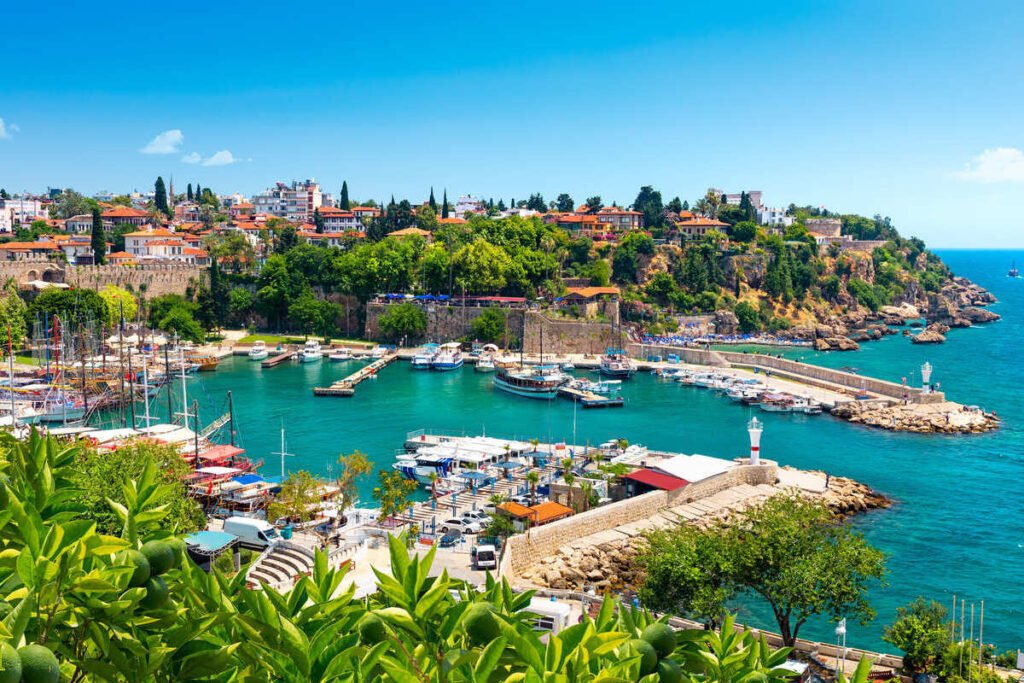
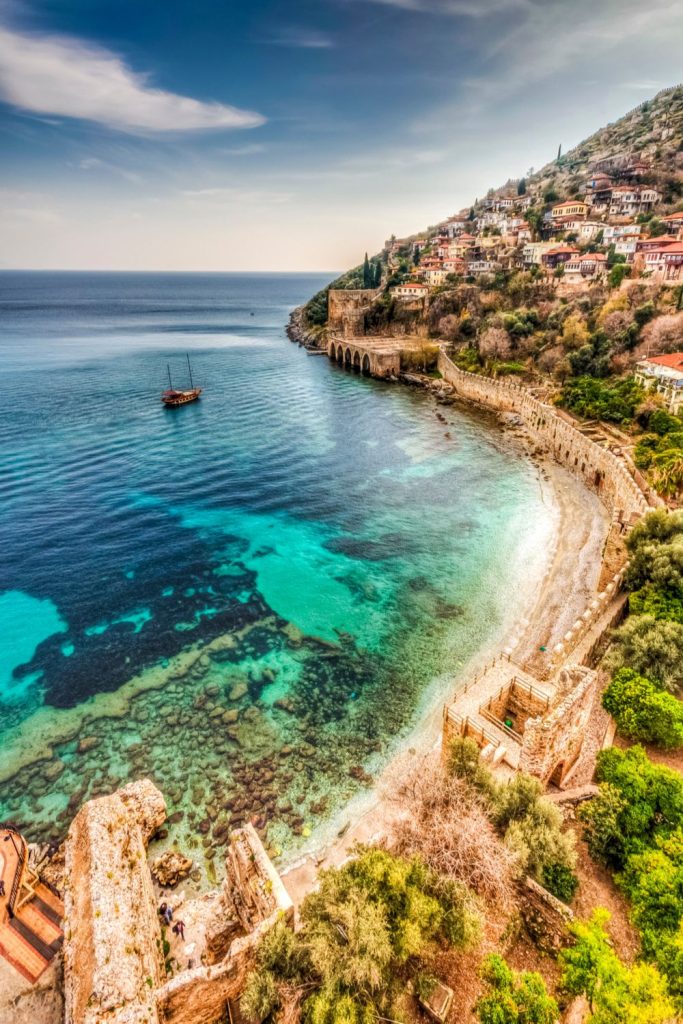
Beautiful and relaxing environment: Antalya is a stunning city that offers a rich cultural and historical heritage, as well as a vibrant and modern lifestyle. You can enjoy the warm and sunny weather, the breathtaking views of the Mediterranean Sea, the ancient ruins, the museums, the parks, the shopping malls, and the nightlife. You can also explore the nearby attractions, such as Pamukkale, Cappadocia, or Istanbul. Antalya is a perfect place to combine your eyelid surgery with a memorable vacation.
How to choose the best surgeon for eyelid surgery in Antalya?
Choosing the best surgeon for your eyelid surgery in Antalya is a crucial decision that can affect your outcome and satisfaction. You should do your research and compare different surgeons based on their qualifications, experience, reputation, and results. Here are some tips to help you choose the best surgeon for your eyelid surgery in Antalya:
Check their credentials: You should verify that the surgeon is board-certified by the Turkish Society of Plastic Reconstructive and Aesthetic Surgery (TPRECD) or the European Board of Plastic Reconstructive and Aesthetic Surgery (EBOPRAS). These are the highest standards of excellence and quality in plastic surgery. You should also check their education, training, and specialization in eyelid surgery and other facial aesthetic procedures.
Review their portfolio: You should look at the before and after photos of their previous patients who had eyelid surgery. You should pay attention to the details, such as the shape, height, and symmetry of the eyelid crease, the smoothness and tightness of the skin, the absence of scars or complications, and the overall harmony and balance of the face. You should also look for patients who have similar eye shape, size, and condition as yours.
Read their reviews: You should read the testimonials and feedback from their past and current patients who had eyelid surgery. You should look for positive reviews that highlight their professionalism, expertise, care, and results. You should also look for negative reviews that mention any problems or issues that they faced during or after the surgery. You should also check their ratings and rankings on reputable platforms, such as MyMediTravel , RealSelf , or Trustpilot .
Schedule a consultation: You should contact the surgeon and book a consultation with them. During this consultation, you should ask them any questions or concerns that you have about eyelid surgery. You should also discuss your expectations, goals, and preferences with them. You should evaluate their communication skills, personality, and rapport with you. You should also ask them to show you a computer simulation or a 3D model of how your eyes will look after the surgery.
Compare their prices: You should compare the prices of different surgeons for eyelid surgery in Antalya. You should consider the factors that affect the cost, such as the type and extent of the surgery, the surgeon’s fees, the anesthesia fees, the hospital or clinic fees, and the post-operative care fees. You should also consider the quality and value of the service that they offer. You should not choose a surgeon based on price alone, but rather on their experience, skill, and results.
How to book eyelid surgery in Antalya with Dr. Okyay?
If you are ready to book your eyelid surgery in Antalya with Dr. Okyay, you can follow these simple steps:
Visit his website: You can visit his official website here, where you can find more information about him, his services, his results, and his contact details. You can also fill out an online form to request a free consultation or a quote for your eyelid surgery.
Call or email him: You can also call him at +905528003322 or email him at [email protected]. He will be happy to answer your questions and provide you with more details about eyelid surgery in Antalya. You can also send him your photos and medical records for a preliminary evaluation and a personalized plan.
Confirm your booking: Once you agree on the date, time, and price of your eyelid surgery, you will need to confirm your booking by paying a deposit and signing a consent form. You will also receive a confirmation email with all the necessary information and instructions for your eyelid surgery in Antalya.
Arrange your travel: You will need to arrange your travel to Antalya, Turkey. You can book your flight, hotel, and transportation online or through a travel agency. You can also ask Dr. Okyay or his staff for assistance or recommendations. You will need to arrive at least one day before your surgery and stay for at least one week after your surgery.
Enjoy your eyelid surgery in Antalya: You will meet Dr. Okyay at his clinic on the day of your surgery. He will perform your eyelid surgery with care and expertise, ensuring your comfort and safety throughout the procedure. He will also provide you with post-operative care and follow-up visits to monitor your healing and results. You will also have some free time to enjoy the beauty and attractions of Antalya, Turkey.
Booking eyelid surgery in Antalya with Dr. Okyay is easy and convenient. You can trust him to deliver the best results for your eyes and face. Contact him today and start your journey to a brighter and more expressive look.
If you are looking for a way to enhance your buttocks and achieve a more attractive and feminine silhouette, you may have heard of the Brazilian butt lift (BBL) procedure. This is a popular cosmetic surgery that involves transferring fat from other parts of your body to your buttocks, creating more volume and shape. In this article, we will explain what a BBL is, how it is done, what are the benefits and risks, and how you can get a BBL in Antalya, Turkey with one of the best plastic surgeons in the country: Dr. Mehmet Fatih Okyay, also known as Dr. MFO.
A Brazilian butt lift is a type of fat grafting surgery that aims to improve the appearance of the buttocks by adding fat to specific areas. The fat is harvested from your own body using liposuction, usually from the abdomen, hips, thighs, or lower back. The fat is then purified and injected into your buttocks using small cannulas (thin tubes). The result is a more rounded, fuller, and lifted buttocks that enhances your body proportions and curves.
How is a Brazilian butt lift done?
A Brazilian butt lift is usually performed as an outpatient procedure under general anesthesia or intravenous sedation with local anesthesia. The surgery takes about two to four hours, depending on the amount of fat to be transferred and the desired outcome. The main steps of the procedure are:
Liposuction: Your surgeon will make small incisions in the areas where you have excess fat and use a cannula to suction out the fat. The amount of fat removed will depend on your body type and goals, but typically ranges from 300 to 1000 milliliters per buttock.
Fat purification: The fat that is extracted will be processed and purified using a centrifuge or a filtration system. This step ensures that only the best quality fat cells are used for injection. The purified fat is then placed in syringes for transfer.
Fat injection: Your surgeon will make three to five incisions around your buttocks and use a cannula to inject the fat into specific points. The injection technique is very important to avoid complications and achieve optimal results. Your surgeon will inject the fat in small amounts and in different layers, avoiding deep injections that may damage blood vessels or nerves. The goal is to create a smooth and natural-looking contour with enough projection and roundness.
What are the benefits of a Brazilian butt lift?
A Brazilian butt lift has many advantages over other types of buttock augmentation, such as silicone implants or illegal injections. Some of the benefits are:
Natural-looking results: A BBL uses your own fat to enhance your buttocks, which means that the results will look and feel natural. Your buttocks will have a soft and smooth texture, without any visible scars or foreign materials.
Improved body shape: A BBL can help you achieve a more balanced and harmonious body shape by adding volume and curves to your buttocks. This can make you look more feminine and attractive, as well as improve your self-confidence and self-esteem.
Dual benefit: A BBL not only improves your buttocks but also reduces unwanted fat from other areas of your body. This can help you slim down your waistline, hips, thighs, or lower back, creating a more defined and sculpted figure.
Lower risk of infection: A BBL has a lower risk of infection compared to silicone implants or illegal injections, which may cause serious complications such as inflammation, abscesses, granulomas, or even death. A BBL uses your own fat, which reduces the chances of rejection or allergic reactions.
What are the risks and side effects of a Brazilian butt lift?
Like any surgery, a BBL carries some potential risks and side effects that you should be aware of before deciding to undergo the procedure. Some of the possible complications are:
Bleeding: There may be some bleeding during or after the surgery, which may require additional intervention or blood transfusion.
Infection: There may be a risk of infection at the incision sites or in the injected areas, which may require antibiotics or drainage.
Fat necrosis: Some of the injected fat may not survive or may die due to lack of blood supply, causing hard lumps or nodules in the buttocks. This may require massage therapy or surgical removal.
Fat embolism: This is a rare but serious complication that occurs when some of the injected fat enters the bloodstream and travels to the lungs or brain, causing respiratory distress or stroke. This can be fatal if not treated promptly.
Asymmetry: There may be some unevenness or irregularity in the shape or size of your buttocks due to uneven fat distribution or absorption. This may require revision surgery or touch-up injections.
Scarring: There may be some visible or noticeable scars at the liposuction or injection sites, which may fade over time or require scar treatment.
Pain: There may be some pain or discomfort in the treated areas, which may require pain medication or anti-inflammatory drugs.
Swelling: There may be some swelling or bruising in the treated areas, which may take several weeks or months to subside. You may need to wear a compression garment or use ice packs to reduce the swelling.
Numbness: There may be some temporary or permanent loss of sensation or nerve damage in the treated areas, which may affect your mobility or sexual function.
How to prepare for a Brazilian butt lift?
If you are interested in getting a BBL, you should first consult with a qualified and experienced plastic surgeon who can evaluate your medical history, physical condition, expectations, and goals. Your surgeon will explain the procedure in detail, including the risks, benefits, alternatives, and costs. You will also have to undergo some tests, such as blood work, urine analysis, chest X-ray, and electrocardiogram, to make sure you are healthy and fit for surgery.
Before the surgery, you should follow some instructions from your surgeon, such as:
Stop smoking at least four weeks before the surgery, as smoking can impair healing and increase complications.
Avoid taking aspirin, anti-inflammatory drugs, herbal supplements, or any other medications that may increase bleeding or interfere with anesthesia.
Eat a balanced and nutritious diet, drink plenty of water, and avoid alcohol or caffeine.
Arrange for someone to drive you home after the surgery and stay with you for the first 24 hours.
Prepare a comfortable and clean place to rest and recover after the surgery, with pillows, blankets, ice packs, medications, and entertainment.
How to recover from a Brazilian butt lift?
After the surgery, you will be taken to a recovery room where you will be monitored for any signs of complications. You may have some bandages, drains, or stitches on your incisions. You will also have to wear a compression garment or a special pillow to support your buttocks and reduce swelling. You may experience some pain, soreness, stiffness, or numbness in the treated areas, which can be managed with pain medication or anti-inflammatory drugs.
The recovery time from a BBL varies from person to person, depending on the extent of the surgery and your individual healing process. However, some general guidelines are:
You should avoid sitting or lying on your buttocks for at least two weeks after the surgery, as this can damage the fat grafts and affect the results. You should sleep on your stomach or side and use a BBL pillow when sitting for short periods of time.
You should avoid any strenuous activities or exercises for at least six weeks after the surgery, as this can increase swelling or bleeding and delay healing. You should gradually resume your normal activities as instructed by your surgeon.
You should follow a healthy and balanced diet that is rich in protein, vitamins, minerals, and antioxidants to promote healing and prevent weight fluctuations that may affect the results. You should also drink plenty of water and avoid alcohol or caffeine.
You should keep your incisions clean and dry and apply antibiotic ointment as prescribed by your surgeon. You should also avoid sun exposure or tanning on your incisions until they are fully healed.
You should attend all your follow-up appointments with your surgeon to monitor your progress and address any concerns or questions. You may need to have some touch-up injections or revisions if you are not satisfied with the results or if you have any complications.
How to get a Brazilian butt lift in Antalya with Dr. MFO?
If you are looking for a reliable and reputable plastic surgeon who can perform a BBL in Antalya, Turkey, you should consider Dr. Mehmet Fatih Okyay (Dr. MFO). He is one of the best plastic surgeons in the country who has extensive training and experience in cosmetic surgery. He is certified by the European Board of Plastic Reconstructive and Aesthetic Surgery (EBOPRAS) and is a member of several professional associations. He has performed hundreds of successful BBL procedures for local and international patients with excellent results.
Dr. MFO offers personalized and comprehensive care for his patients who want to get a BBL in Antalya. He will evaluate your needs and expectations and design a customized treatment plan that suits your body type and goals. He will use advanced techniques and equipment to ensure safety and quality. He will also provide you with detailed instructions on how to prepare for and recover from the surgery. He will also follow up with you regularly to ensure your satisfaction and well-being.
Dr. MFO operates in his own clinic in Antalya (Dr.MFO – Art,Surgery & Beauty), which is equipped with state-of-the-art facilities and technology. The clinic has a comfortable and relaxing atmosphere where you can feel at ease and enjoy your stay. The clinic also has a friendly and professional staff who can assist you with your travel arrangements, accommodation, transportation, and aftercare. The clinic also offers competitive prices and packages that include all the necessary services and fees for your BBL in Antalya.
If you want to learn more about Dr. MFO and his clinic, you can visit his website [here] or follow him on his social media accounts here and here. You can also contact him directly by phone or email to schedule a consultation or ask any questions.
Conclusion
A Brazilian butt lift is a great option for anyone who wants to improve their buttocks and achieve a more curvy and sexy figure with their own fat. It is a safe and effective procedure that can provide natural-looking and long-lasting results. However, it is important to choose a qualified and experienced plastic surgeon who can perform the procedure with skill and care. Dr. MFO is one of the best plastic surgeons in Antalya, Turkey who can help you get the BBL of your dreams. He will guide you through the whole process and ensure your satisfaction and well-being.
FAQ
Am I a good candidate for a BBL?
To be a good candidate for a BBL, you should have enough fat in other parts of your body that can be harvested for transfer. You should also have realistic expectations and goals, be in good health and fitness, and not smoke or drink excessively.
How much does a BBL cost in Antalya with Dr. MFO?
The cost of a BBL in Antalya with Dr. MFO depends on several factors, such as the amount of fat to be transferred, the complexity of the procedure, the anesthesia type, and the clinic fees. However, Dr. MFO offers affordable and transparent prices that include all the necessary services and fees for your BBL in Antalya. You can contact him for a personalized quote or check his website for more information.
How long do I have to stay in Antalya for my BBL?
The recommended stay in Antalya for your BBL is about one week. You will have to stay at the clinic for one night after the surgery and then rest at your hotel or apartment for the next few days. You will also have to visit Dr. MFO for regular check-ups and follow-ups before you can fly back home.
How long will the results of my BBL last?
The results of your BBL are expected to last for many years, as long as you maintain a stable weight and healthy lifestyle. However, some factors such as aging, gravity, pregnancy, or hormonal changes may affect the shape or size of your buttocks over time. You may need to have some touch-up injections or revisions if you notice any changes or are not happy with the results.
What are the risks of getting a BBL abroad?
Getting a BBL abroad may involve some risks such as language barriers, cultural differences, legal issues, or medical malpractice. However, if you choose a reputable and trustworthy plastic surgeon like Dr. MFO, you can minimize these risks and enjoy a safe and satisfying experience. Dr. MFO speaks fluent English and Turkish and has international accreditations and certifications. He also follows strict ethical and professional standards and uses only high-quality materials and equipment. He will also provide you with comprehensive care and support before, during, and after your BBL in Antalya.
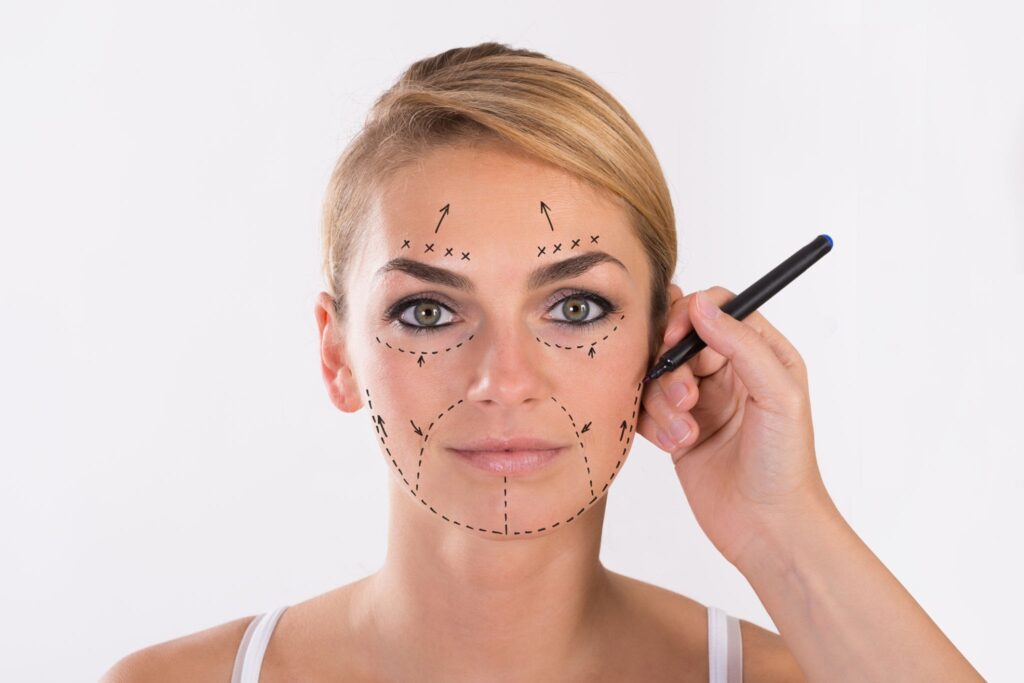
Do you feel unhappy with the signs of aging on your face? Do you wish you could restore your youthful appearance and confidence? If you answered yes, then you might be interested in getting a facelift in Antalya, Turkey. A facelift, also known as rhytidectomy, is a cosmetic surgery that aims to improve the appearance of the face by removing excess skin, tightening underlying tissues, and repositioning the facial contours. A facelift can address common aging concerns such as sagging skin, deep wrinkles, jowls, and loss of volume. A facelift can make you look younger, fresher, and more rejuvenated.
But why choose Antalya for your facelift? Antalya is a popular tourist destination in Turkey, known for its beautiful beaches, historical sites, and cultural attractions. Antalya is also home to some of the best cosmetic surgeons and clinics in the country, offering high-quality services at affordable prices. In this article, we will explain the benefits of getting a facelift in Antalya, how to prepare for your surgery, what to expect during and after the procedure, and how to choose the right clinic and surgeon for your needs. We will also answer some of the most frequently asked questions about facelifts in Antalya.
Benefits of Getting a Facelift in Antalya
There are many reasons why you might want to consider getting a facelift in Antalya. Here are some of the main benefits:
Cost savings: One of the biggest advantages of getting a facelift in Antalya is the cost savings. According to MyMediTravel, the average price of a facelift in Antalya is around $2,945, which is much lower than the average price of $7,500 in the United States or $6,000 in the United Kingdom. This means that you can save up to 60% on your facelift by choosing Antalya as your destination.
Quality care: Another benefit of getting a facelift in Antalya is the quality of care that you will receive. Antalya has many reputable cosmetic clinics and hospitals that are accredited by international organizations such as JCI or ISO. These facilities have modern equipment, advanced technology, and experienced staff that adhere to high standards of safety and hygiene. You can also find many board-certified plastic surgeons who have extensive training and expertise in performing facelifts and other cosmetic procedures.
Travel opportunity: A third benefit of getting a facelift in Antalya is the travel opportunity that it offers. Antalya is a beautiful city that has a lot to offer to its visitors. You can enjoy the sunny weather, the sandy beaches, the turquoise sea, and the scenic views. You can also explore the rich history and culture of Antalya by visiting its ancient ruins, museums, mosques, and bazaars. You can also indulge in the delicious cuisine and nightlife of Antalya. Getting a facelift in Antalya can be a great way to combine your cosmetic goals with a memorable vacation.
How to Prepare for Your Facelift in Antalya
Before you book your flight and pack your bags for your facelift in Antalya, there are some things that you need to do to prepare for your surgery. Here are some of the steps that you should follow:
Do your research: The first step is to do your research about facelifts and Antalya. You should learn about the different types of facelifts, their pros and cons, their risks and complications, their recovery time and results. You should also research about Antalya’s climate, culture, currency, visa requirements, transportation options, and tourist attractions. You should also compare different clinics and surgeons in Antalya based on their credentials, reviews, prices, and services.
Consult with your doctor: The second step is to consult with your doctor at home about your medical history and current health condition. You should inform your doctor about any medications or supplements that you are taking, any allergies or chronic diseases that you have, any previous surgeries or treatments that you have had, and any smoking or drinking habits that you have. Your doctor will advise you if you are a good candidate for a facelift and if you need to stop or adjust any medications or supplements before your surgery.
Schedule your surgery: The third step is to schedule your surgery with your chosen clinic and surgeon in Antalya. You should contact them by phone or email and confirm your booking details such as date, time, location, type of anesthesia, type of facelift, pre-operative tests, post-operative care, payment methods, etc. You should also ask them any questions that you have about your surgery or their policies.
Plan your trip: The fourth step is to plan your trip to Antalya. You should book your flight, accommodation, transportation, and travel insurance in advance. You should also prepare your passport, visa, medical records, and other documents that you might need for your trip. You should also pack your essentials such as clothes, toiletries, medications, and personal items. You should also pack some loose-fitting, comfortable clothes and a scarf or hat to cover your face after your surgery.
Follow the pre-operative instructions: The fifth step is to follow the pre-operative instructions that your surgeon will give you before your surgery. These instructions may vary depending on your individual case, but they usually include:
Stop smoking and drinking alcohol at least two weeks before your surgery
Avoid taking aspirin, anti-inflammatory drugs, herbal supplements, and blood thinners at least one week before your surgery
Eat a healthy and balanced diet and drink plenty of water before your surgery
Do not eat or drink anything after midnight the night before your surgery
Wash your face and hair with a mild soap and shampoo the night before or the morning of your surgery
Do not wear any makeup, jewelry, contact lenses, or dentures on the day of your surgery
Arrive at the clinic or hospital on time and bring a friend or family member with you
What to Expect During and After Your Facelift in Antalya
After you have prepared for your facelift in Antalya, you might be wondering what to expect during and after your surgery. Here are some of the things that you should know:
During your surgery: Your facelift surgery will take about two to four hours to complete, depending on the type and extent of your facelift. You will be given general or local anesthesia to numb the pain and make you comfortable. Your surgeon will make incisions along your hairline, around your ears, and under your chin. Your surgeon will then lift and tighten the skin and underlying tissues of your face and neck. Your surgeon will also remove any excess skin and fat. Your surgeon will then close the incisions with sutures or staples and apply bandages or dressings to protect the wounds.
After your surgery: You will be taken to a recovery room where you will be monitored for any signs of complications. You may feel some pain, swelling, bruising, numbness, tightness, or itching on your face and neck. You may also have some drainage tubes inserted to remove any excess blood or fluid. You will be given painkillers, antibiotics, anti-inflammatory drugs, and ice packs to ease the discomfort and prevent infection. You will be able to go home on the same day or stay overnight at the clinic or hospital, depending on your condition and preference.
Recovery time: The recovery time for a facelift varies from person to person, but it usually takes about two to four weeks to heal completely. During this time, you should follow the post-operative instructions that your surgeon will give you. These instructions may include:
Keep your head elevated and avoid bending or turning your neck for the first few days
Avoid any strenuous activities or exercises for at least four weeks
Avoid sun exposure and use sunscreen for at least six months
Avoid smoking and drinking alcohol for at least six weeks
Avoid wearing tight-fitting clothes or accessories that may rub against your face or neck
Clean your incisions gently with soap and water and apply ointment as prescribed
Change your bandages or dressings as instructed
Take your medications as prescribed
Visit your surgeon for regular check-ups and suture removal
Results: The results of a facelift are not immediate, as it takes some time for the swelling and bruising to subside and the skin to settle into its new position. You may notice some improvement in your appearance after two weeks, but the final results may take up to six months to show. The results of a facelift are long-lasting, but they are not permanent. As you age, your skin will continue to lose elasticity and volume. To maintain the results of your facelift, you should follow a healthy lifestyle that includes a balanced diet, regular exercise, adequate hydration, sun protection, skin care products, and anti-aging treatments.
Conclusion
A facelift is a cosmetic surgery that can help you look younger and more refreshed by improving the appearance of your face. Antalya is a great destination for getting a facelift because it offers cost savings, quality care, and travel opportunity. To get a facelift in Antalya, you need to do your research, consult with your doctor, schedule your surgery, plan your trip, follow the pre-operative instructions, expect what happens during and after the surgery, and enjoy the results.
If you are interested in getting a facelift in Antalya , you can contact us by filling out the form below. We will help you find the best clinic and surgeon for your needs and arrange your travel and accommodation details. We will also provide you with a free consultation and a personalized quote for your facelift in Antalya. We are here to make your cosmetic journey as easy and enjoyable as possible.
Frequently Asked Questions
Here are some of the most frequently asked questions about facelifts in Antalya:
Is a facelift in Antalya safe?
A facelift in Antalya is generally safe, as long as you choose a qualified and experienced surgeon and a reputable and accredited clinic or hospital. However, like any surgery, a facelift has some risks and complications that you should be aware of. These include infection, bleeding, hematoma, nerve damage, scarring, asymmetry, skin necrosis, and dissatisfaction with the results. You can reduce these risks by following your surgeon’s instructions before and after your surgery and reporting any problems or concerns to your surgeon immediately.
How long do I need to stay in Antalya for my facelift?
The length of your stay in Antalya for your facelift depends on several factors, such as the type and extent of your facelift, your healing process, and your travel plans. In general, you will need to stay in Antalya for at least one week after your surgery. During this time, you will have several follow-up visits with your surgeon to check your progress and remove your sutures or staples. You will also need to rest and avoid any activities that may strain your face or neck. You can also use this time to enjoy some of the attractions that Antalya has to offer, as long as you protect your face from the sun and follow your surgeon’s advice.
When can I resume my normal activities after my facelift?
The recovery time for a facelift varies from person to person, but it usually takes about two to four weeks to resume your normal activities after your surgery. You should avoid any strenuous activities or exercises for at least four weeks after your surgery. You should also avoid sun exposure and use sunscreen for at least six months after your surgery. You can return to work after one or two weeks, depending on the nature of your job and how comfortable you feel with your appearance. You can also resume social activities after two or three weeks, but you may still have some swelling or bruising that can be concealed with makeup.
How long will the results of my facelift last?
The results of a facelift are long-lasting, but they are not permanent. As you age, your skin will continue to lose elasticity and volume, which may affect the appearance of your face. To maintain the results of your facelift, you should follow a healthy lifestyle that includes a balanced diet, regular exercise, adequate hydration, sun protection, skin care products, and anti-aging treatments. You may also consider having touch-up procedures or non-surgical treatments such as fillers or botox to enhance or prolong the results of your facelift.
If you have any other questions about facelifts in Antalya , you can contact us by filling out the form below. We will help you find the best surgeon for your needs and arrange your travel and accommodation details. We will also provide you with a free consultation and a personalized quote for your facelift in Antalya. We are here to make your cosmetic journey as easy and enjoyable as possible.
Free Consultation
Get a free consultation now or visit Dr.MFO’s instagram for see more successfully plastic surgery results
Do you have areas of your body that are resistant to diet and exercise? Are you frustrated by the stubborn fat deposits that ruin your body shape and self-confidence? If you answered yes, then you might be a good candidate for liposuction, a cosmetic procedure that removes unwanted fat from various parts of the body.
Liposuction is one of the most popular and effective ways to get rid of stubborn fat and achieve a slimmer and more contoured appearance. However, not all liposuction procedures are the same. Depending on the technique, the surgeon, and the location, you might get different results and experiences.
In this blog post, we will tell you why liposuction in Antalya, Turkey is the best option for you if you want to get rid of stubborn fat in a safe, affordable, and satisfying way. We will also introduce you to Dr. Mehmet Fatih Okyay (Dr. MFO), one of the most renowned and experienced plastic surgeons in Turkey, who specializes in liposuction and other aesthetic procedures.
What is Liposuction?
Liposuction is a surgical procedure that involves making small incisions in the skin and inserting thin tubes called cannulas to suck out excess fat from specific areas of the body. Liposuction can be performed on almost any part of the body where fat tends to accumulate, such as the abdomen, hips, thighs, arms, neck, chin, chest, back, or calves.
Liposuction is not a weight-loss method or a treatment for obesity. It is a body contouring procedure that aims to improve the shape and proportion of the body by removing localized fat deposits that are resistant to diet and exercise. Liposuction can also help treat certain medical conditions, such as gynecomastia (enlarged male breasts), lipomas (benign fatty tumors), or lymphedema (swelling caused by fluid retention).
Liposuction can be performed under general anesthesia or local anesthesia with sedation, depending on the extent and location of the procedure. The duration of the surgery can vary from 30 minutes to several hours, depending on how much fat is removed and how many areas are treated. The recovery time after liposuction can also vary from a few days to a few weeks, depending on the individual healing process and the post-operative care.
What are the Benefits of Liposuction?
Liposuction can offer many benefits for people who are unhappy with their body shape due to stubborn fat deposits. Some of these benefits are:
Improved appearance: Liposuction can help you achieve a slimmer and more toned silhouette by removing unwanted fat from your problem areas. This can enhance your self-esteem and confidence, as well as make you look younger and more attractive.
Long-lasting results: Liposuction can permanently remove fat cells from your body, which means that they will not grow back or accumulate in other areas. However, this does not mean that you can eat whatever you want or stop exercising after liposuction. You still need to maintain a healthy lifestyle to preserve your results and prevent weight gain.
Minimal scarring: Liposuction uses very small incisions that are usually hidden in natural creases or folds of the skin. This means that the scars are barely visible or not visible at all after they heal. Moreover, modern liposuction techniques use advanced technology that minimizes tissue damage and bleeding, which reduces the risk of infection and inflammation.
Faster recovery: Liposuction is usually performed as an outpatient procedure, which means that you can go home on the same day or the next day after the surgery. You will also experience less pain and discomfort than with other invasive surgeries, as liposuction only affects the fat layer and not the muscles or organs. You will be able to resume your normal activities within a few days or weeks after liposuction, depending on your doctor’s instructions.
Why Choose Liposuction in Antalya?
Antalya is one of the most popular destinations for medical tourism in Turkey and in the world. Thousands of people visit Antalya every year to undergo various cosmetic procedures, including liposuction. There are many reasons why liposuction in Antalya is a great choice for anyone who wants to get rid of stubborn fat. Some of these reasons are:
Affordable prices: Liposuction in Antalya is much cheaper than in other countries, such as the UK, the US, or Germany. The average cost of liposuction in Antalya ranges from €2,350 to €4,250, depending on the technique and the number of areas treated. This is significantly lower than the average cost of liposuction in other countries, which can range from €4,000 to €10,000. The low cost of liposuction in Antalya is due to the low labor and infrastructure costs in Turkey, as well as the high competition among clinics and surgeons.
High-quality services: Liposuction in Antalya is not only cheap but also high-quality. Antalya has many modern and well-equipped clinics that offer state-of-the-art technology and facilities for liposuction and other cosmetic procedures. Antalya also has many qualified and experienced plastic surgeons who are certified by the Turkish Society of Plastic, Reconstructive, and Aesthetic Surgery (TPRECD) and the European Board of Plastic, Reconstructive, and Aesthetic Surgery (EBOPRAS). These surgeons have extensive training and expertise in liposuction and other aesthetic procedures, and they follow the highest standards of safety and quality.
All-inclusive packages: Liposuction in Antalya is not only a medical procedure but also a vacation opportunity. Many clinics in Antalya offer all-inclusive packages that include not only the liposuction surgery but also the accommodation, transportation, aftercare, and even tours to the beautiful attractions of Antalya. These packages make liposuction in Antalya a hassle-free and enjoyable experience, as you don’t have to worry about anything except your recovery and your sightseeing. You can also combine liposuction with other cosmetic procedures, such as rhinoplasty or breast augmentation, to get a complete makeover at a fraction of the cost.
Easy travel: Liposuction in Antalya is easy to access from anywhere in the world. Antalya has an international airport that connects to many major cities in Europe, Asia, Africa, and America. You can find cheap flights to Antalya from many airlines, such as Turkish Airlines, Pegasus Airlines, or SunExpress. You can also travel to Antalya by bus or train from other cities in Turkey, such as Istanbul, Ankara, or Izmir. The visa process for Turkey is also simple and fast, as you can apply for an e-visa online or get a visa on arrival at the airport.
Who is Dr. MFO?
Dr. MFO (Dr. Mehmet Fatih Okyay) is one of the best plastic surgeons in Turkey and in the world. He is a specialist in liposuction and other aesthetic procedures, such as rhinoplasty, breast augmentation, tummy tuck, facelift, eyelid surgery, and more.
Dr. MFO ranked 8th in his term in the Turkish Medical Specialization Examination. He completed his Plastic, Reconstructive, and Aesthetic Surgery residency at the world-renowned Istanbul University, Cerrahpaşa Faculty of Medicine.
Dr. MFO has more than 10 years of experience in plastic surgery and has performed thousands of successful liposuction procedures for patients from all over the world. He is known for his artistic vision, meticulous technique, and natural results. He uses the latest technology and methods for liposuction, such as VASER lipo, laser lipo, or power-assisted lipo. He also combines liposuction with other procedures, such as fat transfer or body lifting, to achieve optimal outcomes.
Dr. MFO has his own private clinic in Antalya, where he offers personalized and comprehensive care for his patients. He also works with reputable hospitals and clinics in Antalya that provide high-quality services and facilities for liposuction and other cosmetic procedures. He speaks fluent English and Turkish and can communicate with his patients effectively.
Dr. MFO is not only a plastic surgeon but also an artist. He has a passion for art, music, photography, and design. He believes that plastic surgery is an art form that requires creativity, skill, and harmony. He aims to create beautiful and natural results that reflect the personality and preferences of his patients.
How to Book an Appointment with Dr. MFO?
If you are interested in getting liposuction in Antalya with Dr. MFO, you can easily book an appointment with him through his website or his social media accounts. You can also contact him by phone or email to ask any questions or request a consultation.
Dr. MFO will be happy to assist you with your liposuction journey from start to finish. He will evaluate your medical history, physical condition, expectations, and goals during your consultation. He will explain to you the details of the liposuction procedure, such as the technique, the risks, the recovery, and the results. He will also provide you with a personalized treatment plan that suits your needs and budget.
Dr. MFO will perform your liposuction surgery at one of the best hospitals or clinics in Antalya that have modern equipment and facilities for liposuction and other cosmetic procedures. He will use the most suitable technique for your case, such as VASER lipo, laser lipo, or power-assisted lipo. He will also ensure your safety and comfort throughout the surgery by using the appropriate anesthesia and monitoring your vital signs.
After the liposuction surgery, Dr. MFO will provide you with detailed instructions on how to take care of yourself during the recovery period. He will also prescribe you some medications to prevent infection, inflammation, and pain. He will advise you to wear a compression garment to reduce swelling and bruising and to support your new body shape. He will also schedule some follow-up visits to check your healing progress and results.
Dr. MFO will also help you enjoy your stay in Antalya by arranging your accommodation, transportation, aftercare, and tours. He will make sure that you have a comfortable and relaxing recovery in one of the best hotels in Antalya that offer high-quality services and amenities. He will also arrange your transportation from the airport to the hotel, from the hotel to the clinic or hospital, and back to the airport. He will also provide you with aftercare services, such as nursing, physiotherapy, or massage, to speed up your recovery and enhance your well-being. He will also offer you some tours to the amazing attractions of Antalya, such as the Old Town, the Düden Waterfalls, the Aspendos Theatre, or the Konyaaltı Beach.
Conclusion
Liposuction is a great way to get rid of stubborn fat and achieve a slimmer and more contoured body shape. However, liposuction is not a simple or easy procedure. It requires a skilled and experienced plastic surgeon who can perform it safely and effectively. It also requires a suitable location that can offer high-quality services and facilities for liposuction and other cosmetic procedures.
That is why liposuction in Antalya with Dr. MFO is the best option for you if you want to get rid of stubborn fat in a safe, affordable, and satisfying way. Dr. MFO is one of the best plastic surgeons in Turkey and in the world who specializes in liposuction and other aesthetic procedures. He has more than 10 years of experience and hundreds of happy patients from all over the world. He uses the latest technology and methods for liposuction and combines it with other procedures to achieve optimal results. He also offers personalized and comprehensive care for his patients from start to finish. He not only performs your liposuction surgery but also arranges your accommodation, transportation, aftercare, and tours in Antalya.
If you are interested in getting liposuction in Antalya with Dr. MFO, don’t hesitate to contact him today and book your appointment. You will be amazed by the results and the experience that he can offer you.
FAQ
Here are some frequently asked questions about liposuction in Antalya with Dr. MFO:
Q: How do I know if I am a good candidate for liposuction?
A: You are a good candidate for liposuction if you meet the following criteria:
You are in good health and have no medical conditions that can affect your healing or increase your risk of complications.
You are within 30% of your ideal weight and have realistic expectations about what liposuction can do for you.
You have firm and elastic skin that can adapt to your new body shape after liposuction.
You have localized fat deposits that are resistant to diet and exercise in one or more areas of your body.
You are not pregnant or breastfeeding.
Q: How much fat can be removed with liposuction?
A: The amount of fat that can be removed with liposuction depends on several factors, such as your body weight, your body mass index (BMI), your health status, your skin quality, your desired results, and your surgeon’s judgment. Generally speaking, the safe limit of fat removal with liposuction is about 5 liters or 10% of your body weight. However, this limit can vary from person to person and from case to case.
Q: What are the risks and complications of liposuction?
A: Liposuction is a safe procedure when performed by a qualified and experienced plastic surgeon like Dr. MFO. However, like any surgery, it has some potential risks and complications that you should be aware of before undergoing it. Some of these risks and complications are:
Infection: This can occur if bacteria enter the incisions or the fat layer during or after the surgery. This can cause fever, redness, swelling, pain, or pus around the incisions or the treated areas. This can be prevented by using sterile instruments and techniques during the surgery and by taking antibiotics before and after the surgery.
Bleeding: This can occur if blood vessels are damaged during the surgery or if you have a bleeding disorder or take blood-thinning medications. This can cause bruising, hematoma (blood collection under the skin), or hemoglobinuria (blood in the urine). This can be prevented by using gentle and precise techniques during the surgery and by avoiding blood-thinning medications before and after the surgery.
Swelling: This can occur due to the fluid accumulation in the tissues after the surgery. This can cause discomfort, tightness, or numbness in the treated areas. This can be reduced by wearing a compression garment, elevating the treated areas, and applying ice packs.
Nerve damage: This can occur if nerves are injured during the surgery. This can cause temporary or permanent numbness, tingling, or weakness in the treated areas or nearby regions. This can be avoided by using careful and accurate techniques during the surgery and by avoiding excessive fat removal.
Skin damage: This can occur if the skin is burned, blistered, or discolored by the heat or laser used during the surgery. This can cause scarring, pigmentation changes, or skin necrosis (skin death) in the treated areas. This can be prevented by using appropriate settings and parameters for the heat or laser device and by cooling the skin during and after the surgery.
Contour irregularities: This can occur if the fat removal is uneven, excessive, or insufficient in some areas. This can cause lumps, bumps, dents, or waviness in the treated areas. This can be corrected by using smooth and uniform techniques during the surgery and by performing touch-up procedures if needed.
Anesthesia complications: These can occur if you have an allergic reaction or a medical problem related to the anesthesia used during the surgery. These can include nausea, vomiting, drowsiness, headache, low blood pressure, or cardiac arrest. These can be avoided by using appropriate types and doses of anesthesia and by monitoring your vital signs during and after the surgery.
Q: How long does it take to see the results of liposuction?
A: The results of liposuction are not immediate. It takes some time for your body to heal and adjust to your new shape after liposuction. You will see some improvement in your appearance within a few weeks after liposuction, but you will see the final results after about 6 months. The results of liposuction are long-lasting, as long as you maintain a stable weight and a healthy lifestyle.
Q: How do I prepare for liposuction?
A: To prepare for liposuction, you need to follow some instructions that Dr. MFO will give you before your surgery. Some of these instructions are:
Stop smoking at least 2 weeks before your surgery, as smoking can impair your healing and increase your risk of complications.
Avoid alcohol at least 1 week before your surgery, as alcohol can interfere with your anesthesia and blood clotting.
Stop taking any medications that can affect your bleeding or healing, such as aspirin, ibuprofen, warfarin, or herbal supplements, at least 1 week before your surgery. Consult with Dr. MFO about any medications that you are taking or need to take before your surgery.
Eat a balanced and nutritious diet before your surgery, as this can help your recovery and healing. Avoid any foods that can cause bloating, gas, or constipation, such as beans, cabbage, broccoli, or dairy products.
Drink plenty of water before your surgery, as this can help hydrate your body and flush out any toxins. Avoid any drinks that can dehydrate you, such as coffee, tea, soda, or alcohol.
Arrange for someone to drive you to and from the clinic or hospital on the day of your surgery. You will not be able to drive yourself after liposuction due to the effects of anesthesia and painkillers.
Arrange for someone to stay with you for at least 24 hours after your surgery. You will need some help with your daily activities and care after liposuction.
Pack a bag with some essentials that you will need after your surgery, such as comfortable clothes, compression garment, painkillers, antibiotics, bandages, ice packs, pillows, books, magazines, or any other items that can make you comfortable and entertained.
Free Consultation
Get a free consultation now or visit Dr.MFO’s instagram for see more successfully plastic surgery results
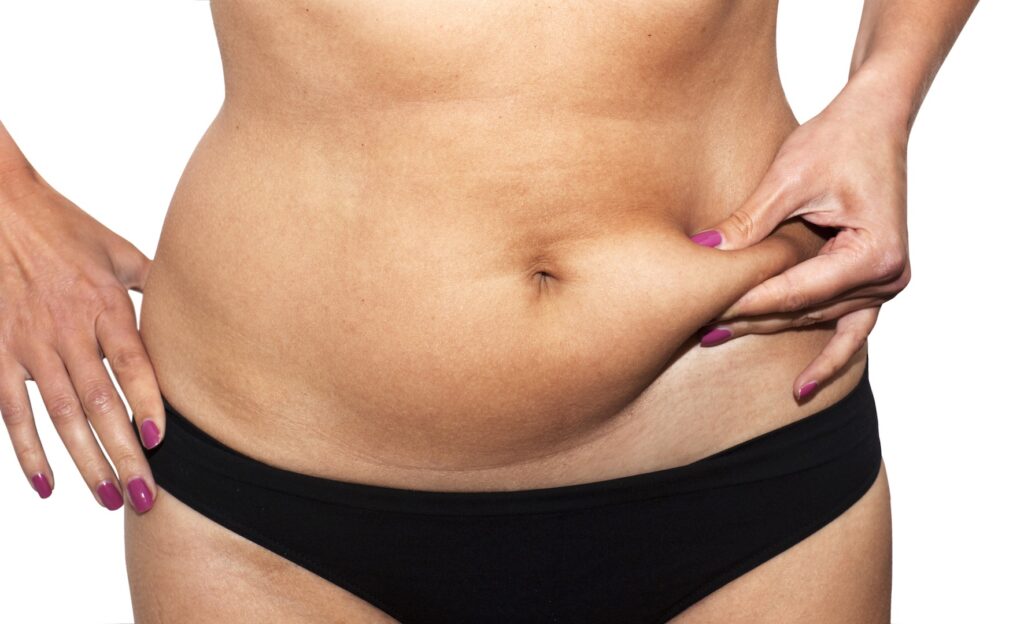
Do you have excess skin, fat, or stretch marks on your abdomen that make you feel self-conscious or uncomfortable? Have you tried diet and exercise but still can’t achieve the flat and firm belly you desire? If so, you might be a good candidate for a tummy tuck, also known as abdominoplasty.
A tummy tuck is a cosmetic surgical procedure that improves the shape and appearance of the abdomen by removing excess skin and fat and tightening the abdominal muscles. It can also help reduce or eliminate stretch marks in the lower abdomen. A tummy tuck can give you a more youthful, toned, and confident look.
However, not all tummy tucks are created equal. Depending on your goals, anatomy, and preferences, you may need a different type of tummy tuck to achieve the best results. Moreover, not all surgeons have the same level of skill, experience, and artistry to perform a tummy tuck with minimal scarring and optimal outcomes.
That’s why we recommend Dr. Mehmet Fatih Okyay, also known as Dr. MFO, as your trusted plastic surgeon for your tummy tuck in Antalya, Turkey. Dr. MFO is a board-certified plastic surgeon who specializes in aesthetic surgery of the face and body. He has extensive training and experience in performing various types of tummy tucks with excellent results. He is also an artist who combines his surgical skills with his artistic vision to create natural-looking and beautiful results.
In this blog post, we will explain everything you need to know about getting a tummy tuck in Antalya with Dr. MFO, including:
The benefits of getting a tummy tuck
The different types of tummy tucks and how to choose the best one for you
The preparation, procedure, recovery, and risks of a tummy tuck
The cost of a tummy tuck in Antalya and why it is worth it
The reasons why you should choose Dr. MFO as your plastic surgeon
The frequently asked questions about a tummy tuck
By the end of this post, you will have a clear understanding of what a tummy tuck can do for you and why Dr. MFO is the best choice for your surgery.
The Benefits of Getting a Tummy Tuck
A tummy tuck can offer many benefits for your appearance, health, and well-being. Some of the benefits are:
Improved abdominal contour: A tummy tuck can remove excess skin and fat from your abdomen and tighten the underlying muscles to create a smoother, flatter, and firmer abdominal profile.
Reduced or eliminated stretch marks: A tummy tuck can remove or improve the appearance of stretch marks in the lower abdomen by excising the affected skin or repositioning it to a less visible area.
Enhanced waistline: A tummy tuck can narrow your waistline by repairing the separation of the abdominal muscles (diastasis recti) that often occurs after pregnancy or weight fluctuations. This can also improve your posture and core strength.
Increased confidence and self-esteem: A tummy tuck can boost your confidence and self-esteem by giving you a more attractive and youthful appearance. You will feel more comfortable in your clothes and in your own skin.
Better quality of life: A tummy tuck can improve your quality of life by reducing physical discomforts such as skin irritation, rashes, infections, or back pain caused by excess skin or fat on your abdomen. It can also motivate you to maintain a healthy lifestyle and weight.
The Different Types of Tummy Tucks and How to Choose the Best One for You
There are different types of tummy tucks that vary in the extent of correction, incision length, scar location, recovery time, and cost. The type of tummy tuck that is best for you depends on several factors such as:
The amount and location of excess skin and fat on your abdomen
The degree of muscle laxity or separation on your abdomen
Your desired aesthetic goals
Your personal preferences
Your medical history and general health
The main types of tummy tucks are:
Full Tummy Tuck
A full tummy tuck is the most common type of abdominoplasty that addresses the entire abdomen from the rib cage to the pubic area. It involves:
A horizontal incision that runs from hip to hip along the lower abdomen just above the pubic hairline
A second incision around the navel to free it from the surrounding skin
Removal of excess skin and fat from the upper and lower abdomen
Tightening of the abdominal muscles with sutures
Repositioning of the navel to a natural and aesthetically pleasing location
Closure of the incisions with sutures, staples, or adhesive
Placement of drains to prevent fluid accumulation
A full tummy tuck is suitable for patients who have significant excess skin and fat and muscle laxity on both the upper and lower abdomen. It can achieve a dramatic improvement in the abdominal contour, but it also requires a longer recovery time and leaves a longer scar.
Mini Tummy Tuck
A mini tummy tuck is a less invasive type of abdominoplasty that addresses only the lower abdomen below the navel. It involves:
A shorter horizontal incision that runs from one side of the hip bone to the other along the lower abdomen just above the pubic hairline
No incision around the navel
Removal of excess skin and fat from the lower abdomen
Tightening of the lower abdominal muscles with sutures
Closure of the incision with sutures, staples, or adhesive
No placement of drains
A mini tummy tuck is suitable for patients who have mild to moderate excess skin and fat and muscle laxity on the lower abdomen only. It can achieve a subtle improvement in the abdominal contour, but it also requires a shorter recovery time and leaves a shorter scar.
Extended Tummy Tuck
An extended tummy tuck is a more extensive type of abdominoplasty that addresses not only the entire abdomen but also the flanks and hips. It involves:
A longer horizontal incision that runs from one side of the lower back to the other along the lower abdomen just above the pubic hairline
A second incision around the navel to free it from the surrounding skin
Removal of excess skin and fat from the upper and lower abdomen, flanks, and hips
Tightening of the abdominal muscles with sutures
Repositioning of the navel to a natural and aesthetically pleasing location
Closure of the incisions with sutures, staples, or adhesive
Placement of drains to prevent fluid accumulation
An extended tummy tuck is suitable for patients who have significant excess skin and fat and muscle laxity on the entire abdomen, flanks, and hips. It can achieve a comprehensive improvement in the abdominal contour, but it also requires a longer recovery time and leaves a longer scar.
Fleur-de-lis Tummy Tuck
A fleur-de-lis tummy tuck is a special type of abdominoplasty that addresses excess skin and fat on both the horizontal and vertical dimensions of the abdomen. It involves:
A horizontal incision that runs from hip to hip along the lower abdomen just above the pubic hairline
A second incision around the navel to free it from the surrounding skin
A vertical incision that runs from the pubic area to the breastbone along the midline of the abdomen
Removal of excess skin and fat from both sides of the vertical incision
Tightening of the abdominal muscles with sutures
Repositioning of the navel to a natural and aesthetically pleasing location
Closure of the incisions with sutures, staples, or adhesive
Placement of drains to prevent fluid accumulation
A fleur-de-lis tummy tuck is suitable for patients who have massive weight loss or bariatric surgery and have severe excess skin and fat on both the horizontal and vertical dimensions of their abdomen. It can achieve a significant improvement in the abdominal contour, but it also requires a longer recovery time and leaves a T-shaped scar.
Circumferential Tummy Tuck
A circumferential tummy tuck is another special type of abdominoplasty that addresses excess skin and fat on both the front and back of the abdomen. It involves:
A circular incision that runs around the entire waistline just above or below the pubic hairline
Removal of excess skin and fat from both the front and back of the abdomen
Tightening of the abdominal muscles with sutures
Lifting of the buttocks and thighs with sutures
Closure of the incision with sutures, staples, or adhesive
Placement of drains to prevent fluid accumulation
A circumferential tummy tuck is suitable for patients who have massive weight loss or bariatric surgery and have severe excess skin and fat on both the front and back of their abdomen. It can achieve a dramatic improvement in the abdominal contour, but it also requires a longer recovery time and leaves a circular scar.
To choose the best type of tummy tuck for you, you should consult with Dr. MFO who will evaluate your condition, listen to your goals, explain your options, answer your questions, and recommend a personalized treatment plan for you.
The Preparation, Procedure, Recovery, and Risks of a Tummy Tuck
Before you undergo a tummy tuck, you need to prepare yourself physically, mentally, and practically
Some of the steps you need to take to prepare for a tummy tuck are:
Stop smoking at least six weeks before the surgery to improve healing and reduce complications
Avoid taking aspirin, anti-inflammatory drugs, herbal supplements, and other medications that can increase bleeding or interfere with anesthesia
Arrange for someone to drive you to and from the surgery and stay with you for the first night
Follow Dr. MFO’s instructions regarding eating, drinking, and medications before the surgery
Pack a bag with comfortable clothes, personal items, and documents for your stay in Antalya
The procedure of a tummy tuck varies depending on the type of tummy tuck you choose, but in general, it involves:
Administration of general anesthesia or intravenous sedation to ensure your comfort and safety during the surgery
Making the incisions according to the type of tummy tuck
Removing excess skin and fat from the abdomen
Tightening the abdominal muscles with sutures
Repositioning the navel if necessary
Closing the incisions with sutures, staples, or adhesive
Applying dressings or bandages to the incisions
Placing drains if necessary to prevent fluid accumulation
The procedure of a tummy tuck usually takes two to four hours, depending on the extent of correction and the type of tummy tuck.
The recovery of a tummy tuck also varies depending on the type of tummy tuck you choose, but in general, it involves:
Staying in the hospital or clinic for one or two nights after the surgery
Taking prescribed painkillers and antibiotics to relieve discomfort and prevent infection
Wearing a compression garment or binder to support your abdomen and reduce swelling
Avoiding strenuous activities, lifting, bending, or twisting for six weeks after the surgery
Following Dr. MFO’s instructions regarding wound care, drain care, showering, and dressing changes
Returning to Dr. MFO’s office for follow-up visits and removal of sutures and drains
Waiting for three to six months for the final results to appear as the swelling subsides and the scars fade
The recovery of a tummy tuck usually takes six to eight weeks, depending on your healing process and the type of tummy tuck.
The risks of a tummy tuck are rare and minimal when performed by a qualified and experienced plastic surgeon like Dr. MFO, but they may include:
Bleeding or hematoma
Infection or wound healing problems
Fluid accumulation or seroma
Nerve damage or numbness
Muscle weakness or separation
Skin necrosis or loss
Unsightly or hypertrophic scars
Asymmetry or contour irregularities
Anesthesia complications or allergic reactions
To minimize the risks of a tummy tuck, you should follow Dr. MFO’s preoperative and postoperative instructions carefully and report any signs of complications immediately.
The Cost of a Tummy Tuck in Antalya and Why It is Worth It
The cost of a tummy tuck in Antalya varies depending on the type of tummy tuck, the surgeon’s fees, the hospital or clinic fees, the anesthesia fees, and other factors. However, in general, the cost of a tummy tuck in Antalya is much lower than the cost of a tummy tuck in other countries such as the UK, the US, or Germany.
According to [Medical Departures], a website that compares the prices of cosmetic procedures around the world, the average cost of a tummy tuck in Antalya is $3,500, while the average cost of a tummy tuck in the UK is $9,000, in the US is $10,000, and in Germany is $11,000. This means that you can save up to 70% by getting a tummy tuck in Antalya.
But why is the cost of a tummy tuck in Antalya so low? Does it mean that the quality of the surgery is compromised? The answer is no. The cost of a tummy tuck in Antalya is low because:
The cost of living and labor in Turkey is lower than in other countries
The exchange rate of the Turkish lira to other currencies is favorable
The government offers incentives and subsidies to promote medical tourism
The competition among plastic surgeons and clinics is high
The quality of the surgery, however, is not compromised. In fact, you can get a high-quality tummy tuck in Antalya with Dr. MFO, who is:
A board-certified plastic surgeon with more than 10 years of experience
A member of several prestigious associations such as the Turkish Society of Plastic Reconstructive and Aesthetic Surgery, the International Society of Aesthetic Plastic Surgery, and the European Association of Plastic Surgeons
A lecturer and trainer at various national and international conferences and workshops
A pioneer and innovator in aesthetic surgery techniques such as endoscopic face lift, liposuction-assisted abdominoplasty, and scarless breast augmentation
By getting a tummy tuck in Antalya with Dr. MFO, you can enjoy not only a low cost but also a high quality surgery that will give you the best results possible.
The Reasons Why You Should Choose Dr. MFO as Your Plastic Surgeon
As we have mentioned before, Dr. MFO is not only a qualified and experienced plastic surgeon but also an artist who can create natural-looking and beautiful results for your tummy tuck. But there are more reasons why you should choose Dr. MFO as your plastic surgeon for your tummy tuck in Antalya. Some of these reasons are:
Opting for Mehmet Fatih Okyay may be driven by several compelling reasons:
1. Exceptional Expertise and Extensive Experience: Dr. Okyay boasts a wealth of knowledge and hands-on experience in the realm of plastic, reconstructive, and aesthetic surgery. His career, spanning over a decade, has seen him adeptly perform a multitude of intricate surgical procedures, earning the trust of his patients.
2. Impressive Educational Background and Academic Distinctions: Dr. Okyay’s educational journey, culminating in his residency at Istanbul University, Cerrahpaşa Faculty of Medicine, yielded remarkable results. He secured an impressive 8th place in the Turkish Medical Specialization Examination. Furthermore, his affiliations with esteemed organizations like the European Board of Plastic, Reconstructive, and Aesthetic Surgeons (FEBOPRAS) and the Turkish Plastic, Reconstructive and Aesthetic Surgery Association (Turkish Board) underscore his standing in the scientific community.
3. Tailored and Personalized Patient Care: Dr. Okyay is known for his patient-centric approach. He takes the time to understand the unique needs and expectations of each patient, meticulously crafting treatment plans that ensure the best possible outcomes.
4. Valuable Scientific Contributions: Dr. Okyay’s impactful contributions to the field of medicine are evident in his published articles. These studies delve into critical areas such as the effects of insulin, metoprolol, and deferoxamine on fat graft survival, enhancing the body of knowledge in plastic surgery.
5. Global Network and Expertise: With memberships in international bodies like the International Society of Aesthetic Surgeons (ISAPS), Dr. Okyay possesses the capability to deliver services at international standards. This attribute makes him an appealing choice for patients hailing from different parts of the world.
6. Multilingual Competence: Dr. Okyay’s proficiency in academic-level English, fluency in Spanish, and intermediate-level French facilitates effective communication, especially with international patients seeking his services.
7. Diverse Talents and Artistic Flair: Beyond his medical practice, Dr. Okyay is a polymath. He is a gifted songwriter, poet, and a skilled musician, proficient in various musical instruments. These talents infuse sensitivity and creativity into his patient interactions, making the healthcare experience more holistic.
In essence, Dr. Mehmet Fatih Okyay transcends the traditional role of a surgeon. He embodies the essence of a scientist, artist, and a healthcare professional deeply committed to prioritizing patient well-being. Hence, selecting Dr. Okyay is a logical choice for those in pursuit of top-tier service in the realm of plastic, reconstructive, and aesthetic surgery.
By choosing Dr. MFO as your plastic surgeon for your tummy tuck in Antalya, you can rest assured that you will receive the best care and service possible.
The Frequently Asked Questions About a Tummy Tuck
Here are some of the frequently asked questions about a tummy tuck that you may have:
Q: Am I a good candidate for a tummy tuck?
A: You may be a good candidate for a tummy tuck if you:
Have excess skin, fat, or stretch marks on your abdomen that do not respond to diet and exercise
Have muscle laxity or separation on your abdomen that causes a bulge or a weak core
Are at or near your ideal weight and have a stable weight for at least six months
Are in good physical and mental health and have realistic expectations
Do not smoke or are willing to quit smoking before and after the surgery
Are not pregnant or planning to become pregnant in the future
Q: How do I prepare for a tummy tuck?
A: To prepare for a tummy tuck, you should:
Stop smoking at least six weeks before the surgery to improve healing and reduce complications
Avoid taking aspirin, anti-inflammatory drugs, herbal supplements, and other medications that can increase bleeding or interfere with anesthesia
Arrange for someone to drive you to and from the surgery and stay with you for the first night
Follow Dr. MFO’s instructions regarding eating, drinking, and medications before the surgery
Pack a bag with comfortable clothes, personal items, and documents for your stay in Antalya
Q: What happens during a tummy tuck?
A: During a tummy tuck, Dr. MFO will:
Administer general anesthesia or intravenous sedation to ensure your comfort and safety during the surgery
Make the incisions according to the type of tummy tuck
Remove excess skin and fat from the abdomen
Tighten the abdominal muscles with sutures
Reposition the navel if necessary
Close the incisions with sutures, staples, or adhesive
Apply dressings or bandages to the incisions
Place drains if necessary to prevent fluid accumulation
Q: What happens after a tummy tuck?
A: After a tummy tuck, you will:
Stay in the hospital or clinic for one or two nights after the surgery
Take prescribed painkillers and antibiotics to relieve discomfort and prevent infection
Wear a compression garment or binder to support your abdomen and reduce swelling
Avoid strenuous activities, lifting, bending, or twisting for six weeks after the surgery
Follow Dr. MFO’s instructions regarding wound care, drain care, showering, and dressing changes
Return to Dr. MFO’s office for follow-up visits and removal of sutures and drains
Wait for three to six months for the final results to appear as the swelling subsides and the scars fade
Q: What are the risks of a tummy tuck?
A: The risks of a tummy tuck are rare and minimal when performed by a qualified and experienced plastic surgeon like Dr. MFO, but they may include:
Bleeding or hematoma
Infection or wound healing problems
Fluid accumulation or seroma
Nerve damage or numbness
Muscle weakness or separation
Skin necrosis or loss
Unsightly or hypertrophic scars
Asymmetry or contour irregularities
Anesthesia complications or allergic reactions
To minimize the risks of a tummy tuck, you should follow Dr. MFO’s preoperative and postoperative instructions carefully and report any signs of complications immediately.
Conclusion
A tummy tuck is a cosmetic surgical procedure that can improve the shape and appearance of your abdomen by removing excess skin and fat and tightening the abdominal muscles. It can also help reduce or eliminate stretch marks in the lower abdomen. A tummy tuck can give you a more youthful, toned, and confident look.
However, not all tummy tucks are created equal. Depending on your goals, anatomy, and preferences, you may need a different type of tummy tuck to achieve the best results. Moreover, not all surgeons have the same level of skill, experience, and artistry to perform a tummy tuck with minimal scarring and optimal outcomes.
That’s why we recommend Dr. Mehmet Fatih Okyay, also known as Dr. MFO, as your trusted plastic surgeon for your tummy tuck in Antalya, Turkey. Dr. MFO is a board-certified plastic surgeon who specializes in aesthetic surgery of the face and body. He has extensive training and experience in performing various types of tummy tucks with excellent results. He is also an artist who combines his surgical skills with his artistic vision to create natural-looking and beautiful results.
By getting a tummy tuck in Antalya with Dr. MFO, you can enjoy not only a low cost but also a high quality surgery that will give you the best results possible. You can also benefit from his personalized and comprehensive consultation, his advanced technology and equipment, his minimally invasive techniques and methods, his excellent aftercare and follow-up, and his complete package for your medical travel.
If you are interested in getting a tummy tuck in Antalya with Dr. MFO, please contact him through his website . He will be happy to answer your questions and schedule your appointment.
We hope this blog post has been helpful and informative for you. If you have any feedback or comments, please let us know in the comment section below. Thank you for reading and we wish you a happy and healthy tummy tuck journey with Dr. MFO!
Free Consultation
Get a free consultation now or visit Dr.MFO’s instagram for see more successfully plastic surgery results
Breast augmentation is a cosmetic surgery procedure that aims to increase the size, shape, or fullness of the breasts. It involves placing breast implants under the breast tissue or chest muscles, or using fat transfer from another part of the body
Breast augmentation can help you enhance your appearance, boost your self-confidence, correct asymmetry or deformity, or restore volume after pregnancy or weight loss. However, before you decide to undergo this surgery, there are some important things you need to know and consider.
In this blog post, we will provide you with comprehensive and exclusive information about breast augmentation in Antalya, Turkey. Antalya is one of the most popular destinations for medical tourism in the world, especially for plastic surgery We will cover the following topics:
What are the types and techniques of breast augmentation?
How to prepare for breast augmentation surgery?
What to expect during and after breast augmentation surgery?
What are the risks and complications of breast augmentation surgery?
How much does breast augmentation cost in Antalya?
How to book your breast augmentation surgery in Antalya?
We will also introduce you to Dr. Mehmet Fatih Okyay (Dr. MFO), one of the most renowned and experienced plastic surgeons in Antalya. Dr. MFO is a board-certified and European board-certified plastic surgeon who specializes in breast augmentation and other aesthetic procedures. He has performed thousands of successful surgeries and has received many positive reviews from his patients
By the end of this blog post, you will have a clear and complete understanding of breast augmentation in Antalya, and you will be able to make an informed decision about whether this procedure is right for you.
Why choose Antalya for breast augmentation?
Antalya is a beautiful city located on the Mediterranean coast of Turkey. It is famous for its stunning beaches, historical sites, cultural attractions, and natural wonders. It is also a major hub for tourism, with millions of visitors every year
But Antalya is not only a great place to visit, it is also a great place to have your breast augmentation surgery. Here are some of the reasons why:
High-quality medical services: Antalya has many modern and well-equipped hospitals and clinics that offer high-quality medical services at affordable prices. The medical staff are highly qualified, experienced, and friendly. They follow international standards and protocols for safety and hygiene. They also speak English and other languages to communicate with foreign patients.
Experienced and skilled plastic surgeons: Antalya has some of the best plastic surgeons in Turkey and Europe. They have extensive training and expertise in breast augmentation and other cosmetic procedures. They use the latest techniques and technologies to achieve optimal results. They also have a good reputation and a high success rate.
Low cost: Breast augmentation in Antalya costs much less than in other countries, such as the UK, USA, or Germany. The average cost of breast augmentation in Antalya is around $3,000-$4,000 USD, depending on the type of implant, technique, hospital, and surgeon. This is about 50%-70% cheaper than in other countries
Convenience: Antalya is easily accessible by air from many countries around the world. There are direct flights from major cities such as London, Paris, Berlin, Moscow, Dubai, etc. The flight time is usually between 3-5 hours. There are also many options for accommodation, transportation, and entertainment in Antalya. You can find hotels, apartments, villas, etc., that suit your budget and preferences. You can also enjoy the city’s attractions, such as the old town (Kaleiçi), the marina (Yat Limanı), the waterfalls (Düden Şelalesi), the aquarium (Antalya Akvaryum), etc.
Recovery: Antalya’s climate is mild and sunny throughout the year. The average temperature is around 18°C (64°F) in winter and 28°C (82°F) in summer. The air is fresh and clean, and the sea is calm and clear. These factors make Antalya an ideal place to recover from your breast augmentation surgery. You can relax and heal in a comfortable and pleasant environment.
How to find the best plastic surgeon for breast augmentation in Antalya?
Finding the best plastic surgeon in Antalya for your breast augmentation surgery is crucial for ensuring a successful outcome and a satisfying experience. However, with so many options available, it can be challenging to choose the right one.
Here are some tips to help you find the best plastic surgeon in Antalya:
Do your research: Before you book your surgery, you should do some research on the plastic surgeons in Antalya. You can use online platforms, such as DoktorTakvimi.com, BulutKlinik.com, or WhatClinic.com, to find and compare plastic surgeons in Antalya. You can also check their websites, social media accounts, and blogs to learn more about their qualifications, experience, specialties, services, etc.
Check their credentials: You should verify that the plastic surgeon you choose is board-certified by the Turkish Society of Plastic Reconstructive and Aesthetic Surgery (TPRECD) and/or the European Board of Plastic Reconstructive and Aesthetic Surgery (EBOPRAS). These are the official organizations that certify and regulate plastic surgeons in Turkey and Europe. They ensure that the plastic surgeons meet the highest standards of education, training, ethics, and practice
Look at their portfolio: You should also look at the plastic surgeon’s portfolio of before and after photos of their previous breast augmentation patients. This will give you an idea of their skills, style, and results. You should look for photos that match your expectations and preferences. You should also ask for photos that show different angles, lighting, and time frames of the results.
Read their reviews: Another way to find the best plastic surgeon in Antalya is to read their reviews from their past and current patients. You can find these reviews on online platforms, such as DoktorTakvimi.com, BulutKlinik.com, or WhatClinic.com, or on the plastic surgeon’s website or social media accounts. You should look for reviews that are honest, detailed, and positive. You should also pay attention to how the plastic surgeon responds to the reviews, especially the negative ones.
Schedule a consultation: The final step to finding the best plastic surgeon in Antalya is to schedule a consultation with them. This is an opportunity for you to meet them in person, ask them questions, discuss your goals and expectations, and evaluate their professionalism and personality. You should prepare a list of questions to ask them during the consultation, such as:
How many years of experience do you have in breast augmentation?
How many breast augmentation surgeries do you perform per year?
What are the types and techniques of breast augmentation that you offer?
Which type and technique of breast augmentation do you recommend for me and why?
What are the risks and complications of breast augmentation surgery?
How do you prevent and manage these risks and complications?
What are the pre-operative and post-operative instructions for breast augmentation surgery?
How long does the surgery take and what type of anesthesia do you use?
Where do you perform the surgery and what are the facilities like?
How long do I need to stay in Antalya after the surgery?
How much does breast augmentation cost in Antalya and what is included in the price?
Do you have any guarantees or warranties for your work?
You should also bring some photos of your desired results to show them during the consultation. This will help them understand your vision and expectations better.
You should choose a plastic surgeon who answers your questions clearly and confidently, listens to your concerns and preferences, explains the procedure thoroughly and realistically, shows you examples of their work that match your goals, offers you a reasonable price and a clear contract, and makes you feel comfortable and trustful.
One of the best plastic surgeons in Antalya who meets all these criteria is Dr. Mehmet Fatih Okyay (Dr. MFO). Dr. MFO is a board-certified and European board-certified plastic surgeon who specializes in breast augmentation and other aesthetic procedures. He has performed thousands of successful surgeries and has received many positive reviews from his patients. He is also fluent in English and Turkish.
Dr. MFO offers a free online consultation for his patients who want to have breast augmentation in Antalya. You can contact him through his website or his social media accounts to schedule your consultation.
What are the types and techniques of breast augmentation?
Breast augmentation can be done using different types and techniques depending on your goals, anatomy, preferences, and surgeon’s recommendations.
The main types of breast augmentation are:
Breast implants: Breast implants are artificial devices that are inserted under the breast tissue or chest muscles to increase the size or shape of the breasts. There are two main types of breast implants: saline implants and silicone implants.
Saline implants are filled with sterile salt water (saline) after they are placed in the body. They can be adjusted in size during the surgery by adding or removing saline. They are less expensive than silicone implants but they may feel less natural or realistic than silicone implants. They also have a higher risk of deflation or rupture, which may require revision surgery.
Silicone implants are filled with a thick, gel-like substance (silicone) that mimics the feel of natural breast tissue. They are more expensive than saline implants but they may offer a more natural or aesthetic appearance and feel. They also have a lower risk of deflation or rupture, but they may cause silent rupture, which means that the implant leaks without any symptoms or signs. This may require regular MRI scans to detect and prevent complications.
There are also different shapes, sizes, textures, and profiles of breast implants that can affect the final outcome of the surgery. You should discuss with your plastic surgeon the best option for you based on your goals and anatomy.
Fat transfer: Fat transfer is a technique that uses your own fat cells from another part of your body (such as the abdomen, thighs, or hips) to enhance your breasts. The fat is harvested using liposuction, processed and purified, and then injected into your breasts to increase their volume or shape. Fat transfer is a natural and minimally invasive alternative to breast implants, but it has some limitations and drawbacks.
Fat transfer can only provide a modest increase in breast size (usually one cup size or less) and it may not be suitable for women who have very small or sagging breasts. It also depends on the availability and quality of your donor fat, which may vary from person to person.
Fat transfer may not last as long as breast implants, as some of the fat cells may die or be reabsorbed by the body over time. This may result in unevenness or asymmetry of the breasts, which may require touch-up procedures or additional fat grafting.
Fat transfer may also have some risks and complications, such as infection, bleeding, bruising, swelling, pain, scarring, fat necrosis (hardening of the fat), calcification (formation of calcium deposits), cysts (fluid-filled sacs), or fat embolism (blockage of blood vessels by fat).
The main techniques of breast augmentation are:
Inframammary incision: This is the most common technique for breast augmentation. It involves making an incision along the lower crease of the breast (inframammary fold) and creating a pocket under the breast tissue or chest muscle to place the implant or inject the fat. This technique allows for precise placement and adjustment of the implant or fat, and it has a low risk of affecting the nipple sensation or breastfeeding ability. However, it may leave a visible scar on the breast and it may not be suitable for women who have very small breasts or a high inframammary fold.
Periareolar incision: This technique involves making an incision around the edge of the areola (the dark-colored skin around the nipple) and creating a pocket under the breast tissue or chest muscle to place the implant or inject the fat. This technique allows for a less visible scar on the breast and it may be suitable for women who have small breasts or a low inframammary fold. However, it may have a higher risk of affecting the nipple sensation or breastfeeding ability, as well as causing capsular contracture (hardening of the scar tissue around the implant) or implant malposition (shifting of the implant).
Transaxillary incision: This technique involves making an incision in the armpit (axilla) and creating a tunnel under the skin to reach the breast and create a pocket under the breast tissue or chest muscle to place the implant or inject the fat. This technique allows for no scar on the breast and it may be suitable for women who have small breasts or no sagging. However, it may have a higher risk of causing implant malposition (shifting of the implant), asymmetry (unevenness), hematoma (blood collection), or infection. It also requires special instruments and skills to perform.
Transumbilical incision: This technique involves making an incision in the navel (umbilicus) and creating a tunnel under the skin to reach the breast and create a pocket under the breast tissue or chest muscle to place the implant. This technique allows for no scar on the breast and it may be suitable for women who have small breasts or no sagging. However, it can only be used for saline implants that are filled after insertion, and it may have a higher risk of causing implant malposition (shifting of the implant), asymmetry (unevenness), hematoma (blood collection), infection, or damage to internal organs. It also requires special instruments and skills to perform.
You should discuss with your plastic surgeon which type and technique of breast augmentation is best for you based on your goals, anatomy, preferences, and expectations. Your plastic surgeon will also explain the advantages and disadvantages of each option and help you make an informed decision.
How to prepare for breast augmentation surgery?
Before you have your breast augmentation surgery in Antalya, you need to prepare yourself physically and mentally for the procedure. Here are some of the steps you need to take to ensure a smooth and successful surgery:
Consult with your plastic surgeon: You should have a thorough consultation with your plastic surgeon before you book your surgery. During the consultation, you should discuss your goals, expectations, preferences, medical history, allergies, medications, etc. Your plastic surgeon will examine your breasts, measure their size and shape, and recommend the best type and technique of breast augmentation for you. He or she will also explain the procedure, the risks and complications, the recovery process, and the cost of the surgery. You should ask any questions you have and clarify any doubts or concerns you have. You should also sign a consent form that states that you understand and agree to the terms and conditions of the surgery.
Get a medical clearance: You may need to get a medical clearance from your primary care physician or a specialist before you have your breast augmentation surgery. This is to ensure that you are healthy and fit for the surgery and that you do not have any underlying conditions that may affect the outcome or increase the risks of the surgery. You may need to undergo some tests, such as blood tests, urine tests, chest X-rays, electrocardiograms (EKGs), mammograms, etc., to check your health status and rule out any abnormalities or infections. You should also inform your plastic surgeon about any medications or supplements you are taking, as some of them may interfere with the surgery or anesthesia.
Stop smoking and drinking: You should stop smoking and drinking alcohol at least two weeks before and after your breast augmentation surgery. Smoking and drinking can impair your healing process, increase your risk of infection, bleeding, scarring, or necrosis (tissue death), and affect your anesthesia and pain management. Smoking can also reduce the blood supply to your breasts, which may compromise the survival of the fat cells or the implant. If you need help to quit smoking or drinking, you should consult with your doctor or a counselor.
Adjust your medications: You may need to adjust or stop some of your medications before and after your breast augmentation surgery. Some medications, such as aspirin, ibuprofen, warfarin, etc., can thin your blood and increase your risk of bleeding or bruising. Some medications, such as birth control pills, hormone replacement therapy, etc., can increase your risk of blood clots or complications. Some medications, such as antibiotics, steroids, etc., can affect your immune system or healing process. You should consult with your plastic surgeon and your doctor about which medications you need to adjust or stop and when to resume them.
Arrange for transportation and assistance: You should arrange for someone to drive you to and from the hospital or clinic on the day of your surgery. You should also arrange for someone to stay with you for at least 24 hours after your surgery. You will need help with daily activities, such as dressing, bathing, eating, etc., as well as monitoring your condition and administering your medications. You should also have someone who can accompany you to your follow-up appointments with your plastic surgeon.
Pack your essentials: You should pack a bag with everything you need for your breast augmentation surgery in Antalya. Some of the items you may need are:
Your passport, visa, travel documents, insurance papers, etc.
Your medical records, test results, consent form, etc.
Your medications, supplements, painkillers, etc.
A loose-fitting shirt or blouse that buttons or zips in the front
A sports bra or a surgical bra that is comfortable and supportive
A pillow or a cushion to support your back and chest
A cold compress or an ice pack to reduce swelling and pain
A thermometer to check your temperature
A phone charger and a power adapter
Some entertainment items, such as books, magazines, music players, etc.
You should also pack some personal items that make you feel comfortable and relaxed.
Follow pre-operative instructions: You should follow the pre-operative instructions given by your plastic surgeon before your breast augmentation surgery in Antalya. Some of these instructions are:
Do not eat or drink anything after midnight on the night before your surgery
Do not wear any makeup, jewelry, contact lenses, nail polish, etc., on the day of your surgery
Take a shower and wash your hair on the morning of your surgery
Wear loose-fitting and comfortable clothing on the day of your surgery
Arrive at the hospital or clinic at least two hours before your scheduled time
Check in with the receptionist and fill out any forms or paperwork
Meet with your plastic surgeon and anesthesiologist to review the procedure and sign any consent forms
Change into a gown and put on a cap and booties
Have an intravenous (IV) line inserted into your arm to deliver fluids and medications
Have some vital signs, such as blood pressure, pulse, oxygen level, etc., checked and monitored
Have some markings or drawings made on your breasts to guide the surgery
Be taken to the operating room and be given general or local anesthesia
By following these steps, you can prepare yourself for your breast augmentation surgery in Antalya and ensure a safe and smooth procedure.
What to expect during and after breast augmentation surgery?
During your breast augmentation surgery in Antalya, you can expect the following steps:
You will be taken to the operating room and be given general or local anesthesia. General anesthesia will make you sleep and feel no pain during the surgery. Local anesthesia will numb your chest area and make you feel no pain, but you may be awake and aware of what is happening.
Your plastic surgeon will make the incision according to the technique you have chosen. He or she will then create a pocket under your breast tissue or chest muscle to place the implant or inject the fat. He or she will also adjust the size, shape, and position of the implant or fat to achieve the desired result.
Your plastic surgeon will close the incision with stitches, tape, or glue. He or she will also cover the wound with a bandage or a dressing. He or she may also place a drain tube to remove any excess fluid or blood from the surgical site.
Your plastic surgeon will monitor your vital signs, such as blood pressure, pulse, oxygen level, etc., and check for any signs of complications, such as bleeding, infection, or reaction to anesthesia.
You will be taken to a recovery room where you will be observed for a few hours. You may feel some pain, discomfort, swelling, bruising, or numbness in your chest area. You may also feel groggy, dizzy, or nauseous from the anesthesia. You will be given some painkillers and antibiotics to ease your symptoms and prevent infection.
You will be discharged from the hospital or clinic on the same day or the next day of your surgery. You will be given some post-operative instructions and medications to follow at home. You will also be given a surgical bra or a sports bra to wear for support and protection.
After your breast augmentation surgery in Antalya, you can expect the following recovery process:
You should rest and relax for at least one week after your surgery. You should avoid any strenuous activities, such as lifting, bending, running, etc., that may put pressure on your chest or cause bleeding or swelling. You should also avoid sleeping on your stomach or side for at least two weeks after your surgery.
You should follow the post-operative instructions given by your plastic surgeon. You should take your medications as prescribed and keep your wound clean and dry. You should also change your bandage or dressing as instructed and check for any signs of infection, such as redness, warmth, pus, fever, etc. You should also avoid smoking and drinking alcohol as they can impair your healing process and increase your risk of complications.
You should wear your surgical bra or sports bra for at least six weeks after your surgery. This will help reduce swelling and pain and support your breasts as they heal. You should avoid wearing any underwire bras or tight-fitting clothing that may irritate your wound or affect your results.
You should massage your breasts gently and regularly after your surgery. This will help soften and smooth your breasts and prevent capsular contracture (hardening of the scar tissue around the implant) or fat necrosis (hardening of the fat). You should follow the massage technique taught by your plastic surgeon and start from two weeks after your surgery.
You should attend your follow-up appointments with your plastic surgeon. Your plastic surgeon will monitor your healing process and remove any stitches, tape, glue, or drain tubes if needed. He or she will also evaluate your results and address any concerns or questions you may have. You should have your first follow-up appointment within one week after your surgery and then every few weeks until six months after your surgery.
You should be patient and realistic with your results. Your breasts may look swollen, bruised, uneven, or unnatural for the first few weeks or months after your surgery. They may also feel firm, tight, or sensitive to touch. These are normal and temporary side effects that will subside gradually as your breasts settle into their final shape and position. It may take up to six months to one year for you to see the full results of your breast augmentation surgery in Antalya.
By following these steps, you can expect a smooth and successful breast augmentation surgery in Antalya and enjoy a beautiful and natural-looking enhancement of your breasts.
What are the risks and complications of breast augmentation surgery?
Breast augmentation surgery in Antalya is generally safe and effective, but like any surgery, it has some risks and complications that you should be aware of and prepared for. Some of the possible risks and complications of breast augmentation surgery are:
Anesthesia risks: Anesthesia is used to make you comfortable and pain-free during the surgery, but it can also cause some side effects, such as allergic reactions, nausea, vomiting, headache, drowsiness, etc. In rare cases, anesthesia can also cause serious complications, such as heart problems, breathing problems, brain damage, etc. You should inform your plastic surgeon and anesthesiologist about any medical conditions or allergies you have that may affect your anesthesia.
Bleeding: Bleeding is a common complication of breast augmentation surgery. It can occur during or after the surgery and cause swelling, bruising, pain, or hematoma (blood collection) in your chest area. Bleeding can also increase your risk of infection or implant malposition (shifting of the implant). You may need to have a drain tube inserted to remove the excess blood or fluid from the surgical site. You may also need to have a revision surgery to stop the bleeding or correct the implant position.
Infection: Infection is another common complication of breast augmentation surgery. It can occur at the incision site or inside the breast pocket where the implant or fat is placed. Infection can cause redness, warmth, pus, fever, or implant extrusion (pushing out of the implant). Infection can also damage the breast tissue or implant and affect your results. You may need to take antibiotics to treat the infection or have a revision surgery to remove the implant or fat and clean the infected area.
Capsular contracture: Capsular contracture is a condition where the scar tissue that forms around the implant hardens and contracts over time. This can cause pain, tightness, distortion, or displacement of the implant. Capsular contracture can also affect the shape, size, and feel of your breasts. Capsular contracture can occur at any time after your breast augmentation surgery, but it is more common in the first few years. You may need to have a revision surgery to remove or replace the implant and release or remove the scar tissue.
Implant rupture: Implant rupture is a condition where the implant shell breaks or leaks due to trauma, wear and tear, or defect. This can cause deflation (loss of volume) or silent rupture (leakage without symptoms) of the implant. Implant rupture can also cause pain, swelling, inflammation, infection, or capsular contracture. Implant rupture can occur at any time after your breast augmentation surgery, but it is more common after 10 years. You may need to have a revision surgery to remove or replace the ruptured implant.
Fat necrosis: Fat necrosis is a condition where some of the fat cells that are transferred to your breasts die or become hard due to lack of blood supply or infection. This can cause lumps, bumps, pain, inflammation, calcification (formation of calcium deposits), cysts (fluid-filled sacs), or fat embolism (blockage of blood vessels by fat). Fat necrosis can occur at any time after your breast augmentation surgery, but it is more common in the first few months. You may need to have a revision surgery to remove or correct the necrotic fat.
Asymmetry: Asymmetry is a condition where your breasts are uneven in size, shape, position, or appearance after your breast augmentation surgery. This can be due to natural variations in your anatomy, differences in healing process, implant malposition (shifting of the implant), capsular contracture (hardening of the scar tissue around the implant), implant rupture (breaking or leaking of the implant), fat necrosis (hardening of the fat), etc. Asymmetry can occur at any time after your breast augmentation surgery, but it is more noticeable in the first few weeks or months. You may need to have a revision surgery to correct the asymmetry.
These are some of the possible risks and complications of breast augmentation surgery in Antalya. However, they are rare and can be prevented or treated by choosing a qualified and experienced plastic surgeon, following the pre-operative and post-operative instructions, and attending the follow-up appointments. You should also report any problems or concerns to your plastic surgeon as soon as possible.
How much does breast augmentation cost in Antalya?
The cost of breast augmentation in Antalya varies depending on several factors, such as the type and technique of breast augmentation, the type and size of the implant or the amount of fat transferred, the hospital or clinic, the plastic surgeon, the anesthesia, the medications, the aftercare, etc.
However, on average, the cost of breast augmentation in Antalya is around $3,000-$4,000 USD. This is about 50%-70% cheaper than in other countries, such as the UK, USA, or Germany, where the average cost of breast augmentation is around $6,000-$10,000 USD.
The cost of breast augmentation in Antalya usually includes:
The consultation fee
The surgery fee
The implant or fat transfer fee
The hospital or clinic fee
The anesthesia fee
The medication fee
The bandage or dressing fee
The surgical bra or sports bra fee
The follow-up fee
The cost of breast augmentation in Antalya usually does not include:
The travel expenses
The accommodation expenses
The transportation expenses
The food and drink expenses
The entertainment expenses
The insurance expenses
The revision surgery expenses
You should ask your plastic surgeon for a detailed and transparent breakdown of the cost of your breast augmentation surgery in Antalya before you book your surgery. You should also ask about any guarantees or warranties that they offer for their work.
One of the plastic surgeons in Antalya who offers a reasonable and competitive price for breast augmentation is Dr. Mehmet Fatih Okyay (Dr. MFO). Dr. MFO is a board-certified and European board-certified plastic surgeon who specializes in breast augmentation and other aesthetic procedures. He has performed thousands of successful surgeries and has received many positive reviews from his patients.
Dr. MFO offers a free online consultation for his patients who want to have breast augmentation in Antalya. You can contact him through his website or his social media accounts to get a personalized quote for your breast augmentation surgery in Antalya. He also offers some discounts and packages for his patients who book their surgery through his website or social media accounts.
How to book your breast augmentation surgery in Antalya?
If you have decided to have your breast augmentation surgery in Antalya, you need to book your surgery in advance to secure your spot and plan your trip. Here are some of the steps you need to take to book your breast augmentation surgery in Antalya:
Choose your plastic surgeon: You should choose a qualified and experienced plastic surgeon who can perform your breast augmentation surgery in Antalya. You can use the tips we provided in the previous section to find the best plastic surgeon in Antalya for you. You can also check the online platforms, such as DoktorTakvimi.com, BulutKlinik.com, or WhatClinic.com, to find and compare plastic surgeons in Antalya. You should also read their reviews and testimonials from their past and current patients.
Contact your plastic surgeon: You should contact your plastic surgeon through their website, email, phone, or social media accounts. You should introduce yourself, explain your goals and expectations, and request a consultation. You should also send them some photos of your breasts and your desired results. Your plastic surgeon will reply to you and schedule a consultation with you. They will also provide you with some information and instructions about the consultation and the surgery.
Have a consultation: You should have a consultation with your plastic surgeon before you book your surgery. The consultation can be done online or in person, depending on your preference and availability. During the consultation, you should discuss your goals, expectations, preferences, medical history, allergies, medications, etc. Your plastic surgeon will examine your breasts, measure their size and shape, and recommend the best type and technique of breast augmentation for you. They will also explain the procedure, the risks and complications, the recovery process, and the cost of the surgery. You should ask any questions you have and clarify any doubts or concerns you have. You should also sign a consent form that states that you understand and agree to the terms and conditions of the surgery.
Book your surgery: If you are satisfied with the consultation and want to proceed with the surgery, you should book your surgery with your plastic surgeon. You should confirm the date and time of your surgery, as well as the hospital or clinic where it will be performed. You should also pay a deposit or a full payment for your surgery, depending on the policy of your plastic surgeon. You should also receive a confirmation email or message from your plastic surgeon that confirms your booking and provides you with some pre-operative instructions and information.
Plan your trip: After you book your surgery, you should plan your trip to Antalya. You should arrange for your travel documents, such as passport, visa, flight tickets, etc. You should also arrange for your accommodation, transportation, and entertainment in Antalya. You should look for hotels, apartments, villas, etc., that are close to the hospital or clinic where you will have your surgery. You should also look for transportation options, such as taxis, buses, trains, etc., that can take you to and from the airport and the hospital or clinic. You should also look for entertainment options, such as attractions, activities, restaurants, etc., that you can enjoy before or after your surgery.
Pack your essentials: You should pack a bag with everything you need for your breast augmentation surgery in Antalya. We have provided a list of items that you may need in the previous section. You should also pack some personal items that make you feel comfortable and relaxed.
By following these steps, you can book your breast augmentation surgery in Antalya and prepare yourself for a life-changing experience.
One of the plastic surgeons in Antalya who makes it easy and convenient for you to book your breast augmentation surgery is Dr. Mehmet Fatih Okyay (Dr. MFO). Dr. MFO is a board-certified and European board-certified plastic surgeon who specializes in breast augmentation and other aesthetic procedures. He has performed thousands of successful surgeries and has received many positive reviews from his patients.
Dr. MFO offers a free online consultation for his patients who want to have breast augmentation in Antalya. You can contact him through his website or his social media accounts to schedule your consultation.
Dr. MFO also offers some discounts and packages for his patients who book their surgery through his website or social media accounts. He also provides some services and facilities for his patients who travel to Antalya for their surgery, such as:
Airport pick-up and drop-off
Hotel reservation
Transportation to and from the hospital or clinic
Translator service
Aftercare service
City tour
Dr. MFO is committed to making your breast augmentation surgery in Antalya a smooth and enjoyable experience.
Conclusion
Breast augmentation is a cosmetic surgery procedure that aims to increase the size, shape, or fullness of the breasts. It can help you enhance your appearance, boost your self-confidence, correct asymmetry or deformity, or restore volume after pregnancy or weight loss.
Breast augmentation can be done using different types and techniques, such as breast implants or fat transfer, and inframammary, periareolar, transaxillary, or transumbilical incisions. You should discuss with your plastic surgeon which type and technique of breast augmentation is best for you based on your goals, anatomy, preferences, and expectations.
Breast augmentation in Antalya is a great option for women who want to have their breast augmentation surgery in a beautiful and affordable destination. Antalya offers high-quality medical services, experienced and skilled plastic surgeons, low cost, convenience, and recovery.
You should prepare yourself physically and mentally for your breast augmentation surgery in Antalya. You should also follow the pre-operative and post-operative instructions given by your plastic surgeon. You should also attend your follow-up appointments with your plastic surgeon and be patient and realistic with your results.
You should also be aware of the risks and complications of breast augmentation surgery in Antalya. You should report any problems or concerns to your plastic surgeon as soon as possible.
If you have decided to have your breast augmentation surgery in Antalya, you should book your surgery in advance to secure your spot and plan your trip. You should also choose a qualified and experienced plastic surgeon who can perform your breast augmentation surgery in Antalya.
One of the best plastic surgeons in Antalya who can perform your breast augmentation surgery is Dr. Mehmet Fatih Okyay (Dr. MFO). Dr. MFO is a board-certified and European board-certified plastic surgeon who specializes in breast augmentation and other aesthetic procedures. He has performed thousands of successful surgeries and has received many positive reviews from his patients.
Dr. MFO offers a free online consultation for his patients who want to have breast augmentation in Antalya. You can contact him through his website or his social media accounts to schedule your consultation.
Dr. MFO also offers some discounts and packages for his patients who book their surgery through his website or social media accounts. He also provides some services and facilities for his patients who travel to Antalya for their surgery, such as airport pick-up and drop-off, hotel reservation, transportation to and from the hospital or clinic, translator service, aftercare service, and city tour.
Dr. MFO is committed to making your breast augmentation surgery in Antalya a smooth and enjoyable experience.
We hope that this blog post has provided you with comprehensive and exclusive information about breast augmentation in Antalya. We hope that it has answered all your questions and cleared all your doubts. We hope that it has helped you make an informed decision about whether this procedure is right for you.
If you have any further questions or comments, please feel free to contact us through our website or social media accounts. We would love to hear from you and assist you with your breast augmentation journey.
Thank you for reading this blog post and we wish you all the best!
FAQ
Here are some of the frequently asked questions (FAQ) about breast augmentation in Antalya:
Q: How long do I need to stay in Antalya after my breast augmentation surgery?
A: You need to stay in Antalya for at least one week after your breast augmentation surgery. This is to allow for proper healing and recovery, as well as to attend your follow-up appointments with your plastic surgeon. You may also want to stay longer to enjoy the city’s attractions and activities.
Q: When can I resume my normal activities after my breast augmentation surgery?
A: You can resume your normal activities gradually after your breast augmentation surgery. You should avoid any strenuous activities, such as lifting, bending, running, etc., for at least six weeks after your surgery. You should also avoid any activities that may cause trauma or infection to your breasts, such as swimming, sunbathing, sauna, etc., for at least two months after your surgery. You should consult with your plastic surgeon before resuming any activities that may affect your breasts or results.
Q: How long do the results of my breast augmentation surgery last?
A: The results of your breast augmentation surgery are permanent, but they may change over time due to aging, weight fluctuations, pregnancy, breastfeeding, hormonal changes, etc. You may need to have a revision surgery to maintain or improve your results if they become unsatisfactory or problematic. You should also follow a healthy lifestyle and take good care of your breasts to preserve your results.
Q: Will I have scars after my breast augmentation surgery?
A: Yes, you will have scars after your breast augmentation surgery. The size, shape, location, and visibility of the scars depend on the type and technique of breast augmentation you choose, as
Free Consultation
Get a free consultation now or visit Dr.MFO’s instagram for see more successfully plastic surgery results
Rhinoplasty is a surgical procedure that modifies the shape, size, or function of the nose. It can be performed for cosmetic or medical reasons, or both. Some of the common goals of rhinoplasty are:
To correct a congenital defect or an injury that affects the nose
To improve breathing problems caused by a deviated septum or enlarged turbinates
To reduce or increase the size of the nose to match the facial proportions
To refine or reshape the tip, bridge, or nostrils of the nose to enhance its appearance
To eliminate a bump or a hump on the nasal dorsum to create a smoother profile
Rhinoplasty can be done using different techniques, depending on the anatomy of the nose and the desired outcome. The two main techniques are:
Open rhinoplasty: This involves making an incision across the columella (the strip of skin between the nostrils) and lifting the skin off the nasal framework. This allows the surgeon to have a clear view of the nasal structures and make precise changes. Open rhinoplasty is usually preferred for more complex cases that require extensive modifications.
Closed rhinoplasty: This involves making incisions inside the nostrils and working through them to alter the nasal framework. This avoids leaving a visible scar on the columella and reduces swelling and recovery time. Closed rhinoplasty is usually preferred for simpler cases that require minor adjustments.
Rhinoplasty can be performed under general anesthesia or local anesthesia with sedation, depending on the complexity of the surgery and the preference of the patient and surgeon. The surgery usually takes between one to three hours to complete.
Rhinoplasty is a safe and effective procedure that can improve both your appearance and your quality of life. However, it is also a major decision that requires careful consideration and planning. One of the most important factors to consider is where to have your surgery done.
Antalya is a city in Turkey that has become a popular destination for medical tourism, especially for cosmetic surgery. Antalya offers many advantages for rhinoplasty patients, such as:
High-quality medical services at affordable prices
Experienced and qualified surgeons who use advanced techniques and technologies
Modern and accredited facilities that meet international standards of safety and hygiene
A rich cultural heritage and natural beauty that provide an ideal setting for recovery and relaxation
We will provide you with comprehensive and reliable information that will help you make an informed decision about your surgery. We will also introduce you to one of the best surgeons for rhinoplasty in Antalya, Dr. Mehmet Fatih Okyay, who is also known as Dr. MFO.
Dr. MFO is a board-certified plastic, reconstructive, and aesthetic surgeon who has more than 10 years of experience in performing rhinoplasty and other facial surgeries. He is a member of the Turkish Society of Plastic, Reconstructive, and Aesthetic Surgery, the European Board of Plastic, Reconstructive, and Aesthetic Surgery, and the International Society of Aesthetic Plastic Surgery. He is also an assistant professor at the University of Health Sciences in Turkey.
Dr. MFO is renowned for his artistic vision, meticulous technique, and natural results. He combines his scientific knowledge and surgical skills with his aesthetic sense and creativity to create customized solutions for each patient. He is passionate about enhancing the beauty and harmony of the face and nose, as well as improving the function and health of the nose.
Dr. MFO operates at his own private clinic in Antalya, which is equipped with state-of-the-art technology and a friendly staff. He offers a comprehensive range of services for rhinoplasty patients, including consultation, surgery, aftercare, and follow-up. He also provides online consultation and assistance for international patients who wish to have their surgery done in Antalya.
If you are interested in having rhinoplasty with Dr. MFO, you can contact him through his website 1 or his social media accounts . You can also check out his before and after photos and his patient testimonials to see the quality of his work and the satisfaction of his clients.
In the following sections, we will discuss the cost, recovery, risks, results, and satisfaction of rhinoplasty in Antalya in more detail. We will also answer some of the most frequently asked questions about rhinoplasty in Antalya. By the end of this guide, you will have a clear idea of what to expect from your rhinoplasty journey in Antalya with Dr. MFO.
Cost of Rhinoplasty in Antalya
One of the main reasons why many people choose to have rhinoplasty in Antalya is the cost advantage. Rhinoplasty in Antalya is significantly cheaper than rhinoplasty in many other countries, especially in Europe and North America. This is due to several factors, such as:
The lower cost of living and labor in Turkey
The favorable exchange rate between the Turkish lira and other currencies
The high competition among cosmetic surgeons and clinics in Antalya
The government incentives and regulations that support medical tourism in Turkey
However, the cost of rhinoplasty in Antalya is not fixed or standardized. It can vary depending on several factors, such as:
The technique and complexity of the surgery
The experience and reputation of the surgeon
The location and quality of the clinic
The anesthesia and medication fees
The pre-operative and post-operative tests and consultations
The additional services or packages offered by the clinic or surgeon
Therefore, it is not possible to give an exact or average price for rhinoplasty in Antalya without knowing the specific details of each case. However, based on our research and data from various sources , we can provide a rough estimate of the price range for rhinoplasty in Antalya.
The price range for rhinoplasty in Antalya is between 1,500 USD to 4,000 USD (13,500 TL to 36,000 TL). This includes the surgery fee, anesthesia fee, medication fee, hospital fee, consultation fee, and aftercare fee. It does not include the travel expenses, accommodation expenses, or any additional procedures that may be required or desired by the patient.
This price range is considerably lower than the price range for rhinoplasty in many other countries. For example, according to RealSelf, the average cost of rhinoplasty in the United States is 7,675 USD (69,000 TL), while according to WhatClinic, the average cost of rhinoplasty in the United Kingdom is 4,800 GBP (60,000 TL).
Therefore, by choosing to have rhinoplasty in Antalya with Dr. MFO, you can save up to 80% on your surgery cost compared to having it done in your home country.
However, you should not base your decision solely on the cost factor.
You should also consider the quality, safety, and satisfaction of the surgery, as well as the qualifications, experience, and reputation of the surgeon. You should also compare the services and packages offered by different clinics and surgeons in Antalya, and choose the one that best suits your needs and expectations.
One of the best options for rhinoplasty in Antalya is Dr. MFO, who offers a comprehensive and customized service for his patients. He charges a reasonable and transparent fee for his surgery, which includes:
A detailed online or in-person consultation before the surgery, where he evaluates your nasal anatomy, medical history, goals, and expectations, and designs a personalized surgical plan for you
A high-quality surgery performed at his private clinic, which is equipped with the latest technology and follows the highest standards of safety and hygiene
A comfortable and relaxing stay at a 5-star hotel near the clinic, where you can enjoy the amenities and services of the hotel, as well as the beautiful views of Antalya
A professional and attentive aftercare service provided by Dr. MFO and his team, who monitor your recovery progress, answer your questions, and address any issues or concerns you may have
A follow-up consultation after the surgery, where he evaluates your results, gives you feedback and advice, and ensures your satisfaction
Dr. MFO also offers additional services for his international patients, such as:
A free airport transfer service that picks you up from the airport and takes you to the hotel or clinic
A free translator service that helps you communicate with Dr. MFO and his staff in English or any other language you prefer
A free city tour service that shows you around the historical and cultural attractions of Antalya, such as the old town, the harbor, the museums, and the beaches
Dr. MFO’s fee for rhinoplasty in Antalya is between 2,000 USD to 3,000 USD (18,000 TL to 27,000 TL), depending on the technique and complexity of the surgery. This fee includes all the services and packages mentioned above. It does not include any additional procedures that may be required or desired by the patient.
If you want to know the exact fee for your rhinoplasty with Dr. MFO, you can contact him through his website or his social media accounts . You can also request a free online consultation with him, where he will give you a personalized quote based on your photos and information.
Dr. MFO accepts various payment options for his rhinoplasty patients, such as:
Cash
Credit card
Bank transfer
Online payment platforms
You can choose the payment option that is most convenient for you. You can also pay in installments or apply for financing options if you need them.
Dr. MFO’s fee for rhinoplasty in Antalya is not only affordable but also valuable. He offers a high-quality service that guarantees your safety, satisfaction, and results. He is one of the best surgeons for rhinoplasty in Antalya who can help you achieve your dream nose.
In the next section, we will discuss the recovery from rhinoplasty in Antalya in more detail. We will provide you with useful information and tips on how to prepare for your surgery, how to take care of yourself after your surgery, and what to expect from your recovery process.
Recovery from Rhinoplasty in Antalya
Another important factor to consider when having rhinoplasty in Antalya is the recovery process. Rhinoplasty is a major surgery that requires a certain amount of time and care to heal properly and achieve the best results. Therefore, you should be well prepared and informed about what to expect and how to cope with your recovery.
In this section, we will provide you with comprehensive and useful information and tips on how to recover from rhinoplasty in Antalya. We will cover the following topics:
Pre-operative preparation
Post-operative care
Recovery timeline
Tips for a smooth recovery
Pre-operative preparation
Before your rhinoplasty surgery, you should follow some instructions and guidelines given by Dr. MFO to ensure your safety and success. These include:
Stop smoking at least two weeks before the surgery, as smoking can impair your blood circulation, delay your healing, and increase your risk of infection and complications
Avoid taking any blood-thinning medications or supplements, such as aspirin, ibuprofen, vitamin E, or herbal remedies, at least one week before the surgery, as they can increase your bleeding and bruising
Inform Dr. MFO about any medical conditions or allergies you have, or any medications or supplements you are taking, as they may affect your anesthesia or surgery
Arrange for someone to accompany you to the clinic and drive you back to the hotel after the surgery, as you will not be able to drive yourself
Pack a bag with some essentials for your stay in Antalya, such as comfortable clothes, sunglasses, hat, scarf, pillow, books, laptop, phone charger, etc.
Have a light meal and drink plenty of water the night before the surgery, but do not eat or drink anything after midnight
Take a shower and wash your hair with a mild shampoo the morning of the surgery, but do not apply any makeup, lotion, perfume, or jewelry
Arrive at the clinic at least one hour before your scheduled surgery time, and bring your passport, ID card, payment receipt, and medical reports with you
Dr. MFO will meet you at the clinic and review your surgical plan with you. He will also take some pre-operative photos of your nose and face for documentation and comparison purposes. He will then mark your nose with a surgical pen to guide him during the surgery.
You will then be taken to the operating room, where you will be given anesthesia by an anesthesiologist. The anesthesia will make you sleep or feel relaxed during the surgery. Dr. MFO will then perform the rhinoplasty surgery according to your agreed plan.
Post-operative care
After the rhinoplasty surgery is completed, you will be taken to a recovery room, where you will be monitored by a nurse until you wake up from the anesthesia. You may feel some pain, discomfort, nausea, or drowsiness at first, but these are normal and temporary side effects of the anesthesia and surgery. You will be given some painkillers and anti-nausea medications to help you feel better.
You will also notice some bandages and splints on your nose and face. These are used to protect your nose from injury, support its new shape, and reduce swelling and bleeding. You may also have some packing inside your nostrils to prevent bleeding and stabilize your septum. You should not touch or remove these dressings unless instructed by Dr. MFO.
You will stay at the clinic for a few hours until you are stable and ready to leave. Dr. MFO will check on you before you leave and give you some post-operative instructions and prescriptions to follow at home. These include:
Take your medications as prescribed by Dr. MFO, such as antibiotics, painkillers, anti-inflammatory drugs, etc.
Keep your head elevated at all times for the first week after the surgery, especially when sleeping or resting
Apply cold compresses or ice packs on your cheeks and eyes for 20 minutes every hour for the first two days after the surgery to reduce swelling and bruising
Avoid blowing your nose or sneezing forcefully for at least two weeks after the surgery
Avoid touching or rubbing your nose for at least six weeks after the surgery
Avoid wearing glasses or sunglasses that rest on your nose for at least six weeks after the surgery
Avoid any strenuous activities or exercises that may increase your blood pressure or heart rate for at least six weeks after the surgery
Avoid any exposure to direct sunlight or heat sources that may cause inflammation or pigmentation on your nose for at least six months after the surgery
Use sunscreen with SPF 30 or higher on your nose and face whenever you go outside for at least six months after the surgery
Drink plenty of water and eat healthy foods that are rich in protein, vitamins, minerals, and antioxidants to promote healing and recovery
Follow a good oral hygiene routine by brushing your teeth gently and rinsing your mouth with saline or antiseptic solution after every meal
Keep your nose and face clean and dry by gently wiping them with a damp cloth or cotton swab
Do not smoke or drink alcohol for at least two weeks after the surgery, as they can impair your healing and increase your risk of infection and complications
You will also have some follow-up appointments with Dr. MFO during your stay in Antalya. These include:
The first follow-up appointment, which will be one day after the surgery, where Dr. MFO will remove the packing from your nostrils and check your nose for any signs of infection or complications
The second follow-up appointment, which will be one week after the surgery, where Dr. MFO will remove the bandages and splints from your nose and face and take some post-operative photos of your nose and face for documentation and comparison purposes
The third follow-up appointment, which will be two weeks after the surgery, where Dr. MFO will evaluate your results, give you feedback and advice, and ensure your satisfaction
Dr. MFO will also provide you with his contact information and online support in case you have any questions or concerns during your recovery. He will also advise you on when you can resume your normal activities and when you can travel back to your home country.
Recovery timeline
The recovery timeline from rhinoplasty in Antalya may vary depending on several factors, such as the technique and complexity of the surgery, the individual healing rate and response of the patient, and the adherence to the post-operative instructions and care. However, based on our research and data from various sources , we can provide a general estimate of the recovery timeline for rhinoplasty in Antalya.
The recovery timeline for rhinoplasty in Antalya is as follows:
Day 1: You will have your surgery at Dr. MFO’s clinic and stay there for a few hours until you are ready to leave. You will feel some pain, discomfort, nausea, or drowsiness after the surgery, but these will subside with medications. You will have some bandages and splints on your nose and face, and some packing inside your nostrils. You will go back to your hotel and rest for the rest of the day.
Day 2: You will have your first follow-up appointment with Dr. MFO, who will remove the packing from your nostrils and check your nose for any signs of infection or complications. You will still feel some pain, discomfort, swelling, or bruising on your nose and face, but these will improve with time. You will continue to rest at your hotel and apply cold compresses or ice packs on your cheeks and eyes to reduce swelling and bruising.
Day 3-6: You will gradually feel better and more comfortable as your pain, discomfort, swelling, or bruising subside. You will still have some bandages and splints on your nose and face, but you can start to see some changes in your nose shape. You can also start to do some light activities or explore Antalya as long as you avoid any strenuous activities or sun exposure.
Day 7: You will have your second follow-up appointment with Dr. MFO, who will remove the bandages and splints from your nose and face and take some post-operative photos of your nose and face for documentation and comparison purposes. You will be able to see more of your results, but you may still have some swelling or bruising on your nose and face. You will also notice some scabs or crusts on your nostrils or incisions, but these will fall off naturally with time.
Day 8-13: You will continue to heal and recover as your swelling or bruising diminish. You will also start to appreciate more of your results as your nose shape becomes more refined and defined. You can resume most of your normal activities as long as you avoid any activities that may injure or irritate your nose.
Day 14: You will have your third follow-up appointment with Dr. MFO, who will evaluate your results, give you feedback and advice, and ensure your satisfaction. He will also advise you on when you can travel back to your home country. You will be able to see most of your results by now, but you may still have some minor swelling or asymmetry on your nose that will resolve with time.
Day 15-30: You can travel back to your home country if you wish, but you should still follow Dr. MFO’s instructions and care until you are fully healed. You should also avoid any activities that may increase your blood pressure or heart rate, such as heavy lifting, running, swimming, etc., for at least six weeks after the surgery. You should also avoid any exposure to direct sunlight or heat sources that may cause inflammation or pigmentation on your nose for at least six months after the surgery.
Month 1-3: You will see more improvements in your results
as your swelling and bruising disappear completely and your nose shape stabilizes. You will also feel more confident and comfortable with your new nose and face. You can enjoy the full benefits of your rhinoplasty surgery, such as improved breathing, facial harmony, and self-esteem. You should still follow Dr. MFO’s instructions and care until you are fully healed. You should also keep in touch with Dr. MFO and send him some photos of your nose and face every month for his evaluation and feedback.
Month 4-6: You will see the final results of your rhinoplasty surgery, as your nose shape reaches its final form and your scars fade away. You will be amazed by the transformation of your nose and face, and how natural and beautiful they look. You will also be grateful to Dr. MFO for his excellent work and service. You should still follow Dr. MFO’s instructions and care until you are fully healed. You should also visit Dr. MFO for a final check-up and consultation, where he will take some final photos of your nose and face for documentation and comparison purposes.
Month 7-12: You will enjoy the long-lasting results of your rhinoplasty surgery, as your nose shape remains stable and consistent. You will also maintain the health and function of your nose by following a good nasal hygiene routine and avoiding any trauma or infection to your nose. You will also protect your nose from any environmental factors that may affect its appearance or condition, such as sun exposure, pollution, aging, etc. You will also keep in touch with Dr. MFO and update him on your progress and satisfaction.
Tips for a smooth recovery
To help you have a smooth and successful recovery from rhinoplasty in Antalya, we have compiled some tips and advice for you based on our research and data from various sources . These include:
Choose a reputable and qualified surgeon for your rhinoplasty in Antalya, such as Dr. MFO, who can provide you with high-quality service, safety, satisfaction, and results
Follow the pre-operative and post-operative instructions and care given by Dr. MFO carefully and diligently
Be patient and realistic with your recovery process and results, as they may take some time to show up and may not match your expectations perfectly
Be gentle and careful with your nose during your recovery, as it may be sensitive, fragile, or painful
Seek help or support from Dr. MFO or his staff if you have any questions or concerns during your recovery
Seek medical attention immediately if you experience any signs or symptoms of infection or complications during your recovery, such as fever, severe pain, excessive bleeding, pus, redness, etc.
Stay positive and optimistic during your recovery, as your mood and attitude can affect your healing and outcome
Take advantage of the opportunity to relax and enjoy Antalya during your recovery, as it can help you reduce stress and enhance your well-being
By following these tips and advice, you can have a smooth and successful recovery from rhinoplasty in Antalya with Dr. MFO.
In the next section, we will discuss the risks and complications of rhinoplasty in Antalya in more detail. We will provide you with information on what are the possible risks and complications of rhinoplasty in Antalya, how to prevent or minimize them, and how to deal with them if they occur.
Risks and Complications of Rhinoplasty in Antalya
Rhinoplasty is a safe and effective procedure that can improve both your appearance and your quality of life. However, like any surgery, it also carries some risks and complications that you should be aware of and prepared for. These risks and complications may vary depending on several factors, such as the technique and complexity of the surgery, the individual anatomy and response of the patient, and the skill and experience of the surgeon.
In this section, we will provide you with information on what are the possible risks and complications of rhinoplasty in Antalya, how to prevent or minimize them, and how to deal with them if they occur. We will cover the following topics:
Common risks and complications
Rare but serious risks and complications
How to prevent or minimize them
How to deal with them
Common risks and complications
Some of the common risks and complications of rhinoplasty in Antalya are:
Pain: You may experience some pain or discomfort on your nose and face after the surgery, especially during the first few days. This is normal and expected, and can be managed with painkillers prescribed by Dr. MFO. The pain should subside gradually as your nose heals.
Swelling: You may experience some swelling on your nose and face after the surgery, especially during the first two weeks. This is normal and expected, and can be reduced with cold compresses or ice packs applied on your cheeks and eyes. The swelling should decrease gradually as your nose settles.
Bruising: You may experience some bruising or discoloration on your nose and face after the surgery, especially around your eyes. This is normal and expected, and can be concealed with makeup or sunglasses. The bruising should fade away within two weeks.
Bleeding: You may experience some bleeding or oozing from your nostrils or incisions after the surgery, especially during the first few days. This is normal and expected, and can be stopped with packing or gauze applied on your nose. The bleeding should stop within a week.
Infection: You may experience some signs or symptoms of infection on your nose or incisions after the surgery, such as fever, pus, redness, or tenderness. This is rare but possible, and can be treated with antibiotics prescribed by Dr. MFO. The infection should clear up within a week.
Scarring: You may experience some scarring on your nose or incisions after the surgery, especially if you had an open rhinoplasty. This is normal and expected, and can be improved with scar creams or silicone sheets applied on your nose. The scarring should fade away within six months.
Numbness: You may experience some numbness or loss of sensation on your nose or tip after the surgery, especially during the first few months. This is normal and expected, and can be restored with massage or stimulation applied on your nose. The numbness should return to normal within a year.
Asymmetry: You may experience some asymmetry or unevenness on your nose or nostrils after the surgery, especially during the first few months. This is normal and expected, and can be corrected with minor revisions or injections performed by Dr. MFO. The asymmetry should resolve within a year.
These common risks and complications are usually mild and temporary, and do not affect the outcome or satisfaction of the surgery. They can be prevented or minimized by following Dr. MFO’s instructions and care before and after the surgery. They can also be dealt with by seeking help or support from Dr. MFO or his staff if they occur.
Rare but serious risks and complications
Some of the rare but serious risks and complications of rhinoplasty in Antalya are:
Anesthesia complications: You may experience some adverse reactions or allergies to the anesthesia used during the surgery, such as nausea, vomiting, drowsiness, difficulty breathing, low blood pressure, irregular heartbeat, etc. This is very rare but possible, and can be managed by an anesthesiologist who monitors your vital signs during the surgery. The anesthesia complications should subside within a few hours.
Nasal obstruction: You may experience some difficulty breathing through your nose after the surgery, due to swelling, inflammation, scarring, or structural changes in your nasal passages. This is rare but possible, and can be improved with nasal sprays or strips applied on your nose. The nasal obstruction should improve within a few months.
Septal perforation: You may experience a hole or tear in your nasal septum (the wall that separates your nostrils) after the surgery, due to trauma, infection, or excessive removal of cartilage during the surgery. This is rare but possible, and can cause symptoms such as nasal congestion, crusting, bleeding, whistling sound, etc. The septal perforation can be repaired with a surgical graft or flap performed by Dr. MFO.
Nasal collapse: You may experience a collapse or deformity of your nasal bridge or tip after the surgery, due to weakening, injury, or loss of support of your nasal framework during the surgery. This is rare but possible, and can cause aesthetic and functional problems such as a saddle nose, a pinched tip, a crooked nose, etc. The nasal collapse can be corrected with a revision surgery or implants performed by Dr. MFO.
Dissatisfaction or revision: You may experience dissatisfaction or unhappiness with your results after the surgery, due to unrealistic expectations, poor communication, or technical errors during the surgery. This is rare but possible, and can affect your self-esteem and quality of life. The dissatisfaction or revision can be resolved with a revision surgery or injections performed by Dr. MFO.
These rare but serious risks and complications are usually severe and permanent, and can affect the outcome and satisfaction of the surgery. They can be prevented or minimized by choosing a reputable and qualified surgeon for your rhinoplasty in Antalya, such as Dr. MFO, who can provide you with high-quality service, safety, satisfaction, and results. They can also be dealt with by seeking medical attention immediately if they occur.
How to prevent or minimize them
To prevent or minimize the risks and complications of rhinoplasty in Antalya, you should follow some tips and advice given by Dr. MFO before and after the surgery. These include:
Choose a reputable and qualified surgeon for your rhinoplasty in Antalya, such as Dr. MFO, who can provide you with high-quality service, safety, satisfaction, and results
Communicate clearly and honestly with Dr. MFO about your medical history, goals, expectations, and concerns before the surgery
Follow the pre-operative and post-operative instructions and care given by Dr. MFO carefully and diligently
Be patient and realistic with your recovery process and results, as they may take some time to show up and may not match your expectations perfectly
Seek help or support from Dr. MFO or his staff if you have any questions or concerns during your recovery
Seek medical attention immediately if you experience any signs or symptoms of infection or complications during your recovery
By following these tips and advice, you can prevent or minimize the risks and complications of rhinoplasty in Antalya with Dr. MFO.
How to deal with them
To deal with the risks and complications of rhinoplasty in Antalya if they occur, you should follow some tips and advice given by Dr. MFO during your recovery. These include:
Do not panic or blame yourself if you experience any risks or complications after the surgery, as they are not your fault and can happen to anyone
Do not hesitate or delay to contact Dr. MFO or his staff if you experience any risks or complications after the surgery, as they can help you diagnose and treat them
Do not try to self-medicate or self-treat any risks or complications after the surgery, as they may worsen them or cause new problems
Do not lose hope or give up if you experience any risks or complications after the surgery, as they can be overcome with proper care and management
Trust Dr. MFO and his expertise if you experience any risks or complications after the surgery, as he can provide you with the best solutions and alternatives
By following these tips and advice, you can deal with the risks and complications of rhinoplasty in Antalya with Dr. MFO.
In the next section, we will discuss the choosing the best surgeon for rhinoplasty in Antalya in more detail. We will provide you with information on what are the qualifications and credentials of a good surgeon for rhinoplasty in Antalya, how to find them, and how to communicate with them.
Choosing the Best Surgeon for Rhinoplasty in Antalya
One of the most important factors to consider when having rhinoplasty in Antalya is choosing the best surgeon for your needs and expectations. The surgeon you choose can make a huge difference in the quality, safety, satisfaction, and results of your surgery. Therefore, you should do some research and comparison before you make your final decision.
In this section, we will provide you with information on what are the qualifications and credentials of a good surgeon for rhinoplasty in Antalya, how to find them, and how to communicate with them. We will cover the following topics:
Qualifications and credentials
Experience and expertise
Reputation and reviews
Communication and rapport
Qualifications and credentials
The first thing you should look for when choosing a surgeon for rhinoplasty in Antalya is their qualifications and credentials. These include:
Education and training: A good surgeon for rhinoplasty in Antalya should have a medical degree from a reputable university or institution, as well as a specialization in plastic, reconstructive, and aesthetic surgery from a recognized board or society. They should also have completed a residency or fellowship program in facial plastic surgery or rhinoplasty, where they learned the theory and practice of the procedure from experienced mentors.
Certification and accreditation: A good surgeon for rhinoplasty in Antalya should have a valid license to practice medicine and surgery in Turkey, as well as a certification from a national or international board or society that evaluates their knowledge, skills, and ethics in plastic, reconstructive, and aesthetic surgery. They should also operate at a clinic or hospital that is accredited by a national or international organization that ensures their safety and quality standards.
Membership and affiliation: A good surgeon for rhinoplasty in Antalya should be a member or affiliate of a professional association or network that represents their specialty and interests in plastic, reconstructive, and aesthetic surgery. They should also participate in conferences, workshops, seminars, or courses that keep them updated on the latest trends, techniques, and technologies in rhinoplasty.
These qualifications and credentials indicate that the surgeon has the education, training, certification, accreditation, membership, and affiliation that are necessary and relevant for performing rhinoplasty in Antalya. They also show that the surgeon is committed to excellence, professionalism, and continuous improvement in their field.
One of the best surgeons for rhinoplasty in Antalya who has all these qualifications and credentials is Dr. MFO. He has:
Dr. Mehmet Fatih Okyay shines as a prominent figure in the realm of medicine, particularly within the domain of Plastic, Reconstructive, and Aesthetic Surgery. His journey to excellence began with an impressive 8th place ranking in the Turkish Medical Specialization Examination, setting the stage for a remarkable career.
Dr. Okyay’s educational odyssey led him to the prestigious Istanbul University, Cerrahpaşa Faculty of Medicine, where he triumphantly completed his residency in Plastic, Reconstructive, and Aesthetic Surgery. His unwavering dedication and fervor for advancing the field earned him the coveted Fellow of the European Board of Plastic, Reconstructive and Aesthetic Surgeons (FEBOPRAS) award, a testament to his exceptional skills and contributions to the medical community.
In 2018, he was doubly honored with the Fellow of the Turkish Board of Plastic, Reconstructive and Aesthetic Surgeons (Turkish Board) award, bestowed upon him by the Turkish Plastic, Reconstructive and Aesthetic Surgery Association. These accolades mirror his steadfast commitment to delivering high-quality care to his patients.
Fondly known as Dr. MFO, he is not just a skilled surgeon but also an ardent researcher. His articles in reputable journals, such as the study on the effects of insulin, metoprolol, and deferoxamine on fat graft survival, underscore his dedication to advancing the field of plastic surgery.
As the visionary founder of Dr. MFO Clinic, he has elevated his expertise and experience, offering patients personalized care that caters to their unique needs and desires. With over a decade of experience in plastic surgery, Dr. Okyay specializes in an array of procedures, including facelifts, rhinoplasty, facial feminization surgeries, tummy tucks, liposuction, body shaping, and breast aesthetic surgeries.
Beyond his medical prowess, Dr. Okyay is a multilingual virtuoso, fluent in academic-level English and Spanish, and proficient in French. He is also an artist at heart, with talents encompassing songwriting, poetry, and musical proficiency on instruments like the classical guitar, ney, and electric guitar.
This remarkable physician and devoted family man, married with two children, underscores the significance of maintaining a harmonious work-life balance.
Dr. Mehmet Fatih Okyay transcends the traditional role of a plastic surgeon; he embodies a modern-day renaissance man within the medical arena, fusing surgical excellence, a relentless pursuit of knowledge, and a deep-rooted passion for the arts, all while placing the well-being of his patients at the forefront of his practice.
Dr. MFO’s qualifications and credentials prove that he is one of the best surgeons for rhinoplasty in Antalya who can provide you with high-quality service, safety, satisfaction, and results.
Results and Satisfaction of Rhinoplasty in Antalya
Rhinoplasty is a surgical procedure that can improve both your appearance and your quality of life. However, it is also a major decision that requires careful consideration and planning. One of the most important factors to consider is the results and satisfaction of rhinoplasty in Antalya.
In this section, we will provide you with information on what to expect from the results of rhinoplasty in Antalya, how to maintain the results of rhinoplasty in Antalya, and how to deal with dissatisfaction or revision. We will cover the following topics:
What to expect from the results
How to maintain the results
How to deal with dissatisfaction or revision
What to expect from the results
The results of rhinoplasty in Antalya may vary depending on several factors, such as the technique and complexity of the surgery, the individual anatomy and response of the patient, and the skill and experience of the surgeon. However, based on our research and data from various sources , we can provide a general estimate of what to expect from the results of rhinoplasty in Antalya.
The results of rhinoplasty in Antalya are as follows:
Improvement: You can expect to see an improvement in both the appearance and function of your nose after rhinoplasty in Antalya. You can expect to have a nose that matches your facial proportions, enhances your facial harmony and balance, corrects any defects or injuries that affect your nose, improves your breathing problems caused by a deviated septum or enlarged turbinates, and boosts your self-confidence and self-esteem.
Naturalness: You can expect to see a natural-looking result after rhinoplasty in Antalya. You can expect to have a nose that does not look artificial or overdone, but rather blends well with your facial features and expresses your personality and identity. You can also expect to have a nose that preserves your ethnic or genetic characteristics and respects your cultural or personal preferences.
Longevity: You can expect to see a long-lasting result after rhinoplasty in Antalya. You can expect to have a nose that remains stable and consistent over time, as long as you follow a good nasal hygiene routine and avoid any trauma or infection to your nose. You can also expect to have a nose that ages gracefully with you, as it adapts to the changes in your facial structure and skin quality.
These results are usually achieved by choosing a reputable and qualified surgeon for rhinoplasty in Antalya, such as Dr. MFO, who can provide you with high-quality service, safety, satisfaction, and results. He uses his artistic vision, meticulous technique, and natural results to create customized solutions for each patient. He combines his scientific knowledge and surgical skills with his aesthetic sense and creativity to enhance the beauty and harmony of the face and nose.
If you want to see some examples of his work and outcome, you can check out his before and after photos and his patient testimonials on his website or his social media accounts . You can also contact him through his website or his social media accounts if you want to have a consultation with him or book your surgery with him.
How to maintain the results
To maintain the results of rhinoplasty in Antalya, you should follow some tips and advice given by Dr. MFO after the surgery. These include:
Follow a good nasal hygiene routine by cleaning your nose regularly with saline or antiseptic solution, moisturizing your nasal mucosa with nasal sprays or ointments, avoiding any irritants or allergens that may cause nasal congestion or inflammation, etc.
Protect your nose from any environmental factors that may affect its appearance or condition, such as sun exposure, pollution, aging, etc., by using sunscreen with SPF 30 or higher on your nose and face whenever you go outside for at least six months after the surgery,
wearing sunglasses or hat that cover your nose for at least six weeks after the surgery, avoiding any heat sources or activities that may cause sweating or flushing on your nose for at least six months after the surgery, etc.
Avoid any trauma or injury to your nose by being careful and gentle with your nose during your recovery, avoiding any contact sports or activities that may bump or hit your nose for at least six months after the surgery, wearing a protective mask or shield on your nose if you have to engage in any risky situations, etc.
Follow a healthy lifestyle by eating a balanced diet that is rich in protein, vitamins, minerals, and antioxidants, drinking plenty of water and fluids, avoiding smoking and drinking alcohol, exercising moderately and regularly, managing your stress and emotions, sleeping well and enough, etc.
By following these tips and advice, you can maintain the results of rhinoplasty in Antalya with Dr. MFO.
How to deal with dissatisfaction or revision
To deal with dissatisfaction or unhappiness with the results of rhinoplasty in Antalya, you should follow some tips and advice given by Dr. MFO after the surgery. These include:
Be patient and realistic with your results, as they may take some time to show up and may not match your expectations perfectly. You should wait at least six months to one year before you judge your final results, as your nose shape may change and improve over time.
Communicate clearly and honestly with Dr. MFO about your results, as he may be able to explain the reasons behind them, reassure you about them, or offer you some solutions or alternatives for them. You should also share your feedback and opinions with him, as he may appreciate them and use them to improve his service and quality.
Seek help or support from Dr. MFO or his staff if you have any questions or concerns about your results, as they may be able to answer them and address them. You should also seek help or support from your family or friends if you have any emotional or psychological issues about your results, as they may be able to comfort you and encourage you.
Consider a revision surgery or injections if you are still unhappy with your results after waiting for enough time and communicating with Dr. MFO. A revision surgery or injections can correct some minor flaws or imperfections on your nose that may affect your satisfaction. However, you should also be aware of the risks, benefits, costs, and expectations of a revision surgery or injections before you decide to have them.
By following these tips and advice, you can deal with dissatisfaction or unhappiness with the results of rhinoplasty in Antalya with Dr. MFO.
In the next section, we will conclude this guide by summarizing the main points and providing some frequently asked questions about rhinoplasty in Antalya. We will also provide you with some contact information and resources if you want to learn more about rhinoplasty in Antalya or book your surgery with Dr. MFO.
Conclusion
Rhinoplasty is a surgical procedure that can improve both your appearance and your quality of life. However, it is also a major decision that requires careful consideration and planning. One of the most important factors to consider is where to have your surgery done.
Antalya is a city in Turkey that has become a popular destination for medical tourism, especially for cosmetic surgery. Antalya offers many advantages for rhinoplasty patients, such as:
High-quality medical services at affordable prices
Experienced and qualified surgeons who use advanced techniques and technologies
Modern and accredited facilities that meet international standards of safety and hygiene
A rich cultural heritage and natural beauty that provide an ideal setting for recovery and relaxation
In this guide, we have provided you with comprehensive and reliable information that will help you make an informed decision about your rhinoplasty journey in Antalya.
We have covered the following subtopics:
Cost of Rhinoplasty in Antalya
Factors that affect the cost
Average price range
Payment options
Recovery from Rhinoplasty in Antalya
Pre-operative preparation
Post-operative care
Recovery timeline
Tips for a smooth recovery
Risks and Complications of Rhinoplasty in Antalya
Common risks and complications
Rare but serious risks and complications
How to prevent or minimize them
How to deal with them
Choosing the Best Surgeon for Rhinoplasty in Antalya
Qualifications and credentials
Experience and expertise
Reputation and reviews
Communication and rapport
Results and Satisfaction of Rhinoplasty in Antalya
What to expect from the results
How to maintain the results
How to deal with dissatisfaction or revision
We have also introduced you to one of the best surgeons for rhinoplasty in Antalya, Dr. Mehmet Fatih Okyay, who is also known as Dr. MFO.
Dr. MFO is a board-certified plastic, reconstructive, and aesthetic surgeon who has more than 10 years of experience in performing rhinoplasty and other facial surgeries. He is renowned for his artistic vision, meticulous technique, and natural results. He combines his scientific knowledge and surgical skills with his aesthetic sense and creativity to create customized solutions for each patient. He is passionate about enhancing the beauty and harmony of the face and nose, as well as improving the function and health of the nose.
Dr. MFO operates at his own private clinic in Antalya, which is equipped with state-of-the-art technology and a friendly staff. He offers a comprehensive range of services for rhinoplasty patients, including consultation, surgery, aftercare, and follow-up. He also provides online consultation and assistance for international patients who wish to have their surgery done in Antalya.
If you are interested in having rhinoplasty with Dr. MFO, you can contact him through his website or his social media accounts . You can also check out his before and after photos and his patient testimonials to see the quality of his work and the satisfaction of his clients.
We hope that this guide has been helpful and informative for you. We hope that you have learned something new and useful about rhinoplasty in Antalya. We hope that you have found some answers to your questions and some solutions to your concerns. We hope that you have gained some confidence and clarity about your rhinoplasty journey in Antalya.
We wish you all the best for your rhinoplasty journey in Antalya with Dr. MFO.
FAQ
Here are some frequently asked questions about rhinoplasty in Antalya:
Q: Is rhinoplasty in Antalya safe?
A: Yes, rhinoplasty in Antalya is safe as long as you choose a reputable and qualified surgeon who can provide you with high-quality service, safety, satisfaction, and results. You should also follow the pre-operative and post-operative instructions and care given by your surgeon to ensure your safety and success.
Q: How much does rhinoplasty in Antalya cost?
A: The cost of rhinoplasty in Antalya varies depending on several factors, such as the technique and complexity of the surgery, the experience and reputation of the surgeon, the location and quality of the clinic, etc. However, based on our research and data from various sources , we can provide a rough estimate of the price range for rhinoplasty in Antalya.
The price range for rhinoplasty in Antalya is between 1,500 USD to 4,000 USD (13,500 TL to 36,000 TL). This includes the surgery fee, anesthesia fee, medication fee, hospital fee, consultation fee, and aftercare fee. It does not include the travel expenses, accommodation expenses, or any additional procedures that may be required or desired by the patient.
Q: How long does it take to recover from rhinoplasty in Antalya?
A: The recovery time from rhinoplasty in Antalya may vary depending on several factors, such as the technique and complexity of the surgery, the individual healing rate and response of the patient, and the adherence to the post-operative instructions and care. However, based on our research and data from various sources , we can provide a general estimate of the recovery time for rhinoplasty in Antalya.
The recovery time for rhinoplasty in Antalya is as follows:
You will need to stay in Antalya for at least two weeks after the surgery, where you will have some follow-up appointments with your surgeon and some rest and relaxation time.
You will be able to resume most of your normal activities within two to four weeks after the surgery, as long as you avoid any strenuous activities or sun exposure.
You will be able to see most of your results within six months to one year after the surgery, as your nose shape stabilizes and your scars fade away.
Q: What are the possible risks and complications of rhinoplasty in Antalya?
A: Rhinoplasty is a safe and effective procedure that can improve both your appearance and your quality of life. However, like any surgery, it also carries some risks and complications that you should be aware of and prepared for. These risks and complications may vary depending on several factors, such as the technique and complexity of the surgery, the individual anatomy and response of the patient, and the skill and experience of the surgeon.
Some of the possible risks and complications of rhinoplasty in Antalya are:
Pain
Swelling
Bruising
Bleeding
Infection
Scarring
Numbness
Asymmetry
Anesthesia complications
Nasal obstruction
Septal perforation
Nasal collapse
Dissatisfaction or revision
These risks and complications can be prevented or minimized by choosing a reputable and qualified surgeon who can provide you with high-quality service, safety, satisfaction, and results. You should also follow the pre-operative and post-operative instructions and care given by your surgeon to ensure your safety and success. You should also seek medical attention immediately if you experience any signs or symptoms of infection or complications during your recovery.
Q: How can I contact Dr. MFO or book my surgery with him?
A: If you are interested in having rhinoplasty with Dr. MFO, you can contact him through his website or his social media accounts . You can also request a free online consultation with him, where he will give you a personalized quote based on your photos and information. You can also book your surgery with him by filling out an online form or calling his phone number. He will then confirm your booking and provide you with some information and instructions to prepare for your surgery. He will also arrange for your airport transfer, hotel accommodation, city tour, translator service, etc. if you need them.
If you have any other questions about rhinoplasty in Antalya or Dr. MFO, please feel free to contact him through his website or his social media accounts . He will be happy to answer them and assist you.
Free Consultation
Get a free consultation now or visit Dr.MFO’s instagram for see more successfully plastic surgery results
Cosmetic surgery is a popular and growing industry in Turkey, especially in Antalya, where many people seek to enhance their appearance and confidence. However, choosing the best plastic surgeon for your cosmetic surgery is not an easy task. You need to consider many factors, such as the surgeon’s qualifications, experience, reputation, results, costs, and risks.
Qualifications
The first factor to consider when choosing a plastic surgeon is their qualifications. You want to make sure that the surgeon has the necessary education, training, certification, and license to perform cosmetic surgery in Turkey. Here are some questions to ask:
What is the surgeon’s medical degree and where did they obtain it?
How many years of training did the surgeon complete in plastic surgery and where did they do it?
Is the surgeon board-certified by the Turkish Society of Plastic Reconstructive and Aesthetic Surgeons (TSPRAS) or any other recognized international organization?
Does the surgeon have a valid license from the Ministry of Health to practice plastic surgery in Turkey?
Does the surgeon have any additional qualifications or memberships in relevant professional associations or societies?
You can find some of this information on the surgeon’s website, social media, or online directories. You can also ask the surgeon directly or request copies of their credentials. You should avoid any surgeon who is not willing or able to provide proof of their qualifications.
Experience
The second factor to consider when choosing a plastic surgeon is their experience. You want to make sure that the surgeon has enough expertise and skill in performing the specific procedure that you are interested in. Here are some questions to ask:
How many years has the surgeon been practicing plastic surgery in Antalya?
How many times has the surgeon performed the procedure that you want?
What are the success rates and complication rates of the surgeon for that procedure?
How often does the surgeon perform that procedure and how many cases do they handle per month or year?
What are the most common problems or challenges that the surgeon faces when performing that procedure and how do they overcome them?
You can find some of this information on the surgeon’s website, social media, or online reviews. You can also ask the surgeon directly or request before-and-after photos or videos of their previous patients. You should avoid any surgeon who is not willing or able to provide proof of their experience.
Reputation
The third factor to consider when choosing a plastic surgeon is their reputation. You want to make sure that the surgeon has a good reputation among their peers, patients, and the public. Here are some questions to ask:
What are the ratings and reviews of the surgeon on online platforms such as Google, Facebook, Instagram, or RealSelf?
What are the testimonials and feedback of the surgeon’s previous patients on their website, social media, or online forums?
What are the awards and recognitions that the surgeon has received from reputable organizations or media outlets?
How does the surgeon handle complaints or negative feedback from their patients or clients?
How does the surgeon communicate with their patients or clients before, during, and after the surgery?
You can find some of this information on the internet by searching for the surgeon’s name or clinic. You can also ask for referrals from your friends, family, or acquaintances who have had cosmetic surgery in Antalya. You should avoid any surgeon who has a lot of bad reviews, complaints, or scandals.
Results
The fourth factor to consider when choosing a plastic surgeon is their results. You want to make sure that the surgeon can deliver the results that you desire and expect from your cosmetic surgery. Here are some questions to ask:
What are the realistic outcomes and expectations of your cosmetic surgery based on your anatomy, goals, preferences, and lifestyle?
How will your appearance change after your cosmetic surgery and how long will it take to see the final results?
What are the risks and complications associated with your cosmetic surgery and how can they be prevented or minimized?
How will your recovery process be after your cosmetic surgery and what are the instructions and precautions that you need to follow?
How will your quality of life improve after your cosmetic surgery and what are the benefits and drawbacks that you need to consider?
You can find some of this information on the internet by researching about your procedure or reading patient stories. You can also ask for a consultation with your potential surgeon where they can evaluate your condition, explain the procedure, show you simulations or examples, and answer your questions. You should avoid any surgeon who promises unrealistic or exaggerated results, downplays the risks or complications, or pressures you to make a decision.
Costs
The fifth and final factor to consider when choosing a plastic surgeon is their costs. You want to make sure that the surgeon offers reasonable and transparent prices for your cosmetic surgery. Here are some questions to ask:
What is the total cost of your cosmetic surgery including the surgeon’s fee, anesthesia fee, hospital fee, medication fee, and any other additional charges?
What is included and excluded in the cost of your cosmetic surgery and how are they calculated?
What are the payment options and methods that the surgeon accepts and do they offer any discounts or financing plans?
What are the cancellation and refund policies of the surgeon in case you change your mind or encounter any problems?
What are the hidden or unexpected costs that you may incur during or after your cosmetic surgery and how can you avoid them?
You can find some of this information on the internet by comparing prices of different surgeons or clinics in Antalya. You can also ask for a quote from your potential surgeon where they can provide you with a detailed breakdown of the costs. You should avoid any surgeon who charges very low or very high prices, hides or changes the costs, or demands upfront or full payment.
Dr. Mehmet Fatih Okyay, a distinguished figure in the world of medicine, stands out as a true luminary in the field of Plastic, Reconstructive, and Aesthetic Surgery. With a remarkable 8th place ranking in his term in the Turkish Medical Specialization Examination, his journey to excellence began.
Dr. Okyay’s educational journey brought him to the esteemed Istanbul University, Cerrahpaşa Faculty of Medicine, where he successfully completed his residency in Plastic, Reconstructive, and Aesthetic Surgery. His dedication and passion for advancing the field led him to receive the Fellow of the European Board of Plastic, Reconstructive and Aesthetic Surgeons (FEBOPRAS) award, a recognition of his exceptional skills and contributions to the medical community.
In 2018, he was doubly honored with the Fellow of the Turkish Board of Plastic, Reconstructive and Aesthetic Surgeons (Turkish Board) award by the Turkish Plastic, Reconstructive and Aesthetic Surgery Association. These accolades reflect his unwavering commitment to delivering quality care to his patients.
Dr. MFO, as he is affectionately known, is not only a skilled surgeon but also a dedicated researcher. His articles in reputable journals, such as the study on the effects of insulin, metoprolol, and deferoxamine on fat graft survival, showcase his commitment to advancing the field of plastic surgery.
As the founder of Dr. MFO Clinic, he has taken his expertise and experience to a new level, providing patients with personalized care that addresses their unique needs and desires. With over a decade of experience in plastic surgery, Dr. Okyay specializes in various procedures, including facelifts, rhinoplasty, facial feminization surgeries, tummy tucks, liposuction, body shaping, and breast aesthetic surgeries.
Dr. Okyay is not only a medical professional but also a lifelong learner, holding memberships in prestigious organizations like the International Society of Aesthetic Surgeons (ISAPS), the Turkish Plastic Surgery Association (TPRAS), and the Turkish Aesthetic Plastic Surgery Association (TSAPS).
Beyond his medical expertise, Dr. Okyay is a multilingual individual, speaking academic-degree English and fluent Spanish, along with an intermediate level of French. He is also an artist at heart, with talents in songwriting, poetry, and musical instruments like the classical guitar, ney, and electric guitar.
This remarkable physician and family man is married and has two children, emphasizing the importance of work-life balance.
Dr. Mehmet Fatih Okyay is more than just a plastic surgeon; he is a true renaissance man in the medical world, combining excellence in surgery, a thirst for knowledge, and a love for the arts, all while putting the well-being of his patients at the forefront of his practice.
Why Choose Dr. MFO in Antalya?
Expertise and Experience: Dr. Okyay has extensive expertise and experience in the field of plastic, reconstructive, and aesthetic surgery. With over a decade of experience, he has successfully performed numerous complex surgical procedures.
Education and Academic Achievements: His education at Istanbul University, Cerrahpaşa Faculty of Medicine, led to his remarkable 8th place ranking in the Turkish Medical Specialization Examination. Additionally, his membership in prestigious associations such as the European Board of Plastic, Reconstructive, and Aesthetic Surgeons (FEBOPRAS) and the Turkish Plastic, Reconstructive and Aesthetic Surgery Association (Turkish Board) reflects his scientific recognition.
Personalized Care: Dr. Okyay focuses on the individual needs of his patients. He understands the unique requirements of each patient and tailors the treatment plan accordingly, ensuring that patients achieve the best possible results.
Scientific Contributions: Dr. Okyay’s scientific contributions to the field of medicine are notable. His published articles address important topics such as the effects of insulin, metoprolol, and deferoxamine on fat graft survival, providing valuable insights to the field of plastic surgery.
International Connections: Through international affiliations like membership in the International Society of Aesthetic Surgeons (ISAPS), Dr. Okyay has the capacity to provide services at international standards, making him an attractive choice for patients from abroad.
Language Skills: Dr. Okyay is proficient in academic-level English, fluent in Spanish, and has an intermediate level of French. This linguistic versatility provides a significant advantage in communication, particularly for international patients.
Versatile Talents: He is not just a doctor but also a songwriter, poet, and a musician who plays various musical instruments. This versatility brings sensitivity and creativity to his approach with patients.
Mehmet Fatih Okyay is more than just a surgeon; he is a scientist, an artist, and a patient-centered healthcare professional. For these reasons, choosing Dr. Okyay is a logical option for patients seeking top-tier service in the field of plastic, reconstructive, and aesthetic surgery.
Conclusion
Choosing the best plastic surgeon in Antalya for your cosmetic surgery is a crucial decision that requires careful research and consideration. By asking relevant questions and seeking reliable sources of information, you can evaluate and compare different surgeons and make an informed and confident decision. Remember that cosmetic surgery is a personal and subjective matter, so you should choose a surgeon who meets your needs, expectations, and preferences.
FAQ About Best Plastic Surgeon in Antalya
Here are some frequently asked questions about choosing a plastic surgeon in Antalya for your cosmetic surgery.
Q: How can I find a list of plastic surgeons in Antalya?
A: You can find a list of plastic surgeons in Antalya by using online directories such as WhatClinic, FlyMedi, or CosmetoCity. These directories allow you to filter by location, procedure, price, rating, and more. You can also read reviews, view photos, request quotes, and book appointments through these platforms.
Q: How can I verify the credentials of a plastic surgeon in Antalya?
A: You can verify the credentials of a plastic surgeon in Antalya by checking their website, social media, or online profiles. You can also ask them directly or request copies of their certificates, licenses, or memberships. Additionally, you can check if they are board-certified by the Turkish Society of Plastic Reconstructive and Aesthetic Surgeons (TSPRAS) by visiting their website or contacting their office.
Q: How can I prepare for my consultation with a plastic surgeon in Antalya?
A: You can prepare for your consultation with a plastic surgeon in Antalya by doing some homework before your visit. You should research about your procedure, write down your questions, gather your medical records, take photos of your desired results, and be honest about your goals, preferences, and lifestyle. You should also dress comfortably, bring a friend or family member for support, and arrive on time for your appointment.
Free Consultation
Get a free consultation now or visit Dr.MFO’s instagram for see more successfully plastic surgery results
If you are considering getting a boob job, you might be wondering how much it will cost you. The price of breast augmentation can vary depending on many factors, such as the type of implants, the surgeon’s experience, the hospital fees, and the location. In this article, we will break down the cost of a boob job in Turkey and show you how Antalya offers affordability without compromising quality.
Why Choose Turkey for a Boob Job?
Turkey is one of the most popular destinations for cosmetic surgery in the world. According to the International Society of Aesthetic Plastic Surgery (ISAPS), Turkey ranked third in the world for the number of cosmetic procedures performed in 2020. One of the main reasons why people choose Turkey for a boob job is the low cost. Compared to other countries, such as the UK, the US, or Germany, Turkey offers much cheaper prices for breast augmentation. For example, the average cost of a boob job in Turkey is around $3,000, while in the UK it is around $7,000, in the US it is around $10,000, and in Germany it is around $8,000.
Another reason why Turkey is a great choice for a boob job is the high quality of service and care. Turkey has many qualified and experienced plastic surgeons who are certified by international organizations, such as ISAPS or the European Board of Plastic Reconstructive and Aesthetic Surgery (EBOPRAS). Turkey also has modern and well-equipped hospitals that meet international standards of hygiene and safety. Moreover, Turkey offers a rich cultural and natural heritage that attracts many tourists from all over the world. You can combine your boob job with a relaxing and enjoyable vacation in Turkey.
Why Choose Antalya for a Boob Job?
Antalya is a city on the Mediterranean coast of Turkey that is famous for its beautiful beaches, historical sites, and lively nightlife. Antalya is also a hub for medical tourism, especially for cosmetic surgery. Antalya has many advantages for getting a boob job, such as:
Lower cost: Antalya offers even lower prices than other cities in Turkey for breast augmentation. You can save up to 50% on your boob job by choosing Antalya over Istanbul or Ankara.
Better climate: Antalya has a mild and sunny climate all year round, which is ideal for healing and recovery after your surgery. You can enjoy the sea breeze and the warm sun while resting in your hotel or resort.
More options: Antalya has a wide range of clinics and hospitals that offer different types of breast implants, such as silicone, saline, or gummy bear. You can choose the best option for your body type and preference.
More privacy: Antalya is less crowded and more discreet than other cities in Turkey for cosmetic surgery. You can have more privacy and anonymity during your stay.
How to Find the Best Clinic and Surgeon for a Boob Job in Antalya?
One of the most important decisions you have to make when planning your boob job is choosing the right clinic and surgeon. You want to make sure that you get the best results possible and avoid any complications or risks. Here are some tips on how to find the best clinic and surgeon for a boob job in Antalya:
Do your research: Before booking your surgery, do some online research about the clinics and surgeons that offer breast augmentation in Antalya. Check their websites, reviews, testimonials, before-and-after photos, credentials, and accreditations.
Compare prices: Compare the prices of different clinics and surgeons for breast augmentation in Antalya. Look for transparent and inclusive prices that cover all the expenses related to your surgery, such as consultation, anesthesia, hospital fees, medication, post-operative care, etc.
Contact them: Contact the clinics and surgeons that interest you and ask them any questions you have about their services, procedures, policies, etc. You can also request a free online consultation or quote from them.
Visit them: If possible, visit the clinics and surgeons that you have shortlisted before making your final decision. See their facilities, equipment, staff, etc. You can also have a face-to-face consultation with your surgeon and discuss your expectations, goals, options, risks, etc.
Conclusion: Boob Job Cost in Turkey
Getting a boob job in Turkey can be a great way to enhance your appearance and confidence at an affordable price. However, you need to be careful and smart when choosing your clinic and surgeon. Antalya is one of the best destinations for a boob job in Turkey, as it offers low cost, high quality, and a pleasant environment. If you are looking for a reliable and reputable clinic in Antalya, we recommend Dr. MFO’s clinic. Dr. MFO is a board-certified plastic surgeon with over 10 years of experience in cosmetic surgery. He offers competitive pricing and excellent results for breast augmentation. Contact him today and get a free online consultation.
FAQ
Q: How long does a boob job take?
A: A boob job usually takes about one to two hours, depending on the type of implants and the technique used.
Q: How long does it take to recover from a boob job?
A: The recovery time from a boob job varies from person to person, but generally it takes about four to six weeks to fully heal. You will need to wear a special bra and avoid strenuous activities for the first few weeks.
Q: What are the risks of a boob job?
A: A boob job is a safe and effective procedure, but like any surgery, it has some potential risks, such as infection, bleeding, scarring, implant rupture, capsular contracture, asymmetry, etc. These risks can be minimized by choosing a qualified and experienced surgeon and following the post-operative instructions.
Q: How long do breast implants last?
A: Breast implants are not meant to last forever, and they may need to be replaced or removed at some point. The lifespan of breast implants depends on many factors, such as the type of implants, the quality of the surgery, the body’s reaction, etc. Generally, breast implants can last from 10 to 20 years or more.
Q: How much does a boob job cost in Antalya?
A: The cost of a boob job in Antalya depends on the type of implants, the surgeon’s fee, the hospital fee, etc. The average cost of a boob job in Antalya is around $2,000, which is much cheaper than other cities in Turkey or other countries.
Q: How can I book a boob job in Antalya?
A: You can book a boob job in Antalya by contacting Dr. MFO’s clinic. Dr. MFO is one of the best plastic surgeons in Antalya who specializes in breast augmentation. He offers free online consultations and quotes for his patients. You can contact him through his website, phone, email, or social media. He will guide you through the whole process and answer all your questions.
Free Consultation
Get a free consultation now or visit Dr.MFO’s instagram for see more successfully plastic surgery results
If you are looking for a way to rejuvenate your appearance and restore a youthful look, you may have considered getting a facelift. However, not all facelifts are the same. There are different types of facelifts that can address different concerns and achieve different outcomes. In this article, we will compare two of the most popular facelift options: traditional facelift and mini facelift. We will also explain why Antalya, Turkey is a great destination for these procedures.
What is a Traditional Facelift?
A traditional facelift, also known as a full facelift or a standard facelift, is a surgical procedure that aims to improve the signs of aging in the lower two-thirds of the face and the neck. It involves making incisions along the hairline and around the ears, lifting and repositioning the underlying muscles and tissues, removing excess skin, and suturing the incisions. A traditional facelift can address issues such as sagging cheeks, jowls, deep nasolabial folds, marionette lines, and loose neck skin.
A traditional facelift is suitable for people who have moderate to severe facial aging and want to achieve a dramatic improvement in their appearance. It can take up to four hours to perform and requires general anesthesia. The recovery time is usually two to three weeks, and the results can last up to 10 years.
,
What is a Mini Facelift?
A mini facelift, also known as a short scar facelift or an S-lift, is a less invasive alternative to a traditional facelift. It involves making smaller incisions around the ears, tightening the skin and muscles of the lower face, and removing excess skin. A mini facelift can address issues such as mild sagging cheeks, jowls, and nasolabial folds.
A mini facelift is suitable for people who have mild to moderate facial aging and want to achieve a subtle enhancement in their appearance. It can take up to two hours to perform and requires local anesthesia or sedation. The recovery time is usually one week, and the results can last up to five years.
Why Choose Antalya, Turkey for Your Facelift?
Antalya, Turkey is one of the most popular destinations for cosmetic surgery in the world. There are many reasons why you should consider getting your facelift in Antalya, such as:
High-quality medical care: Antalya has many accredited hospitals and clinics that offer state-of-the-art facilities and equipment, experienced surgeons, and excellent patient care.
Affordable prices: Antalya offers competitive prices for cosmetic surgery compared to other countries. For example, a traditional facelift in Antalya can cost around $4,000 USD, while a mini facelift can cost around $2,500 USD. These prices are much lower than in the UK or the US, where a traditional facelift can cost up to $15,000 USD and a mini facelift can cost up to $10,000 USD.
Beautiful scenery: Antalya is a stunning city that boasts a rich history, culture, and natural beauty. You can enjoy its sunny weather, sandy beaches, turquoise sea, ancient ruins, and modern attractions before or after your surgery.
Meet Dr. MFO: The Best Facelift Surgeon in Antalya
If you are looking for the best facelift surgeon in Antalya, look no further than Dr. MFO. Dr. MFO is a board-certified plastic surgeon who specializes in facial rejuvenation procedures such as traditional and mini facelifts. He has over 20 years of experience in performing successful surgeries for thousands of satisfied patients from all over the world.
Dr. MFO is known for his artistic skills, meticulous techniques, and natural-looking results. He listens to your needs and expectations and customizes your treatment plan accordingly. He also provides you with comprehensive pre-operative and post-operative care to ensure your safety and comfort.
Dr. MFO operates at his own private clinic in Antalya, which is equipped with the latest technology and adheres to the highest standards of hygiene and quality. He also works with a team of qualified nurses, anesthesiologists, and assistants who are dedicated to making your experience as pleasant and smooth as possible.
To book a consultation with Dr. MFO, please visit his website or call his office today. You can also check out his before and after photos, testimonials, and blog posts to learn more about his work and expertise.
Conclusion
A facelift is a great way to restore a youthful and refreshed look to your face. However, you need to choose the right type of facelift for your goals and preferences. A traditional facelift can offer a more dramatic and long-lasting improvement, but it also involves more risks, costs, and downtime. A mini facelift can offer a more subtle and quick enhancement, but it also has less impact and durability.
If you are interested in getting a facelift, you should consult with a qualified plastic surgeon who can advise you on the best option for you. You should also consider traveling to Antalya, Turkey, where you can get high-quality medical care, affordable prices, and beautiful scenery.
FAQ
Q: What are the risks and complications of a facelift? A: Like any surgery, a facelift carries some risks and complications, such as bleeding, infection, scarring, nerve damage, hematoma, asymmetry, skin necrosis, and dissatisfaction with the results. However, these risks can be minimized by choosing a reputable surgeon, following the pre-operative and post-operative instructions, and reporting any problems or concerns to your doctor.
Q: How long does it take to see the final results of a facelift? A: It can take up to six months to see the final results of a facelift, as the swelling and bruising subside and the skin settles into its new position. However, you may notice some improvement within a few weeks after the surgery.
Q: How can I maintain the results of a facelift? A: You can maintain the results of a facelift by taking good care of your skin, avoiding sun exposure, smoking, alcohol, and stress, eating a healthy diet, drinking plenty of water, exercising regularly, and using anti-aging products. You may also need to have touch-up procedures or non-surgical treatments such as fillers or botox to enhance or prolong your results.
Q: How do I choose the best surgeon for my facelift? A: You should choose a surgeon who is board-certified in plastic surgery, has extensive experience and expertise in facial rejuvenation procedures, has a good reputation and reviews from previous patients, has a portfolio of before and after photos that match your expectations, has a comfortable and hygienic clinic or hospital, and has a friendly and professional staff.
Q: What is the difference between a facelift and a neck lift? A: A facelift is a procedure that improves the appearance of the lower two-thirds of the face, while a neck lift is a procedure that improves the appearance of the neck. A facelift can address issues such as sagging cheeks, jowls, nasolabial folds, and marionette lines. A neck lift can address issues such as loose neck skin, muscle bands, double chin, and turkey neck. Some people may need both procedures to achieve their desired results.
Q: What is the best age to get a facelift? A: There is no definitive answer to this question, as different people age differently and have different goals and preferences. However, most people who get a facelift are between 40 and 60 years old. Some people may get a facelift earlier or later depending on their genetics, lifestyle factors, skin quality, and degree of facial aging. The best way to determine if you are ready for a facelift is to consult with a plastic surgeon who can evaluate your face and recommend the best course of action for you.
Free Consultation
Get a free consultation now or visit Dr.MFO’s instagram for see more successfully plastic surgery results