Top Surgery for Trans Women: How It Works and What to Expect

top surgery

Top surgery is a gender-affirming surgical procedure that involves modifying the chest to create a more masculine appearance for trans men. This procedure can have a profound impact on a person’s sense of self and is often an important step in the gender transition process. If you’re considering top surgery, it’s important to understand what the procedure entails, what to expect during and after surgery, and how to prepare yourself for the journey ahead. In this article, we’ll take a closer look at top surgery for trans men and provide you with the information you need to make an informed decision about this important step in your transition.

lgbt transfemine

Body Feminization Surgery Options for Trans Women

Gender dysphoria is a challenging experience that can significantly impact a person’s life. For trans women, the desire to have a more feminine body can be particularly strong. Fortunately, body feminization surgery offers a variety of options to help trans women achieve the physical appearance they desire. In this article, we’ll explore the most common types of body feminization surgery and provide an overview of what to expect from each.

Breast Augmentation

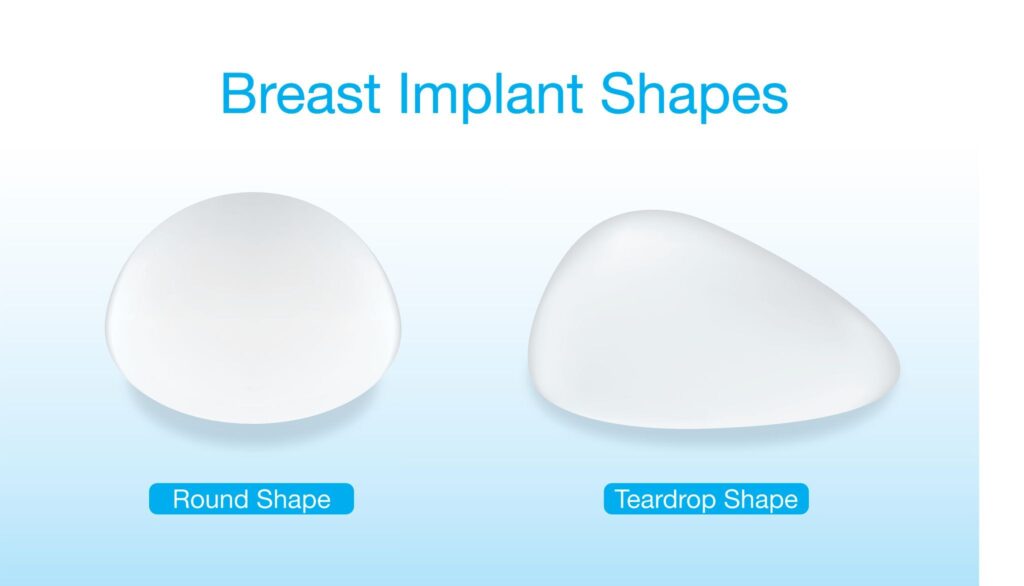
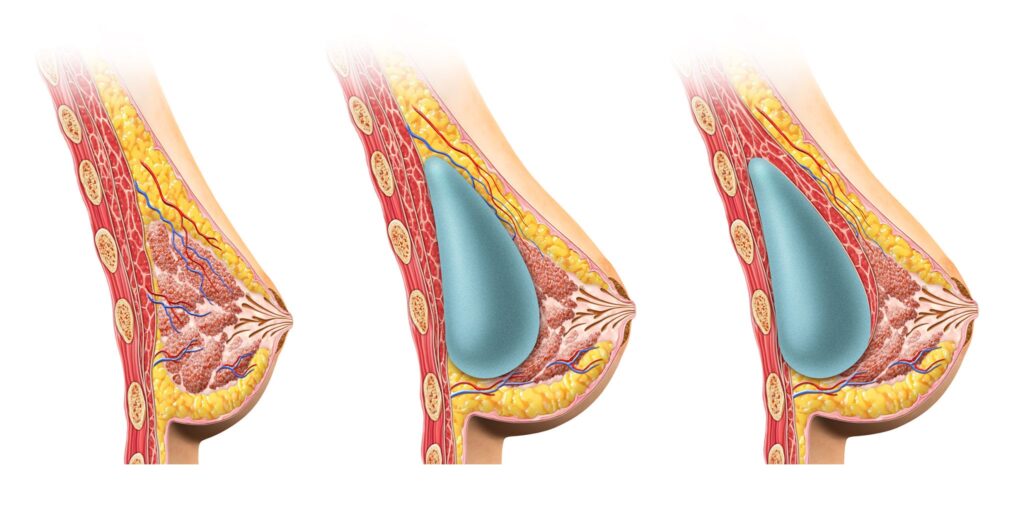
Breast augmentation is one of the most popular body feminization surgery options for trans women. This procedure involves inserting implants to increase the size and enhance the shape of the breasts. The surgery can be performed using a variety of techniques, including subglandular, submuscular, and dual-plane placement. Each technique has its own advantages and disadvantages, and your surgeon will help you determine which one is best for your specific needs.

Facial Feminization Surgery

Facial feminization surgery (FFS) is a collection of procedures that are designed to soften masculine facial features and create a more feminine appearance. FFS can include a variety of techniques, such as hairline advancement, brow lift, rhinoplasty, and chin reduction. The goal of FFS is to create a more balanced, harmonious look that aligns with a trans woman’s gender identity.

Body Contouring

Body contouring surgery can help trans women achieve a more feminine silhouette by removing excess skin and fat from areas like the hips, thighs, and buttocks. This type of surgery is particularly useful for trans women who have lost a significant amount of weight and are left with excess skin that detracts from their feminine appearance. Body contouring can include procedures such as a tummy tuck, thigh lift, and buttock augmentation.

Voice Feminization Surgery

For trans women, having a feminine voice can be just as important as having a feminine appearance. Voice feminization surgery is a relatively new option that involves altering the vocal cords to produce a more feminine-sounding voice. The surgery can be performed using a variety of techniques, including laser-assisted surgery and the Wendler glottoplasty. Your surgeon will help you determine which technique is best for your needs.

In conclusion, body feminization surgery offers a variety of options for trans women who want to achieve a more feminine appearance. By working with an experienced surgeon, you can create a customized treatment plan that addresses your unique needs and goals. If you’re considering body feminization surgery, reach out to a qualified surgeon today to schedule a consultation and learn more about your options.

woman wearing tube top with green eyeshadow standing transfemine

The Benefits of Body Feminization Surgery for Transgender Individuals

Body feminization surgery can be a life-changing option for transgender individuals who are seeking to align their physical appearance with their gender identity. This type of surgery includes a variety of procedures designed to create a more feminine appearance, such as breast augmentation, facial feminization surgery, and body contouring. In this article, we’ll explore some of the key benefits of body feminization surgery for transgender individuals.

Improved Mental Health

Studies have shown that gender-affirming surgery, including body feminization surgery, can significantly improve the mental health of transgender individuals. By aligning their physical appearance with their gender identity, individuals may experience reduced anxiety and depression, improved self-esteem, and a better overall quality of life. Body feminization surgery can help alleviate the distress caused by gender dysphoria, leading to a more positive outlook on life.

Enhanced Social Functioning

Body feminization surgery can also improve social functioning for transgender individuals. By achieving a more feminine appearance, individuals may feel more comfortable in social situations and may experience less discrimination and stigma. This can lead to increased confidence, better social relationships, and a more fulfilling social life.

Improved Physical Health

Body feminization surgery can also have physical health benefits for transgender individuals. For example, breast augmentation can reduce the risk of breast cancer by removing the breast tissue that is most susceptible to the disease. Body contouring can also improve physical health by reducing the risk of skin irritation and infections caused by excess skin and fat.

Personal Satisfaction

Finally, body feminization surgery can provide a sense of personal satisfaction and fulfillment for transgender individuals. By achieving a physical appearance that aligns with their gender identity, individuals may feel a sense of completeness and wholeness that they may not have experienced before. This can lead to increased self-awareness, personal growth, and an overall sense of well-being.

In conclusion, body feminization surgery can provide a variety of benefits for transgender individuals, including improved mental health, enhanced social functioning, improved physical health, and personal satisfaction. If you’re considering body feminization surgery, it’s important to work with an experienced surgeon who can help you understand your options and develop a personalized treatment plan that addresses your unique needs and goals.

How to Prepare for Body Feminization Surgery

Body feminization surgery is a major decision, and it’s important to prepare yourself physically and mentally before undergoing the procedure. In this article, we’ll explore some key steps you can take to prepare for body feminization surgery and ensure the best possible outcome.

  1. Research Your Surgeon

One of the most important steps in preparing for body feminization surgery is to choose the right surgeon. Look for a surgeon who has experience with gender-affirming surgeries and a good reputation in the community. Read reviews, check their credentials, and schedule a consultation to discuss your goals and expectations.

  1. Quit Smoking

If you’re a smoker, it’s important to quit smoking before your surgery. Smoking can interfere with the healing process and increase the risk of complications. If you’re having trouble quitting, talk to your doctor about smoking cessation options.

  1. Follow a Healthy Diet and Exercise Plan

Eating a healthy diet and getting regular exercise can help prepare your body for surgery and aid in the healing process. Focus on whole, nutrient-dense foods and avoid processed and sugary foods. Talk to your doctor about any exercise restrictions or recommendations based on your specific procedure.

  1. Arrange for Support

Body feminization surgery can be emotionally and physically taxing, and it’s important to have a support system in place. Talk to friends and family about your surgery and arrange for someone to help you with daily tasks during your recovery.

  1. Follow Your Surgeon’s Instructions

Your surgeon will provide you with specific instructions on how to prepare for your surgery. This may include restrictions on eating and drinking before the procedure, medications to avoid, and specific pre-operative instructions. It’s important to follow these instructions carefully to ensure the best possible outcome.

In conclusion, preparing for body feminization surgery involves research, healthy habits, support, and following your surgeon’s instructions. By taking these steps, you can help ensure a successful outcome and a smooth recovery.

What Does Top Surgery Cost?

Top surgery, also known as chest surgery, is a gender-affirming surgery that can be an important step in a transgender person’s transition. One of the factors to consider when deciding to undergo top surgery is the cost. In this article, we’ll explore the average cost of top surgery and some factors that can affect the total cost.

Average Cost of Top Surgery

The cost of top surgery varies depending on several factors, including the surgeon’s experience, the geographical location of the surgery, the type of procedure, and the patient’s specific needs. On average, top surgery can cost between $6,000 and $10,000. However, the cost can be much higher for more complex surgeries or for patients who require additional procedures.

Factors That Affect the Cost of Top Surgery

  1. Type of Procedure: The type of top surgery you undergo will affect the cost. Double incision mastectomy is typically less expensive than peri-areolar or keyhole surgery.

  2. Surgeon’s Experience: A surgeon with more experience may charge a higher fee for their services.

  3. Geographical Location: The cost of top surgery can vary depending on where you live. Cities with a higher cost of living or with a limited number of experienced surgeons may have higher costs.

  4. Additional Procedures: If you require additional procedures, such as liposuction or nipple grafts, the cost of top surgery will increase.

Paying for Top Surgery

Many insurance plans now cover gender-affirming surgeries, including top surgery. Check with your insurance provider to see if top surgery is covered under your plan. If you don’t have insurance or if your insurance does not cover top surgery, there are resources available to help with the cost. Some surgeons offer payment plans, and there are also non-profit organizations that provide financial assistance for transgender surgeries.

In conclusion, the cost of top surgery varies depending on several factors, including the type of procedure, the surgeon’s experience, and the patient’s specific needs. It’s important to research the cost and explore insurance coverage or financial assistance options to make an informed decision.

Turkey Medical Tourism

How Much Does Top Surgery Cost in Turkey?

Turkey has become a popular destination for medical tourism, including gender-affirming surgeries such as top surgery. The cost of top surgery in Turkey can vary depending on several factors. In this article, we’ll explore the average cost of top surgery in Turkey and some factors that can affect the total cost.

Average Cost of Top Surgery in Turkey

The cost of top surgery in Turkey is generally lower compared to countries like the United States and Canada. On average, top surgery in Turkey can cost between $2,500 and $5,000. However, the cost can vary depending on several factors, including the type of procedure, the surgeon’s experience, and the location of the surgery.

Factors That Affect the Cost of Top Surgery in Turkey

  1. Type of Procedure: The type of top surgery you undergo will affect the cost. Double incision mastectomy is typically less expensive than peri-areolar or keyhole surgery.

  2. Surgeon’s Experience: A surgeon with more experience may charge a higher fee for their services.

  3. Geographical Location: The cost of top surgery can vary depending on the location of the surgery. Cities with a higher cost of living or with a limited number of experienced surgeons may have higher costs.

  4. Additional Procedures: If you require additional procedures, such as liposuction or nipple grafts, the cost of top surgery will increase.

Paying for Top Surgery in Turkey

Many medical tourism agencies offer package deals that include the cost of the surgery, accommodation, and transportation in Turkey. It’s important to research and compare different agencies and surgeons before making a decision. Additionally, some insurance plans may cover top surgery in Turkey, so it’s important to check with your insurance provider.

In conclusion, the cost of top surgery in Turkey can be lower compared to other countries, but it’s important to consider factors such as the type of procedure, surgeon’s experience, and location of the surgery. Researching and comparing different options can help you make an informed decision.

Mehmet Fatih Okyay, MD, FEBOPRAS in Türkiye. FFS Surgeon.

Why Is Turkey So Cheap for Surgery?

Turkey has become a popular destination for medical tourism, offering a range of surgical procedures at much lower costs compared to other countries. But why is Turkey so cheap for surgery? In this article, we’ll explore some reasons behind the lower costs of surgery in Turkey.

Lower Cost of Living

One of the main reasons behind the lower costs of surgery in Turkey is the lower cost of living. Compared to Western countries, Turkey has a lower cost of living, which translates to lower costs for medical services, including surgeries.

Lower Labor Costs

Another factor contributing to the lower costs of surgery in Turkey is lower labor costs. In Turkey, the cost of labor is significantly lower compared to countries like the United States and Canada. This means that the cost of hiring medical staff, such as surgeons and nurses, is lower, which results in lower costs for patients.

Government Support

The Turkish government has been actively promoting medical tourism, offering incentives to both patients and medical providers. This support has helped attract more patients to Turkey and has increased competition among medical providers, resulting in lower costs for surgeries.

Currency Exchange Rates

Another factor contributing to the lower costs of surgery in Turkey is favorable currency exchange rates. The Turkish Lira has weakened compared to other currencies, such as the US dollar and the Euro. This means that patients paying in foreign currency can get more for their money, resulting in lower costs for medical services.

Quality of Care

Despite the lower costs of surgery in Turkey, the quality of care is not compromised. Turkish hospitals and medical centers are equipped with modern technology and staffed by highly qualified medical professionals. Many surgeons in Turkey have received their training and education from reputable medical schools in Europe and the United States.

In conclusion, the lower costs of surgery in Turkey can be attributed to several factors, including the lower cost of living, lower labor costs, government support, favorable currency exchange rates, and high-quality medical care. These factors have made Turkey a popular destination for medical tourism, offering affordable and high-quality medical services to patients from all over the world.

Why Do People Fly to Turkey for Surgery?

Turkey has become a popular destination for medical tourism, with many people from around the world traveling to the country for various surgical procedures. But why do people fly to Turkey for surgery? Here are some reasons:

Affordable Prices: As mentioned earlier, one of the primary reasons for the popularity of Turkey for surgery is the lower costs of medical procedures compared to other countries. Patients can save a significant amount of money on surgeries such as hair transplants, breast augmentation, and rhinoplasty, while still receiving high-quality care.

Experienced Surgeons: Turkey has a large pool of highly experienced and skilled surgeons who specialize in various types of surgeries. Many of these surgeons have received their education and training from reputable medical schools in Europe and the United States.

State-of-the-Art Facilities: Turkey boasts modern and state-of-the-art medical facilities, equipped with the latest technology and equipment. This ensures that patients receive the best possible care and treatment during their stay.

Tourist-Friendly Environment: Turkey is known for its warm hospitality, rich history, and beautiful scenery, making it an ideal destination for combining medical treatment with tourism. Patients can explore the country’s many attractions before or after their surgery.

Which Surgery is Turkey Famous for?

Turkey is famous for many types of surgeries, but some of the most popular procedures that attract medical tourists include:

Hair Transplants: Turkey is one of the world’s leading destinations for hair transplant surgeries, with many clinics offering advanced techniques and affordable prices.

Cosmetic Surgeries: Turkey is also popular for cosmetic surgeries, such as breast augmentation, rhinoplasty, liposuction, and facelifts, which are performed by highly skilled and experienced plastic surgeons.

Dental Procedures: Turkey is emerging as a top destination for dental tourism, offering a range of dental procedures at lower costs compared to many other countries.

In conclusion, Turkey has become a popular destination for medical tourism, with many people traveling to the country for various types of surgical procedures. The lower costs, high-quality care, and convenient location, combined with Turkey’s rich culture and history, make it an attractive option for patients seeking affordable and high-quality medical treatment.

Finding the Right Surgeon for Your Body Feminization Surgery

When it comes to body feminization surgery, finding the right surgeon is crucial. You want a surgeon who has extensive experience in performing these procedures and who can provide you with the best possible results.

Dr. MFO is a highly experienced and skilled surgeon who has been performing body feminization surgeries for many years. With a focus on patient safety and satisfaction, Dr. MFO takes a personalized approach to each patient, working closely with them to understand their goals and create a customized surgical plan.

With Dr. MFO, you can be confident that you are in good hands. He uses the latest techniques and technologies to ensure the best possible results, and he is committed to providing his patients with a comfortable and positive surgical experience.

If you are considering body feminization surgery, don’t settle for anything less than the best. Contact Dr. MFO today to schedule a consultation and learn more about how he can help you achieve your desired results.

The cost of top surgery can vary depending on factors such as the surgeon’s fees, location, and the specific type of procedure. In Turkey, the cost of top surgery can be significantly lower than in other countries, with prices ranging from around $2,000 to $5,000 USD.

The ideal age for top surgery may vary depending on individual circumstances, but most surgeons recommend waiting until the age of 18 or older to ensure that the patient is emotionally and mentally ready for the procedure.

  • Preparing for top surgery may involve various steps such as getting a medical evaluation, quitting smoking, avoiding certain medications, and arranging for post-operative care. It is important to follow your surgeon’s specific instructions carefully to ensure a safe and successful procedure.

Top surgery is generally considered to be a permanent procedure, but in some cases, revision surgery may be possible to make adjustments or correct complications. However, reversing the effects of top surgery entirely is generally not possible.

The duration of top surgery can vary depending on the specific type of procedure and individual factors. Generally, the surgery itself can take anywhere from 1-4 hours, and the recovery period can last several weeks to several months. It is important to follow your surgeon’s instructions carefully to ensure a safe and successful recovery.

Affordable Facial Feminization Surgery: Your Solution in Turkey

afordable facial feminization surgery

Affordable Facial Feminization Surgery is a transformative cosmetic procedure that can help individuals achieve a more feminine appearance. This surgical approach involves reshaping and contouring the facial features to create a softer, more feminine look. The procedure can address a range of concerns, from reducing the prominence of the brow ridge to refining the nose and jawline. Not only can Affordable Facial Feminization Surgery boost self-confidence and improve overall well-being, but it can also be a more accessible option for those seeking gender-affirming care. In this article, we’ll explore why Turkey has become a popular destination for Affordable Facial Feminization Surgery and what you can expect from the procedure.

Turkey has rapidly become one of the most sought-after destinations for medical tourism, attracting visitors from all over the world for its high-quality, affordable medical care. With its strategic location between Europe and Asia, Turkey has a rich cultural heritage and a thriving tourism industry, making it an ideal choice for those seeking both top-notch medical treatment and an unforgettable travel experience. In recent years, Turkey has also emerged as a leading destination for gender-affirming care, particularly Affordable Facial Feminization Surgery. The country boasts a wealth of experienced surgeons and state-of-the-art clinics that specialize in facial feminization surgery, drawing patients from around the globe who seek expert care at a fraction of the cost they would pay in other countries. Whether you are traveling from nearby or from afar, Turkey is a destination that offers a unique blend of medical excellence, cultural richness, and natural beauty.

Affordable Facial Feminization Surgery in Turkey

Why Choose Turkey for Affordable Facial Feminization Surgery?

Turkey has become a top destination for Affordable Facial Feminization Surgery for several reasons. First and foremost, the cost of living and medical care in Turkey is significantly lower than in many Western countries, which means that patients can save thousands of dollars without compromising on the quality of care they receive. In addition to the cost savings, Turkey is home to many highly skilled surgeons who specialize in facial feminization surgery and have extensive experience in performing the procedure. These surgeons use the latest techniques and technologies to ensure that their patients achieve the best possible results. Furthermore, Turkey’s modern medical facilities and infrastructure ensure that patients receive top-quality care throughout their stay. Finally, Turkey is a warm and welcoming country with a rich cultural heritage, making it an ideal destination for those seeking gender-affirming care in a safe and supportive environment. Whether you are seeking facial feminization surgery for the first time or have had previous procedures done, Turkey offers an unbeatable combination of affordability, expertise, and cultural richness that makes it an excellent choice for Affordable Facial Feminization Surgery.

Undergoing facial feminization surgery in Turkey offers a number of distinct advantages for patients seeking gender-affirming care. Perhaps the most compelling of these advantages is the significant cost savings that can be achieved by choosing Turkey as a destination for surgery. The cost of living and medical care in Turkey is considerably lower than in many Western countries, which means that patients can expect to save thousands of dollars on their procedure without compromising on the quality of care they receive.

In addition to the cost savings, Turkey also offers high-quality medical care and state-of-the-art surgical facilities. Turkey has a well-established medical tourism industry and is home to many highly skilled surgeons who specialize in facial feminization surgery. These surgeons are experienced in performing the procedure and use the latest techniques and technologies to ensure that their patients achieve the best possible results. Moreover, Turkey’s modern medical facilities and infrastructure ensure that patients receive top-quality care throughout their stay.

Another advantage of undergoing facial feminization surgery in Turkey is the warm and welcoming environment that patients can expect to encounter. Turkey is a culturally rich and diverse country, and its people are renowned for their hospitality and kindness. Patients can feel safe and supported throughout their stay, knowing that they are in a country that values diversity and inclusivity.

Overall, the advantages of undergoing facial feminization surgery in Turkey are clear. With its affordable cost of living and medical care, high-quality medical facilities and experienced surgeons, and welcoming cultural environment, Turkey is an excellent choice for patients seeking gender-affirming care.

dr mfo

Top Surgeon for Affordable Facial Feminization Surgery in Turkey

Dr. MFO is a highly esteemed plastic, reconstructive, and aesthetic surgeon based in Turkey. He completed his residency at Istanbul University’s Cerrahpaşa Faculty of Medicine, and has been recognized with numerous awards for his exceptional skill and expertise. In 2018, he was awarded both the Fellow of the European Board of Plastic, Reconstructive and Aesthetic Surgeons (FEBOPRAS) and the Fellow of the Turkish Board of Plastic, Reconstructive and Aesthetic Surgeons.

With over a decade of experience, Dr. MFO specializes in a wide range of cosmetic surgeries, including facial feminization surgeries, facelifts, nose aesthetics, tummy tucks, liposuction, body shaping, and breast aesthetic surgeries. He is a proud member of several professional organizations, including the International Society of Aesthetic Surgeons (ISAPS), the Turkish Plastic Surgery Association (TSPRAS), and the Turkish Aesthetic Plastic Surgery Association (TSAPS).

Dr. MFO is also a multi-talented individual with a passion for music and poetry. He plays several musical instruments, including classical guitar, ney, and electric guitar. He is fluent in English and Spanish, and is proficient in French.

In June 2021, Dr. MFO founded his own clinic, the Dr. MFO Clinic, which is quickly becoming one of the most reputable and sought-after plastic surgery clinics in Turkey. Dr. MFO is committed to providing exceptional care and personalized attention to each of his patients.

In an interview given by Dr. MFO made some statements about her work in facial feminization surgeries. During conversation, Dr. MFO emphasized the importance of tailoring each surgery to the individual patient’s needs and goals. He explained that facial feminization surgeries require a high level of skill and artistry, as well as a deep understanding of the patient’s unique facial features and bone structure. He also stressed the importance of a comprehensive approach to facial feminization surgeries, which may include a combination of procedures such as rhinoplasty, brow lift, jaw contouring, and lip augmentation.

Here is Dr. MFO ‘s all answered questions and answers;

Q: Can you tell us a little bit about your experience with facial feminization surgery?

A: Absolutely. I have been performing facial feminization surgery for over 10 years now and it is one of my areas of expertise. This type of surgery involves a combination of procedures that are designed to soften and feminize the facial features of transgender women. It is a very specialized type of surgery that requires a deep understanding of facial anatomy and aesthetics.

Q: What are some of the most common procedures that are included in facial feminization surgery?

A: The procedures that are included in facial feminization surgery can vary depending on the individual patient’s needs and goals. However, some of the most common procedures include forehead contouring, brow lift, rhinoplasty, cheek augmentation, and lip lift. These procedures can help to create a more feminine-looking face by reducing masculine features and enhancing feminine features.

Q: How do you approach the consultation process for facial feminization surgery?

A: The consultation process is very important for facial feminization surgery because it allows me to understand the patient’s goals and expectations. During the consultation, I will review the patient’s medical history and perform a physical examination. I will also use computer imaging software to show the patient what their face might look like after the surgery. This allows the patient to have a clear idea of what to expect and to provide feedback on their desired outcome.

Q: What are some of the biggest challenges you face when performing facial feminization surgery?

A: One of the biggest challenges is achieving a natural-looking result while also achieving the patient’s desired outcome. It is important to maintain a balance between feminizing the features without making the patient look overdone or artificial. Another challenge is managing the patient’s expectations. Some patients may have unrealistic expectations about what can be achieved with facial feminization surgery, so it is important to educate them about the limitations of the procedure.

Q: What advice would you give to someone who is considering facial feminization surgery?

A: My advice would be to do their research and choose a surgeon who has experience and expertise in facial feminization surgery. It is also important to have a clear understanding of the risks and benefits of the procedure, as well as realistic expectations about the outcome. Finally, it is important to have a good support system in place, including friends, family, and mental health professionals, as facial feminization surgery can be a major life-changing event.

Overall, Dr. MFO’s dedication to his craft and his patients is truly remarkable. His expertise, artistic vision, and compassionate care make him one of the top plastic surgeons in Turkey and beyond.

Affordable Facial Feminization Surgery Costs

The Facial Feminization Surgery Procedure

Facial feminization surgery (FFS) is a highly specialized procedure that aims to alter the facial features of transgender individuals to make them more feminine. The FFS procedure typically involves a combination of surgical techniques, each of which is tailored to the specific needs and goals of the patient.

The first step in the FFS procedure is a thorough consultation with the surgeon. During this consultation, the patient’s medical history is reviewed, and a comprehensive evaluation of the patient’s facial features is conducted. The surgeon will work with the patient to develop a personalized surgical plan that addresses the patient’s unique facial characteristics and goals.

Once the surgical plan has been developed, the FFS procedure is typically performed under general anesthesia. Depending on the patient’s needs, the procedure may involve a range of surgical techniques, including rhinoplasty, brow lift, forehead contouring, jaw contouring, chin contouring, and lip augmentation. These procedures may be performed individually or in combination, depending on the patient’s specific goals.

Following the FFS procedure, patients will need to undergo a period of recovery and follow-up care. The recovery period may vary depending on the specific procedures that were performed, but typically involves a few weeks of downtime to allow for proper healing. During this time, patients may experience swelling, bruising, and discomfort, but these symptoms are generally temporary and can be managed with pain medication and other treatments as necessary.

Overall, the FFS procedure is a complex and highly individualized process that requires a skilled and experienced surgeon. By working closely with their surgeon and following a comprehensive surgical plan, transgender individuals can achieve the facial features that are most consistent with their gender identity, helping to improve their self-esteem, confidence, and overall quality of life.

Facial feminization surgery is a complex set of surgical procedures designed to alter the masculine features of the face to make them appear more feminine. The specific procedures involved in facial feminization surgery can vary depending on the individual patient’s needs and goals, but there are several commonly performed procedures that are often included.

Rhinoplasty: This procedure involves reshaping the nose to create a more feminine appearance. The goal is to create a nose that is smaller, narrower, and more refined. This may involve reducing the size of the nose, reshaping the tip, or narrowing the nostrils.

Forehead reconstruction: This procedure is often done to reduce the appearance of a prominent brow ridge, which is a masculine feature. This may involve reshaping the bones of the forehead or reducing the size of the brow ridge.

Brow lift: A brow lift can help to create a more feminine appearance by raising the eyebrows and reducing the appearance of wrinkles on the forehead. This procedure may be done in conjunction with forehead reconstruction or as a standalone procedure.

Jaw contouring: This procedure involves reshaping the jawline to create a more feminine appearance. This may involve reducing the size of the jawbone, shaving down the chin, or altering the angle of the jaw.

Lip augmentation: This procedure involves injecting fillers or implanting artificial materials into the lips to create a fuller, more feminine look.

Cheek augmentation: This procedure involves adding volume to the cheeks to create a more feminine contour. This may be done using implants or injectable fillers.

Tracheal shave: This procedure involves reducing the size of the Adam’s apple to create a more feminine appearance. This is done by shaving down the thyroid cartilage.

It’s important to note that facial feminization surgery is a highly personalized procedure and the specific procedures involved may vary depending on the patient’s unique facial features and goals. A skilled and experienced surgeon will work with the patient to develop a customized treatment plan that meets their individual needs.

After facial feminization surgery, patients can expect a significant improvement in the feminization of their facial features. The specific results will vary depending on the procedures performed, the patient’s individual facial structure, and their goals for the surgery. However, common changes that can be achieved through facial feminization surgery include a more rounded forehead, a smaller nose, a more defined jawline, and fuller lips.

In terms of recovery, patients should expect some swelling and bruising in the first few weeks following the surgery. Pain and discomfort can also be managed with medication prescribed by the surgeon. Most patients are able to return to work and normal activities within two to three weeks, but it may take several months for the full results to become visible as the swelling subsides.

It is important for patients to closely follow their surgeon’s post-operative care instructions, which may include specific instructions on how to care for the incisions, medications to take, and activities to avoid during the healing process. By doing so, patients can help ensure optimal results and a smooth recovery.

Facial Feminization Surgery Before and After: Real-Life Transformations

While it’s important to remember that every patient’s experience and results will be unique, there are many inspiring stories of individuals who have undergone facial feminization surgery in Turkey and achieved their desired results. Here are a few examples:

Conclusion

There are several key benefits and advantages to choosing Turkey for affordable facial feminization surgery:

  1. Experienced Surgeons: Turkey is home to many experienced and highly skilled plastic surgeons who specialize in facial feminization surgery. These surgeons have years of experience and training, making them experts in their field.

  2. Advanced Technology: Turkey is known for its state-of-the-art medical facilities and cutting-edge technology, which is utilized in the latest facial feminization surgery techniques. Patients can expect top-quality care and the latest advancements in surgical technology.

  3. Affordable Prices: Turkey is a popular destination for medical tourism due to its affordable prices, making facial feminization surgery more accessible to a wider range of patients.

  4. No Waiting Lists: Unlike many other countries, Turkey does not have long waiting lists for facial feminization surgery. Patients can schedule their surgeries in a timely manner, without having to wait months or even years.

  5. Beautiful Location: Turkey’s natural beauty, rich history, and vibrant culture make it an attractive destination for medical tourists seeking a unique and memorable experience.

Overall, choosing Turkey for affordable facial feminization surgery can offer patients high-quality care from experienced surgeons, the latest surgical techniques and technology, affordable prices, no waiting lists, and a beautiful location to recover and explore.

If you are considering facial feminization surgery, it is important to do your research and find a qualified surgeon who can provide you with the best possible care. With its experienced and highly trained plastic surgeons, state-of-the-art medical facilities, and competitive pricing, Turkey has become a popular destination for those seeking affordable facial feminization surgery.

By undergoing this procedure, you can achieve a more feminine appearance and feel more confident and comfortable in your own skin. The key to a successful outcome is finding a surgeon who can tailor the procedure to your unique needs and goals, and who can provide you with the support and guidance you need throughout the process.

If you have been considering facial feminization surgery, we encourage you to explore your options and find a surgeon who can help you achieve the results you desire. With the right care and support, you can take an important step towards realizing your true identity and living your life to the fullest.

Facial feminization surgery (FFS) is a collection of surgical procedures designed to alter the facial features of a person to make them appear more feminine.

The common procedures involved in FFS include rhinoplasty (nose job), brow lift, forehead contouring, jaw and chin reduction, cheek augmentation, tracheal shave, and lip augmentation.

Turkey is a popular destination for affordable FFS because of its highly skilled surgeons, modern facilities, and competitive prices. Turkey’s healthcare industry is regulated and monitored by the Ministry of Health to ensure the quality and safety of medical procedures.

The cost of FFS in Turkey depends on the specific procedures involved and the surgeon’s experience. Generally, FFS in Turkey can cost up to 70% less than the same procedures in Western countries.

Yes, it is safe to undergo FFS in Turkey as long as you choose a reputable and experienced surgeon and a certified medical facility. Before choosing a surgeon, it is important to do thorough research and read reviews from past patients.

The recovery process after FFS can vary depending on the procedures performed. Generally, patients are able to return to work and normal activities within 2-3 weeks, but full recovery can take up to several months.

Facial feminization surgery can provide significant changes to the appearance of a person’s face, but it is important to have realistic expectations and discuss your goals with your surgeon. It is also important to understand that the results may take time to fully develop and may not be immediately apparent.

Visit the dr.mfo instagram page for more information and to review their testimonials.

Facelift Surgery: The Ultimate Guide to Reversing the Signs of Aging

facelift surgery

Are you considering facelift surgery as a way to reverse the signs of aging and restore your youthful appearance? If so, you’re not alone. Facelift surgery is one of the most popular cosmetic procedures in the world, helping countless people look and feel younger.

But before you schedule your surgery, it’s important to understand what facelift surgery entails, as well as the risks and benefits associated with the procedure. That’s where this ultimate guide comes in.

In this post, we’ll provide you with everything you need to know about facelift surgery, from the consultation process to the recovery period. We’ll cover the different types of facelifts available, as well as the latest techniques and technologies used in the procedure.

We’ll also discuss the risks and potential complications of facelift surgery, as well as the steps you can take to minimize your risk and ensure a successful outcome. And if you’re not a good candidate for facelift surgery, we’ll share some alternative treatments that may be a better fit for your needs.

Ultimately, our goal with this ultimate guide is to provide you with the knowledge and resources you need to make an informed decision about facelift surgery. We understand that choosing to undergo a surgical procedure is a big decision, and we want to ensure that you have all the information you need to make the right choice for your health, wellbeing, and appearance.

So, whether you’re considering facelift surgery for the first time or you’re already in the process of scheduling your procedure, we hope you’ll find this ultimate guide to be a valuable resource. Let’s get started on your journey to a more youthful, confident, and vibrant you!

mini facelift

Understanding the Different Types of Facelift Surgery

Facelift surgery, also known as rhytidectomy, is a cosmetic procedure that can help to reverse the signs of aging by tightening the skin and underlying muscles of the face and neck. There are several different types of facelift surgery, each of which is designed to address specific cosmetic concerns and achieve different results.

Traditional Facelift: The traditional facelift is the most common type of facelift surgery. This procedure involves making incisions around the ears and hairline, lifting and tightening the skin and muscles, and removing excess fat and tissue as needed. The traditional facelift is ideal for individuals with moderate to severe signs of aging, including sagging skin, deep wrinkles, and jowls.

Mini Facelift: A mini facelift, also known as a “weekend facelift,” is a less invasive alternative to the traditional facelift. This procedure involves making smaller incisions and focusing on specific areas of the face, such as the cheeks and jowls. The mini facelift is ideal for individuals with mild to moderate signs of aging who want to achieve a more subtle, natural-looking result.

Mid-Facelift: A mid-facelift is a specialized facelift procedure that targets the mid-face area, including the cheeks and lower eyelids. This procedure involves making incisions along the hairline and in the mouth, lifting and tightening the underlying muscles and tissues, and repositioning the fat pads to restore volume and contour. The mid-facelift is ideal for individuals with mid-face sagging and hollowing.

Lower Facelift: A lower facelift is a facelift procedure that targets the lower half of the face, including the jawline and neck. This procedure involves making incisions around the ears and under the chin, lifting and tightening the skin and muscles, and removing excess fat and tissue as needed. The lower facelift is ideal for individuals with sagging skin and jowls in the lower face and neck area.

Thread Lift: A thread lift is a non-surgical facelift alternative that involves inserting threads under the skin and pulling them to lift and tighten the skin. This procedure is less invasive than traditional facelift surgery and can be performed in-office with minimal downtime. The thread lift is ideal for individuals with mild to moderate signs of aging who want to avoid surgery.

In summary, each type of facelift surgery has its own unique benefits and considerations. It’s important to consult with a qualified and experienced facelift surgeon to determine the best type of facelift for your individual needs and goals. By understanding the different types of facelift surgery, you can make an informed decision and achieve the results you desire.

Facelift Surgery Right for You? Factors to Consider

Facelift surgery can be an effective way to reverse the signs of aging and achieve a more youthful appearance. However, it’s not a decision that should be taken lightly. Before deciding whether or not facelift surgery is right for you, there are several factors to consider.

Age: Facelift surgery is most commonly performed on individuals in their 40s, 50s, and 60s. While there is no specific age limit for facelift surgery, it’s important to consider the overall health and condition of your skin and underlying tissues. Your surgeon will evaluate your skin elasticity, muscle tone, and overall health to determine if you’re a good candidate for facelift surgery.

Health: As with any surgical procedure, it’s important to be in good overall health before undergoing facelift surgery. Certain medical conditions, such as high blood pressure, diabetes, and autoimmune disorders, can increase the risk of complications. Your surgeon will evaluate your medical history and perform a physical exam to ensure that you’re a good candidate for facelift surgery.

Expectations: It’s important to have realistic expectations when it comes to facelift surgery. While the procedure can achieve significant improvements in your appearance, it’s not a miracle cure for aging. You should have a clear idea of the specific concerns you want to address and the results you hope to achieve. Your surgeon can help you set realistic goals and determine if facelift surgery can help you achieve them.

Recovery: Facelift surgery requires a period of recovery and downtime. You will need to avoid strenuous activities and limit your exposure to sunlight and other environmental factors. It’s important to have a plan in place for your recovery, including time off work and assistance with household tasks.

Cost: Facelift surgery can be expensive, and insurance typically doesn’t cover cosmetic procedures. It’s important to factor in the cost of the procedure, as well as any additional expenses such as medications, follow-up visits, and aftercare.

In summary, facelift surgery can be a beneficial procedure for individuals looking to reverse the signs of aging. However, it’s important to consider your age, health, expectations, recovery, and cost before making a decision. By working closely with your surgeon and evaluating these factors, you can determine if facelift surgery is right for you.

Age and Skin Elasticity

As we age, our skin loses its natural elasticity, which can result in sagging and wrinkles. This loss of elasticity is due to a variety of factors, including a decrease in collagen and elastin production, exposure to UV radiation, and lifestyle habits such as smoking and poor nutrition.

When considering facelift surgery, age and skin elasticity are important factors to consider. Generally, the best candidates for facelift surgery are individuals in their 40s, 50s, and 60s who have good skin elasticity and muscle tone. However, even older individuals can benefit from facelift surgery if they have relatively good skin elasticity and overall health.

During a facelift surgery consultation, your surgeon will evaluate your skin elasticity by gently pulling and pinching the skin on your face and neck. They will also consider other factors such as your bone structure, muscle tone, and the specific concerns you want to address.

If your skin elasticity is poor, your surgeon may recommend additional procedures such as skin resurfacing or laser treatments to improve the texture and tone of your skin. In some cases, they may recommend postponing facelift surgery until your skin elasticity improves.

In summary, age and skin elasticity are important factors to consider when deciding whether or not to undergo facelift surgery. If you have good skin elasticity and overall health, you may be a good candidate for the procedure. However, if your skin elasticity is poor, your surgeon may recommend additional treatments or postponing the procedure altogether.

Health Conditions and Medications

Before undergoing any surgical procedure, it’s important to consider any pre-existing health conditions and medications you may be taking. Facelift surgery is no exception, and certain health conditions or medications may affect your ability to undergo the procedure or your recovery time.

Some health conditions that may affect your candidacy for facelift surgery include uncontrolled high blood pressure, heart disease, diabetes, and autoimmune disorders. These conditions may increase your risk of complications during surgery or slow down your recovery time. Your surgeon will ask about your medical history and conduct a physical examination to determine whether or not you’re a good candidate for the procedure.

Certain medications may also affect your ability to undergo facelift surgery. For example, blood thinners can increase the risk of bleeding during and after surgery. Your surgeon will ask about any medications you’re currently taking, including over-the-counter supplements and herbal remedies, and may ask you to stop taking certain medications prior to the procedure.

It’s important to be honest with your surgeon about any health conditions or medications you’re taking, as this will help them determine the best course of action for your specific case. If you have any concerns about your eligibility for facelift surgery, be sure to discuss them with your surgeon during your consultation.

Recovery Time and Lifestyle

Facelift surgery is a major surgical procedure that requires a period of recovery time. The length of recovery time varies depending on the individual, but generally ranges from several weeks to a few months.

During the recovery period, it’s important to take good care of yourself and follow your surgeon’s post-operative instructions. This may include avoiding strenuous activities, getting plenty of rest, and taking prescribed pain medications as needed.

In addition to following your surgeon’s instructions, your lifestyle can also affect your recovery time. Maintaining a healthy diet, staying hydrated, and avoiding smoking and alcohol can all help to speed up the healing process and reduce the risk of complications.

It’s important to note that while recovery time is important, it’s also important to be patient and not rush the healing process. Rushing back into your regular routine too quickly can cause complications and delay your overall recovery time.

If you have any concerns about your recovery time or lifestyle factors that may affect your ability to undergo facelift surgery, be sure to discuss them with your surgeon during your consultation. Your surgeon can provide you with personalized advice and guidance to help ensure a smooth recovery process.

The Latest Techniques and Technologies in Facelift Surgery

Facelift surgery has come a long way in recent years, with the development of new techniques and technologies that can provide more natural-looking results and shorter recovery times.

One of the latest techniques is the deep plane facelift, which involves separating and repositioning deeper layers of facial tissue to provide a more natural lift. This technique is often preferred for patients with more advanced signs of aging.

Another technique gaining popularity is the mini facelift, which involves smaller incisions and less tissue manipulation, resulting in a quicker recovery time. This technique is often preferred for patients with less advanced signs of aging.

In addition to these new techniques, there are also new technologies being used in facelift surgery. One such technology is the use of ultrasound to help visualize and manipulate tissue during the procedure. This can lead to more precise results and a faster recovery time.

Another new technology is the use of fat grafting, where a patient’s own fat is used to restore volume to the face. This can provide more natural-looking results compared to traditional fillers.

As with any surgical procedure, it’s important to discuss all available techniques and technologies with your surgeon to determine which approach is best for your specific needs and goals. Your surgeon can provide you with personalized advice and guidance to help ensure a successful facelift surgery.

necklift surgery

Mini Facelifts and Neck Lifts

Mini facelifts and neck lifts are both minimally invasive surgical procedures that can provide a more youthful appearance to the face and neck.

A mini facelift typically involves smaller incisions and less tissue manipulation compared to a traditional facelift, resulting in a quicker recovery time. It’s often preferred for patients with less advanced signs of aging, such as minor wrinkles and sagging.

A neck lift, on the other hand, specifically targets the neck area to address sagging skin and excess fat. It can be performed alone or in combination with a facelift to provide a more comprehensive rejuvenation of the face and neck.

Both procedures can be performed under local anesthesia, meaning the patient is awake but feels no pain during the procedure. Recovery time is typically shorter compared to a traditional facelift, with most patients able to return to work and other normal activities within a week or two.

As with any surgical procedure, it’s important to discuss the risks and benefits of mini facelifts and neck lifts with your surgeon to determine if they are right for your specific needs and goals. Your surgeon can provide you with personalized advice and guidance to help ensure a successful procedure and a natural-looking result.

Endoscopic Facelifts

Endoscopic facelifts are a type of minimally invasive facelift that utilizes a tiny camera and small incisions to lift and tighten the skin and muscles of the face.

During the procedure, a small camera is inserted through a small incision to provide the surgeon with a clear view of the underlying tissues. Using specialized instruments, the surgeon can then lift and reposition the facial muscles and tissues to create a more youthful and rejuvenated appearance.

Endoscopic facelifts are often preferred by patients who want to avoid the more extensive incisions and scarring associated with traditional facelifts. They also typically result in less pain, swelling, and bruising, with a shorter recovery time.

While endoscopic facelifts can provide excellent results for the right candidate, they are not suitable for everyone. Your surgeon can help determine if an endoscopic facelift is appropriate for your specific needs and goals, and can provide personalized advice and guidance throughout the process.

Overall, endoscopic facelifts are a safe and effective way to achieve a more youthful and refreshed appearance with minimal downtime and discomfort. With the help of an experienced and qualified surgeon, you can enjoy natural-looking results that enhance your confidence and self-esteem.

Stem Cell Facelifts

A stem cell facelift is a non-surgical cosmetic procedure that uses the patient’s own stem cells to rejuvenate the face. The procedure involves harvesting stem cells from the patient’s fat tissue and then injecting them into the face to stimulate the growth of new tissue and collagen.

Stem cell facelifts offer several benefits over traditional facelifts. They are less invasive and require less downtime, with minimal pain and discomfort. Additionally, because the patient’s own stem cells are used, there is no risk of rejection or allergic reaction.

The results of a stem cell facelift are gradual and natural-looking. Over time, the injected stem cells work to regenerate new skin cells and improve the overall quality and texture of the skin, resulting in a more youthful and refreshed appearance.

However, it’s important to note that a stem cell facelift may not be suitable for everyone. The procedure is typically recommended for patients who have mild to moderate signs of aging and who are looking for a non-surgical alternative to a traditional facelift.

If you’re considering a stem cell facelift, it’s important to consult with a qualified and experienced cosmetic surgeon to determine if you’re a good candidate for the procedure. Your surgeon can help you understand the benefits and risks of the procedure, and can provide personalized advice and guidance throughout the process.

Conclusion

Congratulations! You’ve reached the end of our ultimate guide to facelift surgery, and we hope you’ve found this post to be informative and helpful. We understand that considering facelift surgery is a big decision, and we’re here to support you every step of the way.

Remember, facelift surgery is just one of the many tools and treatments available for reversing the signs of aging. By taking a comprehensive approach to your health and wellbeing, including proper skincare, nutrition, exercise, and self-care, you can maximize the benefits of your facelift surgery and achieve a more youthful, confident, and vibrant you.

And if you have any additional questions or concerns about facelift surgery or any other cosmetic procedure, don’t hesitate to reach out to a qualified and experienced cosmetic surgeon. They can provide you with personalized guidance and advice based on your unique needs and goals.

Finally, we want to thank you for taking the time to read our ultimate guide to facelift surgery. We’re passionate about helping people look and feel their best, and we hope that this post has empowered you to take control of your aging process and achieve the results you desire.

Stay tuned for more informative and engaging posts on all things beauty, health, and wellness, and don’t forget to share this post with your friends and family who may also be considering facelift surgery. Together, we can create a world where everyone feels confident, vibrant, and beautiful at any age!

Visit the dr.mfo instagram page for more information and to review their testimonials.

Eye Lift: Get a Brighter, More Youthful Look in Just One Procedure

eye lift

Eye lift surgery, also known as blepharoplasty, is a cosmetic procedure that involves removing excess skin and fat from the upper and/or lower eyelids. The goal of the surgery is to give a more youthful and refreshed appearance to the eyes. The benefits of eye lift surgery include reducing sagging and puffiness around the eyes, improving vision, and enhancing overall facial appearance. The procedure is usually performed on an outpatient basis and recovery time can vary depending on the extent of the surgery. Let’s learn about the eye lift.

Eye Lift vs. Brow Lift: Which Procedure is Right for You?

Eye lift and brow lift are two popular cosmetic procedures that can enhance the appearance of the eyes and forehead. While both procedures are designed to create a more youthful and refreshed appearance, they target different areas of the face. Here are the key differences between eye lift and brow lift procedures:

Eye Lift: An eye lift, also known as blepharoplasty, is a cosmetic surgical procedure that is performed to remove excess skin and fat from the upper and/or lower eyelids. The surgery is intended to reduce puffiness, sagging, and wrinkles around the eyes, resulting in a more youthful and refreshed appearance. Eye lift surgery can also improve vision by removing excess skin that may be obstructing the visual field.

Brow Lift: A brow lift, also known as a forehead lift, is a cosmetic surgical procedure that is performed to lift and tighten the skin and soft tissues of the forehead and eyebrows. The surgery can help to reduce the appearance of deep wrinkles and frown lines, as well as to improve the position of the eyebrows. Brow lift surgery can also make the eyes appear more open and refreshed.

Who may benefit from each procedure?

Eye lift surgery may be beneficial for individuals who have excess skin and fat around the eyes, resulting in a tired or aged appearance. It may also be beneficial for individuals who have impaired vision due to sagging skin around the eyes. Brow lift surgery may be beneficial for individuals who have deep wrinkles and frown lines on the forehead, as well as those who have a low or drooping brow that contributes to a tired or angry appearance.

Ultimately, the decision to undergo either procedure will depend on a variety of factors, including the individual’s goals and preferences, as well as their overall health and medical history. It is important to consult with a qualified plastic surgeon to determine which procedure is the right option for your individual needs and goals.

Achieve a Dramatic Look with Canthoplasty

Canthoplasty is a cosmetic surgical procedure that involves modifying the shape and position of the outer corners of the eyes. The goal of canthoplasty is to create a more almond-shaped eye, resulting in a more dramatic and aesthetically pleasing appearance. The procedure involves making small incisions at the outer corners of the eyes, and then lifting and repositioning the outer canthus (the area where the upper and lower eyelids meet).

Canthoplasty can be performed on its own or in combination with other cosmetic eye surgeries, such as blepharoplasty (eyelid surgery) or brow lift. The procedure is typically performed under local anesthesia, and patients can usually return to normal activities within a few days.

One of the key benefits of canthoplasty is that it can create a more youthful and refreshed appearance to the eyes. In addition, it can improve the symmetry and balance of the eyes, resulting in a more harmonious and natural-looking facial appearance. Canthoplasty may be particularly beneficial for individuals with naturally round or downturned eyes, as it can help to create a more exotic and attractive appearance.

Before and after photos of successful canthoplasty procedures can be found on many plastic surgery websites and social media platforms. These photos demonstrate the dramatic and transformative results that can be achieved with the procedure, and can help individuals to visualize the potential outcomes of the surgery. It is important to note that individual results may vary, and that it is important to consult with a qualified plastic surgeon to determine if canthoplasty is the right option for your individual needs and goals.

Say Goodbye to Sagging Eyelids with Upper Blepharoplasty

Upper blepharoplasty is a cosmetic surgical procedure that can rejuvenate the appearance of sagging eyelids. The procedure involves removing excess skin, fat, and muscle from the upper eyelids, resulting in a more open and refreshed appearance to the eyes. Here are the key ways in which upper blepharoplasty can enhance the appearance of sagging eyelids:

  1. Reducing puffiness: Excess fat in the upper eyelids can create a puffy and tired appearance. By removing this excess fat, upper blepharoplasty can help to create a smoother and more youthful-looking eye area.

  2. Eliminating sagging skin: As we age, the skin on the upper eyelids can become loose and saggy, resulting in a heavy and hooded appearance. Upper blepharoplasty can remove this excess skin, resulting in a more open and alert appearance to the eyes.

  3. Improving vision: In some cases, sagging eyelids can actually impair vision by obstructing the visual field. By removing the excess skin and fat, upper blepharoplasty can improve both the appearance and function of the eyes.

The recovery process for upper blepharoplasty typically involves some bruising and swelling around the eye area, which can last for several days. Patients are advised to keep their head elevated and to apply ice packs to the area to help minimize swelling. Most patients are able to return to normal activities within a week or two of the procedure, although strenuous exercise and heavy lifting should be avoided for several weeks. It is important to follow your surgeon’s post-operative instructions carefully in order to ensure the best possible results from your upper blepharoplasty procedure.

almond eyes

Transform Your Eyes with an Almond Eye Lift

An almond eye lift, also known as an almond eye surgery, is a cosmetic procedure designed to enhance the natural shape of the eyes. The procedure involves creating a slight lift at the outer corners of the eyes to create an almond shape, which is considered to be a desirable and aesthetically pleasing eye shape.

The benefits of an almond eye lift are numerous. First and foremost, the procedure can enhance the natural beauty of the eyes and create a more youthful, refreshed appearance. By creating an almond shape, the eyes can appear more open and larger, which can create a more dramatic and exotic appearance. Additionally, the procedure can improve the symmetry and balance of the face, resulting in a more harmonious and natural-looking facial appearance.

The procedure itself typically involves making small incisions at the outer corners of the eyes and lifting and repositioning the outer canthus (the area where the upper and lower eyelids meet). The procedure can be performed on its own or in combination with other cosmetic eye surgeries, such as blepharoplasty (eyelid surgery) or brow lift.

Before and after photos of successful almond eye lift procedures can be found on many plastic surgery websites and social media platforms. These photos demonstrate the transformative and dramatic results that can be achieved with the procedure. However, it is important to note that individual results may vary, and that it is important to consult with a qualified plastic surgeon to determine if an almond eye lift is the right option for your individual needs and goals.

In summary, an almond eye lift can be a great option for individuals who wish to enhance the natural shape of their eyes and create a more exotic, dramatic appearance. The procedure can result in a more youthful, refreshed appearance and can improve the symmetry and balance of the face.

A close-up image of a woman's face with arrows indicating the direction of a brow lift procedure, highlighting the area above her eyes. She has blue eyes and is wearing a white headband.

The Benefits of Combining Eye Lift with Brow Lift

Combining an eye lift with a brow lift is a popular cosmetic surgery technique that can provide a more comprehensive rejuvenation of the upper face. While an eye lift focuses on rejuvenating the area around the eyes, a brow lift targets the forehead area, helping to reduce wrinkles and lift sagging brows. By combining these two procedures, patients can achieve a more natural and harmonious overall appearance.

Here are some of the key benefits of combining an eye lift with a brow lift:

  1. More comprehensive rejuvenation: By targeting both the eye and brow areas, patients can achieve a more comprehensive rejuvenation of the upper face. This can result in a more balanced and harmonious facial appearance.

  2. Enhanced symmetry: By addressing both the upper eyelids and brows, the procedure can enhance symmetry in the face, resulting in a more natural and youthful appearance.

  3. Longer-lasting results: By combining these two procedures, patients can enjoy longer-lasting results compared to undergoing each procedure separately.

Individuals who may benefit from combining an eye lift with a brow lift include those who have drooping brows, forehead wrinkles, and sagging skin around the eyes. Candidates should be in good health, have realistic expectations for the outcome of the surgery, and be willing to follow the pre- and post-operative instructions provided by their surgeon.

In conclusion, combining an eye lift with a brow lift can provide a more comprehensive rejuvenation of the upper face, resulting in a more natural and balanced appearance. Candidates should consult with a qualified plastic surgeon to determine if this combination procedure is the right option for their individual needs and goals.

What to Expect During Recovery from Eye Lift

Recovery from eye lift surgery can vary depending on the extent of the procedure performed, as well as individual healing time. It is important to follow your surgeon’s post-operative instructions to ensure a smooth and successful recovery. Here is a comprehensive guide on what to expect during recovery from eye lift surgery:

  1. The first few days: During the first few days after surgery, it is normal to experience swelling, bruising, and discomfort around the eye area. Cold compresses can be applied to reduce swelling and bruising, and pain medication prescribed by your surgeon can be taken to manage any discomfort.

  2. Stitches and bandages: If stitches were used during the procedure, they will typically be removed within 3-5 days. Bandages or a protective dressing may also be applied to the eye area for a few days after the surgery.

  3. Returning to daily activities: It is recommended to take it easy for the first week following surgery and avoid any strenuous activities or heavy lifting. Most patients can return to work within 7-10 days, but strenuous exercise should be avoided for 4-6 weeks.

  4. Eye drops: Your surgeon may prescribe eye drops to be used after surgery to prevent dryness and irritation.

  5. Side effects: Some common side effects of eye lift surgery include swelling, bruising, dryness, irritation, and sensitivity to light. These side effects should gradually improve over time, but it is important to contact your surgeon if you experience any severe or persistent symptoms.

  6. Results: The final results of your eye lift surgery may not be fully visible until several weeks after the procedure, as swelling and bruising continue to subside. It is important to be patient and follow your surgeon’s instructions to ensure optimal results.

In summary, recovery from eye lift surgery can vary depending on the extent of the procedure and individual healing time. It is important to follow your surgeon’s post-operative instructions to ensure a smooth and successful recovery. While some discomfort and side effects are normal during recovery, it is important to contact your surgeon if you experience any severe or persistent symptoms.

A close-up image of a person's eyes with markings indicating areas for blepharoplasty, a cosmetic surgery procedure to improve the appearance of the eyelids.

Achieve a More Youthful Look with Lower Blepharoplasty

Lower blepharoplasty is a surgical procedure that addresses under-eye bags and helps to provide a more refreshed and youthful appearance. Here’s how it works and what you can expect from the procedure:

What is Lower Blepharoplasty?

Lower blepharoplasty, also known as lower eyelid surgery, is a cosmetic surgery that involves removing excess skin and fat from the lower eyelid area. The procedure can be performed for cosmetic reasons to improve the appearance of under-eye bags and sagging skin, or for functional reasons to correct impaired vision caused by the lower eyelid.

How Does Lower Blepharoplasty Work?

During the procedure, the surgeon will make a small incision either inside the lower eyelid or just beneath the lower lash line. This allows access to the underlying fat and tissue, which can be removed or repositioned to create a smoother and more youthful appearance. If necessary, the skin may also be tightened and excess skin removed.

What Can You Expect from the Procedure?

Lower blepharoplasty is typically performed on an outpatient basis under local anesthesia with sedation. The procedure usually takes 1-2 hours to complete, and patients can usually go home the same day.

After the surgery, patients can expect some swelling and bruising around the eye area, which can be managed with ice packs and pain medication prescribed by the surgeon. It is important to avoid any strenuous activity or heavy lifting for several weeks after the surgery to allow for proper healing.

Results from lower blepharoplasty can be seen immediately after the surgery, but the final results may take several weeks to fully develop as the swelling subsides. Most patients are able to return to work and their normal activities within 1-2 weeks after the surgery.

Frequently Asked Questions About Eye Lift

If you’re considering eye lift surgery, you likely have many questions about the procedure. Here are some of the most frequently asked questions about eye lift surgery, including candidacy, risks, and results:

Good candidates for eye lift surgery are generally healthy adults who have realistic expectations for the results of the procedure. Ideal candidates have excess skin or fat around the eyes that causes puffiness, sagging, or wrinkles.

Like any surgical procedure, eye lift surgery comes with some risks. The most common risks include bleeding, infection, scarring, and temporary vision changes. In rare cases, more serious complications can occur, such as permanent vision loss or nerve damage.

The recovery process for eye lift surgery typically involves some swelling and bruising around the eyes, which can be managed with ice packs and pain medication. Most patients can return to work and their normal activities within 1-2 weeks after the surgery, but strenuous activity should be avoided for several weeks.

The results of eye lift surgery can last for several years, but they are not permanent. Factors such as aging, sun exposure, and lifestyle habits can all impact the longevity of the results.

The incisions made during eye lift surgery are typically well-hidden and should not result in visible scars. However, there is always a risk of scarring with any surgical procedure.

Eye lift surgery can often be combined with other facial rejuvenation procedures, such as brow lift or face lift, to achieve a more comprehensive and natural-looking result.

The length of the surgery will depend on the extent of the procedure, but most eye lift surgeries take between 1-3 hours to complete.

Eye lift surgery is typically performed under local anesthesia with sedation, meaning that you will be awake but relaxed during the procedure. In some cases, general anesthesia may be used.

Results from eye lift surgery can usually be seen immediately after the surgery, but the final results may take several weeks to fully develop as the swelling subsides.

If you have additional questions about eye lift surgery, consult with a board-certified plastic surgeon who can provide you with more detailed information and help you determine if the procedure is right for you.

How Cat Eyes Can Be Achieved with Canthoplasty

Canthoplasty is a cosmetic surgical procedure that is designed to reshape the outer corners of the eyes. The technique is used to enhance the natural almond shape of the eyes, or to create a cat-eye appearance. The cat-eye look has become increasingly popular in recent years, with many women seeking out this unique and dramatic look.

During canthoplasty, a small incision is made at the outer corner of the eye, and the outer canthus is repositioned to achieve the desired shape. The procedure can be performed on both the upper and lower eyelids to create a more comprehensive transformation of the eyes.

When performed correctly by an experienced surgeon, canthoplasty can create a striking and attractive cat-eye look. However, it is important to note that the procedure does carry some risks and potential side effects, including scarring, bleeding, and infection. Patients should carefully consider the potential risks and benefits before undergoing canthoplasty.

If you are interested in achieving the cat-eye look through canthoplasty, it is important to choose a skilled and experienced surgeon who can provide the best possible results. Look for a surgeon who has extensive experience with this procedure and who can provide before and after photos of successful cat-eye canthoplasty procedures. With proper planning and execution, canthoplasty can help you achieve the dramatic and beautiful eyes you’ve always wanted.

Conclusion

In conclusion, eye lift surgery is a popular and effective cosmetic procedure that can provide numerous benefits, such as a more youthful and refreshed appearance, improved vision, and increased self-confidence. From upper and lower blepharoplasty to canthoplasty and almond eye lift, there are various options available to address specific concerns and achieve the desired results. It is important to choose a qualified plastic surgeon who can guide you through the process and help you determine the best approach for your individual needs. If you are considering an eye lift procedure, we encourage you to schedule a consultation to learn more about your options and take the first step towards achieving your desired transformation.

Visit the dr.mfo instagram page for more information and to review their testimonials.

Boob Job Guide: Everything You Need to Know About Double Bra Technique and Under Bra Scar

boob job

What Is a Boob Job and Why Do People Get Them?

Breast augmentation, commonly referred to as a “boob job,” is a cosmetic surgical procedure aimed at enhancing the size and shape of a woman’s breasts. This procedure involves the use of silicone or saline breast implants or fat transfer to increase the volume and improve the overall appearance of the breasts. But why do people opt for this procedure? In this article, we’ll explore the reasons why women choose to get a boob job and provide some important information about the procedure.

boob job

Boob Job: Understanding the Procedure and Its Benefits

Breast augmentation, or a “boob job,” is a surgical procedure that involves the use of implants to enhance the size and shape of a woman’s breasts. It is one of the most commonly performed cosmetic surgeries in the world, with millions of women opting for the procedure each year.

There are many reasons why someone might choose to undergo a boob job. Some women may feel that their breasts are too small or asymmetrical and wish to improve their appearance. Others may have lost breast tissue due to weight loss, pregnancy, or aging and want to restore their breasts to their previous size and shape.

Regardless of the reason, a boob job can have many benefits for women who choose to undergo the procedure. Here are some of the most commonly cited benefits:

  1. Improved Confidence and Self-Esteem: For many women, their breasts are an important part of their feminine identity. A boob job can help them feel more confident and attractive, which can in turn boost their self-esteem.

  2. Enhanced Body Proportions: A boob job can help women achieve a more balanced and proportionate body shape, which can improve their overall appearance and make it easier for them to find clothing that fits well.

  3. Increased Sexual Satisfaction: Some women report feeling more sexually confident and satisfied after a boob job, which can enhance their intimate relationships.

  4. Reversing the Effects of Aging: As women age, their breasts may begin to sag or lose volume. A boob job can help reverse these effects and restore a more youthful, perky appearance.

Of course, there are also some risks and potential downsides to consider when thinking about a boob job. These can include infection, bleeding, scarring, and implant rupture, among others. It’s important to discuss these risks with a qualified plastic surgeon and make an informed decision about whether a boob job is right for you.

In conclusion, a boob job can be a safe and effective way to enhance the size and shape of your breasts and improve your overall appearance and self-confidence. If you’re considering the procedure, it’s important to do your research, find a qualified plastic surgeon, and carefully weigh the potential benefits and risks before making a decision.

A woman holding two oranges in one hand and two lemons in the other hand, demonstrating breast augmentation.

Understanding the Double Bra Technique for Breast Augmentation

Breast augmentation, also known as a boob job, is a cosmetic surgical procedure that enhances the size and shape of a woman’s breasts. One technique used in this procedure is the double bra technique. In this technique, two layers of support are used to hold the breast implants in place, resulting in a more natural-looking and long-lasting result.

The first layer of support in the double bra technique is the submuscular implant placement. In this method, the implants are placed beneath the chest muscle, providing additional support and coverage for the implant. This placement method also results in a more natural-looking breast shape.

The second layer of support in the double bra technique is the use of an acellular dermal matrix (ADM). This is a specialized surgical mesh that is placed over the implant, providing additional support and preventing the implant from migrating or shifting. The ADM is derived from human or animal tissue and is processed to remove all living cells, making it safe for use in breast augmentation surgery.

One advantage of the double bra technique is its ability to minimize complications such as implant malposition, capsular contracture, and rippling. The additional support provided by the submuscular implant placement and ADM reduces the risk of these complications occurring, resulting in a more successful and long-lasting outcome.

Another benefit of the double bra technique is the ability to use larger implants while still achieving a natural-looking result. This is because the additional support provided by the submuscular implant placement and ADM allows for a more even distribution of the implant volume, reducing the risk of implant displacement or other complications.

Overall, the double bra technique is a safe and effective method for breast augmentation, providing additional support and minimizing the risk of complications. If you’re considering breast augmentation surgery, be sure to discuss your options with a qualified plastic surgeon and determine if the double bra technique is right for you.

The Under Bra Scar Technique: What You Need to Know

Breast augmentation is a popular cosmetic surgery procedure that involves enhancing the size and shape of a woman’s breasts. One technique used in this procedure is the under bra scar technique, which involves placing the incision for the breast implant underneath the bra line.

The under bra scar technique is a popular choice for many women because it allows for a discreet incision location that is easily hidden by clothing. Unlike other incision methods, such as around the areola or in the armpit, the under bra scar technique leaves minimal scarring on the breast itself.

To perform the under bra scar technique, a plastic surgeon will make an incision underneath the fold of the breast where the bra band would typically sit. This incision location allows for easy access to the breast tissue and muscle, allowing the surgeon to place the implant in the desired location.

One advantage of the under bra scar technique is that it provides a more natural-looking result. Because the incision is hidden under the bra line, there is no visible scar on the breast, resulting in a more aesthetically pleasing outcome.

Another benefit of the under bra scar technique is the reduced risk of complications. Because the incision is made in an area of the breast that experiences less tension and movement, there is a lower risk of complications such as implant displacement, capsular contracture, or infection.

However, it’s important to note that the under bra scar technique may not be suitable for everyone. Women with very small or narrow breasts may not have enough tissue or skin to hide the incision, and those with large or heavy breasts may experience more tension and movement in the area, increasing the risk of complications.

If you’re considering breast augmentation surgery and are interested in the under bra scar technique, be sure to discuss your options with a qualified plastic surgeon. They can help you determine if this technique is right for you and provide you with more information about the procedure and potential risks and benefits.

In conclusion, the under bra scar technique is a popular and effective method for breast augmentation that provides a discreet incision location and natural-looking results. If you’re considering breast augmentation surgery, be sure to explore all of your options and choose the technique that is best suited for your needs and goals.

Pros and Cons of the Double Bra Method for Boob Jobs

The double bra method is a popular technique used in breast augmentation surgery to achieve a more natural-looking result. This method involves placing two bras over the breasts during the recovery period, which can help to support and shape the newly augmented breasts. In this article, we’ll explore the pros and cons of the double bra method for boob jobs.

Pros:

  1. Support and Comfort: One of the biggest advantages of the double bra method is the additional support and comfort it provides during the recovery period. The two bras help to reduce movement and provide extra support to the newly augmented breasts, which can help to reduce pain and discomfort.

  2. Shaping: The double bra method can also help to shape the breasts and encourage them to settle into a natural position. This can help to prevent implant displacement and ensure a more aesthetically pleasing result.

  3. Discreet Recovery: Because the two bras can be worn underneath clothing, the double bra method allows for a more discreet recovery period. This can be particularly beneficial for patients who want to keep their surgery private or who need to return to work or other activities quickly.

Cons:

  1. Cost: One of the main drawbacks of the double bra method is the additional cost of purchasing two bras specifically for the recovery period. This can add to the overall cost of the surgery and may be a consideration for some patients.

  2. Discomfort: While the double bra method can provide additional support and comfort during the recovery period, some patients may find it uncomfortable to wear two bras at once. This discomfort may be particularly pronounced for patients with larger breasts.

  3. Limited Availability: Not all plastic surgeons may offer the double bra method as an option for breast augmentation surgery. Patients who are interested in this technique may need to do additional research to find a qualified surgeon who specializes in this method.

In conclusion, the double bra method can be a useful technique for breast augmentation surgery, providing additional support, comfort, and shaping during the recovery period. However, patients should consider the additional cost and potential discomfort associated with wearing two bras at once, as well as the availability of the technique with their chosen surgeon. By weighing the pros and cons of the double bra method, patients can make an informed decision about whether this technique is right for their needs and goals.

Risks and Benefits of the Under Bra Incision for Breast Enlargement

Breast enlargement surgery, also known as breast augmentation, is a popular cosmetic procedure that involves the use of implants to enhance the size and shape of the breasts. One of the techniques used in this procedure is the under bra incision, which involves making an incision under the breast in the fold where the breast meets the chest wall. In this article, we’ll explore the risks and benefits of the under bra incision for breast enlargement.

Benefits:

  1. Discreet Scarring: One of the main benefits of the under bra incision is that it can lead to a more discreet scar. The scar is hidden under the breast and is not visible when wearing a bra or swimsuit.

  2. Direct Access: The under bra incision provides direct access to the breast tissue, which can make it easier for the surgeon to place the implant and ensure a more precise result.

  3. Reduced Risk of Nipple Sensitivity Loss: Because the incision is made under the breast and not around the nipple, there is a reduced risk of damage to the nerves that supply sensation to the nipple. This can help to reduce the risk of nipple sensitivity loss after surgery.

Risks:

  1. Increased Risk of Infection: Because the under bra incision involves cutting through breast tissue, there is a higher risk of infection compared to other incision methods. Patients should follow their surgeon’s post-operative care instructions carefully to reduce the risk of infection.

  2. Longer Recovery Time: The under bra incision may require a longer recovery time than other incision methods. Patients may experience more discomfort and swelling during the recovery period, and may need to avoid certain activities for a longer period of time.

  3. Limited Incision Size: Because the incision is made under the breast, there is a limit to the size of the implant that can be used with this technique. Patients who want larger implants may need to consider a different incision method.

In conclusion, the under bra incision can be a beneficial technique for breast enlargement surgery, providing a more discreet scar and direct access to the breast tissue. However, it also comes with certain risks, including an increased risk of infection and longer recovery time. Patients should discuss the benefits and risks of the under bra incision with their surgeon to determine if it is the right technique for their needs and goals.

How to Choose Between Double Bra and Under Bra Scar Techniques

Breast augmentation is a popular cosmetic procedure that involves the use of implants to enhance the size and shape of the breasts. When considering breast augmentation, patients must choose between different techniques, including the double bra method and the under bra scar technique. In this article, we’ll explore how to choose between these two techniques.

  1. Consider Your Personal Preferences: The choice between the double bra method and the under bra scar technique ultimately depends on personal preferences. Patients should consider which technique they feel more comfortable with and which one aligns with their aesthetic goals. For example, patients who are concerned about visible scarring may prefer the under bra scar technique, while those who prioritize the position of their implants may prefer the double bra method.

  2. Discuss the Pros and Cons with Your Surgeon: Patients should discuss the pros and cons of each technique with their surgeon. Surgeons can provide valuable insights into which technique may be the best option for the patient based on their individual anatomy, goals, and preferences.

  3. Consider the Risks and Benefits: Patients should also consider the risks and benefits associated with each technique. As we’ve previously discussed, the double bra method offers a more natural-looking result and reduces the risk of infection, while the under bra scar technique provides a more discreet scar and reduces the risk of nipple sensitivity loss.

  4. Evaluate Your Lifestyle: Patients should consider how their lifestyle may impact their recovery from breast augmentation. The double bra method may be more appropriate for patients who are physically active or participate in sports, as it offers a more secure position for the implant. The under bra scar technique may be more appropriate for patients who prefer to wear revealing clothing or swimwear, as the scar is hidden under the breast.

  5. Follow Your Surgeon’s Recommendations: Ultimately, the best way to choose between the double bra method and the under bra scar technique is to follow your surgeon’s recommendations. Your surgeon can provide personalized guidance on which technique is best suited for your individual needs and goals.

In conclusion, choosing between the double bra method and the under bra scar technique for breast augmentation depends on a variety of factors, including personal preferences, the advice of your surgeon, and the risks and benefits associated with each technique. By considering these factors and following your surgeon’s recommendations, you can choose the technique that is best suited for your unique needs and goals.

Boob Job Consultation: What to Expect and Questions to Ask

If you’re considering a boob job, one of the most important steps in the process is the initial consultation with a plastic surgeon. This is your opportunity to discuss your goals, concerns, and expectations, and to learn more about the procedure and the surgeon’s qualifications. Here’s what you can expect during a boob job consultation, and some important questions to ask.

What to Expect During a Boob Job Consultation

During a boob job consultation, you’ll meet with a plastic surgeon who will evaluate your medical history and examine your breasts to determine the best course of action for achieving your desired results. You’ll have an opportunity to discuss your goals and expectations, and the surgeon will explain the various options for the procedure, including the type of implants, incision location, and placement of the implants.

The surgeon will also discuss the risks and potential complications associated with the procedure, as well as the recovery process and any post-operative care that may be required. The consultation is also a good time to discuss the costs of the procedure and financing options that may be available.

Questions to Ask During a Boob Job Consultation

It’s important to come prepared to your boob job consultation with a list of questions to ask the surgeon. Here are some questions to consider:

  1. What are your qualifications and experience performing boob jobs?

  2. What type of implant do you recommend for my desired results?

  3. Where will the incisions be made and what scarring should I expect?

  4. What are the potential risks and complications associated with the procedure?

  5. What is the recovery process like and how long until I can resume normal activities?

  6. How often will I need to have my implants checked or replaced?

  7. Are there any non-surgical options I should consider before deciding on a boob job?

  8. What are the costs associated with the procedure and are financing options available?

  9. Can you show me before-and-after photos of patients you’ve treated with similar goals?

  10. What kind of post-operative care and follow-up appointments will be required?

By asking these questions, you can gain a better understanding of the procedure and the surgeon’s qualifications, as well as ensure that you are making an informed decision about your boob job.

In conclusion, a boob job consultation is an important step in the process of achieving your desired results. By understanding what to expect during the consultation and coming prepared with questions to ask, you can make an informed decision about the procedure and the surgeon who will perform it. Remember, your health and safety should be the top priority, so don’t be afraid to ask questions and voice any concerns you may have.

boob job surgery

Preparing for Your Boob Job Procedure: Steps to Follow

If you’re considering a boob job procedure, it’s important to prepare both physically and mentally to ensure a smooth and successful outcome. Here are some steps to follow to help you prepare:

  1. Research your options: Before scheduling a consultation with a plastic surgeon, do some research to understand your options. Learn about the different types of implants, techniques, and incisions available for breast augmentation. This will help you have a better understanding of what you want and what to ask during the consultation.

  2. Choose a qualified plastic surgeon: It’s important to choose a board-certified plastic surgeon with experience in breast augmentation procedures. Look for someone who has a good reputation and a proven track record of successful outcomes. You can check their credentials on the Europan Board of Plastic Surgeons website.

  3. Schedule a consultation: During your consultation, your plastic surgeon will assess your current breast size, shape, and skin quality, as well as your overall health. They will discuss your goals and preferences and help you choose the best implant type, size, and shape to achieve the desired outcome.

  4. Prepare for the procedure: Your plastic surgeon will give you specific instructions on how to prepare for the procedure, including avoiding certain medications, foods, and supplements, quitting smoking, and arranging for someone to drive you home after the procedure.

  5. Plan for recovery: You will need to take some time off work and avoid strenuous activities for several weeks after the procedure. Plan for someone to help you with household chores and other responsibilities during this time. Your plastic surgeon will give you specific instructions on how to care for your incisions, manage pain, and prevent complications.

  6. Follow post-operative instructions: It’s important to follow your plastic surgeon’s instructions carefully to ensure a smooth and successful recovery. Attend all follow-up appointments and notify your surgeon if you experience any unusual symptoms or complications.

By following these steps, you can prepare for your boob job procedure and increase your chances of a successful outcome. Remember to choose a qualified plastic surgeon, communicate your goals and preferences clearly, and follow all pre- and post-operative instructions carefully.

Recovery After Boob Job Surgery: Tips for a Smooth Healing Process

Undergoing a boob job surgery can be a life-changing experience for many women. However, it is important to remember that the recovery process is just as crucial as the procedure itself. Following a few tips can help make the healing process as smooth as possible.

  1. Rest and Relaxation: After the surgery, it is important to take time to rest and avoid any strenuous activities. Your surgeon will provide specific guidelines on how much rest you need, but generally, most patients are advised to avoid heavy lifting, exercising, and any other activities that can strain the chest muscles for at least six weeks.

  2. Wear a Surgical Bra: Your surgeon will provide you with a compression bra to wear immediately following the procedure. This is essential to provide support to the breasts and reduce swelling. It is important to wear this bra for the recommended time period to ensure proper healing.

  3. Manage Pain and Discomfort: It is normal to experience some pain and discomfort after surgery. Your surgeon will prescribe medication to manage the pain. However, it is important to follow the dosage instructions and avoid taking any additional medication without your surgeon’s approval.

  4. Follow a Healthy Diet: Eating a healthy diet can help speed up the healing process. Make sure to include plenty of protein, fruits, and vegetables in your diet to help your body heal faster.

  5. Take Time Off Work: Depending on the type of work you do, you may need to take some time off to allow your body to heal properly. Your surgeon will advise you on how much time you should take off work, but most patients need at least a week or two.

  6. Attend Follow-Up Appointments: It is important to attend all follow-up appointments with your surgeon to monitor your healing progress and address any concerns you may have. Your surgeon may also provide you with additional tips on how to speed up the healing process.

In summary, following these tips can help ensure a smooth recovery process after a boob job surgery. Remember to take things slow, listen to your surgeon’s instructions, and prioritize rest and relaxation during this time. With proper care and attention, you can enjoy the full benefits of your new look.

FAQ about Boob Job

Women who are unhappy with the size or shape of their breasts or have lost breast volume due to weight loss, pregnancy, or aging may be good candidates for a boob job. However, it’s important to note that women should be in good health and have realistic expectations about the outcome of the procedure.

As with any surgery, there are risks involved with a boob job, including infection, bleeding, scarring, and complications with the implants. It’s important to discuss these risks with your surgeon and follow all post-operative instructions to minimize the chances of complications.

The recovery process can vary depending on the individual and the type of procedure performed. In general, patients can expect to take a week or two off work and avoid strenuous physical activity for several weeks. Your surgeon will provide specific post-operative instructions to help ensure a smooth and successful recovery.

Conclusion

Breast augmentation has become increasingly popular over the years, with thousands of women opting for this procedure each year. Whether it’s to boost self-confidence, enhance the appearance of the breasts, or restore volume lost due to aging or pregnancy, a boob job can provide significant benefits for those who choose to undergo the procedure. If you’re considering a boob job, be sure to do your research, find a qualified surgeon, and ask any questions you may have to ensure a successful and satisfying outcome.

Body Feminization: How to Achieve a Feminine Physique

Body Feminization

Are you looking to achieve a more feminine physique? Whether you’re transgender, non-binary, or simply seeking to enhance your feminine features, body feminization can help you achieve the look you desire. In this blog post, we’ll explore the various methods of body feminization and how you can achieve a more feminine physique.

Body feminization encompasses a range of procedures, both surgical and non-surgical, that can help enhance your feminine features. From hormone therapy to breast augmentation and body contouring, there are a variety of options available. We’ll dive into the details of each method and discuss the potential risks and benefits.

We’ll also explore the emotional and psychological aspects of body feminization. The decision to undergo these procedures is deeply personal, and it’s important to take into account the impact they may have on your mental health and wellbeing. We’ll provide guidance on how to approach the process in a healthy and positive way, as well as tips on finding support throughout your journey.

Our goal is to provide you with the information and resources you need to make informed decisions about body feminization. We believe that everyone deserves to feel comfortable and confident in their own skin, and we’re here to help you achieve that. So, whether you’re just starting to explore the possibilities of body feminization or you’re already well on your way, we invite you to join us on this journey of self-discovery and transformation.

Body Feminization Surgery

Is Body Feminization Surgery Right for You? Assessing Your Options and Goals

Body feminization surgery has become increasingly popular in recent years as a way for individuals to achieve a more feminine appearance. But is it the right choice for you? It’s important to assess your options and goals carefully before deciding to undergo such a procedure.

First and foremost, it’s crucial to understand what body feminization surgery entails. The term encompasses a variety of procedures, including breast augmentation, facial feminization surgery, body contouring, and more. Each of these procedures comes with its own set of risks and potential complications, as well as a significant financial investment. So before you take the plunge, it’s important to ask yourself a few questions:

What are my goals? Do I want to look more feminine overall, or are there specific areas of my body that I want to change?

How much time and money am I willing to invest in the process? Body feminization surgery can be expensive and may require multiple procedures.

Am I prepared for the physical and emotional toll of the process? Surgery can be stressful and recovery can be difficult.

Ultimately, the decision to undergo body feminization surgery is a deeply personal one that should be made after careful consideration and consultation with a qualified healthcare professional. It’s important to approach the decision with a clear understanding of the risks and benefits, and to prioritize your own physical and emotional well-being above any external pressures or expectations.

The Pros and Cons of Body Feminization Surgery: What You Need to Know

Body feminization surgery is a cosmetic procedure designed to help transgender women achieve a more feminine physique. While the surgery has become increasingly popular in recent years, it’s not without its drawbacks.

In this article, we’ll examine the pros and cons of body feminization surgery to help you decide if it’s the right choice for you.

Pros of Body Feminization Surgery

Achieve a more feminine figure: One of the primary benefits of body feminization surgery is that it can help transgender women achieve a more feminine body shape. The procedure can involve breast augmentation, buttock and hip augmentation, and body contouring to create a more hourglass figure.

Boost self-confidence: For many transgender women, body feminization surgery can be a life-changing procedure that improves their self-esteem and overall quality of life.

Permanent results: Body feminization surgery is a permanent solution, which means you won’t have to undergo multiple procedures to maintain your desired physique.

Customizable: Body feminization surgery is highly customizable, which means you can work with your surgeon to create a tailored plan that fits your unique needs and goals.

Cons of Body Feminization Surgery

Risks and complications: Like all surgical procedures, body feminization surgery comes with risks and potential complications, including infection, bleeding, scarring, and anesthesia complications. It’s essential to discuss these risks with your surgeon before deciding to undergo the procedure.

Not for everyone: Body feminization surgery isn’t the right choice for everyone. It’s a personal decision that should be made after careful consideration of your goals, expectations, and overall health.

In conclusion, body feminization surgery can be a life-changing procedure for transgender women looking to achieve a more feminine physique. However, it’s essential to consider the pros and cons carefully and work with a qualified surgeon to ensure that the procedure is right for you.

Body Feminization Surgery Procedures: A Comprehensive Guide

Body feminization surgery is a cosmetic procedure that aims to help transgender women or individuals seeking a more feminine appearance achieve their desired body shape. This type of surgery is often used to create a more curvaceous body shape, including a narrower waist, larger hips, and fuller breasts.

If you’re considering body feminization surgery, it’s essential to be fully informed about the various procedures involved. Here’s a comprehensive guide to help you understand the different options available.

Breast Augmentation Surgery: This is one of the most common body feminization surgery procedures. The surgery involves the placement of silicone or saline implants under the chest muscle to increase breast size and create a more feminine chest contour.

Body Contouring Surgery: This type of surgery involves procedures such as liposuction and fat transfer to create a more hourglass figure. The surgeon will remove unwanted fat from certain areas of the body and inject it into areas that require more volume.

Facial Feminization Surgery: This procedure is performed on the face to make it more feminine. It involves a combination of procedures such as brow lift, rhinoplasty, cheek augmentation, jawline contouring, and chin augmentation.

Voice Feminization Surgery: This surgery is for transgender women seeking to sound more feminine. The procedure involves altering the vocal cords to create a more feminine-sounding voice.

Gender Confirmation Surgery: This is a comprehensive surgical procedure for transgender individuals to transform their physical appearance to match their gender identity fully. It involves a combination of procedures, including body contouring, breast augmentation, facial feminization, and genital surgery.

It’s important to remember that each surgery has its risks and potential complications. Therefore, it’s essential to consult with an experienced and qualified plastic surgeon before deciding to undergo any body feminization surgery procedure.

Breast Augmentation
Breast Augmentation

Breast Augmentation: What to Expect Before, During, and After Surgery
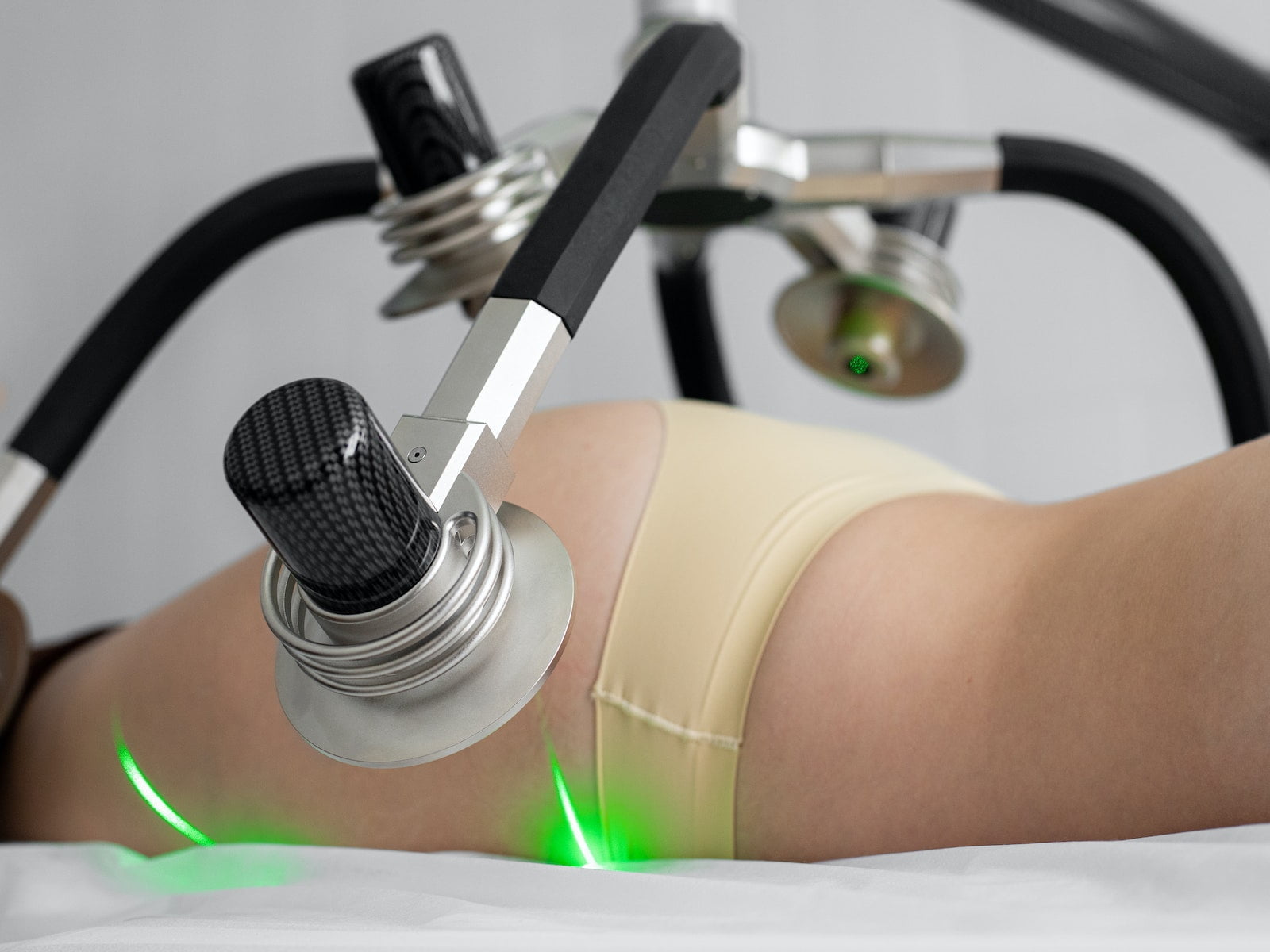
Breast augmentation surgery, also known as augmentation mammoplasty, is a cosmetic procedure that involves placing implants to enhance the size and shape of the breasts. If you’re considering this surgery, it’s important to understand what to expect before, during, and after the procedure.

Before the surgery, you’ll have a consultation with your surgeon to discuss your goals and expectations. Your surgeon will examine your breasts and make recommendations on the best implant size and type for you. You’ll also discuss the incision location and placement of the implant.

On the day of the surgery, you’ll be given general anesthesia, and the procedure will typically take around one to two hours. The surgeon will make an incision in the designated location, and then create a pocket for the implant. The implant will then be inserted into the pocket, and the incision will be closed with sutures.

After the surgery, you’ll need to take it easy for a few days and avoid any strenuous activity. You’ll need to wear a surgical bra or compression garment to help support your breasts during the healing process. You may experience some pain, swelling, and bruising, but these symptoms should subside within a few weeks.

It’s important to follow your surgeon’s post-operative instructions to ensure proper healing and to minimize the risk of complications. You’ll need to attend follow-up appointments with your surgeon to monitor your healing progress and to address any concerns or questions you may have.

While breast augmentation surgery can provide significant enhancements to your appearance, it’s important to carefully consider the risks and benefits before making a decision. It’s important to choose a qualified and experienced surgeon, and to have realistic expectations about the outcome of the procedure.

Body Contouring

Body Contouring: Reshaping Your Figure for a Feminine Appearance

Body contouring is a popular option for individuals seeking a more feminine appearance. This type of surgery involves reshaping the body to create a more proportionate, hourglass figure. There are a variety of procedures that fall under the umbrella of body contouring, each targeting specific areas of the body to enhance its curves.

One of the most common body contouring procedures is liposuction. This procedure removes excess fat from the body, creating a smoother, more streamlined silhouette. Liposuction can be performed on multiple areas of the body, including the abdomen, hips, thighs, and buttocks.

Another popular body contouring procedure is a Brazilian Butt Lift (BBL). This procedure involves taking fat from other areas of the body through liposuction and injecting it into the buttocks to enhance their shape and size. BBLs can help create a more curvaceous figure and improve the overall balance and proportion of the body.

Breast augmentation is also considered a form of body contouring. This procedure involves inserting implants to increase the size and improve the shape of the breasts. Breast augmentation can be customized to achieve a range of results, from a subtle enhancement to a more dramatic transformation.

While body contouring procedures can be highly effective in achieving a more feminine appearance, it’s important to carefully consider the potential risks and benefits before making a decision. As with any surgery, there are risks of complications such as infection, bleeding, and scarring. Additionally, body contouring procedures can be costly and may require a significant recovery period.

It’s important to have a clear understanding of what to expect before, during, and after body contouring surgery. Your surgeon will provide detailed instructions on how to prepare for the procedure and what to expect during recovery. With proper planning and care, body contouring can be a transformative experience, helping you achieve the feminine figure you desire.

Finding the Right Surgeon: Key Factors to Consider

When it comes to body feminization surgery, choosing the right surgeon is crucial. You want to make sure you select someone who has experience in the specific procedures you want to undergo and who has a good reputation in the field.

Here are some key factors to consider when finding the right surgeon for your body feminization surgery:

Experience: Look for a surgeon who has a lot of experience in the specific procedures you are interested in. You can often find this information on the surgeon’s website or by asking during a consultation.

Credentials: Check to make sure the surgeon is board-certified in plastic surgery. This ensures that they have undergone rigorous training and are held to high standards.

Before-and-after photos: Look at the surgeon’s before-and-after photos to get an idea of their results. This can give you an idea of what you can expect from the surgeon’s work.

Consultation: Schedule a consultation with the surgeon to discuss your goals and ask any questions you may have. This will give you an idea of the surgeon’s communication style and whether they are a good fit for you.

Reviews: Read online reviews from other patients to get an idea of their experiences with the surgeon. This can help you gauge the surgeon’s reputation and bedside manner.

Keep in mind that finding the right surgeon takes time and research. Don’t rush into a decision and make sure you feel comfortable with your chosen surgeon before moving forward with any procedures.

Why should you choose Dr. MFO?

Choosing a surgeon for your body feminization surgery is a critical decision that can significantly affect your results and overall experience. Dr. MFO is a highly qualified and experienced surgeon who has dedicated her career to helping individuals achieve their desired appearance.

Here are some of the reasons why Dr. MFO may be the right choice for you:

Expertise and Experience: Dr. MFO has extensive experience in body feminization surgeries, including breast augmentation, body contouring, and facial feminization. She has performed hundreds of successful procedures and is highly skilled in her craft.

Personalized Care: Dr. MFO understands that every patient has unique goals and concerns. She takes the time to listen to her patients and develops customized treatment plans to meet their individual needs.

State-of-the-Art Facilities: Dr. MFO operates in a modern, accredited surgical facility equipped with the latest technology and equipment. This ensures that her patients receive the highest level of care and safety during their procedures.

Compassionate and Supportive Staff: Dr. MFO’s team is dedicated to providing a supportive and caring environment for her patients. They are always available to answer questions and address any concerns throughout the entire process.

Positive Reviews and Results: Dr. MFO has a strong reputation in the community and has received many positive reviews from her satisfied patients. She takes great pride in helping her patients achieve their desired results and has a proven track record of success.

Choosing the right surgeon is crucial for achieving your body feminization goals. If you are looking for a highly skilled and compassionate surgeon who prioritizes your unique needs, Dr. MFO may be the right choice for you.

The Surgical Process: What Happens Before, During, and After Body Feminization Surgery

Body feminization surgery is a complex and intricate process that involves several stages, each with its own unique set of procedures and considerations. If you’re considering undergoing this surgery, it’s important to understand what you can expect from the surgical process.

Before the surgery, you will have a consultation with your surgeon. During this consultation, your surgeon will review your medical history, assess your current physical condition, and discuss your goals and expectations for the surgery. You will also have the opportunity to ask any questions you may have and discuss any concerns you may be experiencing.

Once you’ve decided to proceed with the surgery, you’ll need to prepare for the procedure. This may involve making lifestyle changes, such as quitting smoking or adjusting your diet and exercise routine, to ensure that you are in optimal physical condition before the surgery.

On the day of the surgery, you will be given anesthesia to ensure that you are comfortable and pain-free during the procedure. The length of the surgery will depend on the specific procedures you are having done, but it typically lasts several hours.

After the surgery, you will be taken to a recovery area, where you will be monitored closely by medical professionals. You may experience some discomfort or pain, but this can typically be managed with pain medication. You will also be given detailed instructions on how to care for your surgical site and any drains or dressings that may be in place.

Recovery from body feminization surgery can take several weeks, and you will need to follow a strict post-operative care plan to ensure that you heal properly. This may involve avoiding certain activities, wearing compression garments, and attending follow-up appointments with your surgeon to monitor your progress and ensure that you are healing properly.

Overall, body feminization surgery is a complex and involved process that requires careful consideration and preparation. By understanding what to expect from the surgical process, you can make an informed decision about whether this surgery is right for you and prepare yourself for the journey ahead.

Recovery and Aftercare: Tips for a Safe and Successful Healing Process

After undergoing body feminization surgery, it is important to prioritize your recovery and aftercare. Following your surgeon’s instructions carefully and taking the necessary precautions can help ensure a safe and successful healing process.

During the recovery period, you may experience discomfort, swelling, and bruising, but these symptoms should gradually improve over time. It is important to avoid strenuous activities and heavy lifting for several weeks to avoid complications.

Your surgeon will provide you with specific instructions on how to care for your incision sites, including keeping them clean and dry. You may also be prescribed pain medication and antibiotics to prevent infection.

It is crucial to attend all follow-up appointments with your surgeon to monitor your progress and address any concerns. As you continue to heal, it is important to maintain a healthy diet and avoid smoking, as these factors can impact your recovery.

Remember, every person’s recovery process is unique, and it is important to listen to your body and take the necessary time to heal. With proper aftercare, you can achieve a safe and successful outcome from your body feminization surgery.

Body Feminization Surgery Costs: Understanding the Financial Aspects

Body feminization surgery is a significant investment in your physical appearance and overall well-being. The cost of surgery can vary depending on various factors such as the surgeon’s experience, the location of the clinic, the type of procedure, and the complexity of the case.

During your consultation with a surgeon, you will receive a detailed breakdown of the costs involved in your specific case. Generally, body feminization surgery costs can include surgical fees, anesthesia fees, facility fees, and pre- and post-operative care costs.

It is essential to keep in mind that while the cost of surgery may seem high, opting for a less expensive surgeon may result in lower quality results or an increased risk of complications. Thus, it is crucial to choose a board-certified surgeon with extensive experience in body feminization surgery.

If you are concerned about financing your surgery, many clinics offer financing options, such as payment plans or medical credit cards. It is important to do your research and compare financing options to find the one that works best for you.

Overall, while the financial aspect of body feminization surgery is an important consideration, it should not be the only factor in your decision. The most important aspect of the decision to undergo body feminization surgery should be your physical and emotional well-being, and the potential for a significant improvement in your quality of life.

Combining Body Feminization Surgeries: Maximizing Results and Minimizing Risk

For individuals who are considering multiple body feminization surgeries, it is important to understand the benefits and potential risks of combining procedures. While combining surgeries can result in a more comprehensive and aesthetically pleasing outcome, it also poses an increased risk for complications during and after the procedure.

One of the primary benefits of combining surgeries is the ability to maximize results in a shorter amount of time. Rather than undergoing separate procedures with individual recovery periods, patients can combine surgeries to achieve their desired feminine physique in one operation. This can be especially beneficial for individuals who have limited time off work or who live far away from the surgical center.

Another benefit of combining surgeries is cost-effectiveness. By undergoing multiple procedures in one operation, patients can save on facility and anesthesia fees, as well as other associated costs. This can be especially advantageous for those who are on a budget or who are looking to save money on the overall cost of their body feminization surgeries.

However, it is important to note that combining surgeries can also increase the risk of complications during and after the procedure. This is because the body is subjected to longer periods of anesthesia and a more extensive surgical process, which can increase the risk of bleeding, infection, and other complications.

Before deciding to combine body feminization surgeries, it is crucial to consult with a qualified surgeon who can assess your individual case and recommend the best approach for your specific goals and health status. Your surgeon will consider factors such as your age, medical history, and the extent of the surgeries you are considering to ensure a safe and successful outcome.

In summary, combining body feminization surgeries can provide numerous benefits for individuals seeking a more comprehensive and efficient way to achieve their desired feminine physique. However, it is important to weigh the potential risks and benefits before making a decision, and to choose a qualified surgeon who can guide you through the process and help you achieve your goals safely and successfully.

Facial Feminization Surgery

Facial Feminization Surgery: Enhancing Your Feminine Features

Facial Feminization Surgery (FFS) is a set of surgical procedures designed to enhance feminine features in the face. FFS can include procedures such as rhinoplasty, brow lift, chin and jaw contouring, and lip augmentation.

The goal of FFS is to create a more feminine appearance that aligns with the patient’s gender identity. For transgender women or gender non-conforming individuals, FFS can be an important step in the process of achieving a more feminine appearance.

FFS is typically performed by a board-certified plastic surgeon who specializes in facial surgery. The procedure can be done on an outpatient basis, meaning that the patient can go home the same day as the surgery.

Recovery time for FFS can vary depending on the extent of the procedures performed. Patients should expect to experience swelling and bruising for several weeks following surgery. It is important to follow all post-operative care instructions provided by the surgeon to ensure a safe and successful healing process.

If you are considering FFS, it is important to consult with a qualified surgeon who can help you understand the procedures involved, the expected outcomes, and any potential risks or complications.

Before and After: Realistic Expectations and Results of Body Feminization Surgery

Body feminization surgery is a life-changing procedure that can help you achieve the feminine physique you desire. However, it’s important to have realistic expectations and understand the potential results before deciding to undergo surgery.

Before the surgery, your surgeon will work with you to determine your goals and create a personalized treatment plan. This may involve a combination of procedures, such as breast augmentation, liposuction, and body contouring.

During the surgery, you will be under general anesthesia, and your surgeon will make incisions to access the targeted areas. The length of the surgery will depend on the procedures being performed, but typically ranges from 3 to 8 hours.

After the surgery, you will experience some discomfort, swelling, and bruising. You will need to take some time off work to rest and recover. You will also need to avoid strenuous activities and follow your surgeon’s instructions for proper aftercare.

It’s important to understand that the results of body feminization surgery may not be immediate and may require several months to fully develop. It’s also important to have realistic expectations about what the surgery can achieve. Your surgeon will discuss the potential risks and benefits of the procedure with you and help you make an informed decision.

At the end of the day, body feminization surgery can be a transformative experience that can help you achieve your desired appearance and boost your confidence. By understanding the process and having realistic expectations, you can ensure a successful outcome and enjoy the benefits of a more feminine physique.

FAQ About Body Feminization Surgery

Body feminization surgery, also known as gender confirmation surgery, is a set of procedures designed to reshape the body to align with a person’s gender identity. It can include various surgeries such as breast augmentation, liposuction, and buttock augmentation.

Good candidates for body feminization surgery are individuals who are transgender or non-binary and are seeking to align their physical appearance with their gender identity. It’s important to have a consultation with a qualified surgeon to determine if you are a good candidate.

The recovery time can vary depending on the type of surgery performed. It can take anywhere from a few weeks to a few months for a full recovery. It’s important to follow all post-operative instructions provided by your surgeon to ensure a safe and successful recovery.

Like any surgery, there are potential risks associated with body feminization surgery, such as bleeding, infection, and complications with anesthesia. It’s important to discuss these risks with your surgeon before undergoing any procedures.

The cost of body feminization surgery can vary depending on the type of procedures performed and the surgeon’s fees. It’s important to discuss the costs and any financing options with your surgeon during your consultation.

Insurance coverage for body feminization surgery varies by provider and plan. Some insurance companies may cover some or all of the costs, while others may not. It’s important to check with your insurance provider to see if they offer coverage for gender confirmation surgeries.

It’s important to find a surgeon who is experienced and specialized in gender confirmation surgeries. You can start by researching surgeons in your area and reading reviews from past patients. It’s also important to have a consultation with the surgeon to discuss your goals and ensure they are a good fit for you.

Penis Enlargement Surgery

penis enlargement surgery

Are you tired of feeling self-conscious about the size of your penis? Do you find yourself avoiding sexual encounters or feeling insecure in the bedroom? If so, you’re not alone. Many men struggle with feelings of inadequacy when it comes to their manhood. Fortunately, there is a solution: penis enlargement surgery.

Penis enlargement surgery, also known as phalloplasty, is a medical procedure that can increase the length and girth of your penis. But what exactly does this surgery involve, and what are the benefits? In this article, we’ll explore the world of penis enlargement surgery and show you why it might be just what you need to take your sex life to the next level.

What is Penis Enlargement Surgery?

Penis enlargement surgery is a surgical procedure that can increase the length and girth of the penis. The most common method is to cut the suspensory ligament that connects the penis to the pubic bone, allowing the penis to hang lower and appear longer. The surgery can also involve injecting fat cells into the penis to increase girth, or using a tissue graft to add length.

  1. Improved Self-Confidence

The most obvious benefit of penis enlargement surgery is increased self-confidence. Men who feel self-conscious about the size of their penis often avoid sexual encounters or feel insecure in the bedroom. But after penis enlargement surgery, many men report feeling more confident and self-assured in their sexual abilities.

  1. Better Sexual Performance

Penis enlargement surgery can also improve sexual performance. With a longer and thicker penis, men can penetrate deeper and stimulate their partners more effectively. This can lead to more intense orgasms and greater sexual satisfaction for both partners.

  1. Enhanced Sensitivity

Another benefit of penis enlargement surgery is enhanced sensitivity. The surgery can remove excess skin from the penis, exposing more nerve endings and increasing sensitivity. This can lead to more intense and pleasurable sexual experiences.

  1. Increased Stamina

Penis enlargement surgery can also increase stamina. With a larger penis, men can maintain an erection for longer periods of time, allowing them to engage in more prolonged and satisfying sexual encounters.

  1. Better Body Image

In addition to improving sexual performance, penis enlargement surgery can also improve body image. Men who feel insecure about the size of their penis often suffer from poor body image and self-esteem. But after surgery, many men report feeling more confident and satisfied with their bodies.

  1. Long-Term Results

Penis enlargement surgery provides long-term results. Unlike other methods of penis enlargement, such as pumps or pills, surgery provides permanent results that don’t require ongoing maintenance or use.

  1. Improved Relationships

Finally, penis enlargement surgery can improve relationships. With increased confidence and sexual performance, men can enjoy more satisfying and fulfilling relationships with their partners.

Penile Extension Surgery

The Cost of Penile Extension Surgery by Country

The cost of penile extension surgery varies significantly depending on where you live. In the United States, for instance, the average cost is around $15,000, while in the UK, it’s around £8,000. However, if you’re looking for a more affordable option, you might consider going to Turkey, where the cost is as low as $3,000. In Colombia, the procedure costs around $6,000, while in Brazil, it’s around $9,000.

It’s important to do your research and choose a reputable surgeon with a good track record, regardless of where you decide to have the procedure done. You don’t want to end up with complications or unsatisfactory results.

Why is Turkey a successful and affordable country in penis lengthening surgeries?

Penis lengthening surgery is a procedure that has become increasingly popular over the years. Many men are dissatisfied with the size of their genitalia, and for some, it can have a significant impact on their confidence and self-esteem. However, the cost of this surgery can be quite high, and not all countries offer the same quality of service. In this article, we’ll be exploring why Turkey is the go-to destination for affordable and successful penis lengthening surgeries.

Turkey is Home to Skilled and Experienced Surgeons

Turkey has a long-standing tradition of plastic surgery, and this expertise has extended to penis lengthening surgery. The country has some of the most skilled and experienced surgeons in the world, with many having trained and worked in the US and Europe.

Cutting-Edge Technology

Turkey has invested heavily in medical technology, with many hospitals and clinics equipped with the latest state-of-the-art equipment. This technology is used to ensure that the procedures are as safe and effective as possible, leading to an overall high success rate.

Affordable Prices

Compared to other countries, Turkey offers a significantly lower cost for penis lengthening surgery. This has made it an attractive destination for those seeking affordable options without compromising on the quality of service.

High-Quality Facilities

Many of the hospitals and clinics in Turkey are modern, well-equipped, and offer high-quality facilities. Patients can expect comfortable and clean surroundings, with highly trained medical staff available to provide round-the-clock care.

Anonymity and Privacy

Many men feel embarrassed or ashamed to discuss penis lengthening surgery with their friends and family. Turkey offers a level of anonymity and privacy that can be hard to find elsewhere. Patients can undergo the procedure without fear of being judged or stigmatized.

Touristic Destination

Turkey is a beautiful country, and many patients choose to combine their surgery with a holiday. The country offers a diverse range of attractions, from ancient ruins to stunning beaches and bustling cities. This has made it an increasingly popular destination for medical tourism.

The Latest Techniques and Procedures

Turkey is at the forefront of medical innovation, with many surgeons developing new techniques and procedures to enhance the effectiveness of penis lengthening surgery. Patients can expect to benefit from the latest and most effective methods available.

penile lengthening surgery

Surgeon selection in turkey for penis enlargement surgery

It has been observed that Turkey has gained momentum in the field of medicine in recent years and has made a great difference in surgical experience compared to many countries. He has made a name for himself in the world by performing many successful and important surgeries that entered the medical literature with his famous surgeons. So which surgeon should you choose for penis enlargement surgery in Turkey? There are many successful surgeons specializing in this field. One of them is Dr. Mehmet Fatih Okyay aka Dr. MFO.


Why should you choose Dr Mehmet Fatih Okyay for penile lengthening surgery in Turkey?

Dr. Mehmet Fatih Okyay, MD, FEBOPRAS is a highly qualified plastic, reconstructive, and aesthetic surgeon with 10 years of experience in the field. He is a Fellow of the European Board of Plastic, Reconstructive, and Aesthetic Surgeons (FEBOPRAS) and the Turkish Board of Plastic, Reconstructive, and Aesthetic Surgeons, having completed his residency at Istanbul University, Cerrahpaşa Faculty of Medicine.

Dr. Okyay is the owner and founder of Dr. MFO Clinic, which he established in June 2021. He has a particular interest in various surgeries, including facelift, nose aesthetics, facial feminization surgeries in facial aesthetics, tummy tuck, liposuction, body shaping in body aesthetic surgery, and breast aesthetic surgeries.

Dr. Okyay is a permanent member of the International Society of Aesthetic Surgeons (ISAPS), the Turkish Plastic Surgery Association (TSPRAS), and the Turkish Aesthetic Plastic Surgery Association (TSAPS). He is an accomplished author and has published research articles in well-respected medical journals, including Aesthetic Plastic Surgery.

Dr. Okyay has attended and participated in numerous scientific meetings, including the International Congress of the European Federation of Societies for Microsurgery and the Turkish Society of Plastic, Reconstructive & Aesthetic Surgery National Congress. He has been a speaker at various conferences and serves on the organizing committee of Istanbul University, Cerrahpaşa Medical Faculty Plastic, Reconstructive, and Aesthetic Surgery symposiums.

Dr. Okyay’s surgical practice is dedicated to providing safe, effective, and high-quality care to his patients. He is fluent in academic degree English, intermediate-level French, and fluent level Spanish. In his personal life, Dr. Okyay is a talented songwriter and poet who plays classical guitar, ney, and electric guitar. He is married and has two children.

Given Dr. Okyay’s extensive training and experience in plastic, reconstructive, and aesthetic surgery, along with his dedication to providing quality care to his patients, he is an excellent choice for anyone considering penis lengthening surgery. His expertise in this field will ensure that patients receive the best possible care and achieve the desired results.

FAQ about Penis Enlargement Surgery

Penis enlargement surgery, or phalloplasty, is a procedure to increase the size of the penis. Different techniques can be used, such as fat grafting or silicone implants. The surgery involves making incisions and inserting the material. It takes several hours and is done under general anesthesia.

Men with micropenis or significant distress related to penis size may be good candidates. Patients undergo a thorough evaluation to determine candidacy based on health, medical history, and penis size/shape.

Complications may include infection, bleeding, scarring, and pain. The surgery can lead to decreased sensation/function or an asymmetrical appearance. Implant rupture or displacement is also possible.

Recovery varies, but swelling and bruising can last several weeks. Pain medication may be prescribed. Sexual activity and exercise should be avoided for at least 4-6 weeks. The surgeon will provide specific instructions for post-operative care.

Free Consultation

Get a free consultation now or visit Dr.MFO’s instagram for see more successfully plastic surgery results

Transform Your Look with Rhinoplasty in Turkey: Experience a New You!

Rhinoplasty in Turkey

A popular choice today is rhinoplasty in Turkey. Are you looking for a safe, economical and effective way to enhance your facial features? If so, you are in the right place! Rhinoplasty in Turkey offers the perfect solution to improve the shape and size of your nose to match your facial features. The procedure is designed to provide a natural-looking, beautiful nose that boosts your self-confidence and transforms your appearance. In this blog, we will take a closer look at rhinoplasty in Turkey and why it is an excellent choice for your rhinoplasty. So keep reading to discover more!


nose job turkey

Is Turkey Good for Rhinoplasty?

Rhinoplasty, commonly referred to as a nose job, is a popular cosmetic surgery that involves reshaping the nose to improve its appearance or functionality. While there are many countries that offer rhinoplasty services, Turkey has emerged as a leading destination for people seeking high-quality and affordable nose jobs. In this article, we will explore the reasons why Turkey is considered a good choice for rhinoplasty, as well as the benefits and risks of getting a nose job in this country.

Why is rhinoplasty so popular in Turkey?

Turkey has become a popular destination for medical tourism in recent years, thanks to its high-quality healthcare services and affordable prices. Rhinoplasty is one of the most sought-after cosmetic procedures in Turkey, with thousands of people from around the world traveling to the country to get their noses reshaped. The popularity of rhinoplasty in Turkey can be attributed to several factors, including the country’s skilled surgeons, modern facilities, and competitive prices.

best rhinoplasty surgeon in turkey

Skilled Surgeons

One of the primary reasons why Turkey is considered a good choice for rhinoplasty is the skill of its surgeons. Turkish plastic surgeons are highly trained and experienced, with many of them having completed their education and training in Europe or the United States. They are known for their expertise in rhinoplasty and their ability to deliver natural-looking results that are tailored to each patient’s individual needs.

Modern Facilities

Another reason why Turkey is a good choice for rhinoplasty is the modern facilities that are available in the country. Many of the top hospitals and clinics in Turkey are equipped with state-of-the-art technology and equipment, which allows surgeons to perform rhinoplasty procedures with a high degree of precision and accuracy. In addition, many of these facilities are located in popular tourist destinations, such as Istanbul and Antalya, which means that patients can enjoy a comfortable and relaxing recovery period after their surgery.

Competitive Prices

The cost of rhinoplasty in Turkey is significantly lower than in many other countries, making it an attractive option for people who are looking for high-quality care at an affordable price. The lower cost of rhinoplasty in Turkey is due to several factors, including the lower cost of living in the country, the availability of skilled and experienced surgeons, and the competition among clinics and hospitals.

Benefits of Getting Rhinoplasty in Turkey

There are several benefits of getting rhinoplasty in Turkey, including:

Affordable prices
High-quality care
Skilled and experienced surgeons
Modern facilities
Comfortable and relaxing recovery period
Opportunity to travel and explore the country
Risks of Getting Rhinoplasty in Turkey

Factors that affect the cost of a nose job in Turkey

The cost of a nose job in Turkey can vary depending on several factors, including the complexity of the procedure, the experience of the surgeon, the location of the clinic, and the type of anesthesia used. In addition, the cost may also include fees for consultations, follow-up appointments, and any necessary medications.

How much does a nose job cost in Turkey?

While the cost of a nose job in Turkey can vary depending on the factors mentioned above, the average cost is generally lower compared to other countries. According to a survey by the International Society of Aesthetic Plastic Surgery, the average cost of a nose job in Turkey is around $2,500 to $3,500, while the same procedure in the United States can cost upwards of $10,000.

How to choose a reputable clinic for your nose job

When considering a nose job in Turkey, it’s essential to choose a reputable clinic with experienced and qualified surgeons. Research the clinic’s reputation online, read reviews from previous patients, and ask for before and after photos of previous procedures. Additionally, make sure the clinic is accredited by a recognized medical organization.

Conclusion

In conclusion, Turkey is a good choice for rhinoplasty due to its skilled surgeons, modern facilities, and affordable prices. Patients who choose to undergo rhinoplasty in Turkey can enjoy high-quality care and a comfortable recovery period, as well as the opportunity to travel and explore this beautiful country. 

FAQ

Nose jobs, also known as rhinoplasty, are a popular cosmetic surgery procedure in Turkey. The cost of a nose job in Turkey varies depending on several factors such as the surgeon’s experience, the location of the clinic, and the complexity of the surgery. On average, the cost of a nose job in Turkey ranges from $2,000 to $5,000, which is significantly lower than the cost in many other countries. However, it’s important to keep in mind that the price shouldn’t be the only factor when choosing a surgeon. It’s crucial to research the surgeon’s qualifications, reviews, and before-and-after photos to ensure the best possible outcome.

There are several reasons why Americans go to Turkey for surgery. Firstly, the cost of medical treatment in Turkey is significantly lower than in the US, making it an affordable option for those without health insurance or with high deductibles. Additionally, Turkish hospitals and clinics are equipped with modern technology and staffed with highly trained medical professionals, ensuring quality care for patients. Furthermore, Turkey has a thriving medical tourism industry, with many facilities catering specifically to international patients, providing them with personalized care and services to make their experience comfortable and stress-free. Finally, Turkey’s geographical location makes it easily accessible from Europe, Asia, and the Middle East, making it a convenient option for those seeking medical treatment abroad.

Turkey is famous for a variety of medical procedures, but one type of surgery that stands out is hair transplantation. This procedure has become increasingly popular in Turkey due to its affordable prices, high-quality facilities, and skilled surgeons. Turkish clinics use the latest technologies and techniques to provide successful hair transplant surgeries, which has led to an influx of medical tourists seeking to improve their appearance. So if you’re looking to restore your hairline or increase hair density, Turkey might be the place to go for a hair transplant surgery.Apart from this, facial feminization surgery, forehead reduction surgery, penis enlargement surgery, tummy tuck surgery, rhinoplasty surgery, breast lift surgery and many other surgeries are very affordable and popular in Turkey.

After getting a nose job in Turkey, it’s recommended that you stay for at least one to two weeks to allow for proper recovery and follow-up appointments with your surgeon. This will give you enough time to manage any discomfort or swelling, as well as have your nasal dressings removed. Plus, it’s a great excuse to explore Turkey’s rich cultural and historical attractions while you heal. So, take a deep breath and plan for a little extra time in this beautiful country to ensure your nose job is a success!

Check out our references on official Dr. MFO ‘s instagram address. Be sure to ask for a quote before you have the surgery. Decide on surgery not only by price, but by the quality of previous reference works.

Hair Transplantation: A Natural and Permanent Solution for Thinning and Baldness

Hair Transplantation

Hair loss or hair thinning is a common problem that affects a significant proportion of the population. For those who suffer from this condition, hair transplantation is a natural and permanent solution. This microsurgical procedure involves transferring healthy hair follicles from areas with active hair growth to areas where baldness or thinning has occurred.

What is Hair Transplantation?

Hair transplantation is a microsurgical method of adding the patient’s own healthy hair to areas where the hair follicle is no longer active. The process involves collecting hair follicles that are resistant to shedding from the nape area of the patient and transplanting them into the thinning or completely shedding parts of the scalp.

The aim of the procedure is to restore a permanent and natural-looking head of hair, without obvious signs of transplantation. The operation is planned and applied individually for each patient, and is considered a minor surgical procedure. For optimal safety and results, it is recommended to have the procedure done in a hospital environment by experienced and specialized doctors and their teams.

Hair Transplantation center

Who is a Good Candidate for Hair Transplantation?

Hair transplantation is the most commonly applied cosmetic surgery for men, as almost 50 percent of men over the age of 50 are faced with the problem of hair loss. However, women may also experience hair loss or thinning. Hair loss can be caused by a variety of factors, including genetic coding, advancing age, traumatic injuries, or medical disorders.

After being diagnosed by a medical professional, hair transplantation can be successfully applied to individuals who have sufficient healthy hair follicles in the donor area. The transplantation method can be applied not only to the scalp, but also to other areas of the body such as eyebrows, mustache or beard.

Why does hair loss occur?

Hair loss can have various causes, including genetic factors, aging, traumatic injuries, and medical conditions. Once diagnosed by a medical professional, hair transplantation can be a successful treatment option for individuals with sufficient hair follicles in the donor area.

The transplantation method can effectively restore hair not only on the scalp but also in other areas of the body such as eyebrows, mustache, or beard.

How is Hair Transplantation Performed?

Hair transplantation is a surgical procedure that involves transplanting hair follicles from the nape or other parts of the body to the targeted bald area. These hair follicles, known as grafts, are taken from areas of the body that contain hair and are genetically resistant to balding.

If there is not enough healthy hair in the neck or temple area, hair follicles can be taken from other parts of the body, such as the arms or chest wall.

The procedure typically takes a few hours to complete, depending on the amount of hair loss. If the balding area is large, multiple sessions may be necessary to achieve desired results.

The procedure is generally performed under local anesthesia with sedation, and after the surgery, a special bandage is applied to the head. Pain relief is managed with painkillers, although it is rare for patients to experience significant pain after the procedure.

After three days of rest at home, most patients are able to return to work with their head covered. The first dressing is typically done on the fifth day after surgery.

If you are considering hair transplantation, it is important to consult with a qualified and experienced surgeon who can evaluate your individual needs and goals.

What methods are used for hair transplantation?

In hair transplant procedures, methods that leave no scars such as FUE, or methods that may leave a slight scar on the nape of the neck are successfully applied. In the FUE method, hair follicles are individually taken and transplanted to the areas that are missing hair, while in the FUT method, a strip of skin containing hair from the back of the head is removed. The person who will undergo a hair transplant must have healthy hair on the back and sides of their head to be used as donor areas. Other factors such as hair color, texture, waviness, and density also affect the outcome of the procedure.

Which method to choose is decided after a hair and scalp analysis, taking into account the individual’s priorities. Although the FUE method, which does not leave a scar, is mostly preferred, in some cases, the FUT method may also need to be applied. Hair transplantation can be applied not only for baldness but also to increase hair density in thinning areas.

What is the most important factor in hair transplantation?

Hair transplantation is a serious surgical procedure. To minimize the risks of hair transplantation, it should be performed in a hospital environment. It is crucial that it is performed by plastic surgeons who are well-educated and experienced in this field, to obtain the best results. For successful hair transplantation, the transplanted hair follicles need to be quickly vascularized or “held” in the area where they are placed during the operation. With the correct technique, the success rate of hair transplantation is quite high. For a natural appearance, it is essential to transplant the hair at the correct distance, angle, and density towards the bald areas.

Does the transplanted hair fall out after hair transplantation?

The transplanted hair typically falls out within a few weeks after the hair transplant process, which is a normal occurrence. However, the shed hair will grow back after 3-4 months, and the transplanted hair follicles will preserve their character and not fall out. It’s worth noting that the original hair in the same area may continue to shed over time, and a new hair transplant may be necessary depending on the decrease in hair density. Post-surgery hair loss may continue progressively, especially if an unnatural appearance occurs in the new hairline area, which may require additional surgical intervention in the future.

To whom can hair transplantation be applied?

Hair transplantation operations can be performed on individuals of all ages who have experienced hair loss for various reasons, including men and women aged 19-20, as long as they don’t have a physiological disease that prevents hair transplantation and have enough follicles in the donor area.

Am I a suitable candidate for hair transplantation?

  1. If you have completed your physical development,
  2. If you do not have a physiological disease that prevents hair transplantation,
  3. If there are enough and suitable hair follicles in the donor area on your head,
  4. If there is a suitable space in the area where the hair follicle will be transplanted, you are a suitable candidate for hair transplantation.
  5. Hair transplant operation is not only for male pattern hair loss; it is also successfully applied to local cavities, scars, burn scars, surgical sutures that may occur as a result of various diseases.
  6. Hair transplantation is also successfully applied in women. Considering the size of the bald area, especially in women, unshaven transplantation is also performed.
  7. You can have a preliminary interview with our doctor as soon as possible and have a hair analysis done.
  8. Your doctor will tell you what you should pay attention to after hair transplantation.

Hair Transplantation Clinic

Does the transplanted hair look natural?

In order for the transplanted hair to look natural, the operation must be performed by specialist doctors and professionals. In hair transplantation operations performed by experienced specialists in the right health institution, naturalness can be achieved at a level that will not be obvious. Our goal is to achieve maximum density in hair with Sapphire and DHI techniques that we apply in hair transplantation. An average person has 100 hairs per square centimeter, and with new techniques, we can fit 80 follicles, or hair strands, in 1 cm square. We strive to obtain the closest result to the patient’s desired appearance while taking the forehead line into consideration first.

Hair Transplantation Turkey

Is Turkey the leader in the hair transplant?

Want to get rid of thinning hair? Or are you looking for an effective way to deal with baldness? In any case, you may have considered hair transplantation as an effective option for you. Hair transplantation, sometimes also called hair restoration, is the procedure of using healthy hair follicles taken from another part of your head to transplant hair to areas with hair loss problem.

When it comes to hair transplantation, Turkey has become one of the leading players in the industry, with thousands of people opting for hair transplants here for good reasons. This article provides all the necessary information about hair loss treatments, hair transplantation, and restoration in Turkey.

Benefits of Hair Transplantation in Turkey

If you are considering hair transplant in Turkey, here are some benefits you should know about:

Advanced Hair Transplant Techniques

Hair transplant surgeons in Turkey prefer to use techniques that minimize pain and discomfort during recovery. These techniques also do not cause visible scars and offer faster recovery time. With the use of advanced techniques, hair transplant surgery is now more precise and efficient, yielding more natural-looking results.

Cost-effective Procedures

Compared to the United States and Europe, hair transplant procedures in Turkey are quite cost-effective. In the US and Europe, hair transplant procedures can cost between $7,000 and $25,000. However, the cost of a hair transplant in Turkey ranges from $1,500 to $7,000, including accommodation and transportation costs. In general, hair transplantation in Turkey is much cheaper than in other European countries.

If you are looking for an affordable and high-quality hair transplant, Turkey is an excellent option to consider.

Best Hair Transplant Destination: Why Turkey Attracts Global Tourists

Turkey is a country of stunning beauty and rich culture that has been luring visitors for centuries. In recent years, it has become a top tourist destination not just for its amazing city attractions and holiday destinations, but also for its world-class hair transplant procedures. In this article, we will explore why Turkey has become such a popular location for hair transplantation and what makes it a premier destination for anyone considering this treatment.

World-class hair surgeons at your fingertips

Turkey has been a hotbed for hair transplantation for years, with some of the best hair surgeons in the world operating here. These skilled and experienced professionals have access to advanced treatment technologies and techniques, providing patients with outstanding results. Many of the hair transplant clinics in Turkey boast JCI-accredited facilities, meaning that they are recognized for their high level of quality care and service.

Short wait times for quality hair transplant treatment
Unlike many other countries that offer hair transplant procedures, you don’t have to wait months to receive treatment in Turkey. The country is home to a vast number of clinics, each with their own team of specialists ready to offer their services. As a result, patients can book an appointment and receive treatment much faster, without having to wait for months for an available slot.

Strategic location attracting global tourists

Turkey’s strategic location makes it a popular destination for hair transplant procedures, attracting patients from all over the world. Situated at the crossroads between Europe and Asia, Turkey is easily accessible from a range of countries, including the Middle East and North Africa. Patients from both continents visit Turkey for its hair transplant services, adding to its already thriving tourism industry.

Conclusion

Turkey’s combination of skilled hair surgeons, short wait times for treatment, and strategic location make it a premier destination for hair transplantation. With its reputation for providing high-quality care and service, it’s no wonder why so many patients choose to visit Turkey for their hair transplant procedures. If you’re considering a hair transplant, Turkey may be the perfect destination for you.


A New Look: Enhancing Your Eye Shape with Canthoplasty Surgery

canthoplasty surgery

What is Canthoplasty Suralmond eygery?

Understanding the Anatomy of the Eye

To understand canthopexy surgery, it is important to understand the anatomy of the eye. The outer corner of the eye, also known as the canthus, is where the upper and lower eyelids meet. The lateral canthus is the outer corner of the eye and is responsible for the shape and position of the eye.

During almond eye surgery, the plastic surgeon will make an incision at the lateral canthus to modify the shape and position of the eye. By tightening or loosening the surrounding tissues, the surgeon can improve the appearance of the eye and create a more desirable shape.

Understanding the anatomy of the eye is crucial to achieving successful canthoplasty surgery results. Dr. MFO, an experienced and talented surgeon who has extensive knowledge of the anatomy of the eye and will work with you to achieve your desired results is one of the most preferred and reliable plastic surgeons in Turkey.

Dr. MFO, is an expert at Canthoplasty and has carried out countless Canthoplasty surgeries with great success. For consultation and more info, you can contact us at +90 552 800 33 22

Canthoplasty

Different Types of Canthoplasty Procedures

Canthopexy surgery is a versatile procedure that can be customized to meet the unique needs of each patient. There are several types of almond eye procedures that a plastic surgeon may recommend, depending on the patient’s goals and anatomy.

The lateral canthoplasty procedure is the most common type of canthopexy surgery. It involves tightening the lateral canthus to create a more alert and youthful appearance.

The medial canthoplasty procedure is less common and involves modifying the inner corner of the eye. This procedure can correct a drooping or turned-in eyelid and improve the overall symmetry of the eye.

A canthopexy procedure is similar to a cat eyes surgery but does not involve making any incisions. Instead, the surgeon will tighten the surrounding tissues to lift the outer corner of the eye and create a more desirable shape.

Preparing for cat eyes Surgery

 Finding a Qualified Surgeon

Finding a qualified plastic surgeon is crucial to ensure a safe and successful canthoplasty surgery. Patients should research and choose a board-certified plastic surgeon who specializes in eyelid surgery and has extensive experience in canthopexy procedures.

Checking credentials, looking at before and after photos, reading reviews, and scheduling a consultation with the surgeon are essential steps to help patients feel comfortable with their choice of surgeon. Dr.MFO has the necessary credentials, experience, and skills to provide personalized care and achieve the desired results for each patient.

Consultation and Planning for Surgery

 During a canthoplasty consultation, the plastic surgeon will evaluate the patient’s eyes, discuss their goals and concerns, and create a customized treatment plan. The surgeon will explain the procedure, risks, and recovery process to the patient and answer any questions they may have.

The surgeon will also review the patient’s medical history and medications to ensure that they are a good candidate for surgery.

What to Expect on the Day of Surgery

 On the day of cat eyes surgery, the patient will arrive at the hospital and undergo a pre-operative evaluation. The surgeon will mark the incision sites, and anesthesia will be administered. The surgery typically takes 1-2 hours, depending on the complexity of the procedure.

After the surgery, the patient will be monitored in a recovery area before being discharged. The surgeon will provide instructions on post-operative care and follow-up appointments.

A woman is shown with her eyes closed, gently touching her eyebrows with her fingers. She appears to be demonstrating a procedure or technique related to eyebrow treatment or enhancement.

Recovery and Aftercare

Managing Pain and Discomfort

After almond eye surgery, patients can expect to experience some pain, swelling, and bruising. To manage pain and discomfort, the surgeon will typically prescribe pain medication and advise the patient to apply cold compresses to the affected area. It is essential to keep the head elevated and avoid strenuous activities for the first few days after surgery.

Following Postoperative Instructions

Following postoperative instructions is crucial for a successful canthopexy surgery outcome. Patients should avoid rubbing or touching the eyes, keep the head elevated, and apply cold compresses to reduce swelling and bruising.

It is essential to avoid strenuous activities for the first few days after surgery and gradually resume normal activities as advised by the surgeon.

Long-Term Results and Follow-Up Care

Canthoplasty surgery can provide long-term enhancement to the shape and appearance of the eyes. However, it is essential to maintain proper eye care and attend regular follow-up appointments with the surgeon to monitor the healing process and ensure the best possible results.

The surgeon will provide instructions on postoperative care, including how to manage any lingering pain or discomfort and when to resume normal activities.

Risks and Complications to Consider

As with any surgical procedure, there are risks and complications associated with cat eyes surgery. These can include infection, bleeding, scarring, asymmetry, and changes in eyelid position or shape. In rare cases, vision loss or damage to the eye can occur. To minimize the risk of complications, it is crucial to choose a qualified plastic surgeon and carefully follow all pre- and postoperative instructions.

Conclusion: Deciding if Canthoplasty Surgery is Right for You

Canthopexy surgery is a cosmetic procedure that can enhance the shape and appearance of the eyes. If you are considering fox eyes surgery, it is essential to consult with a qualified plastic surgeon and carefully consider the benefits and risks of the procedure.

Dr. MFO,our expert plastic surgeon provides personalized care and support to help patients achieve their desired results and minimize the risk of complications. He offers comprehensive consultations and planning, state-of-the-art surgical facilities, and ongoing care and monitoring to ensure patient satisfaction with their fox eyes surgery outcomes.

If you are interested in learning more about canthopexy surgery and whether it may be right for you, we invite you to contact us at +90 552 800 33 22 to schedule a consultation with Dr. MFO.