Guide to Genioplasty Surgery: Enhance Your Facial Features

Genioplasty
Discover how Genioplasty surgery can enhance your facial structure and boost your self-confidence. Learn about the procedure and benefits. Contact us to schedule a consultation.
Genioplasty Surgery

Understanding Genioplasty: What is it and How Does it Work?

What is Genioplasty?

Genioplasty, also known as chin surgery, is a cosmetic surgical procedure that improves the appearance of the chin by altering its shape, size, or position. The procedure aims to create a more harmonious facial structure by balancing the proportions of the chin with the rest of the face.

How Does Genioplasty Work?

During the surgery, the surgeon makes a small incision either inside the mouth or underneath the chin. Through this incision, the surgeon removes or repositions a portion of the chin bone to achieve the desired aesthetic effect. In some cases, a synthetic implant may be used to augment the chin.

Genioplasty is typically performed under general anesthesia and takes about one to two hours to complete. Patients can expect to experience swelling and bruising for a few days after the surgery.

Genioplasty can enhance the overall facial appearance and boost self-confidence. It is a safe and effective procedure that can help improve the balance and proportion of the chin, resulting in a more aesthetically pleasing and harmonious facial structure.

The Benefits and Risks of Genioplasty Surgery

Benefits of Genioplasty Surgery

Genioplasty surgery offers several benefits for individuals who are unhappy with the appearance of their chin. Here are some of the key advantages of this procedure:

Improves facial harmony: Genioplasty can improve the overall balance and proportion of the face by correcting a recessed or protruding chin. This can enhance the appearance of the entire face and create a more aesthetically pleasing look.

Enhances self-confidence: When individuals are unhappy with the appearance of their chin, it can affect their self-esteem and confidence. Genioplasty can help to boost self-confidence by giving patients a more attractive and balanced facial appearance.

Corrects structural issues: In some cases, a recessed or protruding chin can be more than just a cosmetic concern. It can cause structural issues such as problems with speech or difficulty breathing. Genioplasty can help to correct these issues and improve overall quality of life.

Permanent results: Unlike non-surgical treatments such as dermal fillers, genioplasty offers permanent results. Once the chin bone is reshaped or repositioned, the new structure is permanent.

Overall, genioplasty can provide significant improvements to the appearance and function of the chin. It can help patients achieve a more balanced and attractive facial structure, enhance their self-confidence, and correct structural issues.

Risks and Complications of Genioplasty Surgery

Genioplasty is generally a safe procedure, but as with any surgery, there are some risks and potential complications to consider. These may include infection, bleeding, nerve damage, scarring, and an adverse reaction to anesthesia. In rare cases, patients may experience numbness, asymmetry, or dissatisfaction with the results. It’s important to discuss potential risks and complications with a board-certified plastic surgeon and follow all pre- and post-operative instructions carefully to minimize the risk of complications.

What to Expect During Recovery from Genioplasty Surgery

Recovery from genioplasty surgery typically takes around four to six weeks. During this time, patients can expect to experience some swelling, bruising, and discomfort around the chin and jaw area. Here’s what patients can expect during the recovery period:

Pain management: Patients may experience discomfort and soreness around the chin and jaw area after the surgery. This can be managed with prescribed pain medication.

Swelling and bruising: Swelling and bruising around the chin and jaw area is normal after genioplasty surgery and can last for up to two weeks. Applying ice packs and keeping the head elevated can help reduce swelling.

Restricted activities: Patients should avoid strenuous activities for at least two weeks after surgery. This includes exercise, lifting heavy objects, and bending over.

Special diet: Patients will be given a special diet to follow for the first few weeks after surgery to promote healing and avoid complications.

Follow-up appointments: Patients will have several follow-up appointments with their plastic surgeon to monitor the healing process and ensure that the chin is healing properly.

It’s important for patients to follow all pre- and post-operative instructions carefully to ensure a smooth recovery and optimal results. While recovery from genioplasty can be uncomfortable, most patients are able to resume their normal activities within six weeks.

Choosing the Right Surgeon for Your Genioplasty Procedure

Choosing the right plastic surgeon is critical for a successful genioplasty procedure. Patients should look for a board-certified plastic surgeon who has experience and expertise in performing facial plastic surgery. They should also schedule a consultation to discuss their goals and concerns with the surgeon and ask to see before-and-after photos of previous patients. Additionally, patients should feel comfortable with the surgeon and their staff, and have a clear understanding of the risks and benefits of the procedure.

In Conclusion

In conclusion, genioplasty surgery is a safe and effective way to enhance the appearance and function of the chin. It can improve facial harmony, boost self-confidence, and correct structural issues. While the procedure does involve some risks and a recovery period, most patients are able to resume their normal activities within six weeks. Choosing the right plastic surgeon is essential for achieving optimal results and ensuring a smooth recovery. If you are considering genioplasty surgery, schedule a consultation with a board-certified plastic surgeon to discuss your goals and concerns and determine if this procedure is right for you.

Brow Lift: Enhancing Your Appearance Today

brow lift

What is a Brow Lift?

 A brow lift, also known as a forehead lift, is a cosmetic surgical procedure that helps improve the appearance of the forehead, eyebrows, and upper eyelids. The procedure involves removing excess skin, tightening muscles, and repositioning the brows to create a more youthful and refreshed look.

Understanding the Brow Lift Procedure

Brow lift surgery is performed for several reasons, but most commonly it is done to address signs of aging on the forehead and brow area. As we age, the skin loses elasticity and the forehead and eyebrows can begin to droop or sag, resulting in the appearance of wrinkles, lines, and a tired or angry expression.

A brow lift can help to lift and reposition the eyebrows to a more youthful position, smooth out wrinkles and creases on the forehead, and create a more alert and refreshed appearance. The procedure can also help to correct asymmetry or imbalance in the brow area and improve vision in cases where sagging skin is obstructing the field of vision.

Who is a Good Candidate for a Brow Lift?

A brow lift is a cosmetic procedure that is designed to help individuals achieve a more youthful, refreshed appearance by lifting the eyebrows and reducing the appearance of wrinkles and sagging skin on the forehead. The best candidates for a brow lift are individuals who are generally healthy and have realistic expectations for the outcome of the procedure.

The procedure is typically recommended for individuals who have sagging eyebrows, forehead wrinkles, and frown lines that have become more pronounced due to aging or other factors such as genetics, sun damage, or smoking. It is also an option for individuals who have deep horizontal creases on their forehead or vertical lines between their eyebrows.

Types of Brow Lift Procedures

 There are several techniques used in a brow lift procedure, including the traditional lift, endoscopic lift, and temporal lift. The traditional lift involves making an incision across the forehead, while the endoscopic lift involves making small incisions and using a tiny camera to guide the surgeon’s movements. The temporal lift focuses on the outer corners of the eyes and involves making incisions above the hairline.

brow lift surgery

Preparing for Your Brow Lift Surgery

 Preparing for a brow lift surgery involves several steps to ensure the best possible outcome and reduce the risk of complications. Prior to the surgery, patients should discuss their medical history and any medications they are taking with their surgeon.

Smoking should be avoided for a certain period of time before and after the surgery to promote proper healing. Patients may be advised to avoid certain medications that can increase the risk of bleeding, and to make arrangements for someone to drive them home after the surgery. Following the surgeon’s instructions carefully and having a positive attitude can help ensure a smooth and successful recovery.

Consultation with Your Surgeon

 Consulting with a qualified and experienced surgeon is an essential step in the process of getting a brow lift surgery. During the consultation, the surgeon will evaluate the patient’s medical history, skin type, and aesthetic goals to determine if they are a good candidate for the procedure. They will also discuss the different types of brow lift techniques and help the patient choose the one that is best suited to their needs.

Preparing for the Procedure

Preparing for a brow lift procedure involves several steps to ensure a safe and successful surgery. The surgeon will provide detailed instructions for preparing for the surgery, which may include avoiding certain medications, supplements, and herbal remedies that can increase the risk of bleeding.

Patients may also be advised to stop smoking and limit alcohol consumption for a certain period of time before and after the surgery to promote proper healing. It’s important to arrange for transportation to and from the surgical facility, as patients are typically not able to drive themselves home after the procedure.

What to Expect on the Day of Your Surgery

 On the day of the brow lift surgery, patients can expect to arrive at the surgical facility and check in with the staff. They will be given a gown to change into and may have an IV started to administer fluids and medications during the surgery.

The surgeon will meet with the patient prior to the surgery to go over any last-minute questions or concerns and to review the surgical plan. Once the patient is under anesthesia, the surgeon will make the necessary incisions and perform the brow lift procedure.

Recovery and Results

 The recovery period following a brow lift surgery typically lasts several weeks, during which time patients should avoid strenuous physical activity and follow the surgeon’s instructions for post-operative care. Patients may experience some discomfort, swelling, and bruising, which can be managed with pain medication and cold compresses.

The results of a brow lift surgery are typically visible immediately after the procedure, although it may take several weeks for swelling and bruising to subside and for the final results to become apparent. Patients can expect a smoother, more youthful appearance in the forehead and brow area, with a reduction in wrinkles and lines and an overall more refreshed and alert appearance.

Conclusion: Achieving a More Youthful, Rejuvenated Look with Brow Lift Surgery

 A brow lift surgery can be an effective way to achieve a more youthful and rejuvenated appearance by lifting and smoothing the forehead and brow area. By choosing a qualified and experienced surgeon and following the proper pre- and post-operative care instructions, patients can enjoy a safe and successful surgery with lasting results.

Whether seeking to reduce the appearance of wrinkles and lines, correct sagging or drooping in the forehead area, or simply achieve a more refreshed and alert appearance, brow lift surgery can provide a range of benefits for patients of all ages and backgrounds.

Visit our dr mfo instagram now to see the results of our most successful surgeries.

The Art of Enhancing Facial Features through Jawline Surgery

A woman with a well-defined jawline, likely showcasing the results of a cosmetic procedure.
Discover the art of enhancing your facial features through jawline surgery. Our hospital offers safe and effective procedures to achieve your desired look. Learn more now.

What is Jawline Surgery?

Jawline surgery, also known as orthognathic surgery, is a procedure that aims to correct skeletal abnormalities in the jaw and facial structure. This surgery can help improve the appearance and functionality of the jawline, correcting issues such as a receding chin or an overbite/underbite. During the procedure, the surgeon will make incisions in the mouth to access the jawbone, and then reposition or reshape it as needed.

The Anatomy of the Jawline

The jawline is an important part of the face, and its appearance can greatly impact a person’s overall facial harmony and attractiveness. The jawline is made up of the lower jawbone, also known as the mandible, and the surrounding soft tissues, including the skin, muscles, and fat.

The muscles of the jawline are an important component of the anatomy. The masseter muscles are the main muscles responsible for chewing, and they attach to the mandible at the angle of the jawline. The platysma muscle, which runs from the collarbone to the jawline, helps to support the soft tissues of the lower face and neck.

The Benefits of Jawline Surgery

jawline

Jawline surgery, also known as orthognathic surgery, is a highly specialized procedure that can provide a range of benefits for those who undergo the procedure. One of the most significant benefits of jawline surgery is improved facial aesthetics.


The jawline plays a crucial role in defining the shape and contour of the lower face, and issues such as a receding chin or an overly prominent jawline can impact a person’s overall facial harmony and attractiveness. Jawline surgery can help to correct these issues, leading to a more balanced and attractive facial appearance.


At our hospital, we have a team of highly skilled and experienced surgeons who specialize in jawline surgery. We use the latest techniques and technologies to ensure safe and effective outcomes for every patient. Our goal is to help our patients achieve their desired look while also providing functional benefits that can improve their overall quality of life.

jawline

Preparing for Jawline Surgery

Preparing for jawline surgery requires careful planning and preparation to ensure a safe and successful procedure and a smooth recovery. One of the most important steps in preparing for jawline surgery is to schedule a consultation with a qualified specialist. During the consultation, the surgeon will evaluate your jawline and discuss your goals and concerns. They will also review your medical history and any medications you are taking to ensure you are a good candidate for the procedure.


Your surgeon may recommend that you stop smoking and alcohol consumption several weeks before the surgery and avoid them during the recovery period. Smoking and alcohol consumption can impact your body’s ability to heal and increase the risk of complications during and after the surgery.


Your surgeon may also recommend that you stop taking certain medications, supplements or herbs that can increase the risk of bleeding during and after the surgery. You should inform your surgeon of all the medications you are taking and follow their instructions regarding medication management.

Consultation with a Board-Certified Surgeon

Consulting with a board-certified surgeon is a crucial step in the process of getting jawline surgery. A board-certified surgeon is a doctor who has undergone rigorous training and passed a series of tests and examinations to demonstrate their expertise in a particular area of surgery.

When you consult with a board-certified surgeon for jawline surgery, they will evaluate your jawline and discuss your goals and concerns. They will also review your medical history and any medications you are taking to ensure you are a good candidate for the procedure.

Preoperative Instructions and Recommendations

jawline male

Before your jawline surgery, your surgeon will provide you with preoperative instructions and recommendations to help you prepare for the procedure and ensure a safe and successful outcome.

One important recommendation is avoiding certain medications. Your surgeon may recommend that you avoid taking certain medications, supplements, or herbs that can increase the risk of bleeding during and after the surgery.

Stopping smoking and alcohol consumption is also an important recommendation. Your surgeon may recommend that you stop smoking and alcohol consumption several weeks before the surgery and avoid them during the recovery period.

Preoperative medical clearance may also be necessary depending on your medical history and overall health. Your surgeon may require medical clearance from your primary care physician or specialist prior to the surgery.

Following these preoperative instructions and recommendations can help you prepare for your jawline surgery and achieve the best possible outcomes. At our hospital, we provide our patients with comprehensive preoperative instructions and support to ensure that they are fully prepared for the surgery and have a smooth recovery period.

The Procedure and Recovery Process

Jawline surgery is typically performed under general anesthesia, which means that you will be asleep during the procedure. The procedure itself can take several hours and may involve a combination of surgical techniques depending on your individual needs and goals.


During the procedure, your surgeon will make incisions along your jawline and chin to access the underlying bones and tissues. They may then reshape the bones or add implants to enhance the contours of your jawline and create a more defined and proportionate facial appearance.


After the surgery is complete, you will be taken to a recovery area where you will be closely monitored by medical professionals until you are fully awake and alert. Your surgeon may place a bandage or compression garment around your face to help minimize swelling and support the healing process.


Recovery from jawline surgery can vary depending on the extent of the procedure and individual factors such as age and overall health. Most patients can expect to experience some degree of swelling, bruising, and discomfort in the days and weeks following the surgery.


It is important to rest and allow your body to heal during this time, avoiding strenuous activities or exercise for several weeks. You may also need to modify your diet or restrict certain activities to ensure optimal healing.


In general, most patients are able to return to work and resume normal activities within several weeks to a month after the surgery. However, it can take several months for the full results of the procedure to become apparent as the swelling and bruising gradually subside.

Possible Risks and Complications

As with any surgical procedure, there are potential risks and complications associated with jawline surgery. While these risks are relatively rare, it is important to be aware of them and to discuss any concerns you may have with your surgeon prior to the procedure.

Some potential risks and complications of jawline surgery may include:

Infection
Bleeding
Nerve damage
Scarring
Uneven or unsatisfactory results
Allergic reactions

It is important to discuss any potential risks and complications with your surgeon prior to the surgery and to carefully follow their instructions for postoperative care to minimize the risk of complications and achieve the best possible outcomes.


Conclusion: Achieving a More Confident and Defined Facial Profile

Jawline surgery is a safe and effective way to enhance your facial features and achieve a more defined and confident appearance. Whether you are looking to address a specific cosmetic concern or simply want to improve the overall balance and proportion of your face, jawline surgery can provide a lasting and transformative solution.


If you are interested in learning more about jawline surgery and whether it is right for you, we encourage you to schedule a consultation with one of our experienced surgeons today. We will work closely with you to understand your individual needs and goals, and to develop a customized treatment plan that is tailored to your unique needs and preferences.


Feminizing Facial Features: All about FFS Procedures

facial feminization surgery

Find out how facial feminization surgery (FFS) can help transgender women align their physical appearance with their gender identity.

How common is MTF surgery?

The number of transgender individuals who undergo gender-affirming surgery, specifically Male to Female (MTF) surgery, is increasing as society becomes more accepting and understanding of the transgender community. MTF surgery refers to a variety of procedures that can help transgender women align their physical appearance with their gender identity. These procedures range from hormone therapy, chest surgery, and facial feminization surgery (FFS) among others.

FFS specifically is a set of procedures that can be used to make a person’s face appear more feminine. These procedures can be performed on transgender women or cisgender women who are looking to make their features more feminine. The exact procedures used will vary depending on the individual’s specific needs and goals. It’s important to note that not all transgender women will choose to undergo surgery, as some may prefer to use hormone therapy or other non-surgical methods to feminize their appearance.

Are feminine faces more attractive?

The idea of what is considered to be an attractive face can vary greatly depending on cultural and societal norms, as well as individual preferences. In general, a feminine face is often characterized by certain features such as a smaller and more delicate jawline, a more smooth and flattened forehead, a well-augmented and proportioned cheeks, and a smaller and more defined nose. These features are commonly associated with femininity and are often considered to be attractive. Additionally, a softer and more rounded hairline, higher cheekbones, and a more defined cupid’s bow can also be associated with femininity and attractiveness.

However, it is important to note that attractiveness is a subjective concept. Beauty and attractiveness are multifaceted and have many different forms. Remember that everyone’s perception of beauty is different!

Why are feminine faces more attractive?

The idea that feminine faces are more attractive is rooted in evolutionary psychology. In many cultures and throughout history, there has been a preference for feminine faces because they are associated with youth, fertility, and good health. Research has shown that feminine faces are often perceived as more attractive because they possess features such as a smaller jaw, larger eyes, and a more prominent forehead, which are commonly associated with youth and femininity. Additionally, feminine faces also tend to have a more delicate and symmetric structure, which is also associated with health and fertility.

However, it is important to note that attractiveness is a complex and multidimensional concept that is shaped by various cultural, social, and personal factors. Furthermore, this idea of what is considered attractive is constantly changing and evolving.

transgender

How to look like a girl as a guy?

As a transgender, androgyny, non-binary individual, it is important to understand that looking like a girl is a multifaceted process that involves more than just physical appearance. It is important to understand that gender identity is complex (especially for transgender individuals), and looking like a girl may involve a combination of different steps.

Facial feminization surgery (FFS) is a set of procedures that can help individuals to align their facial appearance with their gender identity. FFS can include a variety of procedures such as forehead contouring, jaw and chin reshaping, and rhinoplasty (nose reshaping) that can be used to make a person’s face appear more feminine. These procedures can address features that are commonly thought of as masculine and reshape them to create a more feminine appearance. It’s important to consult with a qualified and experienced surgeon to discuss your goals and expectations before undergoing the procedure.

Additionally, hormone therapy, also known as hormone replacement therapy (HRT) for transgender individuals, can help to feminize the body by decreasing the levels of testosterone and increasing the levels of estrogen.

facial feminization surgery

How do I reclaim my feminine?

Reclaiming femininity can be a complex and personal process that may involve a combination of different steps. One way to reclaim femininity is through hormone therapy (HRT). HRT can help to feminize the body by decreasing the levels of testosterone and increasing the levels of estrogen. This can lead to changes such as breast growth, softer skin, shrink of penis and testicles, and a reduction in body and facial hair.

Another way to reclaim femininity is through facial feminization surgery (FFS) and other plastic surgery procedures. FFS is a set of procedures that can help transgender individuals to align their facial appearance with their gender identity. FFS can include a variety of procedures such as forehead contouring, jaw and chin reshaping, and rhinoplasty (nose reshaping) that can be used to make a person’s face appear more feminine. These procedures can address features that are commonly thought of as masculine and reshape them to create a more feminine appearance.

It’s important to understand that reclaiming femininity can be a lifelong journey, and that everyone’s experience will be different. It’s essential to consult with a qualified healthcare professional to help you navigate through the process and to decide what steps are appropriate for you.

How much does facial feminization cost?

The cost of facial feminization surgery (FFS) can vary depending on the specific procedures to be performed, the surgeon’s fees, and the location of the clinic. On average, the cost of FFS can range from $5000 to $15000, though it can be higher or lower depending on the specific procedures to be performed and the surgeon’s fees. It’s important to keep in mind that this is only an estimate, and you can contact our hospital directly for more accurate pricing information. It’s also important to note that the cost of the surgery does not include the cost of travel, accommodation, or post-operative care, which can add additional expenses to the total cost of the surgery.

Forehead Reduction: Making the Right Decision for You

forehead reduction

Discover everything you need to know about forehead reduction surgery, including how much it costs, how long it lasts, and a lot more with this article.

In this article, we will be informing you about forehead reduction. We will be answering some of the most frequently asked questions about forehead reduction, and helping you figure out if forehead reduction is the right surgery for you.

How can I reduce my forehead naturally?

If you’re looking to reduce the appearance of a large forehead, there are some non-surgical options you can try, such as choosing a hairstyle that covers your forehead and draws attention away from it, using makeup to contour your forehead and make it look smaller, or wearing a hat or head wrap to reduce the appearance of a large forehead.

However, these methods may not provide a permanent solution. Forehead reduction surgery, on the other hand, is a safe and effective way to reduce the actual size of your forehead and achieve a more aesthetically pleasing appearance while also keeping your natural look.

Our experienced plastic surgeons use the latest techniques and technology to provide natural-looking results and minimize scarring from forehead reduction surgery at our hospital. If you’re interested in learning more about forehead reduction surgery, please contact us to schedule a consultation and we will be more than happy to help!

forehead reduction

How much does forehead reduction surgery cost?

The cost of forehead reduction surgery can vary depending on several factors, such as the extent of the procedure, the geographic location of the hospital, and the experience of the surgeon. In general, cosmetic surgery is not covered by insurance and must be paid for out of pocket and costs between $4000 and $13000.

It’s important to keep in mind that when choosing a surgeon for your forehead reduction procedure, it’s important to prioritize experience, expertise, and results over cost. A qualified and skilled surgeon will be able to achieve the best possible outcome for your procedure, ensuring that you are satisfied with your results for years to come.

If you’re interested in learning more about the cost of forehead reduction surgery and how we can help make it accessible for you, please contact us to schedule a consultation.

Is forehead reduction surgery scar permanent?

Forehead reduction surgery will result in scars, however the extent and visibility of these scars will depend on several factors, such as the technique used by the surgeon, the patient’s individual healing process, and how well the patient cares for the incision site during the recovery period.

In general, our experienced plastic surgeons take great care to place incisions in discreet locations, such as within the hairline, to minimize scarring. Additionally, the use of advanced surgical techniques and technology can help to minimize scarring and ensure that the results are as natural-looking as possible.

During the recovery period, it’s important to follow your surgeon’s instructions for wound care and to avoid activities that could increase the risk of infection or slow the healing process. This will help to minimize scarring and promote optimal healing.

It’s important to keep in mind that while forehead reduction surgery scars may fade over time, they are permanent. If you’re concerned about scarring, we encourage you to discuss this with your surgeon during your consultation so that they can provide you with information on what you can expect in terms of scarring and how to minimize the visibility of scars.

Why is my forehead so big?

There are several factors that can contribute to the appearance of a large forehead, including genetics, bone structure, and body proportion. In some cases, a large forehead may be a result of an underlying medical condition, such as cranial hyperostosis or hyperactivity of the frontal sinuses.

Regardless of the cause, if you’re self-conscious about the appearance of your forehead, forehead reduction surgery can help to reduce its size and create a more aesthetically pleasing appearance. If you’re concerned about the appearance of your forehead, we encourage you to discuss this with your doctor to determine the underlying cause and to determine if forehead reduction surgery is right for you.

How long does forehead reduction last?

Forehead reduction surgery is a permanent procedure that will result in long-lasting changes to the size and shape of your forehead. The results of the surgery will be immediately visible and will continue to improve as swelling and bruising subside.

It’s important to keep in mind that, like any surgical procedure, the results of forehead reduction surgery can be affected by factors such as aging, sun exposure, and weight changes. However, the results of the surgery are generally long-lasting and can provide a permanent solution for those who are self-conscious about the appearance of their forehead.

What is the minimum age for having forehead reduction surgery?

The minimum age for having forehead reduction surgery will vary depending on the individual patient and the surgeon performing the procedure. In general, plastic surgeons will not perform cosmetic procedures on patients under the age of 18 due to the fact that the patient’s facial structure and growth patterns may still be developing.

If you’re interested in learning more about forehead reduction surgery and if it’s right for you, we encourage you to schedule a consultation with one of our experienced plastic surgeons.

Breast Lift: Things You Should Know

breast lift

Breast lift is one of the most preferred cosmetic procedures. And although most people know what it is, there are still things you should know before you have it.

For this reason, in this article, we will be answering some of the most frequently asked questions about breast lift: how much it costs, when you should have it, and a lot more. Please read on to learn more about breast lift!

How much is breast lift in Turkey?

Breast lift surgery, also known as mastopexy, is a popular cosmetic procedure that involves removing excess skin and reshaping the breasts to improve their appearance. The cost of a breast lift in Turkey can vary depending on several factors, including the type of procedure you choose, the expertise and experience of your surgeon, and the location of the hospital where you have your surgery.

In general, a standard breast lift costs between $5000 and $10000 depending on a number of factors. If you are interested in learning more about the cost of breast lift surgery in Turkey, we encourage you to contact us for a consultation. Our team of experienced and compassionate professionals will be happy to answer your questions and help you make an informed decision about your procedure.

When should a woman get a breast lift?

A woman may consider a breast lift when she is unhappy with the shape, size, or position of her breasts. This may be due to several factors, including sagging caused by aging or changes after pregnancy and breastfeeding, asymmetry, or dissatisfaction with previous surgery results. The best time to get a breast lift is when you feel ready and motivated to make the change.

Our plastic surgeons will assess your individual needs and goals to determine if a breast lift is right for you. They will also discuss timing options to fit your needs. If you are considering a breast lift and would like to learn more, we invite you to schedule a consultation with one of our plastic surgeons. They will be happy to answer any questions and help you make an informed decision about your procedure.

Can you still breastfeed with a breast lift?

In general, a breast lift does not affect the ability to breastfeed. However, it is important to discuss your plans for future breastfeeding with your plastic surgeon during your consultation, as the technique used for your breast lift can impact your ability to breastfeed.

If you are considering a breast lift and are planning to have children or breastfeed in the future, we recommend discussing these plans with your plastic surgeon. They will be able to provide you with more specific information about how a breast lift may impact your ability to breastfeed.

breast lift surgeon

What not to do after a breast lift?

After a breast lift, it is important to follow your plastic surgeon’s post-operative instructions to ensure a smooth and successful recovery. Engaging in heavy lifting or strenuous exercise can put unnecessary strain on your incisions, causing them to reopen and potentially affecting the final results of your surgery. It is recommended to avoid these activities for a certain period of time, as advised by your plastic surgeon.

In addition, you should avoid exposing your incisions to direct sunlight, as this can cause hyperpigmentation and slow down the healing process. If you must go outside, it is important to protect your incisions with clothing or a broad-spectrum sunscreen.

Smoking can also impede the healing process and increase the risk of complications. It is recommended to quit smoking before and after surgery. Touching or manipulating your incisions should also be avoided, as this can cause them to become infected and slow down the healing process.

Finally, sleeping on your stomach should also be avoided after a breast lift. This can put unnecessary pressure on your incisions and disrupt the healing process. Instead, it is recommended to sleep on your back or side as advised by your plastic surgeon.

It is important to follow all post-operative instructions given by your plastic surgeon to ensure a smooth and successful recovery. If you have any questions or concerns, keep in mind that we are here to help, and you can always contact us for more information.

Will my saggy breasts go back to normal after I stop breastfeeding?

Breastfeeding can cause the breasts to change in shape and size, but it may not always result in a return to the pre-pregnancy state. The extent to which the breasts will “go back to normal” after breastfeeding varies from woman to woman and depends on several factors such as skin elasticity, the amount of weight gain during pregnancy, and the size and shape of the breasts before pregnancy.

In some cases, even after breastfeeding, the breasts may still have a saggy appearance. In these cases, a breast lift may be necessary to restore a more youthful and perky shape to the breasts.

If you are concerned about changes to your breasts after pregnancy and breastfeeding, our plastic surgeons would be happy to discuss your options and help you determine the best course of action for you by discussing your needs and desires with you.

breast lift surgery

Does breast lift sag after pregnancy?

Yes, a breast lift can sag after pregnancy. Pregnancy and breastfeeding can cause changes to the breasts that can affect the results of a breast lift. To minimize the risk of sagging after pregnancy, it is recommended to wait until after you have finished having children before undergoing a breast lift. It is also important to maintain a stable weight and to avoid significant weight fluctuations, as these can also contribute to sagging after a breast lift.

Facial Feminization Surgery: Answers to all frequently asked questions

facial feminization surgery

Is facial feminization permanent?

Facial feminization surgery (FFS) is a permanent procedure, meaning that the changes made to the patient’s face during the surgery will be permanent. However, it’s important to note that the face will continue to age and change over time, so the results of the surgery may appear different as the patient ages. Additionally, some patients may require revision surgeries to maintain or improve the results of the initial FFS procedure.

It’s also worth nothing that FFS is not the only way to achieve a more feminine face, some people may choose non-surgical alternatives like makeup and hairstyling to achieve a more feminine appearance. Additionally, it’s important to speak with a qualified surgeon and consider all options before making a decision about FFS or any other surgical procedure.

Facial Feminization Surgery

Do men prefer feminine faces?

It is important to note that preferences for facial features can vary greatly among individuals and can be influenced by various factors such as culture, personal experience and social norms. Some studies have suggested that certain facial features, such as a smaller jaw and a wider forehead, are considered more feminine and may be preferred by some men. However, it is important to remember that everyone has their own unique preferences and what one person finds attractive may not be the same for another. Additionally, FFS can help individuals achieve a more feminine facial appearance and ultimately increase their overall attractiveness and self-confidence.

It’s important to make decisions about your appearance based on what makes you feel comfortable and confident in your own skin, rather than trying to confirm to societal standards. And, if you are considering facial feminization or facial gender confirmation surgery, it’s important to speak with a qualified surgeon and understand the risks and benefits of the procedure before making a decision.


How do you get a V line jaw?

A V-line jaw, also known as a “V-line face,” is a term used to describe a face shape that is narrow and pointed at the jawline, creating a “V” shape. To achieve a V-line jaw, some individuals may choose to undergo facial feminization surgery (FFS), which can include jaw reduction procedures to make the jawline narrower and more pointed. This can be done through various surgical methods, such as bone shaving or genioplasty. Additionally, non-surgical options such as facial fillers or facial exercises may also be used to achieve a V-line jaw. It is important to consult with a qualified surgeon who specializes in FFS to determine the best approach for achieving your desired facial shape and to evaluate your candidacy for the procedure.


woman in black spaghetti strap top

What makes a jawline feminine?

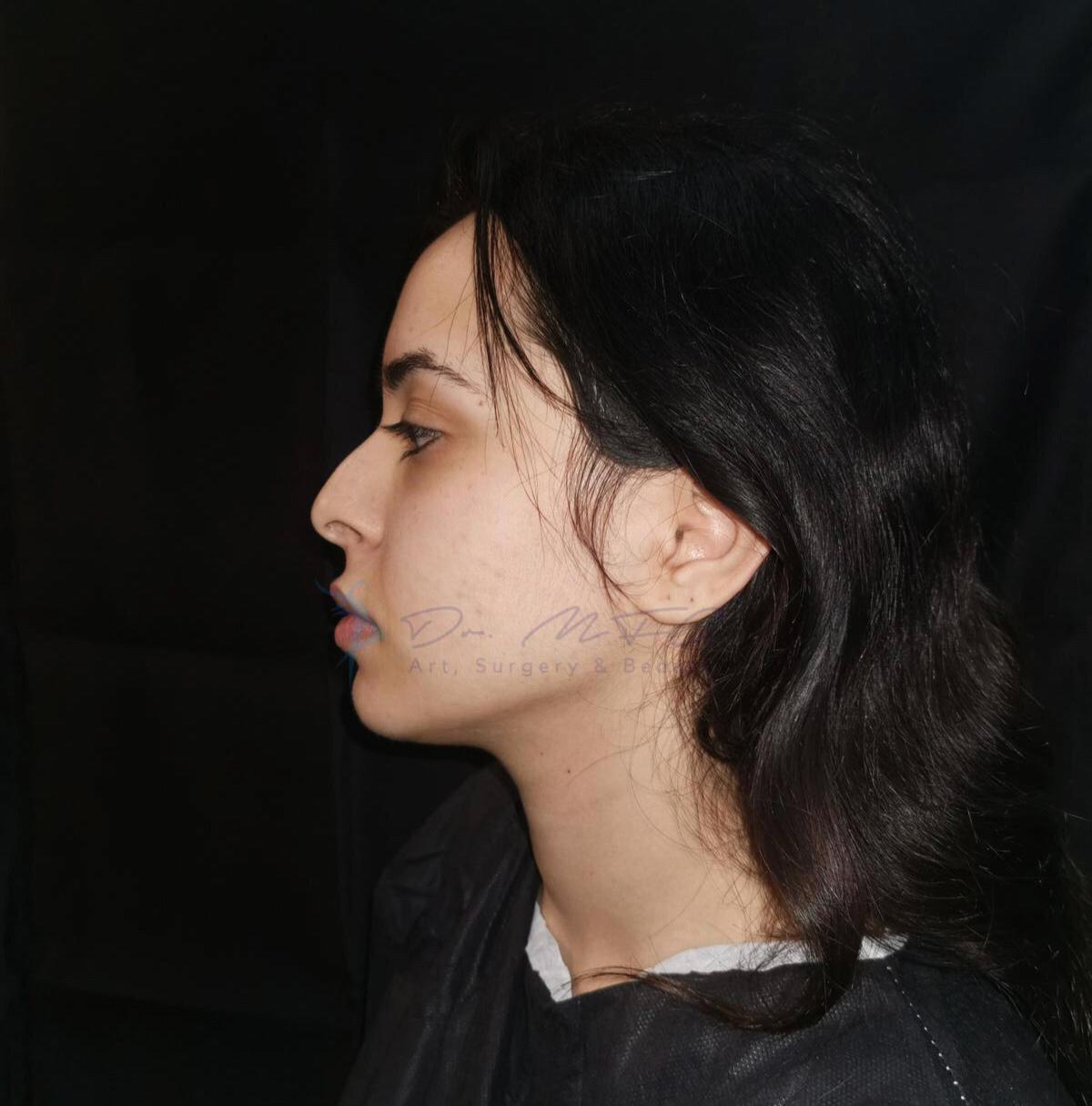
 A feminine jawline typically has a few key characteristics. Firstly, it is generally smaller and less pronounced than a masculine jawline. This can be achieved through jaw reduction surgery, which involves shaving down the jawbone to make it smaller and more delicate. Additionally, a feminine jawline often has a softer angle, rather than the sharp, defined angle of a masculine jawline. Lastly, a feminine jawline often lacks a prominent mandibular angle, the bony protrusion in the lower jaw. This can be achieved through mandibular angle reduction surgery, which removes or reshapes the angle to create a softer appearance. These features can be achieved through facial feminization surgery (FFS), which typically includes jaw reduction and chin reduction procedures. These surgical procedures are designed to create a more delicate and feminine jawline, which can help to balance the facial features and create a more feminine overall appearance. It’s important to note that FFS is a complex procedure that requires a skilled and experienced surgeon. A consultation with a qualified surgeon would be the first step to understand the best options for your specific case.

Which country is best for facial surgery?

 When it comes to facial feminization surgery (FFS), Turkey is considered to be one of the best countries for this procedure. There are several reasons for this:
Turkey has a long history of excellence in plastic and reconstructive surgery. Many of the surgeons in Turkey who specialize in FFS have extensive training and experience in this field. The cost of FFS in Turkey is generally lower than in European and Northern American countries, which makes it an affordable option for many people. Turkey is also a popular tourist destination, which makes it a convenient location for patients who are traveling from other countries for their surgery.

At our clinic in Turkey, we pride ourselves on offering some of the best FFS surgeries in the world. Our experienced surgeon and his expert clinical team is dedicated to helping our patients achieve their desired feminine appearance and with the latest techniques and technologies. Additionally, we also provide post-surgery care and follow-up treatments to ensure our patients have the best results. If you are considering FFS, we highly recommend considering Turkey as your destination.

How much does it cost to get FFS?

 The cost of facial feminization surgery (FFS) can vary depending on a number of factors, including the surgeon’s experience and location, the complexity of the procedure, and the specific surgeries included in the FFS package. On average, FFS can range from several thousand dollars to ten thousands or more. However, in our clinic in Turkey, we offer competitive prices for FFS and other plastic surgeries, providing our patients with high-quality services and experienced surgeon at a more affordable cost. It is important to consult with a qualified surgeon to determine the cost of your specific FFS procedure and to understand the financial options available to you.

FFS and MTF: Get answers to frequently asked questions.

ffs

In this article, we will be answering some of the most frequently asked questions about facial feminization surgery.

dental treatments mtf

How can I make my MTF face more feminine?

One way to make your face more feminine as a transgender woman (MTF) like a facial gender confirmation is through facial feminization surgery (FFS). FFS is a set of procedures that can be used to change the shape and appearance of the face to make it appear more feminine. Some common procedures include forehead contouring, jaw and chin reshaping, and rhinoplasty (nose reshaping). These procedures can address features that are commonly thought of as masculine and reshape them to create a more feminine appearance.

It’s important to consult with a qualified and experienced surgeon to discuss your goals and expectations before undergoing the procedure. The surgeon will be able to assess your individual needs and recommend the most appropriate procedures for you. It’s also important to understand that FFS is not a one-time procedure but will require multiple surgeries to achieve the desired results. Furthermore, it is important to have realistic expectations about the results and recovery time, and to understand that the results will appear gradually over time as the tissues heal.

What makes a face attractive?

 An attractive face is often characterized by certain features such as overall more feminine characteristics like a smaller and more delicate jawline, a smoothly shaped forehead, and a smaller and more defined nose. These features are commonly associated with femininity and are often considered to be attractive. Additionally, a softer and more rounded hairline, higher cheekbones, and a more defined cupid’s bow can also be associated with femininity and attractiveness.

Facial feminization surgery (FFS) is a set of procedures that can be used to change the shape and appearance of the face to make it appear more feminine or attractive. These procedures can address features that are commonly thought of as masculine and reshape them to create a more feminine and attractive appearance.

How can I make my eyes look more seductive?

 There are several ways to make your eyes appear more seductive, one of which is through Facial Feminization Surgery (FFS). FFS includes a set of procedures that can be used to change the shape and appearance of the face to make it appear more feminine. A common FFS procedure that can enhance the eyes area is blepharoplasty, also known as eyelid surgery. This procedure can remove excess skin and fat from the upper and lower eyelids to create a more youthful and alert appearance, and can also help to improve the appearance of wrinkles, fine lines and bags under the eyes. Additionally, forehead contouring can be used to create a more feminine brow ridge, which can make the eyes appear larger and more prominent. Also, eye lift or canthoplasty, so called almond eyes is important topic of feminisation.

Are high cheekbones feminine?

 High cheekbones are often associated with femininity and are considered to be a desirable facial feature for many people. High cheekbones can give the face a more angular and defined appearance, which is often thought of as attractive. Additionally, high cheekbones can also create the illusion of a more youthful and vibrant face. For diamond shaped face higher cheekbones might be essential.

Facial feminization surgery (FFS) can be used to enhance the appearance of the cheekbones and create a more feminine and attractive appearance. Procedures such as cheek augmentation or cheek implants can be used to add volume to the cheeks and create the appearance of higher cheekbones.

How much is FFS in Turkey?

 The cost of facial feminization surgery (FFS) in Turkey can vary depending on a number of factors such as the experience and qualifications of the surgeon, the type of procedures to be performed, and the location of the clinic. Some surgeons may charge a flat fee for the entire procedure, while others may charge per procedure.

On average, the cost of FFS in Turkey can range from several thousand US dollars to over ten thousands, though it can be higher or lower depending on the specific procedures to be performed and the surgeon’s fees. It’s important to keep in mind that this is only an estimate, and you can contact our clinic in Turkey directly for more accurate quotes and additional information about the procedure.

It’s important to note that the cost of FFS should not be the only consideration when choosing a surgeon. You should also consider the surgeon’s qualifications like board certifications, experience, and the results of their previous surgeries before making a decision.

How long does facial feminization last?

 The length of time that facial feminization surgery (FFS) results will appear can vary depending on the specific procedures performed, the individual’s healing process, and their overall health. Almost all of FFS procedures are permanent like forehead and chin bone shaping procedures. Since the results of FFS are considered to be long-lasting, some procedures may require touch-up or revision surgeries in the future.

Procedures such as forehead contouring, jaw and chin reshaping, and rhinoplasty (nose reshaping) typically involve reshaping of bones and cartilage, which are not subject to changes due to aging or weight fluctuations. However, as with any surgical procedure, the results of FFS may be affected by factors such as the individual’s skin type and elasticity, as well as their overall health.

Procedures that involve the use of injectable fillers or fat transfers, such as cheek augmentation, may have a shorter duration, depending on the type of filler used and the individual’s metabolism. In general, the results of FFS can last for many years, but it is important to keep in mind that some maintenance or touch-up procedures may be needed in the future.

Contact us now for detailed information!

Rhinoplasty Surgey; Everything You Should Know About Rhinoplasty

rhinoplasty

Rhinoplasty, also known as a nose job, is a one of the most popular cosmetic surgery procedure that able to greatly improve the appearance of the nose and the whole face. Many people choose to undergo rhinoplasty in order to correct a nose that is too large, too small, or misshapen in some way. The procedure can make a significant difference in the overall appearance of the face, and has the potential to boost confidence and self-esteem.

In this article, we will be discussing the different aspects of rhinoplasty, including the different types of procedures, the recovery process, and the cost of the surgery. We will also be discussing the difference between open and closed rhinoplasty, as well as the relatively new technique known as dorsal preservation rhinoplasty. We will also be exploring the use of ultrasonic technology in rhinoplasty. So, let’s begin with what is rhinoplasty is and how it is done.

Bir kadının yüzü, glokler giyerek burununu dokunduğu görsel.

What Is Rhinoplasty Surgery And How Is It Done?

Rhinoplasty, also known as a nose job, is a surgical procedure that is used to alter the shape, size, and overall appearance of the nose. Nose aesthetics should performed by a qualified plastic surgeon, who uses a combination of surgical techniques and specialized instruments to reshape the nose in a way that is aesthetically pleasing and in harmony with the rest of the face.

Rhinoplasty is a very popular cosmetic surgery procedure, and is often sought by individuals who are unhappy with the shape or size of their nose, or who have a nasal deformity that affects their breathing or overall health.

The specific techniques used during a rhinoplasty procedure will vary depending on the individual’s specific needs and goals. However, the general steps of the procedure are similar for most patients.

Once the desired shape has been achieved, the surgeon will close the incisions and apply a bandage to help protect the nose during the healing process. In preservation rhinoplasty there are no need of internal or external splints according the surgeon’s technique. Only skin colored tapes would be applied in this situation. The entire procedure typically takes around two hours, and is performed under general anesthesia in comfort.

What Is The Difference Between Open And Closed Rhinoplasty?

One of the key decisions that must be made before undergoing a rhinoplasty procedure is whether to choose an open or closed technique. The main difference between these two approaches is the location of the incisions made during the surgery.

First, for the closed rhinoplasty technique, plastic surgeon will make a small incision inside the nostrils. For open rhinoplasty starts with the incision along the columella (the strip of skin that separates the nostrils) and this incision becomes visible scar in time. There is no visible scar in closed rhinoplasty. The surgeon will then carefully reshape the underlying bone and cartilage, using specialized instruments to remove or add tissue as needed.

Each approach has its own advantages and disadvantages, and the right choice will depend on the individual’s specific needs and goals. In general, closed rhinoplasty is less invasive and has a shorter recovery time, and it’s possible to perform closed rhinoplasty for each individual by well-trained surgeon.


Open rhinoplasty, on the other hand, allows for more precision and control, but may require a longer recovery period. It is important for individuals considering rhinoplasty to discuss their options with a qualified plastic surgeon, in order to make an informed decision about the best approach for their unique situation.

rhinoplasty

What Is Dorsal Preservation Rhinoplasty?

Dorsal preservation rhinoplasty is a surgical technique that preserves the integrity of the nasal structure while reshaping the nose. The plastic surgeon carefully reshapes the underlying bone and cartilage to preserve the nasal structure and support. This can result in a more natural-looking outcome.

In preservation rhinoplasty technique or concept, most of cases are not needed internal or external splints. Only skin tapes would be applied just after the surgery, which means the patient is able to meet new nose right after.

rhinoplasty

What Is Ultrasonic Rhinoplasty?

Ultrasonic rhinoplasty is a surgical technique that uses high-frequency sound waves to reshape the underlying bone structures of the nose. While the ultrasonic energy reshapes bone, the plastic surgeon could make precise changes to the nose with less invasiveness. This technique may result in less swelling and bruising than traditional methods. It is a newer approach and not suitable for all patients, but can be effective for those looking to make subtle changes to their nose without a more invasive procedure.

Rhinoplasty Recovery

Rhinoplasty recovery can vary, but most patients can expect some swelling, bruising, and discomfort during the first few days. Pain medication can help manage discomfort, and cold compresses can reduce swelling. Patients should avoid strenuous activity and heavy lifting for at least a week, and avoid blowing their nose or bending over for several weeks.

Most patients are able to return to work and other activities within a week or two, although strenuous exercise and contact sports should be avoided for several weeks. Following the plastic surgeon’s instructions for post-operative care is important for optimal recovery. Over time, the swelling will subside and the final results will become more apparent. Most patients are happy with their results and find that their improved appearance boosts their confidence and self-esteem.

Rhinoplasty Price

The cost of rhinoplasty can vary depending on a number of factors, including the plastic surgeon’s experience and reputation, the complexity of the procedure, and the geographic location of the practice. In general, the cost of a rhinoplasty procedure can range from around $1,500 to $8,000, although more complex or extensive procedures may cost more. Some insurance plans may cover the cost of rhinoplasty if it is performed for medical reasons, not for aesthetic purposes, such as to improve breathing or to correct a deformity.

Penis Enlargement Surgery: Everything You Should Know

penis enlargement surgery

If you’re considering penis enlargement surgery, you’re not alone. Many men struggle with feelings of inadequacy due to the size of their penis, and this surgery can provide a solution. In this blog post, we will cover everything you need to know about the surgery, including what to expect, the recovery process, and the cost. We’ll also provide in-depth information on each of the subheadings mentioned above to help you make an informed decision about whether this surgery is right for you.

What Is Penis Enlargement Surgery and How Is It Done?

Penile enlargement surgery, also known as penoplasty or penile extension, is a surgical procedure that aims to increase the size of the penis. The exact method used will depend on the individual’s specific needs and desired outcome.

One of the most common techniques used in penis enlargement surgery is ligament release. This technique involves the release of the suspensory ligament, which attaches the penis to the pubic bone. By releasing this ligament, the penis can extend further, resulting in an increase in length. This technique is often combined with tissue transfers to thickening or the insertion of implants to achieve both length and girth gains.

In some cases, fat from other parts of the body may be used to increase girth. This technique involves liposuction, in which fat is removed from the patient’s body and then injected into the penis. This can be done through a small incision in the base of the penis or by a cannula. This thickening method is also useful for glans enhancement.

Another technique used in penis enlargement surgery is the insertion of implants. This can be done through incisions made in the penis, or by tissue grafts. The implants used in the surgery are typically made of silicone and come in various sizes to allow the surgeon to choose the best size for the individual patient. The implants are inserted into the penis through small incisions, which are then closed using sutures.

During the penis enhancement surgery, penile curvatures, contractures, axis deviations, cordis, and penile anomalies could be corrected. Even circumcision in penis enlargement surgery is available in some cases.

Penis enlargement surgery is typically performed under general anesthesia, which means the patient will be unconscious during the procedure. The surgery typically takes several hours and patients may need one-night hospital stay or for a few days for observation and to ensure proper healing. It is important for patients to follow their surgeon’s instructions for post-surgery care, which may include wearing a special support device and avoiding certain activities for a period. Local anesthesia is an option for compatible cases.

penis enlargement surgery

Preparing For Penile Extension Surgery

Preparing for penis extension surgery involves choosing a qualified and experienced plastic surgeon, undergoing a thorough consultation and physical examination, and following the surgeon’s instructions for pre-surgery preparation. In the days leading up to the surgery, patients may need to avoid certain medications and refrain from anticoagulants, smoking, or drinking alcohol. It is important to have transportation arranged and to have someone stay with the patient for the first few days after the surgery. By carefully preparing for the procedure, patients can help ensure a successful outcome and a smooth recovery.

Penis Enlargement Surgery Recovery

The recovery process after penis enlargement surgery varies depending on the individual and the specific techniques used in the surgery. In general, patients can expect some swelling, bruising, and discomfort after the surgery. The surgeon will provide detailed instructions on how to care for the incision sites and how to manage pain and discomfort.

It is important for patients to follow the surgeon’s instructions carefully during the recovery period. This may include wearing a special support device, avoiding certain activities, and taking medications as prescribed. The surgeon will also schedule follow-up appointments to monitor the healing process and address any concerns or complications.

Overall, the recovery from penis enlargement surgery can take few weeks. During this time, patients will need to be patient and follow the surgeon’s instructions to ensure a successful outcome and a smooth recovery. It is also important for patients to maintain a healthy lifestyle, including a balanced diet and regular exercise, to support the healing process.

Penile Enlargement Price

The cost of penile enlargement surgery varies depending on several factors, including the specific techniques used in the surgery, the geographic location of the clinic or hospital, and the experience and qualifications of the surgeon. In general, the cost of the surgery can range from several thousand dollars to tens of thousands of dollars.

It is important for patients to understand that the cost of the surgery is not covered by most health insurance plans. Patients will need to pay for the surgery out of pocket and should carefully consider the costs and benefits before deciding to undergo the procedure.

In some cases, financing options may be available to help patients pay for the surgery. Patients should discuss financing options with the clinic or hospital where the surgery will be performed to determine what options are available.

penile enlargement