Facelift Cost UK 2025: Is Turkey a Cheaper Alternative?

A close-up portrait of a smiling woman with brown hair, wearing pearl earrings, and looking directly at the camera.

It’s crucial to understand that the information provided here is for educational purposes and reflects a general perspective based on available data up to May 2025. As a hypothetical surgeon, my aim is to give you a comprehensive overview. However, specific medical advice, diagnosis, or treatment must always come from a consultation with a qualified healthcare professional who can assess your individual needs and circumstances. Costs are estimates and subject to change based on numerous factors.

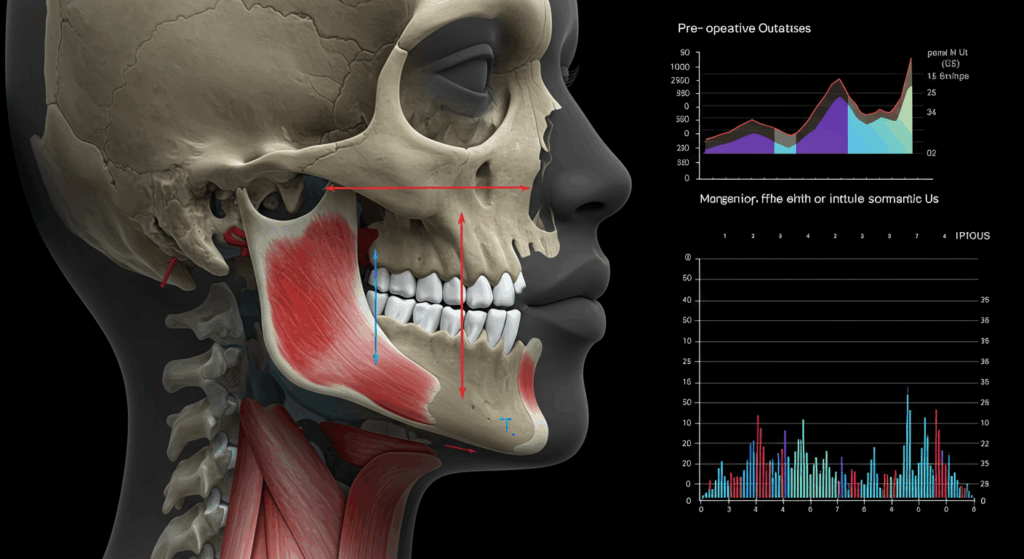
Side profile of a person with short hair, focusing on the neck and jawline.

Navigating the Decision: How Much is a Facelift in the UK, and Could Türkiye Offer an Alternative? A Surgeon’s Insight.

As a plastic surgeon, one of the most frequent questions I encounter is about the financial investment required for facial rejuvenation procedures, specifically the rhytidectomy, more commonly known as a facelift. Patients understandably want to know the “how much” aspect, but this figure is rarely a simple number. It’s a complex equation influenced by myriad factors, from the surgeon’s expertise and the complexity of the procedure to the location and the associated medical infrastructure. Furthermore, the rise of medical tourism has introduced another layer to this decision-making process, with countries like Türkiye presenting themselves as compelling alternatives.

In this comprehensive guide, I aim to dissect the costs associated with facelift surgery in the United Kingdom in 2025, providing a detailed breakdown from a surgeon’s perspective. We will explore the various components that contribute to the overall price tag, helping you understand where your money goes. Subsequently, we will turn our attention to Türkiye, examining the cost landscape there and evaluating its viability as an alternative destination for this transformative surgery. My goal is to provide you with the knowledge necessary to make an informed decision, prioritizing safety, quality, and realistic expectations above all else.

Understanding the Facelift Procedure: More Than Just Tightening Skin

Before delving into costs, it’s paramount to understand precisely what a facelift entails from a surgical standpoint. It is not merely a procedure to “tighten skin.” That is a common misconception that oversimplifies a sophisticated surgical intervention aimed at addressing the deeper structural changes that occur in the face and neck with aging.

As we age, the effects of gravity, loss of subcutaneous fat, sun exposure, and the natural decrease in collagen and elastin production lead to tell-tale signs of facial aging. The skin loses its elasticity, the underlying fat pads descend, and the muscular and connective tissue layer, known as the Superficial Muscular Aponeurotic System (SMAS), loosens. This results in the formation of jowls (sagging skin along the jawline), deepening of the nasolabial folds (lines from the nose to the corners of the mouth), marionette lines (lines from the corners of the mouth1 downwards), and banding in the neck.

A facelift, or rhytidectomy, is surgically designed to counteract these changes. The procedure typically involves incisions made in discreet locations, often along the hairline, around the ears, and sometimes under the chin. Through these incisions, the surgeon lifts and repositions the underlying tissues,2 including the SMAS layer, removes excess skin, and re-drapes the remaining skin smoothly over the new, more youthful contour.

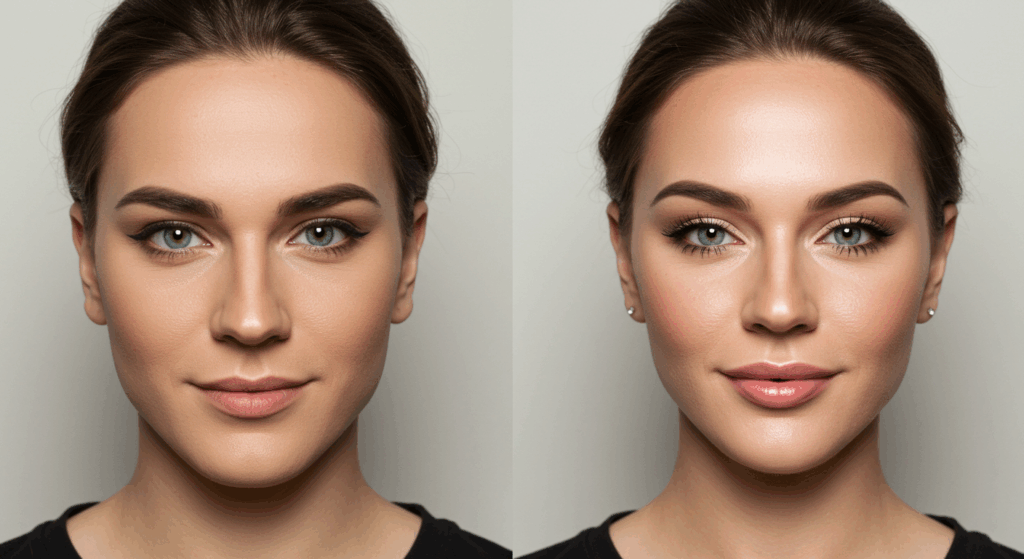
A close-up portrait of a woman with smooth skin, natural makeup, and bright blue eyes, looking directly at the camera.

Types of Facelifts: Tailoring the Approach

It’s important to recognise that “facelift” is an umbrella term encompassing several different surgical techniques, each tailored to address specific areas of the face and varying degrees of aging. The type of facelift performed significantly impacts the complexity, duration, recovery, and, consequently, the cost.

#The Traditional or Full Facelift

This is the most comprehensive type of facelift, addressing significant sagging in the mid-face, lower face, and neck. Incisions typically begin in the temples, follow along the hairline, around the ear, and end in the lower scalp. This allows for extensive lifting and repositioning of the SMAS and removal of significant excess skin. This procedure offers the most dramatic and long-lasting results but also involves the most extensive recovery.

  • Technical Aspect: This involves significant skin undermining (separating the skin from the underlying tissues) to gain access to the SMAS layer. The SMAS is then manipulated, either by tightening it with sutures (plication) or by cutting and repositioning it (imbrication or flap techniques), to lift the cheeks, jowls, and neck. Excess skin is then trimmed, and the remaining skin is closed without tension.

#The Mini Facelift

A mini facelift is a less invasive procedure suitable for individuals with early signs of aging, primarily targeting the jowls and jawline. The incisions are shorter, usually limited to the area around the ear. This technique provides a more subtle lift and requires a shorter recovery period compared to a traditional facelift.

  • Technical Aspect: With shorter incisions, the extent of skin undermining and SMAS manipulation is limited. Often, SMAS plication (folding and suturing the SMAS) is used to provide a modest lift to the lower face.

#The SMAS Facelift

Many modern facelift techniques involve addressing the SMAS layer. An “SMAS facelift” specifically refers to procedures that involve lifting and tightening this layer beneath the skin. While most comprehensive facelifts work with the SMAS, this term is often used to distinguish from older techniques that only focused on skin tightening.

  • Technical Aspect: As discussed, this involves accessing the SMAS layer. Plication is a common technique where the SMAS is folded and sutured to lift and tighten. Alternatively, an SMAS flap can be created and repositioned.

#The Deep Plane Facelift

Considered one of the most advanced facelift techniques, the deep plane facelift involves releasing ligaments and lifting the SMAS layer and the overlying skin as a single unit. This addresses deeper structures and offers a more significant lift to the mid-face and nasolabial folds compared to SMAS plication techniques. It can provide very natural-looking results but is technically more demanding.

  • Technical Aspect: This involves carefully dissecting beneath the SMAS layer, in the “deep plane.” Crucial retaining ligaments that tether the SMAS and skin to the underlying bone are released. This allows the composite flap of skin and SMAS to be lifted and repositioned without tension, leading to a more powerful and natural-looking lift, particularly in the mid-face. It requires a deep understanding of facial anatomy to avoid nerve damage.

#The Mid-Facelift

This procedure focuses specifically on the central part of the face, addressing sagging cheeks and deepening nasolabial folds. It doesn’t typically address the jowls or neck. Incisions may be made in the lower eyelids or within the hairline.

  • Technical Aspect: Often performed endoscopically (using a small camera), this involves lifting the malar fat pad (cheek fat) and securing it in a higher position. Access is gained through small incisions, and the procedure targets the area over the cheekbones.

#The Neck Lift

Frequently performed in conjunction with a facelift, a neck lift specifically targets loose skin, excess fat, and muscle banding in the neck area. This can involve liposuction to remove fat, tightening of the platysma muscle (the broad muscle in the neck), and removal of excess skin through incisions under the chin and behind the ears.

  • Technical Aspect: Platysma plication (suturing the edges of the platysma muscle together) is often performed through a submental incision (under the chin) to address neck bands. Excess fat can be removed via liposuction. Excess skin is excised through incisions behind the ears.

The choice of technique depends entirely on the individual patient’s anatomy, the extent of aging, and their desired outcomes. A thorough consultation with a qualified plastic surgeon is essential to determine the most appropriate approach.

Anatomy Explained: The Foundation of Facial Aging

To truly grasp what a facelift does, we need a basic understanding of the underlying facial anatomy. Think of the face not just as skin, but as layers, much like an onion.

  • Skin: The outermost layer. As we age, its elasticity diminishes, and it becomes thinner, leading to wrinkles and fine lines.
  • Subcutaneous Fat: Beneath the skin lies a layer of fat. In youth, this fat is evenly distributed, contributing to plumpness and smooth contours. With age, this fat can atrophy (shrink) in some areas and descend in others, leading to hollowness and sagging.
  • SMAS (Superficial Muscular Aponeurotic System): This is a crucial layer beneath the fat, composed of muscle and fibrous tissue. It’s connected to the facial muscles and the skin. The SMAS acts like a supporting hammock for the facial tissues. Over time, this hammock stretches and weakens, contributing significantly to jowls and sagging cheeks.
    • Simple Explanation: Imagine the SMAS as an internal scaffolding for your face. As you get older, this scaffolding gets a bit wobbly and loose, letting things droop. A facelift helps to tighten and lift this internal structure.
  • Retaining Ligaments: These are fibrous bands that anchor the SMAS and skin to the underlying bone at specific points. They act like fixed points of support. With aging, these ligaments can loosen or become less effective, allowing tissues to descend. In deep plane facelifts, releasing these ligaments allows for a more tension-free and significant lift.
    • Simple Explanation: Think of these ligaments as tiny ropes holding your facial tissues up. As the ropes loosen, the tissues sag. Deep plane surgery can release these ropes to allow the surgeon to reposition everything more effectively.
  • Muscles: The muscles of facial expression lie beneath the SMAS or are integrated within it. While a facelift doesn’t typically alter the function of these muscles, addressing the SMAS layer can indirectly affect their appearance by repositioning the overlying tissues.
  • Bone Structure: The underlying bone provides the fundamental framework of the face. While the bone itself doesn’t change significantly with age in a way that a facelift directly addresses, age-related bone resorption (loss of bone density) can contribute to changes in facial contour, particularly around the jawline and orbits (eye sockets).

A successful facelift carefully navigates these layers, understanding their relationships and how they are affected by the aging process. The surgeon’s skill lies in precisely manipulating the SMAS and potentially releasing ligaments to achieve a natural-looking rejuvenation that addresses the root cause of sagging, not just the superficial skin.

The Surgeon’s Consultation: Setting the Stage

From my perspective as a surgeon, the initial consultation is perhaps the most critical step in the entire facelift journey. It’s where I assess the patient’s unique facial anatomy, discuss their concerns and goals, explain the realistic outcomes and limitations of surgery, and establish a relationship built on trust and clear communication.

During the consultation, I will perform a detailed examination of your face and neck, evaluating skin quality, elasticity, the degree of sagging, the prominence of jowls and neck bands, and the underlying bone structure. I will ask about your medical history, including any pre-existing conditions, medications you are taking, allergies, and previous surgeries. It is particularly important to know about smoking habits, as smoking significantly impairs healing and increases the risk of complications.

We will discuss your expectations in detail. It’s vital that these expectations are realistic. A facelift can turn back the clock, giving you a more rested and youthful appearance, but it cannot stop the aging process entirely or make you look like a different person. I will show you before-and-after photos of previous patients to illustrate what is achievable.

Based on my assessment and your goals, I will recommend the most appropriate surgical technique or combination of procedures (e.g., facelift with a neck lift or eyelid surgery). I will explain the proposed surgical plan in detail, including the location of incisions, the expected recovery timeline, and the potential risks and complications.

Addressing Risks and Complications

Any surgical procedure carries inherent risks, and a facelift is no exception. It is my ethical and professional duty to discuss these potential complications openly and thoroughly during the consultation. While serious complications are rare in the hands of a qualified and experienced surgeon, they can occur.

Potential risks include:

  • Hematoma: A collection of blood under the skin, which may require drainage. This is the most common complication.
    • Simple Explanation: Think of a large, deep bruise under the skin that might need to be drained by your surgeon.
  • Seroma: A collection of clear fluid under the skin, also potentially requiring drainage.
    • Simple Explanation: Similar to a hematoma, but with clear fluid instead of blood.
  • Infection: While uncommon, any surgical incision can become infected. Antibiotics are often prescribed to minimise this risk.
  • Nerve Injury: The facial nerve, which controls facial expressions, runs through the tissues manipulated during a facelift. Temporary weakness or paralysis of facial muscles can occur, usually resolving over time. Permanent nerve damage is very rare but a serious complication. Sensory nerves can also be affected, leading to temporary or, rarely, permanent numbness or altered sensation.
    • Simple Explanation: The surgeon works close to the nerves that help your face move and feel. Sometimes, these nerves can be bruised or stretched during surgery, causing temporary weakness or numbness. Permanent damage is very unusual but a possibility.
  • Scarring: While incisions are strategically placed to be as inconspicuous as possible, scarring is an inevitable part of surgery. Most facelift scars heal well and are easily concealed within the hairline and natural skin creases. Poor healing or thickened scars (hypertrophic or keloid scars) can occur in some individuals.
    • Simple Explanation: Wherever the surgeon makes a cut, a scar will form. They try to hide these scars in natural lines or in your hair. Most fade well, but sometimes they can be more noticeable.
  • Skin Necrosis: This is a rare but serious complication where the blood supply to an area of skin is compromised, leading to tissue death. Smoking significantly increases the risk of skin necrosis.
    • Simple Explanation: This is when a small area of skin doesn’t get enough blood flow after surgery and can die off. It’s rare, especially if you don’t smoke.
  • Asymmetry: Minor degrees of asymmetry are natural in the human face. However, surgery can sometimes result in noticeable asymmetry, although this is usually minimal in the hands of an experienced surgeon.
  • Delayed Healing: Some individuals may experience slower wound healing, particularly those with underlying health conditions or smokers.

I will also discuss the risks associated with general anesthesia, although these are generally low in healthy individuals. It is crucial that you have the opportunity to ask any questions you may have and that you feel fully informed and comfortable with the proposed plan before deciding to proceed with surgery.

The Cost of a Facelift in the UK (2025): A Detailed Breakdown

Now, let’s address the core question: how much is a facelift in the UK in 2025? Based on current data and my professional experience, the cost of a facelift in the UK in 2025 can range significantly, typically falling between £8,000 and £25,000 or more. This is a broad range, and the specific figure for an individual patient depends on numerous contributing factors.

It is absolutely vital to understand that this is not a single fee for the “facelift” procedure itself. The total cost is an aggregate of several distinct components, each representing a necessary part of the surgical process and the associated care.

Factors Influencing Facelift Cost in the UK

Let’s break down the key factors that determine the final price of a facelift in the UK:

#1. Surgeon’s Fee

This is often the most significant portion of the total cost. It reflects the surgeon’s experience, expertise, reputation, and the complexity of the surgical technique they employ. A highly sought-after surgeon with decades of experience performing intricate deep plane facelifts in a prime London location will naturally have a higher fee than a less experienced surgeon performing mini facelifts in a smaller regional clinic. The surgeon’s fee compensates them for their skill, time, pre-operative planning, the surgery itself, and post-operative care.

#2. Anaesthetist’s Fee

Facelift surgery is typically performed under general anesthesia or deep sedation. The anaesthetist is a highly qualified medical doctor responsible for administering the anesthetic and monitoring your vital signs throughout the procedure. Their fee covers their time, expertise, and the cost of anesthetic agents and monitoring equipment. The length of the surgery directly impacts the anaesthetist’s time and thus their fee.

#3. Hospital or Clinic Facility Fee

The surgery must be performed in a registered and accredited surgical facility, either a private hospital or a specialised cosmetic surgery clinic with operating theatre facilities. The facility fee covers the use of the operating room, surgical instruments, sterilisation, nursing staff (circulating nurses, scrub nurses), and overnight stay facilities if required. The standard and location of the facility (e.g., a state-of-the-art hospital in central London versus a smaller clinic outside a major city) will influence this cost. Facelifts, especially comprehensive ones, often require an overnight stay for monitoring, adding to the facility fee.

#4. Pre-operative Tests and Consultations

Before surgery, you will require pre-operative assessments, which may include blood tests, an electrocardiogram (ECG), and potentially a pre-assessment with an anaesthetist. These are necessary to ensure you are medically fit for surgery. The cost of these tests and consultations is part of the overall expense.

#5. Post-operative Care

Comprehensive post-operative care is crucial for a smooth recovery and optimal results. This includes follow-up appointments with your surgeon to monitor healing, remove sutures or drains, and address any concerns. It may also include the cost of necessary dressings, compression garments, and prescribed medications (pain relievers, antibiotics). Some clinics offer enhanced post-operative care packages, which can influence the overall cost.

#6. Geographic Location within the UK

Costs for medical procedures, like many services, can vary based on geographic location within the UK. Clinics in major metropolitan areas like London and Manchester generally have higher overheads (rent, staff costs) which are reflected in their pricing compared to clinics in smaller towns or less expensive regions.

#7. Complexity and Type of Procedure

As discussed earlier, the specific facelift technique employed significantly impacts the cost. A mini facelift is less complex and time-consuming than a traditional or deep plane facelift, and therefore less expensive. Combining a facelift with other procedures, such as a neck lift, eyelid surgery (blepharoplasty), or brow lift, will naturally increase the total cost due to increased surgical time and complexity.

#8. Surgeon’s Reputation and Experience

An established surgeon with a strong track record, extensive experience, and potentially international recognition will typically command a higher fee. Patients are often willing to pay a premium for the perceived higher level of skill and reduced risk associated with an experienced practitioner.

#9. Inclusions in the Package

The quoted price may vary depending on what is included in the surgical package. Some clinics offer all-inclusive packages covering surgeon’s fees, anaesthesia, facility costs, and initial post-operative care. Others may break down the costs more granularly. It is essential to clarify exactly what is included in any quote you receive.

A Realistic Cost Range Breakdown (UK, 2025)

Considering these factors, here’s a more detailed look at potential cost ranges for different types of facelifts in the UK in 2025:

  • Mini Facelift: £8,000 – £12,000
  • Traditional Facelift: £12,000 – £20,000
  • Deep Plane Facelift: £15,000 – £25,000+
  • Facelift with Neck Lift: £15,000 – £25,000+ (depending on the complexity of both procedures)

These are estimates, and the actual cost can fall outside these ranges depending on the specific circumstances. For instance, a highly complex revision facelift performed by a top surgeon in a prime London hospital could exceed £25,000. Conversely, a very limited mini facelift in a less expensive region might be closer to the lower end of the mini facelift range.

When considering the cost, it is imperative not to simply look for the cheapest option. While budget is a factor, the expertise of the surgeon, the quality of the facility, and the comprehensiveness of care should be the primary considerations. Your safety and the quality of your results are paramount.

Is Türkiye an Alternative for a Facelift? Examining Medical Tourism

The prospect of lower costs for cosmetic surgery has led many individuals from the UK and other Western countries to explore medical tourism destinations. Türkiye has emerged as a prominent destination for a wide range of medical procedures, including cosmetic surgery. The question then arises: is Türkiye a viable and safe alternative for a facelift?

The simple answer is that for many, it can be an alternative, primarily driven by the significant cost difference. However, this decision requires careful consideration of numerous factors beyond just the price tag.

Facelift Costs in Türkiye (2025)

Based on available data and reports from medical tourism facilitators, the cost of a facelift in Türkiye in 2025 is considerably lower than in the UK. The range can vary, but you might expect to see prices typically falling between £3,000 and £10,000.

Again, this is a range, and the exact cost will depend on the type of facelift, the surgeon’s experience, the clinic’s facilities, and what is included in the package. Some clinics in Türkiye offer all-inclusive packages that bundle the surgery fee, anaesthesia, hospital stay, medications, and even accommodation and airport transfers, which can make the overall cost appear even more attractive.

Why the Price Difference?

Several factors contribute to the lower cost of cosmetic surgery in Türkiye compared to the UK:

  • Lower Cost of Living and Overhead: The general cost of living and operating a business, including a medical clinic or hospital, is significantly lower in Türkiye than in the UK. This translates to lower costs for facilities, staff salaries, and other operational expenses.
  • Favourable Exchange Rates: For patients coming from countries with stronger currencies, the exchange rate can make procedures in Türkiye considerably more affordable.
  • Government Support for Medical Tourism: The Turkish government has actively promoted medical tourism as an industry, which may include incentives or support for healthcare providers catering to international patients.
  • High Volume of Procedures: Türkiye sees a large volume of international patients seeking cosmetic surgery. This high demand and volume can allow clinics to offer more competitive pricing while maintaining profitability.
  • Different Economic Structures: The overall economic structure and healthcare system in Türkiye differ from the UK, impacting pricing models.

It is crucial to understand that a lower price does not automatically equate to lower quality or safety. Many plastic surgeons in Türkiye are highly trained and experienced, often having received training internationally (including in Europe and the US). Many clinics are modern and well-equipped.

However, the significant price difference should prompt due diligence and careful investigation. It is essential to understand why the cost is lower and ensure that cost savings are not coming at the expense of crucial safety measures, surgeon qualifications, or comprehensive care.

Quality and Safety Considerations: UK vs. Türkiye

When considering surgery abroad, especially a significant procedure like a facelift, quality and safety become paramount. Comparing the UK and Türkiye in this regard requires looking at regulatory frameworks, surgeon qualifications, and the standards of care.

Quality and Safety in the UK

The UK has a highly regulated healthcare system.

  • Regulatory Bodies: Private hospitals and clinics in the UK are regulated by bodies such as the Care Quality Commission (CQC) in England, Healthcare Improvement Scotland (HIS), Healthcare Inspectorate Wales (HIW), and the Regulation and Quality Improvement Authority (RQIA) in Northern Ireland.3 These bodies set standards for patient care, safety, and facility quality and conduct inspections.
  • Surgeon Qualifications: Doctors practicing cosmetic surgery in the UK must be registered with the General Medical Council (GMC). While GMC registration indicates a doctor is qualified to practice medicine, it doesn’t automatically mean they are a trained plastic surgeon. It is highly recommended to choose a surgeon who is listed on the GMC Specialist Register for Plastic Surgery and ideally is a member of reputable professional associations such as the British Association of Plastic, Reconstructive and Aesthetic Surgeons4 (BAPRAS) or the British Association of Aesthetic Plastic Surgeons (BAAPS). Membership in5 these associations indicates that the surgeon has undergone rigorous training in plastic surgery and adheres to high professional and ethical standards.
    • Simple Explanation: In the UK, there are strict rules about who can perform surgery and where. You should always check that your surgeon is properly qualified in plastic surgery and works in a clinic that is regularly checked for safety and quality.
  • Standards of Care: UK clinics are expected to adhere to high standards of patient care, including detailed pre-operative assessments, informed consent processes, safe surgical practices, and comprehensive post-operative support and follow-up.

Quality and Safety in Türkiye

Türkiye also has regulatory bodies overseeing healthcare facilities. Hospitals and clinics catering to international patients often seek international accreditation (such as Joint Commission International – JCI) to demonstrate their commitment to quality and safety standards that are recognised globally.

  • Regulatory Bodies: The Turkish Ministry of Health regulates hospitals and clinics in Türkiye. However, the level of oversight and enforcement might differ from the UK.
  • Surgeon Qualifications: Plastic surgeons in Türkiye are generally highly trained, many having completed international training and holding certifications from European or international boards. It is crucial to verify the credentials and experience of any surgeon you are considering. Look for surgeons who are members of the Turkish Society of Plastic, Reconstructive and Aesthetic Surgeons (TSPRAS) and potentially international societies like the International Society of Aesthetic Plastic Surgery (ISAPS).
    • Simple Explanation: Türkiye has its own rules and qualifications for surgeons and clinics. Many Turkish surgeons are very well-trained, sometimes even trained in places like Europe or the US. But it’s really important to do your homework and check their qualifications and experience thoroughly.
  • Standards of Care: Many reputable clinics in Türkiye provide excellent care. However, there can be variability. Language barriers can sometimes be a challenge, although many clinics catering to international patients have multilingual staff. The logistics of post-operative follow-up can also be more complex when the surgery is performed in a different country.

The Surgeon’s Perspective on Choosing a Location

From my viewpoint, the decision of where to have a facelift should never be solely based on cost. While cost is a practical consideration, it should be balanced against the critical factors of safety, surgeon expertise, and the quality of care throughout the entire process.

If you are considering Türkiye, it is absolutely essential to:

  • Thoroughly Research the Clinic and Surgeon: Look for clinics with international accreditation (like JCI) and surgeons with verifiable qualifications, extensive experience in facelift surgery, and membership in reputable professional organisations. Read reviews from other patients, but be discerning – look for detailed accounts, not just generic praise.
  • Have a Detailed Consultation: Ideally, this would involve a video consultation where you can speak directly with the surgeon, ask questions, and assess their communication style and how comfortable you feel with them. They should thoroughly explain the procedure, risks, and recovery.
  • Understand the Full Package: Clarify exactly what is included in the quoted price. Does it cover all consultations, tests, the surgery, anaesthesia, hospital stay, medications, and post-operative follow-up? What happens if there are complications? Who covers the cost of revisions if needed?
  • Plan for Recovery: Understand the expected recovery time and make arrangements for adequate rest and support. Consider the logistics of recovering in a foreign country and the need for potential follow-up appointments once you return home. Will your local doctor or a surgeon in the UK be willing to provide follow-up care if needed? This can sometimes be challenging.
  • Factor in Travel and Accommodation Costs: The cost of flights, accommodation for yourself and potentially a companion, and living expenses during your stay in Türkiye should be added to the surgical cost to get a true picture of the total expense.

While the cost savings in Türkiye can be significant, the potential challenges related to communication, inconsistent standards (compared to the highly regulated UK system), and the logistics of post-operative care and complication management need to be carefully weighed. For some, the peace of mind and convenience of having surgery closer to home, within a familiar and highly regulated healthcare system, may be worth the higher cost.

Different Facelift Techniques and Their Cost Implications

The specific surgical technique employed is a primary driver of the cost difference between facelift procedures. The complexity, duration, and the level of skill required for each technique vary considerably.

  • Skin-Only Facelift (Historical): While largely abandoned as a primary technique due to its limited and short-lived results, a historical “skin-only” lift involved simply pulling and trimming excess skin. This was less invasive but did not address the underlying sagging of the SMAS, leading to a stretched appearance and rapid recurrence of sagging. It was cheaper but ineffective in the long term.
  • Mini Facelift (Limited Incision): As discussed, with shorter incisions and less extensive dissection and SMAS manipulation, the mini facelift is less complex and takes less time in the operating room. This translates to lower surgeon’s fees, anaesthetist’s fees, and facility costs compared to more extensive procedures.
  • SMAS Plication Facelift: This involves more extensive dissection than a mini facelift to expose the SMAS, followed by folding and suturing the SMAS. It is more time-consuming and technically demanding than a skin-only or mini lift, thus increasing the cost.
  • SMAS Imbrication or Flap Techniques: Creating and repositioning an SMAS flap involves more intricate dissection and technical skill than plication. These techniques can provide a stronger and more lasting lift to the lower face and jowls, but they are more complex and carry slightly higher risks, which are reflected in the cost.
  • Deep Plane Facelift: This is one of the most technically challenging facelift procedures. It requires a detailed understanding of deeper facial anatomy and the precise release of retaining ligaments. The dissection is more extensive and closer to important nerves. Consequently, it takes longer to perform and requires a highly skilled and experienced surgeon. This makes it one of the most expensive facelift techniques. The increased surgical time also means higher anaesthesia and facility fees.
  • Extended Deep Plane Facelift: This technique often incorporates elements of a neck lift, extending the deep plane dissection into the neck to address platysma bands. The increased scope and complexity further add to the cost.
  • Combined Procedures: When a facelift is combined with other procedures like a neck lift, brow lift, or eyelid surgery, the total surgical time increases, requiring more anaesthesia and operating room time. The complexity of performing multiple procedures simultaneously also contributes to a higher overall cost. While the cost of combining procedures is typically less than the sum of performing each procedure individually (due to shared facility and anaesthesia time), it is still a significant increase over a standalone facelift.

Understanding these technical differences helps explain the variations in cost. A higher price often reflects a more complex and potentially more effective surgical technique performed by a surgeon with the skill and experience to execute it safely and successfully.

The Recovery Process: A Surgeon’s Expectations

From a surgeon’s perspective, the recovery period after a facelift is just as important as the surgery itself in achieving a good outcome. It requires patience, diligent adherence to post-operative instructions, and realistic expectations about the healing process.

Here’s a general timeline and what I typically advise my patients:

#Immediately After Surgery (Day 0 – Day 1)

You will wake up from anesthesia with dressings around your face and neck to minimise swelling and bruising. Small drains may be in place to collect any excess fluid or blood. You will experience some discomfort, swelling, and bruising. Pain medication will be provided to manage this. If you had a traditional or deep plane facelift, you will likely stay overnight in the hospital for monitoring.

#The First Week (Day 1 – Day 7)

This is typically the period of most significant swelling and bruising. The dressings and drains will usually be removed within the first couple of days. You will likely be instructed to wear a compression garment around your face and neck to help reduce swelling. Discomfort is manageable with medication. You should rest with your head elevated to help reduce swelling. Avoid strenuous activity, bending over, and lifting heavy objects. Bruising may spread downwards onto the neck and chest. Numbness in the cheeks, neck, and around the ears is common.

#Weeks 2 to 4

Swelling and bruising will gradually subside, although some residual swelling may persist for several weeks or even months. Sutures (unless dissolvable) will typically be removed during this period. You will start to feel more comfortable and may be able to resume light activities. Avoid strenuous exercise, saunas, and steam rooms. You may still experience some numbness, tightness, and itching as the nerves begin to heal. Makeup can often be used to camouflage residual bruising.

#Months 1 to 3

Most of the visible swelling and bruising should have resolved. You will start to see the more refined results of the surgery. Numbness and tightness will continue to improve, although it can take several months for sensation to fully return. You can gradually resume most normal activities, including exercise, as advised by your surgeon. Scars will begin to fade and soften.

#Beyond 3 Months

The final results of your facelift will become more apparent as all swelling resolves and tissues settle. Scars will continue to mature and fade over the next year or longer. Sensation should largely return, although small areas of persistent numbness are occasionally possible.

Potential Complications During Recovery

While diligent care minimises risks, complications can arise during the recovery period:

  • Hematoma or Seroma: Collections of blood or fluid may require drainage in the clinic.
  • Infection: Signs of infection include increased redness, swelling, pain, and pus from the incision sites. This requires prompt medical attention and antibiotics.
  • Wound Healing Issues: Delayed healing or separation of incision lines can occur, particularly in smokers or individuals with underlying health issues.
  • Numbness and Altered Sensation: While usually temporary, persistent numbness or altered sensation is a possibility.
  • Scarring Concerns: Hypertrophic or keloid scars may require treatment.

It is crucial to maintain open communication with your surgeon throughout the recovery process and attend all scheduled follow-up appointments. They are the best resource to address any concerns and ensure you are healing properly.

Long-Term Results and Expectations

A facelift can provide a significant rejuvenation, turning back the visible signs of aging by several years. The results are often long-lasting, but it is important to understand that surgery does not stop the aging process. Your face will continue to age from the point of the surgery.

Typically, the results of a facelift can last for 10 to 15 years, sometimes longer, depending on the individual, their genetics, lifestyle factors (like sun exposure and smoking), and the surgical technique used. A deep plane facelift is often considered to provide more durable results compared to less invasive techniques.

Maintaining a healthy lifestyle, protecting your skin from the sun, and potentially considering non-surgical treatments (like fillers or injectables) can help maintain your results over time. Some individuals may choose to undergo a secondary, less extensive “touch-up” procedure years down the line to address recurrent sagging.

It is essential to have realistic expectations about the long-term outcome. While you will look younger and more refreshed, you will still look like yourself, and the natural aging process will continue.

Patient Suitability and Contraindications

Not everyone is a suitable candidate for a facelift. As a surgeon, I carefully evaluate each patient to determine if surgery is appropriate and safe for them.

Ideal candidates for a facelift typically exhibit:

  • Moderate to significant facial and neck sagging.
  • Good skin elasticity (which allows the skin to redrape smoothly).
  • Strong bone structure (provides a good framework for the lift).
  • Good general physical and mental health.
  • Realistic expectations about the outcomes of surgery.
  • Non-smokers or willing to quit well in advance of surgery and remain abstinent throughout the recovery period.

Certain medical conditions can increase the risks associated with surgery and anesthesia. These may include:

  • Uncontrolled high blood pressure.
  • Blood clotting disorders.
  • Connective tissue diseases.
  • Medical conditions that impair healing (e.g., uncontrolled diabetes).
  • Significant psychological conditions or body dysmorphia.
  • A history of poor wound healing or keloid scarring.
  • Current smoking habits.

Individuals with these conditions may not be suitable candidates for a facelift, or additional precautions and evaluations may be necessary. The consultation process is crucial for identifying any potential contraindications and ensuring patient safety.

Making an Informed Decision: Balancing Cost, Safety, and Quality

Deciding to undergo a facelift is a significant personal choice that involves a considerable financial investment and a commitment to the surgical and recovery process. When weighing the options, particularly between the UK and Türkiye, it is crucial to prioritise safety and quality above potential cost savings.

Here are the key factors to consider when making your informed decision:

  • Surgeon’s Qualifications and Experience: Regardless of location, ensure your surgeon is board-certified in plastic surgery and has extensive experience performing the specific facelift technique you require. Ask about their training, how many facelifts they perform annually, and request to see before-and-after photos of their own patients.
  • Facility Accreditation and Standards: Verify that the surgical facility is accredited by a recognised body and adheres to high standards of safety and cleanliness. In the UK, this means checking for CQC registration (or equivalent). If considering Türkiye, look for international accreditations like JCI.
  • Comprehensive Consultation: Have a thorough discussion with the surgeon about your goals, the proposed plan, the risks and benefits, and the expected recovery. Do not feel rushed, and ensure all your questions are answered. A reputable surgeon will encourage questions and provide clear, honest information.
  • Understanding the Full Cost: Obtain a detailed breakdown of all costs involved, including surgeon’s fees, anaesthesia, facility fees, tests, medications, and post-operative care. If considering Türkiye, factor in travel, accommodation, and potential costs associated with complications or revisions. Be wary of prices that seem significantly lower than the average, as this may indicate compromises in quality or safety.
  • Post-operative Care and Follow-up: Understand the plan for post-operative care and follow-up appointments. Who will you see, and how frequently? What happens if you experience complications, particularly if you have travelled abroad for surgery?
  • Realistic Expectations: Ensure you have a clear and realistic understanding of what a facelift can and cannot achieve. View numerous before-and-after photos and discuss the potential outcomes for your specific facial anatomy.
  • Listen to Your Gut: Choose a surgeon and clinic where you feel comfortable, confident, and respected. Open communication and trust are essential.

While the cost difference between the UK and Türkiye for a facelift can be substantial, it is crucial to remember that you are investing in your health, safety, and appearance. Prioritising cost above all other factors can lead to undesirable outcomes and potentially more significant expenses down the line if complications arise or revision surgery is needed.

Türkiye can offer a viable alternative for some individuals, providing access to skilled surgeons and modern facilities at a lower cost. However, it requires meticulous research, careful planning, and a thorough understanding of the potential challenges associated with undergoing surgery abroad. The convenience, stringent regulations, and established healthcare infrastructure in the UK offer a different level of reassurance for many patients, which is reflected in the higher cost.

Woman looking at her reflection in a mirror, examining her skin while wearing a white robe

Conclusion: A Personalized Investment

In conclusion, the question of “how much is a facelift in the UK” does not have a single, fixed answer. It is a significant investment, typically ranging from £8,000 to £25,000 or more in 2025, influenced by the surgeon’s expertise, the complexity of the procedure, the facility, and geographic location.

Türkiye presents itself as a cost-effective alternative, with facelift prices generally ranging from £3,000 to £10,000 in 2025. This difference is primarily attributed to lower overheads, favorable exchange rates, and government support for medical tourism.

However, the decision of where to have your facelift should be a deeply personal one, prioritising safety, the surgeon’s qualifications, and the quality of care above cost alone. While Türkiye offers potential cost savings, it is essential to conduct thorough research, verify credentials, understand the full scope of the package, and consider the logistics of post-operative care abroad.

As a surgeon, my priority is always the safety and well-being of my patients and achieving the best possible, natural-looking results. I urge anyone considering a facelift, whether in the UK or abroad, to undergo a comprehensive consultation with a qualified plastic surgeon, ask detailed questions, and make an informed decision based on a balanced consideration of all the factors involved. A facelift is an investment in your confidence and self-esteem; ensuring that investment is safe and yields the desired outcome is paramount.

FAQ

What is the primary purpose of a facelift procedure?

A facelift, or rhytidectomy, is a surgical procedure designed to address the signs of aging in the face and neck, such as sagging skin, jowls, deep folds, and neck bands. It’s not just about tightening skin, but involves repositioning underlying tissues like the SMAS layer and removing excess skin to restore more youthful contours and a refreshed appearance.

How does aging affect the face and neck, leading to the need for a facelift?

As we age, factors like gravity, loss of fat, and decreased collagen and elastin production cause the skin to lose elasticity, fat pads to descend, and the SMAS layer to loosen. This results in visible signs like jowls along the jawline, deepening lines around the mouth and nose (nasolabial folds and marionette lines), and banding in the neck.

What is the Superficial Muscular Aponeurotic System (SMAS) and why is it important in facelift surgery?

The SMAS is a crucial layer of muscle and fibrous tissue beneath the skin that acts as internal scaffolding for the face. With aging, this layer loosens and stretches, contributing significantly to sagging. Modern facelift techniques often involve lifting and tightening the SMAS to provide a more stable and long-lasting correction of jowls and sagging cheeks.

What is a mini facelift and who is it suitable for?

A mini facelift is a less extensive procedure than a traditional facelift, using shorter incisions typically around the ear. It primarily targets early signs of aging in the jowls and jawline. It’s suitable for individuals with mild to moderate sagging who desire a more subtle lift and have a shorter recovery period compared to more comprehensive procedures.

How does a deep plane facelift differ technically from other facelift techniques?

A deep plane facelift is a technically advanced procedure that involves dissecting and lifting the SMAS layer and the overlying skin as a single unit, below certain retaining ligaments. By releasing these ligaments, the surgeon can reposition the composite flap without tension, achieving a more powerful and natural-looking lift, particularly in the mid-face, compared to techniques that only tighten the SMAS with sutures (plication).

What is a neck lift and is it often combined with a facelift?

A neck lift is a procedure specifically aimed at improving the appearance of the neck, addressing loose skin, excess fat, and muscle banding (platysma bands). It is very frequently performed in conjunction with a facelift to achieve a harmonious rejuvenation of the lower face and neck.

What are the key layers of facial anatomy a surgeon considers during a facelift?

A surgeon performing a facelift works with multiple layers of facial anatomy, including the skin, subcutaneous fat, the SMAS (Superficial Muscular Aponeurotic System), retaining ligaments that anchor tissues, underlying muscles, and the foundational bone structure. Understanding how these layers age and interrelate is crucial for a successful outcome.

Why is the initial consultation with a surgeon so important before a facelift?

The initial consultation is critical as it allows the surgeon to assess the patient’s specific anatomy, understand their goals and expectations, explain the procedure and its limitations, discuss potential risks and complications, and determine the most appropriate surgical approach. It’s also where the patient can ask questions and build trust with their surgeon.

What are some of the potential risks and complications associated with facelift surgery?

Like any surgery, a facelift carries risks, although they are rare with a qualified surgeon. Potential complications include hematoma (blood collection) or seroma (fluid collection), infection, nerve injury (temporary or rarely permanent weakness/numbness), unfavorable scarring, skin necrosis (tissue death, increased by smoking), and asymmetry.

What is the typical cost range for a facelift in the UK in 2025?

In 2025, the cost of a facelift in the UK can vary significantly depending on the type of procedure and other factors, typically ranging from £8,000 for a mini facelift up to £25,000 or more for a complex traditional or deep plane facelift, potentially combined with other procedures.

What are the main factors that contribute to the overall cost of a facelift in the UK?

The total cost of a facelift in the UK is influenced by several factors: the surgeon’s fee (reflecting their experience and reputation), the anaesthetist’s fee, the hospital or clinic facility fee (including operating room and potential overnight stay), pre-operative tests, post-operative care, the geographic location within the UK, the specific type and complexity of the facelift technique used, and whether the price quote includes all these components.

Why is Türkiye often considered a cheaper alternative for facelift surgery compared to the UK?

Türkiye is frequently a cheaper option for facelift surgery due to a lower cost of living and clinic overheads, favourable exchange rates for patients from countries with stronger currencies, government support for medical tourism, and a high volume of procedures allowing for competitive pricing.

What is the typical cost range for a facelift in Türkiye in 2025?

Based on reports for 2025, the cost of a facelift in Türkiye is generally lower than in the UK, typically falling within a range of £3,000 to £10,000, depending on the specific procedure, surgeon, clinic, and whether the price includes package deals for accommodation and transfers.

Does the lower cost of a facelift in Türkiye necessarily mean lower quality or safety?

Not necessarily. Many clinics in Türkiye are modern and well-equipped, and many surgeons are highly trained, often with international experience. However, the lower cost necessitates thorough research and verification of credentials to ensure that cost savings are not at the expense of crucial safety standards, surgeon qualifications, or comprehensive patient care.

What regulatory bodies oversee plastic surgery in the UK, and why are they important?

In the UK, private hospitals and clinics are regulated by bodies like the CQC (Care Quality Commission), which set standards for patient care, safety, and facilities. Surgeons must be registered with the GMC (General Medical Council), and choosing one on the Specialist Register for Plastic Surgery and a member of associations like BAPRAS or BAAPS indicates adherence to high professional and ethical standards, which are crucial for patient safety.

What should a patient research regarding quality and safety if considering a facelift in Türkiye?

If considering surgery in Türkiye, patients should thoroughly research the clinic’s accreditation (ideally international ones like JCI), verify the surgeon’s qualifications, experience, and membership in reputable professional societies (like TSPRAS or ISAPS), and seek detailed information about their standards of care, including pre-operative assessment and post-operative support.

How does the complexity of a facelift technique influence its cost?

More complex facelift techniques, such as deep plane or extended deep plane facelifts, require more surgical skill, take longer to perform, and involve more extensive dissection compared to mini facelifts or skin-only lifts. This increased complexity and time directly contribute to higher surgeon’s fees, anaesthesia costs, and facility fees, making them more expensive.

What is the general timeline for recovery after a facelift?

Immediately after surgery (Day 0-1), expect swelling, bruising, and discomfort, often with dressings and drains. The first week (Day 1-7) involves significant swelling/bruising and wearing compression. Weeks 2-4 see swelling subside, sutures removed, and a return to light activity. Months 1-3 show more refined results and improving sensation. Full results and scar maturation occur beyond 3 months.

How long do the results of a facelift typically last?

The results of a facelift are generally long-lasting, often providing rejuvenation for 10 to 15 years or more. However, the natural aging process continues from the point of the surgery, so the face will continue to age over time.

Who is generally considered a good candidate for facelift surgery?

Good candidates for a facelift typically have moderate to significant facial and neck sagging, good skin elasticity, realistic expectations, and are in good general health. Non-smokers are strongly preferred due to the risks smoking poses to healing.

What medical conditions might make someone unsuitable for a facelift?

Certain medical conditions can increase surgical risks and may make someone unsuitable for a facelift. These include uncontrolled high blood pressure, blood clotting disorders, certain connective tissue diseases, conditions that impair healing (like uncontrolled diabetes), significant psychological conditions, and current smoking habits.

What are the most important factors to consider when making an informed decision about where to have a facelift?

When deciding where to have a facelift, the most important factors are the surgeon’s qualifications and experience, the accreditation and safety standards of the surgical facility, having a comprehensive consultation, understanding the full breakdown of costs, clarifying the plan for post-operative care and potential complications, and having realistic expectations. Cost is a factor, but should not outweigh safety and quality.

Visit Dr.MFO Instagram profile to see real patient transformations! Get a glimpse of the incredible results achieved through facial feminization surgery and other procedures. The profile showcases before-and-after photos that highlight Dr. MFO’s expertise and artistic vision in creating natural-looking, beautiful outcomes.

Ready to take the next step in your journey? Schedule a free consultation with Dr. MFO ( Best Facial Feminization Surgeon for You) today. During the consultation, you can discuss your goals, ask any questions you may have, and learn more about how Dr. MFO can help you achieve your desired look. Don’t hesitate to take advantage of this free opportunity to explore your options and see if Dr. MFO is the right fit for you.

FFS Cost in Korea vs. Turkey: A Big FFS Guide

A close-up portrait of a woman with blonde hair, green eyes, and light makeup, set against a solid red background.

As a surgeon dedicated to helping individuals align their external appearance with their internal identity, I frequently encounter questions regarding the feasibility, outcomes, and, crucially, the cost of Facial Feminization Surgery (FFS). FFS is not merely a collection of cosmetic procedures; it is a reconstructive journey aimed at modifying facial features that are typically perceived as masculine to those commonly associated with femininity. This process is deeply personal and requires meticulous planning, precise execution, and a profound understanding of facial anatomy and aesthetic principles.

My patients often explore various destinations for FFS, driven by factors such as surgeon expertise, available techniques, and, significantly, cost. Among the most frequently considered locations are South Korea, renowned for its advanced aesthetic surgery industry, and increasingly, Turkey, which has emerged as a prominent hub for medical tourism offering a wide range of procedures. Understanding the landscape of FFS in these regions, particularly the financial implications, is vital for anyone considering this life-changing set of surgeries.

This comprehensive guide aims to provide a detailed look at the cost of Facial Feminization Surgery in Korea and evaluate Turkey as a potential alternative, offering insights from a surgical perspective while explaining the medical nuances in accessible terms.

A close-up image of a woman's face focusing on her eyebrows.

The Art and Science of Facial Feminization Surgery

Facial Feminization Surgery encompasses a suite of procedures designed to soften and reshape the face to create a more feminine appearance. The skeletal structure and soft tissue distribution of the face differ significantly between sexes. While hormone replacement therapy (HRT) can induce some changes in soft tissue, it typically does not alter the underlying bone structure. FFS addresses these skeletal and cartilaginous differences, along as soft tissue redistribution, to achieve the desired aesthetic outcome.

The specific procedures involved in FFS are tailored to each individual’s unique facial anatomy and goals. There is no one-size-fits-all approach. A comprehensive consultation is the cornerstone of the FFS journey, during which a detailed facial analysis is performed, and a personalized surgical plan is developed.

Common FFS procedures include:

Forehead Contouring (Forehead Reduction and Brow Bone Reduction)

The forehead is a primary indicator of perceived gender. A masculine forehead often has a prominent brow ridge, particularly above the eyes, and can be flatter or more sloped. A feminine forehead tends to be smoother, rounder, and may have a higher curvature.

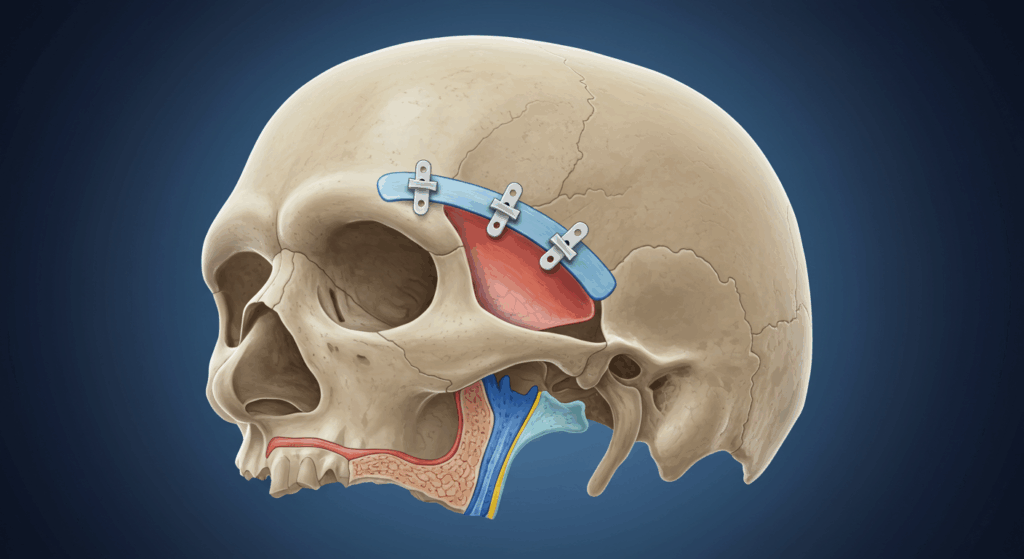
Medical Explanation: Forehead contouring, often referred to as cranioplasty or frontal bone remodeling, involves reshaping the frontal bone. There are different types of forehead procedures depending on the patient’s anatomy. Type 1 involves shaving down the prominent brow bone if it’s solid bone. Type 3, a more common procedure for significant brow bossing, involves surgically removing the anterior table of the frontal sinus (the front wall of the air-filled cavity behind the brow bone), reshaping it, and then reattaching it. This allows for significant reduction of the brow ridge without compromising the underlying sinus. Concurrent procedures like a brow lift (lifting the position of the eyebrows) and hairline lowering (advancing the scalp forward to reduce the height of the forehead) are frequently performed to enhance the feminization of the upper face.

Simple Explanation: Think of reshaping the bone just above your eyebrows to make it smoother and less bumpy. Sometimes we also lift the eyebrows or bring the hairline forward to make the forehead look softer and more rounded, like many women’s foreheads.

Rhinoplasty (Nose Reshaping)

The nose plays a central role in facial harmony. Masculine noses are often larger, wider, and have a straighter bridge, while feminine noses tend to be smaller, narrower, and may have a slight upward curve or scoop to the bridge.

Medical Explanation: Feminizing rhinoplasty involves reshaping the nasal bones and cartilages to create a smaller, more refined, and often slightly more upwardly rotated nose. Techniques include osteotomies (controlled surgical fractures of the nasal bones) to narrow the bridge, alar base reduction (reducing the width of the nostrils), and reshaping the tip cartilages to create a more delicate tip. The goal is to achieve a nose that is in proportion with the feminized forehead and the rest of the face.

Simple Explanation: This is essentially a “nose job” focused on making the nose smaller, narrower, and giving it a shape that fits better with feminine features. We might make the bridge smoother or the tip more refined.

Cheek Augmentation

Feminine cheeks are typically fuller and rounder, creating a softer contour in the mid-face. Masculine cheeks tend to be flatter.

Medical Explanation: Cheek augmentation can be achieved through various methods, including the use of implants (silicone or other biocompatible materials) placed directly over the cheekbones or by using autologous fat grafting. Fat grafting involves harvesting fat from another part of the patient’s body (like the abdomen or thighs) using liposuction, processing it, and then injecting it into the cheeks to add volume and create a more rounded contour. Fat grafting offers a natural feel and appearance, but some volume can be lost over time.

Simple Explanation: We can add volume to your cheeks to make them rounder and fuller, like many women’s cheeks. This can be done using soft implants or by taking fat from another area of your body and placing it in your cheeks.

Jaw Reduction (Mandibular Angle Reduction)

A prominent, square jawline is often perceived as a masculine trait. Feminine jawlines tend to be more tapered and less angular.

Medical Explanation: Jaw reduction surgery, specifically mandibular angle reduction, involves surgically reshaping the angle of the mandible (lower jaw bone). This is typically performed through incisions inside the mouth to avoid visible external scars. The procedure involves ostectomy (removal of a section of bone) from the posterior angle of the mandible to create a smoother, more rounded, and less prominent jawline. Concurrent procedures may include masseter muscle reduction (reducing the size of the chewing muscle which can contribute to a square jaw) using botulinum toxin injections or surgical excision.

Simple Explanation: This surgery makes the back corners of your lower jaw less square and sharp, giving you a softer, more rounded or tapered jawline.

Chin Contouring (Genioplasty)

The size and shape of the chin significantly impact the lower face contour. A masculine chin may be larger, wider, or more projected. A feminine chin is often smaller, narrower, and more tapered.

Medical Explanation: Genioplasty involves surgically reshaping the chin bone. This can include reduction genioplasty, where a section of the chin bone is removed to reduce its size or projection, or advancement genioplasty, where the chin bone is moved forward to increase projection. The bone is typically cut using a saw (osteotomy) and then repositioned and secured with small plates and screws. The procedure is usually performed through an incision inside the lower lip. Concurrent procedures may address chin width.

Simple Explanation: We can reshape your chin bone to make it smaller, narrower, or less prominent, creating a softer look that blends harmoniously with a feminized jawline.

Tracheal Shave (Adam’s Apple Reduction)

The laryngeal prominence, commonly known as the Adam’s apple, is a distinctly masculine feature.

Medical Explanation: A tracheal shave, or chondrolaryngoplasty, involves surgically reducing the size of the thyroid cartilage that forms the laryngeal prominence. An incision is typically made in a natural skin crease on the neck to minimize visible scarring. The prominent portion of the thyroid cartilage is carefully shaved down while preserving the underlying vocal cords and airway. Care must be taken to avoid damage to the vocal cords, which could affect voice quality.

Simple Explanation: This surgery reduces the bump in the front of your neck (the Adam’s apple) to make it less noticeable.

How Much is Facial Feminization Surgery in Korea?

South Korea has long been a global leader in plastic and aesthetic surgery, attracting patients worldwide seeking advanced techniques and skilled surgeons. Seoul, in particular, is home to a multitude of clinics specializing in a wide range of procedures, including FFS.

The cost of FFS in Korea can vary significantly based on several factors, including:

  1. The number and complexity of procedures performed: A full FFS suite involving multiple bone work procedures (forehead, jaw, chin) will naturally be more expensive than addressing only soft tissue concerns or fewer bone structures.
  2. The reputation and experience of the surgeon: Highly sought-after surgeons with extensive experience and a strong track record in FFS typically command higher fees.
  3. The prestige and location of the clinic: Clinics located in prime areas of Seoul, equipped with state-of-the-art technology and offering luxurious amenities, will generally have higher costs.
  4. The duration of the hospital stay and required aftercare: Complex surgeries may necessitate longer hospital stays and more intensive post-operative care, impacting the overall cost.
  5. Anesthesia fees: The type and duration of anesthesia required for the procedures contribute to the total cost.

Based on recent data and my understanding of the market, the cost of individual FFS procedures and a comprehensive FFS package in Korea can range widely. It’s important to understand that quoted prices are often estimates and the final cost can depend on the specifics of the surgical plan.

Estimated Cost Ranges for FFS Procedures in Korea (USD):

  • Forehead Contouring (including brow bone reduction): $5,000 – $10,000+
  • Rhinoplasty (Feminizing): $4,000 – $8,000+
  • Cheek Augmentation (Implants or Fat Grafting): $3,000 – $7,000+
  • Jaw Reduction: $7,000 – $12,000+
  • Chin Contouring (Genioplasty): $5,000 – $9,000+
  • Tracheal Shave: $3,000 – $6,000+
  • Full FFS Package (Multiple Procedures): $20,000 – $50,000+ (This can vary significantly based on the number and complexity of procedures included).

These figures are approximate and can fluctuate based on the factors mentioned earlier. It is crucial for patients to obtain detailed, personalized quotes directly from clinics after a thorough consultation. Some clinics may offer package deals for multiple procedures, which can sometimes be more cost-effective than booking individual surgeries separately.

Beyond the surgical fees, patients must also factor in the costs of:

  • Pre-operative consultations and evaluations
  • Medical tests and imaging (X-rays, CT scans)
  • Anesthesia fees
  • Hospital or clinic facility fees
  • Post-operative garments and medications
  • Accommodation and living expenses in Korea during recovery
  • Flights and travel insurance

While the surgical costs in Korea can be substantial, the country offers access to highly skilled surgeons and advanced medical technology. Many patients are drawn to Korea for its reputation in achieving precise and aesthetically pleasing results, particularly in bone contouring procedures.

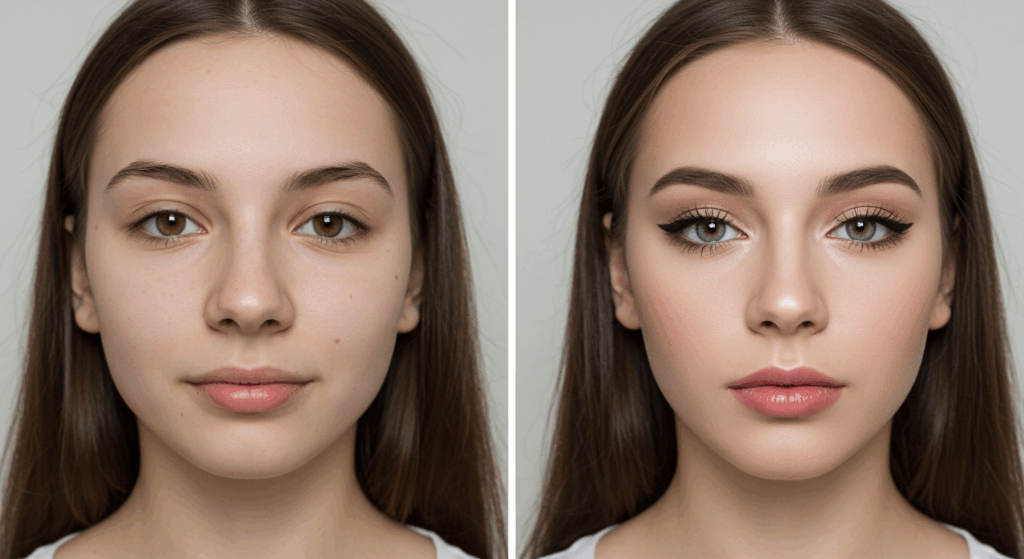
Before and after photos showing natural facial feminization surgery (FFS) results, illustrating the aesthetic transformation possible with procedures in Korea or Turkey.

Is Türkiye an Alternative for it?

Turkey has rapidly emerged as a leading destination for medical tourism, particularly for cosmetic and reconstructive surgery. The country offers a compelling combination of experienced surgeons, modern facilities, and significantly lower costs compared to many Western countries and even some other popular medical tourism destinations. For individuals considering FFS, Turkey presents itself as a strong alternative, both financially and in terms of quality of care.

The cost of FFS in Turkey is generally considerably lower than in South Korea for comparable procedures and quality of care. This cost-effectiveness is due to several factors, including lower overhead costs for clinics, favorable exchange rates for international patients, and a competitive market driving prices down.

Estimated Cost Ranges for FFS Procedures in Turkey (USD):

  • Forehead Contouring (including brow bone reduction): $4,000 – $8,000+
  • Rhinoplasty (Feminizing): $3,000 – $6,000+
  • Cheek Augmentation (Implants or Fat Grafting): $2,500 – $5,000+
  • Jaw Reduction: $5,000 – $9,000+
  • Chin Contouring (Genioplasty): $4,000 – $7,000+
  • Tracheal Shave: $2,000 – $4,000+
  • Full FFS Package (Multiple Procedures): $10,000 – $30,000+ (Again, this is highly variable based on the specific procedures).

Comparing these estimates, it is evident that Turkey offers a notable cost advantage for FFS. This can make FFS more accessible for individuals who may find the costs in Korea or Western countries prohibitive.

However, cost should not be the sole determining factor when choosing a destination and surgeon for FFS. It is paramount to prioritize surgeon qualifications, experience specifically in FFS, the clinic’s accreditation and safety standards, and the quality of patient care.

Advantages of considering Turkey for FFS include:

  • Lower Costs: As highlighted, the financial savings can be significant.
  • Experienced Surgeons: Turkey has a growing number of highly skilled plastic and reconstructive surgeons, many with international training and extensive experience in FFS.
  • Modern Facilities: Many clinics in major cities like Istanbul and Ankara are equipped with advanced medical technology and adhere to international standards.
  • Comprehensive Packages: Many Turkish clinics offer all-inclusive packages that cover surgery fees, hospital stay, accommodation, airport transfers, and sometimes even post-operative medications and nursing care, simplifying the logistical aspects for international patients.
  • Geographic Accessibility: Turkey’s location makes it relatively accessible for patients from Europe, the Middle East, and parts of Asia and Africa.

Considerations when evaluating Turkey as an alternative include:

  • Researching Surgeons and Clinics: Thorough due diligence is essential. Patients should research surgeon credentials, review before-and-after photos, and seek patient testimonials.
  • Communication: While many clinics catering to international patients have English-speaking staff, potential language barriers should be considered.
  • Travel and Recovery: Patients need to factor in travel time and plan for a sufficient recovery period in Turkey before flying home.

A Surgeon’s Perspective on Cost and Value

From my perspective as a surgeon, the “cost” of FFS extends far beyond the monetary figure. It encompasses the investment in a surgeon’s expertise, the safety of the surgical environment, the quality of the materials used (e.g., implants, plates, screws), the level of pre- and post-operative care, and ultimately, the value of achieving a result that aligns with the patient’s identity and improves their quality of life.

When patients inquire about the cost, I emphasize that they are paying for:

  • Surgical Skill and Experience: Years of training, countless hours in the operating room, and a deep understanding of complex facial anatomy are invaluable. FFS requires not only technical proficiency but also an artistic eye to create natural-looking, harmonious results.
  • Patient Safety: This is non-negotiable. The cost covers a sterile surgical environment, qualified anesthesia providers, appropriate monitoring during and after surgery, and protocols to minimize complications.
  • Personalized Care: Each FFS plan is unique. The cost reflects the time spent in consultation, detailed surgical planning, and personalized post-operative care instructions.
  • Potential for Revisions: While surgeons strive for perfection, biological variability exists. In some cases, minor revisions may be necessary to refine the results. The cost structure and policy regarding revisions should be discussed upfront.

While the lower costs in Turkey are certainly appealing, it is crucial for patients to approach this with a discerning eye. The cheapest option is not always the best option, especially when it comes to complex and life-altering surgery on the face. Patients should look for transparency in pricing and understand exactly what is included in the quoted fee.

The decision between pursuing FFS in Korea or Turkey, or indeed any other location, should be a well-informed one, balancing financial considerations with the paramount importance of safety, surgeon expertise, and the likelihood of achieving the desired outcome.

The Consultation: Your First Critical Step

Regardless of the chosen destination, the initial consultation with a qualified FFS surgeon is arguably the most critical step. This is your opportunity to:

  • Discuss your goals and expectations openly and honestly.
  • Undergo a thorough facial analysis by the surgeon.
  • Understand the recommended procedures and the rationale behind them.
  • Ask detailed questions about the surgeon’s experience, particularly with FFS.
  • Review before-and-after photos of the surgeon’s previous FFS patients.
  • Discuss potential risks and complications associated with the proposed surgeries.
  • Gain clarity on the estimated cost, including all associated fees.
  • Assess the surgeon’s communication style and whether you feel comfortable and confident in their care.

A good surgeon will take the time to1 educate you about the procedures, manage your expectations realistically, and ensure you feel empowered to make informed decisions about your surgical journey.

Understanding the Medical and Technical Nuances

To truly appreciate the cost of FFS, it is helpful to delve a little deeper into the medical and technical aspects of the procedures.

Bone Work: The Foundation of Feminization

Procedures involving the reshaping of facial bones, such as forehead contouring, jaw reduction, and chin contouring, are typically the most complex and therefore the most expensive components of FFS. These surgeries require specialized instruments, a deep understanding of craniofacial anatomy, and significant surgical skill.

Osteotomy: This is the technical term for surgically cutting a bone. In FFS bone work, precise osteotomies are performed to release sections of bone that can then be reshaped or repositioned. For example, in genioplasty, an osteotomy is made across the chin bone.

Fixation: Once bone segments are repositioned or reshaped, they need to be held in place while they heal. This is typically achieved using small, biocompatible titanium plates and screws. These materials are designed to be left in the body long-term and are generally well-tolerated.

Healing Process: Bone healing is a biological process that takes several weeks to months. The initial swelling and bruising subside relatively quickly, but the bone continues to strengthen over time. Patients need to adhere to post-operative instructions regarding diet and activity level to ensure proper healing.

Soft Tissue Procedures: Refining the Contours

While bone work addresses the underlying structure, soft tissue procedures refine the facial contours and add feminine volume and shape.

Fat Grafting: As mentioned earlier, this involves harvesting and transferring adipose tissue (fat). The harvested fat contains adipocytes (fat cells) and also mesenchymal stem cells, which can contribute to tissue regeneration and improved skin quality in the recipient area. The survival rate of grafted fat can vary, which is why some patients may require touch-up procedures.

Muscle Reshaping (e.g., Masseter Reduction): In cases of hypertrophied (enlarged) masseter muscles contributing to a square jaw, the muscle can be surgically reduced or treated with botulinum toxin injections. Surgical reduction involves removing a portion of the muscle, while botulinum toxin weakens the muscle, causing it to atrophy over time.

Skin and Subcutaneous Tissue Management: FFS procedures often involve the manipulation of skin and underlying subcutaneous tissue. Techniques like limited undermining (lifting the skin) are used to access the underlying bone structure. Managing skin laxity and ensuring smooth redraping of the skin over the new contours is crucial for a natural-looking result.

Risks and Complications

Like any surgical procedure, FFS carries inherent risks and potential complications. It is the surgeon’s responsibility to discuss these thoroughly with the patient during the consultation. Potential risks include:

  • Infection: As with any surgery, there is a risk of infection at the surgical sites. This is typically managed with antibiotics.
  • Bleeding and Hematoma: Excessive bleeding during or after surgery can lead to a hematoma (a collection of blood under the skin), which may require drainage.
  • Nerve Injury: The face has a complex network of nerves controlling sensation and muscle movement. While rare, there is a risk of temporary or permanent nerve damage, which could lead to numbness, weakness, or paralysis in certain facial areas.
  • Poor Wound Healing: Factors such as smoking, underlying medical conditions, and infection can impair wound healing.
  • Anesthesia Risks: Risks associated with general anesthesia are present in any procedure requiring it.
  • Unsatisfactory Aesthetic Outcome: Despite meticulous planning and execution, the final aesthetic result may not fully meet the patient’s expectations. This can be due to individual healing variations, unrealistic expectations, or, in rare cases, surgical error.
  • Need for Revision Surgery: In some cases, additional surgery may be required to refine the results or address complications.

Choosing an experienced FFS surgeon significantly mitigates these risks, but they cannot be entirely eliminated.

Recovery After FFS

Recovery from FFS is a process that requires patience and adherence to post-operative instructions. The duration and intensity of recovery vary depending on the number and type of procedures performed.

Immediate Post-operative Period: Patients will experience swelling, bruising, and discomfort. Pain medication will be prescribed to manage pain. Drains may be placed to help reduce swelling and collect excess fluid.

First Few Weeks: Swelling and bruising will be most prominent during the first week or two and will gradually subside. Patients will typically need to follow a soft diet, especially after jaw and chin surgery. Activity levels will be restricted.

Months Following Surgery: While the initial recovery takes several weeks, the final results of FFS may not be fully apparent for several months as swelling continues to resolve and tissues settle. Numbness in certain areas of the face is common and can take several months to a year to fully resolve.

Long-Term Results: The results of FFS bone work are generally considered permanent. Soft tissue procedures like fat grafting may require touch-ups over time as some of the grafted fat may be reabsorbed by the body. Aging will continue to affect the face, but the underlying feminized bone structure will remain.

The Psychological Impact of FFS

Beyond the physical transformation, FFS has a profound psychological impact on patients. For many transgender women and gender non-conforming individuals, FFS is a crucial step in their transition journey, helping to alleviate gender dysphoria and improve their self-esteem and quality of life.

Seeing their external appearance align more closely with their internal sense of self can be incredibly validating and empowering. However, it is important to note that FFS is not a cure for all psychological challenges, and ongoing mental health support may be beneficial for some individuals.

A good FFS surgeon recognizes the psychological significance of these procedures and approaches patient care with empathy and understanding.

The Cost-Benefit Analysis: Korea vs. Turkey

When considering “how much is facial feminization surgery in Korea?” and whether “Türkiye is an alternative for her,” the cost-benefit analysis extends beyond the simple price tag.

Korea:

  • Potential Benefits: Access to highly specialized FFS surgeons, advanced techniques, potentially longer history and volume of FFS procedures in some clinics.
  • Potential Downsides: Higher cost, potentially longer travel distance for many, cultural and language differences to navigate.

Turkey:

  • Potential Benefits: Significantly lower cost, experienced surgeons, modern facilities, all-inclusive packages simplifying logistics, increasingly recognized as a quality medical tourism destination.
  • Potential Downsides: Need for thorough research to identify reputable surgeons and clinics, potential variations in standards, although improving rapidly.

From a surgeon’s viewpoint, the “better” option depends entirely on the individual patient’s priorities, financial resources, and comfort level. If the absolute cutting edge in specific, highly specialized techniques is the primary driver and budget is less of a constraint, Korea might be more appealing. If cost-effectiveness, combined with access to experienced surgeons and good facilities, is a major consideration, Turkey presents a very strong and viable alternative.

It is my professional opinion that Turkey has rapidly advanced its capabilities in FFS and now offers high-quality surgery at a more accessible price point for many. However, just as in any country, the quality of surgeons and clinics can vary, and thorough research is non-negotiable.

Making an Informed Decision

The decision to undergo Facial Feminization Surgery is a deeply personal one, requiring careful consideration and planning. When evaluating the cost and location, I urge my patients to:

  1. Prioritize Surgeon Expertise and Safety: Never compromise on the qualifications and experience of your surgeon or the safety standards of the clinic.
  2. Obtain Personalized Quotes: Costs vary widely. Get detailed quotes from several reputable clinics in your considered locations.
  3. Understand What is Included: Clarify what the quoted price covers (surgeon’s fees, anesthesia, hospital stay, etc.) and what is excluded.
  4. Factor in Non-Surgical Costs: Remember to budget for flights, accommodation, food, and other living expenses during your stay.
  5. Consider the Recovery Period: Plan for adequate time off work or studies for recovery and ensure you have support systems in place.
  6. Trust Your Gut: Choose a surgeon and clinic where you feel comfortable, respected, and confident in their ability to help you achieve your goals.

Facial Feminization Surgery is a transformative process. While the financial investment is significant, the potential benefits to a patient’s well-being and quality of life are often immeasurable. By conducting thorough research, seeking expert consultations, and carefully weighing all factors, individuals can make informed decisions that lead to successful outcomes and a harmonious alignment of their inner and outer selves. Both Korea and Turkey offer compelling options, each with its own set of advantages, and a personalized approach is key to determining the best path forward.

Visit Dr.MFO Instagram profile to see real patient transformations! Get a glimpse of the incredible results achieved through facial feminization surgery and other procedures. The profile showcases before-and-after photos that highlight Dr. MFO’s expertise and artistic vision in creating natural-looking, beautiful outcomes.

Ready to take the next step in your journey? Schedule a free consultation with Dr. MFO ( Best Facial Feminization Surgeon for You) today. During the consultation, you can discuss your goals, ask any questions you may have, and learn more about how Dr. MFO can help you achieve your desired look. Don’t hesitate to take advantage of this free opportunity to explore your options and see if Dr. MFO is the right fit for you.
How Long Does FFS Surgery Take?

A close-up portrait of a woman with short blonde hair, wearing diamond earrings and subtle makeup, against a dark background.

How long does FFS surgery take? As a surgeon specializing in Facial Feminization Surgery (FFS), one of the most common questions I receive from patients contemplating this life-changing process is, understandably, “How long does FFS surgery take?” It’s a seemingly straightforward question, yet the answer is nuanced, reflecting the inherent complexity and individualized nature of these procedures. Unlike a simple appendectomy or knee arthroscopy, FFS is rarely a single, isolated procedure. It’s typically a suite of surgeries, carefully tailored to each individual’s unique anatomy, goals, and needs. Therefore, the duration is not a fixed number but rather a significant variable influenced by a multitude of factors.

To provide a comprehensive answer, we must delve into the various components that constitute FFS, the factors that affect surgical duration, and the logistical considerations involved in performing these intricate procedures. It’s crucial to understand that while time in the operating room (OR) is a significant factor, the overall surgical journey extends far beyond the minutes and hours spent under anesthesia. However, focusing specifically on the operative time, we can break down the elements that contribute to the total duration.

A side profile portrait of a woman with long dark hair, wearing teardrop earrings, with a neutral facial expression against a dark background.

The Nature of Facial Feminization Surgery: A Multi-Procedural Approach

FFS is not a single operation but rather a collection of procedures designed to alter facial features to be more conventionally feminine. These procedures address various areas of the face and neck, often targeting bone structure, soft tissues, and skin. Because masculinization during puberty affects different parts of the face to varying degrees in different individuals, the specific combination of procedures required varies significantly from one patient to the next.

Common FFS procedures can include:

  • Forehead Contouring (Type I, II, or III Cranioplasty): Reshaping the bone and hairline to create a smoother, more rounded forehead. This might involve shaving down the frontal bone (Type I), setback of the anterior table with reconstruction (Type III), or a combination (Type II).
  • Brow Lift: Elevating the eyebrows to a more arched and feminine position.
  • Rhinoplasty (Nose Reshaping): Modifying the size, shape, and projection of the nose.
  • Cheek Augmentation: Enhancing cheek volume, often using implants or fat grafting.
  • Lip Lift: Shortening the distance between the base of the nose and the upper lip to expose more of the upper teeth and create a fuller appearance.
  • Jaw Reduction (Mandibular Contouring): Reshaping the jawline to be narrower and less angular.
  • Chin Contouring (Genioplasty): Reshaping or repositioning the chin to be smaller, more rounded, or less prominent.
  • Tracheal Shave (Thyroid Cartilage Reduction): Reducing the size of the Adam’s apple.

Seldom does a patient require all of these procedures. More commonly, a patient will undergo a combination of three to six procedures in a single surgical session, or sometimes, staged over multiple sessions separated by several months. The number and complexity of the chosen procedures are the most significant determinants of the total surgical time.

Factors Influencing the Duration of FFS Surgery

When addressing the question of “how long does FFS surgery take,” it’s essential to explain the variables at play. From a surgeon’s viewpoint, the duration is influenced by a complex interplay of surgical, anatomical, and logistical factors.

The Number and Combination of Procedures

As highlighted earlier, the number of procedures being performed in a single session is the primary driver of surgical time. A session involving only a tracheal shave and a lip lift will be significantly shorter than one that includes forehead contouring, rhinoplasty, jaw reduction, and a genioplasty. Each procedure has its own inherent timeline, and combining them adds sequentially to the total duration.

Furthermore, the combination of procedures can also influence the overall time. Some procedures are performed in similar anatomical regions or require similar patient positioning, which can create efficiencies. For instance, performing forehead contouring and a brow lift together makes sense logistically. Conversely, combining procedures that require different patient positioning (e.g., prone for a posterior skull reduction, then supine for facial work) adds time for repositioning and re-prepping the surgical field.

Complexity of Individual Procedures

Beyond the number of procedures, the technical complexity of each chosen surgery significantly impacts its duration and, consequently, the total OR time.

  • Forehead Contouring: A simple Type I forehead shave is less time-consuming than a complex Type III setback with significant bone work and potential mesh or cement reconstruction. The extent of the bossing (the bony prominence above the eyes) and the need for concomitant hairline lowering also influence the duration.
  • Rhinoplasty: A primary rhinoplasty for minor reshaping is quicker than a complex revision rhinoplasty or a case involving significant osteotomies (bone cuts) and grafting for structural support or significant reshaping.
  • Jaw and Chin Contouring: Simple shaving of the gonial angles (the back corners of the jaw) or a minor chin reduction is faster than a complex multi-segmental genioplasty or aggressive jawline reduction requiring precise bone cuts and potential muscle repositioning.
  • Tracheal Shave: While generally one of the shorter FFS procedures, the size of the thyroid cartilage and the patient’s neck anatomy can cause variations in surgical time. Care must be taken to avoid vocal cord injury, which necessitates careful dissection and visualization.

The degree of change desired by the patient and deemed surgically achievable also dictates the complexity. More significant transformations often require more intricate surgical maneuvers, which inherently take more time.

Surgeon’s Experience and Technique

A surgeon’s experience level and preferred surgical techniques play a crucial role in the efficiency and duration of FFS procedures. An experienced FFS surgeon who has performed hundreds or thousands of these procedures will typically be more efficient than a less experienced surgeon. This isn’t about rushing, but rather about refined technique, established protocols, and a practiced hand that minimizes unnecessary steps and anticipates potential challenges.

Different surgeons may also favor different techniques for the same procedure, which can impact time. For example, some surgeons may use specific instruments or approaches for bone work that are faster or slower than others. The surgeon’s team’s familiarity with their technique is also vital; a well-oiled surgical team anticipates the surgeon’s needs, leading to smoother and quicker procedures.

Anesthesia Time

It’s important to differentiate between “knife to skin” surgical time and total time in the operating room. Total OR time includes the time spent on anesthesia induction (putting the patient to sleep), patient positioning and prepping the surgical site (cleaning and draping the area), the actual surgical procedure(s), and emergence from anesthesia (waking the patient up) and transfer to the recovery area.

The anesthesia process itself adds a significant amount of time to the total OR duration. Induction and securing the airway (often via intubation, inserting a tube into the windpipe for breathing support) can take 15-30 minutes. Emergence and extubation (removing the breathing tube) also require careful monitoring and can take another 15-30 minutes, depending on the patient’s response and the duration of the surgery. For very long surgeries, the anesthesiologist must also manage the patient’s vital signs, fluid balance, and pain control throughout the procedure, which is an ongoing, time-consuming process.

Patient-Specific Factors

Each patient brings their unique anatomy and medical history to the operating table, which can influence surgical duration.

  • Anatomy: Variations in bone density, thickness, vascularity (blood supply), and the presence of anatomical anomalies can make dissection and bone work more challenging and time-consuming. For example, particularly dense frontal bone may take longer to reshape.
  • Previous Surgery: Patients who have undergone previous facial surgeries, either cosmetic or reconstructive, may have altered anatomy, scar tissue, or implants that can make subsequent FFS procedures more complex and time-consuming. Dissecting through scar tissue requires meticulous attention to avoid damaging nerves and blood vessels.
  • Medical Conditions: Certain medical conditions can affect surgical planning and execution. For example, patients with bleeding disorders require extra precautions. While these factors might not always directly add surgical time in a predictable way, they necessitate heightened vigilance and potentially modified techniques, which can influence the overall flow and duration.

Surgical Team Efficiency

A skilled and cohesive surgical team, including the surgical assistant(s), scrub nurse, and circulating nurse, is essential for efficient surgery. A team that works well together, anticipating the surgeon’s needs, having instruments ready, and managing the sterile field effectively, contributes significantly to minimizing wasted time and ensuring a smooth workflow.

Potential Complications

While we always strive for uneventful surgeries, unforeseen circumstances or complications can arise, even in the most experienced hands. Managing unexpected bleeding, dealing with challenging anatomical variations encountered during surgery, or addressing other intraoperative issues can add significant, unpredictable time to the procedure. While not a planned part of the duration, the surgeon must be prepared to handle these situations effectively and safely, which can extend the time in the OR.

Typical Duration Ranges for Common FFS Procedures

While the exact duration varies based on the factors discussed above, we can provide general time ranges for individual FFS procedures. These are estimates for the “knife to skin” time and do not include anesthesia induction and emergence.

  • Forehead Contouring (Type I): 1.5 – 2.5 hours
  • Forehead Contouring (Type III): 2.5 – 4 hours (can be longer with complex reconstruction or concurrent hairline lowering)
  • Brow Lift: 1 – 1.5 hours
  • Rhinoplasty: 2 – 3.5 hours (primary); 3 – 5+ hours (revision)
  • Cheek Augmentation (Implants): 1 – 1.5 hours
  • Cheek Augmentation (Fat Grafting): 1.5 – 2.5 hours (includes harvest time)
  • Lip Lift: 0.5 – 1 hour
  • Jaw Reduction: 2 – 3.5 hours
  • Chin Contouring (Genioplasty): 1.5 – 2.5 hours (osseous – bone cuts); 1 – 1.5 hours (alloplastic – implant)
  • Tracheal Shave: 1 – 1.5 hours

These are rough estimates. A straightforward case might be on the shorter end, while a complex one will take longer.

Combining Procedures: The Typical FFS Session

Given that FFS typically involves multiple procedures, patients are often interested in the total duration when several surgeries are performed together. As a general rule, the time for combined procedures is roughly the sum of the individual procedure times, plus additional time for transitioning between surgical sites, potential repositioning, and overall management of a longer anesthetic.

A common FFS session might involve a combination of forehead contouring, rhinoplasty, and a chin/jaw procedure. Let’s consider an example:

  • Forehead Contouring (Type III): 3 hours
  • Rhinoplasty: 2.5 hours
  • Genioplasty (Osseous): 2 hours

Summing these, the surgical time would be approximately 7.5 hours. Adding anesthesia induction/emergence and transitions, the total time in the operating room could easily be in the range of 8.5 to 10 hours.

For more extensive FFS requiring a larger number of procedures, such as forehead, rhinoplasty, jaw, chin, and tracheal shave, the surgical time could easily extend to 8-10 hours, leading to a total OR time of 9-12+ hours.

It is important to recognize that there are practical limits to the number of procedures that can be safely performed in a single session. Very long surgeries (exceeding 10-12 hours of surgical time) increase the risks associated with prolonged anesthesia, patient positioning, and blood loss. Surgeons must carefully weigh the benefits of combining procedures for the patient’s convenience (one recovery period) against the increased risks of a very lengthy operation.

Staged vs. Single-Stage Surgery

For patients requiring a large number of complex procedures, staging the surgeries over two or more separate sessions is often a safer and more prudent approach. For example, a patient might have forehead, brow lift, and rhinoplasty in the first stage, and then jaw, chin, and tracheal shave in a second stage several months later after recovering from the initial surgery.

While staged surgery means two recovery periods, it significantly reduces the duration of each individual surgical session, thereby lowering the risks associated with very long anesthetics and allowing the surgeon to focus intensely on a smaller number of procedures at a time. The decision to stage surgery is made collaboratively between the surgeon and the patient, taking into account the patient’s overall health, the number and complexity of the required procedures, and their personal preferences.

Pre-Operative Planning: Setting the Stage for Efficient Surgery

While not part of the surgical duration itself, meticulous pre-operative planning is absolutely critical and directly impacts the efficiency and predictability of the time spent in the OR. As a surgeon, this phase is just as demanding and time-consuming as the surgery itself, albeit outside the operating room.

Planning involves:

  • Detailed Consultations: Understanding the patient’s goals, concerns, and expectations.
  • Comprehensive Facial Analysis: Assessing the patient’s unique skeletal and soft tissue anatomy, often using 3D imaging (like Cone Beam CT scans) to visualize the underlying bone structure in detail.
  • Procedure Selection and Sequencing: Determining the optimal combination and order of procedures to achieve the desired aesthetic outcome while prioritizing safety.
  • Simulations: Using imaging software to simulate potential surgical outcomes, allowing the patient to visualize the changes and the surgeon to refine the surgical plan.
  • Medical Clearance: Ensuring the patient is in optimal health for surgery through evaluations by their primary care physician and potentially specialists.
  • Logistical Coordination: Scheduling the OR time, ensuring the availability of the surgical team, and ordering necessary implants or specialized equipment.

Thorough planning allows the surgical team to enter the OR with a clear roadmap, minimizing surprises and facilitating a smoother, more efficient procedure. Insufficient planning can lead to delays, indecision, and potentially increased surgical time as adjustments are made intraoperatively.

The Role of the Anesthesiologist

The anesthesiologist is an indispensable member of the FFS surgical team, and their expertise directly contributes to the safety and, indirectly, the efficiency of the surgery. They are responsible for:

  • Administering and monitoring anesthesia: Ensuring the patient remains safely and comfortably asleep throughout the procedure.
  • Managing vital signs: Monitoring heart rate, blood pressure, oxygen levels, and body temperature.
  • Fluid management: Administering intravenous fluids and blood products as needed.
  • Pain management: Administering pain medication during and after the surgery.
  • Managing potential complications: Being prepared to address any anesthetic or medical issues that may arise.

The anesthesiologist’s presence and continuous monitoring add to the total time the patient is under supervised medical care in the OR. Their skill in maintaining a stable anesthetic state is crucial for allowing the surgeon to perform the procedures safely and effectively. Prolonged surgical times place a greater demand on the anesthesiologist’s ability to manage the patient’s physiological state.

Focusing on Outcome and Safety Over Speed

While patients are understandably interested in “how long does FFS surgery take,” it is crucial to emphasize that the surgeon’s primary focus is always on achieving the best possible aesthetic outcome safely, not on speed. Rushing through complex surgical maneuvers increases the risk of complications, including nerve injury, asymmetry, and suboptimal aesthetic results.

A skilled FFS surgeon takes the time necessary to perform each step meticulously, ensuring precision in bone cuts, soft tissue dissection, and closure. This deliberate approach, while potentially increasing the surgical time compared to a hurried surgery, ultimately leads to safer procedures and more predictable, aesthetically pleasing results. Patients should prioritize finding a surgeon with a track record of excellent outcomes and a commitment to patient safety over concerns about minimizing time in the operating room.

Detailed Examination of Procedure Timelines and Techniques

To further elaborate on why the question “how long does FFS surgery take” has a variable answer, let’s delve deeper into the technical aspects and time considerations for some key FFS procedures.

Forehead Contouring (Cranioplasty)

Forehead contouring is a foundational FFS procedure for many patients, as the forehead shape significantly contributes to perceived gender. The duration varies considerably based on the technique required.

  • Type I (Shaving): This involves carefully using specialized burrs (surgical drills) to reduce the prominence of the frontal bossing. The time taken depends on the thickness of the bone to be removed and the extent of the bossing. Careful feathering of the edges is necessary to avoid visible lines. Average time: 1.5 – 2.5 hours.
  • Type III (Setback with Reconstruction): This is a more complex procedure required when the frontal sinus (an air-filled cavity within the bone) is large and extends into the area of the bossing. Simply shaving the bone would expose the sinus. Instead, a piece of the anterior table of the frontal bone is carefully cut and removed, the inner wall of the frontal sinus is reduced if necessary, and the removed bone segment is reshaped and reattached in a flatter position using small plates and screws. If the bone cannot be adequately reshaped or is too thin, reconstructive materials like bone cement (methyl methacrylate or hydroxyapatite cement) or grafts may be used. This procedure requires meticulous bone cuts, handling of the dura (the membrane covering the brain), and precise fixation. Average time: 2.5 – 4 hours, but can extend to 5+ hours with extensive reconstruction or if performed concurrently with complex hairline lowering that involves advancing the scalp.

The decision between Type I and Type III is made based on pre-operative CT scans, which clearly visualize the frontal sinus anatomy. The surgeon’s experience in bone work and handling the frontal sinus area directly impacts the efficiency and safety of this procedure.

Rhinoplasty

Rhinoplasty in FFS aims to create a nose that is typically smaller, more refined, with a slightly scooped or straight dorsum (bridge) and a rotated, less projecting tip compared to typical masculine noses. The duration depends on the complexity of the required changes.

  • Primary Rhinoplasty: For patients with relatively minor issues, such as a dorsal hump reduction or tip refinement, the surgery is less extensive. Techniques might involve cartilage reshaping, minor bone work (osteotomies), and suturing the cartilage framework. Average time: 2 – 3.5 hours.
  • Complex Primary or Revision Rhinoplasty: These cases involve more significant structural changes, such as narrowing a wide nose (requiring medial and lateral osteotomies), correcting a deviated septum (septoplasty, often performed concurrently), rebuilding nasal support using cartilage grafts (harvested from the septum, ear, or occasionally the rib), or addressing issues from previous nasal surgery. Grafting and complex osteotomies add significant time due to the meticulous carving and placement of grafts and precise bone cuts. Revision cases are often longer due to scar tissue and altered anatomy. Average time: 3 – 5+ hours.

The surgeon’s expertise in nasal anatomy and various grafting techniques is paramount and influences the time taken for precise sculpting and structural support.

Jaw and Chin Contouring (Mandibular Contouring and Genioplasty)

These procedures reshape the lower third of the face to create a softer, less angular appearance. They are often performed together.

  • Jaw Reduction (Gonial Angle Reduction): This involves carefully reducing the prominence of the gonial angles (the posterior-inferior corners of the mandible) to create a smoother curve from the earlobe to the chin. Techniques involve using oscillating saws or burrs to remove bone. Care must be taken to protect the facial nerve and surrounding soft tissues. Average time: 2 – 3.5 hours. The amount of bone to be removed and the approach (external incision vs. intraoral) can influence time.
  • Chin Contouring (Genioplasty):
    • Osseous Genioplasty: This involves making precise cuts (osteotomies) in the chin bone to reposition it (forward, backward, up, down, or sideways) or to reduce its size and reshape it. The bone segment is then fixed in its new position with small plates and screws. This technique allows for significant changes in chin projection and vertical height. Average time: 1.5 – 2.5 hours. The complexity of the cuts (e.g., multi-segmental osteotomies for complex reshaping) adds time.
    • Alloplastic Genioplasty: This involves placing a synthetic implant (made of silicone or porous polyethylene) on the chin bone to increase projection or width. This is generally a faster procedure than osseous genioplasty. Average time: 1 – 1.5 hours.
    • Chin Shaving: For minor reductions in chin prominence, the bone can be carefully shaved down. Average time: 1 – 1.5 hours.

Performing jaw reduction and genioplasty together adds the time for each procedure, plus time for transitioning between the areas. The surgeon’s skill in performing precise bone cuts and using fixation hardware efficiently impacts the duration.

Tracheal Shave (Thyroid Cartilage Reduction)

This procedure reduces the prominence of the Adam’s apple by carefully shaving or excising a portion of the thyroid cartilage. While technically straightforward, it requires meticulous technique to avoid damaging the vocal cords, which lie immediately deep to the cartilage.

The surgeon makes a small incision in the neck, carefully dissects down to the thyroid cartilage, and then uses a scalpel or other instruments to carefully reduce the anterior projection of the cartilage. Intraoperative assessment of voice is sometimes used, though this requires specific anesthetic management (a “light” anesthetic or temporary waking), which can add complexity and time. Average time: 1 – 1.5 hours. The size of the cartilage and the patient’s neck anatomy influence the duration.

Anesthesia Considerations and Their Impact on Duration

The type and management of anesthesia are crucial for patient safety during FFS, particularly for long, complex procedures. General anesthesia is almost always used for significant FFS.

The anesthesiologist’s role extends beyond simply putting the patient to sleep. They must:

  • Establish Intravenous Access: Placing IV lines for fluid and medication administration.
  • Secure the Airway: Typically involves endotracheal intubation (placing a breathing tube), which requires careful positioning to avoid disrupting the surgical field, especially during jaw and chin procedures. Nasal intubation is sometimes used for oral procedures, but requires expertise.
  • Monitor Vital Signs Continuously: Heart rate, blood pressure, oxygen saturation, end-tidal CO2, temperature, etc.
  • Administer Anesthetic Agents: Maintaining the appropriate depth of anesthesia throughout the procedure.
  • Manage Fluid Balance and Blood Loss: Administering IV fluids and blood transfusions if necessary.
  • Administer Medications: Pain medication, antibiotics, anti-nausea drugs, etc.
  • Manage Patient Positioning: Ensuring the patient is safely positioned and padded to prevent pressure injuries, especially during long surgeries. Repositioning may be required between procedures (e.g., supine for facial work, potentially slightly adjusted for jaw/chin).
  • Manage Emergence: Carefully waking the patient up and extubating them when it is safe to do so, ensuring they can breathe adequately on their own.

The time taken for these anesthetic procedures before and after the “knife to skin” time adds to the total time the OR is occupied. For a 10-hour surgical case, the patient might be in the OR for 11-12 hours or even longer, accounting for all anesthetic and setup/cleanup time. The anesthesiologist’s experience in managing prolonged cases is vital for patient safety and contributes to the overall efficiency of the OR team.

The Surgical Team’s Contribution to Efficiency

A high-functioning surgical team is essential for minimizing unnecessary delays and ensuring a smooth workflow. The team typically includes:

  • The Surgeon: The primary operator responsible for the surgical procedures.
  • Surgical Assistant(s): Help with retraction, suction, suturing, and other tasks under the surgeon’s direction. In complex FFS, often a plastic surgery resident, fellow, or another experienced surgeon.
  • Scrub Nurse (or Surgical Technologist): Manages the sterile field, anticipates the surgeon’s instrument needs, and hands instruments efficiently.
  • Circulating Nurse: Works outside the sterile field, manages supplies, documentation, and communicates with other hospital staff.

An experienced team that has worked together frequently for FFS procedures develops a rhythm and anticipates the next steps, which significantly improves efficiency. The scrub nurse knowing which instrument the surgeon will need next, the assistant providing optimal retraction, and the circulating nurse ensuring necessary supplies are readily available all contribute to minimizing downtime during the surgery. Delays caused by a lack of necessary instruments, miscommunication within the team, or difficulty anticipating the surgeon’s needs can add precious minutes, which accumulate over a long case.

Logistical Considerations and Scheduling

From a hospital and surgical facility perspective, the scheduling of FFS cases is a significant logistical undertaking, primarily driven by the expected duration. Long cases require dedicated OR time and necessitate careful planning to ensure staffing and equipment availability.

Hospitals typically schedule OR time in blocks. FFS cases, due to their duration, often occupy a full day’s block or a significant portion of two consecutive blocks. This limits the number of other surgeries that can be performed in that OR on that day. The complexity and estimated duration of each FFS case are carefully considered when scheduling to optimize OR utilization and minimize conflicts.

The surgeon and their office staff work closely with the hospital’s OR scheduling department to reserve the necessary time. Unexpected delays in previous cases or issues with OR turnover (cleaning and preparing the OR between cases) can sometimes impact the start time of a scheduled FFS case, although efforts are made to minimize such delays for lengthy procedures.

Post-Operative Time in the Recovery Room

While not part of the surgical time in the OR, the time spent in the Post-Anesthesia Care Unit (PACU), or recovery room, is the immediate post-surgical phase where the patient wakes up and is closely monitored. The duration in the PACU depends on the patient’s response to anesthesia, pain levels, and overall stability. For long FFS procedures, patients may require a longer period in the PACU before being transferred to a regular hospital room or surgical ward. This is not surgical time but is part of the immediate post-operative care timeline.

A professional headshot of a woman with long wavy hair, smiling warmly at the camera. She is wearing large hoop earrings and has a radiant expression. The background is a neutral brown, allowing her to be the focus of the image.

The Importance of Consultation and Realistic Expectations

Given the significant variability in “how long does FFS surgery take,” it is absolutely imperative for patients to have a detailed consultation with an experienced FFS surgeon. During this consultation, the surgeon will evaluate the patient’s anatomy, discuss their goals, recommend a personalized surgical plan, and provide an estimated duration for the proposed procedures.

It is crucial for patients to understand that this is an estimate. While surgeons are experienced at predicting surgical times based on the planned procedures, the realities of complex surgery mean that the actual time in the OR can be slightly shorter or longer than anticipated due to anatomical variations, unexpected findings, or the need for minor intraoperative adjustments to optimize the outcome.

Patients should feel comfortable asking their surgeon questions about the planned procedures, the estimated duration, and the factors that might influence the time taken. A transparent discussion about these aspects helps set realistic expectations and build trust between the patient and the surgical team.

Long Cases: Risks and Mitigation

While modern anesthesia and surgical techniques have made long surgeries much safer than in the past, prolonged time under anesthesia and in specific positions does carry increased risks. These risks include:

  • Increased risk of blood clots (Deep Vein Thrombosis – DVT): Due to prolonged immobility. Prophylactic measures, such as sequential compression devices (SCDs) on the legs and sometimes blood-thinning medication, are used to mitigate this risk.
  • Pressure injuries: Sustained pressure on certain parts of the body during lengthy positioning can lead to skin or nerve damage. Meticulous padding and careful positioning throughout the case are essential.
  • Core body temperature changes: Maintaining a stable body temperature can be more challenging during long surgeries. Warming blankets and heated fluids are used to prevent hypothermia.
  • Increased risk of nausea and vomiting: Though modern anti-emetics have significantly reduced this.
  • Fatigue for the surgical team: While surgeons and their teams are trained for long cases, prolonged focus can be demanding. Experienced teams manage this through breaks and maintaining focus.

Experienced FFS surgeons and anesthesiologists are highly aware of these risks and employ numerous strategies to mitigate them, including careful patient selection, thorough pre-operative optimization of the patient’s health, meticulous technique, vigilant monitoring, and a focus on patient safety throughout the entire process. The decision to perform a very long single-stage surgery versus staged procedures is often a direct reflection of the surgeon’s assessment of these risks for a particular patient.

Close-up portrait of a person with striking green eyes, dark eyebrows, and long eyelashes, showcasing detailed facial features.

Conclusion: Time is a Function of Complexity and Care

In summary, the question “how long does FFS surgery take” does not have a single, fixed answer. From a surgeon’s perspective, it is a duration that is directly proportional to the number and complexity of the procedures being performed, influenced significantly by the patient’s unique anatomy, the surgeon’s experience and technique, the efficiency of the surgical team, and the time required for safe anesthesia.

A typical comprehensive FFS session involving multiple procedures can range from 6 to 12 hours or even longer in the operating room, encompassing the surgical time, anesthesia time, and setup/cleanup. For very extensive transformations, staged surgeries are often recommended to enhance safety and optimize outcomes.

While the duration is an important logistical consideration, both for the patient and the surgical facility, it should never be the primary focus. The priority in FFS is always on achieving aesthetically pleasing and natural-looking results safely and effectively. Patients should trust their surgeon’s judgment regarding the appropriate procedures and the necessary time required to perform them with precision and care. The investment of time in the operating room is an investment in achieving the desired transformation and a future where the patient feels more aligned with their authentic self. A thorough consultation with an experienced FFS surgeon is the best way to obtain a personalized estimate of the surgical duration based on your specific needs and surgical plan. The journey through FFS is significant, and understanding the commitment of time and expertise required in the operating room is a vital part of that journey.

Visit Dr.MFO Instagram profile to see real patient transformations! Get a glimpse of the incredible results achieved through facial feminization surgery and other procedures. The profile showcases before-and-after photos that highlight Dr. MFO’s expertise and artistic vision in creating natural-looking, beautiful outcomes.

Ready to take the next step in your journey? Schedule a free consultation with Dr. MFO ( Best Facial Feminization Surgeon for You) today. During the consultation, you can discuss your goals, ask any questions you may have, and learn more about how Dr. MFO can help you achieve your desired look. Don’t hesitate to take advantage of this free opportunity to explore your options and see if Dr. MFO is the right fit for you.
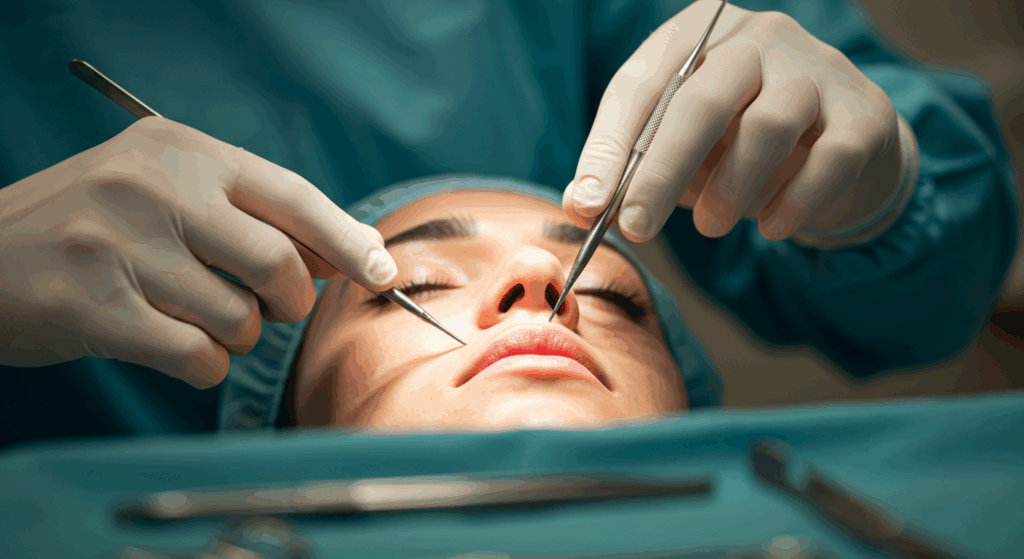
How Much is FFS Surgery? Cost Guide

Close-up portrait of a woman with light brown skin, green eyes, and straight dark hair. She has minimal makeup, emphasizing natural beauty.

As a surgeon specializing in Facial Feminization Surgery (FFS), one of the most frequent and understandably critical questions I encounter is, “How much does FFS surgery cost?” It is a question that, while seemingly simple, unlocks a complex landscape of factors, procedures, and personal journeys. Providing a single, definitive number is akin to asking “How much does a house cost?” – the answer varies immensely based on location, size, features, and numerous other variables. However, my aim here is to demystify this topic, offering a comprehensive breakdown from my clinical perspective, incorporating both the technical aspects and the deeply personal investment involved.

Facial Feminization Surgery is not a monolithic procedure; it is a collection of highly specialized surgical interventions designed to alter typically masculine facial features to align them more closely with typical feminine aesthetics. This process is deeply individual, tailored to each patient’s unique anatomy and aesthetic goals. Therefore, the cost is a direct reflection of the complexity and extent of the surgical plan. It represents the culmination of not just the time spent in the operating room, but years of rigorous training, specialized expertise, the dedication of a skilled surgical team, the resources of a fully accredited medical facility, and comprehensive pre- and post-operative care.

Understanding the cost of FFS requires looking beyond a simple price tag and appreciating the numerous components that contribute to the final figure. It is an investment – an investment in aligning one’s physical form with their authentic self, a process that can have profound positive impacts on psychological well-being and quality of life.

A close-up photo of a woman's chin, neck, and lower face against a solid blue background.

Deconstructing the Cost: More Than Just the Scalpel

When patients inquire about the cost of FFS, they are often initially focused solely on the surgeon’s fee. While the surgeon’s expertise is a significant component, it is by no means the only one. From a surgeon’s vantage point, the overall cost encompasses several critical elements, each indispensable to ensuring patient safety, optimal results, and a smooth recovery.

Surgeon’s Fee: Expertise and Experience

The surgeon’s fee is a reflection of their specialized training, years of experience in performing complex facial skeletal and soft tissue procedures, reputation, and the demand for their services. FFS requires a nuanced understanding of facial anatomy and aesthetics, as well as mastery of a wide range of surgical techniques. An experienced FFS surgeon has honed these skills over countless hours in the operating room, managing diverse anatomies and potential complexities. This experience translates to a higher likelihood of achieving the desired aesthetic outcomes while minimizing risks.

Consider, for instance, a complex forehead reconstruction involving significant brow bone reduction and frontal bossing (the prominent bone structure above the eyes) correction. This requires not only precise bone reshaping but also careful consideration of the underlying frontal sinus and the position of the hairline and eyebrows. Such intricate work demands a surgeon with extensive experience in cranial and facial procedures, which is reflected in their fee.

Facility Fees: The Operating Room and Beyond

The facility fee covers the cost of the hospital or surgical center where the procedure is performed. This includes the use of the operating room, specialized surgical equipment, sterilization, and the support staff present during the surgery (nurses, surgical technologists, etc.). The quality and accreditation of the facility are paramount for patient safety. Accredited surgical centers and hospitals adhere to stringent safety protocols, possess advanced equipment, and have robust emergency preparedness systems.

The duration and complexity of the surgery directly impact the facility fee, as longer and more involved procedures require more operating room time and resources. For a comprehensive FFS case involving multiple procedures, the operating room time can extend for several hours, significantly contributing to this cost component.

Anesthesia Fees: Ensuring Comfort and Safety

Anesthesia is a critical component of FFS, ensuring the patient’s comfort and safety throughout the procedure. The anesthesia fee covers the cost of the anesthesiologist or nurse anesthetist’s1 services, anesthetic medications, and monitoring equipment. Like the surgeon, the anesthesiologist is a highly trained medical professional responsible for administering anesthesia, monitoring vital signs, and managing any medical issues that may arise during surgery.

The type of anesthesia used (typically general anesthesia for most FFS procedures) and the length of the surgery are the primary determinants of the anesthesia fee. The expertise of the anesthesia provider is crucial, particularly in complex, multi-hour procedures where maintaining stable physiological parameters is essential.

Ancillary Costs: Pre- and Post-Operative Care

Beyond the core surgical team and facility, several other costs are integral to the FFS journey. These include:

  • Pre-operative consultations and evaluations: Multiple consultations are often necessary to develop a personalized surgical plan, discuss risks and benefits, and ensure the patient is medically optimized for surgery. This may also include consultations with other specialists, such as an endocrinologist or mental health professional.
  • Medical tests and imaging: Blood work, EKG, and sometimes imaging studies like CT scans are required to assess the patient’s health status and provide detailed anatomical information for surgical planning, particularly for bony work on the forehead, jaw, and chin.
  • Surgical garments and supplies: Compression garments, special dressings, and medications needed for post-operative recovery are part of the overall cost.
  • Post-operative care and follow-up visits: Regular follow-up appointments are necessary to monitor healing, address any concerns, and ensure optimal results. In some cases, this may include wound care or other specialized post-operative treatments.
  • Potential for revisions: While the goal is always to achieve the desired outcome in a single surgery, sometimes revisions are necessary. The cost of revisions can vary depending on the complexity.

These ancillary costs, while seemingly minor individually, contribute to the overall expense and are essential for a safe and successful surgical experience.

A close-up side profile of a person's face focusing on the nose and lips with a dark background. The lighting highlights the contours of the nose and lips, emphasizing the smooth skin texture.

The Procedure Mix: A Tailored Approach, a Variable Cost

The most significant factor influencing the total cost of FFS is the specific combination of procedures included in the surgical plan. FFS is rarely a single operation; it is typically a suite of procedures performed together or staged over multiple surgical sessions. Each procedure addresses specific facial features that are often perceived as more masculine.

Here, I will detail some of the common FFS procedures and offer a general sense of their complexity and how they contribute to the overall cost. It’s crucial to remember that these are general descriptions, and the exact surgical approach is always tailored to the individual patient’s anatomy and goals.

Forehead Contouring (Including Brow Bone Reduction and Hairline Lowering)

The forehead is a key area in facial gender perception. A typically masculine forehead often features a prominent brow bone (supraorbital ridge) and a higher hairline. Forehead feminization can involve:

  • Brow Bone Reduction (Forehead Cranioplasty): This procedure reduces the prominence of the brow bone, often involving reshaping the bone above the eyes. In cases of significant bossing, the anterior (front) wall of the frontal sinus may need to be carefully removed, reshaped, and reattached (a procedure known as a Type 3 forehead reconstruction or osteotomy) or the bone can be burred down (Type 1 or 2). This is a complex procedure requiring significant surgical skill and is often performed through an incision hidden within the hairline or at the hairline.
  • Hairline Lowering (Forehead Reduction/Advancement): A higher hairline can be perceived as more masculine. This procedure involves making an incision along the existing hairline and advancing the scalp forward to lower the hairline. It can be performed alone or in conjunction with brow bone reduction.

Forehead contouring procedures are often among the most impactful and technically demanding FFS surgeries. They typically require general anesthesia and several hours of operating time, making them a significant component of the overall cost. The complexity of the bone work, particularly if a Type 3 osteotomy is required, directly influences the cost.

Rhinoplasty (Nose Reshaping)

The nose is a central feature of the face, and its shape can significantly contribute to gender perception. Feminizing rhinoplasty aims to create a softer, more refined nasal appearance. This can involve reducing the overall size, narrowing the bridge, refining the tip, and reducing a dorsal hump (a bump on the bridge).

Rhinoplasty is a highly artistic and technically demanding procedure. It requires precise sculpting of bone and cartilage to achieve a natural-looking, feminine result that harmonizes with the other facial features. The complexity of the rhinoplasty (whether it’s a primary surgery or a revision, the amount of reshaping required) will impact its cost.

Cheek Augmentation

Fuller cheeks are often associated with femininity. Cheek augmentation in FFS can be achieved through various methods:

  • Malar Implants: Solid silicone implants are surgically placed over the cheekbones to add volume and contour.
  • Fat Grafting (Autologous Fat Transfer): Fat is harvested from another area of the body (e.g., abdomen, thighs) using liposuction, processed, and injected into the cheeks to add volume. This is a less invasive option than implants but may require multiple sessions to achieve the desired result as some of the transferred fat may not survive.

Cheek augmentation, particularly using implants, adds to the overall surgical time and complexity. Fat grafting may be less expensive per session but can require repeat procedures.

Jaw Reduction (Mandibular Contouring)

A square or prominent jawline can be perceived as masculine. Jaw reduction surgery aims to soften the jawline and create a more oval or V-shaped face. This can involve:

  • Mandibular Angle Reduction: Reshaping or removing bone from the angles of the jaw.
  • Gonial Angle Reduction: Specifically targeting the bony prominence at the back corner of the jaw.

Jaw reduction surgery involves working with the bone structure of the lower face and requires careful attention to avoid damage to nerves and blood vessels. The extent of bone reduction and the specific techniques used will influence the cost.

Chin Surgery (Genioplasty)

The chin’s size and shape also play a role in facial gender perception. Chin feminization often involves reducing the chin’s height and width and potentially advancing it forward to create a more delicate and balanced profile. This is achieved by cutting and repositioning a segment of the chin bone (osseous genioplasty) or by using implants.

Genioplasty is a bone-focused procedure that requires precision and understanding of facial proportions. The complexity of the bone movements or the type of implant used will affect the cost.

Tracheal Shave (Adam’s Apple Reduction)

A prominent Adam’s apple (formed by the thyroid cartilage) is a typically masculine trait. A tracheal shave reduces the size of the thyroid cartilage to create a smoother neck contour. This procedure requires careful surgical technique to avoid damaging the vocal cords, which are located just behind the cartilage.

A tracheal shave is generally less complex than bony procedures but still requires a skilled hand. Its cost is typically lower than more extensive bone work.

Lip Lift

The distance between the base of the nose and the upper lip can be longer in typically masculine faces. A lip lift shortens this distance by removing a small amount of skin beneath the nose, which also helps to evert (turn outward) the upper lip, giving it a fuller appearance.

A lip lift is a relatively minor procedure compared to bony work but contributes to the overall cost and the feminization of the perioral (around the mouth) area.

A professional headshot of a woman with short wavy brown hair, wearing subtle makeup, earrings, and a white top, smiling against a dark gray background.

Cost Comparison Tables: A Global Perspective

Providing exact, fixed costs for FFS is impossible due to the personalized nature of the surgery and the numerous variables involved. However, I can offer estimated ranges based on general market data and my understanding of costs in different regions. These tables are intended as a general guide and should not be considered definitive quotes. Actual costs will vary significantly based on the specific surgeon, facility, procedures performed, and individual patient needs.

Here are estimated cost ranges for a combination of common FFS procedures (e.g., forehead, nose, jaw, chin, tracheal shave) in various countries, based on available data. These are broad ranges and individual procedures within a full FFS suite will have their own specific costs, as outlined in the previous section.

CountryEstimated Cost Range (USD)Notes
United States$30,000 – $80,000+High cost of living and healthcare, wide range based on surgeon.
Canada$25,000 – $60,000+Similar to the US, but potentially slightly lower on average.
United Kingdom$25,000 – $55,000+Costs can vary between London and other regions.
Germany$20,000 – $45,000+High quality healthcare, generally lower than the US or UK.
Spain$18,000 – $40,000+Increasingly popular destination, competitive pricing.
Thailand$15,000 – $35,000+Well-established medical tourism, lower costs than Western countries.
South Korea$20,000 – $40,000+Renowned for cosmetic surgery expertise, costs can be moderate to high.
Turkey$10,000 – $25,000+Popular medical tourism destination offering competitive pricing.
Mexico$15,000 – $30,000+More affordable option for patients in North America.
India$8,000 – $20,000+Emerging medical tourism destination with lower costs.

Important Considerations Regarding Cost Tables:

  • These ranges are estimates for a combination of procedures, not single procedures.
  • The lower end of the range in some countries might represent more limited procedures or less experienced surgeons.
  • The higher end reflects comprehensive FFS with multiple complex procedures performed by highly experienced surgeons in top-tier facilities.
  • These costs generally include surgeon fees, anesthesia fees, and facility fees. They may or may not include pre-operative consultations, post-operative care, medications, or potential revision surgery costs. It is crucial to get a detailed quote from the surgeon’s office that itemizes all anticipated costs.
  • Travel, accommodation, and lost wages during recovery are additional costs that must be factored in, especially for patients traveling internationally for surgery.

Here is a table offering a very general estimate of the starting costs for individual FFS procedures in a few selected regions, again, with the caveat that these are highly variable:

ProcedureEstimated Starting Cost (USD) – USAEstimated Starting Cost (USD) – Europe (Western)Estimated Starting Cost (USD) – Southeast AsiaEstimated Starting Cost (USD) – Turkey
Forehead Contouring$8,000 – $20,000$7,000 – $18,000$5,000 – $12,000$4,000 – $10,000
Rhinoplasty$6,000 – $15,000$5,000 – $12,000$4,000 – $10,000$3,000 – $8,000
Cheek Augmentation (Implants)$5,000 – $10,000$4,000 – $9,000$3,000 – $7,000$2,500 – $6,000
Jaw Reduction$7,000 – $18,000$6,000 – $15,000$5,000 – $12,000$4,000 – $10,000
Chin Surgery (Genioplasty)$6,000 – $12,000$5,000 – $10,000$4,000 – $8,000$3,000 – $7,000
Tracheal Shave$3,000 – $7,000$2,500 – $6,000$2,000 – $5,000$1,500 – $4,000
Lip Lift$2,000 – $5,000$1,500 – $4,000$1,000 – $3,000$800 – $2,500

These are starting costs and can increase significantly based on the complexity of the individual case and the surgeon’s fees. Combining multiple procedures in a single surgical session can sometimes offer a slightly lower per-procedure cost compared to staging them separately, as it reduces overlapping facility and anesthesia fees. However, the total cost for a multi-procedure session will still be substantial.

Value Beyond the Price: A Surgeon’s Philosophy

From my perspective as a surgeon, the cost of FFS is not merely a price for a service; it is an investment in a patient’s future well-being and self-actualization. While financial considerations are undeniably important, focusing solely on the lowest price can be a precarious approach when it comes to complex surgical procedures that permanently alter one’s appearance.

The value of FFS extends far beyond the aesthetic outcome. It is about alleviating gender dysphoria, improving self-esteem, and enabling individuals to navigate the world feeling more authentic and confident. These intangible benefits are difficult to quantify but are central to the purpose of FFS.

When discussing costs with patients, I emphasize the importance of considering several factors that contribute to the overall value proposition:

  • Surgeon’s Expertise and Specialization: Choosing a surgeon with extensive experience and a focus on FFS is paramount. Their understanding of facial feminization techniques, ability to anticipate and manage potential complications, and artistic eye for creating harmonious results are invaluable. A higher surgeon’s fee often reflects this level of expertise.
  • Accredited Facility: Surgery should always be performed in a safe, accredited facility with the necessary equipment and support staff to handle any situation. The facility fee contributes to this safety net.
  • Comprehensive Care: A surgical practice that provides thorough pre-operative evaluations, clear communication, and dedicated post-operative care is crucial for a smooth and successful recovery. This comprehensive approach is part of the overall cost structure.
  • Realistic Expectations and Trust: A good surgeon will spend time with the patient, discussing their goals realistically, explaining the procedures in detail (including potential risks and limitations), and building a relationship of trust. This consultation process, while sometimes associated with a fee, is essential for informed decision-making and managing expectations.

Seeking multiple consultations with different surgeons is a wise approach for patients. This allows them to compare not just costs but also surgical philosophies, aesthetic sensibilities, and the rapport they feel with the medical team. A surgeon who takes the time to listen, understand the patient’s goals, and provide clear, honest information, even if their fees are not the lowest, may offer a higher overall value in terms of safety, results, and the overall patient experience.

The Consultation: Your First Investment

The initial consultation with an FFS surgeon is a critical step and can be considered the first financial investment in the process. Consultation fees vary among surgeons and clinics. While some may offer free consultations, many experienced FFS surgeons charge a fee for their time and expertise during this initial meeting.

During the consultation, the surgeon will:

  • Review your medical history and assess your overall health.
  • Discuss your goals and desired outcomes for FFS.
  • Perform a detailed examination of your facial anatomy, including skeletal structure and soft tissues.
  • Recommend a personalized surgical plan, outlining the specific procedures that would be most beneficial based on your anatomy and goals.
  • Explain the surgical techniques involved, the potential risks and complications, and the expected recovery process.
  • Provide a detailed cost estimate for the proposed surgical plan, itemizing the various fees (surgeon, anesthesia, facility, etc.).
  • Answer any questions you may have.

This in-depth evaluation and discussion are essential for both the patient and the surgeon. For the patient, it provides clarity on the potential surgical journey, realistic expectations, and a detailed understanding of the costs involved. For the surgeon, it allows for a thorough assessment to develop the safest and most effective treatment plan. The consultation fee reflects the surgeon’s time and expertise in providing this crucial initial assessment and planning.

Some practices may credit the consultation fee towards the total cost of the surgery if the patient decides to proceed. This is a practice that varies, and it’s important to clarify this during the scheduling process.

Navigating the Financial Landscape: Insurance and Financing

For many patients, the cost of FFS represents a significant financial undertaking. Exploring payment options and potential avenues for financial assistance is an important part of the process.

Insurance Coverage: A Shifting Landscape

Historically, FFS was often considered purely cosmetic by insurance companies and was therefore not covered. However, the understanding of gender dysphoria as a medical condition requiring medically necessary treatment, including surgical interventions like FFS, is evolving. While coverage varies significantly depending on the insurance provider, the specific plan, and the individual’s diagnosis and documentation of medical necessity, some insurance plans are now providing coverage for certain FFS procedures.

Navigating insurance coverage for FFS can be complex and time-consuming. It often requires providing extensive documentation of gender dysphoria, letters of support from mental health professionals, and detailed information about the proposed surgical plan and its medical necessity in alleviating dysphoria.

As a surgeon’s office, while we can provide necessary medical documentation and work with patients in their efforts to seek insurance coverage, the responsibility for understanding and pursuing insurance benefits ultimately lies with the patient. We often advise patients to contact their insurance provider directly to understand their policy’s coverage for gender-affirming surgeries, including FFS, and the specific requirements for pre-authorization or approval.

It is important to be aware that even when insurance provides some coverage, there are often deductibles, co-pays, and out-of-pocket maximums that the patient will be responsible for. Furthermore, certain procedures within a comprehensive FFS plan may be deemed cosmetic even if others are covered, leading to partial coverage.

Financing Options: Making FFS Accessible

For costs not covered by insurance or for patients without insurance coverage, various financing options can help make FFS more accessible:

  • Medical Financing Companies: Several companies specialize in financing medical procedures, including cosmetic and gender-affirming surgeries. These companies offer loans with various interest rates and repayment terms.
  • Personal Loans: Patients may be able to obtain personal loans from banks or credit unions to cover the cost of surgery.
  • Savings and Payment Plans: Some surgical practices may offer in-house payment plans, although this is less common for the full cost of complex FFS. Saving for the procedure over time is another option.
  • Crowdfunding and Fundraising: Some individuals utilize online crowdfunding platforms or organize personal fundraisers to help offset the costs of FFS.
  • Grants and Scholarships: A limited number of grants and scholarships are available specifically for gender-affirming surgeries, though these are highly competitive.

Patients should carefully research and understand the terms and interest rates of any financing options before committing.

The Recovery Period: Time and Hidden Costs

The cost of FFS extends beyond the surgical fees and facility charges. The recovery period also involves financial considerations, some of which may not be immediately apparent:

  • Time Off Work: Most FFS procedures require a significant recovery period, often several weeks, during which patients are unable to work. Lost wages can be a substantial hidden cost. The length of time off work will depend on the extent of the surgery and the nature of the patient’s employment.
  • Travel and Accommodation: For patients traveling for surgery, the costs of airfare, accommodation (for themselves and potentially a caregiver), and transportation to and from appointments and the surgical facility can add up quickly.
  • Caregiver Support: During the initial phase of recovery, patients will need assistance with daily tasks. This may require a partner, family member, or friend to take time off work or may necessitate hiring professional in-home care, both of which have associated costs.
  • Medications and Supplies: Pain medication, antibiotics, special mouthwashes, and wound care supplies are needed during recovery and contribute to the overall expense.
  • Follow-up Appointments: Attending follow-up appointments with the surgeon is crucial for monitoring healing. Travel costs and time off work for these appointments should be factored in.

Planning and budgeting for these recovery-related costs are essential to ensure a smooth and stress-free healing process.

Potential for Revisions: A Realistic Consideration

While FFS surgeons strive for optimal results in the initial surgery, it is important to understand that sometimes revision procedures may be necessary. The need for a revision can arise for various reasons, including:

  • Healing Variations: Individual healing processes can vary, and sometimes the initial surgical outcome is not fully realized due to swelling, scarring, or other biological factors.
  • Subtle Asymmetries: Achieving perfect symmetry in the human face is often impossible, and minor asymmetries may become more apparent after healing.
  • Patient Dissatisfaction: Despite the surgeon’s best efforts and thorough pre-operative discussions, a patient may not be fully satisfied with a particular aspect of the result and may desire further refinement.
  • Complications: Although rare, complications can occur that may necessitate revision surgery.

The cost of revision surgery varies depending on the complexity of the procedure needed. Some surgeons may offer a reduced fee for revisions within a certain timeframe if the need for the revision is related to the initial surgery. However, this policy varies, and it is important to discuss the surgeon’s revision policy and associated costs during the initial consultation.

Considering the potential need for revisions is part of a realistic approach to FFS and its associated costs. It underscores the importance of choosing a surgeon with a strong track record and a commitment to patient satisfaction.

The Surgeon’s Role in Cost Transparency

As a surgeon, I believe in complete transparency regarding the costs of FFS. During the consultation process, I provide patients with a detailed, itemized quote that clearly outlines all anticipated fees. I encourage patients to ask questions and ensure they have a full understanding of what is included in the cost and what potential additional expenses they may encounter.

Beyond the initial quote, I also discuss the factors that could potentially lead to changes in cost, such as unforeseen complexities during surgery or the need for additional procedures not initially planned (though this is rare with thorough pre-operative planning). Open and honest communication about costs is crucial for building trust and ensuring that patients feel empowered and informed throughout their FFS journey.

While the financial aspect of FFS is significant, it is my hope that by providing this detailed breakdown from a surgeon’s perspective, patients can gain a clearer understanding of where their investment goes and appreciate the comprehensive nature of the care provided. FFS is a complex, life-altering set of procedures that requires a significant commitment from both the patient and the surgical team. The cost reflects this complexity, the expertise involved, and the dedication to achieving results that not only feminize facial features but also contribute to a patient’s overall well-being and sense of self.

In conclusion, the answer to “how much is FFS surgery” is not a simple number but a nuanced equation influenced by the individualized surgical plan, the surgeon’s expertise, the facility, anesthesia, and a range of pre- and post-operative considerations. While the cost is substantial, the value it holds in enabling individuals to live authentically is, in the eyes of many, immeasurable. A thorough consultation with a qualified FFS surgeon is the essential first step in understanding the potential costs for your unique surgical journey.

FAQ

What is typically included in a comprehensive FFS surgery package cost?

While the specifics can vary between surgical practices and depend on whether a package approach is offered, a comprehensive FFS cost generally includes the surgeon’s fee for performing the procedures, the anesthesia fee for the anesthesiologist or nurse anesthetist, and the facility fee for the use of the operating room and recovery areas at an accredited surgical center or hospital. Some packages, particularly in medical tourism destinations, may also bundle in initial consultations, pre-operative medical clearances, post-operative medications, surgical garments, and a certain number of follow-up appointments. It is crucial for patients to receive a detailed, itemized quote to understand precisely what services and fees are encompassed in the quoted price.

Does the surgeon’s experience level affect the cost of FFS?

Yes, the experience, reputation, and specialization of the surgeon performing FFS are significant factors influencing the cost. Highly experienced surgeons who specialize in facial feminization surgery, often with extensive training in craniofacial or maxillofacial surgery, typically command higher fees. This premium reflects their advanced skill, nuanced understanding of facial aesthetics and anatomy, lower complication rates, and a track record of achieving desired outcomes. While a higher fee doesn’t guarantee a perfect result, investing in a surgeon with proven expertise in FFS is generally recommended for safety and optimal aesthetic results.

How does the number of procedures performed in one session impact the total cost?

Performing multiple FFS procedures in a single surgical session generally increases the overall cost compared to undergoing just one or two procedures. However, combining multiple procedures into one longer surgery can sometimes be more cost-effective than staging them separately over multiple sessions, as it consolidates facility fees, anesthesia fees, and reduces the need for multiple recovery periods (which have associated indirect costs like lost wages). The total cost is a cumulative sum reflecting the complexity and duration added by each individual procedure.

Are there ways to potentially reduce the cost of FFS surgery?

While compromising on safety or surgeon quality is never advised to reduce costs, patients can explore several avenues. Researching costs in different geographic locations, particularly in established medical tourism destinations known for quality FFS at more competitive prices, is one option. Exploring financing options, such as medical loans or credit cards designed for healthcare expenses, can make the cost more manageable over time. Diligently pursuing potential insurance coverage by providing thorough documentation of medical necessity is crucial, as some plans may cover part or all of the procedures. Additionally, looking into grants or scholarships specifically for gender-affirming surgeries, though competitive, can provide financial assistance.

Are payment plans or financing options typically available for FFS?

Given the significant cost of FFS, many surgical practices work with medical financing companies to offer patients payment plans. These plans allow patients to finance the cost of their surgery over time, often with various interest rates and repayment schedules depending on the financing provider and the patient’s creditworthiness. Some practices may also accept personal loans or medical credit cards like CareCredit or Alphaeon Credit. Direct in-house payment plans for the full surgical fee are less common, but it is always worth discussing available options with the surgeon’s office during the consultation.

What is Virtual Surgical Planning (VSP) and does it add to the cost of FFS?

Virtual Surgical Planning (VSP) involves using advanced imaging (like CT scans) and 3D modeling software to plan complex bony procedures, such as forehead, jaw, and chin contouring, before the actual surgery. It allows the surgeon to simulate different surgical approaches, predict outcomes, and create custom surgical guides or plates. VSP is a valuable tool for enhancing precision, predictability, and safety in complex FFS cases. While VSP itself involves additional costs (for imaging, software use, and 3D printing), many surgeons who utilize it incorporate these costs into their overall fee structure for specific procedures where VSP is deemed beneficial. Patients should clarify if VSP is included and how it affects the cost for their proposed surgical plan.

What could be considered “red flags” when evaluating FFS surgery costs?

Patients should be cautious of FFS pricing that seems significantly lower than the general ranges provided by reputable surgeons and clinics, especially in high-cost regions. Unusually low prices could indicate compromises in surgeon experience, facility accreditation, quality of materials used (e.g., implants), or the comprehensiveness of pre- and post-operative care. A lack of transparency in the cost breakdown, pressure to book quickly, or refusal to provide detailed information about what the price includes are also red flags. Reputable surgeons will provide a clear, itemized quote and encourage patients to ask questions and make an informed decision without pressure.

What is the typical payment schedule for FFS surgery?

The payment schedule for FFS varies depending on the surgical practice’s policies. Generally, a deposit is required to schedule the surgery date, with the remaining balance due a certain period before the surgery (e.g., a few weeks or a month prior). If financing is used, the arrangements with the financing company are typically finalized before the surgery date, and the practice receives payment directly from the lender. Patients using insurance will need to understand their policy’s specific payment and reimbursement processes, which may involve paying upfront and seeking reimbursement later, or the surgical facility billing the insurance company directly after pre-authorization. It is essential to clarify the payment schedule and accepted payment methods with the surgeon’s office early in the process.

Visit Dr.MFO Instagram profile to see real patient transformations! Get a glimpse of the incredible results achieved through facial feminization surgery and other procedures. The profile showcases before-and-after photos that highlight Dr. MFO’s expertise and artistic vision in creating natural-looking, beautiful outcomes.

Ready to take the next step in your journey? Schedule a free consultation with Dr. MFO ( Best Facial Feminization Surgeon for You) today. During the consultation, you can discuss your goals, ask any questions you may have, and learn more about how Dr. MFO can help you achieve your desired look. Don’t hesitate to take advantage of this free opportunity to explore your options and see if Dr. MFO is the right fit for you.

Facial Asymmetry and FFS Surgery: How Facial Feminization Can Address Uneven Features

A smiling woman with smooth skin and a radiant complexion, gently touching her face with her right hand, wearing a glittering off-shoulder top, set against a pastel floral background.

Facial asymmetry, the degree to which the two sides of the face differ in shape, size, or position of features, is a universal human characteristic. While often subtle and unnoticed, significant facial asymmetry can impact an individual’s self-perception and social interactions. For transgender women (MTF) undergoing Facial Feminization Surgery (FFS), pre-existing facial asymmetry can be a concern, and addressing it effectively is a crucial aspect of achieving a harmonious and feminized facial appearance. As a surgeon specializing in FFS, I aim to provide a comprehensive understanding of facial asymmetry and how various FFS procedures can be strategically employed to address uneven features, contributing to a more balanced and feminine aesthetic.

It’s important to establish that perfect facial symmetry is rare. Minor variations between the left and right sides of the face are the norm, resulting from a complex interplay of genetics, growth patterns, and environmental factors. However, when asymmetry is pronounced, it can lead to self-consciousness and may be a significant source of dysphoria for transgender individuals seeking facial feminization.

A young woman with long dark hair looking directly at the camera, her face partially illuminated by soft light filtering through window blinds, creating a gentle pattern of shadows on her skin.

The Origins and Manifestations of Facial Asymmetry

Facial asymmetry can arise from a variety of factors, affecting both the underlying skeletal structures and the overlying soft tissues. Understanding these origins is essential for a comprehensive surgical approach.

Skeletal Asymmetry

  • Developmental Variations: Subtle differences in the growth rates of the bones on each side of the face during development can lead to skeletal asymmetry. This can manifest as differences in the size or shape of the cheekbones (zygomatic bones), jawbone (mandible), forehead (frontal bone), or even the eye sockets (orbits). For instance, one side of the mandible might be slightly longer or have a more pronounced angle than the other.
  • Trauma: Fractures or injuries to the facial bones can result in permanent asymmetry if not properly treated or if residual deformities persist after healing.
  • Congenital Conditions: Certain congenital conditions, present at birth, can cause significant facial asymmetry, such as hemifacial microsomia (where one side of the face is underdeveloped).
  • Dental Issues: Malocclusion (misalignment of teeth) and temporomandibular joint (TMJ) disorders can sometimes contribute to perceived or actual facial asymmetry by affecting the position of the jaw and surrounding soft tissues.

Soft Tissue Asymmetry

  • Muscle Development: Differences in the strength and development of facial muscles on each side can lead to asymmetry in facial expressions and resting tone. For example, one masseter muscle (chewing muscle) might be more hypertrophied (enlarged) than the other, contributing to an uneven jawline.
  • Fat Distribution: The distribution of subcutaneous fat can vary between the two sides of the face, leading to differences in volume and contour, particularly in the cheeks and jowls. Hormonal influences and individual variations play a role in this.
  • Skin Elasticity and Laxity: Differences in skin elasticity and the degree of skin laxity (sagging) on each side of the face can contribute to perceived asymmetry, especially with age.
  • Nerve Damage: Injury to facial nerves can cause muscle weakness or paralysis on one side of the face, leading to significant asymmetry in both appearance and function.
X-ray image of a human skull showing detailed bone structure, including teeth, nasal cavity, and eye sockets

The Interplay of Asymmetry and Gender Perception

Facial features traditionally associated with masculinity often exhibit more pronounced and angular shapes, while feminine features tend to be softer and more rounded. Pre-existing facial asymmetry can sometimes accentuate features perceived as masculine, leading to increased gender dysphoria for MTF individuals. For example, an asymmetric jawline where one side is significantly more square or projecting can be a source of distress. Addressing this asymmetry during FFS is therefore not just about achieving balance but also about facilitating a more congruent feminine presentation.

FFS Procedures for Addressing Facial Asymmetry

Facial Feminization Surgery offers a range of procedures that can be strategically employed to address various aspects of facial asymmetry, aiming for a more balanced and feminized outcome. The specific approach is highly individualized, based on the nature and extent of the asymmetry.

Forehead Contouring and Brow Bone Reduction

Asymmetry in the brow bone prominence or the slope of the forehead can be addressed during forehead contouring (foreheadplasty). Techniques such as brow bone shaving (Type 1) or forehead reconstruction (Type 3, involving reshaping the outer table of the frontal bone) can be performed asymmetrically to reduce a more prominent brow bone on one side or to create a more balanced forehead slope. Bone cement or other biocompatible materials can also be used to augment a flatter side of the forehead to match the contralateral (opposite) side.

Rhinoplasty (Nose Reshaping)

The nose is a central facial feature, and asymmetry in its size, shape, or orientation can be quite noticeable. Rhinoplasty can address nasal asymmetry by reshaping the nasal bones and cartilage to create a more symmetrical and often more refined, feminine nasal appearance. This may involve reducing a larger side, augmenting a smaller side with cartilage grafts, or straightening a deviated septum (the wall between the nostrils) that contributes to external asymmetry.

Cheek Augmentation

Asymmetry in cheekbone projection or volume can be effectively addressed with cheek augmentation. This can be achieved using silicone implants of different sizes or shapes for each side, or through the strategic placement of fat grafts to equalize volume differences. Dermal fillers can also be used for temporary correction of minor cheek asymmetry. The goal is to create a more balanced and feminine midface contour with symmetrical cheekbone prominence.

Jawline Contouring (Mandibuloplasty)

Asymmetry in the jawline, such as differences in the angle, width, or projection of each side of the mandible, can be a significant concern for MTF individuals. Jawline contouring procedures, including angle reduction (shaving down the bony angle) and body reduction (narrowing the sides of the jawbone), can be performed asymmetrically to create a more balanced and tapered feminine jawline. One side might require more aggressive reduction than the other to achieve symmetry.

Chin Contouring (Genioplasty)

Chin asymmetry, involving differences in width, projection, or shape, can be addressed through genioplasty. This may involve sliding the chin bone laterally to correct a midline deviation, reducing a more prominent side, or augmenting a smaller side with bone grafts or implants to achieve greater symmetry and a more feminine chin shape.

Soft Tissue Procedures

While skeletal asymmetry often requires bony surgery, soft tissue asymmetry can be addressed through various techniques:

  • Fat Grafting: Strategic fat grafting can be used to add volume to a deficient side of the face, such as a flatter cheek or a hollow area beneath the eye, to improve symmetry.
  • Dermal Fillers: Similar to fat grafting, dermal fillers can provide temporary volume correction for soft tissue asymmetry.
  • Botulinum Toxin (Botox): In cases of muscle asymmetry, such as a hypertrophied masseter muscle on one side, Botox injections can be used to temporarily weaken and reduce the size of the muscle, contributing to a more symmetrical jawline.
  • Facelift Techniques: In older individuals with significant soft tissue laxity contributing to asymmetry, facelift procedures can be tailored to tighten and reposition the skin and underlying tissues to create a more balanced appearance.

The Importance of Pre-operative Assessment and Planning

A thorough pre-operative assessment is paramount for effectively addressing facial asymmetry during FFS. This involves:

  • Detailed Facial Analysis: A comprehensive evaluation of the patient’s facial anatomy, including both skeletal structures and soft tissues, using physical examination, photographs, and often 3D imaging.
  • Identification and Quantification of Asymmetry: Precisely identifying the areas and degree of asymmetry to develop a targeted surgical plan. Advanced imaging techniques can provide valuable quantitative data.
  • Discussion of Patient Goals: Understanding the patient’s specific concerns regarding asymmetry and their desired level of correction. Realistic expectations are crucial.
  • Computer Simulation: Utilizing computer imaging software to simulate the potential outcomes of asymmetric surgical adjustments, allowing the patient to visualize the proposed changes and provide feedback.
  • Strategic Surgical Planning: Developing a detailed surgical plan that outlines the specific procedures and asymmetric adjustments needed to achieve the desired balance and feminization. This requires a high degree of surgical skill and experience.

Intraoperative Precision and Techniques

Addressing facial asymmetry during surgery requires meticulous attention to detail and precise surgical techniques. This may involve:

  • Asymmetric Bone Resection: Carefully removing different amounts of bone on each side during procedures like brow bone reduction or jawline contouring to achieve symmetry.
  • Custom Implant Placement: Utilizing implants of varying sizes, shapes, or positions on each side for cheek or chin augmentation to correct volume differences.
  • Strategic Fat Grafting: Injecting different volumes of fat into specific areas on each side of the face to balance soft tissue contours.
  • Intraoperative Assessment: Continuously evaluating the symmetry achieved during the surgery and making necessary adjustments.

Post-operative Considerations and Healing

The post-operative recovery after FFS procedures addressing asymmetry is similar to standard FFS recovery, but patients need to be aware that achieving complete symmetry may take time as swelling resolves and tissues settle. It’s crucial to follow the surgeon’s post-operative instructions carefully and to have realistic expectations about the degree of correction achievable. Minor residual asymmetry is still possible and within the normal range of human facial variation.

The Psychological Benefits of Addressing Asymmetry in FFS

For many transgender women, addressing facial asymmetry during FFS can lead to significant psychological benefits, contributing to a greater sense of facial harmony, improved self-confidence, and reduced gender dysphoria. Achieving a more balanced and feminized facial appearance can enhance their overall well-being and facilitate a more authentic self-expression.

A portrait of a woman with long dark hair, wearing a sheer white blouse, standing outdoors with a serene landscape in the background.

Conclusion: Achieving Facial Balance in Feminization Surgery

Facial asymmetry is a common human trait that can be a significant concern for transgender women seeking facial feminization. FFS offers a comprehensive array of surgical procedures that can be strategically employed to address uneven facial features, aiming for a more balanced and harmonious feminine aesthetic. Through meticulous pre-operative assessment, individualized surgical planning, precise intraoperative techniques, and realistic post-operative expectations, surgeons can effectively mitigate facial asymmetry and contribute significantly to the overall success and psychological well-being of their MTF patients. The goal is not to create an unnatural perfect symmetry, but rather to achieve a balanced and feminized facial appearance that aligns with the individual’s gender identity and enhances their self-confidence.

Visit Dr.MFO Instagram profile to see real patient transformations! Get a glimpse of the incredible results achieved through facial feminization surgery and other procedures. The profile showcases before-and-after photos that highlight Dr. MFO’s expertise and artistic vision in creating natural-looking, beautiful outcomes.

Ready to take the next step in your journey? Schedule a free consultation with Dr. MFO ( Best Facial Feminization Surgeon for You) today. During the consultation, you can discuss your goals, ask any questions you may have, and learn more about how Dr. MFO can help you achieve your desired look. Don’t hesitate to take advantage of this free opportunity to explore your options and see if Dr. MFO is the right fit for you.
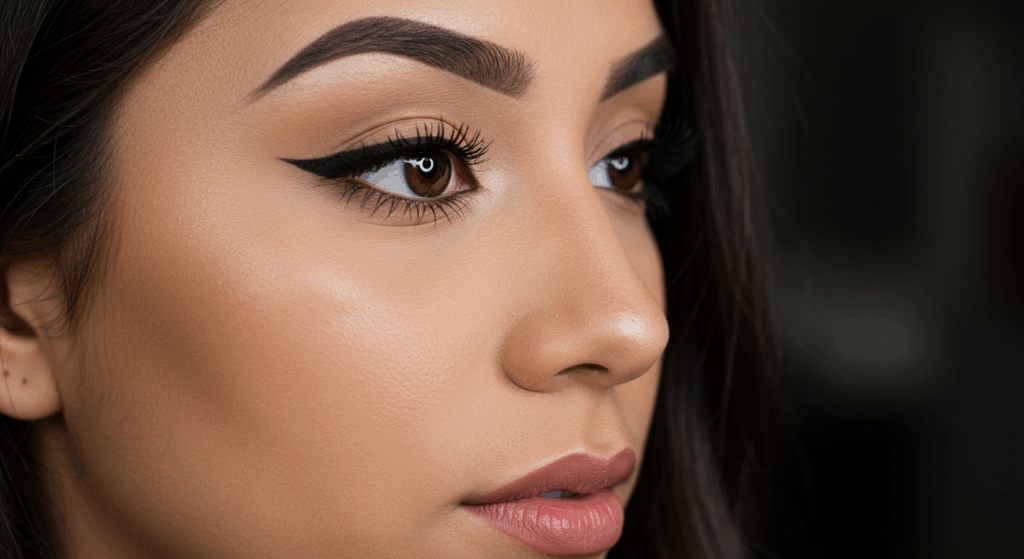
MTF Feminization Surgery: Understanding Midface Harmony Procedures

A side profile of a woman with smooth skin and defined facial features, highlighted against a dark background.

Facial Feminization Surgery (FFS) encompasses a spectrum of procedures aimed at softening masculine facial features and aligning them with a more feminine aesthetic. While attention often focuses on the brow, jawline, and chin, achieving harmonious proportions in the midface is paramount for a natural and aesthetically pleasing feminine outcome. As a surgeon specializing in FFS, I want to delve into the critical role of midface harmony procedures in the overall feminization process for transgender women (MTF).

The midface, anatomically defined as the region between the lower eyelids and the upper lip, including the cheeks, cheekbones (zygomatic bones), and the underlying skeletal structure, significantly contributes to the perceived gender of a face. Masculine midfaces often exhibit flatter cheekbones, less defined contours, and a more vertical orientation, while feminine midfaces typically present with higher, more anteriorly projected cheekbones, creating a softer, rounder, and more heart-shaped appearance. Addressing the midface is therefore integral to achieving comprehensive facial feminization.

A 3D rendered image of a man and a woman facing each other, depicted in profile view. The man has short hair and a beard, while the woman has her hair tied back. Both figures are shown against a plain white background, emphasizing their facial features.

Anatomical Considerations of the Midface in Gender Presentation

Understanding the subtle yet significant anatomical differences in the midface between individuals assigned male at birth (AMAB) and those assigned female at birth (AFAB) is crucial for planning effective surgical interventions. These differences are influenced by hormonal exposure during puberty, leading to variations in both skeletal structure and soft tissue distribution.

Skeletal Framework of the Midface

  • Zygomatic Bones (Cheekbones): In individuals assigned male at birth, the zygomatic bones tend to be less prominent and positioned more laterally (to the sides of the face) and posteriorly (towards the back of the head). Conversely, in individuals assigned female at birth, the cheekbones are often more anteriorly (forward) and superiorly (upward) positioned, creating greater projection and a more defined malar eminence (the prominence of the cheekbone). This projection contributes significantly to the curvature and fullness of the cheeks.
  • Maxilla (Upper Jaw): The maxilla, the bone forming the upper jaw, also plays a role in midface contour. While less overtly sexually dimorphic than the zygomatic bones, subtle differences in its anterior projection and the angle of the infraorbital rim (the bony edge below the eye socket) can contribute to perceived masculinity or femininity.
  • Infraorbital Region: The area beneath the eyes can appear flatter or more hollow in masculine faces due to differences in skeletal contour and fat pad distribution. Feminine faces often exhibit a smoother transition and more subtle fullness in this region.

Soft Tissue Contributions to Midface Appearance

  • Subcutaneous Fat Distribution: Estrogen promotes the deposition of subcutaneous fat in the cheeks, contributing to a rounder and fuller appearance. Testosterone, conversely, tends to result in less fat in this area, leading to a flatter contour.
  • Malar Fat Pads: These specialized fat compartments in the cheeks contribute to volume and shape. In feminine faces, these pads tend to be more prominent and contribute to the characteristic fullness of the cheeks.
  • Skin Elasticity and Texture: While not directly a midface structure, skin quality influences how the underlying contours are displayed. Hormonal differences can affect collagen production and skin thickness, indirectly impacting the perceived softness and smoothness of the midface.
A close-up portrait of a person with dark hair, light skin, and brown eyes, wearing subtle makeup and small hoop earrings.

Surgical Procedures for Midface Harmonization in FFS

Several surgical techniques can be employed to enhance midface harmony and create a more feminine appearance. The choice of procedure depends on the individual’s specific anatomy, desired outcome, and the surgeon’s expertise.

Cheek Augmentation

Cheek augmentation is a cornerstone of midface feminization. The goal is to increase the projection and volume of the cheekbones, creating a more defined malar eminence and a softer, rounder facial contour. This can be achieved through various methods:

  • Silicone Implants: Solid silicone implants, specifically designed for cheek augmentation, can be surgically placed over the zygomatic bones. These implants come in various shapes and sizes, allowing for customization to achieve the desired projection and contour. The procedure typically involves small incisions inside the mouth (intraoral) or in the lower eyelid crease, minimizing visible scarring. The implants are positioned in a subperiosteal pocket (beneath the periosteum, the membrane covering the bone) to ensure stability and a natural feel.
  • Fat Grafting (Lipofilling): This technique involves harvesting fat from other areas of the body (e.g., abdomen, thighs) through liposuction, processing it to purify the fat cells, and then injecting it into the cheeks. Fat grafting offers the advantage of using the patient’s own tissue, minimizing the risk of rejection. It can provide a natural-looking increase in volume and contour. However, a portion of the injected fat may be reabsorbed by the body over time, potentially requiring secondary procedures to maintain the desired result. The longevity of fat grafting can vary significantly between individuals.
  • Dermal Fillers: While not a surgical procedure, the injection of hyaluronic acid-based dermal fillers can provide temporary volume enhancement to the cheeks. Fillers are a less invasive option but require periodic reinjection to maintain the effect, typically lasting from several months to a year or more depending on the type of filler used. Dermal fillers can be a good option for individuals exploring the potential benefits of cheek augmentation before committing to surgery or for those seeking subtle enhancements.

Zygomatic Arch Augmentation

In some cases, particularly where the zygomatic arch (the bony bridge extending from the cheekbone to the temporal bone) is relatively flat or lacks definition, augmentation of this area can further enhance midface contour and create a more sculpted appearance. This can be achieved using small, custom-designed implants placed along the zygomatic arch.

Infraorbital Augmentation

Addressing hollowness or a flattened appearance beneath the eyes can significantly contribute to midface harmony. Infraorbital augmentation can be performed using:

  • Fat Grafting: Injecting fat into the infraorbital region can restore volume and create a smoother transition between the lower eyelid and the cheek.
  • Dermal Fillers: Similar to cheek augmentation, dermal fillers can be used to subtly fill the infraorbital hollows.
  • Implants: In select cases, small, pre-shaped implants can be placed in the infraorbital region to provide structural support and volume.

Maxillary Advancement (Lefort I Osteotomy)

While primarily addressing the projection and position of the entire midface and upper jaw, a LeFort I osteotomy can indirectly enhance midface harmony. This complex surgical procedure involves carefully cutting the maxilla and repositioning it forward and/or rotating it to create a more feminine midface profile, improve bite alignment, and potentially reduce a retrusive (set back) upper jaw. This procedure is typically reserved for cases with significant skeletal discrepancies and is a more extensive intervention than isolated cheek augmentation.

Achieving Midface Harmony: A Surgical Philosophy

The goal of midface harmony procedures in FFS is not simply to create larger cheekbones but to establish balanced and aesthetically pleasing proportions within the entire facial structure. A skilled surgeon considers the interplay between the midface and other facial features, such as the forehead, nose, and lower face, to achieve a natural and harmonious outcome.

Individualized Surgical Planning

Each patient presents with unique anatomical characteristics and aesthetic goals. Therefore, a thorough pre-operative assessment and individualized surgical planning are essential. This involves:

  • Detailed Facial Analysis: Evaluating the patient’s skeletal structure, soft tissue volume, and overall facial proportions.
  • Discussion of Desired Outcomes: Understanding the patient’s specific feminization goals and expectations for the midface.
  • Computer Imaging: Utilizing sophisticated computer imaging software to simulate potential surgical outcomes and facilitate communication between the surgeon and patient. This allows the patient to visualize the proposed changes and provide feedback.
  • Consideration of Adjunctive Procedures: Determining if other FFS procedures, such as forehead contouring, rhinoplasty, or jawline reduction, are necessary to achieve overall facial harmony.

The Importance of Subtle Refinement

Often, subtle adjustments to the midface can yield significant improvements in overall facial feminization. Overly aggressive augmentation can lead to an unnatural or exaggerated appearance. The focus should be on creating soft, natural contours that enhance the patient’s existing features.

Understanding the Role of Soft Tissue Envelope

The skin and underlying soft tissues play a crucial role in the final outcome of midface surgery. Factors such as skin elasticity, thickness, and the distribution of subcutaneous fat can influence how the augmented structures are displayed. The surgeon must consider these factors when planning the surgical approach and choosing the appropriate techniques.

Post-Operative Care and Recovery

The recovery process following midface surgery varies depending on the specific procedures performed. Common post-operative symptoms include swelling, bruising, and discomfort. Adhering to the surgeon’s post-operative instructions is crucial for optimal healing and minimizing the risk of complications. These instructions may include:

  • Head Elevation: Keeping the head elevated to reduce swelling.
  • Cold Compresses: Applying cold compresses to the face to minimize bruising and swelling.
  • Pain Management: Taking prescribed pain medication as needed.
  • Dietary Restrictions: Following a soft diet in the initial days after surgery, particularly after intraoral incisions.
  • Activity Restrictions: Avoiding strenuous activity for several weeks.
  • Wound Care: Maintaining proper hygiene of any incisions.
  • Follow-Up Appointments: Attending all scheduled follow-up appointments to monitor healing progress.

The initial swelling and bruising typically subside significantly within the first few weeks, but the final results of midface surgery may take several months to fully manifest as the tissues settle and any residual swelling resolves.

The Psychological Impact of Midface Feminization

For many transgender women, achieving a more feminine midface can have a profound positive impact on their psychological well-being and gender affirmation. By softening masculine features and creating a more feminine contour, midface surgery can contribute to:

  • Reduced Gender Dysphoria: Alleviating the discomfort and distress caused by the incongruence between one’s assigned sex and gender identity.
  • Increased Self-Confidence and Self-Esteem: Feeling more comfortable and authentic in one’s appearance.
  • Improved Social Interactions: Experiencing less misgendering and feeling more accepted in social settings.
  • Enhanced Overall Quality of Life: Feeling more aligned with one’s true gender identity and experiencing greater psychological well-being.

It is important to emphasize that FFS, including midface procedures, is a significant step in the gender affirmation journey but is often part of a broader process that may include hormone therapy, social transition, and mental health support.

A close-up side profile of a woman with smooth, radiant skin, emphasizing facial contours and natural beauty.

Conclusion: Crafting Midface Harmony for Feminine Identity

Midface harmony procedures are a vital component of comprehensive Facial Feminization Surgery for transgender women. By addressing the unique anatomical characteristics of the midface and employing a range of surgical techniques, skilled surgeons can create softer, more contoured, and aesthetically feminine features that align with the individual’s gender identity.

Achieving midface harmony requires a thorough understanding of facial anatomy, individualized surgical planning, attention to subtle refinements, and a commitment to creating natural and balanced results. Ultimately, the goal is to empower transgender women to feel more authentic and confident in their appearance, contributing significantly to their overall well-being and gender affirmation journey. The nuanced artistry of midface surgery plays a crucial role in crafting a feminine facial aesthetic that resonates with the individual’s inner sense of self.

Visit Dr.MFO Instagram profile to see real patient transformations! Get a glimpse of the incredible results achieved through facial feminization surgery and other procedures. The profile showcases before-and-after photos that highlight Dr. MFO’s expertise and artistic vision in creating natural-looking, beautiful outcomes.

Ready to take the next step in your journey? Schedule a free consultation with Dr. MFO ( Best Facial Feminization Surgeon for You) today. During the consultation, you can discuss your goals, ask any questions you may have, and learn more about how Dr. MFO can help you achieve your desired look. Don’t hesitate to take advantage of this free opportunity to explore your options and see if Dr. MFO is the right fit for you.

Ideal Face Shape and Transgender Feminization: A Surgical Perspective on What’s Possible

A brunette woman with an elegant updo hairstyle and natural makeup, smiling gently while standing by a window with greenery in the background.

Facial Feminization Surgery, often abbreviated as FFS, represents a suite of surgical procedures designed to modify masculine facial features to align more closely with societal perceptions of feminine aesthetics. For transgender women (MTF), FFS can be a crucial step in their gender affirmation journey, alleviating gender dysphoria and fostering a greater sense of self and well-being. As a surgeon specializing in this field, I aim to provide a comprehensive understanding of the possibilities and limitations of FFS in achieving a more feminine facial structure, particularly in relation to the concept of an “ideal” face shape.

It’s important to preface this discussion by emphasizing that the notion of an “ideal” face shape is subjective and culturally influenced. What is considered feminine varies across different societies and time periods. However, certain general characteristics are often associated with feminine faces, including softer contours, smoother transitions between facial planes, a more delicate jawline and chin, and a less prominent brow bone.

An illustration of a man and a woman with distinct facial features, showing their profiles in a side view. The man has short dark hair, a defined jawline, and a serious expression. The woman has long, straight hair, prominent cheekbones, and a neutral expression. Both figures are rendered in a realistic style with attention to detail in their facial structures.

Key Anatomical Differences Between Masculine and Feminine Faces

To understand how FFS can create a more feminine appearance, it’s essential to recognize the typical anatomical differences between masculine and feminine facial structures. These differences are largely influenced by hormonal exposure during puberty.

Skeletal Structures

  • Forehead and Brow Bone: Masculine foreheads often present with a more prominent brow bone (the bony ridge above the eyes) and a flatter, more receding slope. Feminine foreheads tend to be smoother, more vertical, and have a less pronounced or absent brow bone.
  • Midface: The midface, encompassing the cheekbones and the area beneath the eyes, can differ in projection and contour. Feminine faces often exhibit higher and more anteriorly projected cheekbones, contributing to a softer, more heart-shaped appearance.
  • Jawline and Chin: Masculine jawlines are typically wider and more angular, with a broader and often more projecting chin. Feminine jawlines are generally more tapered and delicate, with a narrower and often more pointed or rounded chin.
  • Nasal Structure: While nasal shape varies greatly among individuals, masculine noses can sometimes be larger and more prominent with a wider bridge. Feminine noses often appear more refined and delicate.

Soft Tissues

  • Fat Distribution: Hormonal differences influence fat distribution in the face. Estrogen tends to promote fat deposition in the cheeks, contributing to a fuller, rounder appearance, while testosterone can lead to less subcutaneous fat in these areas.
  • Muscle Mass: The masseter muscles (involved in chewing), located at the angle of the jaw, can be more developed in individuals with higher testosterone levels, contributing to a wider jawline.
An artist using a digital drawing tablet to create a detailed portrait of a woman's face, with precise lines and shading for realistic skin texture.

Surgical Procedures in Facial Feminization

FFS encompasses a range of surgical procedures targeting both the underlying skeletal structures and the overlying soft tissues. The specific procedures performed are highly individualized, based on the patient’s unique anatomy, desired outcome, and the surgeon’s assessment.

Forehead Contouring (Foreheadplasty)

Forehead contouring aims to create a smoother, more feminine forehead by addressing the brow bone prominence and the slope of the forehead. Several techniques can be employed:

  • Brow Bone Reduction (Type 1): This involves directly shaving down the prominent brow bone. It is suitable for individuals with a less pronounced bossing (protrusion).
  • Forehead Reconstruction (Type 3): For more significant brow bone protrusion, this technique involves carefully separating the outer table of the frontal bone, reshaping it, and then securing it back in a more feminized position with screws or plates. This allows for a more substantial reduction of the brow bone and can also address a receding hairline by advancing it forward.
  • Forehead Augmentation: In some cases, the forehead may be augmented with bone cement or other biocompatible materials to create a more convex and feminine contour.

Rhinoplasty (Nose Reshaping)

Rhinoplasty is a common FFS procedure to refine the size and shape of the nose, creating a more delicate and feminine appearance. This can involve narrowing the nasal bridge, refining the tip, and reducing overall projection.

Cheek Augmentation

Augmenting the cheeks with silicone implants or fat grafting can enhance the midface volume and create higher, more prominent cheekbones, contributing to a softer, more feminine contour. Fat grafting involves harvesting fat from other areas of the body (e.g., abdomen, thighs), processing it, and then injecting it into the cheeks.

Jawline Contouring (Mandibuloplasty)

Jawline contouring aims to narrow and soften the masculine, angular jawline. This typically involves:

  • Angle Reduction: Surgically reducing the bony angle of the mandible (lower jaw).
  • Body Reduction: Narrowing the sides of the jawbone.

Chin Contouring (Genioplasty)

Genioplasty addresses the shape and projection of the chin. A masculine chin is often wider and more projecting. Feminization can involve:

  • Chin Reduction: Reducing the overall size and projection of the chin.
  • Chin Narrowing: Shaping the chin to a more pointed or rounded form.
  • Chin Augmentation: In some cases, the chin may be augmented to achieve a more balanced and feminine profile.

Lip Lift and Augmentation

A lip lift can shorten the distance between the base of the nose and the upper lip, exposing more of the upper teeth and creating a more youthful and feminine appearance. Lip augmentation with fillers or fat grafting can increase lip volume and enhance their shape.

Tracheal Shave (Laryngoplasty)

While not directly related to facial shape, a tracheal shave reduces the prominence of the Adam’s apple, a feature often associated with masculinity.

Achieving the “Ideal” Face Shape: A Realistic Perspective

While FFS can achieve remarkable transformations and significantly feminize facial features, it’s crucial to have realistic expectations regarding the outcome. Achieving a specific “ideal” face shape is often not entirely possible due to individual anatomical limitations and the inherent complexities of surgical procedures.

Anatomical Constraints

Each individual’s underlying bone structure and soft tissue composition are unique. Factors such as bone density, skin elasticity, and the initial degree of masculinization can influence the extent of achievable feminization. Surgeons work within these anatomical constraints to create the most harmonious and feminine result possible for each patient.

Surgical Limitations

Like any surgical procedure, FFS carries inherent risks and limitations. While advancements in surgical techniques have significantly improved outcomes, complete replication of a cisgender female face is not always achievable. The goal is to create a natural-looking, feminized face that aligns with the patient’s gender identity and reduces dysphoria.

The Importance of Harmony and Balance

Rather than focusing solely on achieving a specific “ideal” shape, a skilled FFS surgeon prioritizes creating facial harmony and balance. This involves considering the proportions of different facial features in relation to each other to achieve an aesthetically pleasing and natural-looking feminine result.

The Role of Soft Tissues

It’s important to remember that soft tissues (skin, fat, muscles) play a significant role in facial appearance. While surgery can reshape the underlying bone structure, the way the soft tissues drape and heal can influence the final outcome. Factors like skin thickness and elasticity can affect the subtlety and longevity of the results.

The Consultation Process: Defining Feminine Goals

The initial consultation with a qualified and experienced FFS surgeon is a critical step. During this consultation, the surgeon will:

  • Thoroughly assess your facial anatomy.
  • Discuss your feminization goals and desired outcomes.
  • Explain the various surgical options available and their potential benefits and limitations.
  • Review your medical history and assess your suitability for surgery.
  • Provide realistic expectations regarding the achievable results.
  • Develop a personalized surgical plan tailored to your individual needs and goals.

It is essential for patients to openly communicate their desires and concerns during the consultation. Providing photographs of facial features that you find feminine can be helpful in conveying your aesthetic goals. However, it’s crucial to understand that aiming for an exact replica of someone else’s face is unrealistic and may not yield the most natural or harmonious result for your own unique anatomy.

Post-Surgical Considerations and Healing

The recovery period after FFS varies depending on the specific procedures performed. Swelling, bruising, and discomfort are common in the initial days and weeks following surgery. It is crucial to follow the surgeon’s post-operative instructions carefully to ensure proper healing and minimize the risk of complications.

Over several months, the swelling will gradually subside, and the final results of the surgery will become more apparent. It’s important to be patient during the healing process.

The Psychological Impact of FFS

For many transgender women, FFS can have a profound and positive impact on their psychological well-being. By aligning their facial appearance more closely with their gender identity, FFS can:

  • Reduce gender dysphoria.
  • Increase self-confidence and self-esteem.
  • Improve social interactions and reduce instances of misgendering.
  • Enhance overall quality of life.

However, it’s important to recognize that FFS is just one aspect of the gender affirmation journey. Mental health support, hormone therapy, and social transition also play crucial roles.

A close-up portrait of a woman with brown hair and green eyes

Conclusion: Empowering Feminine Transformation

Facial Feminization Surgery offers a powerful set of tools for transgender women seeking to feminize their facial features. While the concept of an “ideal” face shape is subjective, FFS aims to create a more harmonious and feminine appearance that aligns with the individual’s gender identity. By understanding the anatomical differences between masculine and feminine faces, the various surgical techniques available, and the realistic possibilities and limitations of these procedures, patients can make informed decisions and work collaboratively with their surgeons to achieve meaningful and empowering transformations. The focus should always be on creating a natural, balanced, and authentically feminine result that enhances the individual’s well-being and self-expression.

Visit Dr.MFO Instagram profile to see real patient transformations! Get a glimpse of the incredible results achieved through facial feminization surgery and other procedures. The profile showcases before-and-after photos that highlight Dr. MFO’s expertise and artistic vision in creating natural-looking, beautiful outcomes.

Ready to take the next step in your journey? Schedule a free consultation with Dr. MFO ( Best Facial Feminization Surgeon for You) today. During the consultation, you can discuss your goals, ask any questions you may have, and learn more about how Dr. MFO can help you achieve your desired look. Don’t hesitate to take advantage of this free opportunity to explore your options and see if Dr. MFO is the right fit for you.

Hourglass Figure Through Body Feminization Surgery: Exploring Your Options as an MTF Individual

A woman in a sleek black dress standing in a modern, well-lit room with elegant decor.

For individuals undergoing gender transition from male to female (MTF), achieving a feminine physique can be a significant step in aligning their physical appearance with their gender identity. The coveted “hourglass figure,” characterized by a defined waist and proportionate curves at the hips and bust, is often a desired aesthetic goal. Body feminization surgery (BFS) encompasses a range of surgical procedures designed to sculpt the body into a more feminine contour. This comprehensive guide will explore the various surgical options available to MTF individuals seeking to achieve an hourglass figure, detailing the medical and technical aspects from a surgeon’s perspective.

A black and white photograph of a person in profile, showcasing their silhouette against a plain background. The person is wearing minimal clothing, highlighting their physique and posture.

Understanding the Hourglass Silhouette: Anatomical Considerations

The classic hourglass figure is defined by a specific ratio of waist circumference to hip and bust circumference. Anatomically, this involves a narrower waist relative to the wider bony structures of the pelvis and the soft tissue volume of the breasts and hips. In individuals assigned male at birth, the skeletal structure typically features a less pronounced pelvic flare and a more cylindrical torso. Hormonal influences during puberty also contribute to fat distribution patterns, with estrogen promoting fat storage in the hips, thighs, and breasts, while testosterone favors abdominal fat deposition.

Surgical Pathways to Feminine Contouring

Achieving an hourglass figure through surgery often involves a combination of procedures addressing different areas of the body. The specific surgical plan is highly individualized, taking into account the patient’s existing anatomy, desired outcome, and overall health.

Breast Augmentation: Enhancing the Upper Curve

Augmenting Breast Volume and Shape

Breast augmentation, or mammoplasty, is a cornerstone of body feminization for many MTF individuals. This procedure involves the surgical placement of implants to increase breast volume and create a more feminine breast shape.

Implant Selection: Materials and Profiles

Saline and silicone gel implants are the primary types available. Saline implants are filled with sterile salt water, while silicone gel implants contain a cohesive silicone gel. The choice between the two often depends on patient preference, surgeon recommendation, and regulatory guidelines. Implant profiles (the degree of projection) and shapes (round or teardrop) are crucial in achieving the desired upper curve of the hourglass figure. High or ultra-high profile implants can provide significant forward projection, contributing to a more defined bustline.

Surgical Techniques: Incisions and Placement

Several incision sites can be used for breast augmentation, including the inframammary fold (under the breast), periareolar (around the nipple), axillary (in the armpit), and transumbilical (through the belly button, typically for saline implants). Implant placement can be subglandular (beneath the breast tissue) or submuscular (beneath the pectoralis major muscle). Submuscular placement can offer better coverage and a more natural appearance in some individuals.

Waist Reduction: Defining the Midsection

Surgical Approaches to a Smaller Waist

Creating a more defined waistline is essential for achieving the hourglass silhouette. Surgical options include liposuction and, in some cases, rib cage modification.

Liposuction: Targeted Fat Removal

Liposuction is a common procedure used to remove excess subcutaneous fat from the abdomen, flanks (love handles), and back. Various techniques exist, including tumescent liposuction (where a medicated fluid is injected to help break down fat and reduce bleeding), ultrasound-assisted liposuction (UAL), and power-assisted liposuction (PAL). Liposuction can effectively sculpt the waist, creating a more dramatic inward curve. It’s important to understand that liposuction is not a weight loss procedure but rather a contouring technique.

Rib Cage Modification (Waist Narrowing Surgery): A Specialized Procedure

In select cases, where the rib cage contributes significantly to a wider waist, a more invasive procedure known as rib cage modification or waist narrowing surgery may be considered. This involves surgically altering the lower floating ribs to reduce the overall width of the rib cage. This procedure is complex, carries more significant risks, and is not widely performed. It requires careful patient selection and a thorough understanding of the potential complications, including respiratory issues and nerve damage. The decision to pursue rib cage modification should be made in consultation with an experienced surgeon who specializes in this area.

A woman in a burgundy dress standing in a luxurious room with a chandelier and velvet chairs

Hip Augmentation: Enhancing the Lower Curve

Creating Fuller Hips for a Balanced Silhouette

Augmenting the hips can create the lower curve necessary for an hourglass figure, balancing the bust and defining the waist. Options include fat grafting and silicone implants.

Autologous Fat Grafting (Brazilian Butt Lift – BBL): Natural Volume Enhancement

Fat grafting involves harvesting fat from other areas of the body (such as the abdomen, thighs, or flanks) via liposuction, processing it, and then injecting it into the hips and buttocks. This technique offers the advantage of using the patient’s own tissue, resulting in a natural look and feel, and reducing the risk of implant-related complications. The longevity of the transferred fat can vary, and multiple sessions may be required to achieve the desired volume.

Silicone Hip Implants: Predictable Volume and Shape

Silicone implants specifically designed for the hips can provide a more predictable and significant increase in volume. These implants are typically made of solid silicone and come in various shapes and sizes to achieve the desired contour. The surgical placement involves creating pockets in the subcutaneous or intramuscular planes of the hips. Potential risks include infection, implant displacement, and capsular contracture (scar tissue tightening around the implant).

Combining Procedures for Optimal Results

Often, the most effective way to achieve a significant hourglass transformation is through a combination of these procedures. For example, a patient might undergo breast augmentation with silicone implants, liposuction of the waist and flanks, and fat grafting to the hips to create a balanced and proportionate feminine figure. The timing and sequence of these procedures will be determined by the surgeon based on the individual’s needs and surgical plan.

The Consultation Process: Setting Realistic Expectations

A thorough consultation with a board-certified and experienced plastic surgeon specializing in gender affirming surgeries is crucial. During this consultation, the surgeon will:

  • Evaluate your anatomy: Assessing your existing bone structure, fat distribution, and skin elasticity.
  • Discuss your goals: Understanding your desired hourglass shape and the specific areas you wish to address.
  • Explain the surgical options: Detailing the different procedures, their techniques, potential risks, and benefits.
  • Review your medical history: Identifying any conditions that may affect your candidacy for surgery or increase the risk of complications.
  • Develop a personalized surgical plan: Tailoring the procedures to your individual needs and goals.
  • Discuss realistic expectations: Ensuring you understand what can and cannot be achieved through surgery.

Recovery and Aftercare: Essential for Optimal Outcomes

The recovery period following body feminization surgery varies depending on the procedures performed. Generally, patients can expect some swelling, bruising, and discomfort. Pain medication will be prescribed to manage discomfort. Compression garments are often recommended to help reduce swelling and support the healing tissues. Activity restrictions will be in place for several weeks to allow for proper healing. It is crucial to follow the surgeon’s post-operative instructions carefully to minimize the risk of complications and optimize the aesthetic outcome.

Potential Risks and Complications: Understanding the Surgical Landscape

As with any surgical procedure, body feminization surgeries carry potential risks and complications. These can include:

  • Infection: A risk associated with any surgical incision.
  • Bleeding and hematoma: Collection of blood under the skin.
  • Seroma: Collection of fluid under the skin.
  • Poor wound healing: Delayed or incomplete healing of incisions.
  • Scarring: All surgical incisions will result in some degree of scarring.
  • Changes in nipple or skin sensation: Can occur after breast augmentation.
  • Implant-related complications: Including rupture, leakage (saline), capsular contracture (breast implants), or displacement (hip implants).
  • Fat necrosis: Death of transferred fat cells after fat grafting.
  • Asymmetry: Differences in size or shape between the two sides of the body.
  • Deep vein thrombosis (DVT) and pulmonary embolism (PE): Rare but serious risks associated with any surgery.
  • Anesthesia-related complications: Allergic reactions or other adverse events related to anesthesia.

It is essential to discuss these risks thoroughly with your surgeon and choose a qualified and experienced professional to minimize the likelihood of complications.

Conclusion: Empowering Your Feminine Journey

Achieving an hourglass figure through body feminization surgery is a significant step in the gender affirmation process for many MTF individuals. By understanding the various surgical options available, including breast augmentation, waist reduction (liposuction and potentially rib cage modification), and hip augmentation (fat grafting or implants), individuals can make informed decisions in consultation with a skilled surgeon. Setting realistic expectations, understanding the recovery process, and being aware of potential risks are crucial aspects of this journey. Body feminization surgery can be a powerful tool in helping MTF individuals feel more congruent with their gender identity and achieve a physical appearance that aligns with their inner selves, ultimately contributing to increased confidence and well-being.

Visit Dr.MFO Instagram profile to see real patient transformations! Get a glimpse of the incredible results achieved through facial feminization surgery and other procedures. The profile showcases before-and-after photos that highlight Dr. MFO’s expertise and artistic vision in creating natural-looking, beautiful outcomes.

Ready to take the next step in your journey? Schedule a free consultation with Dr. MFO ( Best Facial Feminization Surgeon for You) today. During the consultation, you can discuss your goals, ask any questions you may have, and learn more about how Dr. MFO can help you achieve your desired look. Don’t hesitate to take advantage of this free opportunity to explore your options and see if Dr. MFO is the right fit for you.

Midfacial Harmony for MTF Transition: A Surgical Perspective on Facial Feminization

A professional portrait of a woman with long wavy brown hair, wearing a black top and silver jewelry, standing indoors in a well-lit room.

Facial feminization surgery (FFS) encompasses a range of procedures designed to soften masculine facial features and create a more feminine appearance. While many focus on the upper (forehead, brow) and lower (jaw, chin) thirds of the face, achieving true harmony often hinges on the often-underestimated middle third, or midface. From a surgical standpoint, midfacial harmony in the context of male-to-female (MTF) transition involves addressing the bony and soft tissue structures that contribute to a typically masculine midfacial appearance and reshaping them to align with feminine aesthetic ideals. This intricate process requires a deep understanding of craniofacial anatomy, sex-based skeletal dimorphism (differences between male and female skulls), and the interplay between bone and overlying soft tissues like fat and muscle.

The Significance of the Midface in Feminine Aesthetics

The midface plays a crucial role in overall facial perception and gender identification. Certain features are often associated with masculinity, such as a flatter cheekbone contour, a wider nasal base, and a less defined infraorbital (below the eye socket) region. Conversely, a feminine midface typically exhibits well-defined and projecting cheekbones, a narrower and more refined nose, and a smooth, convex contour beneath the eyes. Achieving midfacial harmony isn’t just about individual procedures; it’s about creating a balanced and aesthetically pleasing transition between the upper and lower facial thirds.

A profile view of a woman with dark hair pulled back, wearing elegant dangling earrings and a black dress.

Anatomical Considerations: The Bony Framework of the Midface

A surgeon approaching midfacial feminization must have a comprehensive understanding of the underlying bony structures. These include:

The Maxilla: Foundation of the Midface

The maxilla, or upper jaw bone, forms the central scaffolding of the midface. It contributes to the floor and lateral walls of the nasal cavity, the inferior (lower) and medial (inner) walls of the orbits (eye sockets), and supports the upper teeth. Masculine maxillae tend to be broader and less projected anteriorly (forward) compared to feminine ones.

The Zygomatic Bones: Defining Cheekbone Projection

The zygomatic bones, commonly known as cheekbones, are paired bones that articulate (connect) with the maxilla, temporal bone (side of the skull), and frontal bone (forehead). They are key determinants of midfacial width and projection. Masculine zygomatic arches (the sideways sweep of the cheekbone) are often more laterally flared (wider), and the overall projection may be less pronounced in the anterior-medial (forward and inward) direction, which is often desired for a feminine appearance.

The Nasal Bones: Shaping the Bridge and Dorsum

The nasal bones, two small rectangular bones, form the bridge of the nose. Their length, width, and the angle at which they meet the frontal bone influence the nasal profile. Masculine noses can have a more prominent dorsal hump (a bump along the bridge) and a wider overall structure.

The Infraorbital Rim and Pyriform Aperture: Subtle but Significant Details

The infraorbital rim, the lower edge of the eye socket, and the pyriform aperture, the pear-shaped opening of the nasal cavity, also contribute to the overall midfacial appearance. Masculine features may include a more pronounced or angular infraorbital rim and a wider pyriform aperture.

A close-up portrait of a woman with striking blue eyes, long brown hair, and a thoughtful expression. She is resting her chin on her hand, with a subtle smile. The lighting highlights her facial features, creating a soft and serene atmosphere.

Surgical Techniques for Midfacial Feminization

Several surgical techniques can be employed to address the bony and soft tissue aspects of the midface during MTF transition. The specific procedures chosen will depend on the individual’s anatomy and desired aesthetic goals.

Zygomatic Augmentation: Enhancing Cheekbone Projection

Zygomatic augmentation aims to create more defined and projecting cheekbones, a hallmark of feminine facial aesthetics. This can be achieved through the placement of implants made of biocompatible materials like silicone or porous polyethylene.

Implant Selection and Placement

The choice of implant size and shape is crucial for achieving a natural and harmonious result. Surgeons consider factors such as the patient’s existing bone structure, the desired degree of projection, and the overall facial balance. Implants are typically placed through intraoral incisions (inside the mouth) or sometimes through small incisions in the temporal hairline, minimizing visible scarring. The implants are positioned on the anterior and lateral aspects of the zygomatic body to enhance forward and slightly lateral projection.

Zygomatic Arch Reduction: Narrowing the Midface

In some individuals, the zygomatic arches may be significantly flared, contributing to a wider, more masculine midface. Zygomatic arch reduction involves carefully reshaping the bone to create a narrower and more feminine contour.

Osteotomies and Fixation

This procedure typically involves performing osteotomies (controlled bone cuts) along the zygomatic arch. Segments of bone may be removed or repositioned to achieve the desired narrowing. The bone segments are then stabilized using small titanium plates and screws, which are biocompatible and generally remain in place permanently.

Nasal Feminization (Rhinoplasty): Refining the Nasal Structure

Rhinoplasty, or nose reshaping surgery, is a cornerstone of facial feminization. It addresses various aspects of the nose to create a more refined and feminine appearance.

Dorsal Hump Reduction and Tip Refinement

Masculine noses often have a dorsal hump, which can be reduced or eliminated through careful rasping (shaping with a surgical file) or osteotomies. The nasal tip can be refined by reshaping the cartilage to create a narrower, more upturned, and less bulbous appearance.

Nasal Base Narrowing

A wider nasal base can be feminized by performing osteotomies at the base of the nasal bones and repositioning them medially (inward). This creates a more delicate and feminine nasal width.

Infraorbital Rim Contouring: Smoothing the Under-Eye Area

A more pronounced or angular infraorbital rim can be subtly softened through bone contouring techniques. This involves carefully burring (shaving) the bone to create a smoother and more convex transition from the cheek to the lower eyelid.

Pyriform Aperture Reduction: Narrowing the Nasal Base

While often addressed during rhinoplasty, the pyriform aperture (the bony opening for the nose) can be directly narrowed in some cases through limited bone removal and reshaping. This contributes to a more refined nasal base.

Soft Tissue Considerations and Adjunctive Procedures

While bony reshaping forms the foundation of midfacial feminization, the overlying soft tissues play a significant role in the final aesthetic outcome.

Fat Grafting: Restoring Feminine Volume

Fat grafting, also known as lipofilling, involves harvesting fat from other areas of the body (e.g., abdomen, thighs) and injecting it into the midface to restore youthful volume and create softer contours. In the context of feminization, fat grafting can enhance cheek projection, smooth the transition under the eyes, and add subtle fullness to areas that may appear gaunt or hollow.

Dermal Fillers: Non-Surgical Volume Enhancement

Dermal fillers made of hyaluronic acid or other biocompatible substances can be used to temporarily enhance midfacial volume and contour. While not a permanent solution, fillers can be a valuable tool for patients exploring surgical options or for those seeking subtle enhancements.

Thread Lifts: Subtle Tissue Repositioning

Thread lifts involve inserting dissolvable surgical threads beneath the skin to lift and tighten sagging tissues. While their impact on bony structures is negligible, they can provide a subtle lift to the midface and improve overall contour.

The Surgical Process: From Consultation to Recovery

The journey of midfacial feminization surgery involves several key stages:

Initial Consultation and Assessment

A thorough consultation with a qualified and experienced facial feminization surgeon is paramount. During this meeting, the surgeon will assess the patient’s facial anatomy, discuss their aesthetic goals, and explain the available surgical options, including the benefits and risks of each procedure. Advanced imaging techniques, such as 3D CT scans, may be used to evaluate the underlying bony structures.

Pre-Operative Planning

Based on the consultation and assessment, a personalized surgical plan is developed. This plan outlines the specific procedures to be performed, the type of implants (if any), and the anticipated outcomes. The surgeon will also provide detailed pre-operative instructions, including guidelines on medication, smoking cessation, and other factors that can influence the surgical outcome and recovery.

The Surgical Procedure

Midfacial feminization surgeries are typically performed under general anesthesia. The duration of the surgery will vary depending on the complexity and the number of procedures being performed. Incisions are strategically placed to minimize visible scarring, often within the mouth, along the hairline, or in natural skin creases. The surgeon will meticulously reshape the bony structures and address the soft tissues according to the pre-operative plan.

Post-Operative Recovery

The recovery period following midfacial feminization surgery involves swelling, bruising, and discomfort. Pain medication will be prescribed to manage discomfort. Patients will be provided with specific post-operative instructions, including guidelines on wound care, activity restrictions, and follow-up appointments. Swelling and bruising gradually subside over several weeks to months, and the final results of the surgery become apparent as the tissues settle.

Potential Risks and Complications

As with any surgical procedure, midfacial feminization carries potential risks and complications. These can include:

  • Infection: Although rare with proper surgical technique and post-operative care.
  • Bleeding and Hematoma: Collection of blood under the skin, which may require drainage.
  • Nerve Damage: Temporary or, in rare cases, permanent numbness or weakness in the facial area.
  • Implant-Related Issues: Capsular contracture (scar tissue tightening around the implant), implant displacement, or infection.
  • Asymmetry: Subtle differences between the two sides of the face.
  • Poor Aesthetic Outcome: Dissatisfaction with the surgical results, which may require revision surgery.
  • Breathing Issues: Particularly after rhinoplasty.
  • Prolonged Swelling or Bruising: Individual healing times can vary.

Choosing a board-certified and experienced surgeon who specializes in facial feminization surgery can significantly minimize these risks.

Achieving Harmony: A Holistic Approach to Facial Feminization

Midfacial feminization is not an isolated set of procedures but rather an integral part of a comprehensive facial feminization plan. Achieving true facial harmony requires careful consideration of the proportions and relationships between all facial features. The surgeon must have an artistic eye and a deep understanding of feminine facial aesthetics to create a natural and balanced result that aligns with the individual’s gender identity and desired appearance.

A woman with wavy hair and a teal top stands in profile against a softly blurred natural background, her expression calm and contemplative.

Conclusion: Empowering Transition Through Midfacial Feminization

Midfacial harmony is a critical element in achieving a successful and aesthetically pleasing facial feminization outcome for MTF individuals. By addressing the bony and soft tissue characteristics of the midface through a combination of surgical techniques, surgeons can create a more feminine and harmonious facial appearance, contributing significantly to the individual’s gender affirmation journey and overall well-being. A thorough understanding of the underlying anatomy, meticulous surgical planning, and a holistic approach to facial aesthetics are essential for achieving optimal results and empowering individuals to live authentically.

Visit Dr.MFO Instagram profile to see real patient transformations! Get a glimpse of the incredible results achieved through facial feminization surgery and other procedures. The profile showcases before-and-after photos that highlight Dr. MFO’s expertise and artistic vision in creating natural-looking, beautiful outcomes.

Ready to take the next step in your journey? Schedule a free consultation with Dr. MFO ( Best Facial Feminization Surgeon for You) today. During the consultation, you can discuss your goals, ask any questions you may have, and learn more about how Dr. MFO can help you achieve your desired look. Don’t hesitate to take advantage of this free opportunity to explore your options and see if Dr. MFO is the right fit for you.
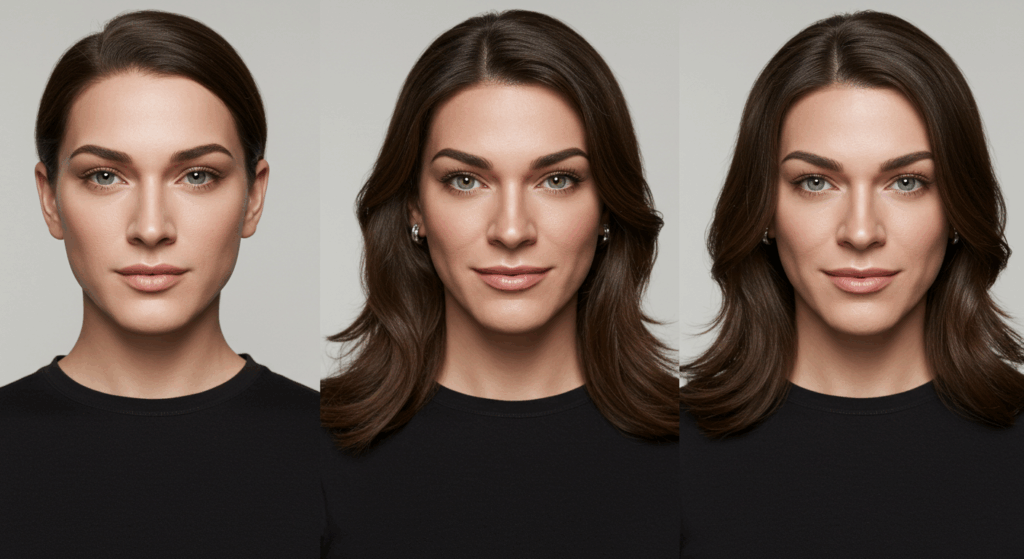
Hip Augmentation Body Feminization MTF: Your Guide to Feminine Body Contouring

A person in a black outfit poses confidently against a neutral background, with one hand gently touching their face, showcasing a sense of style and elegance.

For transgender women (MTF) seeking to align their physical form with their gender identity, achieving feminine body contours, particularly around the hips, is a significant aspect of the transition process. While hormone replacement therapy (HRT) can influence fat redistribution over time, the degree and distribution are often insufficient to create the desired curvature in the hip region for many individuals. Hip augmentation surgery is a body feminization procedure designed to enhance the width and shape of the hips, contributing to a more feminine silhouette and improving the overall body proportions. This comprehensive guide, written from a surgeon’s perspective, delves into the various techniques for hip augmentation in MTF transitions, explaining the anatomical considerations, surgical methods, and expected outcomes in detail.

Before and after images of a Brazilian butt lift procedure, showing the back view of a person's lower body with surgical markings and the post-surgery result.

Understanding Feminine Hip Anatomy and the Role of Augmentation

The feminine hip structure is characterized by a wider pelvic bone and a greater deposition of subcutaneous adipose tissue (fat beneath the skin) in the lateral and posterior (buttocks) regions compared to individuals assigned male at birth. This wider bony structure and fat distribution contribute to the characteristic curves of the female figure. While HRT can promote fat accumulation in the hips and buttocks, the underlying skeletal structure remains unchanged in adults, and the degree of fat redistribution varies significantly among individuals. Hip augmentation surgery aims to directly address the volume and shape of the hips to create a more feminine contour.

Why Consider Hip Augmentation?

Many MTF individuals seek hip augmentation to:

  • Enhance the Hourglass Silhouette: Creating a more pronounced difference between the waist and hip measurements.
  • Achieve More Feminine Body Proportions: Balancing the broader shoulders often present in individuals assigned male at birth.
  • Improve Clothing Fit: Allowing clothes to drape and fit more femininely.
  • Increase Self-Confidence and Body Image: Alleviating gender dysphoria related to body shape.

Two Primary Methods of Hip Augmentation

Currently, two main surgical techniques are employed for hip augmentation in MTF transitions:

  1. Fat Grafting (Autologous Fat Transfer): Utilizing the patient’s own fat harvested from other areas of the body.
  2. Silicone Implants: Surgically placing biocompatible silicone implants to increase hip volume.

Each method has its own advantages, disadvantages, and considerations, which will be discussed in detail.

Fat Grafting to the Hips (Autologous Hip Augmentation)

Fat grafting, also known as autologous fat transfer, involves liposuction to harvest fat from donor areas of the body (such as the abdomen, thighs, or flanks), processing this fat, and then strategically injecting it into the hips to increase volume and improve shape.

The Fat Grafting Procedure: Step-by-Step

  1. Liposuction (Fat Harvesting): Small incisions are made in the donor areas, and a cannula (a thin tube) is inserted to suction out the excess fat. The tumescent technique, involving the injection of a saline solution containing local anesthetic and epinephrine (a vasoconstrictor to reduce bleeding), is commonly used to facilitate fat removal and minimize discomfort.
    • Colloquial Explanation: Think of using a gentle vacuum through small holes to remove unwanted fat from areas like your tummy or thighs.
  2. Fat Processing: The harvested fat is then processed to purify and concentrate the viable fat cells. This may involve techniques such as centrifugation (spinning the fat to separate different layers) or decantation (allowing the fat to settle).
    • Colloquial Explanation: The removed fat is cleaned and prepared so that only the healthy fat cells are used for injection.
  3. Fat Injection (Grafting): Using specialized cannulas, the processed fat is carefully injected into multiple layers within the subcutaneous (beneath the skin) and intramuscular (within the muscle) tissues of the hips. The surgeon strategically places the fat to create the desired width, projection, and overall shape.
    • Colloquial Explanation: The cleaned fat is then carefully injected into different levels of the hip area to build up volume and create a more curved shape.

Advantages of Fat Grafting to the Hips

  • Natural Feel and Appearance: Since it uses the patient’s own tissue, the augmented hips feel and look natural.
  • Dual Benefit: Provides contouring to the donor areas where fat is harvested.
  • Lower Risk of Rejection or Allergic Reaction: As it uses the patient’s own tissue, there is no risk of the body rejecting the material or having an allergic reaction.
  • Small Incisions: Both liposuction and fat injection involve small incisions, resulting in minimal scarring.

Disadvantages and Limitations of Fat Grafting to the Hips

  • Limited Volume Increase: The amount of fat that can be safely and effectively transferred to the hips in a single procedure is limited by the availability of donor fat and the vascularity (blood supply) of the recipient site.
  • Fat Reabsorption: A portion of the transferred fat may not survive and will be reabsorbed by the body over time. The survival rate can vary depending on individual factors and surgical technique. Multiple procedures may be needed to achieve the desired long-term volume.
  • Unpredictable Retention: The percentage of fat that survives can be variable and unpredictable.
  • Risk of Fat Necrosis: If large volumes of fat are injected into one area, it can lead to fat necrosis (death of fat cells), which can cause lumps or cysts.

Silicone Hip Implants for Augmentation

Silicone hip implants are solid, biocompatible devices specifically designed to increase the volume and projection of the hips.

The Silicone Hip Implant Procedure: Step-by-Step

  1. Incision: Incisions are made in discreet locations, typically in the gluteal crease (the fold between the buttocks and the thighs) or along the upper outer aspect of the buttocks. The length and placement of the incisions depend on the type and size of the implants being used.
    • Colloquial Explanation: Small cuts are made in areas where scars are less noticeable, like the crease under your buttocks.
  2. Pocket Creation: A pocket is surgically created either in the subcutaneous plane (beneath the skin and fat) or in the intramuscular plane (within the gluteus maximus muscle) to accommodate the implant. The choice of plane depends on the patient’s anatomy and the surgeon’s preference.
    • Colloquial Explanation: A space is created under the skin or within the buttock muscle to place the implant.
  3. Implant Placement: The silicone implant is inserted into the created pocket and positioned to achieve the desired width and projection of the hips.
    • Colloquial Explanation: The silicone device is placed into the prepared space.
  4. Closure: The incisions are closed in layers with sutures.

Advantages of Silicone Hip Implants

  • Predictable Volume Increase: Silicone implants provide a predictable and immediate increase in hip volume. The size and shape of the implants can be chosen preoperatively to meet the patient’s specific goals.
  • Long-Lasting Results: Silicone implants are designed to be permanent, although they may require replacement in the future due to complications or patient preference.
  • Significant Volume Achievable in One Procedure: A substantial increase in hip width can often be achieved in a single surgery.

Disadvantages and Limitations of Silicone Hip Implants

  • Risk of Capsular Contracture: The body can form scar tissue (capsule) around the implant, which can tighten and cause the implant to feel firm, look distorted, or even cause pain.
  • Risk of Infection: As with any implant surgery, there is a risk of infection.
  • Risk of Implant Displacement or Migration: Implants can potentially shift from their intended position.
  • Risk of Implant Rupture or Leakage (Saline Implants): While solid silicone implants are less prone to rupture, saline implants can leak.
  • Less Natural Feel: Silicone implants may not feel as natural to the touch as grafted fat.
  • More Visible Scarring: The incisions for implant placement may be slightly longer and more noticeable than those for fat grafting.

Combining Fat Grafting and Implants

In some cases, a combination of fat grafting and silicone implants may be used to achieve the desired hip augmentation results. Implants can provide the primary volume increase, while fat grafting can be used to refine the contours and create a more natural transition to the surrounding tissues.

The Surgical Process: From Consultation to Recovery for Hip Augmentation

Undergoing hip augmentation surgery involves a similar multi-stage process as other body contouring procedures.

Initial Consultation and Assessment

A thorough consultation with a board-certified plastic surgeon experienced in body feminization is essential. The surgeon will:

  • Review your medical history: To identify any contraindications or risk factors.
  • Understand your goals and expectations: To determine your desired hip shape and size and discuss the feasibility of achieving it through surgery.
  • Perform a physical examination: Assessing your current body proportions, fat distribution (for fat grafting), and skin elasticity.
  • Discuss the available surgical options: Explaining the different techniques (fat grafting vs. implants), their risks, benefits, and limitations.
  • Develop a personalized surgical plan: Tailored to your individual anatomy and aesthetic goals.
  • Provide information about the anesthesia, surgical facility, and cost.

Pre-Operative Preparation

Following the consultation, you will receive detailed pre-operative instructions, which may include:

  • Optimizing your health: This may involve quitting smoking and managing any underlying medical conditions.
  • Maintaining a stable weight: Especially important for fat grafting to ensure consistent results.
  • Avoiding certain medications: Such as blood thinners and non-steroidal anti-inflammatory drugs (NSAIDs) for a specified period before surgery.
  • Undergoing pre-operative medical tests: To ensure you are fit for surgery.
  • Arranging for transportation and post-operative care.

The Surgical Procedure

Hip augmentation surgery is typically performed under general anesthesia. The specific techniques and the duration of the surgery will depend on the chosen method.

  • Fat Grafting: Involves liposuction, fat processing, and injection into the hips.
  • Silicone Implants: Involves incision, pocket creation, implant placement, and closure.

Post-Operative Recovery

The recovery period after hip augmentation varies depending on the technique used.

  • Immediate Post-Op: Expect swelling, bruising, and discomfort in the treated areas. Pain medication will be prescribed. Compression garments are typically required after both fat grafting and implant surgery to help reduce swelling and support the tissues. Avoid direct pressure on the augmented hips, especially after fat grafting, to maximize fat cell survival.
  • First Few Weeks: Swelling and bruising will gradually subside. Activity will be limited, and you will need to follow specific instructions regarding wound care, showering, and garment use. Avoid sitting directly on your buttocks for extended periods after fat grafting.
  • Mid-Term Recovery (Weeks to Months): You can gradually resume normal activities as healing progresses. The final results will become more apparent as the swelling fully resolves. After fat grafting, some initial volume loss is expected as some fat cells do not survive.
  • Long-Term Recovery (Months to a Year): The tissues will continue to settle, and any scars will mature and fade over time. Maintain a stable weight to preserve the results of fat grafting.

Potential Risks and Complications of Hip Augmentation

Both fat grafting and silicone implant hip augmentation carry potential risks and complications:

Fat Grafting:

  • Fat necrosis (death of fat cells)
  • Cyst formation
  • Oil cysts
  • Infection
  • Bleeding and hematoma
  • Asymmetry
  • Unsatisfactory aesthetic outcome requiring revision

Silicone Implants:

  • Capsular contracture
  • Infection
  • Implant displacement or migration
  • Implant rupture or leakage (rare with solid silicone)
  • Nerve damage (rare)
  • Scarring
  • Pain
  • Asymmetry
  • Unsatisfactory aesthetic outcome requiring revision

It is crucial to discuss these risks thoroughly with your surgeon before proceeding with surgery.

The Role of Hip Augmentation in Comprehensive Body Feminization

Hip augmentation is often performed in conjunction with other body feminization procedures, such as breast augmentation, waist liposuction, and buttock augmentation, to create a more balanced and feminine overall physique. The decision of which procedures to combine depends on the individual’s specific anatomy and their desired aesthetic goals.

A person in a black outfit poses confidently against a neutral background, with one hand gently touching their face, showcasing a sense of style and elegance.

Conclusion: Achieving Feminine Hip Contours

Hip augmentation surgery, whether through fat grafting or silicone implants, offers effective options for MTF individuals seeking to enhance the width and shape of their hips and achieve a more feminine body contour. Understanding the different techniques, their advantages and disadvantages, and the associated risks and recovery process is essential for making informed decisions. Choosing a board-certified plastic surgeon with extensive experience in body feminization surgery is paramount for a safe and successful journey towards a more affirmed and congruent physical self. This procedure can significantly contribute to increased self-confidence, improved body image, and a greater sense of alignment with one’s gender identity.

Visit Dr.MFO Instagram profile to see real patient transformations! Get a glimpse of the incredible results achieved through facial feminization surgery and other procedures. The profile showcases before-and-after photos that highlight Dr. MFO’s expertise and artistic vision in creating natural-looking, beautiful outcomes.

Ready to take the next step in your journey? Schedule a free consultation with Dr. MFO ( Best Facial Feminization Surgeon for You) today. During the consultation, you can discuss your goals, ask any questions you may have, and learn more about how Dr. MFO can help you achieve your desired look. Don’t hesitate to take advantage of this free opportunity to explore your options and see if Dr. MFO is the right fit for you.