FFS & Body Feminization: Save Money Combining?

A professional editorial description of the image featuring a person with voluminous curly red hair, wearing a red outfit, captured in a dramatic and aesthetically refined composition. --- **Camera and Optics:** The image appears to be captured using a high-end prime lens, likely an 85mm or 105mm macro lens, known for its ability to produce sharp details and a pleasing bokeh effect. The resolution and clarity suggest it was shot in 8K or a similarly high-resolution format, delivering a hyperrealistic quality. The depth of field is shallow, ensuring the subject remains in crisp focus while subtly blurring the background to emphasize the subject's form and texture. --- **Lighting Design:** The lighting design employs a hard-light technique, creating distinct and dramatic shadows that accentuate the subject’s contours. The light source seems to originate from a side angle, likely a 45-degree position, which enhances the three-dimensionality of the subject’s form. This technique highlights the curves and musculature, adding depth and a sculptural quality to the figure. The interplay of light and shadow contributes to a sense of drama and intensity. --- **Anatomy and Identity:** The subject is a woman with a confident and poised stance. Her posture is upright, with a slight arch in her back, emphasizing her natural curves. The waist appears 'snatched,' creating a striking contrast with the fuller hips and thighs. The image celebrates the subject’s voluptuous and well-defined physique, with an emphasis on the natural beauty of her anatomical features. --- **Texture and Skin:** The skin exhibits a luminous quality, with a subtle sheen that suggests a light application of oil or perspiration, enhancing the texture and depth. The lighting accentuates the skin’s natural glow, creating a soft luminescence that highlights the smoothness and elasticity of the skin. Micro-details, such as the fine texture of the skin and the reflection of light, contribute to the hyperrealistic quality of the image. --- **Clothing and Hardware:** The subject is dressed in a form-fitting red garment, likely made from a satin or latex material, which clings to her body and accentuates her curves. The fabric’s reflective quality enhances the depth of the red color and adds to the luxurious feel of the image. There are no visible metal accessories or hardware, allowing the focus to remain solely on the subject’s form and the garment’s texture. --- **Composition and Background:** The composition is centered on the subject, with a focus on her silhouette and the interplay of light and shadow. The background is dark and minimalistic, likely a solid black or deep brown, which serves to further emphasize the subject and create a sense of intimacy and focus. The overall atmosphere is one of noir-inspired luxury, with a dramatic and sophisticated aesthetic that highlights the subject’s elegance and strength.

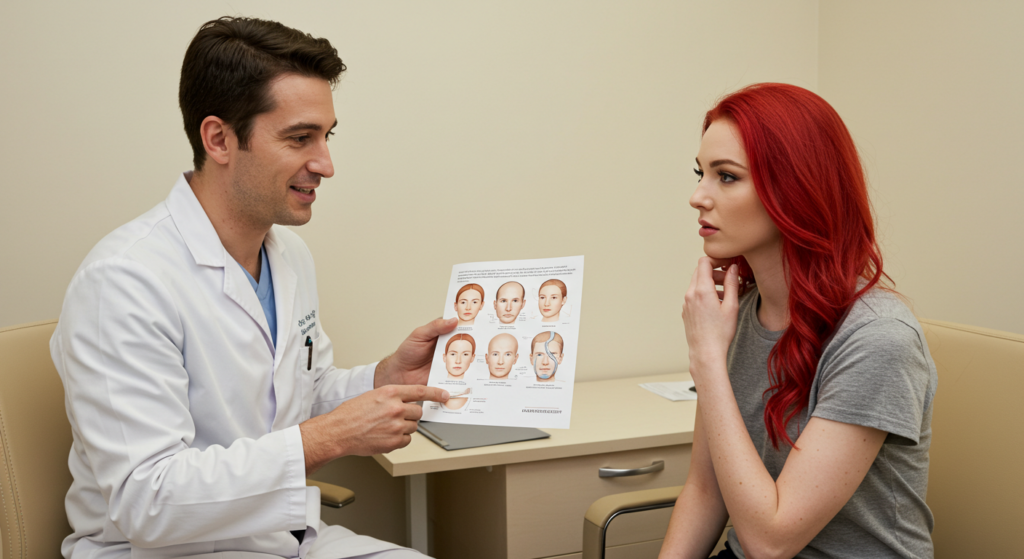
For many transgender women, the journey of gender affirmation is a deeply personal and transformative experience. It often involves a multitude of steps, both medical and social, aimed at aligning their physical appearance with their inner sense of self. Two significant aspects of this journey are Facial Feminization Surgery (FFS) and body feminization procedures. Both play crucial roles in alleviating gender dysphoria and fostering a greater sense of comfort and confidence in one’s own skin. To understand customized silhouette contouring and feminine proportions, review our detailed overview of body feminization surgery.

As MTF (male-to-female) transgender individuals navigate these options, a common question arises: is it more cost-effective to undergo FFS and body feminization procedures separately, or to have them performed in conjunction? This is a complex question with no single definitive answer, as the optimal approach can vary significantly based on individual needs, financial situations, and personal preferences. However, by exploring the various factors involved, we can shed light on the potential financial and logistical benefits of combining these transformative surgeries.

A professional editorial description of the image featuring a woman in a white dress with detailed analysis of camera and optics, lighting design, anatomy, texture, attire, and composition: --- **Camera and Optics:** The image appears to be captured using a high-resolution camera, likely in 8K or a similarly ultra-high-definition format, ensuring hyperrealistic detail and clarity. The lens choice seems to be a medium telephoto, such as an 85mm macro lens, which is ideal for portraiture. This lens choice provides a shallow depth of field, creating a soft bokeh effect that isolates the subject from the background while maintaining sharpness on her form. The image quality is pristine, with meticulous attention to detail, enhancing the lifelike texture of the subject’s skin and attire. --- **Lighting Design:** The lighting in this image employs a hard-light technique, characterized by its sharp, well-defined shadows and bright highlights. The light source appears to be positioned at a side angle, creating a dramatic effect that accentuates the contours of the subject’s body. This angled lighting emphasizes the curves and musculature, particularly around the waist, hips, and shoulders, while casting deep shadows that add depth and dimension. The contrast between light and shadow enhances the three-dimensionality of the subject, contributing to a sculptural aesthetic. --- **Anatomy and Identity:** The subject is a woman with a poised and confident stance. Her posture is upright, with a slight arch in her back that accentuates her 'snatched' waist and the natural curves of her body. The image highlights her toned and well-defined musculature, particularly in the shoulders, back, and legs. The anatomical details are presented with a sense of elegance and strength, emphasizing both femininity and physical prowess. --- **Texture and Skin:** The skin texture in the image is rendered with hyperrealistic precision. There is a subtle luminescence on the skin, suggesting a light sheen or moisture, possibly from a thin layer of perspiration or a body oil. This sheen enhances the play of light on the skin, creating a soft glow that adds to the overall aesthetic. The micro-details of the skin, such as fine pores and smooth areas, are clearly visible, contributing to the lifelike quality of the image. --- **Attire and Hardware:** The subject is wearing a form-fitting white dress made of a material that resembles satin or latex. The fabric clings to her body, highlighting her contours and adding a luxurious texture to the image. The dress features a deep back design, extending down to the lower back, which adds an element of sophistication and sensuality. There are no visible metal accessories or hardware on the dress, keeping the focus on the purity and simplicity of the white fabric. --- **Composition and Background:** The composition of the image places the subject centrally, drawing the viewer’s attention directly to her form. The background is a deep black, which creates a stark contrast with the white dress and the subject’s skin, enhancing the dramatic effect. This contrast also contributes to a noir-like atmosphere, evoking a sense of luxury and mystery. The absence of additional elements in the background ensures that the focus remains solely on the subject, emphasizing her presence and the intricate details of her attire and anatomy.

Understanding Facial Feminization Surgery (FFS)

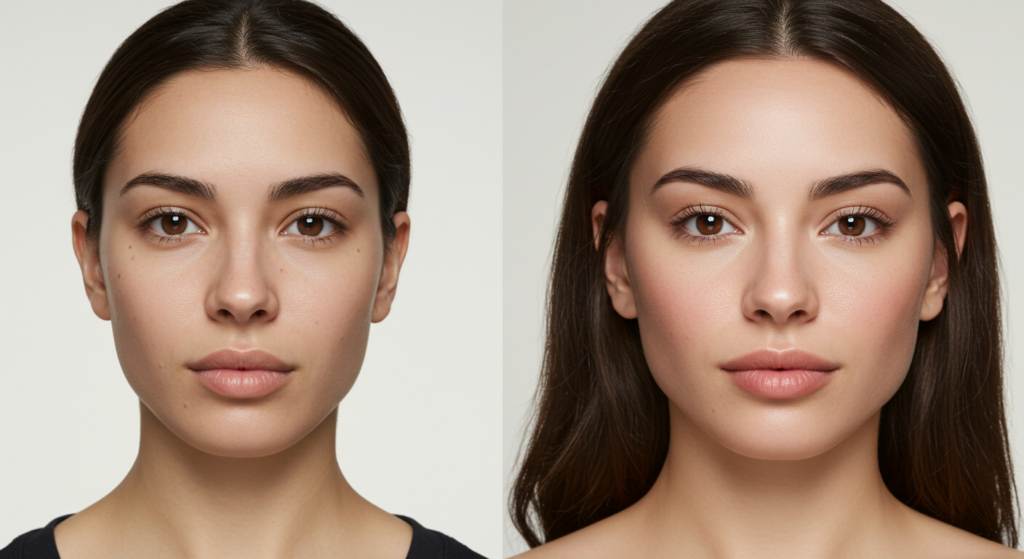
Facial Feminization Surgery encompasses a range of surgical procedures designed to soften and feminize the masculine features of the face. These procedures are often considered a cornerstone of the transition process for many transgender women, as the face is a primary identifier of gender. The specific procedures involved in FFS are highly individualized and can include:

  • Forehead Contouring and Brow Lift: Reshaping the bony structure of the forehead to create a smoother, more rounded appearance and lifting the eyebrows to a higher, more feminine arch.
  • Rhinoplasty (Nose Reshaping): Refining the size and shape of the nose to achieve a more delicate and feminine aesthetic.
  • Cheek Augmentation: Adding volume to the cheeks through implants or fat grafting to create fuller, more youthful contours.
  • Jaw Contouring and Reduction: Reshaping the jawline to be softer and more tapered, often involving reducing the prominence of the chin and jaw angles.
  • Chinplasty (Chin Reshaping): Modifying the size and shape of the chin to achieve a more feminine projection and contour.
  • Lip Lift and Augmentation: Enhancing the appearance of the lips by lifting the upper lip to show more teeth and adding volume through fillers or fat grafting.
  • Tracheal Shave: Reducing the prominence of the Adam’s apple for a smoother neckline.
  • Hairline Advancement: Lowering the hairline to create a more feminine forehead shape.

The cost of FFS can vary considerably depending on the number and complexity of the procedures involved, the surgeon’s experience and reputation, the geographic location of the surgical center, and associated costs such as anesthesia, facility fees, and post-operative care. It’s not uncommon for the total cost of a comprehensive FFS package to range from several thousand to tens of thousands of dollars.

The image depicts a hyperrealistic 3D render of a woman viewed from the back, showcasing intricate details in lighting, anatomy, and texture. She is wearing a form-fitting, light-colored dress with an open back, paired with high-heeled shoes. The background is a dark, neutral tone, emphasizing the subject's silhouette and the play of light and shadow on her body. -- **Camera and Optics:** The image appears to be captured using a high-resolution setup, likely equivalent to 8K quality, ensuring hyperrealistic detail. The composition and depth of field suggest the use of a medium telephoto lens, such as an 85mm macro lens, which is ideal for portraiture and capturing fine details without distortion. The shallow depth of field isolates the subject, creating a sharp focus on her form while maintaining a soft background. -- **Lighting Design:** The lighting in the image is characterized by a hard-light technique, which creates sharp and well-defined shadows. The light source seems to be positioned at a side angle, producing dramatic shadows that accentuate the contours of the woman’s body. This technique enhances the three-dimensionality of the figure, emphasizing the curves of her waist, hips, and legs. The contrast between light and shadow adds a sculptural quality to the image, highlighting the anatomical details. -- **Anatomy and Identity:** The subject is a woman with a confident and upright posture. Her stance is slightly arched, accentuating her waistline, which appears 'snatched' or narrowly defined. The image highlights her curvaceous figure, with emphasis on the hips and thighs, creating a sense of volume and form. The muscle definition is subtle yet visible, particularly in the legs and back, contributing to a balanced and aesthetically pleasing silhouette. -- **Texture and Skin:** The skin texture in the image is rendered with exceptional detail, showcasing a slight sheen that suggests moisture or a light application of oil. This luminescence effect enhances the skin’s natural glow, making it appear soft yet detailed. The interplay of light on the skin reveals micro-details, such as subtle pores and fine lines, contributing to the hyperrealistic quality of the render. There are no visible ter damlaları (sweat droplets), but the overall texture conveys a smooth and polished appearance. -- **Clothing and Accessories:** The woman is wearing a form-fitting dress made of a material that resembles satin or latex, given its smooth and slightly reflective surface. The dress features a deep open back, adding an element of sophistication and sensuality. The high-heeled shoes she is wearing are beige, complementing the dress and adding to the overall elegance of the look. There are no visible metal accessories or hardware on the clothing. -- **Composition and Background:** The composition of the image places the woman as the central focus, with her figure occupying the majority of the frame. The background is a dark, neutral gray, which serves to highlight the subject and create a sense of depth. The minimalist background, devoid of any distractions, contributes to a luxurious and noir-like atmosphere, emphasizing the subject’s silhouette and the intricate details of her form and attire. The overall mood of the image is sophisticated and high-end, evoking a sense of elegance and refinement.

Exploring Body Feminization Procedures

Body feminization procedures aim to reshape the body to align with a feminine silhouette. These procedures can address various areas of the body and are often sought after by transgender women to achieve a more congruent physical appearance. Common body feminization procedures include:

  • Breast Augmentation: Increasing the size and shaping of the breasts through the placement of silicone or saline implants. This is often a significant step in achieving a feminine chest contour.
  • Buttock Augmentation: Enhancing the size and shape of the buttocks through implants or fat grafting (Brazilian Butt Lift). This can contribute to a more curvaceous and feminine lower body.
  • Liposuction: Removing excess fat from areas such as the waist, hips, thighs, and abdomen to create a more hourglass figure. Liposuction can sculpt the body to enhance feminine curves.
  • Fat Grafting: Transferring fat from one area of the body (where it’s abundant) to another (where volume is desired), such as the breasts or buttocks. This can provide a more natural-looking augmentation.
  • Body Lift Procedures: Addressing loose skin and excess tissue in areas like the abdomen, thighs, and arms, often necessary after significant weight loss or to refine the overall body contour.
  • Vaginoplasty: The surgical creation of a vagina. While primarily a gender-affirming surgery, it also significantly contributes to body feminization.

Similar to FFS, the cost of body feminization procedures can vary widely depending on the specific procedures chosen, the surgeon’s fees, the location of the surgical facility, and other associated expenses. Breast augmentation, for instance, can range from a few thousand to upwards of ten thousand dollars, while more complex procedures like a Brazilian Butt Lift or vaginoplasty can have even higher costs.

This image features a highly detailed and professionally composed photograph of an individual from behind, draped in a translucent, flowing garment. The image emphasizes the interplay of light, shadow, and texture to create a dramatic and luxurious aesthetic. **Camera and Optics:** The photograph appears to be captured using a high-resolution camera, likely in 8K or higher, ensuring hyperrealistic detail. The lens choice suggests a medium telephoto, such as an 85mm macro lens, which is ideal for capturing intricate textures and fine details without distortion. The depth of field is shallow, isolating the subject from the background and emphasizing their form. **Lighting Design:** The lighting in this image is meticulously designed to create a dramatic effect. Hard-light techniques are employed, with the light source positioned at a side angle to the subject. This approach accentuates the contours of the body, creating sharp and defined shadows that enhance the three-dimensionality of the form. The contrast between light and shadow highlights the curves and lines of the body, adding a sculptural quality to the image. **Anatomy and Identity:** The subject appears to be female, characterized by a posture that exudes confidence and elegance. The anatomical features are accentuated by the lighting and garment, particularly the 'snatched' waist and the voluminous curves of the hips and lower body. The pose is slightly arched, further emphasizing the natural contours and creating a sense of movement and fluidity. **Texture and Skin:** The skin in the image exhibits a subtle luminescence, likely enhanced by a combination of natural moisture and strategic lighting. There is a delicate sheen on the skin, suggesting a light layer of perspiration or a moisturizing agent, which reflects the light and adds a radiant quality. The texture of the skin is smooth yet detailed, with the light capturing the fine nuances of the epidermis. **Clothing and Accessories:** The subject is adorned in a garment made of a translucent, lightweight fabric, possibly silk or satin. The material drapes elegantly around the body, accentuating the natural curves and adding a sense of fluidity to the composition. There are no visible metal accessories or hardware on the garment, allowing the focus to remain solely on the interplay between the fabric and the body. **Composition and Background:** The composition of the image is centered on the subject, with the background serving as a neutral yet textured canvas. The backdrop features a gradient of soft, muted tones, likely achieved through a combination of smoke or fog effects, contributing to a noir-inspired atmosphere. The overall mood is one of luxury and sophistication, with the soft lighting and textured background creating a timeless and ethereal aesthetic. The focus remains sharply on the subject, drawing the viewer’s attention to the intricate details of the form and fabric.

The Question of Cost-Effectiveness: Combining FFS and Body Feminization

Now, let’s delve into the core question: is it more cost-effective to have these procedures performed together or separately? There are several factors to consider when evaluating the potential cost benefits of a combined approach:

Reduced Anesthesia and Facility Fees

One of the most significant potential cost savings of combining FFS and body feminization is the reduction in anesthesia and facility fees. Each time a surgical procedure is performed, there are associated costs for the anesthesiologist’s services and the use of the surgical facility (hospital or accredited surgical center). By undergoing multiple procedures in a single surgical session, you can typically avoid paying these fees multiple times. While the duration of the anesthesia and the facility usage might be longer for a combined surgery, the overall cost is often less than having separate surgeries.

Streamlined Recovery and Time Off Work

Undergoing FFS and body feminization separately means enduring two distinct recovery periods. Each recovery period can involve discomfort, pain, swelling, bruising, and limitations on daily activities. This can translate to more time off work, potentially leading to lost income. Combining the procedures allows for a single recovery period, minimizing the total time required for healing and potentially reducing the overall impact on your work life and finances. This can be particularly beneficial for individuals who have limited paid time off or who are self-employed.

Potential for Package Deals and Discounts

Some surgeons and clinics that specialize in transgender surgeries may offer package deals or discounts when multiple procedures are performed together. This can be a significant way to reduce the overall cost of your gender affirmation journey. It’s always worth inquiring with your chosen surgeon or clinic about the availability of such packages. They may have specific combinations of procedures that qualify for a reduced price.

Travel and Accommodation Expenses

For individuals who need to travel to a specific surgeon or clinic for their procedures (which is often the case for specialized transgender surgeries), combining FFS and body feminization can lead to substantial savings on travel and accommodation expenses. Instead of making two separate trips, you would only need to travel once, reducing the costs associated with flights, transportation, hotel stays, and meals. This can be a significant factor, especially for those traveling from out of state or even internationally.

Psychological and Emotional Benefits

While not directly a financial cost, the emotional and psychological toll of undergoing multiple separate surgeries should not be overlooked. Each surgery can bring about anxiety, anticipation, and a period of emotional adjustment during recovery. Combining the procedures can minimize this repeated emotional cycle and allow you to focus on healing and embracing your affirmed gender identity in a more holistic way. This can contribute to a smoother and more positive overall transition experience. Feeling more aligned in both face and body simultaneously can be incredibly empowering and contribute to a greater sense of self as an attractive transgender woman.

Coordinated Surgical Planning and Aesthetic Outcomes

When FFS and body feminization are performed by the same surgeon or a coordinated team, there is often a more comprehensive and cohesive surgical plan. This can lead to better overall aesthetic outcomes, as the surgeon can consider the proportions and harmony between the face and body. A well-coordinated approach can ensure that the results of both sets of procedures complement each other, leading to a more natural and balanced feminine appearance.

Factors to Consider When Making Your Decision

While there are potential cost and logistical benefits to combining FFS and body feminization, it’s crucial to consider several factors before making a decision:

Individual Needs and Priorities

The specific procedures you require for both FFS and body feminization will significantly impact the overall cost and feasibility of combining them. Some individuals may only need a few FFS procedures and one or two body feminization procedures, while others may desire a more extensive transformation. Your individual needs and priorities should be the primary driver of your decision.

Surgeon’s Expertise and Comfort Level

Not all surgeons are equally skilled or comfortable performing a wide range of FFS and body feminization procedures simultaneously. It’s essential to choose a surgeon or a team of surgeons who have extensive experience and a proven track record in performing the specific procedures you desire, whether combined or separately. Be sure to thoroughly research potential surgeons, review their before-and-after photos, and ask detailed questions about their experience with combined surgeries.

Surgical Complexity and Duration

Combining multiple complex procedures into a single surgical session can significantly increase the duration of the surgery. This may come with increased risks associated with prolonged anesthesia and a more extensive recovery. Your surgeon will be able to assess the complexity of your desired procedures and advise you on the safety and feasibility of combining them.

Financial Readiness

Even with potential cost savings, undergoing combined FFS and body feminization represents a significant financial investment. It’s crucial to be financially prepared for the total cost, including surgeon’s fees, anesthesia, facility fees, medications, and any potential post-operative complications or revisions. Explore all available financing options and ensure you have a realistic budget in place.

Recovery Requirements and Support System

The recovery period after combined FFS and body feminization will likely be more intensive than recovering from a single set of procedures. You will need to be prepared for a longer period of downtime and have a strong support system in place to assist with daily tasks and provide emotional support during your healing. Consider your living situation, work responsibilities, and the availability of support before opting for a combined approach.

Staged Approach vs. Single Session

Some individuals may prefer a staged approach, undergoing FFS first and then body feminization (or vice versa) at a later time. This can allow for a more gradual transition and provide an opportunity to assess the results of each set of procedures before moving on to the next. There is no right or wrong approach, and the best option will depend on your personal preferences and circumstances.

A woman in a beige dress standing in a medical examination room with surgical equipment and a healthcare professional in the background.

Finding the Right Surgeon and Clinic

Choosing the right surgeon and clinic is paramount for a successful and safe outcome, whether you opt for combined or separate procedures. Here are some tips for finding qualified professionals:

  • Seek Recommendations: Connect with other transgender individuals through online forums, support groups, or personal networks and ask for recommendations for surgeons who specialize in FFS and body feminization.
  • Research Surgeon Credentials and Experience: Verify the surgeon’s board certifications, training, and experience specifically in transgender surgeries. Look for surgeons who have performed a significant number of the procedures you are interested in.
  • Review Before-and-After Photos: Carefully examine the surgeon’s portfolio of before-and-after photos to assess their aesthetic style and the quality of their results. Pay attention to patients with similar facial and body structures to your own.
  • Schedule Consultations: Schedule consultations with several different surgeons to discuss your goals, ask questions, and get a personalized assessment and cost estimate. Pay attention to how comfortable you feel with the surgeon and their communication style.
  • Inquire About the Surgical Facility: Ensure that the surgical facility is accredited and meets high standards of safety and quality.
  • Ask About Post-Operative Care: Understand the surgeon’s post-operative care protocol, including follow-up appointments and how they handle potential complications.
  • Consider Location and Travel: If you are willing to travel for surgery, research reputable surgeons and clinics in different geographic locations. Factor in travel and accommodation costs when making your decision.

Navigating the Financial Aspects

The cost of gender affirming surgeries can be a significant barrier for many transgender individuals. Here are some strategies for navigating the financial aspects:

  • Insurance Coverage: Explore your health insurance options to see if any aspects of FFS or body feminization are covered. Coverage for transgender healthcare is improving in many regions, but it’s essential to understand your specific policy.
  • Financing Options: Many surgeons and clinics offer financing options through third-party lenders. Research these options and determine if they are a viable solution for you.
  • Medical Loans: Consider taking out a medical loan to cover the costs of your surgery. Compare interest rates and repayment terms from different lenders.
  • Savings and Budgeting: Develop a comprehensive savings plan and budget to allocate funds for your gender affirming procedures.
  • Fundraising: Explore online fundraising platforms or community support initiatives to help raise funds for your surgery.
  • Grants and Financial Aid: Research organizations that offer grants or financial aid specifically for transgender healthcare.

Conclusion: Making the Informed Choice for Your Journey

Ultimately, the decision of whether to combine FFS and body feminization procedures is a personal one that should be made in consultation with experienced and qualified surgeons. While there are compelling arguments for the potential cost-effectiveness and logistical benefits of a combined approach, it’s crucial to carefully consider your individual needs, financial situation, and the complexity of your desired procedures.

By thoroughly researching your options, consulting with multiple surgeons, and carefully weighing the pros and cons, you can make an informed decision that aligns with your goals for gender affirmation and helps you on your journey to becoming the most authentic and attractive transgender woman you envision. Remember that the most important factor is achieving results that make you feel comfortable, confident, and truly yourself. Investing in your well-being and self-affirmation is an invaluable step in living a fulfilling and authentic life.
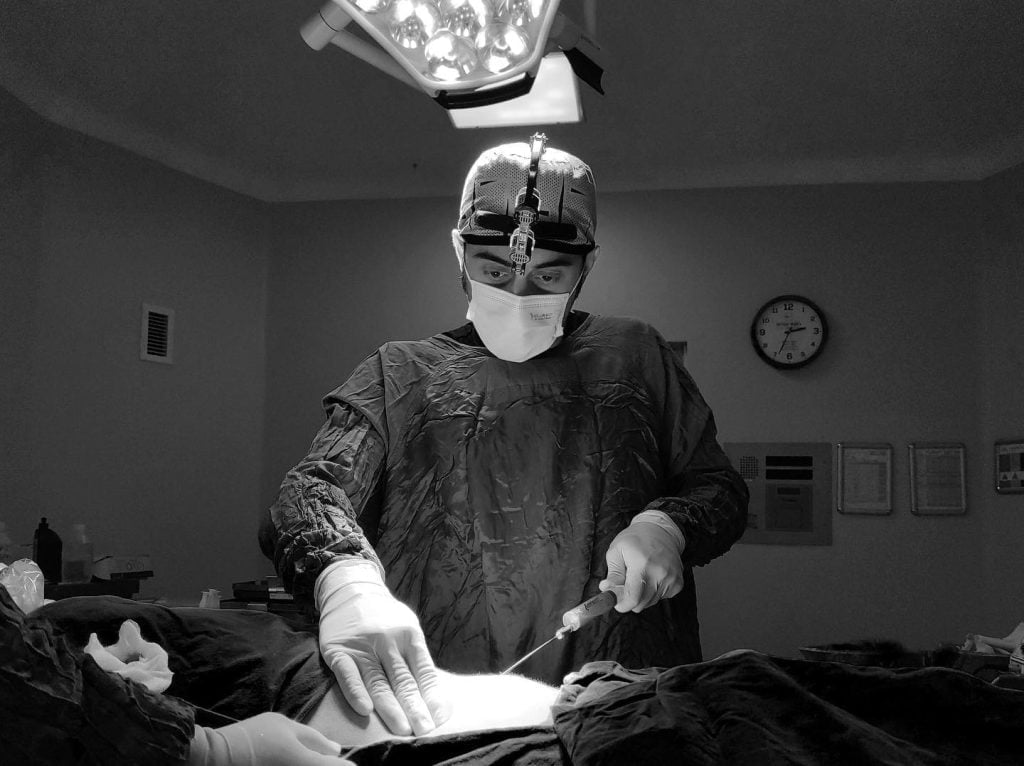
Mehmet Fatih Okyay, MD, FEBOPRAS in Türkiye. FFS Surgeon.

Visit Dr.MFO Instagram profile to see real patient transformations! Get a glimpse of the incredible results achieved through facial feminization surgery and other procedures. The profile showcases before-and-after photos that highlight Dr. MFO’s expertise and artistic vision in creating natural-looking, beautiful outcomes.

Ready to take the next step in your journey? Schedule a free consultation with Dr. MFO ( Best Facial Feminization Surgeon for You) today. During the consultation, you can discuss your goals, ask any questions you may have, and learn more about how Dr. MFO can help you achieve your desired look. Don’t hesitate to take advantage of this free opportunity to explore your options and see if Dr. MFO is the right fit for you.

How Much Does Average MTF Body Feminization and FFS Cost?

A woman wearing a beige lace bra, shown from the front with a focus on the chest area.

For many transgender women (MTF), aligning their physical appearance with their inner sense of self is a crucial step in their transition journey. Body feminization and Facial Feminization Surgery (FFS) are two significant aspects of this process, helping individuals feel more comfortable and confident in their bodies and how they are perceived by the world. If you’re an MTF trans woman exploring these options, understanding the costs involved is likely a key consideration. This comprehensive guide will delve into the average costs of various body feminization procedures and FFS, providing you with the information you need to start planning your journey towards a more authentic and attractive face transgender. To understand customized silhouette contouring and feminine proportions, review our detailed overview of body feminization surgery.

Portrait of a woman with long dark hair, posing confidently with her right arm across her chest, looking directly at the camera against a gradient blue background.

Understanding the Desire for Feminization

The desire for body feminization and FFS stems from a deep-seated need to alleviate gender dysphoria – the distress caused by a mismatch between one’s gender identity and assigned sex at birth. For MTF individuals, this can manifest as discomfort with masculine facial features, body shape, and other secondary sex characteristics. Achieving a more feminine appearance can significantly improve self-esteem, reduce anxiety, and enhance overall quality of life. The goal isn’t just about aesthetics; it’s about feeling seen and recognized for who you truly are. Many trans women seek an attractive face transgender that reflects their feminine identity and allows them to navigate the world with greater ease and confidence.

Average Costs of MTF Body Feminization Procedures

Body feminization encompasses a range of procedures aimed at creating a more feminine physique. The specific procedures chosen will vary depending on individual needs and goals. Here’s a breakdown of some common options and their average costs:

Hormone Replacement Therapy (HRT)

While not a surgical procedure, Hormone Replacement Therapy (HRT) is often the first and most fundamental step in MTF transition. HRT involves taking estrogen and potentially anti-androgens to induce physical changes such as breast development, fat redistribution to the hips and thighs, softening of the skin, and reduced body hair growth.

Average Costs: The cost of HRT can vary depending on the type of medication, dosage, insurance coverage, and frequency of doctor visits.

  • Doctor Visits: Initial consultations and regular check-ups with an endocrinologist or other healthcare provider are necessary to monitor hormone levels and adjust dosages. These visits can range from $100 to $300 or more per visit, depending on your location and insurance. You might need several visits in the first year and then less frequent follow-ups.
  • Medications:
    • Estrogen: Common forms include pills, patches, injections, and gels. The cost can range from $20 to $100+ per month depending on the formulation and brand.
    • Anti-androgens: These medications block the effects of testosterone. Common options include spironolactone, finasteride, and GnRH agonists. Costs can range from $15 to $100+ per month.
  • Blood Tests: Regular blood tests are crucial to monitor hormone levels and ensure safety. Each test can cost between $50 and $200 or more, depending on what is being tested and your insurance.

Estimated Annual Cost: Without insurance, the annual cost of HRT can range from $500 to $3,000 or more, including doctor visits, medications, and blood tests. Insurance coverage can significantly reduce these costs.

Laser Hair Removal and Electrolysis

Many MTF individuals seek to remove unwanted facial and body hair that is associated with masculine traits. Laser hair removal and electrolysis are two effective methods for achieving this.

Average Costs:

  • Laser Hair Removal: This method uses concentrated light to target hair follicles. It’s generally more effective for individuals with dark hair and lighter skin. Multiple sessions are typically required.
    • Face: A full face laser hair removal package can range from $1,000 to $3,000 or more for a series of 6-10 sessions. Individual sessions might cost $100 to $400.
    • Body: Costs for body areas like the chest, back, legs, and bikini area vary widely depending on the size of the area. Packages can range from $500 to $5,000+ per area for a series of sessions.
  • Electrolysis: This method involves inserting a fine needle into each hair follicle and delivering an electrical current to destroy the root. It’s effective for all hair colors and skin types and is considered a permanent hair removal solution.
    • Cost per Hour: Electrolysis is typically charged by the hour, with rates ranging from $50 to $150 or more per hour. The total cost will depend on the amount of hair to be removed and the number of sessions needed. Facial hair removal can take many hours over several months or even years.

Estimated Total Cost: The total cost for hair removal can range from a few thousand dollars to upwards of $10,000 or more, depending on the methods used and the extent of hair removal desired.

Body Contouring (Liposuction and Fat Grafting)

Hormone therapy can redistribute some body fat, but some individuals may desire more significant changes to achieve a feminine silhouette. Body contouring procedures like liposuction and fat grafting can help sculpt the body.

Average Costs:

  • Liposuction: This procedure removes excess fat from specific areas such as the abdomen, flanks, and thighs to create a more feminine shape.
    • Cost per Area: The cost of liposuction varies depending on the number of areas treated, the surgeon’s fees, anesthesia fees, and facility fees. The average cost per area can range from $3,000 to $7,000 or more. Treating multiple areas can significantly increase the total cost.
  • Fat Grafting (Brazilian Butt Lift – BBL): In this procedure, fat is liposuctioned from one area of the body and then injected into the buttocks or hips to create a more rounded and feminine shape.
    • Cost: The cost of a BBL typically ranges from $8,000 to $15,000 or more, as it involves both liposuction and fat grafting.

Estimated Total Cost: Body contouring procedures can range from $3,000 for a small area of liposuction to $15,000+ for more extensive procedures like a BBL.

A close-up image of a person's upper body wearing a floral-patterned bra with thin straps.

Breast Augmentation

Breast development from HRT varies significantly among individuals. Many MTF trans women opt for breast augmentation surgery to achieve their desired breast size and shape.

Average Costs:

  • Surgeon’s Fees: This is the fee charged by the plastic surgeon and can vary based on their experience and location. Average fees range from $4,000 to $8,000.
  • Anesthesia Fees: The cost of anesthesia depends on the type of anesthesia used and the duration of the surgery, typically ranging from $1,000 to $3,000.
  • Facility Fees: These are the costs associated with using the surgical facility (hospital or accredited surgical center), which can range from $3,000 to $7,000 or more.
  • Implants: The cost of breast implants can vary depending on the type (saline or silicone) and brand, typically ranging from $1,000 to $3,000.
  • Post-operative Care: This includes medications, compression garments, and follow-up appointments, which can add a few hundred to a few thousand dollars to the total cost.

Estimated Total Cost: The total cost of breast augmentation for MTF individuals typically ranges from $9,000 to $21,000 or more.

Voice Feminization Therapy and Surgery

The voice is often a significant source of dysphoria for MTF individuals. Voice feminization therapy can help train individuals to speak with a more feminine vocal range, resonance, and intonation. In some cases, surgical procedures may be considered.

Average Costs:

  • Voice Therapy: Sessions with a speech-language pathologist specializing in voice feminization can range from $100 to $300 or more per session. The number of sessions needed varies depending on the individual’s progress and goals. A typical course of therapy might involve 10-20 sessions or more.
  • Voice Feminization Surgery: Surgical options are less common and more complex, with varying success rates. Procedures might include vocal cord shortening or other techniques.
    • Cost: The cost of voice feminization surgery can vary significantly depending on the procedure and surgeon, potentially ranging from $5,000 to $20,000 or more. This often isn’t covered by insurance and requires careful consideration.

Estimated Total Cost: Voice feminization can range from $1,000 to $6,000+ for therapy to $5,000 to $20,000+ for surgery.

A close-up portrait of a young woman with brown hair and a soft smile, partially illuminated by warm, golden light from the left side, creating a gentle contrast with the shadow on the right side of her face.

Average Costs of Facial Feminization Surgery (FFS)

Facial Feminization Surgery (FFS) is a set of surgical procedures designed to soften masculine facial features and create a more feminine appearance. The specific procedures included in FFS are highly individualized and depend on the person’s unique facial structure and goals for achieving an attractive face transgender. Common FFS procedures include:

Forehead Contouring and Brow Lift

The forehead and brow area are often key indicators of perceived gender. Forehead contouring aims to reduce the prominence of the brow bone (bossing) and create a smoother, more feminine forehead. A brow lift can raise the eyebrows to a more feminine arch and position, making the eyes appear more open and expressive.

Average Costs:

  • Forehead Contouring: This can involve shaving down the bone or using bone cement to create a smoother contour. Costs typically range from $6,000 to $12,000 or more.
  • Brow Lift: Different techniques can be used, such as a coronal brow lift or an endoscopic brow lift. Costs typically range from $4,000 to $9,000 or more.
  • Combined Procedure: When done together, the cost might range from $8,000 to $18,000 or more.

Rhinoplasty (Nose Reshaping)

The shape and size of the nose can significantly impact the overall femininity of the face. Rhinoplasty can refine the nose by narrowing the bridge, defining the tip, and adjusting the angle between the nose and upper lip.

Average Costs: Rhinoplasty is a complex procedure, and costs can vary widely depending on the extent of the changes needed and the surgeon’s expertise. The average cost typically ranges from $8,000 to $15,000 or more. Revision rhinoplasty (if needed) can be even more expensive.

Cheek Augmentation

Fuller, more rounded cheeks are often considered a feminine facial feature. Cheek augmentation can be achieved using dermal fillers, fat grafting, or cheek implants.

Average Costs:

  • Dermal Fillers: This is a non-surgical option, but the results are temporary (lasting from several months to a year or more). Costs can range from $500 to $2,000+ per syringe, and multiple syringes may be needed.
  • Fat Grafting: Fat is harvested from another area of the body and injected into the cheeks. Costs typically range from $4,000 to $8,000 or more.
  • Cheek Implants: Silicone implants are surgically placed in the cheek area for a permanent result. Costs typically range from $5,000 to $10,000 or more.

Jaw Contouring (Mandibular Reduction)

A wider, more angular jawline is often associated with masculine features. Jaw contouring, or mandibular reduction, involves surgically reshaping the jawbone to create a softer, more feminine curve.

Average Costs: This is a more invasive procedure, and costs can range from $7,000 to $15,000 or more, depending on the complexity and the surgeon’s fees.

Chin Reduction or Augmentation (Genioplasty)

The size and shape of the chin play a significant role in facial harmony. Chin reduction can soften a prominent or square chin, while chin augmentation can create a more defined and feminine chin.

Average Costs:

  • Chin Reduction: This involves surgically reshaping the chin bone. Costs typically range from $6,000 to $12,000 or more.
  • Chin Augmentation: This can be done with implants or by surgically moving a portion of the chin bone forward. Costs typically range from $5,000 to $10,000 or more.

Lip Lift and Lip Augmentation

Fuller lips with a more defined Cupid’s bow are often considered feminine. A lip lift can raise the upper lip, showing more of the upper teeth and creating a more youthful and feminine appearance. Lip augmentation can be achieved with fillers or fat grafting.

Average Costs:

  • Lip Lift: Surgical lip lift costs typically range from $3,000 to $8,000 or more.
  • Lip Augmentation (Fillers): Costs range from $500 to $1,500+ per syringe.
  • Lip Augmentation (Fat Grafting): Costs typically range from $3,000 to $6,000 or more.

Tracheal Shave (Adam’s Apple Reduction)

The Adam’s apple, or laryngeal prominence, is a visible sign of masculine anatomy for some individuals. A tracheal shave is a relatively minor surgical procedure to reduce the size of the Adam’s apple.

Average Costs: This procedure is typically less expensive than other FFS procedures, ranging from $3,000 to $8,000 or more. It is sometimes included as part of a broader FFS package.

Factors Influencing the Cost of Body Feminization and FFS

The average costs provided above are just estimates. The actual cost of your procedures can vary significantly based on several factors:

  • Surgeon’s Experience and Reputation: Highly experienced and sought-after surgeons typically charge higher fees.
  • Geographic Location: Costs of medical procedures vary significantly between different countries, regions, and even cities. Areas with a higher cost of living generally have higher surgical fees.
  • Surgical Facility: Procedures performed in hospitals tend to be more expensive than those done in accredited private surgical centers.
  • Anesthesia Fees: The type of anesthesia used (local, sedation, or general) and the duration of the surgery will affect anesthesia costs.
  • Complexity of the Procedure: More complex or extensive procedures will generally cost more.
  • Number of Procedures: If you are undergoing multiple FFS procedures at the same time, you might be able to negotiate a package price, but the overall cost will still be substantial.
  • Pre- and Post-operative Care: This includes consultations, medications, follow-up appointments, and any potential complications that may arise.
  • Insurance Coverage: Unfortunately, many body feminization and FFS procedures are considered cosmetic and are not covered by insurance. However, some insurance plans may cover certain procedures if deemed medically necessary to treat gender dysphoria. It’s crucial to check with your insurance provider.

Planning and Saving for Your Procedures

The costs of body feminization and FFS can be substantial, and it’s essential to plan and save accordingly. Here are some strategies to consider:

  • Create a Detailed Budget: Identify the specific procedures you are interested in and research the average costs in your desired location. Factor in all associated expenses, including travel and accommodation if you are considering out-of-town or international options.
  • Start Saving Early: The sooner you start saving, the better. Set realistic financial goals and create a savings plan.
  • Explore Insurance Options: Investigate your health insurance policy to see if any aspects of your transition-related care, including certain surgeries, might be covered. Advocate for yourself and provide documentation of medical necessity if required.
  • Consider Financing Options: Some medical financing companies offer loans specifically for cosmetic procedures. Research these options carefully, paying attention to interest rates and repayment terms.
  • Look into Medical Tourism: If cost is a significant barrier, consider traveling to countries where these procedures may be more affordable. However, thoroughly research the surgeons and facilities in other countries to ensure quality and safety.
  • Explore Grants and Fundraising: Some organizations offer grants or financial assistance for transgender individuals seeking gender-affirming care. You might also consider setting up an online fundraising campaign to help offset the costs.
  • Prioritize Procedures: If you cannot afford all the procedures you desire at once, work with your surgeon to prioritize the ones that will have the most significant impact on your well-being and sense of self.

Beyond the Cost: The Value of Gender Affirmation

While the financial aspect of body feminization and FFS is undoubtedly important, it’s crucial to remember the profound impact these procedures can have on an individual’s life. For many MTF trans women, these surgeries are not simply about aesthetics; they are about achieving congruence between their physical appearance and their gender identity, which can lead to:

  • Reduced Gender Dysphoria: Alleviating the distress caused by the mismatch between one’s body and gender identity.
  • Increased Self-Esteem and Confidence: Feeling more comfortable and confident in one’s own skin.
  • Improved Mental Health: Reducing anxiety, depression, and other mental health challenges often associated with gender dysphoria.
  • Enhanced Social Interactions: Feeling more comfortable and accepted in social situations.
  • Greater Authenticity: Living more fully and authentically as one’s true self.

Investing in gender-affirming care is an investment in your overall well-being and happiness. While the costs may seem daunting, many individuals find the positive impact on their lives to be invaluable.

Finding the Right Professionals

Choosing experienced and qualified surgeons and healthcare providers is crucial for achieving the best possible results and ensuring your safety. Here are some tips for finding the right professionals:

  • Seek Recommendations: Ask for recommendations from other transgender individuals in your community or online support groups.
  • Research Surgeons’ Credentials and Experience: Look for surgeons who are board-certified in plastic surgery or facial plastic and reconstructive surgery and have specific experience working with transgender patients.
  • Review Before-and-After Photos: Examine the surgeon’s portfolio of previous work to get an idea of their aesthetic style and results.
  • Schedule Consultations: Meet with several surgeons to discuss your goals, ask questions, and get a personalized treatment plan and cost estimate. Pay attention to how comfortable and understood you feel with each surgeon.
  • Check Online Reviews: Read reviews from other patients to get insights into the surgeon’s bedside manner, communication style, and overall patient experience.

Conclusion: Investing in Your Authentic Self

The journey of MTF transition is a deeply personal one, and body feminization and FFS can be significant steps in aligning your physical appearance with your gender identity. While the costs involved can be substantial, understanding the average prices and the factors that influence them is essential for planning your journey. Remember that these procedures are not just about achieving an attractive face transgender or a feminine physique; they are about investing in your well-being, self-esteem, and the ability to live authentically as your true self. By researching your options, planning your finances, and finding qualified professionals, you can take meaningful steps towards a happier and more fulfilling life.

Visit Dr.MFO Instagram profile to see real patient transformations! Get a glimpse of the incredible results achieved through facial feminization surgery and other procedures. The profile showcases before-and-after photos that highlight Dr. MFO’s expertise and artistic vision in creating natural-looking, beautiful outcomes.

Ready to take the next step in your journey? Schedule a free consultation with Dr. MFO ( Best Facial Feminization Surgeon for You) today. During the consultation, you can discuss your goals, ask any questions you may have, and learn more about how Dr. MFO can help you achieve your desired look. Don’t hesitate to take advantage of this free opportunity to explore your options and see if Dr. MFO is the right fit for you.

Which Country is Best for FFS Surgery? Your Path to an Attractive Transgender Face

A close-up portrait of a woman with wavy brown hair and natural makeup, looking directly at the camera with a soft expression. She is wearing small gold hoop earrings and is positioned near a window with natural light illuminating her face.

For many transgender women, Facial Feminization Surgery (FFS) represents a profound step in their journey of self-discovery and affirmation. The desire to align one’s physical appearance with their inner identity is deeply personal and incredibly important for overall well-being. Achieving an attractive face transgender individuals feel truly reflects who they are can significantly boost confidence, reduce dysphoria, and improve social interactions.

Choosing the right country for FFS is a significant decision, one that involves careful consideration of numerous factors. This comprehensive guide aims to provide you, our valued MTF trans women, with the information needed to navigate this complex landscape and make an informed choice that aligns with your individual needs, goals, and circumstances.

A portrait of a woman with straight black hair, wearing elegant pearl earrings, a white outfit, and subtle makeup.

The Significance of FFS in the Journey of MTF Trans Women

The transition process for MTF individuals is multifaceted, often involving hormone replacement therapy (HRT), voice training, and various forms of social and legal affirmation. Among these, FFS holds a unique and often central role. While HRT can induce significant changes, it may not fully address certain masculine facial features that can be a source of dysphoria.

FFS encompasses a range of surgical procedures designed to soften and feminize the face. These procedures can address features such as the forehead bossing, brow bone prominence, hairline recession, nose shape and size, jawline contour, chin width and projection, cheekbone definition, and lip augmentation. The specific procedures undertaken will vary depending on the individual’s facial structure and their desired aesthetic outcome – the creation of an attractive face transgender women feel comfortable and confident in.

The impact of successful FFS extends far beyond mere physical appearance. It can lead to a significant reduction in gender dysphoria, the distress caused by a mismatch between one’s gender identity and assigned sex at birth. This reduction in dysphoria can have a profound positive effect on mental health, self-esteem, and overall quality of life.

Furthermore, FFS can improve social interactions and reduce instances of misgendering. When one’s facial features align more closely with societal perceptions of femininity, it can lead to greater acceptance and validation in everyday life. This can be particularly important in professional settings, social gatherings, and intimate relationships. The ability to present authentically and confidently with an attractive face transgender individuals feel represents them is a powerful step towards living a fulfilling life.

A medical professional in gloves examining a patient's face, focusing on the nose area.

Navigating the World of FFS: Key Considerations

Choosing the right country for your FFS journey is a complex decision with numerous factors to weigh. There is no single “best” country, as the ideal choice will depend on your individual priorities and circumstances. Here are some key considerations to keep in mind:

Surgeon Expertise and Specialization

The most crucial factor in achieving a successful and satisfying FFS outcome is the skill and experience of the surgeon. Look for surgeons who specialize in facial feminization surgery and have a deep understanding of transgender aesthetics. Consider the following:

  • Board Certification: Ensure the surgeon is board-certified in a relevant specialty such as plastic surgery, facial plastic and reconstructive surgery, or maxillofacial surgery.
  • Experience with Transgender Patients: Surgeons with extensive experience working with transgender individuals are more likely to understand the specific nuances and goals of FFS. They will be familiar with the subtle changes that can make a significant difference in achieving a feminine appearance and creating an attractive face transgender individuals desire.
  • Before-and-After Photos: Review the surgeon’s portfolio of before-and-after photos of previous transgender patients. This will give you an idea of their aesthetic style and the quality of their work. Pay attention to patients with similar facial structures to your own.
  • Testimonials and Reviews: Read testimonials and reviews from previous patients, particularly transgender women. These can provide valuable insights into the surgeon’s communication style, bedside manner, and the overall patient experience.
  • Consultations: Schedule consultations with several surgeons to discuss your goals, ask questions, and get a personalized assessment of your facial structure and the recommended procedures. Pay attention to how well the surgeon listens to your concerns and explains the procedures.

Cost and Affordability

The cost of FFS can vary significantly depending on the country, the surgeon’s fees, the complexity of the procedures involved, and the hospital or clinic where the surgery is performed. Consider your budget and explore options for financing or medical tourism packages.

  • Country Variations: Some countries are known for offering more affordable FFS options compared to others. However, it’s crucial to balance cost with quality and safety.
  • Procedure Complexity: The more procedures you require, the higher the overall cost will be. Discuss your desired outcome with the surgeon to get a clear understanding of the necessary procedures and their associated costs.
  • Additional Expenses: Don’t forget to factor in additional expenses such as travel, accommodation, pre-operative tests, post-operative care, and potential follow-up appointments.
  • Insurance and Financing: Explore whether your health insurance covers any portion of FFS (this is more common in some regions than others). Research financing options or medical loans that may be available.

Safety and Accreditation

Your safety should be a top priority when considering FFS. Ensure that the hospital or clinic where the surgery will be performed is accredited by a reputable organization and adheres to high standards of safety and hygiene.

  • Accreditation Bodies: Look for accreditation from recognized national or international organizations that ensure quality and safety standards in healthcare facilities.
  • Medical Regulations: Research the medical regulations and standards in the country you are considering.
  • Anesthesia Safety: Discuss the anesthesia process with the surgeon and the anesthesiologist to understand the risks and safety measures in place.
  • Emergency Protocols: Inquire about the facility’s emergency protocols and their ability to handle any potential complications.

Cultural Sensitivity and Language

Undergoing surgery in a foreign country can be a daunting experience. Choosing a country where you feel comfortable and understood can significantly enhance your overall journey.

  • LGBTQ+ Friendliness: Consider countries with progressive LGBTQ+ rights and a welcoming environment for transgender individuals. This can impact your comfort level and access to support services.
  • Language Barrier: If you don’t speak the local language, ensure that the medical staff and the surgeon are proficient in English or that translation services are readily available. Clear communication is essential for a smooth and stress-free experience.
  • Cultural Understanding: Look for surgeons and medical teams who are culturally sensitive and have experience working with transgender patients from diverse backgrounds.

Aftercare and Support

Proper aftercare is crucial for a successful recovery and optimal results after FFS. Consider the availability and quality of post-operative care in the country you are considering.

  • Post-Operative Instructions: Ensure you receive clear and comprehensive instructions on how to care for yourself after surgery, including wound care, medication, and activity restrictions.
  • Follow-Up Appointments: Understand the schedule for follow-up appointments and whether they can be conducted remotely or require you to stay in the country for an extended period.
  • Support Networks: Research if there are support groups or resources available for transgender individuals in the area where you will be recovering.
A collage of four images showcasing cityscapes and landmarks. Top left: The Grand Palace in Bangkok, Thailand, with its ornate golden spires and traditional architecture. Top right: The modern skyline of Frankfurt, Germany, featuring the iconic Commerzbank Tower and the Main Tower. Bottom left: The skyline of New York City, USA, with the Empire State Building prominently visible. Bottom right: A picturesque view of Amsterdam, Netherlands, featuring traditional Dutch houses along a canal.

Exploring Top Destinations for FFS

While the “best” country is subjective, several countries have gained recognition as leading destinations for FFS due to their experienced surgeons, quality of care, and varying cost structures. Here’s an overview of some popular options:

Thailand

Thailand has emerged as a prominent hub for medical tourism, including gender affirming surgeries like FFS. It is often favored for its relatively lower costs compared to Western countries while still offering highly skilled surgeons and internationally accredited hospitals.

Pros:

  • Cost-Effective: FFS in Thailand can be significantly more affordable than in countries like the United States or Europe.
  • Experienced Surgeons: Thailand boasts a number of highly experienced surgeons who specialize in FFS and have worked with a large volume of transgender patients. Many have honed their skills over years and are well-versed in creating an attractive face transgender individuals seek.
  • Internationally Accredited Hospitals: Many hospitals and clinics in Thailand that offer FFS are accredited by international organizations, ensuring high standards of care and safety.
  • Welcoming Environment: Thailand is generally known for its welcoming attitude towards LGBTQ+ individuals, making it a comfortable and supportive environment for transgender patients.
  • Tourism Opportunities: Combining your surgery with a vacation in Thailand can be an appealing option for many.

Cons:

  • Language Barrier: While many medical professionals in Thailand speak English, communication can sometimes be a challenge outside of medical settings.
  • Distance and Travel: Traveling to Thailand can be a long and potentially expensive journey, especially for individuals from North America or Europe.
  • Follow-Up Care: Arranging follow-up care back in your home country may require coordination with your surgeon in Thailand.

Turkey

Turkey has increasingly become a destination for various medical procedures, including cosmetic and gender affirming surgeries. It offers a blend of experienced surgeons, modern facilities, and potentially more affordable costs compared to some Western countries.

Pros:

  • Potentially Lower Costs: FFS in Turkey can be more budget-friendly compared to countries like the United States, some parts of Europe, and even South Korea. This can make it an attractive option for individuals seeking quality surgery at a more accessible price point.
  • Experienced Surgeons: Turkey has a growing number of skilled plastic and reconstructive surgeons, some of whom have experience in performing facial feminization surgery. It’s important to research individual surgeons’ specific expertise in FFS for transgender patients.
  • Modern Medical Facilities: Many hospitals and clinics in Turkey, particularly in larger cities like Istanbul and Ankara, boast modern facilities and utilize advanced medical technologies. Some are accredited by international organizations.
  • Tourism and Cultural Experience: Turkey offers a rich cultural history and diverse landscapes, providing an opportunity to combine your surgery with a unique travel experience. Istanbul, in particular, is a vibrant city with historical sites, cultural attractions, and a bustling atmosphere.
  • Geographic Location: Turkey’s location can be advantageous for individuals from Europe, the Middle East, and parts of Asia due to relatively shorter travel distances and potentially lower travel costs.

Cons:

  • Variable Surgeon Expertise in FFS: While there are skilled surgeons, the specialization and depth of experience specifically in facial feminization surgery for transgender individuals might vary. Thorough research and careful selection of a surgeon with a proven track record in this specific field are crucial.
  • Language Barrier: While English is spoken in tourist areas and some medical facilities, communication might be challenging in other situations. Ensuring clear communication with your medical team is essential.
  • Cultural Considerations: While Turkey is generally welcoming to tourists, societal views on LGBTQ+ issues can be more conservative compared to some other countries. It’s important to be aware of this and potentially seek out clinics and providers known for their inclusive approach.
  • Regulation and Accreditation: While many facilities are reputable, it’s important to verify the accreditation and regulatory standards of the specific hospital or clinic you are considering. Ensure they adhere to international safety protocols.
  • Aftercare and Follow-Up: Plan your aftercare carefully and understand the arrangements for any necessary follow-up appointments. Consider the feasibility of returning to Turkey for follow-up or coordinating with a healthcare provider in your home country.

Considerations for Choosing Turkey:

If you are considering Turkey for your FFS, it is particularly important to:

  • Thoroughly Research Surgeons: Look for surgeons with specific training and extensive experience in facial feminization surgery for transgender women. Review their portfolios, testimonials, and credentials carefully.
  • Verify Accreditations: Ensure the hospital or clinic is accredited by recognized national or international bodies.
  • Communicate Clearly: Establish clear communication channels with the surgeon and medical team, ensuring they understand your goals and concerns. Inquire about language support if needed.
  • Plan Your Trip and Recovery: Factor in travel time, accommodation, and the duration of your stay for both the surgery and initial recovery period.
  • Understand Local Laws and Customs: Be mindful of local laws and customs, particularly regarding LGBTQ+ issues.

Turkey can be a viable option for FFS due to its potential cost savings and access to skilled surgeons and modern facilities. However, diligent research and careful planning are essential to ensure a safe and successful outcome that aligns with your goals for an attractive face transgender individuals feel confident and happy with.

South Korea

South Korea has gained a global reputation for its advanced medical technology and expertise in cosmetic surgery, including facial feminization. Korean surgeons are known for their meticulous techniques and focus on achieving aesthetically pleasing results, often aiming for a naturally attractive face transgender individuals will appreciate.

Pros:

  • Advanced Medical Technology: South Korea has a highly developed healthcare system with state-of-the-art medical technology and facilities.
  • Highly Skilled Surgeons: Korean surgeons are renowned for their skill and precision in cosmetic procedures, including FFS. Many have undergone extensive training and have a keen eye for detail.
  • Focus on Aesthetics: Korean cosmetic surgery often emphasizes natural-looking results and a refined aesthetic, which can be appealing to transgender women seeking subtle yet impactful feminization.
  • Comprehensive Services: Many clinics in South Korea offer comprehensive packages that include pre-operative consultations, surgery, accommodation, and post-operative care.

Cons:

  • Higher Cost: FFS in South Korea can be more expensive than in Thailand, although it may still be more affordable than in some Western countries.
  • Language Barrier: While many surgeons and medical staff in larger clinics speak English, language barriers can still be a concern.
  • Cultural Differences: Adjusting to Korean culture and customs may require some effort.

The United States

The United States has a number of highly skilled and experienced surgeons who specialize in FFS. The standard of medical care is generally very high, and patients have access to advanced surgical techniques and technologies. For those seeking an attractive face transgender women in the US often find excellent options.

Pros:

  • High Standards of Care: The US has stringent regulations and high standards for medical training and practice.
  • Experienced and Specialized Surgeons: There are many board-certified plastic surgeons and facial plastic surgeons in the US who have extensive experience performing FFS on transgender patients.
  • Accessibility for Some: For individuals residing in North America, the US offers the advantage of easier travel and potentially closer proximity for follow-up care.
  • Strong LGBTQ+ Rights in Many Areas: Many states in the US have strong legal protections for LGBTQ+ individuals, creating a more welcoming environment.

Cons:

  • High Cost: FFS in the United States is generally among the most expensive options globally.
  • Insurance Coverage Varies: While insurance coverage for gender affirming care is improving in the US, it can still be inconsistent and may not cover all aspects of FFS.

Europe (Spain, Belgium, UK)

Several countries in Europe, including Spain, Belgium, and the United Kingdom, have established themselves as reputable destinations for FFS. These countries often offer a balance of experienced surgeons, high-quality care, and potentially more affordable costs than the US.

Spain: Spain has a growing reputation for gender affirming surgeries, with skilled surgeons and modern medical facilities. It can be a more affordable option compared to some other Western European countries.

Belgium: Belgium is known for its progressive approach to transgender healthcare and has experienced surgeons specializing in FFS.

United Kingdom: The UK has a number of qualified surgeons offering FFS, although waiting times within the National Health Service (NHS) can be long, and private options can be expensive.

Pros:

  • Experienced Surgeons: Europe has a strong tradition of medical excellence and boasts many experienced surgeons in the field of plastic and reconstructive surgery.
  • High Quality of Care: European healthcare systems generally adhere to high standards of quality and safety.
  • Potentially More Affordable than the US: Costs in some European countries may be more manageable than in the United States.
  • Proximity for Some: For individuals residing in Europe, these countries offer easier travel and access.

Cons:

  • Cost Can Still Be High: While potentially more affordable than the US, FFS in Europe can still be a significant financial investment.
  • Language Barriers: While English is widely spoken in many parts of Europe, language can still be a factor depending on the specific country and region.

Other Emerging Destinations

Beyond these well-established destinations, other countries are also emerging as options for FFS, such as India and some parts of Latin America. These locations may offer even lower costs, but it’s crucial to thoroughly research the quality of care and the surgeons’ expertise before making a decision.

Deep Dive into Key Considerations: Making the Right Choice

Now that we’ve explored some of the top destinations, let’s delve deeper into the key considerations to help you make the right choice for your personal journey towards an attractive face transgender individuals feel reflects their true selves.

Surgeon Expertise and Specialization: The Art and Science of Feminization

Choosing a surgeon is arguably the most critical step. Facial feminization is not just about performing surgical procedures; it’s about understanding the nuances of facial aesthetics and how to create a harmonious and feminine appearance.

  • Beyond Board Certification: While board certification is essential, delve deeper into the surgeon’s specific training and experience in FFS. Have they completed fellowships or specialized training in craniofacial surgery or transgender surgery?
  • Focus on Transgender Aesthetics: A surgeon who primarily performs general cosmetic surgery may not have the same understanding of the specific goals and considerations involved in feminizing a masculine face. Look for surgeons who explicitly state their focus on transgender patients.
  • Analyzing Before-and-After Photos Critically: Don’t just look at the overall transformation. Examine the subtle changes in each feature and how they contribute to a more feminine appearance. Look for consistency in the surgeon’s results and whether their aesthetic style aligns with your own vision of an attractive face transgender women can achieve.
  • The Importance of the Consultation: The consultation is your opportunity to assess the surgeon’s communication skills, their understanding of your goals, and their proposed surgical plan. Do they listen attentively to your concerns? Do they explain the procedures clearly and address your questions thoroughly? Do you feel comfortable and confident in their abilities? Trust your instincts.

Cost and Affordability: Balancing Dreams with Reality

The financial aspect of FFS can be a significant hurdle for many. It’s important to have a realistic understanding of the costs involved and to explore all available options.

  • Breaking Down the Costs: Get a detailed breakdown of the surgeon’s fees, anesthesia fees, hospital or clinic fees, and any other associated costs. Understand what is included in the quoted price.
  • Hidden Costs: Inquire about potential hidden costs, such as pre-operative tests, post-operative medications, and revision surgeries (although hopefully not needed).
  • Financing Options: Research medical financing companies that specialize in cosmetic or gender affirming procedures. Explore personal loans or crowdfunding options if appropriate.
  • Medical Tourism Packages: Some clinics offer all-inclusive packages that can simplify the process and potentially offer cost savings. However, ensure you understand exactly what is included in the package.

Safety and Accreditation: Ensuring Your Well-being

Your safety should never be compromised in pursuit of an attractive face transgender individuals desire. Thoroughly vet the medical facilities where your surgery will be performed.

  • Checking Accreditation: Verify the accreditation of the hospital or clinic through reputable organizations. Research the standards and oversight provided by these organizations.
  • Understanding Anesthesia: Discuss the type of anesthesia that will be used, the qualifications of the anesthesiologist, and the safety protocols in place.
  • Emergency Preparedness: Ask about the facility’s emergency procedures and their ability to handle complications.
  • Your Own Health: Be honest with your surgeon about your medical history and any pre-existing conditions. This is crucial for ensuring a safe surgical experience.

Cultural Sensitivity and Language: Feeling Comfortable and Understood

Undergoing major surgery in a foreign country can be stressful. Choosing a location where you feel comfortable and understood can make a significant difference in your overall experience.

  • Researching LGBTQ+ Rights and Acceptance: Understand the legal protections and social attitudes towards transgender individuals in the country you are considering.
  • Addressing Language Barriers Proactively: If you don’t speak the local language, inquire about the availability of translators and ensure that all medical staff involved in your care can communicate effectively with you.
  • Seeking Out Transgender-Friendly Providers: Look for surgeons and clinics that have a proven track record of working with transgender patients and demonstrate cultural sensitivity and understanding.

Aftercare and Support: Ensuring a Smooth Recovery

Proper aftercare is essential for optimal healing and the best possible outcome in achieving your attractive face transgender goal.

  • Understanding the Recovery Process: Discuss the expected recovery timeline with your surgeon and understand the potential discomfort and limitations you may experience.
  • Planning for Aftercare: Ensure you have a comfortable and supportive environment for your recovery. If traveling abroad, consider staying in the country for the recommended duration for follow-up appointments.
  • Communication with Your Surgeon: Establish clear lines of communication with your surgeon for any post-operative concerns or questions. Understand how to reach them in case of an emergency.
  • Building a Support Network: Connect with other transgender individuals who have undergone FFS. Their experiences and support can be invaluable during your recovery.

Making the Right Choice for Your Attractive Face Transgender Journey

Choosing the best country for your FFS surgery is a deeply personal decision. There is no one-size-fits-all answer. The ideal choice will depend on your individual priorities, budget, comfort level, and desired outcome – ultimately, achieving an attractive face transgender individuals feel truly represents them.

Take your time to research different countries, surgeons, and facilities. Schedule consultations with multiple surgeons to get different perspectives and find someone you trust and feel comfortable with. Weigh the pros and cons of each option carefully, considering all the factors discussed in this guide.

Don’t be afraid to ask questions and seek out information from reliable sources, including transgender support groups and online communities. Your journey to an authentic self is important, and choosing the right surgeon and location for your FFS is a crucial step in that journey.

By carefully considering all the factors and doing thorough research, you can make an informed decision that will help you achieve the attractive face transgender you’ve always dreamed of and embark on a more confident and fulfilling life. Remember, this is an investment in your well-being and your future. Choose wisely and prioritize your safety, comfort, and desired outcome.

Visit Dr.MFO Instagram profile to see real patient transformations! Get a glimpse of the incredible results achieved through facial feminization surgery and other procedures. The profile showcases before-and-after photos that highlight Dr. MFO’s expertise and artistic vision in creating natural-looking, beautiful outcomes.

Ready to take the next step in your journey? Schedule a free consultation with Dr. MFO ( Best Facial Feminization Surgeon for You) today. During the consultation, you can discuss your goals, ask any questions you may have, and learn more about how Dr. MFO can help you achieve your desired look. Don’t hesitate to take advantage of this free opportunity to explore your options and see if Dr. MFO is the right fit for you.

Can a Cis Woman Get FFS? Unveiling the Possibilities for a More Harmonious and Attractive Women Face

A close-up portrait of a smiling woman with blonde hair

The world of facial cosmetic surgery is constantly evolving, with procedures becoming increasingly refined and tailored to individual needs and desires. Among these advancements, Facial Feminization Surgery (FFS) has gained significant recognition, primarily for its transformative impact on transgender women seeking to align their physical appearance with their gender identity. However, a question that often arises, and one that deserves a comprehensive exploration, is: Can a cisgender woman get FFS?

The answer, unequivocally, is yes. While FFS is most commonly associated with gender transition, the underlying principles and techniques are equally applicable to cisgender women who desire to soften, refine, or enhance their facial features to achieve a more feminine and, for many, a more attractive women face. This comprehensive guide will delve into the nuances of FFS for cisgender women, exploring the motivations, procedures involved, considerations, and ultimately, the potential for profound positive transformation.

A close-up portrait of a woman with long auburn hair, fair skin, and a neutral expression. The image is taken with soft, warm lighting that highlights her facial features, particularly her eyes and lips.

Understanding Facial Feminization Surgery (FFS)

Before we delve into the specifics for cisgender women, it’s crucial to understand what FFS entails. Facial Feminization Surgery is a suite of surgical procedures designed to alter facial features that are often perceived as masculine, bringing them into greater harmony with societal and personal concepts of femininity. These procedures can address various aspects of the face, from the forehead and brow to the nose, cheeks, jawline, and chin.

The goal of FFS is not to create a generic or stereotypical “feminine” look, but rather to enhance the individual’s natural beauty and create a more balanced and aesthetically pleasing facial structure that aligns with their personal vision of femininity. For transgender women, this is a critical step in their transition journey, helping them to feel more comfortable and authentic in their appearance and to be recognized as their true gender.

A side-by-side comparison of a woman's face before and after a cosmetic procedure, showcasing changes in facial features such as lips, cheeks, and overall skin texture.

Why Would a Cisgender Woman Consider FFS?

While the motivations differ from those of transgender women, cisgender women may seek FFS for a variety of compelling reasons, all ultimately stemming from a desire to feel more confident, comfortable, and aligned with their own aesthetic ideals. Here are some key motivations:

Enhancing Natural Femininity for a More Attractive Women Face

Many cisgender women may feel that certain aspects of their facial structure are more prominent or angular than they desire. These features might be inherited, developed over time, or simply a matter of personal preference. FFS procedures can subtly or dramatically soften these features, creating a more delicate and traditionally feminine appearance, contributing to what they perceive as a more attractive women face.

For instance, a cisgender woman might feel that her brow bone is too prominent, giving her a more masculine or stern appearance. A brow bone reduction, a common FFS procedure, can reshape this area, resulting in a smoother, more feminine forehead contour. Similarly, a strong or wide jawline, while considered attractive by some, might be something a cisgender woman wishes to refine for a softer, more oval facial shape. Jaw contouring surgery can address this concern.

Addressing Specific Facial Features Causing Dissatisfaction

Just as some individuals are unhappy with the size or shape of their nose and seek rhinoplasty, cisgender women may have specific facial features that cause them significant dissatisfaction. These features might not necessarily be considered “masculine” in a traditional sense, but they might not align with the individual’s personal aesthetic goals.

For example, a cisgender woman might have a nose that she feels is too large or has a shape that doesn’t complement her other features. Rhinoplasty, often included in FFS, can reshape the nose to create a more harmonious balance with the rest of the face. Similarly, a cisgender woman might desire fuller cheeks for a more youthful and feminine appearance, which can be achieved through cheek augmentation.

Boosting Self-Confidence and Self-Esteem

Our facial appearance plays a significant role in our self-perception and how we interact with the world. For some cisgender women, feeling that their facial features are not as feminine as they would like can lead to feelings of self-consciousness, anxiety, and lower self-esteem. Undergoing FFS to address these concerns can have a profound positive impact on their confidence and overall well-being.

When a cisgender woman feels more comfortable and happy with her facial appearance, she may experience a significant boost in self-esteem, becoming more outgoing, confident in social and professional settings, and ultimately leading a more fulfilling life. The feeling of finally looking in the mirror and seeing the person she feels she is can be incredibly empowering.

Aligning External Appearance with Internal Identity

While cisgender women identify with the gender they were assigned at birth, their personal sense of femininity can vary greatly. Some cisgender women may feel that their external appearance doesn’t fully reflect their internal sense of self as a woman. FFS can help bridge this gap, allowing their outward appearance to better align with their inner identity and how they wish to be perceived by the world.

This isn’t about changing one’s gender identity, but rather about refining and enhancing existing feminine features to create a more congruent and authentic representation of oneself. It’s about feeling more at home in one’s own skin and having an appearance that resonates with one’s personal understanding of their femininity.

Addressing Age-Related Changes

As we age, our facial features can change, sometimes leading to a more angular or less feminine appearance. For example, the jawline can become more defined, and the cheeks might lose volume. While traditional anti-aging procedures like facelifts and fillers can address some of these concerns, FFS techniques can offer more comprehensive and long-lasting solutions for restoring or enhancing feminine facial contours.

Procedures like cheek augmentation with fat grafting or implants can restore youthful volume to the cheeks, while a chin reduction or reshaping can address a chin that has become more prominent with age. By addressing these age-related changes through FFS, cisgender women can achieve a more youthful and feminine appearance.

Personal Preference and Aesthetic Goals

Ultimately, the decision to undergo any cosmetic surgery, including FFS, is a personal one driven by individual preferences and aesthetic goals. A cisgender woman may simply desire to have a more feminine face because it aligns with her personal ideal of beauty. Just as someone might choose to get a nose job to improve its shape or size, a cisgender woman might choose FFS procedures to refine her overall facial features and achieve a look that she finds more attractive and pleasing.

The concept of beauty is subjective and culturally influenced, but the desire to feel attractive and confident in one’s appearance is universal. For some cisgender women, FFS offers a pathway to achieving their personal aesthetic goals and feeling more beautiful in their own eyes and in the eyes of others.

A woman with short dark hair and a black top looks at her reflection in an ornate gold-framed mirror, smiling softly. The scene is warmly lit, emphasizing her joyful expression and elegant appearance.

Common FFS Procedures for Cisgender Women Seeking an Attractive Women Face

The specific procedures involved in FFS for a cisgender woman will depend on her individual facial structure, her desired outcome, and the surgeon’s recommendations. However, some procedures are more commonly sought after by cisgender women looking to enhance their femininity and achieve a more attractive women face:

Forehead Contouring and Brow Bone Reduction

A prominent brow bone and a sloping forehead are often perceived as masculine traits. Forehead contouring and brow bone reduction surgery reshape this area, creating a smoother, more rounded, and feminine forehead. This can involve shaving down the bone, filling in depressions, or a combination of both. The result is a softer and more youthful upper facial appearance.

Rhinoplasty (Nose Reshaping)

The nose is a central feature of the face, and its shape and size can significantly impact overall facial harmony. Rhinoplasty, or a nose job, is a common FFS procedure that can refine the nose by narrowing the bridge, reshaping the tip, or reducing its overall size. The goal is to create a nose that is in better proportion with the other facial features and contributes to a more feminine aesthetic.

Cheek Augmentation

Fuller cheeks are often associated with youthfulness and femininity. Cheek augmentation can be achieved through the use of dermal fillers, fat grafting (where fat is taken from another part of the body and injected into the cheeks), or silicone implants. This procedure adds volume to the midface, creating a softer, more rounded contour and enhancing the overall feminine appearance.

Lip Lift and Lip Augmentation

The lips play a crucial role in facial aesthetics. A lip lift can raise the upper lip, exposing more of the upper teeth and creating a more youthful and feminine smile. Lip augmentation, typically achieved with dermal fillers, can add volume to the lips, making them appear fuller and more sensual.

Chin Reshaping (Genioplasty)

The shape and size of the chin can significantly influence the overall balance of the face. A wider or more prominent chin is often considered a masculine trait. Genioplasty, or chin reshaping surgery, can narrow, shorten, or round the chin to create a more delicate and feminine appearance. This can involve reducing the bone or using implants to achieve the desired shape.

Jaw Contouring

A strong or wide jawline can contribute to a more angular and masculine facial appearance. Jaw contouring surgery typically involves reducing the bone at the angles of the jaw to create a softer, more tapered, and feminine jawline. This can dramatically change the overall shape of the lower face.

Hairline Lowering

A high hairline can sometimes be perceived as less feminine. Hairline lowering surgery, or a forehead reduction, can bring the hairline down, creating a more balanced and feminine facial frame. This involves surgically advancing the scalp forward.

Tracheal Shave (Laryngoplasty)

While less commonly sought by cisgender women, a prominent Adam’s apple can be a source of self-consciousness for some. A tracheal shave, or laryngoplasty, reduces the size of the Adam’s apple, creating a smoother and more feminine neck contour.

A doctor in a white coat showing a chart with different face shapes to a patient with red hair in a clinical setting.

Considerations for Cisgender Women Considering FFS

While the technical aspects of FFS are similar for both transgender and cisgender women, there are some specific considerations that cisgender women should keep in mind:

Clear Communication of Goals

It is crucial for cisgender women considering FFS to have a very clear understanding of their aesthetic goals and to communicate these goals effectively with their surgeon. Because the starting point is different from that of a transgender woman seeking to feminize masculine features, the desired outcome and the degree of change may vary. A detailed discussion with the surgeon, including the use of visual aids and potentially computer imaging, is essential to ensure that both the patient and the surgeon are on the same page regarding the desired results for an attractive women face.

Realistic Expectations

As with any cosmetic surgery, it’s important for cisgender women to have realistic expectations about the outcomes of FFS. While the procedures can create significant and positive changes, they may not result in a completely different appearance. The goal is typically to enhance existing feminine features and create a more harmonious balance, leading to a more attractive women face, rather than to achieve an unattainable ideal.

Choosing the Right Surgeon

Selecting a highly qualified and experienced surgeon specializing in facial feminization is paramount. The surgeon should have a deep understanding of facial anatomy, aesthetics, and the specific nuances of feminization procedures for both transgender and cisgender individuals. Reviewing before-and-after photos of the surgeon’s work, reading patient testimonials, and having thorough consultations are crucial steps in choosing the right surgeon. Look for a surgeon who listens carefully to your goals, provides honest feedback, and has a proven track record of achieving natural-looking and satisfying results.

Understanding the Risks and Recovery

Like any surgical procedure, FFS carries potential risks and requires a period of recovery. Cisgender women considering FFS should be fully aware of the potential complications, such as infection, bleeding, nerve damage, and adverse reactions to anesthesia. They should also understand the recovery process, which can involve swelling, bruising, discomfort, and limitations on certain activities for several weeks. Planning for adequate downtime and having a strong support system is essential for a smooth recovery.

Cost of the Procedures

FFS can be a significant financial investment, as it often involves multiple procedures performed at the same time or in stages. The cost will vary depending on the specific procedures involved, the surgeon’s fees, the location of the surgery, and other associated expenses. Cisgender women considering FFS should have a clear understanding of the total cost and explore available financing options if needed. It’s important to remember that the value of increased self-confidence and improved quality of life can often outweigh the financial investment for those who choose to undergo the surgery.

Psychological Considerations

Undergoing facial surgery can have a significant emotional impact. While the goal is often to improve self-esteem and body image, it’s important for cisgender women to be psychologically prepared for the changes and the recovery process. Having realistic expectations, a strong support system, and potentially consulting with a therapist or counselor can be beneficial, especially if there are underlying body image issues or anxieties.

A close-up portrait of a woman with long dark hair and striking green eyes, showcasing her facial features with soft lighting and a neutral expression.

The Positive Impact of FFS on Cisgender Women

For cisgender women who choose to undergo FFS, the results can be truly transformative, leading to a more attractive women face and a significant improvement in their overall well-being:

Enhanced Facial Harmony and Aesthetics

The primary goal of FFS is to create a more harmonious and aesthetically pleasing facial structure. By softening prominent features, refining contours, and enhancing feminine characteristics, FFS can result in a more balanced and attractive appearance that aligns with the individual’s personal vision of beauty.

Increased Self-Confidence and Self-Esteem

Feeling more comfortable and happy with one’s facial appearance can have a profound positive impact on self-confidence and self-esteem. When a cisgender woman feels that her external appearance reflects her inner sense of self and her aesthetic ideals, she is likely to experience a significant boost in her overall confidence and self-worth.

Improved Quality of Life

Increased self-confidence can translate into a better quality of life in various aspects, including social interactions, professional settings, and personal relationships. Feeling more comfortable and confident in one’s appearance can lead to greater engagement in life and a more positive outlook.

A Greater Sense of Authenticity

For cisgender women who feel that certain facial features have always been at odds with their personal sense of femininity, FFS can provide a greater sense of authenticity and alignment between their inner identity and their outward appearance. This can lead to a feeling of being more truly themselves and more comfortable in their own skin.

Empowerment and Control

Choosing to undergo FFS is an empowering decision that allows cisgender women to take control of their appearance and make changes that they feel will improve their lives. This sense of agency and the positive results of the surgery can be incredibly empowering and contribute to a greater sense of self-satisfaction.

A woman with curly hair posing confidently in fitness attire, highlighted by dramatic red and black lighting.

Conclusion: Embracing Feminine Beauty Through FFS

In conclusion, the answer to the question “Can a cis woman get FFS?” is a resounding yes. While often associated with gender transition, the principles and techniques of Facial Feminization Surgery are equally applicable to cisgender women who desire to soften, refine, or enhance their facial features to achieve a more feminine and attractive women face. The motivations for seeking FFS may differ, but the ultimate goal of increased self-confidence, improved well-being, and a greater sense of alignment with one’s aesthetic ideals remains the same.

For cisgender women considering FFS, it is crucial to have a clear understanding of their goals, to choose a highly qualified and experienced surgeon, to have realistic expectations, and to be prepared for the risks and recovery process. When these factors are carefully considered, FFS can be a transformative journey, leading to enhanced facial harmony, increased self-confidence, and a greater sense of personal satisfaction. The decision to undergo FFS is a personal one, but for many cisgender women, it offers a powerful pathway to embracing their feminine beauty and feeling more confident and attractive in their own skin.

Visit Dr.MFO Instagram profile to see real patient transformations! Get a glimpse of the incredible results achieved through facial feminization surgery and other procedures. The profile showcases before-and-after photos that highlight Dr. MFO’s expertise and artistic vision in creating natural-looking, beautiful outcomes.

Ready to take the next step in your journey? Schedule a free consultation with Dr. MFO ( Best Facial Feminization Surgeon for You) today. During the consultation, you can discuss your goals, ask any questions you may have, and learn more about how Dr. MFO can help you achieve your desired look. Don’t hesitate to take advantage of this free opportunity to explore your options and see if Dr. MFO is the right fit for you.

How Long Do You Have to Be on HRT to Get FFS?

A woman with wavy blonde hair, wearing a white off-shoulder top and pink skirt, smiling against a plain background.

For many transgender women (MTF), achieving an attractive face transgender is a significant milestone in their transition journey. Facial features often carry strong gender associations, and for those experiencing facial dysphoria, feminizing the face can be profoundly affirming and contribute significantly to their overall well-being and sense of self. One of the most common questions on this path is: “How long do I need to be on Hormone Replacement Therapy (HRT) before I can consider Facial Feminization Surgery (FFS)?”

This is a crucial question, and the answer isn’t always straightforward. It involves understanding the effects of HRT, the goals of FFS, and the interplay between the two. This comprehensive guide will delve into the factors influencing this timeline, providing you with the information you need to navigate this important aspect of your transition.

A professional woman in a green blouse standing in an urban setting with blurred city buildings in the background.

The Significance of Facial Feminization for Transgender Women

The face is often the first thing people notice, and societal expectations around gender are frequently tied to facial characteristics. For transgender women, the desire for a face that aligns with their gender identity is deeply personal and often a core element of their transition.

Why is facial feminization so important?

  • Alleviating Dysphoria: Facial dysphoria, the distress caused by the incongruence between one’s assigned sex at birth and one’s gender identity regarding facial features, can be a significant source of anxiety and discomfort. Feminizing the face can dramatically reduce this dysphoria, leading to improved mental health and overall well-being.
  • Enhancing Self-Confidence: When your outward appearance aligns with your inner identity, it can lead to a significant boost in self-confidence. Feeling comfortable and authentic in your own skin, and face, can positively impact all areas of your life, from social interactions to professional endeavors.
  • Improving Social Interactions: While it shouldn’t be the primary goal, having a face that is read as female by others can ease social interactions and reduce instances of misgendering, which can be hurtful and invalidating.
  • Personal Expression: For many, feminizing their face is a form of personal expression, allowing them to feel more authentically themselves and present to the world in a way that resonates with their true identity.
  • Feeling Seen and Validated: Achieving an attractive face transgender can contribute to a feeling of being seen and validated in their gender identity by themselves and others.

The journey towards facial feminization is a deeply personal one, and the timeline will vary for each individual. Understanding the role of HRT is the first step in navigating this process.

A close-up image of a person's hand holding several small, round, white tablets and a rectangular patch.

Understanding Hormone Replacement Therapy (HRT) for MTF Individuals

Hormone Replacement Therapy is a cornerstone of the medical transition for many transgender women. It involves taking estrogen and often an anti-androgen (to suppress testosterone) to induce physical changes that align with their gender identity.

A close-up portrait of a person with curly hair, gently touching their chin with one hand, set against a dark background. The lighting highlights their facial features, creating a thoughtful and introspective mood.

What does HRT do for the face?

HRT can bring about a range of changes to the face over time. While the extent and speed of these changes vary from person to person due to genetics, dosage, and individual body chemistry, some common facial feminization effects of HRT include:

  • Fat Redistribution: Estrogen promotes the redistribution of fat in the body, including the face. This can lead to a softening of sharper angles, such as the jawline and brow bone. Fat may accumulate in the cheeks, giving a fuller, more rounded appearance often associated with feminine facial structures.
  • Skin Changes: HRT can lead to softer, smoother skin with reduced oil production. This can contribute to a more youthful and feminine complexion.
  • Subtle Bone Changes (Limited): While HRT primarily affects soft tissues, some individuals may experience very subtle changes in bone density over a prolonged period. However, it’s crucial to understand that HRT cannot significantly alter the underlying bone structure of the face once puberty has completed. This is where FFS comes in.
  • Lip Fullness: Some individuals may experience a slight increase in lip fullness due to fat redistribution and changes in connective tissues.
  • Reduced Facial Hair Growth: While HRT can slow down and thin facial hair growth, it often doesn’t eliminate it entirely. This is why many transgender women also pursue laser hair removal or electrolysis.
  • Softer Overall Appearance: The combined effects of fat redistribution, skin changes, and other subtle alterations can contribute to a softer, more feminine overall facial appearance.

It’s important to have realistic expectations about the facial changes that HRT can achieve. While it can make a significant difference for many, it may not be sufficient to fully address all aspects of facial dysphoria for everyone. This is where Facial Feminization Surgery (FFS) plays a crucial role.

A woman with curly hair smiling, wearing large hoop earrings.

Facial Feminization Surgery (FFS): Sculpting an Attractive Face Transgender

Facial Feminization Surgery (FFS) is a collection of surgical procedures designed to modify facial features to appear more feminine. These procedures target the underlying bone and soft tissues of the face to create a more harmonious and feminine aesthetic.

Common FFS Procedures:

FFS is not a single surgery but rather a set of procedures that can be tailored to an individual’s specific needs and goals. Some of the most common FFS procedures include:

  • Forehead Contouring (Brow Bone Reduction and Forehead Shaping): This is often considered one of the most impactful FFS procedures. It involves reshaping the prominent brow bone and smoothing the forehead to create a softer, more feminine contour.
  • Rhinoplasty (Nose Reshaping): Reshaping the nose to be smaller, narrower, and more refined is a common goal for many transgender women.
  • Jaw Contouring (Jaw Reduction and Shaping): This procedure involves reducing the width and squaring of the jawline to create a more V-shaped and feminine jaw.
  • Chin Contouring (Chin Reduction and Shaping): Reshaping the chin to be more pointed, rounded, or smaller can significantly feminize the lower face.
  • Cheek Augmentation: Adding volume to the cheeks through implants or fat grafting can create higher cheekbones and a more youthful, feminine appearance.
  • Lip Lift and Augmentation: Lifting the upper lip and adding volume to the lips can create a more feminine and attractive smile.
  • Tracheal Shave (Laryngoplasty): Reducing the size of the Adam’s apple can alleviate a prominent masculine feature.
  • Hairline Lowering (Forehead Reduction): Bringing the hairline forward can create a more feminine facial proportion.

The specific procedures a person chooses will depend on their individual facial structure, their desired outcome, and the recommendations of their surgeon. The goal of FFS is to create a natural-looking and harmonious attractive face transgender that aligns with the individual’s gender identity.

A woman with long black hair standing on a beach at sunset.

The Interplay: How HRT and FFS Work Together

HRT and FFS are not mutually exclusive; in fact, they often work best in conjunction with each other to achieve comprehensive facial feminization.

How HRT prepares the ground for FFS:

  • Soft Tissue Changes: HRT can bring about significant changes in the soft tissues of the face, such as fat redistribution and skin texture. These changes can influence the overall aesthetic outcome of FFS. Surgeons can often better assess the final facial structure after some time on HRT has allowed these soft tissue changes to occur.
  • Emotional and Mental Preparation: The process of transitioning and being on HRT can be emotionally and mentally transformative. Allowing time for this process can help individuals feel more certain about their desire for FFS and have a clearer understanding of their aesthetic goals.
  • Overall Well-being: Being on HRT and experiencing other affirming changes can contribute to an overall sense of well-being, which can be beneficial when undergoing and recovering from major surgery like FFS.

How FFS addresses limitations of HRT:

  • Bone Structure: As mentioned earlier, HRT has limited effects on the underlying bone structure of the face. FFS is the only way to significantly alter these bony features, such as the brow bone, jawline, and chin.
  • Specific Features: While HRT can soften features, FFS can target specific areas to create more dramatic and defined feminization, such as a more refined nose or higher cheekbones.
  • Addressing Persistent Dysphoria: Even with significant changes from HRT, some individuals may still experience dysphoria related to specific facial features. FFS can address these persistent concerns and help them achieve a greater sense of congruence.

Understanding this interplay is crucial when considering the timeline for FFS.

So, How Long Do You Have to Be on HRT to Get FFS?

This is the central question, and the answer is: there is no universally mandated minimum time. However, there are several factors and general recommendations to consider.

Key Considerations:

  • Individual HRT Response: Everyone responds to HRT differently. Some individuals may experience noticeable facial changes within the first year, while others may take longer to see significant effects. It’s important to allow sufficient time for HRT to work its magic and for these soft tissue changes to occur.
  • Personal Goals and Dysphoria Levels: The level of facial dysphoria and an individual’s specific goals for facial feminization will play a significant role in their decision timeline. Someone with high levels of dysphoria related to bony features might consider FFS sooner, while someone primarily seeking softer features might be content with the changes from HRT alone or wait longer before considering surgery.
  • Surgeon Recommendations and Protocols: Different surgeons may have their own recommendations and protocols regarding the minimum duration of HRT before they will perform FFS. Some surgeons prefer their patients to be on HRT for at least one year, while others may have different criteria based on their experience and the specific procedures being considered.
  • Emotional and Mental Readiness: Undergoing FFS is a significant decision, both physically and emotionally. It’s crucial to feel emotionally and mentally ready for surgery and the recovery process. This readiness may or may not directly correlate with the length of time on HRT.
  • Financial Considerations: FFS can be a significant financial investment. Individuals may need time to save money or arrange for financing, which can influence the timing of their surgery.
  • Overall Transition Goals: The timing of FFS may also be influenced by an individual’s overall transition goals and timeline. Some may prioritize other aspects of their transition before pursuing FFS.

General Guidelines and Expert Opinions

While there’s no strict rule, many experts and experienced individuals within the transgender community suggest waiting at least one year, and often closer to two years, on HRT before seriously considering FFS.

Reasons for this recommendation:

  • Allowing HRT to Work: This timeframe allows sufficient time for HRT to induce significant soft tissue changes in the face. These changes can influence the overall aesthetic outcome of FFS and help surgeons better assess the underlying bone structure and plan the procedures accordingly.
  • Stabilization of HRT Effects: By the one to two-year mark, many of the initial and more rapid changes from HRT have typically stabilized. This provides a more accurate baseline for assessing what further feminization can be achieved through surgery.
  • Improved Surgical Outcomes: Some surgeons believe that waiting allows the skin and soft tissues to become more receptive to surgical procedures, potentially leading to better and more natural-looking results.
  • Greater Patient Satisfaction: Individuals who have been on HRT for a longer period often have a clearer understanding of their transition goals and a more realistic expectation of what FFS can achieve, potentially leading to higher levels of satisfaction with the results.

However, it’s crucial to remember that these are general guidelines. Some individuals may feel ready and be suitable candidates for FFS sooner than one year, while others may choose to wait longer.

The Importance of Individual Assessment and Consultation

The most important step in determining the right time for FFS is to have thorough consultations with qualified and experienced surgeons who specialize in facial feminization for transgender women.

What to expect during a consultation:

  • Discussion of Your Goals: The surgeon will discuss your specific goals for facial feminization and what aspects of your face you would like to change.
  • Facial Assessment: The surgeon will carefully examine your facial structure, taking into account the effects of HRT.
  • Procedure Recommendations: Based on your goals and facial assessment, the surgeon will recommend the specific FFS procedures that would be most beneficial for you.
  • Timeline Discussion: You can discuss the surgeon’s recommendations regarding the optimal timing for surgery, including their views on the duration of HRT.
  • Addressing Your Questions and Concerns: This is your opportunity to ask any questions you have about the procedures, the recovery process, the risks involved, and the surgeon’s experience and qualifications.

It’s often beneficial to consult with more than one surgeon to get different perspectives and find someone you feel comfortable and confident with.

Potential Benefits of Waiting Longer on HRT

While the desire to achieve an attractive face transgender as quickly as possible is understandable, there can be benefits to waiting longer on HRT before pursuing FFS:

  • More Natural Feminization: Allowing HRT to work for a longer period can lead to more subtle and natural feminization of the soft tissues, which can complement the results of FFS.
  • Reduced Need for Extensive Surgery: In some cases, the changes from prolonged HRT may reduce the extent of surgery needed to achieve the desired level of feminization.
  • Better Understanding of Your Feminine Aesthetic: As you live as your authentic self and experience the changes from HRT, your understanding of your own feminine aesthetic may evolve, helping you make more informed decisions about FFS.

Situations Where Earlier FFS Might Be Considered

While waiting is often recommended, there may be situations where considering FFS earlier than one year on HRT might be appropriate:

  • Significant Bone Structure Dysphoria: If an individual experiences severe dysphoria related to prominent bony features that HRT will not address (such as a very prominent brow bone or a significantly wide jaw), they might consider FFS earlier to alleviate this distress.
  • Surgeon’s Recommendation: In some cases, a surgeon may assess an individual and believe that they are a suitable candidate for certain FFS procedures even before being on HRT for a full year. This might depend on the specific procedures being considered and the individual’s overall health and circumstances.
  • Specific Procedure Focus: Certain less invasive FFS procedures, such as a tracheal shave, might be considered earlier in the transition process.

However, it’s crucial to have realistic expectations and understand that undergoing major bony FFS procedures very early in transition might mean that the results are not as harmonized with the soft tissue changes that HRT will eventually bring about.

Choosing the Right Time for You

Ultimately, the decision of when to undergo FFS is a personal one that should be made in consultation with experienced medical professionals and based on your individual needs, goals, and circumstances.

Factors to consider when making your decision:

  • Your Level of Facial Dysphoria: How significantly does your current facial appearance impact your well-being?
  • The Changes You’ve Experienced on HRT: Are you satisfied with the facial feminization you’ve achieved so far with HRT?
  • Your Specific Goals for FFS: What specific facial features do you want to change through surgery?
  • Your Emotional and Mental Readiness: Do you feel emotionally and mentally prepared for surgery and the recovery process?
  • Your Financial Situation: Are you financially able to afford FFS?
  • The Recommendations of Your Surgeon(s): What do experienced FFS surgeons recommend in your specific case?

There is no right or wrong answer, and the ideal timeline will vary for each individual on their journey to achieving an attractive face transgender.

Finding Qualified and Experienced FFS Surgeons

Choosing the right surgeon is paramount for achieving the best possible results from FFS. Look for surgeons who:

  • Specialize in Facial Feminization Surgery for Transgender Individuals: This ensures they have the specific knowledge and experience needed to understand the nuances of facial feminization for MTF individuals.
  • Are Board-Certified in a Relevant Surgical Specialty: Such as plastic surgery, facial plastic and reconstructive surgery, or maxillofacial surgery.
  • Have Extensive Experience with the Procedures You Are Considering: Ask about their experience performing the specific FFS procedures you are interested in.
  • Have a Strong Portfolio of Before and After Photos: Review their results to get a sense of their aesthetic style and the outcomes they typically achieve.
  • Have Positive Reviews and Testimonials from Other Transgender Patients: Hearing about the experiences of other transgender women can be very helpful.
  • Make You Feel Comfortable and Understood: Choose a surgeon with whom you feel a good rapport and who listens to your goals and concerns.

Don’t hesitate to ask potential surgeons detailed questions about their training, experience, surgical techniques, and the potential risks and complications associated with the procedures.

Preparing for Facial Feminization Surgery

Once you’ve decided to undergo FFS and have chosen a surgeon, there are several steps you’ll need to take to prepare:

  • Follow Your Surgeon’s Instructions: Your surgeon will provide you with specific instructions on how to prepare for surgery, which may include stopping certain medications, avoiding smoking, and undergoing medical evaluations.
  • Arrange for Time Off Work or School: FFS requires a significant recovery period, so plan to take adequate time off to heal.
  • Prepare Your Home for Recovery: Make sure you have a comfortable and supportive environment to recover in. This might include stocking up on soft foods, arranging for help with daily tasks, and setting up a comfortable resting space.
  • Arrange for Support: Having friends or family members who can provide emotional and practical support during your recovery can be invaluable.
  • Understand the Recovery Process: Be prepared for swelling, bruising, and discomfort after surgery. Your surgeon will provide you with pain management strategies and instructions on how to care for your incisions.
  • Have Realistic Expectations: Understand that the final results of FFS may take several months to fully manifest as swelling subsides and tissues heal.

Life After Facial Feminization Surgery

Recovering from FFS takes time and patience, but for many transgender women, the results can be life-changing.

Potential positive impacts of FFS:

  • Significant Reduction in Facial Dysphoria: This is often the primary goal and a major benefit for many individuals.
  • Increased Self-Confidence and Self-Esteem: Feeling more comfortable and authentic in your appearance can lead to a significant boost in confidence.
  • Improved Social Interactions and Reduced Misgendering: While not the sole measure of success, many individuals report feeling more comfortable and accepted in social situations after FFS.
  • Greater Sense of Alignment Between Inner Identity and Outer Appearance: This can lead to a greater sense of peace and well-being.
  • Feeling More Beautiful and Attractive: Many transgender women feel that FFS helps them achieve a more attractive face transgender that aligns with their personal aesthetic goals.

It’s important to remember that the journey of transition is ongoing, and FFS is just one part of it. However, for many, it’s a crucial step in achieving greater congruence and living more authentically.

Maintaining Your Attractive Face: Long-Term Care

After recovering from FFS, there are some things you can do to maintain your results and continue to feel your best:

  • Continue with HRT: Hormone therapy plays a vital role in maintaining feminine characteristics.
  • Follow a Good Skincare Routine: Protect your skin from sun damage and maintain its health and appearance.
  • Consider Touch-Up Procedures if Desired: Over time, some individuals may consider minor touch-up procedures to further refine their results.
  • Embrace Your Journey and Your Beauty: Celebrate your progress and continue to nurture your self-confidence and self-acceptance.
A woman in a flowing red robe stands on a beach at sunset, her hair softly blowing in the wind, with the sun casting a warm golden glow across the sky and reflecting off the water in the distance.

Embracing Your Journey to an Attractive Face Transgender

The journey to achieving an attractive face transgender is a personal and transformative one. Understanding the role of HRT and FFS, and making informed decisions in consultation with experienced medical professionals, are key steps in this process. While the question of how long you need to be on HRT before FFS doesn’t have a single definitive answer, the guidelines and factors discussed in this guide can help you navigate this important aspect of your transition. Remember to be patient with yourself, celebrate your progress, and prioritize your well-being throughout your journey.

Visit Dr.MFO Instagram profile to see real patient transformations! Get a glimpse of the incredible results achieved through facial feminization surgery and other procedures. The profile showcases before-and-after photos that highlight Dr. MFO’s expertise and artistic vision in creating natural-looking, beautiful outcomes.

Ready to take the next step in your journey? Schedule a free consultation with Dr. MFO ( Best Facial Feminization Surgeon for You) today. During the consultation, you can discuss your goals, ask any questions you may have, and learn more about how Dr. MFO can help you achieve your desired look. Don’t hesitate to take advantage of this free opportunity to explore your options and see if Dr. MFO is the right fit for you.

Can you get FFS and breast augmentation at the same time?

A close-up image of a beige lace bra displayed on a mannequin, showcasing intricate lace detailing and a small bow at the center.

For many transgender women (MTF), the journey of gender affirmation involves a multifaceted approach, often encompassing hormone replacement therapy (HRT), social transition, and various surgical procedures. Among the most sought-after surgeries are Facial Feminization Surgery (FFS) and breast augmentation. These procedures play a significant role in helping individuals align their physical appearance with their inner sense of self, contributing significantly to their confidence and overall well-being. The desire to achieve an attractive face and a feminine physique is a common and understandable goal for many on this journey.

The question then arises: is it possible, or even advisable, to undergo both FFS and breast augmentation at the same time? This is a complex question with various factors to consider, and the answer isn’t a simple yes or no. This comprehensive guide will delve into the intricacies of combining these two powerful gender-affirming surgeries, exploring the potential benefits, risks, considerations, and what you need to know to make an informed decision.

A close-up portrait of a woman with dark hair, wearing earrings and gently touching her face with both hands.

Understanding the Deep Desire for Feminine Features and Contours

For MTF transgender women, the desire to see their inner identity reflected in their outward appearance is profound. Gender dysphoria, the distress caused by a mismatch between one’s assigned sex at birth and their gender identity, can be significantly alleviated through gender-affirming medical interventions. Both FFS and breast augmentation address key aspects of this alignment.

A close-up portrait of a woman with smooth, radiant skin, wearing large hoop earrings, and looking directly at the camera with a neutral expression.

The Significance of Facial Feminization Surgery (FFS) for an Attractive Face

The face is often the first thing people notice, and for many transgender women, masculine facial features can be a significant source of dysphoria. FFS encompasses a range of surgical procedures designed to soften and feminize the face, helping individuals feel more comfortable and confident in their appearance. The goal of FFS is often to achieve what many perceive as an attractive face, one that aligns with their feminine identity.

FFS can involve various procedures, tailored to the individual’s specific needs and facial structure. Some common FFS procedures include:

  • Forehead Contouring: Reshaping the brow bone to reduce prominence and create a smoother, more feminine contour.
  • Rhinoplasty (Nose Reshaping): Refining the size and shape of the nose to better harmonize with feminine facial proportions.
  • Jaw and Chin Contouring: Narrowing and reshaping the jawline and chin to create a softer, more delicate appearance.
  • Cheek Augmentation: Enhancing the volume and shape of the cheeks to create a more youthful and feminine fullness.
  • Lip Lift and Augmentation: Enhancing the upper lip and creating a more defined and feminine pout.
  • Tracheal Shave (Adam’s Apple Reduction): Reducing the prominence of the Adam’s apple.
  • Hairline Lowering: Bringing the hairline forward to create a more feminine forehead shape.
  • Brow Lift: Elevating the eyebrows to create a more open and feminine look.

The specific combination of procedures will depend on the individual’s facial features and their desired outcome. The overall aim is to create a more harmonious and feminine facial aesthetic, contributing significantly to the feeling of having an attractive face that reflects their true gender.

Close-up photograph of a person's shoulder and upper back, showcasing smooth skin texture and a black fabric strap, likely from a garment or accessory.

The Importance of Breast Augmentation in Feminine Body Contouring

While facial features are often the primary focus in initial interactions, the development of feminine breast contours is also a crucial aspect of gender affirmation for many MTF individuals. Breasts are a significant secondary sex characteristic associated with femininity, and their development can have a profound impact on body image, self-confidence, and the ability to feel fully aligned with one’s gender identity.

Breast augmentation for transgender women typically involves the surgical placement of silicone or saline implants to increase breast size and create a more feminine shape. The size and type of implants chosen will depend on the individual’s body type, desired aesthetic, and the amount of breast tissue development they have experienced through HRT.

Breast augmentation can help individuals:

  • Achieve a more feminine silhouette.
  • Feel more comfortable and confident in clothing.
  • Alleviate dysphoria related to chest appearance.
  • Enhance their overall sense of femininity and body image.

The development of breasts is a significant milestone in the transition process for many, contributing to a greater sense of wholeness and alignment with their gender identity.

A person standing in front of a mirror, looking at their reflection. The person is wearing a sleeveless top with a floral pattern. The scene is dimly lit, creating a dramatic atmosphere with shadows and soft light.

The Central Question: Combining FFS and Breast Augmentation

Given the significant impact of both FFS and breast augmentation on the lives of MTF transgender women, the question of whether these procedures can be performed simultaneously is a natural one. The answer, while generally yes, comes with several important caveats and considerations.

Generally Feasible: In many cases, it is indeed possible to undergo both FFS and breast augmentation during the same surgical session. This approach can offer several potential benefits, which we will explore in detail.

Requires Careful Planning and a Skilled Surgical Team: However, combining these two major surgical procedures requires meticulous planning, a highly skilled and experienced surgical team, and a thorough understanding of the individual’s overall health and specific needs.

Not Always the Best Option for Everyone: While simultaneous surgery can be advantageous for some, it may not be the ideal choice for everyone. Various factors, such as the extent of the procedures involved, the individual’s health status, and personal preferences, will play a crucial role in determining the best course of action.

Exploring the Potential Advantages of Combining FFS and Breast Augmentation

Opting to have FFS and breast augmentation performed during the same surgical session can offer several compelling advantages for transgender women:

Convenience and Time Savings

One of the most significant benefits of combining these surgeries is the convenience of undergoing both procedures at once. This means fewer separate surgical appointments, less time off work or other commitments, and a more streamlined overall surgical journey. For individuals with busy schedules or those who travel long distances for surgery, this can be a significant advantage.

Reduced Overall Recovery Time (Potentially)

While the initial recovery period after combined surgery will be more intensive than after a single procedure, some argue that the total recovery time might be shorter compared to undergoing two separate surgeries with their respective recovery periods. This is because you are essentially going through one comprehensive healing phase rather than two distinct ones.

Streamlined Surgical Journey

Combining surgeries simplifies the entire process, from initial consultations and pre-operative preparations to the actual surgery and post-operative care. You will be working with a single surgical team and following one set of recovery instructions, which can be less overwhelming than navigating two separate surgical experiences.

Potentially Lower Overall Costs (In Some Cases)

While the cost of the combined procedures will undoubtedly be higher than the cost of either surgery alone, there might be some potential cost savings associated with combining them. For example, you may only need to pay for anesthesia and facility fees once, potentially reducing the overall expense. However, this is not always the case and depends on the specific surgeon and facility.

Enhanced Psychological Impact

Undergoing both significant feminizing surgeries at the same time can lead to a more profound and immediate impact on an individual’s appearance and self-perception. This can be incredibly empowering and contribute to a significant reduction in gender dysphoria, allowing individuals to feel more aligned with their true gender sooner. Seeing more comprehensive changes in one go can be a powerful boost to self-confidence and overall well-being, contributing to the feeling of finally having an attractive face and a feminine body.

Navigating the Potential Considerations and Challenges of Combining Procedures

While the advantages of combining FFS and breast augmentation can be appealing, it is crucial to be aware of the potential considerations and challenges associated with this approach:

Longer Surgical Time

Combining two major surgical procedures will inevitably result in a longer overall surgical time. This can increase the risk of certain complications associated with prolonged anesthesia and surgery. Your surgeon will assess your individual risk factors and discuss these potential concerns with you.

More Extensive Recovery Period

The recovery period after undergoing both FFS and breast augmentation simultaneously will be more demanding than recovering from either procedure alone. You will need to manage the discomfort and swelling associated with both facial and chest surgeries, which can require more comprehensive pain management and a longer period of rest and limited activity.

Increased Risk of Complications (Potentially)

While not always the case, some studies suggest that undergoing multiple surgical procedures at once may slightly increase the overall risk of certain complications, such as infection or delayed healing. Your surgeon will discuss these potential risks with you in detail based on your individual health profile and the specific procedures involved.

Financial Implications

While there might be some potential cost savings, the initial financial outlay for combining FFS and breast augmentation will be significant. It is essential to have a clear understanding of the total costs involved and to ensure that you have the necessary financial resources or have explored financing options.

Finding a Qualified Surgeon

Not all surgeons who perform FFS also specialize in breast augmentation for transgender women, and vice versa. Finding a surgeon or a surgical team with extensive experience in performing both procedures simultaneously on transgender individuals is crucial for achieving optimal results and minimizing potential complications.

The Surgical Process: What to Expect When Combining Procedures

If you decide to proceed with combined FFS and breast augmentation, the surgical process will generally involve the following steps:

Initial Consultation and Assessment

Your journey will begin with a comprehensive consultation with a qualified surgeon or surgical team. During this consultation, you will discuss your goals, expectations, and medical history. The surgeon will evaluate your facial structure, chest anatomy, and overall health to determine the most appropriate surgical plan for you. This is an excellent opportunity to ask questions and address any concerns you may have. You should clearly articulate your desire for an attractive face and feminine breast contours.

Pre-Operative Preparations

Once you have decided to move forward with the surgery, you will receive detailed instructions on how to prepare. This may include:

  • Medical evaluations and blood tests.
  • Adjustments to medications, such as hormone therapy or blood thinners.
  • Lifestyle recommendations, such as quitting smoking and avoiding certain medications or supplements.
  • Planning for your post-operative care, including arranging for transportation and support at home.

The Day of Surgery

On the day of your surgery, you will arrive at the surgical facility and undergo the necessary preparations for anesthesia. The surgical team will then perform the agreed-upon FFS procedures, followed by the breast augmentation. The order in which the procedures are performed may vary depending on the surgeon’s preference and the specific techniques being used.

Post-Operative Care and Recovery

After the surgery, you will be closely monitored as you recover from anesthesia. You will likely experience pain, swelling, and bruising in both your face and chest. Your surgical team will provide you with detailed instructions on how to manage your pain, care for your incisions, and monitor for any signs of complications.

Recovery After Simultaneous FFS and Breast Augmentation:

The recovery period after combined FFS and breast augmentation will require patience and diligent self-care. You can expect:

  • Pain Management: You will be prescribed pain medication to manage discomfort. It is crucial to take these medications as directed.
  • Swelling and Bruising: Significant swelling and bruising are normal in both the face and chest areas. This will gradually subside over several weeks. Applying cold compresses can help reduce swelling.
  • Facial Care: You will need to follow specific instructions for cleaning your facial incisions and protecting your face from excessive pressure or movement. You may need to sleep with your head elevated.
  • Breast Care: You will likely need to wear a surgical bra to support your breasts and aid in healing. You will receive instructions on how to care for your breast incisions and when it is safe to resume normal activities.
  • Activity Restrictions: You will need to avoid strenuous activities, heavy lifting, and any movements that could put stress on your face or chest for several weeks.
  • Follow-Up Appointments: You will have several follow-up appointments with your surgeon to monitor your healing progress and address any concerns.

It is essential to follow your surgeon’s instructions carefully and to attend all scheduled follow-up appointments. Be patient with the healing process, as it can take several months to see the final results of both procedures.

Choosing the Right Surgeon for Combined Procedures

Selecting a highly qualified and experienced surgeon is paramount for achieving successful outcomes and minimizing potential risks, especially when combining FFS and breast augmentation. Here are some key factors to consider when choosing a surgeon:

  • Expertise in Gender Affirmation Surgery: Look for a surgeon who has extensive experience specifically working with transgender patients and performing gender-affirming procedures.
  • Experience with Both FFS and Breast Augmentation: Ideally, your surgeon should have a strong track record in performing both FFS and breast augmentation on transgender individuals. If not, they should be part of a surgical team with complementary expertise.
  • Board Certification: Ensure that your surgeon is board-certified in a relevant surgical specialty, such as plastic surgery or facial plastic and reconstructive surgery.
  • Before and After Photos: Review the surgeon’s portfolio of before and after photos of previous patients who have undergone similar procedures. This will give you an idea of their aesthetic style and the results they can achieve.
  • Patient Testimonials and Reviews: Read online reviews and testimonials from other transgender patients who have worked with the surgeon. This can provide valuable insights into their experience and the surgeon’s communication style and bedside manner.
  • Comfort Level and Communication: During your consultation, pay attention to how comfortable you feel with the surgeon and how well they communicate with you. They should be willing to answer all of your questions clearly and address your concerns.
  • Surgical Facility Accreditation: Ensure that the surgical facility where the procedures will be performed is accredited and meets high standards of safety and quality.

Taking the time to research and choose the right surgeon is one of the most important steps in your surgical journey.

Financial Considerations for Combined Surgery

The cost of FFS and breast augmentation can be significant, and combining them will naturally increase the overall expense. It is crucial to have a clear understanding of the financial implications before proceeding.

  • Individual Costs: Research the average costs of FFS procedures and breast augmentation in your area or the location where you plan to have surgery.
  • Combined Cost: Inquire with your chosen surgeon or surgical team about the cost of performing both procedures simultaneously. Ask for a detailed breakdown of all fees involved, including surgeon’s fees, anesthesia fees, facility fees, and any pre- or post-operative expenses.
  • Insurance Coverage: Explore whether your health insurance policy covers any portion of gender-affirming surgeries. Coverage for FFS is becoming more common, but breast augmentation may be considered cosmetic by some insurers. Work with your insurance provider and your surgeon’s office to understand your potential coverage.
  • Financing Options: If insurance does not cover the full cost, explore financing options such as medical loans or payment plans offered by the surgical facility.
  • Budgeting and Planning: Develop a realistic budget that includes all anticipated costs, as well as potential expenses for travel, accommodation, and post-operative care.

Financial planning is an essential part of preparing for combined FFS and breast augmentation.

Psychological and Emotional Well-being

Undergoing combined FFS and breast augmentation is a significant physical and emotional undertaking. It is essential to prioritize your psychological and emotional well-being throughout the entire process.

  • Realistic Expectations: Have realistic expectations about the outcomes of both surgeries. While these procedures can significantly enhance your appearance and reduce dysphoria, they may not completely eliminate all insecurities or align perfectly with your ideal vision.
  • Mental Health Support: Consider seeking support from a therapist or counselor who specializes in gender identity issues. They can provide valuable guidance and support as you navigate the emotional aspects of your transition and surgical journey.
  • Support System: Lean on your support network of friends, family, and other transgender individuals. Sharing your experiences and connecting with others who understand can be incredibly helpful.
  • Patience and Self-Compassion: Be patient with yourself and the healing process. There will be ups and downs, and it is important to practice self-compassion and focus on the positive changes you are making.

Setting Realistic Expectations for the Outcome

It is crucial to have realistic expectations regarding the results of both FFS and breast augmentation. While these surgeries can bring about significant and positive changes, it is important to understand their limitations.

  • FFS Results: FFS aims to soften and feminize facial features, helping you achieve a more feminine appearance and potentially an attractive face. However, the degree of change will vary depending on your individual facial structure and the specific procedures performed.
  • Breast Augmentation Results: Breast augmentation will increase your breast size and create a more feminine shape. However, the final size and shape will be influenced by your body type, the size and type of implants chosen, and your body’s natural healing process.
  • Gradual Changes: Remember that the final results of both surgeries will take time to fully manifest as swelling subsides and tissues heal. Be patient and allow your body the time it needs to recover.

Long-Term Care and Maintenance

After undergoing combined FFS and breast augmentation, there may be some long-term care and maintenance considerations:

  • Breast Implant Monitoring: If you choose silicone implants for breast augmentation, you may need to undergo periodic MRI scans to monitor their integrity, as recommended by your surgeon.
  • Skin Care: Maintaining a good skincare routine is essential for the health and appearance of your facial skin.
  • Healthy Lifestyle: Maintaining a healthy lifestyle through diet and exercise can help you maintain your overall results and well-being.

Finding Support and Community

Connecting with other transgender women who have undergone similar experiences can provide invaluable support, information, and a sense of community. Consider joining online forums, support groups, or local LGBTQ+ organizations where you can share your journey and learn from others.

A smiling woman with long dark hair, wearing subtle makeup and a delicate necklace, posing in a warm, softly lit environment.

Conclusion: Making an Informed Decision About Combined Surgery

The decision of whether to undergo FFS and breast augmentation simultaneously is a personal one that should be made in consultation with a qualified and experienced surgeon or surgical team. Combining these procedures can offer significant benefits in terms of convenience, potentially reduced overall recovery time, and a more immediate and profound impact on your appearance and self-confidence. The goal is often to achieve an attractive face and a feminine physique that aligns with your true gender identity.

However, it is also crucial to be aware of the potential challenges, such as a longer surgical time, a more extensive recovery period, and the financial implications. Thoroughly researching your options, carefully considering your individual needs and circumstances, and choosing a skilled surgical team are essential steps in making an informed decision that is right for you.

Ultimately, the goal is to embark on a surgical journey that helps you feel more comfortable, confident, and aligned with your authentic self, contributing to your overall well-being and happiness.

Visit Dr.MFO Instagram profile to see real patient transformations! Get a glimpse of the incredible results achieved through facial feminization surgery and other procedures. The profile showcases before-and-after photos that highlight Dr. MFO’s expertise and artistic vision in creating natural-looking, beautiful outcomes.

Ready to take the next step in your journey? Schedule a free consultation with Dr. MFO ( Best Facial Feminization Surgeon for You) today. During the consultation, you can discuss your goals, ask any questions you may have, and learn more about how Dr. MFO can help you achieve your desired look. Don’t hesitate to take advantage of this free opportunity to explore your options and see if Dr. MFO is the right fit for you.

Does Facial Feminization Make You Look Younger? The Definitive Guide

A portrait of a smiling individual with short, dark hair, dangling earrings, and a radiant smile.

Does facial feminization make you look younger? For many transgender women, the journey of transition is a deeply personal and transformative experience. It involves aligning one’s outer appearance with their inner identity, a process that can bring immense joy and relief. Among the various aspects of this journey, Facial Feminization Surgery (FFS) stands out as a significant step for many. FFS encompasses a range of surgical procedures designed to soften masculine facial features and create a more feminine aesthetic.

One question that often arises for those considering FFS is whether these procedures can also lead to a more youthful appearance. While the primary goal of FFS is gender affirmation, the changes it brings about can indeed have a rejuvenating effect. This comprehensive guide will delve into the intricacies of FFS, explore the connection between facial feminization and perceived age, and ultimately answer the question: Does FFS make you look younger?

A side-by-side comparison of a woman's face before and after a cosmetic procedure. The image shows subtle changes in facial features, likely highlighting the results of a non-invasive treatment such as fillers or Botox. The woman has light skin, brown hair, and is looking directly at the camera in both images.

The Significance of Facial Congruence for MTF Trans Women

The face is often the first thing people notice, and it plays a crucial role in how we perceive ourselves and how others perceive us. For transgender women, having facial features that align with their gender identity is paramount for their well-being and social interactions. Gender dysphoria, the distress caused by a mismatch between one’s gender identity and assigned sex at birth, can be significantly alleviated when facial features reflect their true gender.

Achieving facial congruence is not just about aesthetics; it’s about feeling seen, validated, and comfortable in one’s own skin. It impacts self-esteem, confidence, and the ability to navigate the world authentically. For many MTF individuals, FFS is a vital step in their transition, allowing them to live more fully as their true selves. The desire to have an attractive face that reflects their femininity is a powerful motivator for seeking these procedures.

Understanding the Principles of Facial Feminization Surgery

Facial Feminization Surgery is a highly personalized set of procedures tailored to each individual’s unique facial structure and goals. There is no one-size-fits-all approach, and the specific surgeries performed will depend on the patient’s anatomy and the desired outcome. The overarching aim is to soften features typically associated with masculinity and enhance those considered feminine.

Here are some of the common procedures involved in FFS:

A close-up photograph of a person's face, focusing on the forehead and eyebrow area. The image highlights smooth, even skin texture with prominent, well-defined eyebrows. The eyebrows are dark and neatly groomed, contrasting with the smooth skin of the forehead.

Forehead Contouring and Brow Lift

The forehead and brow area are often key indicators of perceived gender. Masculine foreheads tend to be more prominent, with a heavier brow bone and a flatter contour. Feminizing the forehead involves reducing the prominence of the brow bone, creating a smoother and more rounded contour. A brow lift can also be performed to raise the eyebrows to a higher, more feminine arch, which can open up the eyes and create a more youthful and alert appearance.

Close-up of a woman's face, focusing on her eyes, nose, and lips. The image highlights the texture of her skin and the natural lighting that enhances her facial features.

Rhinoplasty (Nose Reshaping)

The nose plays a central role in facial harmony. Masculine noses tend to be larger, wider, and have a more prominent bridge. Feminizing rhinoplasty aims to create a smaller, narrower nose with a more delicate tip and a smoother bridge. This can significantly impact the overall femininity and balance of the face.

A close-up portrait of a woman with long brown hair, fair skin, and striking green eyes, looking directly at the camera with a neutral expression.

Cheek Augmentation

Fuller cheeks are often associated with youthfulness and femininity. Cheek augmentation can be achieved through the use of implants or fat grafting. This procedure adds volume to the midface, creating softer contours and a more rounded appearance. Well-defined cheeks can also contribute to a more attractive face by enhancing facial symmetry and balance.

A close-up portrait of a woman's face, highlighting her eyes, nose, and lips with soft, natural lighting.

Jawline Recontouring

Masculine jawlines are typically wider and more angular, with a prominent gonial angle (the corner of the jaw). Feminizing the jawline involves reshaping the bone to create a softer, more tapered contour. This can involve reducing the width of the jaw and rounding the gonial angle.

A close-up portrait of a woman with curly hair, showcasing her facial features with dramatic lighting and shadows, highlighting her eyes and lips.

Chin Reduction or Reshaping

Masculine chins tend to be wider, longer, and more square. Feminizing the chin involves reducing its size, narrowing its width, and creating a more rounded or pointed shape. The specific techniques used will depend on the individual’s existing chin structure and the desired outcome.

Lip Lift and Enhancement

Fuller lips are often associated with youth and femininity. A lip lift can raise the upper lip, exposing more of the upper teeth and creating a more youthful and expressive smile. Lip enhancement, typically achieved through fillers or fat grafting, can add volume to the lips, making them appear fuller and more defined.

Tracheal Shave (Adam’s Apple Reduction)

While not directly impacting perceived age, reducing the prominence of the Adam’s apple can be a significant step in achieving a more feminine neck and overall appearance.

Hairline Lowering or Restoration

A higher hairline is often associated with masculinity. Hairline lowering surgery can bring the hairline down to a more feminine position, framing the face more attractively. For individuals experiencing hair loss, hair restoration procedures can also contribute to a more youthful appearance.

A joyful woman with curly hair smiling warmly, wearing a white top and gold jewelry, captured in a warm, softly lit indoor setting.

The Perception of Age and Femininity in Facial Features

Certain facial features are culturally and biologically associated with youthfulness and femininity. Understanding these associations can shed light on how FFS procedures might contribute to a more youthful look.

Youthful Facial Features Often Include:

  • Smooth and Unblemished Skin: While FFS doesn’t directly address skin texture, the overall rejuvenation it provides can make skin appear more vibrant.
  • High Cheekbones with Full Cheeks: These create a more defined and youthful midface.
  • Soft and Rounded Facial Contours: Sharp angles and prominent bony structures are often associated with aging.
  • Full Lips: Thinning lips are a common sign of aging.
  • Bright and Open Eyes: A lifted brow and reduced under-eye bags contribute to a more youthful and alert appearance.
  • A Well-Defined Jawline (in a feminine way): While a sharp, angular jawline is masculine, a smooth, defined, and tapered jawline can be feminine and youthful.
  • A Proportionate and Balanced Facial Structure: Harmony between different facial features contributes to an overall sense of attractiveness and youthfulness.

Feminine Facial Features Often Include:

  • Softer, More Rounded Contours: Less prominent brow bone, smoother forehead, and fuller cheeks.
  • Smaller and More Delicate Features: Smaller nose, softer jawline, and a more refined chin.
  • Higher Eyebrows with a Gentle Arch: This opens up the eyes and creates a more feminine expression.
  • Fuller Lips: Contributing to a softer and more sensual appearance.
  • Smooth Skin: Although not directly addressed by surgery, it’s often a desired outcome of a feminine aesthetic.
A close-up portrait of a woman with soft, glowing makeup, defined eyebrows, and wavy hair

How FFS Procedures Can Contribute to a More Youthful Appearance

By addressing masculine facial features and creating a more feminine aesthetic, FFS can indirectly lead to a more youthful appearance in several ways:

Softening Harsh Lines and Angles

Masculine faces often have more prominent bony structures and sharper angles, particularly in the forehead, jawline, and chin. FFS procedures like forehead contouring, jawline recontouring, and chin reduction soften these lines and angles, creating a more rounded and youthful appearance. The transition from sharp, angular features to smoother, more curved contours is often associated with youthfulness.

Restoring Volume and Fullness

Procedures like cheek augmentation using implants or fat grafting can restore volume to the midface, which is often lost with age. Fuller cheeks create a more youthful and vibrant appearance, reducing the appearance of hollowness or sagging. This added volume can lift the face and contribute to a more refreshed look.

Opening Up the Eyes

A brow lift, a common FFS procedure, can raise the eyebrows to a higher, more feminine arch. This not only feminizes the face but also opens up the eyes, making them appear larger and more youthful. By reducing any heaviness or drooping in the brow area, a brow lift can create a more alert and rejuvenated look.

Refining the Nose

Rhinoplasty, when performed as part of FFS, aims to create a smaller, more delicate nose. A refined nose can bring balance and harmony to the face, contributing to an overall more youthful and aesthetically pleasing appearance. A larger, more prominent nose can sometimes be associated with aging, so a subtle reduction can have a rejuvenating effect.

Enhancing Lip Fullness and Shape

Lip lift and enhancement procedures can create fuller, more defined lips. Fuller lips are often associated with youth and vitality. By adding volume and improving the shape of the lips, these procedures can contribute to a more youthful and attractive smile.

Improving Facial Harmony and Balance

Ultimately, FFS aims to create a more harmonious and balanced facial structure. When the different features of the face are in proportion and complement each other, the overall appearance is often perceived as more attractive and youthful. By addressing specific masculine features and bringing them into better alignment with feminine ideals, FFS can lead to a significant improvement in facial harmony.

The Concept of an ‘Attractive Face’ and FFS

The definition of an attractive face is subjective and varies across cultures and individuals. However, certain features are generally considered aesthetically pleasing, and many of these align with both femininity and youthfulness. Symmetry, balance, and harmonious proportions are often key components of an attractive face.

FFS aims to create an attractive face that aligns with the individual’s gender identity and personal aesthetic goals. By softening masculine features and enhancing feminine ones, FFS can help transgender women achieve a facial appearance that they feel confident and comfortable with. This newfound confidence and self-acceptance can, in turn, contribute to a more radiant and youthful demeanor.

It’s important to note that the goal of FFS is not necessarily to make someone look younger than their biological age. Rather, it’s about creating a facial appearance that is congruent with their gender identity and that they find aesthetically pleasing. However, the changes brought about by FFS often result in a softer, more harmonious, and ultimately more youthful appearance.

A close-up image of a woman with smooth, radiant skin, wearing golden earrings against a soft pink background.

Beyond Youthfulness: The Holistic Benefits of FFS

While the potential for a more youthful appearance is a welcome benefit for many, the primary motivation for undergoing FFS is gender affirmation. The ability to see one’s true gender reflected in their face can have a profound impact on mental health, self-esteem, and overall quality of life.

Other benefits of FFS include:

  • Reduced Gender Dysphoria: Alleviating the distress caused by facial features that don’t align with one’s gender identity.
  • Increased Confidence and Self-Esteem: Feeling more comfortable and confident in one’s appearance can positively impact all areas of life.
  • Improved Social Interactions: Being perceived as one’s true gender can lead to more positive and affirming social experiences.
  • Greater Sense of Authenticity: Living as one’s true self and having one’s outer appearance reflect that can lead to a greater sense of inner peace and authenticity.
  • Enhanced Quality of Life: Overall well-being and happiness can be significantly improved when individuals feel comfortable and confident in their gender presentation.

For many MTF transgender women, FFS is a crucial step in their journey towards living authentically and feeling at home in their own bodies. The potential for a more youthful appearance is often a secondary, albeit welcome, outcome of this transformative process.

Navigating the Decision: Factors to Consider Before FFS

Deciding to undergo Facial Feminization Surgery is a significant decision that requires careful consideration. Here are some important factors to keep in mind:

  • Choosing a Qualified and Experienced Surgeon: It is crucial to select a surgeon who is board-certified, has extensive experience in FFS, and has a deep understanding of transgender aesthetics. Reviewing before-and-after photos and reading patient testimonials can be helpful in making this decision.
  • Realistic Expectations: While FFS can bring about significant changes, it’s important to have realistic expectations about the outcomes. Discuss your goals and expectations with your surgeon to ensure they are achievable.
  • Understanding the Risks and Recovery Process: Like any surgical procedure, FFS carries certain risks. It’s important to be aware of these risks and to understand the recovery process, which can vary depending on the procedures performed.
  • Financial Considerations: FFS can be a significant financial investment. Research the costs involved and explore financing options if needed.
  • Emotional Preparedness: Undergoing surgery and the subsequent recovery period can be emotionally challenging. Having a strong support system and being mentally prepared for the process is essential.
  • Individual Goals and Priorities: What aspects of your face do you want to feminize the most? What are your primary goals for undergoing FFS? Having a clear understanding of your own desires will help you communicate effectively with your surgeon.

Conclusion: Embracing Femininity and Potential Rejuvenation Through FFS

Facial Feminization Surgery is a powerful set of procedures that can help transgender women align their facial features with their gender identity. While the primary goal is gender affirmation, the changes brought about by FFS often result in a softer, more harmonious, and potentially more youthful appearance. By softening harsh lines, restoring volume, opening up the eyes, refining the nose, and enhancing lip fullness, FFS can contribute to an attractive face that reflects both femininity and a sense of rejuvenation.

For MTF transgender women seeking to feel more comfortable and confident in their appearance, FFS can be a transformative step. It’s a journey towards living authentically and embracing one’s true self. While the question of whether FFS makes you look younger is complex and depends on individual circumstances, the potential for a more youthful appearance is often a welcome and affirming outcome of this life-changing surgery. If you are considering FFS, it is essential to consult with a qualified and experienced surgeon who can help you understand your options and achieve your desired results.

Visit Dr.MFO Instagram profile to see real patient transformations! Get a glimpse of the incredible results achieved through facial feminization surgery and other procedures. The profile showcases before-and-after photos that highlight Dr. MFO’s expertise and artistic vision in creating natural-looking, beautiful outcomes.

Ready to take the next step in your journey? Schedule a free consultation with Dr. MFO ( Best Facial Feminization Surgeon for You) today. During the consultation, you can discuss your goals, ask any questions you may have, and learn more about how Dr. MFO can help you achieve your desired look. Don’t hesitate to take advantage of this free opportunity to explore your options and see if Dr. MFO is the right fit for you.
Feminine Jaw with FFS: How To

A close-up side profile of a woman with smooth skin and defined facial features, against a dark background.

How to Make Your Jaw Look More Feminine with FFS? For many transgender women (MTF), achieving a facial appearance that aligns with their gender identity is a crucial step in their transition. While hormone replacement therapy (HRT) brings about significant changes, certain masculine skeletal features, particularly around the jawline, may not fully feminize. This is where Facial Feminization Surgery (FFS) can play a transformative role. If you’re seeking to soften your features and achieve a more traditionally feminine and attractive face, understanding the options available for jawline feminization within FFS is essential.

A close-up portrait of a woman's face, focusing on her smooth skin, lips, and nose. She is wearing a pair of silver hoop earrings in her ear.

Understanding the Masculine Jawline

Before delving into the surgical solutions, it’s important to understand the characteristics that typically define a masculine jawline. Generally, masculine jaws tend to be:

  • Wider and More Prominent: The overall width of the jaw, especially at the angles, is often more pronounced in individuals assigned male at birth.
  • Squarer Shape: The shape tends to be more angular and square, with a distinct horizontal line along the bottom.
  • Stronger Jawline Angles: The angles of the mandible (lower jaw bone) are typically sharper and more defined, creating a more robust appearance.
  • Broader Chin: The chin can be wider and sometimes have a more cleft or square shape.
  • Greater Vertical Height: The vertical length of the jaw can also contribute to a more masculine look.

These features are largely influenced by testosterone during puberty. While HRT can lead to fat redistribution and some softening of the face, it cannot significantly alter the underlying bone structure. For many MTF individuals, this can lead to dysphoria and a feeling that their external appearance doesn’t fully reflect their inner identity.

A close-up portrait of a woman with brown hair and hazel eyes, smiling softly. She has subtle makeup, including eyeliner and lip gloss, and is wearing small pearl earrings. The background is softly blurred, keeping the focus on her face.

The Desire for a Feminine Jawline

Conversely, a feminine jawline is often characterized by:

  • Narrower and Softer Appearance: The overall width is typically less pronounced, creating a more delicate look.
  • More Rounded Shape: The shape tends to be softer and more rounded, lacking sharp angles.
  • Gentle Jawline Angles: The angles of the mandible are typically smoother and less defined.
  • Pointed or Rounded Chin: The chin is often narrower and can be more pointed or gently rounded.
  • Shorter Vertical Height: The vertical length of the jaw can be shorter, contributing to a more petite appearance.

Achieving a more feminine jawline can significantly enhance an individual’s sense of self and contribute to feeling more comfortable and confident in their gender presentation. For many MTF individuals, this is a key aspect of feeling like their outer appearance finally matches their inner identity, contributing to an overall more attractive face that aligns with their self-perception.

A woman with long curly hair wearing a light-colored dress posing against an orange background.

Facial Feminization Surgery (FFS) and the Jawline

Facial Feminization Surgery (FFS) is a suite of surgical procedures designed to soften masculine facial features and create a more feminine appearance. When it comes to the jawline, several techniques can be employed, often in combination, to achieve the desired outcome. The specific procedures recommended will depend on the individual’s unique bone structure and their desired aesthetic goals.

Common FFS Procedures for Jawline Feminization

Here are some of the most common FFS procedures that target the jawline:

1. Jaw Reduction (Mandibular Angle Ostectomy)

This is perhaps the most direct procedure for feminizing a wide and square jaw. It involves surgically reshaping the angles of the mandible, the lower jaw bone.

How it’s done:

  • The surgeon typically makes incisions inside the mouth (intraoral), avoiding any visible external scars.
  • Using specialized instruments, the bone at the prominent angles of the jaw is carefully shaved down and contoured.
  • The goal is to create a smoother, more rounded transition from the bottom of the jaw to the sides of the face.
  • The amount of bone removed is carefully planned to achieve a natural and balanced feminine appearance.

Benefits:

  • Significantly reduces the width and squareness of the jawline.
  • Creates a softer and more elegant facial contour.
  • Makes the face appear less angular and more oval or heart-shaped, contributing to a more attractive face.

Considerations:

  • Recovery involves swelling and bruising, which can take several weeks to subside.
  • Numbness in the lower lip and chin area is common but usually temporary.
  • It’s crucial to choose a surgeon experienced in this specific procedure to ensure optimal results and minimize risks.

2. Chin Contouring (Genioplasty)

The shape and size of the chin play a significant role in the overall appearance of the lower face. Masculine chins tend to be wider and sometimes more prominent or square. Chin contouring, or genioplasty, can address these concerns.

How it’s done:

  • Similar to jaw reduction, incisions are usually made inside the mouth.
  • Depending on the desired outcome, the surgeon may:
    • Reduce the width of the chin: This involves carefully reshaping the bone to create a narrower and more delicate chin.
    • Shorten the vertical height of the chin: If the chin is vertically long, a segment of bone can be removed to create a more proportional appearance.
    • Round or point the chin: The shape of the chin can be refined to achieve a more typically feminine rounded or slightly pointed appearance.
    • Move the chin forward or backward: In some cases, the chin may be repositioned horizontally to improve overall facial harmony.

Benefits:

  • Creates a more refined and feminine chin shape.
  • Improves the overall balance and proportions of the lower face.
  • Can make a significant difference in achieving a more attractive face.

Considerations:

  • Similar recovery period to jaw reduction with swelling and potential numbness.
  • The specific technique used will depend on the individual’s anatomy and desired outcome.

3. Jawline Shaving

This technique is often used in conjunction with jaw reduction and chin contouring to further refine the jawline. It involves carefully shaving down any remaining sharp edges or irregularities along the lower border of the mandible.

How it’s done:

  • Performed through the same intraoral incisions as other jawline procedures.
  • The surgeon uses specialized instruments to smooth out the bone and create a more continuous and gentle curve along the jawline.
  • This helps to eliminate any remaining masculine angles or protrusions.

Benefits:

  • Further softens the jawline and enhances the overall feminine contour.
  • Creates a smoother and more refined appearance.

Considerations:

  • Often considered a finishing touch to other jawline procedures.
A smiling woman with curly hair looking over her shoulder, lit by warm indoor lighting.

The Consultation Process: Discussing Your Goals

The first step in considering FFS for jawline feminization is to schedule a consultation with a qualified and experienced facial feminization surgeon. During this consultation, you will have the opportunity to discuss your goals, concerns, and expectations.

What to expect during the consultation:

  • Medical History Review: The surgeon will review your medical history, including any previous surgeries, medications, and underlying health conditions.
  • Facial Assessment: The surgeon will carefully examine your facial structure, paying close attention to your jawline, chin, and surrounding features. They may take photographs and potentially use imaging techniques to assess your bone structure.
  • Discussion of Your Goals: You will have the opportunity to explain what aspects of your jawline you would like to change and what your desired outcome is. Be prepared to show photos of individuals whose facial features you find aesthetically pleasing.
  • Explanation of Procedures: The surgeon will explain the different surgical options available for jawline feminization, including the techniques involved, potential risks and benefits, and the expected recovery process.
  • Personalized Treatment Plan: Based on your individual anatomy and goals, the surgeon will develop a personalized treatment plan outlining the recommended procedures.
  • Answering Your Questions: This is your chance to ask any questions you have about the surgery, recovery, costs, and any other concerns.

It’s crucial to be open and honest with your surgeon about your desires and expectations. A good surgeon will listen carefully, provide realistic guidance, and help you understand what can be achieved through surgery.

Preparing for Jawline Feminization Surgery

Once you have decided to proceed with surgery, your surgeon will provide you with detailed instructions on how to prepare. These instructions may include:

  • Medical Evaluations: You may need to undergo blood tests, an EKG, or other medical evaluations to ensure you are a good candidate for surgery.
  • Medication Adjustments: You may need to stop taking certain medications, such as blood thinners or NSAIDs, for a period before surgery.
  • Smoking Cessation: If you smoke, you will likely be advised to quit several weeks before surgery, as smoking can impair healing.
  • Avoiding Certain Supplements: Some herbal supplements can also interfere with surgery or anesthesia, so your surgeon may advise you to stop taking them.
  • Arranging for Support: You will need to arrange for someone to drive you home after surgery and potentially help with your care during the initial recovery period.
  • Preparing Your Home: It’s a good idea to prepare your home for your recovery by stocking up on soft foods, pain medication, and comfortable pillows.

Following your surgeon’s instructions carefully is essential for a smooth surgical experience and optimal healing.

Side profile of a person with smooth skin and a small earring, set against a neutral background.

The Jawline Feminization Surgery Procedure

Jawline feminization surgery is typically performed under general anesthesia, meaning you will be completely asleep during the procedure. The duration of the surgery will depend on the specific procedures being performed, but it can range from a few hours to several hours.

General steps involved:

  • Anesthesia Administration: You will be given anesthesia by an anesthesiologist.
  • Incisions: Incisions are usually made inside the mouth along the gum line of the lower jaw. In some cases, a small incision may be made under the chin for chin contouring.
  • Bone Reshaping: Using specialized surgical instruments, the surgeon will carefully reshape the jaw bone according to the agreed-upon plan. This may involve shaving down the jaw angles, contouring the chin, and smoothing the jawline.
  • Closure: Once the desired shape is achieved, the incisions will be closed with dissolvable sutures.
  • Bandaging: A compression bandage may be applied to the face to help reduce swelling and provide support.
A woman in a form-fitting dress poses confidently with arms above her head against a dramatic sunset background, conveying elegance and freedom.

Recovery and Aftercare

The recovery period after jawline feminization surgery is crucial for achieving the best possible results. You can expect some swelling, bruising, and discomfort in the days and weeks following surgery.

Typical aspects of recovery:

  • Pain Management: Your surgeon will prescribe pain medication to help manage any discomfort.
  • Swelling and Bruising: Swelling and bruising are common and will gradually subside over several weeks. Applying cold compresses can help reduce swelling.
  • Diet: You will likely be advised to follow a soft or liquid diet for the first few days or weeks to avoid putting stress on the jaw.
  • Oral Hygiene: You will need to follow specific instructions for oral hygiene, such as rinsing your mouth with a special mouthwash, to prevent infection.
  • Activity Restrictions: You will need to avoid strenuous activities and heavy lifting for several weeks.
  • Follow-Up Appointments: You will have regular follow-up appointments with your surgeon to monitor your healing progress.
  • Numbness: Numbness in the lower lip, chin, and jaw area is common and usually temporary, gradually improving over weeks or months.

It’s important to follow your surgeon’s aftercare instructions diligently to ensure proper healing and minimize the risk of complications. Be patient, as it can take several months for the final results of the surgery to become fully apparent as the swelling completely resolves.

Expected Results and Benefits: Achieving Your Attractive Face

The results of jawline feminization surgery can be transformative for MTF individuals seeking a more feminine and attractive face. By softening the masculine angles and contours of the jaw, the procedure can lead to:

  • A more delicate and refined facial appearance.
  • Improved facial harmony and balance.
  • Increased confidence and self-esteem.
  • A greater sense of congruence between inner identity and outer appearance.
  • Feeling more comfortable and authentic in social situations.
  • A face that aligns more closely with traditional feminine beauty standards.

The changes, while significant, are intended to look natural and complement your other facial features. A skilled surgeon will aim for a result that enhances your individual beauty and helps you feel more like yourself.

Choosing the Right Surgeon: Expertise Matters

Selecting a qualified and experienced facial feminization surgeon is paramount for achieving successful and satisfying results. Look for a surgeon who:

  • Is board-certified in a relevant surgical specialty: Such as plastic surgery, facial plastic and reconstructive surgery, or maxillofacial surgery.
  • Has extensive experience performing FFS procedures, specifically jawline feminization.
  • Has a strong understanding of transgender facial aesthetics.
  • Can show you before-and-after photos of their previous patients.
  • Has positive reviews and testimonials from other transgender patients.
  • Makes you feel comfortable and understood during the consultation process.

Don’t hesitate to seek multiple consultations with different surgeons before making a decision. This will allow you to compare their approaches, experience, and fees, and ultimately choose the surgeon who is the best fit for your needs and goals.

Combining Jawline Work with Other FFS Procedures

Jawline feminization is often performed in conjunction with other FFS procedures to achieve a comprehensive facial transformation. These may include:

  • Forehead Contouring: Smoothing the brow bone and reshaping the forehead.
  • Rhinoplasty (Nose Reshaping): Refining the size and shape of the nose.
  • Cheek Augmentation: Adding volume to the cheeks for a more youthful and feminine appearance.
  • Lip Lift and Augmentation: Enhancing the lips for a softer and more feminine look.
  • Tracheal Shave: Reducing the prominence of the Adam’s apple.
  • Hairline Advancement: Creating a more feminine hairline.

Discussing your overall facial feminization goals with your surgeon will help them create a comprehensive treatment plan that addresses all the areas you wish to change, contributing to a harmonious and attractive face.

The Emotional and Psychological Benefits of FFS

Beyond the physical changes, FFS, including jawline feminization, can have profound emotional and psychological benefits for transgender women. Feeling more comfortable and confident in their appearance can lead to:

  • Reduced gender dysphoria: Alleviating the distress caused by the mismatch between one’s gender identity and physical appearance.
  • Improved mental health: Reducing anxiety, depression, and other mental health challenges associated with gender dysphoria.
  • Increased self-esteem and self-acceptance.
  • Greater ease in social interactions and relationships.
  • An enhanced sense of overall well-being and quality of life.

For many, FFS is not just about changing their appearance; it’s about aligning their physical self with their true identity and living more authentically.

Addressing Potential Concerns and Risks

As with any surgical procedure, jawline feminization surgery carries potential risks and complications. These can include:

  • Infection: Although rare, infection can occur at the incision sites.
  • Bleeding: Excessive bleeding during or after surgery is possible.
  • Nerve Damage: Temporary or, in rare cases, permanent nerve damage can lead to numbness or weakness in the lower lip, chin, or jaw.
  • Asymmetry: While surgeons strive for symmetry, minor differences in the appearance of the two sides of the face can occur.
  • Poor Healing: In some cases, incisions may not heal properly, leading to scarring.
  • Dissatisfaction with Results: While rare with experienced surgeons, some individuals may not be completely satisfied with the outcome of their surgery.

It’s important to discuss these potential risks and complications with your surgeon during the consultation process so you can make an informed decision about whether or not to proceed with surgery. Choosing a highly skilled and experienced surgeon can significantly minimize these risks.

Financial Considerations: Planning for Your Surgery

The cost of jawline feminization surgery can vary depending on several factors, including the surgeon’s fees, the complexity of the procedures involved, the geographic location of the surgical facility, and anesthesia and facility fees. It’s important to have a clear understanding of the total cost involved and to plan accordingly.

Factors to consider:

  • Surgeon’s Fees: These will vary based on the surgeon’s experience and reputation.
  • Anesthesia Fees: The cost of anesthesia will depend on the duration of the surgery and the type of anesthesia used.
  • Facility Fees: These cover the cost of using the surgical facility, such as a hospital or accredited surgical center.
  • Pre-operative and Post-operative Care: This may include consultations, medical evaluations, and follow-up appointments.
  • Potential Complications: It’s wise to have some financial buffer in case of unexpected complications.

Many insurance plans do not yet cover the full cost of facial feminization surgery, although coverage is gradually improving in some regions. Explore your insurance options and consider financing options or medical loans if needed. Discussing the costs openly with your surgeon’s office is crucial for financial planning.

Long-Term Outlook: Lasting Feminine Features

The results of jawline feminization surgery are generally considered permanent. Once the bone has been reshaped and healed, it will maintain its new feminine contour. While the natural aging process will continue to affect your face over time, the fundamental changes to your jawline will remain. This makes FFS a long-term solution for achieving a more feminine and attractive face.

A woman in a black outfit stands confidently against a gradient background transitioning from dark red to black, illuminated by dramatic lighting that accentuates her silhouette.

Embracing Your Authentic Self: The Journey of Facial Feminization

Undergoing facial feminization surgery, including procedures to feminize the jawline, is a significant step in the journey of gender affirmation for many MTF individuals. It’s a process that requires careful consideration, planning, and a commitment to the recovery period. However, the potential rewards – a more feminine appearance, increased confidence, and a greater sense of self – can be life-changing.

If you are considering FFS to make your jaw look more feminine and achieve a more attractive face that aligns with your gender identity, remember that you are not alone. There are many experienced surgeons and supportive communities available to guide you through this process. Take your time, do your research, and choose a path that feels right for you. Embracing your authentic self is a journey, and FFS can be a powerful tool in helping you reach your destination.

Mehmet Fatih Okyay, MD, FEBOPRAS in Türkiye. FFS Surgeon.

Visit Dr.MFO Instagram profile to see real patient transformations! Get a glimpse of the incredible results achieved through facial feminization surgery and other procedures. The profile showcases before-and-after photos that highlight Dr. MFO’s expertise and artistic vision in creating natural-looking, beautiful outcomes.

Ready to take the next step in your journey? Schedule a free consultation with Dr. MFO ( Best Facial Feminization Surgeon for You) today. During the consultation, you can discuss your goals, ask any questions you may have, and learn more about how Dr. MFO can help you achieve your desired look. Don’t hesitate to take advantage of this free opportunity to explore your options and see if Dr. MFO is the right fit for you.

Estrogen for Face? Timing FFS & Body Feminization

A woman in a flowing red dress stands on a balcony at sunset, with warm golden light illuminating her and the surrounding greenery.

How long do you have to be on estrogen before Body or FFS? For many transgender women embarking on their transition journey, the desire to align their physical appearance with their inner identity is profound. Hormone Replacement Therapy (HRT), particularly estrogen, plays a pivotal role in this process, initiating a cascade of changes that can feminize the body and, to a lesser extent, the face. As these changes unfold, a common question arises: “How long do I need to be on estrogen before considering Facial Feminization Surgery (FFS) or other body feminization procedures to achieve a more attractive face and body?” To understand customized silhouette contouring and feminine proportions, review our detailed overview of body feminization surgery.

This is a nuanced question without a single, definitive answer. The ideal timeline varies significantly from person to person, influenced by a multitude of factors. Understanding these factors and the typical progression of estrogen-induced changes is crucial for making informed decisions about surgical interventions. This comprehensive guide aims to provide you, our valued MTF trans women, with the knowledge and insights needed to navigate this important aspect of your transition.

Smiling woman with short hair and hoop earrings, wearing a white shirt and black leather jacket, standing against a brick wall.

The Power of Estrogen: A Gradual Transformation

Estrogen is the primary female sex hormone, and for transgender women, it initiates a remarkable transformation. When introduced into the body through HRT, estrogen begins to exert its effects on various tissues and systems. These changes occur gradually over time, and understanding this timeline is essential for setting realistic expectations regarding both the potential of HRT alone and the optimal timing for considering surgical interventions.

Physical Changes Induced by Estrogen

Estrogen triggers a wide array of physical changes, including:

  • Fat Redistribution: One of the most noticeable effects is the redistribution of body fat. Estrogen promotes the accumulation of fat in areas typically associated with female bodies, such as the hips, thighs, buttocks, and breasts. Simultaneously, it can lead to a reduction of fat in the abdominal area and upper body. This redistribution contributes significantly to a more feminine silhouette.
  • Breast Development: Estrogen stimulates the growth of breast tissue. The extent of breast development varies considerably among individuals due to genetics, dosage, and duration of HRT. While some trans women achieve their desired breast size through HRT alone, others may opt for breast augmentation surgery to further enhance their chest.
  • Skin Softening and Texture Changes: Estrogen can lead to softer, smoother skin with a finer texture. It can also affect oil production, potentially reducing acne in some individuals.
  • Hair Growth and Texture Changes: While estrogen doesn’t typically reverse male pattern baldness, it can slow down hair loss and sometimes lead to the growth of finer, softer body hair. Facial hair growth is usually not significantly affected by estrogen, necessitating other hair removal methods like laser or electrolysis.
  • Muscle Mass Reduction: Estrogen can lead to a gradual decrease in muscle mass and strength, resulting in a more slender physique.
  • Changes in Body Odor: Estrogen can alter body odor, often resulting in a scent perceived as more feminine.
  • Emotional and Psychological Changes: Beyond the physical, estrogen can also influence mood, emotions, and overall well-being. Many trans women report feeling more aligned with their gender identity and experiencing a reduction in gender dysphoria as HRT progresses.
A series of five silhouettes of women's bodies, each with a different shape and size, from left to right: a tall, slender figure; a slightly shorter, curvier figure; a medium height, athletic build; a shorter, fuller figure; and a petite, slim figure. All silhouettes are in grayscale against a black background.

The Timeline of Estrogen’s Effects

The timeline for these changes varies, but generally follows a predictable pattern:

  • Within the First 3 Months: Some early changes may become noticeable, such as skin softening, subtle fat redistribution, and initial breast tenderness. Emotional shifts can also occur during this period.
  • 3-6 Months: More significant fat redistribution begins to occur, leading to changes in body shape. Breast growth becomes more apparent, and hair growth patterns may start to shift.
  • 6-12 Months: The effects of estrogen become more pronounced. Breast development continues, and fat redistribution leads to more noticeable feminization of the hips, thighs, and buttocks. Skin texture continues to improve.
  • 1-2 Years: Many of the major physical changes induced by estrogen will have occurred by this point. Breast development may continue gradually, and the overall feminine contour of the body becomes more established.
  • Beyond 2 Years: While significant changes may slow down, subtle feminization can continue for several more years. The full effects of estrogen on an individual’s body can take up to 5 years or even longer to fully manifest.
Three young women with different hair styles and colors standing together outdoors at night, smiling and embracing each other. The background features blurred city lights, creating a vibrant urban atmosphere. The women are dressed in casual yet stylish clothing, including a floral dress, a green jumpsuit, and a black sleeveless top with overalls.

Facial Feminization Surgery (FFS): Sculpting an Attractive Face

While estrogen can bring about significant changes to the body, its effects on the face are often more subtle. Facial features are largely determined by underlying bone structure, which is not significantly altered by HRT in adults. This is where Facial Feminization Surgery (FFS) comes into play.

FFS encompasses a range of surgical procedures designed to soften and feminize facial features. These procedures can address various aspects of the face, including:

  • Forehead Contouring: Reducing the prominence of the brow bone and reshaping the forehead to create a smoother, more feminine contour.
  • Brow Lift: Raising the eyebrows to a higher, more feminine position.
  • Rhinoplasty (Nose Reshaping): Refining the size and shape of the nose to better harmonize with feminine facial proportions.
  • Cheek Augmentation: Adding volume to the cheeks to create a fuller, more youthful, and feminine appearance.
  • Jaw Contouring: Narrowing and reshaping the jawline to create a softer, more V-shaped contour.
  • Chin Reduction or Reshaping: Reducing the size and projection of the chin or reshaping it to be more rounded and feminine.
  • Lip Lift: Raising the upper lip to show more teeth and create a fuller appearance.
  • Tracheal Shave: Reducing the size of the Adam’s apple.
  • Hairline Advancement: Bringing the hairline forward to create a more feminine shape.

The specific procedures included in FFS vary depending on the individual’s facial structure and their desired outcome. The goal of FFS is to create a more harmonious and feminine facial appearance, often contributing significantly to a trans woman’s sense of self and confidence, and ultimately enhancing the perception of an attractive face.

A woman standing on a rooftop at sunset, with long hair and wearing a black outfit, silhouetted against the vibrant orange sky.

Body Feminization Surgery (BFS): Refining the Feminine Form

In addition to FFS, some transgender women may consider Body Feminization Surgery (BFS) to further enhance their feminine physique. BFS procedures aim to sculpt and contour the body to create a more traditionally feminine shape. Common BFS procedures include:

  • Breast Augmentation: Enhancing breast size and shape with implants.
  • Buttock Augmentation: Adding volume and shape to the buttocks through implants or fat grafting.
  • Liposuction: Removing excess fat from areas like the waist, hips, and thighs to create a more hourglass figure.
  • Waist Reduction: Surgically narrowing the waistline for a more defined feminine silhouette.

The decision to undergo BFS, like FFS, is a personal one and depends on individual goals and the extent to which HRT has achieved the desired changes.

The Crucial Question: When is the Right Time?

Now, let’s return to the central question: how long should you be on estrogen before considering FFS or BFS? As mentioned earlier, there’s no one-size-fits-all answer. However, there are several key considerations to help guide your decision-making process.

Allowing Estrogen to Work Its Magic

One of the most important factors to consider is the amount of time you’ve allowed estrogen to exert its effects. Rushing into surgery before giving HRT a fair chance can lead to suboptimal outcomes and potentially unnecessary procedures.

For FFS: It’s generally recommended to be on estrogen for at least 1 to 2 years before seriously considering FFS. This timeframe allows for significant fat redistribution in the face, which can subtly soften some features and potentially reduce the need for certain surgical interventions. For example, some individuals may find that after a year or two of estrogen, their cheeks have naturally gained more volume, lessening the desire for cheek implants.

For BFS: The timeline for considering BFS can be more variable depending on the specific procedure.

  • Breast Augmentation: Many trans women wait at least 1 to 2 years on estrogen to allow for natural breast development. This provides a baseline to assess the extent of growth achieved through HRT before considering augmentation.
  • Buttock Augmentation and Liposuction: These procedures are often considered after a significant period on estrogen, typically 2 years or more, when fat redistribution has largely plateaued and the individual has a clearer understanding of their natural body shape.

Understanding Individual Variability

It’s crucial to remember that everyone responds to estrogen differently. The rate and extent of feminization vary based on factors such as:

  • Genetics: Your individual genetic makeup plays a significant role in how your body responds to hormones.
  • Dosage and Administration of Estrogen: The type, dosage, and method of estrogen administration (e.g., pills, patches, injections) can influence the effectiveness and timeline of changes.
  • Lifestyle: Factors like diet, exercise, and overall health can also impact how your body responds to HRT.
  • Age: Younger individuals may experience more pronounced changes from estrogen compared to those who start HRT later in life.
  • Consistency of HRT: Maintaining consistent and appropriate hormone levels is essential for optimal feminization.

Because of this variability, it’s essential to avoid comparing your progress to others. Focus on your own journey and how your body is responding to estrogen.

The Benefits of Waiting

There are several advantages to waiting a sufficient amount of time on estrogen before pursuing surgical interventions:

  • More Accurate Assessment of Surgical Needs: Allowing estrogen to work for a significant period provides a clearer picture of which facial and body features you may still want to address surgically. This can lead to a more tailored and effective surgical plan.
  • Potentially Fewer Procedures: As mentioned earlier, some changes from estrogen, such as facial fat redistribution, may reduce the need for certain surgical procedures.
  • Better Surgical Outcomes: When surgeons operate on tissues that have been influenced by estrogen for a longer period, the results may be more predictable and aesthetically pleasing.
  • Psychological Readiness: The transition process is not just physical; it’s also deeply psychological. Allowing time for emotional and mental adjustment to the changes brought about by HRT can contribute to greater satisfaction with surgical outcomes.

The Urgency of Dysphoria

While patience is important, it’s also crucial to acknowledge the impact of gender dysphoria. For some individuals, facial features can be a significant source of distress. If dysphoria is severely impacting your mental health and quality of life, it’s important to discuss your options with your healthcare providers, including the possibility of considering FFS earlier in your transition. However, even in these cases, it’s generally advisable to have been on estrogen for at least a year to allow for some initial feminization.

Consulting with Healthcare Professionals

The best way to determine the right time for you to consider FFS or BFS is to consult with experienced healthcare professionals. This includes:

  • Endocrinologist or Hormone Specialist: They can monitor your hormone levels, assess your response to HRT, and provide guidance on the expected timeline of changes.
  • Facial Feminization Surgeon: A skilled and experienced FFS surgeon can evaluate your facial structure, discuss your goals, and provide recommendations on the appropriate procedures and timing. It’s crucial to choose a surgeon who specializes in FFS and has a deep understanding of transgender facial aesthetics.
  • Body Feminization Surgeon: If you’re considering BFS, consult with a surgeon who has expertise in these procedures for transgender individuals.
  • Therapist or Counselor: A mental health professional specializing in gender identity can provide support and guidance throughout your transition, helping you navigate the emotional aspects of HRT and surgical decisions.

Realistic Expectations

It’s important to have realistic expectations about what both HRT and surgery can achieve. While these interventions can bring about significant changes, they may not completely erase all masculine features. The goal is to achieve a more feminine appearance that aligns with your gender identity and enhances your sense of self.

Non-Surgical Options in the Meantime

While waiting to reach your desired timeline for surgery, there are many non-surgical options you can explore to enhance your feminine appearance and manage dysphoria. These include:

  • Makeup: Makeup can be a powerful tool for feminizing facial features, such as contouring, highlighting, and enhancing the eyes and lips.
  • Hair Styling: Feminine hairstyles can significantly soften the face and contribute to a more feminine look.
  • Skincare: A consistent skincare routine can improve skin texture and radiance.
  • Voice Training: Working with a voice coach can help you develop a more feminine voice.
  • Clothing and Fashion: Choosing clothing that flatters your figure and expresses your feminine style can boost your confidence.
  • Accessories: Jewelry, scarves, and other accessories can add feminine touches to your appearance.

These non-surgical methods can be invaluable tools for feeling more comfortable and confident in your appearance while you wait for the optimal time to consider surgical interventions.

A person standing on a beach at sunset, with warm golden light illuminating the scene. The individual has curly hair and is wearing a sleeveless dress.

Body Feminization Surgery: Specific Considerations for Timing

As mentioned earlier, the timing for BFS procedures can vary. Here’s a closer look at some common considerations:

  • Breast Augmentation: As natural breast development from estrogen can take several years, many trans women opt for breast augmentation after 1-2 years of HRT if they are not satisfied with the size or shape achieved naturally. It’s important to have realistic expectations about the extent of growth possible with HRT alone.
  • Buttock Augmentation and Liposuction: These procedures are often considered after a longer period on HRT, typically when fat redistribution has largely completed. This allows for a more accurate assessment of the areas where augmentation or reduction would be most beneficial for achieving the desired feminine silhouette.
  • Waist Reduction: This is a more invasive procedure and is typically considered by individuals who have been on HRT for a significant amount of time and have a clear understanding of their body’s natural response to hormones.

Ultimately, the decision of when to pursue BFS should be made in consultation with a qualified surgeon who understands the specific needs and goals of transgender women.

The Importance of Mental and Emotional Readiness

Beyond the physical aspects, it’s crucial to consider your mental and emotional readiness for surgery. Undergoing FFS or BFS is a significant decision that involves financial investment, recovery time, and potential risks. It’s essential to feel emotionally stable and have a strong support system in place before proceeding with surgery.

Working with a therapist or counselor throughout your transition can help you process your feelings, manage expectations, and develop coping mechanisms for any challenges that may arise. They can also help you assess your readiness for surgical interventions.

Building a Supportive Community

Navigating the transition process can be challenging, and having a supportive community is invaluable. Connecting with other trans women, whether online or in person, can provide a sense of belonging, understanding, and shared experience. These communities can be a great source of information, advice, and emotional support as you make decisions about your transition, including the timing of surgical procedures.

Conclusion: A Journey of Self-Discovery and Affirmation

The journey of transitioning is a unique and deeply personal one. There is no set timeline for when you should consider FFS or BFS to achieve your desired attractive face and body. The optimal timing depends on a multitude of factors, including your individual response to estrogen, your personal goals, and your overall readiness.

The key takeaways are:

  • Allow estrogen sufficient time (typically 1-2 years for FFS and potentially longer for some BFS procedures) to exert its effects before seriously considering surgery.
  • Understand that individual responses to estrogen vary significantly.
  • Consult with experienced healthcare professionals, including endocrinologists and surgeons, to develop a personalized plan.
  • Have realistic expectations about the outcomes of both HRT and surgery.
  • Explore non-surgical options to enhance your feminine appearance while you wait.
  • Prioritize your mental and emotional well-being throughout the process.
  • Build a supportive community to connect with others on a similar journey.

Remember that your transition is a marathon, not a sprint. Be patient with yourself, celebrate the changes you experience along the way, and trust the process. By being informed, seeking professional guidance, and prioritizing your well-being, you can navigate this important aspect of your journey with confidence and achieve the beautiful and authentic self you envision.

Visit Dr.MFO Instagram profile to see real patient transformations! Get a glimpse of the incredible results achieved through facial feminization surgery and other procedures. The profile showcases before-and-after photos that highlight Dr. MFO’s expertise and artistic vision in creating natural-looking, beautiful outcomes.

Ready to take the next step in your journey? Schedule a free consultation with Dr. MFO ( Best Facial Feminization Surgeon for You) today. During the consultation, you can discuss your goals, ask any questions you may have, and learn more about how Dr. MFO can help you achieve your desired look. Don’t hesitate to take advantage of this free opportunity to explore your options and see if Dr. MFO is the right fit for you.

What is the Diet for FFS? Nourishing Your Journey to an Attractive Face

A vibrant display of various nutritious foods including cherries, mango, broccoli, plum, avocado, sesame seeds, kale, yellow bell pepper, sweet potato, salmon, chicken breast, figs, nuts, lentils, and spinach spread out on a wooden board.

What is the Diet for FFS? For many transgender women, Facial Feminization Surgery (FFS) is a deeply significant step in their transition journey. It’s a process that goes beyond mere physical alteration; it’s about aligning one’s outward appearance with their inner identity, fostering confidence, and ultimately, feeling more at home in their own skin. The desire for an attractive face that reflects their true selves is a powerful motivator for seeking FFS. While the surgical procedures themselves are paramount, the journey to achieving and maintaining the best possible results involves more than just the operating room. One crucial, often overlooked aspect is diet. This comprehensive guide will delve into the dietary considerations before, during, and after FFS, providing you with the knowledge to nourish your body and support your journey towards the attractive face you envision.

A woman in a red dress with her hair pulled back, posing for a portrait.

The Integral Role of Diet in Your FFS Journey

Think of your body as a finely tuned machine. Just as a high-performance vehicle requires premium fuel to operate optimally, your body needs the right nutrients to prepare for, recover from, and maintain the results of a complex surgical procedure like FFS. Diet plays a multifaceted role in this process:

  • Pre-Surgery Preparation: A well-nourished body is better equipped to handle the stress of surgery. Specific nutrients can bolster the immune system, improve skin elasticity, and promote overall health, setting the stage for a smoother procedure and recovery.
  • Post-Surgery Healing: The period after FFS is crucial for healing and tissue regeneration. The right foods can accelerate this process, reduce inflammation, minimize swelling, and support the body’s natural repair mechanisms, contributing significantly to the final aesthetic outcome and an attractive face.
  • Long-Term Maintenance: Even after the initial recovery, maintaining a healthy diet is essential for long-term skin health, collagen production, and overall well-being. This contributes to the longevity of your FFS results and ensures your attractive face remains vibrant and youthful.
  • Emotional Well-being: The connection between diet and mental health is well-established. Nourishing your body with wholesome foods can positively impact your mood, energy levels, and overall sense of well-being during a potentially emotionally and physically demanding time.
A woman is smiling and holding a glass of water while sitting outdoors on a sunny day.

Pre-Surgery Diet: Preparing Your Body for Success

The weeks leading up to your FFS are a critical time to optimize your health through diet. The goal is to ensure your body is in the best possible condition to undergo surgery and initiate the healing process effectively. Here’s a detailed breakdown of what to focus on:

1. Prioritize Protein for Tissue Repair

Protein is the building block of tissues and plays a vital role in repairing and rebuilding after surgery. Adequate protein intake before FFS can help your body prepare for the tissue trauma and lay the groundwork for efficient healing.

Good Sources of Protein:

  • Lean Meats: Chicken breast, turkey, fish (salmon, tuna, cod), lean beef.
  • Plant-Based Proteins: Lentils, beans, chickpeas, tofu, tempeh, edamame, quinoa, nuts, and seeds.
  • Eggs: A complete protein source.
  • Dairy (if tolerated): Greek yogurt, cottage cheese, milk.
  • Protein Powders (use with caution and consult your doctor): Whey, soy, pea, or rice protein.

Aim for: A consistent intake of protein throughout the day, rather than consuming a large amount in one sitting. Consult with a nutritionist or your surgeon for personalized recommendations based on your individual needs and activity level.

2. Load Up on Fruits and Vegetables for Essential Nutrients

Fruits and vegetables are packed with vitamins, minerals, and antioxidants that are crucial for overall health and play specific roles in preparing your body for surgery and supporting healing.

Key Nutrients and Their Benefits:

  • Vitamin C: Essential for collagen production, wound healing, and immune function. Found in citrus fruits, berries, bell peppers, broccoli, and spinach.
  • Vitamin A: Supports skin health, immune function, and cell growth. Found in carrots, sweet potatoes, leafy greens, and liver.
  • Vitamin E: An antioxidant that protects cells from damage and supports skin health. Found in almonds, sunflower seeds, avocados, and spinach.
  • Zinc: Crucial for immune function, wound healing, and cell growth. Found in oysters, red meat, poultry, beans, nuts, and seeds.
  • Selenium: An antioxidant that supports immune function and thyroid health. Found in Brazil nuts, tuna, and eggs.

Focus on a Rainbow of Colors: Incorporate a variety of colorful fruits and vegetables into your diet to ensure you’re getting a wide range of nutrients. Aim for at least five servings per day.

3. Embrace Healthy Fats for Skin Health and Reduced Inflammation

Healthy fats are essential for maintaining skin elasticity, reducing inflammation, and supporting hormone production. Incorporating them into your pre-surgery diet can contribute to healthier skin and a potentially smoother recovery.

Good Sources of Healthy Fats:

  • Avocados: Rich in monounsaturated fats, vitamin E, and other beneficial nutrients.
  • Nuts and Seeds: Almonds, walnuts, chia seeds, flax seeds, and pumpkin seeds are packed with healthy fats, fiber, and antioxidants.
  • Olive Oil: A good source of monounsaturated fats and antioxidants.
  • Fatty Fish (Salmon, Mackerel, Sardines): Rich in omega-3 fatty acids, which have anti-inflammatory properties.

Limit Saturated and Trans Fats: These unhealthy fats can contribute to inflammation and hinder overall health. Found in processed foods, fried foods, and some animal products.

4. Stay Hydrated for Optimal Bodily Functions

Water is essential for virtually every bodily function, including nutrient transport, waste removal, and maintaining skin hydration. Adequate hydration is crucial before surgery to support circulation and overall well-being.

Aim for: At least 8-10 glasses of water per day. You can also include other hydrating fluids like herbal teas and clear broths.

Monitor Your Urine: Pale yellow urine is a good indicator of adequate hydration.

5. Limit Processed Foods, Sugar, and Unhealthy Fats

These dietary components can contribute to inflammation, hinder immune function, and negatively impact overall health, potentially affecting your body’s ability to heal efficiently after surgery.

Foods to Limit or Avoid:

  • Processed Foods: Packaged snacks, fast food, processed meats.
  • Sugary Drinks: Soda, fruit juices with added sugar, sweetened beverages.
  • Refined Carbohydrates: White bread, pasta, pastries.
  • Fried Foods: High in unhealthy fats and often processed.
  • Excessive Alcohol: Can dehydrate the body and interfere with healing.
  • High Sodium Foods: Can contribute to fluid retention and swelling.

6. Consider Limiting Caffeine

While moderate caffeine intake is generally acceptable, excessive consumption can lead to dehydration and potentially interfere with sleep. It’s advisable to reduce your caffeine intake in the days leading up to surgery.

7. Be Mindful of Potential Allergens and Sensitivities

If you have any known food allergies or sensitivities, ensure you strictly avoid those foods in the weeks leading up to your surgery. Allergic reactions can compromise your health and potentially complicate the surgical procedure and recovery.

8. Discuss Supplements with Your Doctor

While a healthy diet should provide most of the necessary nutrients, your doctor or a registered dietitian might recommend certain supplements in specific cases. It is crucial to discuss any supplements you are taking or considering with your surgeon, as some supplements can interact with anesthesia or increase the risk of bleeding.

Supplements that might be discussed (always under medical supervision):

  • Multivitamin: To ensure you’re meeting your basic nutrient needs.
  • Vitamin C: To further support collagen production and wound healing.
  • Zinc: To boost immune function and promote tissue repair.
  • Bromelain: An enzyme found in pineapple that may help reduce swelling and bruising (discuss with your doctor as it can interact with blood thinners).
  • Arnica Montana: A homeopathic remedy sometimes used to reduce bruising and swelling (discuss with your doctor).

Supplements to potentially avoid before surgery (discuss with your doctor):

  • Vitamin E (in high doses): May increase the risk of bleeding.
  • Fish Oil (in high doses): May increase the risk of bleeding.
  • Ginkgo Biloba: May increase the risk of bleeding.
  • Garlic (in high doses): May increase the risk of bleeding.
  • St. John’s Wort: Can interact with anesthesia and other medications.

Important Note: This information is for general guidance only and should not replace the advice of your healthcare professionals. Always consult with your surgeon and a registered dietitian for personalized dietary recommendations tailored to your specific needs and medical history.

Post-Surgery Diet: Nurturing Recovery and Healing

The period immediately following your FFS is crucial for allowing your body to heal and for the swelling to subside, revealing the attractive face you’ve been waiting for. Your diet during this time plays a vital role in supporting this process.

1. Focus on Easily Digestible and Soft Foods

Immediately after surgery, you may experience some discomfort and difficulty chewing. Opt for soft, easily digestible foods that won’t put excessive strain on your jaw and facial muscles.

Good Options:

  • Clear Liquids: Water, broth, clear juices (apple, grape).
  • Smoothies: Made with fruits, vegetables, protein powder (if tolerated), and yogurt or milk.
  • Pureed Soups: Creamy vegetable soups, bone broth.
  • Mashed Potatoes: Smooth and easy to swallow.
  • Scrambled Eggs: Soft and a good source of protein.
  • Yogurt: Smooth and provides protein and probiotics.
  • Applesauce: Easy to digest and provides some nutrients.
  • Cooked Cereals: Oatmeal, cream of wheat (ensure they are soft).

Avoid: Hard, crunchy, chewy, or spicy foods that could irritate the surgical sites or require excessive chewing.

2. Prioritize Protein for Tissue Repair and Regeneration

As mentioned earlier, protein is essential for healing. Continue to prioritize protein intake in your post-surgery diet to support tissue repair and regeneration, which is crucial for achieving the desired aesthetic outcome and an attractive face.

Continue with the good protein sources mentioned in the pre-surgery section, focusing on softer preparations:

  • Softly cooked chicken or fish (flaked).
  • Blended protein shakes.
  • Soft tofu or tempeh.
  • Well-cooked lentils or beans (mashed if needed).
  • Greek yogurt.
  • Cottage cheese (if tolerated).

3. Stay Hydrated to Aid Healing and Reduce Swelling

Adequate hydration is even more critical after surgery to help flush out toxins, reduce swelling, and promote overall healing.

Continue to aim for: At least 8-10 glasses of water or other hydrating fluids per day.

Consider: Electrolyte-rich drinks (like coconut water or diluted sports drinks) in moderation, especially if you’re experiencing any nausea or vomiting.

4. Focus on Vitamins and Minerals for Immune Support and Healing

Continue to consume fruits and vegetables in forms that are easy to manage, such as smoothies, pureed soups, and soft cooked options. These will provide essential vitamins and minerals to support your immune system and aid the healing process.

Focus on:

  • Vitamin C-rich foods: Blended berries, citrus fruits in smoothies, pureed bell peppers in soup.
  • Vitamin A-rich foods: Sweet potato puree, blended carrots in soup.
  • Foods with zinc: Softly cooked beans or lentils, blended nuts and seeds in smoothies.

5. Manage Swelling Through Diet

Swelling is a common side effect after FFS. While it will gradually subside over time, certain dietary choices can help manage it.

Foods that may help reduce swelling:

  • Pineapple: Contains bromelain, an enzyme with anti-inflammatory properties (discuss with your doctor).
  • Ginger: Has anti-inflammatory effects and may help with nausea. Can be consumed in tea or added to smoothies.
  • Turmeric: Another potent anti-inflammatory spice. Can be added to soups or smoothies.
  • Hydrating foods: Fruits and vegetables with high water content like cucumbers, watermelon, and celery.

Foods to limit that may contribute to swelling:

  • High sodium foods: Processed foods, salty snacks.
  • Excessive sugar: Can promote inflammation.

6. Gradually Reintroduce Solid Foods

As your healing progresses and you feel more comfortable, you can gradually reintroduce solid foods back into your diet. Pay attention to your body’s signals and don’t rush the process. Start with softer textures and gradually move towards more solid consistencies.

7. Listen to Your Body and Avoid Irritants

Pay close attention to how your body reacts to different foods. If certain foods cause discomfort, pain, or irritation around the surgical sites, avoid them. Spicy, acidic, and very hot foods can sometimes be irritating.

8. Avoid Alcohol and Smoking

Alcohol can dehydrate the body and interfere with healing. Smoking significantly impairs blood flow and can drastically hinder the healing process, increasing the risk of complications and negatively impacting the final aesthetic outcome and your attractive face. It is crucial to avoid both alcohol and smoking before and after FFS.

9. Consider Probiotics for Gut Health

Antibiotics are often prescribed after surgery to prevent infection. These can sometimes disrupt the balance of bacteria in your gut. Consuming probiotic-rich foods or supplements (with your doctor’s approval) can help restore gut health.

Good Sources of Probiotics:

  • Yogurt with live and active cultures.
  • Kefir.
  • Sauerkraut (in moderation, as it can be salty).
  • Kimchi (in moderation, as it can be spicy).

10. Continue to Discuss Supplements with Your Doctor

Your doctor may recommend continuing certain supplements after surgery to support healing and recovery. Always follow their guidance.

Important Note: This information is for general guidance only and should not replace the advice of your healthcare professionals. Your surgeon will provide specific post-operative instructions, including dietary recommendations tailored to your individual needs and the procedures you underwent. Follow their instructions carefully.

A person with short blonde hair, wearing a black leather jacket over a white shirt, smiling at the camera.

Long-Term Diet: Maintaining Your Results and Overall Well-being

Once you’ve recovered from your FFS, maintaining a healthy and balanced diet remains crucial for long-term skin health, overall well-being, and potentially enhancing the longevity of your results, ensuring your attractive face continues to radiate.

1. Embrace a Balanced and Varied Diet

Focus on a diet rich in whole, unprocessed foods, including plenty of fruits, vegetables, lean protein, and healthy fats. This will provide your body with the essential nutrients it needs to thrive.

2. Prioritize Antioxidant-Rich Foods for Skin Health

Antioxidants help protect your skin from damage caused by free radicals, which can contribute to premature aging. Incorporate plenty of colorful fruits and vegetables that are rich in antioxidants.

Examples: Berries, leafy greens, bell peppers, tomatoes, carrots, sweet potatoes.

3. Continue to Consume Healthy Fats for Skin Elasticity

Healthy fats, particularly omega-3 fatty acids, play a vital role in maintaining skin elasticity and reducing inflammation. Continue to include sources like avocados, nuts, seeds, and fatty fish in your diet.

4. Limit Processed Foods, Sugar, and Unhealthy Fats

These dietary components can negatively impact skin health, contribute to inflammation, and hinder overall well-being. Make them an occasional treat rather than a regular part of your diet.

5. Stay Hydrated Consistently

Make drinking enough water a daily habit. It’s essential for maintaining skin hydration, supporting all bodily functions, and contributing to a healthy and radiant appearance.

6. Consider Collagen-Boosting Foods

Collagen is a protein that provides structure and elasticity to the skin. While your body naturally produces collagen, production decreases with age. Certain foods can help support collagen production.

Examples: Bone broth, foods rich in vitamin C (as it’s needed for collagen synthesis), and protein-rich foods.

7. Pay Attention to Your Body’s Needs

Listen to your body’s signals and adjust your diet accordingly. If you notice any sensitivities or intolerances, address them.

8. Consult with a Registered Dietitian

A registered dietitian can provide personalized guidance on developing a long-term healthy eating plan that meets your individual needs and supports your overall health and well-being.

Beyond Diet: Complementary Factors for an Attractive Face and Overall Well-being

While diet is a crucial component, it’s important to remember that other lifestyle factors also play a significant role in achieving and maintaining an attractive face and overall well-being:

  • Hydration: As emphasized throughout this guide, staying adequately hydrated is essential.
  • Sleep: Getting sufficient quality sleep is crucial for tissue repair, hormone regulation, and overall health. Aim for 7-9 hours of sleep per night.
  • Stress Management: Chronic stress can negatively impact your skin and overall health. Practice stress-reducing techniques like meditation, yoga, or spending time in nature.
  • Skincare Routine: A consistent skincare routine tailored to your skin type is essential for maintaining healthy and radiant skin.
  • Sun Protection: Protecting your skin from sun damage is crucial for preventing premature aging and maintaining the results of your FFS. Wear sunscreen daily.
  • Exercise: Regular physical activity promotes good circulation, reduces stress, and contributes to overall health and well-being.

Conclusion: Nourishing Your Beauty from Within

Your journey to an attractive face through Facial Feminization Surgery is a significant investment in yourself and your well-being. While the surgical procedures are the foundation, remember that nourishing your body with the right foods before, during, and after surgery plays a vital role in optimizing your results, promoting healing, and maintaining your radiant beauty for years to come. By prioritizing a balanced and nutrient-rich diet, staying hydrated, and following the guidance of your healthcare professionals, you can empower your body to heal effectively and embrace the attractive face that reflects your true, authentic self. Remember that consistency and a holistic approach to your health are key to long-term success and happiness on your transition journey.

Visit Dr.MFO Instagram profile to see real patient transformations! Get a glimpse of the incredible results achieved through facial feminization surgery and other procedures. The profile showcases before-and-after photos that highlight Dr. MFO’s expertise and artistic vision in creating natural-looking, beautiful outcomes.

Ready to take the next step in your journey? Schedule a free consultation with Dr. MFO ( Best Facial Feminization Surgeon for You) today. During the consultation, you can discuss your goals, ask any questions you may have, and learn more about how Dr. MFO can help you achieve your desired look. Don’t hesitate to take advantage of this free opportunity to explore your options and see if Dr. MFO is the right fit for you.